Contents
There are mornings when breakfast feels like a task you need to get through before the day really starts. You eat something quickly, often without sitting down properly, just to have enough energy to move on. Loud flavors, sweetness, crunch — all of it designed to wake you up fast.
Turkish eggs live in a completely different rhythm.
This is not the kind of breakfast that pushes you forward. It slows you down instead, gently and almost without asking. Nothing about it feels rushed or aggressive. There is no sugar spike, no dramatic texture meant to grab your attention, no ingredient trying to prove a point. Everything about the dish feels calm and deliberate, as if it assumes you are willing to give it a few quiet minutes.
At first glance, the dish looks almost too simple to stand out. The ingredient list is short and familiar: yogurt, eggs, butter, and bread. There are no unusual elements and no complicated techniques hiding in the background. Most people already have everything they need to make it.
And yet, once the plate is in front of you, that simplicity starts to feel intentional rather than boring.
The ingredients don’t try to shine on their own. They work together. The textures settle into each other instead of competing, and the flavors develop slowly rather than all at once. You take a bite, then another, and without really planning to, you find yourself reaching for more bread, making sure nothing is left behind on the plate.
This is not a breakfast that demands your attention. It earns it quietly. And that quiet confidence is exactly what makes çılbır so satisfying.
Why the Flavors Feel So Balanced 🥄✨
Many breakfast dishes rely on contrast in a very direct way. Sweet flavors clash with salty ones, crunchy textures fight against soft ones, and temperature differences are pushed to extremes. Turkish eggs also use contrast, but they handle it with much more restraint.
The yogurt sets the foundation for the entire dish. When it is thick and well-seasoned, it creates a base that feels fresh, tangy, and grounding. The addition of garlic and lemon gives it depth, but the flavors remain smooth and rounded rather than sharp. Instead of overwhelming the palate, the yogurt creates space for the other elements to work.
The eggs add warmth and richness, but in a way that feels familiar and comforting. Soft whites and gently runny yolks bring a sense of ease to the dish. When the yolk breaks, it doesn’t spill aggressively across the plate. Instead, it slowly blends into the yogurt, softening its acidity and turning it into a richer, more cohesive sauce.
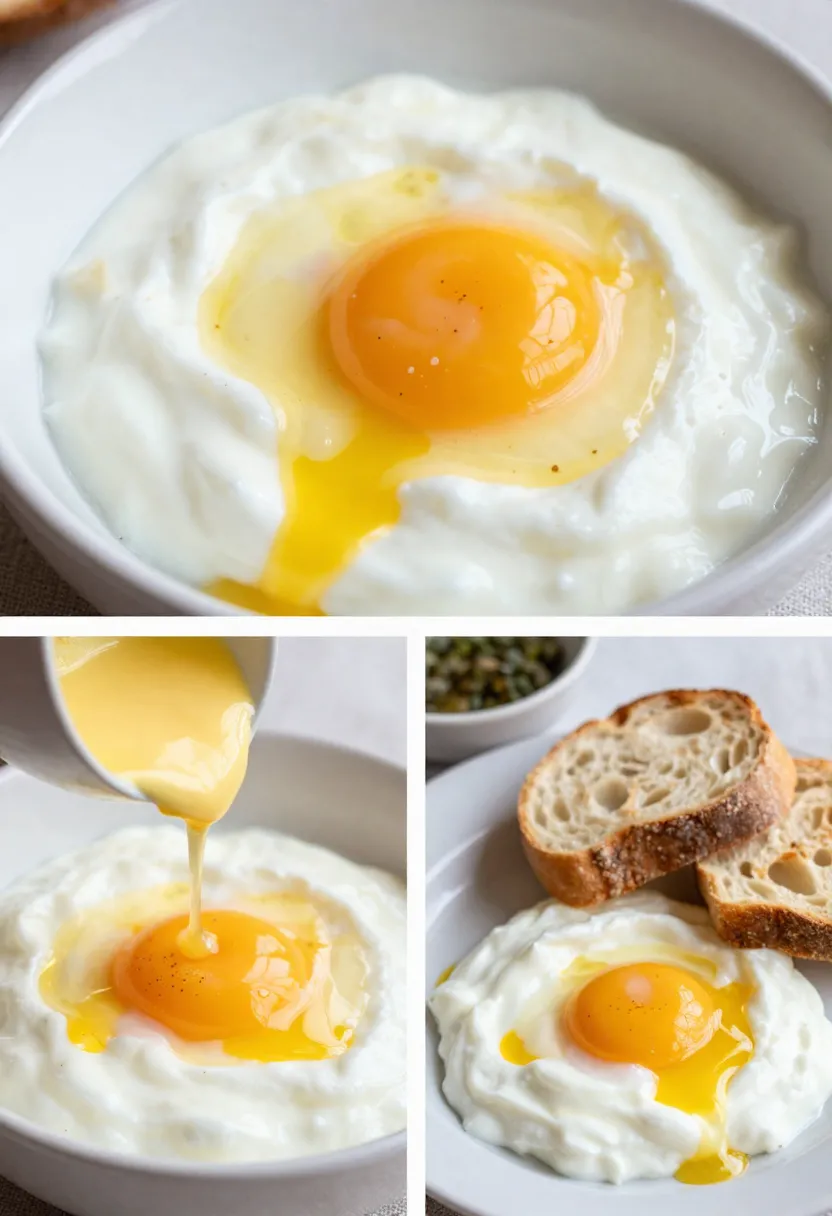
The butter brings another layer, this time through aroma and warmth rather than heat. When melted gently with spices, it adds depth and complexity without turning the dish into something heavy or overpowering. The spice is noticeable, but it stays in the background, supporting the other flavors rather than dominating them.
Garlic plays a subtle role throughout the dish. You can taste it, but it never takes over. It adds savory depth without sharpness. Fresh herbs serve a similar purpose. They are not included simply for color or decoration; they bring brightness that cuts through the richness and keeps each bite feeling fresh.
Bread completes the experience in a very practical way. It allows you to scoop up yogurt and egg yolk, catch the butter, and eat more intuitively. Without bread, the dish would feel unfinished, as though an important part of the interaction between flavors was missing.
Altogether, the balance feels natural rather than engineered. Each component has a purpose, and none of them try to compete for attention. The result is a dish that feels filling without being heavy and satisfying without being overwhelming.
Simple Food with Real Roots 🌿🥖
Long before Turkish eggs became something associated with brunch culture or food photography, they were simply a part of everyday life. This was a dish made in ordinary kitchens, often without a written recipe, using ingredients that were already on hand.
People cooked it the same way they cooked many other daily meals: by relying on habit, taste, and what felt right at the moment. Eggs were poached while yogurt was prepared, butter melted gently on the stove, and everything came together without much ceremony.
That sense of practicality is still present in the dish today. Nothing about çılbır feels staged or overly designed. It does not depend on precise measurements or perfect presentation. It was never meant to be impressive; it was meant to be nourishing and satisfying.
As the dish passed from one household to another, it changed in small, natural ways. Different families adjusted it based on preference, availability, and habit. For example:

- some preferred mint, while others leaned toward dill
- some liked their yogurt very thick, others kept it softer
- some added noticeable spice, others kept it mild
- some finished the dish with olive oil, while others skipped it
None of these variations were considered wrong. There was no single standard version that everyone followed. The dish adapted quietly to the people making it.
That flexibility is a big part of why Turkish eggs still feel relevant today. They do not require strict rules or special equipment. They fit easily into real kitchens and real routines. As long as the balance feels right to the person eating it, the dish works.
In a time when many recipes feel overworked and overexplained, çılbır remains refreshingly grounded. It is practical, forgiving, and deeply connected to everyday life. And often, that is exactly what makes people come back to it again and again.
Recipe: Turkish Eggs with Creamy Yogurt and Spiced Butter 🍳💛
This recipe for Turkish eggs, also known as çılbır, is meant to feel approachable rather than intimidating. It’s not about exact seconds on a timer or trying to recreate a restaurant plate at home. Instead, it focuses on letting a few simple ingredients come together in a way that feels relaxed, familiar, and genuinely comforting.
What makes this dish special is the balance. You get cool, tangy yogurt as a base, softly poached eggs with yolks that stay tender and runny, and warm butter gently infused with spice. None of these elements are complicated on their own, but together they create something that feels thoughtful and complete. This is not a recipe that benefits from rushing. Taking your time, even just a little, makes a noticeable difference.
Turkish eggs are also surprisingly flexible. They work just as well for a slow, quiet breakfast as they do for a casual brunch with friends. On days when you don’t feel like cooking a full dinner, they can easily become a light evening meal that still feels satisfying. Add good bread on the side, and the dish turns into something you can truly settle into, not just eat and forget.
If there’s one thing this recipe encourages, it’s slowing down. Not dramatically, not ceremoniously — just enough to enjoy the process and the result. Turkish eggs aren’t flashy, but they’re deeply comforting, and that’s exactly why people keep coming back to them.
Ingredients (for two generous servings)
- 4 large, fresh eggs
- 1 cup thick, full-fat yogurt
- 1 small garlic clove, finely grated
- 1 tablespoon lemon juice
- 2 tablespoons unsalted butter
- 1 teaspoon Aleppo pepper or mild chili flakes
- Salt, to taste
- Freshly ground black pepper, to taste
- Fresh dill or mint, finely chopped
- Olive oil (optional)
- Warm bread, for serving

Step-by-Step Instructions
- Prepare the yogurt base
It’s best to start with the yogurt so it has time to settle and develop flavor while you work on the rest of the dish. In a medium bowl, add the yogurt, finely grated garlic, lemon juice, and a small pinch of salt. If you like a slightly rounder, smoother texture, add a light drizzle of olive oil as well.Stir everything together until the yogurt becomes creamy and uniform, without any visible streaks. Take a moment to taste it. At this stage, small adjustments matter more than big ones. You might want a touch more salt, or just a few extra drops of lemon juice to brighten it up. The goal is balance — the yogurt should taste fresh and savory, not sharp or overpowering.
Once it tastes right, set the bowl aside. There’s no need to refrigerate it again; letting it rest at room temperature actually helps the flavors open up.
- Bring the water to a gentle simmer
Choose a wide saucepan rather than a deep one, as it gives the eggs more space and makes them easier to handle. Fill it with water and place it over medium heat.You’re looking for a gentle simmer here, not a rolling boil. The water should be hot, with small bubbles slowly rising to the surface, but still calm. This steady heat helps the egg whites set properly without breaking apart or turning tough.
Rushing this step often leads to messy poached eggs, so it’s worth taking a minute to get the temperature just right.
- Poach the eggs
Once the water is simmering, add a small splash of vinegar. This helps the egg whites hold together, especially if the eggs aren’t extremely fresh.Crack each egg into a small bowl or cup first. This makes it much easier to slide the egg gently into the water and avoids broken yolks. Carefully lower each egg into the simmering water, keeping some space between them.
Let the eggs cook quietly for about three minutes. During this time, the whites should set fully while the yolks remain soft and runny. Avoid stirring or disturbing the water too much; a calm environment gives the best results.
When the eggs are ready, lift them out with a slotted spoon and let any excess water drain off briefly. Set them aside while you finish the dish.
- Prepare the spiced butter
While the eggs are cooking, melt the butter in a small pan over low heat. This step is quick, but it’s important to keep an eye on it. Butter can go from melted to browned very fast, and for this dish, you want it warm and fragrant, not nutty or bitter.As soon as the butter is fully melted and just beginning to foam, remove the pan from the heat. Stir in the Aleppo pepper or chili flakes right away. The warmth of the butter will release the aroma of the spice without burning it.
The butter should turn a soft golden-orange color and smell inviting, with gentle warmth rather than sharp heat.
- Assemble the dish
Spoon the yogurt generously onto plates or shallow bowls, spreading it into an even layer. Don’t be shy here — the yogurt is the foundation of the dish.Carefully place the poached eggs on top of the yogurt, spacing them comfortably so they don’t crowd each other. This also makes the final presentation feel more relaxed and intentional.
- Finish and serve
Spoon the warm spiced butter over the eggs and yogurt, letting it drip naturally across the plate. There’s no need to be precise; part of the charm is how the butter finds its own way.Finish with chopped fresh herbs, a few turns of freshly ground black pepper, and a light sprinkle of flaky salt. Serve immediately, while the contrast between cool yogurt and warm eggs is at its best. Warm bread on the side is essential for scooping up every bit.
Helpful Tips and Small Kitchen Hacks 💡
A few simple details can make the process smoother and the result even better:
- Letting the yogurt sit at room temperature for a few minutes before serving helps prevent the flavors from tasting flat or muted.
- Fresher eggs are noticeably easier to poach and hold their shape better in the water.
- Keeping the butter on low heat avoids bitterness and preserves its aroma.
- If you’re cooking for several people, you can poach the eggs in advance and gently reheat them in hot (but not boiling) water just before serving.
Variations That Still Feel Authentic 🌈
One of the reasons Turkish eggs are so easy to love is their flexibility. This dish leaves room for personal taste without losing its identity. You don’t need to follow a strict formula, but there is one important idea to keep in mind: balance always comes first. As long as that balance stays intact, small changes feel natural rather than forced.
Spice is usually the first thing people want to adjust. If you enjoy a bit more heat, the butter is the safest place to do it. Chili oil, a spoonful of harissa, or extra chili flakes can add warmth and depth without interfering with the yogurt or eggs. The goal isn’t to make the dish spicy, but to give it a gentle edge that lingers in the background.

If smoky flavors appeal to you, smoked paprika is an easy and effective option. It adds complexity without changing the structure of the dish. The smokiness pairs especially well with creamy yogurt and soft egg yolks, making the whole plate feel a little deeper and more rounded.
Vegetable additions work best when they stay simple and understated. Lightly sautéed mushrooms or gently wilted spinach add texture and substance, especially if you’re serving Turkish eggs later in the day. These additions should feel supportive rather than dominant, blending into the dish instead of competing with it.
For those avoiding animal products, Turkish eggs can be adapted in a way that still feels familiar. Roasted chickpeas bring warmth and texture, while silken tofu offers a soft, creamy element that echoes the texture of poached eggs. Olive oil or mild chili oil can replace butter without making the dish feel heavy. When choosing a plant-based yogurt, thickness and neutrality matter most — unsweetened varieties work best.
Dairy-free versions follow a similar logic. A thick, unsweetened yogurt alternative keeps the tangy foundation intact, while oil-based sauces replace butter. With careful choices, the dish remains balanced and recognizable.
Some variations people enjoy experimenting with include:
- adding a spoonful of labneh to the yogurt for extra richness
- finishing with toasted seeds or nuts for subtle texture
- incorporating roasted vegetables like cherry tomatoes or eggplant
- adjusting herbs based on season or availability
No matter the variation, the dish works best when it stays calm and restrained. Turkish eggs are not meant to be overloaded. Small, thoughtful adjustments are always more effective than dramatic changes.
How to Serve Turkish Eggs Beyond Breakfast 🕰️
Although Turkish eggs are often labeled as a breakfast dish, they are surprisingly versatile and work well throughout the day. In many ways, they shine even more when served outside traditional breakfast hours.
As a lunch, Turkish eggs feel comforting and nourishing without being heavy. They provide enough protein and richness to be satisfying, while the yogurt keeps everything feeling light. Paired with good bread and perhaps a simple salad or sliced vegetables, they become a complete meal that doesn’t slow you down.
For dinner, this dish is ideal on evenings when you want something warm and homemade but don’t have the energy for a long cooking session. Turkish eggs come together quickly, yet they still feel intentional. They are especially appealing after a busy day, when simplicity matters more than presentation.

On a brunch table, Turkish eggs fit in effortlessly. Served alongside olives, fresh vegetables, soft cheeses, and hot tea, they encourage sharing and slow eating. They don’t dominate the table, but they quietly draw people in, often becoming the dish everyone reaches for again.
Turkish eggs work well in many settings, including:
- a relaxed weekend brunch with friends
- a quiet solo lunch at home
- a light but comforting dinner
- a shared table with small plates and bread
What makes them so adaptable is that they don’t demand a specific context. They adjust to your schedule, your appetite, and your surroundings. This flexibility is a big part of their lasting appeal.
Make-Ahead, Storage, and Practical Notes 🧊
While Turkish eggs are at their best when freshly assembled, some components can be prepared ahead of time without compromising quality. This makes the dish easier to fit into everyday routines, especially when cooking for more than one person.
The yogurt base can be made up to three days in advance and stored in an airtight container in the refrigerator. Allowing it to rest often improves the flavor, as the garlic and lemon mellow and blend more smoothly. Before serving, it helps to bring the yogurt closer to room temperature so its flavor and texture feel more open.
Poached eggs can also be prepared in advance if needed. Once cooked, they can be stored in cold water in the refrigerator for a short period. When it’s time to serve, gently reheating them in hot — but not boiling — water helps preserve the soft yolks.
The butter sauce is best prepared just before serving. Fortunately, it only takes a few minutes and fills the kitchen with a warm, inviting aroma. If reheating is necessary, it should always be done over very low heat to avoid burning the spices.
For the best result, it’s worth assembling the dish right before eating. That way, the contrast between cool yogurt, warm eggs, and melted butter remains exactly as intended.
Why This Dish Keeps Coming Back ❤️
In a food culture that constantly looks for the next new thing, Turkish eggs remain quietly consistent. They don’t rely on novelty, dramatic presentation, or complex techniques. Instead, they offer something far more enduring: comfort, balance, and familiarity.

This dish reminds us that food doesn’t have to be complicated to be meaningful. Sometimes, the meals that stay with us are the ones that feel simple, reliable, and grounding.
Turkish eggs are the kind of dish you return to not because they surprise you, but because they make sense. They fit into real life. They adapt to changing routines and preferences. And they continue to feel satisfying, even after many repeats.
Often, the best meals are not the ones that impress us once, but the ones we quietly come back to again and again — sometimes without even realizing why.