
Contents
- The Truth About HCG Supplements for Weight Loss
- Save
- Why HCG Became a Popular Weight Loss Supplement
- What HCG Actually Is
- How HCG Supplements Are Marketed for Weight Loss
- The Theory Behind HCG and Fat Burning
- The Role of the 500-Calorie Diet
- What Scientific Studies Show
- What Health Authorities Say
- Risks of Using HCG for Weight Loss
- Why the HCG Supplement Industry Still Exists
- Safer Alternatives to Hormone-Based Diets
- The Bottom Line on HCG Supplements for Weight Loss
The Truth About HCG Supplements for Weight Loss
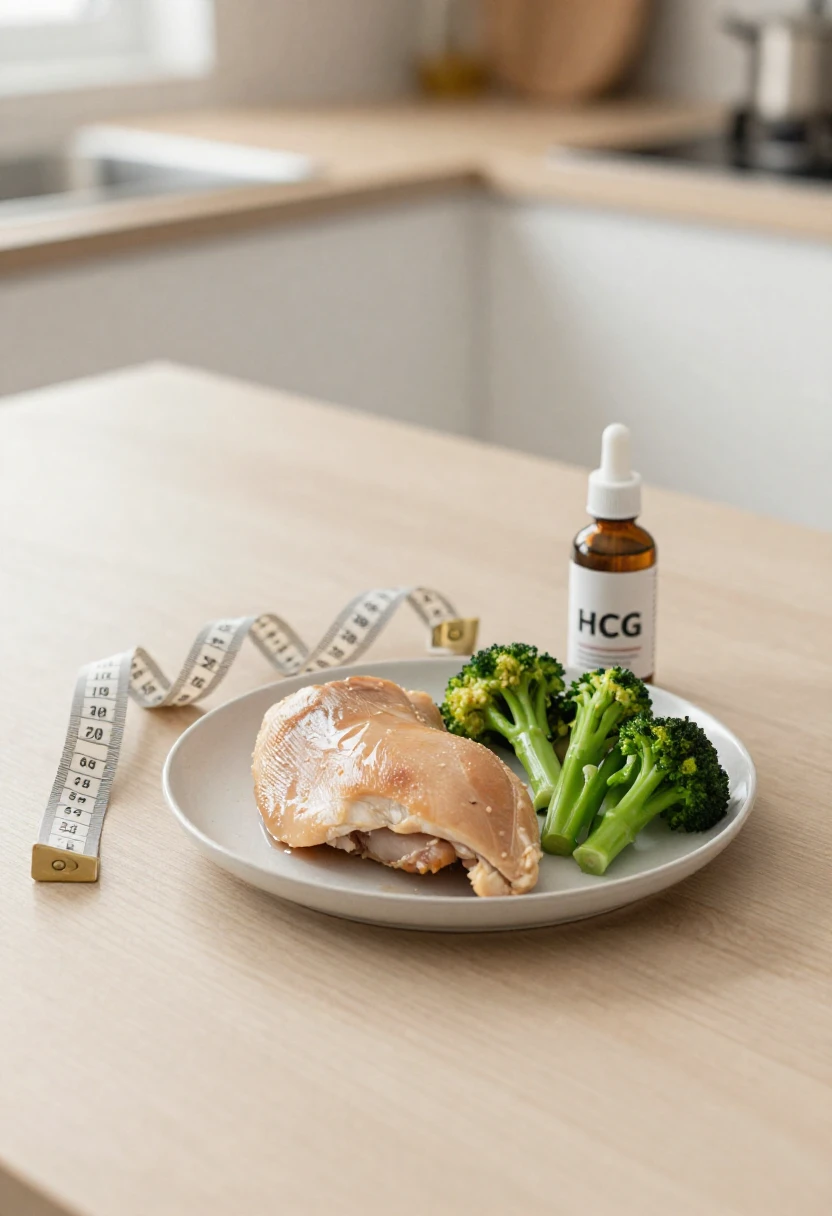
In the world of weight loss, new solutions appear almost every year — promising faster results, easier progress, and fewer sacrifices. From detox teas to metabolism boosters, the wellness industry is filled with products that claim to unlock the secret to rapid fat loss.
Among these trends, HCG supplements have gained surprising attention.
You might have seen them advertised as drops, sprays, pellets, or injections, often paired with bold promises: burn stubborn fat, control hunger, and lose significant weight in just a few weeks. For anyone frustrated by slow dieting progress, those claims can sound incredibly tempting.
The supplement behind these promises is human chorionic gonadotropin, commonly known as HCG. This hormone naturally occurs in the body during pregnancy and plays an important role in supporting fetal development. In medical settings, doctors sometimes use HCG for specific treatments, particularly in fertility medicine.
But when it comes to weight loss, the story becomes far more complicated.
Supporters of HCG supplements claim that the hormone helps the body release stored fat and reduces appetite, making rapid weight loss easier. Critics, however, argue that these products rely more on marketing than science.
In fact, many HCG weight-loss programs involve an extremely restrictive eating plan — often limiting daily intake to around 500 calories. This raises an important question that nutrition experts have been asking for decades:
Is the weight loss really coming from the hormone — or simply from eating far fewer calories than the body normally needs?
To answer that question, it helps to take a closer look at how HCG supplements became popular, what the science actually says, and why many health authorities warn consumers to approach these products with caution.
Because when it comes to weight loss supplements, understanding the difference between science and marketing can make all the difference.
Why HCG Became a Popular Weight Loss Supplement
The rise of HCG supplements for weight loss didn’t happen overnight. Like many wellness trends, it grew slowly — fueled by a combination of hopeful testimonials, persuasive marketing, and the universal desire for faster results.
For many people, weight loss can feel frustratingly slow. Weeks of healthy eating and regular exercise may lead to only small changes on the scale. In that context, a product that promises dramatic results in a short time can quickly attract attention.
That’s exactly what happened with HCG.
Originally, the hormone became associated with dieting through a program developed in the mid-20th century that combined HCG injections with an extremely low-calorie diet. The idea was that the hormone could help the body burn stored fat more efficiently while reducing hunger.
Over time, this concept evolved into a much larger market.
Today, HCG is often sold in a variety of supplement forms, including:
- liquid HCG drops
- oral pellets
- sprays
- injectable solutions offered by certain clinics
Many of these products are promoted as tools that can help accelerate fat loss or make strict diets easier to follow. Advertisements frequently highlight dramatic success stories, before-and-after photos, and claims of rapid weight reduction.
For someone searching for a breakthrough solution, these stories can be incredibly convincing.
Another factor behind the popularity of HCG supplements is the appeal of a scientific-sounding hormone. Because HCG is a real biological hormone used in medical treatments, it can make weight-loss claims appear more credible — even when the evidence supporting those claims is limited.
Add in the influence of social media, online diet communities, and specialized weight-loss clinics, and it becomes easier to see how the HCG trend has continued to circulate for decades.
But popularity doesn’t always equal effectiveness.
To understand the debate surrounding HCG supplements, the next step is to look at what the hormone actually is — and how it functions in the human body.
What HCG Actually Is

To understand the claims surrounding HCG supplements for weight loss, it helps to first look at what HCG actually is — and what it normally does in the body.
Human chorionic gonadotropin (HCG) is a hormone produced during pregnancy. Shortly after a fertilized egg attaches to the uterine lining, the body begins releasing HCG to help support the early stages of fetal development.
In fact, this hormone is so closely associated with pregnancy that most pregnancy tests work by detecting HCG levels in the body.
In medical practice, HCG also has several legitimate uses. Doctors sometimes prescribe it as part of fertility treatments, where it can help stimulate ovulation in women or support certain reproductive functions in men. Because of these clinical applications, HCG has long been studied and used under careful medical supervision.
However, the hormone’s connection to weight loss comes from a very different context.
Decades ago, some researchers suggested that HCG might influence how the body uses stored fat. This idea eventually led to diet programs combining HCG injections with severe calorie restriction. Over time, the concept expanded into the supplement market, where HCG began appearing in various over-the-counter forms.
Today, many products labeled as HCG weight loss supplements are sold as drops, sprays, or pellets. These products are often marketed with claims that they can help reduce appetite, boost metabolism, or target stubborn fat.
But there’s an important detail that many consumers don’t realize.
In many countries, including the United States, over-the-counter HCG supplements do not actually contain the real hormone. Instead, they are typically homeopathic products designed to mimic the idea of HCG rather than delivering medically active doses.
This distinction is one reason the topic has generated so much debate among health professionals.
To better understand the controversy, it’s helpful to look at how these supplements are marketed — and the promises often used to promote them.
How HCG Supplements Are Marketed for Weight Loss

One of the reasons HCG supplements continue to attract attention is the way they are marketed.
Many of these products are presented as part of a structured weight-loss program, often accompanied by compelling claims and dramatic success stories. Advertisements frequently promise rapid fat loss, reduced appetite, and the ability to target stubborn areas of body fat.
For people who have struggled with traditional dieting, those promises can feel incredibly appealing.
HCG products are typically sold in several different forms, including:
- HCG drops taken under the tongue
- oral pellets or tablets
- sprays designed for quick absorption
- injections offered through certain weight-loss clinics
These products are often paired with strict diet plans that emphasize very low calorie intake. Marketing materials may claim that the supplement helps the body burn stored fat for energy, making it easier to maintain such a restrictive eating plan.
Another common strategy used in advertising is the emphasis on before-and-after transformations. Photos and testimonials describing dramatic weight loss can create the impression that the supplement itself is responsible for the results.
However, these promotions rarely highlight an important detail: most HCG-based weight-loss programs require participants to follow extremely low-calorie diets, often around 500 calories per day.
When calorie intake drops this dramatically, weight loss can happen quickly — regardless of whether a supplement is involved.
Still, the presence of a hormone-related product can make the program feel more advanced or scientifically grounded. For many consumers, that perception adds an extra layer of credibility to the claims.
To understand why these marketing messages have been so persuasive, it helps to examine the theory behind HCG and fat burning — and what supporters say the hormone is supposed to do.
The Theory Behind HCG and Fat Burning
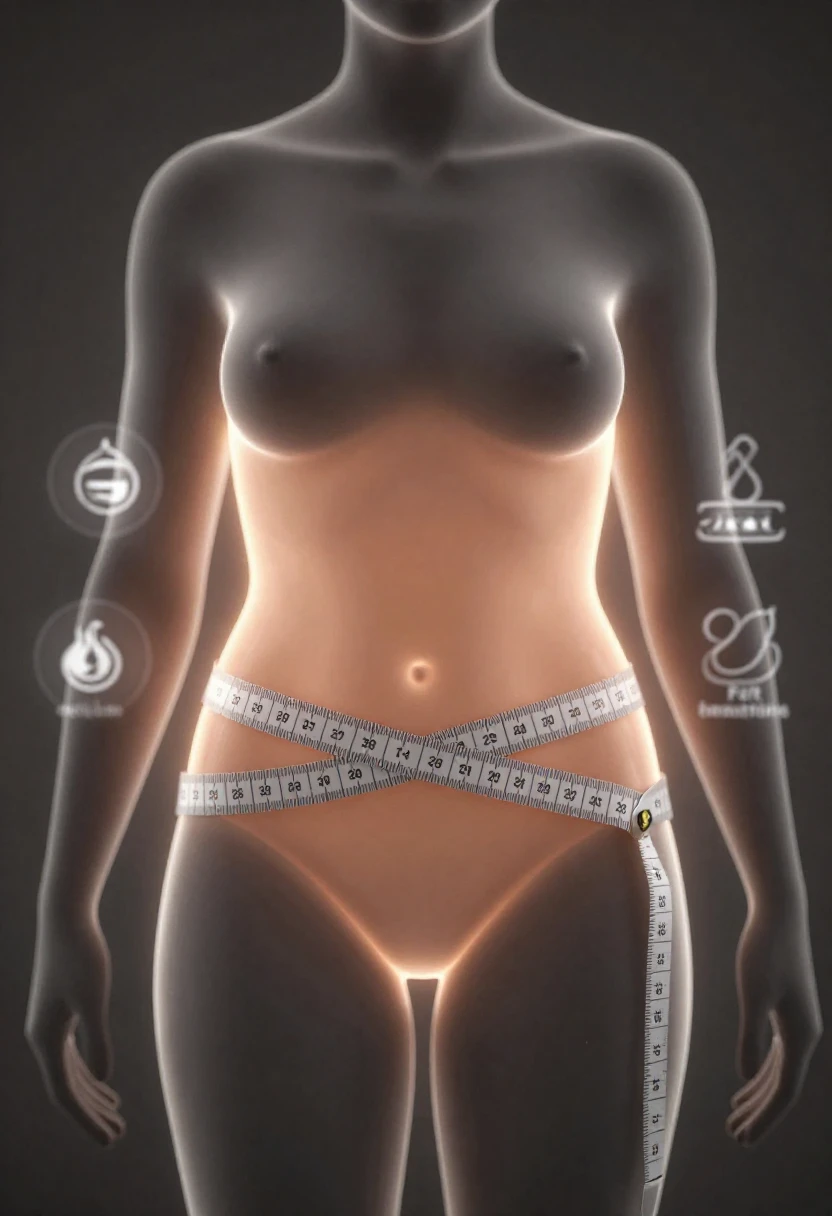
Supporters of HCG supplements for weight loss often rely on a specific theory about how the hormone is supposed to affect the body.
According to this idea, HCG helps the body access and use stored fat as an energy source, particularly fat that tends to accumulate in stubborn areas such as the abdomen, hips, and thighs. Proponents suggest that this process allows the body to function normally even while consuming very few calories.
In theory, the hormone acts as a kind of metabolic signal, encouraging the body to release fat reserves while reducing feelings of hunger. This combination, supporters claim, makes it easier to follow the extremely restrictive diets often associated with HCG programs.
Some marketing materials even describe HCG as a way to “reset the metabolism.” The idea is that by mobilizing stored fat and stabilizing appetite, the body may supposedly shift into a more efficient fat-burning state.
These claims have helped build the reputation of HCG as something more than just another diet supplement. For many people, it sounds like a scientifically backed shortcut — a way to lose weight quickly without experiencing the intense hunger that usually comes with severe calorie restriction.
However, there is an important distinction between theories and scientific evidence.
While the concept of hormone-assisted fat loss may sound convincing, researchers have spent decades testing whether HCG actually produces these effects in controlled studies.
And when scientists began examining the diet closely, they noticed something significant: most HCG programs involve another factor that strongly influences weight loss — an extremely low-calorie diet.
Understanding the role of that diet is key to understanding the entire controversy surrounding HCG supplements.
The Role of the 500-Calorie Diet
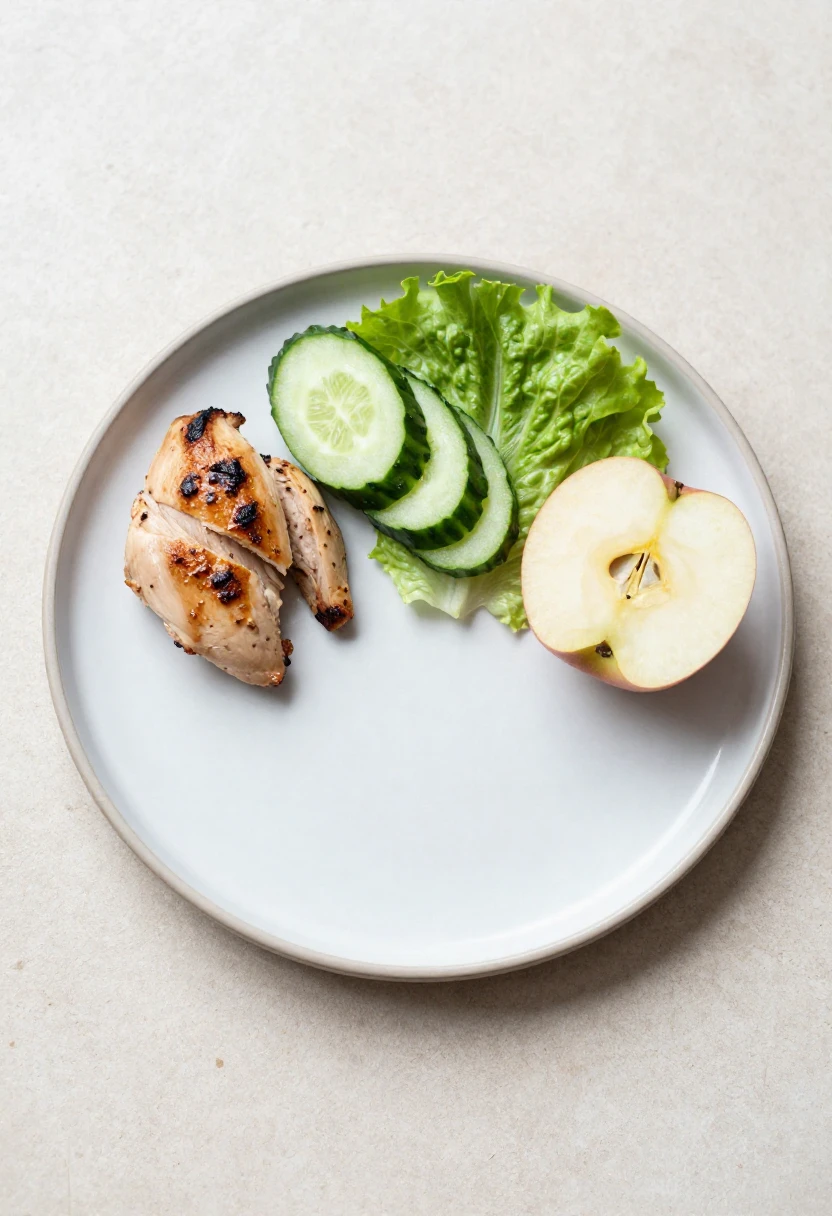
One detail that often gets less attention in discussions about HCG supplements is the diet that usually accompanies them.
Most HCG weight-loss programs require participants to follow an extremely restrictive eating plan, often limiting daily intake to around 500 calories. This level of calorie restriction is far below what most adults need for normal daily functioning.
To put it in perspective, many health guidelines suggest that adults typically require 1,600 to 2,500 calories per day, depending on factors such as age, sex, and physical activity. Reducing intake to just 500 calories creates a severe energy deficit.
When the body receives far fewer calories than it needs, it begins using stored energy — including fat — to compensate. As a result, rapid weight loss can occur regardless of whether a supplement is involved.
A typical day on this type of diet might include:
- a small portion of lean protein such as chicken or fish
- a limited selection of vegetables
- one or two servings of fruit
- very little fat or carbohydrates
The total amount of food is carefully controlled to stay within the strict calorie limit.
Because of this dramatic reduction in energy intake, many experts argue that the weight loss associated with HCG programs is primarily the result of extreme calorie restriction, not the supplement itself.
This is an important distinction.
If people lose weight while following a 500-calorie diet, it doesn’t necessarily mean the hormone or supplement is responsible. The same level of calorie restriction would likely produce weight loss even without HCG.
To investigate this question more carefully, researchers have conducted numerous studies comparing people who follow the HCG diet with those who follow the same low-calorie diet without the hormone.
The results of those studies have played a major role in shaping the current scientific understanding of HCG and weight loss.
What Scientific Studies Show

Because the claims surrounding HCG supplements for weight loss are so bold, researchers have spent decades trying to determine whether the hormone truly influences fat loss.
To test this, scientists conducted controlled studies comparing two groups of people: those following a very low-calorie diet with HCG, and those following the same diet with a placebo — a treatment that contains no active hormone.
If HCG truly helped the body burn fat or suppress hunger, researchers expected to see a noticeable difference between the two groups.
But the results told a different story.
Across many studies, participants lost weight while following the strict diet, but the amount of weight lost was nearly identical whether they received HCG or a placebo. In other words, the hormone itself did not appear to produce additional weight-loss benefits.
Researchers also examined other claims associated with HCG programs, including reduced hunger, improved fat distribution, and better preservation of muscle mass. Again, the evidence did not show consistent support for these effects.
What these findings suggest is fairly straightforward: when people consume extremely low amounts of calories — such as 500 calories per day — weight loss is expected to occur regardless of whether a supplement is used.
As a result, many scientists have concluded that HCG does not play a meaningful role in the weight-loss process within these programs.
These conclusions have influenced the position of several health authorities and regulatory agencies, many of which caution consumers about products marketed as HCG weight-loss supplements.
Understanding what these organizations say about the supplement can help clarify why the topic remains so controversial.
What Health Authorities Say

As research on HCG supplements for weight loss accumulated over the years, health authorities began reviewing the evidence and issuing guidance for consumers.
One of the most frequently cited positions comes from the U.S. Food and Drug Administration. The agency has stated that HCG is not approved for weight loss and that products marketed for this purpose may be misleading.
According to the FDA, there is no reliable scientific evidence showing that HCG helps people lose weight, burn fat more effectively, or reduce hunger when used as part of a diet plan.
The agency has also warned consumers about many over-the-counter products labeled as HCG drops, sprays, or pellets. In many cases, these products are marketed as homeopathic remedies and may not contain medically active levels of the hormone.
Another major concern raised by health authorities is the extreme calorie restriction commonly associated with HCG diet programs. Eating around 500 calories per day can lead to a variety of health risks, especially when the diet is followed without medical supervision.
Some potential concerns include:
- nutrient deficiencies
- fatigue and weakness
- electrolyte imbalance
- loss of muscle mass
- increased risk of gallstones during rapid weight loss
Because of these risks, many medical organizations emphasize that very low-calorie diets should only be used under professional guidance when medically necessary.
This doesn’t mean that people never lose weight while following HCG programs — rapid weight loss can certainly occur when calorie intake is severely restricted. But according to health authorities, the results are far more likely to be caused by the diet itself rather than the hormone.
And when extreme dieting enters the picture, the potential risks become an important part of the conversation.
Risks of Using HCG for Weight Loss

Even though HCG supplements are often marketed as a fast and effective solution for weight loss, many health experts emphasize that the approach may come with several risks — particularly when it involves severe calorie restriction.
Because most HCG-based programs limit daily intake to about 500 calories, the body may struggle to receive the nutrients it needs to function properly. Over time, this can lead to a range of physical and metabolic challenges.
One of the most common concerns is nutrient deficiency. When food intake is extremely limited, it becomes difficult to consume adequate amounts of vitamins, minerals, healthy fats, and protein. This lack of nutrients can contribute to fatigue, dizziness, headaches, and weakened immunity.
Another potential issue is loss of muscle mass. When the body receives too little energy, it may begin breaking down muscle tissue along with fat stores to maintain basic functions. Losing muscle can slow metabolism and make long-term weight management more difficult.
Rapid weight loss can also increase the risk of gallstones, a condition sometimes associated with sudden changes in body weight. In addition, severe calorie restriction may lead to electrolyte imbalances, which can affect heart rhythm and overall health if not monitored carefully.
Some people also experience emotional and psychological effects while following extremely restrictive diets. Constant hunger, strict food rules, and rapid weight fluctuations can create stress and contribute to an unhealthy relationship with food.
For these reasons, many medical professionals caution against using hormone-based or extremely restrictive dieting methods without proper medical supervision.
Yet despite these warnings, the HCG supplement industry continues to attract interest and customers around the world.
Understanding why this trend persists can help explain why the debate around HCG has lasted for so many years.
Why the HCG Supplement Industry Still Exists

Given the scientific skepticism and health warnings surrounding HCG supplements for weight loss, it might seem surprising that the industry continues to thrive.
Yet the answer lies in a combination of marketing, psychology, and the universal desire for faster solutions.
Weight loss is rarely a simple journey. Many people try multiple diets, exercise plans, and wellness programs before finding something that works for them. When progress feels slow or inconsistent, the promise of a quick and dramatic transformation can become incredibly appealing.
This is where products like HCG supplements often gain attention.
Marketing campaigns frequently highlight personal testimonials and striking before-and-after photos. These stories can create a powerful impression, suggesting that the supplement itself was responsible for the results. In reality, the strict calorie restriction that usually accompanies these programs plays a much larger role.
Another factor is the appeal of scientific language. Because HCG is a real hormone used in medical treatments, products associated with it can appear more legitimate or advanced than typical diet supplements.
Online communities and social media platforms also help keep the trend alive. Personal success stories spread quickly, and people searching for weight-loss solutions may encounter enthusiastic recommendations from others who have tried the program.
Specialized clinics and coaching programs sometimes add another layer of credibility by presenting HCG-based plans as structured medical approaches to weight management.
All of these factors contribute to the ongoing visibility of HCG supplements, even though the scientific evidence supporting them remains limited.
For individuals seeking a healthier and more sustainable way to lose weight, however, many experts suggest looking beyond quick-fix solutions and focusing on strategies that support long-term wellbeing.
Safer Alternatives to Hormone-Based Diets

For anyone considering HCG supplements for weight loss, many health professionals recommend stepping back and exploring approaches that are both safer and more sustainable.
Weight loss doesn’t need to rely on hormones, extreme diets, or restrictive programs to be effective. In fact, the strategies most consistently supported by research are often the simplest ones — gradual lifestyle changes that can be maintained over time.
One of the most widely recommended approaches is creating a moderate calorie deficit. Instead of drastically reducing food intake, this method focuses on slightly lowering daily calories while still providing the body with enough energy and nutrients to function properly.
Combined with balanced nutrition and regular activity, this approach typically leads to steady weight loss without the intense stress placed on the body by extreme dieting.
Nutrition experts often emphasize the importance of whole, nutrient-dense foods, such as:
- vegetables and fruits
- lean proteins like fish, chicken, or legumes
- whole grains
- healthy fats from sources like nuts, seeds, and olive oil
These foods help support metabolism, maintain muscle mass, and provide longer-lasting energy throughout the day.
Physical activity also plays an important role in sustainable weight management. Regular movement — whether it’s walking, strength training, cycling, or yoga — can help improve metabolic health while supporting overall wellbeing.
Another key factor is consistency. Unlike crash diets that focus on rapid short-term results, sustainable weight management usually develops gradually through daily habits that become part of everyday life.
Over time, these small but consistent changes can lead to meaningful improvements in both body composition and overall health.
And when we look at the broader discussion surrounding HCG supplements, this contrast becomes clear: while quick solutions may sound appealing, the most reliable path to long-term results tends to involve balanced nutrition, steady habits, and patience.
This brings us to the final and most important takeaway about HCG supplements and weight loss.
The Bottom Line on HCG Supplements for Weight Loss

The story of HCG supplements for weight loss reflects a pattern that appears again and again in the wellness industry: a promising idea gains attention, spreads through testimonials and marketing, and sparks curiosity among people searching for faster ways to reach their health goals.
At first glance, the concept behind HCG can sound convincing. A hormone linked to metabolism and fat storage, combined with a structured diet plan, seems like it could offer a scientific shortcut to weight loss.
But when researchers have carefully examined the evidence, the results have been far less dramatic.
Most studies show that the weight loss associated with HCG programs is largely explained by extreme calorie restriction, not by the hormone or supplement itself. When people consume around 500 calories per day, the body naturally begins using stored energy to compensate — leading to rapid changes on the scale.
Health authorities have therefore cautioned consumers about relying on HCG products marketed for dieting, especially when those programs involve very restrictive eating plans.
This doesn’t mean the desire for effective weight-loss strategies is misplaced. Many people simply want a method that works and feels manageable in their daily lives.
The challenge is that lasting progress usually doesn’t come from dramatic shortcuts.
Instead, the most reliable path tends to involve gradual changes that support overall wellbeing — balanced meals, regular physical activity, adequate rest, and habits that can be maintained over time.
While these approaches may not promise instant transformations, they are far more likely to lead to results that last.
And in the long run, sustainable health is rarely about finding the fastest solution — it’s about building habits that allow the body to thrive.