Contents
New Year’s Eve is a very specific kind of evening, and most people instinctively feel it as soon as the day begins.
It rarely starts with noise or excitement. More often, it unfolds slowly and calmly. Guests arrive without rushing, coats end up on chairs or the back of the sofa, and soft music plays somewhere in the background. Conversations overlap, then drift apart, then come together again. Someone pours the first drink, someone checks the oven, and someone inevitably wanders into the kitchen just to see what’s happening.
At some point, food naturally takes its place at the center of the evening.
Not in an overwhelming or theatrical way, but in a quiet, steady manner. It becomes the common thread that connects people throughout the night. Guests return to the table more than once, pause to taste something new, comment on a dish, and then drift back into conversation. Food becomes part of the rhythm of the evening rather than a single, fixed moment.
What truly sets New Year’s Eve apart from other holidays is the lack of rigid expectations. There is no universal menu and no single dish that everyone agrees must be served. Unlike traditional celebrations with clearly defined food rules, this night allows for much more freedom.🎆🍽️
And yet, despite that freedom, people still approach New Year’s Eve cooking with particular care.
They tend to think longer about what to prepare.
They choose dishes more deliberately.
They often gravitate toward food that feels meaningful, even if they wouldn’t describe it that way.
This happens because what we eat on this night often feels symbolic. The menu becomes a quiet reflection of hopes for the year ahead. Some dishes are chosen because they are associated with luck or prosperity. Others because they bring comfort and familiarity. Some because they look impressive on the table, and others simply because they have always been part of the celebration.
The most successful New Year’s Eve menus don’t rely on just one of these ideas. Instead, they combine symbolism, comfort, elegance, and practicality without turning cooking into a source of stress.
That balance is exactly what this article focuses on.
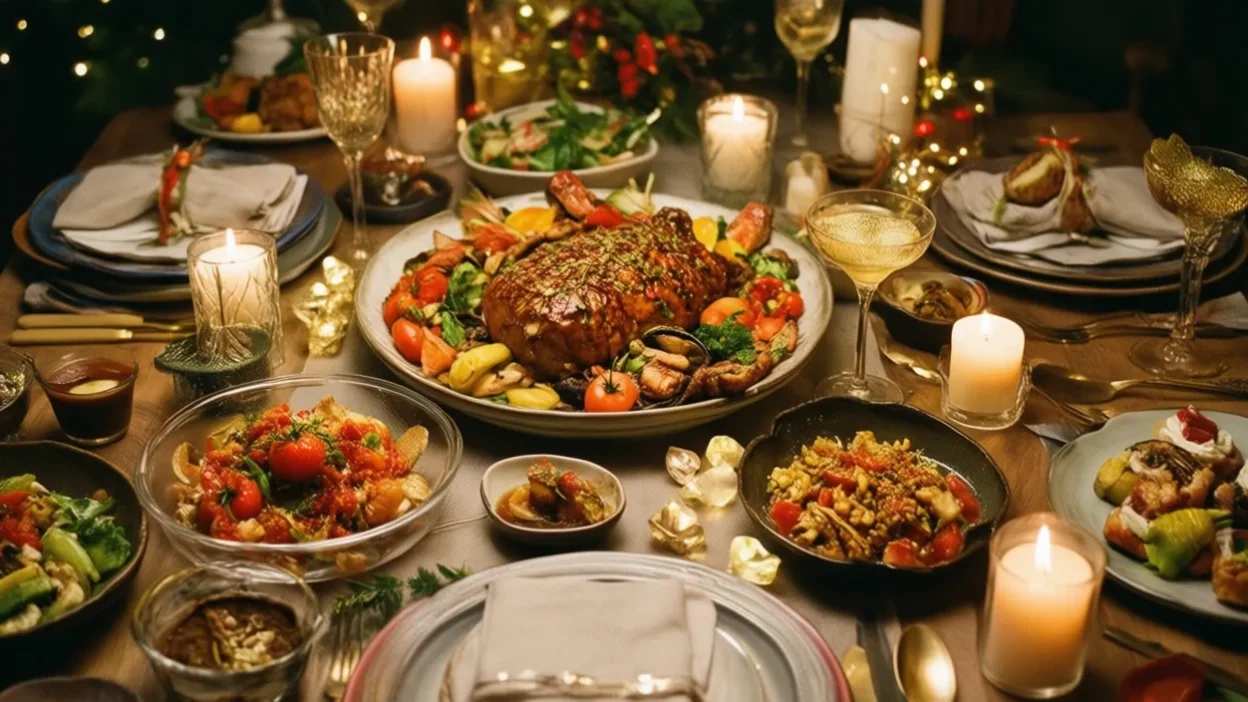
Below, you’ll find ten dishes that work especially well together on New Year’s Eve. They are not meant to compete for attention or overwhelm the table. Each one plays its own role. Some can be prepared ahead of time and quietly support the rest of the menu. Others are served fresh and briefly take center stage. Together, they create a table that feels thoughtful, generous, and complete.
This is not a strict plan you are required to follow. Think of it as a flexible and realistic guide that can be adjusted to fit your celebration, whether you are hosting a lively gathering or spending the evening with a small group of people you truly enjoy being around. 🥂
How to Think About a New Year’s Eve Menu Before You Start Cooking 🕯️
Before diving into specific recipes, it helps to take a step back and think about how New Year’s Eve actually unfolds.
This is not a short dinner with a clear beginning and end. It is a long evening during which people eat gradually. Guests snack while talking, return to the table several times, pause eating to refill drinks, and often come back for something sweet after midnight.
Because of this, the menu should be designed to feel flexible rather than rigid.
A well-balanced New Year’s Eve table usually includes:
- one grounding, comforting dish that anchors the entire meal
- one clear main dish that signals celebration
- a few versatile side dishes that work with everything else
- something light and easy for grazing throughout the evening
- and something sweet to gently close the year
This is not the night to impress anyone with complicated techniques or difficult recipes. New Year’s Eve cooking works best when the focus is on good timing, thoughtful pacing, and an atmosphere that feels relaxed and welcoming.
With that mindset in place, it becomes much easier to choose dishes that truly work for the evening rather than against it.
Now, let’s move on to the food itself. 🍽️✨
1. Lucky Lentil Stew with Italian Sausage 🥣🍀
Lentils have been part of New Year’s celebrations for centuries, and their popularity is not only about flavor. Their small, round shape is often compared to coins, which is why lentil dishes are traditionally linked to prosperity and financial abundance in the year ahead. Even for people who don’t actively follow food traditions, this symbolism tends to linger in the background and gives the dish a sense of purpose.
Beyond tradition, lentil stew simply works on a cold winter evening. It is the kind of food that feels steady and reassuring, especially when the celebration stretches late into the night. A pot of lentils simmering on the stove adds warmth to the house long before the dish ever reaches the table.
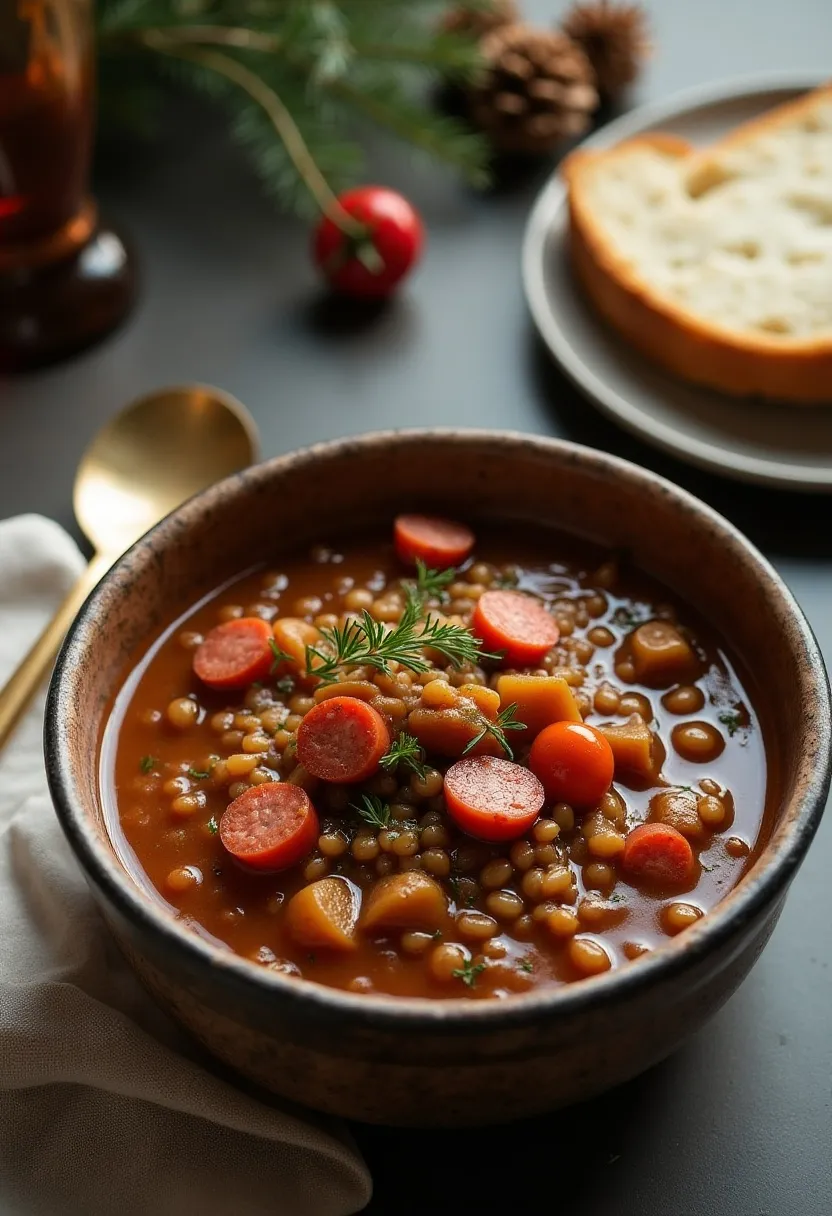
This dish earns its place on a New Year’s Eve menu because it checks several important boxes at once:
- it is filling without being overly heavy
- it keeps guests comfortable over a long evening
- it can be prepared ahead of time and reheated without losing quality
Italian sausage brings everything together. Its seasoning and richness add depth, turning lentils from a humble staple into something that feels intentional and festive. The flavors have time to blend, and the result is a dish that supports the rest of the menu quietly but confidently.
Cooking tip: take your time with the beginning. Properly browning the sausage and allowing the vegetables to soften fully creates a strong flavor base. Right before serving, a small splash of vinegar or wine helps brighten the stew and prevents it from tasting too heavy.
2. Beef Tenderloin Roast as the Main Event 🥩✨
Some dishes immediately change the energy at the table, and beef tenderloin is one of those rare examples. It doesn’t rely on bold seasoning or complicated preparation to feel special. Instead, it stands out through simplicity and quality.
When cooked properly, beef tenderloin is exceptionally tender and clean in flavor. It feels luxurious, but never overwhelming, which makes it especially well suited for New Year’s Eve, when the table already includes a variety of dishes and textures. This is often the moment when the celebration slows down slightly, and people gather closer to the table.
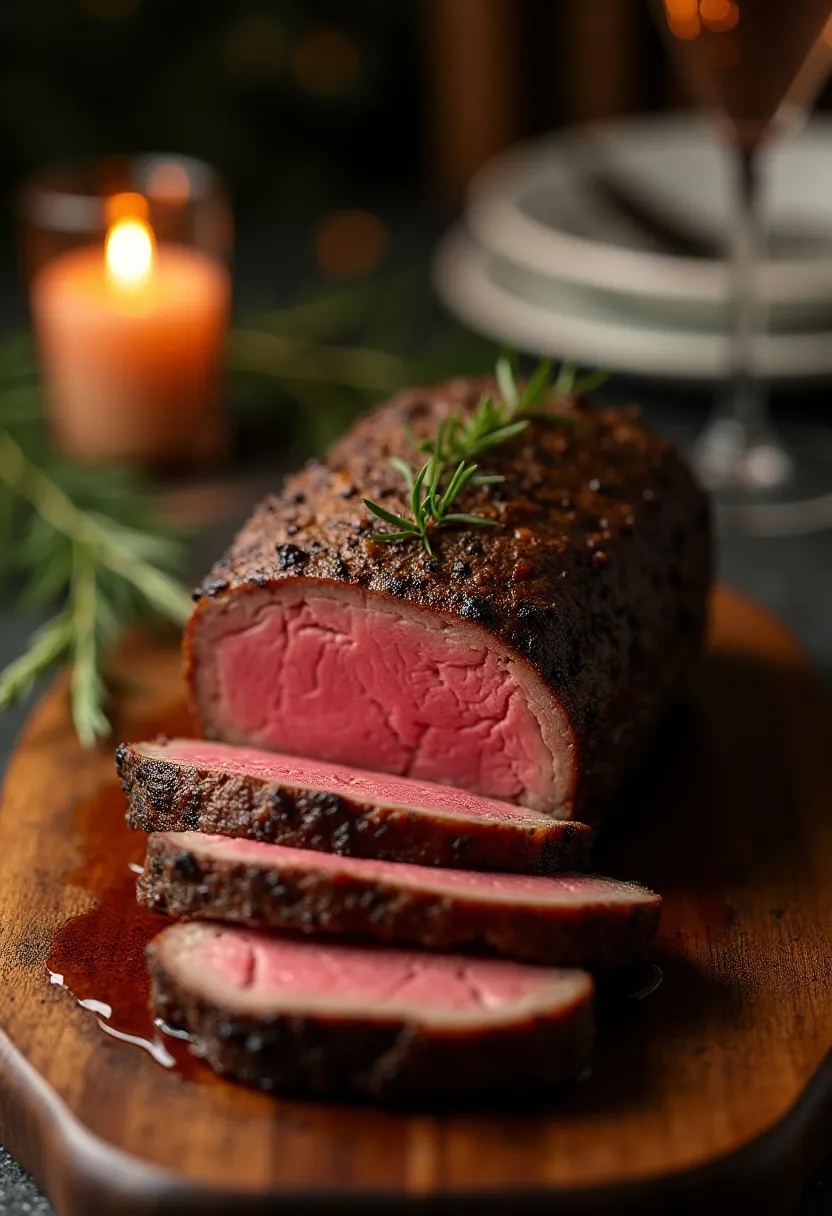
Beef tenderloin works so well as a centerpiece because:
- it pairs easily with both rich and lighter side dishes
- it looks impressive without elaborate presentation
- it creates a clear focal point for the meal
Another advantage is flexibility. The meat itself doesn’t demand a strong sauce, which allows guests to enjoy it as-is or customize it with simple accompaniments if they wish.
Cooking tip: patience matters more than anything else. Let the meat come to room temperature before cooking, and always allow it to rest afterward. Skipping this step almost always leads to dry meat, while proper resting keeps the roast juicy and tender when sliced.
3. Smoked Salmon Platter for Effortless Elegance 🐟
Smoked salmon is one of the most practical yet elegant choices for a New Year’s Eve menu. It requires very little preparation, but it instantly makes the table feel more refined. This balance between effort and result is exactly what many hosts are looking for on a busy evening.
The beauty of a smoked salmon platter is that it adapts to the rhythm of the night. Guests enjoy it early on, return to it later, and often snack on it casually while talking or waiting for the next course. Its lightness makes it easy to enjoy without spoiling the appetite for main dishes.
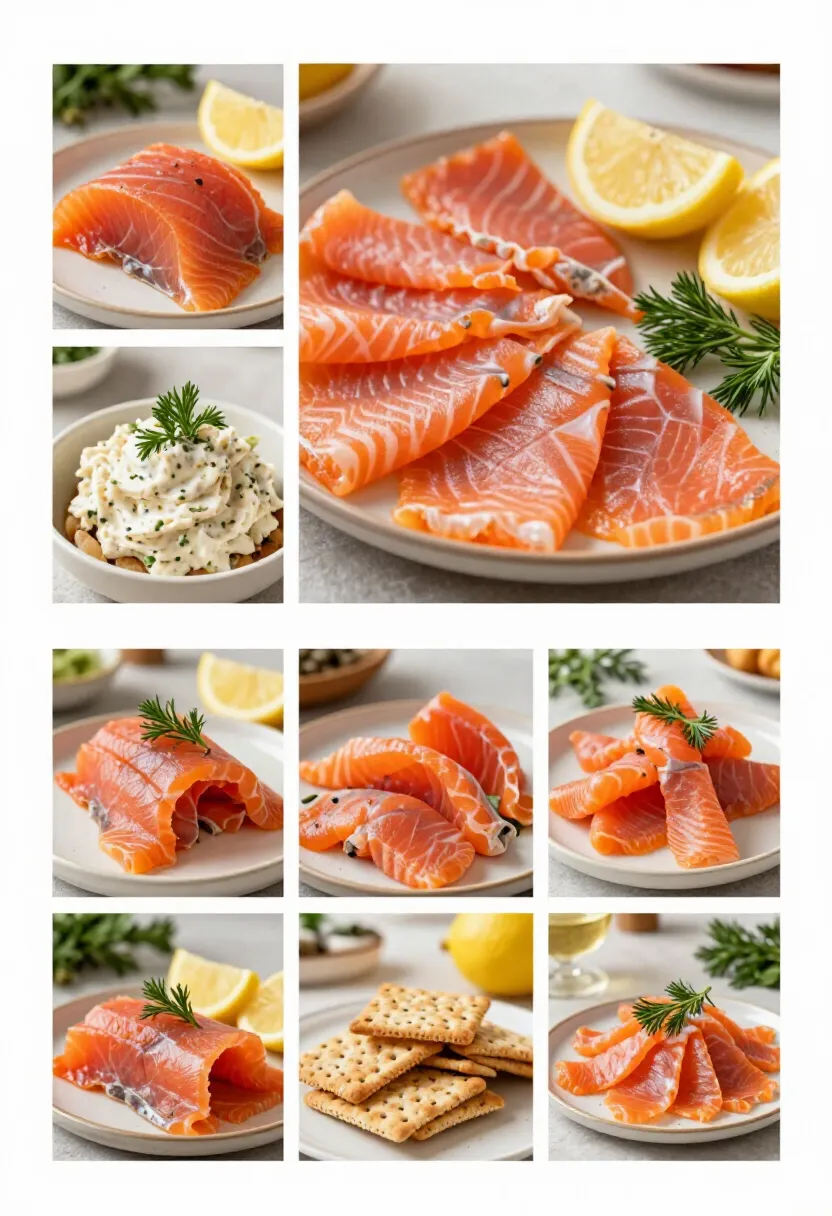
A smoked salmon platter works particularly well because:
- it is light and refreshing
- it adds variety to a table with heavier dishes
- it encourages casual grazing throughout the evening
The key is not quantity, but thoughtful pairing. A few well-chosen accompaniments can make the platter feel generous and complete without much extra work.
Serving tip: aim for contrast. Pair the salmon with something creamy, something acidic, and something crunchy. This combination keeps each bite interesting and elevates even a simple presentation.
4. Roasted Brussels Sprouts with Bacon and Balsamic 🍃🥓
This dish is often the one that surprises people the most. Brussels sprouts still have a reputation for being dull or overly bitter, but roasting changes them completely. High heat brings out their natural sweetness, creates crisp edges, and gives them a depth of flavor that boiling or steaming never achieves.
Bacon plays an important supporting role here. Its saltiness and crunch balance the vegetables, while the balsamic glaze ties everything together with a subtle sweet-and-sour note. The result feels indulgent and comforting, even though it is still very much a vegetable side dish.
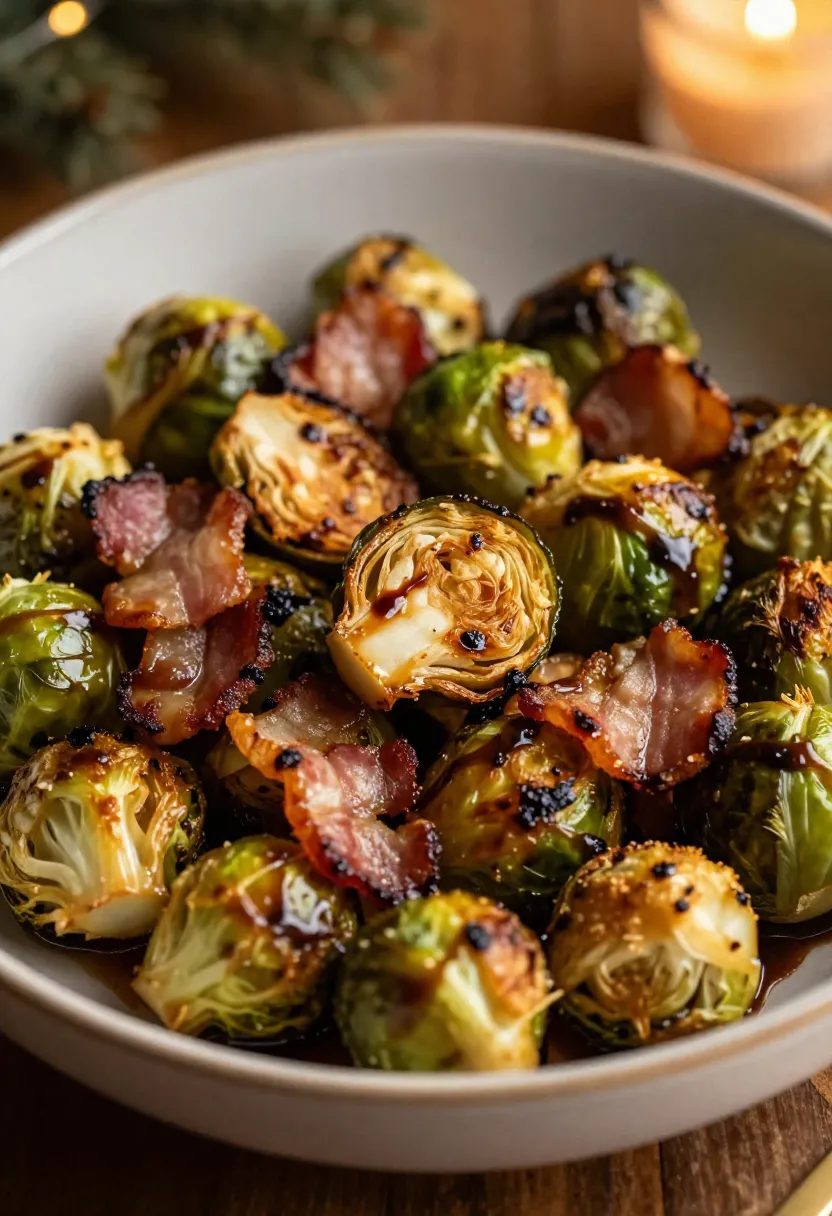
On a New Year’s Eve table, this dish works especially well because it:
- adds a roasted, savory element that complements rich mains
- provides contrast to creamy or meat-heavy dishes
- appeals even to guests who normally avoid Brussels sprouts
It’s also visually appealing, which matters more than people like to admit. Golden edges, darker caramelized spots, and bits of crispy bacon make the dish look inviting without any extra decoration.
Cooking tip: give the Brussels sprouts space in the oven. When they are crowded, they steam and turn soft. When they are spread out in a single layer, they roast properly and develop that crisp texture everyone loves.
5. Ultra-Creamy Mashed Potatoes with Garlic and Chives 🥔💛
Mashed potatoes are one of those dishes that almost everyone feels comfortable with. They are familiar, predictable, and deeply comforting, which is exactly why they belong on a New Year’s Eve menu.
This dish doesn’t try to impress with unusual ingredients or bold flavors. Instead, it focuses on texture and balance. When mashed potatoes are done well, they quietly support everything else on the table, soaking up sauces and pairing beautifully with both meat and vegetables.
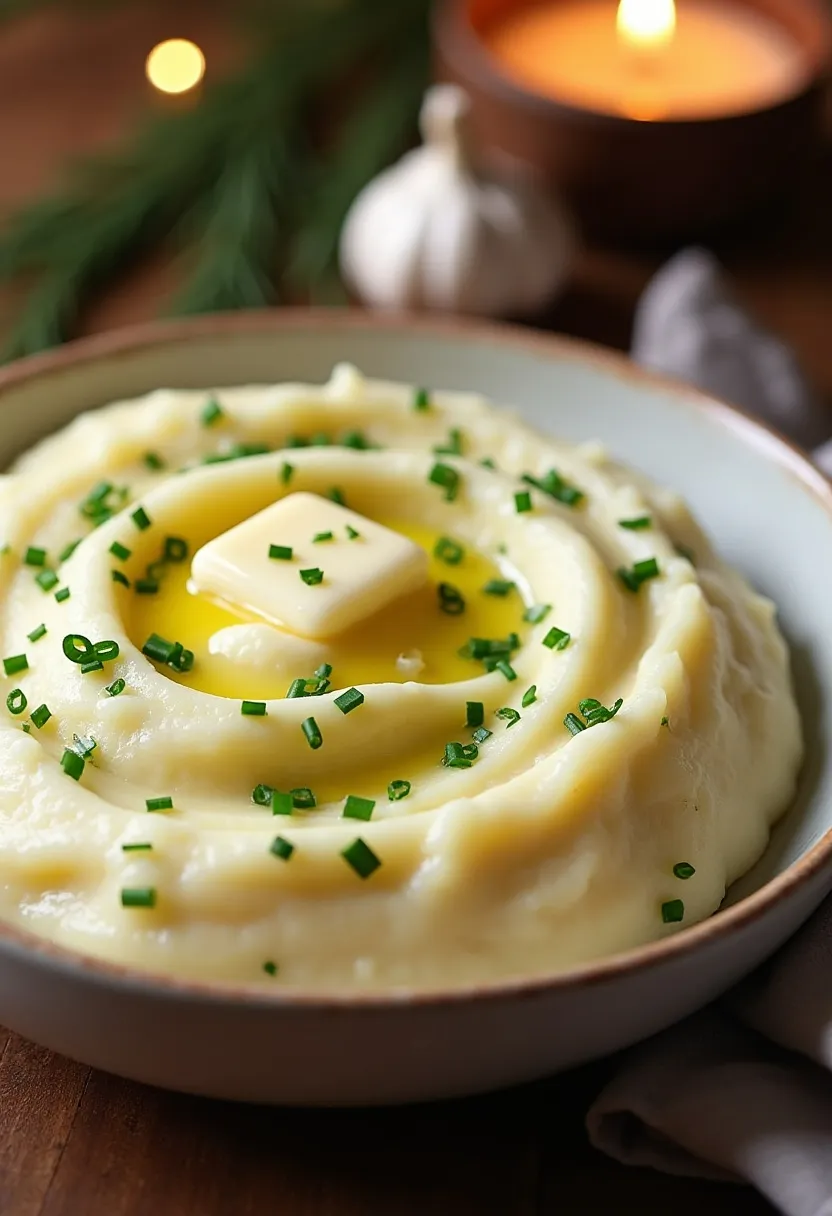
What makes this version special is the attention to detail. Roasted garlic adds a gentle sweetness rather than sharpness, while warm butter and cream create the smooth, silky texture people crave on a winter evening. Fresh chives bring a hint of freshness and keep the dish from feeling too heavy.
Mashed potatoes work so well on New Year’s Eve because they:
- bring comfort and familiarity to the table
- balance richer, more dramatic dishes
- appeal to guests of all ages
They rarely steal the spotlight, but people always notice when they’re done right.
Cooking tip: season more than you think you need to. Potatoes absorb salt quietly, and under-seasoning is one of the most common mistakes. Taste as you go and adjust gradually.
6. Seafood Paella or Creamy Seafood Risotto 🦐🍚
Seafood has long been associated with forward movement and abundance, which makes it especially fitting for New Year’s Eve. Fish move forward, not backward, and that symbolism resonates with many people, even if only subconsciously.
Both paella and risotto offer different moods, and either choice works beautifully depending on the tone of the evening. Paella feels social and festive, especially when served in a large pan at the center of the table. Risotto, on the other hand, feels more intimate and luxurious, encouraging people to slow down and savor each bite.
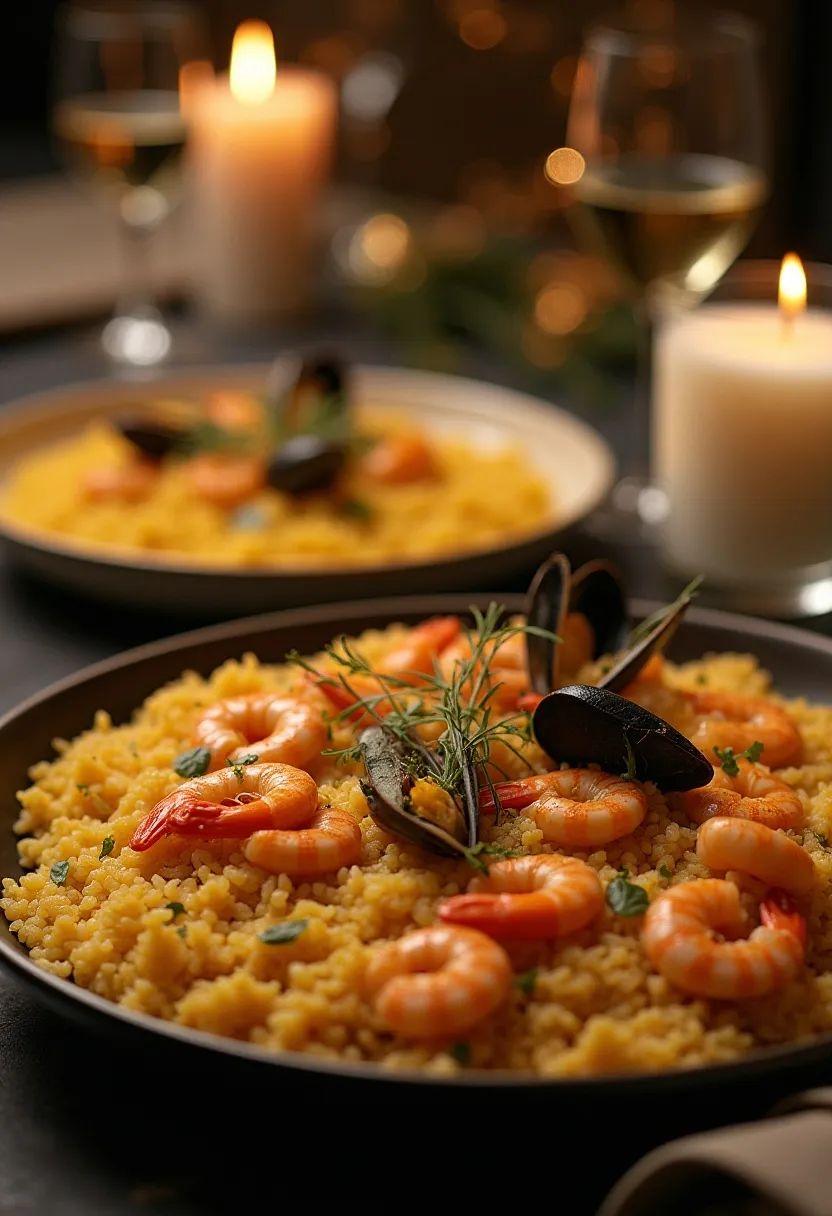
What seafood adds to the menu is balance. It brings brightness, freshness, and contrast to heavier dishes like roasted meats or creamy sides. The combination keeps the table from feeling overwhelming.
This type of dish works particularly well because it:
- adds variety in texture and flavor
- feels celebratory without being too heavy
- pairs naturally with both vegetables and starches
The key to success here is restraint. Seafood cooks quickly, and timing matters more than complexity.
Cooking tip: always add the seafood toward the end of cooking. Overcooked seafood loses its tenderness and sweetness, and even the best rice or sauce can’t fix that afterward.
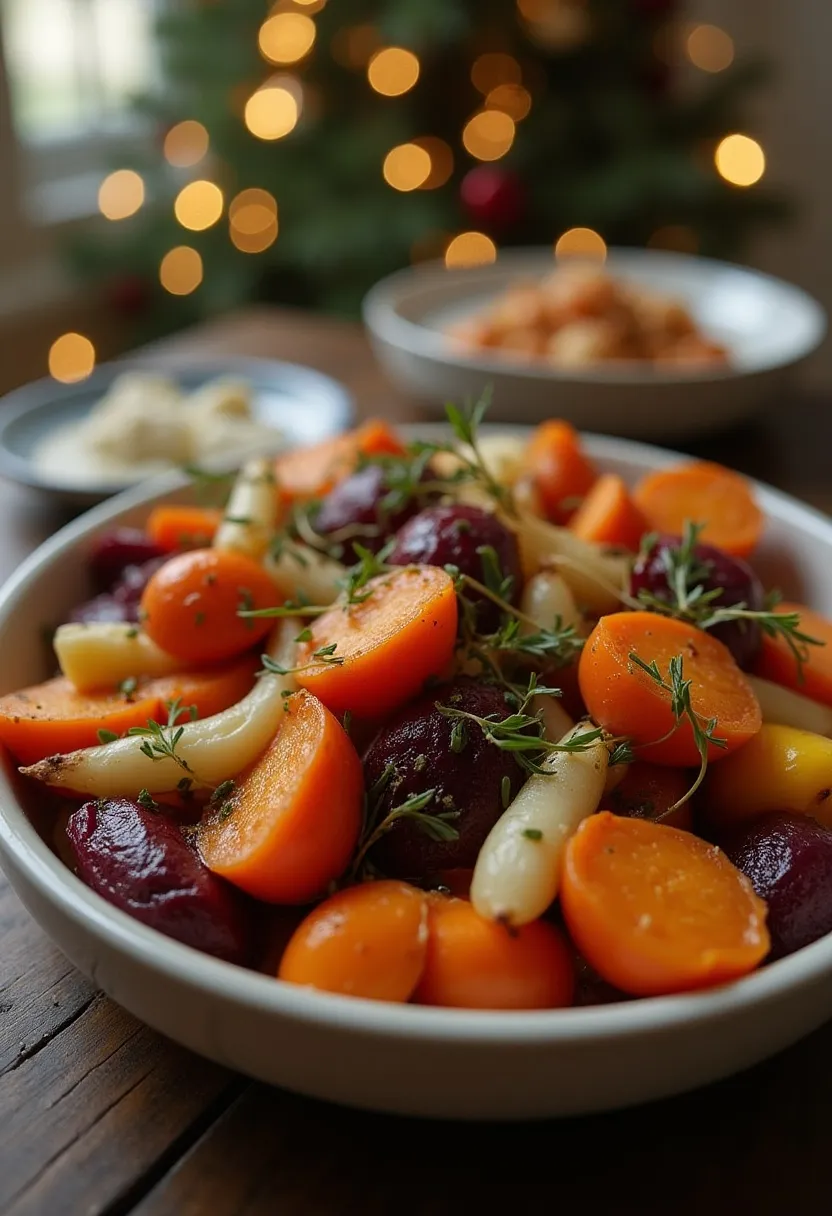
7. Roasted Root Vegetables for Color and Warmth 🥕🍠
Root vegetables are winter food at its absolute best. They feel grounding, reliable, and naturally comforting, which makes them especially fitting for a New Year’s Eve table. Carrots, parsnips, sweet potatoes, and beets all develop a gentle sweetness when roasted, and that sweetness brings balance to a menu filled with richer dishes.
Beyond flavor, roasted root vegetables play an important visual role. Their warm colors instantly make the table feel more inviting and complete, especially when surrounded by heavier, more neutral-toned dishes. They quietly do a lot of work without asking for attention.
This dish earns its place on the menu because it:
- balances creamy and meat-heavy dishes
- adds warmth and natural sweetness
- works for almost every guest at the table
Another advantage is flexibility. Root vegetables forgive small mistakes, reheat well, and can be adjusted easily depending on what’s available. That kind of reliability is valuable on a busy evening.
Cooking tip: don’t be afraid to add a subtle hint of sweetness. A small drizzle of honey or maple syrup, combined with fresh herbs, helps the vegetables caramelize and brings out their natural flavor without making them taste sugary.
8. Individual Desserts Like Macarons or Mini Sweets 🍬
New Year’s Eve desserts don’t need to be large or heavy to feel special. In fact, individual desserts often work better on this particular night, when guests have already eaten slowly over several hours.
Small portions feel elegant and intentional. They allow people to choose what they actually want rather than committing to a large slice of cake out of politeness. Macarons, mini cheesecakes, mousse cups, or small tarts all fit this idea perfectly.

Individual desserts work so well because they:
- feel refined without being overwhelming
- are easy to serve and enjoy
- respect the fact that guests are often already full
On New Year’s Eve, presentation tends to matter more than complexity. A simple dessert, arranged thoughtfully, often makes a stronger impression than something technically difficult.
Serving tip: focus on variety rather than quantity. A few different flavors or textures make the dessert table feel abundant, even if portions are small.
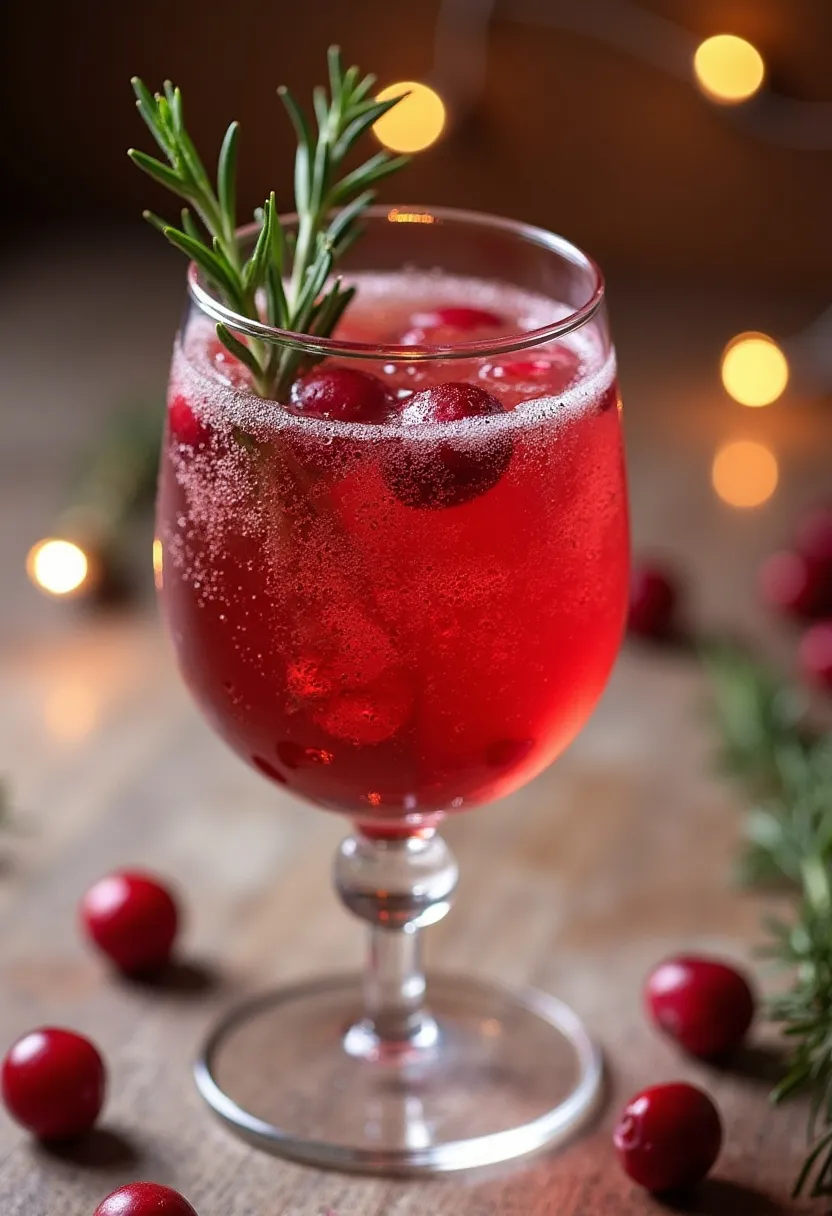
9. Sparkling Cranberry and Rosemary Drink 🍹🌿
A festive drink sets the tone for the entire evening long before the main dishes appear. It’s often the first thing guests are offered, and it immediately signals that the night is a celebration.
Cranberry juice brings deep color and gentle tartness, rosemary adds aroma and a seasonal note, and bubbles bring a sense of occasion. Together, they create a drink that feels festive without being overly sweet.
This type of drink works especially well on New Year’s Eve because:
- it looks celebratory in any glass
- it pairs easily with a wide range of foods
- it can be adapted for different preferences
The ability to offer both alcoholic and non-alcoholic versions matters more than people realize. When everyone has something special in their glass, the toast feels shared rather than divided.
Serving tip: garnish thoughtfully. A sprig of rosemary or a few fresh cranberries add aroma and visual interest, making even a simple drink feel intentional.
10. Warm Chocolate Lava Cakes to Close the Year 🍫🔥
Chocolate lava cakes feel dramatic in the best possible way, especially on a night like New Year’s Eve. There is something undeniably satisfying about breaking into a warm cake and watching the molten center slowly spill onto the plate. It feels indulgent, a little luxurious, and perfectly suited to the final moments of the year.
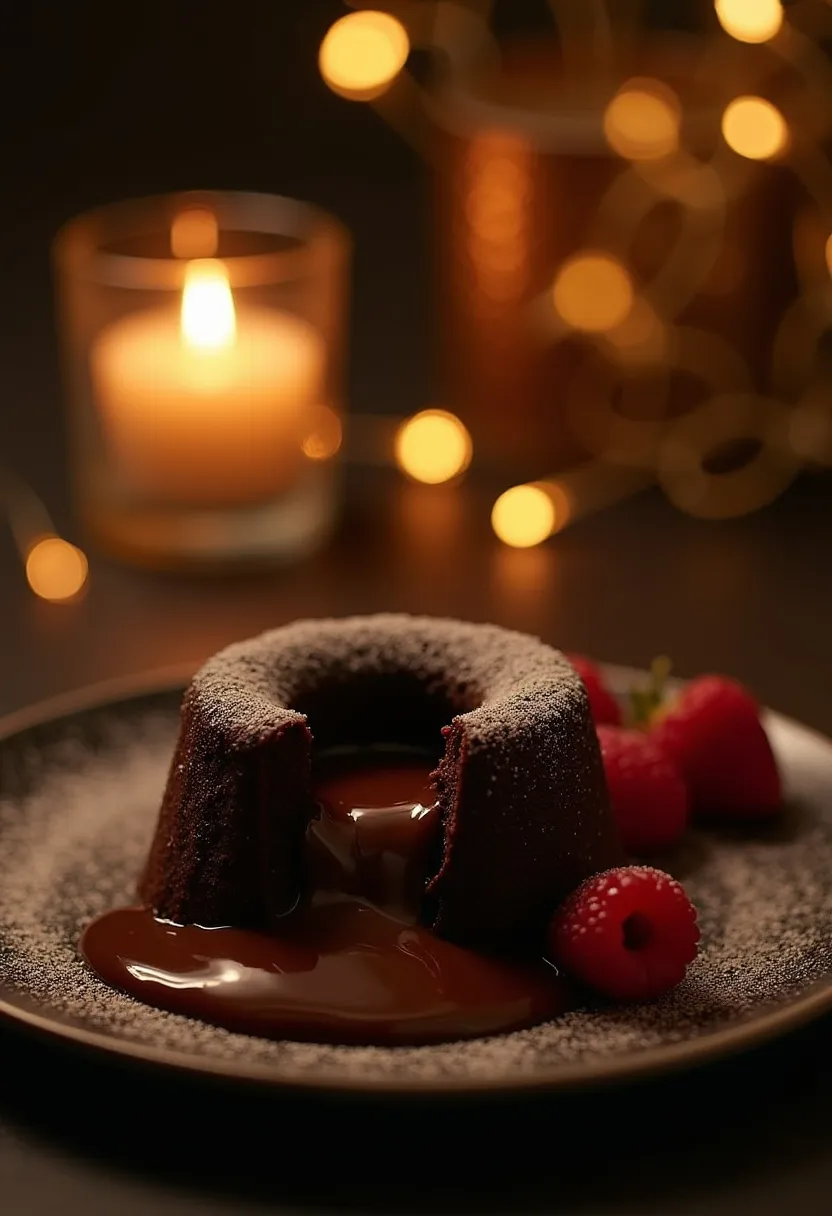
This dessert works so well because it combines several things people crave at the end of a long celebration. It is:
- rich without being overly complicated
- warm and comforting on a winter night
- visually impressive in a very simple, honest way
Unlike large desserts that require slicing and serving, lava cakes feel personal. Each guest gets their own portion, which makes the experience more intimate and intentional. Paired with something slightly tart, such as fresh berries or a light fruit sauce, the richness of the chocolate feels balanced rather than heavy.
This is often the dessert people remember long after the night is over, not because it was complicated, but because it arrived at exactly the right moment.
Baking tip: timing matters more than anything else. Bake the cakes just before serving so the centers stay soft and molten. This is one dessert that does not benefit from waiting.
How to Make All These Dishes Work Together 🍽️
The secret to a successful New Year’s Eve menu is not trying to cook everything at the same time. In fact, one of the biggest mistakes people make is treating this evening like a traditional sit-down dinner with strict timing.
New Year’s Eve doesn’t work that way.
It’s a long, fluid night. People arrive at different times, eat in waves, pause to talk, return to the table, and often snack again after midnight. The menu should support that rhythm rather than fight against it.
A good approach is to divide your dishes into two simple categories.
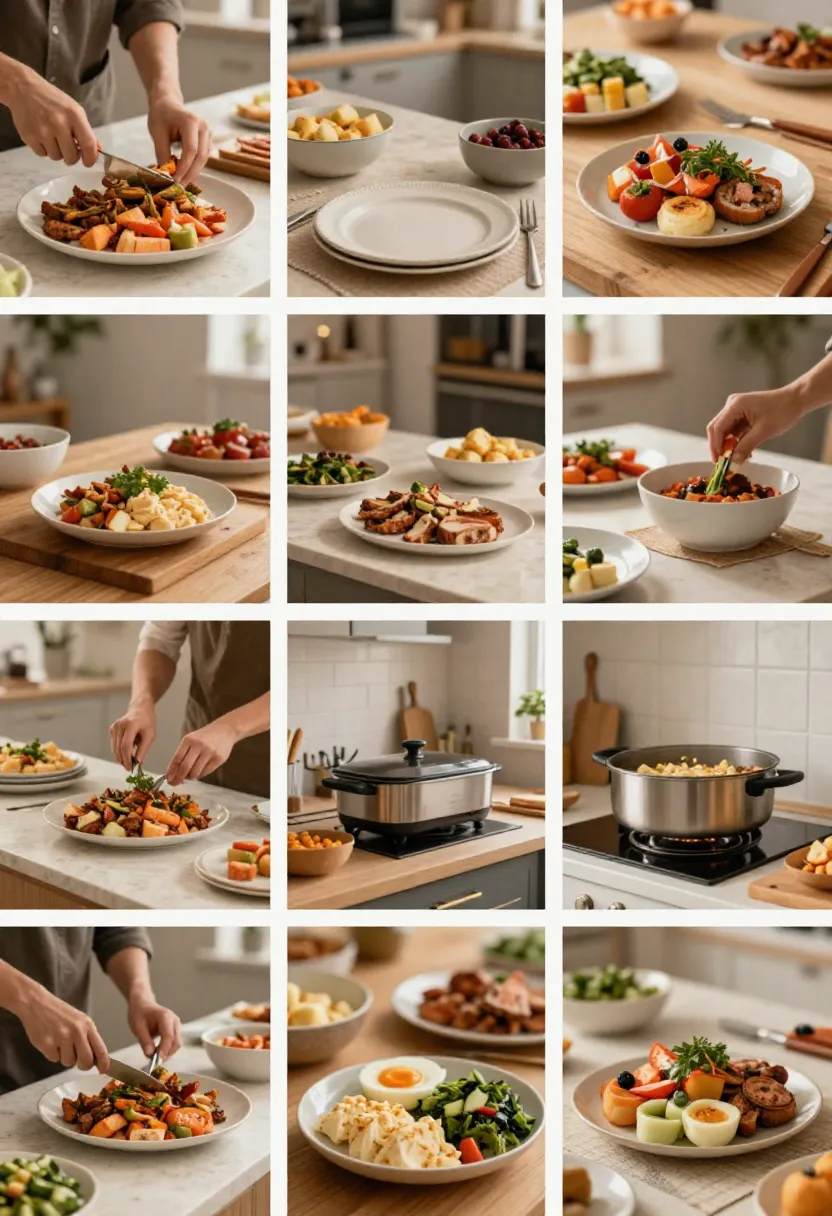
First, choose a few dishes that can be prepared ahead of time. These are your safety net. They remove pressure from the evening and allow you to stay present instead of constantly checking the stove. Dishes like stews, roasted vegetables, spreads, and desserts that hold well are ideal for this role.
Second, decide which dishes truly need attention closer to serving time. These should be limited and realistic. A main dish that needs to be sliced fresh, a dessert that relies on temperature, or a drink that should be assembled just before serving all fall into this category.
When planning, it helps to think in terms of flow rather than order. Ask yourself:
- what can be cooked earlier and gently reheated
- what needs to be finished last minute
- what guests can enjoy casually while waiting
This way, the evening unfolds naturally instead of feeling rushed or overly structured.
Perhaps most importantly, give yourself permission to let things happen organically. Not every dish needs to be served at the “perfect” moment. On New Year’s Eve, atmosphere matters more than precision.
Common Mistakes to Avoid on New Year’s Eve 🚫
Even experienced home cooks tend to repeat the same mistakes when planning a New Year’s Eve menu. Most of them come from trying to do too much.
One of the most common issues is cooking too many brand-new recipes at once. New Year’s Eve is not the best night for experiments. Familiar dishes, or recipes you’ve cooked at least once before, reduce stress and free up mental space.
Another frequent mistake is overloading the table with heavy food. Rich dishes are wonderful, but when everything is rich, the menu quickly becomes overwhelming. Balance matters more than abundance.
Pacing is another detail that’s often overlooked. Serving everything too quickly leaves guests full early in the evening, while spacing things out allows the celebration to last and feel more relaxed.
Finally, many hosts forget to leave time for themselves. Spending the entire night in the kitchen defeats the purpose of the celebration. Guests notice your energy more than they notice minor imperfections.
In practice, this means avoiding:
- too many complicated or unfamiliar recipes
- an excess of heavy, rich dishes without contrast
- rigid timing that doesn’t allow flexibility
- planning that leaves no room to actually enjoy the night
Simple food, served calmly and thoughtfully, almost always wins.
A Table That Welcomes the New Year ✨
New Year’s Eve food is rarely about showing off culinary skills or impressing guests with complicated techniques. Most of the time, it is about something much simpler and far more meaningful. It is about creating a space where people feel comfortable, welcome, and genuinely taken care of from the moment they arrive until the last glass is set down.
The table becomes more than just a place to eat. It turns into a shared point of connection. People gather around it not only for the food itself, but for the feeling it creates. Warm dishes on a winter night offer literal comfort, while the act of sharing them creates an emotional one.
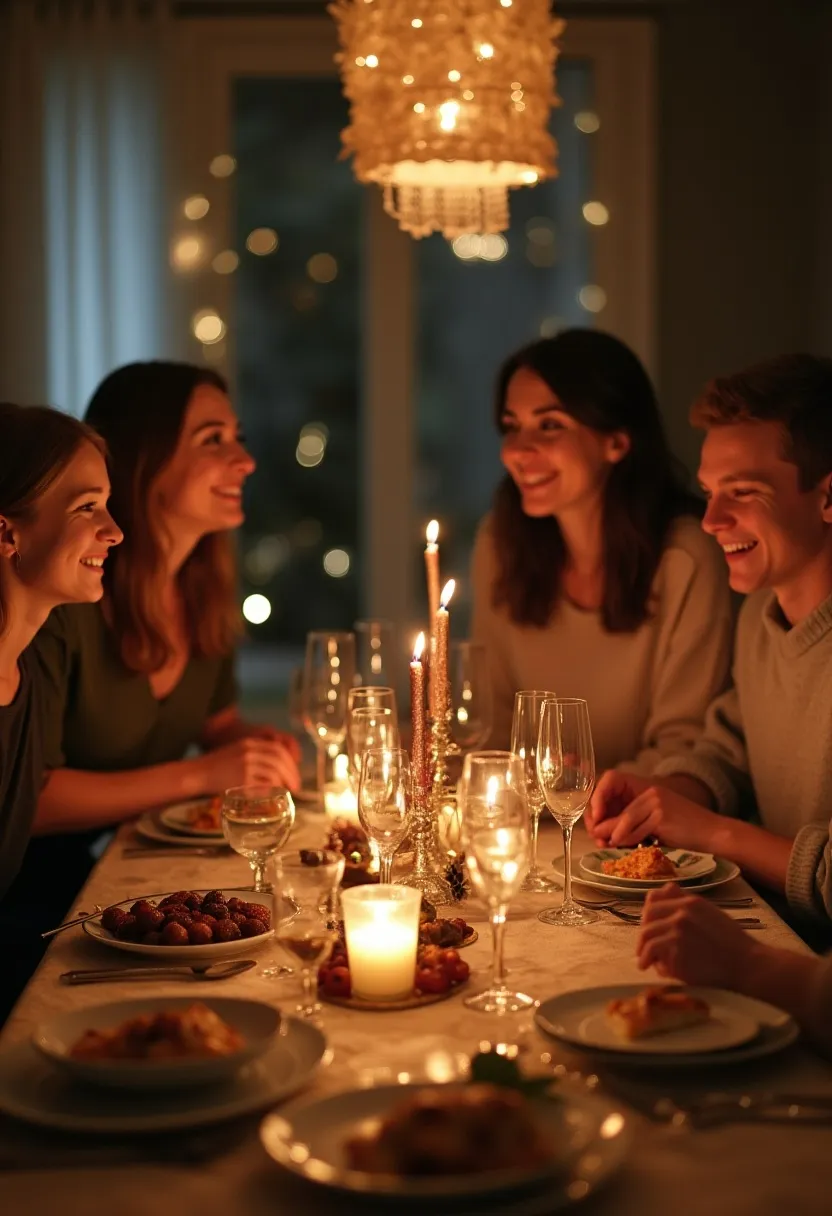
On this evening, generosity matters in quiet ways. It shows up in full plates, in refilled glasses, in the extra time spent talking instead of rushing. It appears in small gestures, like making sure everyone has something they enjoy or leaving space on the table for second helpings. None of it needs to be dramatic to matter.
New Year’s Eve is also about marking a transition together. There is something grounding about closing one year and opening another around the same table, surrounded by familiar faces, shared stories, and food that feels intentional. Even the simplest dishes take on more meaning when they are part of that moment.
When midnight finally arrives, people rarely remember exact flavors or whether every dish was served at the perfect temperature. They remember how the evening felt. They remember if the atmosphere was relaxed, if laughter came easily, and if the table felt like a place they wanted to linger.
Long after the dishes are cleared and the calendar changes, what stays with people is that feeling of being fed, included, and at ease. That sense of warmth and togetherness is what truly defines a memorable New Year’s Eve celebration, and it is something no complicated recipe can ever replace. 🥂💛