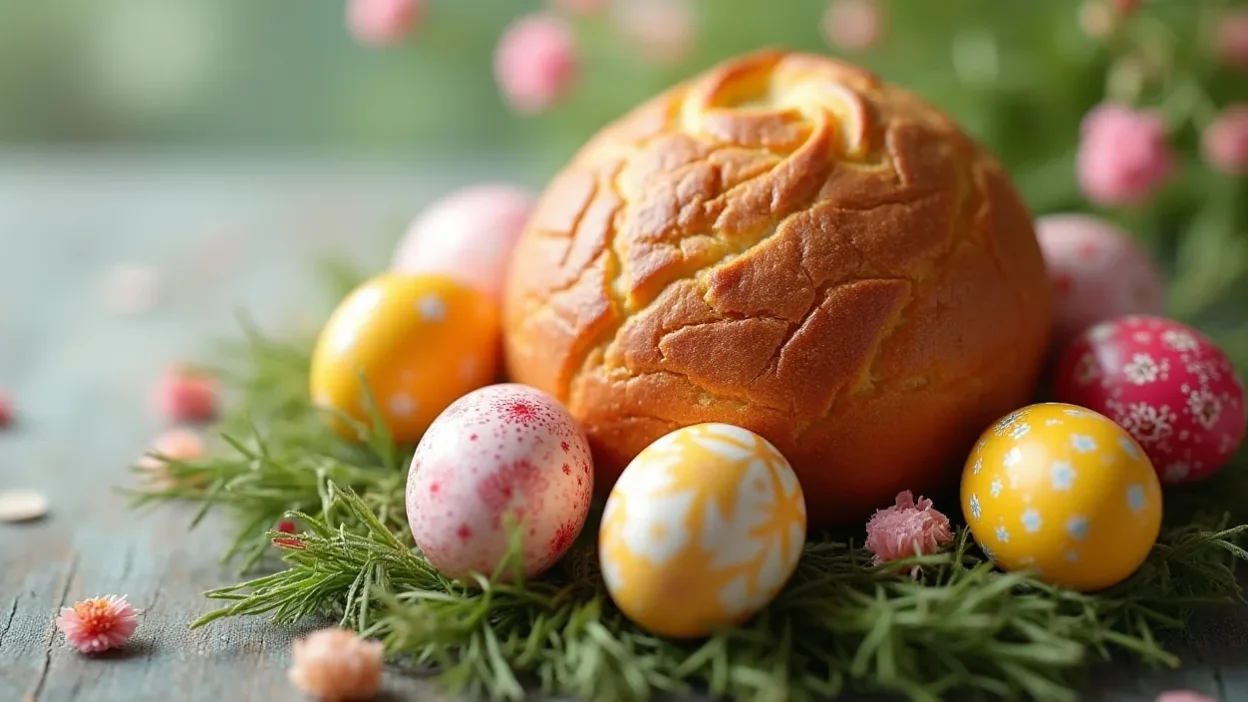
Contents
- Easter as a Moment of Pause and Renewal 🌱
- Why Easter Food Feels Different 🍽️
- Symbolism You Can Taste 🥚🌸
- Europe: Where Tradition Feels Heaviest 🕯️
- The Americas: Warmth, Comfort, and Color 🐇🍰
- Africa: Food as Celebration and Release 🌾🔥
- Asia: Adaptation and Quiet Meaning 🌸🍚
- The Emotional Weight of Family Recipes ❤️
- Easter in the Modern World 🏡✨
- Why Easter Food Still Matters 🌷
Easter rarely arrives suddenly. It doesn’t simply show up on the calendar and demand attention. Instead, it makes its presence felt gradually, almost quietly, as it settles into everyday routines. People begin to notice small changes long before the holiday itself: a different kind of bread being baked, eggs carefully set aside instead of used immediately, a grocery list that looks unfamiliar compared to an ordinary week. These subtle shifts signal that Easter is approaching, often without anyone explicitly naming it.
In many homes, the kitchen is where Easter truly begins. It becomes a space of preparation and anticipation rather than urgency. Familiar habits slow down, and ordinary meals start to feel slightly more intentional. Even before any celebration takes place, food quietly prepares the ground for what the holiday represents.
Across cultures and continents, Easter food has never been only about eating well. It carries a deeper purpose. Meals prepared for Easter are closely tied to remembering the past, reconnecting with people, and restoring a sense of balance after a long period of waiting or restraint. Whether someone approaches Easter through religious faith or family tradition, there is a shared understanding that the holiday is experienced through taste as much as through ritual.
Food serves as a natural point of connection. It links past and present, faith and family, moments of silence and moments of joy. Sitting down to an Easter meal often feels like crossing a threshold — stepping out of everyday time and into something more reflective and shared. 🍞✨
Easter as a Moment of Pause and Renewal 🌱
Unlike many holidays that move quickly and loudly, Easter tends to carry a quieter emotional weight. Even when celebrations are joyful, there is usually a sense of reflection beneath the surface. For some people, Easter marks the end of fasting or deliberate restraint. For others, it aligns closely with the arrival of spring, bringing warmth, light, and longer days. For most, it represents a meaningful transition point in the year.

This sense of change is clearly reflected in the food. Ingredients that were limited or avoided suddenly return to the table. Meals shift in tone and texture:
- richness replaces simplicity,
- sweetness follows bitterness,
- variety returns after repetition.
These contrasts are not random. They mirror the emotional rhythm of the season itself — moving from waiting to fulfillment, from stillness to movement.
Easter meals also tend to unfold at a different pace. People linger at the table. Conversations stretch beyond their usual limits, drifting from memories to plans and back again. Phones are checked less frequently, often without conscious effort. There is a shared, unspoken understanding that this meal matters and that it deserves time.
Why Easter Food Feels Different 🍽️
There is something emotionally distinct about Easter dishes, even when the food itself is familiar. Meals that might seem ordinary at other times of the year often feel heavier with meaning when served at Easter. This may be because many of these recipes appear only once a year, creating a sense of anticipation that builds over time. It may also be because they are tied so closely to childhood memories, family gatherings, and moments that feel especially vivid in hindsight.

In many households, Easter food follows a set of unwritten rules. These rules are rarely strict, but they are deeply understood. Certain dishes are expected to appear on the table. Certain flavors are meant to taste a specific way. Even small changes are noticed immediately, sometimes commented on, sometimes simply felt.
What makes these expectations interesting is that they are almost never written down. They are passed on through repetition, observation, and shared experience. Everyone seems to know what “belongs” on the Easter table, even if no one has ever formally explained it.
This shared understanding transforms food into ritual. Cooking becomes a form of participation rather than a task to be completed. Eating becomes a collective act rather than an individual one. In this context, Easter food is less about routine and more about belonging — a reminder that some traditions continue not because they are required, but because they are meaningful.
Symbolism You Can Taste 🥚🌸
Even when people don’t consciously think about symbolism, Easter food carries layers of meaning that have formed over centuries. These meanings are rarely explained out loud, yet they are widely understood. Ingredients, preparation methods, and even the way food is shared all reflect ideas that go beyond flavor.
Eggs are perhaps the most recognizable example. Found in countless Easter dishes and decorations, they appear in many forms — dyed, baked, boiled, or transformed into sweets. Across cultures, eggs have long symbolized new life, potential, and continuity. Their presence at Easter feels almost instinctive, tied both to religious meaning and to the natural rhythms of spring.

Bread holds a different but equally important role. Especially during Easter, bread is often enriched, decorated, or prepared in ways that set it apart from everyday loaves. It represents nourishment, stability, and blessing, as well as a reminder that food has not always been abundant. In many households, bread is treated with particular care during Easter meals, sliced thoughtfully and shared deliberately.
Other elements of the Easter table reinforce these themes:
- meat dishes, often absent during periods of fasting, signal celebration and gratitude,
- sweet foods reflect joy, reward, and emotional release after restraint,
- shared serving styles emphasize equality and togetherness.
Even simple actions — passing a dish, cutting a loaf, dividing portions — quietly reinforce ideas of community and mutual care. In this way, Easter food communicates meaning without needing explanation. It becomes a form of storytelling that relies on experience rather than words.
Europe: Where Tradition Feels Heaviest 🕯️
In much of Europe, Easter carries a strong sense of continuity. The holiday feels layered with history, and food is one of the clearest expressions of that long cultural memory. Many Easter dishes have changed very little over time, and their persistence reflects a deep respect for tradition.
In Eastern Europe, Easter preparation often begins days before the holiday itself. Kitchens fill with dishes that reflect climates where preservation once played a crucial role. Soups made from fermented grains, cured meats, and boiled eggs are common, creating meals that feel hearty and grounding. These foods developed slowly over generations, shaped by necessity, geography, and seasonal limitations. As a result, Easter meals in this region often feel closely tied to land, labor, and endurance.

Further south, Easter food takes on a more indulgent character. Tables are filled with breads stuffed with cheese or meat, pastries glazed with citrus or honey, and rich dishes featuring eggs and dairy. Meals tend to unfold gradually, with dishes appearing in stages rather than all at once. Eating becomes a shared experience that stretches over hours, encouraging conversation and presence rather than efficiency.
Despite these regional differences, European Easter food shares an underlying consistency. There is a strong sense that certain dishes belong to the holiday and should remain unchanged. Even in modern households, people often hesitate to alter traditional recipes, as if doing so might disrupt something delicate. This resistance is less about strict rules and more about preserving a connection to the past.
The Americas: Warmth, Comfort, and Color 🐇🍰
Across the Americas, Easter often takes on a warmer and more relaxed tone. While traditions remain important, the holiday frequently emphasizes comfort, togetherness, and visual celebration. Tables are designed to feel inviting rather than formal, and meals often reflect a balance between tradition and personal preference.
In North America, Easter gatherings typically revolve around familiar, generous dishes. Large roasted items often serve as centerpieces, surrounded by side dishes meant for sharing. Eggs appear in many forms — as appetizers, decorative elements, and desserts — reinforcing their symbolic connection to renewal. Desserts are especially prominent, chosen not only for flavor but also for appearance, with bright colors and playful designs that signal the arrival of spring.

Children play an important role in shaping Easter food traditions here. Many dishes and treats are prepared with them in mind, reinforcing themes of innocence, celebration, and new beginnings. This emphasis gives Easter meals a lighter, more playful atmosphere compared to other holidays.
In South America, Easter cuisine often becomes more reflective, particularly during Holy Week. Meals frequently focus on grains, legumes, and vegetables, emphasizing nourishment and simplicity. These dishes are often prepared communally, reinforcing social bonds and shared responsibility. Food here serves not only as sustenance but as a way of maintaining connection within families and communities.
Across the Americas, Easter food tends to balance joy with comfort. Meals feel festive without becoming overwhelming, familiar without feeling repetitive. This balance allows the holiday to feel meaningful while remaining accessible and inclusive.
Africa: Food as Celebration and Release 🌾🔥
In many African cultures, Easter marks the conclusion of long and meaningful fasting periods. Because of this, the holiday meal carries a particular emotional weight. Food is not only a celebration of faith, but also a recognition of endurance, patience, and collective discipline. The return of rich, nourishing dishes feels earned rather than indulgent.
Easter meals in this context are often bold and deeply aromatic. Stews simmer slowly, sometimes for hours, allowing layers of flavor to develop over time. These dishes are not rushed, and neither is the act of eating them. Bread is frequently shared rather than sliced individually, reinforcing ideas of connection and equality at the table. Meals are commonly served on communal platters, where everyone eats together rather than separately, emphasizing unity over formality.
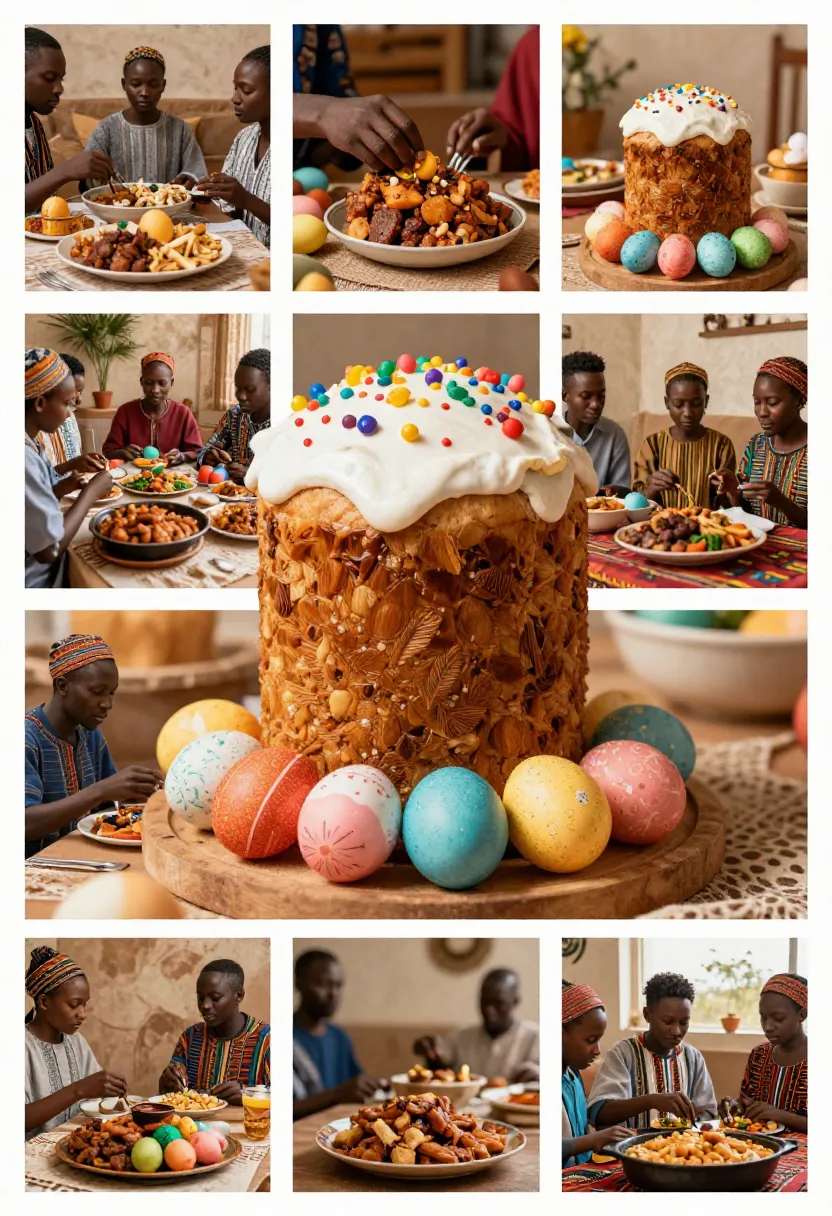
Several elements tend to define Easter meals in many African households:
- slow-cooked stews with complex spice blends,
- breads or flatbreads meant for sharing,
- dishes prepared in large quantities to accommodate extended family and guests.
What stands out most is the atmosphere surrounding the meal. Easter food here feels generous and alive, carrying warmth, spice, and intention. Eating together becomes an expression of gratitude — not only for faith, but for survival, community, and the simple ability to gather and celebrate. The meal itself becomes a shared acknowledgment of resilience and togetherness.
Asia: Adaptation and Quiet Meaning 🌸🍚
In parts of Asia where Easter is observed, the holiday often blends seamlessly into existing culinary traditions. Rather than introducing entirely new dishes, families tend to elevate familiar foods and adjust them slightly to reflect the significance of the occasion. This approach allows Easter to feel integrated into everyday life rather than separate from it.
Meals commonly center around foods already associated with comfort and celebration:
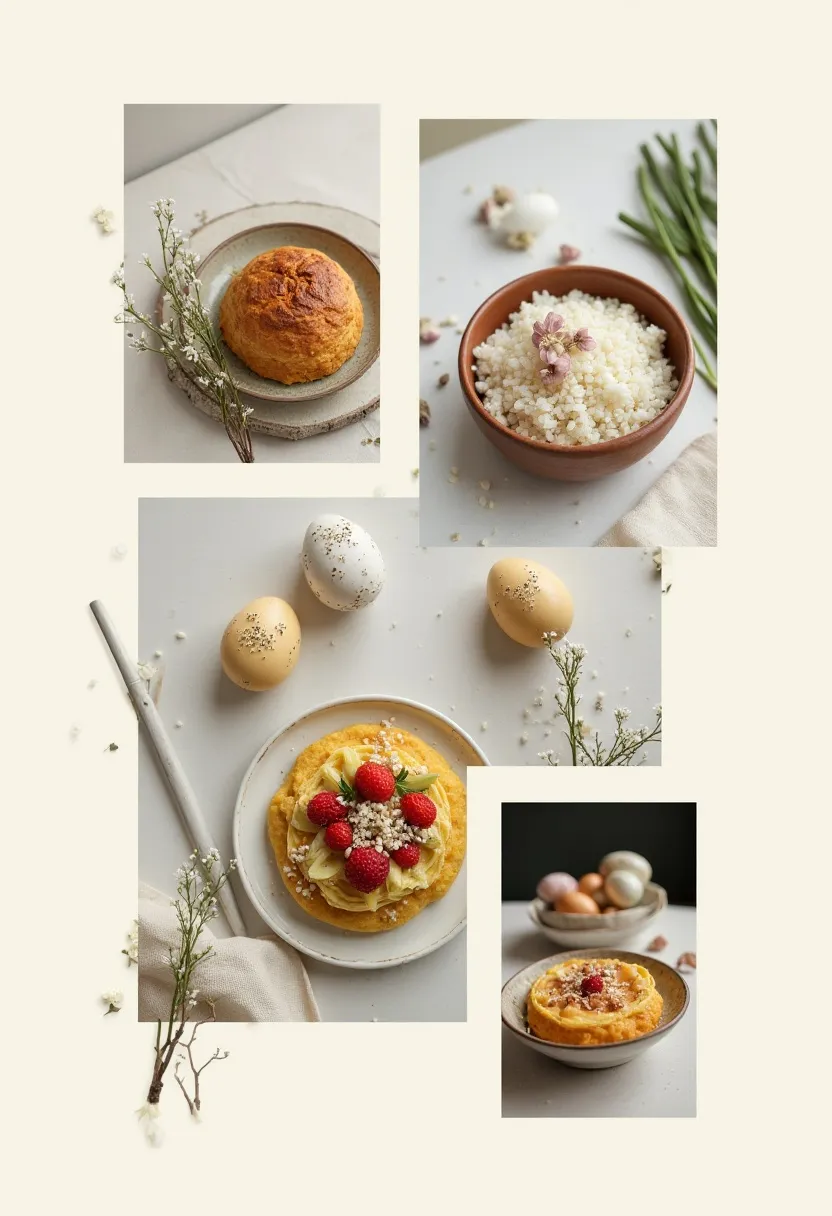
- rice-based dishes prepared with extra care or special ingredients,
- festive meat dishes reserved for holidays,
- light desserts that reflect seasonal freshness rather than excess.
The overall tone of Easter celebrations in these regions is often understated. Gatherings tend to be smaller and more intimate, focusing on shared meals rather than large public festivities. Cooking becomes a deliberate act, marked by intention and attention rather than spectacle.
This adaptability gives Easter food in Asia a distinctive character. It feels personal and grounded, shaped by local ingredients and customs while still honoring the meaning of the holiday. Instead of standing apart from daily life, Easter meals become a gentle extension of it, reinforcing continuity rather than contrast.
The Emotional Weight of Family Recipes ❤️
When people talk about Easter food, they rarely begin by describing flavors or techniques. More often, they talk about people. The dishes themselves serve as entry points to memories, relationships, and shared history.
Many Easter recipes are inseparable from the individuals who prepared them:
- a grandmother who baked bread before sunrise, following a routine no one questioned,
- a parent who insisted a dish needed to rest overnight, even if it meant waiting,
- a recipe that appears only once a year and remains unchanged out of quiet respect.
These stories matter just as much as the food itself. Easter dishes often survive across generations, even as families relocate, diets shift, or other traditions fade. Preparing these recipes can feel like honoring something larger than the meal — a way of maintaining continuity in a changing world.
In this sense, Easter food becomes memory made tangible. It allows people to revisit the past while sitting firmly in the present, reinforcing bonds that extend beyond the table and into shared identity.
Easter in the Modern World 🏡✨
Today, Easter often looks quite different from how it did a few decades ago. Daily life has become faster, schedules are tighter, and many families are smaller or spread across different cities and countries. Ingredients are sourced differently, recipes are discovered online rather than inherited directly, and traditions are sometimes adapted out of necessity rather than choice. And yet, despite all these changes, Easter food has proven to be surprisingly resilient.

What has changed most is not the meaning of Easter meals, but the way people approach them. Many home cooks now simplify traditional dishes, focusing on what truly matters rather than trying to recreate every detail perfectly. Some adapt recipes to suit dietary needs or personal preferences, while others prepare parts of the meal in advance to reduce stress and create more space for rest and connection on the day itself.
Common modern approaches to Easter cooking often include:
- streamlining recipes while preserving their core flavors,
- adjusting traditional dishes to fit contemporary lifestyles,
- sharing preparation responsibilities to make cooking more communal and less demanding.
Despite these practical adjustments, the intention behind Easter food remains largely unchanged. Meals are still prepared with care and attention. They are still meant to be shared rather than rushed through. And they still carry emotional significance that goes beyond nourishment.
Why Easter Food Still Matters 🌷
In a world that rarely slows down, Easter continues to offer a moment of pause. It encourages people to step away from constant movement, gather around a table, and reconnect with what sustains them — not only physically, but emotionally as well. Food becomes a grounding presence, something familiar and steady in the midst of change.
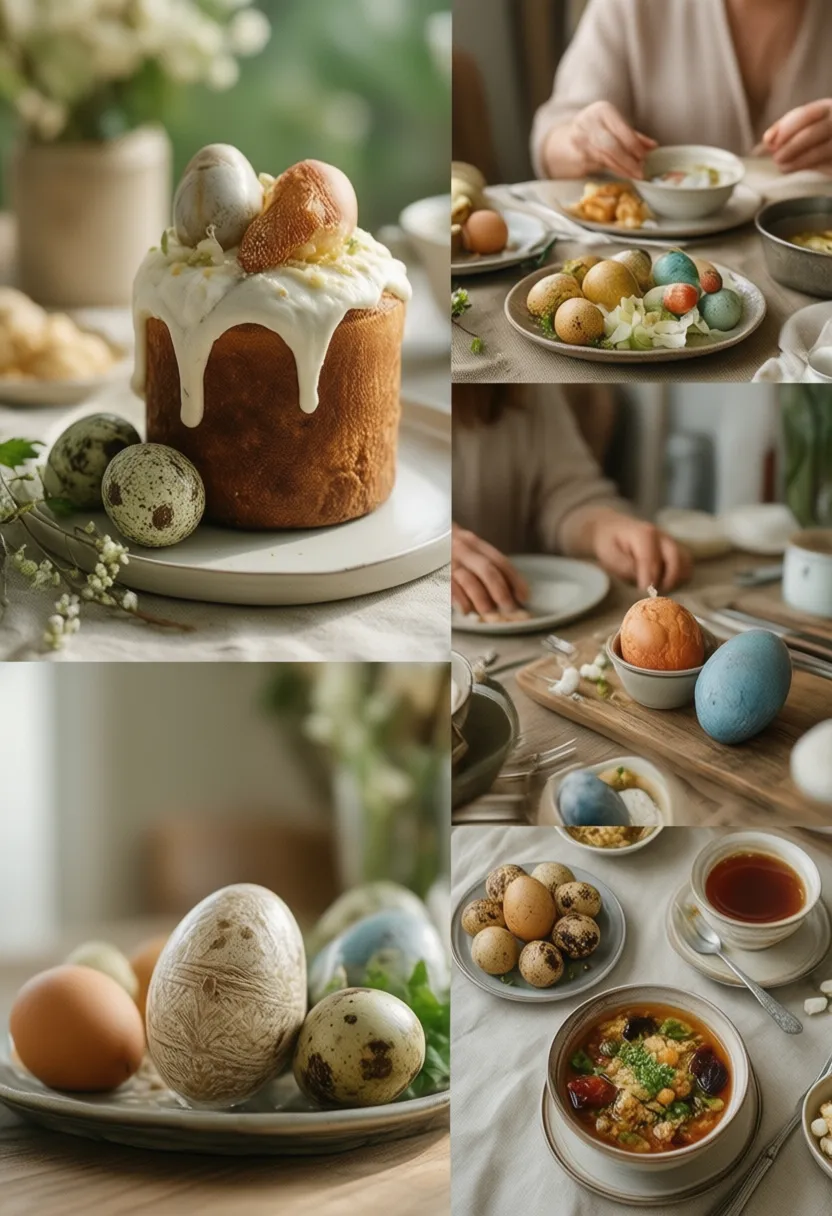
Across the globe, Easter tables may look very different from one another. They feature different ingredients, follow different traditions, and reflect a wide range of cultural and religious backgrounds. However, beneath these differences lies a shared purpose. Easter meals are designed to bring people together, to mark moments of transition, and to give ordinary ingredients a sense of meaning through shared experience.
What makes Easter food enduring is not its form, but its function. It creates space for connection. It signals change without demanding spectacle. And it reminds people that even simple meals, when prepared and shared with intention, can feel significant.
For a few unhurried hours, surrounded by familiar faces and shared dishes, everyday concerns tend to fade into the background. Conversation flows more freely, time feels less pressing, and the world, at least temporarily, feels more balanced and complete. That quiet sense of wholeness is what keeps Easter food relevant, even as everything else continues to evolve.