Contents
- What Is a Sugar-Free Diet and Why It’s Popular
- Understanding Sugar: Natural vs. Added Sugars
- Health Benefits of Cutting Back on Added Sugars
- Common Challenges When Reducing Sugar
- Sugar Alternatives: Sweeteners, Natural & Artificial
- What to Eat on a Sugar-Free Diet (Foods to Include & Avoid)
- 🍎 Foods to Include on a Sugar-Free Diet
- 🚫 Foods to Avoid or Limit on a Sugar-Free Diet
- 🌿 Building Balanced, Satisfying Meals
- How to Start a Sugar-Free Diet — Practical Steps & Tips
- Misconceptions About Sugar-Free Diets
- FAQ — Real Questions About Sugar-Free Diets Answered
What Is a Sugar-Free Diet and Why It’s Popular
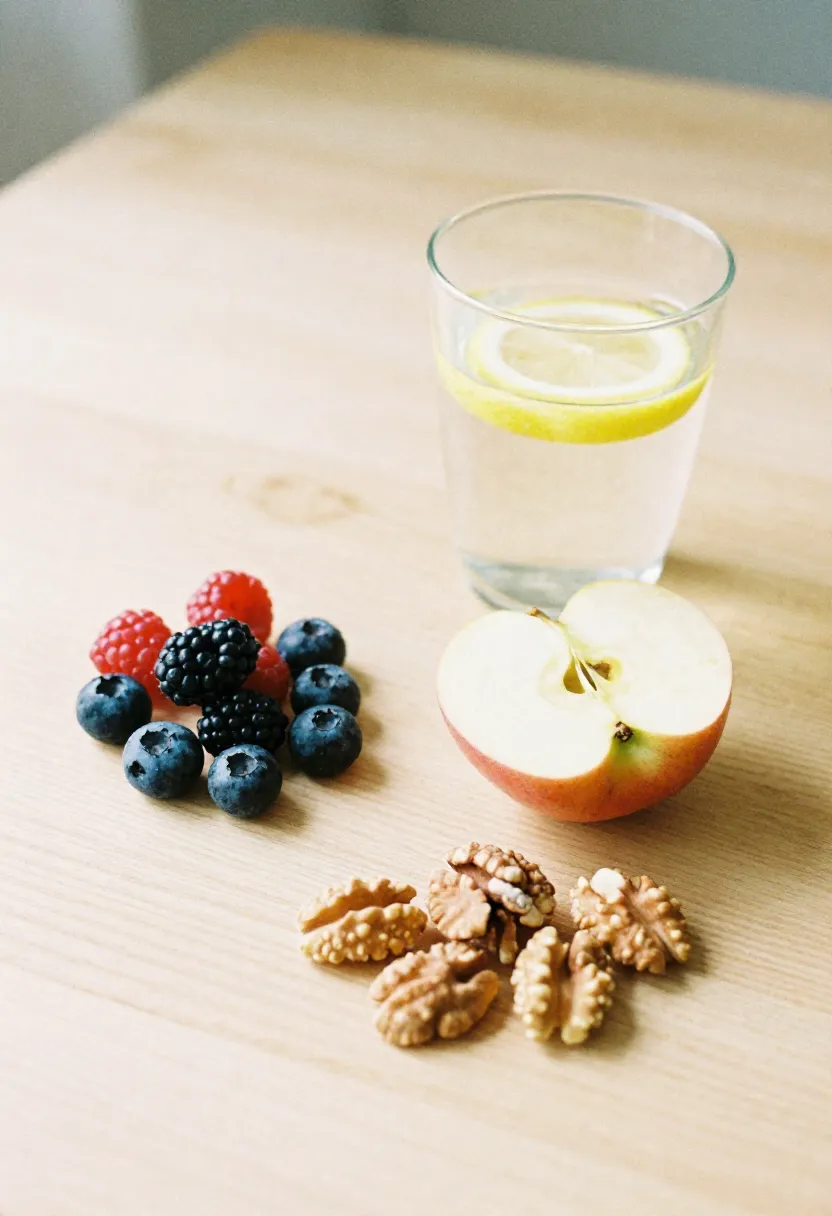
In a world where sweetness sneaks into everything — from breakfast cereals to “healthy” yogurts, from salad dressings to energy bars — it’s no surprise that many people are trying to cut back on sugar. Walk through any supermarket and you’ll see shelves filled with products labeled “sugar-free,” “no added sugar,” “low sugar,” or “unsweetened.” But what do these terms really mean? And more importantly, why are so many people rethinking their relationship with sugar?
A sugar-free diet isn’t about living a joyless, flavorless life. It’s not about banning fruit, obsessively counting grams, or creating strict rules that make eating stressful. Instead, a sugar-free or low-sugar lifestyle is about something much more balanced: reducing added sugars that silently disrupt your energy, mood, appetite, sleep, and long-term health.
The truth is, added sugar has become a quiet background character in modern diets — always there, but rarely noticed. It’s hidden in foods you’d never expect: pasta sauces, canned soups, bread, crackers, plant milks, and even savory snacks. Over time, these small amounts add up, contributing to energy crashes, cravings, inflammation, weight changes, and metabolic issues.
And for many people, the first step to feeling better is simply paying attention.
A sugar-free diet invites you to reconnect with whole foods, choose sweetness more intentionally, and explore flavors that don’t rely on sugar to shine. Instead of chasing quick hits of sweetness, your meals become balanced, nourishing, and satisfying in a deeper way.
This guide explores what “sugar-free” truly means, how to identify hidden sugars, what to eat, what to avoid, and how to build a sustainable, enjoyable low-sugar lifestyle — without guilt, confusion, or extremes.
Whether you’re reducing sugar for health reasons, managing cravings, supporting balanced blood sugar, or simply wanting to feel more energized, you’re in the right place. Let’s explore sugar-free living in a way that’s gentle, grounded, and completely doable.
Understanding Sugar: Natural vs. Added Sugars
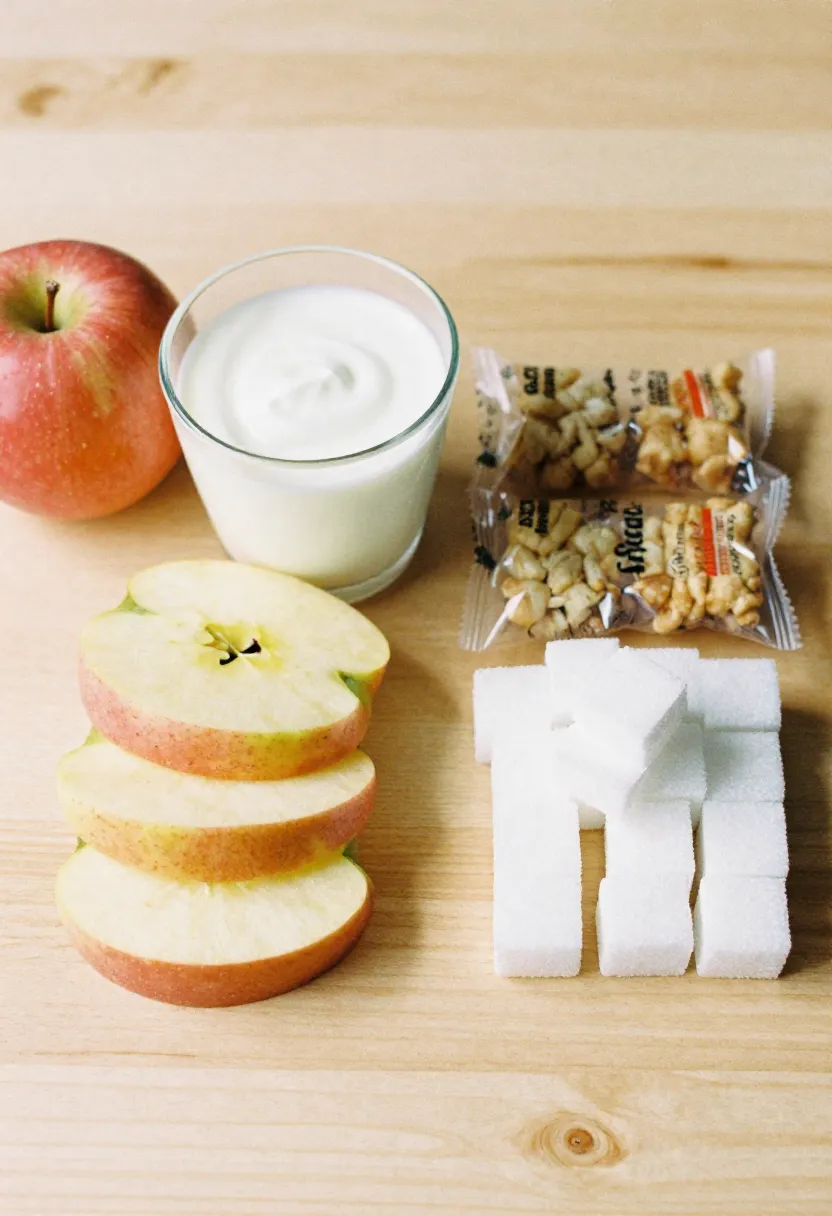
If you’ve ever stared at a nutrition label and wondered, “Wait… is this sugar bad or okay?” — you are not alone. One of the biggest sources of confusion around sugar-free diets is simply this: not all sugar is the same. The sugar in a fresh peach behaves very differently in your body than the sugar added to a soda or a cookie.
To build a sustainable, balanced sugar-free lifestyle, it helps to understand the two main kinds of sugar: natural sugars and added sugars.
Let’s break it down in a human, easy-to-grasp way.
Natural Sugars — The Kind That Comes With Benefits
Natural sugars are found naturally in whole foods like:
- fruits
- vegetables
- milk and yogurt
- some whole grains
These foods don’t just contain sugar — they come with an entire package of nourishment:
- fiber
- vitamins
- minerals
- antioxidants
- water
- protein (in dairy)
This combination slows down how sugar is absorbed, meaning you get steady energy instead of rapid spikes and crashes. Natural sugars are not the enemy. In fact, they’re a beautiful part of a balanced diet.
A peach is not the same as a pastry — even if they have similar grams of sugar on paper.
Added Sugars — The Ones to Be Mindful Of
Added sugars are exactly what they sound like: sugars added to foods during processing, cooking, or preparation.
These include:
- table sugar
- honey (when added to foods)
- syrups (maple, corn, rice, agave)
- juice concentrates
- glucose, fructose, sucrose
- maltodextrin and malt syrup
You’ll find added sugars in places you’d never expect:
- bread
- salad dressings
- granola
- tomato sauce
- crackers
- flavored yogurts
- “healthy” protein bars
- instant oatmeal packets
Food manufacturers add sugar to boost flavor, extend shelf life, and make products more crave-worthy. But your body doesn’t need these extras — and often struggles with them.
Why Added Sugars Are the Problem
When it comes to sugar-free diets, the goal isn’t to eliminate all sources of sugar — just the ones that overload the system. Added sugars can lead to:
- blood sugar spikes
- energy crashes
- inflammation
- mood swings
- increased hunger
- higher risk of diabetes
- weight gain
- cravings that feel hard to control
Over time, too much added sugar can affect heart health, liver function, skin quality, and hormone balance.
A sugar-free lifestyle helps quiet those rollercoasters.
What About Natural Sweeteners?
Sweeteners like honey, maple syrup, or coconut sugar may be more natural — but when added to foods, they still count as added sugars.
They’re delicious in moderation, but they shouldn’t become daily replacements for refined sugar.
How to Spot Added Sugars on Labels
Food labels can be tricky, but there’s a simple rule:
If the ingredient list has anything ending in “-ose” or anything called “syrup,” it’s an added sugar.
Common names include:
- glucose
- fructose
- sucrose
- dextrose
- maltose
- cane sugar
- brown rice syrup
- corn syrup
- honey or maple syrup (when used as ingredients)
Even “organic cane sugar” is still sugar.
Mini-Story Moment
Imagine someone beginning their sugar-free journey by cutting out obvious sweets. They feel proud — and they should! But they’re still having headaches, cravings, and energy dips. Then they discover their “healthy” granola, salad dressing, and morning latte contain more added sugar than they realized.
Once they swap these hidden sugars for whole-food alternatives, everything shifts — energy stabilizes, cravings soften, and they feel more in control.
That’s the power of understanding the difference.
Why this distinction matters
A truly balanced sugar-free diet doesn’t demonize fruit or dairy — it simply helps you avoid the sugars your body wasn’t designed to handle every day. By recognizing the difference between natural and added sugars, you can eat more confidently, with clarity instead of confusion.
Health Benefits of Cutting Back on Added Sugars

Reducing added sugar isn’t just a diet trend — it’s one of the most impactful, transformative changes you can make for your health. Not because sugar is “evil,” but because modern life is saturated with it. Our bodies simply weren’t designed to process the constant drip of sweetness found in everyday foods.
When you begin to cut back, the benefits show up in places you might not expect: your mood, your digestion, your skin, your sleep, your cravings, even your sense of calm. And the best part? Many of these improvements begin within days or weeks, not months.
Here’s what happens when your body finally gets a break from added sugars.
More Stable Energy (No More Rollercoaster Days)
Sugar gives quick energy — and equally quick crashes.
Skipping added sugar helps:
- smooth out energy spikes
- reduce afternoon slumps
- create steady stamina
- improve morning alertness
You go from rollercoaster energy to gently flowing energy — something many people don’t realize they’ve been missing until they feel it.
Reduced Cravings & Better Appetite Control
Sugar creates a cycle of dependency.
The more you eat, the more you want.
When you dial back added sugars:
- cravings soften
- appetite becomes more predictable
- emotional snacking decreases
- fullness cues become clearer
Your body begins trusting itself again.
Improved Digestion & Gut Health
Excess sugar can feed harmful gut bacteria, leading to bloating, constipation, or inflammation.
Reducing added sugar helps:
- rebalance gut flora
- reduce discomfort
- support smoother digestion
- improve bowel regularity
A calmer gut often means a calmer mind.
More Stable Mood & Better Stress Response
Added sugar affects neurotransmitters — the chemicals that influence mood.
Cutting back can help:
- reduce irritability
- stabilize mood swings
- improve stress tolerance
- support a calmer emotional baseline
Many people describe feeling “more grounded” without sugar highs and lows.
Clearer, Healthier Skin
Sugar can trigger inflammation and disrupt collagen — the protein that keeps skin firm and bright.
A low-sugar diet may lead to:
- fewer breakouts
- reduced redness
- improved hydration
- smoother texture
- a natural, healthy glow
Some call it the “sugar-free glow.”
Better Sleep Quality
Blood sugar swings at night can interrupt sleep cycles.
Reducing sugar supports:
- falling asleep more easily
- fewer nighttime awakenings
- deeper, more restorative rest
Better sleep means better everything — mood, energy, immunity.
Improved Metabolic Health
Too much sugar strains the body’s insulin response.
Cutting added sugar helps:
- stabilize blood sugar
- reduce insulin spikes
- lower the risk of type 2 diabetes
- improve long-term metabolic resilience
This is one of the most powerful reasons to reduce sugar intake.
Heart & Liver Support
Sugar doesn’t just impact weight — it can affect heart and liver health.
Lower sugar intake may:
- reduce triglycerides
- support healthy cholesterol
- decrease liver fat accumulation
- protect cardiovascular function
Small daily choices add up to big long-term benefits.
Weight Balance Without “Dieting”
Removing added sugars often leads to:
- fewer calories consumed
- less snacking
- reduced cravings
- smoother metabolism
People frequently lose weight naturally — without counting calories or restricting whole foods.
Mini-Story Moment
Imagine someone who has tried every diet, every reset, every “start over on Monday” plan. One day they decide to simply reduce added sugars — swapping sweetened yogurt for unsweetened with berries, choosing real fruit over juice, skipping sugary sauces. Within two weeks, they feel lighter, clearer, calmer. Their cravings ease. Their energy steadies. And for the first time, eating well doesn’t feel like a fight.
That’s the quiet magic of reducing sugar.
Why these benefits matter
A sugar-free diet is not about deprivation — it’s about liberation.
More energy, clearer thinking, smoother digestion, brighter skin, steadier mood — these are the things that make life feel good. Reducing added sugar gives your body room to thrive, not just function.
Common Challenges When Reducing Sugar

Cutting back on sugar sounds simple in theory — swap the sweets, skip the soda, avoid the obvious desserts. But in practice? It can feel surprisingly emotional, physical, and even confusing. Sugar is woven into routines, memories, comfort rituals, and nearly every processed food on the shelves.
If you’ve ever thought, “Why is this so hard?” — you’re not alone. Reducing sugar isn’t just a diet change. It’s a lifestyle shift that touches your body, your habits, and even your sense of reward.
Here are the most common challenges people face — and why they happen.
Cravings That Feel Stronger Than Expected
Sugar triggers dopamine, the brain’s “feel-good” chemical.
When you cut back, your brain needs time to adjust.
You may experience:
This is normal. It’s not weakness — it’s biology recalibrating.
Sugar Withdrawal Symptoms (Yes, It’s Real)
Some people notice mild withdrawal symptoms in the first week, such as:
- headaches
- irritability
- fatigue
- moodiness
- trouble concentrating
This phase is temporary. It usually fades within 3–7 days as your blood sugar stabilizes.
Hidden Sugars Everywhere
Even with the best intentions, sugar sneaks into foods you wouldn’t expect:
- cereal
- plant milks
- salad dressings
- crackers
- sauces
- flavored yogurts
- “healthy” snack bars
The challenge isn’t discipline — it’s awareness.
Reading labels becomes a superpower in a sugar-free lifestyle.
Social Pressure & Food Culture
Sugar is part of celebrations and traditions:
- birthday cakes
- holiday treats
- drinks with friends
- family gatherings
- comfort baking
People may say things like,
“Just one won’t hurt,”
even when you’re trying to make mindful choices.
It’s okay to set gentle boundaries without explaining your entire diet.
Emotional Connection to Sweet Foods
Many people turn to sugar for:
- comfort
- stress relief
- reward
- nostalgia
- coping
Letting go of sugar often means finding new emotional anchors — and it takes time.
Convenience Foods Are Designed to Be Addictive
Processed foods are engineered for “bliss point” sweetness — not too low, not too high — just enough to keep you coming back.
Switching to whole foods may feel less convenient at first.
But once new habits form, real flavors become incredibly satisfying.
Taste Bud Adjustments
When you reduce sugar, food may taste:
- less sweet
- more bland
- unexpectedly different
But here’s the magic:
Your taste buds reset.
After a few weeks, natural sweetness in fruit feels more intense — even exciting.
Fear of “Missing Out”
Some people worry:
- “What if I can’t enjoy dessert again?”
- “Will I feel restricted?”
- “Do I have to give up everything sweet?”
The truth?
A balanced sugar-free lifestyle makes room for occasional treats — but from a place of freedom, not craving.
Mini-Story Moment
Imagine someone who starts their sugar-free journey full of motivation. By day three, they have a pounding headache and would trade anything for a muffin. They feel discouraged. But they keep going — adding more fruit, drinking more water, choosing whole foods.
A week later, their cravings ease. Two weeks later, their energy stabilizes. Three weeks later, they’re shocked at how sweet strawberries taste.
The challenge was temporary — the benefits are lasting.
Why acknowledging challenges matters
When you know the obstacles ahead, you can meet them with compassion instead of frustration. A sugar-free diet isn’t about perfection — it’s about awareness, small adjustments, and patience with yourself as your body and habits evolve.
Sugar Alternatives: Sweeteners, Natural & Artificial
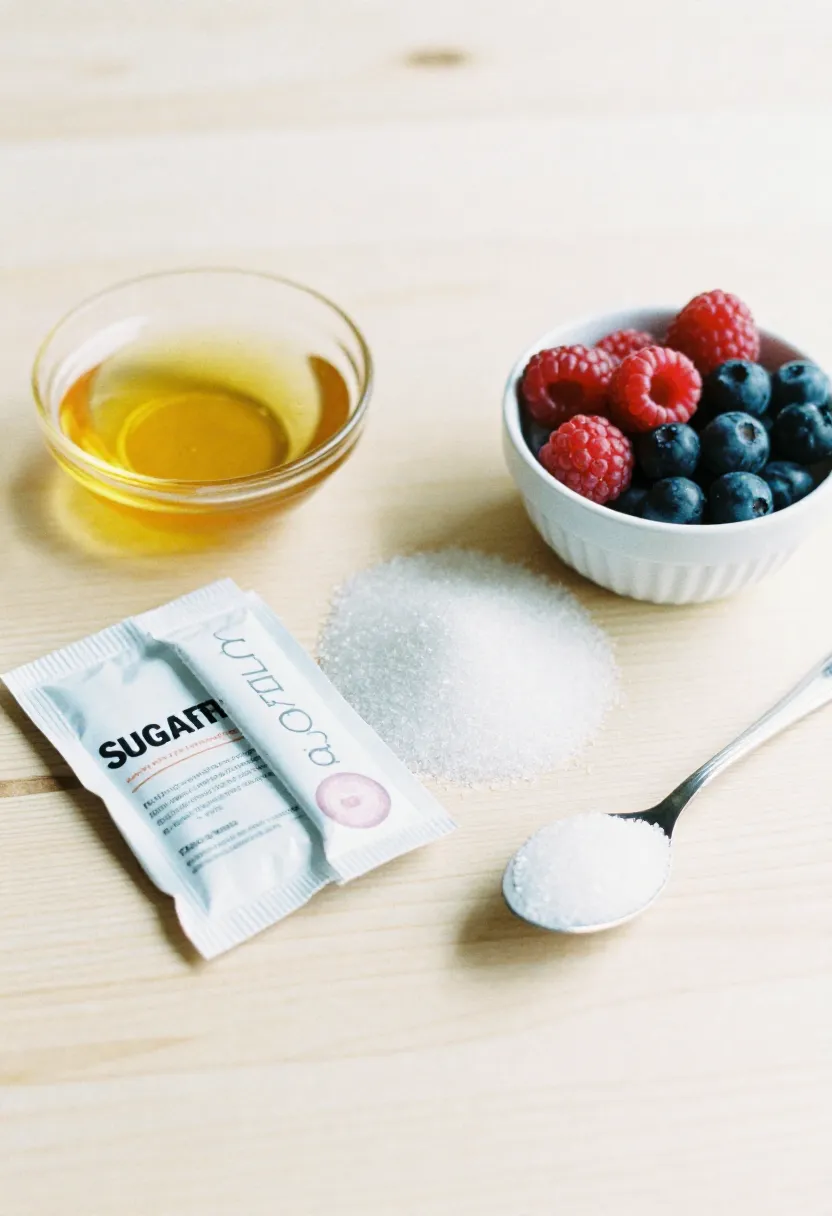
When people begin reducing sugar, one of the first questions they ask is:
“What can I use instead?”
The world of sweeteners is huge — natural options, artificial ones, sugar alcohols, syrups, drops, powders, extracts. Some are marketed as “healthy,” others spark controversy, and many fall somewhere in between. It’s easy to feel lost.
But here’s the truth:
No sweetener is perfect.
They all have pros and cons, and they all affect the body differently.
This section doesn’t tell you what to avoid or fear. Instead, it guides you gently through the choices so you can pick what feels right for your goals, your body, and your lifestyle.
Natural Sweeteners — Closer to Nature, Still Sweet
These sweeteners come from whole-food sources and offer flavor that feels familiar and comforting.
Honey
Rich, aromatic, nutrient-packed — but still a form of added sugar.
Pros:
- antioxidant properties
- soothing in warm drinks
- flavorful in small amounts
Cons:
- high in sugar
- raises blood sugar
- not suitable for strict sugar-free diets
Best for: occasional, mindful use.
Maple Syrup
Earthy, warm sweetness.
Pros:
- contains trace minerals
- strong flavor means you use less
Cons:
- still raises blood sugar
- high-calorie
Best for: weekend pancakes, thoughtful baking.
Coconut Sugar
Popular in “healthier” baking.
Pros:
- lower glycemic index than white sugar
- caramel-like flavor
Cons:
- still a sugar
- not good for blood sugar-sensitive individuals
Best for: treats that feel indulgent but balanced.
Plant-Based Zero-Calorie Sweeteners — Sweet Without the Sugar Spike
These are favorites for people who want sweetness without affecting blood sugar levels.
Stevia
A natural extract from plant leaves.
Pros:
- zero calories
- no blood sugar impact
- easy to use
Cons:
- some find it bitter
- can be overly sweet
Best for: tea, coffee, yogurt, smoothies.
Monk Fruit Sweetener
Sweetener from a small Asian fruit.
Pros:
- no calories
- no glycemic effect
- very clean flavor
Cons:
- can be expensive
- often blended with other sweeteners
Best for: baking, drinks, sauces.
Sugar Alcohols — Low-Calorie Sweetness With Possible Side Effects
Sugar alcohols show up in many packaged “sugar-free” products.
Erythritol
Light, neutral sweetness.
Pros:
- almost zero calories
- no blood sugar spike
- popular for baking
Cons:
- may cause bloating in large amounts
- some people experience digestive discomfort
Best for: homemade desserts or low-carb recipes.
Xylitol, Sorbitol, Maltitol
Common in “sugar-free” candies, gums, and snacks.
Pros:
- lower in calories than sugar
- tooth-friendly (especially xylitol)
Cons:
- can cause gas, bloating, or diarrhea
- maltitol affects blood sugar more than expected
Best for: occasional use — watch your body’s response.
Artificial Sweeteners — Controversial, but Widely Used
These include:
- aspartame
- sucralose
- saccharin
- acesulfame K
Pros:
- zero calories
- extremely sweet
- no immediate blood sugar spike
Cons:
- controversial research
- may increase cravings
- can affect taste preferences
- often found in ultra-processed foods
Best for: short-term alternatives, not daily long-term use.
Fruit-Based Sweeteners — Whole Food Vibes
Date Paste or Date Syrup
Rich, caramel-like sweetness.
Pros:
- fiber, minerals, antioxidants
- whole-food based
- satisfying and deeply flavorful
Cons:
- still high in sugar
- not suitable for strict sugar-free diets
Best for: healthy baking, smoothies, oatmeal.
Mashed Banana / Applesauce
Perfect for baking.
Pros:
- add moisture and sweetness
- naturally nutrient-rich
Cons:
- flavor can be noticeable
- not sugar-free (contains natural sugars)
Best for: wholesome homemade treats.
How to Choose the Right Sweetener for You
Ask yourself:
- Do you want to avoid blood sugar spikes? → Choose stevia or monk fruit.
- Do you prefer natural, whole-food options? → Choose dates, fruit, or small amounts of honey/maple.
- Are you baking? → Try erythritol, monk fruit blends, or coconut sugar.
- Sensitive stomach? → Avoid xylitol, sorbitol, and maltitol.
- Want to adjust taste buds gradually? → Reduce sweeteners overall.
There is no one-size-fits-all answer — just a spectrum of choices.
Mini-Story Moment
Imagine someone starting their sugar-free journey. They fill their pantry with sugar-free cookies and artificially sweetened snacks, thinking it’s the perfect swap. But the cravings don’t stop. One day, they try monk fruit in their tea, a mashed banana in muffins, and a little lemon water for flavor — and suddenly everything clicks.
Their cravings lessen. Their digestion calms. Their relationship with sweetness feels… peaceful.
Sometimes small, mindful swaps make all the difference.
Why this section matters
Understanding sweeteners saves you from frustration, guilt, and confusion. When you know what each option offers — and where it falls short — you can choose what supports your body, lifestyle, and taste buds best.
A sugar-free diet isn’t about replacing sugar with something else.
It’s about choosing sweetness with intention.
What to Eat on a Sugar-Free Diet (Foods to Include & Avoid)
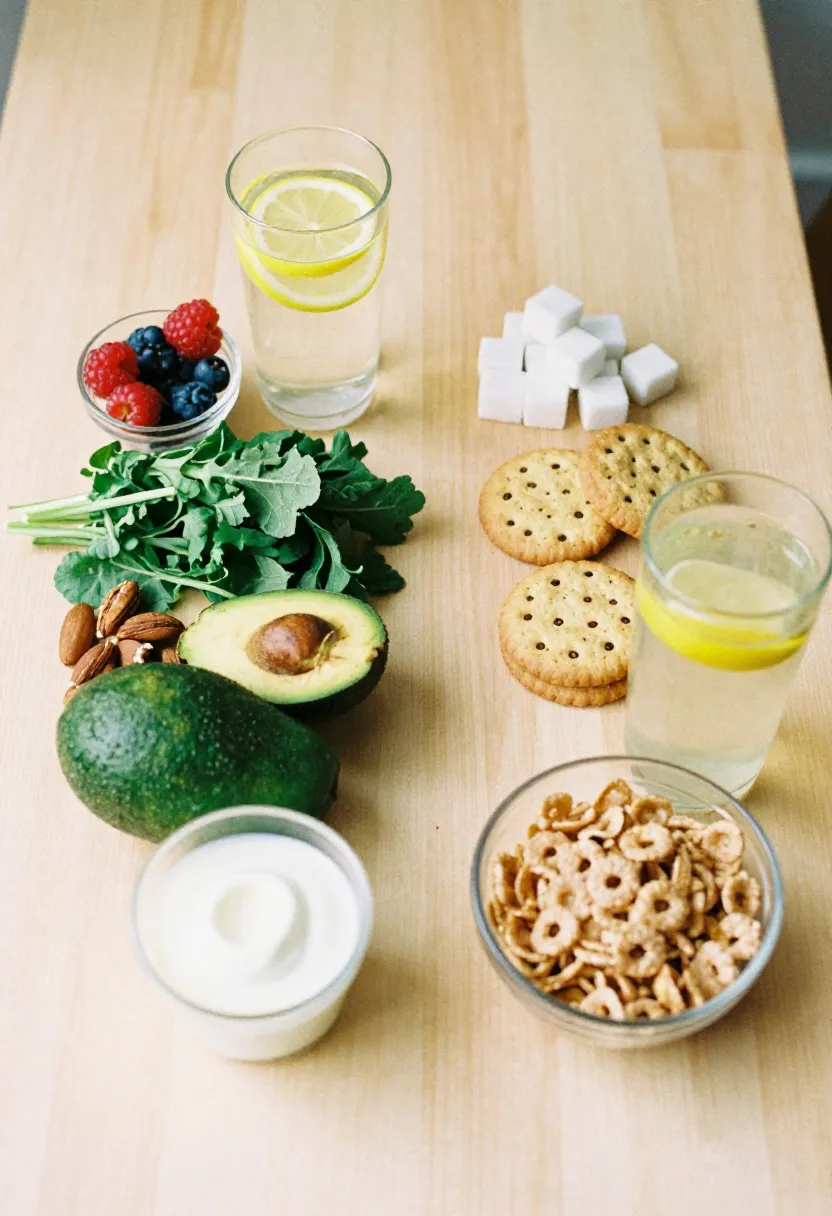
One of the most freeing parts of reducing sugar is realizing just how many delicious, satisfying foods are still on the table. A sugar-free diet isn’t about deprivation — it’s about choosing foods that nourish, energize, and support your body without creating spikes, crashes, or hidden sweetness overload.
This section makes it simple: here are the foods to enjoy freely, the ones to eat mindfully, and the ones to limit if you’re working toward a low-sugar lifestyle.
🍎 Foods to Include on a Sugar-Free Diet
Whole Fruits (Yes, You Can Have Fruit)
Fruit contains natural sugars, but it comes packaged with:
- fiber
- water
- vitamins
- antioxidants
- slow-release energy
Great choices:
- berries
- apples
- citrus fruits
- pears
- kiwi
- peaches
- melons
These don’t spike blood sugar the same way processed sweets do.
Vegetables — The Foundation
Vegetables are naturally low in sugar and packed with nutrients.
Enjoy plenty of:
- leafy greens
- cucumbers
- broccoli
- cauliflower
- tomatoes
- peppers
- zucchini
- Brussels sprouts
- carrots (in moderation if you’re blood-sugar sensitive)
They fill your plate with vibrant flavor and fiber.
Protein-Rich Foods
Protein stabilizes blood sugar and reduces cravings.
Include:
- chicken, turkey, fish
- eggs
- tofu, tempeh
- legumes (lentils, chickpeas, beans)
- Greek yogurt (unsweetened)
Protein keeps you full, satisfied, and energized.
Healthy Fats
Fats slow digestion and help balance cravings.
Choose:
- avocado
- olive oil
- nuts and seeds
- natural nut butters
- olives
- fatty fish (salmon, sardines)
Healthy fats make meals satisfying and grounded.
Whole Grains & Complex Carbs
These digest slowly and provide steady energy.
Great options:
- oats
- quinoa
- brown rice
- barley
- whole grain pasta
- sweet potatoes
They support balanced blood sugar and long-lasting fullness.
Unsweetened Dairy & Alternatives
Look for “unsweetened” or “no sugar added.”
Options:
- plain Greek yogurt
- plain cottage cheese
- unsweetened almond, oat, or soy milk
- cheese
These offer protein, calcium, and texture without hidden sweetness.
Hydration Helpers
Choose drinks without added sugar:
- water
- sparkling water
- herbal teas
- infused water (fruit, mint, cucumber)
- black coffee or tea (moderation)
Keeping beverages sugar-free makes the biggest difference.
🚫 Foods to Avoid or Limit on a Sugar-Free Diet
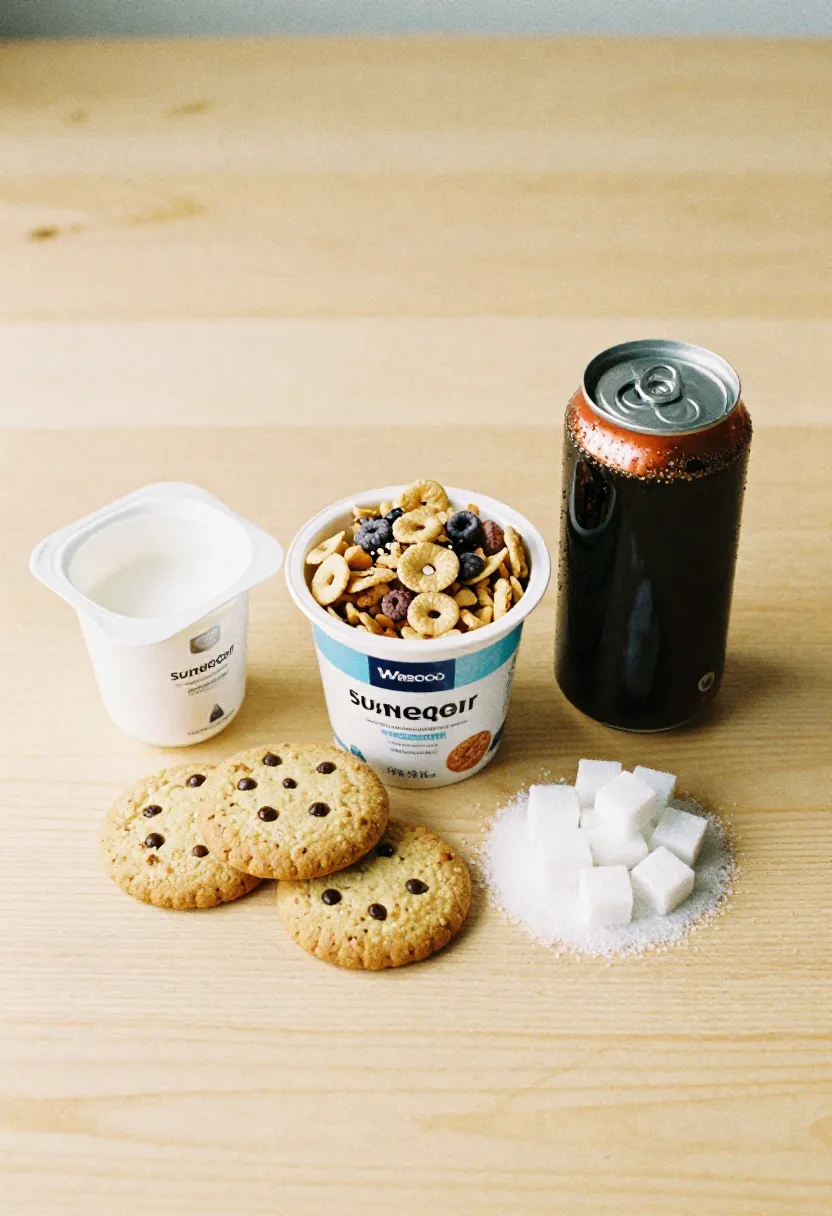
Sugary Drinks
These are the biggest contributors to added sugar.
Limit or avoid:
- soda
- sweetened iced teas
- energy drinks
- sugary lattes
- fruit juices (even 100% juice has concentrated sugar)
Swap these for sparkling water, herbal teas, or infused water.
Highly Processed Snacks
These often contain hidden sugars, even when they taste savory.
Watch out for:
- flavored crackers
- sweetened granola
- protein bars
- instant oatmeal
- packaged muffins
- flavored rice cakes
Always check labels — sugar sneaks into everything.
Commercial Baked Goods
Cookies, pastries, cakes, brownies — all high in sugar and refined flour.
Enjoy them very occasionally or bake your own healthier versions.
Sauces and Condiments
Some sauces contain more sugar per tablespoon than a chocolate bar.
Be mindful of:
- ketchup
- barbecue sauce
- teriyaki sauce
- sweet chili sauce
- salad dressings
- marinades
Look for “no added sugar” versions or make your own.
Breakfast Cereals
Many cereals — even those marketed as “healthy” — contain high sugar levels.
Choose:
- steel-cut oats
- low-sugar granola
- unsweetened muesli
Add fruit for natural sweetness.
Ultra-Processed Foods
If it has a long ingredient list, it likely contains added sugar.
🌿 Building Balanced, Satisfying Meals
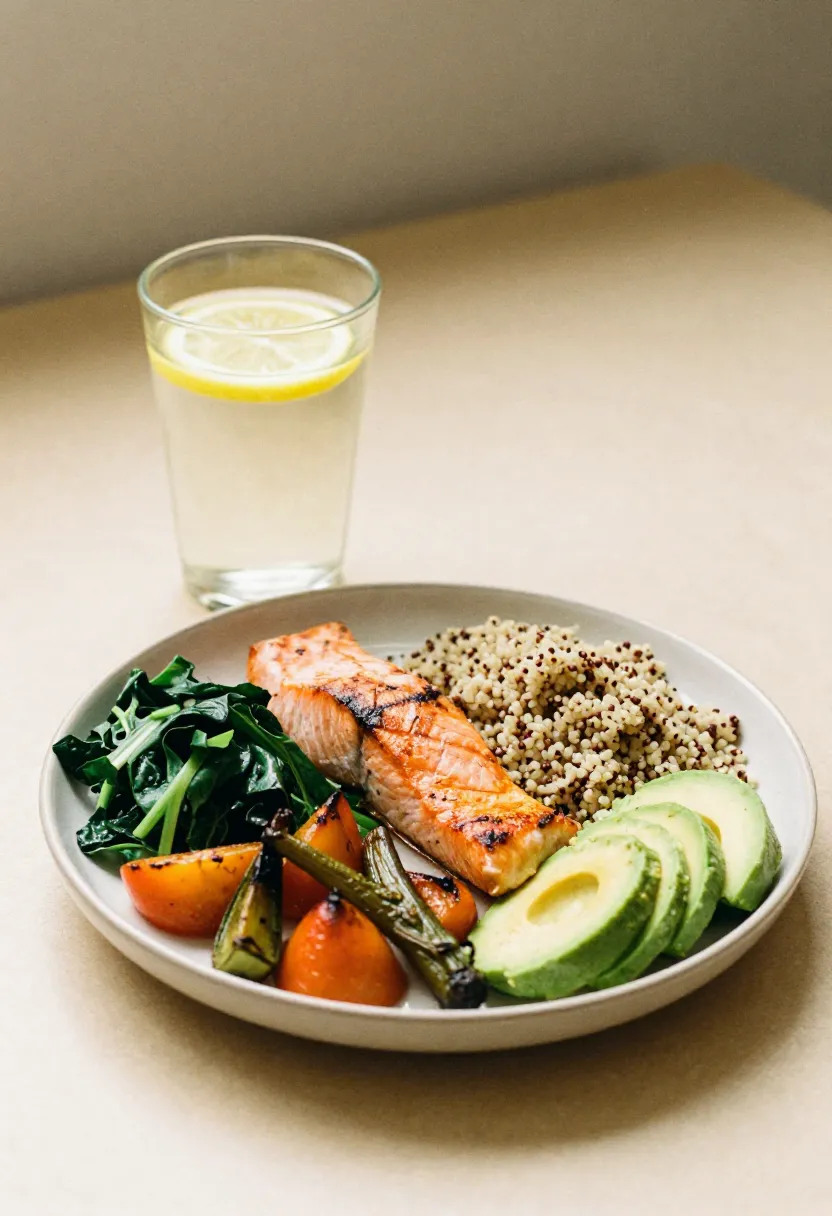
A sugar-free meal often includes:
- a protein
- a healthy fat
- a whole grain or complex carb
- vegetables
- optional fruit
This combination stabilizes blood sugar, supports steady energy, and keeps cravings away.
Mini-Story Moment
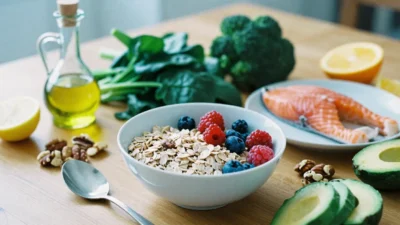
Picture someone starting a sugar-free diet thinking they must avoid fruit, carbs, and all sweet flavors. They feel restricted — until they learn the truth. They start eating colorful bowls filled with salmon, avocado, crunchy vegetables, quinoa, lemon dressing. They enjoy berries with yogurt, infused water with citrus, roasted vegetables.
Suddenly sugar isn’t missed — because real food tastes better.
Why this list matters
Knowing what to eat is empowering.
A sugar-free lifestyle flourishes not by removing joy, but by adding nourishment, flavor, and balance back onto your plate.
How to Start a Sugar-Free Diet — Practical Steps & Tips

Beginning a sugar-free or low-sugar lifestyle doesn’t have to feel like a dramatic overhaul. In fact, the most successful sugar-free journeys start quietly — with small steps, simple swaps, and habits that build naturally over time. This isn’t about becoming perfect. It’s about becoming more aware, more intentional, and more connected to the way you nourish your body.
Here’s a friendly, human-centered guide to help you start sugar-free living in a way that feels sustainable and even enjoyable.
1. Begin With Awareness (Not Restriction)
For the first few days, don’t change anything — just observe.
Notice:
- when you crave sweetness
- which foods contain hidden sugars
- how your energy shifts after meals
- your emotional relationship with sweet foods
Awareness helps you make thoughtful choices instead of sudden, stressful changes.
2. Start With One Simple Swap
Choose one area to focus on first:
- swap sweetened yogurt for unsweetened
- replace soda with sparkling water
- choose oatmeal instead of sugary cereal
- make coffee at home without flavored syrups
Small wins build quiet confidence.
3. Clean Up Your Breakfast
Breakfast is often the biggest sugar trap.
Better options include:
- eggs & veggies
- avocado toast
- Greek yogurt with berries
- overnight oats (unsweetened)
- smoothies without added sweeteners
A low-sugar breakfast stabilizes cravings for the rest of the day.
4. Learn to Read Labels (Your Superpower)
Once you start reading ingredient lists, sugar becomes easier to avoid.
Look for:
- words ending in “-ose”
- syrups
- juice concentrates
- sweetened plant milks
- flavored yogurts
- processed snacks
If sugar is in the first 3 ingredients, it’s a red flag.
5. Stock Your Home With Sugar-Free Essentials
Set your environment up for success with:
- nuts & seeds
- fresh fruit
- whole grains
- unsweetened dairy/plant milks
- hummus & veggies
- lean proteins
- herbal teas
- sugar-free condiments
- minimally processed snacks
When good food is within reach, choices become easier.
6. Keep Your Hydration High
Dehydration can mimic sugar cravings.
Try:
- herbal tea
- citrus-infused water
- sparkling water
- iced mint tea
Often when you think you’re craving something sweet, your body is just asking for water.
7. Stop Buying Your Biggest Triggers
For many people, this includes:
- ice cream
- chocolate
- sugary cereal
- sweetened coffee drinks
- pastries
If it’s not in the house, you don’t have to battle it.
8. Enjoy Natural Sweetness
You don’t need to give up sweet flavors — just choose kinder options:
- fresh fruit
- cinnamon
- vanilla extract
- coconut flakes
- a touch of honey or maple syrup (optional, mindful use)
These satisfy without overwhelming your system.
9. Prepare “Emergency Snacks”
Healthy sugar-free snacks prevent impulse sugar choices.
Great options:
- nuts
- cheese slices
- hard-boiled eggs
- veggie sticks with hummus
- berries
- Greek yogurt (unsweetened)
Keep these nearby so you never feel desperate.
10. Plan for the First 1–2 Weeks
The first phase is often the toughest.
Prepare yourself for:
- some cravings
- moments of irritation
- old habits resurfacing
This is temporary — your body is adjusting.
By week 3, most people feel lighter, clearer, more energized.
11. Focus on Addition, Not Just Subtraction
Instead of thinking, “I can’t have sugar,” think:
- “I’m adding nourishing foods.”
- “I’m adding stability to my energy.”
- “I’m adding long-term wellbeing.”
This positive mindset turns sugar-free into self-care, not punishment.
12. Be Gentle With Yourself
You don’t need perfect sugar-free days.
You need consistent, compassionate progress.
If you slip?
- breathe
- hydrate
- return to whole foods at the next meal
This isn’t a detox — it’s a lifestyle evolution.
Mini-Story Moment
Imagine someone beginning their sugar-free journey with huge motivation. On day three, they accidentally grab a sweetened coffee on their way to work. They feel discouraged — “I messed up.”
But instead of quitting, they continue. They choose vegetables at lunch, drink more water, and skip dessert that evening.
Through kindness toward themselves, their habits slowly strengthen. Within a month, sugar is no longer running the show — they are.
Why these steps matter
A sugar-free lifestyle works best when it feels like a gentle shift rather than a strict rulebook. These steps help you build a foundation of awareness, nourishment, and supportive habits that make sugar-free eating calm, intuitive, and deeply rewarding.
Misconceptions About Sugar-Free Diets
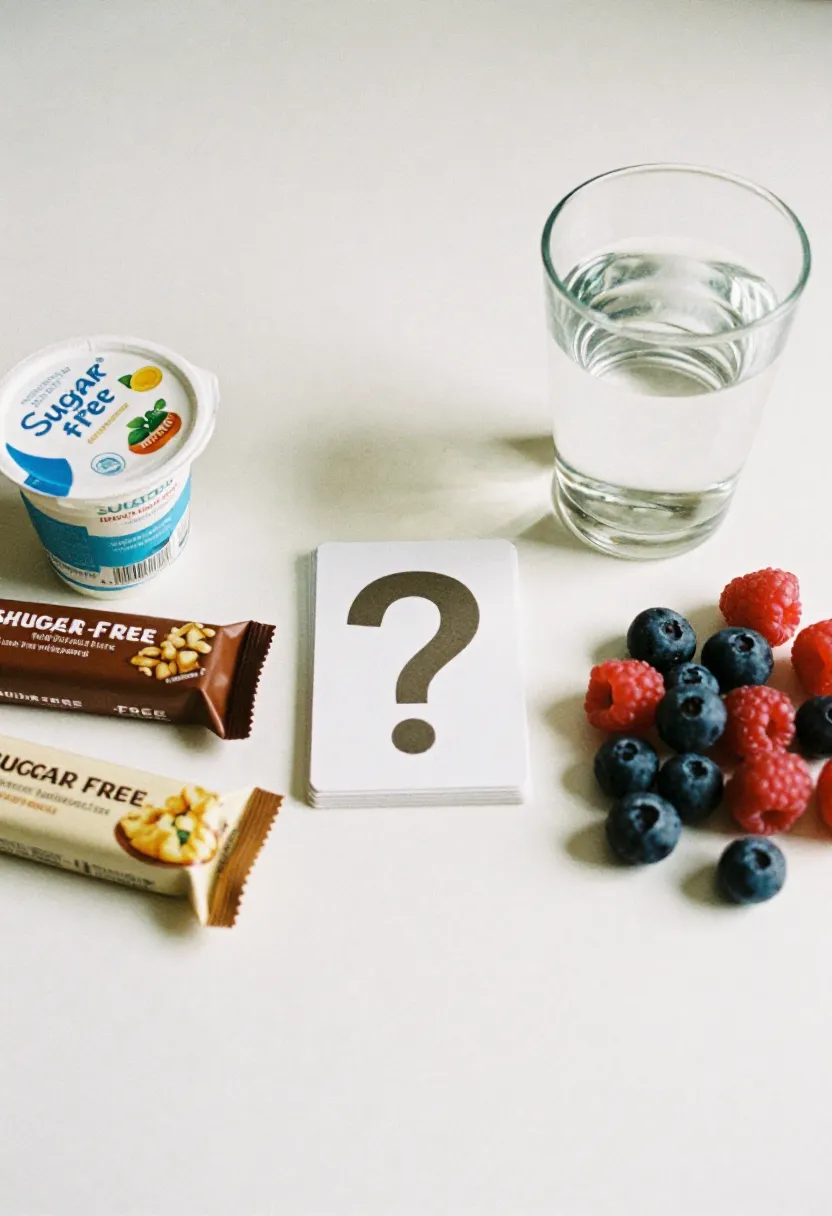
Sugar-free diets are everywhere — in magazines, social media trends, grocery store labels, and countless wellness conversations. But with that popularity comes a swirl of confusion. People often jump into sugar-free living with the wrong expectations, unnecessary fear, or unrealistic rules that make the journey harder than it needs to be.
This section clears up the most common misconceptions so you can embrace a sugar-free lifestyle in a way that feels balanced, flexible, and grounded in real-life wellness.
Misconception 1: “Sugar-free means no fruit.”
This is one of the biggest myths — and it’s completely false.
Fruit contains natural sugars, yes, but it also offers:
- fiber
- antioxidants
- vitamins
- hydration
- steady energy
Fruit does not act like added sugar in the body.
A sugar-free diet focuses on avoiding added sugars, not whole fruits.
Unless a doctor advises otherwise, fruit stays on the menu.
Misconception 2: “All sweetness must be eliminated.”
A sugar-free lifestyle doesn’t mean your world turns bland.
You can still enjoy:
- berries
- vanilla
- cinnamon
- coconut
- monk fruit
- stevia
- a bit of honey or maple syrup (if not strictly sugar-free)
It’s about intentional sweetness, not total elimination.
Misconception 3: “Sugar-free products are always healthy.”
Many “sugar-free” snacks or drinks rely heavily on:
- artificial sweeteners
- sugar alcohols
- processed ingredients
- additives
They may have no sugar, but they aren’t always nourishing.
Whole foods > packaged sugar-free products.
Misconception 4: “Natural sweeteners are automatically healthy.”
Honey, maple syrup, and coconut sugar sound wholesome — and they can be — but they’re still added sugars when used in recipes.
The body processes them similarly to regular sugar.
The difference?
They offer a few more nutrients and often taste better in small amounts.
Misconception 5: “If it’s ‘no added sugar,’ it’s automatically low in sugar.”
A tomato sauce or fruit juice may be labeled “no added sugar” but still contain lots of natural sugar.
This claim simply means:
➡️ no sugar was added during processing
It does not mean the product is low-sugar.
Misconception 6: “Artificial sweeteners are the perfect solution.”
Artificial sweeteners:
- don’t affect blood sugar
- add zero calories
…but they can:
- increase cravings
- affect digestion
- change taste sensitivity
- keep your “sweet tooth” active
They’re tools — not long-term nourishment.
Misconception 7: “Sugar-free means low-carb.”
These are not the same thing.
You can reduce sugar and still enjoy:
- fruits
- whole grains
- beans
- starchy vegetables
A sugar-free lifestyle simply reduces added sugars, not carbohydrates as a whole.
Misconception 8: “You must be perfect to benefit.”
Absolutely not.
Even reducing added sugar by:
- one dessert
- one sweet drink
- one packaged snack
per day can make a noticeable difference.
Progress matters more than perfection.
Misconception 9: “If I slip once, I ruined everything.”
Sugar-free living is flexible.
If you eat something sweet:
- drink water
- move on
- eat whole foods at the next meal
There is no “failure” — only information about what your body wants or needs.
Misconception 10: “Sugar-free eating is boring.”
Not when you embrace:
- herbs
- spices
- natural sweetness
- high-quality chocolate (70%+) in moderation
- warm, cozy drinks
- fresh, vibrant meals
Removing sugar reveals real flavors — rich, savory, bright, and deeply satisfying.
Mini-Story Moment
Imagine someone beginning a sugar-free diet thinking they must avoid fruit, skip all carbs, cut out every sweet flavor, and rely on expensive “sugar-free” products. After a month, they’re exhausted and frustrated. Then they learn the truth: they can eat fruit without guilt, enjoy whole grains, flavor food naturally, and choose sweetness mindfully.
Suddenly, sugar-free living becomes enjoyable, nourishing, and sustainable.
Why busting myths matters
These misconceptions often cause guilt, confusion, and unnecessary restriction. When you understand what sugar-free living truly is — and what it’s not — you can create habits that feel empowering, not stressful.
A sugar-free lifestyle should feel like freedom, not fear.
FAQ — Real Questions About Sugar-Free Diets Answered

Sugar-free living sparks a lot of curiosity — and confusion. People want to feel better, reduce cravings, balance energy, and improve their diet… but they also want clarity, ease, and reassurance that they’re making the right choices.
This FAQ brings simple, human-centered answers to the most common questions, helping readers feel confident and supported every step of the way.
1. Do I need to cut out all sugar to be healthy?
No.
You don’t need to eliminate natural sugars in fruit, vegetables, or dairy.
The focus is on reducing added sugars, not whole foods.
Balanced, sustainable change is far more important than strict elimination.
2. How long does it take to stop craving sugar?
For most people:
- cravings lessen within 3–7 days
- cravings significantly reduce by week 2
- taste buds reset over 2–4 weeks
Everyone is different, but you’ll feel shifts early on.
3. Is fruit allowed on a sugar-free diet?
Yes.
Fruit contains natural sugars but also:
- fiber
- nutrients
- hydration
- antioxidants
It digests differently from processed sweets and offers steady, nourishing energy.
4. Are artificial sweeteners safe?
Most are considered safe in moderation, but:
- they may increase cravings
- they can affect digestion
- they may alter taste sensitivity
Use them as tools, not solutions.
5. Can I drink coffee or tea?
Absolutely — just avoid added sugars and sweetened creamers.
Great options:
- black coffee
- herbal tea
- tea with unsweetened milk
- coffee with a splash of unsweetened plant milk
If you need sweetness, use stevia or monk fruit.
6. What about alcohol — does it contain sugar?
Some drinks do.
Low-sugar choices:
- dry wine
- light beer
- spirits like vodka, gin, whisky (avoid sugary mixers)
Avoid:
- sweet cocktails
- liqueurs
- hard ciders
- sugary mixers like cola or tonic (choose soda water instead)
7. Why do I feel tired when I first reduce sugar?
Your body is adjusting from quick sugar energy to steady whole-food energy.
Temporary fatigue can happen, but:
- hydration
- balanced meals
- protein + fiber combinations
help reduce this effect.
Within 1–2 weeks, most people feel more energized than before.
8. What if I slip up and eat something sugary?
It’s completely normal.
The best response is:
- don’t panic
- drink water
- eat a nourishing next meal
- move on
Sugar-free living isn’t about perfection — it’s about progress.
9. Will removing sugar help with weight loss?
Often, yes — but not because of dieting.
Instead:
- cravings decrease
- snacking reduces
- portions naturally regulate
- energy stabilizes
- appetite becomes clearer
Many people lose weight without even trying.
10. Can a sugar-free diet improve mood?
Yes.
Many people report:
- fewer mood swings
- less irritability
- better stress tolerance
- more emotional stability
When blood sugar is stable, mood is more stable.
11. Are “no added sugar” products always healthy?
Not necessarily.
Some are nutritious.
Some are high in natural sugars or heavily processed.
Always check:
- ingredient list
- total sugar content
- added sweeteners
- portion size
Labels can be misleading — knowledge keeps you empowered.
12. Is a sugar-free diet safe long-term?
Absolutely — as long as it’s balanced.
A wholesome diet with:
- fruits
- vegetables
- proteins
- healthy fats
- whole grains
- minimal added sugars
is one of the healthiest long-term eating patterns.
Mini-Story Moment
Someone begins a sugar-free journey and immediately gets bombarded with questions: “Can I eat fruit? What about milk? Is honey okay? Are sweeteners dangerous?” They feel overwhelmed… until they find guidance that explains everything clearly. Suddenly, sugar-free living becomes understandable — even simple. Clarity removes fear, and confidence takes its place.
Why this FAQ matters
Knowledge transforms sugar-free eating from something intimidating into something empowering. When people understand what’s normal, what’s safe, and what’s flexible, they can make choices that truly support their wellbeing — without guilt, confusion, or unnecessary rules.