
Contents
- The Big Question: Exercise on the HCG Diet
- Save
- Quick Refresher: What the HCG Diet Actually Is
- Why Exercise Is Normally Important for Weight Loss
- The Energy Problem on the HCG Diet
- Why Intense Exercise Is Usually Discouraged
- Can Light Activity Be Safe?
- Signs Your Body Is Not Tolerating Exercise
- What Many Clinics Actually Recommend
- What Happens to Muscle on the HCG Diet
- When It’s Better to Wait Until After the Diet
- A Healthier Long-Term Strategy
- Fitness Should Support Health, Not Fight It
The Big Question: Exercise on the HCG Diet

When people begin a weight-loss program, one of the first questions that usually arises is how exercise fits into the plan. Physical activity is widely considered an essential part of a healthy lifestyle, and most nutrition experts recommend combining balanced eating with regular movement to support both weight management and overall well-being. For individuals following the HCG diet, however, this question becomes far more complicated.
The HCG diet is known for its extremely restrictive approach to food intake. Many versions of the program limit daily calories to around 500–800 calories, which is significantly lower than what most adults need to maintain normal metabolic function. Because the diet is already demanding on the body, many participants wonder whether adding workouts to the routine is helpful, unnecessary, or even potentially harmful.
On the surface, the idea of exercising while trying to lose weight may seem logical. Physical activity helps burn calories, improves cardiovascular health, and supports muscle strength. In most balanced weight-loss strategies, these benefits make exercise an important part of the process.
However, the situation changes when calorie intake drops dramatically.
When the body receives very limited energy from food, it may struggle to support intense physical activity. Fatigue, dizziness, and reduced endurance can become more common, particularly if workouts are demanding or prolonged. This raises an important question for anyone considering the HCG diet: should exercise be part of the program at all, or is it safer to wait until normal eating patterns resume?
Understanding how the body responds to both severe calorie restriction and physical activity can help clarify the answer.
In this article, we will explore how the HCG diet works, why exercise normally plays a key role in weight loss, what experts say about working out during such a restrictive program, and what types of activity may be more appropriate if someone chooses to remain active while following the diet.
Quick Refresher: What the HCG Diet Actually Is

Before discussing exercise, it helps to briefly understand how the HCG diet is structured and why it places unusual demands on the body. Unlike most modern weight-loss plans that encourage balanced meals and moderate calorie reduction, this program combines a hormone-based supplement with an extremely restrictive eating pattern.
The central component of the diet is human chorionic gonadotropin (HCG), a hormone naturally produced during pregnancy. In medical settings, HCG is used in certain fertility treatments under professional supervision. Within the context of the diet, however, it is promoted as a substance that can supposedly help the body release stored fat while reducing hunger.
Participants typically take HCG in the form of injections, drops, pellets, or sprays while following a strict diet protocol.
The eating plan itself is the most dramatic part of the program. Most versions of the HCG diet limit daily calorie intake to roughly 500 calories, although some variations allow slightly more. The list of permitted foods is narrow and usually includes small portions of lean protein, certain vegetables, and occasional fruit. Foods containing fats, sugars, grains, and processed ingredients are generally excluded.
Because the calorie intake is so low, the body must rely heavily on stored energy to continue functioning.
This rapid shift in energy balance often leads to noticeable weight loss during the early stages of the program. However, such a restrictive intake can also produce fatigue, weakness, and reduced physical endurance — factors that directly influence how the body responds to exercise.
Most HCG diet protocols are divided into several phases.
They often begin with a short preparation stage, followed by the main weight-loss phase with severe calorie restriction. After this period, participants gradually reintroduce additional foods in an attempt to stabilize their weight and transition back to more typical eating patterns.
Understanding this structure helps explain why the question of exercise becomes so complex.
While physical activity is normally encouraged during weight-loss efforts, the extremely low energy intake of the HCG diet changes how the body tolerates workouts and raises important considerations about safety and effectiveness.
Why Exercise Is Normally Important for Weight Loss

In most weight-loss plans, exercise is not treated as an optional extra but as a central part of the process. Nutrition and physical activity work together to support changes in body composition, improve metabolic health, and help maintain results over time. When these two elements are balanced, weight loss tends to occur more gradually but also more sustainably.
One of the main benefits of exercise is its ability to increase energy expenditure. Physical activity requires fuel, which means the body burns additional calories during and after movement. This helps create the calorie deficit that drives fat loss without requiring extreme dietary restriction.
Exercise also plays an important role in preserving muscle mass.
When people lose weight through dieting alone, the body may break down both fat and muscle tissue for energy. Strength training and other forms of resistance exercise help signal the body to maintain muscle, which is metabolically active and supports a healthier resting metabolism.
Beyond body composition, physical activity supports several other aspects of health.
Regular exercise improves cardiovascular fitness, strengthens bones and joints, enhances insulin sensitivity, and supports better blood circulation. It also contributes to improved mood and stress regulation, thanks in part to the release of endorphins and other neurotransmitters associated with well-being.
Another advantage of exercise is that it helps build long-term habits.
People who incorporate regular movement into their lifestyle often find it easier to maintain weight loss after a diet ends. Activities such as walking, cycling, swimming, or strength training can become part of a routine that supports ongoing health rather than a temporary intervention.
Because of these benefits, most nutrition experts encourage combining balanced eating with consistent physical activity.
However, the situation changes when calorie intake becomes extremely limited. The HCG diet’s severe restriction raises important questions about whether the body has enough energy to support exercise safely.
The Energy Problem on the HCG Diet

One of the main reasons exercise becomes complicated during the HCG diet is the simple issue of energy availability. The human body requires fuel not only for physical activity but also for essential processes such as breathing, circulation, digestion, and maintaining body temperature. When calorie intake falls dramatically, the body must begin conserving energy wherever possible.
Most versions of the HCG diet provide only about 500 calories per day, which is far below the amount needed to support normal metabolic function for most adults. Under these conditions, the body shifts into a conservation mode designed to preserve its remaining resources.
This change can affect both physical and mental performance.
Many people following extremely low-calorie diets report feelings of fatigue, reduced endurance, and difficulty concentrating. Because the body has limited fuel available, even everyday tasks can sometimes feel more demanding than usual.
When exercise is added to this situation, the body faces an additional challenge.
Physical activity increases the demand for energy, particularly during moderate or high-intensity workouts. Muscles require glucose and other fuel sources to perform effectively. If these energy supplies are already limited due to severe dietary restriction, the body may struggle to sustain activity for extended periods.
This can lead to symptoms such as dizziness, weakness, or unusually rapid exhaustion during workouts. In some cases, the body may also begin breaking down muscle tissue for energy if adequate nutrients are not available from food.
Another factor involves recovery.
After exercise, the body normally relies on nutrients from food to repair muscle tissue and restore energy stores. When calorie intake is extremely restricted, this recovery process becomes more difficult, which may increase the risk of fatigue or injury over time.
For these reasons, the combination of intense exercise and the HCG diet can create a difficult balance.
While movement is generally beneficial for health, the limited energy available during this diet raises important questions about how much activity the body can safely handle.
Why Intense Exercise Is Usually Discouraged

Because the HCG diet provides such limited energy, many experts advise caution when it comes to intense physical activity during the program. While exercise is normally encouraged as part of a healthy lifestyle, the body’s response to strenuous workouts can change significantly when calorie intake drops to extremely low levels.
One of the primary concerns is insufficient fuel for demanding activity.
High-intensity workouts such as running, heavy strength training, or long endurance sessions require substantial energy. Muscles depend on stored carbohydrates and other fuel sources to sustain performance. When daily calorie intake is restricted to only a few hundred calories, those energy reserves may be depleted quickly.
As a result, participants may experience rapid fatigue, dizziness, or weakness during workouts. The body may struggle to maintain normal blood sugar levels, which can affect both physical performance and concentration.
Another issue involves muscle preservation.
Under normal conditions, strength training helps maintain muscle mass while losing fat. However, when calorie intake is extremely limited, the body may begin breaking down muscle tissue for energy. Intense exercise without adequate nutritional support can increase this risk rather than prevent it.
Recovery is also affected.
After strenuous workouts, the body needs nutrients to repair muscle fibers and replenish energy stores. Without sufficient calories and protein, recovery becomes slower and less effective. Over time, this can lead to persistent fatigue or an increased likelihood of injury.
There is also the possibility of overloading the body’s stress response.
Very restrictive diets already place stress on the body’s systems. Adding intense physical activity may amplify that stress, which can negatively affect hormonal balance, immune function, and overall well-being.
For these reasons, many professionals suggest avoiding strenuous workouts while following the HCG diet. Instead, if any physical activity is included at all, it is often recommended that it remain gentle and limited in duration.
Can Light Activity Be Safe?

Although intense exercise is often discouraged during the HCG diet, some forms of light physical activity may still be manageable for certain individuals. The key difference lies in the level of energy required. Gentle movement typically places far less strain on the body than vigorous workouts, making it easier to tolerate even when calorie intake is limited.
Activities such as walking, stretching, yoga, or light cycling are commonly mentioned as more suitable options. These forms of movement focus on maintaining flexibility, circulation, and overall mobility rather than pushing the body to its physical limits. Because they require less energy, they may be less likely to cause severe fatigue or dizziness.
Walking, in particular, can offer several benefits without overwhelming the body.
A relaxed walk can help improve blood flow, support digestion, and contribute to a sense of routine during the diet. It also allows participants to remain active without placing excessive stress on muscles or cardiovascular systems.
Gentle stretching and yoga can provide similar advantages.
These activities encourage flexibility, balance, and body awareness. They may also help reduce stress, which is important during restrictive dieting periods when emotional and physical strain can increase.
However, even light activity should be approached carefully.
Everyone responds differently to extremely low-calorie diets, and some individuals may still feel too fatigued to exercise comfortably. Paying attention to the body’s signals is essential. If symptoms such as dizziness, weakness, or unusual exhaustion appear during activity, reducing intensity or taking a break may be the safest response.
Another important factor is duration.
Short sessions of light movement are generally more manageable than long workouts. The goal during a restrictive diet is not to push the body toward maximum performance but rather to maintain gentle activity that supports overall well-being.
While light exercise may be tolerated by some individuals, it is also important to recognize when the body is signaling that activity may be too demanding.
Signs Your Body Is Not Tolerating Exercise

When calorie intake is extremely low, the body may struggle to support even moderate levels of physical activity. Because of this, it becomes important to recognize the signals that suggest exercise may be placing too much strain on the system.
One of the most common warning signs is persistent dizziness or lightheadedness.
If someone begins to feel unsteady during a walk, workout, or even shortly after finishing physical activity, it may indicate that the body is not receiving enough energy to maintain stable blood sugar levels. Continuing to exercise under these conditions can increase the risk of fainting or injury.
Another signal to watch for is unusual or overwhelming fatigue.
Feeling slightly tired during dieting is common, but a deep sense of exhaustion that makes even light activity feel difficult may suggest that the body is struggling to cope with the calorie deficit. When the body lacks sufficient fuel, muscles and the nervous system may not be able to sustain physical effort effectively.
Muscle weakness can also appear when exercise becomes too demanding during restrictive dieting.
If movements feel noticeably harder than usual, or if strength seems to decline rapidly, this may indicate that the body is beginning to conserve energy by reducing muscle performance.
Changes in heart rate or breathing may provide additional clues.
An unusually rapid heartbeat, shortness of breath during mild activity, or difficulty recovering after exercise can signal that the cardiovascular system is under stress. These symptoms should be taken seriously, especially during very low-calorie diets.
Some individuals also experience difficulty concentrating or blurred focus during workouts.
Because the brain relies heavily on glucose for energy, severe calorie restriction may affect mental clarity, particularly when the body is also trying to support physical activity.
Recognizing these signs early allows individuals to adjust their activity levels before more serious problems develop. In many cases, reducing exercise intensity or taking rest days can help the body recover.
What Many Clinics Actually Recommend

Because the HCG diet places the body under significant energy restriction, many clinics and practitioners advise participants to adjust their expectations about exercise during the program. Instead of focusing on performance or intensive training, the emphasis often shifts toward maintaining gentle activity while allowing the body to adapt to the diet.
One common recommendation is to reduce workout intensity.
Individuals who were previously accustomed to demanding routines such as high-intensity interval training, long-distance running, or heavy weightlifting are often encouraged to scale back temporarily. This adjustment helps reduce the risk of excessive fatigue or dizziness while the body is receiving limited energy from food.
Some programs suggest shorter and lighter sessions rather than long workouts.
Instead of hour-long training sessions, participants may be advised to keep activity brief and manageable. A short walk, light stretching routine, or a relaxed yoga session can help maintain mobility without placing too much strain on the body.
Another frequently mentioned principle is the importance of listening to the body’s signals.
Clinics that supervise HCG programs often emphasize that energy levels may fluctuate significantly during the diet. Participants are encouraged to pay attention to how they feel during and after physical activity. If exercise begins to produce symptoms such as dizziness, weakness, or unusual exhaustion, reducing intensity or resting may be the safest option.
Hydration and recovery are also highlighted in many guidelines.
Even light activity can increase fluid needs, and the body’s ability to recover may be limited when calorie intake is very low. Ensuring adequate hydration and allowing sufficient rest between activity sessions can help reduce the risk of overexertion.
Ultimately, the goal of these recommendations is not to eliminate movement entirely but to balance activity with the body’s reduced energy supply during the diet phase.
However, another important aspect to consider is how such restrictive dieting can affect muscle mass. In the next section, we will explore what happens to muscle tissue during the HCG diet and why this issue often becomes part of the exercise discussion.
What Happens to Muscle on the HCG Diet

One of the concerns often raised about extremely low-calorie diets such as the HCG program involves their potential impact on muscle mass. When the body receives far less energy than it needs from food, it must begin using stored resources to maintain basic functions. While fat reserves provide one source of energy, they are not the only tissues the body can draw from.
Under conditions of severe calorie restriction, the body may also begin breaking down lean muscle tissue to meet its energy demands.
Muscle contains amino acids that can be converted into glucose and used as fuel when dietary calories are insufficient. Although this process helps the body survive during periods of limited food availability, it can also reduce the amount of lean tissue over time.
This loss of muscle can have several consequences.
Muscle tissue plays a key role in maintaining a healthy metabolism because it requires energy even when the body is at rest. When muscle mass decreases, the number of calories the body burns throughout the day may decline as well. This can make long-term weight management more challenging once the diet ends.
In most balanced weight-loss programs, exercise — especially strength training — helps preserve muscle while fat is gradually reduced. Resistance exercises signal the body to maintain lean tissue by providing the stimulus needed to support muscle maintenance.
However, the situation becomes more complex during the HCG diet.
Because calorie intake is so limited, the body may struggle to support both intense exercise and muscle repair at the same time. Without sufficient energy and nutrients, workouts intended to preserve muscle may instead contribute to fatigue or increased breakdown of lean tissue.
This is one of the reasons many experts recommend caution with strenuous workouts during extremely restrictive dieting phases.
Understanding how muscle responds to such conditions highlights an important point: physical activity is usually beneficial for maintaining muscle mass, but its effectiveness depends heavily on the body having adequate fuel and nutrients available.
When It’s Better to Wait Until After the Diet
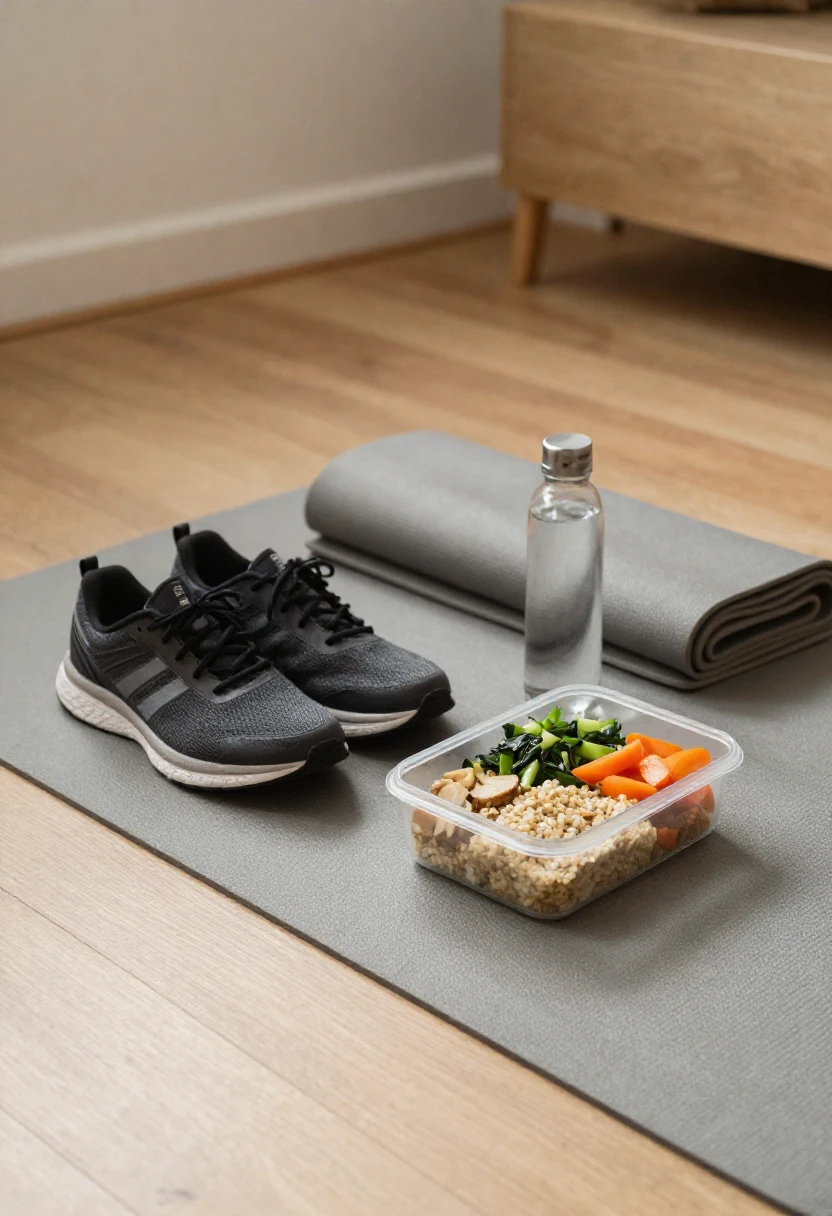
For some individuals following the HCG diet, postponing structured exercise until after the restrictive phase may be the most practical and comfortable approach. Because the program limits calorie intake so dramatically, the body often focuses its energy on maintaining essential functions rather than supporting demanding physical activity.
During the main weight-loss phase of the diet, energy levels can fluctuate significantly.
Many participants report fatigue, reduced stamina, and difficulty maintaining their usual workout routines. In this situation, attempting to continue intense training may place unnecessary stress on the body and make the dieting period more difficult than it already is.
Waiting until calorie intake increases again can offer several advantages.
When the body begins receiving more nutrients, it becomes easier to support physical activity, repair muscle tissue, and recover after workouts. Exercise that may have felt exhausting during the restrictive phase often becomes far more manageable once normal eating patterns begin to return.
This transition period can also provide an opportunity to rebuild strength gradually.
After a period of limited calories, muscles may need time to regain their full capacity for endurance and resistance training. Starting with moderate activity and slowly increasing intensity can help the body adapt without excessive strain.
Another benefit of waiting is that exercise can then become part of a long-term lifestyle routine rather than a temporary effort during an extreme dieting phase. Once the diet phase ends and calorie intake stabilizes, physical activity can play a larger role in maintaining weight loss and supporting overall health.
This approach does not mean avoiding movement entirely during the diet.
Gentle activities such as walking or stretching can still provide benefits without overwhelming the body. However, postponing more demanding workouts until after the restrictive phase often allows exercise to be performed more safely and effectively.
A Healthier Long-Term Strategy
While the HCG diet often focuses on rapid weight loss within a short period, long-term health and sustainable weight management usually depend on a more balanced approach. Programs built around extremely restrictive calorie intake may produce quick results, but they rarely provide a framework that can be maintained comfortably over time.
A healthier strategy generally begins with moderate and consistent nutrition.
Instead of reducing calories to extreme levels, many experts recommend creating a manageable calorie deficit that allows the body to lose weight gradually. This approach helps maintain energy levels, supports muscle preservation, and reduces the risk of nutritional deficiencies.
Equally important is the quality of the foods included in daily meals.
Diets built around whole foods such as vegetables, fruits, whole grains, lean proteins, and healthy fats tend to provide the nutrients necessary for metabolic health. These foods also promote satiety, which can make it easier to maintain consistent eating habits without feeling deprived.
Regular physical activity becomes much more effective when the body receives adequate fuel.
Exercise supports cardiovascular health, strengthens muscles and bones, and helps regulate metabolism. Activities such as walking, resistance training, cycling, or swimming can gradually become part of a routine that supports both weight management and overall well-being.
Another key element involves building sustainable habits.
Small, repeatable behaviors often have a greater long-term impact than short bursts of intense effort. Preparing balanced meals, staying physically active, getting enough sleep, and managing stress all contribute to healthier patterns that can support weight stability over time.
Rather than relying on rapid transformations, this approach emphasizes steady progress and long-term consistency.
When nutrition and physical activity work together in a balanced way, the body is better able to adapt, maintain muscle mass, and support overall health.
Fitness Should Support Health, Not Fight It
The question of whether to exercise while following the HCG diet highlights an important principle about health and weight management. Physical activity is usually one of the most beneficial habits a person can develop, but its effectiveness depends on the body having enough energy and nutrients to support it.
During the HCG diet, calorie intake is reduced to a level that places the body under considerable strain. While this restriction may lead to rapid weight loss in the short term, it also limits the energy available for demanding physical activity. Under these conditions, intense workouts may become difficult to sustain and, in some cases, may even increase fatigue or discomfort.
For this reason, many experts suggest approaching exercise carefully during the diet. Gentle forms of movement such as walking, stretching, or light yoga may help maintain mobility and support overall well-being without placing excessive stress on the body. More demanding training routines are often better postponed until calorie intake returns to more balanced levels.
This perspective also reflects a broader lesson about long-term health.
Effective weight management rarely depends on a single diet or short-term program. Instead, it develops through consistent habits that combine balanced nutrition, regular physical activity, adequate recovery, and realistic expectations. When these elements work together, they create a foundation that supports both physical fitness and overall well-being.
Ultimately, exercise should enhance health rather than compete with the body’s basic needs.
Understanding how different dieting approaches influence energy levels can help individuals make choices that support both safe activity and sustainable progress. By focusing on balanced routines instead of extreme restrictions, it becomes easier to build habits that last well beyond any single diet phase.