Contents
Some dishes start with a clear plan — you follow a recipe step by step, measure everything carefully, and try not to miss anything important. But this one works a little differently.
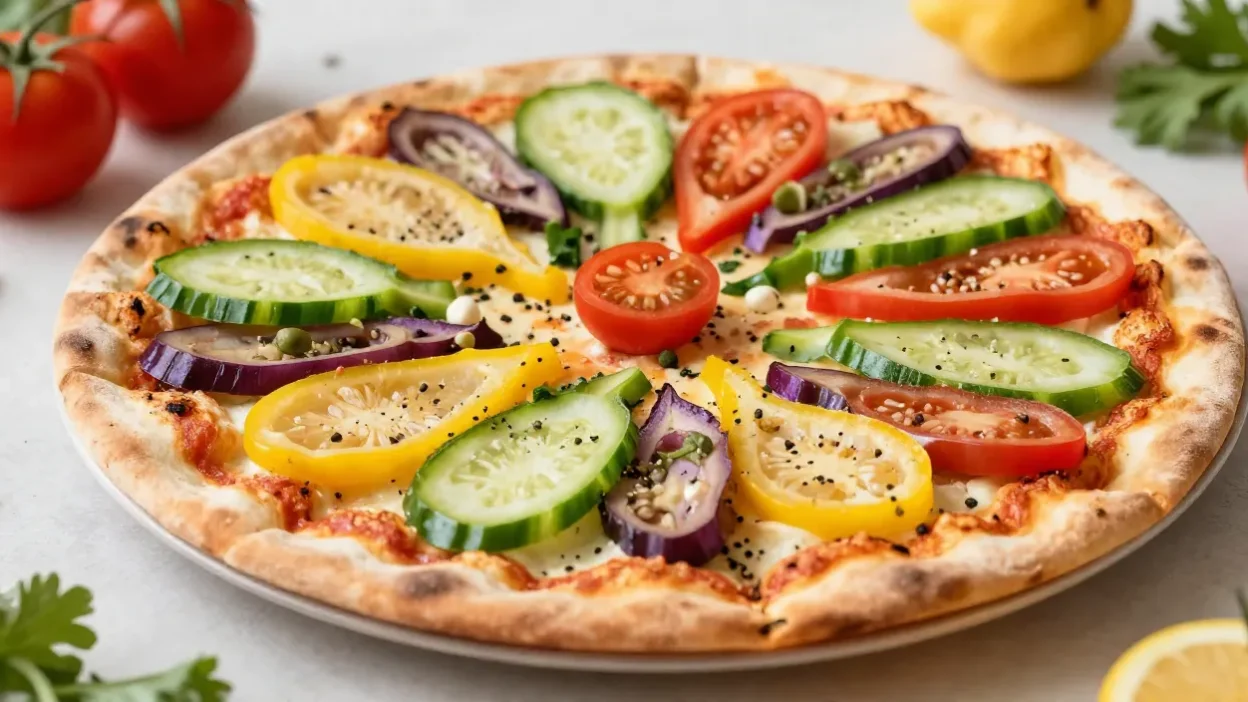
Rainbow flatbread pizza is more of a spontaneous kind of meal. It usually begins in a very ordinary way: you open the fridge, look at what’s inside, maybe move a few things around, and realize you don’t feel like cooking anything complicated. At the same time, making something too simple or repetitive doesn’t sound appealing either. 🌈
That’s usually the moment when this idea comes in.
Instead of relying on strict instructions, it’s built around flexibility. You take a flatbread as your base and start building from there. Whatever vegetables you have — fresh, slightly forgotten, or leftover from another meal — can all find their place here. You might add something creamy, something salty, or something with a bit of crunch, depending on what you feel like at that moment.
What makes it especially nice is that there’s no real pressure attached to it. You don’t need exact measurements, and you don’t have to worry about doing everything “the right way.” Even the way you arrange the toppings doesn’t need to be perfect. Sometimes it looks carefully put together, other times a bit uneven — but it still works.
That relaxed approach changes the whole experience of cooking. It feels less like following instructions and more like just putting a meal together in a way that makes sense to you. You can take your time, or you can move quickly — both approaches are fine.
At the same time, it doesn’t feel like you’re cutting corners. Even though it’s simple, the result is still satisfying in a very real way. You end up with something warm, slightly crispy, full of different textures and flavors. It looks good, smells good, and most importantly, it feels like an actual meal, not just something you made because you had to eat quickly.
There’s also something quietly practical about it. It helps you use ingredients that might otherwise sit in the fridge a bit too long. Instead of planning everything in advance, you’re working with what you already have, which makes the whole process feel more natural and less wasteful.
🌈 Why colorful food changes the whole experience
It’s often said that we eat with our eyes first, and even though it might sound like a cliché, it becomes quite obvious once you start paying attention to it.
The way a dish looks can influence how we feel about it before we even taste it. When your plate includes a variety of colors — greens, reds, yellows, maybe even some deeper or darker tones — it immediately feels more inviting. It looks fresher, more balanced, and generally more appealing than something that’s all one color.
But the effect goes beyond just appearance.
Color in food usually reflects variety in ingredients, and that naturally brings more complexity to the dish. Different vegetables and toppings don’t just look different — they behave differently when cooked. Some stay slightly crisp, others become soft and tender, and some develop a lightly roasted surface that adds extra depth of flavor.
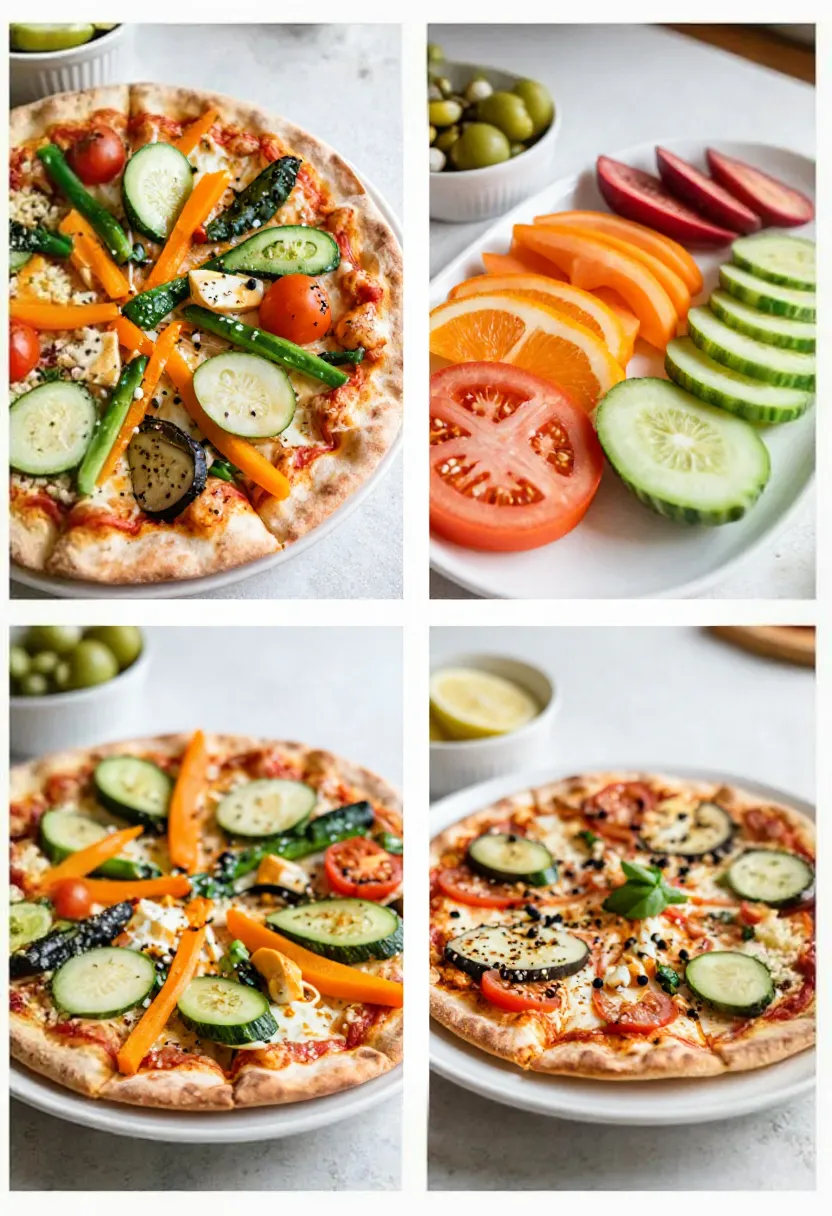
In a dish like this, that variety creates a more interesting eating experience. Instead of every bite tasting the same, you get small differences throughout. Sometimes it’s a bit more crunchy, sometimes softer, sometimes slightly sweet or more savory.
For example, combining different ingredients often gives you:
- a mix of textures, from crisp to soft
- a balance between fresh and slightly roasted flavors
- subtle contrasts that keep the dish from feeling too simple
Because of this natural variation, you don’t need to rely on heavy sauces or strong seasoning to make the dish enjoyable. The ingredients themselves do most of the work.
Another thing that often happens without much effort is balance. When you use a range of colorful vegetables, the dish tends to feel lighter and more nourishing. You’re not necessarily trying to make something “healthy,” but it ends up that way anyway. It’s one of those cases where good choices happen almost automatically.
🍕 The quiet advantage of flatbread pizza
Traditional pizza is always a good option, but it usually requires more time and preparation than we sometimes want to deal with. Making dough from scratch, waiting for it to rise, shaping it properly — all of that can turn a simple idea into a longer process.
Flatbread pizza offers a much more practical alternative.
Instead of starting from the beginning, you use a ready base and focus on what goes on top. This removes a big part of the preparation while still keeping the experience of cooking enjoyable. You’re still building something, just without the extra steps.
It also makes the timing much easier to manage.
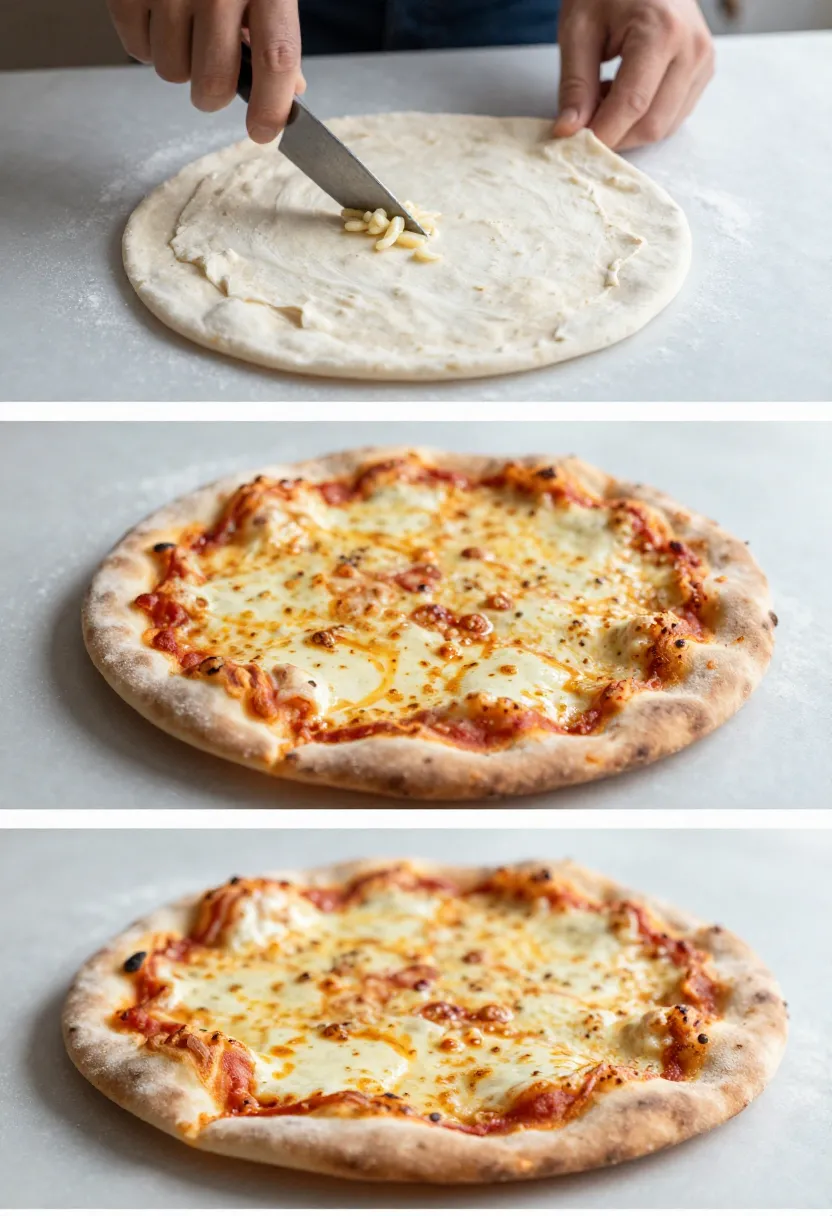
You don’t need to plan ahead or wait for anything to be ready. In most cases, the process is quite straightforward:
- a short preparation stage where you slice and arrange your ingredients
- a quick baking time until everything becomes warm, slightly golden, and ready to eat
Even with this simplicity, the result doesn’t feel basic. The flatbread becomes crisp enough to hold all the toppings, while still staying slightly soft inside. The vegetables cook just enough to bring out their flavor without losing their texture completely.
Another thing that makes this approach work so well is flexibility. You can adjust everything depending on what you have, how much time you want to spend, or even just your mood. Some days you might keep it very simple, other days you might add more layers and flavors.
And that’s probably the main reason this type of meal fits so naturally into everyday life. It doesn’t require a lot of effort, but it still gives you something that feels complete and satisfying. It’s quick without feeling rushed, simple without feeling boring — which, honestly, is not always easy to achieve.
🍕 Rainbow Flatbread Pizza Recipe
This is one of those recipes that doesn’t really ask for perfection. In fact, it works better when you don’t overthink it.
At its core, this dish is about balance — not exact measurements, not strict rules. You’ve got a crisp base, something saucy, something melty, and a mix of vegetables that bring both color and texture. That’s really all you need.
The first time you make it, you might want to follow the ingredients more closely just to get a feel for how everything comes together. But after that, it naturally becomes more flexible. You start swapping ingredients, adding things you like, skipping things you don’t. And that’s usually when it turns into something you actually enjoy making again.
Another nice thing about this recipe is how forgiving it is. Maybe you cut the vegetables a bit unevenly, maybe you add a little too much cheese, or forget an ingredient entirely — it still works. It’s the kind of meal that doesn’t punish small mistakes.
And visually… it’s hard to mess up. Even if you’re not trying, the mix of colors tends to make it look bright and inviting without any extra effort. 🌈
🧾 Ingredients
- 2 flatbreads (naan, pita, or any similar base)
- ½ cup tomato sauce, pesto, or any spread you prefer
- ½–1 cup shredded cheese (mozzarella works best, but feel free to mix)
- 3–4 cups mixed vegetables, chopped into small pieces:
broccoli, bell peppers (different colors), cherry tomatoes, red onion, zucchini or mushrooms (optional) - 2 teaspoons olive oil
- Salt and black pepper to taste
- Optional additions: dried herbs, chili flakes, grated parmesan
👩🍳 Instructions
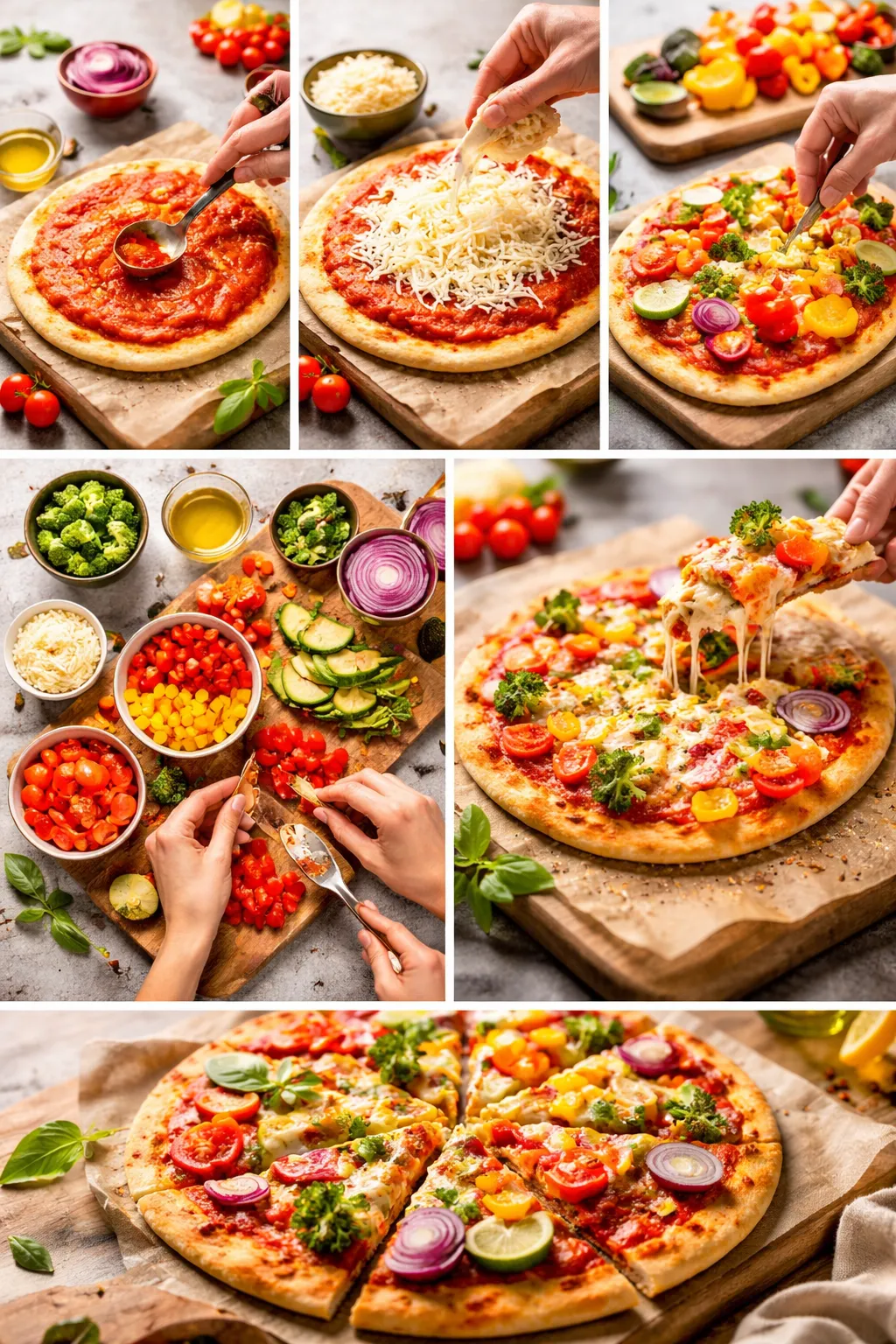
- Preheat your oven to 200–220°C (400–425°F). A properly heated oven makes a noticeable difference — the flatbread gets lightly crisp on the outside while staying soft inside.
- Place the flatbreads on a baking tray. If you have parchment paper, it’s worth using — it keeps things from sticking and saves you a bit of cleanup later.
- Spread your sauce evenly over each flatbread, but don’t go all the way to the edges. Leaving a small border helps the crust stay slightly crisp.
- Add the cheese on top of the sauce. This layer acts almost like a base for the toppings, helping everything hold together once it melts.
- Scatter the chopped vegetables across the flatbreads. Try to distribute them fairly evenly, but don’t stress too much about it — a slightly uneven look is completely fine.
- Drizzle olive oil lightly over everything. This step is easy to skip, but it actually helps the vegetables roast better instead of drying out.
- Season with salt, pepper, and any herbs or spices you like. If you’re unsure, keep it simple — you can always add more after baking.
- Bake for 15–20 minutes, or until the edges look golden and the cheese has melted nicely. Depending on your oven, you might want to check it a bit earlier.
- Remove from the oven and let it sit for a minute or two. It makes slicing easier and prevents everything from sliding off immediately. Then cut and serve.
✨ Small tips & tricks that actually help
- Don’t overload the flatbread — too many toppings can make it soggy instead of crisp
- Cut vegetables into similar sizes so they cook evenly
- If your oven has a fan setting, use it for a slightly crispier result
- Add delicate ingredients (like fresh herbs) after baking, not before
- If the bottom isn’t crisp enough, place the flatbread directly on the oven rack for the last few minutes
✨ Small details that elevate the result
It’s easy to think of flatbread pizza as just a quick, almost “backup” option — something you make when you don’t feel like cooking properly. But the funny thing is, a few small adjustments can completely change how it turns out.
Nothing complicated. No extra effort. Just a bit more attention to details.
For example, the way you cut your vegetables actually matters more than it seems at first. If the pieces are too large, they don’t cook evenly, and some parts stay too firm while others soften too much. Smaller pieces, on the other hand, cook more consistently and blend better with the cheese and sauce. The whole bite feels more balanced, not like separate layers.
Temperature is another thing people often underestimate. A slightly hotter oven doesn’t just speed things up — it changes the texture. The edges become lightly crisp, almost golden, while the center stays softer. That contrast is what makes it feel closer to something you’d get in a café rather than something you threw together at home.
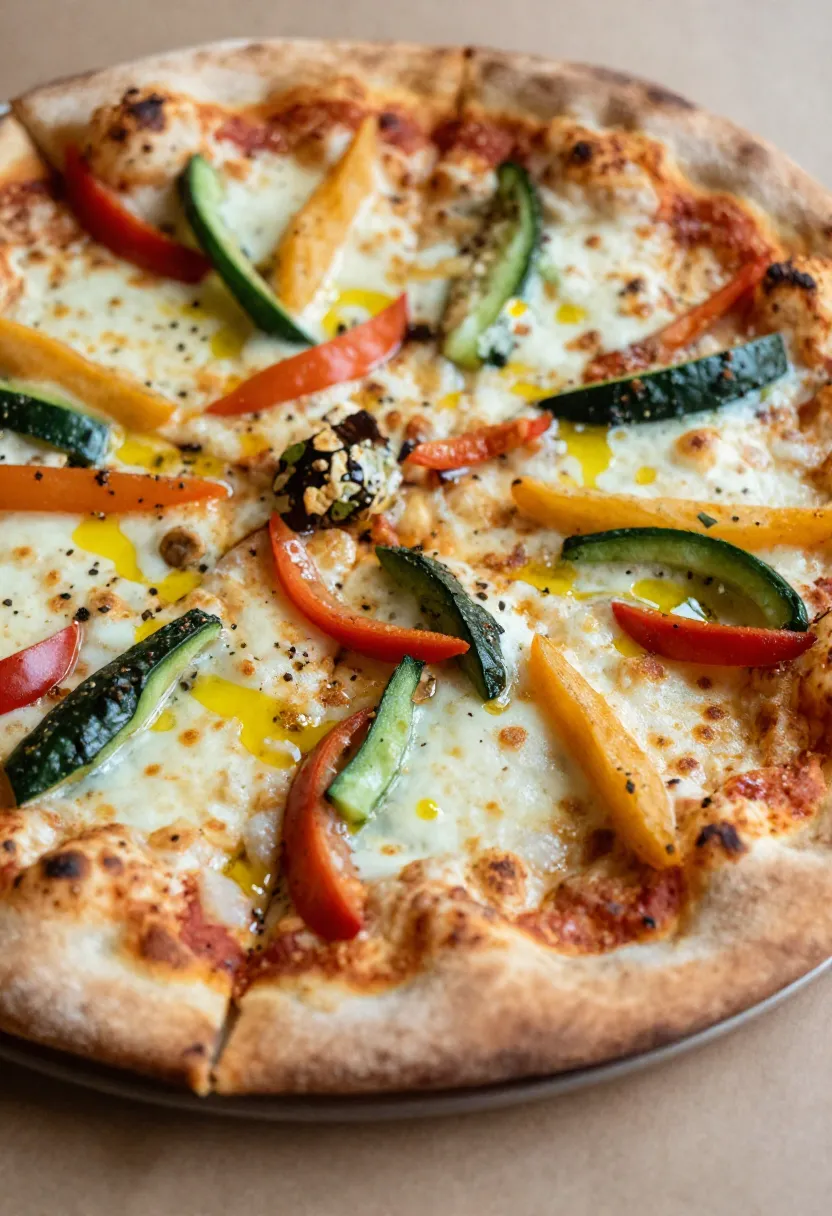
And then there’s olive oil. It sounds like a small step, almost optional, but it really isn’t. A light drizzle right before baking helps the vegetables roast instead of just drying out. You end up with deeper flavor, slightly caramelized edges, and a more satisfying overall texture.
If you put it all together, these small things make a noticeable difference:
- evenly chopped vegetables cook better and taste more balanced
- higher heat creates that contrast between crisp and soft
- a bit of oil helps everything develop more flavor instead of feeling dry
None of this takes extra time, which is probably why it’s worth doing. It doesn’t complicate the process — it just makes the result feel more complete.
🌿 Ways to adapt it to your taste
After you’ve made this once, it rarely stays exactly the same. It naturally turns into one of those recipes where you start adjusting things without even thinking about it.
Some days you might want something lighter, especially if you’re not that hungry or just feel like keeping things simple. In that case, using less cheese works surprisingly well. The vegetables become more noticeable, and the whole dish feels fresher.
Other times, you might want something more filling — something that actually keeps you full for longer. That’s when adding a bit of protein makes sense. It doesn’t have to be anything complicated, just something that fits easily into the dish.
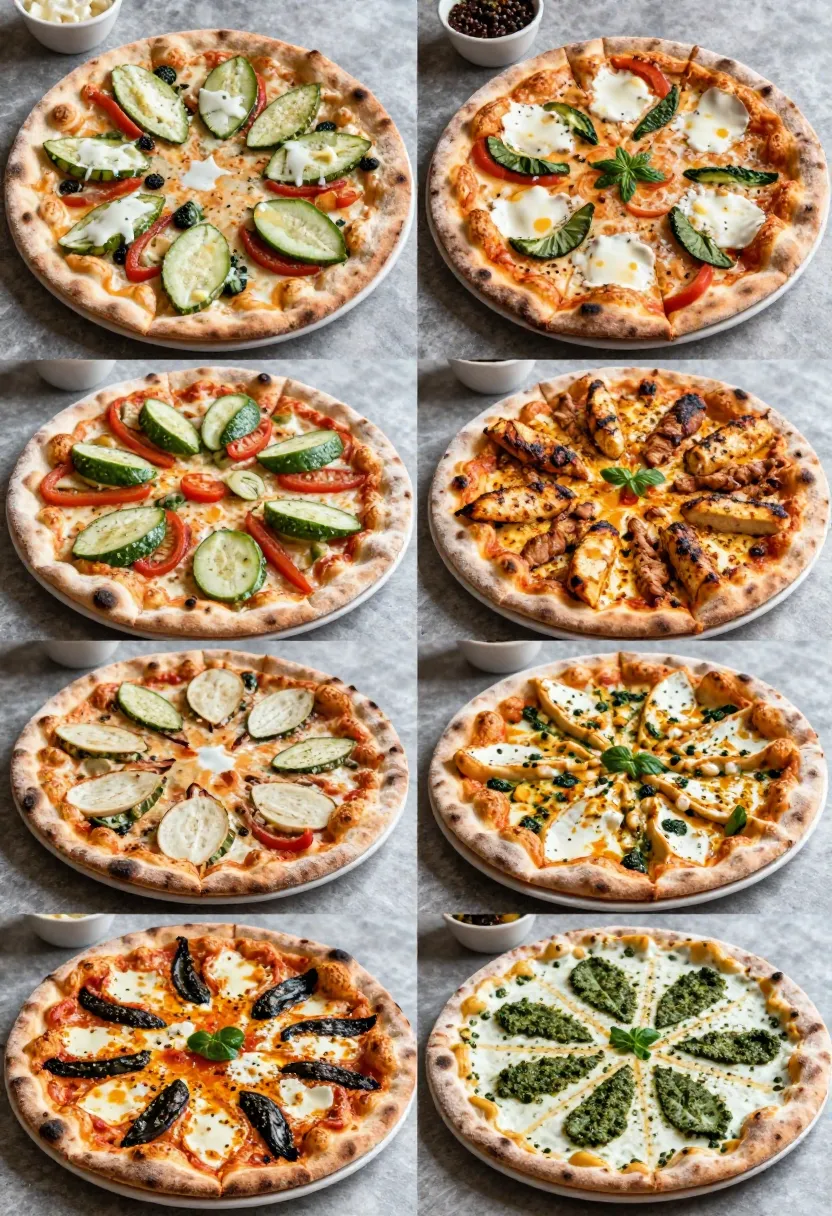
You can also change the base flavor quite a bit just by switching the sauce. It’s a small change, but it affects everything.
A few easy ways to adjust it:
- reduce the cheese for a lighter, more vegetable-focused version
- add grilled chicken, tofu, or beans if you want it more filling
- swap tomato sauce for pesto, garlic oil, or a creamy spread
The nice thing is that none of these changes make the recipe harder. You’re not adding extra steps — just slightly changing what goes on top.
And that’s probably why it doesn’t get boring. Even if you make it often, it rarely feels exactly the same.
🍽️ Serving, sharing, and enjoying the moment
One of the best things about this dish is how easily it fits into different situations.
It works perfectly as a simple dinner when you don’t want to spend too much time in the kitchen. You can make it without planning ahead, using whatever you already have, and still end up with something that feels complete.
At the same time, it’s also great when you have people over. Not in a formal, “impress your guests” kind of way — more in a relaxed, casual sense. You can make a few flatbreads with different toppings, slice them up, and let everyone pick what they like.

It also adapts well depending on how you serve it.
- cut into larger slices, it works as a main meal
- cut into smaller pieces, it becomes something easy to share
- paired with a simple salad or a light drink, it feels more balanced
There’s no need to overcomplicate it. In fact, it works best when you don’t.
And maybe that’s the reason it’s so easy to come back to. It doesn’t demand too much time or attention, but it still gives you something warm, colorful, and genuinely enjoyable.
Not every dish needs to be impressive or complicated. Sometimes it’s enough for it to just work — and this one does exactly that.