Contents
- Pawpaw Seeds: Nature’s Unlikely Nutrition Powerhouses
- A Seed Worth Talking About — Pawpaw’s Hidden Side
- A Quick Botanical Snapshot — What Is Pawpaw?
- What’s Inside a Pawpaw Seed — Nutrition You Might Not Expect
- Wellness Headlines vs. Reality — What Claims Are Out There?
- Traditional and Folk Uses — What People Have Tried
- How Your Body Actually Interacts With Pawpaw Seeds
- Safety First — Who Should Be Careful
- Tasty or Not? Ways People Are (or Aren’t) Eating Pawpaw Seeds
- Myths, Clarifications, and Common Questions
- A Balanced Perspective — When and Why You Might Include Them
- Final Thought — Context Over Hype
Pawpaw Seeds: Nature’s Unlikely Nutrition Powerhouses
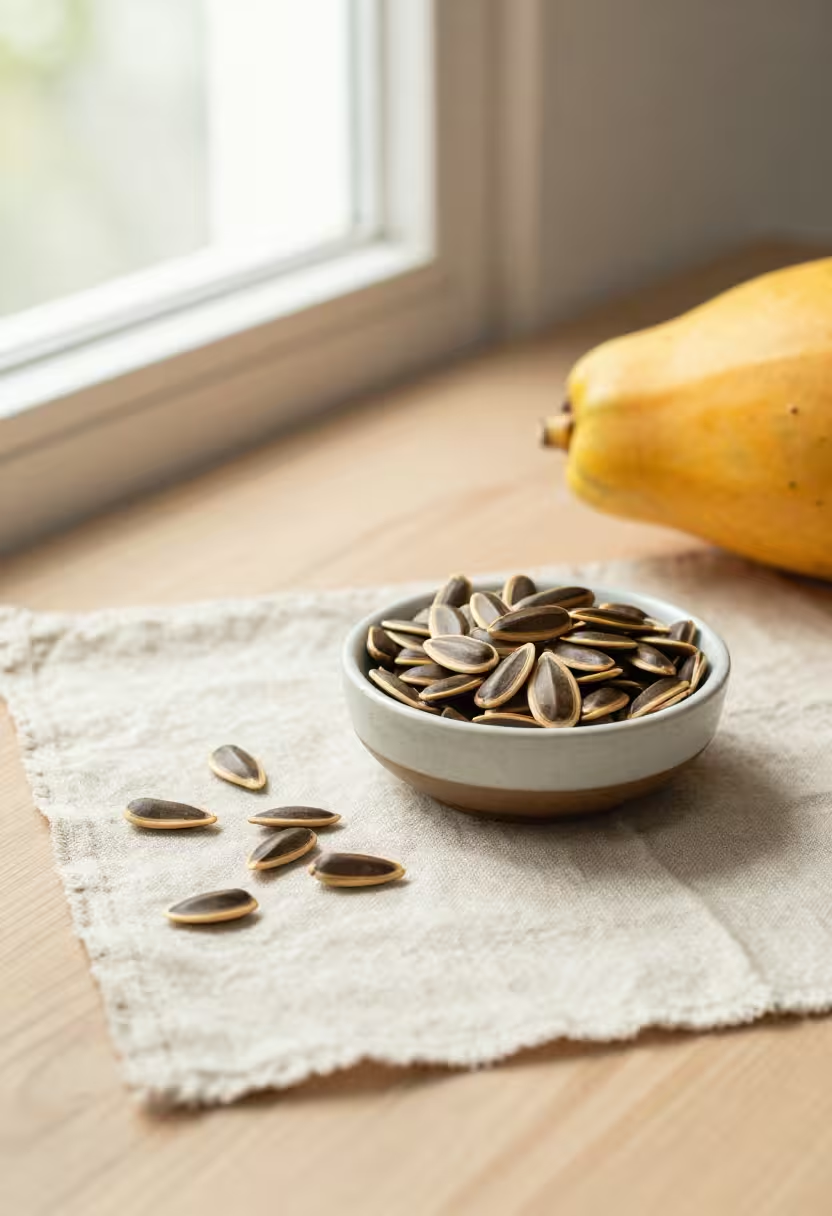
Most of us enjoy pawpaw for its soft, sweet flesh — scooping it straight from the fruit or blending it into smoothies without a second thought. The seeds usually end up in the trash, barely glanced at, treated as something inedible or irrelevant. And yet, quietly, these small dark seeds have been the subject of growing curiosity.
In kitchens, wellness circles, and traditional food cultures, pawpaw seeds are being reconsidered — not as a miracle ingredient, but as a surprisingly complex part of the fruit. People are asking thoughtful questions: Are pawpaw seeds actually nutritious? Do they offer real health benefits? And if so, how should they be used safely and sensibly?
What makes pawpaw seeds interesting isn’t hype or trendiness — it’s their contrast. They’re bold where the fruit is gentle, pungent where the flesh is sweet, and far more concentrated in certain compounds than most people expect. That contrast is exactly why they deserve a closer, more balanced look.
This article isn’t about extreme claims or quick fixes. It’s about understanding pawpaw seeds in context — what they contain, how they’ve been used, what science suggests, and where caution is warranted. Like many natural foods, their value lies not in exaggeration, but in thoughtful, informed use.
If you’ve ever paused before throwing pawpaw seeds away and wondered whether they might be worth more attention, this guide is for you. We’ll explore the nutrition, traditions, myths, and practical considerations behind one of nature’s most overlooked ingredients — with curiosity, balance, and care.
A Seed Worth Talking About — Pawpaw’s Hidden Side
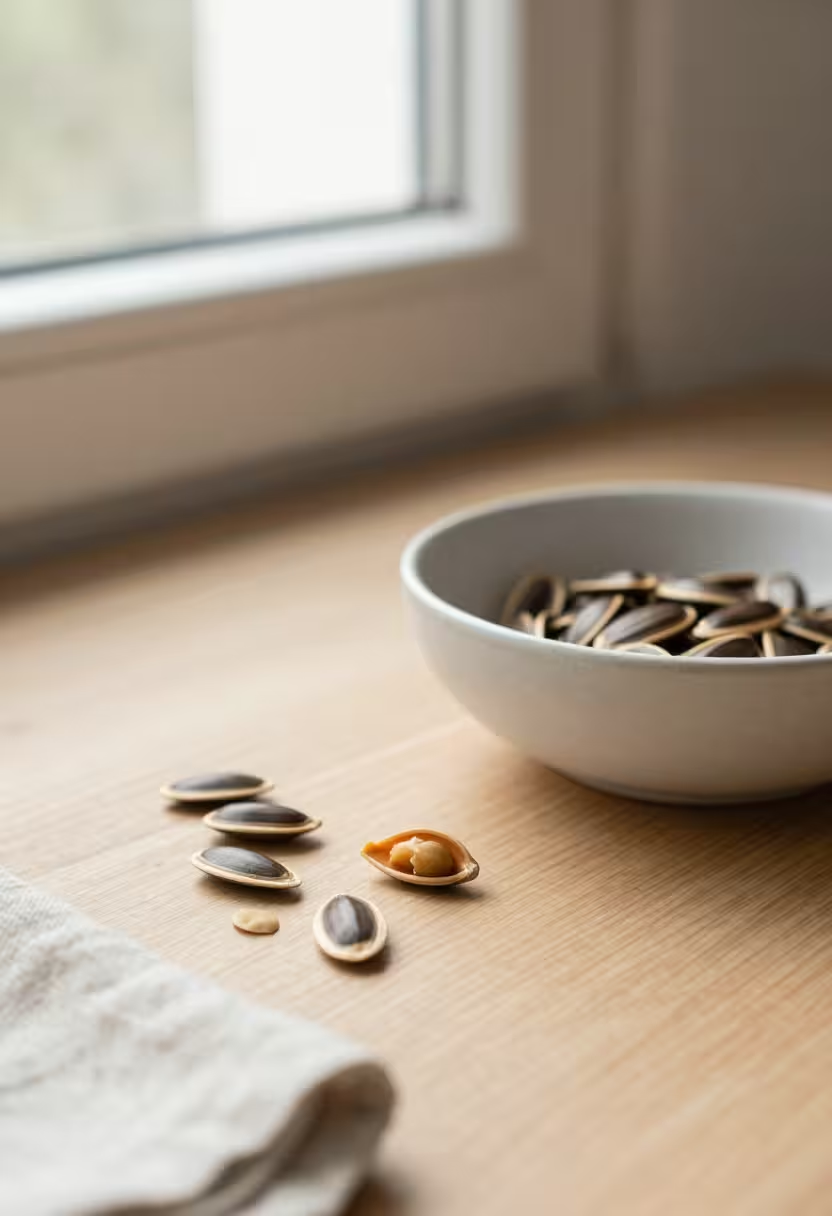
Pawpaw seeds tend to disappear from the conversation the moment the fruit is opened. They’re scooped out quickly, sticky and smooth, with a sharp, peppery aroma that feels almost out of place next to the fruit’s creamy sweetness. For most of us, that contrast is enough reason to ignore them.
But that sharpness is exactly what has made pawpaw seeds interesting across different cultures and wellness discussions. Unlike the soft flesh, the seeds are concentrated. They carry intensity — in flavor, in texture, and in composition. Where the fruit feels gentle and comforting, the seed feels purposeful and bold.
Historically, seeds like these were rarely dismissed. In many food traditions, seeds were viewed as functional — used sparingly, intentionally, and often medicinally rather than casually. Pawpaw seeds fit into that pattern. They weren’t everyday snacks, but neither were they waste.
What’s sparked renewed interest today is a mix of curiosity and a broader shift toward whole-food thinking. As people become more mindful of food waste, traditional practices, and plant-based nutrition, overlooked ingredients naturally come back into focus. Pawpaw seeds are part of that return — not because they promise miracles, but because they invite questions.
They challenge the idea that only the “pleasant” parts of food are valuable. Sometimes, the most interesting nutrients live in the parts we’ve been taught to discard. Pawpaw seeds sit right at that intersection of familiarity and mystery.
Understanding their role starts with acknowledging what they are — not just leftovers from a tropical fruit, but a distinct ingredient with its own story, chemistry, and considerations. And like many powerful natural foods, they’re best approached with respect rather than excess.
A Quick Botanical Snapshot — What Is Pawpaw?
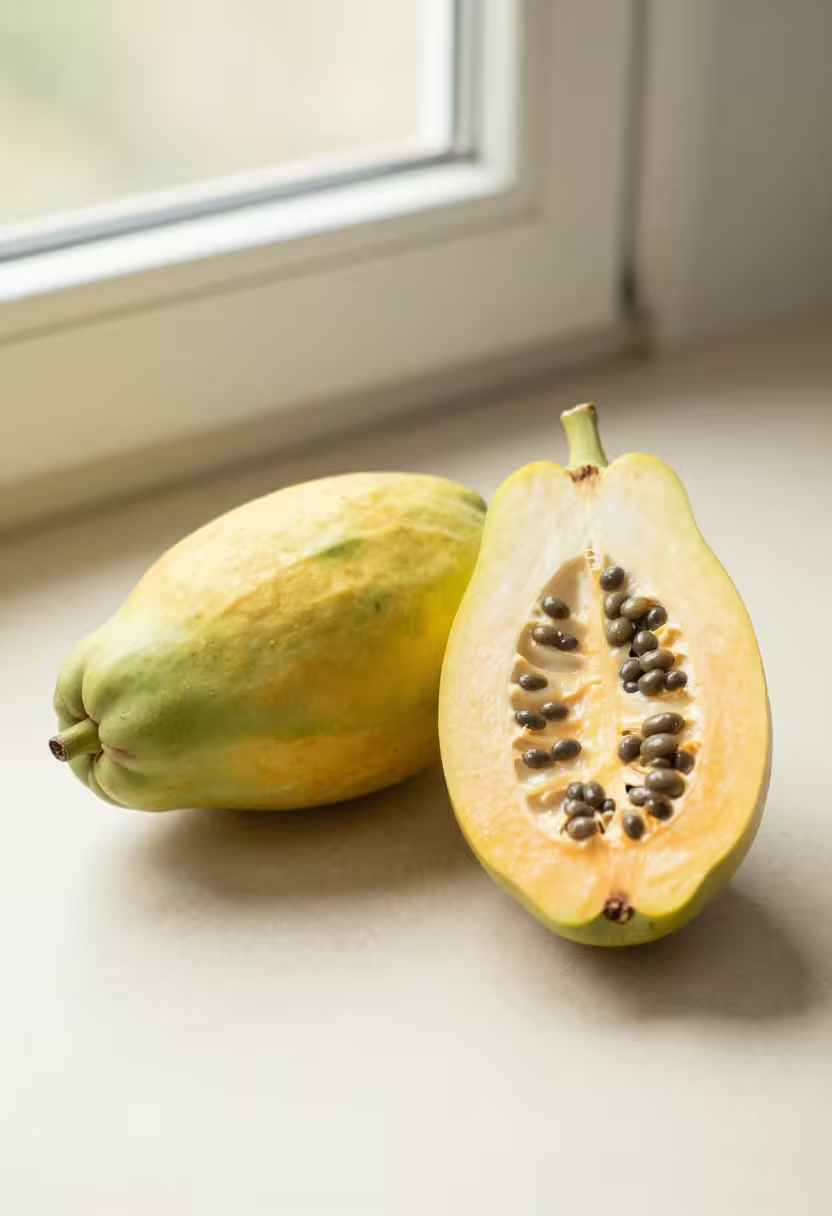
Before diving deeper into the seed itself, it helps to step back and look at the plant it comes from. Pawpaw — often confused with papaya in name and conversation — belongs to a group of tropical fruits valued for their soft texture, natural sweetness, and digestive enzymes. The fruit is widely grown in warm climates and has long been woven into local food cultures.
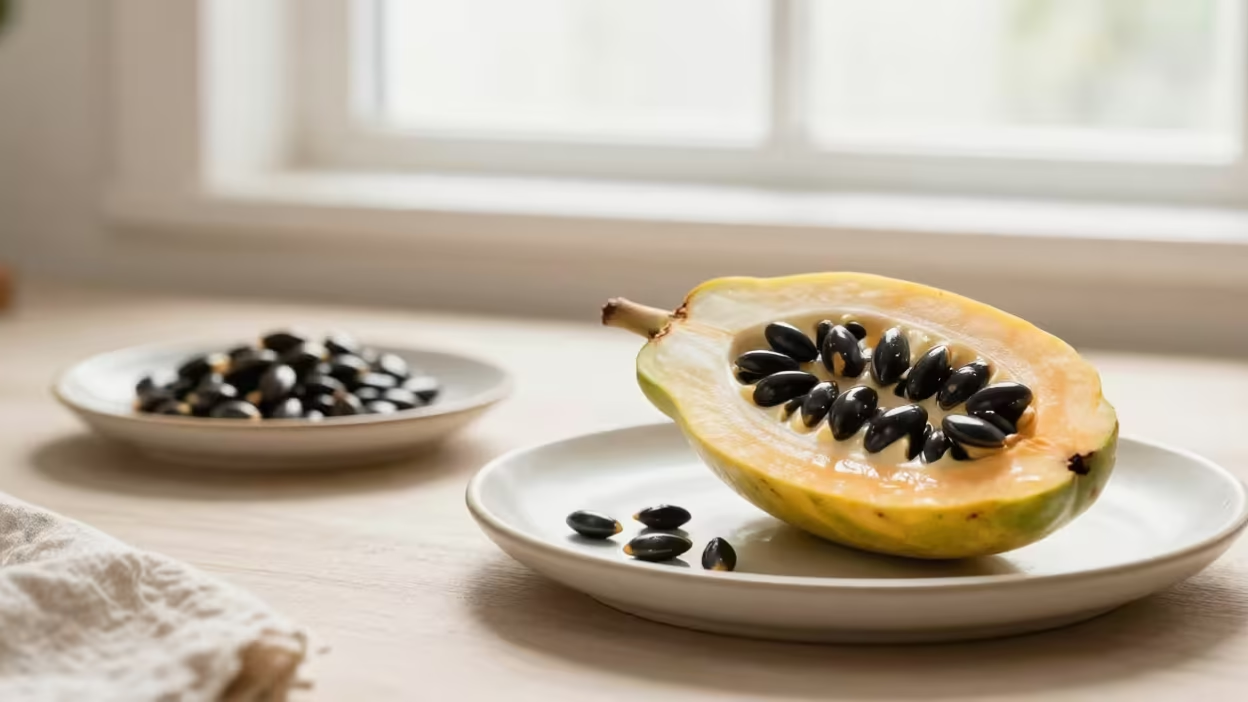
Inside the pawpaw’s creamy flesh sits a cluster of glossy black seeds. These seeds are naturally protected by a slippery coating and a tough outer shell — a design meant to preserve what’s inside. From a botanical perspective, seeds are storage units. They hold concentrated compounds intended to support growth, which is why they often contain stronger flavors and more potent substances than the fruit itself.
This concentration is one reason pawpaw seeds taste so intense. They’re sharp, peppery, and sometimes bitter — a stark contrast to the fruit’s mild sweetness. That intensity isn’t accidental; it reflects their chemical makeup and their role within the plant.
It’s also why pawpaw seeds have historically been treated differently from the fruit. While the flesh is eaten freely, the seeds are typically used in much smaller amounts, if at all. In some traditions, they’re dried, crushed, or infused rather than consumed whole.
Understanding pawpaw seeds begins with recognizing this difference. They’re not simply an extension of the fruit — they’re a separate ingredient entirely, with their own nutritional profile, potential benefits, and limitations.
What’s Inside a Pawpaw Seed — Nutrition You Might Not Expect
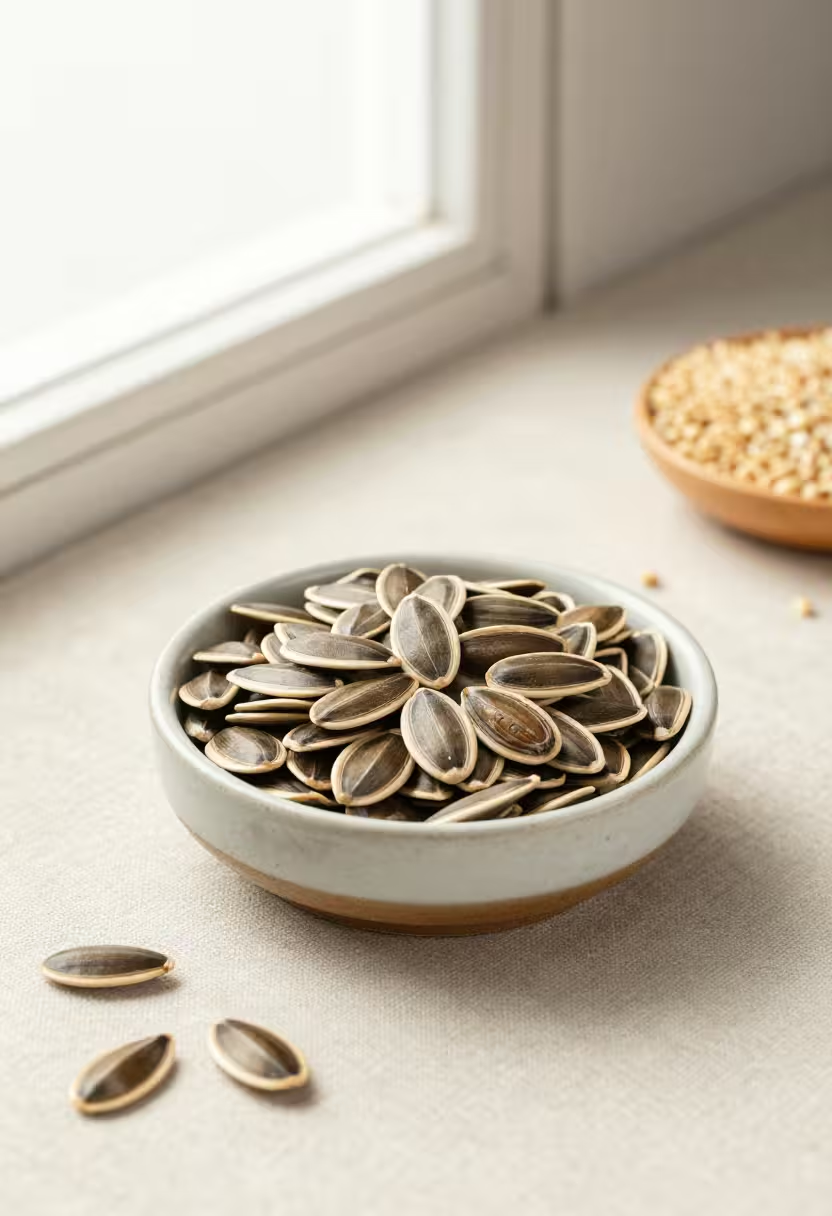
At first glance, pawpaw seeds don’t look particularly nourishing. They’re small, firm, and intense in flavor — nothing like the creamy fruit surrounding them. But nutritionally, seeds often tell a different story once you look beneath the surface.
Pawpaw seeds contain a concentrated mix of plant compounds, healthy fats, and fiber, all packed into a very small volume. Like many seeds, they’re designed to store energy and protective elements, which is why their composition is denser than that of the fruit itself.
One of the most notable aspects of pawpaw seeds is their fat content. These fats aren’t present in large quantities compared to nuts or oil-rich seeds, but they do contribute to the seed’s sharp flavor and satiating nature. Alongside fats, pawpaw seeds provide dietary fiber, which plays a role in digestion when consumed in very small amounts.
Pawpaw seeds are also known for containing bioactive plant compounds — substances that plants produce for defense and survival. These compounds are often what draw interest from wellness communities, as they may interact with the body in unique ways. At the same time, this is where moderation becomes important, since more concentrated compounds don’t automatically mean “better.”
Compared to familiar seeds like chia or pumpkin seeds, pawpaw seeds are not a primary nutrition staple. You wouldn’t rely on them for protein or minerals in the same way. Instead, they fall into a different category — more functional than foundational, more accent than base.
This distinction matters. Pawpaw seeds aren’t meant to replace everyday nutrient sources. Their value lies in their intensity and specificity, which is why they’ve traditionally been used sparingly and intentionally.
Understanding what’s inside pawpaw seeds helps set realistic expectations. They’re not superfoods in the trendy sense — but they are nutritionally interesting, and that’s exactly why they deserve thoughtful discussion rather than hype.
Wellness Headlines vs. Reality — What Claims Are Out There?
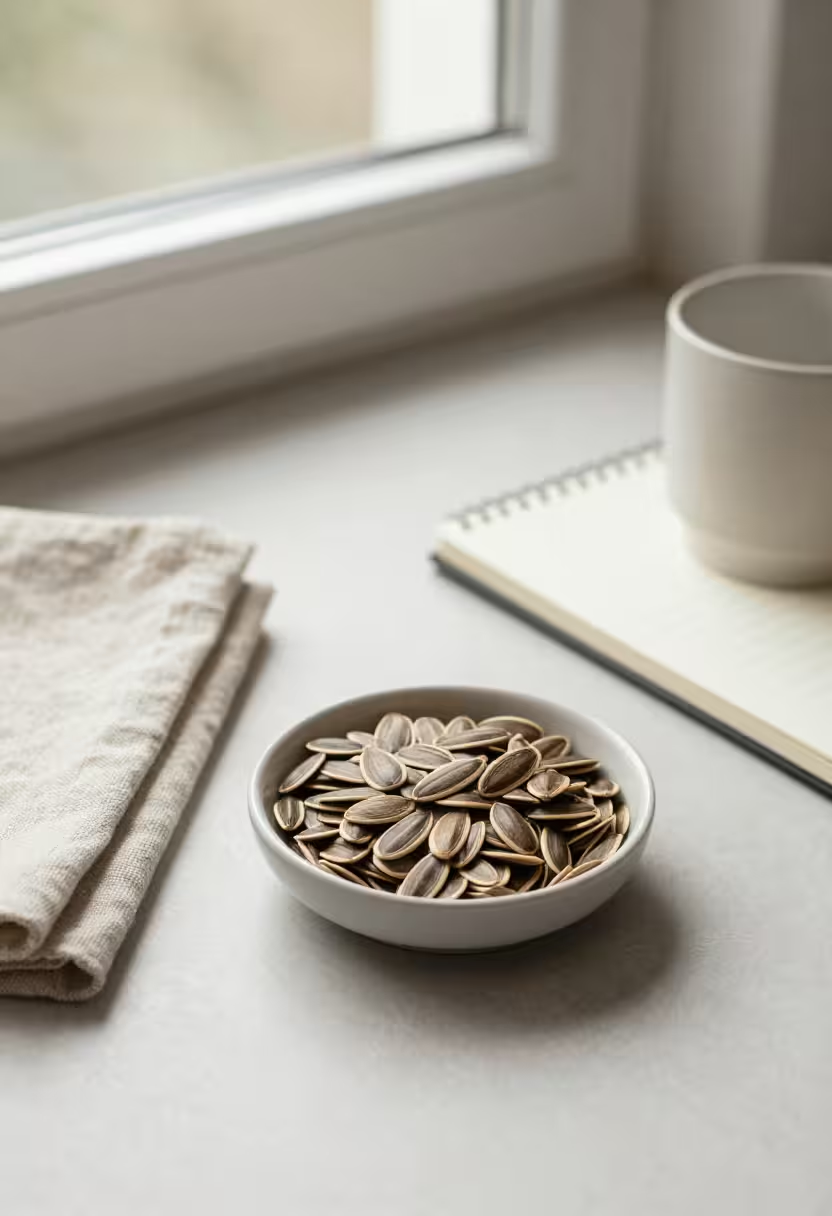
As interest in pawpaw seeds has grown, so have the claims surrounding them. Scroll through wellness blogs or social media, and you’ll see bold statements suggesting everything from detox support to parasite cleansing to weight management benefits. While curiosity is healthy, it’s important to separate enthusiasm from evidence.
Many of the most common claims stem from the bioactive compounds found in pawpaw seeds. These naturally occurring plant substances are often associated with antimicrobial or antioxidant activity in laboratory settings. However, results observed in test tubes or animal studies don’t always translate directly to real-life human benefits — especially when dosage and long-term safety aren’t clearly defined.
Another popular narrative frames pawpaw seeds as a kind of internal “cleanser.” This idea likely comes from traditional or anecdotal use rather than robust clinical research. While certain compounds may influence digestion or gut activity, that doesn’t automatically mean they perform a safe or effective detox function in the body.
Weight-related claims are also common. Because pawpaw seeds are pungent and consumed in small amounts, some people associate them with appetite control or metabolism support. In reality, no single ingredient meaningfully changes weight outcomes on its own. Sustainable health still comes from overall eating patterns, not isolated foods.
This doesn’t mean pawpaw seeds have no potential value. It simply means their role is often overstated. Like many plant-based ingredients, they may offer subtle support when used appropriately — but they are not shortcuts or cures.
Approaching these claims with curiosity rather than certainty allows space for both tradition and science. Pawpaw seeds can be interesting without being exaggerated. Understanding where the headlines end and reality begins is key to using them wisely.
Traditional and Folk Uses — What People Have Tried
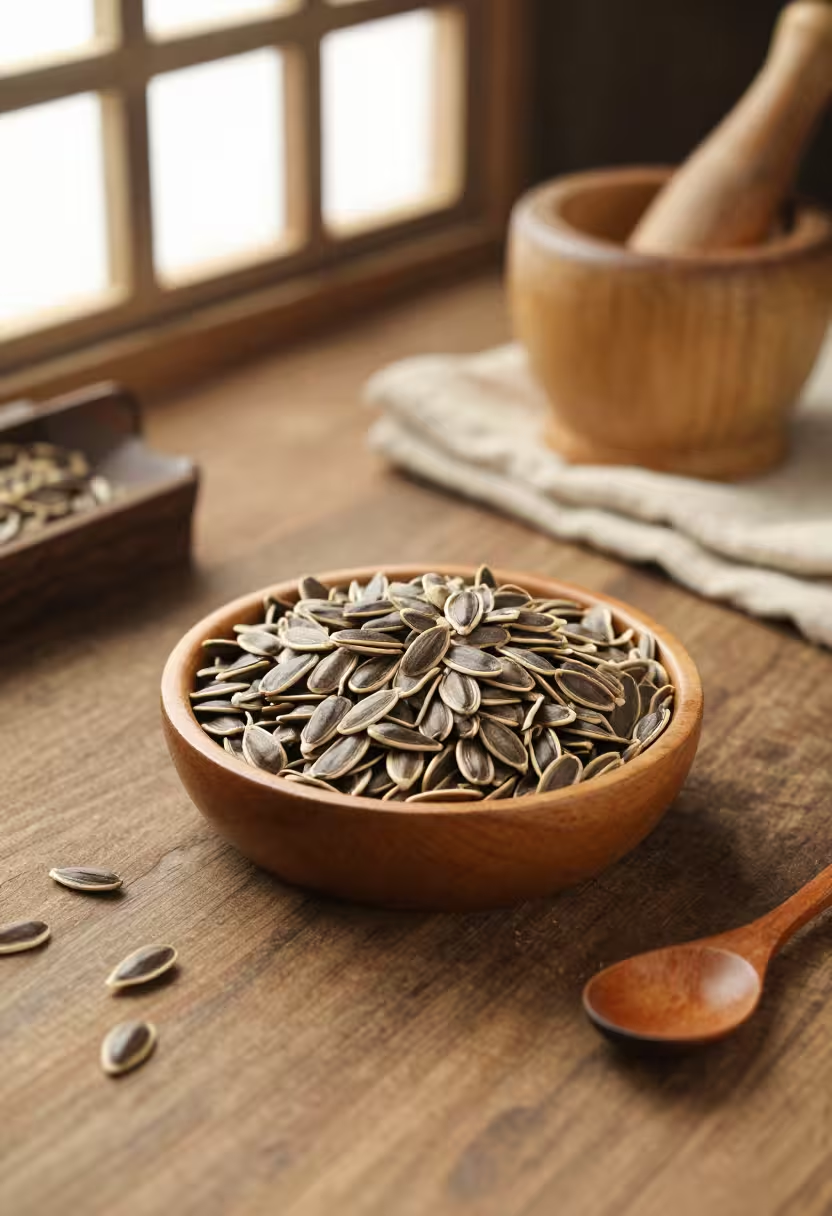
Long before pawpaw seeds became a topic of online wellness discussions, they existed quietly within traditional food and healing practices. In many regions where pawpaw grows naturally, the seeds were never treated as everyday food — but they also weren’t ignored.
In some cultures, pawpaw seeds were dried, crushed, or infused and used in small, deliberate amounts. Their strong, peppery taste made them unsuitable for casual eating, which naturally limited quantity. This wasn’t about restriction — it was about understanding potency through experience.
Folk use often centered on digestive support. Seeds were sometimes taken after heavy meals or used in simple preparations meant to “settle” the stomach. In other cases, they appeared in traditional cleansing rituals, not as daily habits but as short-term practices guided by local knowledge.
What’s striking about these uses is their context. Pawpaw seeds were rarely used in isolation. They were part of broader food systems, seasonal routines, and cultural wisdom passed down through observation rather than written instruction. The emphasis was often on balance — using strong ingredients sparingly, alongside gentler foods.
There’s also an element of practicality. In communities where food waste was unthinkable, seeds were explored rather than discarded. Over time, people learned which parts of plants could be useful and how to handle them safely.
Today, when pawpaw seeds resurface in wellness conversations, they’re often stripped of that context. Understanding their traditional use helps restore perspective: these seeds were never meant to be consumed freely or frequently, but thoughtfully and with respect for their intensity.
How Your Body Actually Interacts With Pawpaw Seeds
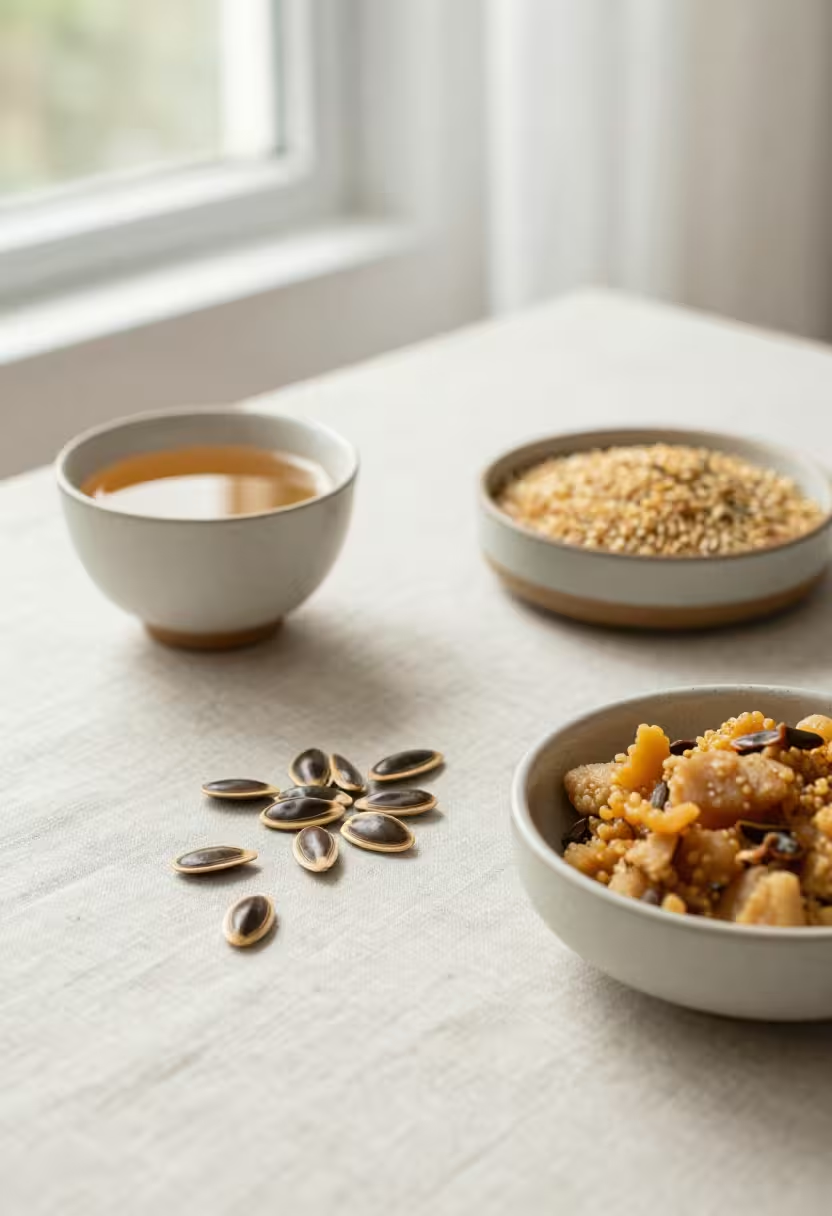
When pawpaw seeds enter the body, they behave very differently from the soft fruit surrounding them. Their firm texture, concentrated compounds, and sharp flavor signal to the digestive system that this is a strong, functional ingredient, not a passive food.
Because pawpaw seeds are dense and fibrous, they tend to move more slowly through digestion, especially if consumed whole or only lightly crushed. This is one reason they’re traditionally prepared — dried, ground, or infused — rather than eaten raw in large amounts. Preparation changes how easily the body can interact with what’s inside.
The bioactive compounds in pawpaw seeds are what draw the most attention. These compounds may interact with gut bacteria, enzymes, or inflammatory pathways, but their effects are dose-dependent. In very small quantities, the body may respond subtly. In larger amounts, those same compounds can feel overwhelming, leading to digestive discomfort rather than support.
It helps to imagine the gut as a sensitive ecosystem. Gentle foods nourish it quietly. Stronger ingredients act more like signals — they get attention. Pawpaw seeds fall into that second category. This doesn’t make them harmful by default, but it does mean they’re best used intentionally, not casually.
Another important factor is individual sensitivity. Some people tolerate small amounts of pungent seeds well, while others may experience irritation, nausea, or discomfort. These responses aren’t signs of failure — they’re feedback.
Understanding how the body responds shifts the conversation away from “benefits” alone and toward appropriateness. Pawpaw seeds don’t need to do a lot to be meaningful. When respected for their strength and used thoughtfully, they fit best as an occasional addition rather than a daily habit.
Safety First — Who Should Be Careful
Any conversation about pawpaw seeds needs to include safety — not as a warning meant to discourage curiosity, but as a form of respect for how potent natural ingredients can be. Pawpaw seeds are not dangerous by default, but they are not neutral, and that distinction matters.
Because the seeds contain concentrated bioactive compounds, quantity and frequency make a real difference. What might feel fine as an occasional, very small amount can become uncomfortable or irritating if taken regularly or in excess. Digestive upset is the most common signal that the body has had more than it can comfortably handle.
Certain groups should be especially cautious. Pregnant or breastfeeding individuals are generally advised to avoid experimenting with concentrated plant ingredients unless guided by a healthcare professional. The same applies to people with chronic digestive conditions, sensitive stomachs, or known reactions to strong spices or seeds.
Pawpaw seeds may also interact unpredictably with some medications or supplements, particularly those affecting digestion or liver metabolism. While research in this area is limited, it’s another reason why moderation and awareness matter.
It’s also worth noting that pawpaw seeds are sometimes confused with other seeds online, leading to misleading advice. Not all “natural” seed practices translate safely across different plants, cultures, or bodies.
The safest way to approach pawpaw seeds is with a mindset of curiosity plus caution. Start small, notice how your body responds, and remember that skipping them entirely is always a valid choice. Wellness isn’t about trying everything — it’s about choosing what supports you personally.
Tasty or Not? Ways People Are (or Aren’t) Eating Pawpaw Seeds
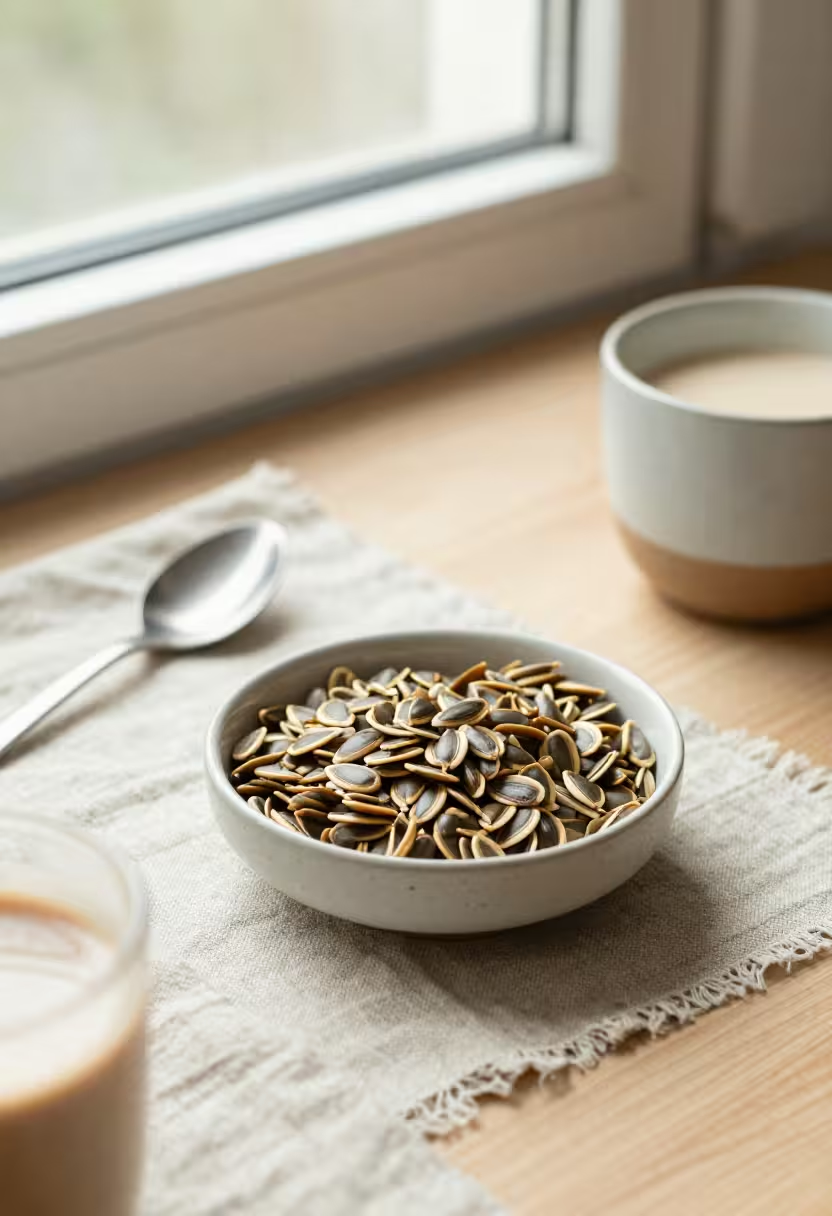
If you’re wondering whether pawpaw seeds are actually enjoyable to eat, the honest answer is: not really — at least not in the traditional sense. Their flavor is sharp, peppery, and slightly bitter, often surprising people who expect something similar to the fruit itself. This intensity is one reason they’ve never been a casual snack.
That said, people who choose to use pawpaw seeds usually do so in very small, intentional ways, focusing more on function than flavor. Some dry the seeds and crush them lightly, using a pinch as a spice-like addition rather than a main ingredient. In this form, the taste becomes more manageable and blends better with other foods.
Others experiment with infusions or teas, where a small amount of crushed seed is steeped briefly and then removed. This method limits both flavor strength and exposure, aligning more closely with traditional practices that favored subtlety over quantity.
Smoothies are sometimes mentioned online, but this is where caution comes in. Blending raw pawpaw seeds into drinks can make it easy to consume more than intended, both in taste and in potency. What feels like a small addition visually can become a concentrated dose once blended.
It’s also perfectly reasonable to decide that pawpaw seeds simply aren’t for you. Not every nutritious or interesting ingredient needs to be incorporated into your routine. Many people explore pawpaw seeds once out of curiosity and then return happily to enjoying the fruit alone.
In the end, pawpaw seeds aren’t about culinary pleasure. They’re about intentional use, and for many, that intention stops at learning rather than eating.
Myths, Clarifications, and Common Questions
As pawpaw seeds gain attention, a lot of information gets repeated without much context. Some of it is rooted in tradition, some in early research, and some simply in internet enthusiasm. This section helps untangle a few of the most common questions — without oversimplifying the answers.
“Are pawpaw seeds a detox food?”
This is one of the most common claims, and also one of the most misunderstood. The body already has highly effective detox systems — mainly the liver and kidneys. While pawpaw seeds contain compounds that may interact with digestion, they don’t replace or “boost” detox processes in any proven way. At best, they may play a small, indirect role when used sparingly.
“Can pawpaw seeds help with weight loss?”
There’s no strong evidence to support pawpaw seeds as a weight-loss aid. Because they’re pungent and used in tiny amounts, any effect would be minimal. Sustainable weight management is shaped by overall eating patterns, not individual ingredients.
“Is it safe to eat them every day?”
For most people, daily use is not recommended. Pawpaw seeds are better thought of as occasional, functional additions rather than routine foods. Regular consumption increases the likelihood of digestive irritation or unwanted side effects.
“Do I need to prepare them a specific way?”
Preparation matters. Drying, crushing, or infusing seeds helps control both flavor and potency. Eating them raw and whole — especially in larger amounts — is generally not advised.
“Are pawpaw seeds necessary for good health?”
Not at all. They’re optional. You can enjoy pawpaw fruit fully without ever touching the seeds and still have a balanced, nutritious diet.
Clarifying these points helps bring the conversation back to reality. Pawpaw seeds aren’t miracle ingredients — but they aren’t meaningless either. Their value depends entirely on context, moderation, and individual response.
A Balanced Perspective — When and Why You Might Include Them
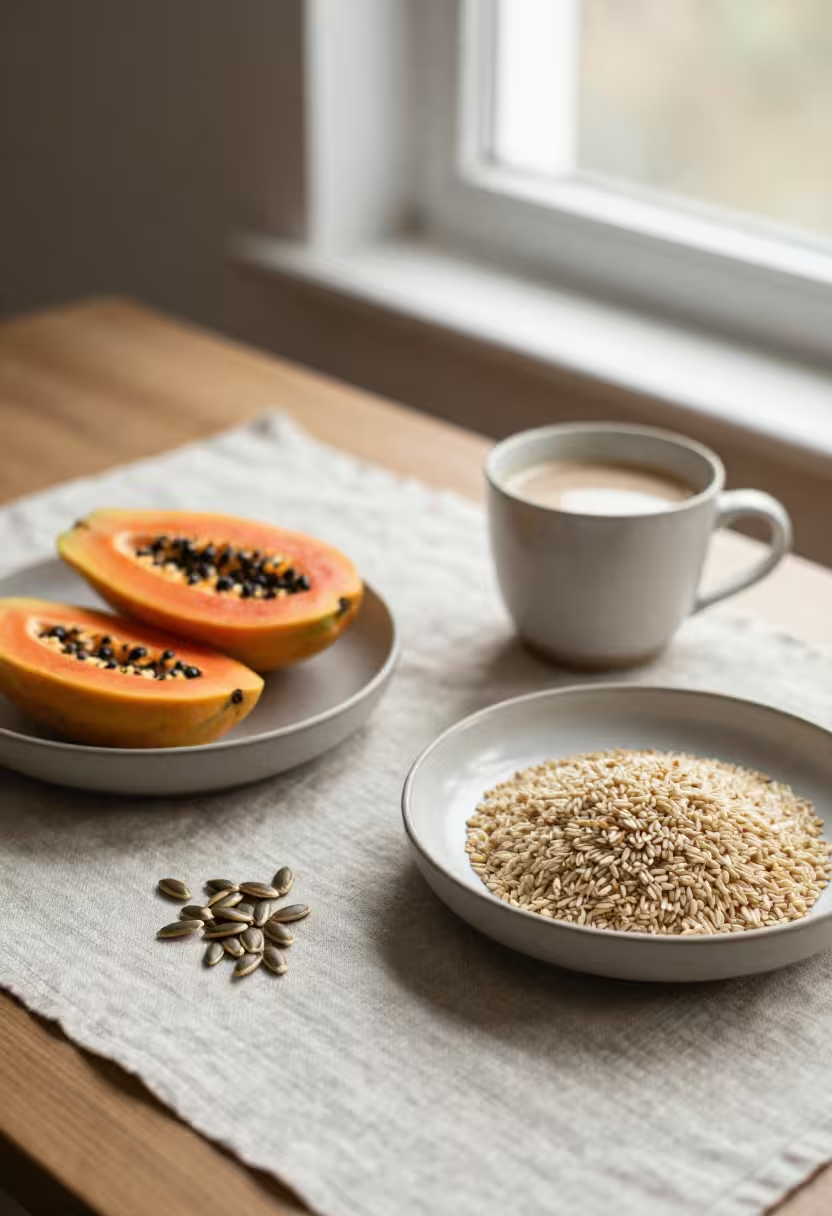
After peeling back the myths, traditions, and nutrition facts, pawpaw seeds land in a very specific place in the world of food and wellness. They’re not staples, not superfoods, and not necessities — but they can be meaningful for some people in very particular contexts.
Including pawpaw seeds may make sense if you enjoy exploring whole foods with curiosity, appreciate traditional food wisdom, or like experimenting thoughtfully with plant ingredients. In these cases, the seeds aren’t used to “fix” anything, but to add depth and awareness to how food is understood and respected.
They may also appeal to people who value moderation and intentionality. Pawpaw seeds naturally resist overuse — their flavor alone sets limits. This makes them a reminder that not every ingredient is meant to be maximized. Some foods exist to be used sparingly, as accents rather than foundations.
At the same time, choosing not to include pawpaw seeds is just as valid. They’re not required for digestive health, immunity, weight balance, or overall nutrition. A diet built on fruits, vegetables, proteins, whole grains, and healthy fats already offers far more consistent support.
What matters most is context. Pawpaw seeds don’t work in isolation. They don’t override lifestyle, stress, sleep, or broader eating patterns. When they’re approached as a small, optional part of a varied diet — rather than a solution — they fit more comfortably into a realistic wellness mindset.
In the end, the value of pawpaw seeds isn’t about what they promise. It’s about how thoughtfully they’re approached. Curiosity, moderation, and self-awareness tend to matter far more than the ingredient itself.
Final Thought — Context Over Hype
In a wellness world that often celebrates extremes, pawpaw seeds offer a quieter lesson. Their story isn’t about transformation or quick results — it’s about context, restraint, and understanding what a food is truly meant to be.
Nature doesn’t design every edible part of a plant for daily or abundant use. Some elements are concentrated, protective, and powerful in small ways. Pawpaw seeds fall into that category. They remind us that “natural” doesn’t automatically mean “use more,” and that wisdom often lives in moderation.
Approached thoughtfully, pawpaw seeds can be interesting, educational, and even meaningful. But they don’t need to be consumed to be respected. Sometimes, the most nourishing outcome comes simply from learning — noticing what we’ve overlooked, understanding why, and choosing intentionally.
Health is rarely built from single ingredients. It grows from patterns, awareness, and care repeated over time. When we shift our focus from hype to understanding, food becomes less about chasing benefits and more about building trust with what we eat.
And that, in itself, is a powerful place to begin.