Contents
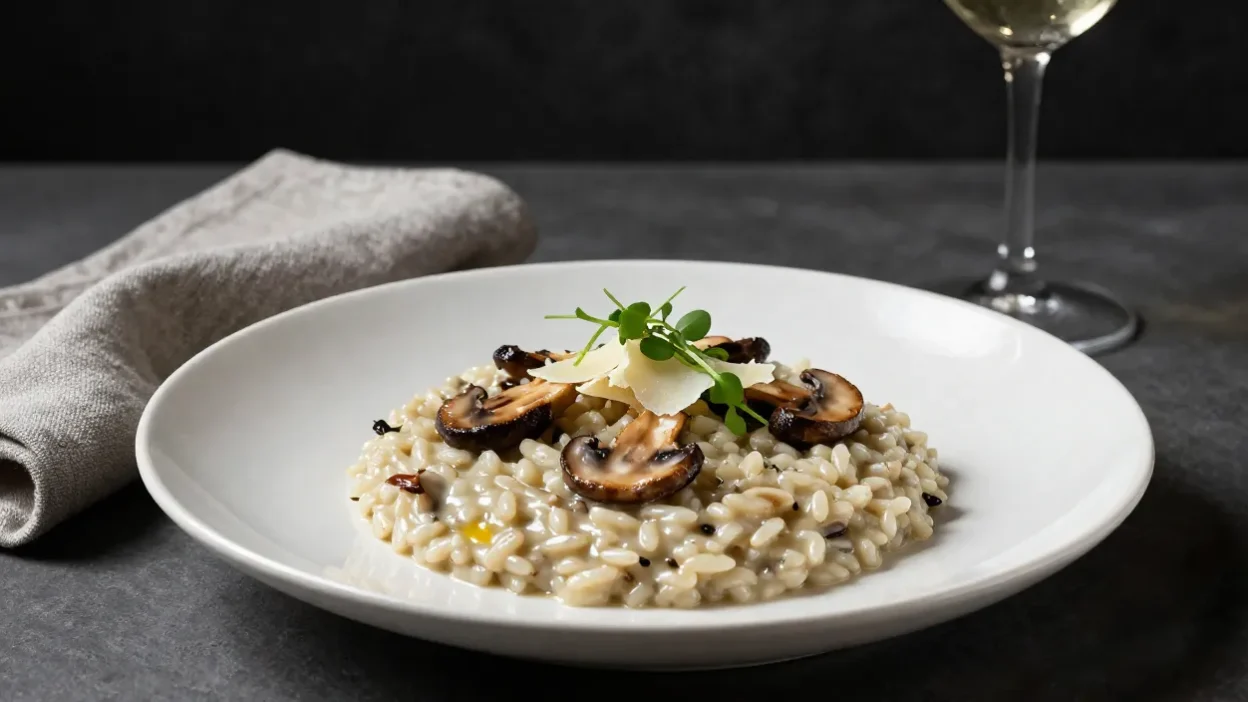
There are dishes you cook once and forget about a week later. And then there are the ones that kind of stick with you for no obvious reason. Mushroom risotto falls into that second category, at least for me.
The funny thing is, if you look at it on paper, it really doesn’t sound that exciting. It’s basically rice, mushrooms, and broth. No rare ingredients, no complicated techniques that look impressive on camera. The first time I made it, I honestly expected something… fine, but nothing special.
But that changed pretty quickly once I actually started cooking.
Somewhere between melting the butter and adding the mushrooms, the whole thing starts to feel different. The smell alone does a lot of the work — it’s warm, a bit earthy, slightly rich, but not heavy. And by the time you sit down to eat it, you realize why people keep coming back to this dish. It’s not loud or dramatic, it just works in a very satisfying way.
What I like about risotto is that it sits in this middle ground. It’s not something you throw together in ten minutes, but it’s also not complicated in the way that makes you nervous to try it. You don’t need special equipment or professional skills. You just need a bit of patience and a willingness to actually pay attention to what you’re doing.
And that part matters more than it sounds.
Because when you make risotto, you can’t really walk away and forget about it. You stay near the stove, you stir, you check the texture, you maybe taste it more often than necessary. At some point you stop thinking about the recipe and just focus on what’s happening in the pan. It’s a small thing, but it makes the whole process feel more involved — in a good way.
Mushroom risotto, specifically, has a slightly different mood compared to other versions. It feels calmer, more grounded. There’s no sharp acidity or strong spice pulling your attention in different directions. Instead, everything is kind of… steady. Warm, soft, and balanced.
It’s the kind of dish that works just as well when you’re cooking for yourself after a long day as it does when you have people over and want to serve something that feels thoughtful but not overcomplicated.
🍄 The Role of Mushrooms in Flavor and Texture
Mushrooms are one of those ingredients that people either love or don’t really think much about. I used to fall into the second group, to be honest. I’d add them to dishes because the recipe said so, not because I expected them to make a huge difference.
Risotto changed that a bit.
In this dish, mushrooms aren’t just sitting in the background. They shape the whole thing. Without them, you’re left with creamy rice, which is fine, but it doesn’t have the same depth. Once you add mushrooms, everything feels more complete, even if you can’t immediately explain why.
Part of it comes down to that savory, slightly earthy flavor they have. It doesn’t hit you all at once. Instead, it sort of builds as you eat, which makes the dish more interesting over time rather than less.
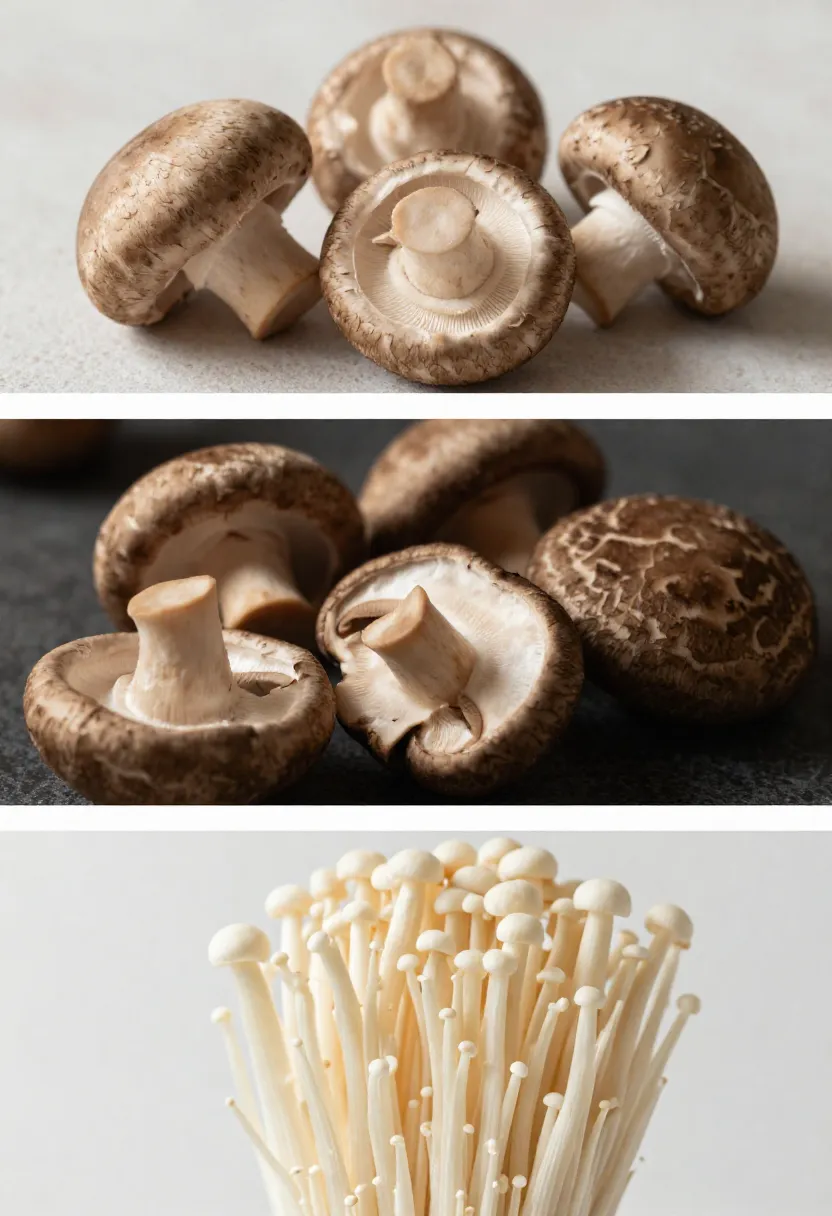
Texture is another thing that surprised me. I used to think mushrooms just get soft and that’s it, but that’s not entirely true. Some do, especially if you cook them longer, but others keep a bit of structure. And when you have both in the same dish, it actually makes a noticeable difference.
If you’re not sure where to start, using a mix of mushrooms is probably the easiest way to improve the result without overthinking it:
- Brown mushrooms give you a solid, familiar base
- Shiitake add a slightly deeper and more noticeable flavor
- Something lighter (like enoki) brings a bit of contrast so everything doesn’t feel too uniform
You don’t need to go out of your way to find anything fancy, though. Even a simple combination works better than using just one type, and the difference is usually pretty clear once the risotto is done.
🥄 Technique Matters More Than Ingredients
This is the part that people tend to underestimate, including me the first time I tried making risotto.
It’s easy to assume that if you use good ingredients, everything will turn out well. And yes, that helps, but with risotto, the way you cook it has a much bigger impact than you might expect.
It starts off simple enough — onion, garlic, some butter or oil. Nothing complicated. But even here, things can go slightly wrong if you’re not paying attention. If the heat is too high, the onion starts to brown too quickly and the flavor shifts in a way you probably didn’t intend. Too low, and it just kind of sits there without really developing.
The rice step is where things start to feel different from regular cooking. Instead of adding liquid right away, you let the rice toast a little. I didn’t think this mattered much at first, but skipping it definitely makes the final dish taste flatter.
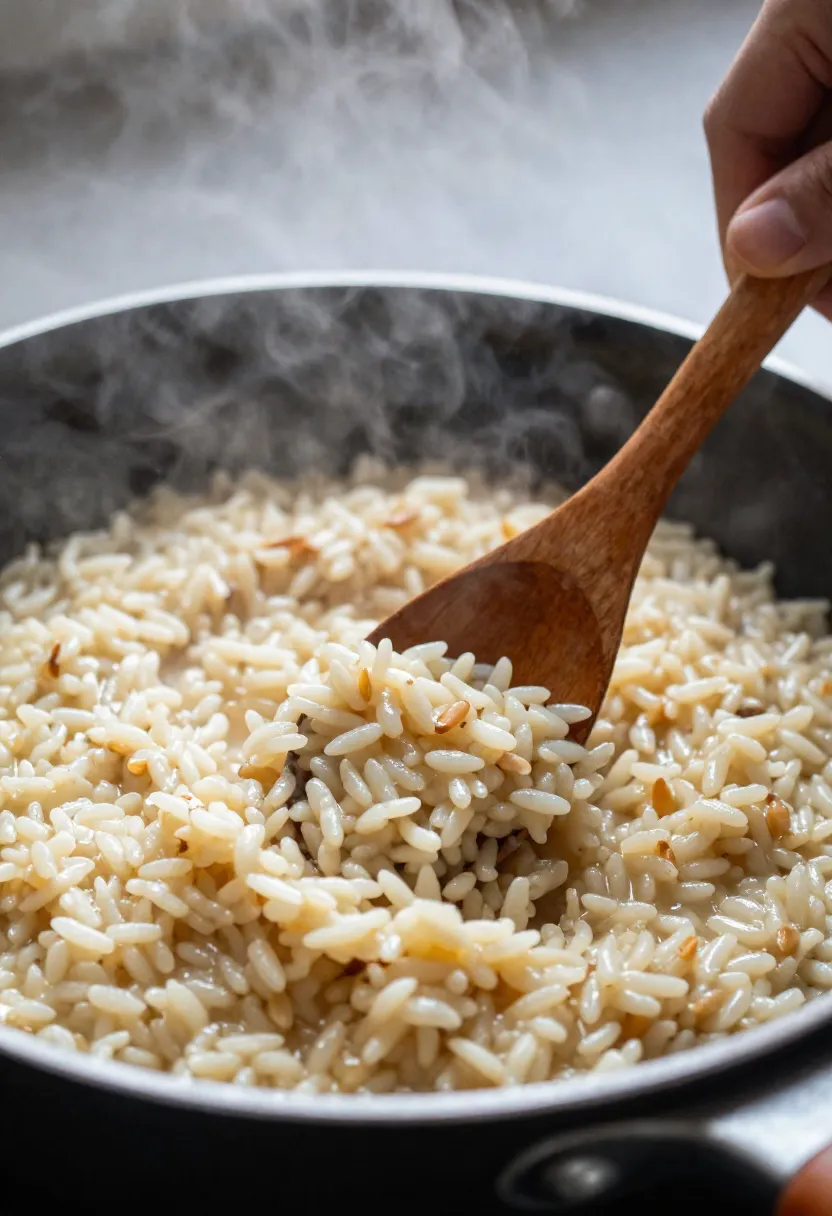
After that, it becomes a bit repetitive — in a good way. You add some warm stock, stir, let it absorb, then do it again. It’s not difficult, but it does require you to stay present. You can’t rush it without changing the result.
One thing that took me a couple of tries to understand is that the creaminess doesn’t really come from cream. It comes from the rice itself. As it cooks slowly and you keep stirring, it releases starch, and that’s what gives risotto its texture. If you dump all the liquid in at once, you don’t get the same effect.
There are a few small things that make the process easier and more consistent:
- Keeping the stock warm helps everything cook more evenly
- Using medium heat gives you more control than trying to speed things up
- Stirring regularly is important, but doing it too aggressively can actually ruin the texture
There isn’t a perfect timer for risotto, which can feel a bit frustrating at first. You kind of have to rely on how it looks and feels. When the rice is soft but still has a slight bite in the center, and the whole thing looks creamy without being too thick, you’re probably there.
It takes a bit of practice, but once it clicks, it becomes much more intuitive.
🍽️ Mushroom Risotto Recipe: Creamy, Balanced and Full of Flavor
There’s something very satisfying about a dish that doesn’t rely on dozens of ingredients but still feels complete. This mushroom risotto is exactly that kind of recipe.
At its core, it stays close to the traditional idea — slow-cooked rice, warm broth, simple aromatics — but with a slightly richer finish that makes it feel a bit more special without going over the top. The mushrooms bring depth, the wine adds a subtle brightness, and the final touch of cream and cheese smooths everything out in a way that feels… well, comforting.
What I personally like about this version is that it doesn’t try too hard. It’s not overloaded, not overly heavy, but still has enough flavor to feel like a proper, thought-through dish. It’s the kind of meal that works on a random weekday, but also doesn’t feel out of place if you’re cooking for someone else.
Also, and this is important — it’s forgiving. Even if you don’t get everything perfect on the first try, it will still taste good. And once you make it a couple of times, you start to understand the rhythm, and it becomes much easier.
🧾 Ingredients
- 1 cup Arborio rice
- 2 tablespoons olive oil
- 30 g butter
- 1 small onion, finely chopped
- 2 garlic cloves, minced
- 700–900 ml warm vegetable stock
- 250 g mixed mushrooms, sliced
- ½ cup cherry tomatoes, halved
- ½ cup green peas
- 100 ml dry white wine
- 100 ml cream
- 50 g soft blue cheese or similar
- Salt and black pepper to taste
👨🍳 Cooking Steps
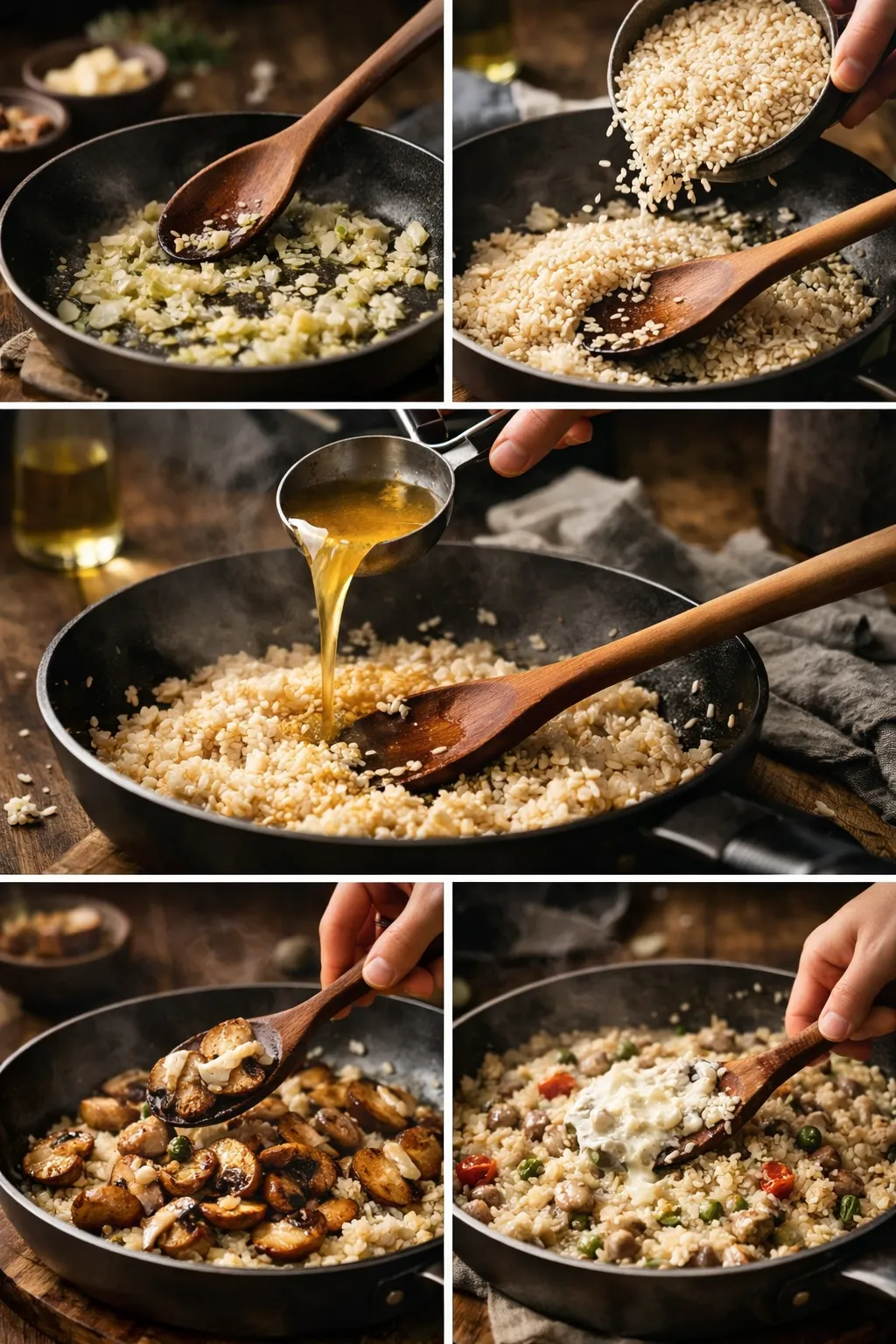
- Heat the olive oil and butter in a wide pan over medium heat until everything is melted and starts to gently bubble.
- Add the chopped onion and cook it slowly, giving it time to soften properly. You’re not trying to brown it here — just bring out that mild sweetness.
- Stir in the garlic and let it cook for about 30 seconds. You’ll notice the smell almost immediately — that’s your cue to move on.
- Add the Arborio rice and mix it through the pan so every grain gets coated. Let it toast lightly for a minute or two. It’s a small step, but it really does make a difference.
- Pour in the white wine and stir. It will evaporate fairly quickly, but don’t rush it — give it a moment to settle into the rice.
- Start adding the warm vegetable stock, one ladle at a time. Stir gently and let the rice absorb the liquid before adding more.
- Keep going like this, staying patient with the process. It might feel repetitive, but this is where the texture really develops.
- About halfway through, add the mushrooms. They’ll cook down and blend into the risotto, adding both flavor and texture.
- In a separate small pan, gently heat the cream and melt the cheese into it. Stir until smooth — it should look like a light, creamy sauce.
- When the rice is almost done, add the peas and cherry tomatoes. They don’t need long, just enough to warm through and keep their freshness.
- Once the rice is tender but still has a slight bite, remove the pan from heat.
- Fold in the cream and cheese mixture. Don’t rush this step — mix it gently so everything stays smooth.
- Taste, then season with salt and black pepper as needed. This part is more important than it sounds, so don’t skip it.
- Serve immediately while it’s still soft and creamy. That texture doesn’t wait around for long.
💡 Small Tips That Make a Big Difference
- Keep your stock warm — adding cold liquid slows everything down in a weird way
- Don’t panic if it looks too loose at first, risotto thickens naturally as it sits
- Taste more often than you think you should, it helps you catch small mistakes early
- If it gets too thick, a splash of hot water or stock can fix it quickly
- And honestly, don’t stress too much — even “imperfect” risotto is usually still really good 🍄
🍷 How to Serve Risotto at Its Best
One thing that often surprises people the first time they make risotto is how quickly it changes after cooking. It doesn’t behave like most dishes that improve if you let them sit for a while. In fact, it’s the opposite.
Risotto is at its absolute best the moment it’s ready.
If you leave it in the pan even for a few extra minutes, you’ll notice the texture starting to shift. It thickens, becomes heavier, and loses that soft, flowing consistency that makes it so satisfying in the first place. It’s not that it turns bad — it just stops being what it’s supposed to be.
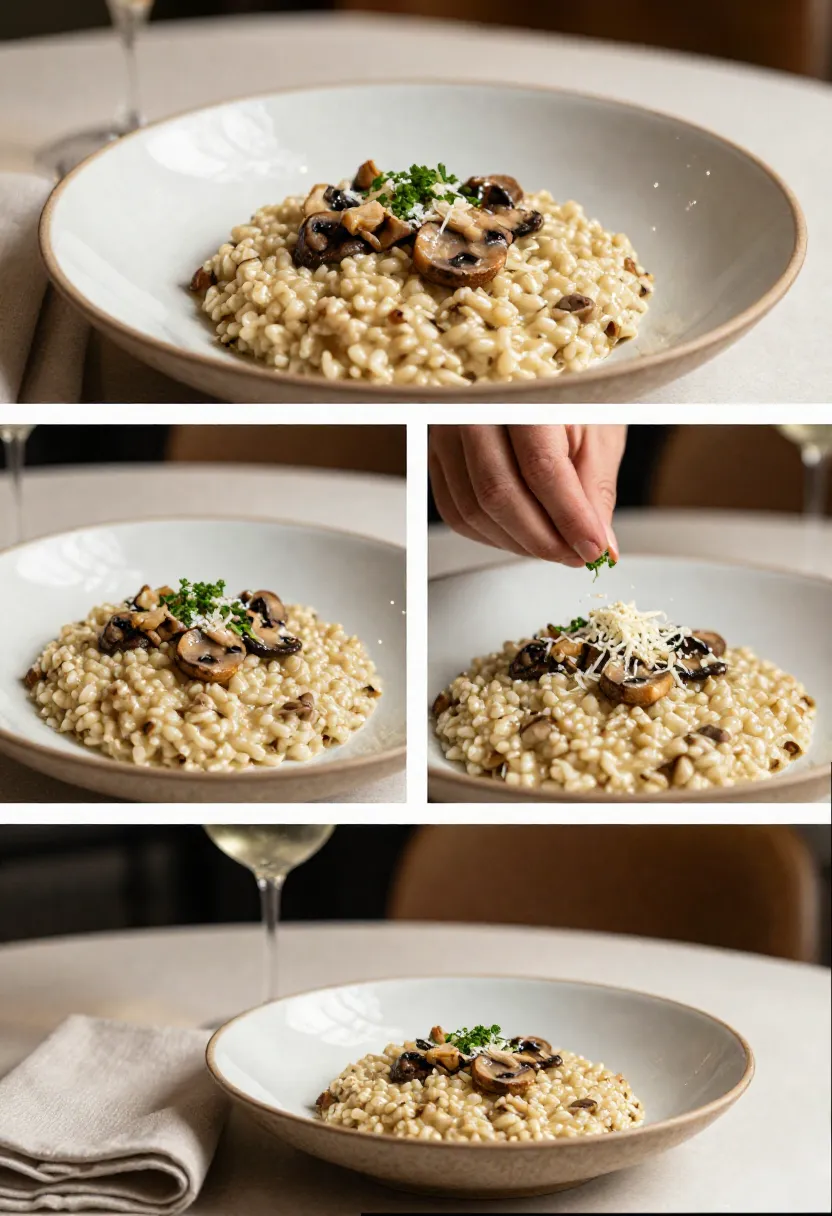
That’s why timing matters more than people expect. Ideally, everything else should already be prepared before the risotto is done. Plates ready, table set, people nearby — so you can serve it right away without that awkward delay where it just sits there getting thicker.
Using warm bowls actually helps more than it sounds. It’s a small detail, but it keeps the risotto at the right consistency just a little longer, especially if you’re serving more than one portion.
When it comes to finishing touches, it’s better not to overdo it. Risotto already has a lot going on in terms of texture and flavor, so the goal is to gently support it, not cover it up. A few simple additions usually work best:
- a bit of freshly grated cheese for extra depth
- some chopped herbs for a lighter, fresher note
- a small drizzle of olive oil to round everything out
None of this is mandatory, of course. But these small details can make the dish feel more complete without turning it into something overly complicated.
🔥 Common Mistakes and How to Avoid Them
Risotto has this reputation of being complicated, but if we’re honest, most failures come from a few very specific things. It’s rarely the ingredients — it’s usually small decisions during cooking that slowly mess things up.
One of the most common mistakes is trying to speed things up. It’s tempting to add more liquid at once or turn up the heat, especially if you’re hungry or in a rush. But risotto doesn’t really reward that kind of approach.
Another thing people underestimate is consistency. Risotto is all about gradual change, so anything that interrupts that rhythm — like cold stock or uneven heat — can affect the final result more than expected.
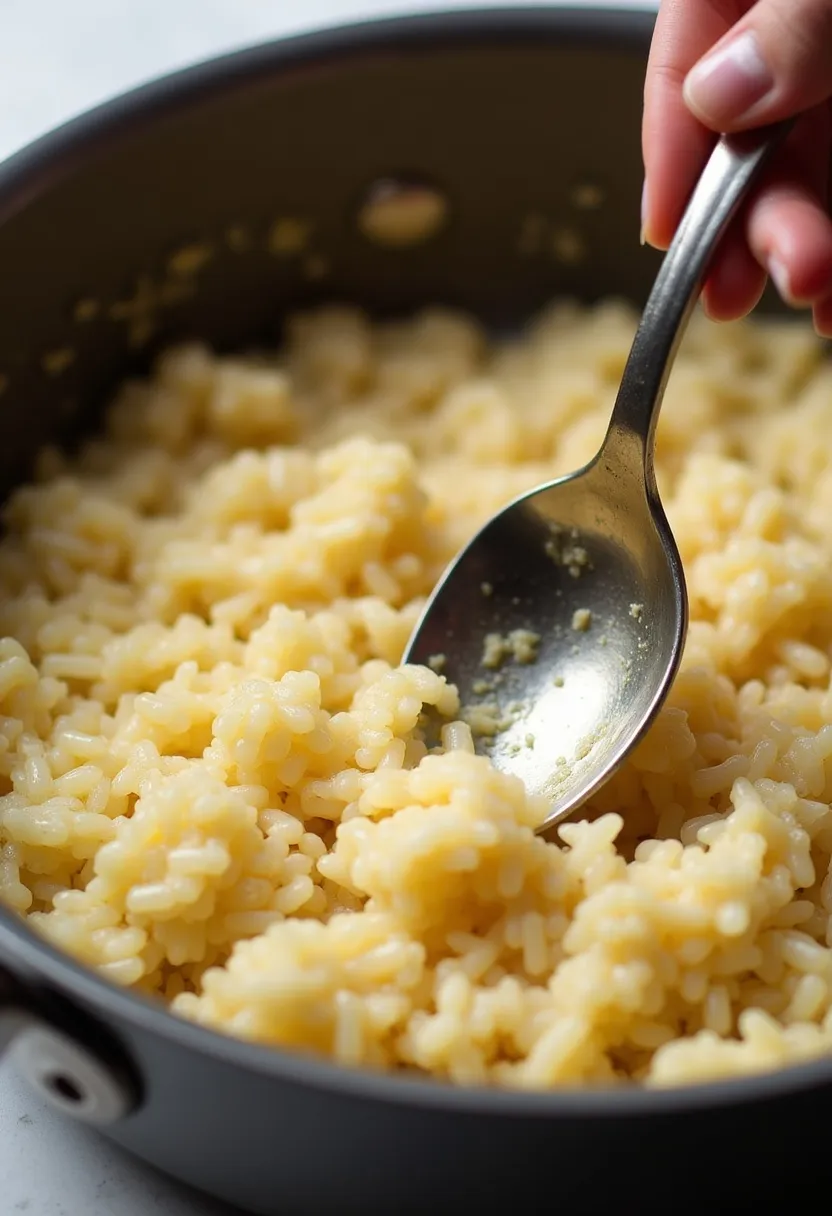
Here’s a quick breakdown that might help (this is basically the stuff I wish I paid attention to earlier):
| Mistake | What Actually Happens | How to Fix It |
|---|---|---|
| Adding all the stock at once | Rice cooks unevenly, texture turns flat instead of creamy | Add liquid gradually, one ladle at a time |
| Using cold stock | Cooking process slows down and becomes inconsistent | Keep stock warm on low heat nearby |
| Cooking on high heat | Liquid evaporates too fast, rice doesn’t absorb properly | Stick to medium heat for better control |
| Not tasting during cooking | Easy to miss the right texture or seasoning | Taste regularly, especially toward the end |
| Overstirring constantly | Can break the structure and make it too gluey | Stir gently and give it small pauses |
None of these mistakes are dramatic on their own, but together they can really change the dish. The good news is that once you notice them, they’re very easy to fix.
💛 Making the Dish Your Own Over Time
After you’ve made risotto a couple of times, something interesting happens. You stop thinking about it as a strict recipe and start seeing it more as a base you can adjust.
At first, it’s normal to follow everything step by step, just to understand how it works. But later on, you’ll probably start making small changes without even thinking about it. Maybe you use a different type of cheese because that’s what you have in the fridge. Maybe you add something extra on a whim and realize it actually works.
That flexibility is part of what makes risotto so enjoyable to cook.

You can make it lighter or richer depending on your mood. Some days you might want something simple and clean, other times something more indulgent. Even small adjustments can shift the whole feel of the dish — and that’s where it becomes more personal.
Over time, you might experiment with things like:
- adding fresh greens for a bit of contrast and color
- including some kind of protein to make it more filling
- changing the mushroom mix to see how it affects flavor and texture
None of this is required, and honestly, the basic version is already very good on its own. But having that freedom makes the dish more interesting in the long run.
Eventually, risotto stops feeling like something you have to “get right” and starts feeling like something you understand. And once you reach that point, cooking it becomes a lot more relaxed — and, usually, more enjoyable too 🍄