Contents
- What Is Kratom and Why Does the Method Matter?
- Method 1 — Toss and Wash
- Method 2 — Kratom Tea
- Method 3 — Kratom Capsules
- Method 4 — Mixing with Food or Juice
- Method 5 — Kratom Extracts and Enhanced Products
- Kratom Dosage Guide — How Much Is Enough?
- Kratom Strains and Their Effects
- Safety Tips and What to Watch Out For
- Conclusion
- Frequently Asked Questions
If you’ve heard about kratom but aren’t quite sure what to do with it — you’re not alone. Most people’s first encounter with it is a bag of green powder and zero instructions. Do you just eat it? Mix it with something? How much is too much?
Kratom has been used for centuries in Southeast Asia — traditionally chewed, brewed, or mixed into drinks by farmers and laborers who needed energy and relief during long working days. Today, people across the world reach for it for everything from managing discomfort to improving focus or winding down at the end of a hard week.
But here’s the thing: how you take kratom matters just as much as how much you take. The method affects how fast it kicks in, how strong it feels, and how long it lasts. Get it wrong and you either feel nothing — or way too much.
In this guide, you’ll find everything you need to actually use kratom with confidence:
- The 5 most popular methods — with honest pros and cons
- A clear dosage breakdown for beginners and experienced users
- Practical tips that make the whole experience smoother
- And a few things most articles don’t bother to mention
What Is Kratom and Why Does the Method Matter?
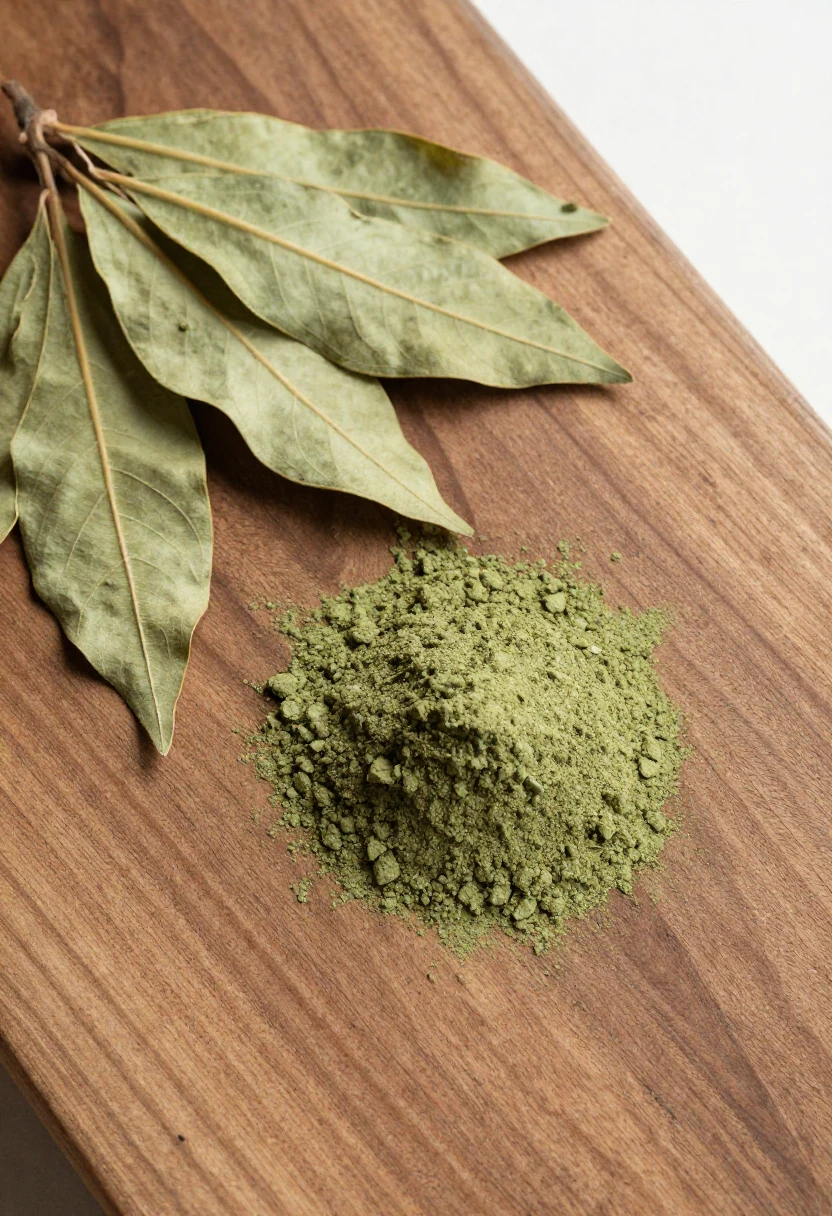
Kratom comes from the leaves of Mitragyna speciosa — a tropical tree native to Thailand, Indonesia, Malaysia, and surrounding regions. For generations, it was simply part of daily life there. Workers would chew fresh leaves the way someone today might reach for a strong coffee.
What makes kratom interesting — and a little complex — is its chemistry.
The Active Compounds
The two main players are mitragynine and 7-hydroxymitragynine (7-HMG). These alkaloids interact with receptors in your brain and body, producing effects that can range from stimulating to deeply relaxing — depending on the dose and strain.
At lower doses, kratom tends to feel energizing and sharpening — clearer thinking, more motivation, a mild mood lift.
At higher doses, the experience shifts toward calm, sedation, and physical relief.
This dual nature is part of what makes kratom unique. It’s also why dosage isn’t something to guess at.
Why the Method Changes Everything
Here’s something most beginner guides skip over: the delivery method directly affects your experience.
- Capsules slow everything down — the onset is delayed because your body has to dissolve the casing first
- Toss and wash or tea get into your system faster
- Mixing with food can soften the effects and extend the experience
- Extracts hit much harder and faster than plain leaf powder
So before you ask “how much should I take?” — it’s worth asking “how am I going to take it?” Because the same 3 grams can feel very different depending on the method.
Method 1 — Toss and Wash
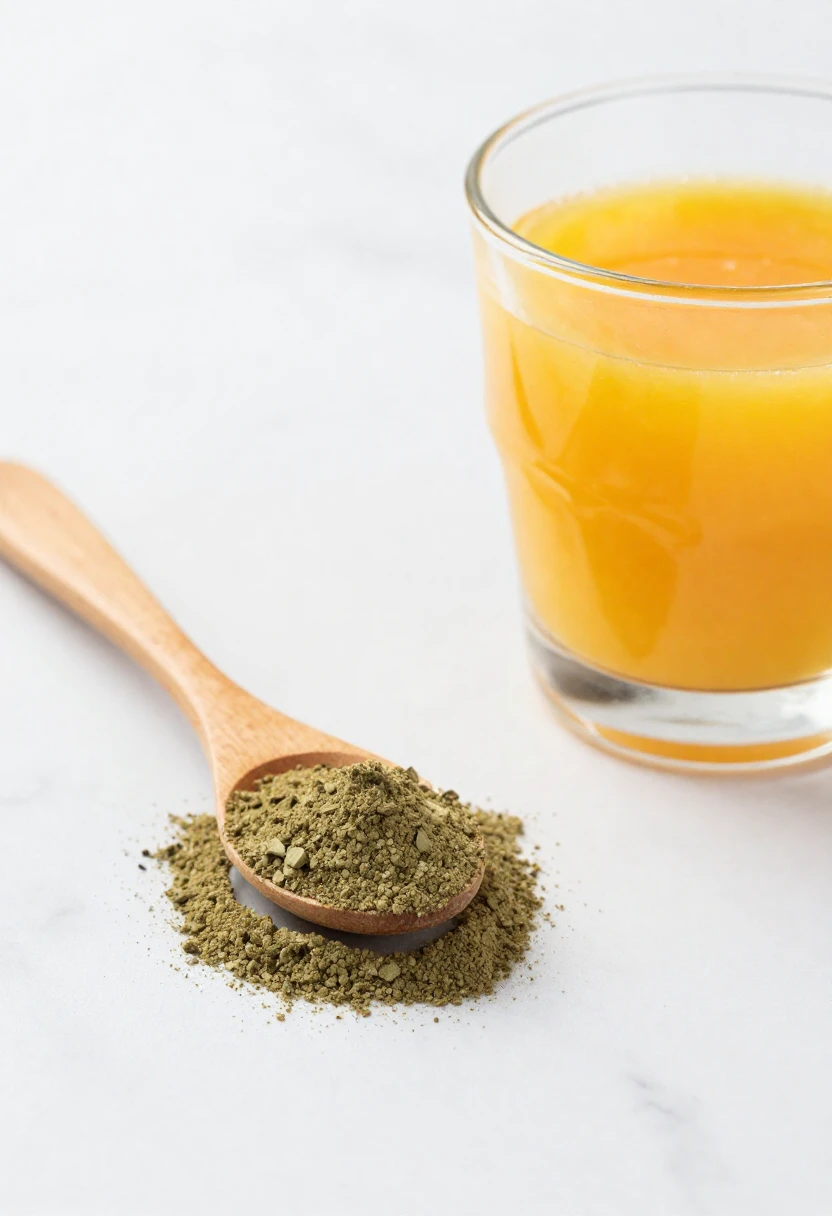
If you spend any time in kratom communities online, toss and wash comes up constantly. It’s probably the most popular method among regular users — and once you get the hang of it, you’ll understand why.
The idea is simple: you measure your dose, put the powder in your mouth, and wash it down with liquid. No brewing, no prep, no capsules to fill. Just powder and a drink.
How It Works
- Measure your dose — use a digital scale, not a spoon. Eyeballing kratom powder is how people end up taking too much.
- Take a sip of water first to lightly coat your mouth — this helps prevent the powder from going dry and flying everywhere.
- Place the powder on your tongue — some people do it in one go, others split it into two smaller portions.
- Wash it down immediately with water, juice, or whatever you’re drinking. Don’t let it sit.
- Follow up with more liquid to make sure everything goes down cleanly.
Orange juice is a fan favorite for this — the acidity seems to complement the bitterness, and the flavor helps mask it.
Pros and Cons
Why people love it:
- Fast onset — effects usually felt within 15–30 minutes
- No equipment needed
- Full potency — nothing is lost in brewing or digestion delay
What makes it tricky:
- The taste is genuinely bitter and earthy — not everyone handles it well at first
- If you inhale at the wrong moment, you get a mouthful of powder. It happens. Learn from it.
- Not great in public or social settings
Tips to Make It Easier
- Chase it with something flavorful — citrus juice, chocolate milk, or a strong flavored drink works well
- Split your dose into two washes if the amount feels like a lot to handle at once
- Don’t mix the powder into the liquid — that turns it into a muddy, hard-to-drink sludge. Keep it separate.
- Start with a smaller amount while you practice the technique before working up to your full dose
Once you find your rhythm with toss and wash, it becomes genuinely fast and easy. Most regular users do it in under a minute without thinking twice.
Method 2 — Kratom Tea
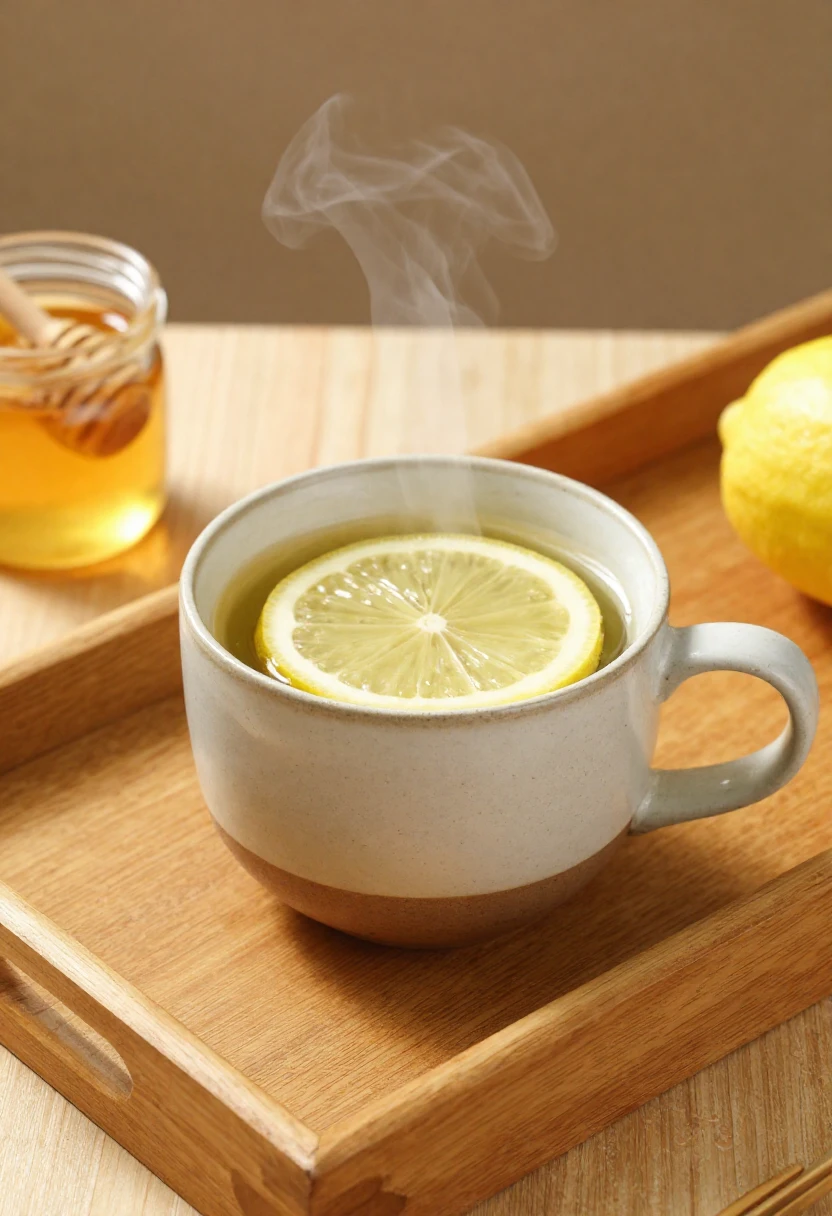
There’s something almost ceremonial about brewing kratom as a tea. It connects back to how the plant was traditionally used — and honestly, it makes the whole experience feel a little more intentional. Less “I’m taking a supplement” and more “I’m making myself a drink.”
For people who struggle with the toss and wash method, tea is often the answer. The bitterness is still there, but it’s easier to sip slowly than to swallow a mouthful of powder.
How to Brew It Properly
You don’t need anything fancy. Here’s a simple method that works:
- Measure your dose of kratom powder or crushed leaf
- Heat water to around 80–85°C (175–185°F) — hot, but not a rolling boil
- Add the kratom to the water and let it simmer gently for 10–15 minutes
- Stir occasionally to keep the powder from clumping at the bottom
- Strain through a fine mesh strainer or cheesecloth into your cup
- Add lemon juice, honey, or ginger to taste — and to make it actually enjoyable
Some people like to do a double brew — after straining the first batch, they add fresh water to the leftover plant material and brew again. You get a second, slightly weaker cup and use every bit of what you paid for.
Does Heat Reduce Potency?
This is one of the most common questions — and the answer is: not significantly, if you’re careful.
Boiling kratom aggressively for a long time can degrade some alkaloids. But a gentle simmer at the right temperature preserves most of the active compounds. The key word is gentle. You’re making tea, not reducing a sauce.
Avoid: a hard rolling boil or leaving it on heat for 30+ minutes. That’s where you start losing potency noticeably.
Flavor Tips
Let’s be honest — plain kratom tea is bitter. It tastes earthy, slightly grassy, and not exactly like something you’d order at a café.
Here’s how to make it more drinkable:
- Lemon or lime juice — citrus not only improves the flavor, it may actually help extract alkaloids more effectively due to its acidity
- Honey — takes the edge off the bitterness beautifully
- Ginger — adds warmth and helps with any stomach sensitivity
- Mint — a few fresh leaves steeped alongside the kratom make a surprising difference
- Cinnamon — a small pinch adds depth and rounds out the earthy notes
Some people brew kratom tea and then chill it, mixing it into iced tea or lemonade. On a warm day, it’s actually quite pleasant.
What to Expect
Tea tends to have a slightly softer onset than toss and wash — usually 20–40 minutes — but the experience is often described as smoother and easier on the stomach. If you’ve ever felt nauseous with other methods, tea is worth trying.
Method 3 — Kratom Capsules
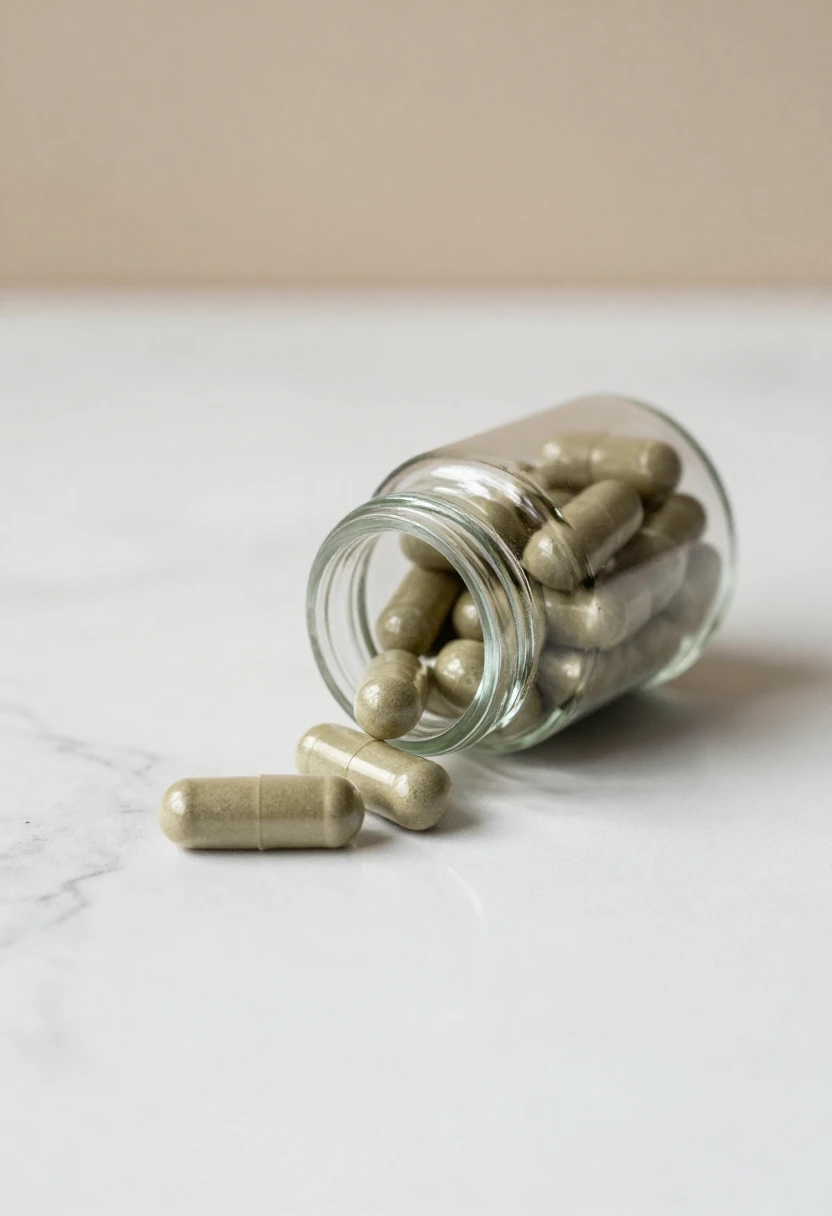
Capsules are the method that requires the least explanation — and that’s exactly why so many beginners start here. You swallow a capsule. You wait. That’s it.
No powder in your mouth, no bitter taste, no brewing. Just a clean, familiar experience that feels no different from taking any other supplement.
Best for Beginners — Why
If you’re new to kratom and the idea of toss and wash makes you nervous, capsules remove almost every barrier. There’s no technique to learn, no taste to push through, and no risk of accidentally inhaling powder.
They’re also discreet and portable — a small container of capsules fits in any bag or pocket, and nobody around you needs to know what you’re taking.
For people who are sensitive to bitter flavors or have a strong gag reflex, capsules aren’t just convenient — they’re genuinely the only method that works comfortably.
Onset Time vs. Other Methods
Here’s the trade-off you need to know about: capsules are slower.
Your body has to dissolve the gelatin or vegetable casing before it can even begin absorbing the kratom inside. That adds time — usually 30–60 minutes before you feel anything, sometimes longer if you’ve eaten recently.
Compare that to toss and wash at 15–30 minutes, or tea at 20–40 minutes, and you can see the difference.
This delay catches a lot of beginners off guard. They take capsules, feel nothing after 30 minutes, assume the dose was too small — and take more. Then both doses hit at once. This is one of the most common kratom mistakes. Be patient with capsules. Give them a full hour before drawing any conclusions.
Pre-Made vs. DIY Capsules
You have two options here:
Buying pre-filled capsules:
- Convenient and ready to go
- Dosage is clearly labeled per capsule
- Usually more expensive per gram than buying loose powder
- Quality varies widely between vendors — research before you buy
Filling your own:
- More cost-effective if you already buy powder in bulk
- You control exactly what goes in and how much
- Requires a capsule machine and empty capsules (size “00” holds roughly 0.5–0.735g of powder)
- Takes a little time upfront but becomes quick once you have a system
A simple capsule filling board costs very little and lets you fill 24 or more capsules at once in just a few minutes. For regular users who prefer this method, it’s absolutely worth the small investment.
One Practical Note
Size “00” capsules are the standard for kratom. A typical moderate dose of 3–4 grams means swallowing 4–8 capsules depending on how tightly they’re packed. That’s worth knowing before you commit to this method — some people find swallowing that many capsules uncomfortable.
If that’s you, consider splitting your capsule dose with toss and wash or tea to reduce the pill count while still enjoying some of the convenience.
Method 4 — Mixing with Food or Juice
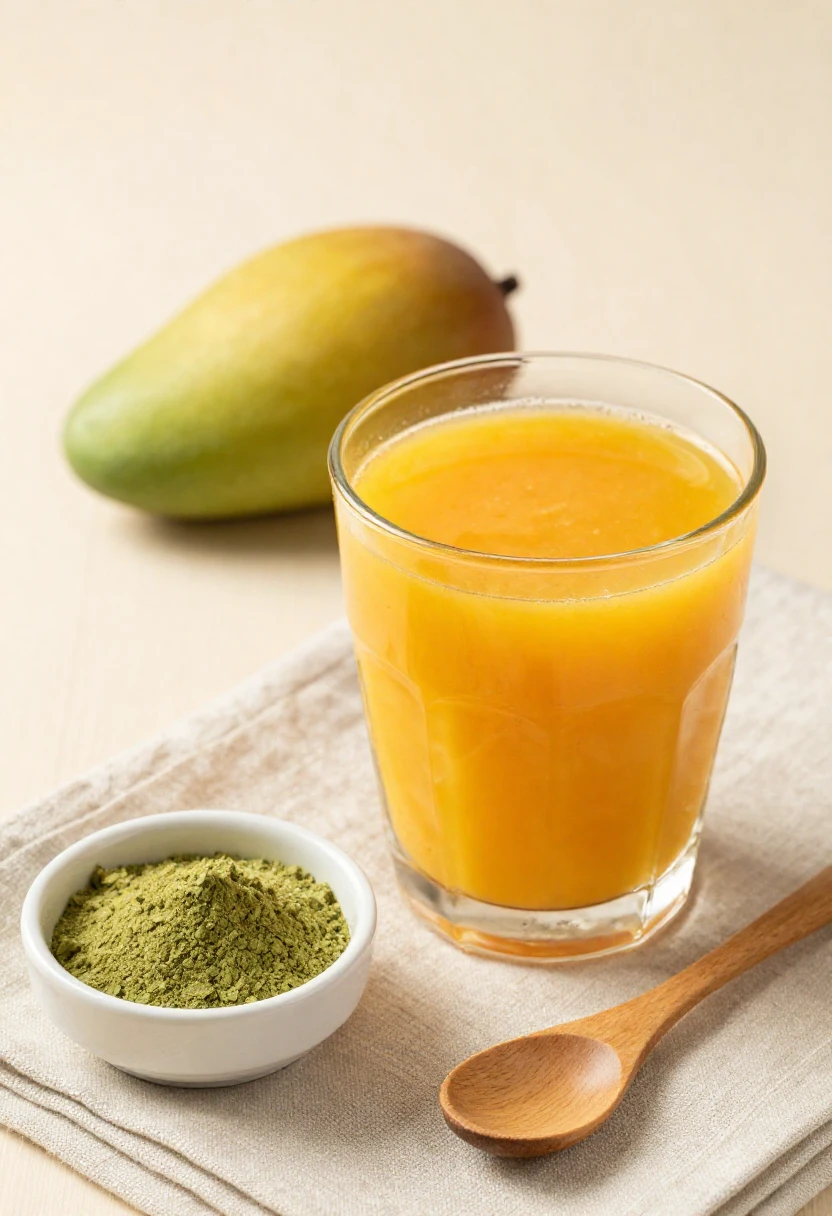
This method doesn’t get talked about as much as the others — but for a lot of people, it’s the one that actually sticks long-term. Especially if you’re someone who takes kratom regularly and wants to make it feel like less of a separate ritual and more of a natural part of your routine.
The concept is straightforward: you stir kratom powder into something you’re already eating or drinking and consume it that way.
Best Foods and Drinks to Mix With
Not everything pairs well with kratom’s earthy, bitter profile — but some combinations work surprisingly well.
Drinks that work great:
- Orange juice or grapefruit juice — the acidity cuts through the bitterness and may improve alkaloid absorption. This is probably the most popular liquid mix.
- Chocolate milk or a chocolate protein shake — the richness of chocolate masks the flavor more effectively than almost anything else
- Mango juice — sweet, thick, and genuinely good at hiding the taste
- Yogurt-based smoothies — the creaminess softens the bitterness considerably
- Cold brew coffee — for people who already enjoy coffee, this combination feels natural and the flavors complement each other
Foods that work:
- Yogurt — stir the powder in thoroughly and eat it like a normal bowl. Full-fat yogurt works best because the fat content helps bind the flavor.
- Applesauce — soft texture makes mixing easy, and the sweetness does a decent job masking bitterness
- Peanut butter — thick enough to fully incorporate the powder, and the strong flavor takes over completely
- Oatmeal — works well when you add honey and fruit alongside it
What to Avoid
A few combinations that sound logical but don’t actually work well:
- Plain water — doesn’t mask anything and turns into an unpleasant sludge
- Thin, mild-flavored drinks like herbal teas or light juices — the kratom flavor dominates completely
- Hot soups or sauces — the prolonged heat can degrade alkaloids, similar to over-boiling during tea preparation
- Carbonated drinks — the powder doesn’t mix smoothly and creates a foamy, unpleasant texture
Does Mixing with Food Affect Potency?
This is worth understanding properly.
Taking kratom with a full meal slows absorption — your body is busy processing food, and the kratom gets caught up in that process. The onset can be delayed by 45–90 minutes, and the overall effects may feel milder or more spread out.
That’s not necessarily a bad thing. For some people, a slower, gentler onset is exactly what they want — less intensity, longer duration, easier on the stomach.
Taking it with juice on an empty or near-empty stomach is a different story. The liquid moves through quickly, and the effects come on more like a standard toss and wash — within 20–35 minutes, with more noticeable intensity.
Citrus juice in particular seems to do something extra. The acidic environment may help convert certain alkaloids into a more bioavailable form, which is why so many experienced users specifically reach for orange or grapefruit juice rather than anything else.
A Small Practical Tip
Whatever you’re mixing into — stir aggressively and drink immediately. Kratom powder doesn’t stay suspended for long. Leave it for a minute and you’ll find a layer of green sediment sitting at the bottom of your glass. Drink it in one go, then rinse the glass with a small splash of liquid and drink that too, so nothing is left behind.
Method 5 — Kratom Extracts and Enhanced Products
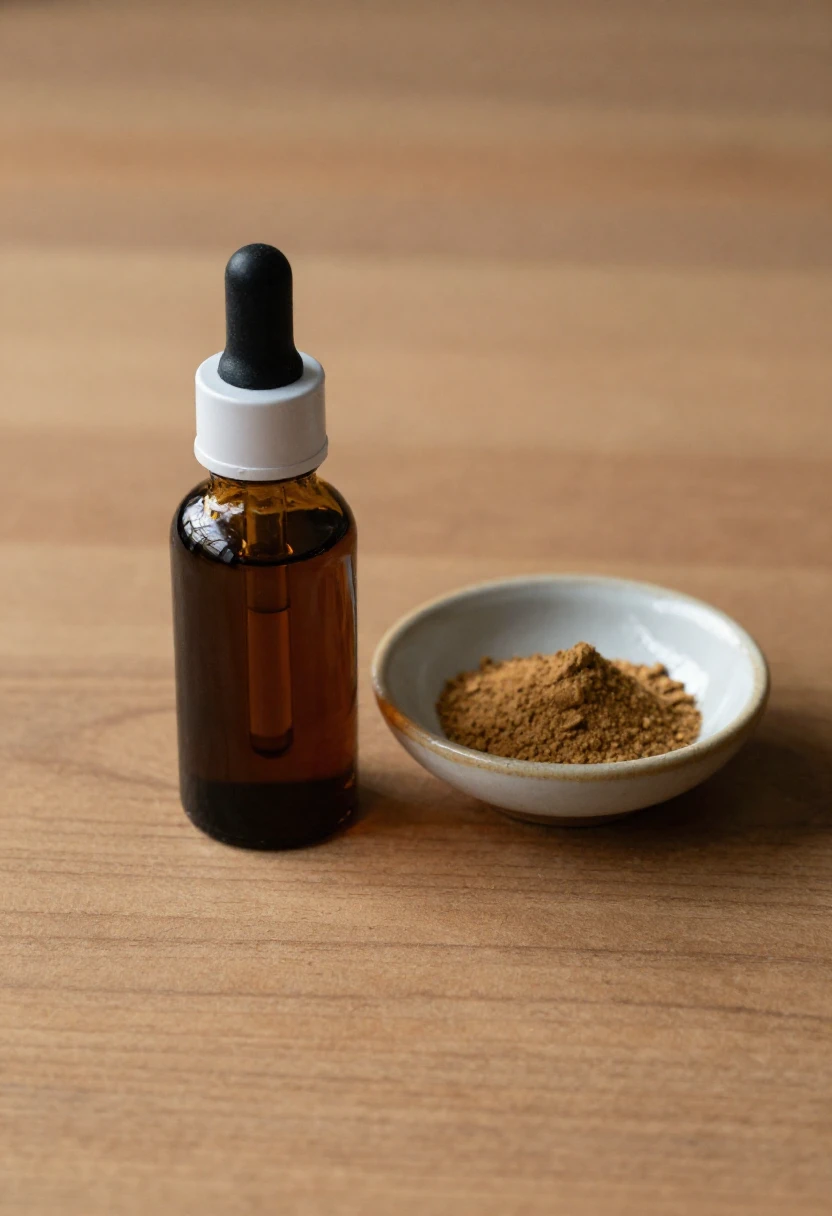
Everything covered so far has been about plain kratom powder or leaf — the same basic form people have been using for generations. Extracts are a different category entirely, and they deserve their own honest conversation.
If regular kratom powder is a strong espresso, extracts are a double shot of something considerably stronger. Same origin, very different experience.
What Makes Extracts Different
Standard kratom powder is simply dried, ground leaf. The alkaloid content varies by strain and batch, but generally falls within a predictable range.
Extracts are concentrated. During production, the active alkaloids are pulled from the plant material and reduced down — sometimes dramatically. The result is a much smaller volume of product with a significantly higher alkaloid density.
You’ll often see extracts labeled with a ratio or percentage:
- 2x or 2:1 — roughly twice the alkaloid concentration of regular powder
- 10x or 10:1 — ten times more concentrated
- Full spectrum extracts — designed to preserve the complete alkaloid profile, not just the dominant compounds
- Liquid kratom shots — pre-measured liquid extracts, often sold in small bottles at convenience stores or smoke shops
There are also enhanced kratom products — regular powder that has been blended with extract to boost its potency without going to full extract strength. These sit somewhere in the middle.
Who Should (and Shouldn’t) Use Them
Extracts might make sense if:
- You have significant experience with regular kratom and understand how your body responds
- You need a smaller volume to achieve your desired effect — useful if swallowing large amounts of powder is difficult
- You’re managing something specific, like chronic discomfort, where higher potency is genuinely needed
Extracts are not a good idea if:
- You’re new to kratom — full stop. Start with plain powder and learn your baseline first.
- You’re still figuring out your ideal dose. The margin for error with extracts is much smaller.
- You’ve been using kratom daily for a while and are considering extracts because regular powder “doesn’t work as well anymore.” That’s tolerance talking — extracts will accelerate it further, not solve it.
Dosage Caution — This Part Matters
With regular powder, taking a gram or two more than intended usually just means stronger effects. With extracts, the same mistake lands very differently.
Common side effects from too much extract include:
- Nausea and vomiting
- Dizziness and disorientation
- Extreme sedation
- Headache that lingers for hours
The golden rule with extracts: start with a fraction of your normal dose. If you typically take 3–4 grams of powder, begin with 0.5–1 gram of extract and wait a full hour before considering more.
Also worth noting — regular extract use builds tolerance faster than plain leaf powder. Many experienced users keep extracts as an occasional tool rather than a daily method, specifically to protect their sensitivity over time.
A Word on Liquid Kratom Shots
These have become increasingly common in gas stations and supplement shops. They’re convenient, but come with a few caveats worth knowing:
- Potency varies wildly between brands — some are quite mild, others are surprisingly strong
- The labeling isn’t always transparent about actual alkaloid content
- They often contain additives — flavorings, sweeteners, sometimes other botanicals
- Price per dose is typically much higher than buying powder or even standard extracts
If you try one, treat it like any extract — start slow, read the label carefully, and don’t assume the serving size on the bottle is automatically right for you.
Kratom Dosage Guide — How Much Is Enough?
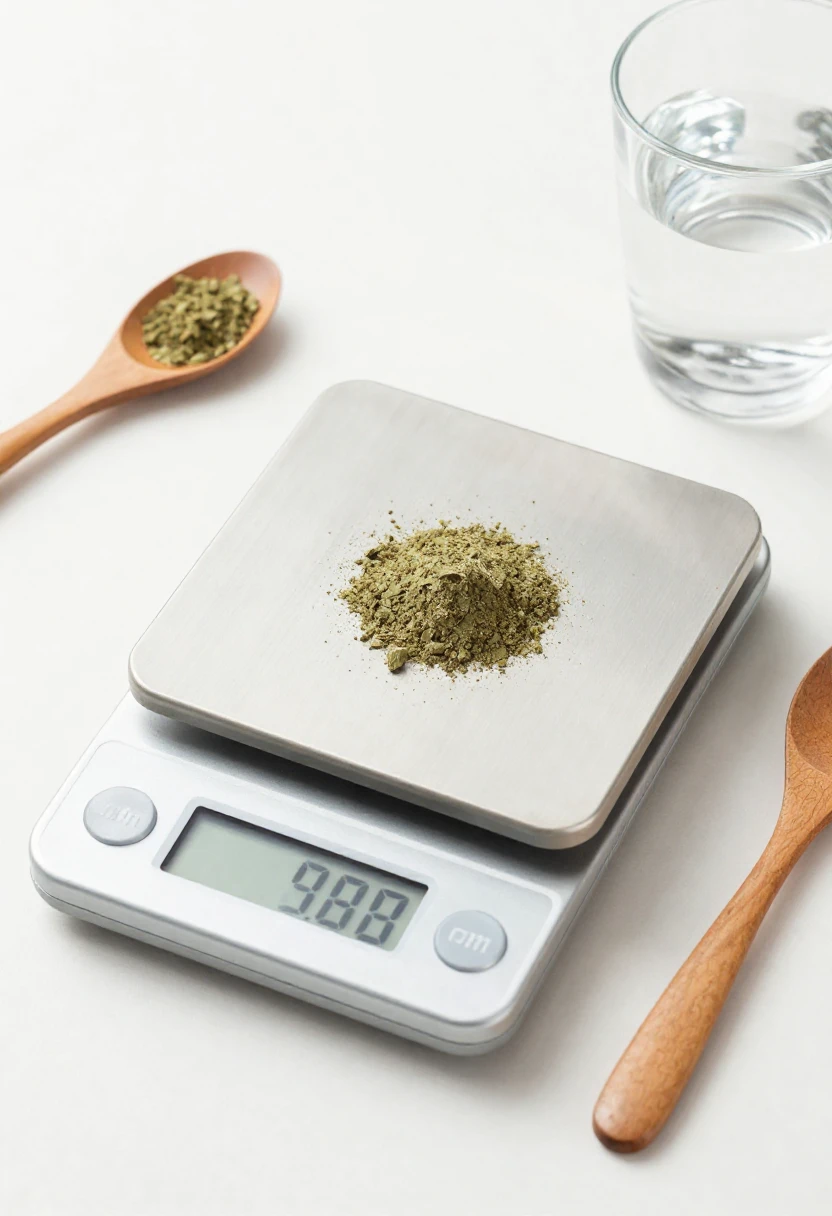
Dosage is where most kratom questions — and most kratom mistakes — actually live. Too little and you feel nothing. Too much and you feel genuinely awful. The sweet spot exists, but it’s personal, and it takes a little patience to find.
Here’s what the general ranges look like, and more importantly, what they actually mean in practice.
Low Dose — 1 to 3 Grams
This is the starting range, and for many people, it’s also the most functional one.
At this level, kratom tends to feel stimulating and clarifying — a mild energy lift, sharper focus, a subtle improvement in mood. Think of it less like a sedative and more like a strong green tea with something extra behind it.
Who this works well for:
- Complete beginners finding their baseline
- People using kratom for productivity or mental clarity
- Anyone sensitive to stimulants or new supplements
- Morning or daytime use when you still need to function
At 1–2 grams, many people don’t feel much at all — especially on their first few tries. That’s normal. Don’t immediately double the dose. Give it 45–60 minutes and note what you feel, even if it’s subtle.
Moderate Dose — 3 to 5 Grams
This is the range most regular users settle into for everyday use. The effects become more pronounced — mood elevation, physical relaxation, mild pain relief, and a calm, grounded feeling that sits somewhere between energized and eased.
At this level, the stimulating edge softens and the more relaxing qualities begin to emerge. It’s a balanced middle ground that most people find reliable and consistent.
A few things to keep in mind:
- 3 grams for one person might feel like 5 grams for another — body weight, metabolism, and individual sensitivity all play a role
- This range is where strain differences start to matter more — a white vein at 4 grams feels noticeably different from a red vein at the same amount
- Always work up to this range gradually rather than starting here
High Dose — 5 to 8 Grams
At this level, kratom shifts decisively toward sedation, deep relaxation, and stronger physical relief. The stimulating qualities are largely gone. This is the range people typically associate with pain management or unwinding after something genuinely difficult.
It’s also the range where side effects become more likely — nausea, dizziness, brain fog, and what the kratom community calls the “wobbles” — a disorienting, unsteady feeling that’s deeply unpleasant.
Be honest with yourself here:
- If you feel like you need 6–8 grams to feel anything, tolerance is likely the real issue — not dose
- This range is not a good starting point for anyone
- More is not better with kratom. This is one of those substances where exceeding your personal threshold produces diminishing returns very quickly.
Why Less Is Often More
This deserves its own moment because it runs counter to what most people instinctively assume.
Kratom has what’s sometimes called a “threshold effect” — there’s a sweet spot, and going past it doesn’t make the experience better. It makes it worse. The pleasant effects plateau and then tip over into discomfort.
Experienced users often find their ideal dose is lower than they expected — sometimes significantly lower than what they started with when they were still figuring things out.
If you’ve been using kratom for a while and feel like you need more and more to get the same effect, the answer isn’t a higher dose. It’s a tolerance break — even just a few days off can reset your sensitivity noticeably.
Factors That Affect Your Ideal Dose
No two people respond to kratom exactly the same way. Several variables genuinely shift where your personal sweet spot lands:
- Body weight — heavier individuals often need slightly more to feel equivalent effects, though this isn’t as linear as people assume
- Metabolism — faster metabolism means faster onset and sometimes shorter duration
- Stomach contents — an empty stomach intensifies and accelerates effects; a full meal softens and delays them
- Kratom tolerance — the more regularly you use it, the more you need for the same effect
- Strain and batch quality — alkaloid content varies between strains, vendors, and even harvests from the same vendor
- Individual brain chemistry — some people are simply more sensitive to kratom’s alkaloids than others, and no chart can predict that for you
A Simple Starting Framework
If you’re new and want a sensible place to begin:
| Experience Level | Starting Dose | Max First Dose |
|---|---|---|
| Complete beginner | 1 – 1.5g | 2g |
| Some experience | 2 – 3g | 4g |
| Regular user | 3 – 5g | 6g |
| Extract (any level) | 0.5 – 1g | 2g |
Always wait at least 45–60 minutes before deciding a dose “isn’t working.” Patience here saves a lot of people from an unpleasant afternoon.
Kratom Strains and Their Effects
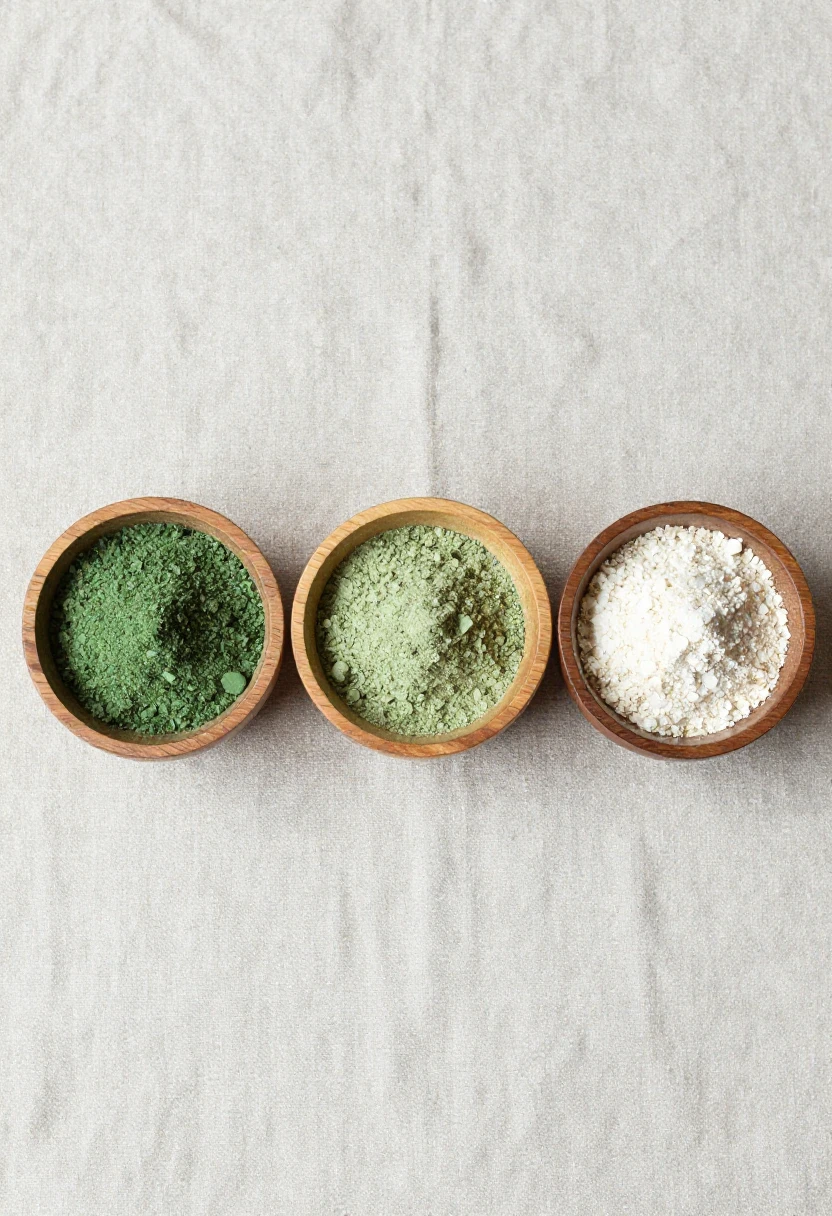
Walk into any kratom vendor’s website and you’ll find a wall of options — Red Bali, White Maeng Da, Green Borneo, Yellow Vietnam, and a dozen others. It can feel overwhelming fast.
Here’s the honest truth: the strain names are partly marketing, partly geography, and partly genuine difference. The color of the vein, however, is the most reliable indicator of what to expect. That’s the part worth understanding first.
Red Vein — Relaxation and Pain Relief
Red vein kratom is the most widely used category, and for good reason. The alkaloid profile leans toward calming, sedating, and physically relieving effects — making it the go-to choice for evenings, rest days, or anyone dealing with chronic discomfort.
What red vein tends to deliver:
- Deep physical relaxation
- Relief from muscle tension and general achiness
- A quieting of mental noise — less rumination, more ease
- Sedation at higher doses — some people use it specifically to support sleep
- A warm, heavy feeling in the body that many users find deeply satisfying
Popular red vein strains:
- Red Bali — one of the most forgiving and beginner-friendly reds. Smooth, balanced, not overly sedating at moderate doses.
- Red Borneo — slightly stronger lean toward relaxation and pain relief
- Red Maeng Da — more potent than most reds, with a little more mood elevation alongside the physical relief
- Red Thai — known for being gentler and more mood-focused than deeply sedating
If you’re reaching for kratom at the end of a long day, or dealing with something physically demanding, red vein is almost always the right direction.
White Vein — Energy and Mood Lift
White vein sits at the opposite end of the spectrum. Where red vein slows things down, white vein picks things up — more alert, more motivated, more socially engaged.
What white vein tends to deliver:
- Clean, noticeable energy boost without the jitteriness of high caffeine
- Improved focus and mental clarity
- Elevated mood — some users describe it as a quiet confidence or optimism
- Reduced fatigue, both physical and mental
- More talkative, engaged, outgoing feeling in social situations
Popular white vein strains:
- White Maeng Da — one of the most potent whites, strong energy and euphoria, not ideal for sensitive users
- White Borneo — slightly smoother than Maeng Da, good balance of energy and mood
- White Thai — known for being particularly uplifting and social
- White Horn — less common but well-regarded for clean, focused energy without edginess
White vein is a morning or early afternoon choice. Taking it in the evening is a reliable way to find yourself wide awake at midnight wondering why you can’t settle down.
Green Vein — The Balanced Middle Ground
Green vein is where a lot of regular users end up living. It sits between red and white — neither fully stimulating nor fully sedating — and offers a versatile, functional experience that works across a range of situations.
What green vein tends to deliver:
- Mild energy and alertness without overstimulation
- A gentle mood lift that feels natural rather than pushed
- Light physical relief — not as pronounced as red, but noticeable
- Mental clarity and focus that doesn’t come with anxiety or edge
- Longer duration than white vein in many cases
Popular green vein strains:
- Green Malay — one of the most popular greens, known for long-lasting, smooth effects and good mood elevation
- Green Maeng Da — more potent than most greens, leans slightly energetic
- Green Borneo — gentle and well-rounded, good for beginners exploring greens
- Green Thai — balanced, functional, reliable
Green vein is the strain category that tends to disappear from vendor stock fastest — which tells you something about how many people have landed on it as their everyday choice.
What About Yellow and Gold Vein?
You’ll see these listed at many vendors. They aren’t a separate vein color — yellow and gold kratom are typically the result of a different drying or fermentation process applied to red, white, or green leaf.
The extended processing changes the alkaloid profile slightly, often producing something smoother and more mellow than the base strain. Many users describe yellow and gold kratom as particularly gentle and easy to tolerate.
They’re worth exploring once you have some experience, but don’t stress about them early on. Nail down red, white, and green first.
A Simple Way to Think About It
| Vein Color | Best For | Time of Day |
|---|---|---|
| Red | Relaxation, pain relief, sleep support | Evening / Night |
| White | Energy, focus, mood lift | Morning / Early afternoon |
| Green | Balance, everyday function, social ease | Anytime |
| Yellow / Gold | Gentle, smooth, easy on the body | Anytime |
One last thing worth saying: the same strain from two different vendors can feel noticeably different. Alkaloid content depends on where the leaf was grown, how it was harvested, and how it was processed. Finding a vendor you trust matters as much as finding a strain you like.
Safety Tips and What to Watch Out For

Kratom isn’t something to be afraid of — but it’s also not something to be careless with. Like any active substance, it responds to how you treat it. Respect the basics and most people have a straightforward, positive experience. Ignore them and things can get uncomfortable quickly.
Here’s what actually matters.
Signs You’ve Taken Too Much
Knowing what “too much” feels like is genuinely useful information — especially for beginners who are still finding their range.
The most common signs of an excessive dose include:
- Nausea — often the first signal. If you feel your stomach turning, lie down, sip water, and wait it out. It usually passes within 30–60 minutes.
- The wobbles — a disorienting, slightly dizzy, unsteady sensation that many users describe as deeply unpleasant. Your eyes may feel difficult to focus. Movement makes it worse.
- Vomiting — more likely if you took a large dose on an empty stomach or pushed past nausea instead of resting
- Extreme sedation — feeling far more heavy and incapacitated than intended, difficulty staying awake or thinking clearly
- Headache — often arrives a few hours after a high dose, especially if you were dehydrated
None of these are dangerous in the context of a standard kratom overdose — but they’re genuinely miserable. The best response is the same in almost every case: lie down somewhere comfortable, stay hydrated, and wait. It will pass.
The clearest lesson here is one most experienced users have learned firsthand: if you feel the first hint of nausea, stop. Don’t take more. That feeling is your body telling you it has enough.
Tolerance and Rotation — Protecting Your Sensitivity
This is probably the most practical long-term advice in this entire guide.
Kratom tolerance builds faster than most people expect. Take the same strain at the same dose every day and within a few weeks you’ll notice it takes more to feel the same effect. Keep going and eventually you’re taking twice your original dose for half the result.
Strain rotation is the most effective tool against this:
- Keep 2–3 different strains on hand and rotate between them regularly
- Avoid taking the same strain more than 2–3 days in a row
- Switching vein colors (red to green to white) is more effective than switching named strains within the same color family
Frequency matters just as much as dose:
- Daily use builds tolerance steadily
- Taking kratom 3–5 days per week with regular off days preserves sensitivity much longer
- Even a 2–3 day break after heavy use can noticeably reset your baseline
Some experienced users follow a deliberate “less is more” schedule — lower doses, fewer days per week, occasional longer breaks. They report consistently better, more reliable effects than people who use heavily every day.
Staying Hydrated
Kratom has a mild diuretic effect — it increases urination slightly and can contribute to dehydration if you’re not paying attention.
Dehydration is responsible for a significant portion of the headaches and next-day fatigue that people attribute to kratom itself. Drink water consistently throughout the day when using kratom, and especially afterward.
This sounds almost too simple to mention — but it makes a real, noticeable difference.
Kratom and Other Substances
Combining kratom with other substances deserves a direct, honest note:
- Alcohol — combining the two amplifies sedation and nausea significantly. Most experienced users avoid this combination entirely.
- Caffeine — small amounts are generally fine, especially with white or green vein. Large amounts of caffeine alongside white vein can push into anxious, overstimulated territory.
- Prescription medications — kratom is metabolized through the same liver pathways as many common medications. If you take prescription drugs, speak with a doctor before using kratom. This isn’t a formality — interactions are real and some are significant.
- Other sedatives or opioids — combining kratom with sedating substances carries genuine risk. This is not a combination to experiment with casually.
Who Should Avoid Kratom
Kratom is not appropriate for everyone. Be honest with yourself about whether it’s a good fit:
- Pregnant or breastfeeding women — there is no safe established use here, and the risk to a developing baby is not worth it
- People with a history of substance dependence — kratom carries dependence potential of its own. If addiction has been part of your story, approach with serious caution or avoid entirely.
- People with liver conditions — rare but documented cases of kratom-associated liver stress exist. If your liver health is already a concern, this matters.
- Anyone under 18 — straightforward. Not appropriate.
- People on multiple medications — particularly blood thinners, antidepressants, or anything that affects the central nervous system. Check with a doctor first.
A Note on Dependence
This deserves an honest mention rather than a footnote.
Regular, heavy kratom use can lead to physical dependence — meaning your body adjusts to its presence and responds when it’s removed. Withdrawal symptoms from kratom are real, though generally described as milder than opioid withdrawal. They can include irritability, muscle aches, sleep disruption, and low mood.
This doesn’t mean kratom is dangerous for everyone who uses it. Plenty of people use it responsibly for years without significant issues. But going in with clear eyes about the potential is simply smarter than finding out later.
The practical takeaway: use the lowest effective dose, take regular breaks, rotate strains, and don’t let daily use become the default without occasionally questioning whether it needs to be.
Conclusion
Kratom isn’t complicated once you understand the basics — but those basics genuinely matter. The method you choose affects how fast it works and how it feels. The dose you take determines whether the experience is pleasant or something you’d rather forget. The strain you pick shapes the entire direction of the effect.
Start low. Be patient. Pay attention to how your body responds.
Whether you’re drawn to the simplicity of capsules, the tradition of brewing tea, or the straightforward efficiency of toss and wash — there’s a method that will fit naturally into your routine. And once you find your strain, your dose, and your rhythm, kratom becomes something you actually understand rather than something you’re guessing at.
Use it with intention, give your body regular breaks, and it will serve you much better in the long run.
Frequently Asked Questions
What is the best way to take kratom for beginners? Capsules are the easiest starting point — no taste, no technique, just swallow and wait. The trade-off is a slower onset, so be patient and give it a full hour before drawing conclusions. Once you’re comfortable with how kratom affects you, you can explore other methods.
How long does it take for kratom to kick in? It depends on the method. Toss and wash typically works within 15–30 minutes. Tea takes 20–40 minutes. Capsules can take 30–60 minutes or longer, especially after a meal. An empty stomach speeds up onset across all methods.
Can you take kratom every day? Technically yes, but it’s not the best approach for long-term use. Daily use builds tolerance quickly and increases dependence risk. Most experienced users recommend rotating strains and taking regular off days — ideally using kratom no more than 3–5 days per week to preserve sensitivity and keep doses low.
What should I do if I take too much kratom? Stop taking more immediately. Lie down somewhere comfortable, drink water, and rest. Nausea, dizziness, and the wobbles are the most common symptoms of too high a dose — unpleasant but not dangerous in a typical scenario. Most people feel significantly better within 1–2 hours. Going forward, reduce your dose and work back up more gradually.