
Contents
- Why Calories Sometimes Get a Bad Rap
- What Are Calories, Really?
- How to Calculate Your Personal Calorie Needs
- Understanding Calorie Deficit for Weight Loss
- Why Consistency Beats Extreme Cutting
- The Role of Daily Habits in Maintaining Calories
- Real-Life Tools That Make Tracking Easier
- Food Choices That Support Steady Calorie Balance
- Activity & Movement: Your Calorie Ally
- Common Pitfalls and How to Avoid Them
- Real Tips From People Who’ve Been There
- FAQ — Your Questions, Answered Clearly
Why Calories Sometimes Get a Bad Rap

There was a time when I thought calories were the enemy.
You know the feeling — standing in the kitchen late in the evening, holding a yogurt cup, squinting at the tiny numbers on the label, silently negotiating with yourself: “Is this too much? Did I already eat too much today?”
For many of us, calories become something we fear, avoid, or obsess over. They turn into numbers that whisper guilt instead of guidance.
But here’s the truth most diets forget to tell you:
Calories are not your problem. Inconsistency is.
Weight loss doesn’t fail because you ate pasta on Tuesday or had cake on Sunday. It fails because we swing between extremes — eating too little one day, overeating the next, feeling frustrated, then starting over… again.
And again.
Sustainable weight loss isn’t about punishment.
It’s about rhythm.
It’s about learning how to balance your calories every day in a way that feels natural, nourishing, and realistic for your real life.
Not for a “perfect” version of you.
For this you — with busy mornings, spontaneous dinners, comfort food cravings, and weekends that don’t look like meal-prep Instagram posts.
In this guide, we’re going to gently shift the story.
We’ll talk about:
- What calories really mean for your body
- How to find your personal balance
- Why consistency matters more than restriction
- And how to lose weight without losing joy
No shame.
No extremes.
No obsession.
Just practical, human strategies for eating well, feeling good, and trusting yourself again.
Because weight loss should feel like self-care — not self-control.
What Are Calories, Really?

Before we talk about balancing calories, let’s pause for a moment and clear up one of the biggest misunderstandings in the wellness world.
Calories are not tiny villains hiding inside your food, waiting to sabotage your progress.
They are simply units of energy.
Every time you breathe, think, walk, stretch, laugh, or even sleep, your body is using energy. Calories are how we measure that energy. They are fuel, just like gasoline is fuel for a car or electricity is fuel for your phone.
Without enough calories, your body cannot function well.
Without balanced calories, it cannot feel stable.
Think about it this way.
When you wake up in the morning, your body has already been working all night. Your heart has been beating. Your lungs have been breathing. Your brain has been dreaming and organizing memories. All of that requires energy.
So when you eat breakfast, you are not “starting to eat too early.”
You are refueling a system that has been running for hours.
Throughout the day, every meal and snack continues this process. Food becomes information for your body. It tells your metabolism whether it is safe, supported, and steady, or whether it should slow down and hold on to everything out of fear.
This is why extreme restriction often backfires.
When calories suddenly drop too low, your body does not think, “Great, let’s lose weight.”
It thinks, “Something is wrong. Resources are limited. We need to protect ourselves.”
So it responds by:
- Slowing metabolism
- Increasing hunger hormones
- Reducing energy levels
- Making cravings stronger
Not because you are weak, but because your biology is trying to keep you alive.
Another important truth is that not all calories feel the same inside your body, even though they may have the same number on paper.
Two hundred calories from a sugary drink will affect your energy, blood sugar, and hunger very differently than two hundred calories from eggs, vegetables, and whole grains. One disappears quickly and leaves you hungry. The other keeps you satisfied and focused for hours.
This is why balance matters more than counting alone.
Calories are part of the picture, but they work together with nutrients, fiber, protein, hydration, sleep, and stress. When all of these elements are aligned, your body becomes much more willing to release excess weight.
Understanding calories as supportive energy, rather than something to fight against, is the first step toward sustainable weight loss. It helps you stop fearing food and start using it wisely.
And once you see calories this way, balancing them no longer feels like punishment. It starts to feel like care.
How to Calculate Your Personal Calorie Needs

If there is one thing that quietly sabotages many weight-loss journeys, it is this idea:
“I should be eating the same amount as everyone else.”
You see a friend losing weight on 1,400 calories.
You read a blog recommending 1,200.
An app suggests 1,500.
Someone on social media swears by eating “as little as possible.”
So you try to fit yourself into someone else’s numbers.
And it feels exhausting.
Here’s the truth: your body has its own energy signature.
It depends on who you are, how you live, and how your body works.
Your daily calorie needs are shaped by several key factors:
Your Age
As we get older, our metabolism naturally slows down a little. This does not mean weight loss becomes impossible. It simply means your body may need slightly different support than it did in your twenties.
Your Height and Body Composition
Taller bodies and bodies with more muscle generally burn more calories, even at rest. Muscle is metabolically active tissue, which means it uses energy all day long, not only during workouts.
Your Activity Level
Someone who walks ten thousand steps a day, lifts groceries, climbs stairs, and moves frequently will need more fuel than someone who sits most of the day.
And both are normal.
Your lifestyle matters more than perfection.
Your Metabolism and Health History
Past dieting, stress, sleep quality, hormones, and medical conditions all influence how efficiently your body uses energy. This is why two people of the same size can need very different calorie intakes.
Now let’s talk about how to turn this into something practical.
Step One: Estimate Your Maintenance Calories
Maintenance calories are the amount you need to stay at your current weight.
You can get a rough estimate by using an online calculator based on formulas like Harris-Benedict or Mifflin-St Jeor. These tools consider your age, height, weight, and activity level to give you a starting point.
It is not a perfect number.
It is a reference point.
Think of it as a map, not a rule.
Step Two: Create a Gentle Deficit
For sustainable weight loss, most people do best with a small, steady calorie reduction.
Usually, this means eating about 300 to 500 calories below maintenance.
This range allows fat loss while still giving your body enough energy to feel safe, focused, and nourished.
If you go lower than that too quickly, your body may respond with fatigue, intense hunger, mood swings, and plateaus.
Slow progress often lasts longer.
Step Three: Listen to Your Body’s Feedback
Numbers are helpful, but your body is always giving you information.
Ask yourself:
- Do I feel constantly tired?
- Am I thinking about food all the time?
- Am I losing focus and motivation?
- Am I overeating at night?
If yes, your calories may be too low.
On the other hand, if you feel energized, satisfied after meals, and calm around food, you are likely close to your personal sweet spot.
A Small Real-Life Moment
I once worked with someone who insisted on eating 1,200 calories because “that’s what weight loss requires.” She was exhausted, irritable, and stuck.
When she increased her intake to 1,600 and focused on balance, she started losing weight within weeks.
Not because she ate less.
Because she finally ate enough.
Finding your personal calorie needs is not about copying someone else’s plan. It is about building a relationship with your own body and learning what helps it thrive.
Once you know your baseline, balancing calories becomes much easier. You stop guessing. You stop panicking. You start making confident, informed choices.
Understanding Calorie Deficit for Weight Loss
At some point in every weight-loss journey, you hear this phrase:
“You need to be in a calorie deficit.”
It sounds technical.
A little intimidating.
Sometimes even discouraging.
But in reality, the idea is much simpler and kinder than it is often presented.
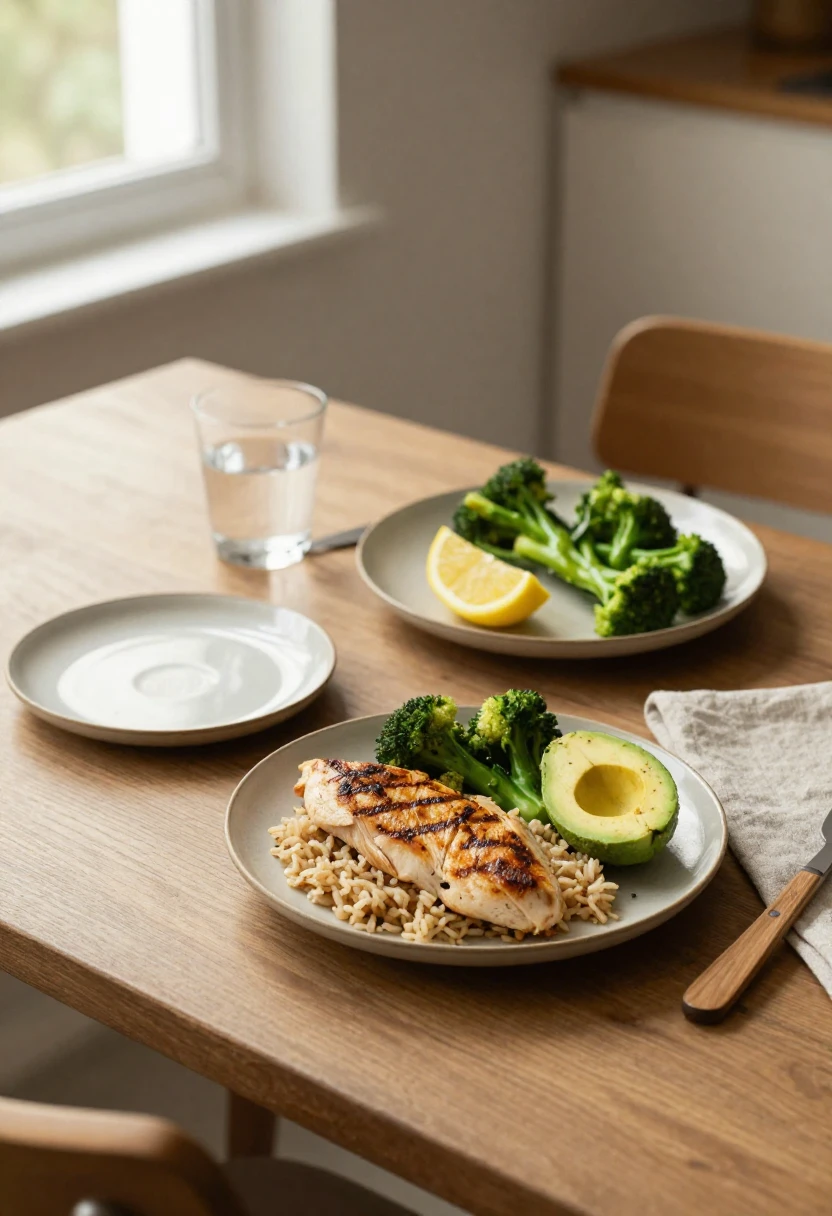
A calorie deficit means that your body is using slightly more energy than it is getting from food.
That’s it.
No magic.
No punishment.
No starvation.
It is the natural condition that allows your body to gently tap into its stored energy, including fat.
How a Calorie Deficit Actually Works
Every day, your body spends calories on three main things:
First, basic survival.
Breathing, heartbeat, brain activity, body temperature, digestion.
Second, movement.
Walking, cleaning, exercising, stretching, even fidgeting.
Third, recovery and repair.
Healing, muscle maintenance, hormone production.
When the calories you eat are slightly lower than what your body needs for all of this, your body looks for extra energy. It finds it in stored fat.
This is when weight loss happens.
Not because you are “being good.”
Not because you are suffering.
But because your biology is responding naturally.
The Difference Between Healthy and Harmful Deficits
Here is where many people go wrong.
They think:
“If a small deficit works, a big one will work faster.”
So they slash portions, skip meals, and try to live on coffee and willpower.
At first, the scale may move quickly.
But inside, the body is struggling.
A very large deficit often leads to:
- Loss of muscle
- Slower metabolism
- Strong cravings
- Low mood and motivation
- Cycles of bingeing and restriction
In other words, it creates short-term results and long-term frustration.
A healthy deficit feels different.
You still eat regularly.
You still enjoy food.
You still have energy for life.
You lose weight slowly, but steadily.
What a Sustainable Deficit Looks Like
For most people, a good starting point is a 10 to 20 percent reduction from maintenance calories.
For example:
If your maintenance is around 2,000 calories, a sustainable deficit might be 1,600 to 1,800.
If your maintenance is around 1,700, a sustainable deficit might be 1,400 to 1,500.
These numbers are not rules. They are guides.
The real measure is how you feel.
You should feel:
- Mild hunger before meals
- Comfortable fullness after eating
- Stable energy most days
- Clear thinking
- Emotional balance
When those are present, your deficit is probably working with your body, not against it.
Why Plateaus Do Not Mean Failure
At some point, weight loss usually slows down.
This does not mean you are doing something wrong.
As you lose weight, your body needs fewer calories. Your maintenance level changes. What was once a deficit becomes maintenance.
This is normal adaptation, not sabotage.
When this happens, small adjustments work better than dramatic changes. A little more movement, a little more protein, a little more structure often restart progress gently.
A Gentle Perspective Shift
Instead of thinking:
“I need to eat less.”
Try thinking:
“I am learning how much my body truly needs.”
That mindset changes everything.
It replaces pressure with curiosity.
It replaces fear with understanding.
A calorie deficit is not about taking something away from yourself. It is about creating just enough space for your body to use what it already has.
And when that space is created with care, weight loss becomes something you can live with, not fight against.
Why Consistency Beats Extreme Cutting
Almost everyone who has tried to lose weight has had this moment:
You wake up feeling determined.
You promise yourself that today will be “perfect.”
You eat very little, skip snacks, maybe even skip meals.
You feel proud of your discipline.
And then, a few days later, something breaks.
You are tired.
You are hungry.
You are emotionally drained.
You eat more than planned.
Guilt shows up.
Motivation disappears.
And the cycle starts again.
This is not a personal failure.
This is what happens when consistency is replaced by extremes.
The Hidden Cost of Eating Too Little
When you constantly eat far below your needs, your body notices.
It does not interpret extreme cutting as “healthy ambition.”
It interprets it as danger.
So it responds by trying to protect you.
It may:
- Lower your resting metabolism
- Increase hunger hormones
- Reduce thyroid activity
- Hold onto fat more tightly
- Make food feel emotionally urgent
Over time, this creates a strange paradox.
You are eating very little.
Yet weight loss slows down.
Sometimes it stops completely.
And emotionally, you feel trapped.
Why “All or Nothing” Never Lasts
Extreme dieting often looks impressive from the outside.
Clean eating.
Tiny portions.
No treats.
No flexibility.
But real life is not a controlled laboratory.
There are birthdays.
Family dinners.
Stressful weeks.
Travel days.
Comfort-food evenings.
When your plan does not allow space for real life, it eventually collapses.
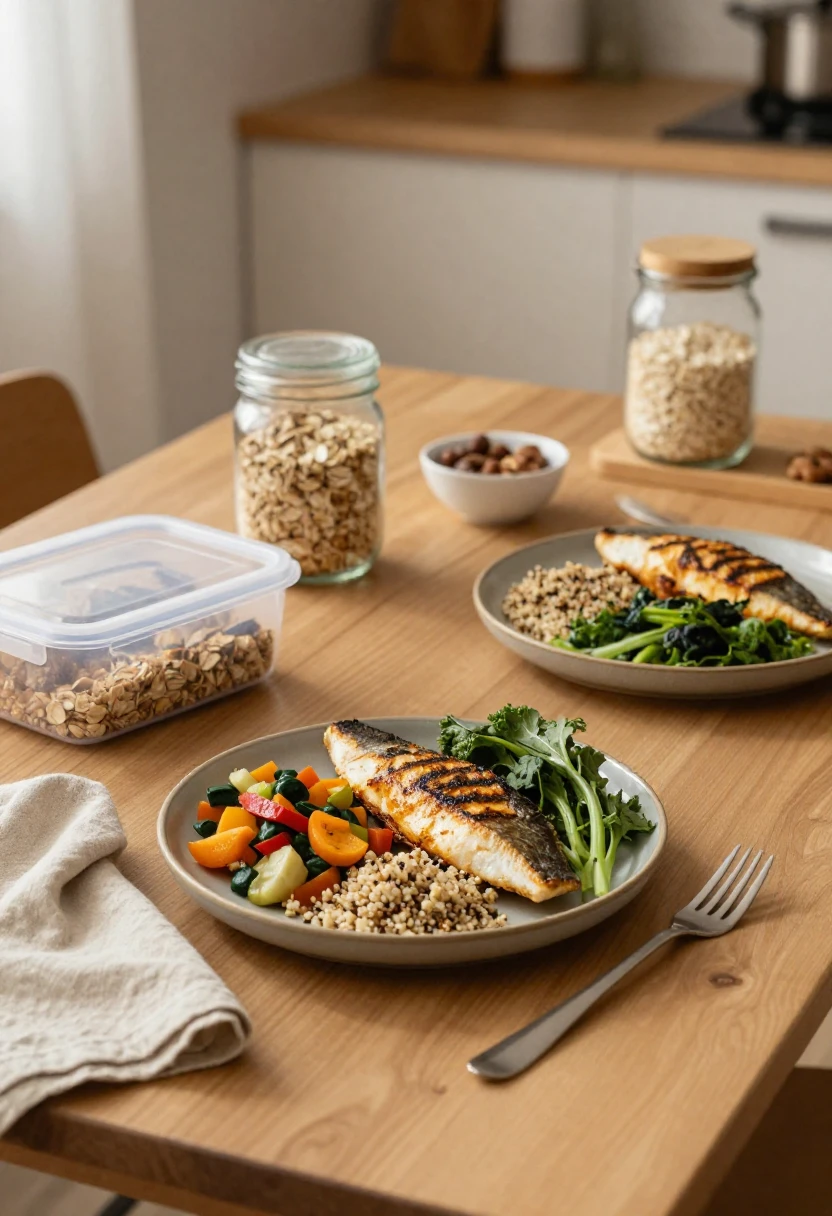
Consistency, on the other hand, is built for reality.
It says:
“I eat well most days.”
“I enjoy food without panic.”
“I return to balance when things get messy.”
This mindset creates long-term success.
Small, Repeated Actions Create Big Results
Weight loss is not shaped by one perfect week.
It is shaped by hundreds of ordinary days.
Think about it.
A small calorie deficit, repeated five days a week, for six months, creates more change than three weeks of extreme restriction followed by burnout.
Balanced breakfasts.
Regular lunches.
Satisfying dinners.
Planned snacks.
Hydration.
Gentle movement.
These habits may feel boring.
They are also powerful.
A Real-Life Reflection
Many people who finally reach their goal weight say the same thing:
“It felt too easy. I kept waiting for it to get harder.”
That is because sustainable change does not feel dramatic.
It feels stable.
It feels like learning how to live in a way that supports your body.
How to Practice Consistency Daily
Here are a few gentle principles that help:
Eat every 3 to 5 hours to keep energy stable.
Include protein and fiber in most meals.
Plan for foods you love instead of banning them.
Accept imperfect days without punishment.
Focus on patterns, not single choices.
When you stop trying to be perfect, you become reliable.
And reliability is what your body trusts.
The Long-Term Advantage
Consistency protects your metabolism.
It protects your mental health.
It protects your relationship with food.
It allows you to lose weight without losing yourself.
When you choose steady progress over dramatic sacrifice, you are choosing a path you can walk for years, not weeks.
And that is exactly what sustainable weight loss requires.
The Role of Daily Habits in Maintaining Calories

If calorie balance is the strategy, daily habits are the structure that makes it work.
Because here’s the honest truth: most people do not struggle with knowledge. They struggle with consistency in real life.
You may already know roughly how many calories you “should” eat.
But what happens when your morning is rushed, lunch is delayed, and by 5 p.m. you are so hungry that everything feels urgent?
That is not a calorie problem.
That is a habit pattern.
Why Structure Creates Freedom
Many people fear structure because it sounds restrictive.
In reality, gentle structure creates freedom.
When your eating pattern is predictable, your hunger becomes predictable.
When your hunger is predictable, your choices become calmer.
When your choices are calmer, your calories naturally stabilize.
It is not about rigid schedules.
It is about rhythm.
Habit 1: Eat Within a Consistent Window
Try to eat within roughly the same daily time frame.
For example:
Breakfast within an hour or two of waking.
Lunch 4 to 5 hours later.
Dinner at a similar evening time.
Your body loves patterns. When it knows food is coming regularly, it does not panic.
And when it does not panic, cravings soften.
Habit 2: Build Balanced Plates
Instead of thinking in calories first, think in components.
A balanced plate often includes:
- A source of protein
- Fiber-rich vegetables or fruit
- A smart portion of carbohydrates
- Some healthy fats
This combination keeps you full longer and prevents the “snack spiral” that quietly pushes calories higher later in the day.
You are not just counting calories.
You are designing satisfaction.
Habit 3: Plan for the Evening
Many people maintain calories beautifully during the day and struggle at night.
This is rarely about lack of willpower. It is often about undereating earlier.
If dinner is balanced and satisfying, and you allow a planned treat without guilt, evenings become peaceful instead of chaotic.
A square of dark chocolate after dinner, eaten slowly, often prevents mindless snacking later.
Restriction fuels rebellion.
Permission supports balance.
Habit 4: Hydrate Intentionally
Mild dehydration often disguises itself as hunger.
Keeping a water bottle nearby during the day can subtly reduce unnecessary snacking and improve energy levels.
It sounds simple, but simple habits repeated daily shape outcomes.
Habit 5: Reduce Decision Fatigue
The more decisions you make about food, the more exhausted your brain becomes.
Repeating a few reliable breakfasts or lunches during the week reduces mental load and improves consistency.
For example:
Greek yogurt with berries and nuts.
Oatmeal with protein powder and seeds.
Eggs with whole-grain toast and avocado.
You do not need novelty at every meal. You need stability.
A Quiet Shift That Changes Everything
Imagine this scenario.
You wake up.
You eat breakfast.
You work.
You eat lunch.
You move your body gently.
You eat dinner.
You enjoy something small and sweet.
You go to bed satisfied.
Nothing dramatic happened.
And yet, this day supports weight loss.
When daily habits align with your calorie needs, balance becomes automatic instead of forced.
And that is when sustainable weight loss stops feeling like a project and starts feeling like a lifestyle.
Real-Life Tools That Make Tracking Easier

For many people, the word “tracking” immediately triggers resistance because it feels restrictive, obsessive, or emotionally draining. It can bring back memories of rigid dieting rules, endless calorie counting, or the uncomfortable sense of being monitored. However, when approached with flexibility and intention, tracking is not about control. It is about awareness, and awareness is one of the most powerful tools for sustainable weight loss.
Most people do not struggle because they lack discipline. They struggle because they underestimate how small, everyday habits accumulate over time. A spoonful of peanut butter while preparing breakfast, a handful of nuts grabbed between meetings, a second drizzle of olive oil on a salad, or a few bites from someone else’s dessert may seem insignificant in isolation. Yet when these small additions happen daily, they can quietly push calorie intake far beyond what was intended.
Tracking brings clarity without judgment. It replaces guessing with understanding.
Digital Tracking Apps as Educational Tools
Applications such as MyFitnessPal, Cronometer, or Lose It can serve as short-term educational tools rather than lifelong obligations. Logging meals for several weeks often helps people recalibrate their perception of portion sizes and recognize nutrient patterns. For example, someone may believe they are eating sufficient protein, only to discover that most of their meals are carbohydrate-heavy and leave them hungry soon after.
The key is to approach these tools with curiosity instead of perfectionism. The goal is not to hit exact numbers every single day, but to observe trends and adjust gently.
A Simple Written Food Journal
For individuals who find digital tracking stressful, a handwritten journal can be surprisingly effective. Writing down what you eat, without focusing on calorie numbers, creates mindfulness around choices. Over time, patterns begin to reveal themselves.
You may notice that skipped lunches lead to overeating in the evening, or that high-sugar breakfasts result in mid-morning energy crashes. This type of awareness often leads to natural improvements without rigid rules.
The act of writing slows you down, and that pause alone can shift your relationship with food.
Visual Tracking Through Meal Photos
Another approachable method is taking simple photos of meals for personal reference. There is no need to post them or analyze them obsessively. Reviewing a week’s worth of meals visually often provides insight into balance, portion sizes, and variety in a way that numbers cannot fully capture.
Seeing your meals laid out visually can reveal whether your plates consistently include protein, fiber, and healthy fats, or whether certain nutrients are frequently missing.
Hunger and Fullness Awareness
Beyond external tools, internal tracking is equally important. Checking in with hunger and fullness levels before and after eating helps reconnect you with your body’s signals. Using a scale from one to ten can make this process clearer, where one represents extreme hunger and ten represents uncomfortable fullness.
Over time, this practice teaches you to recognize early hunger cues and comfortable satisfaction, reducing the likelihood of reactive overeating later in the day.
Weekly Reflection as a Reset Point
Taking five minutes at the end of each week to reflect can transform weight loss from a strict plan into a learning process. Consider asking yourself what worked well, when you felt most balanced, and what situations felt challenging.
This type of reflection encourages problem-solving rather than self-criticism. It shifts the focus from “I failed” to “What can I adjust next week?”
Tracking as a Temporary Bridge
It is important to remember that tracking is not meant to become a permanent dependency. Instead, it acts as a bridge between confusion and clarity. Over time, as you gain confidence in portion sizes and develop consistent habits, you may find that you no longer need to record every detail.
The ultimate goal is internal balance rather than external monitoring. When awareness replaces uncertainty, calorie balance becomes more intuitive and far less stressful.
Food Choices That Support Steady Calorie Balance

While calorie awareness provides structure, food choices determine how sustainable that structure feels in daily life. Two people can eat the same number of calories and have completely different experiences depending on what those calories are made of. One may feel energized, satisfied, and mentally clear, while the other feels hungry, tired, and constantly distracted by thoughts of food.
This difference is not about willpower. It is about nutritional quality and balance.
When meals are built thoughtfully, calorie management becomes easier because the body feels supported rather than deprived.
Why Food Quality Matters as Much as Quantity
Although weight loss ultimately depends on calorie balance, the source of those calories strongly influences hunger hormones, blood sugar levels, and energy stability. Highly processed foods are often designed to be quickly consumed and minimally filling, which makes it easy to overeat them without feeling satisfied.
In contrast, whole and minimally processed foods contain fiber, protein, and natural structure that slow digestion and promote fullness. This means you are more likely to feel content after meals and less likely to search for snacks shortly afterward.
When food keeps you satisfied, calorie balance happens naturally.
The Role of Protein in Appetite Control
Protein is one of the most important nutrients for sustainable weight loss. It supports muscle mass, stabilizes blood sugar, and increases satiety after meals. People who consistently include protein tend to experience fewer intense cravings and better energy throughout the day.
Good sources of protein include eggs, fish, poultry, Greek yogurt, cottage cheese, tofu, lentils, beans, and lean meats. Ideally, most meals should contain a visible portion of protein, even snacks when possible.
For example, pairing fruit with yogurt or nuts creates much more lasting satisfaction than eating fruit alone.
Fiber as a Natural Regulator
Fiber plays a central role in digestive health and appetite regulation. It slows the absorption of carbohydrates, supports gut bacteria, and helps create a feeling of fullness without adding excessive calories.
Vegetables, fruits, whole grains, legumes, seeds, and nuts are all valuable sources of fiber. When these foods appear regularly on your plate, hunger becomes more predictable and manageable.
A colorful plate often reflects fiber diversity, which benefits both digestion and long-term weight management.
Smart Carbohydrates for Stable Energy
Carbohydrates are often misunderstood and unnecessarily restricted in weight-loss plans. In reality, they are the body’s primary source of quick energy and play an important role in physical and mental performance.
The key lies in choosing complex carbohydrates such as oats, brown rice, quinoa, potatoes, whole-grain bread, and legumes. These foods digest more slowly and provide steady energy compared to refined sugars and white flour products.
Balanced carbohydrate intake helps prevent fatigue, mood swings, and rebound overeating.
Healthy Fats and Emotional Satisfaction
Fats are calorie-dense, which means portion awareness is important. However, completely avoiding fats often leads to dissatisfaction and emotional eating later. Healthy fats contribute to hormone regulation, brain health, and meal enjoyment.
Avocados, olive oil, nuts, seeds, and fatty fish provide valuable fats that enhance flavor and promote satiety. When used mindfully, they support both physical health and emotional satisfaction.
Food should feel enjoyable, not clinical.
Designing Meals That Work for Real Life
Instead of focusing on perfection, aim for reliable balance.
A supportive meal often includes:
A clear protein source
A generous portion of vegetables or fruit
A moderate amount of complex carbohydrates
A small amount of healthy fat
This structure adapts easily to different cuisines, budgets, and preferences. It can work for home cooking, restaurant meals, and travel situations.
Flexibility is what makes consistency possible.
Reducing “Empty Calorie” Traps
Some foods provide large amounts of calories with little nutritional value and minimal satiety. Sugary drinks, pastries, fried snacks, and highly processed convenience foods fall into this category.
This does not mean they must be eliminated. It means they should be chosen intentionally rather than consumed automatically.
When these foods are enjoyed occasionally and mindfully, they do not disrupt long-term progress. When they become daily habits, they often undermine calorie balance.
Building Trust Through Nourishing Choices
Over time, consistently choosing foods that support energy, digestion, and satisfaction builds trust between you and your body. You begin to recognize which meals leave you feeling calm and focused, and which ones create instability.
This self-awareness gradually replaces rigid rules with informed intuition.
When food works with your body instead of against it, maintaining calories becomes far less effortful and far more natural.
Activity & Movement: Your Calorie Ally

When people think about weight loss, they often imagine intense workouts, strict gym schedules, and exhausting routines that feel impossible to maintain long-term. This perception leads many to believe that if they are not exercising intensely, their efforts are somehow incomplete or ineffective.
In reality, sustainable weight loss rarely depends on extreme training. It depends on consistent, supportive movement that fits naturally into your life.
Physical activity is not meant to punish your body for what you ate. It is meant to support your metabolism, improve your mental health, and help regulate energy balance.
How Movement Supports Calorie Balance
Every form of movement increases the amount of energy your body uses. This includes not only formal exercise, but also daily activities such as walking, cleaning, gardening, shopping, and even standing more often.
Together, these small movements form what scientists call non-exercise activity thermogenesis, or NEAT. This accounts for a surprisingly large portion of daily calorie expenditure and often matters more than occasional intense workouts.
When you move regularly throughout the day, your calorie balance becomes more flexible and forgiving.
The Problem With “All-or-Nothing” Exercise
Many people approach fitness with the same extreme mindset they bring to dieting. They either train very hard for a short period or stop completely when life becomes busy.
This pattern creates frustration and inconsistency.
Sustainable movement works differently. It prioritizes frequency over intensity and enjoyment over punishment. A thirty-minute walk five times per week often produces better long-term results than two exhausting gym sessions followed by burnout.
Consistency protects motivation.
Finding Movement You Can Maintain
The best form of exercise is the one you are willing to repeat.
For some people, this may be strength training. For others, it may be swimming, cycling, yoga, dancing, hiking, or group classes. There is no universal formula.
What matters is that movement becomes part of your identity rather than a temporary project.
Ask yourself:
What activities make me feel energized rather than drained?
Which movements fit realistically into my schedule?
What can I imagine doing six months from now?
Your answers provide valuable guidance.
Strength Training and Metabolic Health
Including some form of resistance training is especially beneficial for weight loss and maintenance. Building and preserving muscle helps keep your metabolism active, improves body composition, and enhances daily functioning.
This does not require heavy weights or complicated routines. Bodyweight exercises, resistance bands, and light dumbbells can be highly effective when practiced consistently.
Two to three sessions per week are often sufficient for meaningful benefits.
Walking as an Underrated Power Tool
Walking is one of the most overlooked forms of movement, yet it is one of the most powerful for long-term health and calorie balance. It is low-impact, accessible, and easy to integrate into daily routines.
Regular walking improves insulin sensitivity, supports heart health, reduces stress, and gently increases calorie expenditure without triggering excessive hunger.
For many people, walking becomes the foundation of their active lifestyle.
Recovery, Sleep, and Hormonal Balance
Movement does not exist in isolation. Recovery and sleep play equally important roles in weight management. When the body is chronically tired, hunger hormones become dysregulated, cravings intensify, and motivation decreases.
Prioritizing rest allows physical activity to work effectively rather than becoming another source of stress.
Balanced movement includes rest days.
Shifting the Emotional Relationship With Exercise
Perhaps the most important shift is learning to view movement as self-care rather than self-correction.
Exercise is not a response to guilt.
It is a way of supporting circulation, mood, strength, and confidence.
When movement feels rewarding instead of punishing, it naturally becomes part of your lifestyle.
Building a Sustainable Activity Pattern
A realistic weekly pattern might include:
Daily walks or light movement
Two strength sessions
One longer recreational activity
Regular stretching or mobility work
This flexible structure adapts to changing schedules and energy levels while maintaining consistency.
Over time, movement stops feeling like an obligation and starts feeling like a reliable source of stability.
When activity works in harmony with nutrition, calorie balance becomes more resilient and far less fragile.
Common Pitfalls and How to Avoid Them

Even with strong motivation, good intentions, and solid knowledge, many people find themselves stuck in repeating patterns that slow progress or create frustration. These obstacles are rarely caused by laziness or lack of discipline. Most of the time, they develop quietly through habits that seem harmless at first.
Recognizing these pitfalls early allows you to respond with awareness instead of self-blame.
Skipping Meals to “Save Calories”
One of the most common mistakes is skipping meals in an attempt to reduce daily intake. People often delay breakfast, work through lunch, or replace proper meals with coffee and snacks.
Although this may lower calories temporarily, it usually backfires later in the day. Prolonged hunger increases stress hormones and weakens self-control, making overeating in the evening far more likely.
Regular meals create stability. Stability supports balance.
Underestimating Portion Sizes
Many people unintentionally underestimate how much they are eating, especially when cooking at home or eating “healthy” foods. Oils, dressings, nuts, cheese, and spreads are highly nutritious but also calorie-dense.
When portions slowly increase over time, calorie intake rises without obvious warning signs.
Using measuring tools occasionally, reading labels, or comparing portions to familiar objects can help recalibrate perception without becoming obsessive.
Relying Too Heavily on “Low-Calorie” Products
Diet-labeled foods often promise guilt-free indulgence, but they frequently contain artificial sweeteners, refined starches, and minimal fiber or protein. These products may fit into a calorie target, yet fail to provide lasting satisfaction.
As a result, people feel hungry again shortly after eating and end up consuming more overall.
Whole foods with natural structure usually support better appetite control.
Emotional Eating Without Awareness
Food is deeply connected to comfort, stress relief, celebration, and distraction. Emotional eating is not a flaw. It is a learned coping mechanism.
Problems arise when emotional eating becomes unconscious.
When food becomes the primary response to anxiety, loneliness, boredom, or fatigue, calorie balance becomes unstable.
Developing alternative coping strategies, such as walking, journaling, breathing exercises, or social connection, reduces dependence on food for emotional regulation.
Expecting Linear Progress
Many people become discouraged when weight fluctuates or plateaus. They interpret temporary stalls as failure and respond with drastic changes.
In reality, weight loss is rarely linear. Water retention, hormonal shifts, stress, sleep quality, and digestion all influence daily numbers.
Progress should be evaluated over weeks and months, not days.
Patience protects motivation.
Comparing Yourself to Others
Social media and online forums often present carefully edited success stories that hide struggle, genetics, lifestyle differences, and support systems.
Comparing your journey to someone else’s timeline creates unnecessary pressure and unrealistic expectations.
Your body responds to change in its own way. Respecting that individuality improves both results and mental health.
Ignoring Warning Signs of Undereating
Chronic fatigue, constant coldness, hair thinning, mood swings, insomnia, and loss of menstrual cycles are signs that calorie intake may be too low.
Pushing through these symptoms in the name of weight loss can lead to long-term health consequences.
Sustainable progress should enhance well-being, not compromise it.
Overcorrecting After “Off Days”
Many people respond to overeating with restriction the following day. This creates a cycle of compensation and instability.
A more effective approach is returning calmly to normal routines at the next meal.
Consistency is built through recovery, not punishment.
Neglecting Planning
Without basic planning, even well-intentioned people make impulsive choices under stress or time pressure.
Keeping simple groceries at home, preparing basic meals in advance, and having emergency snacks available reduces reliance on convenience foods.
Preparation supports freedom.
Reframing Mistakes as Feedback
Every setback contains useful information.
Instead of asking, “Why did I fail?”
Ask, “What did this situation teach me?”
This shift transforms obstacles into tools for growth.
Building Resilience Over Perfection
The most successful people are not those who never struggle. They are the ones who respond to challenges with curiosity, flexibility, and self-respect.
Avoiding these common pitfalls does not require rigid discipline. It requires awareness, compassion, and willingness to adapt.
When you learn to navigate obstacles calmly, calorie balance becomes far more sustainable.
Real Tips From People Who’ve Been There

Behind every successful weight-loss story, there is rarely a perfect plan. More often, there is a long process of trial, error, learning, and emotional growth. People who manage to balance calories consistently over time usually do not rely on motivation alone. They build systems, perspectives, and habits that support them even when motivation fades.
Listening to real experiences helps us understand what works in everyday life, not just in theory.
Learning to Eat Enough Was the Turning Point
Many people begin their journey believing that eating less is always better. One woman shared that she spent years cycling between strict diets and overeating episodes. Each time she restricted heavily, she lost weight quickly, only to regain it within months.
Her breakthrough came when she stopped chasing the lowest possible calorie number and focused instead on eating enough protein, vegetables, and carbohydrates at every meal. Once her body felt consistently nourished, cravings decreased, and weight loss became steady rather than chaotic.
She described the experience as “finally feeling safe in my own body.”
Planning Ahead Reduced Decision Fatigue
Another common theme is the power of simple planning. A man who struggled with evening overeating realized that his worst choices happened when he came home exhausted and hungry with no plan for dinner.
He began preparing two or three basic meals each week and keeping quick options in the freezer. This small change eliminated daily stress around food and helped him stay within his calorie range without feeling restricted.
For him, planning was not about control. It was about peace of mind.
Focusing on Patterns Instead of Perfection
Many long-term success stories include periods of inconsistency. One woman who maintained her weight loss for over five years admitted that she still had weeks where she overate, skipped workouts, or felt unmotivated.
What changed was her response.
Instead of quitting, she learned to observe her habits over time. If several stressful weeks led to emotional eating, she adjusted her routines. If travel disrupted her schedule, she returned to balance afterward.
She stopped aiming for perfect days and started building reliable patterns.
Redefining “Success” Changed Everything
Some people discover that their biggest shift is psychological rather than physical. A man who had dieted for decades realized that he viewed weight loss as temporary punishment followed by “normal life.”
When he reframed healthy eating as his permanent lifestyle, his behavior changed naturally. He stopped rushing toward a finish line and began investing in habits he could maintain for decades.
This mindset reduced pressure and increased consistency.
Allowing Enjoyment Prevented Burnout
One of the most consistent insights from successful individuals is the importance of enjoyment. People who banned favorite foods often experienced strong rebound cravings. Those who allowed moderate portions within their calorie goals felt more emotionally balanced.
One woman shared that scheduling dessert twice per week eliminated spontaneous binge episodes. Knowing she was “allowed” to enjoy treats reduced their emotional power.
Permission created control.
Small Wins Built Long-Term Confidence
Many people emphasized the importance of celebrating small improvements. Walking more steps, cooking at home twice per week, drinking more water, or improving sleep quality all contributed to progress.
These small victories reinforced self-trust and motivation.
Confidence grows from repeated proof that you can keep promises to yourself.
What These Stories Have in Common
Despite different backgrounds and personalities, these experiences share several themes:
They prioritized nourishment over restriction.
They planned for real life rather than ideal scenarios.
They focused on patterns instead of isolated mistakes.
They valued emotional health alongside physical progress.
They practiced patience and self-compassion.
These qualities, more than any specific diet, created lasting success.
Applying These Lessons to Your Own Journey
You do not need to copy someone else’s routine. Instead, reflect on which principles resonate with you.
Ask yourself:
Where am I trying to be perfect instead of consistent?
Which small habit could make my days easier?
How can I support myself better this week?
Your answers will guide your next steps more effectively than any rigid plan.
Real progress is built quietly, through daily choices that respect both your body and your life.
FAQ — Your Questions, Answered Clearly
As you begin applying these principles in real life, it is natural for questions to arise. Weight loss is not only a physical process, but also a mental and emotional one, and uncertainty is part of learning. This section addresses some of the most common concerns people have when trying to balance calories for sustainable results.
Is Every Calorie the Same for Weight Loss?
From a purely mathematical perspective, a calorie is a unit of energy. However, inside the body, different foods influence hunger, hormones, digestion, and satisfaction in very different ways.
For example, two hundred calories from vegetables, lean protein, and whole grains will usually keep you full much longer than two hundred calories from sweets or sugary drinks. Over time, choosing more filling foods makes it easier to stay within your calorie range without feeling deprived.
So while calorie quantity matters, food quality strongly affects how manageable that quantity feels.
How Fast Should I Expect to Lose Weight?
Healthy, sustainable weight loss is usually gradual. For most people, losing about 0.5 to 1 pound (0.25 to 0.5 kg) per week is realistic and maintainable.
Faster weight loss often involves water loss, muscle loss, or extreme restriction, which increases the risk of rebound weight gain. Slower progress may feel frustrating, but it protects your metabolism and mental well-being.
Long-term success is built on patience.
Can I Eat More on Some Days and Less on Others?
Yes, flexibility is not only allowed, it is often helpful. Many people naturally eat more on weekends, social occasions, or physically active days and slightly less on quieter days.
What matters most is your average intake over time, not perfect daily numbers. Viewing calories as a weekly pattern rather than a daily test reduces stress and improves consistency.
Balance is created through trends, not rigid control.
Do I Need to Track Calories Forever?
No. Tracking is a learning tool, not a lifelong obligation. Many people use it temporarily to understand portions and patterns, then gradually transition to intuitive eating based on internal cues.
As awareness grows, strict tracking becomes less necessary. The ultimate goal is confidence and self-trust, not permanent monitoring.
What If I Feel Hungry All the Time?
Constant hunger is often a sign that your calorie intake is too low or that your meals lack protein, fiber, and healthy fats.
Reviewing meal composition is usually more effective than simply increasing willpower. Improving sleep quality, managing stress, and staying hydrated can also reduce excessive hunger.
Your body should not feel like it is in survival mode.
Can I Lose Weight Without Giving Up My Favorite Foods?
Yes, and in most cases, you should not give them up completely. Completely banning enjoyable foods often increases cravings and emotional eating.
Including moderate portions of favorite foods within your calorie range supports emotional balance and reduces the risk of burnout. Sustainable weight loss includes pleasure.
What Should I Do After a “Bad” Day of Eating?
First, remove the label “bad.” One day of overeating does not erase progress.
The most effective response is returning calmly to normal habits at the next meal. Skipping meals or restricting heavily afterward usually worsens the cycle.
Consistency is built through recovery, not punishment.
Why Is My Weight Stuck Even Though I Am Eating Less?
Plateaus are common and often temporary. They may occur due to hormonal changes, water retention, reduced metabolism after weight loss, or increased stress.
Small adjustments in activity, meal structure, sleep, or protein intake often help restart progress. Large, sudden changes are rarely necessary.
Plateaus are part of adaptation, not failure.
Is It Better to Focus on Calories or Macros?
Both approaches can be useful. Calories determine overall energy balance, while macronutrients influence hunger, energy, and body composition.
For most people, focusing first on calories and protein is a practical starting point. Over time, paying attention to fiber and carbohydrate quality can further improve results.
Simplicity often works best.
How Do I Stay Motivated Long-Term?
Motivation naturally rises and falls. Sustainable success relies more on systems than emotions.
Building routines, planning ahead, celebrating small wins, and connecting habits to personal values help maintain consistency when motivation fades.
Discipline supported by self-compassion lasts longer than willpower alone.