Contents
- Why Protein in the Morning Feels Different (In a Good Way)
- How Much Protein Is “Enough” at Breakfast? 🤔
- What Actually Makes a Breakfast High in Protein? 🤔🍽️
- Protein Sources That Work Well in the Morning 🥚🥛🌱
- Carbs and Fats: Friends, Not Enemies 🥑🌾
- Easy High-Protein Breakfast Ideas That Don’t Feel Like “Diet Food” 😋
- Sweet vs. Savory: There’s No “Better” Choice 🍓🧂
- A Detailed High-Protein Breakfast Recipe 🍽️
- Common Breakfast Mistakes (And How to Fix Them) 🥴➡️🙂
- Making High-Protein Breakfasts Work Long-Term 🛠️☀️
- Final Thoughts 🌅
Mornings in 2026 feel different than they did even a few years ago. Life hasn’t slowed down — if anything, it’s become more layered, more digital, and more demanding. Many people start their day juggling several roles at once, often before they’ve had a real chance to wake up properly.
Some people wake up early to train before work. Others roll out of bed and open a laptop almost automatically. Some are already dealing with kids, traffic, messages, notifications, and deadlines before the coffee machine finishes its first cycle.
In the middle of all that, breakfast often turns into an afterthought.
For a lot of people, morning food becomes something rushed or overly simple. It’s often sweet, quick, and easy to eat without thinking — or it gets skipped altogether with the promise of “I’ll eat later.” And while that might seem harmless in the moment, it tends to catch up with you a little later in the morning.
This is where high-protein breakfasts quietly start to make a difference 🍳💪 — not in an extreme or dramatic way, but in a very practical, almost unnoticeable one at first.
Instead of following rigid rules or copying someone else’s morning routine, people often find that simply adding more protein changes how their mornings feel. There’s less urgency around food, fewer sudden drops in energy, and a general sense of being more balanced as the morning goes on.
Many people describe it as realizing, sometime around late morning, that they feel okay. Not overly full. Not distracted by hunger. Just steady. And that’s usually when it clicks that breakfast actually mattered.
Eating more protein in the morning isn’t about trends or perfection. It’s about feeling grounded instead of shaky, focused instead of foggy, and energized without leaning too heavily on caffeine. It’s a small adjustment that fits into real life — even busy, imperfect mornings.
Why Protein in the Morning Feels Different (In a Good Way)
Almost everyone has experienced this at some point.
You eat what looks like a perfectly normal breakfast. Maybe it’s cereal, toast, a pastry, or fruit with coffee. On paper, it seems fine. You’ve eaten something, after all.
And then, an hour later, hunger shows up again. Not subtle hunger, either — the kind that’s distracting and makes you start thinking about snacks long before lunch.
That usually isn’t about eating too little. More often, it’s about what was missing.
Protein digests more slowly than simple carbohydrates, which means it stays in your system longer and has a stronger effect on fullness. When protein is part of breakfast, it helps slow down digestion and supports more stable blood sugar levels through the morning.

In everyday terms, that often translates to:
- feeling full for longer
- fewer sudden energy crashes
- less urge to snack on sugary foods
- more consistent focus during work or daily tasks
But protein’s role goes beyond hunger control.
Protein provides amino acids — compounds your body relies on constantly. These amino acids are used to support things like muscle maintenance, tissue repair, hormone production, and the creation of neurotransmitters that affect focus and mood.
Starting the day with protein means you’re giving your body the raw materials it needs to function, not just quick fuel that burns off quickly 🔥
Over time, many people notice that protein-rich breakfasts support:
- clearer thinking in the late morning
- fewer intense cravings between meals
- more stable energy levels
- better recovery after physical activity
None of these changes are dramatic on their own. But together, they can noticeably improve how the first half of the day feels.
And considering all of that, it’s surprisingly impactful for something that happens before most people are fully awake.
How Much Protein Is “Enough” at Breakfast? 🤔
One of the most common questions around protein is also one of the easiest to overthink. The truth is, there’s no single number that works perfectly for everyone.
For most adults, aiming for somewhere between 20 and 35 grams of protein at breakfast tends to work well. That range is high enough to support fullness and energy, but still realistic for everyday meals.
A flexible way to think about it might look like this:
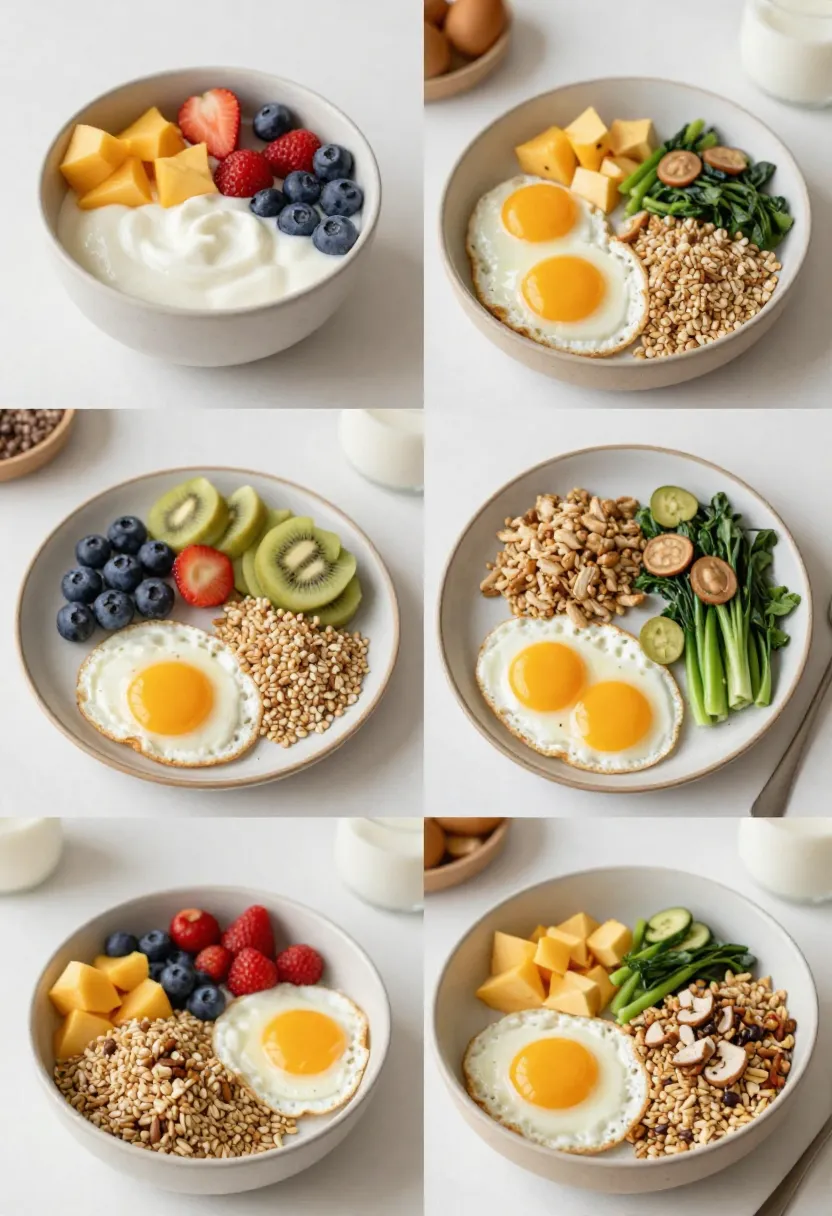
- lighter mornings or smaller appetites often feel good around 15–20 grams
- many adults naturally land around 20–25 grams
- very active people, those who strength train, or adults over 40 often benefit from 25–35 grams
It’s also worth remembering that breakfast doesn’t exist in isolation. Some mornings will include more protein, others less. What matters more is consistency over time, not hitting a precise target every day.
And just to clear this up — eating more protein in the morning doesn’t mean you need to force down heavy or unusual foods. There are plenty of simple, familiar breakfast options that can easily reach these amounts without feeling overwhelming.
No steak at sunrise required 😄
What Actually Makes a Breakfast High in Protein? 🤔🍽️
Many foods look protein-rich at first glance. Packaging, marketing language, and even long-standing habits can make it feel like you’re already eating “enough” protein in the morning. But once you actually break meals down, it often turns out that the protein content is much lower than expected.
This is where a lot of people get confused or frustrated. They’re eating breakfast, they’re trying to make decent choices, and yet hunger still shows up far too early. Most of the time, the issue isn’t portion size or discipline — it’s structure.
A high-protein breakfast works best when it’s built intentionally around one clear protein anchor. That means choosing a main ingredient that provides most of the protein on the plate, rather than relying on small amounts scattered across multiple foods.
Once that protein anchor is in place, everything else becomes easier to organize.
A satisfying, high-protein breakfast usually includes:
- one main protein source that does the heavy lifting
- something with fiber, such as whole grains, fruit, or vegetables
- a small amount of fat for flavor and longer-lasting satiety
This combination matters because each part plays a different role. Protein supports fullness and muscle maintenance, fiber slows digestion and helps regulate blood sugar, and fats make the meal feel more complete and enjoyable. Together, they create a breakfast that feels substantial without being heavy.
Meals built this way tend to keep people full for longer and reduce that familiar mid-morning cycle of snacking, energy dips, and distraction.
Protein Sources That Work Well in the Morning 🥚🥛🌱
Not all protein sources feel equally appealing or practical first thing in the day. Some foods are technically high in protein but don’t fit easily into a morning routine. Others simply digest better earlier in the day or pair more naturally with typical breakfast flavors.
The following options tend to work well because they’re flexible, familiar, and relatively easy to prepare.
- Eggs
Eggs remain one of the most reliable breakfast proteins. Two large eggs provide roughly 12–13 grams of protein, and they can be prepared in countless ways. Scrambled, boiled, baked, or folded into omelets, eggs pair easily with vegetables, toast, wraps, and grain bowls. They’re also forgiving, which makes them ideal for busy or low-energy mornings. - Greek yogurt and skyr
These thicker yogurts are naturally higher in protein and often more filling than regular yogurt. Depending on the brand, one cup can provide between 18 and 25 grams of protein. They work well in sweet breakfasts with fruit and seeds, but they’re also surprisingly good in savory combinations with herbs, vegetables, and olive oil. - Cottage cheese
Cottage cheese tends to divide opinions, but nutritionally, it’s hard to beat. It’s high in protein, mild in flavor, and easy to adapt. Some people eat it plain, while others blend it smooth or mix it into eggs, pancakes, or bowls. Because of its neutral taste, it works in both sweet and savory breakfasts without much effort.

- Fish (especially salmon or tuna)
Fish doesn’t have to be reserved for lunch or dinner. Smoked salmon or canned tuna can add a substantial amount of protein and healthy fats to breakfast. It pairs well with toast, eggs, yogurt-based spreads, or grain bowls and is a good option for people who prefer savory meals in the morning. - Tofu and tempeh
For plant-based breakfasts, tofu and tempeh are dependable options. When seasoned well, they’re filling and satisfying without feeling overly heavy. Tofu scrambles, in particular, fit naturally into breakfast and can be customized with vegetables, spices, and sauces to match personal preferences. - Legumes
Beans, lentils, and chickpeas bring both protein and fiber, which makes them especially useful in the morning. They work best in savory breakfasts such as bowls, wraps, or toast-based meals. Their fiber content also helps support digestion and longer-lasting fullness. - Protein powders
Protein powders can be helpful, especially on mornings when time is tight. However, they’re best used to supplement a meal rather than replace it entirely. Adding a scoop to smoothies, oats, or yogurt can boost protein intake, but whole foods usually provide more texture, micronutrients, and satisfaction.
Carbs and Fats: Friends, Not Enemies 🥑🌾
Protein often gets the spotlight, but it doesn’t work in isolation. Carbohydrates and fats play important supporting roles, particularly in the morning when the body and brain are waking up.
Smart carbohydrate sources such as:
- oats
- whole-grain bread
- quinoa
- fruits
- vegetables
provide steady energy, fiber, and essential micronutrients. These carbs digest more slowly than refined options and help prevent sharp spikes and crashes in blood sugar.
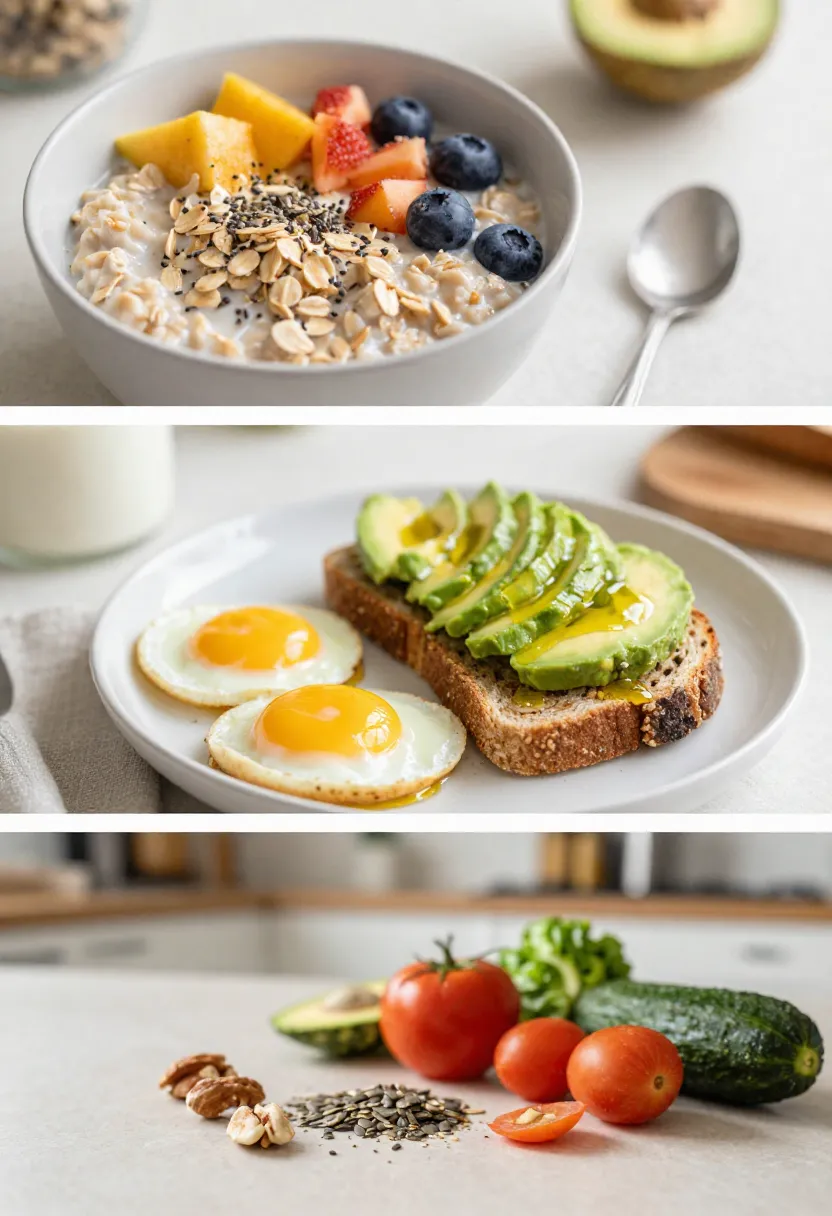
Healthy fats like:
- nuts and seeds
- avocado
- olive oil
- nut butters
help slow digestion even further, improve flavor, and make meals feel more satisfying. Fat also supports hormone production and helps with the absorption of fat-soluble vitamins.
A breakfast that includes protein along with carbohydrates and fats tends to feel more complete and keeps people full far longer than protein alone. It’s also more enjoyable, which makes it easier to repeat consistently.
And consistency is really the point. The best breakfast isn’t the one that looks perfect on paper — it’s the one that fits into real mornings and actually works long term 😊
Easy High-Protein Breakfast Ideas That Don’t Feel Like “Diet Food” 😋
This is usually the point where people expect things to turn boring. High protein often gets associated with strict rules, repetitive meals, or food that technically works but doesn’t really bring much joy.
In reality, this is where breakfast can become genuinely enjoyable.
High-protein meals don’t have to feel like “diet food” at all. When they’re put together thoughtfully, they feel comforting, filling, and familiar — the kind of breakfasts you’d happily eat even if protein wasn’t part of the conversation. The secret isn’t special ingredients, but how you combine what you already have.
Yogurt Bowls That Actually Keep You Full 🥣
Greek yogurt is one of those foods that people often underestimate. On its own, it can feel a bit plain or unfinished. But once you start building around it, it turns into a proper meal rather than just a snack.
The best place to start is plain, unsweetened Greek yogurt. It gives you a strong protein base without added sugar, which leaves room to adjust flavors depending on your mood.
From there, simple additions make a big difference:
- berries or sliced fruit add freshness and natural sweetness
- nuts or seeds bring crunch and healthy fats
- a spoon of nut butter adds richness and helps the meal last longer
With reasonable portions, a bowl like this can easily reach 25–30 grams of protein. More importantly, it feels satisfying without being overly sweet or heavy.
Savory yogurt bowls are also worth exploring, especially for people who don’t love sweet breakfasts. Mixing yogurt with chopped cucumber, fresh herbs, a drizzle of olive oil, and a pinch of salt creates something closer to a soft cheese or spread. Served with toast, roasted vegetables, or even leftover potatoes, it becomes a surprisingly filling and refreshing morning meal.
Once people try yogurt this way, it often changes how they think about it entirely.
Eggs That Aren’t Just Plain Scrambled Eggs 🍳
Eggs get labeled as boring mostly because many people cook them the same way every single day. But eggs are more of a base ingredient than a finished dish, and small changes can make them feel completely different.
There are plenty of easy ways to keep egg-based breakfasts interesting:
- omelets filled with vegetables and a bit of cheese
- soft scrambled eggs with cottage cheese mixed in for extra protein and creaminess
- eggs served over leftovers from dinner, like roasted vegetables, grains, or beans
- egg wraps, breakfast tacos, or quick sandwiches
Adding vegetables increases volume and fiber, which helps with fullness. Ingredients like cheese, beans, or lean meats raise the protein content and make the meal more satisfying.
Eggs also adapt well to different flavor profiles. A change in spices, herbs, or toppings can make breakfast feel new again without adding much effort or time.
Plant-Based Breakfasts That Actually Satisfy 🌱
One of the most common frustrations with plant-based breakfasts is that they can feel incomplete. This usually happens when meals rely too heavily on fruit or refined carbohydrates, which digest quickly and don’t provide much staying power on their own.
Plant-based breakfasts tend to work best when they combine multiple protein sources and include enough fat and fiber to slow digestion.
Some options that consistently work well include:
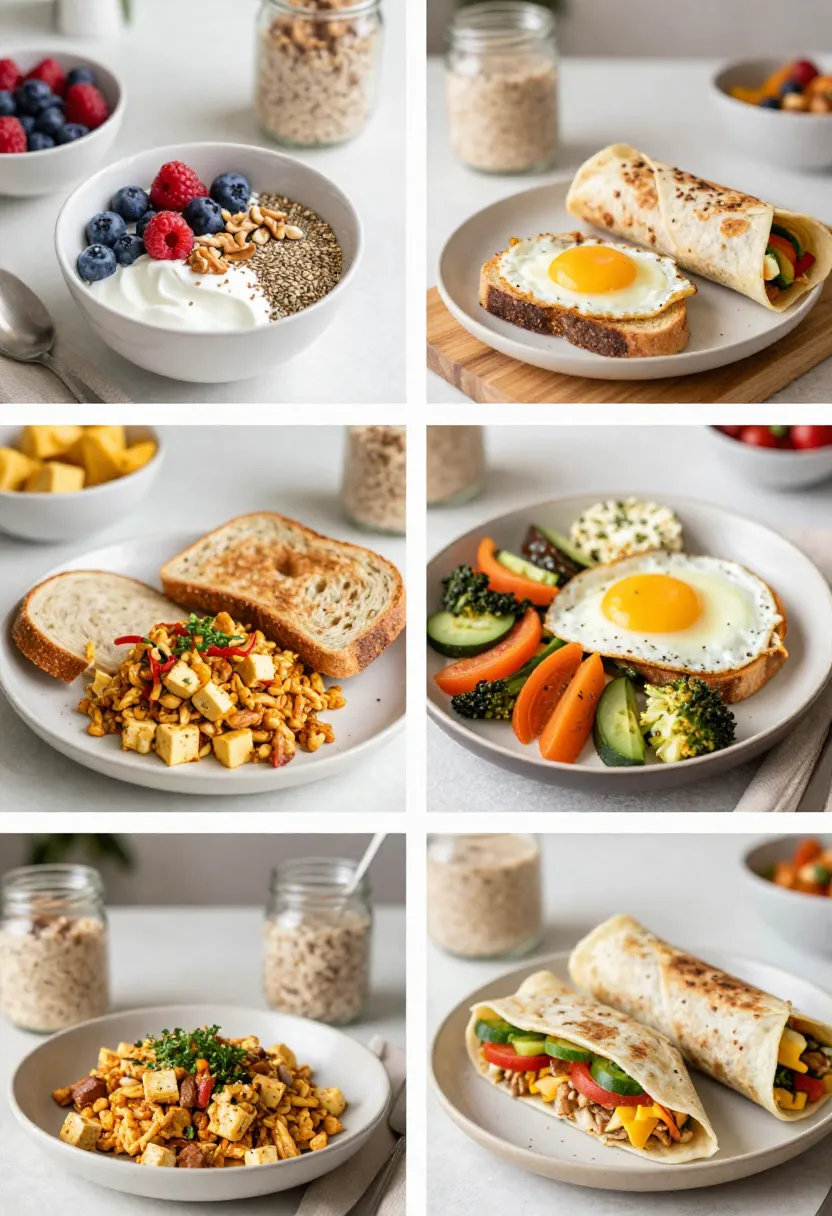
- tofu scrambles cooked with vegetables, spices, and a bit of oil
- lentil- or bean-based breakfast bowls paired with grains and greens
- quinoa topped with nuts, seeds, and plant-based yogurt
- overnight oats made with soy milk and a scoop of plant protein powder
Mixing protein sources helps improve satiety and amino acid balance, which is especially important for plant-based diets. It also adds variety in texture and flavor, making meals feel more complete and enjoyable.
When built this way, plant-based breakfasts stop feeling light or temporary and start feeling like real meals that carry you through the morning.
Make-Ahead Breakfasts for Busy Mornings ⏰
Not everyone wants — or has the energy — to cook in the morning. That’s completely fine. High-protein breakfasts don’t have to be made fresh every day to be effective.
Having a few prep-friendly options on hand can make mornings noticeably less stressful.
Some reliable make-ahead ideas include:
- overnight oats or chia pudding prepared in jars
- egg muffins or baked egg cups stored in the fridge or freezer
- breakfast burritos, which freeze and reheat especially well
- smoothie packs with pre-portioned fruit and protein sources
Spending 30–45 minutes once or twice a week preparing breakfasts can save a surprising amount of mental energy during busy mornings. It also makes it much easier to stick with higher-protein meals when time or motivation is low.
And on those days when everything feels rushed, having something ready can be the difference between starting the day nourished or running on coffee alone ☕️
Sweet vs. Savory: There’s No “Better” Choice 🍓🧂
One of the easiest ways to make breakfast harder than it needs to be is by asking the wrong question. Instead of “Should breakfast be sweet or savory?”, a much better question is: What actually makes me feel satisfied in the morning?
Some people genuinely enjoy sweet breakfasts. They wake up craving something creamy, fruity, or slightly indulgent, and that works perfectly for them. Others, on the other hand, feel hungry again almost immediately unless there’s something savory on the plate. Neither preference is better or more “correct.”
Both sweet and savory breakfasts can be high in protein. The difference usually comes down to taste, routine, and how your body responds first thing in the day.
Sweet, protein-forward breakfasts often work well for people who:
- don’t feel like eating heavy foods early
- enjoy fruit-based flavors
- prefer something quick and easy to digest

Examples of sweet high-protein breakfasts include protein pancakes made with eggs or yogurt, layered yogurt parfaits with fruit and seeds, or smoothies that combine nut butter, milk, and protein powder. When built properly, these meals can be filling without feeling overly heavy or sugary.
Savory breakfasts tend to appeal to people who:
- feel unsatisfied after sweet foods
- prefer warm, cooked meals
- want something that feels more “meal-like”
Savory options such as eggs with vegetables, tofu scrambles, cottage cheese bowls with herbs, or breakfast sandwiches often provide a deeper sense of satiety. They also tend to pair well with vegetables and grains, which adds fiber and variety.
The most important thing isn’t whether breakfast is sweet or savory. It’s whether you actually enjoy eating it and can see yourself coming back to it consistently. A breakfast you like and stick with will always beat a “perfect” breakfast you avoid.
A Detailed High-Protein Breakfast Recipe 🍽️
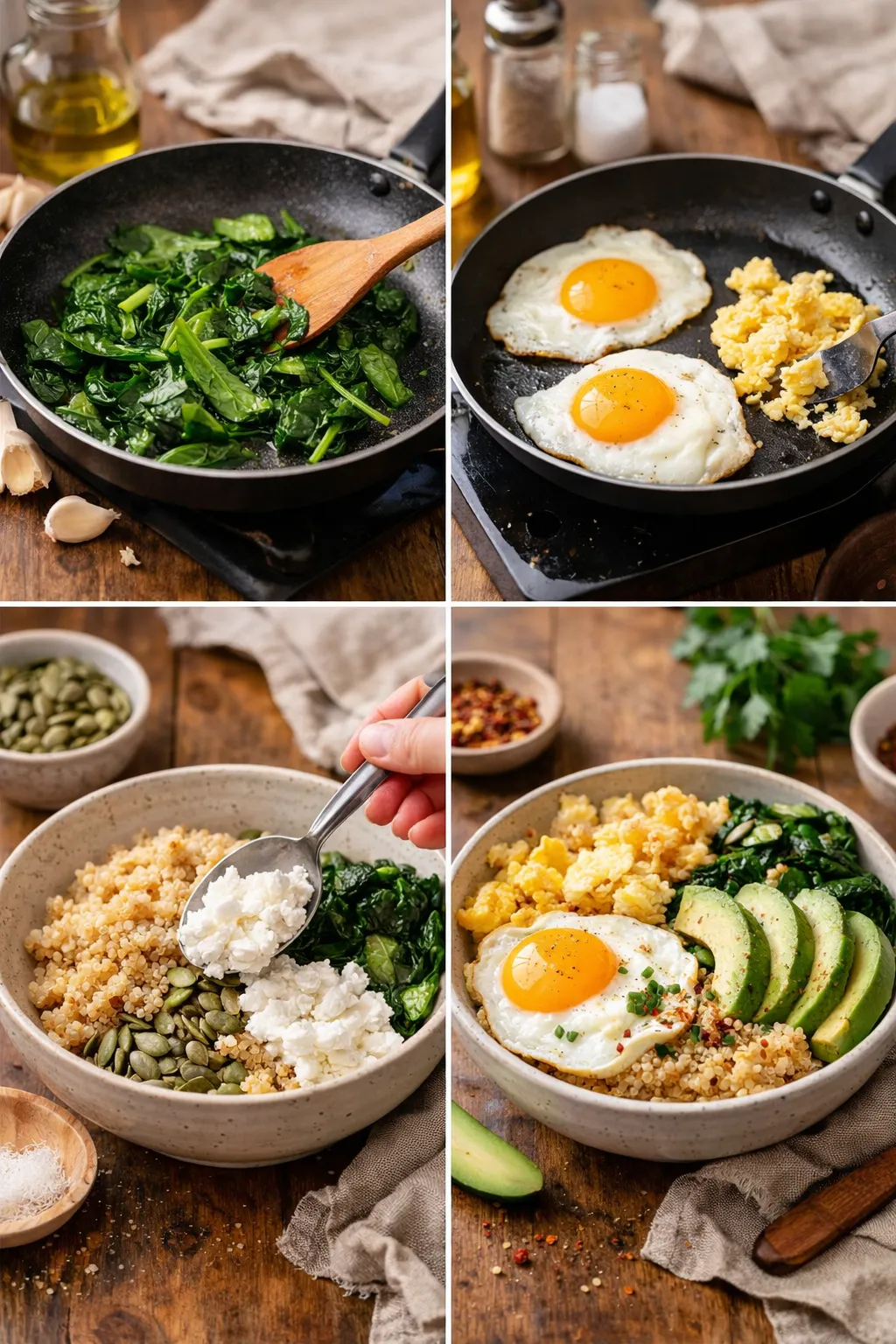
Savory Protein-Packed Breakfast Bowl (Balanced & Filling)
This is the kind of breakfast that feels nourishing without being complicated. It’s warm, savory, and flexible, which makes it a good option for long mornings when you need steady energy.
Protein per serving: approximately 28–32 grams
Prep time: about 15 minutes
Ingredients (1 generous serving)
- 2 large eggs
- ½ cup cooked quinoa
- ½ cup sautéed spinach or kale
- ¼ cup cottage cheese (or a dairy-free alternative)
- 1 teaspoon olive oil
- Salt and black pepper, to taste
Optional toppings (use what you like):
- avocado slices
- pumpkin seeds
- chili flakes
- fresh herbs
How to make it
Start by heating the olive oil in a pan over medium heat. Add the spinach or kale and cook just until wilted. You don’t want it overly soft — just tender enough to shrink down. Remove the greens from the pan and set them aside.
Using the same pan, cook the eggs however you prefer. Scrambled eggs work well here, but soft or slightly runny eggs are great too if you like a richer texture.
Warm the cooked quinoa if it’s cold. Then assemble the bowl by layering the quinoa at the bottom, followed by the greens, eggs, and cottage cheese.
Season everything with salt and black pepper. Add any optional toppings you’re in the mood for — avocado for creaminess, seeds for crunch, or chili flakes for a bit of heat.
Why this works
This bowl hits multiple needs at once. The eggs and cottage cheese provide complete protein, the quinoa and greens add fiber and volume, and the fats help slow digestion. The result is a breakfast that feels filling and satisfying without leaving you heavy or sluggish.
It’s also easy to adapt. You can swap grains, change the vegetables, or adjust toppings based on what you have on hand. That flexibility makes it a breakfast you can return to again and again — which, in the long run, matters more than variety for variety’s sake 😊
Common Breakfast Mistakes (And How to Fix Them) 🥴➡️🙂
Most breakfast mistakes don’t come from laziness or lack of knowledge. They usually come from good intentions mixed with busy mornings and a bit of confusion about what actually works.
A few patterns show up again and again.
One common issue is relying too heavily on foods that are marketed as “healthy” but are still mostly sugar. Granola bars, flavored yogurts, pastries labeled as wholesome — they often look like a good choice, but they don’t provide much staying power. The fix here isn’t cutting them out completely, but pairing them with protein or fat so they don’t stand alone.
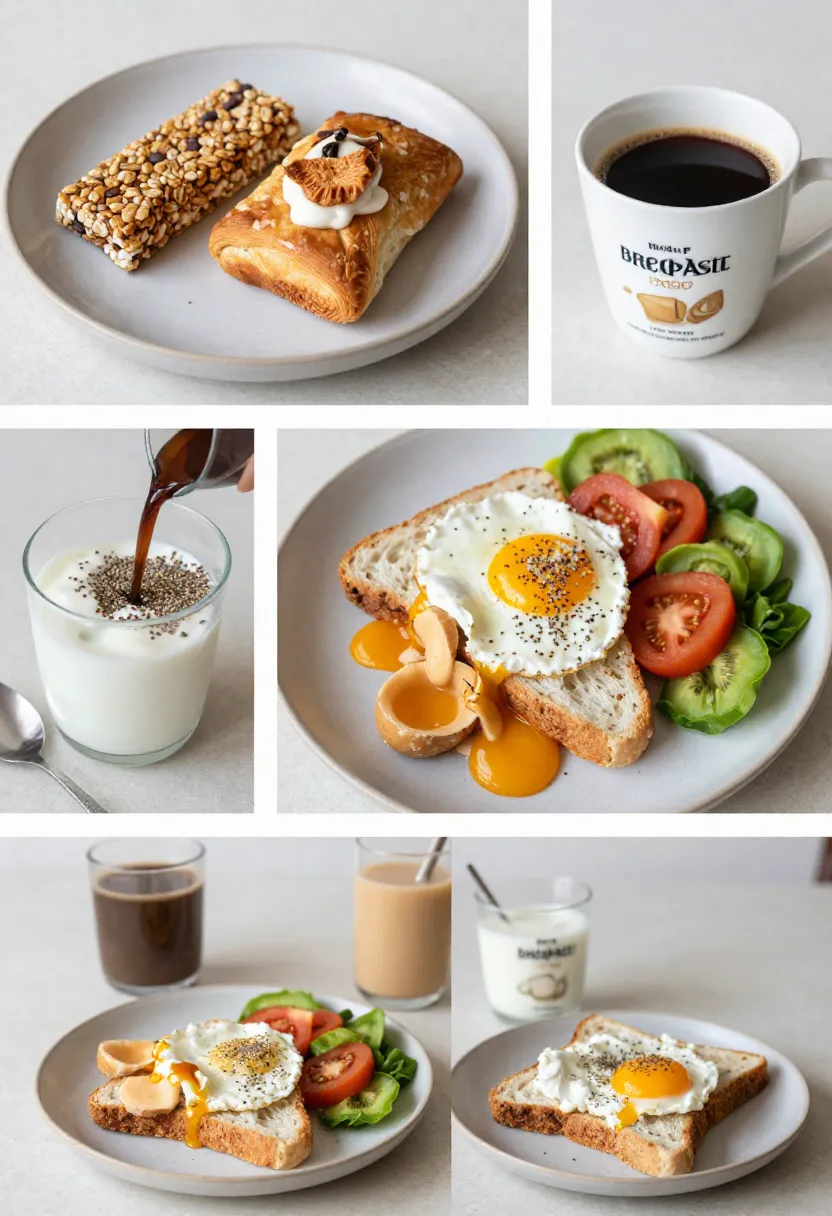
Another frequent problem is eating protein by itself without fiber. A protein shake on its own or eggs without any vegetables or grains might technically check the protein box, but they don’t always keep people full for long. Adding fiber — even a small amount — can noticeably change how long breakfast lasts.
Skipping breakfast entirely is also common, especially on busy mornings. While some people genuinely feel fine without breakfast, many end up overeating later in the day without realizing the connection. If mornings feel rushed, a small, simple protein-forward option is often better than nothing at all.
And then there’s the assumption that protein bars automatically count as a real meal. Some bars can be helpful in a pinch, but many are closer to candy bars with extra protein added. They’re usually more effective as a backup, not a daily replacement for actual food.
What’s interesting is how small changes often make the biggest difference. Adding seeds to yogurt, mixing beans into eggs, or pairing toast with cottage cheese can completely change how breakfast feels — without making it more complicated.
Making High-Protein Breakfasts Work Long-Term 🛠️☀️
The goal was never a perfect breakfast every single day. That kind of thinking usually leads to frustration.
What actually works is building habits that feel doable and repeatable. Habits that fit into real mornings, not ideal ones.
High-protein breakfasts tend to stick when they:
- feel realistic instead of restrictive
- match your actual schedule and energy levels
- don’t require constant planning or motivation
This usually looks less impressive than people expect. Rotating a few go-to meals, repeating breakfasts that work, and prepping when you have the time all help more than endless variety.
Keeping ingredients you genuinely enjoy on hand also matters. If you don’t like a food, it won’t become a habit — no matter how healthy it looks on paper.
And repetition isn’t a problem. Eating the same breakfast several days in a row is often what makes consistency possible. A little boredom is far less harmful than constantly starting over 😉
Final Thoughts 🌅
High-protein breakfasts aren’t about control, discipline, or cutting things out. They’re about supporting your body in a way that makes the rest of the day easier.

When breakfast keeps you full, focused, and emotionally steady, everything else tends to feel more manageable — work, workouts, decision-making, even mood.
You don’t need to overhaul your mornings overnight. Start small. Adjust gradually. Pay attention to how you feel.
Let breakfast work for your life, not against it ☀️