Contents
- Why Extreme Diets Don’t Work Long-Term
- Food as Nourishment, Not Punishment
- The Power of Simple, Real Foods
- Enjoying What You Eat — Without Guilt
- Listening to Your Body Over a Food Rulebook
- Flexibility in Meals — Food That Fits Your Life
- Planning Without Restricting — Realistic Strategies
- Mindful Portions Over Calorie Counting
- Building Trust With Food Again
- Everyday Habits for Real-Life Eating
For many people, the word diet comes with a long list of impossible expectations. Foods to avoid, rules to follow, timelines to meet — and the constant feeling of doing something “wrong.” Over time, this way of eating often creates more stress than health, leaving people tired of trying and disconnected from their own needs.
A practical eating approach begins with a simple shift: health doesn’t come from perfection or restriction. It comes from nourishment that fits real life. Food should support your energy, your schedule, and your enjoyment — not feel like a test you’re always failing.
So many traditional diets focus on what to cut out instead of what to build in. They ask for constant willpower while ignoring hunger, culture, and daily routines. The result is often a cycle of short-term success followed by burnout, frustration, and starting over again.
Eating well doesn’t have to mean eating “perfectly.” It can mean choosing foods that feel satisfying, familiar, and supportive — most of the time. It can mean flexibility on busy days and intention when life slows down. Most importantly, it means learning to trust your body instead of fighting it.
A practical, non-restrictive approach to eating focuses on patterns, not rules. It encourages balance over extremes, awareness over control, and consistency over intensity. Instead of labeling foods as “good” or “bad,” it asks how food makes you feel — physically and emotionally.
In this article, we’ll explore how to eat in a way that supports health without impossible rules. From understanding why restrictive diets fail to building simple, flexible habits around food, this guide is about making nutrition work with your life — not against it.
Why Extreme Diets Don’t Work Long-Term

Extreme diets often promise fast results, clear rules, and a sense of control. At first, this structure can feel motivating. But over time, most restrictive approaches begin to break down — not because of a lack of discipline, but because they go against how the body and mind naturally work.
From a physical standpoint, severe restriction triggers protective responses. When food intake is limited or entire food groups are eliminated, the body interprets this as a threat. Hunger hormones increase, metabolism may slow, and cravings intensify. These responses aren’t failures — they’re survival mechanisms designed to keep you alive.
Psychologically, rigid diets create an “all-or-nothing” mindset. Foods become labeled as forbidden or off-limits, which often makes them more appealing. When the rules eventually bend — as they almost always do — guilt and shame tend to follow. This cycle can make eating feel stressful instead of supportive.
Extreme diets also struggle to fit real life. Social events, cultural meals, busy schedules, and emotional moments don’t pause for food rules. When an eating plan can’t adapt, it’s usually the plan that fails — not the person.
Another issue is sustainability. Many restrictive diets rely on short-term motivation rather than long-term habits. Once the initial push fades, there’s little structure left to support continued health. This is why so many people find themselves returning to the same diets again and again.
Lasting health isn’t built through constant restriction. It grows from approaches that respect hunger, enjoyment, flexibility, and the reality of everyday life. Understanding why extreme diets fail opens the door to gentler, more effective ways of eating.
Food as Nourishment, Not Punishment
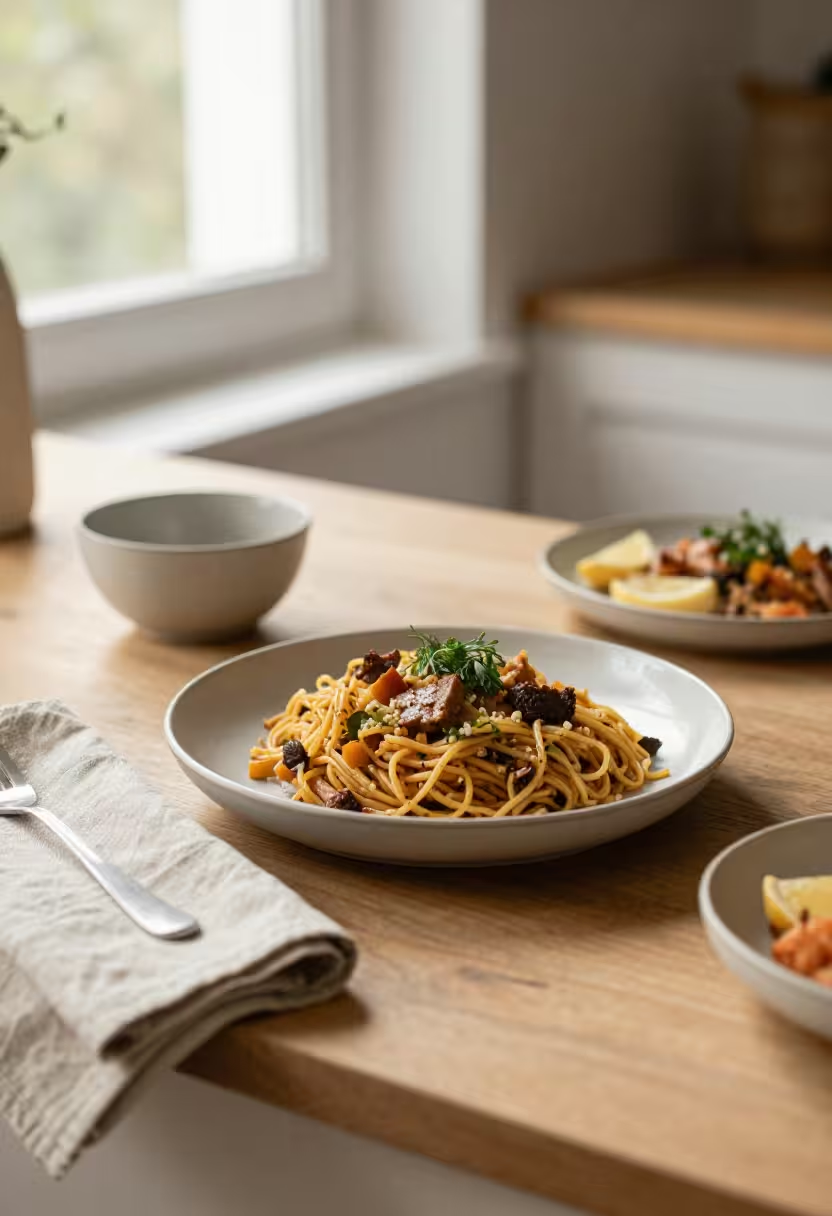
One of the most damaging ideas diet culture promotes is the belief that food must be earned, controlled, or used as a form of correction. Meals become something to “make up for” rather than something meant to support the body. Over time, this mindset can turn eating into a source of stress instead of care.
Food’s primary role is nourishment. It provides energy, supports healing, and helps the body function day after day. When food is treated as punishment — restricted after “bad” days or tightly controlled to compensate for indulgence — it loses its supportive purpose.
A nourishment-focused approach shifts the question from “What do I deserve to eat?” to “What will help me feel supported right now?” This simple reframing changes the entire relationship with food. Meals become opportunities to restore balance rather than moments of judgment.
When food is no longer tied to guilt, it becomes easier to listen to hunger cues and recognize fullness. The body responds more predictably when it trusts that nourishment will arrive consistently. This trust reduces the urge to overeat or rebel against restrictions.
Nourishment also includes enjoyment. Taste, comfort, and satisfaction matter just as much as nutrients. When meals feel pleasurable, they’re more likely to be satisfying and easier to maintain long term.
Letting go of food as punishment doesn’t mean abandoning health goals. It means choosing methods that support both physical and mental well-being — allowing food to serve its true role as care, not control.
The Power of Simple, Real Foods
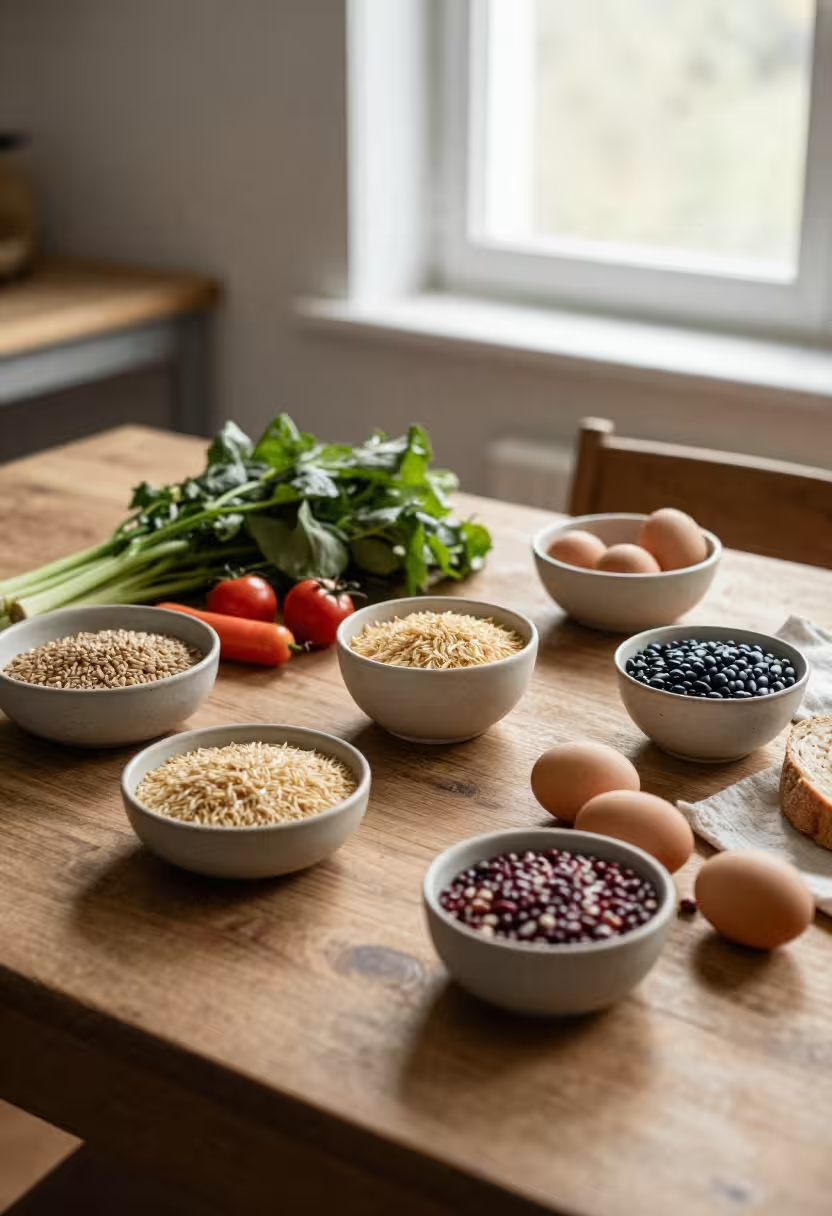
In a world full of nutrition trends and complicated food rules, simple, real foods often get overlooked — even though they’re some of the most effective tools for everyday health. When eating feels overwhelming, returning to basics can bring clarity and calm.
Simple foods are familiar, accessible, and easy to prepare. They don’t require special labels or strict guidelines to “qualify” as healthy. Think whole grains, vegetables, fruits, proteins, fats, and meals that resemble what people have eaten for generations. These foods work with the body, not against it.
One of the biggest benefits of simple foods is consistency. When meals are built from recognizable ingredients, it becomes easier to eat regularly and adequately. This steadiness supports digestion, energy, and mood far better than alternating between restriction and indulgence.
Real foods also offer natural balance. They tend to provide a mix of nutrients that work together — fiber, protein, fats, vitamins, and minerals — without needing careful calculation. This makes meals feel satisfying and complete rather than fragile or dependent on perfect portions.
There’s also a comfort factor. Familiar foods reduce decision fatigue and help eating feel safe and predictable. This is especially important for anyone recovering from years of dieting or food rules. Simple meals create a sense of grounding that supports both body and mind.
Choosing simple, real foods isn’t about going backward or avoiding variety. It’s about building a foundation that’s easy to return to — one that supports health quietly, without demanding constant effort.
Enjoying What You Eat — Without Guilt
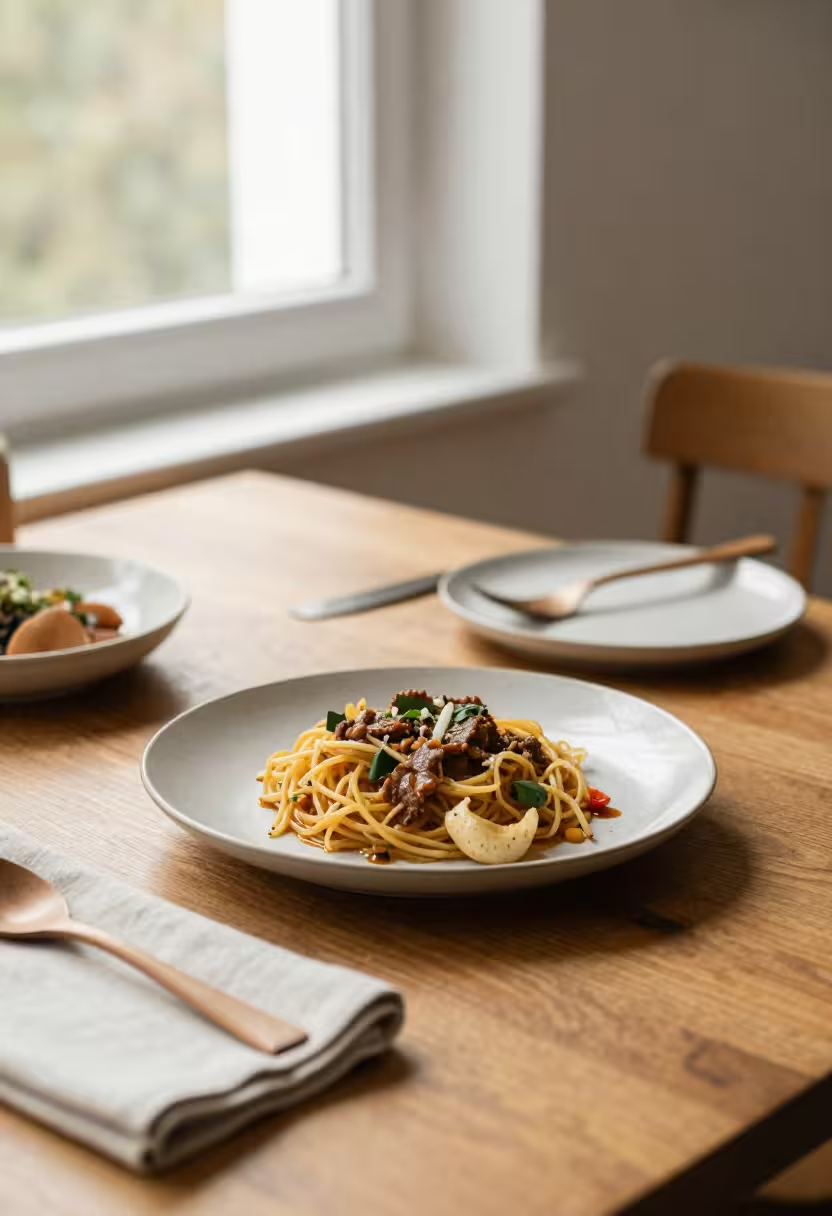
Enjoyment is often the first thing sacrificed in the name of “healthy eating.” Somewhere along the way, pleasure became suspicious — something to limit, justify, or compensate for. But removing enjoyment from food doesn’t make eating healthier; it usually makes it harder to sustain.
Taste, texture, and satisfaction are not extras. They’re signals that help the body recognize a meal as complete. When food is enjoyable, you’re more likely to feel satisfied, less likely to keep searching for something else, and more able to stop eating when you’ve had enough.
Guilt, on the other hand, interferes with this process. When certain foods are labeled as “bad” or “cheats,” eating them often comes with tension. That tension can drown out hunger and fullness cues, making it harder to listen to what your body actually needs.
Enjoying food without guilt doesn’t mean eating without awareness. It means allowing room for foods you genuinely like while paying attention to how they make you feel — physically and emotionally. A meal can be both nourishing and pleasurable at the same time.
When enjoyment is allowed, eating becomes calmer. There’s less urgency, less rebellion, and fewer extremes. Over time, this creates a more trusting relationship with food, where choices are guided by care rather than fear.
Health isn’t built by removing joy from meals. It’s built when nourishment and enjoyment are allowed to coexist — naturally and consistently.
Listening to Your Body Over a Food Rulebook

Food rulebooks promise certainty. They tell you what to eat, when to eat, and how much — often without considering your unique body, lifestyle, or needs. While this can feel reassuring at first, over time it can disconnect you from your own internal signals.
Your body constantly communicates through hunger, fullness, energy levels, and cravings. These cues aren’t problems to fix; they’re information. Learning to listen to them allows eating to become more responsive and supportive, rather than rigid and forced.
Listening to your body doesn’t mean ignoring nutrition or structure. It means using internal feedback alongside knowledge. Hunger may signal a need for more food, more protein, or simply more consistency. Fullness might arrive earlier or later depending on the day, activity, or stress level — and that’s okay.
Cravings are another misunderstood signal. Rather than a lack of discipline, cravings often reflect unmet needs — physical, emotional, or even sensory. Paying attention to patterns instead of suppressing cravings can reveal helpful insights about balance and satisfaction.
Letting go of strict food rules takes practice. At first, it may feel unfamiliar or uncomfortable, especially after years of dieting. But over time, responding to your body builds trust. Eating becomes less about compliance and more about care.
When the body’s voice becomes louder than external rules, meals naturally align with what supports health in real life — not just on paper.
Flexibility in Meals — Food That Fits Your Life
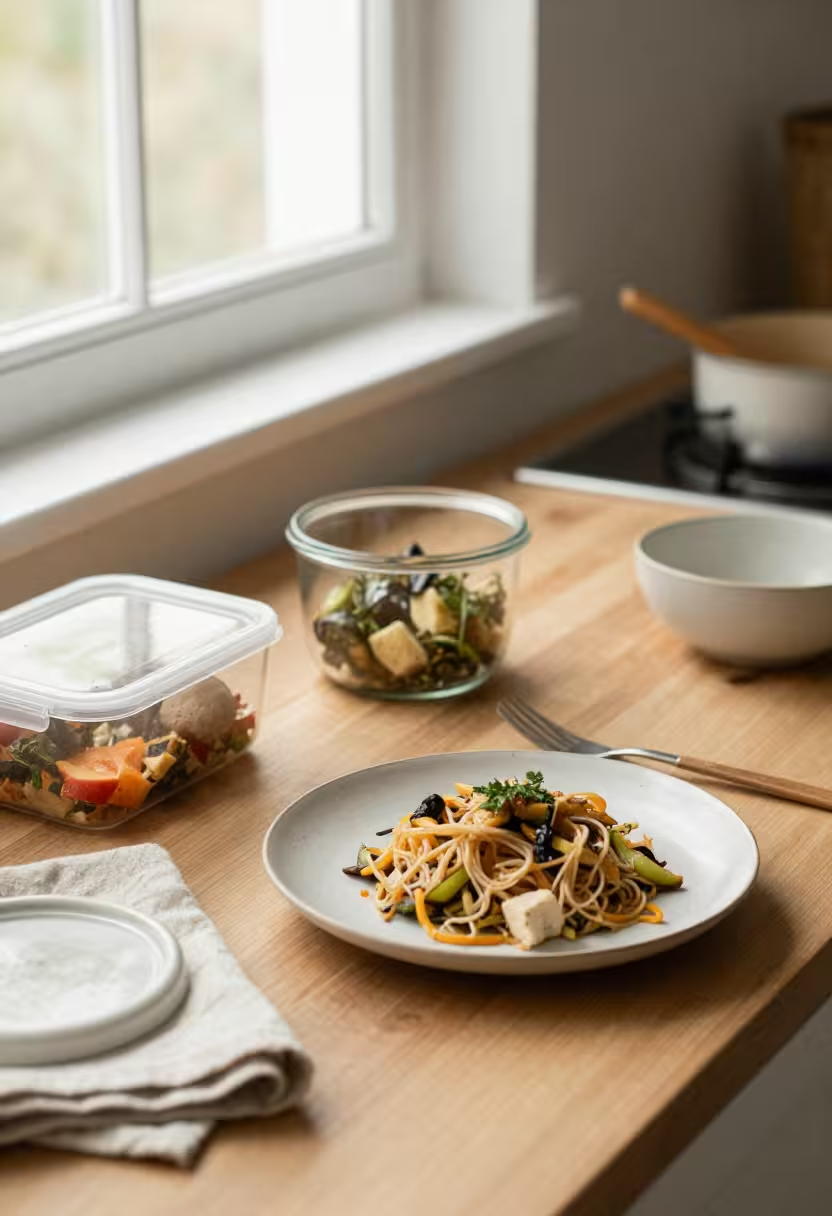
One of the biggest flaws in traditional dieting is the assumption that life will stay predictable. In reality, schedules change, energy levels fluctuate, and plans don’t always unfold as expected. A practical eating approach makes room for this — it bends instead of breaking.
Flexible meals adapt to your day rather than forcing you to adapt to them. This might mean choosing quicker options on busy days, enjoying more elaborate meals when time allows, or adjusting portions based on hunger and activity. Flexibility keeps eating supportive instead of stressful.
Food that fits your life also respects culture, preferences, and routines. Meals don’t need to look the same every day to be nourishing. Familiar dishes, leftovers, shared meals, and simple convenience foods can all have a place in a balanced approach.
Flexibility helps reduce the “on-track/off-track” mentality. When there’s no rigid standard to fall away from, there’s no need to start over. Each meal stands on its own, offering another opportunity for nourishment.
This approach also supports consistency. When eating plans allow for real life, they’re easier to maintain over time. Small adjustments feel natural instead of like failures.
Healthy eating isn’t about creating perfect days — it’s about creating approaches that still work on imperfect ones. Flexibility is what allows nourishment to stay present, even when life gets busy.
Planning Without Restricting — Realistic Strategies
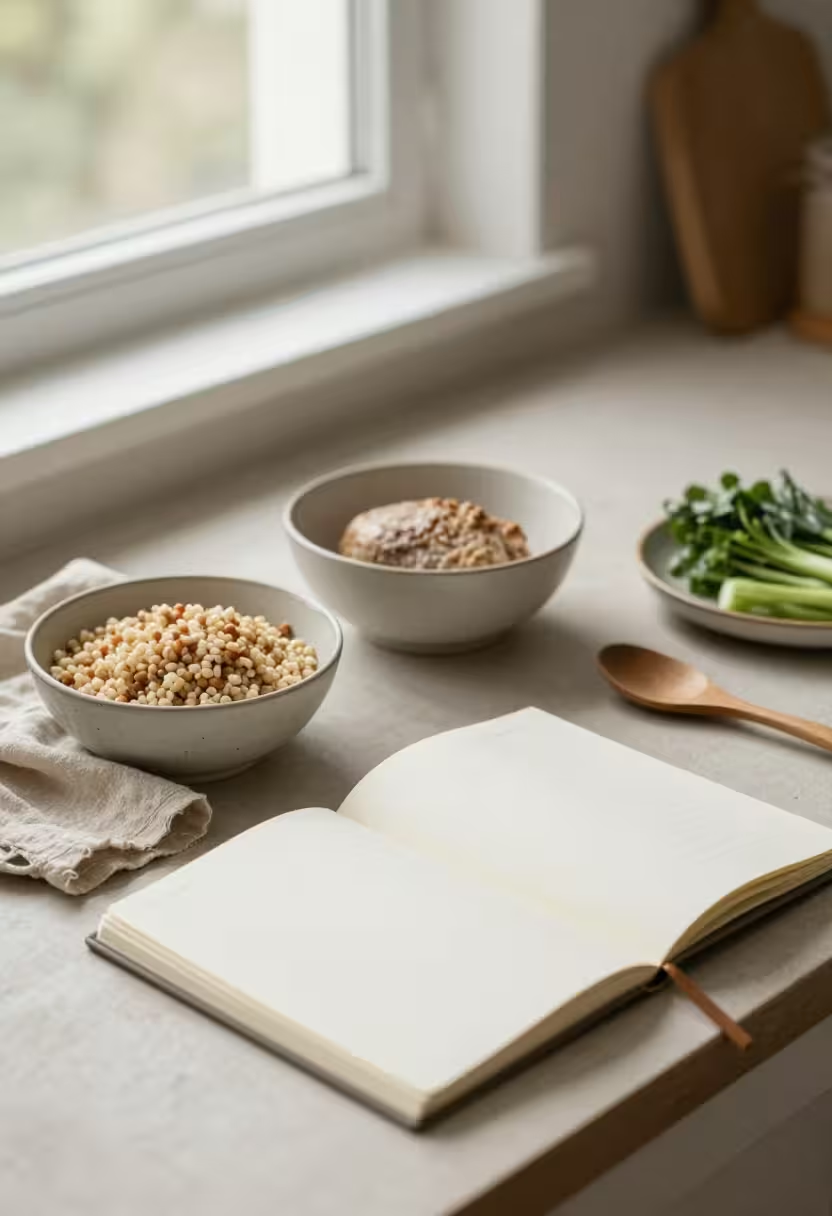
Planning can be one of the most supportive tools in eating well — or one of the most restrictive, depending on how it’s used. A practical approach to planning isn’t about controlling every bite; it’s about creating a gentle structure that makes nourishment easier to access.
Restrictive planning often looks rigid: exact meals, exact portions, no room for change. When something unexpected happens, the plan collapses. Realistic planning, on the other hand, focuses on options rather than obligations. It answers the question, “What can I eat?” instead of “What must I eat?”
One helpful strategy is planning around components instead of full meals. Having a few proteins, carbohydrates, and vegetables ready makes it easier to build meals based on appetite and time. This keeps planning supportive without feeling confining.
Another key element is planning for energy, not perfection. Some days require quick, simple meals. Others allow for more time and creativity. A realistic plan accounts for both, making space for leftovers, convenience foods, and flexibility.
Planning without restricting also means leaving room for enjoyment. Meals that are satisfying and familiar are far more likely to be eaten consistently than “ideal” meals that feel forced. When enjoyment is part of the plan, follow-through becomes easier.
At its best, planning acts like a safety net — not a cage. It reduces stress, saves mental energy, and supports regular eating, all without taking away choice or autonomy.
Mindful Portions Over Calorie Counting
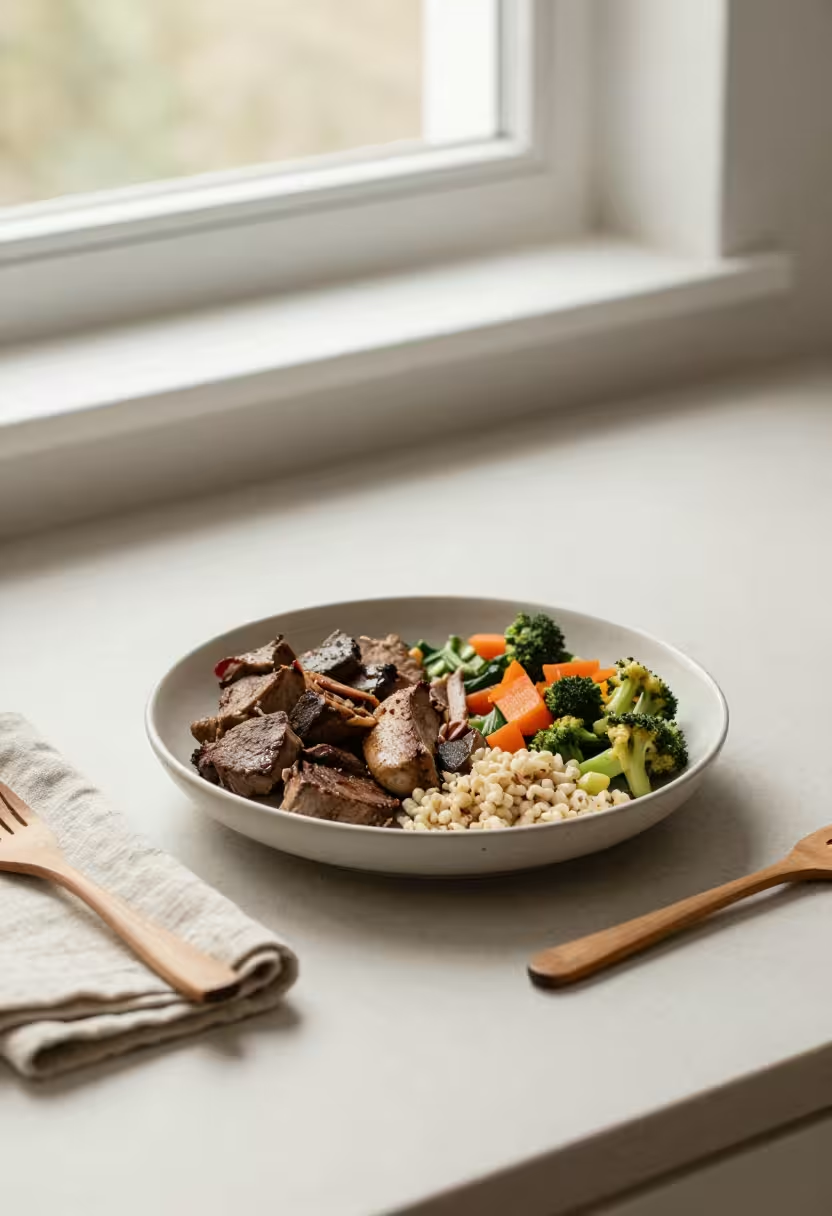
Calorie counting is often presented as the ultimate tool for control, but for many people it creates more distance from their body rather than understanding. Numbers can’t fully capture hunger, satisfaction, stress, movement, or individual needs — and relying on them alone often turns eating into a mental math exercise.
Mindful portioning takes a different approach. Instead of asking “How many calories is this?” it asks “Does this feel like enough?” It focuses on building plates that feel balanced, satisfying, and supportive — without the pressure of tracking every detail.
A mindful portion usually includes a clear source of nourishment: something filling, something energizing, and something enjoyable. Protein, fiber-rich foods, and healthy fats naturally help portions feel more sustaining, making it easier to stop eating when you’re comfortably full.
This approach also respects variability. Hunger changes from day to day based on sleep, activity, emotions, and stress. Mindful portioning allows meals to adjust accordingly, instead of forcing the body into the same intake regardless of context.
Letting go of calorie counting doesn’t mean ignoring nutrition. It means shifting attention toward quality, balance, and internal feedback. Over time, this builds confidence around food choices and reduces the constant background noise of “am I doing this right?”
When portions are guided by awareness rather than numbers, eating becomes calmer and more intuitive — supporting health without the mental burden of constant calculation.
Building Trust With Food Again
After years of dieting, restriction, or rigid food rules, trust around food can feel fragile — or completely broken. Meals may come with second-guessing, guilt, or the constant fear of “getting it wrong.” Rebuilding trust with food is a gradual process, but it’s one of the most meaningful shifts toward lasting health.
Trust begins with consistency. When the body receives regular, adequate nourishment, it learns that food is reliable again. This steadiness reduces urgency around eating and softens intense cravings that often come from deprivation rather than true desire.
It also means allowing all foods to exist without moral labels. When foods are no longer “forbidden,” they lose much of their emotional charge. This doesn’t lead to chaos — it usually leads to more balance. When nothing is off-limits, choices become more thoughtful and less reactive.
Listening to how foods make you feel is another key part of rebuilding trust. Some foods energize you, others comfort you, and some may leave you feeling sluggish. None of these experiences are failures — they’re feedback. Over time, this awareness guides choices more effectively than rules ever could.
Rebuilding trust also requires patience. There may be moments of doubt, overeating, or confusion along the way. These aren’t signs of failure; they’re part of learning. Each experience helps clarify what support looks like for your body.
When trust with food is restored, eating becomes calmer. Meals feel less charged, decisions feel simpler, and food returns to its natural role — a source of nourishment, enjoyment, and care.
Everyday Habits for Real-Life Eating

Sustainable eating isn’t built on dramatic changes or perfect days — it’s shaped by small, repeatable habits that fit into real life. These everyday practices may seem simple, but over time they create a steady foundation that supports health without pressure.
One of the most helpful habits is regular eating. Skipping meals or waiting until extreme hunger often leads to rushed choices and overeating later. Eating consistently helps regulate appetite, energy, and mood, making food decisions feel less urgent and more intentional.
Another key habit is keeping meals simple and familiar. You don’t need constant variety or elaborate recipes to eat well. Having a few reliable meals or combinations you return to regularly reduces decision fatigue and makes nourishment feel automatic rather than effortful.
Planning lightly — even just knowing what’s available to eat — is another supportive practice. This might mean having a stocked fridge, leftovers ready, or a short list of go-to foods. Gentle planning removes stress without removing flexibility.
Mindful pauses also matter. Taking a moment before eating to notice hunger, stress, or emotions can change how a meal feels. You don’t need perfect mindfulness — just enough awareness to reconnect with the experience of eating.
Perhaps most importantly, these habits allow room for imperfection. Some days will be balanced and calm; others won’t. What matters is returning to supportive practices again and again, without judgment.
Real-life eating works when habits are kind, flexible, and repeatable. Over time, these small choices add up — not to control, but to confidence and ease.