Contents
- How Foods Affect Gastritis Symptoms
- Gastritis-Friendly Nutrition Principles
- Foundations of the 7-Day Meal Plan
- Day 1 — A Gentle Start
- Day 2 — Gentle Choices and Steady Energy
- Day 3 — Soothing Meals for Stability
- Day 4 — Mid-Week Ease and Comfort
- Day 5 — Light and Nourishing Choices
- Day 6 — Comfort and Gentle Strength
- Day 7 — Preparing for Life Beyond This Week
- Final Tips — Eating with Ease and Awareness
Living with gastritis can make everyday eating feel uncertain. Foods that once felt comforting may suddenly cause discomfort, and meals can become something you approach with hesitation instead of ease. In moments like these, nutrition isn’t about perfection — it’s about creating calm, consistency, and gentle support for your body.
Gastritis involves inflammation of the stomach lining, which means the digestive system benefits from foods that are soft, balanced, and easy to process. Harsh flavors, heavy meals, or long gaps between eating can sometimes intensify symptoms, while simple, well-timed meals often help the stomach feel more settled.
This 7-day meal plan is designed with comfort in mind. Rather than strict rules or complicated recipes, it focuses on gentle ingredients, warm textures, and steady nourishment. The goal isn’t to restrict, but to reduce irritation while still providing enough energy and nutrients for daily life.
Throughout this week, meals are built around familiar foods that are commonly well-tolerated during gastritis — soft grains, gentle proteins, cooked vegetables, and soothing preparation methods. Portions are moderate, flavors are mild, and timing is consistent to help the digestive system feel supported.
Whether you’re in an active flare-up or simply looking to give your stomach a break, this healing week offers a calm structure you can rely on. Think of it as a reset — a way to eat with more awareness, less discomfort, and greater confidence at the table.
How Foods Affect Gastritis Symptoms
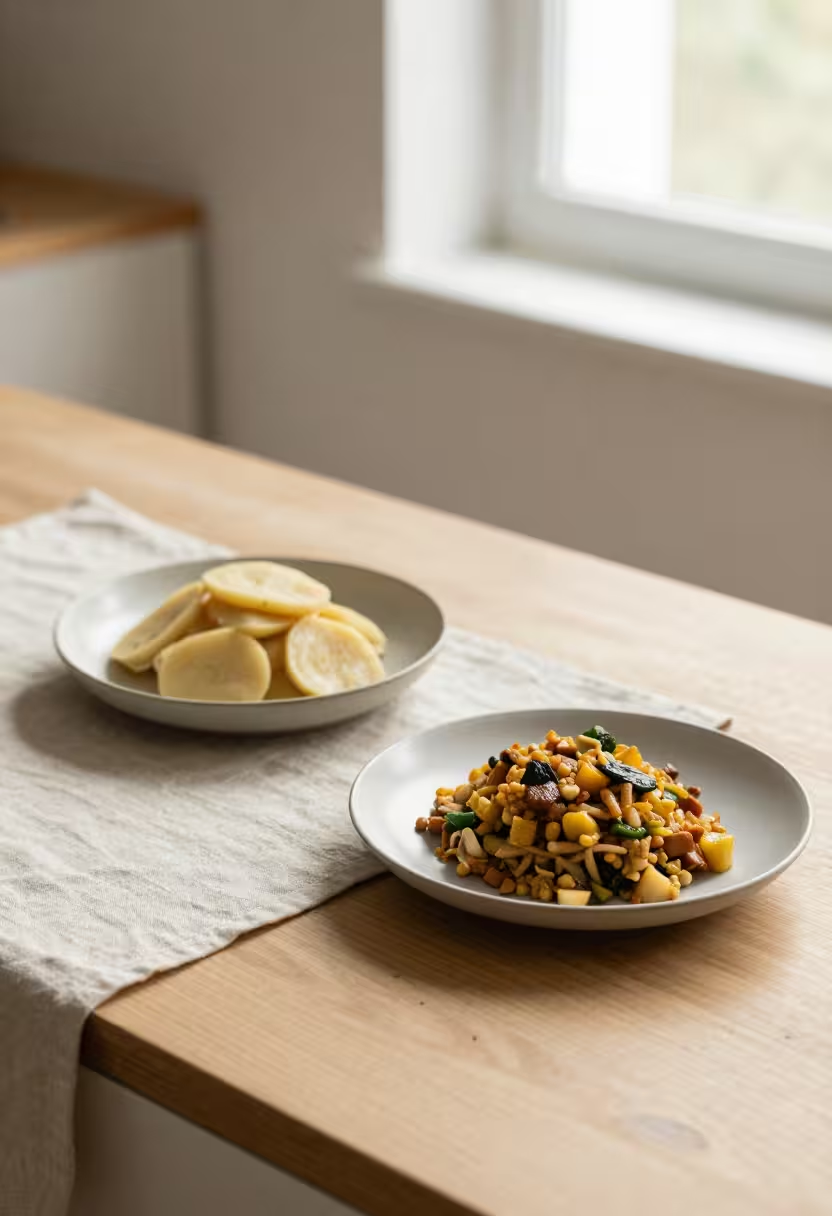
When the stomach lining is inflamed, it becomes more sensitive to what passes through it. Foods that are normally well tolerated can suddenly trigger discomfort, while gentler choices may help reduce irritation and support healing. Understanding how different foods affect gastritis symptoms can make eating feel more predictable and less stressful.
Highly acidic, spicy, or fried foods often increase stomach irritation because they stimulate excess acid production or slow digestion. Strong flavors, caffeine, alcohol, and heavily processed foods can also aggravate symptoms by disrupting the stomach’s natural protective barrier.
On the other hand, foods that are soft, warm, and simply prepared tend to be easier on the stomach. Gentle carbohydrates, lean proteins, and cooked vegetables digest more smoothly and place less strain on the digestive system. These foods help provide steady energy without overwhelming the stomach lining.
Meal timing plays a role as well. Long gaps between meals can allow stomach acid to build up, potentially worsening symptoms. Eating smaller, more frequent meals often helps keep acid levels more balanced and reduces pressure on the stomach.
Everyone’s experience with gastritis is slightly different, which is why awareness matters. Paying attention to how your body responds to certain foods can help guide choices without needing strict elimination rules.
By choosing foods that soothe rather than刺激 the stomach, meals can become part of the healing process — supporting comfort, consistency, and gradual recovery.
Gastritis-Friendly Nutrition Principles
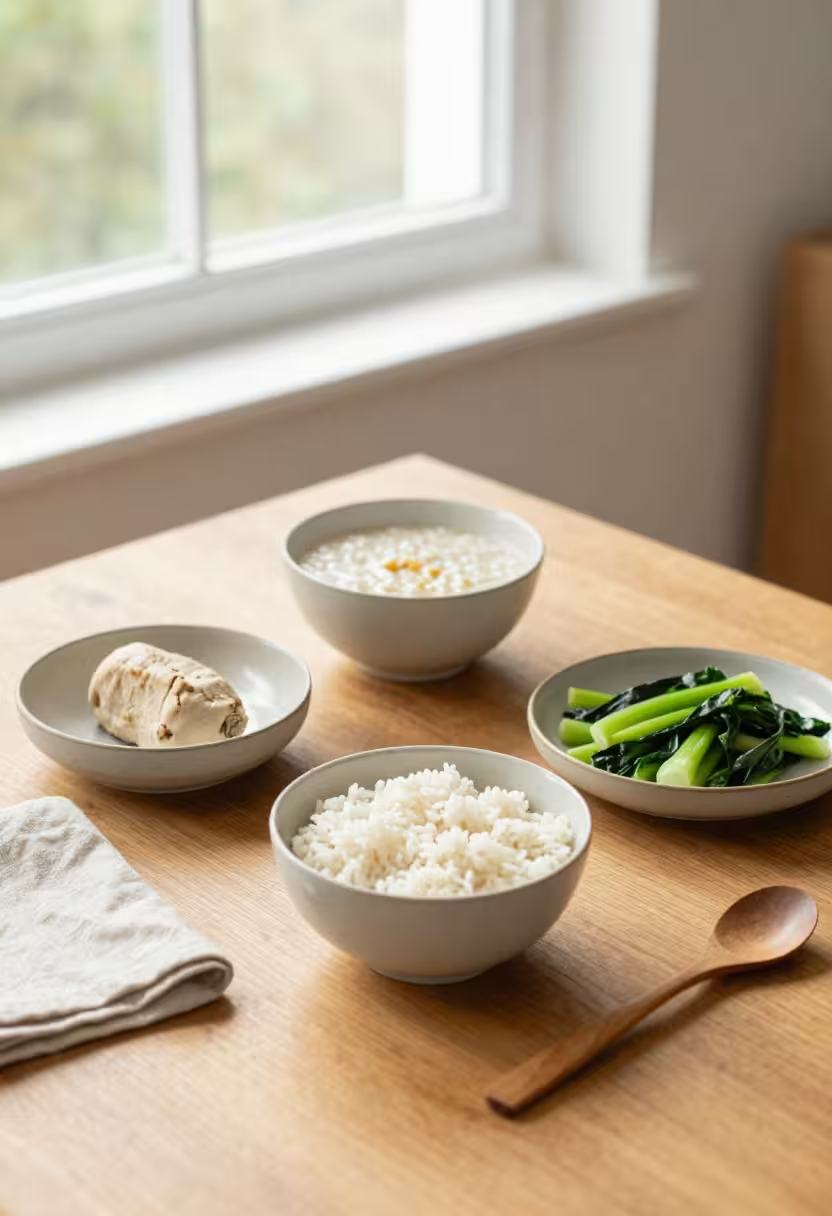
When eating with gastritis, the goal isn’t to follow a rigid diet — it’s to create conditions that allow the stomach lining to rest and recover. A gastritis-friendly approach focuses on gentleness, balance, and regularity rather than restriction or complexity.
One of the most important principles is choosing gentle textures. Soft, well-cooked foods are generally easier to digest and less likely to irritate the stomach. Steamed, boiled, baked, or lightly sautéed meals tend to be more soothing than fried or heavily seasoned dishes.
Mild flavors matter as well. Strong spices, acidic sauces, and very salty foods can aggravate symptoms, especially during flare-ups. Keeping seasonings simple allows the stomach to process food with less stress.
Regular meal timing helps maintain balance. Eating smaller meals throughout the day can prevent excess stomach acid from building up and reduce pressure on the stomach lining. Skipping meals or overeating at once often makes symptoms worse.
Another key principle is balanced nourishment. Even during periods of discomfort, the body still needs protein, carbohydrates, and healthy fats to support healing and energy. Meals don’t need to be large, but they should be complete.
Temperature also plays a role. Warm foods are often better tolerated than very hot or cold meals, which can sometimes trigger discomfort in sensitive stomachs.
Above all, a gastritis-friendly way of eating is flexible. What matters most is noticing how your body responds and adjusting gently. These principles serve as a guide — not a rulebook — to help meals feel safer and more supportive.
Foundations of the 7-Day Meal Plan
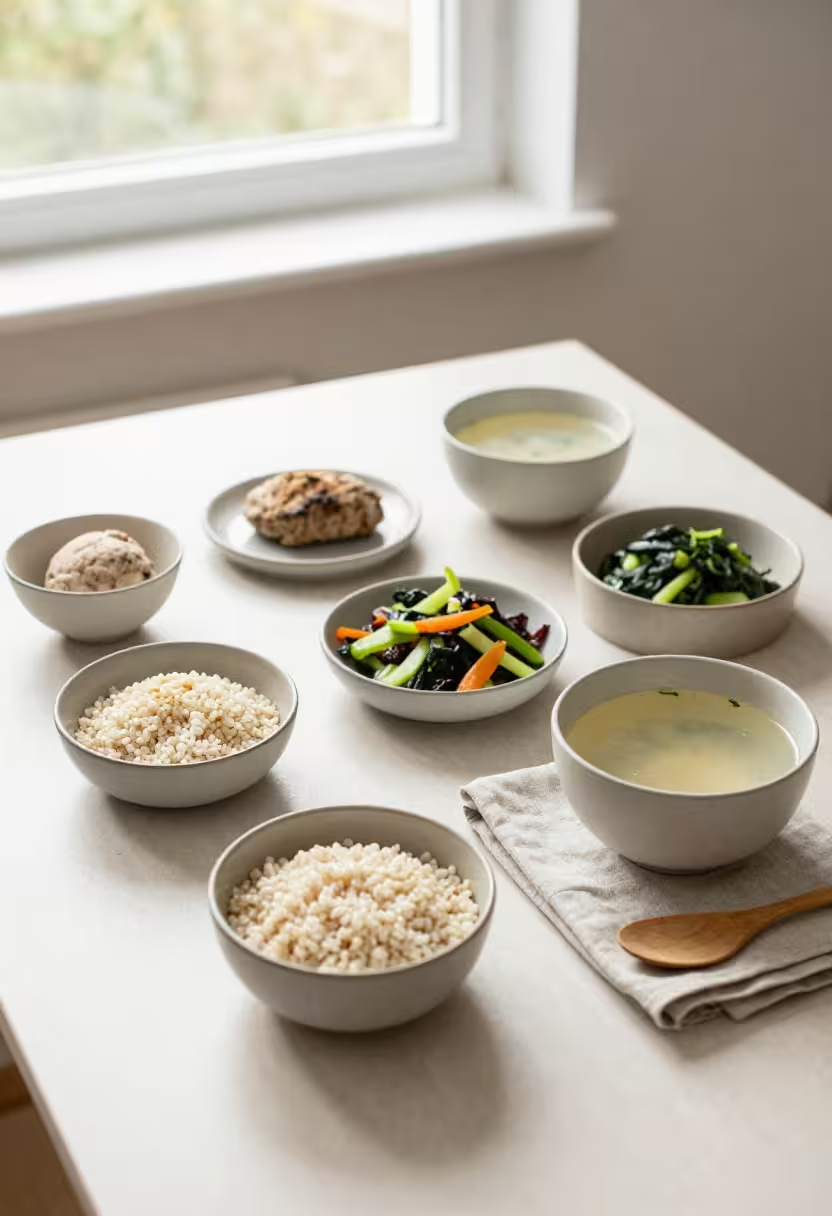
This 7-day gastritis meal plan is built around simplicity, consistency, and comfort. Rather than focusing on strict restrictions, it creates a gentle structure that supports digestion while still providing enough nourishment for daily life.
Each day includes balanced meals with easily digestible ingredients. Soft carbohydrates help provide steady energy, gentle proteins support healing, and cooked vegetables add nutrients without overwhelming the stomach. Flavors are mild, portions are moderate, and preparation methods are chosen to reduce irritation.
Another foundation of this plan is regular eating. Meals and snacks are spaced throughout the day to help prevent long gaps that can increase stomach acid and discomfort. This rhythm supports digestive stability and helps the body feel more settled.
The plan also emphasizes warm, freshly prepared foods whenever possible. Warm meals tend to be easier on the stomach lining than cold or heavily processed options, especially during active symptoms.
Flexibility is built in as well. While each day offers specific meal ideas, they can be adjusted based on personal tolerance and availability. The goal is to offer guidance — not pressure — so meals remain supportive rather than stressful.
Think of this plan as a starting point. It provides a calm framework you can follow during a healing week, then adapt as your stomach becomes more comfortable and resilient.
Day 1 — A Gentle Start
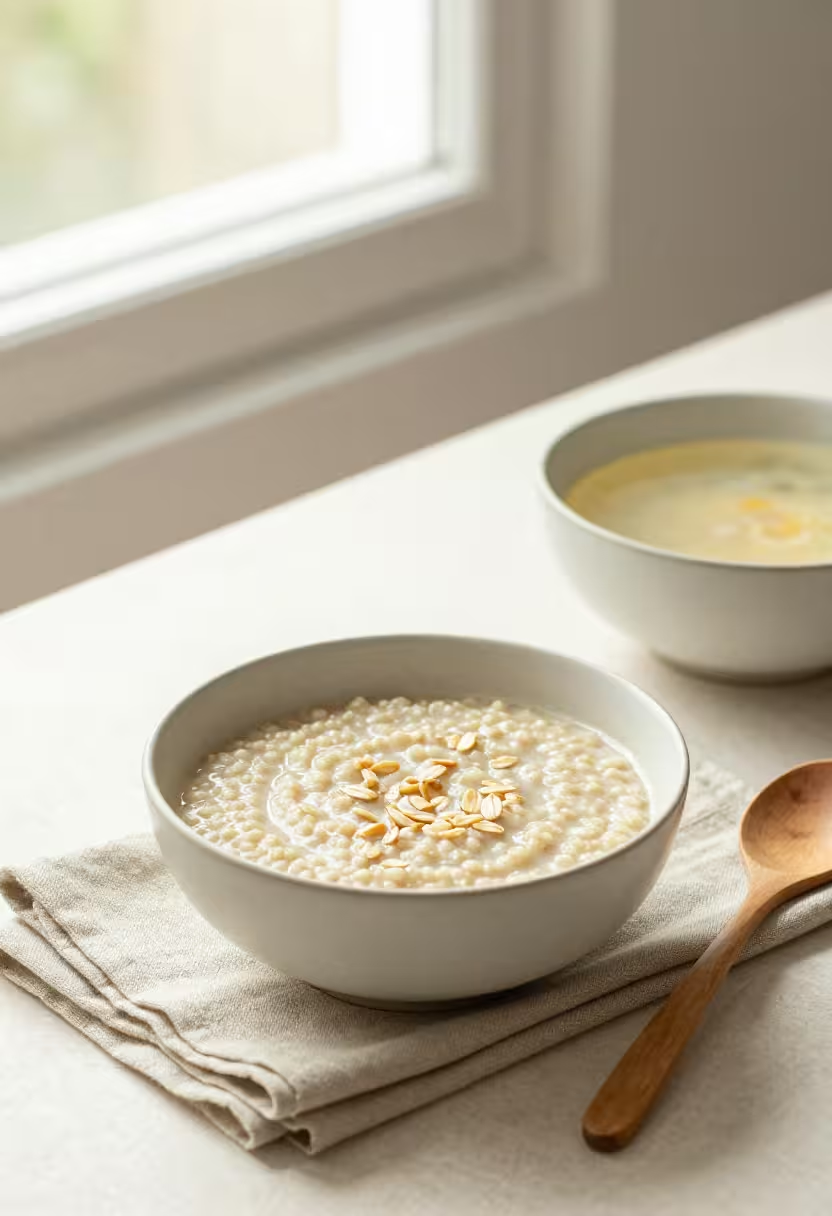
The first day is all about easing the stomach into a calm, predictable rhythm. Meals are simple, warm, and softly textured, giving your digestive system a chance to settle without feeling deprived. Think of this day as creating a sense of safety around food.
Breakfast
Start the morning with something warm and gentle, such as oatmeal cooked in water or low-fat milk, topped with a small amount of mashed banana or stewed apple. This kind of breakfast is easy to digest and helps absorb excess stomach acid, which can be especially helpful first thing in the day.
Mid-Morning Snack
A small snack keeps acid levels steady. A plain yogurt (if tolerated) or a ripe banana works well, offering gentle nourishment without heaviness.
Lunch
For lunch, choose a soft, balanced meal like plain rice or mashed potatoes paired with boiled or baked chicken breast. Add a small portion of well-cooked carrots or zucchini for nutrients without irritation. Keep seasoning minimal — a pinch of salt or a drizzle of olive oil is usually enough.
Afternoon Snack
A slice of soft white or whole-grain bread with a thin layer of cottage cheese or a simple rice cake can help maintain energy between meals without stressing digestion.
Dinner
Dinner should feel comforting and light. A warm vegetable soup made with potatoes, carrots, and a small amount of lean protein is ideal. Blended or softly cooked soups are often very soothing for an inflamed stomach.
Before Bed (Optional)
If you tend to feel hungry at night, a small cup of warm chamomile tea or a few spoonfuls of yogurt can help prevent discomfort without overfilling the stomach.
Day 1 isn’t about variety — it’s about reassurance. These meals help your stomach adjust to consistent nourishment and set the tone for a calmer week ahead.
Day 2 — Gentle Choices and Steady Energy
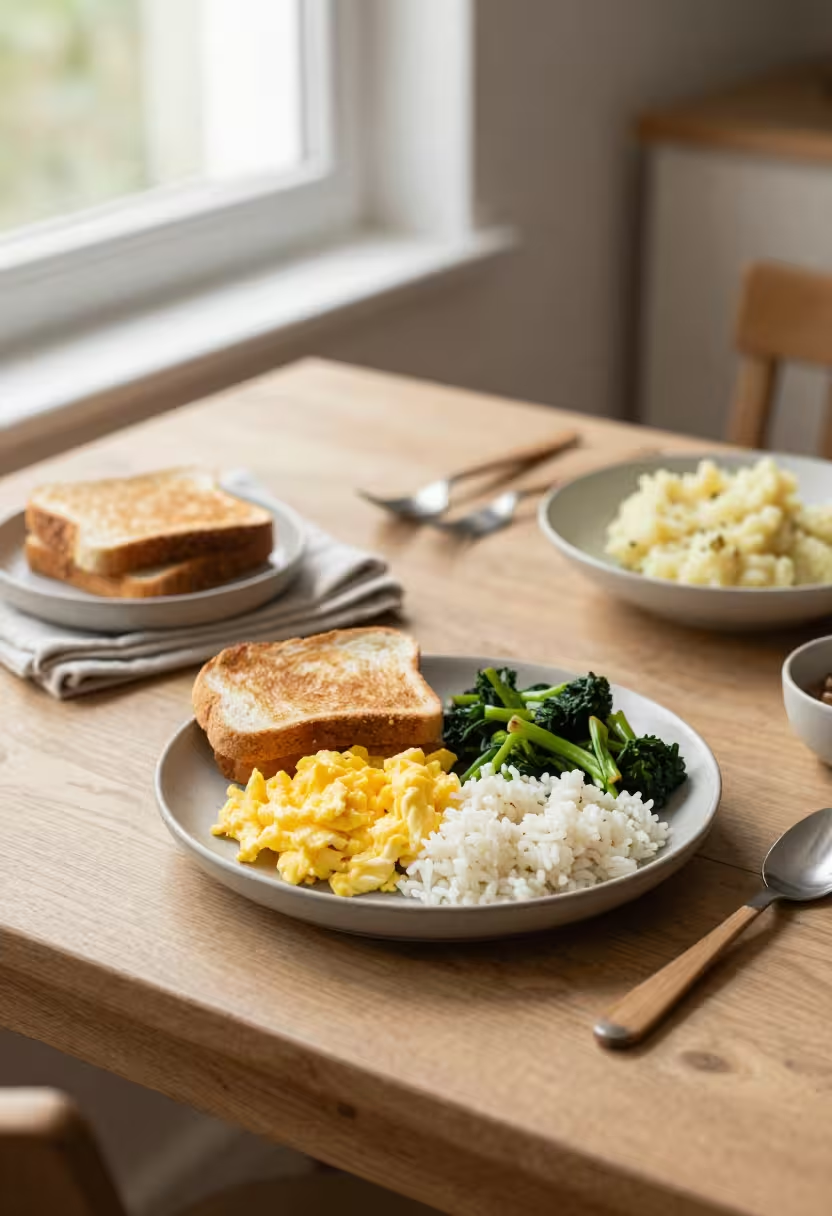
Day 2 builds on the calm foundation of the first day, adding a little more variety while still keeping digestion front and center. The focus remains on gentle foods, steady timing, and meals that feel reassuring rather than demanding.
Breakfast
Begin the day with soft scrambled eggs or a lightly boiled egg paired with a slice of toast. Eggs provide easy-to-digest protein, while toast offers gentle carbohydrates that help keep stomach acid balanced. If preferred, a small portion of oatmeal can be used again for continuity and comfort.
Mid-Morning Snack
A baked apple or pear (peeled and cooked until soft) works well here. Cooking fruit reduces acidity and makes it easier on the stomach while still offering natural sweetness.
Lunch
Lunch can include plain pasta or rice with steamed turkey or chicken and well-cooked vegetables such as green beans or carrots. Keep sauces simple — a little olive oil or a mild broth is often better tolerated than creamy or acidic additions.
Afternoon Snack
A small serving of yogurt, kefir, or cottage cheese (if tolerated) provides gentle protein and can feel soothing between meals. Pair it with a few soft crackers if you need extra fullness.
Dinner
For dinner, try baked white fish or tofu with mashed potatoes and steamed zucchini. This combination is light yet nourishing, offering protein without heaviness and vegetables that are easy to digest.
Evening Option
A cup of warm herbal tea, such as chamomile or fennel, can help relax the digestive system and prepare the body for rest.
Day 2 reinforces the idea that eating for gastritis doesn’t have to feel restrictive. With gentle variety and consistent meals, the stomach continues to settle while energy remains steady throughout the day.
Day 3 — Soothing Meals for Stability
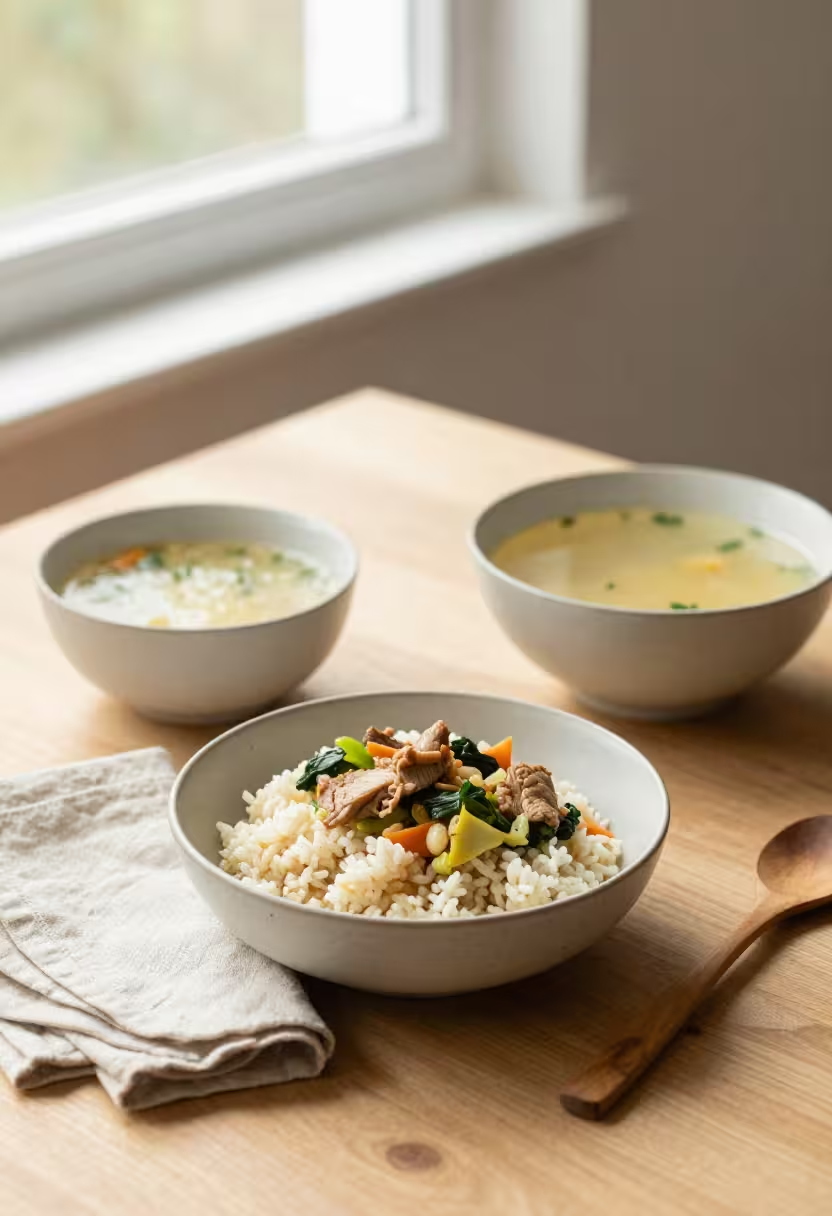
By Day 3, many people begin to notice a bit more digestive steadiness. This day focuses on maintaining that balance with meals that are familiar, softly textured, and evenly spaced — helping the stomach stay calm while still feeling nourished.
Breakfast
Start the morning with a warm bowl of oatmeal or cream of rice, cooked until very soft. Add a small spoon of mashed banana or a drizzle of honey if sweetness is needed. Warm, smooth breakfasts are especially supportive when the stomach is still sensitive.
Mid-Morning Snack
A ripe banana or a small portion of applesauce works well here. These options are gentle, easy to digest, and help prevent long gaps between meals.
Lunch
For lunch, try a simple bowl of rice with lean ground turkey or chicken, lightly seasoned and well cooked. Add steamed carrots or peeled, cooked squash for extra nutrients without irritation. Keeping textures soft helps digestion stay smooth.
Afternoon Snack
A slice of toast with cottage cheese or a small yogurt can help carry you through the afternoon. Choose plain options and eat slowly to avoid discomfort.
Dinner
Dinner can be a comforting soup or stew made with potatoes, rice, or noodles and a small amount of lean protein. Cooking everything until very tender allows the stomach to process the meal with less effort.
Evening Option
If needed, finish the day with a warm herbal tea or a small snack, such as a few crackers, to keep acid levels from rising overnight.
Day 3 is about consistency. Repeating gentle foods and rhythms helps the digestive system feel safe, which is often key to continued symptom relief.
Day 4 — Mid-Week Ease and Comfort
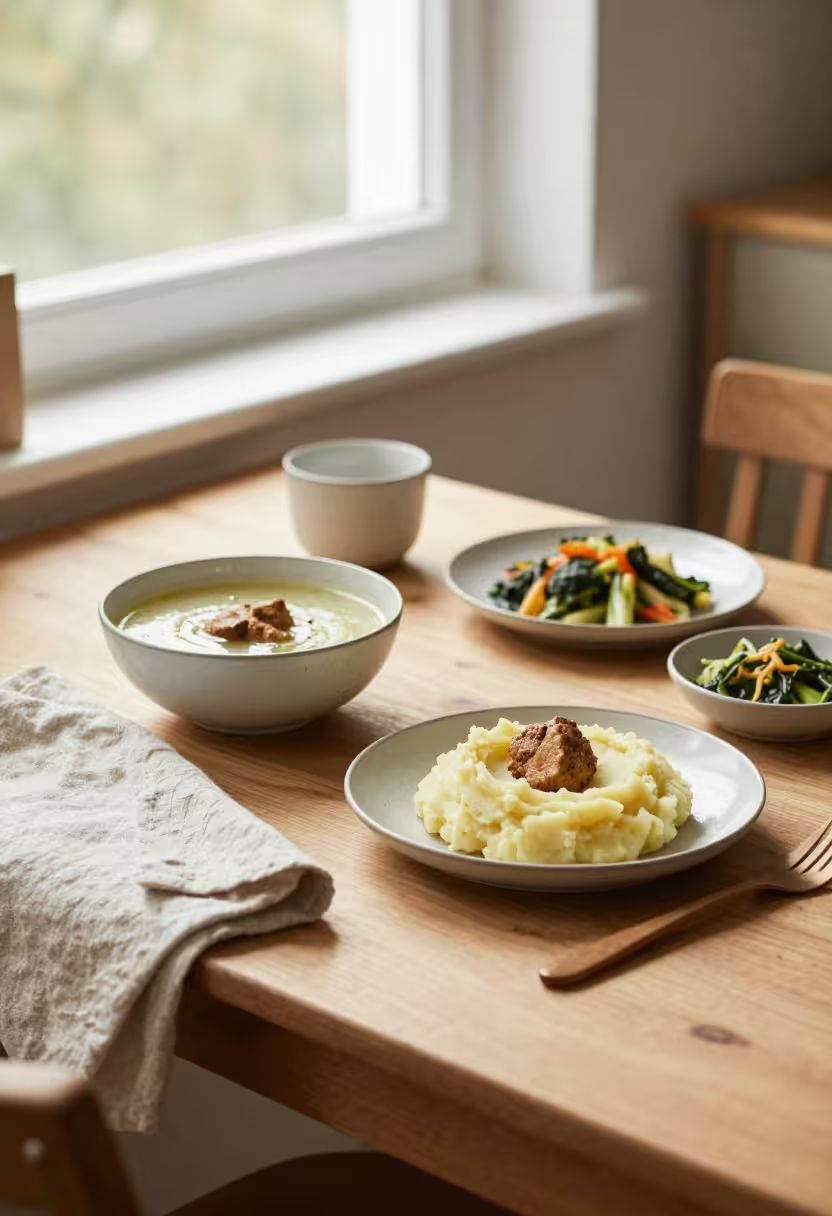
Day 4 is about settling into a comfortable routine. By now, meals should feel familiar and predictable, which often brings a sense of relief. The focus remains on gentle digestion, but with a bit more confidence in your choices.
Breakfast
Begin with scrambled eggs or a soft omelet made with minimal oil. Pair it with toast or a small serving of oatmeal. This combination offers protein and gentle carbohydrates to start the day without heaviness.
Mid-Morning Snack
A small bowl of applesauce or a ripe banana keeps energy steady and prevents hunger from building up too quickly.
Lunch
Lunch can be a warm bowl of rice or quinoa paired with baked chicken or turkey and well-cooked vegetables like carrots or spinach. Light seasoning and warm temperatures help keep the meal easy on the stomach.
Afternoon Snack
A small yogurt or cottage cheese with a few plain crackers works well here. This snack supports digestion while keeping portions manageable.
Dinner
For dinner, choose a soft, comforting option such as a blended vegetable soup or a simple stew with potatoes and lean protein. Smooth textures are especially helpful later in the day when digestion may feel slower.
Evening Option
End the day with a cup of warm herbal tea. If hunger is present, a small piece of toast can help you feel settled before bed.
Day 4 reinforces that eating for gastritis can feel routine rather than restrictive. Familiar meals help the stomach relax and continue the healing process.
Day 5 — Light and Nourishing Choices
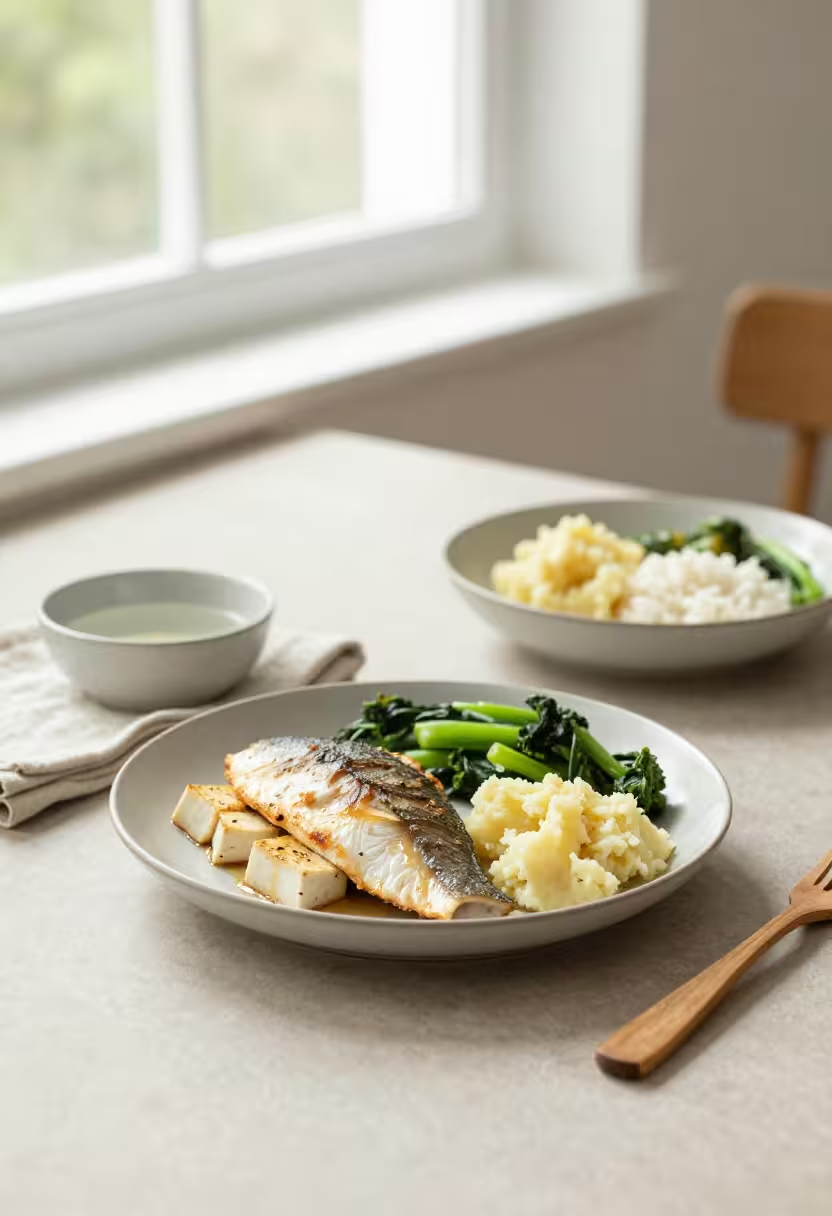
By Day 5, the focus shifts toward maintaining comfort while gently supporting strength and nourishment. Meals remain easy on the stomach, but they also aim to feel a bit more sustaining as your body continues to heal.
Breakfast
Start the day with a warm bowl of oatmeal or cream of wheat, prepared until very soft. You can add a small amount of mashed pear or banana for natural sweetness. Warm, smooth breakfasts continue to be one of the most reliable ways to keep the stomach calm in the morning.
Mid-Morning Snack
A small serving of yogurt or kefir (if tolerated) can feel soothing and provide gentle protein. If dairy isn’t comfortable, a ripe banana or applesauce is a good alternative.
Lunch
For lunch, try baked or boiled white fish, chicken, or tofu served with rice or mashed potatoes. Add well-cooked vegetables such as zucchini, carrots, or peeled squash. Keep the meal simple and lightly seasoned to avoid irritation.
Afternoon Snack
A slice of toast with a thin spread of cottage cheese or a handful of plain crackers can help bridge the gap to dinner without overwhelming digestion.
Dinner
Dinner can be a soft noodle soup or a mild rice-based dish with lean protein and vegetables cooked until tender. Warm, lightly brothed meals are often especially comforting in the evening.
Evening Option
If you feel hungry later, a cup of chamomile or ginger tea and a small snack — like a rice cake — can help prevent nighttime discomfort.
Day 5 emphasizes lightness without skipping nourishment. These meals continue to support digestion while gently restoring energy.
Day 6 — Comfort and Gentle Strength
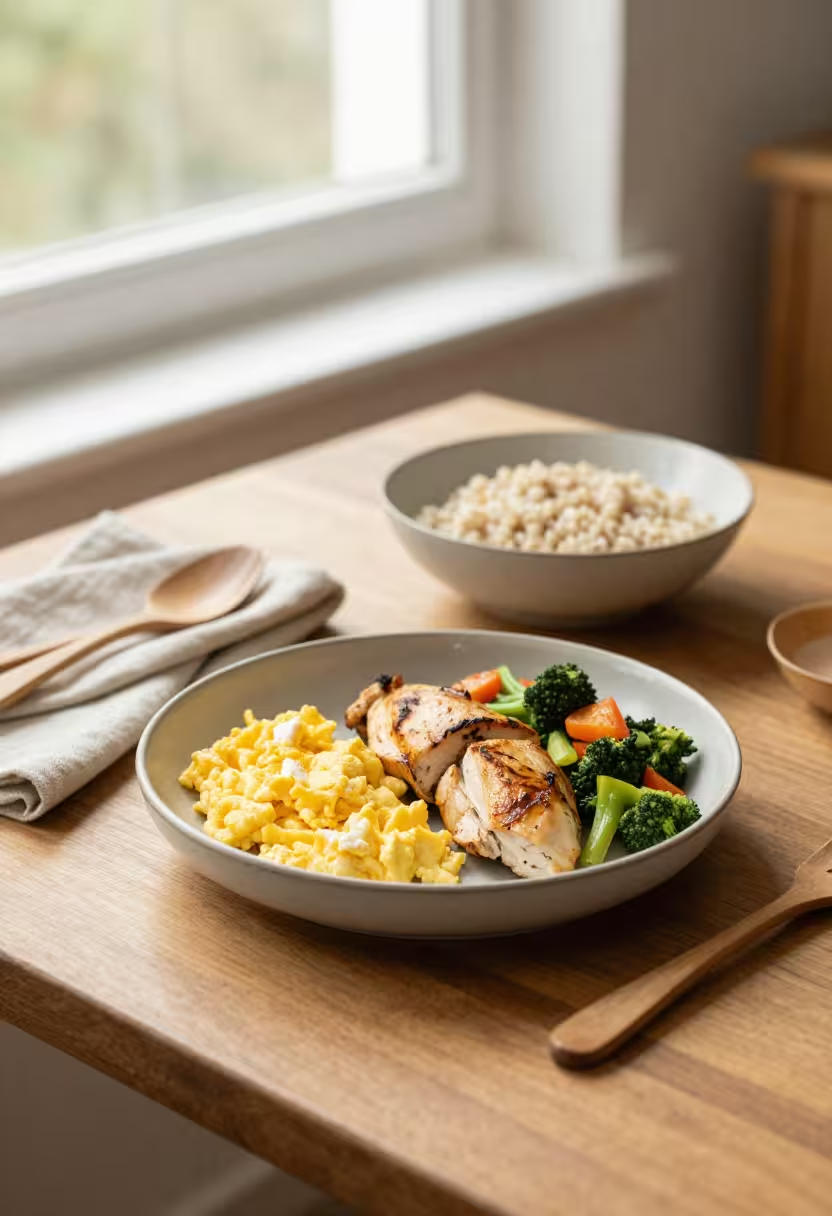
Day 6 focuses on reinforcing comfort while continuing to support your body with steady nourishment. By this point, meals should feel familiar and reassuring, helping digestion stay calm while providing enough energy to move through the day with ease.
Breakfast
Begin with scrambled eggs or a soft-boiled egg paired with toast or a small bowl of oatmeal. This combination offers gentle protein and carbohydrates without feeling heavy, helping start the day on a stable note.
Mid-Morning Snack
A ripe banana, applesauce, or a small portion of yogurt (if tolerated) works well here. These options are easy on the stomach and help prevent hunger from building up.
Lunch
Lunch can include rice, pasta, or quinoa with baked chicken, turkey, or white fish. Add well-cooked vegetables such as carrots, spinach, or zucchini. Keep flavors mild and portions moderate to maintain comfort.
Afternoon Snack
A few plain crackers with cottage cheese or a slice of toast can provide steady energy without overstimulating digestion.
Dinner
For dinner, choose a warm, comforting dish like a vegetable and potato soup with lean protein or a soft rice-based meal. Meals that are warm and moist tend to be easier to digest in the evening.
Evening Option
End the day with herbal tea and, if needed, a small snack to keep the stomach settled overnight.
Day 6 reinforces that healing doesn’t require variety for its own sake. Familiar, gentle meals continue to support digestion while helping the body regain strength.
Day 7 — Preparing for Life Beyond This Week
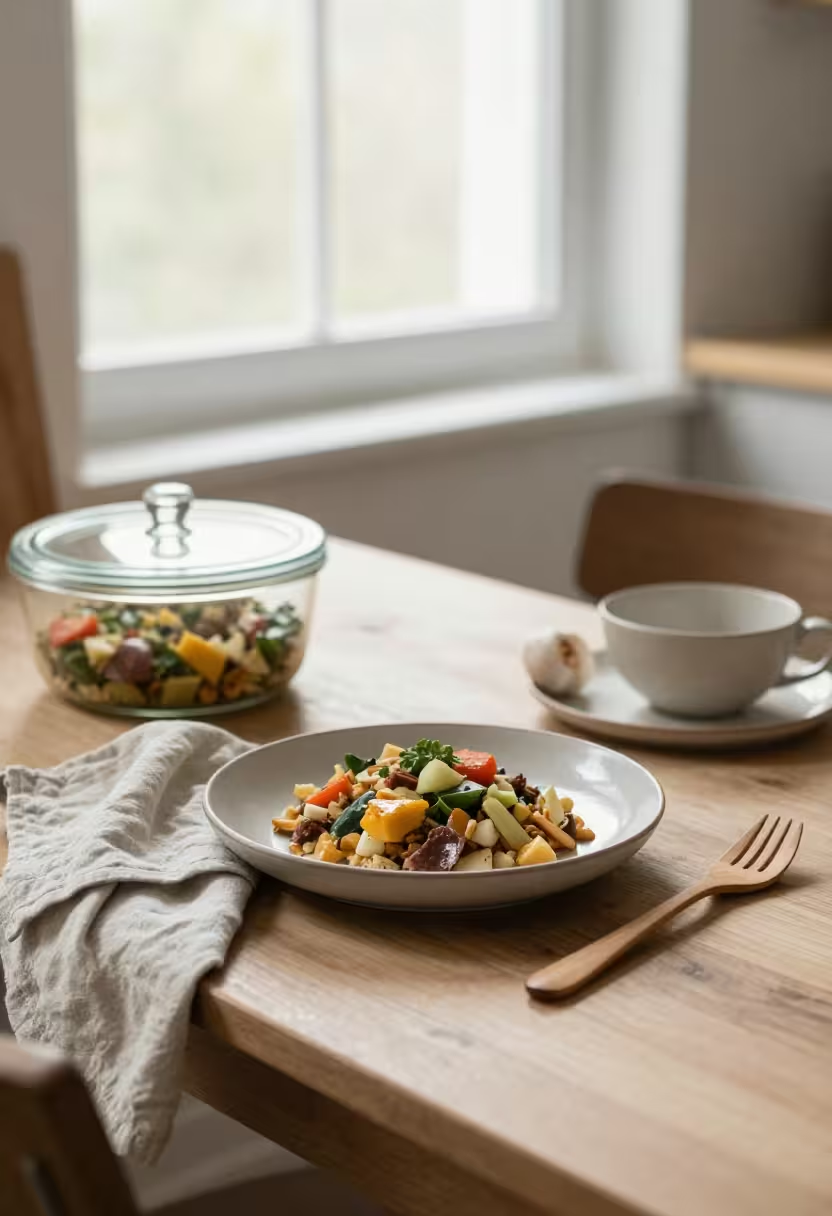
Day 7 is about gently looking forward. The stomach may feel calmer, more predictable, or simply less reactive than at the start of the week. Today’s meals continue the same soothing pattern while helping you transition toward longer-term, gastritis-friendly eating.
Breakfast
Start with a familiar, well-tolerated option — oatmeal, cream of rice, or soft eggs with toast. Repeating breakfasts that feel safe is perfectly fine; consistency often supports digestion better than constant variety.
Mid-Morning Snack
A ripe banana, applesauce, or yogurt (if tolerated) keeps acid levels steady and prevents discomfort between meals.
Lunch
Lunch can look much like earlier days: rice or potatoes paired with lean protein such as chicken, turkey, fish, or tofu, plus well-cooked vegetables. This repetition helps reinforce what works for your stomach.
Afternoon Snack
A small snack like crackers, toast, or cottage cheese can help maintain energy without placing extra strain on digestion.
Dinner
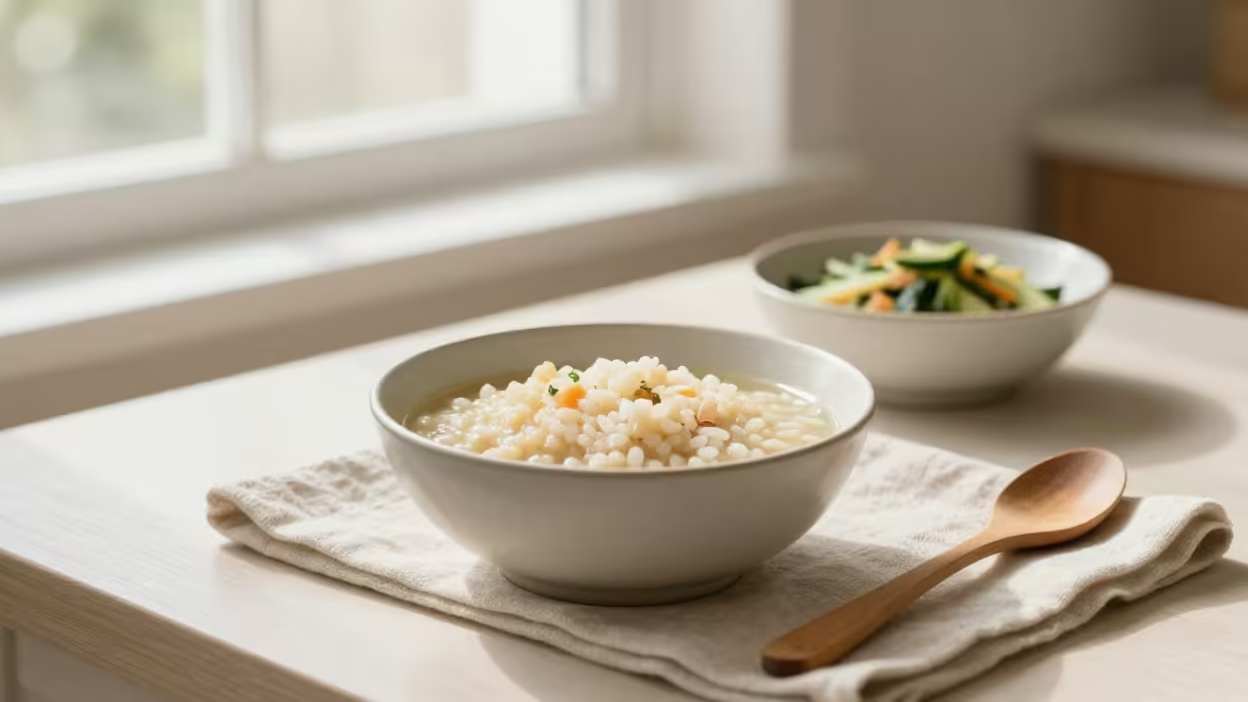
For dinner, choose a warm, gentle meal such as soup, stew, or a soft grain bowl with mild flavors. This keeps digestion calm as the day winds down.
Evening Option
A cup of herbal tea or a small, light snack can help prevent nighttime discomfort and support restful sleep.
Day 7 isn’t about ending a plan — it’s about noticing what helped. The meals that felt easiest, the timing that worked best, and the textures your stomach tolerated well can guide your choices going forward.
Final Tips — Eating with Ease and Awareness
Living with gastritis often teaches you to slow down and listen more closely to your body. While a 7-day meal plan can provide structure and relief, long-term comfort usually comes from awareness rather than strict adherence to a set menu.
One of the most helpful habits to carry forward is regular, gentle eating. Skipping meals or eating very large portions can place extra stress on the stomach. Consistency — even with simple foods — often supports digestion better than variety alone.
Pay attention to how foods feel, not just how they’re labeled. Two people with gastritis may tolerate foods differently, and that’s normal. Use your own comfort as a guide, adjusting textures, portion sizes, and timing based on what helps your stomach feel calm.
Preparation methods matter just as much as ingredients. Favoring steaming, boiling, baking, or slow cooking can make many foods easier to digest. Warm meals are often better tolerated than very hot or cold ones, especially during sensitive periods.
Stress and eating are closely connected. Creating a calmer environment around meals — sitting down, eating slowly, and minimizing distractions — can support digestion just as much as food choices themselves.
Finally, remember that healing isn’t linear. Some days will feel easier than others. If symptoms persist, worsen, or significantly interfere with daily life, it’s important to seek guidance from a healthcare professional for personalized support.
Eating for gastritis relief is ultimately about kindness — toward your stomach and toward yourself. With gentle choices, consistency, and patience, meals can once again become a source of comfort rather than concern.