Contents
- What Makes a Halloween Cake Different From a Regular Cake 🍰
- Choosing the Right Cake Base for Spooky Designs 🎂
- Building Flavor That Feels Like Autumn 🍁✨
- Stress-Free Baking: Setting Yourself Up for Success 🧁
- Layering, Filling, and Frosting With Confidence 🎨
- Decorating Techniques Anyone Can Master 🎃✨
- Popular Halloween Cake Themes That Always Work 👻🍰
- Adapting Your Cake to the Occasion 🎉
- Serving, Storing, and Enjoying the Final Result 🍽️❄️
- Let Halloween Baking Be Fun 🎃🕯️
Halloween is one of those rare holidays where creativity genuinely feels unlimited. Not in a marketing way, not “technically unlimited,” but truly free. There are no strict rules telling you how things must look. No pressure to be perfect. No need to follow traditions line by line. And honestly? That’s incredibly refreshing.
This freedom shows up especially clearly in food. Halloween desserts don’t have to be neat or elegant in the classic sense. They’re allowed to be strange. A little dramatic. Sometimes messy. Sometimes even slightly chaotic. And that’s exactly what makes them so enjoyable to bake and decorate 🎃🍰
A crooked line of frosting doesn’t ruin anything. Dark colors that would feel “too much” on a birthday cake suddenly feel right at home. Even accidents — cracked tops, uneven textures, dripping chocolate — can turn into part of the design. On Halloween, imperfections often feel intentional, almost charming.
Cakes, more than any other dessert, have quietly become the heart of modern Halloween celebrations. They’re no longer just the sweet thing you serve after dinner. A Halloween cake often becomes the centerpiece of the table — the first thing people notice when they walk into the room.
Depending on the mood you’re going for, that cake can be:
- spooky and dark 🕷️
- funny and playful 👻
- cozy and autumn-inspired 🍂
- bold, dramatic, and completely over the top 🎭
And the best part? All of those styles are equally “correct.” A Halloween cake sets the tone before anyone even picks up a fork.
For many people, baking a Halloween cake is just as much about the process as the final result. There’s something special about it. Mixing batter while some random autumn playlist hums in the background. Watching cinnamon, pumpkin, or chocolate fill the kitchen with warm, comforting smells. Decorating slowly, without stressing over symmetry or clean edges.
It becomes a small ritual. A pause in the middle of a busy season.
A Halloween cake doesn’t need to look flawless to be memorable. In fact, the ones that feel a little imperfect — a little handmade — often feel the most real. The most human 🎃
What Makes a Halloween Cake Different From a Regular Cake 🍰
At a basic level, a Halloween cake follows the same fundamental rules as any other cake. It should taste good, have a pleasant texture, and hold together well when sliced. These expectations never change.
What does change is the intention behind the cake.
Halloween cakes are designed to create an impression before the first bite is taken. Visual impact plays a much larger role here than it does in everyday baking. Color choices, contrast, and surface texture are not secondary considerations. They actively shape how the cake is perceived.
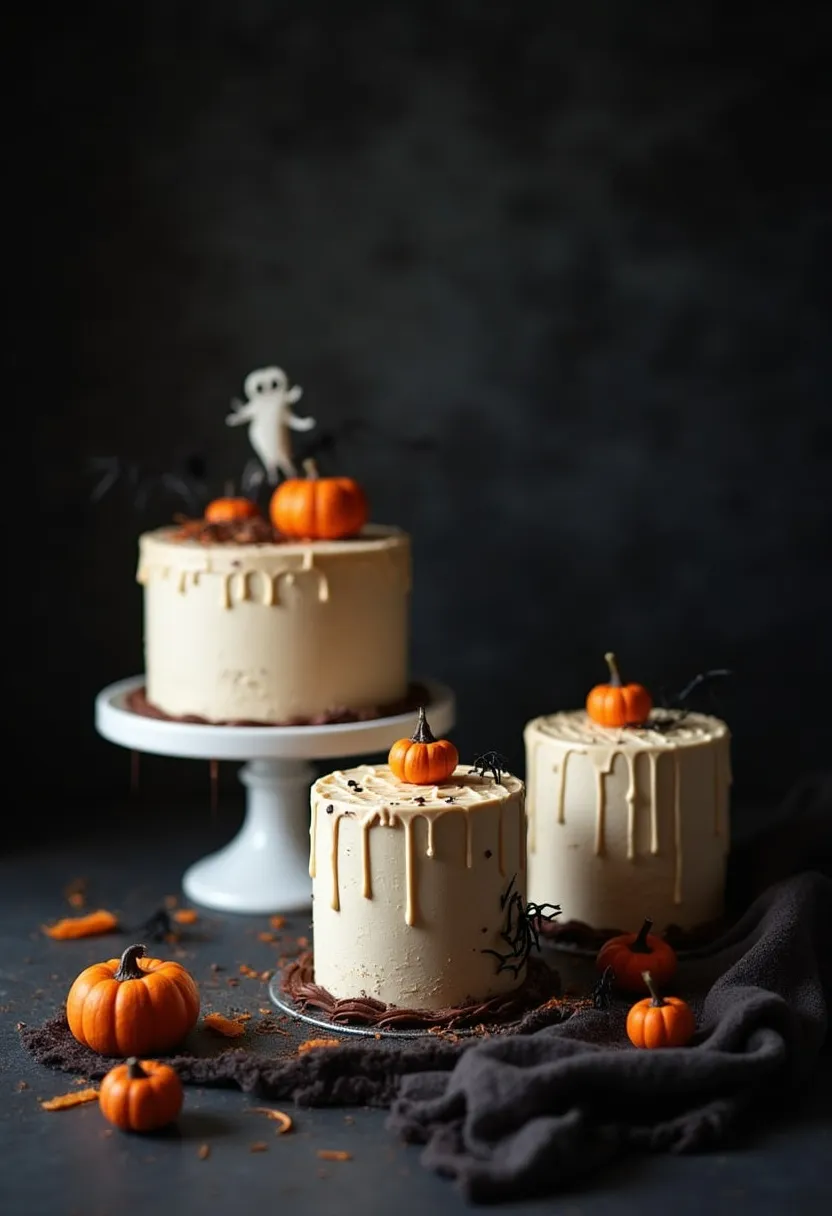
Several elements tend to stand out more strongly in Halloween baking:
- darker or more dramatic color palettes
- higher contrast between decorations and base frosting
- textured finishes that feel intentional rather than polished
Rough edges, uneven frosting, or natural cracks do not necessarily signal mistakes. In the context of Halloween, they often enhance the design and support the theme.
Another important difference is that Halloween cakes often suggest a setting or idea rather than simply looking decorative. A cake might quietly reference a haunted house, a forest at night, a playful monster, or a warm autumn evening through subtle design choices.
This approach makes Halloween cakes more accessible than they might appear at first glance. Bakers do not need advanced technical skills to achieve a strong result. A clear concept, a limited color palette, and a relaxed attitude toward perfection are often enough.
Instead of focusing on precision, Halloween baking encourages expression. That shift in mindset tends to make the entire process more enjoyable, especially for those who are still building confidence in the kitchen 👻
Choosing the Right Cake Base for Spooky Designs 🎂
Every successful Halloween cake begins with a solid foundation. While decorations often attract the most attention, the cake itself quietly supports everything else. It needs to be strong enough to hold frosting and decorations, while still delivering good flavor and texture.
A good Halloween cake base should be moist, stable, and flexible enough to work with different design ideas. Chocolate cake is one of the most popular options, largely because its deep color naturally suits the Halloween aesthetic. It also pairs well with a wide range of frostings and fillings, from simple buttercream to rich ganache.
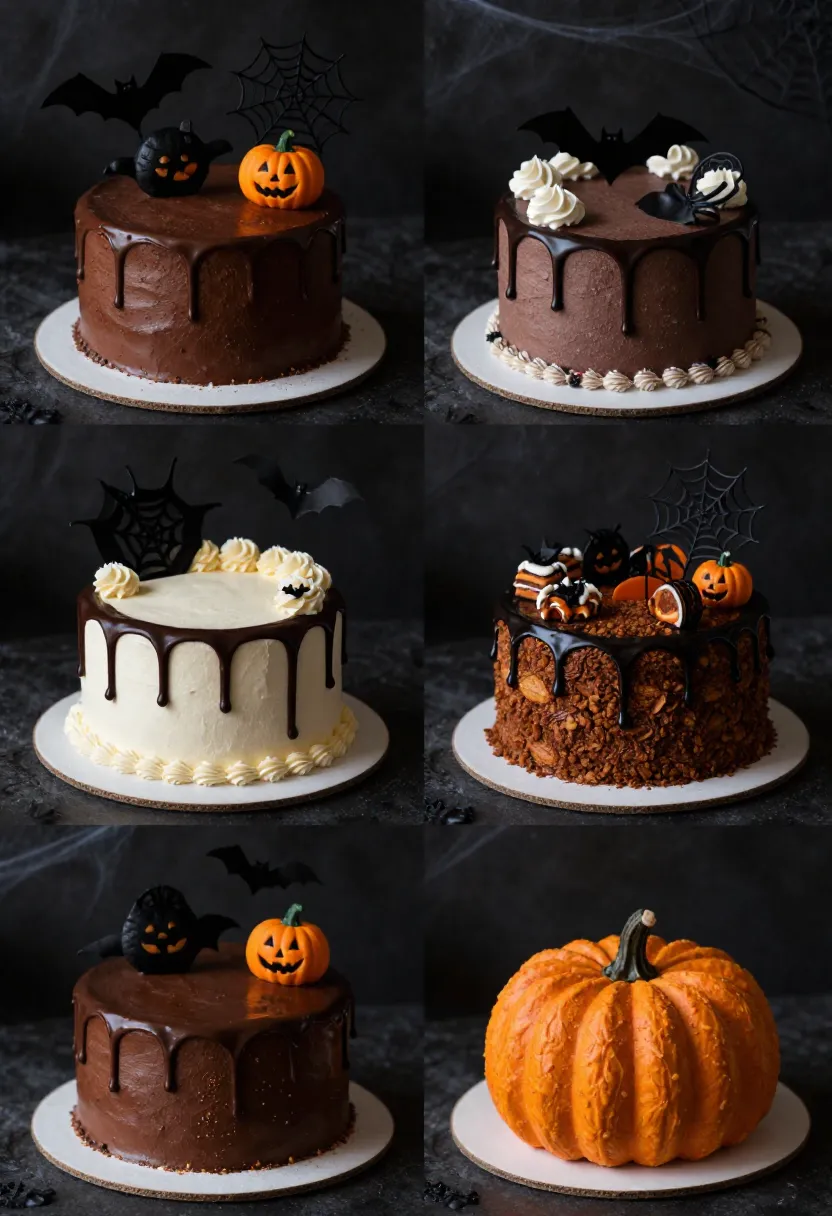
Vanilla cake remains a reliable choice as well. Its neutral flavor makes it especially useful when bold colors or detailed decorations are planned. It allows the exterior design to stand out without competing flavors.
Seasonal cake bases bring an extra layer of comfort and warmth. Pumpkin, spice, and apple-based cakes feel closely connected to autumn and often appeal to a wide audience. These cakes tend to have slightly denser textures, which can be helpful when stacking layers or working with heavier decorations.
The shape of the cake also influences the final result more than people sometimes realize. Sheet cakes are practical and easy to serve, making them ideal for larger gatherings. Bundt cakes offer built-in texture and visual interest with minimal effort. Layered round cakes create a more dramatic presentation and provide additional surface area for creative designs.
Choosing the right cake base does not restrict creativity. Instead, it makes the decorating process smoother and more predictable. A stable, well-chosen foundation allows everything else — flavor, design, and presentation — to come together more naturally 🎂
Building Flavor That Feels Like Autumn 🍁✨
Halloween and autumn are deeply connected, and the most memorable Halloween cakes usually reflect that relationship through flavor. This is not the time of year for light, neutral desserts that disappear after a single bite. Autumn baking leans toward warmth, depth, and a sense of comfort that feels familiar and grounding.
Spices play a major role in creating that feeling. Cinnamon, nutmeg, ginger, and cloves are often the first flavors people associate with fall, and for good reason. They add warmth without overpowering the cake and work well with a wide range of bases. Even small amounts can completely change the mood of a dessert.
Pumpkin continues to be a seasonal favorite because it offers both flavor and texture. Its mild sweetness blends easily with spices, chocolate, and cream-based frostings. Apple flavors bring a different kind of balance. Whether fresh, baked into the cake, or used in fillings, apple adds brightness that keeps richer cakes from feeling too heavy.
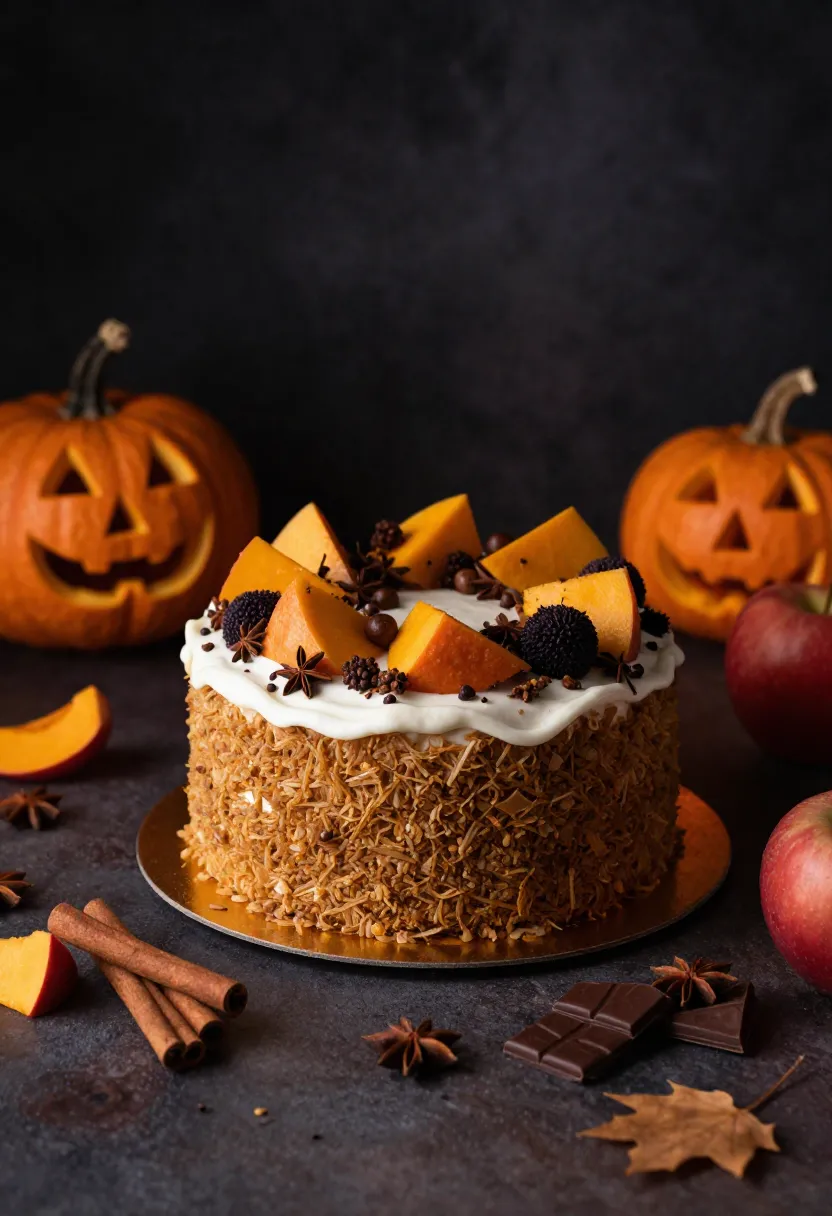
Other autumn flavors often appear in supporting roles rather than taking center stage. Caramel, maple, and brown sugar add depth and nostalgia, reminding people of familiar fall desserts without overwhelming the main flavor. These elements work especially well when used in moderation, allowing the cake to feel rich but still balanced.
Chocolate remains a strong presence in Halloween baking. Dark chocolate, in particular, feels dramatic and indulgent, which naturally suits the season. It pairs well with warm spices and fall flavors, and it also provides a visually striking base for decorations. Subtle additions like coffee, espresso powder, or a touch of orange zest can deepen chocolate flavors without making the cake feel complicated or overly sweet.
When building flavor, restraint is often what makes a cake feel polished. Halloween cakes should feel special, but they should still be enjoyable to eat. In many cases, a cake built around one main flavor, supported by one or two complementary notes, feels more refined than a cake that tries to include everything at once. Balance is what turns seasonal ingredients into a cohesive dessert rather than a collection of competing tastes.
Stress-Free Baking: Setting Yourself Up for Success 🧁
One of the most common mistakes people make with Halloween baking is trying to rush it. While Halloween cakes don’t need to be complicated, they do benefit from a calm, organized approach. A little preparation can make the difference between an enjoyable experience and a frustrating one.
Simple steps taken before baking often prevent problems later. Reading through the recipe in advance, measuring ingredients ahead of time, and clearing enough workspace can reduce stress significantly. When everything is within reach, the process feels smoother and more controlled.
Mixing the batter deserves patience. Gentle, steady mixing helps create a soft and even texture. Overmixing is a frequent issue, especially when people are trying to hurry, and it often leads to dense or tough cakes. Under-mixing can be just as problematic, resulting in uneven baking or pockets of dry ingredients. Taking an extra moment here usually pays off.
Temperature and timing matter as well. Baking a cake at the correct temperature and avoiding frequent oven checks helps it rise evenly. Once baked, cooling should not be rushed. Decorating a warm cake almost always leads to melted frosting, sliding layers, and unnecessary frustration.
Allowing the cake to cool completely may require patience, but it gives you much more control during the decorating stage. Frosting behaves better, layers stay in place, and small adjustments are easier to make.
Halloween baking is meant to be enjoyable. It should feel creative, not chaotic. Slowing down, even slightly, often leads to better results and a far more pleasant experience overall 🎃
Layering, Filling, and Frosting With Confidence 🎨
Layered Halloween cakes often look impressive, but they don’t need to feel intimidating. Most stability issues can be avoided with a few simple techniques. Even layers form the foundation of a cake that stays upright and slices cleanly. Trimming or leveling the tops of cake layers helps prevent leaning and creates a more balanced structure.
Fillings play an important role beyond flavor. They add moisture and contrast, but they also affect how stable the cake feels. Buttercream, cream cheese frosting, chocolate ganache, and thicker fruit fillings all work well, depending on the cake base. The key is consistency. Fillings should be thick enough to support the next layer without squeezing out the sides when weight is added.
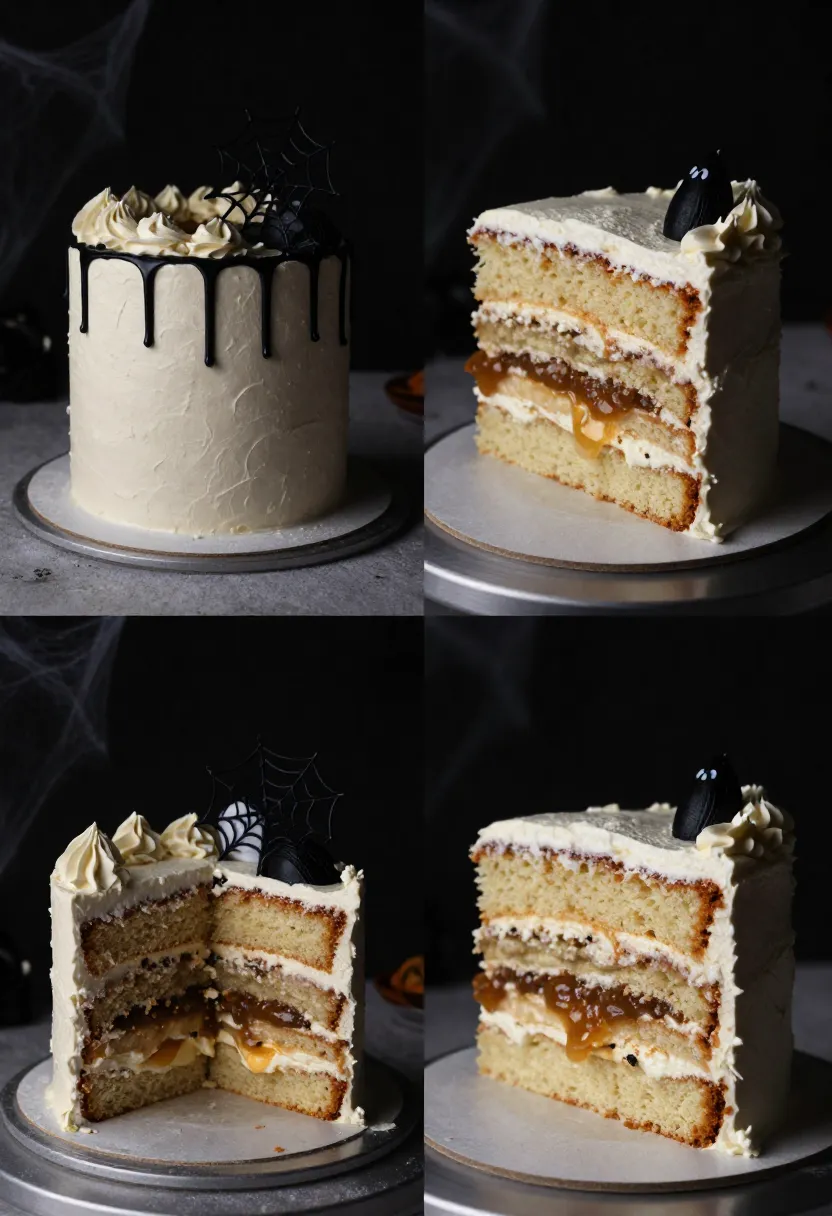
A crumb coat is one of the most useful steps in cake assembly. This thin layer of frosting traps loose crumbs and creates a smoother surface for the final layer. Once chilled, it makes the decorating process cleaner and far less stressful, especially for less experienced bakers.
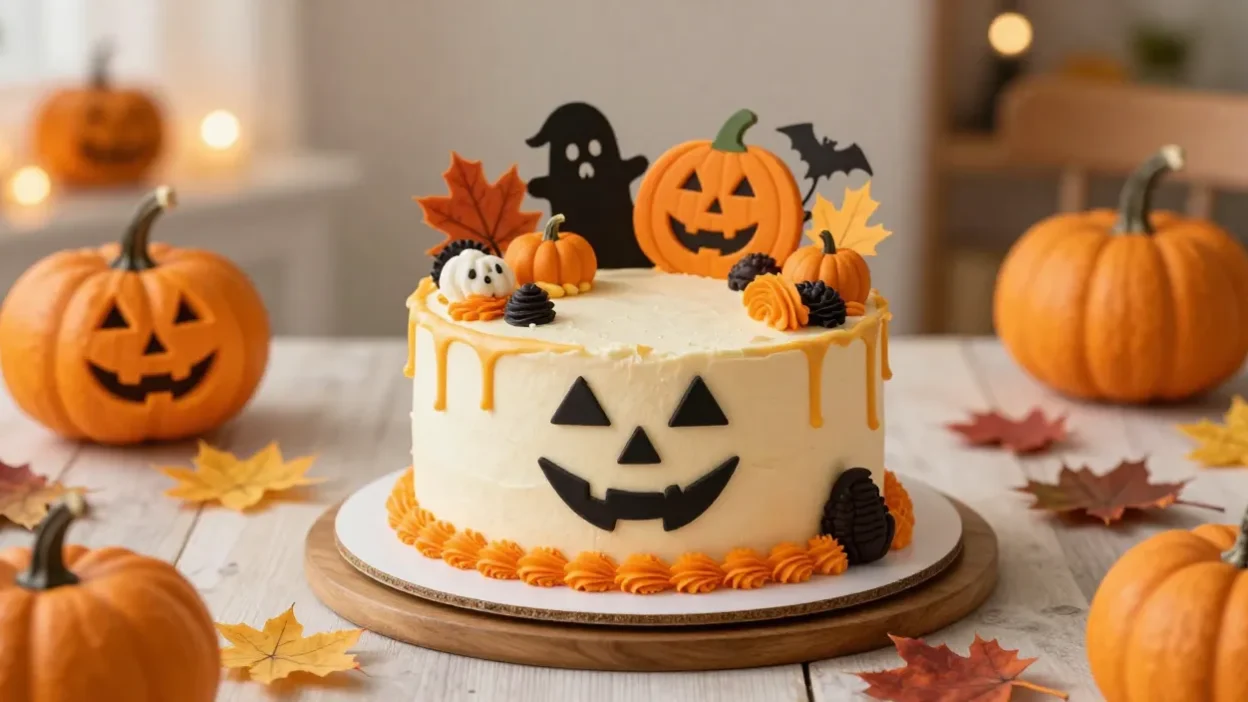
When it comes to the final frosting, precision is optional. Smooth finishes can look elegant, but Halloween cakes often benefit from texture. Swirls, rough strokes, and uneven edges add character and help support spooky or playful themes. These details make the cake feel intentional rather than overly polished.
Frosting should enhance the design, not fight against it. Working confidently, rather than aiming for perfection, often leads to a result that feels more natural and more fitting for Halloween 👻
Decorating Techniques Anyone Can Master 🎃✨
Decorating is the stage where a Halloween cake truly starts to feel alive. This is the moment when a simple baked cake turns into something expressive and seasonal. The good news is that many spooky effects look far more complicated than they actually are. You don’t need professional tools or advanced skills to achieve a strong visual result.
Basic piping techniques alone can go a long way. Simple lines and shapes can easily become spider webs, ghost outlines, dripping borders, or rough textures that suit Halloween themes perfectly. Even a basic piping bag — or a makeshift one — is often enough to create interesting details.
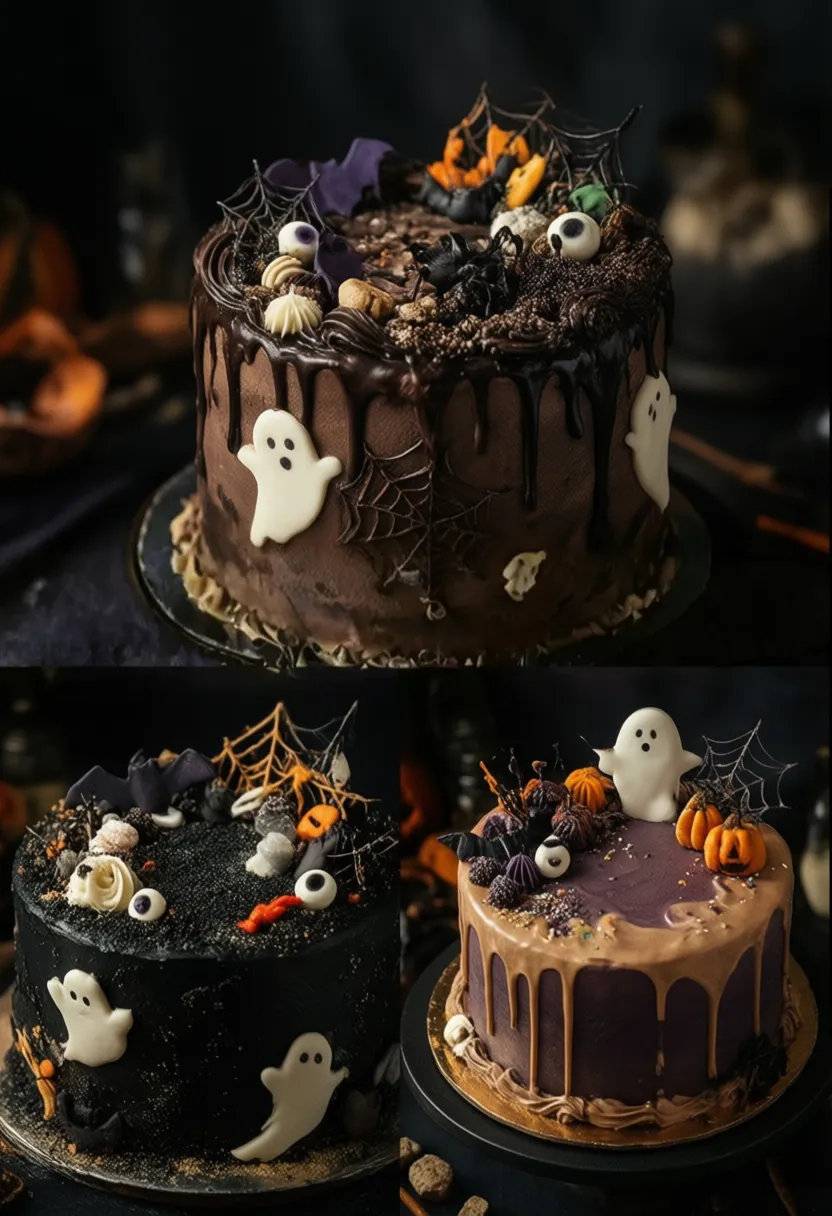
Color choice plays an enormous role in decoration. Traditional Halloween shades like black, orange, purple, and green immediately signal the season, but they are not the only options. Muted neutrals such as gray, off-white, or beige can create a more subtle, eerie effect. Using slightly different shades of the same color, rather than a single flat tone, helps the cake look more natural and visually layered.
Candy decorations are often the easiest way to add personality quickly. They are especially useful when time is limited or when baking with children. Small details can completely change how a cake feels:
- edible eyes instantly bring monsters, mummies, or creatures to life
- crushed cookies work well as “soil” for graveyard-style cakes
- chocolate pieces, pretzels, and sprinkles can be arranged into simple shapes
These elements don’t require precision. In fact, a slightly uneven placement often looks more playful and intentional.
Fondant is another option that doesn’t have to feel intimidating. It doesn’t need to cover the entire cake to be effective. Small fondant accents like bats, pumpkins, bones, or simple cut-out shapes add detail without overwhelming the design. When combined with buttercream textures, fondant can create a layered, handmade look that feels thoughtful rather than overly polished.
Popular Halloween Cake Themes That Always Work 👻🍰
Some Halloween cake ideas continue to appear year after year because they consistently deliver good results. These themes are flexible, familiar, and easy to adapt to different skill levels.
Pumpkin cakes remain a seasonal favorite for many reasons. They are moist, warmly spiced, and naturally connected to autumn. Their flavor tends to appeal to a wide audience, and they don’t require elaborate decoration to feel complete. Simple touches often highlight their charm rather than distract from it.
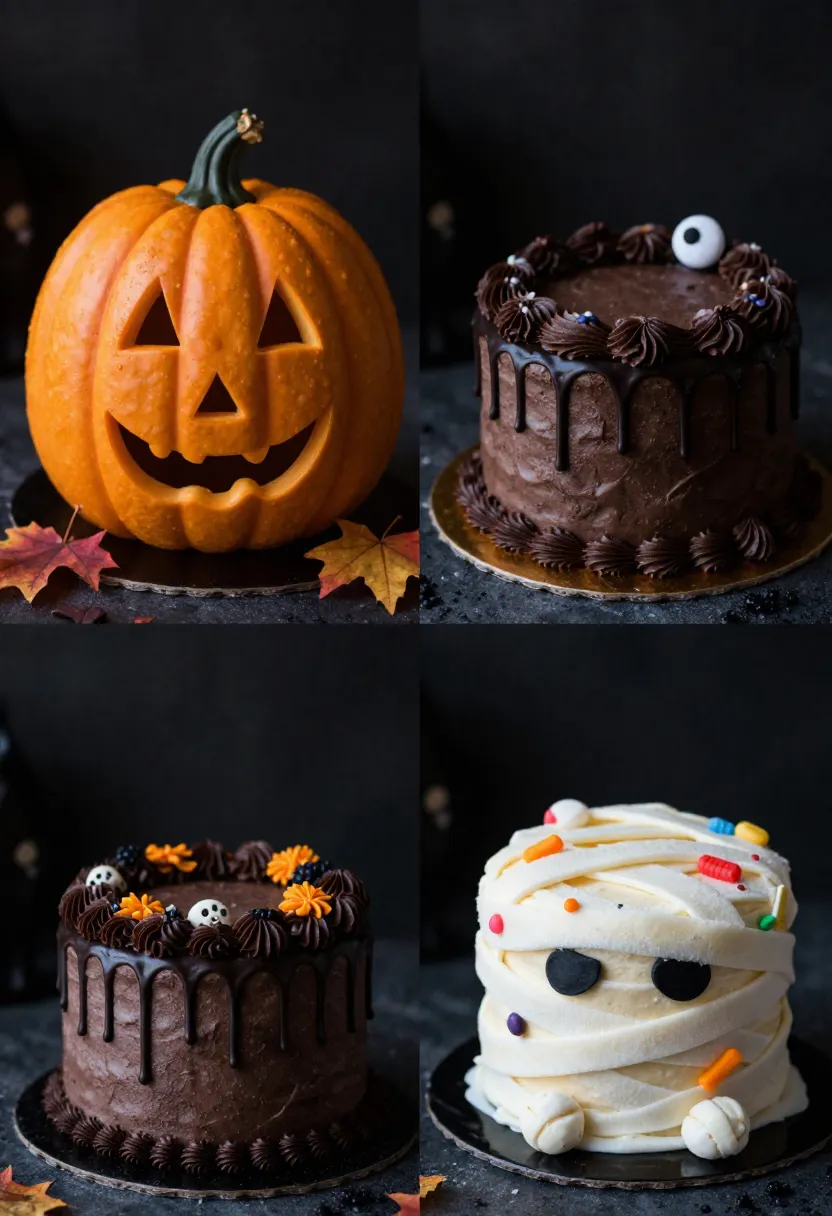
Haunted-inspired cakes focus more on atmosphere than on detail. Dark color palettes, textured frosting, cracks, and intentional drips help create a moody, slightly mysterious look. These cakes are forgiving by nature. Rough edges and uneven finishes often enhance the overall design instead of detracting from it.
Mummy and monster cakes bring a sense of humor and playfulness to the table. Wrapped frosting strips, bold colors, and candy features make them especially popular for children’s parties. These designs are approachable and enjoyable, even for people decorating a cake for the first time.
One of the biggest advantages of these themes is their flexibility. The same basic cake can be transformed in completely different ways depending on the decorations and colors you choose. This makes planning easier and allows you to adjust the design based on time, skill level, or the audience you’re baking for.
Adapting Your Cake to the Occasion 🎉
Not every Halloween celebration calls for the same kind of cake, and that’s part of what makes Halloween baking so adaptable. The occasion often determines how playful, dramatic, or subtle the final result should be.
For children’s parties, cakes tend to focus on friendly designs and bright colors. The goal is usually fun rather than fear. Sweet flavors, recognizable shapes, and playful decorations help keep the cake inviting and approachable. Scary elements are often softened or turned into something humorous.
Adult gatherings often lean in a different direction. Darker tones, richer flavors, and more restrained decoration can create a refined Halloween atmosphere without feeling childish. In these settings, simplicity often feels intentional rather than plain.
Sometimes Halloween plans come together quickly, with very little time for preparation. In those situations, simplicity becomes an advantage rather than a limitation. A basic cake mix, store-bought frosting, and a few themed decorations can still result in a cake that feels festive and thoughtful.
Halloween baking is ultimately about creativity, not perfection. A cake that reflects the mood of the occasion — even in a simple way — often feels more successful than one that tries to do too much. 🎃
Serving, Storing, and Enjoying the Final Result 🍽️❄️
Once the cake is finished, it might feel like the job is done — but the way it’s served and stored can quietly shape the entire experience. Presentation doesn’t need to be elaborate to matter. Small details often make a bigger difference than people expect.
Clean, even slices immediately make a cake more inviting. Using a sharp knife and wiping it between cuts helps keep the edges neat, especially when working with layered cakes or rich frostings. It’s a simple habit, but it noticeably improves how each slice looks on the plate.
Serving can also be a chance to add a final festive touch. Little details go a long way here. A few sprinkles, a candy eye placed just off-center, or a light drizzle of chocolate can turn an ordinary slice into something that feels intentionally Halloween-themed. Themed plates, napkins, or even a dark serving tray help carry the mood without any extra baking effort.
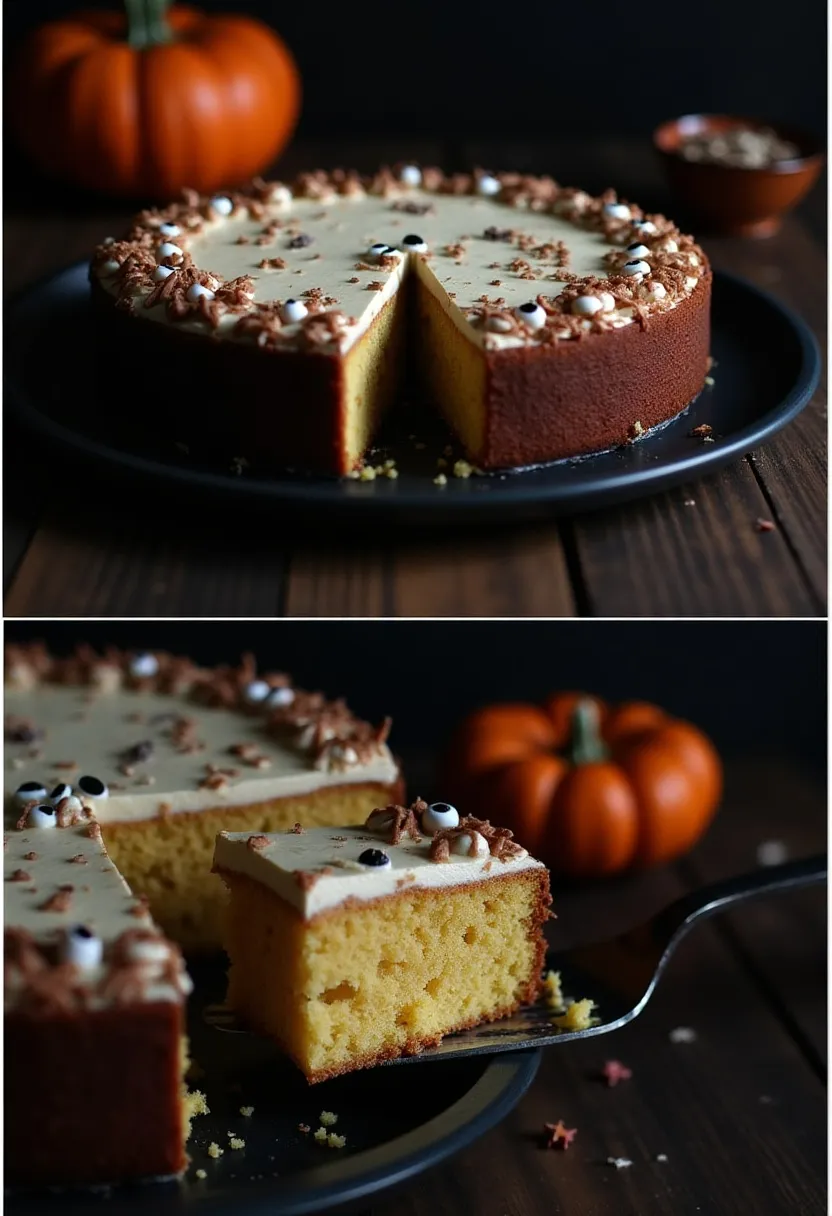
Storage matters just as much, especially if the cake isn’t finished in one sitting. Proper handling keeps the texture and flavor intact:
- cakes with cream-based or dairy-heavy frostings are best stored in the refrigerator, tightly covered
- simpler cakes without delicate toppings can stay at room temperature for a short period, as long as they’re sealed
- slicing only what you need and storing the rest whole often helps the cake stay moist longer
One small but important detail is temperature before serving. Cakes that have been refrigerated usually taste better after sitting at room temperature for a bit. Frosting softens, flavors open up, and the texture becomes more pleasant. It’s a simple step that makes the cake feel freshly made rather than leftover.
In the end, serving and storing aren’t just practical steps. They’re part of caring for something you’ve made by hand — and letting people enjoy it at its best 🍰
Let Halloween Baking Be Fun 🎃🕯️
At its heart, Halloween baking isn’t about precision or perfection. It’s about expression, creativity, and enjoying the process as much as the result. A Halloween cake doesn’t need to be technically flawless or visually perfect to leave an impression.
In fact, the cakes people tend to remember most are often the ones that feel personal. Maybe the frosting isn’t perfectly smooth. Maybe the decorations are a little uneven. But there’s character there. A sense that someone actually made it, rather than assembled it.
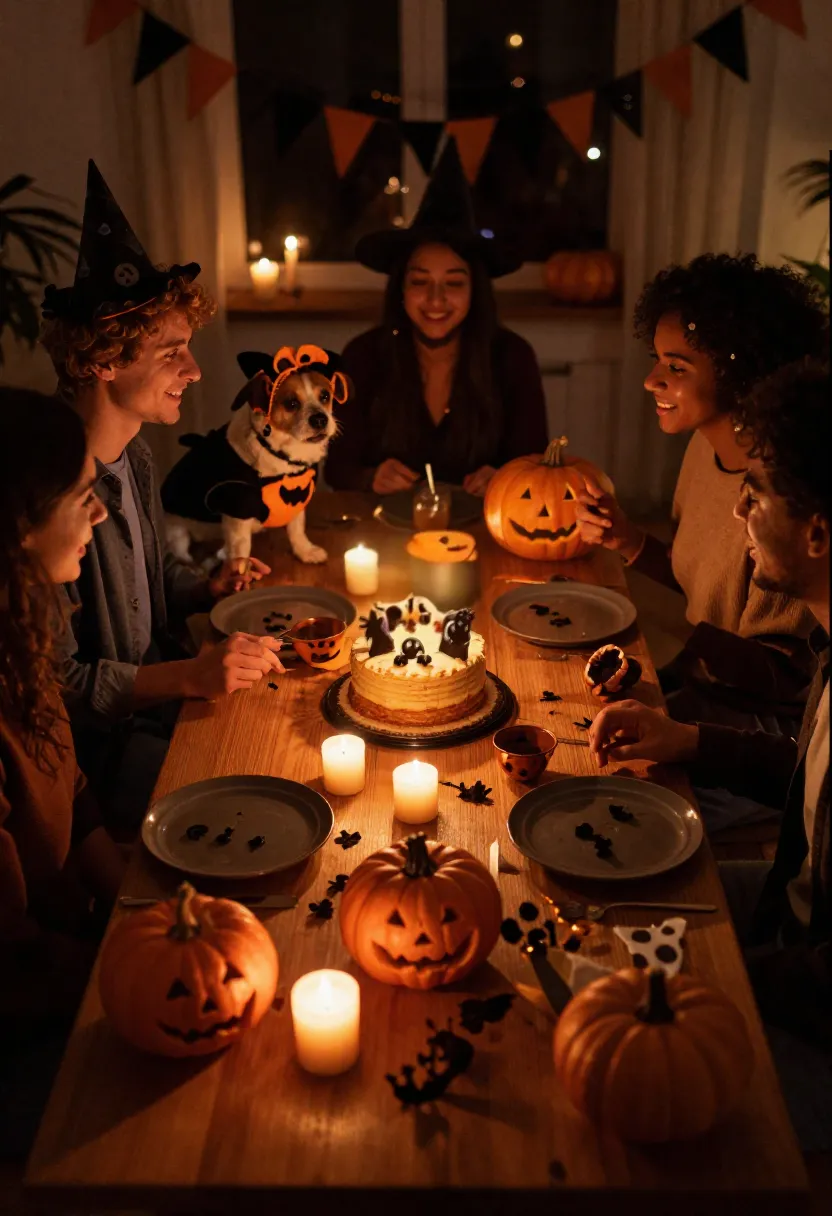
Halloween is one of the few times of year that actively encourages breaking the usual baking rules. You’re allowed to experiment with flavors, play with bold colors, and try ideas that might feel “too much” on another occasion. Trusting your instincts often leads to the most satisfying results.
Whether the cake turns out spooky, silly, elegant, or somewhere in between, the real success lies in enjoying the process. Bake something sweet, have fun with it, and let it reflect your own style. That’s what makes Halloween baking special — and that’s what people remember long after the last slice is gone 👻🍰