Contents
- Healthy Eating vs. Obsession: Where’s the Line?
- What Is Orthorexia? — Definition & Origins
- Warning Signs — When Healthy Habits Become Harmful
- Why It Happens — Psychological, Social & Cultural Triggers
- Health Consequences — When Clean Eating Backfires
- Orthorexia vs Other Eating Disorders — What’s the Difference?
- Who’s at Risk — Profiling Vulnerable Groups
- How to Recognize the Warning Signs in Yourself or Loved Ones
- Why Orthorexia Isn’t Just a Phase — The Risks of Ignoring It
- Steps Toward Balance — How to Eat Mindfully Without Obsession
- Real Stories — When Healthy Eating Became Harmful
- Conclusion — Healthy Eating Should Liberate, Not Enslave
- FAQ — Common Questions About Orthorexia & Healthy Eating
Healthy Eating vs. Obsession: Where’s the Line?
Eating well is supposed to make life feel better.
More energy. Clearer thinking. A calmer body. A sense of doing something good for yourself.
But for some people, the pursuit of “healthy eating” slowly becomes something else — something stressful, rigid, and consuming. Instead of feeling empowered by their choices, they begin to feel trapped by them. Meals require rules. Ingredients must be “pure.” Social events feel overwhelming. Foods once eaten with joy now cause anxiety.
This is where healthy eating crosses an invisible line and turns into orthorexia — an obsessive fixation on eating only foods considered “clean,” “pure,” or “perfectly healthy.” Unlike other eating disorders that focus on how much someone eats, orthorexia is rooted in what someone eats. It’s driven by a desire to be healthy… taken to an extreme where health actually suffers.
It often starts innocently: swapping processed snacks for whole foods, avoiding excessive sugar, choosing organic produce. These are great habits — until they become rules that control your day. You might feel guilty for eating something “not clean,” or spend hours analyzing ingredients, or avoid restaurants because you can’t control the menu.
Orthorexia isn’t officially recognized in all diagnostic systems yet, but its emotional, physical, and social impact is very real. And as wellness culture expands, more people are quietly struggling with this hidden form of disordered eating.
This article will help you understand what orthorexia truly is, how to recognize the warning signs, and what steps you can take to return to a balanced, peaceful relationship with food.
What Is Orthorexia? — Definition & Origins
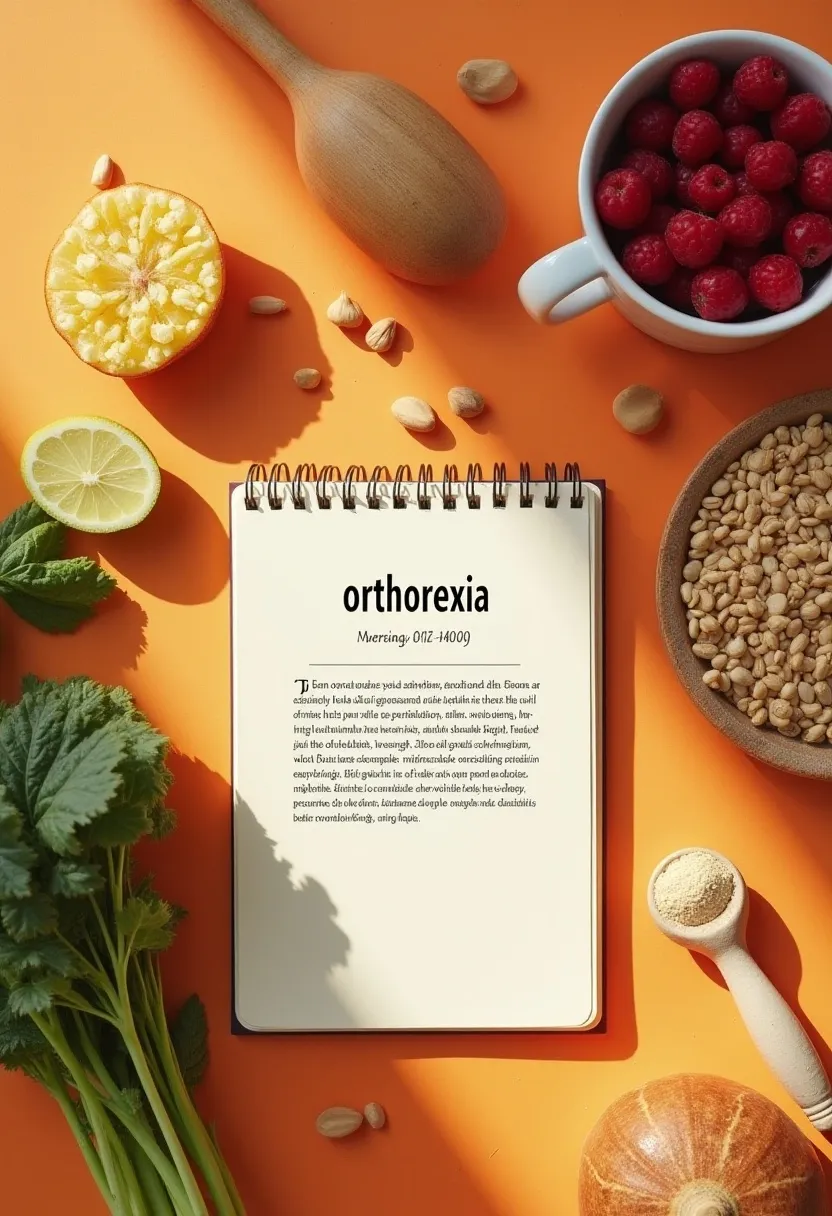
Orthorexia, short for orthorexia nervosa, describes an unhealthy fixation on eating only “pure,” “clean,” or “perfectly healthy” foods. Unlike other eating disorders that focus on portion sizes or body weight, orthorexia is centered around food quality, strict rules, and the idea of achieving health through absolute dietary control.
The term was first introduced in 1997 by Dr. Steven Bratman, who noticed that some of his patients were so focused on eating “correctly” that it started to interfere with their well-being. These individuals weren’t trying to lose weight — they were trying to be healthy. But their pursuit of health became rigid, consuming, and ultimately unhealthy.
People with orthorexia often:
- obsess over ingredient lists
- avoid entire food groups they believe are “impure”
- follow strict food rules that grow more restrictive over time
- feel anxious, guilty, or distressed when they eat something outside their rules
- experience social withdrawal because eating with others feels unsafe or stressful
What makes orthorexia especially tricky is that society often praises “clean eating” and extreme wellness habits. It can feel like dedication or discipline — when really, it may be a sign of distress beneath the surface.
At its core, orthorexia isn’t about vanity or weight. It’s about control, fear, and the belief that perfect health comes from perfect food. And while healthy eating is wonderful, no diet should dominate your thoughts, isolate you from others, or make you feel afraid of your own plate.
Warning Signs — When Healthy Habits Become Harmful
Orthorexia rarely appears overnight. It usually begins with positive intentions — eating more whole foods, cutting back on processed meals, paying attention to nutrition. But over time, the desire to “eat well” can harden into strict rules, fear, and obsession. The shift is subtle at first, but the warning signs become clearer as food starts to take up more mental space than it should.
One of the earliest signs is rigidity. A person may create firm rules about what is “allowed” and what is “forbidden,” and breaking these rules brings intense guilt or anxiety. Meals must fit the rules perfectly — otherwise, they don’t feel edible at all. Grocery shopping takes hours because every label must be inspected. Eating out becomes complicated, stressful, or avoided entirely because the person can’t control every ingredient.
Another sign is the narrowing of acceptable foods. Someone might begin by eliminating processed treats or sugary drinks — but over time, they also remove dairy, gluten, oils, grains, seasonings, or any food that feels “imperfect.” The list of “safe” foods gets smaller and smaller, even if the person doesn’t realize how restrictive it has become.
Emotional distress is also common. Eating something “unhealthy” can trigger worry, shame, or panic. Food becomes a moral issue — not nourishment. People may judge themselves harshly for any perceived slip, convinced they’ve harmed their body.
Social life often starts to shrink too. Shared meals with family or friends become difficult because the menu isn’t guaranteed to be “clean.” Invitations may be declined, or the person may insist on bringing their own food everywhere. What once was joy or connection now feels unsafe.
And perhaps the clearest warning sign is when food takes up so much mental space that it crowds out the rest of life — hobbies, relationships, spontaneity, comfort. When eating becomes a source of stress instead of nourishment, it’s no longer about health.
If any of these patterns feel familiar, it may be a sign that healthy habits have begun to slip into harmful territory — and it’s important to pay attention with compassion, not judgment.
Why It Happens — Psychological, Social & Cultural Triggers

Orthorexia doesn’t come out of nowhere.
It grows at the intersection of psychology, personality, and a culture obsessed with wellness. For many people, it starts with good intentions — wanting to feel healthier, stronger, more in control. But certain influences can turn that desire into something rigid and overwhelming.
One major factor is perfectionism. People who naturally strive to “do things right” may feel drawn to strict eating rules because they offer a sense of order and achievement. Food becomes a way to measure success. Every “clean” meal feels like winning; every deviation feels like failing. Over time, eating perfectly becomes part of their identity.
Another common trigger is anxiety or a need for control. When life feels uncertain, controlling food can create a temporary sense of stability. Choosing “pure” foods may feel protective — like a shield against illness, discomfort, or stress. But this eventually backfires, because the rules become more demanding than calming.
Social media and wellness culture play a major role too. Platforms are filled with influencers promoting extreme “clean eating,” detoxes, raw diets, low-everything regimens, and endless “food rules.” These messages often sound scientific or ethical, even when they’re not. It’s easy to absorb the idea that only “perfect” foods are acceptable and anything processed or convenient is dangerous.
Cultural trends amplify this pressure. Words like “clean,” “pure,” “guilt-free,” or “toxic ingredients” are everywhere — from packaging to blogs to fitness communities. You’re praised for saying no to sugar, dairy, gluten, oils, or entire food groups, even when there’s no real medical reason to avoid them. Orthorexia often hides behind compliments like “you’re so disciplined” or “you eat so healthy.”
Past experiences can also contribute. Someone who once struggled with illness, digestive issues, weight concerns, or body image may turn to strict eating as a way to feel safe or in control. Even trauma or health scares can push a person toward rigid food beliefs.
In the end, orthorexia grows where stress, fear, misinformation, and perfectionism intersect. It’s not about vanity — it’s about trying to protect yourself, but turning to a method that ends up doing the opposite.
Health Consequences — When Clean Eating Backfires

Orthorexia can be easy to overlook at first because it often looks like “discipline” or “healthy choices.” But beneath that polished exterior, the physical and emotional consequences can be surprisingly serious. What starts as a pursuit of wellness can slowly become something that undermines health in profound ways.
One of the biggest risks is nutritional deficiency. When someone continually restricts more and more foods — cutting out fats, grains, dairy, carbs, oils, or anything not deemed “pure” — the diet can become too narrow to provide essential nutrients. Deficiencies in iron, calcium, vitamin B12, omega-3s, or complex carbohydrates can develop quickly and silently.
Low energy, dizziness, hair loss, digestive issues, menstrual irregularities, weakened immunity, and difficulty concentrating can all appear as a result. Ironically, the body becomes less healthy than when the person first began their “clean eating” journey.
Another major consequence is damage to metabolism and digestion. Eating too little, too rigidly, or without enough variety can slow down metabolic function. The gut microbiome may also suffer when food diversity shrinks — reducing beneficial bacteria and increasing digestive discomfort. Those pursuing extreme dietary purity often feel bloated, fatigued, or uneasy after meals, even when they’re trying their hardest to be “healthy.”
Emotionally, orthorexia can lead to profound anxiety, especially around meals that fall outside of strict rules. The fear of “unclean” foods can cause guilt, shame, or panic, making everyday eating feel stressful instead of nourishing. Many people with orthorexia also develop a fear of social events, travel, or restaurants because they can’t control the menu.
Over time, this creates isolation. Eating becomes a solitary activity, disconnected from joy, culture, or community. Food loses its emotional richness and becomes purely functional — a checklist of rules rather than a source of pleasure or connection.
And perhaps the heaviest consequence is the mental toll. Constantly evaluating food for purity, reading labels, checking ingredients, and avoiding “unsafe” dishes can consume huge amounts of mental energy. Life becomes smaller, narrower, and more rigid. What once promised health now drains emotional well-being.
Orthorexia doesn’t just affect the plate — it affects the whole person. And understanding its real costs is a powerful first step toward reclaiming balance.
Orthorexia vs Other Eating Disorders — What’s the Difference?
Orthorexia often gets grouped with other eating disorders, but it has a unique shape — one that can make it harder to spot and even harder for a person to recognize in themselves. While conditions like anorexia or bulimia focus heavily on quantity of food, weight, or body image, orthorexia is defined by an obsession with food quality and the idea of perfect health.
Someone with anorexia may restrict food to lose weight or avoid weight gain.
Someone with bulimia may binge and purge to control calories.
But someone with orthorexia restricts food because they believe certain ingredients are “impure,” “unsafe,” or “unhealthy,” even if those beliefs aren’t grounded in science.
This distinction is subtle yet crucial.
A person with orthorexia is often less concerned with the number on a scale and more concerned with maintaining strict dietary purity. The fear isn’t usually weight gain — it’s fear of eating something “wrong.” Their food choices are driven by anxiety around health, toxins, or wellness ideals rather than body shape.
There are similarities, too. All eating disorders can involve rigid rules, emotional distress around food, guilt, and a sense of losing control. Orthorexia may even develop alongside or evolve into other eating disorders if the pattern of restriction becomes extreme. And like other conditions, it can cause malnutrition, social withdrawal, and emotional exhaustion.
One reason orthorexia is harder to recognize is that society tends to praise its early stages. “Clean eating,” avoiding processed foods, choosing organic, or cutting out ingredients can look admirable from the outside. But what makes orthorexia distinct is the fear, the loss of freedom, and the point at which healthy habits stop supporting well-being and start damaging it.
Understanding these differences helps ensure that people struggling with orthorexia aren’t overlooked simply because they seem “healthy.” The issue isn’t the desire to eat well — it’s when that desire becomes all-consuming.
Who’s at Risk — Profiling Vulnerable Groups

Orthorexia can affect anyone — but certain personality traits, lifestyles, and environments make some people more vulnerable than others. It often emerges where the desire for control, perfection, or health meets a culture that glorifies “clean eating” and extreme wellness routines.
People who are naturally perfectionistic or detail-oriented are at higher risk. The idea of following strict rules or achieving the “perfect” diet may align with their need for structure. For these individuals, food becomes another area where they can excel… until the rules become too rigid to manage.
Another vulnerable group includes those who struggle with anxiety, especially health-related anxiety. Eating only “pure” foods might initially feel like a way to protect themselves from illness or discomfort. But as fear grows, the list of acceptable foods can shrink rapidly.
Athletes and fitness enthusiasts are also at higher risk. The fitness world often promotes strict diets, supplements, and the idea of “fueling” the body in an optimal way. Performance pressure, body expectations, and constant nutrition messaging can push some people toward obsessive eating patterns.
People who work in nutrition, wellness, or healthcare may also be susceptible. These fields often require deep knowledge about food and health — which can unintentionally turn into hyper-awareness and self-imposed rules. Dietitians, trainers, or health influencers may feel pressure to embody the “ideal lifestyle.”
Young adults and teens are another vulnerable group, especially in a world shaped by social media. Platforms full of “what I eat in a day” videos, detox trends, or restrictive “clean eating” protocols can heavily influence those who are still forming their identity and relationship with food.
Lastly, individuals who have struggled with body image, self-esteem, or past eating disorders are at higher risk. Orthorexia can feel like a “healthier” or more socially acceptable version of control — even though the underlying patterns mirror other forms of disordered eating.
The core pattern across all these groups is the same: a desire to feel healthy, safe, or in control, amplified by messages that equate purity with virtue. When those messages become internalized, the risk of orthorexia increases.
How to Recognize the Warning Signs in Yourself or Loved Ones
Recognizing orthorexia isn’t always easy — especially because it often hides behind habits that appear admirable. Someone who avoids processed foods, cooks at home, or reads ingredient labels doesn’t necessarily have a problem. The difference lies in flexibility, freedom, and emotional comfort. When those disappear, the warning signs become clearer.
One of the first indicators is anxiety around food choices. If eating something “unplanned” or “imperfect” causes stress, guilt, or a sense of failure, that’s a sign the relationship with food may be shifting from mindful to obsessive. Meals that should bring satisfaction instead create worry or a sense of danger.
Another sign is hyperfocus on ingredients. Reading labels isn’t harmful on its own, but constantly scanning for “bad” ingredients, obsessing over purity, or rejecting foods based on minor details can reveal deeper fear-driven habits. When every meal requires extensive mental evaluation, the burden becomes overwhelming.
You may also notice increasing restriction. Someone might start by cutting out sugar or processed foods, then later eliminate fats, gluten, dairy, oils, grains, or entire categories of everyday ingredients — all without legitimate medical reasons. Over time, the acceptable list becomes so short that variety disappears completely.
Social avoidance is another hallmark. Declining dinners, avoiding restaurants, skipping holidays, or bringing personal food everywhere can signal that eating outside one’s rules feels unsafe. What begins as “healthy discipline” slowly becomes isolation.
Loved ones might also notice irrational fear or moral judgment around food. Phrases like “that food is toxic,” “I can’t eat that or I’ll ruin my health,” or “I only eat clean — everything else is garbage” suggest an unhealthy emotional charge. Food becomes moral: some choices “pure,” others “dirty.”
Lastly, pay attention to the mental load. If thoughts about food take up much of the day — planning, researching, calculating, worrying — it may be a sign that healthy eating is no longer just a habit but a dominating force.
Recognizing these signs is not about blame. It’s about awareness. Orthorexia grows quietly, often unnoticed, until it starts interfering with health, joy, and daily life. The earlier it’s seen, the easier it is to restore balance.
Why Orthorexia Isn’t Just a Phase — The Risks of Ignoring It
Orthorexia may begin with harmless intentions, but it rarely stays that way. The longer someone follows strict dietary rules, the more deeply these patterns take root — and the harder they become to break. That’s why treating orthorexia as “just a healthy phase” or “a bit of discipline” can be dangerous. The consequences don’t simply fade with time; they often intensify.
One of the biggest risks is progressive restriction. What starts as avoiding a few “unhealthy” foods can gradually expand into eliminating whole categories: carbs, fats, cooked foods, foods with additives, foods that aren’t organic, foods prepared by others, and so on. Over months or years, the diet can become so limited that it’s nearly impossible to maintain adequate nutrition.
Left unchecked, this can lead to serious physical health issues: weakened immunity, fatigue, dizziness, digestive problems, nutrient deficiencies, hormonal imbalance, brittle hair and nails, and menstrual disruption. The body becomes stressed, not strengthened, by deprivation.
Orthorexia can also severely affect mental health. The constant pressure to eat perfectly creates a cycle of guilt, shame, and fear. Every meal becomes a test; every deviation feels like a failure. Over time, this leads to heightened anxiety, obsessive thoughts, and emotional exhaustion. Some people also develop depression as their world becomes smaller and more constrained.
The social cost is equally significant. When eating becomes stressful, it becomes easier to avoid situations involving food altogether. People may withdraw from gatherings, dates, holidays, or travel because they can’t control what’s being served. This isolation deepens the disorder and removes an important source of emotional support.
Most importantly, untreated orthorexia can lead to or evolve into other eating disorders, especially anorexia, ARFID, or binge–restrict cycles. The rigidity and fear that define orthorexia don’t stay static — they intensify without intervention.
It’s important to recognize that orthorexia isn’t a lifestyle choice; it’s a serious issue that deserves attention, compassion, and support. The sooner it’s acknowledged, the sooner someone can begin rebuilding a healthier, freer relationship with food.
Steps Toward Balance — How to Eat Mindfully Without Obsession
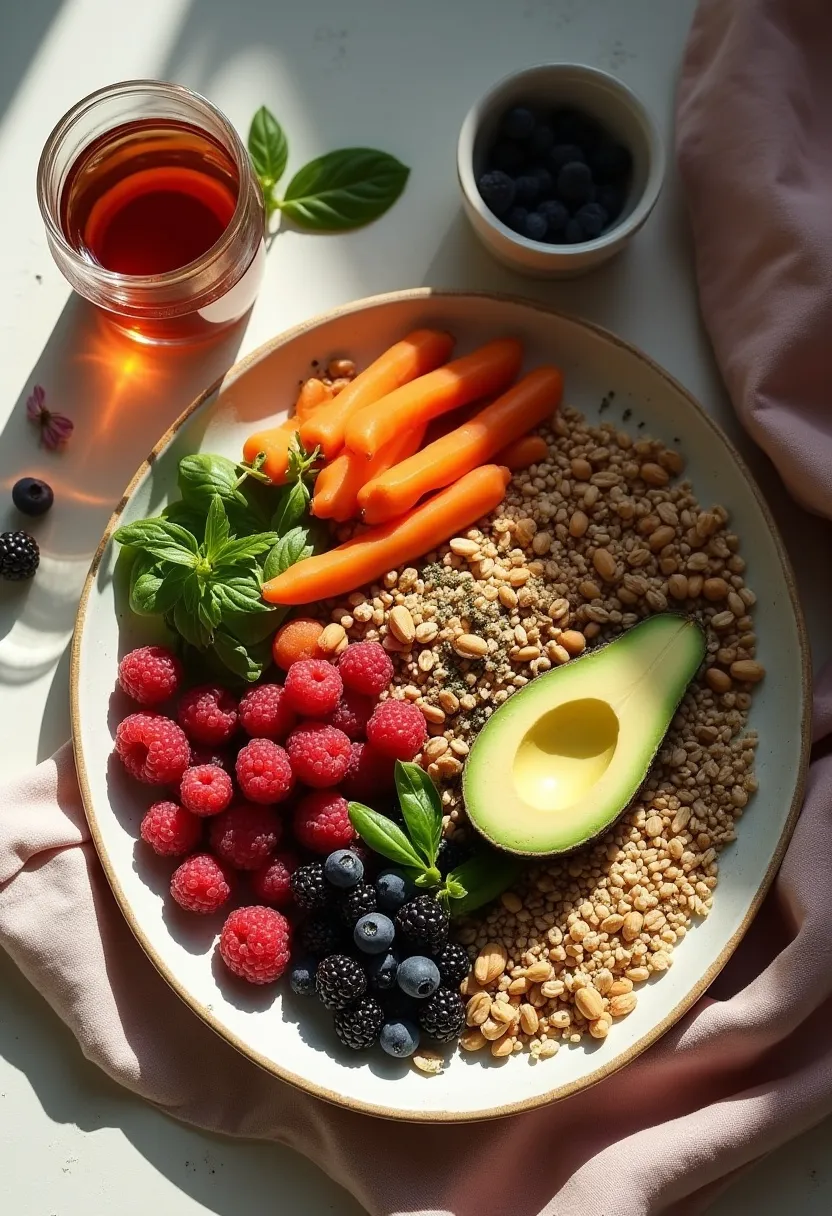
Finding a healthy relationship with food isn’t about swinging from restriction to carelessness — it’s about finding the middle ground, where nourishment supports your life rather than dominates it. If you recognize orthorexic tendencies in yourself or someone else, the goal isn’t to abandon healthy habits but to rebuild a sense of flexibility, comfort, and trust around eating.
The first step is loosening rigid rules. Instead of labeling foods as “good” or “bad,” try thinking in terms of balance and frequency. No single meal determines your health, and no food is inherently toxic in normal amounts. Reintroducing variety — even in small steps — helps reduce fear and restore confidence.
Another powerful tool is mindful eating, but in its true, non-restrictive sense. That means tuning into hunger, satisfaction, and pleasure — not monitoring purity or perfection. Ask yourself: “What would feel nourishing right now?” rather than “What fits my rules?” This shift helps you reconnect with your body instead of your fears.
It can also help to challenge all-or-nothing thinking. If you view one ingredient as “ruining everything,” try reframing: “This is just one meal. My body is resilient.” Over time, small mindset shifts break down the pressure to eat flawlessly.
Social support is essential too. Sharing meals with others — even if it feels uncomfortable at first — can help rebuild trust and flexibility. Eating food prepared by someone else is a big step for many recovering from orthorexic patterns, and celebrating these moments is important.
Most people benefit from professional support, especially from dietitians or therapists experienced in eating disorders. They can help identify fears, build coping strategies, and restore balanced nutrition. Orthorexia is rooted in anxiety and perfectionism, and having guidance makes the journey safer and smoother.
Lastly, allow yourself to rediscover what food is meant to be: connection, comfort, culture, joy, nourishment — not a test of purity or discipline. Healthy eating should support your life, not consume it.
In the end, balance isn’t about giving up your interest in nutrition.
It’s about giving up the fear.
Real Stories — When Healthy Eating Became Harmful

Behind every case of orthorexia is a human story — often quiet, often hidden, but always meaningful. These examples aren’t meant to diagnose anyone; they’re meant to illustrate how easily a well-intentioned lifestyle can drift into something harmful, even without someone realizing it.
One young woman began her journey by cutting out fast food and sugar, hoping to improve her energy. As compliments rolled in — “You’re so disciplined,” “Your diet is amazing” — she felt encouraged to do more. Soon she avoided gluten, then dairy, then anything not organic. Restaurants felt impossible. She brought her own meals everywhere, terrified of “contaminating” her body with the wrong ingredients. What started as self-care slowly became isolation, anxiety, and malnutrition.
Another story comes from a man in his 30s who dove into fitness culture. He started meal prepping, tracking macros, and following influencers who promoted extreme clean eating. Over time, he began to fear oils, sauces, processed foods, and anything he didn’t cook himself. Invitations to dinner made him panic. He told himself he was just being “healthy,” but he no longer enjoyed a single meal — everything felt like a challenge to control.
A third example comes from a teen who struggled with acne and digestive issues. After watching wellness videos online, she eliminated more and more foods in hopes of healing her body. Her meals became so limited that she constantly felt tired and cold. Even though her skin improved slightly, her mental health suffered deeply. She didn’t see the danger; she only saw her “healthy choices.”
What these stories have in common is not vanity or weakness — but fear, pressure, and a deep desire to do the “right thing.” Orthorexia often appears in people who care deeply about their bodies, their health, and their well-being. But somewhere along the way, the pursuit of health becomes a prison instead of a path to wellness.
Realizing that food rules have taken over isn’t a failure — it’s the first step toward reclaiming freedom and balance.
Conclusion — Healthy Eating Should Liberate, Not Enslave
At its best, healthy eating is empowering. It gives you more energy, supports your mood, strengthens your body, and helps you live life more fully. But when those intentions twist into strict rules, constant worry, or fear-driven decisions, food can start to feel more like a burden than nourishment.
Orthorexia reminds us that how we think about food is just as important as what we choose to eat. A balanced lifestyle isn’t built on perfection — it’s built on flexibility, compassion, and trust. It’s being able to enjoy a home-cooked meal, a holiday treat, or a dinner out with friends without feeling guilty or distressed. It’s recognizing that your body is resilient, adaptable, and far stronger than a single ingredient or meal.
Healing from orthorexic tendencies doesn’t mean abandoning your interest in health. It means reclaiming freedom — allowing yourself to enjoy food without fear, embracing both nourishment and pleasure, and understanding that healthy eating supports your life instead of controlling it.
Food is meant to bring connection, comfort, culture, variety, and joy.
When eating becomes rigid or stressful, it’s a sign to pause and reflect.
You deserve a relationship with food that feels peaceful, confident, and flexible — not one ruled by fear or obsession. And if the pursuit of “purity” is pulling you away from that, it’s time to restore balance and give yourself permission to eat with ease again.
FAQ — Common Questions About Orthorexia & Healthy Eating
1. Is orthorexia an official medical diagnosis?
Not yet — orthorexia nervosa isn’t currently classified as a standalone eating disorder in major diagnostic manuals.
However, many health professionals recognize it as a real and serious issue because its symptoms overlap with clinically significant disordered eating patterns.
2. How do I know if my healthy eating has gone too far?
Ask yourself:
- Do I feel anxious or guilty when I eat something outside my rules?
- Have I cut out many foods without medical necessity?
- Do I avoid social situations because of food?
- Does planning meals take up too much mental space?
If the answer to several of these is “yes,” you may be slipping toward orthorexia.
3. Can someone have orthorexic tendencies without having a full disorder?
Absolutely. Orthorexia exists on a spectrum.
Many people show mild or moderate symptoms — strict rules, fear of certain foods, anxiety around restaurants — even if they don’t meet full diagnostic criteria. Early awareness helps prevent escalation.
4. Is orthorexia really harmful if the person is just “eating healthy”?
Yes.
Even if intentions are good, rigid restriction can lead to:
- nutrient deficiencies
- chronic stress
- social withdrawal
- anxiety or depression
- digestive problems
- weakened immunity
Healthy habits stop being healthy when they start causing harm.
5. What’s the difference between clean eating and orthorexia?
Clean eating is flexible and positive — it encourages whole foods but allows for freedom and balance.
Orthorexia is rigid and fear-driven — the person must eat “perfectly,” or they feel guilt and distress.
The difference lies in flexibility, emotion, and impact on life.
6. Can orthorexia turn into other eating disorders?
Yes.
If restriction intensifies, orthorexia can transition into anorexia, ARFID, or other forms of disordered eating.
The earlier it’s addressed, the easier it is to recover.
7. How do you support someone who might have orthorexia?
Approach gently. Use empathy, not confrontation.
Encourage open conversation about stress, fear, or pressure around food.
Suggest professional support if the person seems overwhelmed or distressed.
Offer shared meals without judgment.
8. How can I get help if I suspect I have orthorexia?
Reach out to a therapist, counselor, or dietitian who specializes in eating disorders.
You could also speak with a doctor for referrals.
Recovery is absolutely possible — and asking for help is the strongest first step.