Contents
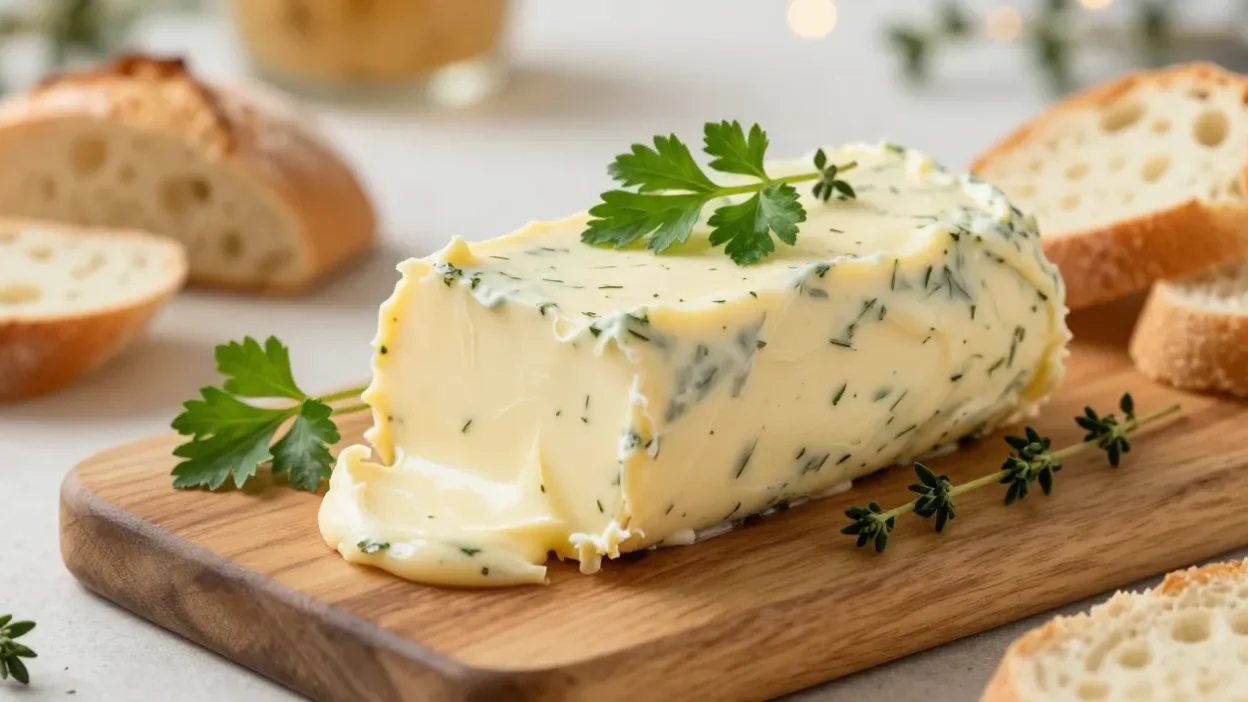
There’s something deeply satisfying about watching a few completely ordinary ingredients turn into something unexpectedly impressive. Butter. Garlic. A handful of fresh herbs. That’s really all it takes. No rare imports. No complicated techniques. No long ingredient list that makes you question your life choices in the grocery store.
And yet, once they come together, the result feels almost indulgent.
When butter softens at room temperature, it changes character. It becomes pliable, almost fluffy, ready to absorb whatever you fold into it. The moment you mince fresh garlic, that unmistakable aroma hits — sharp, warm, slightly spicy. It wakes up the kitchen. Then come the herbs. Parsley smells green and clean. Thyme brings a subtle earthiness. Chives add that gentle onion note that feels familiar and comforting 🌿.
When these ingredients are combined, something shifts. The butter doesn’t just hold them — it rounds them out. Garlic loses its harsh edge and becomes smoother. Herbs disperse evenly instead of sitting in random pockets. Everything feels integrated. Balanced.
Garlic herb butter doesn’t need attention to prove its value. It works quietly in the background, and yet the difference is noticeable almost immediately. The moment it touches heat, it starts to melt slowly, turning glossy and aromatic. It seeps into the surface of hot food and enhances it from the inside out.
A small spoonful can:
- add depth to roasted vegetables without overpowering them
- soften the crust of grilled meat and create a natural sauce
- turn simple bread into something you keep tearing pieces from
- make quick pasta feel like you actually planned dinner
Butter has this unique ability to carry and distribute flavor evenly across the palate. Instead of sharp bursts of garlic or random flecks of herbs, you get cohesion. Each bite tastes complete. Nothing feels out of place.
And maybe that’s what makes it so appealing. It doesn’t complicate food — it refines it. It makes everyday meals feel slightly more intentional, even if the effort behind them was minimal.
Why Homemade Just Feels Better
There’s a difference between something prepared in your own kitchen and something sealed in a factory container. It’s subtle at first, but once you notice it, it’s hard to unnotice.
Store-bought flavored butters are built for consistency and shelf life. That usually means dried herbs, higher salt levels, and flavors designed not to offend anyone. They’re stable. Predictable. Fine.
But homemade garlic herb butter tastes alive.
Fresh herbs bring brightness that dried versions simply can’t replicate. Garlic smells vibrant rather than muted. The texture stays creamy and natural, without the slightly waxy feel some packaged versions have.
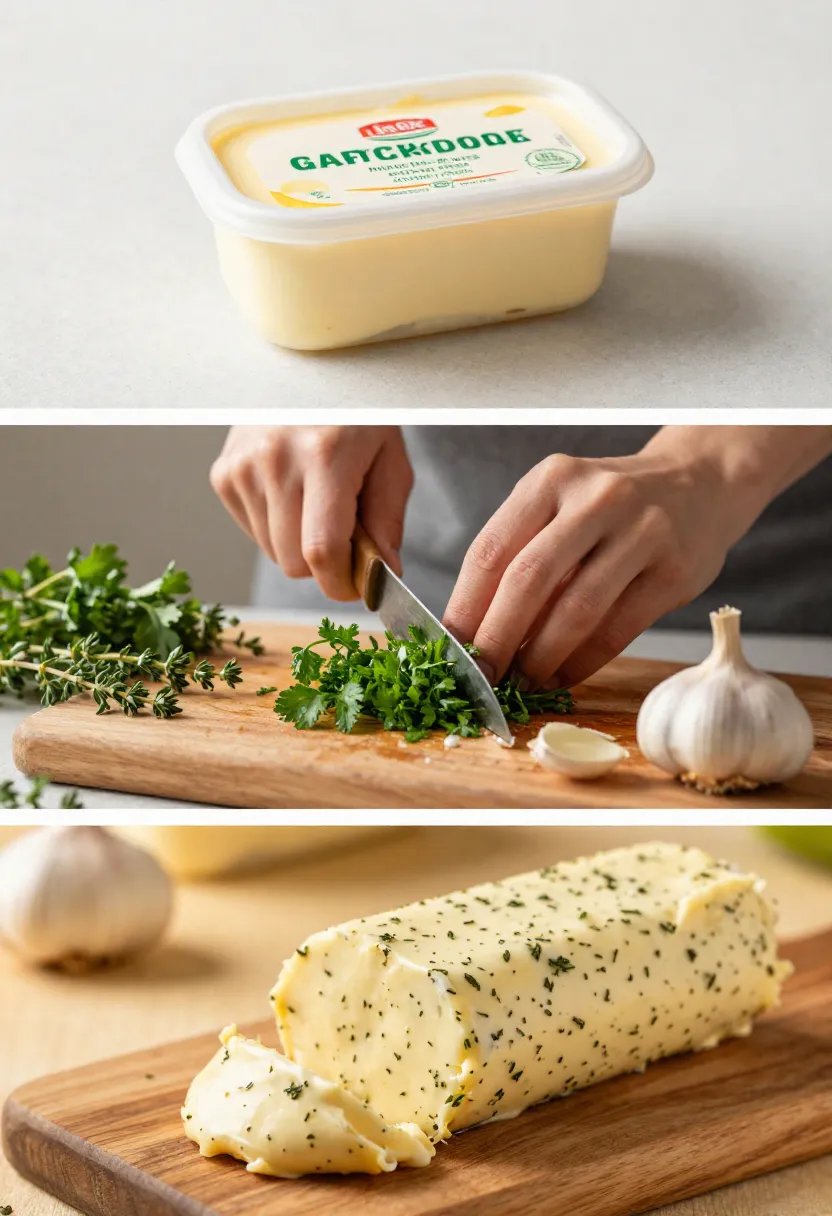
And then there’s control. When you make it yourself, you get to decide exactly how it tastes. You can adjust:
- how finely the garlic is minced (finer = smoother flavor)
- how dominant the herbs should be
- whether to add lemon zest for brightness 🍋
- whether to introduce a touch of chili flakes for gentle heat 🌶
You taste. You adjust. Maybe you add one more pinch of salt because it just needs it. Maybe you decide the thyme is strong enough and stop there. That interaction makes the final result feel personal rather than generic.
Even the process itself has something grounding about it. Chopping herbs by hand, folding them into softened butter, watching the mixture turn speckled and fragrant — it feels almost therapeutic. You’re not rushing. You’re building flavor deliberately.
And realistically, the time investment is minimal. Ten to fifteen minutes in the kitchen gives you a flavor enhancer that improves meals for days. It sits quietly in the refrigerator, ready to rescue a tired weeknight dinner or add polish to something special.
That’s the kind of practicality that actually makes cooking easier.
A Flavor Booster for Every Season 🍽
Some ingredients feel seasonal. Garlic herb butter doesn’t. It adapts naturally, which is part of why it becomes such a reliable staple.
In summer, it melts beautifully over grilled corn, steak, or zucchini straight off the barbecue. The warmth releases its aroma instantly, blending with smoky notes from the grill 🔥. The butter softens into the surface, creating a light, glossy coating that feels indulgent but not heavy.
In autumn, it pairs effortlessly with roasted carrots, squash, and potatoes. The richness complements the natural sweetness of root vegetables without overwhelming them. It adds depth, not weight.
Winter might be when it feels most comforting. Stirred into mashed potatoes, rice, or even a simple bowl of soup, it creates a silkier texture and fuller flavor. A small amount can change the entire character of a dish.
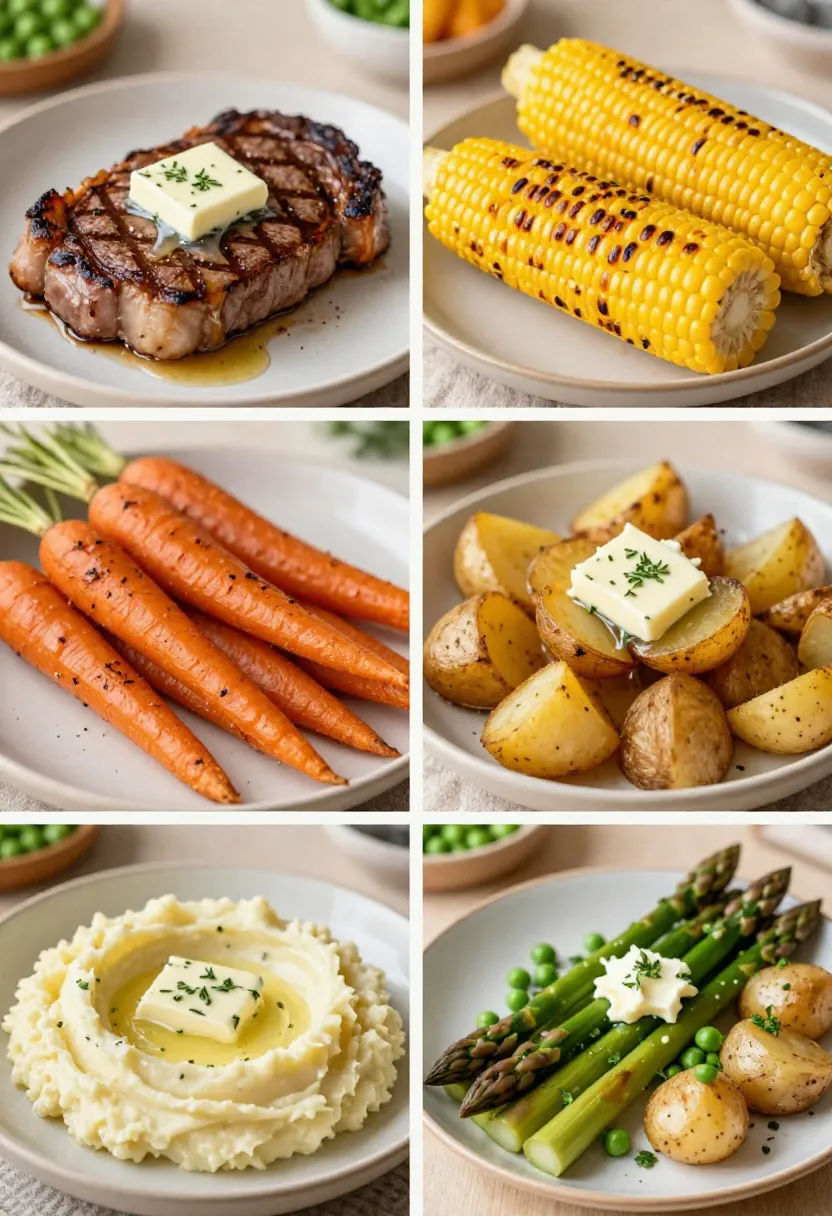
In spring, it works especially well with lighter ingredients like:
- asparagus
- green peas
- baby potatoes
- grilled chicken
Because it enhances rather than dominates, it adapts to the freshness of seasonal produce instead of masking it.
What makes garlic herb butter so dependable is that it can feel different depending on how you use it. Spread generously over warm bread at a casual family dinner, it feels rustic and comforting. Sliced neatly and placed over a perfectly seared filet, it feels refined. Melted into pasta with a splash of cooking water when you need something quick, it feels practical and smart.
It doesn’t demand effort. It doesn’t require ceremony. It just works.
And once you get used to keeping a small log of it in your refrigerator, it becomes one of those quiet kitchen habits that makes you feel slightly more prepared than you actually are 🧄✨. You might not cook something elaborate every night, but you’ll always have a small trick ready — and sometimes, that’s more than enough.
Garlic Herb Butter Recipe
Creamy, Aromatic, and Full of Fresh Flavor 🧄🌿
There’s something incredibly satisfying about making garlic herb butter from scratch. It doesn’t look complicated. It doesn’t require precision tools or advanced skills. But the result feels surprisingly refined.
This version creates a smooth, speckled compound butter that melts slowly and evenly, releasing layers of flavor as it warms. The garlic adds depth and a gentle kick, while the herbs bring freshness and balance. The texture stays creamy and spreadable when chilled, yet melts into a glossy finish the moment it touches hot food.
What makes this recipe stand out isn’t just the ingredients — it’s the proportions. Too much garlic can overpower. Too many herbs can make it grassy. The balance here keeps everything harmonious, so the butter enhances dishes rather than dominating them.
Whether you’re spreading it over warm bread, finishing a steak, or melting it into pasta, this butter adapts effortlessly. It feels homemade in the best possible way — fresh, fragrant, and just slightly indulgent ✨.
Ingredients
- 1 cup (2 sticks) unsalted butter, softened to room temperature
- 3–4 garlic cloves, very finely minced or pressed
- 2 tablespoons fresh flat-leaf parsley, finely chopped
- 1 tablespoon fresh chives, finely chopped
- 1 tablespoon fresh thyme leaves
- ½ teaspoon sea salt (adjust to taste)
- ¼ teaspoon freshly ground black pepper
Optional additions (if you want to experiment a little):
- 1 teaspoon lemon zest 🍋
- A small pinch of red pepper flakes 🌶
- 1 tablespoon finely grated Parmesan cheese
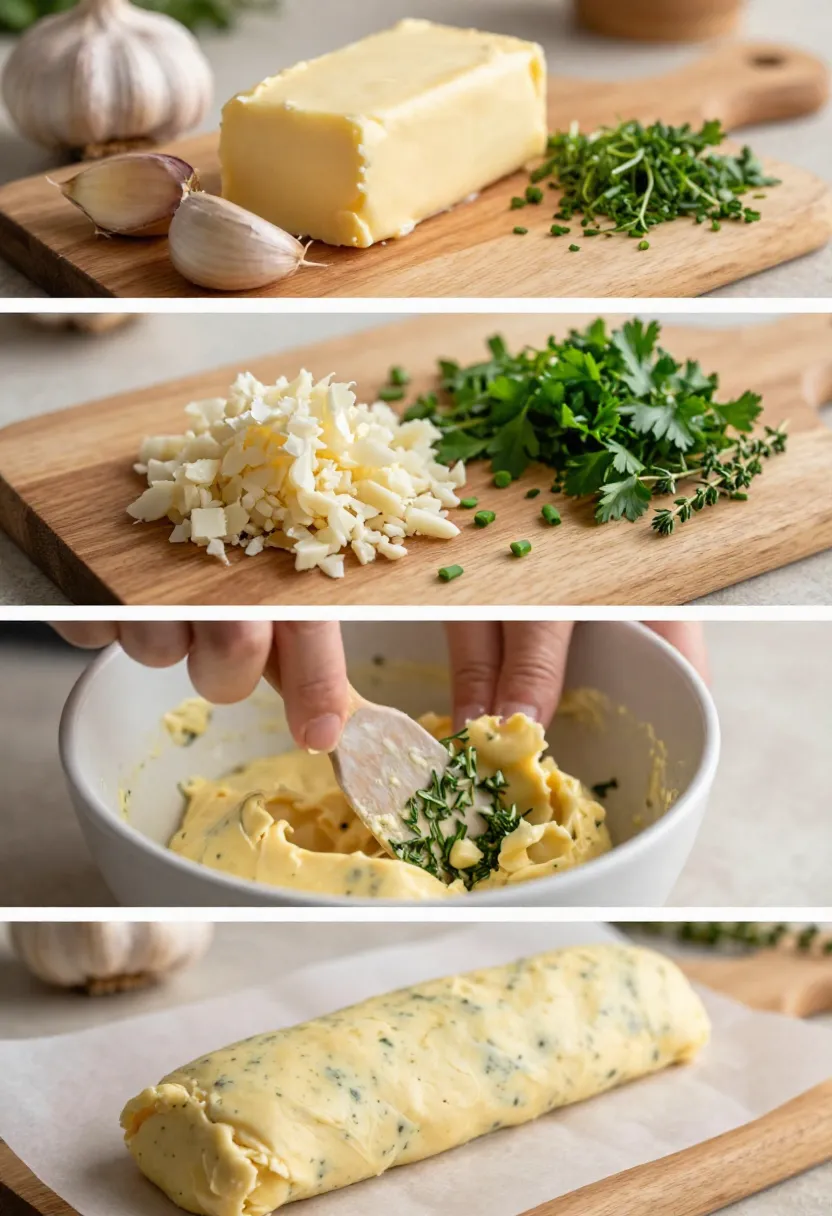
Preparation Steps
- Let the butter soften naturally at room temperature for about 30–60 minutes. It should feel soft when pressed with a spoon, but it should still hold its shape. If it looks shiny or partially melted, it’s too warm. Softened butter blends more evenly and keeps a smooth texture once chilled again.
- Finely mince the garlic. Take your time here — smaller pieces distribute flavor more evenly and prevent biting into large, sharp chunks. If you prefer a milder flavor, you can let the minced garlic sit for a few minutes before mixing to soften its edge slightly.
- Chop the parsley, chives, and thyme very finely. The goal is a uniform texture so every slice of butter contains a balanced mix of herbs. Large pieces can make slicing messy later.
- In a medium mixing bowl, combine the softened butter, minced garlic, chopped herbs, sea salt, and freshly ground black pepper. At this stage, the mixture will look slightly speckled and rustic — that’s exactly what you want.
- Using a spatula or wooden spoon, fold and press the mixture together until everything is evenly incorporated. Scrape the sides and bottom of the bowl to make sure no plain butter remains hidden underneath. The color should be consistent throughout.
- Taste the butter. This step is important. Adjust salt if needed. If you’re using lemon zest, chili flakes, or Parmesan, add them now and mix again gently.
- Transfer the butter onto a sheet of parchment paper and shape it into a compact log. Roll it tightly and twist the ends to secure. Alternatively, spoon it into a small airtight container if you prefer a scoopable version.
- Refrigerate for at least 30 minutes. This resting time allows the flavors to blend and settle. The garlic softens slightly, and the herbs infuse the butter more deeply.
Once chilled, slice into rounds or scoop as needed.
Quick Tips & Small Kitchen Hacks 🧈✨
- If you want extra-smooth texture, whip the butter with a hand mixer for 1–2 minutes before chilling.
- For a sweeter, milder version, replace raw garlic with roasted garlic.
- Freeze the butter in small portions so you can grab just what you need.
- Always taste before chilling — seasoning feels milder once cold.
- If the butter feels too firm when serving, let it sit at room temperature for 5–10 minutes for perfect spreadability.
Everyday Ways to Use Garlic Herb Butter (That Actually Make a Difference) 🍽
Garlic herb butter doesn’t try to steal the spotlight. It’s not flashy or complicated. But the moment it touches something warm, you can see — and smell — the shift. It melts slowly, turning glossy and fragrant, and suddenly the dish feels more finished, more intentional.
One of the most satisfying ways to use it is also the simplest: place a small slice on top of a hot steak straight off the pan. As it melts, it blends with the natural juices and creates a silky coating without any extra effort. No sauce to whisk. No extra ingredients to juggle. Just heat doing the work.
It works just as beautifully with vegetables. Stir a spoonful into roasted potatoes right before serving, or let it melt over grilled zucchini. The butter doesn’t mask the vegetables — it rounds them out, softens their edges, adds depth.
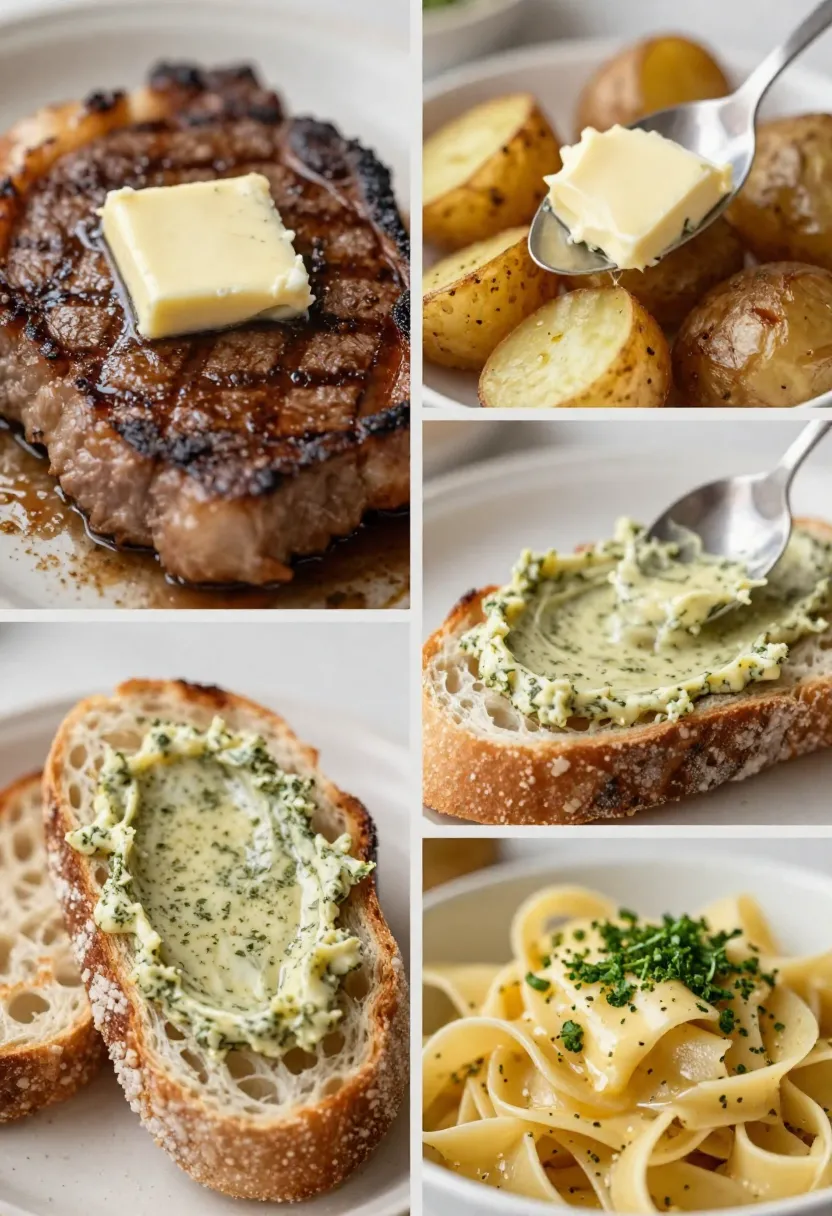
Bread, though, might be the most underrated pairing. Warm, crusty bread with garlic herb butter feels almost unfairly good 🥖. The outside stays crisp, the inside turns tender, and the butter seeps in just enough to make you reach for another piece without thinking.
It’s also incredibly useful for quick meals. When time is tight, garlic herb butter can turn something basic into something satisfying in minutes. For example:
- Toss a spoonful into hot pasta with a splash of pasta water for a simple, glossy sauce.
- Add a slice to a baked potato while it’s still steaming.
- Melt a small amount into scrambled eggs for extra softness and aroma.
- Brush it over grilled chicken right before serving.
If you’re hosting, shape the butter into a neat log and slice it into rounds for a serving board. Paired with bread, olives, and maybe a bit of cheese, it feels thoughtful without being complicated. People notice these details — even if they can’t quite explain why everything tastes so good.
Sometimes it’s not about adding more ingredients. It’s about finishing the dish properly.
Storing It, Freezing It, and Making Life Easier 🧊
One of the most practical things about garlic herb butter is how well it keeps. Once wrapped tightly, it sits in your refrigerator, quietly waiting to make dinner easier.
In the fridge, it stays fresh for about one to two weeks. Because it contains fresh garlic and herbs, sealing it properly matters. Use parchment or plastic wrap to keep air out, and always slice it with a clean knife to maintain freshness.
If you want to think ahead — and honestly, it’s worth it — freezing works extremely well. Wrap the butter log tightly, then add a second layer of foil or place it in a freezer-safe bag. It can stay frozen for up to three months without losing much flavor.
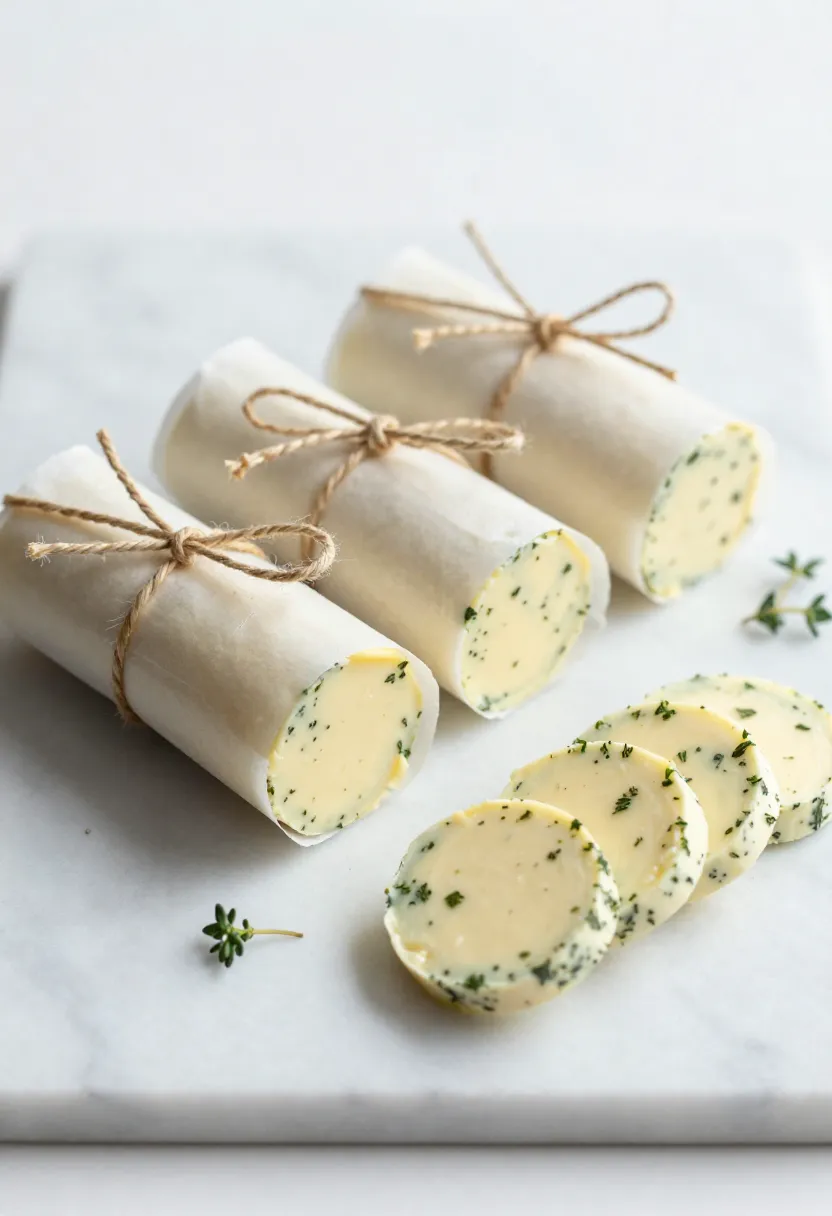
The convenience is hard to overstate. You don’t need to thaw the entire batch. Just slice what you need and place it directly onto hot food. The heat will melt it naturally.
Freezing smaller portions can make things even easier. You can:
- roll it into thinner logs for quick slicing
- portion it into small cubes before freezing
- use silicone molds for pre-measured servings
It turns into a quiet kitchen advantage. On busy evenings, when dinner feels rushed or uninspired, having this ready makes everything feel more under control.
It’s not dramatic. It’s just smart.
Making It Your Own (And Why That’s Half the Fun) 🌿✨
Once you’ve made the basic version a few times, it becomes hard not to start adjusting it. Garlic herb butter is flexible — forgiving enough to handle experimentation without falling apart.
A little lemon zest adds brightness and keeps things feeling light 🍋. Swapping raw garlic for roasted garlic creates a sweeter, deeper flavor. A pinch of red pepper flakes introduces gentle warmth 🌶. Finely grated Parmesan adds savory depth.
You can also shift the herb balance depending on what you’re serving. More parsley keeps it fresh and clean. Extra thyme makes it earthier. A heavier hand with chives brings subtle sharpness.
Some easy variations to try:
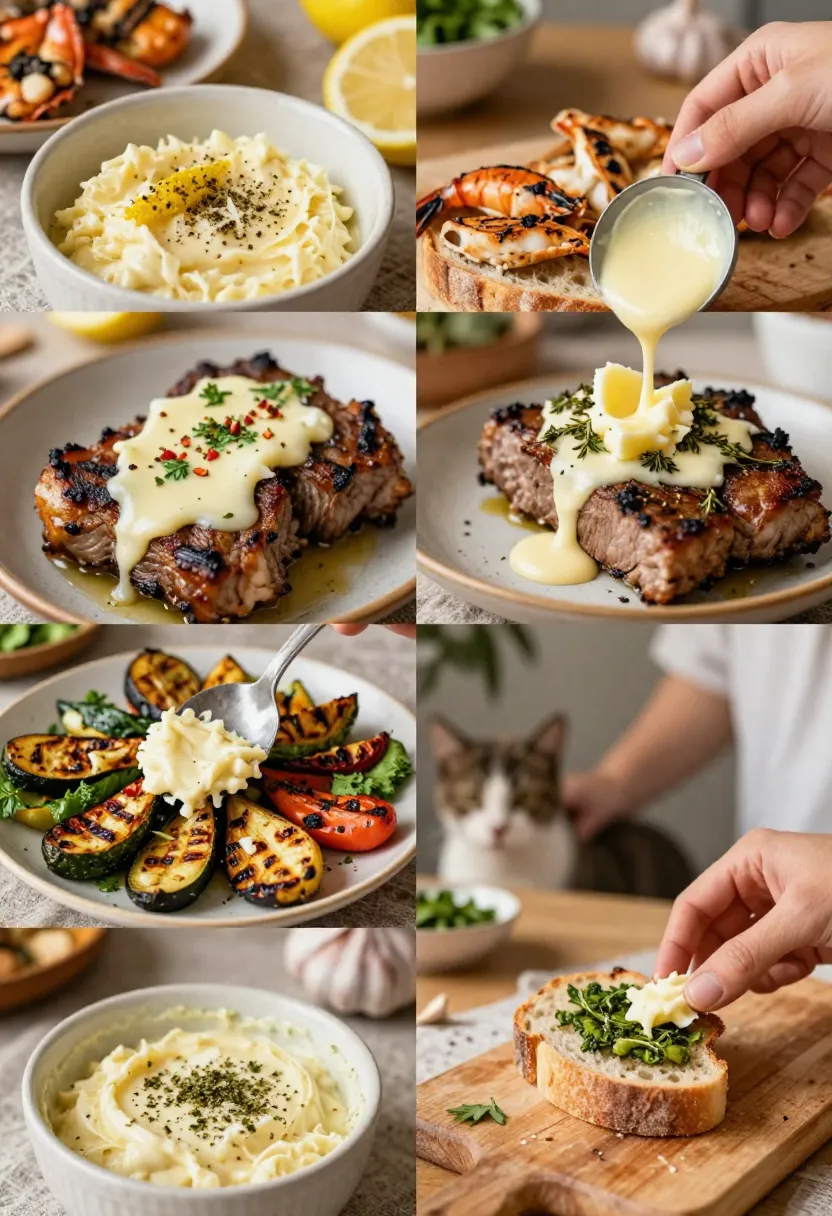
- Lemon zest + cracked black pepper for seafood
- Roasted garlic + thyme for roasted meats
- Chili flakes + parsley for grilled vegetables
- Parmesan + oregano for a slightly Mediterranean twist
The beauty of it is that you don’t need to follow strict rules. Taste as you go. Adjust. Maybe one day you prefer it milder. Another day, you want the garlic to be bold.
And honestly, there’s something satisfying about opening the fridge and seeing a neatly wrapped log of something you made yourself. It’s a small sign of preparation. A reminder that good flavor doesn’t always require elaborate techniques — sometimes it’s just about paying attention.
When you add a slice of garlic herb butter to a dish, you’re not just adding richness. You’re adding aroma. Warmth. Depth. You’re finishing the plate instead of simply serving it.
And often, that small detail is what people remember. 🌿🧄✨