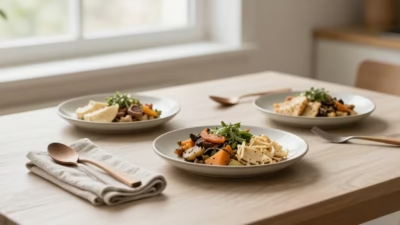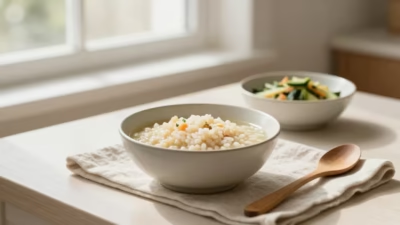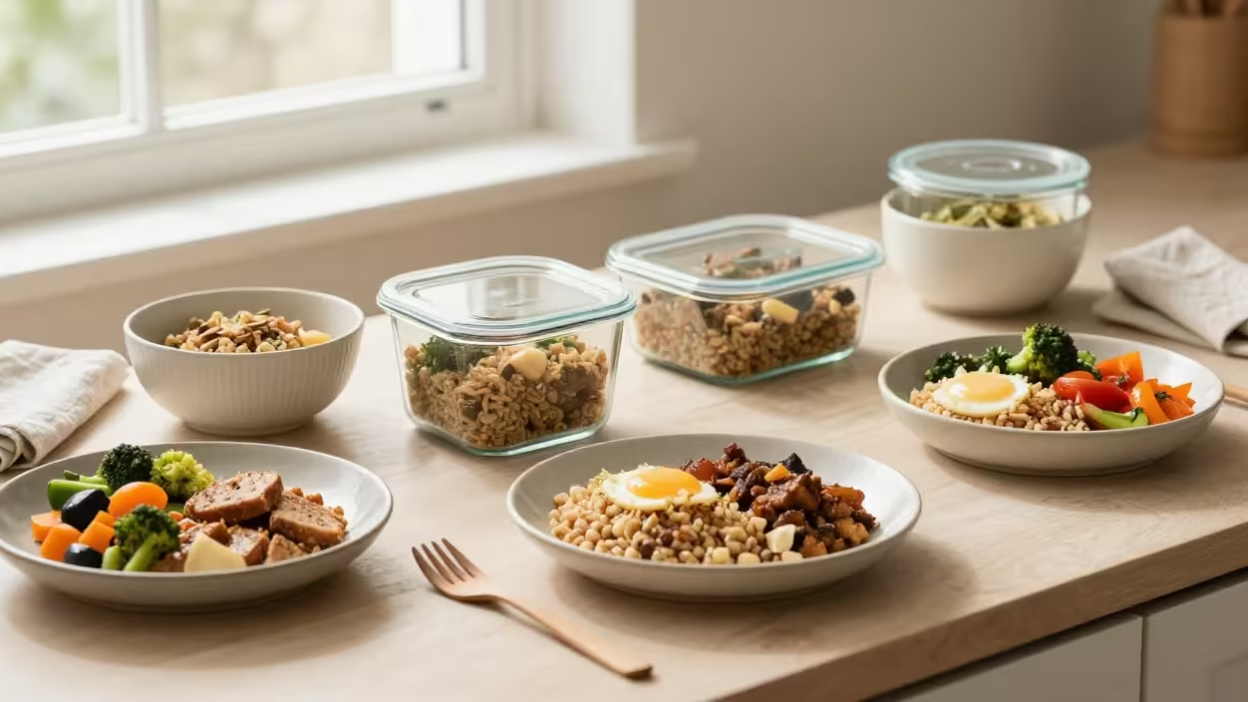
Contents
- High-Protein Meal Prep — The Big Idea
- Planning Your Protein Around Your Week
- Protein-Balanced Breakfast Prep Ideas
- Lunches That Stay Filling Longer
- Dinner Prep With Protein at the Center
- Snacks and Mini-Meals That Count
- Best Protein Sources to Prep For
- Simple Meal Prep Techniques That Save Time
- Portioning, Mixing, and Pairing for Nutrition
- Staying Consistent — Mindset and Routine
- Final Thoughts — Protein Prep as Everyday Care
When the week gets busy, food choices often become reactive. Meals are skipped, snacks are improvised, and by the end of the day energy feels scattered rather than supported. High-protein meal prep offers a different rhythm — one built around intention, consistency, and nourishment that actually lasts.
Protein plays a key role in keeping meals satisfying and energy levels steady, which is why it works so well as the foundation of meal prep. When protein is planned ahead, meals tend to feel more complete, hunger is easier to manage, and decision fatigue around food quietly fades. Instead of asking “What should I eat?” multiple times a day, you already have supportive options ready.
High-protein meal prep isn’t about rigid containers lined up for seven days straight or eating the same meal on repeat. At its best, it’s flexible and realistic — a way to prepare a few reliable components that can be mixed, matched, and enjoyed throughout the week. It supports both structure and freedom, which is what makes it sustainable.
This approach is especially helpful for busy schedules, active lifestyles, or anyone looking to feel more grounded around meals. Protein-rich foods help with satiety, muscle recovery, and blood sugar balance, making them a natural anchor when planning ahead.
In this article, we’ll explore practical, approachable ways to prep high-protein meals that fit real life. From breakfast ideas to satisfying lunches, simple dinners, and smart snacks, you’ll find strategies that help you fuel your week without turning food into a full-time project.
High-Protein Meal Prep — The Big Idea
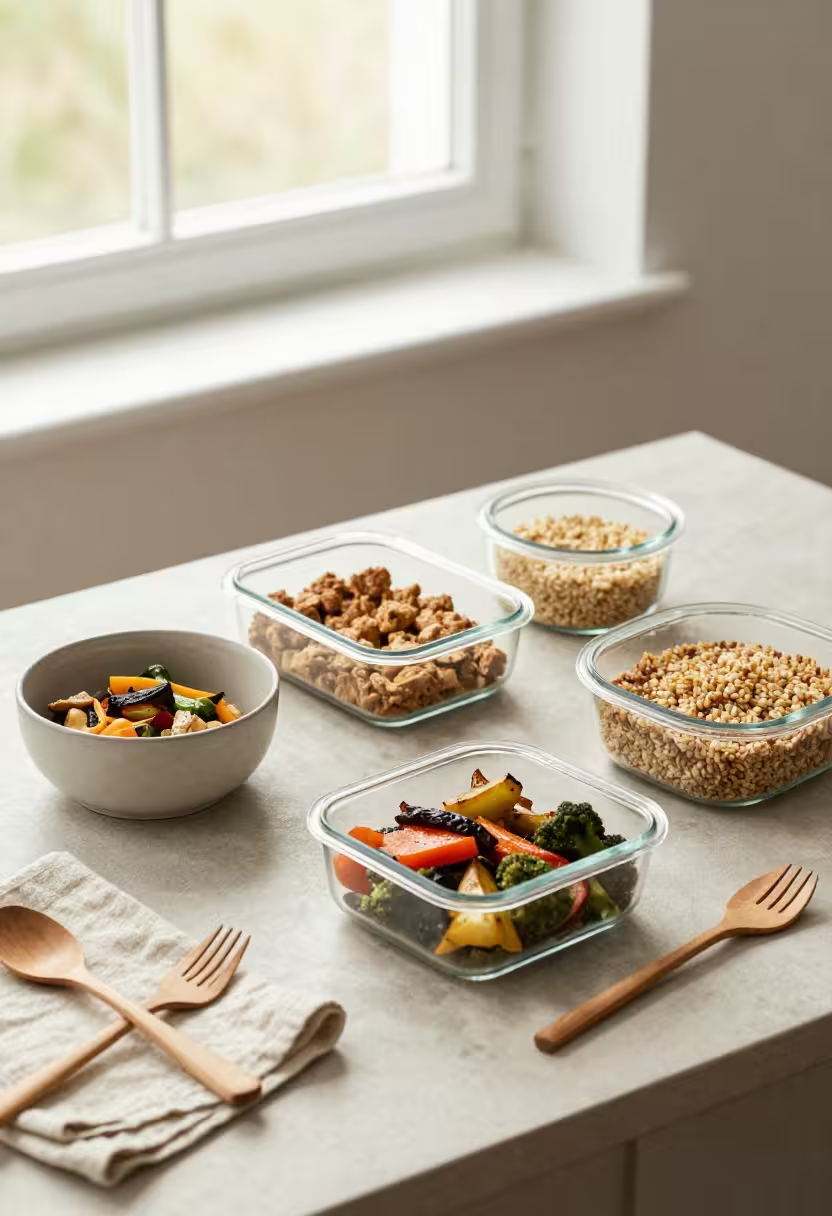
At its core, high-protein meal prep is about creating ease around eating while making sure your body gets the support it needs. It’s not about perfection, strict schedules, or eating “clean” every single meal. Instead, it’s a practical framework that helps meals feel intentional rather than rushed.
The “big idea” behind high-protein meal prep is simple: when protein is planned ahead, everything else falls into place more easily. Protein adds structure to meals, helping them feel satisfying and balanced. It reduces the constant mental effort of deciding what to eat and helps prevent the energy dips that often come from low-protein, last-minute meals.
Meal prep also shifts food decisions from moments of stress to moments of calm. Instead of choosing meals when you’re tired or hungry, you plan when you have clarity. This small change can make a big difference in how consistent and nourishing your week feels.
Importantly, high-protein meal prep is flexible. You can prep full meals, or just key components like cooked proteins, grains, and vegetables. These pieces can be combined in different ways throughout the week, keeping meals interesting without extra work.
This approach works well because it supports real life. Busy days, changing schedules, and varying appetites are all part of the picture. High-protein meal prep isn’t about control — it’s about support, helping you fuel your body in a way that feels steady and sustainable.
Planning Your Protein Around Your Week
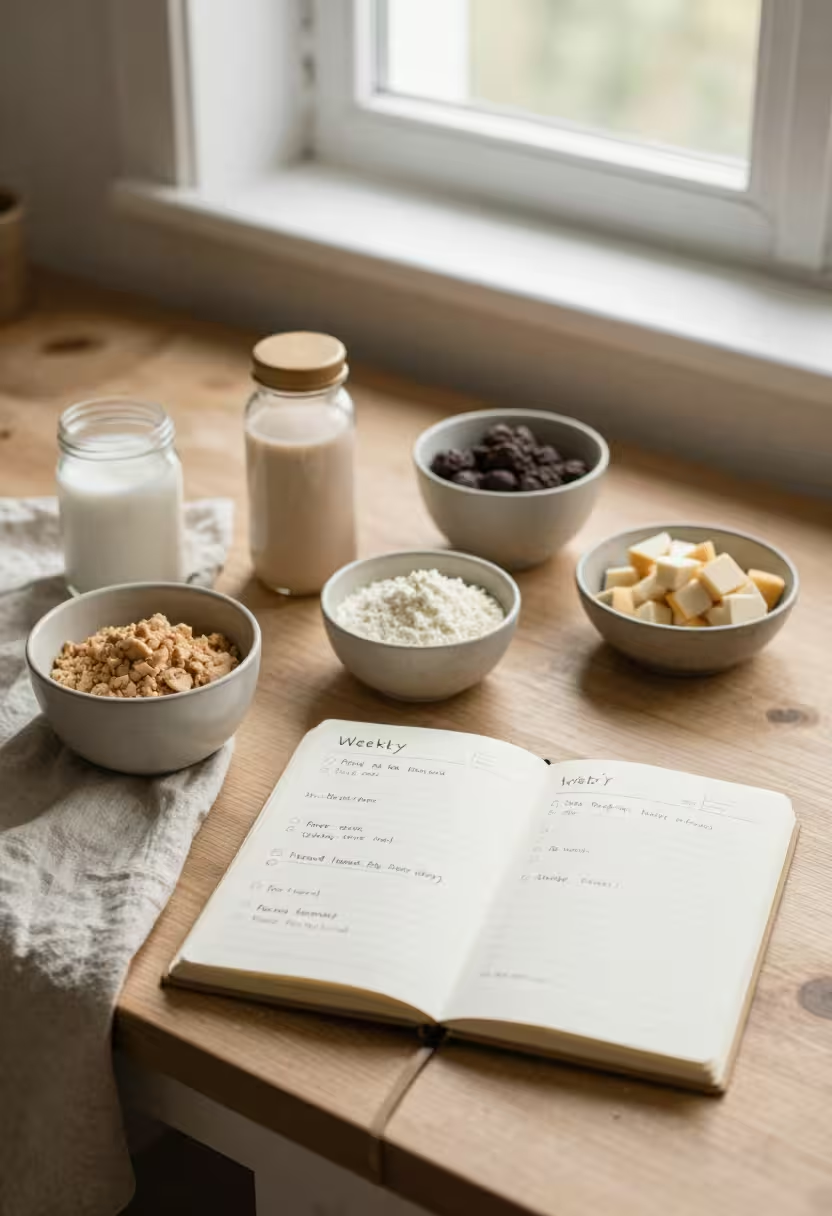
Successful high-protein meal prep starts with a simple look at your week ahead. Not a strict schedule or a detailed spreadsheet — just a realistic sense of how your days will unfold. When you plan protein around your actual routine, meal prep becomes supportive rather than overwhelming.
Begin by noticing which meals matter most. For some people, breakfast is rushed and needs extra structure. For others, lunch away from home or late dinners are the biggest challenge. Identifying these pressure points helps you decide where protein prep will make the biggest impact.
Next, think in terms of anchor proteins. These are reliable protein sources you enjoy and can use in multiple ways — roasted chicken, baked tofu, lentils, eggs, fish, or beans. Preparing a few of these at the start of the week creates flexibility. The same protein can become a bowl one day, a wrap the next, and a salad topping after that.
It’s also helpful to consider activity levels. Days with workouts, long hours, or high mental demand often benefit from higher protein intake. Planning for those days ensures meals feel sustaining when you need them most, rather than leaving you searching for snacks later.
Variety matters, but simplicity matters more. Instead of prepping a different protein for every day, choose two or three options that cover most meals. This keeps prep time manageable and reduces food waste, while still allowing for change throughout the week.
By planning protein around your life — not an idealized version of it — meal prep becomes a tool for balance. It supports energy, reduces stress, and makes nourishing choices easier to maintain day after day.
Protein-Balanced Breakfast Prep Ideas
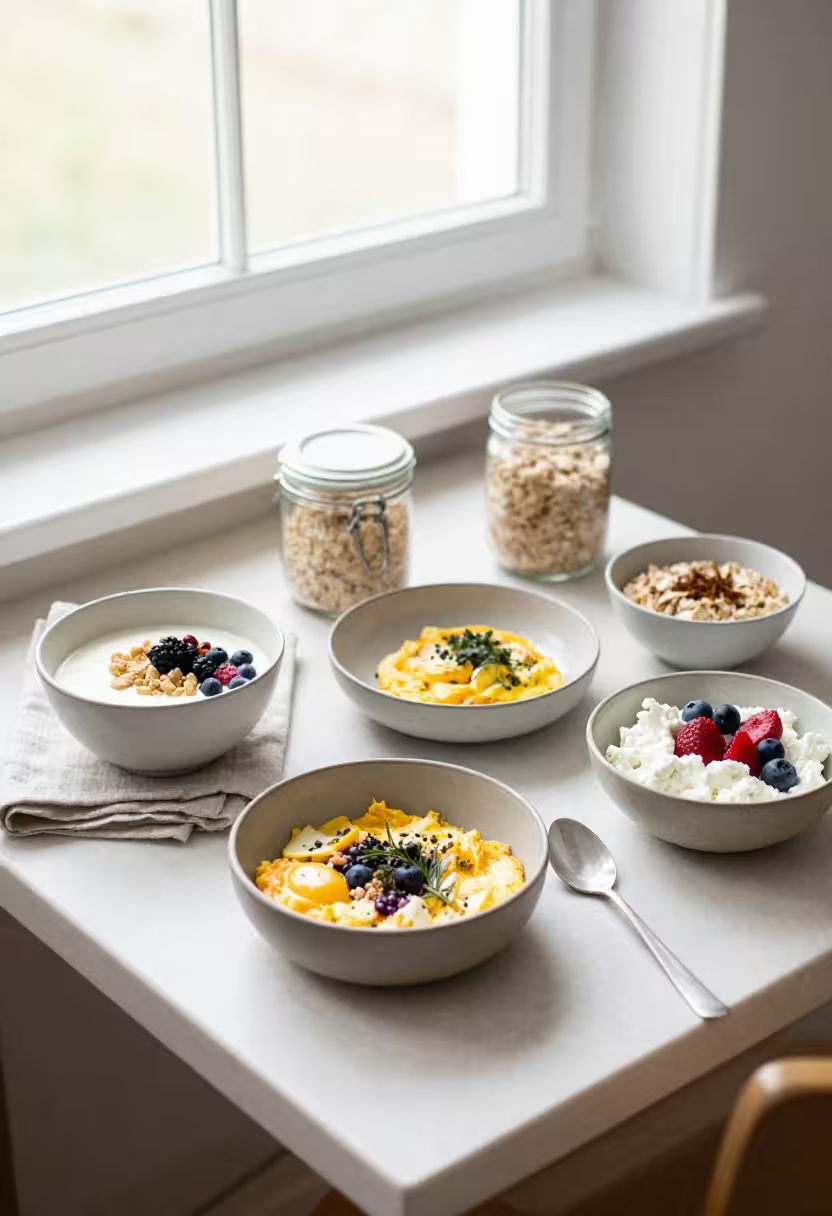
Breakfast often sets the tone for the entire day, yet it’s one of the easiest meals to overlook when time is short. High-protein breakfast prep helps create a steadier start, supporting energy, focus, and appetite throughout the morning.
Protein-rich breakfasts don’t need to be heavy or complicated. Simple options like egg-based dishes, yogurt with added protein, cottage cheese, or plant-based alternatives can be prepared ahead and customized as the week goes on. The goal is to build breakfasts that feel satisfying without slowing you down.
Batch-prepped egg muffins, baked egg casseroles, or soft-boiled eggs are classic choices because they store well and reheat easily. Pairing them with vegetables, whole grains, or fruit adds balance without extra prep. For those who prefer a lighter morning, yogurt bowls with nuts, seeds, or protein-rich toppings can be assembled quickly.
Overnight oats and chia puddings are another flexible option. By adding protein powder, Greek-style yogurt, or nut butter, these breakfasts stay filling and supportive. Preparing several jars at once saves time while keeping flavors varied.
A key advantage of protein-balanced breakfasts is appetite control. Starting the day with enough protein can reduce mid-morning hunger and prevent energy crashes, making it easier to stay consistent with meals later on.
When breakfast is prepared ahead with protein in mind, mornings feel calmer. Instead of rushing or skipping meals, you begin the day with nourishment that supports both body and schedule.
Lunches That Stay Filling Longer
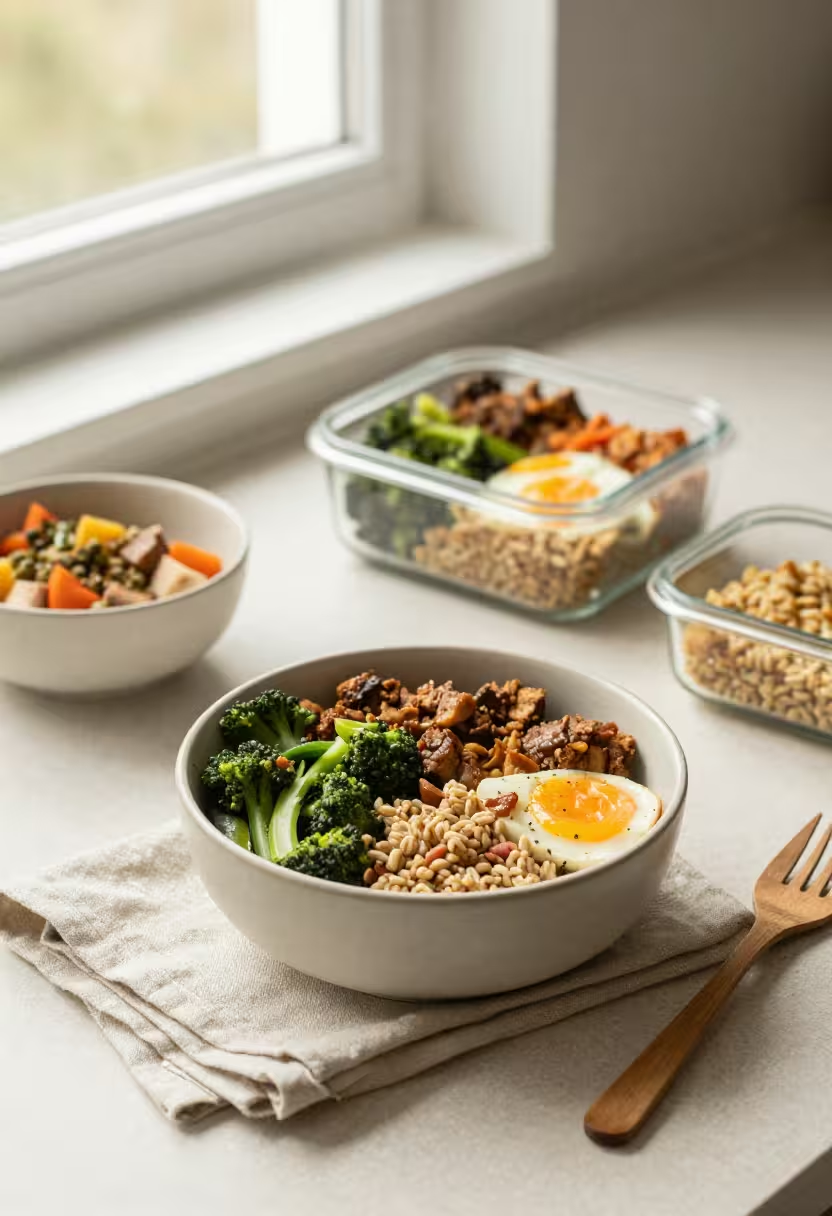
Lunch is often where high-protein meal prep makes the biggest difference. Midday meals that are low in protein tend to lead to afternoon energy crashes, constant snacking, or that familiar feeling of being hungry again far too soon. Protein-forward lunches help create steadiness — both physically and mentally.
The key to filling lunches is building them around a clear protein base. This might be grilled or roasted chicken, lentils, beans, tofu, fish, eggs, or a mix of plant and animal proteins. When protein is the anchor, the rest of the meal naturally falls into place.
Bowls are especially meal-prep friendly. A combination of protein, roasted or fresh vegetables, and a grain like rice, quinoa, or potatoes creates lunches that are easy to portion and satisfying to eat. Changing sauces, spices, or vegetables throughout the week keeps the same base from feeling repetitive.
Salads can also be deeply filling when protein is treated as a main component rather than an afterthought. Adding beans, eggs, fish, tofu, or dairy-based proteins transforms salads from light sides into balanced meals that hold energy for hours.
Wraps and bento-style lunches work well for busy days. Prepped proteins paired with vegetables, spreads, and whole-grain wraps or simple sides make lunches portable without sacrificing nourishment.
Another advantage of high-protein lunches is blood sugar stability. Protein slows digestion and helps prevent sharp rises and falls in energy, which often show up as fatigue or cravings later in the afternoon.
When lunches are built with protein in mind, they stop feeling like a pause between meals and start feeling like real fuel — supporting focus, productivity, and a smoother rest of the day.
Dinner Prep With Protein at the Center
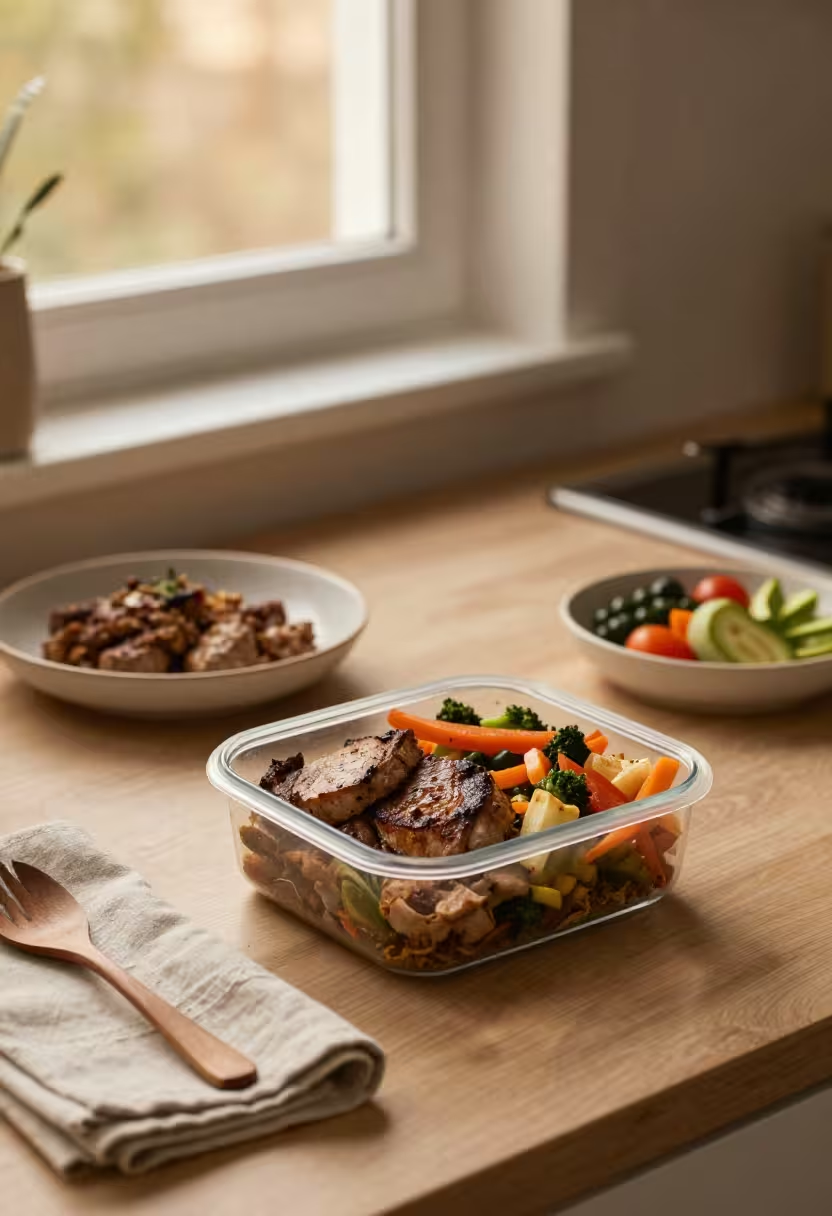
Dinner is where high-protein meal prep can feel both comforting and practical. After a long day, having protein already prepared removes friction and makes it easier to sit down to a meal that actually supports recovery, satisfaction, and rest.
Centering dinner prep around protein doesn’t mean every meal has to feel heavy. It simply means starting with a reliable protein source and building the rest of the plate around it. Roasted chicken or turkey, baked fish, slow-cooked beans or lentils, tofu, or tempeh all work well when prepared in advance and paired with vegetables and carbohydrates later.
Batch cooking is especially helpful for dinner. Roasting a tray of protein at the start of the week or slow-cooking a large pot of beans or stew creates multiple meals with very little added effort. These proteins can be reheated, repurposed, or combined with fresh sides to keep dinners varied.
One-pan and one-pot meals are also ideal for high-protein dinner prep. Sheet-pan dinners, casseroles, and stews allow protein, vegetables, and seasonings to cook together, creating meals that feel cohesive and deeply satisfying. They store well and often taste even better the next day.
Dinner prep should also respect energy levels. Some nights call for a full, warm meal; others need something quick and simple. Having protein ready makes both possible. A prepared protein can become a quick bowl, a simple plate with vegetables, or a comforting leftover without additional cooking.
When protein is planned ahead for dinner, evenings feel less rushed and more restorative. Instead of defaulting to convenience foods, you’re able to close the day with a meal that supports nourishment, recovery, and a smoother transition into rest.
Snacks and Mini-Meals That Count
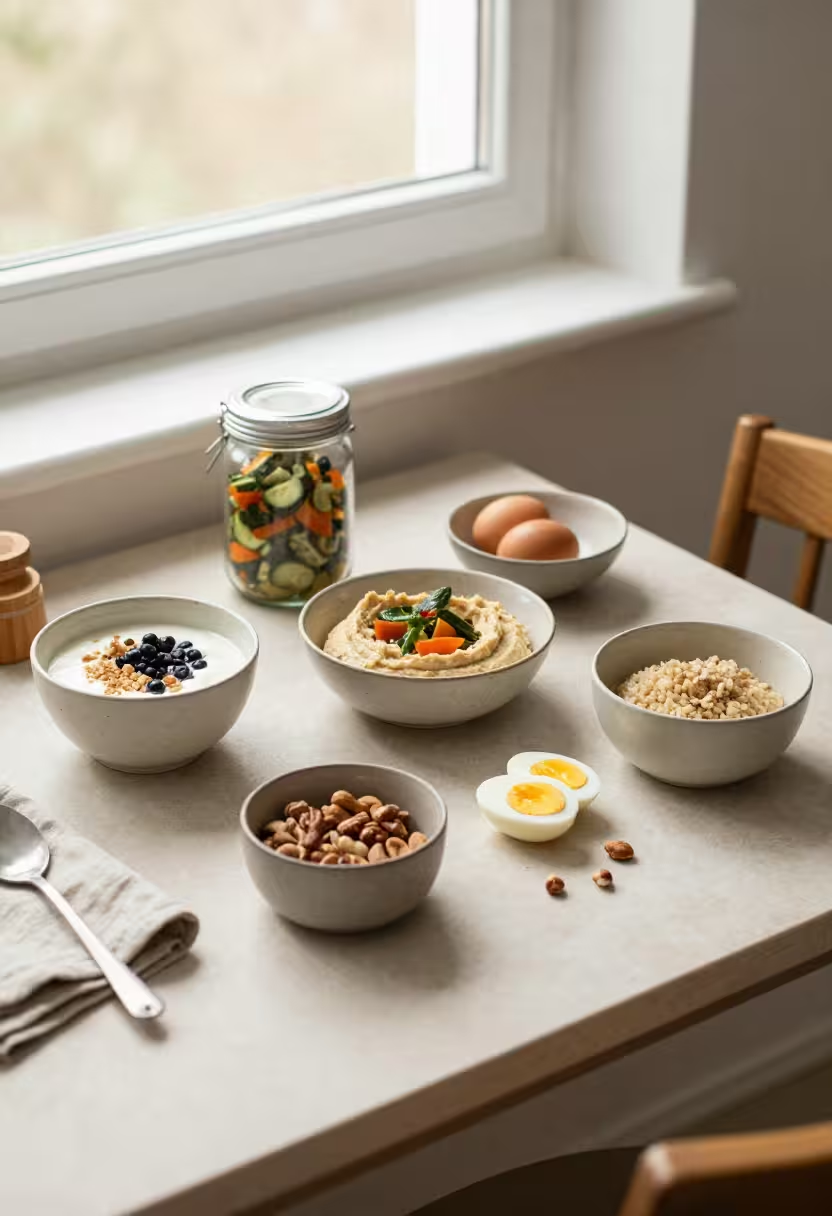
Snacks play an important role in high-protein meal prep, especially on long or unpredictable days. When snacks include protein, they do more than curb hunger — they help stabilize energy, prevent overeating at meals, and support consistency across the day.
Protein-rich snacks don’t need to be complicated. Simple options like yogurt, cottage cheese, hard-boiled eggs, hummus with vegetables, nuts, seeds, or protein bars can be prepped or portioned ahead of time. Having these ready reduces reliance on low-protein, quick-fix snacks that often leave you hungry again soon after.
Mini-meals can be especially helpful for people with irregular schedules or smaller appetites. A small combination of protein, carbohydrates, and fat — such as yogurt with fruit, a small bowl of beans and grains, or a protein-rich smoothie — can function as a light meal when full meals aren’t practical.
Prep-friendly snacks also support mindful eating. When snacks are planned, they’re more likely to be eaten intentionally rather than as an afterthought. This helps maintain steady energy and reduces the cycle of grazing that often comes from extreme hunger.
Another benefit of protein-focused snacks is flexibility. They can be eaten between meals, added to lunches, or used to boost protein intake on more active days. This adaptability makes them a valuable part of a sustainable prep routine.
By treating snacks as part of nourishment rather than an extra, high-protein meal prep becomes more supportive and balanced. Small choices throughout the day add up, helping meals work together rather than compete with one another.
Best Protein Sources to Prep For
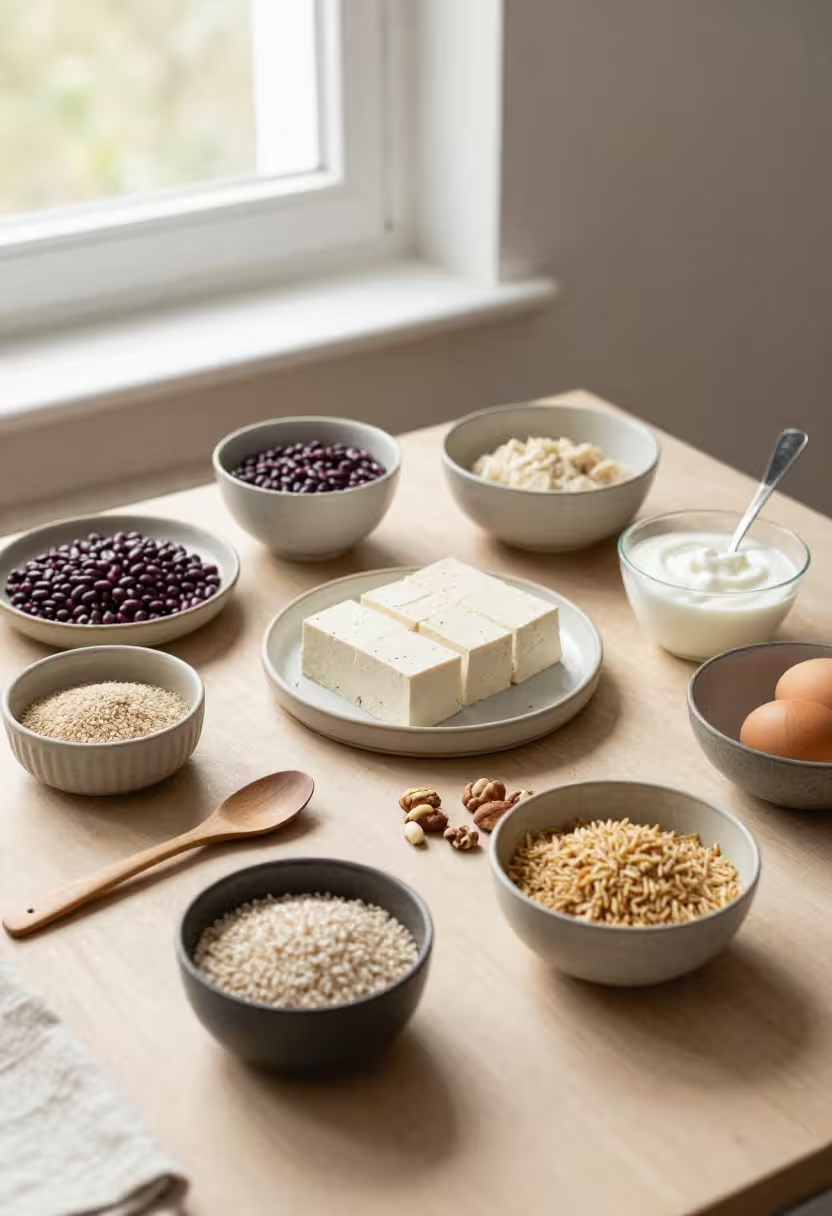
Choosing the right protein sources makes high-protein meal prep easier, more flexible, and far more enjoyable. The best proteins to prep are those that store well, reheat nicely, and can be used in multiple meals without losing texture or flavor.
Lean meats like chicken, turkey, and beef are popular for meal prep because they’re versatile and easy to portion. Roasting or grilling them simply allows you to season and pair them differently throughout the week. Fish, especially baked or poached varieties, can also work well when prepared thoughtfully and stored for shorter periods.
Eggs are one of the most prep-friendly proteins available. Hard-boiled eggs, baked egg dishes, and egg-based breakfasts hold up well in the fridge and can be eaten cold or warm, making them ideal for busy days.
Plant-based proteins are excellent for meal prep too. Lentils, beans, chickpeas, tofu, and tempeh store beautifully and often improve in flavor over time. They’re especially useful for bowls, salads, stews, and wraps, offering both protein and fiber for long-lasting fullness.
Dairy and dairy alternatives also play a role. Greek-style yogurt, cottage cheese, and high-protein plant-based yogurts are easy to portion and require no cooking. They work well for breakfasts, snacks, and quick meals when time is tight.
When choosing proteins to prep, variety matters — but reliability matters more. Selecting a handful of protein sources you enjoy and rotate regularly helps keep meal prep simple and sustainable, without sacrificing nutrition or satisfaction.
Simple Meal Prep Techniques That Save Time
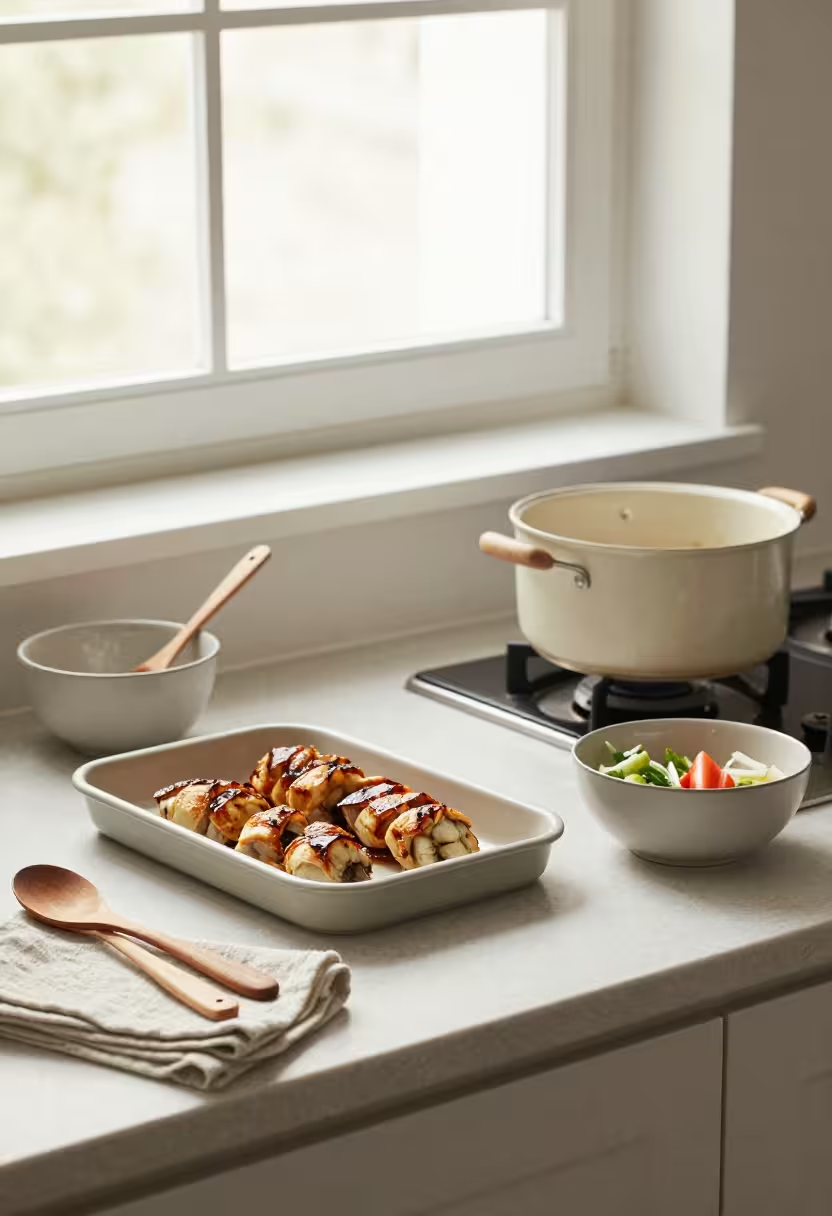
High-protein meal prep doesn’t have to take over your weekend. In fact, the most effective prep routines are often the simplest ones — built around a few smart techniques that save time without sacrificing nourishment.
One of the most helpful strategies is batch cooking. Preparing a larger amount of protein at once — whether it’s roasting chicken, cooking lentils, or baking tofu — gives you a foundation for multiple meals. The same protein can be paired with different vegetables, grains, or sauces throughout the week, keeping meals varied with minimal extra effort.
Another time-saving approach is component prep rather than full meals. Instead of assembling complete dishes in advance, focus on prepping key elements: cooked proteins, washed and chopped vegetables, and ready-to-use grains. This allows you to mix and match based on appetite and schedule, which makes meal prep feel more flexible and less rigid.
One-pan and one-pot cooking also streamline the process. Sheet-pan meals, slow-cooker recipes, and simple stews allow protein and vegetables to cook together, reducing both prep and cleanup time. These meals tend to store well and reheat easily, making them ideal for busy weeks.
Freezing is another underrated tool. Portions of cooked protein, soups, or stews can be frozen for later weeks, turning one prep session into long-term support. Having a few freezer options reduces pressure and keeps high-protein meals available even when plans change.
Finally, consistency matters more than volume. Even prepping one or two proteins for the week can make a noticeable difference. Meal prep doesn’t have to be all-or-nothing — small, repeatable actions are what make it sustainable.
Portioning, Mixing, and Pairing for Nutrition
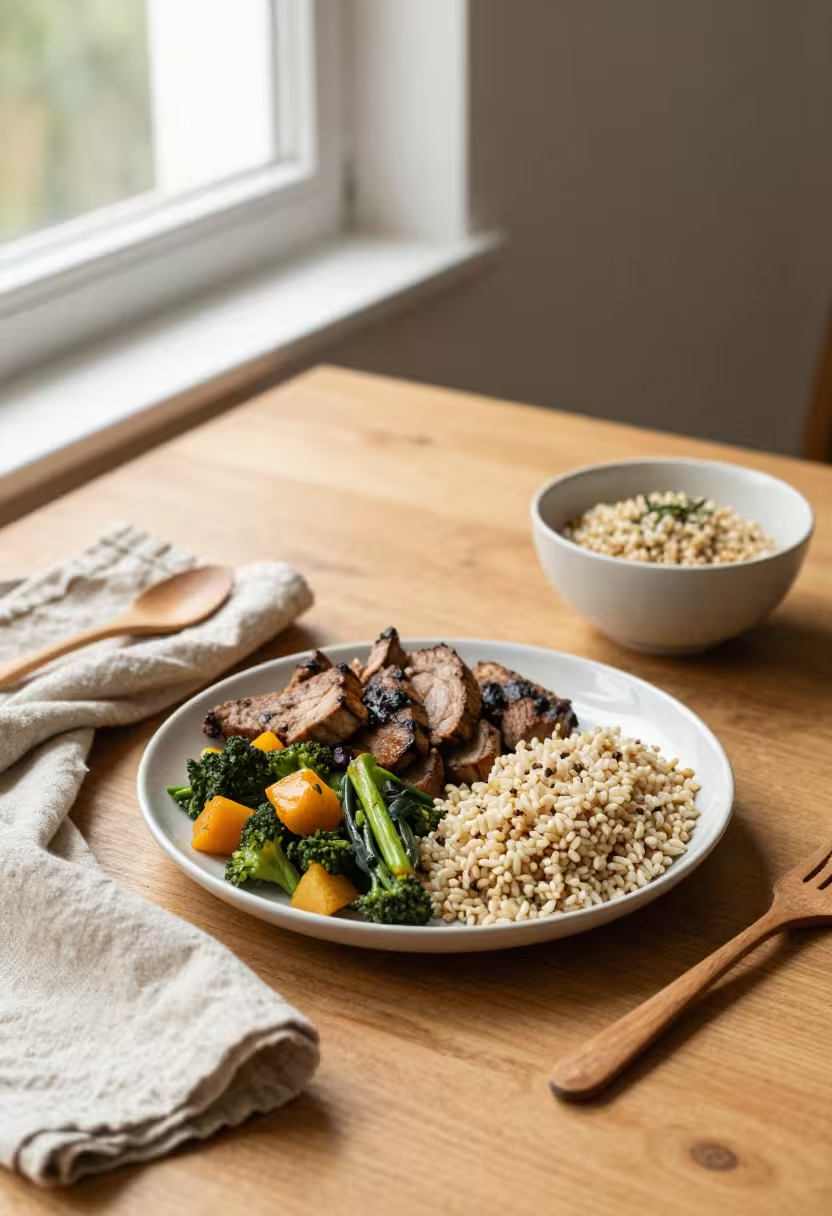
One of the quiet strengths of high-protein meal prep is how it supports balance without requiring strict measuring or tracking. Portioning, mixing, and pairing are less about precision and more about creating meals that feel satisfying, steady, and nourishing.
When it comes to portioning protein, consistency matters more than exact numbers. Including a clear protein source at each meal — enough to feel full and supported — helps create rhythm throughout the day. This steady intake supports energy, appetite control, and recovery without turning meals into calculations.
Mixing ingredients thoughtfully is where meal prep really comes to life. Pairing protein with fiber-rich vegetables, whole-food carbohydrates, and some healthy fat helps meals digest more slowly and feel more complete. These combinations support blood sugar balance and reduce the chances of feeling hungry again too soon.
Pairing also adds flexibility. A prepped protein can be combined with different sides depending on appetite or mood — lighter pairings on lower-energy days, heartier ones when hunger is stronger. This adaptability keeps meals responsive rather than rigid.
Using containers that allow ingredients to stay separate until eating can help preserve texture and flavor, especially for salads or bowls. It also makes it easier to adjust portions without starting from scratch.
Ultimately, portioning and pairing aren’t about control — they’re about support. When meals are built with protein and balance in mind, the body tends to respond with steadier energy and clearer hunger cues.
Staying Consistent — Mindset and Routine
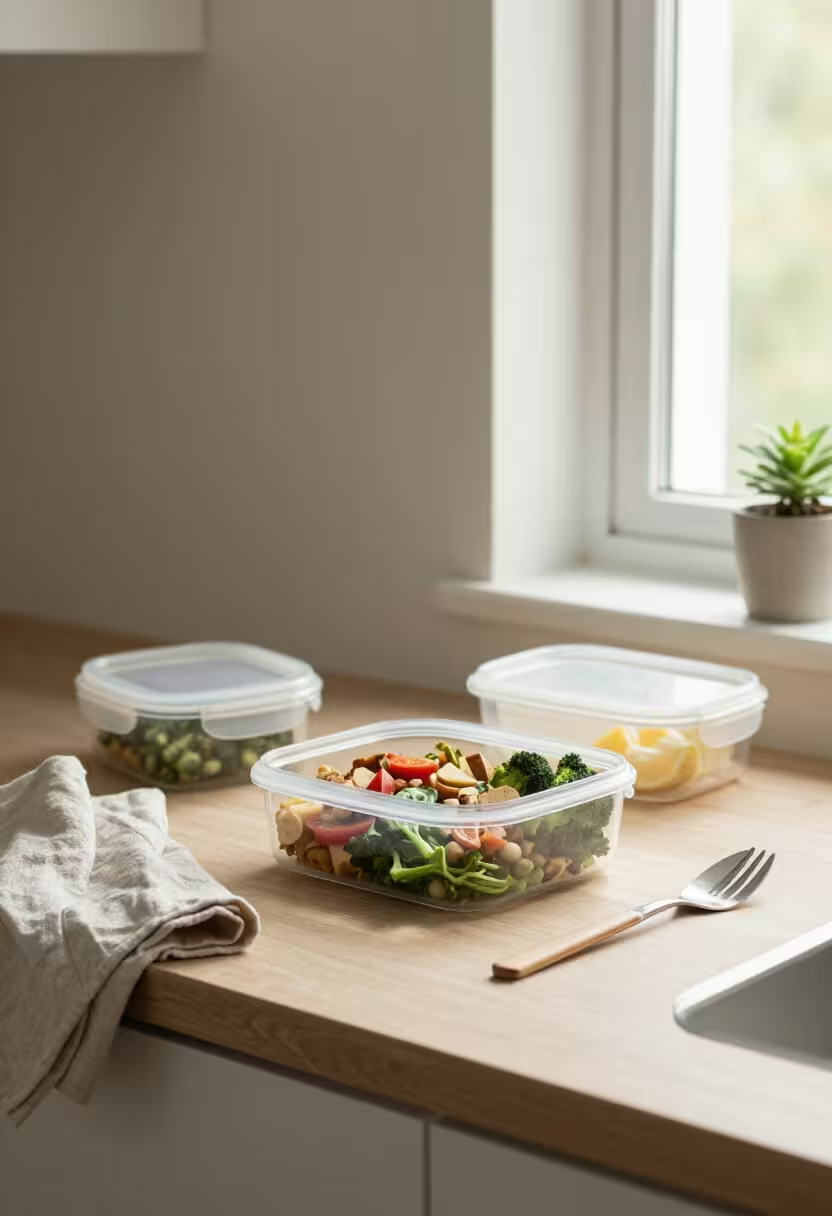
Consistency is where high-protein meal prep delivers its real value — not through perfection, but through rhythm. The most successful meal prep routines aren’t built on motivation alone; they’re shaped by habits that feel realistic and forgiving.
A supportive mindset starts with letting go of the idea that meal prep has to look the same every week. Some weeks you might prep several meals, others just a few key proteins or snacks. Both count. Consistency comes from returning to the practice regularly, not from doing it “right” every time.
Routine helps reduce friction. Choosing a familiar prep day, using a short grocery list, or rotating the same few protein sources can make meal prep feel automatic rather than effortful. When decisions are simplified, follow-through becomes easier.
It’s also important to plan for flexibility. Meals don’t always go as expected — plans change, appetites shift, and schedules get busy. High-protein meal prep works best when it allows for these changes instead of fighting them. Having adaptable components rather than fixed meals makes it easier to stay on track even when the week takes a turn.
Celebrating small wins matters too. Even prepping one protein-rich meal or snack supports your overall intake and energy. Acknowledging these efforts reinforces the habit and keeps it positive rather than pressured.
Over time, consistency grows from familiarity. High-protein meal prep becomes less about discipline and more about care — a reliable way to support your body through changing weeks and seasons.
Final Thoughts — Protein Prep as Everyday Care
High-protein meal prep is often framed as a productivity tool, but at its heart, it’s something much simpler: a form of everyday care. It’s about creating small systems that support your body before hunger, stress, or a busy schedule take over.
When protein is planned ahead, meals become more reliable. Energy feels steadier, choices feel calmer, and food stops being something you have to constantly think about. This kind of support doesn’t come from perfection — it comes from intention and repetition.
What makes high-protein meal prep sustainable is its flexibility. Some weeks it looks like fully prepped meals; other weeks it’s just a few cooked proteins and snacks ready to go. Both approaches serve the same purpose: making nourishment easier to access when you need it most.
Over time, this practice builds trust. You begin to trust that meals will be there, that your body will be supported, and that eating well doesn’t require constant effort. Protein prep becomes less about control and more about consistency — a quiet habit that works in the background of daily life.
In the end, fueling your week isn’t about doing more. It’s about doing a little ahead of time so that the rest of the week can feel lighter, more balanced, and more supported — one protein-rich meal at a time.