
Contents
- The Science of Fueling Your Body
- The Top 10 Fitness Foods You Can Count On
- Building Your Fitness Plate — Carbs, Protein, Fats (Made Simple)
- Pre-Workout Nutrition — Energy You Can Trust
- Post-Workout Nutrition — Repair, Rebuild, Recover
- Fitness Foods for Different Goals
- How to Integrate These Foods Into Your Week
- Myths, Mistakes & Common Confusions
- Conclusion: Eat Smart, Move Strong, Feel Better
There’s a moment every active person knows well:
you lace up for a workout, feeling motivated… and two minutes in, your legs feel heavy, your energy dips, and every step feels like you’re dragging a backpack full of bricks. Sometimes it’s not your training — it’s your fuel.
The truth is simple: fitness isn’t just built in the gym — it’s built in the kitchen long before the first rep or the first kilometre.
The right foods can transform how you train. They help you start with more energy, stay focused longer, recover faster, and come back stronger tomorrow. And the best part? You don’t need supplements, powders, or complicated nutrition plans. Real, everyday foods already carry everything your body is hungry for.
In this guide, we’ll explore the top foods that support fitness, based on both nutrition research and real-life practicality. We’ll break down how they work, when to eat them, and how to fit them into your week without overthinking it. Whether you’re lifting weights, running, cycling, doing yoga, or simply wanting to feel more energized throughout the day — these foods can make every workout feel a little more powerful.
Let’s start with the foundation: understanding how your body uses fuel.
The Science of Fueling Your Body
Every workout — whether it’s a quick home session or a long Saturday run — places a kind of controlled stress on your body. Muscles contract, heart rate rises, glycogen stores drain, and tiny microtears form in your muscles. This stress is good — it’s how you get stronger, faster, more resilient.
But only if your body has the fuel to adapt.
Energy: Your Muscles’ First Priority
When you exercise, your body reaches for its most accessible source of energy: carbohydrates, stored as glycogen in your muscles and liver.
If those stores are low, you feel it immediately:
- sluggish legs
- early fatigue
- difficulty maintaining intensity
- feeling “out of gas” halfway through
Slow, steady carbs like oats, sweet potatoes, and wholegrains help you start your workout with a full tank.
Repair: How Your Muscles Get Stronger
During training, you create small microtears in your muscle fibers — a completely normal part of exercise.
Your body repairs those fibers using protein, making them stronger than before.
Without enough protein?
Recovery slows, soreness lingers, and performance stalls.
Foods like eggs, milk, yoghurt, fish, chicken, tofu, and pulses give your muscles the building blocks they need.
Inflammation & Oxidative Stress — Why Antioxidants Matter
Exercise also creates byproducts known as reactive oxygen species (ROS).
In small amounts, they’re part of growth — but too many can delay recovery.
That’s where antioxidants and anti-inflammatory foods come in:
- leafy greens
- berries
- tomatoes
- oily fish
- nuts and seeds
They help your body bounce back more efficiently.
Hydration: The Overlooked Fitness Fuel
Just a 1–2% drop in hydration can:
- slow reaction time
- reduce power
- make workouts feel harder
- increase heart rate unnecessarily
Water is essential, but foods like milk, yoghurt, fruits, and even vegetables also support hydration thanks to naturally occurring electrolytes.
The Takeaway
Fueling your body isn’t about perfection or strict rules.
It’s about giving your muscles energy to move, your tissues the nutrition to repair, and your whole system the support to perform.
When you understand this, food stops feeling like a chore — and becomes an ally.
The Top 10 Fitness Foods You Can Count On
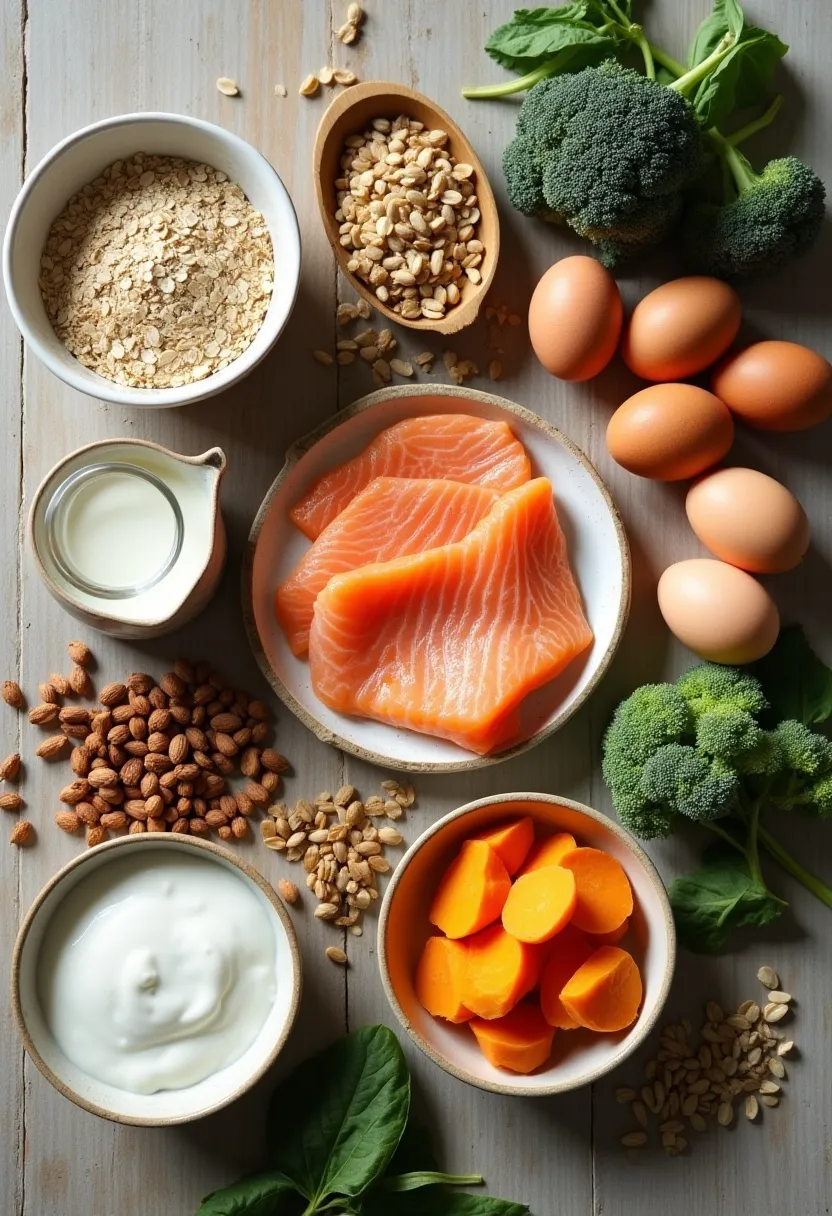
Some foods simply work harder for you — delivering energy, supporting muscle repair, reducing inflammation, and helping your body adapt to exercise.
Based on the BBC Good Food guide and expanded with practical nutrition insight, here are the 10 foods that deserve a spot in your weekly routine.
1. Cow’s Milk — Nature’s Recovery Drink
Milk is one of the most underrated fitness foods.
It naturally combines protein + carbs — the ideal post-workout ratio.
Why it works:
- Whey protein = fast muscle repair
- Carbs = quicker glycogen restoration
- Calcium = bone strength
- Electrolytes = hydration support
Easy ways to use it:
- A glass of milk after training
- Add to smoothies
- Porridge cooked with milk for extra protein
2. Dried Fruit — Quick, Portable Energy
Dried apricots, dates, raisins, figs — perfect when you need rapid fuel.
Why it works:
- Quick-release carbs for pre- or mid-workout energy
- Potassium & iron for endurance
- Easy to digest
Easy ways to use it:
- A handful before a run
- Mix into yoghurt
- Add to homemade energy bars
3. Broccoli & Leafy Greens — Recovery Essentials
Greens deliver antioxidants, fibre, vitamins, and minerals that speed up recovery.
Why it works:
- Reduces oxidative stress
- Supports bone health (calcium, vitamin K)
- Helps reduce inflammation
Easy ways to use it:
- Add spinach to omelettes or smoothies
- Roast broccoli for dinner bowls
- Mix kale into grain salads
4. Sweet Potatoes — Slow, Steady Energy
Sweet potatoes are a goldmine of fitness-friendly nutrients.
Why it works:
- Slow-release carbs for longer workouts
- Fibre for steady blood sugar
- Vitamin C & antioxidants for recovery
- Iron for endurance
Easy ways to use it:
- Roast a batch for weeknight dinners
- Pair with chicken, tofu, or beans
- Add to power bowls
5. Oily Fish (Salmon, Mackerel, Sardines)
A top-tier food for anyone who trains regularly.
Why it works:
- Omega-3s reduce post-exercise inflammation
- High-quality protein for muscle repair
- Vitamin D supports immunity and bone health
Easy ways to use it:
- Baked salmon with veg
- Tinned sardines on wholegrain toast
- Mackerel salad bowls
6. Eggs — The Ultimate Muscle Food
One egg contains all essential amino acids — pure repair power.
Why it works:
- High-quality protein
- Choline for brain focus
- Vitamin D for overall health
Easy ways to use it:
- Scrambled or poached for breakfast
- Add boiled eggs to salads
- Make a veggie omelette post-workout
7. Pulses (Beans, Lentils, Chickpeas)
Budget-friendly, versatile, and incredibly nutritious.
Why they work:
- Plant protein for muscle repair
- Fibre for fullness
- Iron, zinc, B vitamins for energy
Easy ways to use them:
- Add to stews, soups, salads
- Make lentil bowls
- Snack on roasted chickpeas
8. Greek Yoghurt — Protein + Probiotics
A great option for both muscle repair and gut health.
Why it works:
- High protein content
- Probiotics support digestion
- Great with fruits for a carb + protein combo
Easy ways to use it:
- Post-workout parfait
- Base for smoothies
- Savoury bowl with herbs and cucumbers
9. Oats — Your All-Day Energy Base
A stable source of energy that supports long workouts.
Why it works:
- Slow-release carbs
- Beta-glucans support heart health
- Affordable, filling, customizable
Easy ways to use it:
- Porridge
- Overnight oats
- Added to smoothies or pancakes
10. Nuts & Seeds — Compact, Powerful Fuel
Tiny, but mighty.
Why they work:
- Healthy fats for hormone balance
- Protein for recovery
- Minerals for muscle function
Easy ways to use them:
- Snack handful
- Sprinkle on oats, yoghurt, salads
- Blend into smoothies or nut butters
These 10 foods aren’t trendy — they’re reliable.
They offer real fuel, real nutrition, and real results.
Building Your Fitness Plate — Carbs, Protein, Fats (Made Simple)
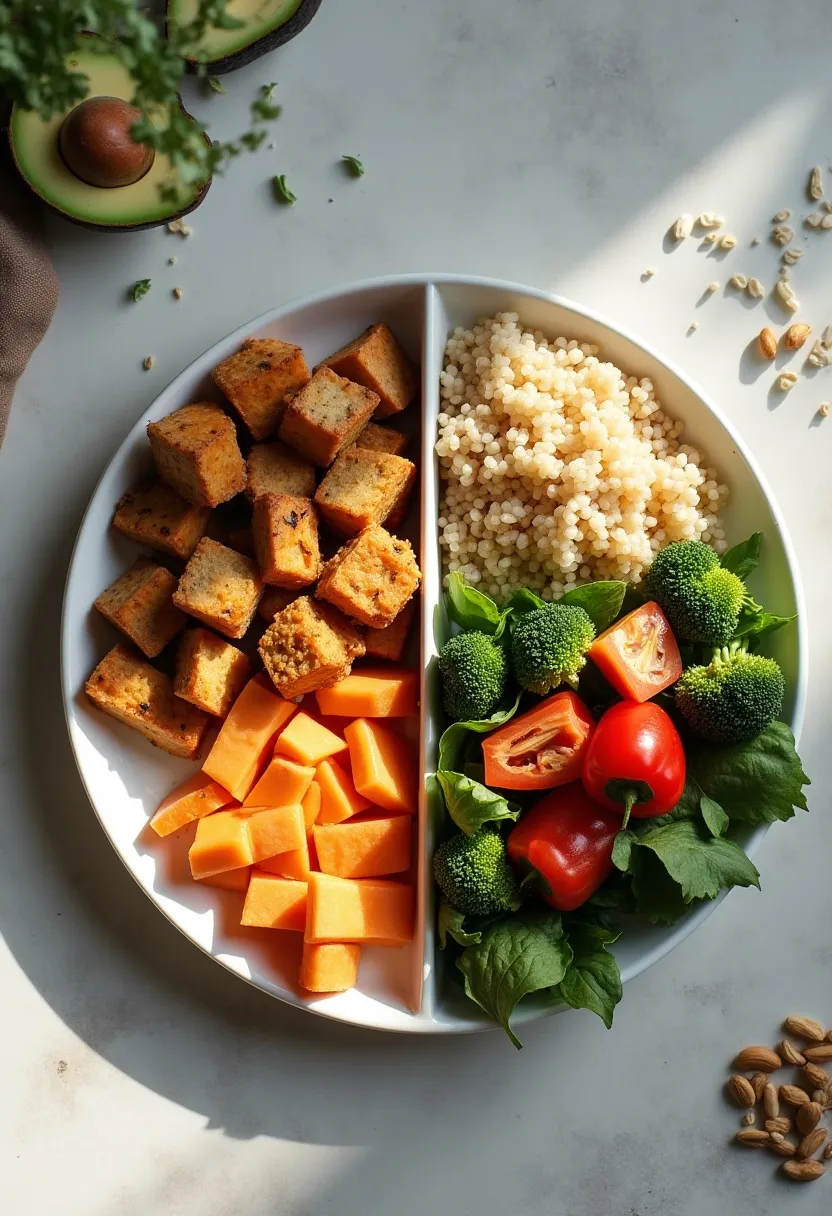
A great workout doesn’t start at the gym — it starts on your plate.
But that doesn’t mean you need a scale, a macro calculator, or meal-prep containers lined up like soldiers. A fitness-friendly plate is simple, visual, and surprisingly intuitive once you know the basic structure.
Think of your meals as fuel blends. Each part plays a distinct role.
Carbohydrates: The Energy Engine
Carbs power your muscles and your brain. They refill the glycogen you burn during training and keep your workouts feeling strong instead of sluggish.
Great choices: oats, brown rice, quinoa, wholegrain pasta, sweet potatoes, fruit.
Visual guide:
➡️ About ⅓ to ½ of your plate on training days
➡️ About ¼ of your plate on lighter or rest days
Real-life example:
- A bowl of oats with berries before a morning run
- Sweet potato paired with fish or tofu after strength training
- Brown rice or wholegrain wraps at lunch for steady afternoon energy
Protein: The Repair Crew
Protein rebuilds the muscle fibers you stress during a workout. Without enough of it, recovery stalls and soreness lingers.
Great choices: eggs, Greek yoghurt, milk, fish, chicken, beans, lentils, tofu.
Visual guide:
➡️ A palm-sized portion at each meal
➡️ 20–30g protein ideal after workouts
Real-life example:
- Omelette with spinach
- Chicken or beans in a hearty grain bowl
- Greek yoghurt parfait after a run
Healthy Fats: The Support System
Healthy fats keep hormones balanced, support joint health, help you absorb vitamins, and provide longer-lasting energy — especially for endurance activities.
Great choices: nuts, seeds, olive oil, avocados, oily fish.
Visual guide:
➡️ About a thumb-sized portion of fats per meal
➡️ Or a small handful of nuts as a snack
Real-life example:
- Olive oil drizzled on roasted vegetables
- Avocado with eggs on wholegrain toast
- A few walnuts or almonds before a walk
Vegetables & Fruit: The Recovery Boosters
Technically not a macronutrient group, but essential all the same.
They reduce inflammation, replenish vitamins, support gut health, and help with repair — especially after intense sessions.
Visual guide:
➡️ ½ your plate filled with vegetables or fruit whenever possible
Real-life example:
- Broccoli or kale alongside your protein
- Berries stirred into yoghurt
- Spinach added to pasta or eggs
The Simple Formula for Any Fitness Plate
Whether it’s before or after a workout, aim for:
- ½ vegetables / fruit
- ¼ wholegrain carbs
- ¼ protein
- a small portion of healthy fats
That’s it.
Balanced, flexible, and sustainable — no spreadsheets required.
Pre-Workout Nutrition — Energy You Can Trust
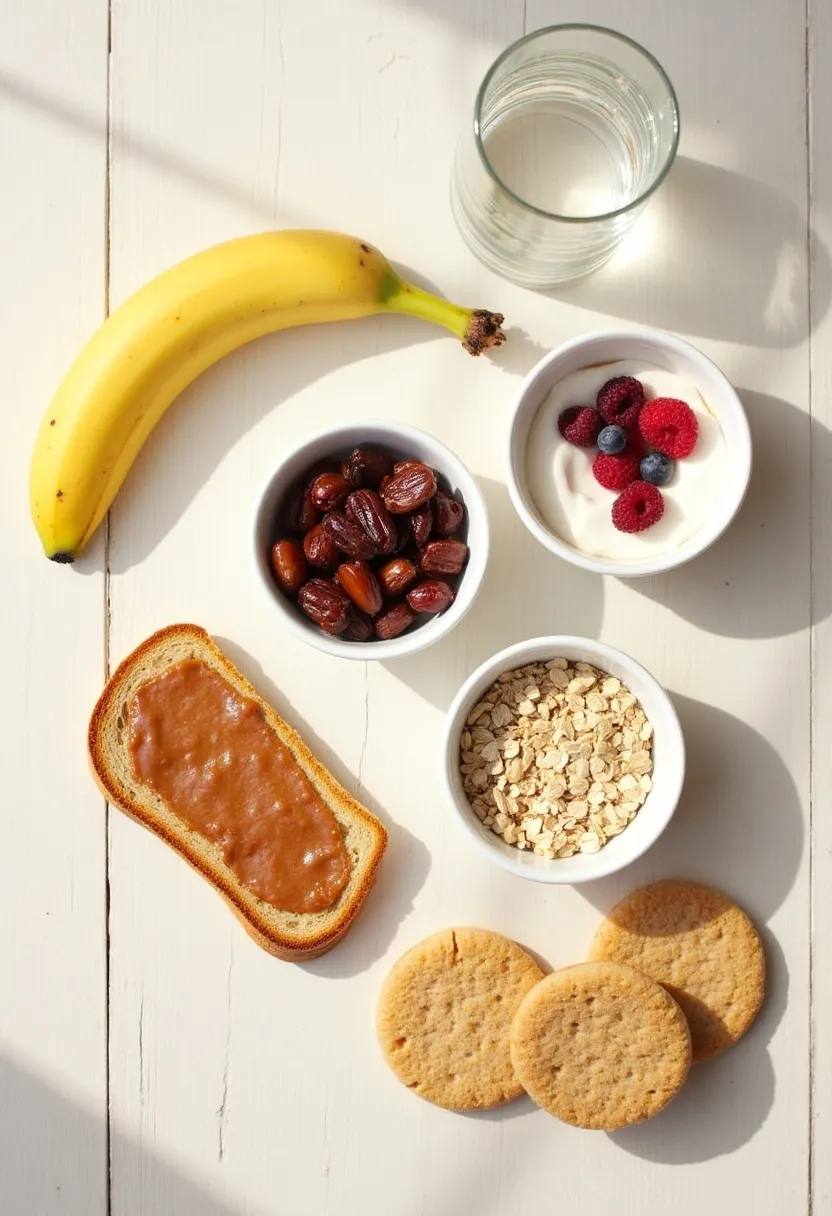
The hour before your workout is more powerful than most people realize. Eat too little, and you feel flat. Eat too heavy, and your stomach does more work than your muscles. The sweet spot? Light, steady fuel that your body can turn into clean, reliable energy.
Here’s how to do it right — without overthinking it.
When to Eat Before Training
Most people feel best eating 30–90 minutes before exercise.
Closer to training = smaller snack.
Further away = slightly bigger mini-meal.
A good guideline:
- 30–45 minutes before: quick carbs
- 60–90 minutes before: carbs + a little protein
What to Eat Before a Workout
Your goal is simple: give your muscles accessible energy without weighing down your digestion.
Ideal Pre-Workout Foods
Quick, easy-to-digest carbs:
- Banana
- A handful of dried fruit
- A slice of wholegrain toast
- A small bowl of oats
- Rice cakes
- A fruit yoghurt
Carbs + light protein for longer sessions:
- Greek yoghurt + berries
- A small smoothie (milk + fruit)
- Half a wholegrain wrap with turkey or hummus
- Porridge with a spoon of nuts or seeds
Each option gives you fuel that burns clean and steady — no spikes, no crashes.
What to Avoid Before Training
Some foods are great… but not right before you move.
Try to avoid:
- Heavy, greasy meals
- Big servings of meat
- High-fibre meals that can cause digestive issues
- Too much caffeine if you’re sensitive
- New foods you’ve never tried before a workout
Save those for later, when your body isn’t trying to run, lift, or jump.
Hydration: Don’t Start “on Empty”
Dehydration — even mild — makes workouts feel harder than they should.
Aim for:
- One glass of water when you wake up
- One glass 30 minutes before training
For long or sweaty workouts, add electrolytes or choose hydrating foods like fruit or milk.
The Pre-Workout Rule to Remember
Your body performs best when it’s fueled, not fasted.
A simple snack can make the difference between a sluggish session and a strong, satisfying one.
Post-Workout Nutrition — Repair, Rebuild, Recover
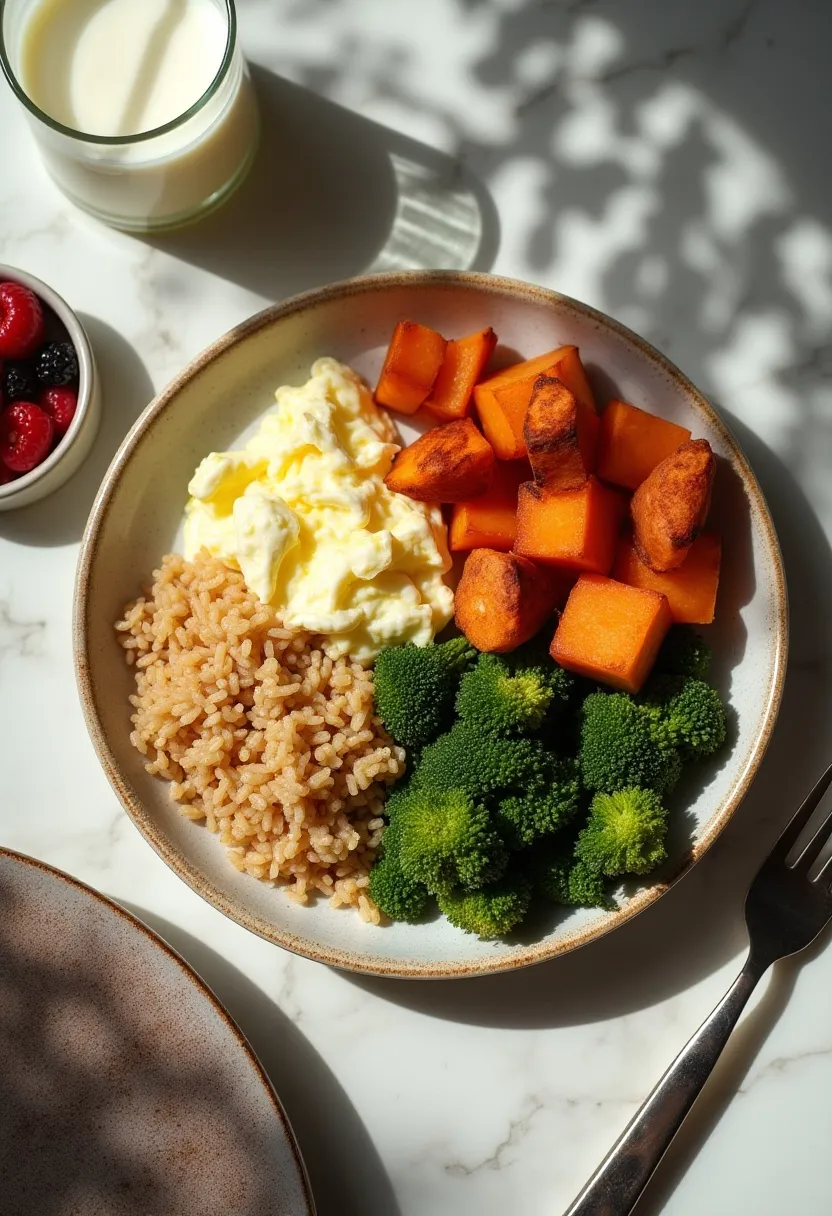
When your workout ends, your body quietly gets to work.
Muscles repair. Glycogen stores refill. Inflammation calms. Hormones rebalance.
This recovery window is where real progress happens — and your food can dramatically speed that process up.
Think of post-workout nutrition as a partnership: you train, your food rebuilds you.
Why Post-Workout Nutrition Matters
During exercise, your muscles experience microtears — the good kind — and your glycogen drops.
Post-workout food helps by:
- repairing muscle fibers
- restoring energy stores
- reducing soreness
- improving strength gains
- supporting immunity
You’re not just feeding hunger — you’re fueling adaptation.
The Magic Combo: Carbs + Protein
Right after training, your body responds best to a balance of carbohydrates and protein.
Carbs refill glycogen.
Protein rebuilds muscle.
Together, they work far better than either one alone.
Aim to eat within 45–90 minutes after your workout for the best results.
Easy Post-Workout Meals & Snacks
High-Protein, Quick Options
- A glass of milk + a banana
- Greek yoghurt with berries and honey
- Cottage cheese with fruit
- A small smoothie (milk + yoghurt + berries)
Balanced Mini-Meals
- Scrambled eggs + wholegrain toast
- Baked salmon + broccoli + sweet potato
- Chicken, tofu, or lentils with brown rice and greens
- Oats cooked with milk + seeds + fruit
- Rice bowl with beans, veggies, and avocado
These meals give your body everything it needs to start rebuilding.
Rehydration: Don’t Skip It
After sweating, your body needs more than just water — it needs electrolytes.
Great natural sources:
- milk
- yoghurt
- fruit
- a pinch of salt in water
- coconut water (for long sessions)
Hydration helps reduce cramps, fatigue, and headaches after training.
If You’re Not Hungry After a Workout…
It happens, especially after high-intensity sessions.
Choose something small, cold, refreshing:
- smoothie
- yoghurt
- chocolate milk
- a piece of fruit + nuts
Even a small snack is better than skipping.
The Post-Workout Principle
Train hard, then feed your body well.
This is where strength, speed, and stamina truly improve.
Fitness Foods for Different Goals
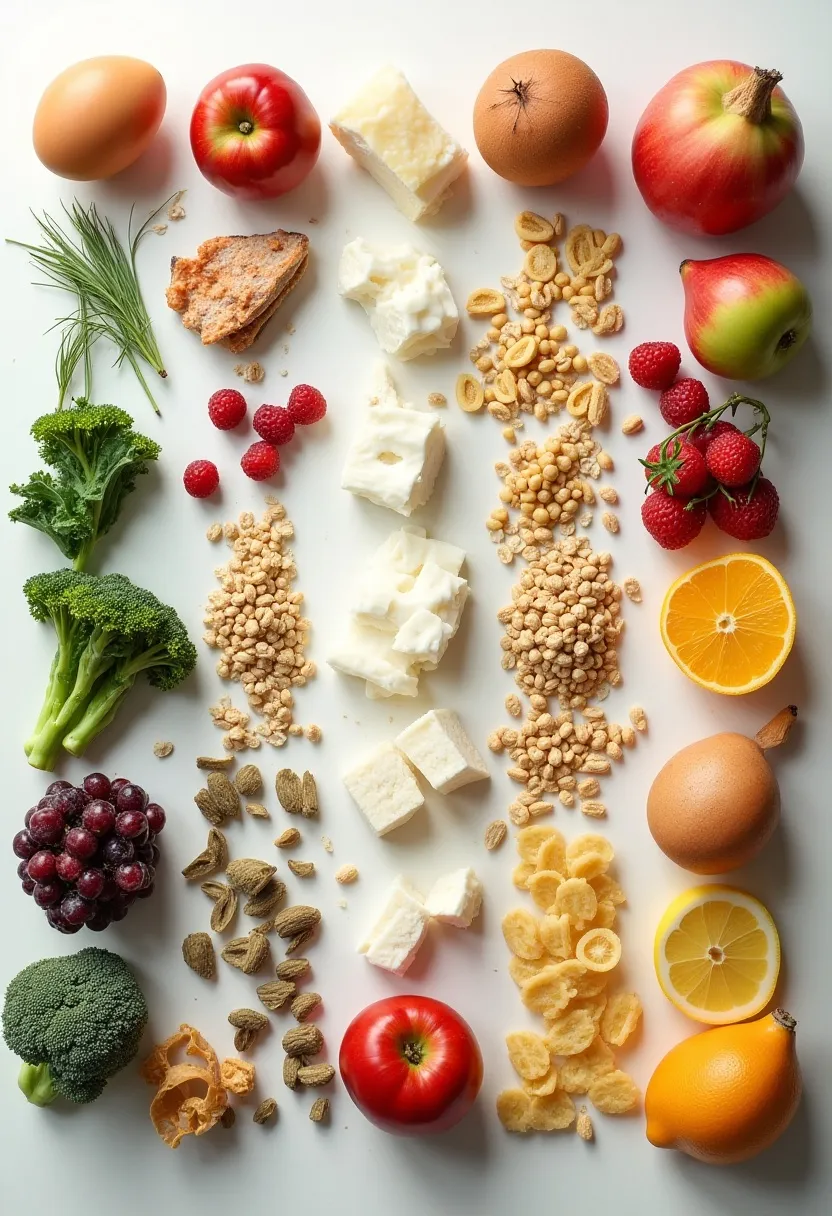
Not all workouts are the same — and neither are the goals behind them.
Some people train to build muscle, others to lose weight, some to run further, and many simply want to feel better in their daily lives.
Your nutrition can shift gently to support whatever you’re working toward.
Here’s how to tailor your fitness foods to match your goals — without complicated rules.
Goal 1: Building Muscle
To build muscle, your body needs:
- enough protein to repair tissue
- enough carbs to fuel training
- enough calories to grow
Best foods for this goal:
- Eggs
- Milk
- Greek yoghurt
- Oats
- Chicken, tofu, or pulses
- Sweet potatoes
- Nuts and seeds
- Oily fish
Simple approach:
- Include 20–30g of protein at each meal
- Add carbs around workouts (oats, sweet potatoes, rice)
- Snack on nuts, dried fruit, yoghurt for extra calories
Meal idea:
Chicken (or lentils) + quinoa + roasted sweet potatoes + broccoli.
Goal 2: Losing Weight in a Healthy, Sustainable Way
Weight loss isn’t about eating less — it’s about eating right.
The best foods for this goal help you feel full, steady, and satisfied.
Best foods for this goal:
- Eggs
- Greek yoghurt
- Leafy greens
- Broccoli and vegetables
- Beans and lentils
- Oats
- Berries
- Nuts (small portions)
Simple approach:
- Prioritize high-protein + high-fibre meals
- Build plates half vegetables
- Choose slow-release carbs for steady energy
- Keep healthy fats moderate
Meal idea:
Greek yoghurt + berries + nuts, or veggie omelette + wholegrain toast.
Goal 3: Boosting Endurance (Running, Cycling, HIIT)
Endurance requires a larger, steadier supply of energy.
Best foods for this goal:
- Oats
- Sweet potatoes
- Dried fruit
- Wholegrain pasta / rice
- Milk
- Nuts and seeds
- Oily fish
Simple approach:
- Increase carbs on training days
- Add dried fruit or a banana pre-run
- Rebuild afterwards with milk + oats or yoghurt + fruit
Meal idea:
Oat bowl with banana, seeds, and milk before a long session.
Goal 4: Everyday Fitness & Well-Being
Not training for an event? Just staying active, healthy, and energized?
Best foods for this goal:
- A mix of all the fitness foods: eggs, oats, yoghurt, greens, pulses, nuts, fruit
- Easy meals that give steady energy
Simple approach:
- Keep meals balanced (½ veg, ¼ protein, ¼ carbs)
- Add a few fitness foods each day
- Focus on consistency, not perfection
Meal idea:
Salmon + greens + wholegrains — simple, nourishing, effective.
When Your Goals Change, Your Plate Can Change Too
The beauty of these fitness foods is that they’re adaptable.
The same foods can support strength, weight loss, endurance, and everyday wellness — it’s all about the portions, timing, and combinations.
How to Integrate These Foods Into Your Week
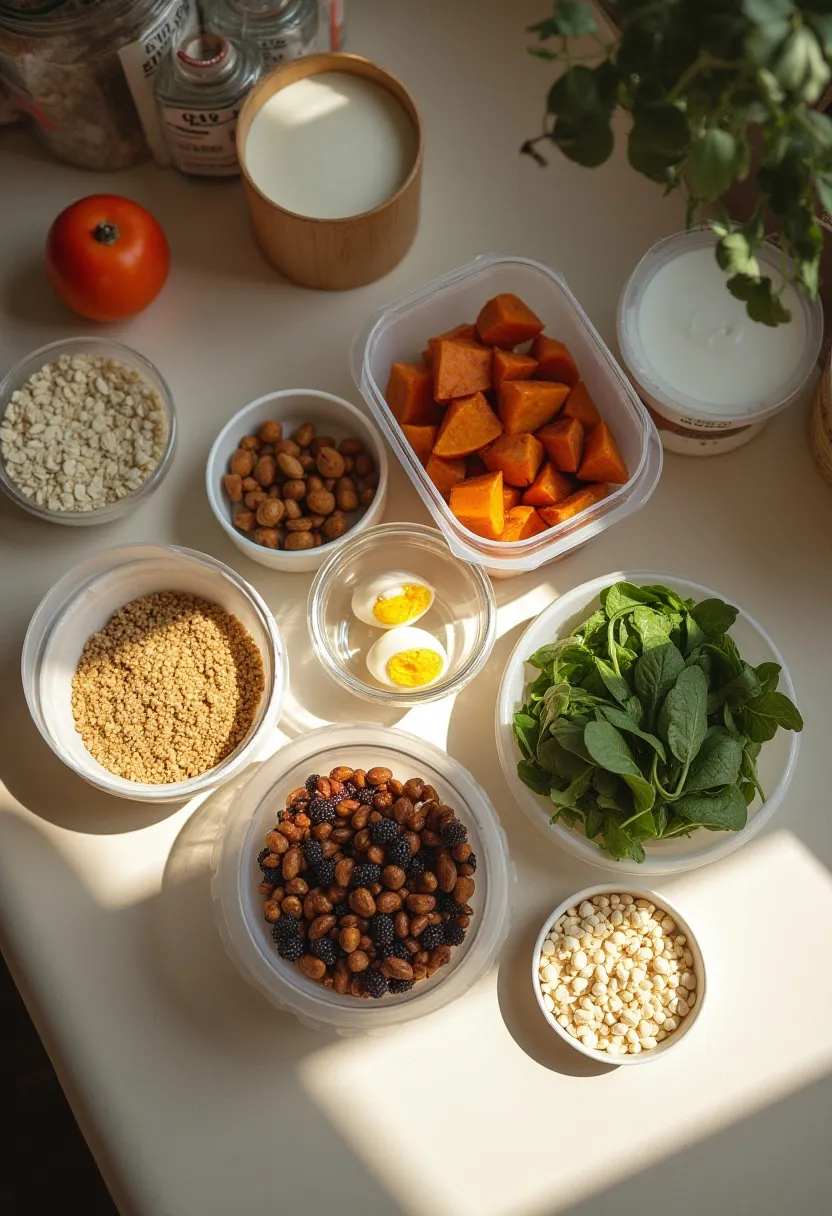
Knowing what to eat is great — but knowing how to fit those foods into your actual week is where the real magic happens.
Most people don’t need a strict meal plan. They need simple systems that make healthy choices easy, automatic, and realistic, even on busy days.
Here’s how to bring fitness-friendly eating into your everyday life without stress.
1. Stock Your Kitchen with “Always-Here” Foods
Create a small list of foods that support your fitness routine and keep them on hand.
This turns balanced meals from a challenge into a habit.
Great staples:
- Eggs
- Milk or Greek yoghurt
- Oats
- Sweet potatoes
- Frozen berries
- Frozen greens (spinach, broccoli)
- Tinned beans or lentils
- Nuts & seeds
- Tinned oily fish (salmon, mackerel, sardines)
With these, you can build a complete fitness meal in minutes.
2. Build 2–3 “Go-To” Meals You Can Make on Autopilot
These are meals you don’t need to think about — perfect for busy days.
Ideas:
- Oat bowl with milk, berries, seeds
- Eggs + greens + wholegrain toast
- Sweet potato + salmon (or beans) + broccoli
- Greek yoghurt + fruit + nuts
- Rice bowl with veggies + tofu/chicken/beans
Make them your defaults.
3. Prep Once, Benefit for Days
Meal prep doesn’t have to be Instagram-level.
Even 20 minutes of prep creates a week of easier choices.
Quick prep that goes far:
- Roast a tray of sweet potatoes or mixed vegetables
- Boil a batch of eggs
- Cook 2–3 servings of quinoa or brown rice
- Pre-wash greens
- Portion out nuts or dried fruit for snacks
This turns last-minute hunger into something manageable and healthy.
4. Match Your Food to Your Training Days
A small shift can make a big difference.
On heavy workout days:
- More carbs (oats, rice, pasta, sweet potatoes)
- More quick energy before sessions
- Carbs + protein after
On light or rest days:
- More vegetables
- Moderate carbs
- High-fibre meals for steady energy
No strict rules — just gentle adjustments.
5. Keep Easy Snacks Ready
Fitness-friendly snacks stop the “I’ll eat whatever’s around” spiral.
Great portable options:
- Trail mix (nuts + dried fruit)
- Fruit + yoghurt
- Protein-rich leftovers
- Crackers + hummus
- Peanut butter on wholegrain toast
These keep you fueled between meals without overthinking.
6. Let Convenience Help You (Not Hurt You)
Healthy shortcuts are a life-saver.
Smart convenience picks:
- Pre-cut vegetables
- Rotisserie chicken or cooked lentils
- Frozen mixed veggies
- Ready-to-eat salmon packets
- Microwaveable wholegrains
These options keep you on track when time is short.
7. Be Flexible — Fitness Food Isn’t All-or-Nothing
Some days you’ll eat beautifully balanced meals.
Other days you’ll grab a yoghurt and a banana and call it done.
That’s normal.
Fitness is built on consistency, not perfection.
If you include even a few of these foods throughout the week, your energy, recovery, and performance will gradually shift in the right direction.
Myths, Mistakes & Common Confusions
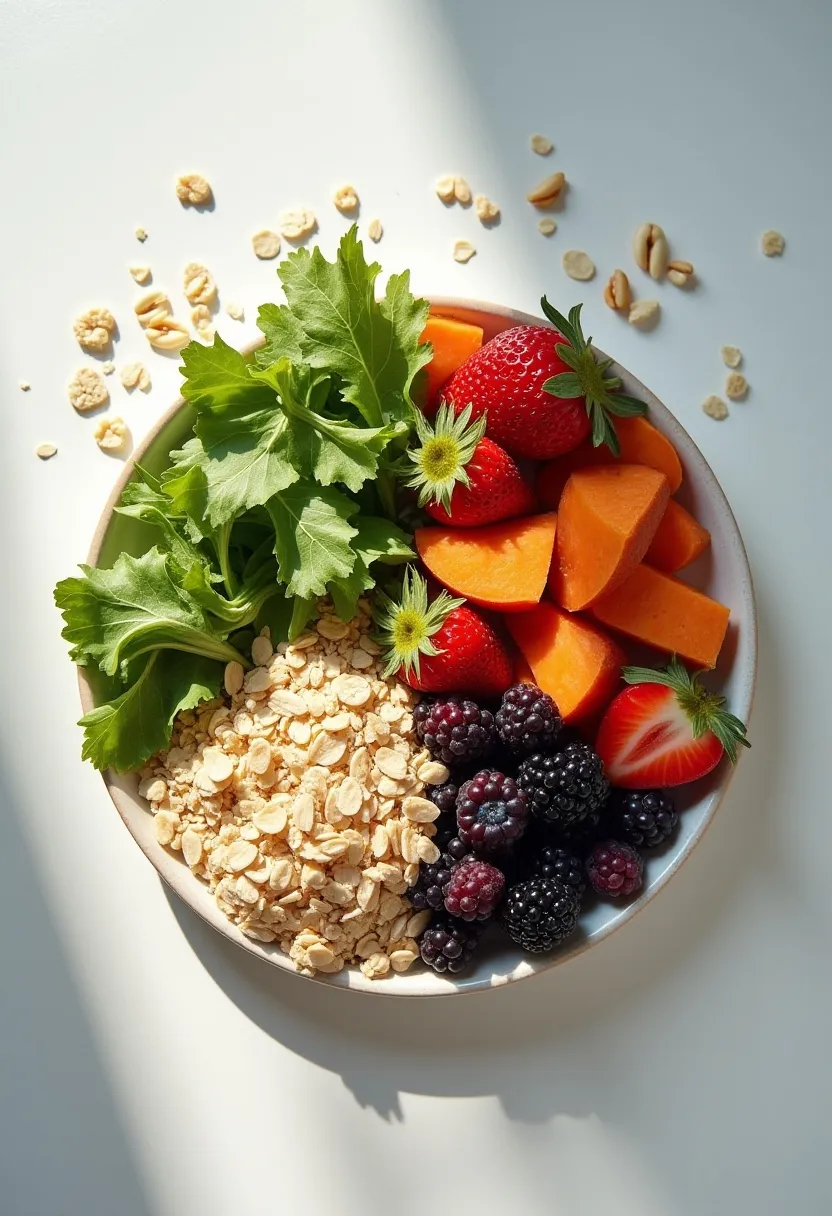
With so much nutrition noise online, it’s easy to get overwhelmed — or worse, follow advice that actually slows your progress.
Let’s clear up a few common misunderstandings so your fitness journey feels grounded, simple, and sustainable.
Myth 1: “I need supplements to see results.”
Truth:
Supplements can help in specific cases, but real food does the heavy lifting.
Milk, yoghurt, eggs, oats, pulses, oily fish, fruits, and vegetables naturally contain the nutrients many supplements try to imitate.
Start with whole foods — add supplements only if needed.
Myth 2: “Carbs are the enemy.”
Truth:
Carbs are your body’s preferred source of energy for workouts.
Cutting them too low can lead to sluggish sessions, poor recovery, and increased cravings.
Choose slow-release carbs like oats, quinoa, pasta, potatoes, and fruit.
Your training will feel stronger and more stable.
Myth 3: “Protein = meat.”
Truth:
Meat is just one option.
Eggs, milk, Greek yoghurt, beans, lentils, chickpeas, tofu, nuts, and seeds are all powerful sources.
Plant-based athletes thrive too — the key is variety.
Myth 4: “Healthy food is expensive.”
Truth:
Some of the best fitness foods are among the most affordable:
- Oats
- Eggs
- Beans and lentils
- Sweet potatoes
- Frozen vegetables
- Dried fruit
Simple, budget-friendly meals can still fuel powerful workouts.
Myth 5: “More exercise means I can eat anything.”
Truth:
Training increases calorie needs, but quality still matters.
Foods rich in nutrients help your body adapt, stay strong, and recover faster.
Ultra-processed foods often leave you hungrier and more fatigued.
Myth 6: “You need to eat ‘perfectly’ every day.”
Truth:
Perfection is impossible. Consistency is what counts.
Fitness-friendly eating means making balanced choices most of the time — not all the time.
A burger won’t ruin your progress. A salad won’t magically transform your body.
Real change comes from steady habits, not extremes.
Common Mistake: Undereating After Workouts
Many people try to “be good” by eating too little post-training.
This slows recovery, weakens performance, and leaves you exhausted.
Feed your body. It earns it.
Common Mistake: Ignoring Hydration
Water isn’t glamorous, but it’s vital.
Mild dehydration increases fatigue, slows reaction time, and makes workouts feel harder than they should.
Common Mistake: Overcomplicating Everything
You don’t need macros, calorie tracking, or a spreadsheet.
Just:
- carbs for energy
- protein for repair
- healthy fats for support
- fruits & vegetables for recovery
Simple works.
Conclusion: Eat Smart, Move Strong, Feel Better
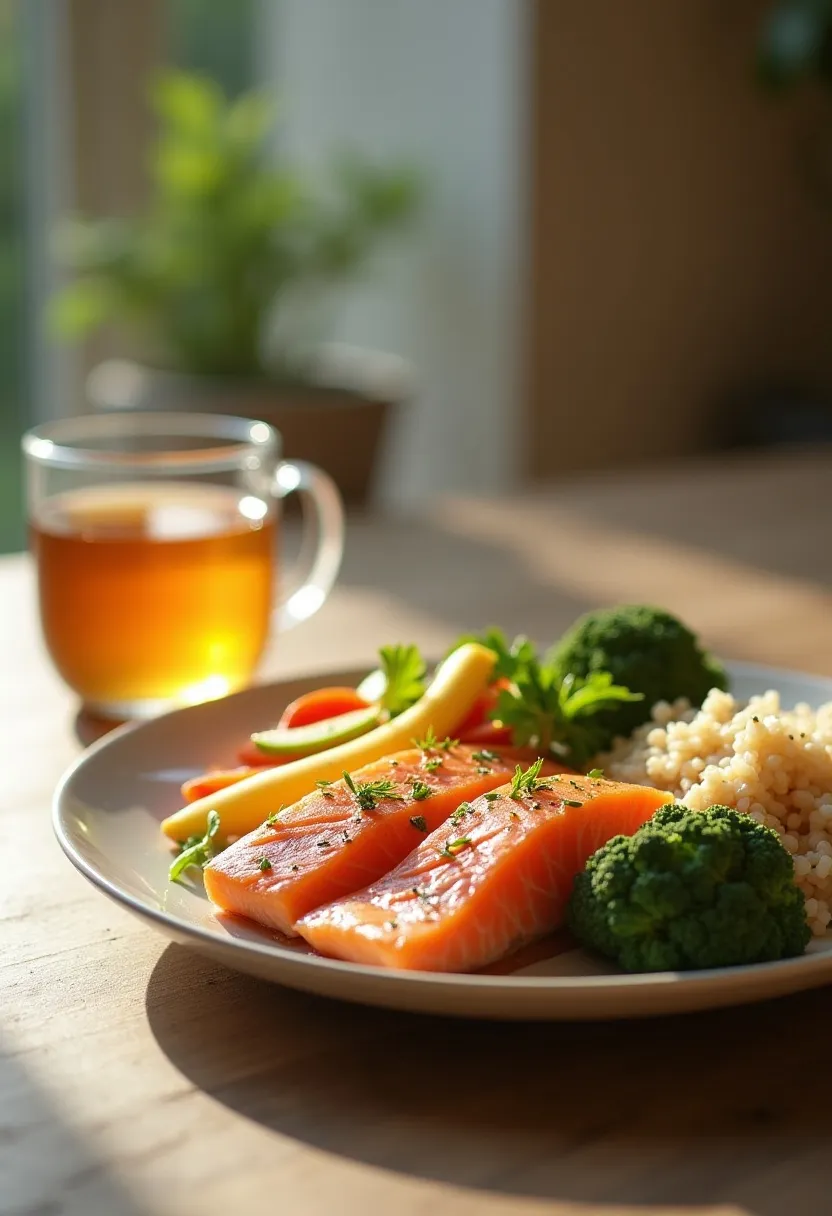
The more you train, the more you realize something simple but powerful:
your workouts are only as strong as the food that fuels them.
When you nourish your body well, everything feels different — the first mile, the last rep, the next morning. Energy flows more naturally. Recovery feels smoother. You show up stronger, clearer, and more confident in what your body can do.
And the best part? You don’t need complicated diets or expensive supplements to get there.
Real food — oats, eggs, milk, greens, pulses, sweet potatoes, fruit, oily fish, nuts, yoghurt — gives you everything you need to train well and feel good day to day.
Start small.
Pick two or three of the foods from this guide and rotate them into your meals this week.
Notice how your energy changes. Notice how your workouts feel. Notice how recovery shifts.
Fitness isn’t perfection.
It’s a practice — a combination of movement, rest, and the steady nourishment you give yourself between workouts.
Fuel your body with intention, and it will reward you with strength, focus, and the kind of vitality that carries into every part of your life.
You don’t just work out to be stronger in the gym.
You work out to live fully — and the right fuel helps you live that way every day.


Nice blog.
Nice blog.