Contents
- Why Eggplant Parmesan Has Stayed Relevant for So Long 🇮🇹
- Comfort Food That Doesn’t Overwhelm 🫶
- Understanding Eggplant Before You Cook It 🍆
- Ingredient Simplicity Does Not Mean Ingredient Neglect 🧀🍅
- Classic Eggplant Parmesan Recipe 🧑🍳
- Serving Eggplant Parmesan Without Overthinking It 🍽️
- Storage, Reheating, and Real-Life Practicality 🧊🔥
- Why Eggplant Parmesan Still Matters ❤️
Some recipes are made for very practical moments.
You’re tired 😮💨, maybe a little hungry in an unfocused way, and you just want something warm on a plate as soon as possible. These meals are useful. They get the job done. Most of the time, you don’t remember them the next day.
Eggplant Parmesan is rarely that kind of recipe. 🍆🧀
It’s usually something you decide to make earlier than necessary. Sometimes in the morning, sometimes the day before. You know it will take time. You know there are steps that can’t be rushed. And still, you choose it — not because it’s efficient, but because you want cooking to slow things down instead of speeding them up.
Eggplant Parmesan has very little patience for shortcuts. If you rush it, the dish tells on you. The eggplant turns soft too quickly. The layers slide instead of holding together. The flavors feel disconnected. What it responds to instead is a steady, unhurried rhythm:
- letting the eggplant rest and release moisture
- frying in small batches rather than all at once
- allowing the dish to settle after baking instead of cutting immediately
None of this is dramatic or complicated, but skipping it changes the result. This is a dish that behaves better when you listen to it.
What’s interesting is that this sense of care doesn’t come from complexity. There are no rare ingredients here, no techniques meant to surprise anyone. Nothing flashy. And yet, when Eggplant Parmesan is done properly, it feels complete in a way that’s hard to explain. Balanced. Solid. Comforting without trying too hard. The kind of food that makes you slow down halfway through eating, even if you didn’t plan to. 🍅
Why Eggplant Parmesan Has Stayed Relevant for So Long 🇮🇹
Eggplant Parmesan didn’t last for generations because it impressed people. It lasted because it worked — again and again, in ordinary kitchens.
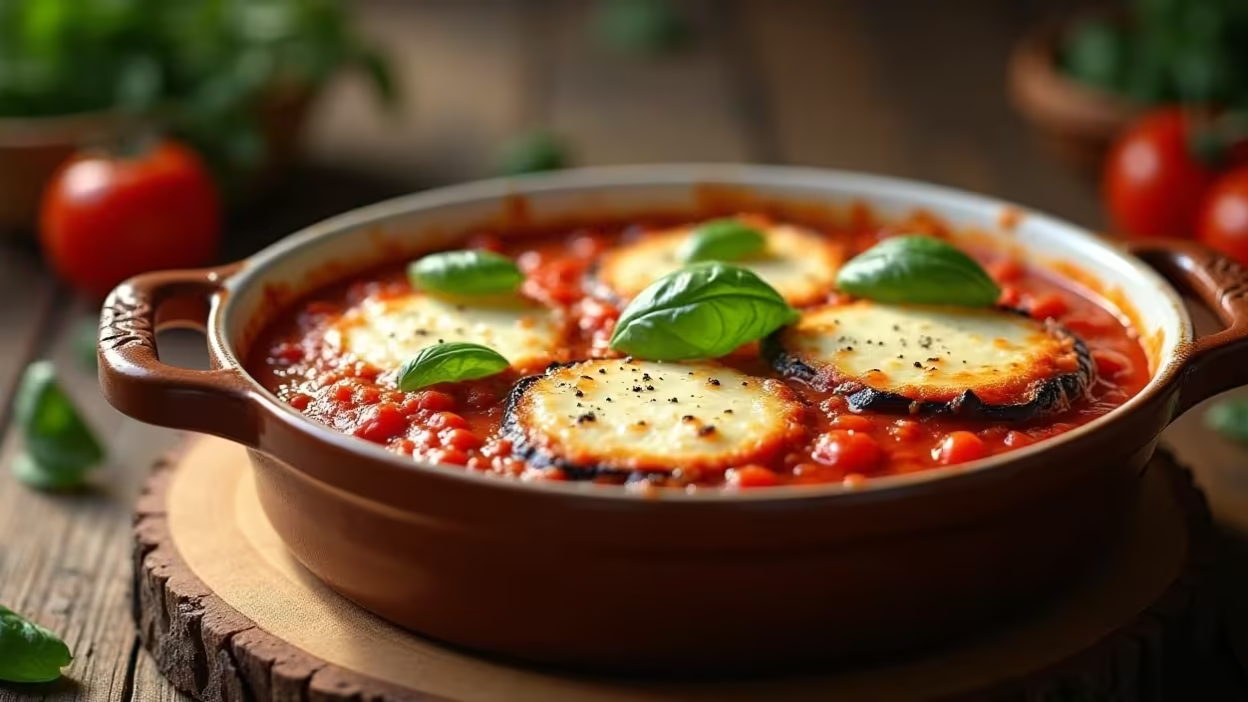
In southern Italy, eggplants were easy to grow and available most of the year. Meat wasn’t always an option, so cooks learned how to build meals that felt filling and generous without relying on it. Tomatoes brought acidity and freshness. Cheese added richness and salt. Eggplant quietly held everything together.
What helped the dish survive was the fact that it was never fixed in one form. There was no single “correct” version. Families adjusted it naturally, often without thinking about it too much.
Over time, this led to small differences that still feel familiar:
- some households prefer softer, saucier layers
- others keep the dish firmer and more structured
- frying the eggplant is essential in some kitchens 🔥
- baking is more common in others
- cheese choices often depend on what’s available, not strict tradition
Despite all these variations, the dish never loses its identity. It still feels like Eggplant Parmesan. That flexibility is part of its strength.
Comfort Food That Doesn’t Overwhelm 🫶
Comfort food is often associated with heaviness — more cheese, more sauce, more everything. Eggplant Parmesan offers comfort in a quieter, more balanced way.
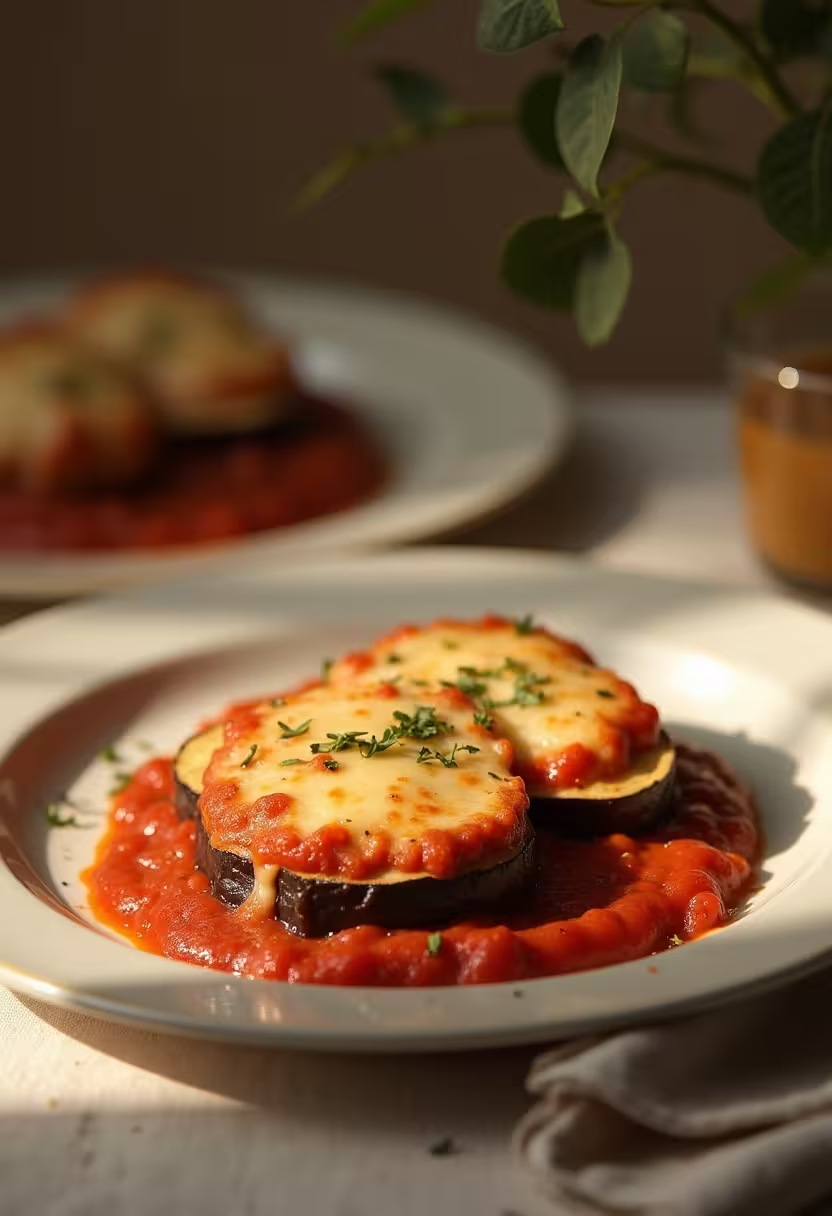
What makes it comforting isn’t excess, but familiarity:
- textures that feel soft without falling apart
- aromas that are warm and recognizable
- flavors that work together instead of competing
A good tomato sauce keeps the richness in check. Eggplant adds substance without making the dish feel heavy. The cheese is present, but it doesn’t dominate every bite. Nothing is trying to be the center of attention.
That balance is what makes Eggplant Parmesan so satisfying in the long run. You finish eating it feeling settled rather than overfull — calm, warm, and quietly content. 😊
Understanding Eggplant Before You Cook It 🍆
Eggplant is one of those ingredients that doesn’t hide much. It reacts directly to the way it’s handled. Treat it carelessly, and it will show every mistake. Take your time with it, and it becomes surprisingly generous.
In many kitchens, eggplant gets a bad reputation — too soggy, too oily, too bland. But almost always, that reputation comes from rushing it. Eggplant doesn’t respond well to being pushed through a recipe without preparation.
When it’s rushed or mishandled, the results are usually familiar 😕:
- the flesh releases too much water and turns watery
- oil gets absorbed instead of coating the surface, leaving it greasy
- bitterness lingers in the background
- slices lose their shape and collapse during cooking
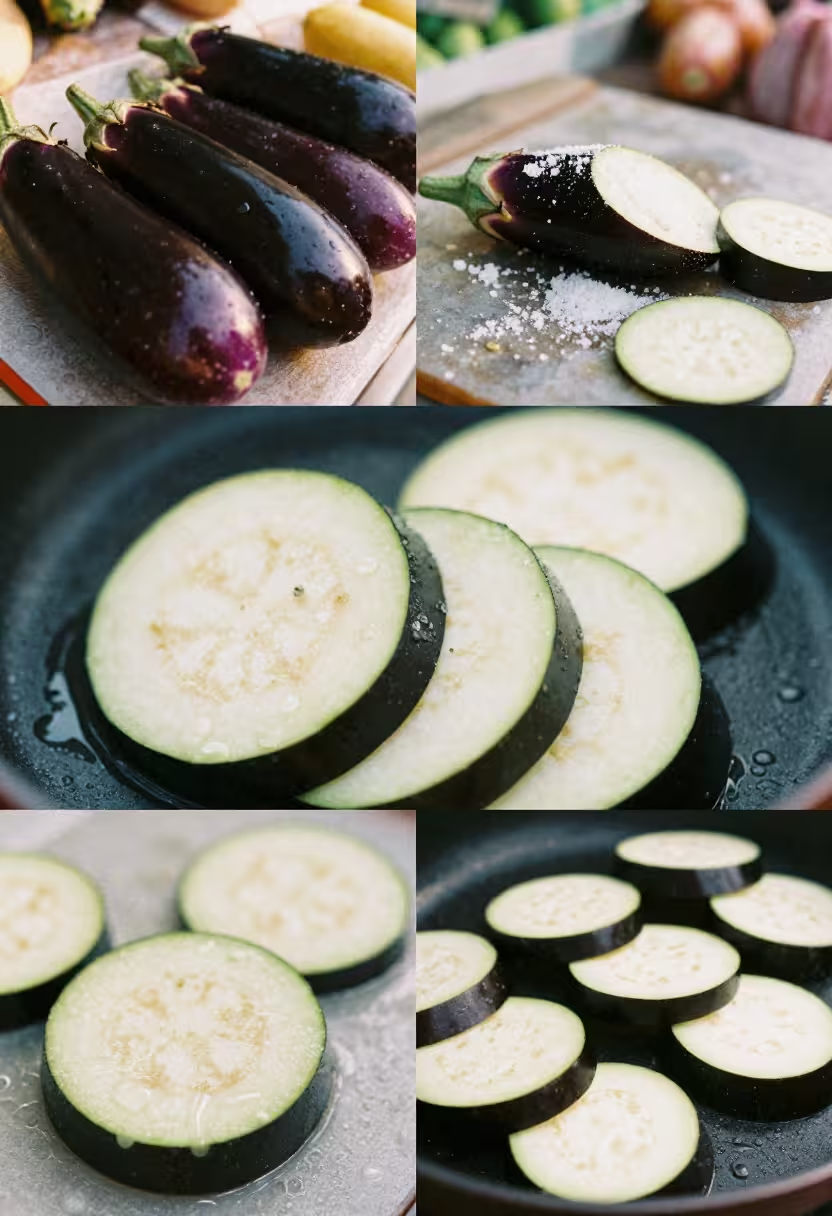
Handled with a bit more patience, the same ingredient behaves completely differently:
- the texture becomes tender, but still holds together
- the flavor deepens and turns savory rather than flat
- slices stack neatly and support layered dishes
- oil stays on the outside, adding crispness instead of heaviness
That difference doesn’t come from skill or fancy tools. It comes from one simple habit: letting eggplant do what it needs to do before cooking.
Salting eggplant is not an old superstition or a tradition people follow without thinking. It’s a practical step with very real results. Salt draws excess moisture out of the flesh, which means the eggplant won’t steam itself from the inside while cooking. It also softens the texture and reduces bitterness in a way no shortcut can replace.
Skipping this step doesn’t always ruin a dish immediately — but it almost always shows up later. The layers don’t hold. The oil feels heavier. The finished dish lacks structure. It’s one of those moments where ten minutes of waiting quietly saves you from disappointment an hour later. ⏳🍆
Choosing the eggplant itself also matters more than many people realize. You don’t need perfection, but there are a few things worth paying attention to when you’re at the store or market:
- skin that looks smooth and slightly glossy
- flesh that feels firm when gently pressed
- no soft spots, wrinkles, or dull patches
- a weight that feels heavier than expected for its size
Peeling the eggplant might seem like a way to improve texture, but in most cases, it does the opposite. The skin helps each slice keep its shape, especially during frying and baking. Without it, the eggplant is more likely to fall apart, particularly in layered dishes like Eggplant Parmesan. Leaving the skin on isn’t about tradition — it’s about structure.
Ingredient Simplicity Does Not Mean Ingredient Neglect 🧀🍅
Eggplant Parmesan works because it doesn’t rely on a long ingredient list. But that simplicity comes with responsibility. When there are only a few components on the plate, each one has to pull its weight.
A successful version of this dish depends less on creativity and more on attention to detail. Every ingredient plays a specific role:
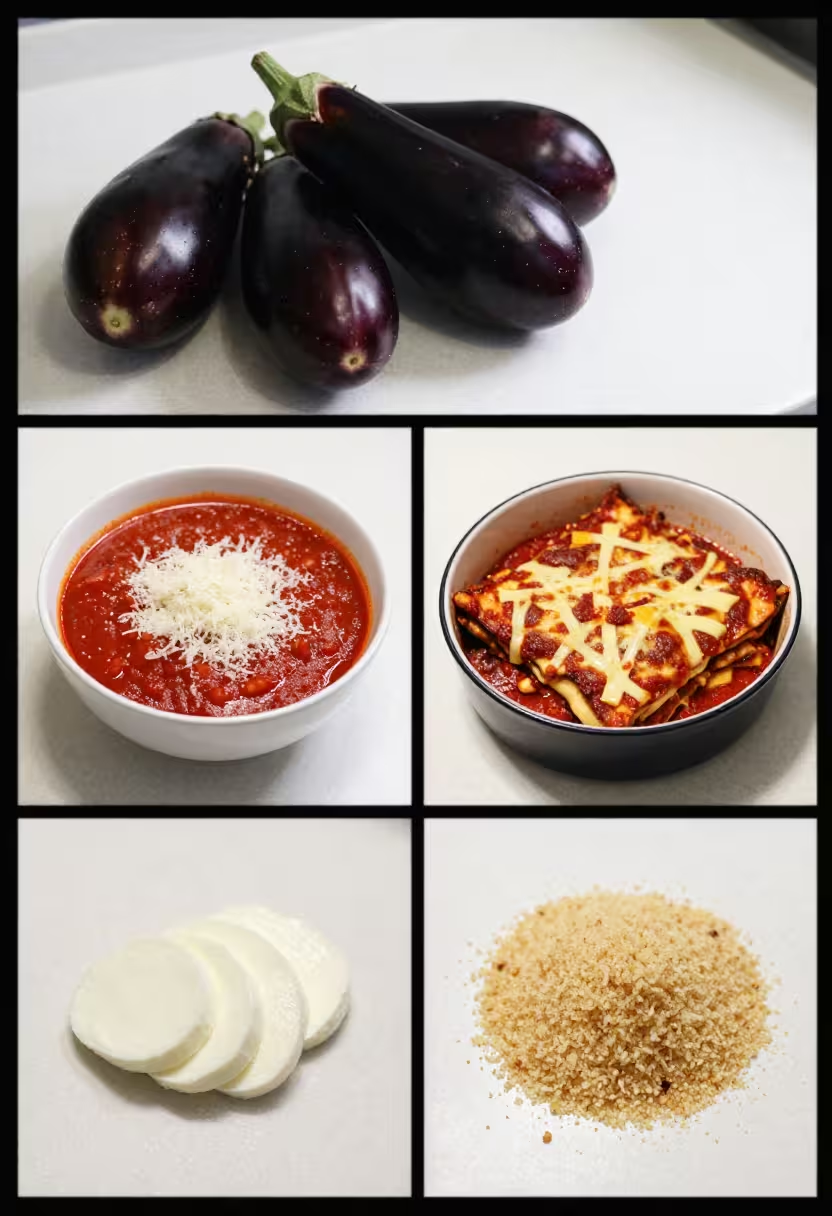
- the marinara sauce should taste balanced, with enough acidity to cut through the cheese, but not so sweet that it dominates
- mozzarella needs to melt smoothly and evenly, adding creaminess without releasing excess liquid
- Parmesan brings sharpness, salt, and structure, anchoring the softer elements
- breadcrumbs should provide light texture, not density or heaviness
None of these ingredients exist to fill space. If one is careless — a watery cheese, an overly sweet sauce, stale breadcrumbs — the dish immediately loses clarity. The flavors blur instead of working together.
Eggplant Parmesan doesn’t need embellishment. It needs respect for the basics. When those basics are handled well, the dish feels complete without explanation.✨
Classic Eggplant Parmesan Recipe 🧑🍳
This recipe follows a traditional approach focused on structure, texture, and clean flavors. The steps are deliberate, but not complicated. Read through once before beginning, then move calmly from one stage to the next.
Ingredients
- 2 large eggplants, sliced into ¼-inch rounds
- Salt (for preparation and seasoning)
- 1 cup all-purpose flour
- 3 large eggs, beaten until smooth
- 2 cups Italian-style breadcrumbs
- ½ cup finely grated Parmesan cheese, plus extra for topping
- 4 cups good-quality marinara sauce
- 16 oz (450 g) fresh mozzarella cheese, sliced or shredded
- Olive oil or neutral vegetable oil for frying
- Fresh basil, chopped
- Freshly ground black pepper
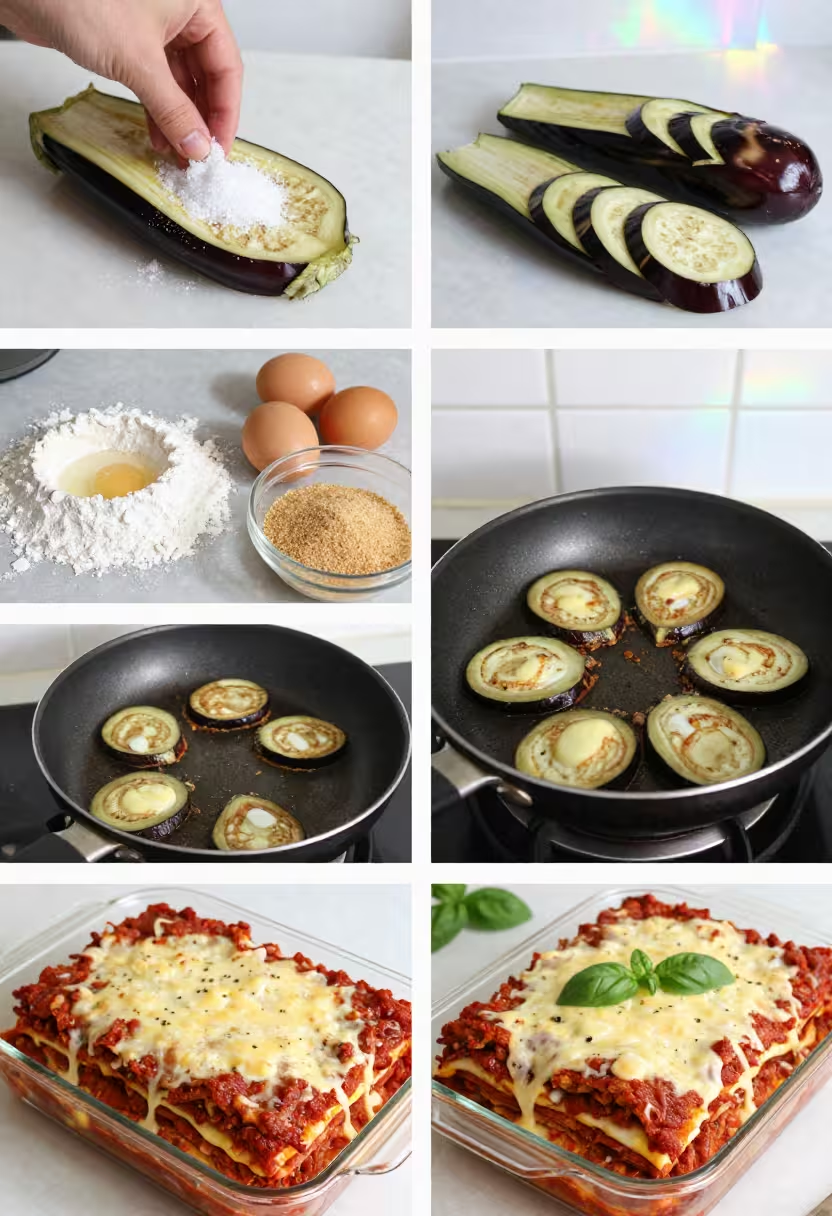
Step-by-Step Instructions
1. Prepare the eggplant
Lay the eggplant slices in a single layer on paper towels or a wire rack. Sprinkle both sides generously with salt. Allow them to rest for at least 30 minutes, or up to 1 hour. Moisture will rise to the surface during this time.
After resting, blot each slice thoroughly with paper towels until dry. This step ensures better texture and prevents excess oil absorption during frying.
2. Set up the breading station
Prepare three shallow dishes:
one with flour
one with beaten eggs
one with breadcrumbs mixed with Parmesan cheese, black pepper, and a small pinch of salt
This organization keeps the process clean and efficient.
3. Bread the eggplant slices
Working one slice at a time, coat the eggplant in flour, shaking off any excess. Dip it into the egg, then press it gently into the breadcrumb mixture. Make sure the coating adheres evenly without clumping.
Place the breaded slices on a tray while you finish the rest.
4. Fry the eggplant
Heat about ½ inch of oil in a wide skillet over medium-high heat. The oil is ready when a breadcrumb sizzles immediately on contact.
Fry the eggplant in small batches, allowing space between slices. Cook for about 2–3 minutes per side, until golden and crisp. Transfer to paper towels to drain. The slices do not need to be fully cooked through at this stage.
5. Prepare for baking
Preheat the oven to 375°F (190°C). Lightly grease a baking dish and spread a thin layer of marinara sauce across the bottom. This prevents sticking and adds flavor to the base.
6. Assemble the layers
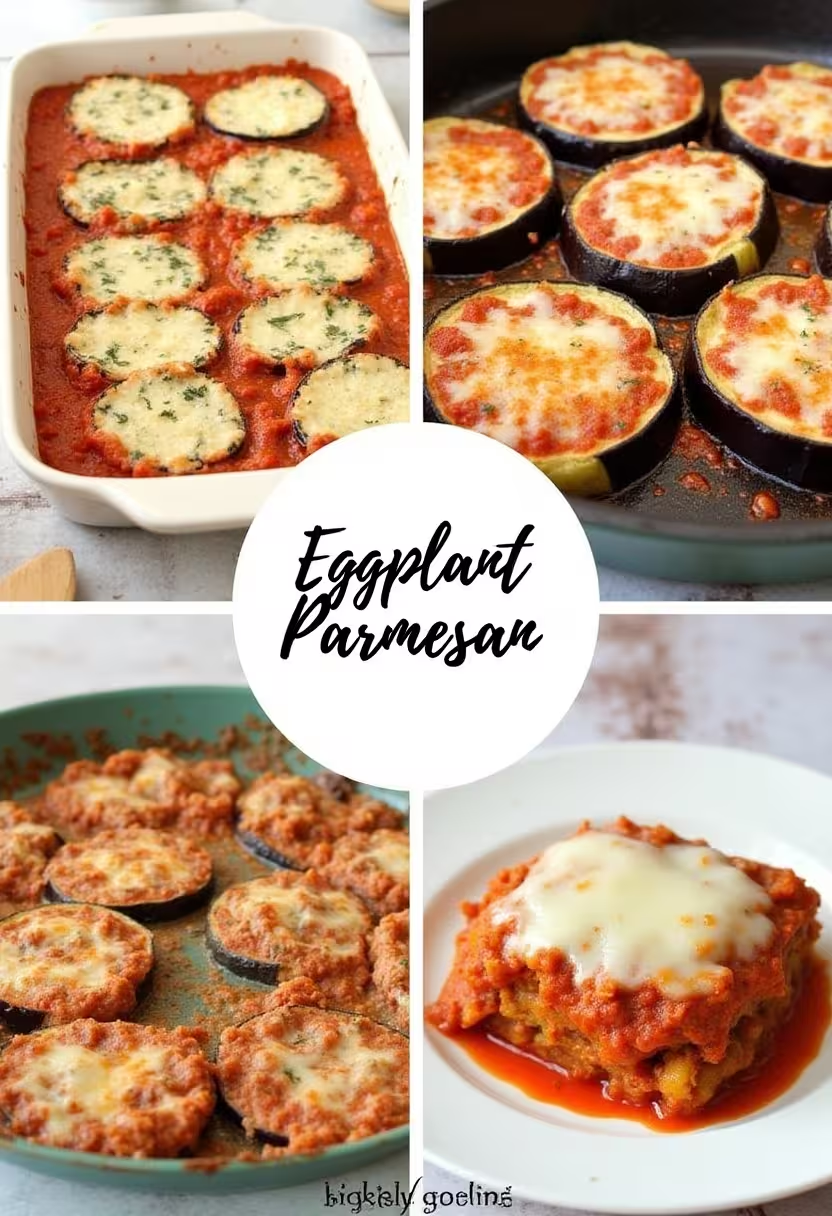
Arrange a single layer of fried eggplant over the sauce. Spoon marinara evenly over the slices, followed by mozzarella and a light sprinkling of Parmesan. Repeat the process, building multiple layers.
Finish with a final layer of sauce and a generous topping of cheese.
7. Bake the dish
Cover the baking dish loosely with foil and bake for about 20 minutes. Remove the foil and continue baking until the cheese is fully melted, bubbling, and lightly golden on top.
8. Rest and serve
Remove from the oven and let the dish rest for 10–15 minutes. This allows the layers to settle and improves slicing. Garnish with fresh basil just before serving. 🌿
Serving Eggplant Parmesan Without Overthinking It 🍽️
Eggplant Parmesan doesn’t ask for much once it’s out of the oven. In fact, it’s one of those dishes that benefits from restraint at the table. After all the care that goes into making it, serving it simply feels like the right choice.
This isn’t food that needs to be dressed up or surrounded by distractions. It’s already layered, rich, and complete on its own. Anything served alongside it should support the dish, not compete with it.
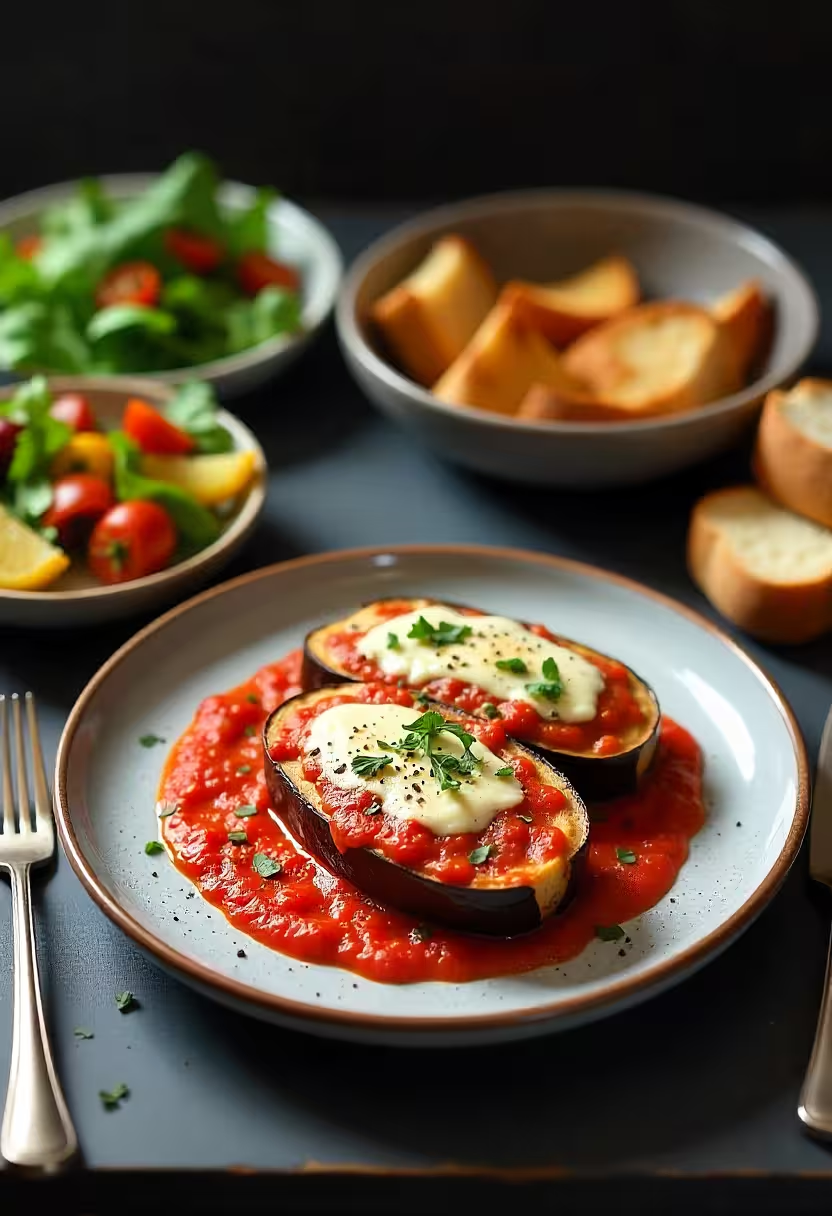
Most of the time, that means keeping things light and uncomplicated:
- a green salad with a gentle dressing, just enough acidity to refresh the palate 🥬
- crusty bread or focaccia, useful for scooping up sauce rather than stealing attention
- roasted vegetables prepared plainly, without heavy seasoning
- something to drink that feels clean and refreshing, like sparkling water with lemon 🍋, or a dry red wine if the mood calls for it 🍷
Eggplant Parmesan is best served warm, not aggressively hot. Giving it a few minutes to cool allows the layers to settle and the flavors to open up. The sauce tastes brighter. The cheese feels more integrated. And the first bite makes more sense.
Storage, Reheating, and Real-Life Practicality 🧊🔥
One of the quiet strengths of Eggplant Parmesan is how well it fits into real life. It’s not a dish that demands to be eaten immediately or loses its appeal overnight. In fact, many people find it even better the next day.
Once cooled, leftovers can be stored in an airtight container in the refrigerator, where they will keep well for up to four days. During that time, the flavors continue to settle, and the layers hold together even more cleanly.
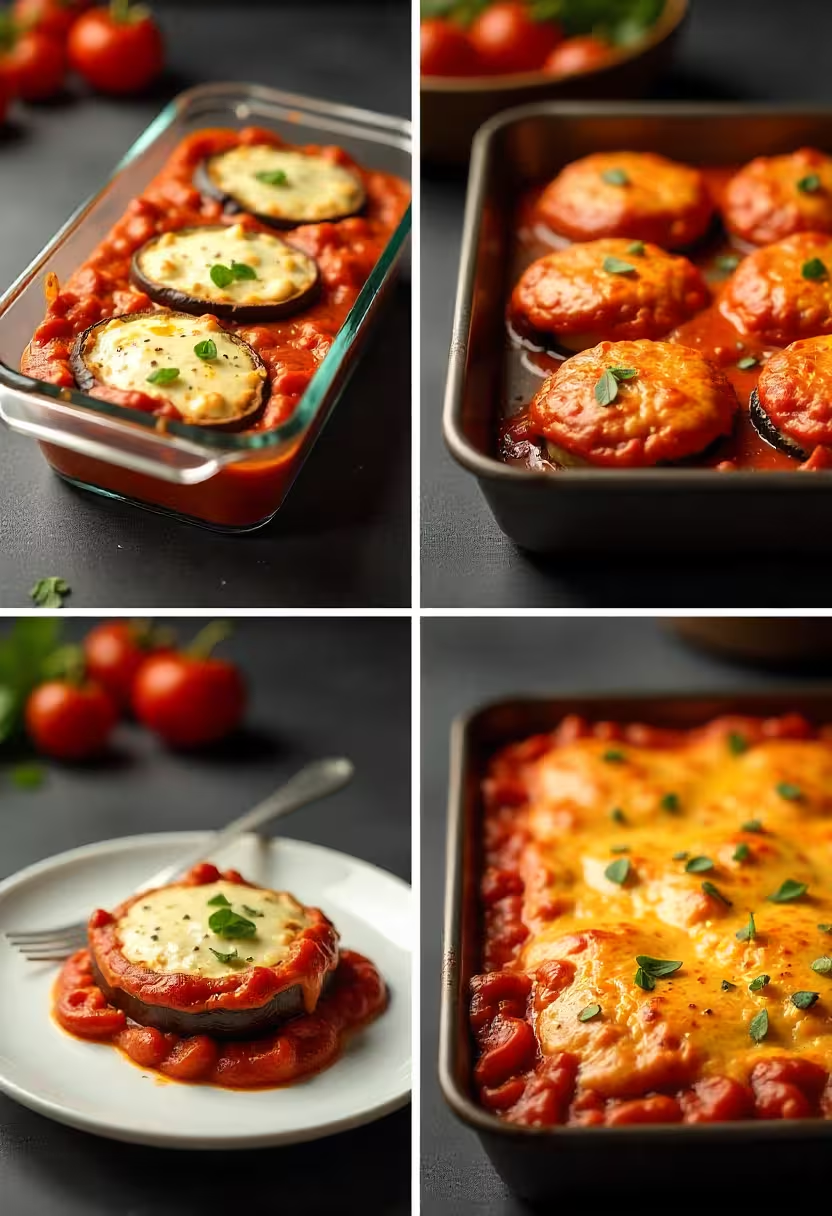
When it comes to reheating, there are a few simple guidelines worth keeping in mind:
- reheating in the oven preserves texture best, especially if you’re warming more than one portion
- the microwave works fine for individual servings when convenience matters
- covering the dish loosely prevents the cheese from drying out
- allowing the reheated portion to rest briefly improves texture, just like the first bake
Eggplant Parmesan is also a generous dish when it comes to planning ahead. It can be fully assembled a day in advance and kept refrigerated until baking. This makes it especially useful for:
- dinner guests
- family meals planned ahead of time
- busy weekdays when cooking energy is limited
- situations where you want something comforting without last-minute effort
In many ways, it’s a dish that understands how people actually live.
Why Eggplant Parmesan Still Matters ❤️
Eggplant Parmesan has never relied on trends to stay relevant. It doesn’t chase novelty or reinvent itself to stay interesting. What it offers instead is something quieter and more lasting.
It teaches patience — not as a virtue, but as a practical necessity.
It teaches balance — between richness and acidity, structure and softness.
And it quietly reminds us that good food doesn’t need to be rushed to feel satisfying.
In a kitchen culture that often values speed, shortcuts, and constant innovation, Eggplant Parmesan insists on doing things properly, even if it takes a little longer. When you follow its pace, it gives something back that feels increasingly rare: a meal that is thoughtful, grounding, and unmistakably human. 🍆🧀✨