Contents
- Food as a Symbol of Renewal and Togetherness 🌱
- Spring Ingredients That Naturally Belong on the Easter Table 🥕🍋
- The Comfort of Familiar Easter Main Dishes 🍽️
- Baking as an Easter Ritual 🍞✨
- How Different Cultures Express Easter Through Food 🌍
- The Rise of Easter Brunch 🥂☀️
- Small Dishes That Make a Big Impact 🥚🌿
- Easter Desserts That Feel Like Spring 🍰🍓
- Planning an Easter Menu Without Stress 🌿📋
- Easter Cooking as a Living Tradition 🌷❤️
Easter has a quiet way of slowing time down. Not abruptly, not with any kind of announcement — it just happens. Plans loosen, clocks stop being the main reference point, and people allow themselves to linger. It’s one of those rare moments in the year when sitting at the same table actually means something, when no one is halfway out the door thinking about what comes next.
Food naturally slips into the center of that pause. Not as a performance and not as a competition. No one is trying to impress. No one is chasing perfection. Instead, food becomes a language — one that speaks through care, familiarity, and small gestures. A meal on Easter isn’t just something you eat because it’s time to eat. It’s something you share, something you stay with. 🍽️
That’s why Easter cooking feels different from everyday cooking. It doesn’t demand flawless techniques or restaurant-level presentation. It allows room for softness. For generosity. For dishes that feel comforting even if they’re a little uneven, a little rustic. Maybe especially then. The quiet happiness of sharing something made by hand matters far more than how polished it looks.
As spring begins to settle in, kitchens change almost without anyone noticing. The air feels lighter. The ingredients on the counter look different. There’s less heaviness, less need to overdo things. Meals start to feel brighter — not only in flavor, but in spirit too. Easter food often lives right in that in-between space: familiar, but not boring; comforting, but open to small, thoughtful changes. 🌷
For some families, Easter means repeating the same recipes year after year. The same dishes, in the same order, with the same smells filling the house at the same time of day. There’s something deeply reassuring about that kind of repetition. It creates continuity. A sense that at least one thing in the world stays steady.🕊️
For others, Easter feels like permission to shift things around a little. To adjust a recipe. To try something new. To let traditions evolve instead of freezing them in place. And honestly, both approaches belong at the table.
Because either way, the Easter table ends up saying a lot.
It quietly reflects:
- who we are at this moment
- where we come from
- and how we choose to be together
Sometimes it tells that story through laughter. Sometimes through silence. Sometimes through a dish that disappears faster than anyone expected. 🌸🐣
Food as a Symbol of Renewal and Togetherness 🌱
Easter has always carried the idea of renewal, and that feeling naturally makes its way into the kitchen. After months of winter meals — heavy, slow, designed to warm and sustain — Easter cooking feels like a gentle reset. Not a rejection of comfort, but a soft shift toward something lighter, fresher, and more awake.
What ends up on the plate starts to mirror what’s happening outside. New growth. Softer light. A bit more color. A bit more energy. Food begins to feel less about survival and more about celebration. 🌱
Easter meals are rarely a solo project. Someone rinses greens at the sink. Someone else kneads dough, hands dusted with flour. Another person tastes a sauce, pauses, frowns slightly, adds a pinch of salt, tastes again. These moments aren’t planned or coordinated — they unfold naturally.
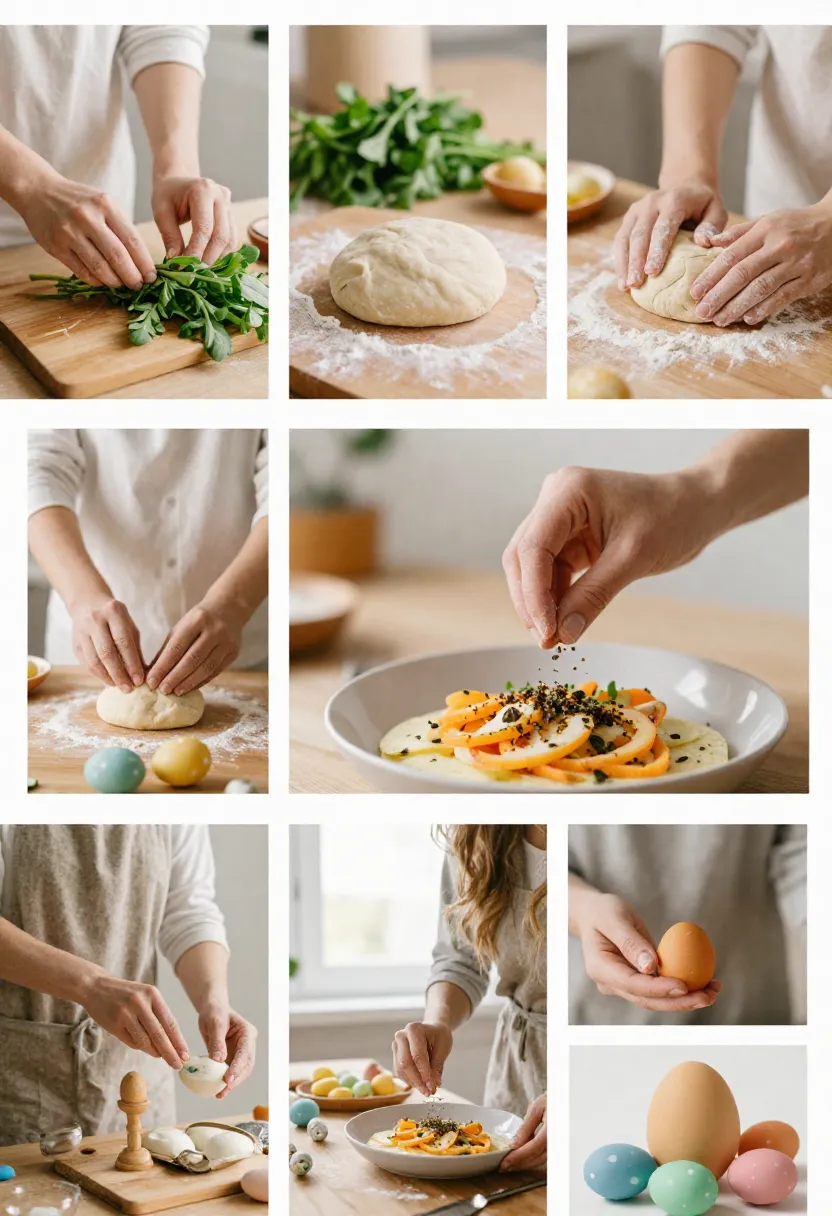
And they matter just as much as the finished dishes.
Cooking together turns preparation into connection. It becomes a quiet ritual, one that doesn’t need explaining or organizing. No speeches. No instructions. Just shared movement, shared focus, shared time.
Even the simplest food carries more weight when it’s made for others:
- a salad turns into a small act of care
- a baked dish feels like an offering
- a dessert becomes a shared ending, not just something sweet
In those moments, food stops being neutral. It starts holding meaning. 💛
Spring Ingredients That Naturally Belong on the Easter Table 🥕🍋
Easter cooking feels most natural when it follows the rhythm of the season. Spring ingredients don’t need to be pushed or disguised. They’re already expressive on their own, and they reward restraint.
Crisp vegetables bring texture and freshness without effort. Herbs add aroma without overwhelming. A bit of acidity — lemon juice, vinegar, citrus zest — wakes everything up. Even very simple dishes start to feel intentional with just one thoughtful touch.
Fresh greens play a quiet but important role on the Easter table. Spinach, arugula, young lettuces — they add lightness not only visually, but emotionally too. They signal that winter has loosened its grip.
Root vegetables still have their place, but now they work differently. Instead of dominating the plate, they provide balance. A bit of earthiness. Something grounding that keeps lighter flavors from floating away.
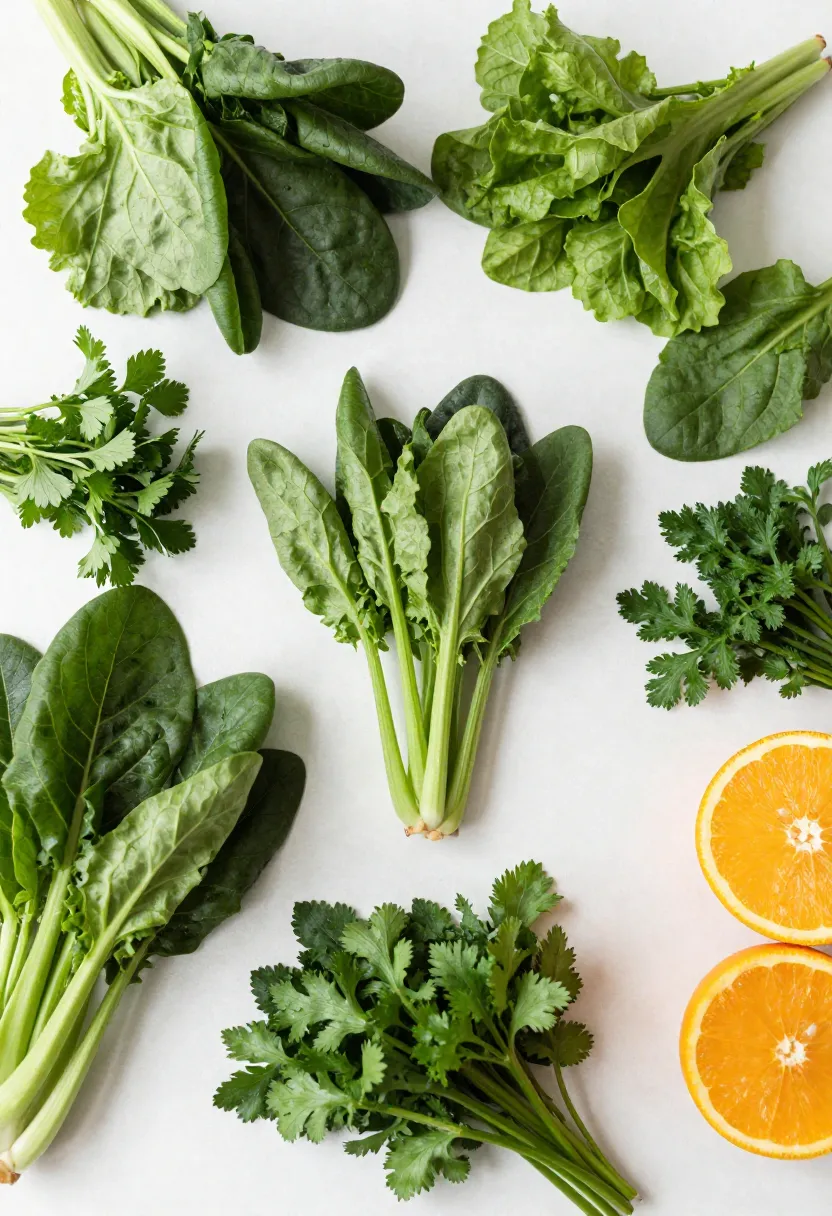
Citrus fruits often tie everything together:
- a squeeze of lemon over vegetables
- orange zest folded into dough
- a light, glossy glaze brushed over a main dish
They don’t steal attention. They lift everything else around them.
Herbs deserve special attention during Easter, maybe more than at any other time of year. Dill, parsley, rosemary, mint, thyme — each one brings its own mood. Used gently, they don’t overpower a dish. They simply make it feel complete. Alive. Cared for.
Scattered over plates, herbs do more than add flavor. They signal intention. They show that someone paid attention.
And that’s really the heart of seasonal cooking. Not rules. Not trends. Just allowing food to feel honest and natural — the same way spring itself does. 🌼
The Comfort of Familiar Easter Main Dishes 🍽️
Most Easter tables revolve around one main dish. Not because tradition demands it, but because people naturally look for a center — something that quietly holds the whole meal together. This dish needs to feel grounding, filling enough to anchor the table, yet gentle enough to leave space for lighter sides, fresh vegetables, and spring flavors.
Very often, these main dishes carry emotional weight. They’ve been present before. They’ve shown up year after year, sometimes unchanged, sometimes slightly adjusted. Someone remembers helping to prepare it as a child. Someone else remembers how the smell filled the house long before guests arrived. These dishes don’t just feed people — they bring them back to a familiar feeling of comfort and belonging.
Slow-roasted mains appear so often during Easter for a reason. They allow time to stretch. There’s no rush built into the process. Preparing them becomes part of the day itself:
- seasoning without looking at the clock
- letting flavors develop gradually
- waiting for the kitchen to fill with warmth and aroma
When that dish finally reaches the table, it signals something important. Not loudly, not dramatically — but clearly. The celebration has begun.
Sweet-and-savory combinations feel especially at home on the Easter table. Glazes made with fruit, honey, or herbs soften richer flavors and add balance. The goal is rarely boldness or intensity. It’s harmony. Something that feels familiar, reassuring, and deeply satisfying without overwhelming the meal.
At the same time, Easter tables are changing. More people are choosing plant-forward main dishes, allowing vegetables and grains to take center stage instead of sitting quietly on the side. Roasted squash, layered vegetable bakes, lentil-based dishes, and grain-centered plates bring richness without heaviness. They make the meal feel thoughtful, modern, and inclusive — without losing that sense of comfort everyone expects from Easter food.
Baking as an Easter Ritual 🍞✨
If there is one thing that connects Easter tables across cultures, it’s baking. Dough shows up everywhere during this season — sweet, enriched, braided, glazed, filled, sometimes lightly spiced, sometimes barely sweet at all. And unlike everyday baking, Easter baking rarely feels rushed.
It asks for patience. For attention. For presence.
Working with dough feels deeply human. It responds to warmth, changes under your hands, and refuses to be hurried. You can’t force it — you can only work with it. For many families, Easter baking starts days before the holiday, slowly turning the kitchen into a place of anticipation rather than urgency.
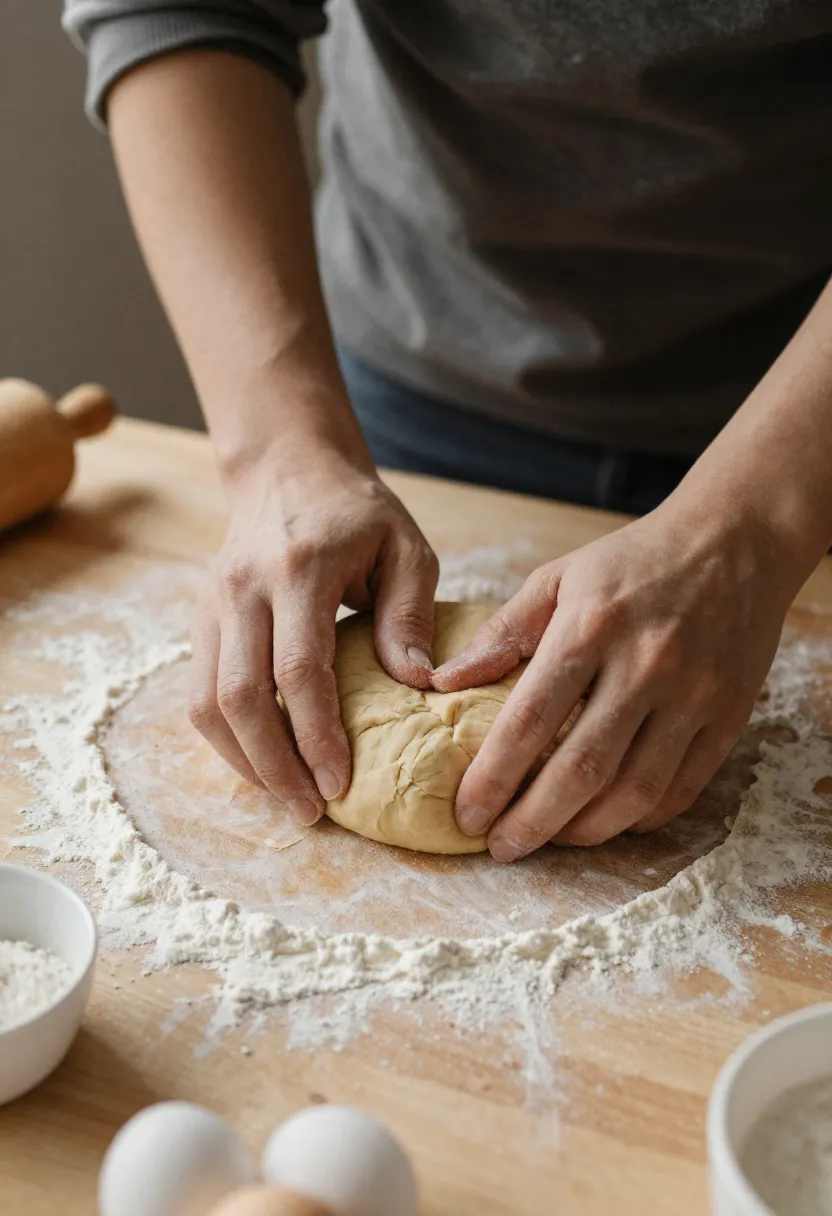
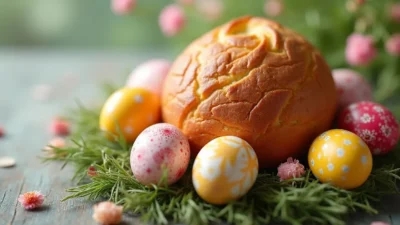
Sweet breads, in particular, carry strong meaning. Ingredients like eggs, milk, butter, and sugar were once considered special — even rare. Bringing them together symbolized abundance, celebration, and a clear break from restraint. The finished loaf is never just another item on the table. It becomes a centerpiece.
There’s a quiet pride in sharing it:
- slicing it carefully
- offering the first piece to someone else
- watching it disappear bit by bit
Children often remember Easter baking long after they forget specific dishes. The smell of yeast in the air. Flour on their hands. The moment of peeking into the oven to see if the bread has risen. These memories stick because they’re sensory, imperfect, and shared. 🥰
How Different Cultures Express Easter Through Food 🌍
Easter is celebrated in countless ways around the world, and food plays a unique role in each tradition. Ingredients, techniques, and flavors vary widely, but the intention behind them remains remarkably similar: to mark an important moment with something meaningful and shared.
In many European traditions, Easter dishes are rich and layered, reflecting the end of fasting periods. Savory pies, filled breads, and dairy-based desserts often dominate the table. These foods are meant to be sliced, passed around, and enjoyed slowly — not rushed through, not eaten alone.
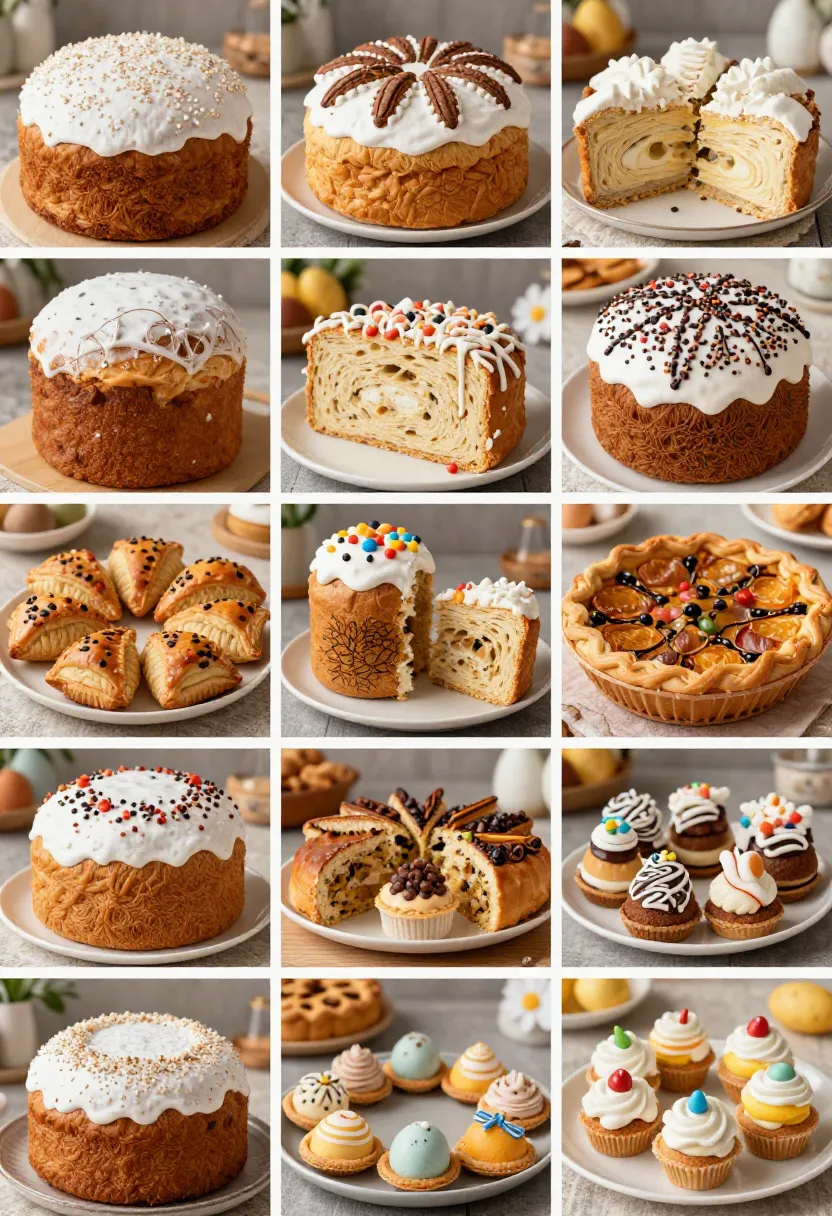
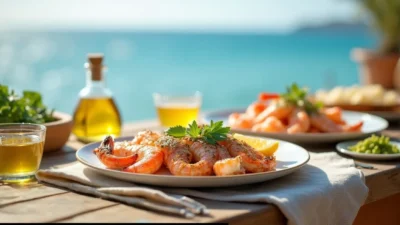
Mediterranean Easter cooking often leans toward balance. Fresh herbs, citrus notes, olive oil, and baked goods come together in a way that feels indulgent but not heavy. Meals stretch over hours, moving naturally from savory to sweet, from conversation to silence and back again.
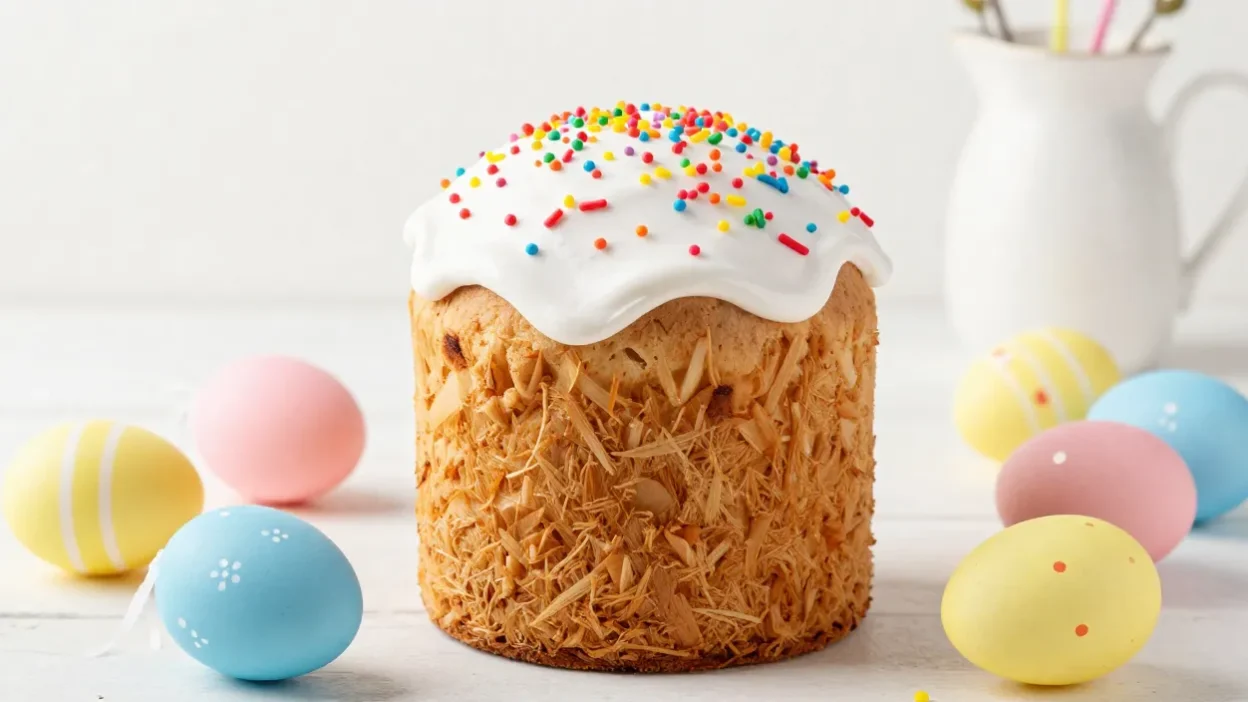
In Eastern regions, symbolism plays a stronger visual role. Breads are tall and decorative. Desserts are shaped and adorned with intention. Presentation becomes part of the meaning, telling a story even before the first bite.
Looking at how different cultures approach Easter food can be surprisingly grounding. It shows that while customs and flavors differ, the core desire is the same everywhere — to gather, to share, and to celebrate together. 🤍
The Rise of Easter Brunch 🥂☀️
Easter brunch has quietly earned its place as one of the most loved ways to celebrate the holiday. It didn’t happen overnight, і це не тренд “з інтернету”. It grew naturally, because brunch simply fits the mood of Easter. There’s no rigid start time. No pressure to dress things up too much. No sense that everything has to follow a strict order.
Brunch gives people room to breathe.
It allows everyone to arrive at their own pace, to pour a second cup of coffee before even thinking about food, to ease into the day instead of rushing through it. That relaxed rhythm feels especially right for a holiday built around renewal and calm optimism.
Egg-based dishes sit at the heart of most Easter brunch tables, and for good reason. Eggs are comforting without being heavy, familiar without being boring. They adapt easily to whatever the table needs that day. They can be:
- baked slowly in the oven
- cooked gently on the stovetop
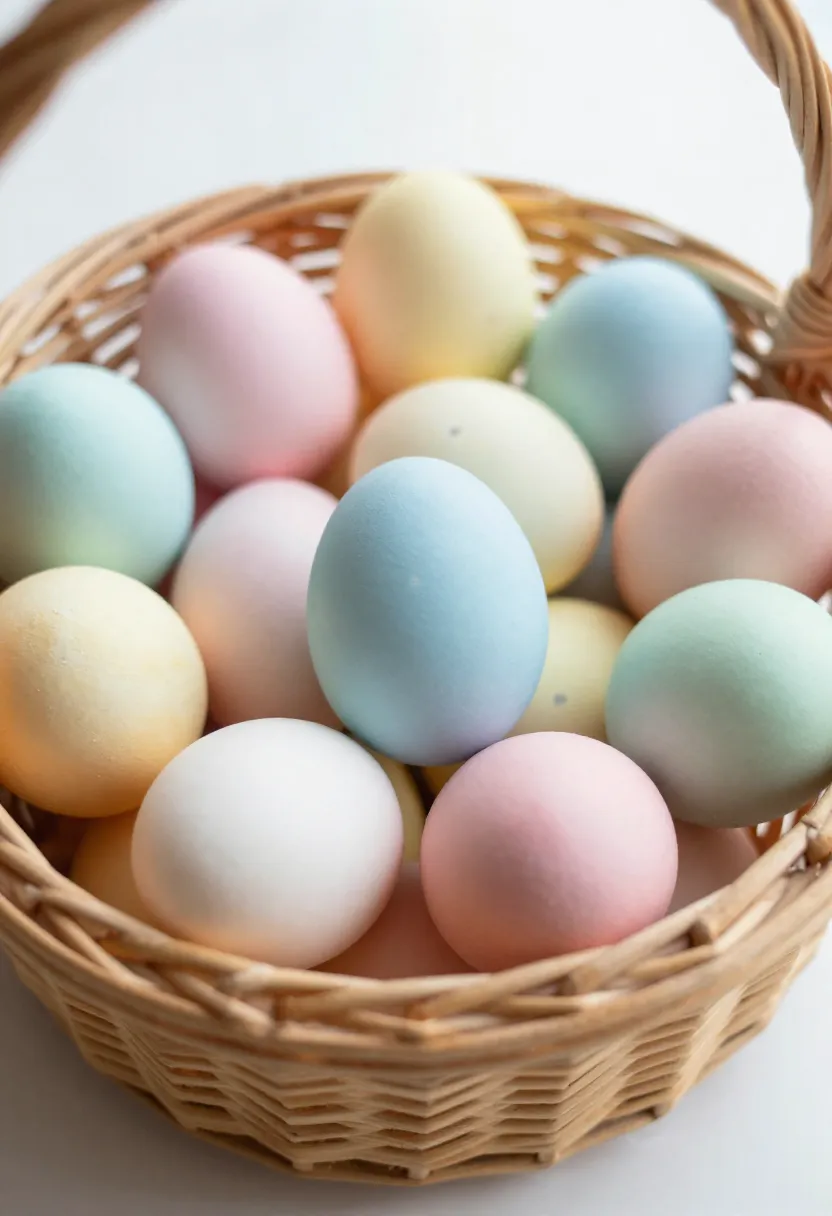
- layered with vegetables, cheese, or herbs
- served warm or at room temperature
They also have one big practical advantage — many egg dishes can be prepared ahead of time. That means the person hosting doesn’t disappear into the kitchen while everyone else is already gathering.
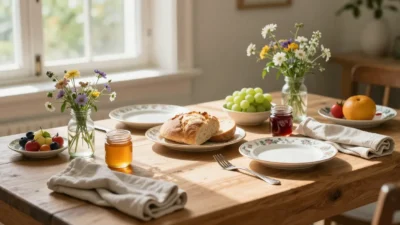
Brunch naturally encourages sharing. Instead of individual plates arriving one by one, dishes land in the center of the table. Bread, fruit, simple salads, and warm plates all coexist without hierarchy. People take a little of this, skip that, go back for more later.
Another reason brunch works so well on Easter is the pace. Nothing pushes it forward. People linger. Coffee gets refilled more times than anyone notices. Conversations wander, pause, pick up again. The meal becomes less about structure and more about being present — and that’s often what people remember most. ☕💬
Small Dishes That Make a Big Impact 🥚🌿
Not every Easter dish needs to feel impressive or elaborate. In fact, it’s often the smaller, quieter dishes that end up shaping the meal. They fill the gaps. They balance the table. They give people something to reach for between conversations.
Simple sides and appetizers add rhythm to the meal. They bring contrast — in texture, color, temperature — and prevent everything from feeling too heavy or repetitive.
Egg-based small dishes are a perfect example. They’re familiar enough to feel comforting, but flexible enough to change slightly every time. A small shift can make all the difference:
- a different seasoning
- a new garnish
- a change in texture
- a more casual presentation
They manage to feel both classic and new at the same time, which is exactly what Easter food often aims for.
Fresh salads play a surprisingly important role on the Easter table. Crisp vegetables, light dressings, and seasonal herbs cut through richer dishes and keep the meal from feeling overwhelming. They reset the palate, even if no one consciously thinks about it.
And there’s always a small sign that a side dish is doing its job well: it disappears faster than expected.
Thoughtful sides say something without saying it out loud. They suggest that the meal wasn’t rushed, that care was taken, that every guest was considered — even in the details. 🌸
Easter Desserts That Feel Like Spring 🍰🍓
Dessert is where Easter really leans into the season. Instead of heavy, dense sweets, the table shifts toward lighter textures and brighter flavors. Desserts start to feel fresher, airier, more awake — much like spring itself.
Citrus shows up often, bringing a clean, uplifting note. Fruit adds natural sweetness. Nuts introduce warmth and texture. Gentle spices round everything out without overpowering it. The goal isn’t richness for its own sake — it’s balance.
Many Easter desserts are built around contrast:
- soft paired with crunchy
- sweet balanced by tangy
- creamy alongside something fresh

That balance mirrors the seasonal transition happening outside — the slow movement from winter’s heaviness into lighter days and longer evenings.
Presentation matters a bit more with Easter desserts, but not in a fussy way. Small, thoughtful details make an impact:
- a dusting of powdered sugar
- a simple glaze
- fresh fruit placed casually, not perfectly
- shapes or decorations that hint at renewal
These touches add meaning without adding stress.
Sharing dessert often becomes one of the quietest moments of the meal. Plates are passed. Someone offers the last slice. Conversations soften. The table slowly empties, not because people are finished, but because the moment has naturally reached its end. 🍋✨
Planning an Easter Menu Without Stress 🌿📋
One of the most common mistakes people make with Easter cooking is trying to do everything at once. Too many dishes. Too many ideas. Too much pressure to make the table look “right.” Somewhere along the way, the joy gets replaced by stress — and that’s usually the opposite of what Easter is meant to feel like.
A memorable Easter meal doesn’t come from abundance alone. It comes from intention.
Good planning isn’t about control. It’s about clarity. Knowing what actually matters and quietly letting go of the rest. A thoughtful Easter menu finds balance — between familiar flavors and a few gentle surprises, between effort and ease, between tradition and flexibility.
There are a few things that tend to make planning feel lighter:
- choosing dishes that naturally work well together
- thinking about pacing, not just variety
- respecting how much time and energy preparation will take
- remembering that not everything needs to be made the same day
Make-ahead dishes, in particular, change everything. They create breathing room. They allow the person cooking to be part of the celebration instead of managing it from the kitchen.
Presentation often causes unnecessary pressure, too. Easter doesn’t need elaborate styling. It responds better to simplicity. A few well-chosen serving dishes. Fresh herbs scattered casually. Plates placed where the light naturally falls. These small things do more than expensive decorations ever could.
The goal isn’t to impress. It’s to make people feel welcome.
When planning Easter food, it helps to pause and ask one simple question — not at the beginning, but throughout the process:
Will this bring people together, or will it pull me away from them?
If the answer is yes, it belongs on the table. If not, it’s okay to let it go. 💐
Easter Cooking as a Living Tradition 🌷❤️
Easter food traditions aren’t meant to stay frozen in time. They move. They adapt. They change as families change — as people move, grow older, welcome new members, or let go of old habits that no longer fit.
A recipe might shift slightly. A dish might quietly disappear. Something new might take its place. That evolution isn’t a loss. It’s a continuation — proof that the tradition is still alive.
What matters most has very little to do with exact ingredients or perfect repetition. It’s about the spirit behind the meal:
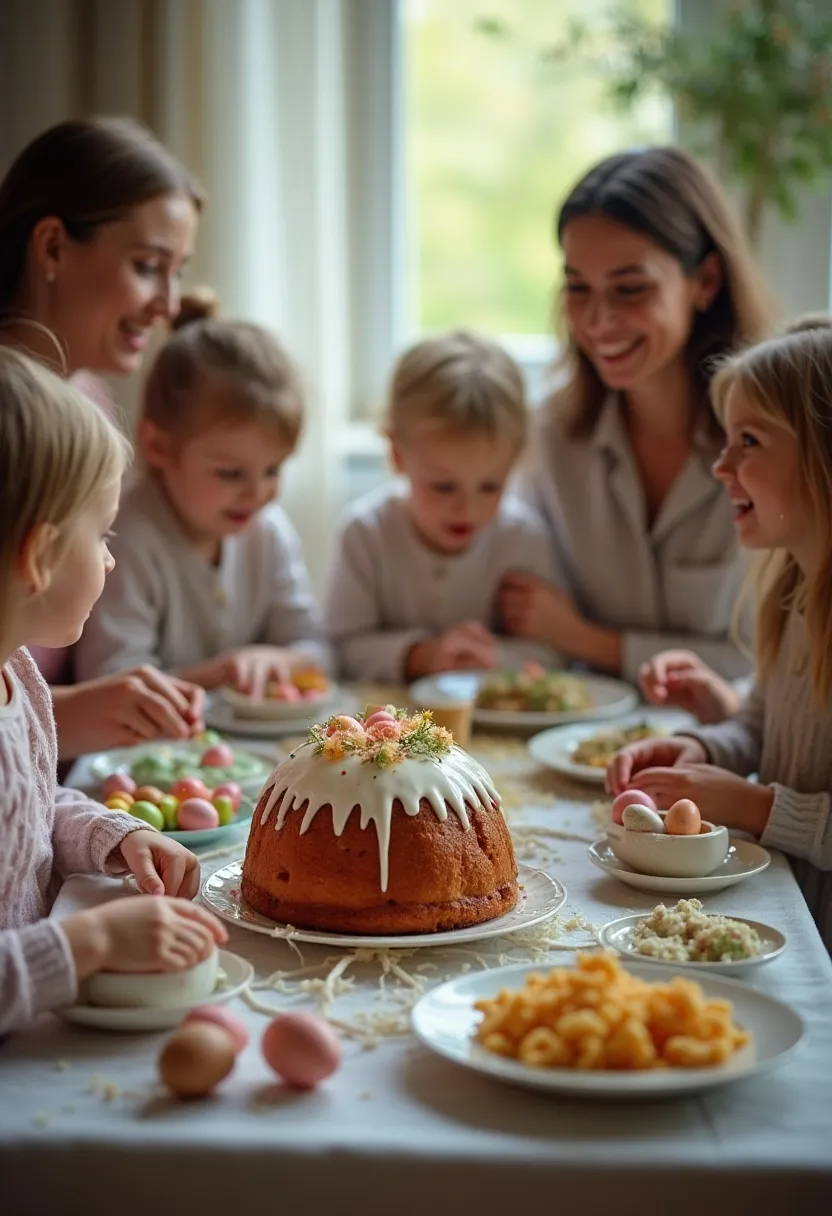
- the intention to gather
- the care woven into preparation
- the willingness to share something made with attention
Easter cooking gently reminds us that food is never just fuel. It’s memory. It’s identity. It’s connection. It carries stories forward — sometimes clearly, sometimes quietly — while leaving space for new ones to form.
Whether your Easter table is large or small, deeply traditional or quietly modern, simple or generous, it holds something meaningful. Not because of what’s on it, but because of what happens around it.
In the end, Easter food offers the same promise year after year — renewal, warmth, and the comfort of being together, even if only for a little while. 🐣🌸