
Contents
- Why the Dukan Diet Still Sparks Curiosity
- What Is the Dukan Diet? Origins & Core Philosophy
- The Four Phases at a Glance
- Phase 1: Attack — Rapid Start or Rapid Shock?
- Phase 2: Cruise — Adding Vegetables Back
- Phase 3: Consolidation — Preventing the Rebound
- Phase 4: Stabilization — The Long-Term Commitment
- Why People Often Lose Weight Quickly on the Dukan Diet
- Potential Risks & Nutritional Concerns
- Who Should Be Cautious or Avoid It
- How to Adapt the Dukan Principles in a More Balanced Way
- Conclusion — Is the Dukan Diet Worth It?
Why the Dukan Diet Still Sparks Curiosity

Some diets fade quietly into the background, remembered only as passing trends from another era. Others, however, seem to resurface again and again, carried by stories of rapid transformation and structured simplicity. The Dukan Diet belongs to the second category.
Despite decades of evolving nutrition science and countless new weight-loss approaches, this high-protein, low-carbohydrate plan continues to spark curiosity. It promises clarity in a world of dietary confusion. It offers phases instead of vague guidelines. It outlines exactly what to eat, when to eat it, and how long each stage should last.
For many people overwhelmed by contradictory health advice, that kind of structure feels reassuring.
The appeal is easy to understand. The Dukan Diet is known for producing noticeable results quickly, especially in its early stages. Rapid weight loss can feel motivating, almost empowering, particularly for those who have struggled with slower, more moderate approaches. The psychological impact of seeing the number on the scale drop within the first week should not be underestimated.
At the same time, quick results often raise important questions.
Is the weight loss sustainable?
What exactly is happening inside the body during those first phases?
And perhaps most importantly, what does it take to maintain progress once the initial excitement fades?
Unlike many modern diet trends that rely heavily on branding or expensive supplements, the Dukan Diet presents itself as a structured method grounded in a clear philosophy: prioritize protein, reduce carbohydrates, and move through defined phases that gradually reintroduce variety. Its simplicity is part of its power.
Yet simplicity does not always mean balance.
High-protein diets can influence appetite, metabolism, and water retention in ways that create early momentum, but they may also introduce challenges related to fiber intake, nutrient diversity, and long-term flexibility. The real conversation about the Dukan Diet lives somewhere between enthusiasm and caution.
In this guide, we will take a balanced look at the Dukan Diet’s four-step plan, exploring how each phase works, why rapid weight loss often occurs, what the potential risks may be, and how to approach the principles more thoughtfully if you choose to experiment with them.
No dramatic claims.
No fear-driven warnings.
No glorification of restriction.
Only a clear, grounded exploration of how this structured high-protein diet fits into the broader landscape of sustainable weight management.
If you have ever wondered whether the Dukan Diet’s reputation reflects genuine effectiveness or simply clever framing, you are not alone.
What Is the Dukan Diet? Origins & Core Philosophy

The Dukan Diet was created by French physician Dr. Pierre Dukan in the 1970s, but it gained international recognition decades later when it was popularized through bestselling books and celebrity endorsements. Positioned as a structured, protein-centered approach to weight loss, the plan was designed to deliver rapid initial results followed by a gradual transition toward long-term maintenance.
At its core, the Dukan Diet is built on a simple premise: protein is the foundation of weight loss.
Unlike many traditional calorie-controlled diets, it does not begin with portion counting or detailed macro tracking. Instead, it prioritizes lean protein foods while sharply limiting carbohydrates in the early stages. The philosophy rests on the idea that protein increases satiety, supports muscle mass, and requires more energy to digest compared to fats or carbohydrates.
This concept is not entirely without scientific basis.
Protein does tend to promote fullness more effectively than carbohydrates, and higher-protein diets can help preserve lean muscle tissue during weight loss. The thermic effect of protein, meaning the energy required to digest it, is also slightly higher. However, the Dukan approach extends these principles into a tightly structured framework divided into four distinct phases.
The diet emphasizes foods such as lean meats, poultry, fish, eggs, and low-fat dairy, while carbohydrates are severely restricted at the beginning and reintroduced slowly over time. Unlike ketogenic diets, which prioritize fat as a primary energy source, the Dukan Diet focuses specifically on protein as the dominant macronutrient.
This distinction shapes the entire structure of the plan.
Dr. Dukan framed the program as a step-by-step journey rather than a temporary restriction. Each phase has specific rules and food lists, intended to eliminate guesswork and reduce ambiguity. For many people, this clarity feels empowering. There is little room for interpretation, which can reduce decision fatigue.
Yet the rigidity of such structure can also present challenges.
The Dukan Diet operates on the belief that disciplined adherence to defined stages leads to lasting results. It assumes that behavioral patterns can be reshaped through clear boundaries and gradual reintegration of previously restricted foods.
For some individuals, especially those who thrive with clear frameworks, this method provides direction and accountability. For others, the strict early phases may feel limiting or socially isolating.
Understanding the Dukan Diet requires recognizing both its intention and its intensity.
It is not designed as a gentle, intuitive eating approach. It is structured, prescriptive, and goal-oriented. Its core philosophy revolves around controlled progression: start strict, build momentum, and then stabilize.
The Four Phases at a Glance
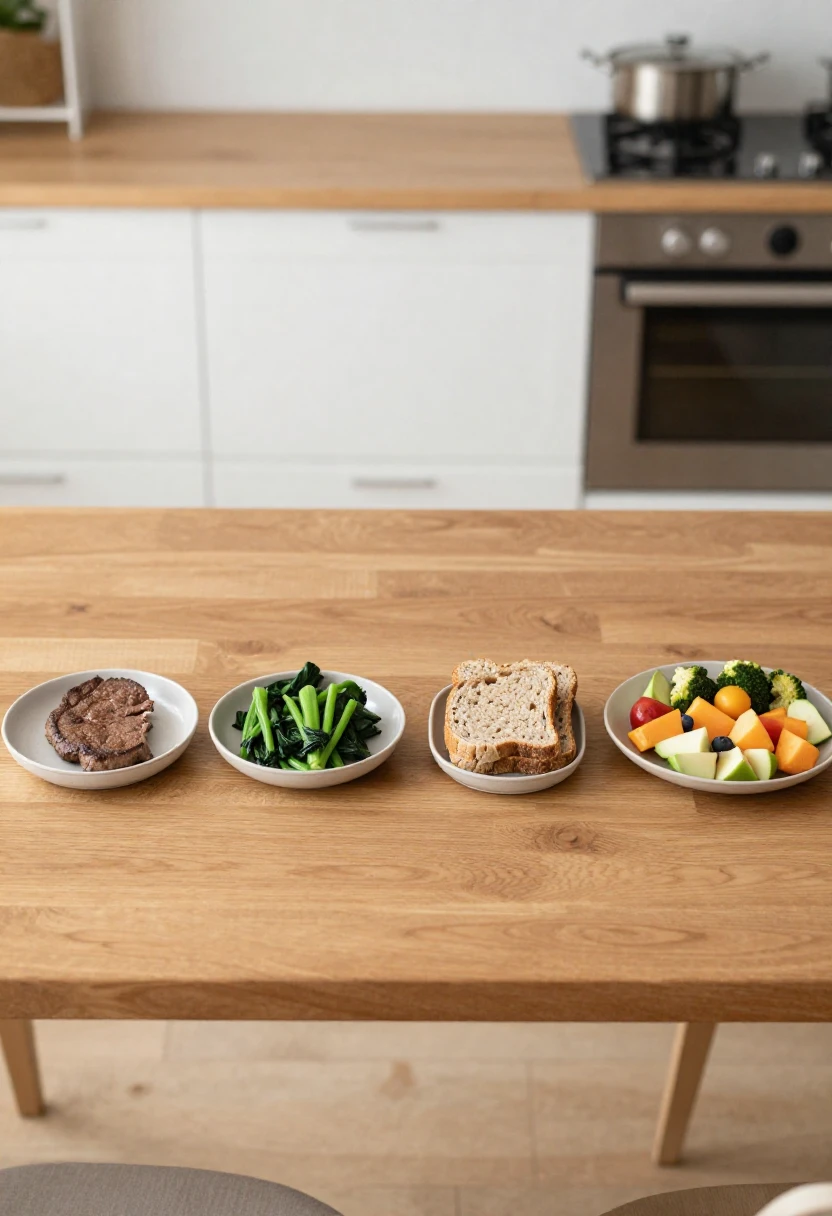
One of the defining features of the Dukan Diet is its clearly divided four-phase structure. Unlike many diet plans that offer general guidelines, this approach moves participants through a sequence of distinct stages, each with its own purpose, food rules, and duration. The logic is straightforward: initiate rapid weight loss, continue steady progress, stabilize results, and ultimately maintain the new weight long term.
Understanding the architecture of these four phases is essential, because the experience of the diet changes significantly from one stage to the next.
Phase 1: Attack
The Attack phase is the most restrictive and often the most talked about. During this initial stage, only lean protein foods are permitted. This includes poultry, fish, eggs, low-fat dairy, and certain cuts of meat, with very limited additions such as oat bran.
The goal is rapid weight loss over a short period, typically ranging from a few days to a week depending on the amount of weight someone aims to lose. Because carbohydrate intake drops sharply, glycogen stores in the body decrease, leading to water loss and noticeable changes on the scale.
Psychologically, this phase is designed to create early momentum.
Phase 2: Cruise
The Cruise phase introduces non-starchy vegetables while continuing the high-protein focus. Participants alternate between pure protein days and protein-plus-vegetable days. This stage lasts until the target weight is reached.
Weight loss during Cruise tends to be slower and more gradual compared to the initial phase. The addition of vegetables improves fiber intake and nutrient diversity, making the plan somewhat more balanced, though carbohydrates remain significantly restricted.
Phase 3: Consolidation
Once the desired weight is achieved, the Consolidation phase begins. This stage is intended to prevent rapid weight regain, a common outcome after restrictive dieting. Fruits, whole-grain bread, and small portions of starchy foods are gradually reintroduced.
There are also structured “celebration meals,” designed to allow occasional flexibility without abandoning the framework entirely. The length of this phase is calculated based on the amount of weight lost, typically several days per pound or kilogram.
This stage attempts to transition from active weight loss to controlled maintenance.
Phase 4: Stabilization
The final phase is meant to last indefinitely. It encourages maintaining most habits developed during earlier stages while allowing a more varied diet overall. However, it includes ongoing commitments such as dedicating one day per week to pure protein and continuing daily oat bran consumption.
Stabilization is presented as a lifelong structure rather than a temporary phase.
The Underlying Logic
The four-phase model follows a behavioral arc: strict initiation, controlled progression, gradual reintegration, and long-term discipline. It aims to reduce uncertainty by mapping out the entire journey from start to maintenance.
For individuals who feel overwhelmed by open-ended dieting advice, this level of specificity can be reassuring. The clarity of rules reduces ambiguity and may help some people remain consistent.
At the same time, the rigidity of certain phases raises important questions about sustainability, nutritional completeness, and adaptability in real-world social settings.
Phase 1: Attack — Rapid Start or Rapid Shock?

The Attack phase is where the Dukan Diet earns its reputation.
For several days, sometimes up to a week depending on individual goals, the diet consists almost exclusively of lean protein sources. Chicken breast, turkey, white fish, shellfish, eggs, low-fat dairy, and specific cuts of lean meat form the foundation of every meal. Carbohydrates are essentially removed, aside from a small daily portion of oat bran.
On paper, the rules are simple. In practice, the experience can feel intense.
Why Weight Drops Quickly
Many people report losing several pounds during this first stage. This rapid change often creates excitement and reinforces commitment. However, understanding what is happening physiologically helps maintain realistic expectations.
When carbohydrate intake decreases sharply, the body uses stored glycogen for energy. Glycogen is stored in muscles and the liver, and it binds to water. As glycogen stores are depleted, the body releases the associated water, leading to noticeable weight reduction within days.
This early drop on the scale is largely water loss, not immediate fat reduction.
That does not mean no fat is lost, but the dramatic shift many people see in the first week is primarily related to fluid changes.
The Role of Protein
Protein has a powerful effect on appetite.
High-protein meals tend to increase satiety hormones and reduce hunger signals more effectively than carbohydrate-heavy meals. This can lead to a natural reduction in overall calorie intake without strict portion counting.
Protein also requires slightly more energy to digest compared to fats and carbohydrates, a concept known as the thermic effect of food. While this contributes only modestly to calorie expenditure, it supports the perception that protein-focused diets feel metabolically active.
The Psychological Boost
Perhaps the most significant effect of the Attack phase is psychological rather than physiological.
Seeing rapid results can increase motivation and belief in the plan. For individuals who have felt stuck with slower methods, this immediate feedback can feel transformative.
Momentum matters in behavior change.
However, rapid restriction can also create mental strain. Removing entire food groups, particularly carbohydrates, may increase cravings, reduce dietary variety, and make social situations more challenging.
Physical Side Effects
Some individuals experience fatigue, headaches, digestive discomfort, or irritability during this stage. Reduced fiber intake can lead to constipation if hydration and oat bran consumption are not carefully maintained.
Breath changes, often described as a metallic or ketone-like smell, may occur as the body shifts energy sources. While the Dukan Diet is not strictly ketogenic, carbohydrate restriction can produce similar metabolic effects in the early phase.
Rapid Start or Rapid Shock?
Whether the Attack phase feels empowering or overwhelming depends largely on personality, lifestyle, and expectations.
For some, its short duration makes it manageable. For others, the abrupt restriction may feel unsustainable from the beginning.
The key question is not whether the scale moves quickly, but whether the structure supports long-term adherence without triggering cycles of restriction and rebound.
Phase 2: Cruise — Adding Vegetables Back

After the intensity of the Attack phase, the Cruise stage often feels like a cautious exhale.
Vegetables return to the plate, though not in unlimited variety. Non-starchy options such as leafy greens, cucumbers, zucchini, tomatoes, mushrooms, and peppers are introduced alongside continued high-protein intake. However, the structure remains controlled: participants alternate between pure protein days and protein-plus-vegetable days.
This alternating rhythm defines the Cruise phase.
A Slower, Steadier Pace
Unlike the rapid shifts of the first phase, weight loss during Cruise typically becomes more gradual. The dramatic water loss has already occurred, and what follows is often a steadier reduction that reflects a combination of fat loss and ongoing calorie control.
For many people, this slower pace requires patience.
The early excitement may fade slightly, replaced by routine. This is where adherence becomes more behavioral than emotional.
Why Alternating Days?
The Dukan method uses alternating days to maintain a relatively low carbohydrate intake while preventing complete monotony. Pure protein days continue to reinforce the original structure, while vegetable days introduce fiber, micronutrients, and greater satiety.
From a metabolic standpoint, the alternation does not create dramatic physiological differences compared to a consistently moderate plan. Its primary function is behavioral. It preserves the identity of the diet while offering limited flexibility.
For some individuals, the rhythm of alternating days provides clarity. For others, it may feel complicated or socially restrictive.
The Return of Fiber and Nutrients
One of the key improvements in this phase is the reintroduction of vegetables, which support digestive health and increase nutrient diversity. Fiber intake rises, which may reduce constipation and improve overall comfort compared to the Attack phase.
Vegetables also add volume to meals without significantly increasing calorie density, helping maintain satiety.
However, fruits, whole grains, and starchy vegetables remain excluded. Carbohydrate intake is still limited, which may influence energy levels depending on individual tolerance.
Social and Practical Considerations
The Cruise phase can present practical challenges.
Alternating between protein-only and protein-plus-vegetable days requires planning. Dining out, attending social events, or traveling may complicate adherence. The rigidity of food lists can make spontaneity difficult.
Some individuals appreciate the defined boundaries. Others may find that the mental effort required to maintain the structure increases over time.
The Emotional Middle Ground
This phase often reveals whether the diet aligns with a person’s lifestyle.
The initial motivation from rapid results is no longer the primary driver. Instead, routine, discipline, and adaptability determine success. For individuals who thrive on structure, the Cruise phase may feel manageable. For those who prefer flexibility and variety, it may feel increasingly restrictive.
The next stage of the Dukan Diet attempts to address this tension by gradually reintroducing more food variety and moving toward maintenance.
Phase 3: Consolidation — Preventing the Rebound

If the Attack phase creates momentum and the Cruise phase builds progress, the Consolidation phase carries perhaps the most psychological weight of all.
This is the stage where the scale has reached its target number, but the real challenge begins: preventing regain.
Anyone who has dieted before understands this moment. The structure that once felt motivating starts to loosen. Old habits wait quietly in the background. The body, having adapted to reduced calories, may respond by increasing hunger hormones and conserving energy more efficiently. Without a careful transition, rapid rebound becomes a real possibility.
The Consolidation phase was designed specifically to address this vulnerable window.
Gradual Reintroduction of Foods
During Consolidation, previously restricted foods begin to return in controlled amounts. Fruits are reintroduced in limited portions. Whole-grain bread and small servings of starchy foods are allowed. Even “celebration meals” are permitted at defined intervals.
This reintroduction is structured rather than intuitive.
The duration of the phase is calculated based on the total weight lost, typically several days for each pound or kilogram. The logic behind this formula is that the longer the body has been in a calorie-reduced state, the longer it needs to stabilize at its new weight.
Psychological Adjustment
Beyond nutrition, Consolidation plays a crucial psychological role.
After months of restriction, reintroducing foods can trigger anxiety. There is often fear that any carbohydrate will undo all progress. By incorporating these foods in measured ways, the plan attempts to retrain the mind to tolerate moderation rather than extremes.
The concept of planned “celebration meals” is particularly interesting. Instead of forbidding indulgence, it acknowledges that social eating and enjoyment are part of life. When structured intentionally, these moments may reduce feelings of deprivation that often lead to binge-restrict cycles.
Continued Protein Emphasis
Even in this more flexible phase, protein remains central. One day per week typically returns to pure protein, reinforcing the foundational rule of the diet. Oat bran continues daily to support digestion and satiety.
This ongoing anchor reflects the belief that maintaining higher protein intake helps stabilize appetite and prevent overeating.
The Real Test of Sustainability
Consolidation is where long-term outcomes are often determined.
If individuals reintroduce foods mindfully and maintain overall calorie balance, weight can stabilize. However, if the phase feels overly rigid or psychologically draining, adherence may weaken.
Some people appreciate the clear structure during this transition. Others may find that counting days and regulating “allowed” foods perpetuates a sense of dieting rather than genuine lifestyle integration.
Metabolic Reality
From a physiological perspective, this stage acknowledges an important truth: the body resists weight loss.
After significant weight reduction, metabolic adaptation can occur. Appetite may increase, and energy expenditure may decrease slightly. Gradual reintroduction of carbohydrates and calories helps mitigate the shock of returning abruptly to pre-diet habits.
The success of this stage depends less on strict rule-following and more on learning portion awareness, internal hunger cues, and behavioral consistency.
Phase 4: Stabilization — The Long-Term Commitment

If the earlier phases of the Dukan Diet are structured as a journey, the Stabilization phase is meant to be the destination.
Unlike Attack, Cruise, and Consolidation, which have defined time frames, Stabilization is designed to last indefinitely. It represents the shift from “being on a diet” to maintaining a new weight as part of everyday life. The rules become fewer, but certain core habits remain non-negotiable.
This is where theory meets reality.
The Core Rules of Stabilization
In its simplest form, the Stabilization phase allows a return to relatively normal eating patterns with a few ongoing commitments:
• One pure protein day per week
• Daily oat bran consumption
• Regular physical activity, often framed as daily walking
• Lifelong awareness of portion control
The intention is to preserve the metabolic and behavioral foundations built during earlier phases while allowing broader food variety.
On paper, this sounds balanced. In practice, sustainability depends on individual temperament and lifestyle.
One Protein Day per Week — A Psychological Anchor
The weekly pure protein day is arguably the defining feature of long-term Dukan maintenance. It functions as a reset, reinforcing discipline and limiting potential weight regain.
For some individuals, this structure provides reassurance. It creates a predictable rhythm and a sense of accountability. If indulgences occurred earlier in the week, the protein day offers a feeling of correction.
For others, however, this rule may feel like a lingering extension of restriction, making it difficult to fully exit dieting mentality.
Whether this habit supports or undermines long-term balance often depends on how rigidly it is applied and how it interacts with one’s relationship with food.
Transitioning From Structure to Autonomy
The Stabilization phase assumes that by this point, new habits have been internalized. Ideally, portion awareness, protein prioritization, and mindful choices become second nature.
However, long-term weight maintenance requires more than rules. It requires adaptability.
Life includes travel, celebrations, stress, illness, and shifting routines. A sustainable approach must accommodate fluctuation without triggering guilt or drastic correction cycles.
Metabolic and Behavioral Considerations
Weight maintenance is often more challenging than weight loss. After dieting, the body may experience increased hunger hormones and subtle metabolic adaptation. This biological reality means that maintaining weight requires continued attention rather than passive stability.
High-protein intake can support satiety and muscle retention, which may aid long-term balance. Yet diversity of nutrients, fiber, and overall dietary flexibility also play critical roles in sustained health.
The Emotional Dimension
Perhaps the most important question about Stabilization is whether it feels like freedom or continued control.
Some people thrive with lifelong guidelines. Others eventually feel fatigued by persistent food rules. The difference lies not in discipline, but in compatibility.
A truly sustainable phase should feel integrated into life rather than imposed upon it.
The Long-Term Commitment
The Dukan Diet’s final message is clear: maintenance requires vigilance. It suggests that weight regain is always a possibility unless protective habits remain in place.
While vigilance can be protective, it must be balanced with self-trust.
Why People Often Lose Weight Quickly on the Dukan Diet

One of the primary reasons the Dukan Diet continues to attract attention is the speed at which many people see results, particularly in the early stages. Rapid weight loss is compelling. It reinforces belief, strengthens commitment, and creates the feeling that something finally “works.”
However, understanding why the scale moves quickly helps separate physiology from illusion.
Glycogen Depletion and Water Loss
The most immediate factor behind rapid early weight loss is carbohydrate restriction.
When carbohydrate intake drops sharply, as it does during the Attack phase and continues through much of Cruise, the body uses stored glycogen for energy. Glycogen is stored alongside water, so as these stores are depleted, water is released and eliminated.
This can lead to noticeable weight loss within days.
While this shift can feel dramatic, it does not represent equivalent fat loss. It is primarily fluid reduction. This is common in most low-carbohydrate diets and explains the sudden drop many participants experience.
Reduced Calorie Intake Without Counting
Although the Dukan Diet does not emphasize calorie counting, it often results in a spontaneous calorie deficit.
High-protein meals tend to increase satiety hormones and decrease hunger signals. People may feel fuller sooner and remain satisfied longer. Without consciously tracking portions, total energy intake may decline.
When calorie intake falls below energy expenditure, fat loss becomes possible.
The diet’s structured food lists also eliminate many calorie-dense items such as processed carbohydrates, sweets, and high-fat snack foods. Removing these automatically reduces energy intake for many individuals.
Simplicity Reduces Overeating
Decision fatigue plays a subtle but powerful role in eating behavior.
When options are limited, there are fewer opportunities for impulsive choices. The simplicity of the Dukan Diet can reduce mindless snacking and emotional grazing simply because fewer foods are available.
This clarity can indirectly support calorie control.
Protein and Muscle Preservation
During weight loss, preserving lean muscle mass is important because muscle supports metabolic rate. Higher protein intake can help maintain muscle tissue when calories are reduced.
Although the increase in metabolic rate from protein is modest, maintaining muscle may prevent larger declines in resting energy expenditure during dieting.
The Psychological Momentum Effect
Perhaps one of the most underestimated mechanisms is psychological.
When individuals see immediate results, motivation strengthens. They may adhere more strictly to rules, avoid off-plan foods, and feel empowered. This momentum can create a reinforcing cycle of behavior and outcome.
Confidence can amplify consistency.
The Reality Check
While rapid early results are real in terms of scale weight, they do not guarantee long-term success. Water weight can return when carbohydrates are reintroduced. Calorie deficits must be maintained carefully to avoid rebound.
The Dukan Diet does not break metabolic laws. It operates within them.
In the next section, we will explore potential risks and nutritional concerns associated with prolonged high-protein restriction and limited food variety.
Potential Risks & Nutritional Concerns

While the Dukan Diet may produce visible short-term results, its restrictive structure raises important questions about nutritional adequacy and long-term health. Any eating plan that sharply limits entire food groups, especially in its early stages, deserves careful evaluation beyond the number on the scale.
Rapid weight loss can feel rewarding, but sustainability depends on whether the body receives the full range of nutrients it needs.
Limited Fiber Intake
During the Attack phase and much of the Cruise phase, fiber intake can drop significantly. With fruits, whole grains, legumes, and many vegetables restricted, the diet relies heavily on protein sources that contain little to no fiber.
Low fiber intake may lead to constipation, digestive discomfort, and reduced gut microbial diversity. Although oat bran is included to partially address this issue, it may not fully compensate for the variety of plant fibers found in a more diverse diet.
Digestive health is closely linked to overall metabolic balance, so prolonged fiber deficiency can become a concern.
Micronutrient Gaps
Restricting fruits, whole grains, and certain vegetables may reduce intake of vitamins, minerals, and phytonutrients. Nutrients such as vitamin C, potassium, magnesium, and various antioxidants are typically abundant in plant-based foods that are limited during earlier phases.
While short periods of restriction are unlikely to cause severe deficiencies in healthy individuals, extended adherence without careful planning could compromise nutrient diversity.
Increased Kidney Load
High-protein diets have long raised concerns regarding kidney function. For healthy individuals with no preexisting kidney disease, moderate increases in protein intake are generally well tolerated. However, extremely high-protein consumption over long periods may place additional strain on the kidneys.
Individuals with kidney conditions or reduced renal function should avoid high-protein regimens unless supervised by a healthcare provider.
Hydration becomes especially important during high-protein phases to support proper waste elimination.
Cardiovascular Considerations
Although the Dukan Diet emphasizes lean protein, some individuals may gravitate toward higher intakes of animal-based foods. If saturated fat intake increases alongside protein, this could influence cholesterol levels in susceptible individuals.
Balancing protein sources with fish, poultry, and plant-based options may mitigate some of these concerns.
Hormonal and Metabolic Effects
Carbohydrates play a role in hormonal balance, including thyroid function and reproductive hormones. Extremely low carbohydrate intake over extended periods may affect energy levels, mood, and metabolic signaling in some individuals.
Women in particular may experience hormonal sensitivity to prolonged restrictive dieting, especially when combined with high stress or intense physical activity.
Social and Emotional Restriction
Beyond physical health, restrictive diets can influence emotional well-being.
Strict food lists and alternating days may create social limitations, making dining out or attending gatherings more complicated. Over time, this rigidity can lead to fatigue or feelings of isolation.
Additionally, individuals with a history of disordered eating or restrictive patterns may find that highly structured diets reinforce all-or-nothing thinking.
The Sustainability Question
Perhaps the most important risk is not nutritional but behavioral.
Highly restrictive approaches often produce short-term compliance but struggle to integrate into lifelong habits. When restriction eventually relaxes, weight regain can occur if sustainable eating patterns were not developed during the process.
Weight management is not only about discipline. It is about creating a framework that remains realistic over years, not weeks.
In the next section, we will examine who should approach the Dukan Diet with particular caution and who may be better suited to alternative methods.
Who Should Be Cautious or Avoid It

The Dukan Diet is not inherently dangerous for every healthy adult, but it is not universally appropriate either. Its high-protein, low-carbohydrate structure may work well for some individuals in the short term, yet others should approach it carefully or avoid it entirely.
Understanding personal health context is essential before adopting any restrictive eating plan.
Individuals With Kidney Conditions
Because the Dukan Diet significantly increases protein intake, people with kidney disease or reduced renal function should avoid it unless under direct medical supervision. The kidneys are responsible for processing nitrogen waste produced from protein metabolism, and excessive protein can increase their workload.
Even individuals with undiagnosed kidney concerns may not realize they are vulnerable. Consulting a healthcare professional before starting a high-protein diet is a prudent step.
Those With a History of Restrictive Dieting
For individuals who have experienced cycles of restriction and rebound, rigid diet structures can sometimes reinforce unhealthy patterns. The clearly defined “allowed” and “forbidden” foods within the Dukan Diet may intensify all-or-nothing thinking.
If food rules have previously triggered guilt, binge-restrict cycles, or emotional distress, a more flexible and balanced approach may be more supportive long term.
Highly Active Individuals and Athletes
Carbohydrates serve as a primary fuel source for high-intensity physical activity. Athletes and highly active individuals may struggle with low carbohydrate availability, leading to fatigue, reduced performance, and impaired recovery.
While moderate carbohydrate reduction can be manageable, extended low-carb phases may not align with high training demands.
Individuals With Hormonal Sensitivities
Very low carbohydrate intake over extended periods can influence hormonal balance, particularly in women. Thyroid function, menstrual cycles, and overall energy regulation may be sensitive to sustained restriction.
Those with existing hormonal imbalances or chronic stress should consider this carefully before committing to a prolonged low-carb structure.
People Managing Chronic Health Conditions
Anyone with diabetes, cardiovascular disease, gastrointestinal disorders, or metabolic conditions should seek professional guidance before beginning the Dukan Diet. Medication adjustments may be required when carbohydrate intake changes significantly.
A personalized approach is always safer than self-experimentation in these cases.
Pregnant or Breastfeeding Individuals
Pregnancy and breastfeeding demand increased nutritional diversity and sufficient carbohydrate intake for energy and fetal development. Restrictive high-protein regimens are not recommended during these stages of life.
When Structure Becomes Stress
Even for otherwise healthy individuals, the psychological burden of strict adherence can outweigh physical benefits. If maintaining the rules creates constant anxiety around food, social withdrawal, or obsessive monitoring, it may not be the right fit.
Health includes mental and emotional stability, not only weight metrics.
The Dukan Diet can produce results for certain people, particularly those who thrive on structure and respond well to high-protein eating patterns. However, it is not a universal solution.
How to Adapt the Dukan Principles in a More Balanced Way

The Dukan Diet is built on several ideas that are not inherently extreme. Prioritizing protein, reducing ultra-processed carbohydrates, and maintaining structure can all support weight management when applied thoughtfully. The challenge lies not in the principles themselves, but in the intensity and rigidity with which they are often implemented.
Adapting the core ideas without adopting the strictest rules can create a more sustainable approach.
Keep Protein as a Foundation, Not a Dominator
One of the strongest aspects of the Dukan Diet is its emphasis on protein for satiety and muscle preservation. Rather than eliminating carbohydrates entirely, consider building meals around quality protein while including balanced portions of vegetables, whole grains, and healthy fats.
For example, instead of alternating protein-only days, aim for consistent protein intake at each meal. This maintains appetite stability without triggering extreme restriction.
Reduce Refined Carbohydrates Gradually
Instead of sharply removing most carbohydrates in a single phase, a gradual reduction of refined grains and added sugars may be easier to sustain. Replacing white bread, pastries, and sugary snacks with whole grains, legumes, and fruits preserves fiber and nutrient diversity while still lowering overall glycemic load.
This approach supports metabolic balance without sudden depletion.
Emphasize Fiber and Micronutrients
Adding vegetables, fruits, seeds, and whole grains ensures adequate fiber intake, which supports digestion and long-term satiety. The Dukan Diet’s reliance on oat bran acknowledges the importance of fiber, but a broader range of plant foods offers greater nutritional depth.
Sustainable weight management depends not only on macronutrients but also on micronutrient sufficiency.
Maintain Structure Without Rigidity
Structure can be helpful. Completely unstructured eating often leads to inconsistency. However, structure does not have to mean alternating strict food days or lifelong protein-only rituals.
Simple frameworks such as balanced plate models, consistent meal timing, and portion awareness can provide guidance without creating psychological pressure.
Allow Flexibility in Social Situations
Long-term success depends on adaptability. Social meals, travel, and celebrations are part of life. Rather than scheduling “correction days,” aim for overall weekly balance. Occasional indulgences do not erase progress when daily habits remain stable.
Flexibility supports longevity.
Focus on Behavior, Not Only Food Lists
The Dukan Diet emphasizes what to eat, but long-term health also depends on how and why we eat. Eating slowly, recognizing hunger cues, managing stress, and sleeping adequately all influence weight regulation.
Without addressing these behavioral elements, even the most structured food plan may struggle to produce lasting results.
The Balanced Takeaway
The most valuable lesson from the Dukan Diet may not be its strict phases, but its recognition that protein plays a meaningful role in appetite control and that structure can help initiate change.
When these ideas are softened and integrated into a broader, nutrient-rich eating pattern, they can contribute to sustainable weight management without the risks of prolonged restriction.
In the final section, we will step back and reflect on whether the Dukan Diet, in its full form, is worth trying and who may benefit most from its structured design.
Conclusion — Is the Dukan Diet Worth It?
The Dukan Diet is neither a miracle solution nor a nutritional disaster. It is a structured, high-protein approach that delivers rapid early results for many people, primarily by reducing carbohydrates and simplifying food choices. Its clarity can feel empowering, especially for those who struggle with vague guidelines or inconsistent habits.
However, clarity does not automatically equal sustainability.
The early phases often produce visible changes on the scale, largely due to glycogen depletion and reduced calorie intake. Protein’s effect on satiety can make adherence easier at first, and the psychological momentum of quick results should not be underestimated. For some individuals, this structured beginning provides the push they need to interrupt long-standing patterns.
Yet long-term success depends on more than a strong start.
Restrictive phases can limit fiber, micronutrient diversity, and dietary flexibility. Social situations may become complicated. Emotional relationships with food can become strained if rigid rules replace internal awareness. Maintenance requires not only discipline, but adaptability and self-trust.
For individuals who thrive on clearly defined stages and respond well to high-protein eating patterns, the Dukan Diet may offer short-term structure and measurable progress. For those who prefer flexibility, plant diversity, or who have a history of restrictive dieting, a more balanced adaptation of its principles may be a healthier choice.
Ultimately, sustainable weight management is rarely about discovering the perfect phase system. It is about building patterns that align with real life, protect metabolic health, and support emotional stability over years rather than weeks.
The most valuable takeaway from the Dukan Diet may not be its strict protein-only days or calculated consolidation timeline. It may be the reminder that protein supports satiety, structure can guide behavior, and gradual transitions matter when shifting eating habits.
If approached thoughtfully, these insights can be integrated into a balanced, nutrient-rich diet without adopting the plan in its most rigid form.
Weight loss strategies should feel supportive, not punishing. They should enhance energy, not drain it. And they should create confidence in long-term stability rather than constant vigilance.
Whether the Dukan Diet is worth trying depends less on its rules and more on how well those rules fit your physiology, lifestyle, and relationship with food.
Progress built on balance tends to last longer than progress built on intensity alone.