Contents
- Why Reducing Sugar Matters in Later Life
- How Aging Affects Sugar Tolerance and Metabolism
- Hidden Sugars in Everyday Foods Older Adults Eat
- Benefits of Cutting Back Sugar in Later Life
- Recognizing Sugar Cravings vs. Real Hunger
- Simple Sugar Swap Ideas for Older Adults
- Meal and Snack Ideas With Less Sugar — Senior-Friendly
- Creating a Daily Routine to Reduce Sugar — Tips & Tools
- When Not to Cut Sugar Drastically — Health Conditions & Safety
- FAQ — Scaling Back Sugar in Later Life
Why Reducing Sugar Matters in Later Life

As we move into our later years, our relationship with food often begins to shift in ways we didn’t expect. Meals become more about comfort and nourishment than rushing from one task to another. Our digestion slows a little, our energy changes, and we start noticing how certain foods affect us more than they once did. And among all the small adjustments that come with aging, one of the most important — yet gentlest — changes we can make is scaling back on sugar.
Not because sugar is “bad.”
Not because we must give up sweetness forever.
But because our bodies simply handle sugar differently as we age.
The same amount of sugar that once felt like a harmless treat can now cause energy crashes, digestive discomfort, restless sleep, or cravings that seem to appear out of nowhere. Many older adults also become more sensitive to blood sugar fluctuations, and sugar-heavy foods can make the body work harder than it needs to.
For many, the shift begins with subtle signs:
- feeling unusually tired after sweet or processed foods
- waking up groggy after an evening dessert
- noticing cravings that feel harder to resist
- experiencing digestive or mood changes without knowing why
And then something clicks — a gentle awareness that reducing sugar isn’t about restriction. It’s about making daily life feel calmer, lighter, and more stable.
A low-sugar lifestyle in later life supports:
- steadier energy
- clearer mood
- better digestion
- more restful sleep
- balanced appetite
- overall metabolic and heart health
And the beauty of this approach is that it doesn’t require dramatic cuts or complicated rules. Instead, it invites small, consistent shifts: a little less sugar in your morning routine, a smarter snack choice, a mindful swap in a familiar recipe.
This gentle guide is for older adults — and those who care for them — who want to feel better without stress, shame, or rigid dieting. It’s about finding sweetness in balance, not excess. And it’s about understanding your changing body with compassion, not pressure.
Let’s explore how reducing sugar can support healthier, more comfortable aging — one simple step at a time.
How Aging Affects Sugar Tolerance and Metabolism
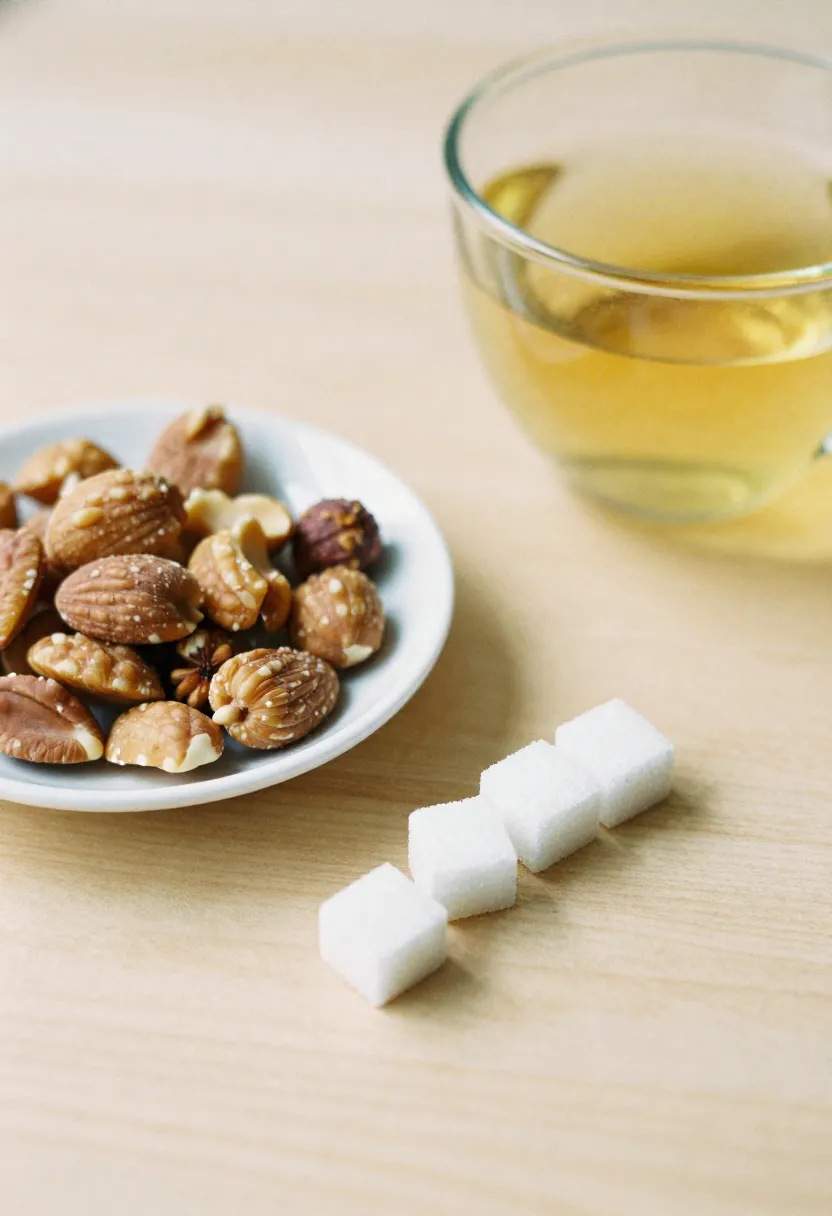
As we age, the way our bodies process food — especially sugar — naturally shifts. These changes aren’t sudden, and they aren’t signs that anything is “wrong.” They’re simply part of the normal rhythm of aging. But understanding them can make reducing sugar feel more purposeful and less confusing.
Many older adults notice that foods they once digested easily now leave them feeling sluggish, bloated, or unusually hungry a short time later. There’s a reason for that. Let’s break it down in a compassionate, human way.
Your metabolism naturally slows down
Metabolism is the body’s engine — the process that turns food into energy.
With age, this engine becomes more efficient at conserving energy, but slower at burning it.
This means:
- sugary foods can lead to sharper blood sugar spikes
- extra sugar is stored more easily
- energy highs and crashes become more pronounced
Even small reductions in sugar can make energy feel more steady throughout the day.
Insulin sensitivity decreases
Insulin is the hormone that helps move sugar from your bloodstream into your cells.
As we get older:
- cells may respond less effectively to insulin
- blood sugar can stay elevated longer
- sweets may leave you feeling jittery, tired, or hungry soon after
This is why many older adults feel “off” after eating a sugary snack — it’s not in your head. It’s physiology.
Digestive changes impact sugar absorption
Aging affects how quickly your digestive system moves.
Slower digestion can mean:
- certain sugars ferment more easily
- bloating or discomfort after sweet foods
- rumbling stomach or irregularity
- fluctuating appetite
Swapping sugary foods for whole, fiber-rich foods helps digestion flow more comfortably.
Muscle mass decreases — and muscle supports blood sugar
Muscle is one of the body’s most important tools for regulating blood sugar — it uses glucose for fuel.
With age:
- muscle mass naturally declines
- your body becomes less efficient at handling sugar
- blood sugar can rise faster and fall more sharply
Even gentle movement (like walking) can help manage this balance.
Hormonal shifts influence cravings and hunger
Changes in hormones can lead to:
- increased cravings for sweet foods
- emotional eating
- unpredictable hunger
These aren’t signs of low willpower — they’re normal changes that sugar can amplify. Reducing sugar helps bring appetite and mood back into a calmer rhythm.
Sleep quality affects how your body handles sugar
Many older adults experience disrupted sleep. Poor sleep can:
- increase sugar cravings
- affect hunger hormones
- make blood sugar swings more extreme
- reduce energy for movement
Lower sugar intake can, in turn, support more stable sleep patterns.
Mini-Story Moment
Imagine an older adult who starts noticing that their afternoon cookie leaves them feeling unusually tired. Or that a sweetened yogurt makes them hungry again an hour later. For decades, those foods felt harmless — but now the body responds differently.
Once they learn why this happens, everything suddenly makes sense. Instead of frustration, there’s understanding. Instead of guilt, there’s clarity.
Why this matters
These changes are natural. They’re not a failure or a lack of discipline. They simply mean that the body needs a little more gentleness, more whole foods, and less sugar to stay balanced and comfortable.
Understanding these shifts empowers older adults to make choices that support energy, mood, digestion, and long-term wellbeing — without strict diets or stressful restrictions.
Hidden Sugars in Everyday Foods Older Adults Eat
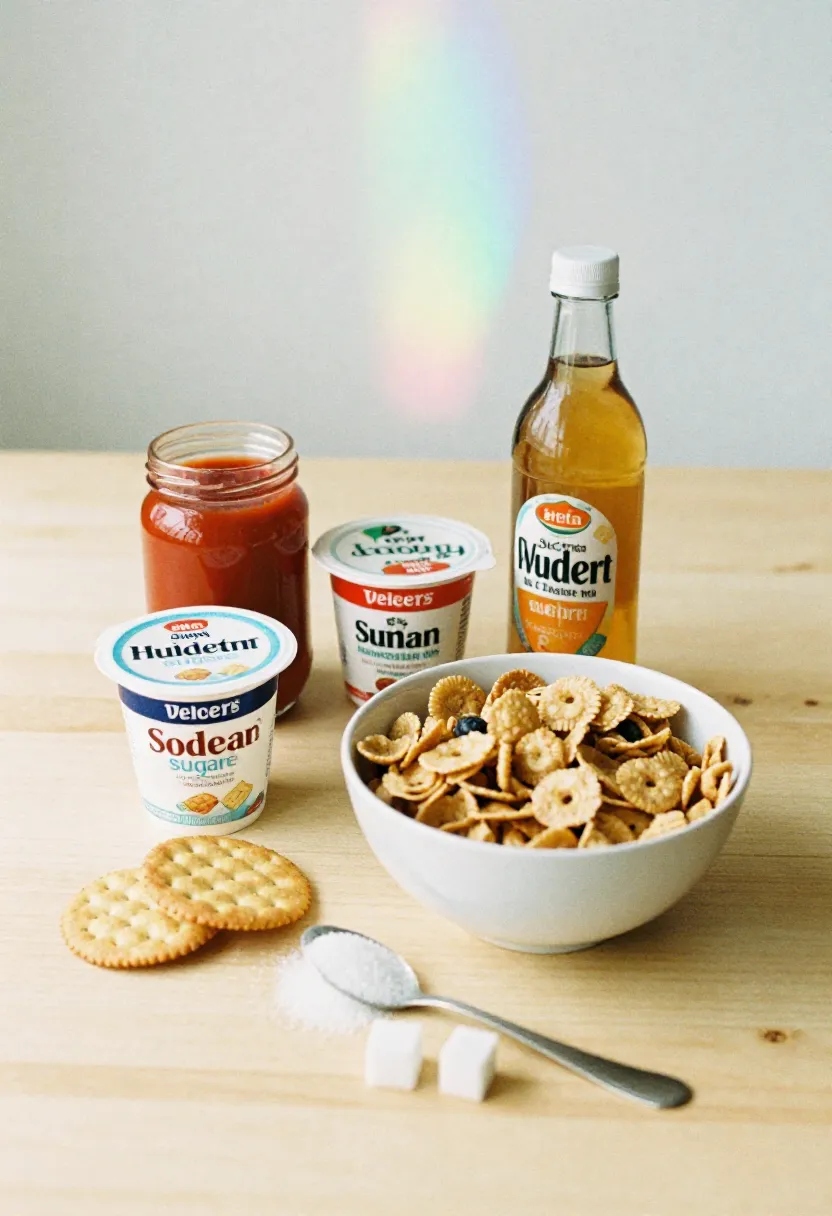
One of the biggest challenges in reducing sugar later in life isn’t dessert — it’s the everyday foods that don’t even taste sweet. These hidden sugars slip quietly into meals and snacks, often without us realizing it. And for older adults, who may already be more sensitive to blood sugar swings, these unnoticed sources can make a surprisingly big difference in how we feel throughout the day.
This section gently pulls back the curtain on where sugar hides and why being aware of these foods can transform your energy, appetite, and overall wellbeing.
Breakfast Foods: More Sugar Than They Seem
Many older adults reach for quick, familiar breakfast staples — but these can be sugar traps.
Common culprits:
- flavored instant oatmeal
- boxed cereals marketed as “healthy”
- flavored yogurt cups
- bran muffins
- breakfast bars
- sweetened plant milks
Even foods that seem nutritious often contain 5–15 grams of added sugar per serving.
Simple swap:
Choose unsweetened versions and add fresh fruit for natural sweetness.
Packaged Savory Foods That Don’t Taste Sweet
Sugar is added to enhance flavor, extend shelf life, and make foods more appealing.
Typical hidden-sugar foods include:
- tomato sauce
- canned soups
- baked beans
- salad dressings
- ketchup
- marinades
- condiments like chutneys or relishes
- frozen “healthy” meals
These small amounts add up quickly — especially if used daily.
Breads & Crackers
It surprises many people that:
- soft sandwich bread
- whole-wheat bread
- crackers
- rolls
- wraps
often contain added sugars.
The sweetness is subtle, but it still affects blood sugar.
Tip:
Look for breads with 1–2g sugar per slice, not 4–6g.
Snack Bars and “Nutrition” Bars
Many older adults choose these for convenience, but they’re often sweetened with:
- honey
- syrups
- juice concentrate
- glucose-fructose blends
Even bars labeled “no added sugar” can contain concentrated fruit pastes that act like sugar.
Fruit Juices and Smoothies
Juice may feel wholesome, but it’s concentrated sugar without fiber.
A single glass of orange juice can contain the sugar of 2–3 whole oranges — but without the fiber that slows absorption.
Healthier alternative:
Eat whole fruit or dilute juice 1:1 with water.
Tea, Coffee & Hot Drinks
Older adults often enjoy multiple cups a day — and each one can quietly accumulate sugar.
Watch out for:
- sugar packets
- flavored creamers
- sweetened milks
- syrups added to coffee
Even “just a teaspoon” adds up when multiplied across a day.
Canned Fruit & Fruit Cups
These are popular senior-friendly snacks, but many are packed in:
- heavy syrup
- light syrup
- sugary juice blends
Better choice:
Fruit packed in water or 100% juice, drained before eating.
Flavored Yogurts
One small cup of flavored yogurt may contain as much sugar as a dessert.
Opt for:
- plain Greek yogurt
- unsweetened varieties
- add berries or cinnamon for flavor
Unexpected Items With Added Sugar
Sugar can be found in:
- pickles
- peanut butter
- crackers
- deli meats
- coleslaw
- “light” or “low-fat” foods
Manufacturers often add sugar when they remove fat or want to improve taste.
Mini-Story Moment
Picture an older adult who tries reducing sugar by avoiding desserts and sweets. But their energy still spikes and crashes. Their morning cereal, “healthy” muffin, lunchtime soup, afternoon latte, and dinner sauce all contain hidden sugars.
Once they start choosing unsweetened options and reading labels, something shifts. Their energy smooths out. Their cravings fade. And they finally feel the difference they were hoping for.
Why hidden sugars matter in later life
Because older adults may be more sensitive to blood sugar changes, even small amounts of hidden sugar can impact:
- mood
- digestion
- sleep
- appetite
- weight
- energy levels
Recognizing these foods allows older adults to make gentle, powerful adjustments — without giving up flavor, comfort, or familiarity.
Benefits of Cutting Back Sugar in Later Life

Reducing sugar isn’t about depriving yourself of pleasure — it’s about giving your body the comfort and stability it naturally craves as you age. Even small shifts in sugar intake can create meaningful improvements in how older adults feel day to day. And the effects show up in places you might not expect: from steadier moods to better sleep to calmer digestion.
Here are the most noticeable — and most rewarding — benefits of scaling back sugar in later life.
Steadier, More Predictable Energy
Many older adults describe sugar as giving a quick spark followed by a crash.
Reducing sugar helps the body maintain a smoother energy curve.
You may notice:
- fewer afternoon slumps
- less fatigue after meals
- more stable stamina throughout the day
Energy begins to feel reliable — not up and down.
Improved Mood & Emotional Balance
Blood sugar swings often trigger mood swings too.
Cutting sugar can help:
- reduce irritability
- improve stress tolerance
- bring emotional steadiness
- reduce feelings of anxiety or restlessness
A calm body supports a calmer mind.
Better Sleep Quality
High-sugar foods, especially in the evening, can:
- disrupt sleep cycles
- cause nighttime awakenings
- lead to restless or shallow sleep
Lower sugar intake supports:
- easier falling asleep
- fewer wake-ups
- deeper, more restorative rest
For many older adults, this change alone feels life-changing.
Healthier Digestion & Less Bloating
Sugar can cause digestive discomfort by feeding certain gut bacteria and creating fermentation.
Reducing sugar can:
- ease bloating
- improve regularity
- reduce gas
- support healthier gut flora
Meals may feel gentler and digestion more predictable.
Reduced Cravings & Clearer Appetite Signals
As we age, it can be harder to recognize true hunger versus sugar-driven urges.
Scaling back sugar helps:
- reduce sudden cravings
- stabilize appetite
- make fullness cues clearer
- create a more grounded relationship with food
This is especially helpful for older adults who struggle with appetite ups and downs.
Better Blood Sugar Management
With age, insulin sensitivity decreases.
Lowering sugar intake supports:
- more stable blood glucose
- fewer spikes and crashes
- reduced strain on the pancreas
- better long-term metabolic health
This can be especially important for those with prediabetes or diabetes.
Heart & Circulation Support
Too much sugar can contribute to inflammation and elevated triglycerides.
Reducing sugar helps:
- support heart health
- improve cholesterol balance
- reduce inflammation markers
- promote healthier circulation
It’s a gentle but powerful step for cardiovascular wellbeing.
Clearer Skin & Reduced Inflammation
Some older adults notice:
- fewer breakouts
- calmer rosacea
- more even skin tone
- improved hydration
Sugar reduction often shows up on the skin within a few weeks.
Weight Balance Without Harsh Dieting
Weight changes are common in later life, and crash diets are neither safe nor helpful.
Lowering sugar supports:
- natural appetite control
- fewer empty calories
- reduced snacking
- steadier metabolism
It’s a gentle way to maintain or improve weight comfort.
Boosted Cognitive Clarity
Sugar highs and lows can cause brain fog.
Reducing sugar may help:
- improve focus
- reduce mental fatigue
- stabilize memory-related processes
Many older adults describe feeling “lighter” and “clearer” after lowering sugar.
Mini-Story Moment
Imagine an older adult who begins reducing sugar simply by swapping flavored yogurt for unsweetened, skipping sugary drinks, and choosing whole fruit instead of pastries. Within two weeks, their mornings feel calmer. Their mood feels more stable. They sleep more deeply. And for the first time in months, they wake up feeling truly refreshed.
Small changes add up — gently, yet powerfully.
Why these benefits matter
As our bodies change, our needs change too. Scaling back sugar is a simple adjustment that supports comfort, vitality, and long-term health. For older adults, it’s not about restriction — it’s about creating a life that feels balanced, energized, and more at ease.
Recognizing Sugar Cravings vs. Real Hunger
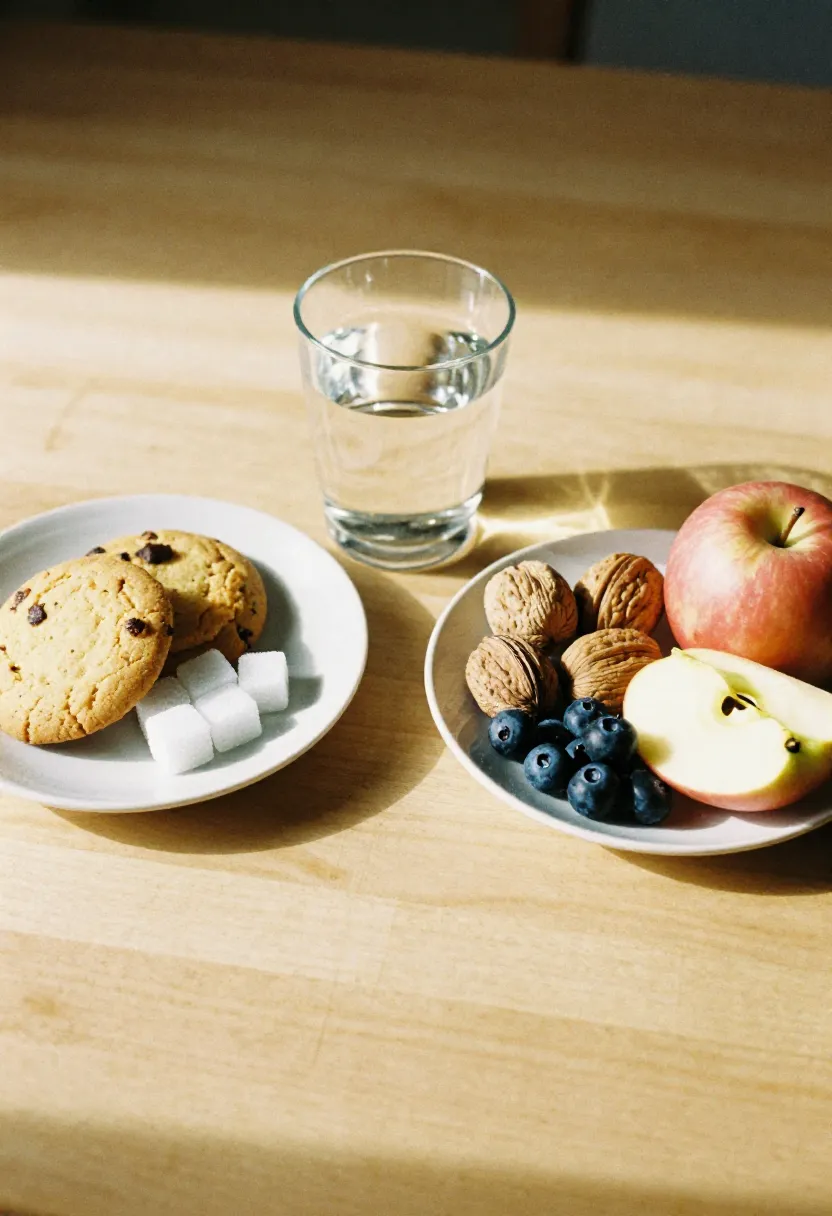
One of the most confusing parts of cutting back on sugar — especially in later life — is learning to tell the difference between true hunger and a sugar craving. They can feel surprisingly similar. A sudden urge to eat, an empty feeling in the stomach, a sense that “something is missing” — it’s easy to assume your body genuinely needs food.
But often, what the body wants is stability, not sugar.
Understanding this distinction can make sugar reduction feel calmer, easier, and much more intuitive. Let’s explore the gentle signs your body gives you — and how to interpret them.
What Real Hunger Feels Like
True hunger builds slowly and steadily. It’s your body’s natural signal that it needs fuel — not a quick fix.
Typical signs include:
- gradual stomach emptiness
- gentle rumbling
- a slow increase in appetite
- ability to wait a little before eating
- craving a variety of foods (not just one thing)
Real hunger is patient and flexible.
You could eat a nourishing meal, a snack, or leftovers — and it would satisfy you.
What Sugar Cravings Feel Like
Sugar cravings are sharper, more urgent, and often emotional.
They may feel like:
- a sudden urge to eat right now
- craving only sweet foods, not balanced meals
- restlessness or agitation
- low mood, boredom, or fatigue
- “mouth hunger” instead of stomach hunger
- wanting comfort more than nourishment
Sugar cravings often show up after emotional triggers like:
- stress
- loneliness
- tiredness
- feeling overwhelmed
- evening downtime
Unlike real hunger, cravings want a specific thing — a cookie, chocolate, muffin, sweet tea — and nothing else feels quite right.
Sugar Cravings Are Often Blood Sugar Signals
As we age, blood sugar swings become more common.
A craving may actually mean:
- your blood sugar dropped quickly
- you ate something sugary earlier and are now crashing
- you’re dehydrated
- you haven’t eaten enough protein or fiber
Sugar gives quick relief — but also continues the cycle.
How to Tell Them Apart: A Simple Test
Ask yourself:
“Would I eat a balanced meal right now?”
If the answer is:
- yes → it’s likely true hunger
- no, I only want something sweet → that’s a craving
This one question simplifies everything.
How to Calm a Sugar Craving (Without Eating Sugar)
Here are gentle ways to soothe cravings without giving in to them:
✨ Drink water or herbal tea
Dehydration often disguises itself as sugar hunger.
✨ Have a protein-rich snack
Try cheese, nuts, yogurt, eggs — they stabilize blood sugar.
✨ Add fiber
A piece of fruit, veggie sticks, or a handful of berries can calm the urge.
✨ Change your environment
Walk into another room, go outside for a minute, stretch, breathe.
✨ Do a “sweetness swap”
Choose natural sweetness like cinnamon, berries, or a slice of apple.
✨ Check your emotions
Sometimes the craving isn’t about food at all.
Signs That You’re Experiencing Emotional Hunger
Emotional hunger:
- comes suddenly
- wants instant comfort
- is tied to mood
- feels urgent
- isn’t satisfied for long
Physical hunger:
- builds slowly
- is satisfied by real food
- doesn’t demand sugar
- feels steady, not urgent
Understanding this difference is empowering, especially in later years when emotions, appetite, and routine may shift.
Mini-Story Moment
Imagine an older adult sitting in the evening, feeling a bit lonely or tired. Suddenly, the thought of something sweet pops into their mind. At first it feels like hunger — but when they pause, they realize they’re not actually hungry.
They drink a cup of warm tea, grab a few almonds, take a short walk… and the craving fades. They didn’t “resist temptation” — they simply understood what their body was really asking for.
Why this matters
Recognizing cravings versus hunger isn’t about discipline. It’s about self-awareness.
As we grow older, the body’s signals can feel different, but they’re still honest—once we learn how to read them.
Mastering this difference helps older adults:
- reduce sugar comfortably
- feel more in control
- avoid energy crashes
- enjoy food with more freedom and less guilt
It’s a gentle shift with powerful benefits.
Simple Sugar Swap Ideas for Older Adults

Cutting back on sugar doesn’t mean giving up sweetness, comfort, or the foods you love. Often, it’s about making thoughtful swaps — small, realistic changes that maintain the flavors and routines you enjoy, while helping your body feel calmer, lighter, and more balanced.
These gentle swaps are perfect for older adults because they require minimal effort, no complicated cooking, and no expensive ingredients. Just small shifts with big benefits.
☕ SWAP 1: Sweet Coffee Drinks → Lightly Flavored, Unsweetened Coffee
Instead of:
- sweetened lattes
- flavored creamers
- sugary instant mixes
Try:
- black coffee with a splash of milk
- unsweetened creamers
- cinnamon, vanilla, or nutmeg
- a drop of stevia or monk fruit
You keep the ritual — without the sugar crash.
🥣 SWAP 2: Sugary Breakfast Cereals → Oats or Low-Sugar Options
Instead of:
- frosted cereals
- “healthy” granolas
- flavored oatmeal packets
Try:
- plain oats topped with berries
- unsweetened muesli
- homemade granola
- overnight oats with cinnamon
Your morning becomes softer, steadier, and more nourishing.
🍦 SWAP 3: Ice Cream → Frozen Fruit Blends
Instead of:
- high-sugar ice cream
- store-bought frozen desserts
Try:
- frozen banana blended into “nice cream”
- frozen berries with plain yogurt
- fruit-based sorbets with no added sugar
You still get the creamy, cold treat — but naturally.
🍞 SWAP 4: Sweetened Breads → Lower-Sugar or Whole-Grain Options
Instead of:
- soft white bread
- brioche-style loaves
- sweet rolls
Try:
- whole-grain breads with < 2g sugar per slice
- sourdough
- sprouted grain breads
The texture is still soft and familiar — just less sugary.
🍓 SWAP 5: Flavored Yogurt → Unsweetened Yogurt with Fruit
Instead of:
- vanilla or fruit-flavored yogurts
- “light” yogurts (often full of artificial sweeteners)
Try:
- plain Greek yogurt
- a handful of berries
- a drizzle of vanilla extract
- a sprinkle of cinnamon
This keeps the creaminess and flavor without loading up on sugar.
🥤 SWAP 6: Sugary Drinks → Water, Herbal Tea, or Infusions
Instead of:
- soda
- sweet iced tea
- energy drinks
- fruit juice
Try:
- lemon or mint-infused water
- herbal teas
- sparkling water
- diluted juice (½ water, ½ juice)
It’s refreshing without overwhelming your system.
🥧 SWAP 7: Store-Bought Desserts → Naturally Sweet Snacks
Instead of:
- pies, cakes, cookies
- packaged pastries
Try:
- apple slices with nut butter
- dark chocolate (70%+) in small amounts
- a few dates with nuts
- cinnamon-baked apples
Soft, satisfying, and still sweet — just more gentle on the body.
🥫 SWAP 8: Sugary Sauces → Simple Homemade or Low-Sugar Versions
Instead of:
- ketchup
- sweet chilli sauce
- sugary marinades
- bottled dressings
Try:
- tomato paste with herbs
- olive oil + lemon dressing
- mustard-based sauces
- low-sugar or sugar-free alternatives
Your meals stay flavorful — without surprise sugar.
🍽️ SWAP 9: Snack Bars → Whole-Food Snacks
Instead of:
- “healthy” bars
- granola bars
- sweetened protein bars
Try:
- nuts
- cheese slices
- boiled eggs
- hummus with veggies
- a small portion of fruit
These keep you full without the sugar rollercoaster.
🛏️ SWAP 10: Evening Sweets → Warm, Comforting Drinks
Instead of:
- cookies
- chocolate
- pastries
- ice cream before bed
Try:
- chamomile tea
- warm milk
- ginger tea with lemon
- cacao powder in warm milk (unsweetened)
This supports better sleep and calmer digestion.
Mini-Story Moment
Picture an older adult who loves their morning flavored latte, mid-afternoon muffin, and sweetened yogurt at night. When they start making gentle swaps — cinnamon in their coffee, oats instead of cereal, berries instead of sweetened yogurt — something shifts. Their cravings soften. Their energy steadies. They feel more in control, without losing any of the comfort they love.
Why these swaps matter
Small sugar swaps are powerful because they’re sustainable. They don’t require giving anything up dramatically. They simply invite more gentle, whole, nourishing options into your daily routine — while helping your body feel calmer and more supported with age.
Meal and Snack Ideas With Less Sugar — Senior-Friendly
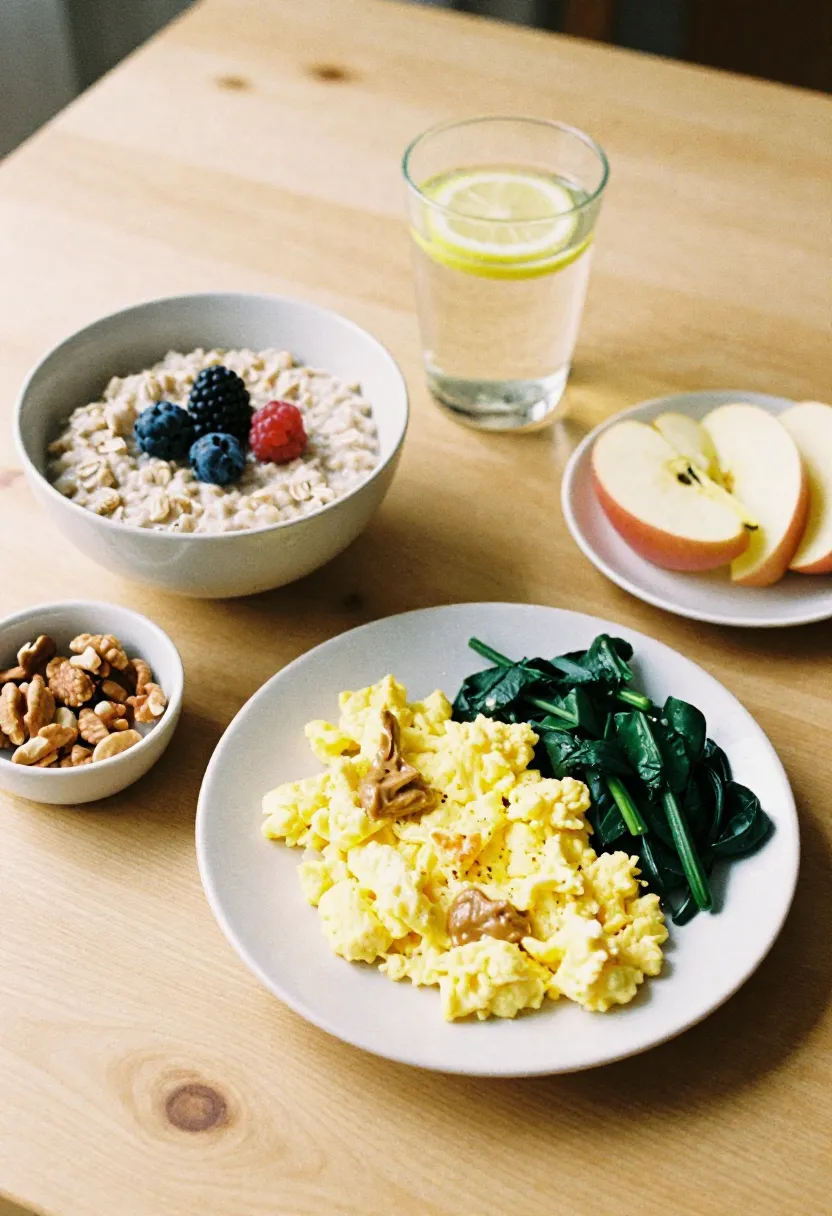
One of the most encouraging parts of reducing sugar later in life is discovering how many satisfying, cozy, flavorful meals you can enjoy without ever missing the sweetness. Older adults don’t need complicated recipes or strict diet plans — just simple, nourishing meals that keep energy steady, digestion comfortable, and cravings calm.
Below are easy, realistic, senior-friendly ideas for breakfasts, lunches, dinners, and snacks that keep sugar low while keeping satisfaction high.
🍳 Senior-Friendly Breakfast Ideas
1. Warm Oatmeal with Berries & Cinnamon
Gently sweet from fruit, comforting, and easy to digest.
2. Greek Yogurt Bowl
Unsweetened yogurt topped with:
- berries
- nuts
- a sprinkle of chia seeds
- a touch of vanilla extract
Creamy, balanced, protein-rich.
3. Scrambled Eggs with Spinach & Tomatoes
High in protein, gentle on digestion, and sugar-free.
4. Whole-Grain Toast with Avocado
Add a squeeze of lemon or sprinkle of seeds for flavor.
5. Cottage Cheese with Fruit
Especially good for seniors who prefer soft, soothing textures.
🥗 Light, Nourishing Lunch Ideas
1. Chicken or Tuna Salad Lettuce Wraps
Use olive oil, herbs, and lemon instead of sweet dressings.
2. Vegetable Soup with Whole-Grain Crackers
Warm, comforting, and naturally low in sugar.
3. Quinoa Bowl with Roasted Veggies
Add chickpeas, greens, and a drizzle of olive oil.
4. Egg Salad on Whole-Grain Toast
Simple, satisfying, and low in sugar.
5. Turkey or Veggie Sandwich on Low-Sugar Bread
Load with veggies for extra fiber.
🍽️ Gentle, Balanced Dinner Ideas
1. Baked Salmon with Steamed Vegetables
Rich in protein and omega-3s — ideal for older adults.
2. Slow-Cooked Chicken Stew
Warm, tender, and easy to chew.
3. Stir-Fried Vegetables with Tofu
Use garlic, ginger, and low-sodium soy sauce (no sugary sauces).
4. Roasted Chicken with Sweet Potato
Sweet potato provides natural sweetness in a balanced way.
5. Beef or Lentil Chili
Skip sugary ketchup; use herbs, spices, and tomatoes for flavor.
🍎 Simple, Sugar-Light Snack Ideas
1. A Handful of Nuts
Almonds, walnuts, pistachios — filling and nutritious.
2. Apple Slices with Nut Butter
Natural sweetness with protein and healthy fats.
3. Cheese Slices or Cheese Sticks
Great for quick, satisfying protein.
4. Cucumber or Carrot Sticks with Hummus
Crunchy, refreshing, hydrating.
5. Berries or a Small Piece of Fruit
Just enough natural sweetness.
6. Greek Yogurt with Cinnamon
Cozy and comforting.
7. A Hard-Boiled Egg
Simple, soft-textured, and ideal for seniors with low appetite.
🍵 Evening Snack Ideas for Calm Nights
1. Herbal Tea with a Square of Dark Chocolate (70%+)
A gentle sweet note without excess sugar.
2. Warm Milk with Cinnamon
Promotes relaxation and sleep.
3. Small Fruit & Nut Mix
Soft sweetness + healthy fats.
Mini-Story Moment
Imagine an older adult who once struggled with cravings, quick sugar snacks, and energy dips. After gently shifting to meals like warm oatmeal, comforting soups, roasted vegetables, and simple protein-rich snacks, everything feels smoother. They feel satisfied longer. Their digestion is calmer. Their afternoons are steadier. They finally feel nourished — not just fed.
Why these ideas matter
Delicious, senior-friendly meals don’t need sugar to satisfy. These ideas prioritize:
- soft textures
- stable energy
- heart and brain health
- nourishing ingredients
- easy preparation
It’s about eating in a way that supports your body gracefully in later life — without sacrificing joy or flavor.
Creating a Daily Routine to Reduce Sugar — Tips & Tools

Reducing sugar in later life becomes so much easier when it fits gently into your daily rhythm. Instead of strict rules or complicated meal plans, the goal is to create simple patterns — steady little habits that help your body feel balanced, nourished, and grounded day after day.
A routine gives structure, comfort, and predictability. And with age, these qualities become even more valuable, especially for appetite, digestion, mood, and energy.
This section offers simple tools to help sugar reduction feel natural, calm, and sustainable.
🌅 Start the Day With Stable Energy
Eat a protein-rich breakfast
This helps control appetite and reduce cravings later in the day.
Great choices:
- eggs
- yogurt
- oats with nuts
- cottage cheese
- avocado toast
Avoid sugary morning triggers
Even a small sugary breakfast can set the sugar-craving cycle in motion.
Start the day steady, not spiking.
💧 Keep Hydration Front and Center
Drink water before meals and snacks
Many older adults mistake thirst for hunger.
Try:
- a glass of water
- herbal tea
- lemon-infused water
This simple habit reduces cravings and supports digestion.
Set gentle reminders
A small timer or water bottle with markings can be incredibly helpful.
🛒 Shop With Intention
Choose unsweetened basics
Salt, spices, milk, yogurt, oatmeal — simple choices make the biggest difference.
Use the “3-ingredient rule” when shopping
If sugar is one of the first three ingredients on a label, put it back.
This alone dramatically lowers sugar intake.
Stock senior-friendly, sugar-light snacks
Nuts, cheese sticks, fruit, hummus, veggies, plain yogurt.
When the right foods are in the house, your routine becomes effortless.
🍽️ Create a Simple Meal Rhythm
Many older adults thrive with predictable, gentle meal timing.
Try:
- 3 meals + 1–2 small snacks
- eating every 3–4 hours
- avoiding long gaps, which can trigger sugar cravings
- lighter evenings for better sleep
Consistency keeps blood sugar steady.
🍵 Choose Sweetness Smartly
Develop new comforting “rituals”
Instead of evening cookies or cake, try:
- chamomile tea
- warm milk with cinnamon
- Greek yogurt with berries
- a few nuts and fruit
You still get comfort — without the sugar hit.
🗒️ Keep a Soft, Simple Food Journal (Optional)
A journal helps older adults notice:
- what triggers cravings
- which foods cause energy crashes
- how sugar affects mood or sleep
- patterns that need gentle adjustments
It’s not about judgment — it’s about awareness.
Even writing down only breakfast, lunch, dinner, snacks works beautifully.
🚶 Add Gentle Movement to the Routine
Light activity after meals helps the body handle sugar more effectively.
Try:
- a 5–10 minute walk
- gentle stretching
- gardening
- moving around the house
This improves blood sugar balance without strenuous exercise.
🧂 Keep Meals Flavorful Without Sugar
Many older adults turn to sugar because they want flavor — not sweetness.
Use:
- herbs
- spices
- lemon
- garlic
- olive oil
- flavored vinegars (no sugar)
Flavor keeps meals exciting and reduces cravings.
🌙 Create a Sugar-Smart Evening Routine
Evenings are the hardest time for older adults to resist sweets.
Try:
- herbal tea on hand
- dim lighting
- relaxing music
- reading or a calming hobby
- a light protein-based snack if truly hungry
These small cues help unwind the day without sugary treats.
🗂️ Make a Weekly Plan That Feels Gentle, Not Rigid
For example:
- Monday: oatmeal + berries
- Tuesday: vegetable soup
- Wednesday: chicken + steamed veggies
- etc.
The goal isn’t perfection — it’s reducing decision fatigue.
Mini-Story Moment
Picture an older adult whose evenings used to revolve around tea and a sugary snack. One day, they start keeping herbal tea bags on the table. Another day, they swap sweet yogurt for plain yogurt with fruit. A week later, they take a short walk after lunch. None of these changes felt big — but together, they change everything.
Their cravings soften. Their digestion improves. Their sleep deepens. They feel more “themselves” again.
A routine made of tiny, gentle steps becomes a source of comfort — not control.
Why this routine matters
A sugar-light life isn’t built on discipline. It’s built on structure, rhythm, and kindness toward your changing body.
The right routine helps older adults:
- manage cravings
- stabilize blood sugar
- improve mood
- support heart and brain health
- enjoy meals again
And it does so without stress, overwhelm, or restrictive thinking.
When Not to Cut Sugar Drastically — Health Conditions & Safety

While reducing sugar offers many benefits in later life, there are important situations where older adults should not suddenly eliminate sugar — or should adjust their approach with extra care. The goal is always safety, comfort, and balance, not harsh restriction.
Many seniors have unique medical needs, take medications, or experience shifts in appetite that make aggressive sugar-cutting risky. This section explains when to slow down, when to make gentler changes, and when to talk with a healthcare professional.
When a Sudden Drop in Sugar Can Be Harmful
1. If You Take Diabetes Medications or Insulin
Cutting sugar too quickly can cause hypoglycemia (low blood sugar) — a dangerous condition.
Symptoms may include:
- shakiness
- sweating
- dizziness
- confusion
- weakness
- blurry vision
Older adults are especially sensitive to low blood sugar.
Always adjust sugar intake gradually and under a doctor’s guidance.
2. If You Have Irregular or Low Appetite
Some seniors struggle with:
- difficulty eating full meals
- lack of appetite
- unintentional weight loss
- trouble preparing food
In these situations, the body may rely on quick, easy energy sources — sometimes sugary foods.
Reducing sugar too much may worsen appetite or energy levels.
Focus on nourishment first, sugar reduction second.
3. If You Experience Frequent Low Blood Sugar Episodes
This includes:
- dizziness
- sudden hunger
- shaking
- fatigue
- fainting feelings
Older adults may not always recognize the symptoms right away.
If this happens, avoid drastic sugar cuts and prioritize balanced meals with protein and fiber.
4. If You’re Recovering From Illness or Surgery
During recovery, the body needs:
- more calories
- easy-to-digest foods
- quick energy at times
Completely avoiding sugar during recovery can lead to weakness or slower healing.
Make sugar-light choices, not sugar-free rules.
5. If You’re Underweight or Struggling to Maintain Weight
In later years, weight loss can become unintentional and harmful.
Sugar reduction should be:
- gradual
- mindful
- never restrictive
The priority is maintaining nourishment and strength.
6. If You Use Sugary Foods for Medication Side Effects
Some medications cause:
- nausea
- bitter taste
- low appetite
A small amount of sugar can help mask these effects and make eating easier.
No one should feel guilty for using sugar strategically.
⚠️ Medical Conditions That Require Extra Caution
Heart Conditions
Some heart medications interact with blood sugar levels.
Gentle changes are safer than sudden ones.
Kidney Disease
Protein and fluid needs vary.
Sugar swaps should be individualized.
Dementia or Cognitive Decline
Sudden dietary changes can cause confusion, agitation, or reduced eating.
Digestive Disorders
Conditions like IBS, GERD, or low stomach acid may be aggravated by certain sugar alternatives or high-fiber foods used in sugar-free diets.
🌿 A Gentle Approach Is Usually Best
Instead of cutting sugar drastically, older adults can focus on:
- reducing sugary drinks first
- avoiding hidden sugars
- choosing whole foods
- adding protein and healthy fats
- making small swaps day by day
These slow, steady shifts are safer — and more sustainable.
❤️ “Permission to Be Gentle” — A Mini-Story Moment
Imagine a senior who decides to cut sugar completely overnight after reading about its health effects.
By lunchtime, they feel shaky and lightheaded.
They skip dinner because their appetite is low.
They end the day frustrated and exhausted.
Then they try a new approach:
They keep their morning routine the same but switch their afternoon pastry for fruit and nuts.
A few days later, they replace sugary yogurt with plain yogurt and berries.
Slowly, they feel more stable, more confident — and never overwhelmed.
Gentle progress always works better than abrupt change.
Why this safety guidance matters
Older adults have unique nutritional needs.
Reducing sugar can be incredibly beneficial — but only when done with awareness, care, and respect for the body’s signals.
The goal is not perfection.
The goal is comfort, stability, and long-term wellbeing.
FAQ — Scaling Back Sugar in Later Life

Reducing sugar in your later years can feel overwhelming at first, especially with so much conflicting advice. These gentle, practical answers are designed to make the process easier, safer, and more intuitive — whether you’re an older adult or a caregiver.
1. Do I have to give up all sweet foods to reduce sugar?
No, absolutely not.
You can still enjoy:
- fruit
- a bit of dark chocolate
- naturally sweet foods like sweet potato
- occasional treats
The goal is less added sugar, not living without sweetness.
2. Is fruit okay if I’m trying to cut sugar?
Yes.
Fruit contains fiber, vitamins, and natural sugars that digest more slowly.
Best options for older adults:
- berries
- apples
- pears
- citrus
- peaches
- melon
Fruit is your friend.
3. What’s the easiest thing to cut first?
Sugary drinks.
Soda, sweet iced tea, fancy coffee drinks, and fruit juices add the most sugar with the least fullness. Replacing them makes the biggest difference with minimal effort.
4. What if I get strong sugar cravings?
Try:
- drinking a glass of water
- eating a protein-rich snack
- having fruit or yogurt
- taking a short walk
- practicing deep breathing
Cravings often fade within 10–15 minutes.
5. Why do older adults feel sugar’s effects more strongly?
With age:
- metabolism slows
- insulin sensitivity decreases
- digestion changes
- muscle mass declines
This makes sugar spikes and crashes more noticeable.
6. Is it safe to reduce sugar if I have diabetes?
Yes — but do not cut it drastically.
Always make changes slowly and in coordination with your doctor to avoid unsafe blood sugar drops.
7. Will cutting sugar help my energy levels?
Most people notice:
- fewer afternoon slumps
- more stable energy
- less fatigue after meals
Especially when they combine sugar reduction with balanced meals and good hydration.
8. What about artificial sweeteners — should I use them?
They’re fine in moderation, but:
- some cause digestive discomfort
- they may increase cravings
- taste sensitivity may change
If you use them, choose small amounts for transitional support.
9. How do I handle sugar in social situations?
Try:
- taking smaller portions
- choosing fruit-based desserts
- bringing a low-sugar dish
- sipping herbal tea
You don’t need to explain or justify your choices to anyone.
10. Should I follow a strict sugar-free diet?
Strict diets are rarely recommended for older adults.
A gentle approach is safer:
- reduce obvious sugars
- avoid sugary drinks
- choose whole foods
- read labels
- make small daily swaps
Flexibility keeps eating joyful and sustainable.
11. Can reducing sugar improve my sleep?
Yes.
Many older adults find that cutting evening sugar reduces:
- night wakings
- restlessness
- nighttime heart fluttering
- indigestion
A calmer evening routine works wonders.
12. What if I live alone and don’t cook much?
Try:
- simple meals (soups, eggs, yogurt bowls, salads)
- pre-cut fruit and vegetables
- healthy ready-made meals with low sugar
- frozen berries and veggies
You don’t need fancy recipes to eat well.
Mini-Story Moment
Imagine an older adult who has countless questions: Can I eat fruit? What about coffee creamer? What if I crave sweets at night?
With each answer, they feel more confident. Sugar reduction stops feeling like a mysterious challenge — and becomes a simple, doable way to feel better every day.
Why this FAQ matters
Questions give clarity.
Clarity leads to confidence.
And confidence leads to sustainable, enjoyable habits — especially in later life.
This FAQ supports older adults with the information they truly need to make sugar-light living feel safe, manageable, and comforting.