Contents
When Stress Shows Up on Your Plate

There are days when stress feels almost physical — tight shoulders, racing thoughts, a kind of inner buzzing that won’t settle. You might blame work, lack of sleep, or too much screen time… but often what’s happening inside your body comes down to one powerful hormone: cortisol.
Cortisol isn’t the enemy.
It’s the built-in alarm system that helps you wake up, handle challenges, and stay alert. But when it stays elevated for too long — from constant pressure, worry, poor sleep, or even the way you eat — everything feels harder. Energy dips. Cravings spike. Mood wobbles. Sleep becomes lighter. And your body starts running on fumes instead of flow.
What many people don’t realize is that food plays a quiet but meaningful role in how your body manages cortisol.
Some meals help settle your nervous system, nourish your hormones, and bring your stress response back into balance. Others trigger spikes, inflammation, and the kind of wired-but-tired feeling that keeps cortisol higher than you want.
This isn’t about dieting.
It’s about feeding your body in a way that helps it feel safe, steady, and supported — especially on high-pressure days.
In this guide, we’ll explore the foods that help lower cortisol, the ones that nudge it upward, and the practical everyday habits that make your stress response feel more like a gentle ripple than a crashing wave.
The goal isn’t perfection. It’s calm. It’s balance. It’s giving your body the nourishment it needs to finally exhale.
Understanding Cortisol — What It Does & Why It Rises

Cortisol often gets treated like the “bad guy,” but in reality it’s one of the most essential hormones your body makes. It wakes you up in the morning, helps you stay focused during the day, stabilizes blood sugar between meals, and gives you a burst of alertness when something unexpected happens.
In other words, cortisol is your built-in survival system.
The challenge begins when this system runs on high for too long.
Think about a typical modern day: you wake up to an alarm, scroll your phone, rush through breakfast, answer messages, manage deadlines, deal with interruptions, sit too long, caffeinate to keep going, skip a meal, stay up too late.
None of these things are dramatic on their own — but together they send the same message to your body:
“Stay alert. Stay ready. Stay on.”
And cortisol responds exactly as designed.
When cortisol stays elevated, you may notice:
- sleep feeling lighter or more restless
- stronger cravings — especially for sugar or carbs
- difficulty calming down even when the day is over
- afternoon energy crashes
- irritability or feeling “wired but tired”
- increased belly fat or trouble maintaining weight
What many people don’t realize is that food can either add fuel to this stress response… or help soften it.
Skipping meals, drinking too much caffeine, eating a lot of sugar, or relying on fast carbs all push cortisol higher. On the flip side, steady meals, nourishing nutrients, and calming foods help the body regulate cortisol the way it’s meant to — rising in the morning, lowering gently throughout the day, settling at night.
Cortisol isn’t about stress alone.
It’s about how supported your body feels.
And that support begins with the simplest, most consistent tool you have: what you eat, and when you eat it.
Top Foods That Help Lower Cortisol
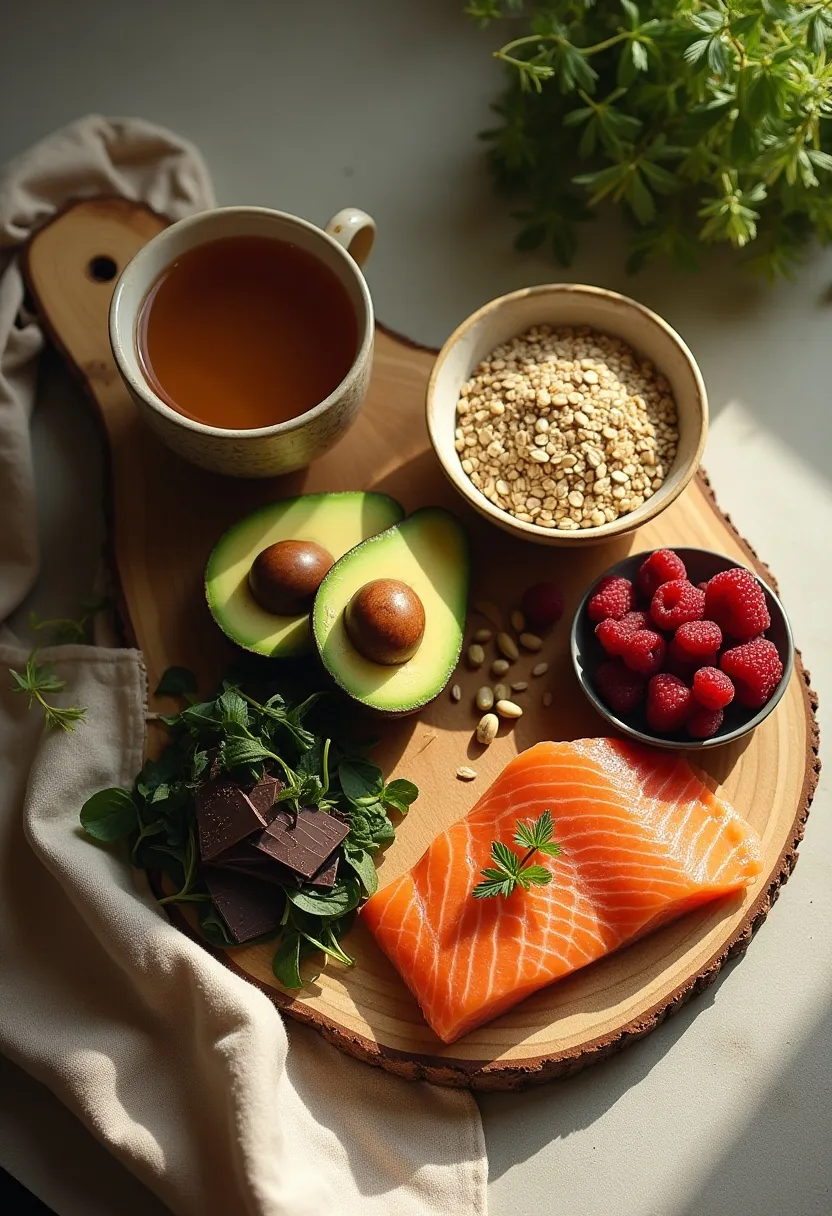
Lowering cortisol isn’t about exotic supplements or hard-to-find ingredients.
It’s built around foods your body intuitively relaxes with — foods rich in vitamins, minerals, healthy fats, and antioxidants that tell your nervous system, “You’re safe. You’re fed. You can breathe now.”
Here are the quiet heroes that help dial down the stress response.
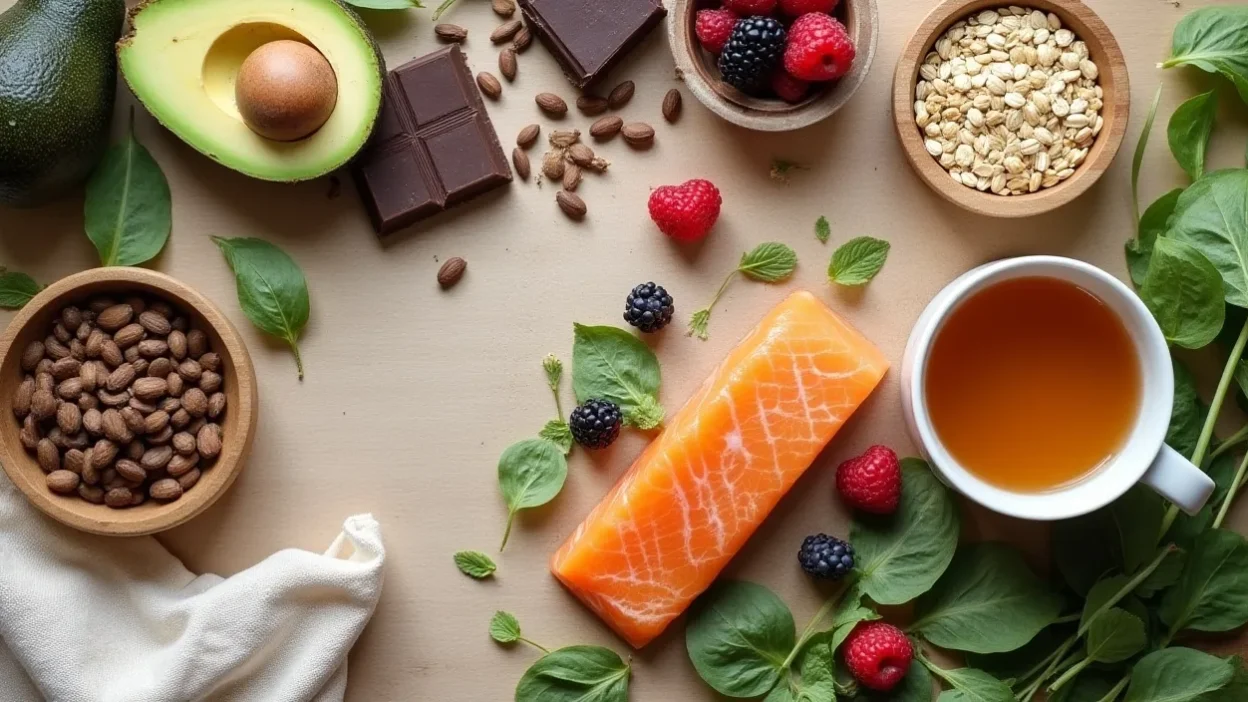
1. Dark Chocolate (yes, really!)
Good-quality dark chocolate is rich in magnesium and antioxidants, both of which help calm the nervous system. Even a small square can take the edge off a stressful afternoon.
It feels comforting because — biologically — it is.
2. Avocados
Creamy, nourishing, full of healthy fats and fiber. Avocados help stabilise blood sugar, and stable blood sugar = calmer cortisol. They keep you full, steady, and satisfied instead of jittery or craving something sweet.
3. Oily Fish (like salmon, sardines, mackerel)
Omega-3 fatty acids help reduce inflammation and support hormone regulation, especially under chronic stress. People who eat oily fish regularly tend to have more balanced cortisol rhythms.
4. Vitamin C–rich foods (red peppers, citrus, kiwi, berries)
Vitamin C plays a quiet but impressive role in lowering cortisol after stress. A snack of red pepper slices or a bowl of berries isn’t just refreshing — it’s soothing to your adrenal system.
5. Spinach & Leafy Greens
Greens are magnesium-rich, which helps relax the body, reduce muscle tension, and support better sleep. When stress builds, magnesium is one of the minerals the body uses up quickly — leafy greens help refill the tank.
6. Fermented Foods (yoghurt, kefir, sauerkraut, kimchi)
A calmer gut can lead to a calmer mind. Probiotics support the gut–brain axis, a communication highway that influences mood, stress, and cortisol levels. A spoonful of yoghurt or a little fermented veg can go a long way.
7. Eggs & Sunflower Seeds
Rich in B vitamins, choline, and healthy fats, these foods support brain function and mood regulation. They help your body maintain stable energy without the cortisol spikes that come from skipping meals.
8. Herbal Teas (chamomile, lemon balm, peppermint)
A warm mug in your hands, slow sips, steam rising — this alone lowers stress. But herbs also work physiologically to relax the nervous system and support deeper sleep, helping cortisol fall naturally at night.
These aren’t “miracle foods.”
They’re simply the kinds of ingredients your body recognizes as grounding, stabilizing, and nourishing — the opposite of the chaotic highs and lows that keep cortisol stuck in overdrive.
Foods & Habits That Can Raise Cortisol

If calming foods act like a gentle hand on your shoulder, the wrong choices can feel like someone tapping your stress button repeatedly. These foods and habits don’t make you “bad” — they simply confuse your body into thinking it needs to stay alert, ready, or on edge.
And when your body feels on edge, cortisol follows.
Caffeine overload
A morning cup of coffee is perfectly fine for most people. The trouble starts when caffeine becomes the fuel that pushes you through the day — second coffee, iced latte, an energy drink, maybe tea at night.
Caffeine signals your adrenal system to stay awake, stay sharp… stay stressed.
If you’re already overwhelmed, this can keep cortisol from ever settling.
Sugary foods & quick carbs
When you’re stressed, it’s normal to crave something sweet — it’s your body begging for quick energy. But fast sugar spikes lead to fast drops, and those drops trigger cortisol to rise again.
The more often this rollercoaster happens, the more cortisol feels like it has to stay “on duty.”
Skipping meals or eating very irregularly
When your body doesn’t know when the next meal is coming, it releases cortisol to keep blood sugar stable. It’s a survival response.
This is why long gaps between meals often leave you irritable, shaky, or overly hungry — it’s not willpower, it’s physiology.
Highly processed foods
Fast food, packaged snacks, refined carbs, and deep-fried meals put pressure on digestion and can trigger inflammation. Inflammation is a stress signal — and stress signals lead to elevated cortisol.
Heavy late-night eating
Your body needs nighttime to wind down.
A large, rich, or fatty dinner right before bed forces it to stay in “work mode,” slowing digestion and disrupting sleep. Poor sleep alone is enough to keep cortisol high the next day.
Excess alcohol
A drink may feel relaxing in the moment, but alcohol disrupts sleep depth, blood sugar, and hydration — three things that directly influence cortisol.
It’s one of those tricky habits that feel soothing short-term but stressful long-term.
None of these foods or habits need to disappear completely.
The key is timing, moderation, and awareness. Tiny tweaks — earlier meals, smaller portions, more balanced snacks, fewer caffeine “top-ups,” gentler evening routines — can dramatically shift how your stress hormones behave.
When you understand what raises cortisol, you can finally stop sabotaging your calm without even realizing it.
Building a Cortisol-Friendly Meal Routine
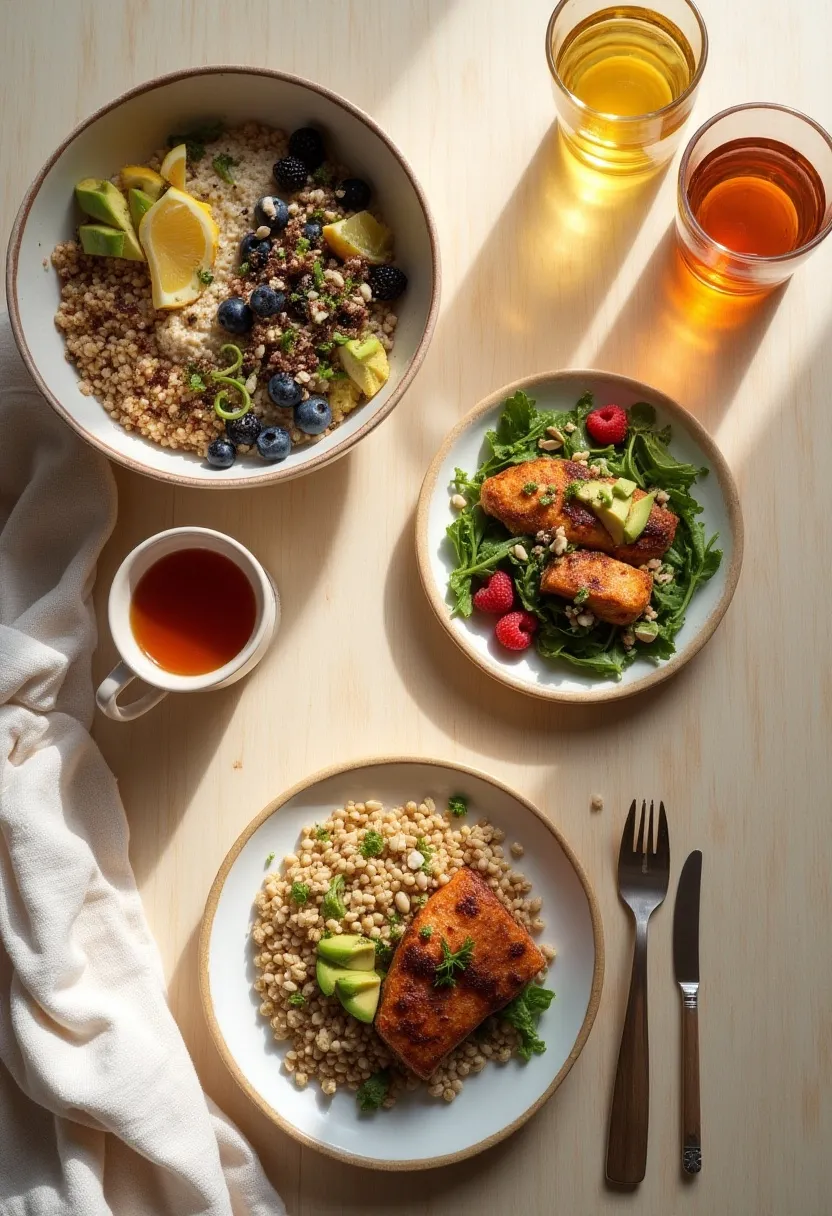
Lowering cortisol isn’t about adding ten new foods to your kitchen overnight.
It’s about the rhythm of eating — how you start your morning, how you fuel the middle of your day, and how gently you land in the evening.
A cortisol-friendly routine is less about restriction and more about predictability. When your body knows food is coming at steady intervals, it doesn’t have to sound the internal alarm.
Let’s walk through what that looks like.
Start your morning with something grounding
Breakfast doesn’t need to be big. It just needs to exist.
A bowl of oats with berries, an egg on wholegrain toast, yoghurt with nuts — these simple choices do more for your stress hormones than most people realise. A steady breakfast helps prevent mid-morning cortisol spikes that come from running on empty.
Build lunches that keep your energy steady
Think of lunch as your “calm anchor” meal.
It should balance protein, healthy fats, and fibre — the trio that stabilises blood sugar and mood. That could be salmon with greens, a quinoa bowl with avocado, a lentil soup, or a spinach salad with seeds and chicken. When lunch is balanced, your afternoon stress feels easier to manage.
Treat snacks as small acts of stability
When stress is high, snacks often turn into impulse decisions.
Instead, make them intentional: dark chocolate with nuts, yoghurt with sunflower seeds, sliced red pepper with hummus, or a piece of fruit. These little “check-ins” keep cortisol from rising when your brain is overloaded.
Choose a gentle dinner
Evenings are when your cortisol should naturally drop. Heavy meals work against that.
A cortisol-friendly dinner feels warm, simple, and digestible: roasted vegetables, leafy greens, a portion of protein, olive oil, maybe quinoa or brown rice. Think comfort without weight.
And the most overlooked tip: timing
Finish eating at least 2–3 hours before bed.
Your body sleeps deeper, digests better, and lowers cortisol more smoothly when it isn’t processing a full stomach at midnight. A cup of herbal tea at the end of the night can turn this into a relaxing ritual.
When you look at this routine as a whole, it’s not demanding — it’s supportive.
It’s a slow, steady way of telling your body, all day long,
“You’re safe. You’re nourished. You don’t need to stay in stress mode.”
Lifestyle Pairings — Beyond Food

Food can do a lot for cortisol, but the biggest shifts happen when nutrition teams up with the way you move, rest, and unwind. Think of it as giving your body multiple signals throughout the day that it’s allowed to slow down, soften, and switch off from “survival mode.”
You don’t need a whole new routine.
Just a few gentle habits that make your body feel safer — and therefore less stressed.
Move in ways that feel good, not punishing
Cortisol loves consistency, not intensity.
A walk outside, light strength training, stretching, or yoga can lower cortisol far more effectively than forcing yourself through workouts that leave you drained.
When movement feels enjoyable, your body responds with grateful calm.
Take breaks before stress peaks
We often wait until we’re overwhelmed to breathe or reset.
But short pauses — a slow exhale, standing up for a minute, stepping outside for fresh air — prevent cortisol from climbing in the first place. These micro-breaks train your nervous system to stay regulated.
Prioritize sleep like it’s nourishment
Nothing spikes cortisol faster than poor sleep.
Even one night of tossing and turning can keep cortisol elevated the next day.
A calming evening ritual — herbal tea, dim lights, screen-free time, journaling — helps your body transition into the deeper rest it’s craving.
Reduce screen overload
Bright screens, constant notifications, and endless scrolling trick your brain into staying alert long after you want to relax. Setting gentle boundaries — like keeping your phone in another room before bed — cuts the unconscious cortisol spikes that come from overstimulation.
Go outside every day, even briefly
Morning sunlight helps regulate your circadian rhythm, which directly influences cortisol levels. Even a 5-minute walk or coffee outside can reset your internal clock more effectively than most supplements.
Create small “calm anchors” throughout your day
These are little rituals that ground you: a warm drink, a clean workspace, a tidy corner of the kitchen, a moment of deep breathing.
They aren’t productivity hacks — they’re cues of safety.
And safety is the antidote to cortisol.
Together, these lifestyle habits don’t eliminate stress — they make stress easier for your body to handle. Paired with balanced meals, they create a rhythm your nervous system can rely on, leading to calmer days and deeper, steadier nights.
Conclusion — Calm Is Built in Small, Daily Ways

When stress feels big, we tend to look for big solutions — new routines, dramatic diets, complete life overhauls. But the body doesn’t actually need drastic change to lower cortisol.
It needs steadiness.
It needs nourishment.
It needs tiny, repeated signals that it’s safe.
That’s the real power of eating for calm: it pulls your body out of “alert mode” in the most everyday way possible. A magnesium-rich breakfast. A balanced lunch. A soothing herbal tea at night. A walk around the block when your mind feels crowded. A moment of pause before you reach for sugar.
None of these things solve stress on their own — but together, they change the way your body experiences it.
Lowering cortisol is less about eliminating pressure from your life and more about building a foundation your nervous system can trust. The right foods help regulate your hormones, steady your energy, and soften your emotional edges. Supportive habits reinforce that safety. And over time, the combination of these small choices transforms how you feel — calmer, clearer, more in control.
You don’t have to be perfect.
You don’t have to get it all right tomorrow.
Just start with one food that feels grounding, one habit that feels doable, one moment where you choose calm over chaos.
Your body will notice.
And with gentle consistency, it will respond — one calmer day, one steadier breath, one lower cortisol cycle at a time.