Contents
- Why a Balanced Diet Matters in a World Full of Confusion
- What Is a Balanced Diet? — Core Principles and Food Groups
- Why Balance — Health, Energy and Mental Well-Being
- How to Eat Balanced — Practical Plate & Meal Guidelines
- Myths & Misconceptions — What a Balanced Diet Isn’t
- Simple First Steps — How to Begin Eating More Balanced Today
- Balanced Nutrition + Lifestyle — Why It Works with Sleep, Movement, Mindset
- Conclusion — Balance as a Lifestyle, Not a Restriction
Why a Balanced Diet Matters in a World Full of Confusion

Walk into any supermarket, scroll through social media, or listen to casual conversations about food, and you’ll notice one thing instantly: everyone has an opinion about what you “should” eat.
Carbs are out.
No, fats are out.
Wait — fruit has too much sugar!
Only raw foods.
Only keto.
Only low-fat.
Avoid gluten.
Avoid everything.
It’s no wonder so many people feel overwhelmed, guilty, or simply exhausted trying to figure out what “healthy eating” actually means.
But here’s the calmer truth — the one that’s often drowned out by trends and loud wellness advice:
Your body doesn’t need perfection. It needs balance.
A balanced diet isn’t a restrictive plan, a list of banned foods, or a complicated set of rules. It’s a gentle framework that helps your body get the nutrients it needs — consistently, comfortably, and in proportions that feel natural in everyday life.
It’s about variety, not restriction.
Flexibility, not rigidity.
Enjoyment, not fear.
Imagine your meals as a collection of small building blocks:
- foods that energize you,
- foods that nourish your cells,
- foods that keep you full and strong,
- foods that bring pleasure and comfort,
- foods that support long-term health.
When these pieces come together in a simple, balanced way, your body thrives — with more stable energy, better digestion, steadier mood, improved immunity, and a sense of well-being that doesn’t rely on chasing diets or trends.
This guide will help you understand:
- what a balanced diet really is,
- how nutrients complement each other,
- practical plate proportions that work in real life,
- and how to create meals that support your health without stress.
Because eating well shouldn’t feel complicated.
It should feel like taking care of yourself — one balanced plate at a time.
What Is a Balanced Diet? — Core Principles and Food Groups
When people hear the phrase “balanced diet,” they often imagine a perfect plate, meticulously measured portions, or a strict eating plan. But in reality, a balanced diet is much simpler — and much kinder — than that.
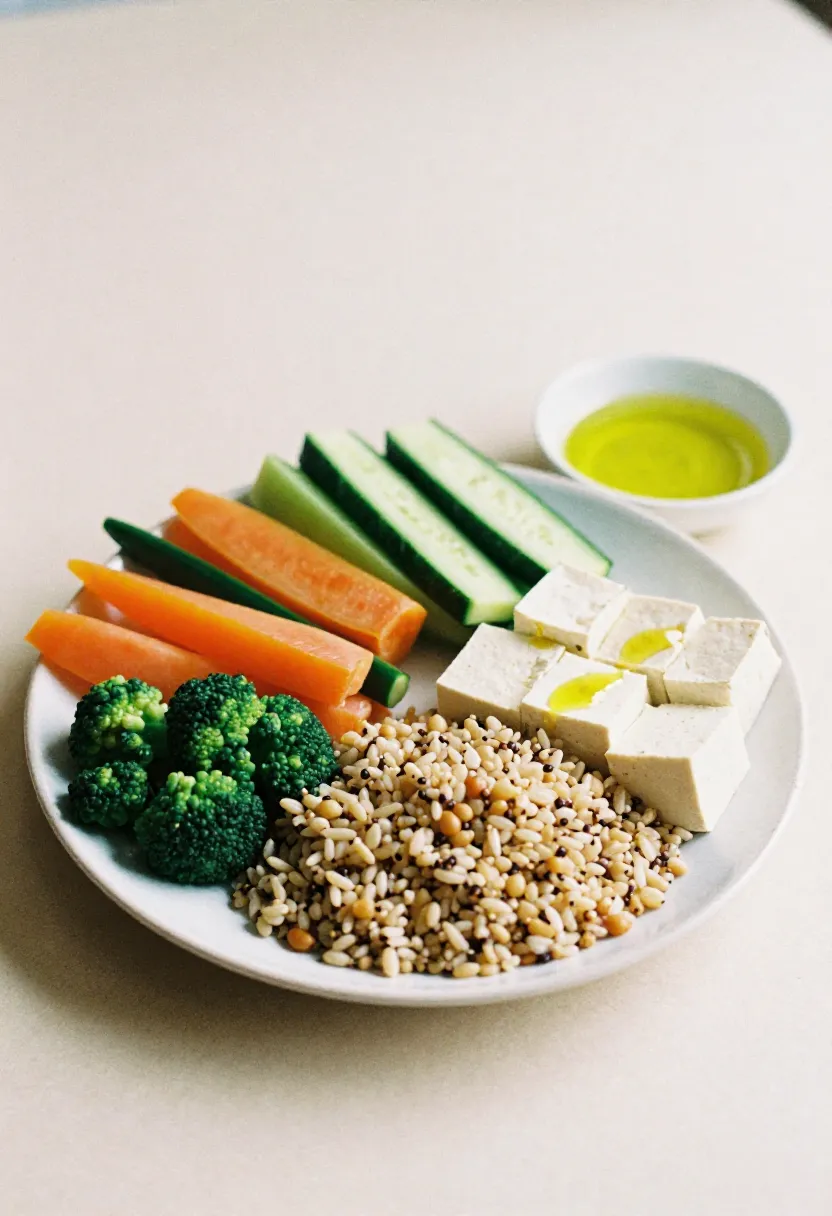
At its core, a balanced diet means giving your body a wide variety of foods in proportions that support both health and pleasure.
Not too much of one thing, not too little of another — just enough of each to help your body work the way it’s meant to.
Think of it as harmony on your plate: each food group playing its role, complementing the others, and working together to nourish you.
Let’s break it down gently and clearly.
1. The Core Principle: Variety + Proportion + Regularity
A balanced diet includes:
✔️ Variety
Different foods offer different nutrients.
No single ingredient — not even the so-called “superfoods” — can do it all.
✔️ Proportion
Each food group adds something unique.
Balance means not overfilling your diet with one group while neglecting another.
✔️ Regularity
Your body loves consistency.
Regular meals help maintain energy, stabilize mood, and support healthy metabolism.
This is why balanced eating works better long-term than any rigid diet trend.
2. The Main Food Groups (Based on Eatwell-style guidance)
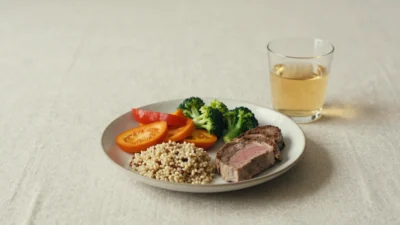
🟢 Fruits and Vegetables (Aim for about half your plate across the day)
These are your everyday nutritional anchors.
They offer fiber, vitamins, minerals, antioxidants — and keep digestion happy.
- Fresh, frozen, or canned all count.
- Color variety = nutrient variety.
- Think: spinach, carrots, berries, broccoli, oranges, peppers.
They support immunity, energy, skin health, and gut function.
🟡 Starchy Foods & Whole Grains (Around a quarter of your plate)
These are your body’s primary energy source.
Choose whole-grain or higher-fiber options when possible:
- oats
- brown rice
- wholegrain pasta
- quinoa
- wholemeal bread
- potatoes with skin
They keep blood sugar stable, support concentration, and help you feel full longer.
🟠 Protein Sources (Around a quarter of your plate)
Protein supports:
- muscle repair
- hormones
- immunity
- satiety
- healthy aging
Great sources include:
- beans and lentils
- eggs
- fish
- chicken or turkey
- tofu or tempeh
- nuts and seeds
Keep variety here too — plant, animal, or mixed depending on your lifestyle.
🔵 Dairy or Dairy Alternatives (Smaller portion daily)
These foods provide:
- calcium
- vitamin D
- protein
Options include:
- yogurt
- cheese
- milk
- fortified plant drinks (soy, oat, almond, coconut)
Choose unsweetened where possible for a gentler impact on blood sugar.
🟣 Healthy Oils & Fats (Small amounts)
Essential for:
- brain function
- hormone production
- vitamin absorption
- skin health
Good choices:
- olive oil
- avocados
- nuts
- seeds
- oily fish
Fat isn’t the enemy — quality and portion are what matter.
⚪ Foods High in Fat, Salt, or Sugar (Occasional, enjoyable extras)
These foods aren’t “bad.”
They simply belong in moderation, not elimination.
- pastries
- sweets
- chocolate
- fried foods
- sodas
- takeaways
They’re part of life — just not the foundation of everyday eating.
3. Flexibility Is Key
A balanced diet isn’t rigid. It adjusts to:
- cultural and traditional foods
- dietary restrictions
- allergies
- ethical choices
- budget and accessibility
- appetite and mood
There is no one perfect plate — only the one that nourishes your body and fits your real life.
4. The Gentle Rule of Thumb
If you’re unsure whether a meal is balanced, ask:
“Does this plate give me energy, nourishment, and enjoyment?”
If yes — you’re probably doing great.
Why Balance — Health, Energy and Mental Well-Being

A balanced diet is more than a set of nutritional guidelines — it’s a foundation for how you feel every single day. When your meals support your body’s needs in a steady, diverse way, everything from your energy levels to your emotional stability becomes easier to maintain.
Think of balanced eating as the quiet, consistent force that keeps your body running smoothly. Not dramatic. Not restrictive. Just quietly effective.
Here’s why balance matters so much — for your health, your mind, and your overall sense of well-being.
1. Balanced Eating Fuels Your Body with Stable, Long-Lasting Energy
When meals include a mix of carbohydrates, proteins, and healthy fats, your body gets:
✔️ Quick energy from carbs
to start your day or power through tasks.
✔️ Steady, extended energy from fiber and complex grains
preventing crashes and mid-afternoon slumps.
✔️ Sustained fullness from proteins and fats
keeping hunger stable and comfortable.
Without this balance, it’s easy to fall into the cycle of spikes and dips — feeling energized one moment, sluggish the next.
A balanced diet keeps you on a smoother track.
2. It Supports a Strong Immune System
Your immune health relies on consistent nutrients from whole foods:
- Vitamin C from fruits and vegetables
- Zinc from legumes, nuts, and seeds
- Vitamin D from dairy, fortified plant drinks, and sunlight
- Antioxidants from colorful produce
- Healthy fats from fish, nuts, seeds, and oils
No single vitamin or supplement replaces the synergistic effect of balanced, varied eating. It’s the blend that protects you.
3. Better Digestion and a Happier Gut
Fiber-rich foods — vegetables, fruits, whole grains, beans — support:
- regular bowel movements
- healthy gut bacteria
- reduced inflammation
- better nutrient absorption
- fewer digestive issues
Your gut thrives on diversity, and balanced meals naturally provide it.
A nourished gut often leads to improved mood, sharper thinking, and better resilience to stress.
4. Stable Mood and Mental Well-Being
Food deeply influences neurotransmitters — the chemicals that affect mood, focus, and emotional balance.
Balanced meals support:
- steady blood sugar, reducing irritability or anxiety
- consistent fuel to the brain, improving concentration and memory
- production of serotonin, partly made in the gut
- a feeling of calm predictability in your daily routine
Ever notice how chaotic eating leads to chaotic energy?
Balanced eating creates steadier days.
5. Supports Healthy Body Function and Long-Term Wellness
A balanced diet doesn’t chase quick fixes; it supports your whole body over time:
- heart health
- bone strength
- muscle maintenance
- hormonal balance
- healthier cholesterol levels
- reduced risk of chronic diseases (diabetes, heart disease, obesity, hypertension)
This is why nutrition experts emphasize consistency rather than perfection.
6. Helps You Build a Peaceful Relationship with Food
When you stop labeling foods as “bad” or “forbidden,” eating becomes:
- less stressful
- more enjoyable
- more intuitive
- more sustainable
Balance allows space for both nutrient-rich foods and emotional favorites.
You nourish your body and honor your emotions.
This reduces guilt, shame, or overthinking — and promotes long-term healthy habits.
A gentle reminder
A balanced diet isn’t just about living longer —
it’s about living better.
More energy.
More clarity.
More calm.
More freedom around food.
In a world full of extreme diets and quick fixes, balance is the quiet, steady path that supports your mind and body day after day.
How to Eat Balanced — Practical Plate & Meal Guidelines
Eating a balanced diet doesn’t have to feel like a puzzle. In fact, some of the most nourishing meals are simple, familiar, and built from everyday foods you already enjoy. The goal isn’t to craft a “perfect plate” — it’s to create meals that feel satisfying, energizing, and naturally varied.
Here’s a warm, practical way to think about balanced eating in real life — without strict rules or overwhelming charts.
1. Let Your Plate Be Your Guide
Imagine your plate as a gentle framework rather than a checklist.
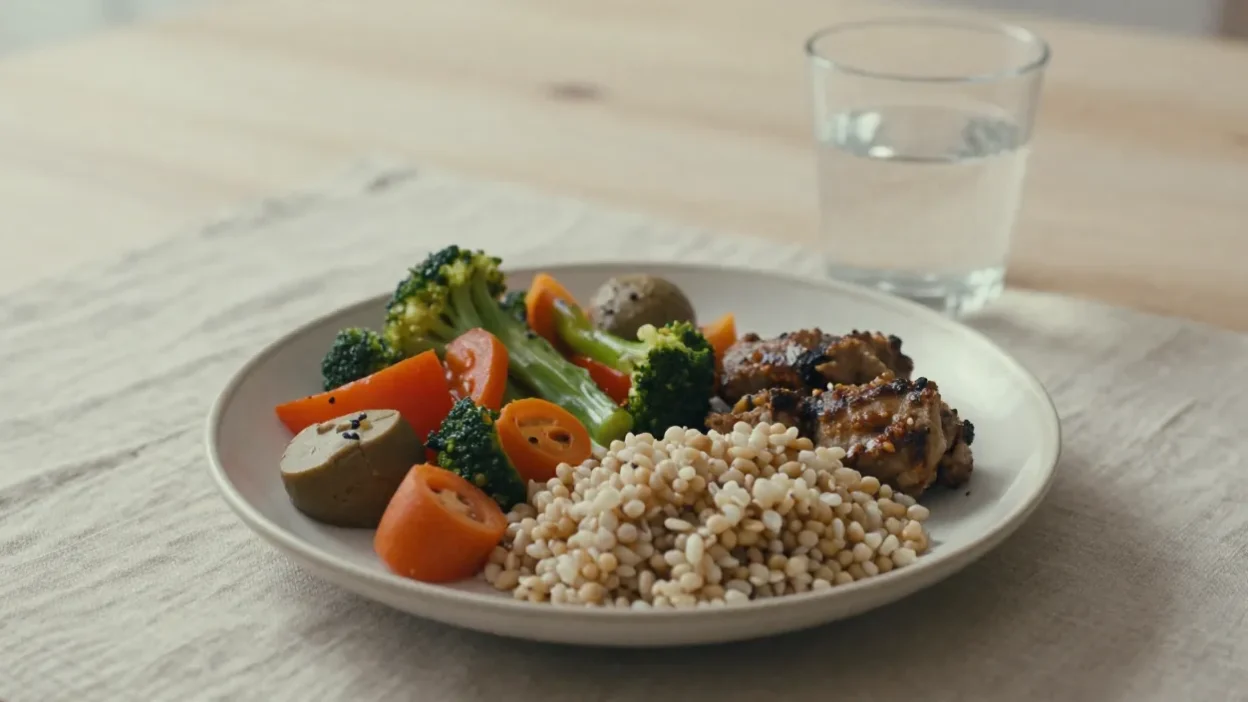
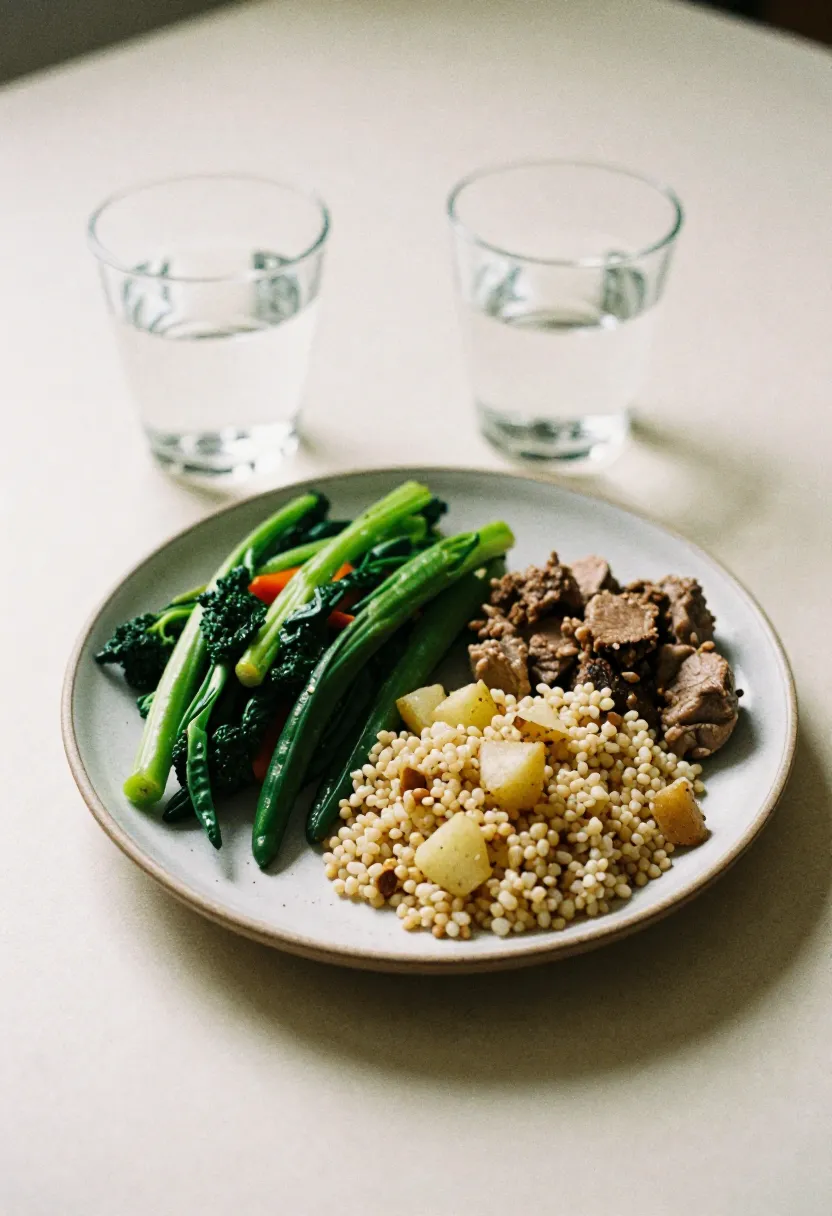
Half of it can be filled with colorful vegetables or fruits — whatever you like, whatever’s in season, whatever feels comforting. The remaining space can be shared between a source of protein and a starchy food like whole grains or potatoes.
Not every meal must look like this, of course. But using this as a loose guide helps you naturally bring balance into your day.
A bowl of vegetable-rich pasta, a hearty soup with beans, or a stir-fry with rice can all fit this idea beautifully.
2. Choose Whole, Minimally Processed Foods When You Can
This doesn’t mean avoiding packaged foods or cooking everything from scratch. It simply means leaning toward foods that feel wholesome and close to their natural form — a piece of fruit instead of candy, oats instead of sugary cereal, potatoes instead of ultra-processed snacks.
These choices bring more fiber, vitamins, and steady energy. And they’re usually more filling and satisfying, too.
3. Include Protein in Every Meal — It Keeps Everything Stable
Protein isn’t just for athletes. It supports hormones, muscles, immune function, and even mood. Adding a bit of protein to each meal helps you feel full and energized longer.
That might look like a few spoonfuls of beans in a salad, yogurt with fruit, an egg on toast, tofu in a stir-fry, or a piece of fish at dinner. No need for large portions — just consistent presence.
4. Choose Carbohydrates That Give You Steady Energy
Carbs often get unfairly judged, but your body relies on them. The key is choosing forms that digest more slowly and keep your energy stable.
Wholegrain bread, brown rice, oats, quinoa, and potatoes with skin all provide fiber and long-lasting fuel without making your blood sugar spike and crash. They also pair beautifully with vegetables and proteins.
5. Don’t Forget Healthy Fats — They’re Essential
A drizzle of olive oil on roasted vegetables, a sprinkle of nuts on yogurt, or a few slices of avocado on toast can make a meal feel richer and more satisfying. These fats nourish your brain, help absorb vitamins, and keep you full.
They’re not something to fear — they’re something to respect and enjoy in gentle amounts.
6. Hydration Is Part of Balanced Eating Too
Sometimes the simplest habits make the biggest difference. Water, herbal tea, and diluted juices support digestion, energy, and concentration. Even mild dehydration can make you feel tired or foggy.
Think of hydration as a quiet background player that makes every other part of your diet work better.
7. And Most Importantly — Allow Flexibility
Balance doesn’t mean eating perfect meals every single day. Some days will be vegetable-packed; others might lean more on convenience foods. Both are part of real life.
A balanced diet works across a whole week, not a single plate.
It gives you room to enjoy dinners out, spontaneous treats, comfort foods, and family traditions — without guilt.
The more flexibility you allow, the more sustainable and joyful eating becomes.
Myths & Misconceptions — What a Balanced Diet Isn’t
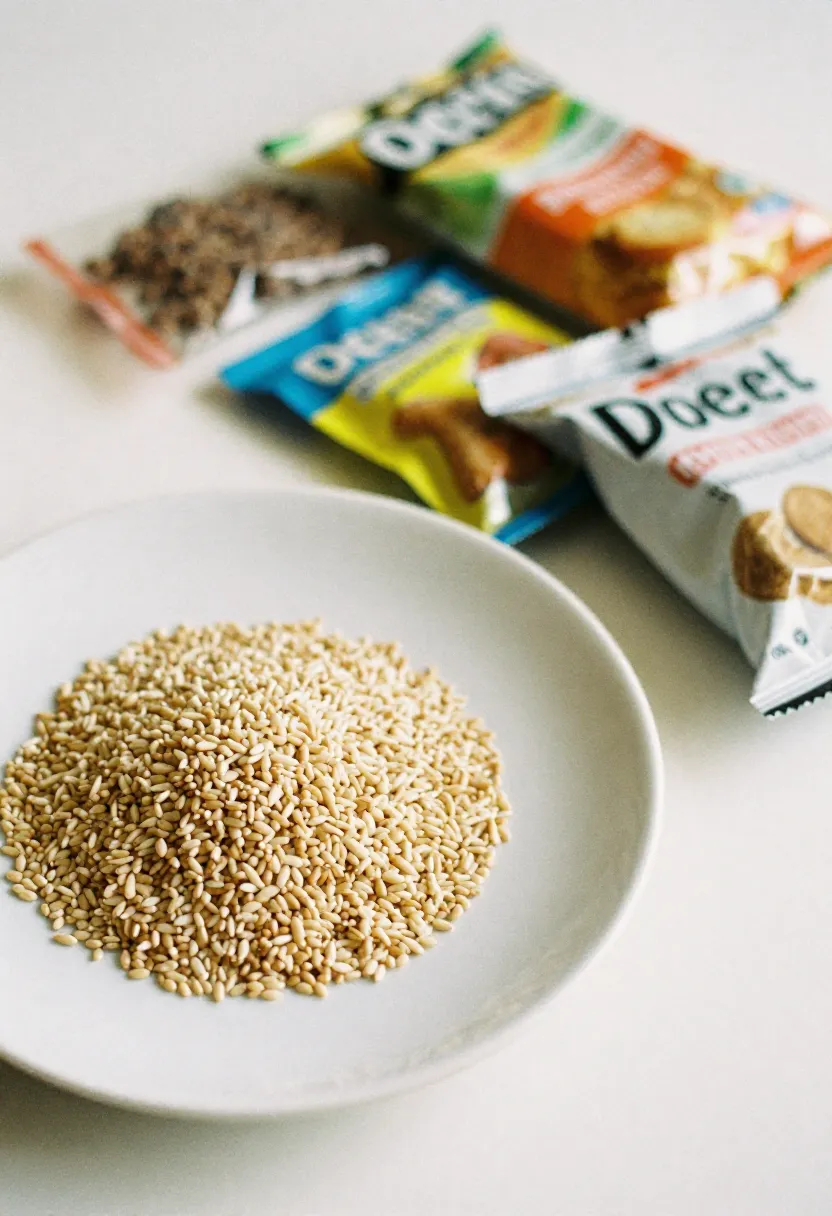
“Healthy eating” has become such a crowded, noisy concept that many people feel unsure about what balance really means. Diet culture, trends, and social media often twist simple nutrition into something complicated, rigid, or guilt-inducing.
Let’s clear the air with a gentle look at what a balanced diet isn’t. Understanding these misconceptions helps you approach your meals with more ease, freedom, and clarity.
1. A Balanced Diet Is Not About Perfection
You don’t need flawless meals, immaculate plates, or textbook proportions to be healthy.
Balance happens over time — across days and weeks — not in a single snack or meal.
One indulgent dinner doesn’t undo your health.
One skipped salad doesn’t break your habits.
Perfection isn’t the goal.
Consistency with kindness is.
2. It’s Not a Restrictive Plan or a Set of Rules
A balanced diet isn’t a diet in the trendy sense.
It doesn’t tell you to remove entire food groups, ban sugar forever, or fear carbs.
Instead, it encourages variety and moderate portions — while still leaving space for comfort foods, cultural dishes, celebrations, and cravings.
Restriction breeds obsession.
Balance creates peace.
3. It’s Not the Same for Everyone
Your ideal balanced diet depends on:
- your age
- activity level
- cultural background
- ethical choices
- health needs
- digestive comfort
- personal preferences
There is no universal “perfect plate.”
What works for you may be different from what works for someone else — and that’s exactly how it should be.
4. A Balanced Diet Isn’t Automatically Complicated
Some people imagine it as:
- endless meal prepping
- specific grams and ratios
- expensive ingredients
- perfect shopping lists
But actually, balance thrives in simplicity:
a mix of vegetables, grains, proteins, fruits, and fats — prepared in ways that are comforting and doable.
Even basic meals like a vegetable omelette, rice with beans, or pasta with greens fit into balanced eating beautifully.
5. It’s Not About “Good” vs. “Bad” Foods
Food doesn’t have a moral value.
A cupcake isn’t “bad.”
A salad isn’t “virtuous.”
A balanced diet includes both nutrient-dense foods and joyful foods.
It allows for:
- chocolate
- takeaway nights
- birthday cake
- weekend pastries
- comfort dishes
…because food is not just fuel — it’s pleasure, tradition, celebration, and connection.
Balance embraces all of that.
6. It Doesn’t Promise Instant Results
A balanced diet isn’t a quick fix for:
- weight loss
- glowing skin
- boosted energy
- perfect digestion
These benefits often do happen — but gradually, gently, and in a sustainable way.
Its power lies in long-term support for your health, not in rapid transformation.
7. It’s Not Something to Feel Guilty About
Eating more one day and less another, craving sweets, skipping vegetables occasionally — these things are normal and human.
Guilt is not part of balanced eating.
Awareness, comfort, and nourishment are.
A simple truth
A balanced diet is far more flexible and forgiving than most people think. It’s not rigid, moralized, or perfect. It’s a steady rhythm of nourishment that adapts to your life — not the other way around.
Once you release the myths, balance becomes easier, more natural, and much more enjoyable.
Simple First Steps — How to Begin Eating More Balanced Today
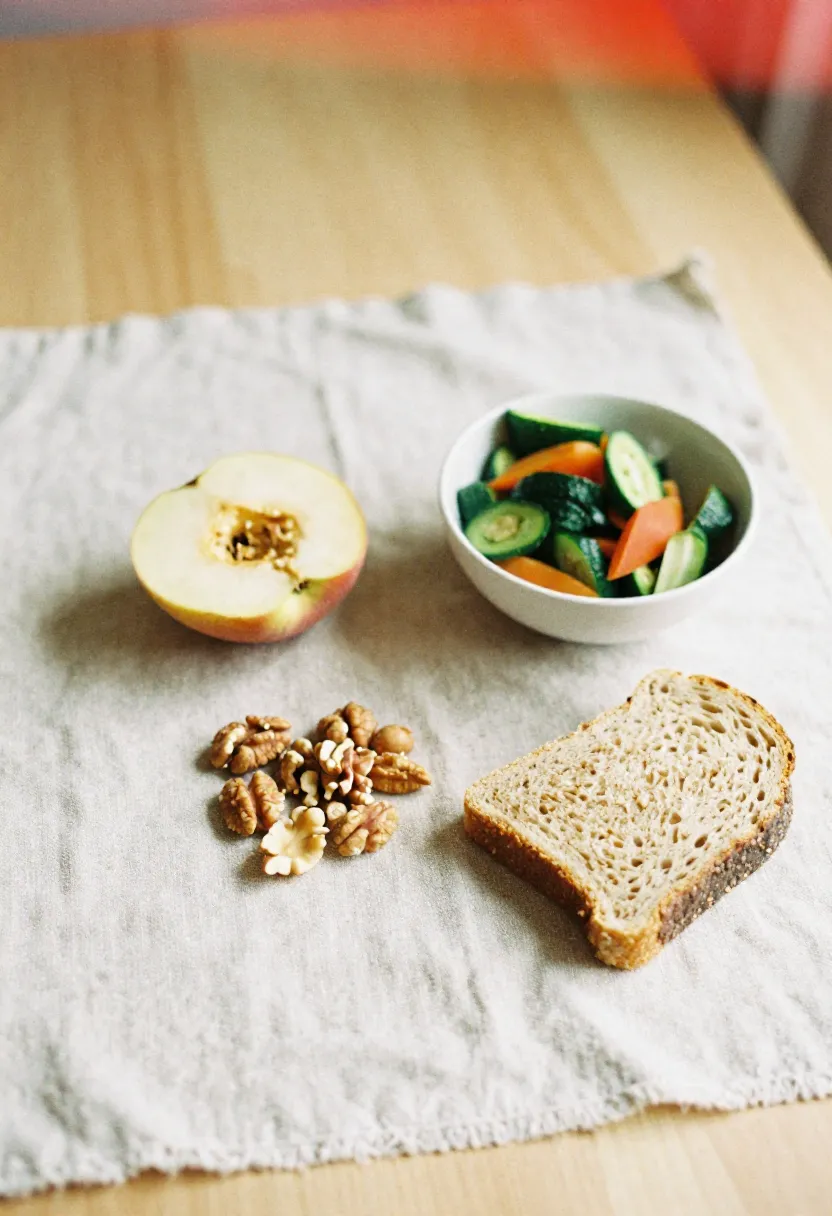
Starting to eat a more balanced diet doesn’t require a dramatic overhaul of your kitchen or a strict commitment to a new eating plan. In fact, the best changes are usually the smallest — the ones that gently shift your habits without overwhelming you.
Here are some warm, practical steps you can begin today. No pressure, no perfection — just small, meaningful shifts toward feeling better in your body.
1. Add Before You Subtract
Instead of focusing on what to remove, try adding nourishing elements to your meals:
- a handful of greens to your pasta
- a piece of fruit to your breakfast
- a scoop of beans or lentils to your salad
- an extra serving of vegetables at dinner
This approach is uplifting rather than restrictive.
You build balance naturally without feeling deprived.
2. Choose Wholegrains When It Feels Easy
You don’t need to switch your entire pantry overnight.
Start with simple swaps:
- wholegrain bread instead of white
- brown rice or quinoa once or twice a week
- oats for breakfast rather than sugary cereal
Small changes like these provide more fiber, steadier energy, and better digestion — and they blend smoothly into daily life.
3. Include a Protein Source in Most Meals
A little protein helps keep you full and supports everything from hormones to muscle repair.
This might look like:
- yogurt or eggs in the morning
- nuts sprinkled over a salad
- beans in a soup
- tofu in stir-fries
- chicken or fish at dinner
It doesn’t need to be large portions — just consistent presence.
4. Make Your Plate More Colorful
Color often means nutrients.
Add one extra color to your meals whenever possible:
- red tomatoes
- orange carrots
- green spinach
- purple cabbage
- yellow peppers
You don’t need to create Instagram-worthy plates — just notice where a little color can brighten your meal.
5. Keep Hydration Gentle and Consistent
Water, herbal teas, or diluted juices all support digestion, energy, and concentration.
You don’t need to count liters — just drink regularly throughout the day.
Often, feeling tired, foggy, or snacky is simply your body asking for hydration.
6. Let Convenience Work For You
Healthy choices can be easy:
- frozen vegetables are just as nutritious as fresh
- pre-washed greens save time
- canned beans make meals faster
- simple soups or wraps can still be beautifully balanced
Balanced eating doesn’t mean gourmet cooking — it means doable meals that nourish you.
7. Keep Room for Comfort and Enjoyment
A balanced diet includes:
- chocolate,
- a slice of cake,
- takeaway nights,
- nostalgic meals,
- family favorites.
Allowing joy in your eating helps prevent guilt, overeating, or binge-restrict cycles.
Pleasure is part of nourishment too.
A gentle reminder
You don’t need to transform your eating habits overnight.
Every balanced diet begins with one small, realistic step — repeated with kindness, not pressure.
Choose one change that feels easy this week.
Let it settle.
Then build from there.
Balance grows best when it grows gently.
Balanced Nutrition + Lifestyle — Why It Works with Sleep, Movement, Mindset

A balanced diet doesn’t exist in isolation.
It’s part of a wider picture — a way of caring for yourself that’s supported by how you sleep, move, think, and manage your days. When your lifestyle aligns with your eating habits, something beautiful happens: your energy becomes steadier, your moods more grounded, and your body more responsive to nourishment.
This synergy is gentle but powerful. Let’s explore how it works.
1. Balanced Eating Supports Better Sleep — And Sleep Supports Better Choices
When you fuel your body with a mix of carbs, protein, and healthy fats, your blood sugar remains more stable throughout the day. Stable blood sugar = calmer evenings, fewer late-night cravings, and easier sleep.
Meanwhile, good sleep helps regulate the hormones that influence hunger:
- Ghrelin, which increases hunger
- Leptin, which signals fullness
When you’re well-rested, your appetite feels more predictable, and you naturally gravitate toward balanced meals.
Sleep and nutrition work like quiet partners, each supporting the other.
2. Movement Feels Easier When Your Body Is Properly Nourished
Balanced meals provide the energy your muscles and brain need to move comfortably. Whether your movement of choice is walking, yoga, swimming, or dancing in the kitchen, eating well helps you:
- feel less fatigued
- recover faster
- maintain strength
- enjoy movement rather than dread it
And here’s the gentle bonus: regular movement improves digestion, mood, and sleep — which all loop back into healthier eating patterns.
You don’t need intense workouts.
Just consistent, enjoyable movement.
3. Balanced Eating Helps Regulate Mood and Reduce Stress
Nutrients like omega-3s, B vitamins, complex carbs, and antioxidants all contribute to:
- improved emotional resilience
- clearer thinking
- reduced anxiety
- steadier mood throughout the day
Meanwhile, unstable eating patterns — skipping meals, extreme restriction, or relying on sugary snacks — can create mood swings, irritability, or fogginess.
Balanced meals offer emotional steadiness, not just physical nourishment.
4. Mental Well-Being Shapes How You Eat
Mindset matters more than people realize. When you’re stressed, overwhelmed, or sleep-deprived, it’s easy to:
- crave quick, ultra-processed foods
- lose appetite or eat mindlessly
- fall into emotional eating
- forget to hydrate or pause for proper meals
This is why nutrition guidance always pairs best with emotional awareness and self-kindness.
Balanced eating thrives when your life has space for rest, pleasure, and small moments of calm.
5. Think of Balance as a Lifestyle, Not a Formula
A balanced diet works best when it fits naturally into your everyday rhythm. That means:
- choosing whole foods when it’s easy
- enjoying treats without guilt
- moving gently and regularly
- sleeping enough
- managing stress in small, healthy ways
- listening to your body’s hunger and fullness cues
The more these pieces support each other, the more nourishing your whole life feels.
A gentle truth
Food is not just fuel.
Sleep is not just rest.
Movement is not just exercise.
Mindset is not just psychology.
Together, they create a stable foundation for health — physical, emotional, and mental.
When all these elements are in soft alignment, balance stops being something you “try to achieve” and becomes something you naturally live.
Conclusion — Balance as a Lifestyle, Not a Restriction

A balanced diet isn’t a set of perfect choices or a flawlessly proportioned plate. It’s a way of living that feels supportive, sustainable, and grounded in kindness toward your body. In a world full of loud nutrition trends, strict rules, and constantly shifting advice, balance brings a soft, steady voice that says:
“You don’t have to control everything.
You just need to care for yourself consistently.”
When you view eating as a long-term relationship rather than a short-term project, everything shifts. Meals become less about pressure and more about nourishment. Food becomes less about guilt and more about energy, comfort, and connection. Your body becomes less of a battleground and more of a partner.
Balance isn’t about eliminating your favorite foods or striving for nutritional perfection. It’s about weaving together:
- meals that energize you,
- foods that bring joy,
- habits that feel steady,
- moments of flexibility,
- and an overall rhythm that respects your real life.
Some days you’ll cook vibrant meals full of vegetables and whole grains.
Other days you’ll reach for something quick, comforting, or celebratory.
Both belong. Both fit. Both are part of a balanced life.
The more you practice balance, the more intuitive it becomes — not as a rulebook, but as a gentle instinct. You begin to recognize what helps you feel grounded, what gives you strength, and what brings genuine satisfaction.
And perhaps the most beautiful part is this:
balance is forgiving.
It’s always available.
You can return to it at any moment — the next meal, the next day, the next small choice.
Your body doesn’t need perfection.
It needs patience, presence, and nourishment that feels good — not just for today, but for years to come.