Contents
- What Meal Control Actually Means
- Why So Many People Lose Control Around Food
- The Building Blocks of Better Meal Control
- Foods That Make Meal Control Easier
- What to Cut Back on Without Feeling Deprived
- How to Practice Meal Control in Everyday Life
- Meal Control Without Counting Every Bite
- Common Meal Control Mistakes
- A Simple One-Day Example of Balanced Meal Control
- How Meal Control Supports Long-Term Health
- Conclusion
- FAQ
Meal control can sound a little cold at first, like something built around rules, smaller portions, and saying no to everything you love. But in real life, healthy meal control is much more gentle than that. It is not about turning every plate into a math problem or eating with a sense of guilt. It is about learning how to build meals that leave you feeling satisfied, steady, and well, instead of too full one hour and hungry again the next.
Most people have had that kind of day when food choices seem to happen on autopilot. You skip breakfast because the morning gets busy, grab something quick for lunch, then by evening you are standing in the kitchen eating crackers straight from the box while wondering how you got so hungry. That is exactly where meal control becomes useful. It helps you create a little more structure around your eating, so your body is not always trying to catch up.
At its core, meal control means eating with more awareness. It means noticing portions, choosing foods that truly fill you up, and giving your body a balance of protein, fiber, healthy fats, and satisfying carbohydrates. It also means cutting back on the foods that tend to throw everything off, like sugary snacks, oversized takeout meals, and ultra-processed foods that taste good for a moment but do not keep you comfortable for long.
What makes this approach so powerful is that it works in ordinary life. You do not need a perfect fridge, a strict meal plan, or endless willpower. You just need a few practical habits that help you eat in a way that feels more balanced and natural. Over time, those habits can make a real difference in your energy, your appetite, and your relationship with food.
In this guide, you will learn what meal control really means, why it matters, and how to make it part of your everyday routine without feeling restricted.
What Meal Control Actually Means
It Is Not About Punishment or Perfection
A lot of people hear the words meal control and immediately think of strict diets, tiny servings, or a long list of foods they are no longer “allowed” to eat. That is usually where things go wrong.
Real meal control is not about being hard on yourself. It is about creating a way of eating that feels steady and manageable. You are not trying to win a gold medal for eating the smallest lunch. You are trying to finish a meal and feel comfortably full, clear-headed, and satisfied.
Some days will feel easy. Other days will include an extra slice of pizza, a late dessert, or a lunch grabbed in a rush. That does not mean you have failed. It just means you are a person with a life. Meal control works best when it leaves room for that.
Portion Awareness vs. Obsession
There is a big difference between paying attention to portions and becoming obsessed with every bite.
Portion awareness simply means noticing how much food helps you feel good. It asks practical questions like:
- Did this meal actually satisfy me?
- Am I still hungry because I ate too little?
- Do I often eat past fullness without noticing?
- Am I serving myself based on hunger, or just habit?
That kind of awareness can be surprisingly helpful. Many of us grow up finishing what is on the plate, eating while distracted, or assuming that the portion in front of us is the portion we should have. Over time, that can make it hard to tell what our body actually needs.
Obsession feels very different. It turns eating into a stressful performance. It makes you second-guess every choice and pulls attention away from the bigger picture. Healthy meal control should make eating feel calmer, not more tense.
Learning to Build Meals That Satisfy You
One of the most useful shifts you can make is this: stop thinking only about how to eat less, and start thinking about how to eat in a way that truly satisfies you.
A controlled meal is not just smaller. It is usually better balanced.
That often means including:
- Protein to help you stay full
- Fiber-rich foods like vegetables, beans, fruit, or whole grains
- Healthy fats for flavor and staying power
- Carbohydrates that give you energy instead of leaving you flat
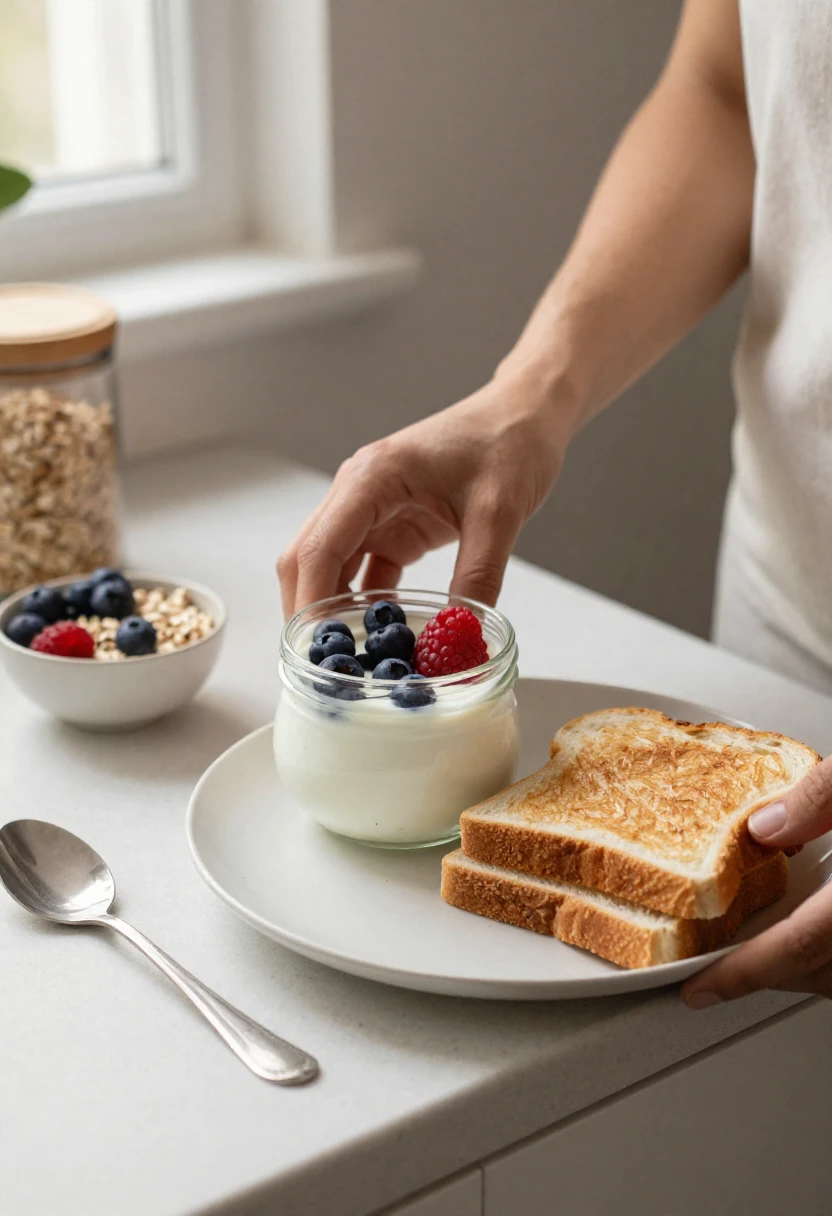
Think about the difference between eating a plain pastry on the go and sitting down to eggs with toast and fruit, or yogurt with oats, berries, and nuts. One disappears quickly and leaves you hunting for something else soon after. The other gives your body something to work with.
That is what meal control is really about. It helps you shape meals that feel nourishing, balanced, and realistic, so you are less likely to bounce between restriction and overeating.
Why This Mindset Matters
When you understand meal control this way, it becomes less about rules and more about rhythm. You begin to notice patterns. You learn which meals keep you steady through the afternoon, which snacks actually help, and which habits leave you feeling uncomfortable or unsatisfied.
And that is where real progress begins.
Meal control is not a diet personality. It is a practical skill. The more you practice it, the easier it becomes to feed yourself in a way that supports your health without making food feel complicated.
Why So Many People Lose Control Around Food
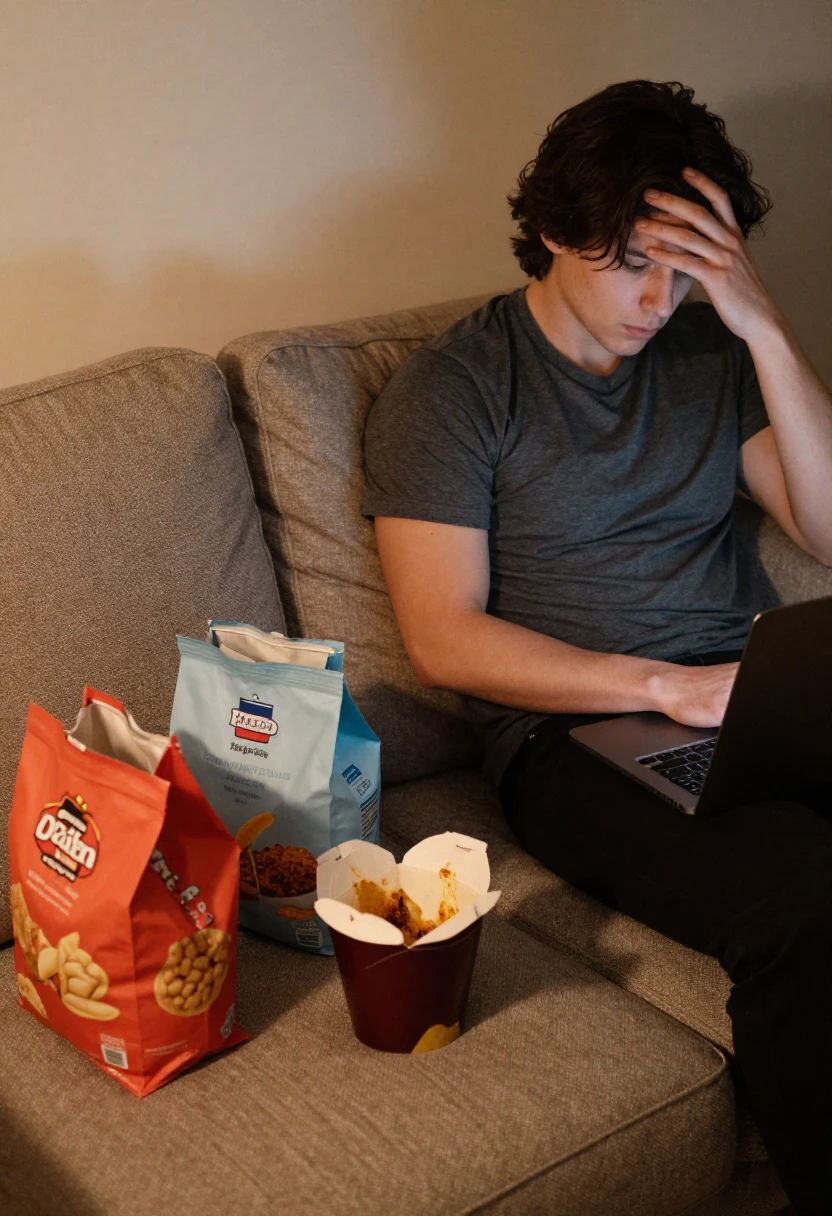
If you have ever finished a meal and wondered why you still want more, or found yourself snacking without really thinking about it, you are not alone. Losing control around food is not always about willpower. In many cases, it happens because your environment, habits, and even the food itself are working against you.
Meal control becomes difficult when eating is rushed, portions are oversized, and your body never quite gets the kind of nourishment that helps it feel settled. Once you understand what drives that pattern, it becomes much easier to change it.
Oversized Portions and Distracted Eating
One of the biggest reasons people lose track of how much they eat is simple: the portions in front of them are often larger than they need.
Restaurant meals, packaged snacks, takeaway portions, and even dinner plates at home can make large amounts of food feel normal. You sit down planning to eat until satisfied, but when a huge serving is already there, it is easy to keep going just because it is available.
Distracted eating makes that even harder.
Common examples include:
- Eating lunch while answering emails
- Snacking in front of the TV
- Grabbing handfuls of food while cooking
- Finishing a meal without really tasting it
When your attention is somewhere else, your body’s fullness signals have less chance to catch up. You may eat quickly, miss the point when you were already satisfied, and then feel overly full afterward.
It is a familiar scene: you open a bag of something salty “just for a few bites,” then look down and realize half the bag is gone. That is not a personal failure. It is often just mindless eating in an environment that makes overeating easy.
Processed Foods That Leave You Hungry Again
Another major reason meal control feels hard is that many everyday foods are designed to be highly palatable but not especially filling.
Foods high in refined carbs, added sugar, and heavily processed ingredients can be quick to eat and easy to crave, but they often do not keep you satisfied for long. You get a burst of pleasure, sometimes a quick spike in energy, and then hunger creeps back in sooner than expected.
Think about foods like:
- Sugary cereal
- Frosted pastries
- Chips and crackers
- Sweet coffee drinks
- Fast-food combo meals
- Desserts eaten as a meal substitute
These foods are not “bad” in a dramatic moral sense. But when they become the foundation of your routine, they can make it much harder to feel stable. You eat, but you do not feel truly fed.
That is why someone can consume plenty of calories and still feel unsatisfied. The issue is not always quantity. Very often, it is the lack of protein, fiber, and lasting nourishment.
Emotional Habits, Routines, and Convenience Traps
Food is never just physical. It is deeply tied to routine, comfort, reward, and emotion.
You may reach for something sweet after a stressful meeting because it feels like relief. You may snack late at night not because you are hungry, but because the day is finally quiet. You may order takeout again because you are tired and the idea of chopping vegetables feels impossible.
These patterns are incredibly common.
Meal control gets harder when food becomes connected to:
- Stress relief
- Boredom
- Celebration
- Exhaustion
- Habitual timing rather than real hunger
- Convenience over nourishment
Sometimes the pattern starts so subtly you barely notice it. A biscuit with afternoon tea becomes two. Weekend treats spill into every weekday. A skipped lunch turns into evening overeating. None of this means you lack discipline. It usually means your eating habits have been shaped by real life, and real life is messy.
Why Convenience Often Wins
Healthy eating sounds easy in theory, but convenience has a powerful pull. When you are busy, tired, or mentally overloaded, the fastest option usually wins.
That is why meal control often breaks down in moments like these:
- You wait too long to eat and become ravenous
- There is nothing balanced ready at home
- Snacks are visible and easy to grab
- Your day has no structure around meals
- You rely on food choices made in the moment
Once hunger gets intense, it becomes much harder to make calm decisions. A balanced meal may sound good at noon, but by three o’clock, when you are shaky and starving, almost anything quick starts to look irresistible.
The Good News
The good news is that once you see what is pulling your eating off balance, you can start to work with it instead of blaming yourself for it.
Most people do not need more guilt. They need:
- Better meal timing
- More satisfying food
- Smaller environmental triggers
- A few reliable routines
- More compassion for how real life affects eating
That is where meal control starts to feel possible. Not because you suddenly become perfect, but because you begin to understand your patterns and build around them.
The Building Blocks of Better Meal Control
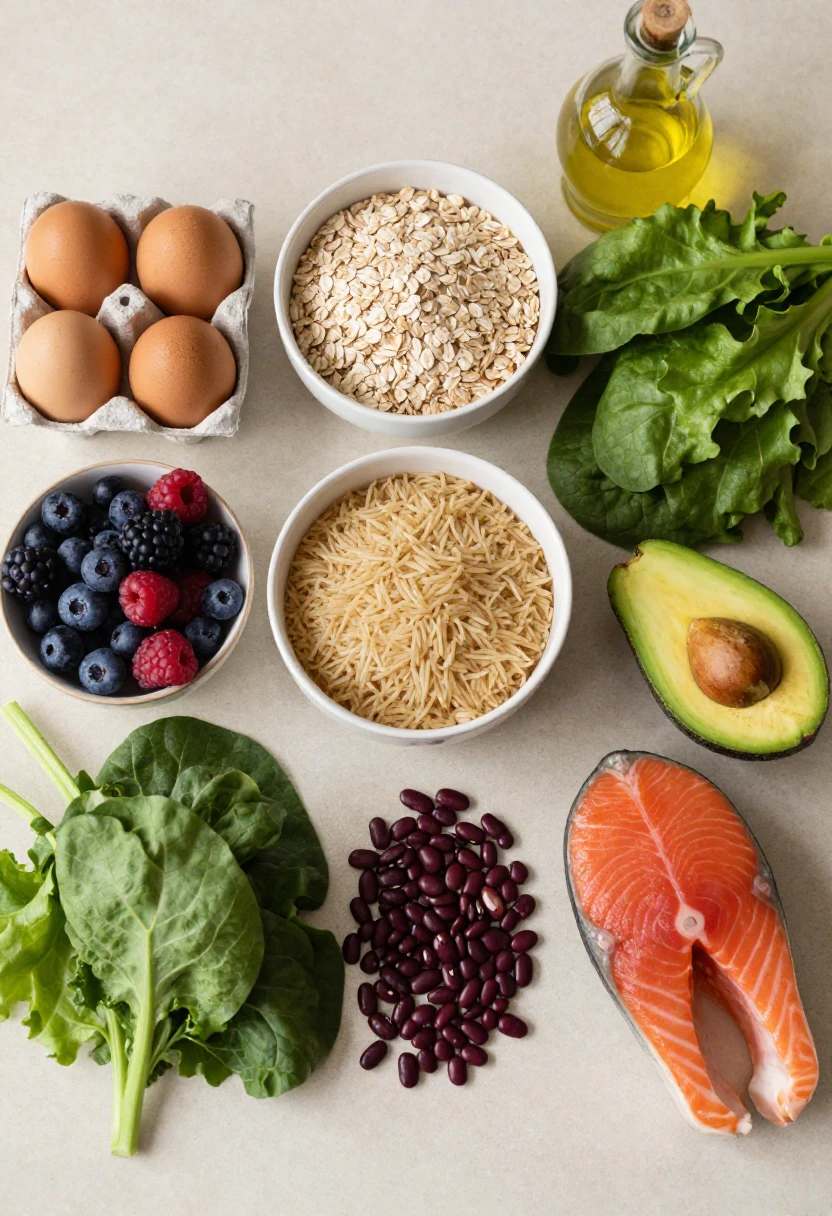
Meal control becomes much easier when your meals are built to work with your body instead of against it. That means choosing foods that help you feel full, energized, and satisfied long enough to move through your day without constantly thinking about your next snack.
You do not need perfect nutrition math to make this happen. In most cases, you just need a few reliable building blocks on your plate.
Start With Fiber-Rich Carbs That Keep You Full
Carbohydrates are often the first thing people try to cut when they want to eat “better,” but that usually makes meals feel less satisfying, not more.
The goal is not to fear carbs. It is to choose carbohydrates that bring more staying power.
Fiber-rich carbs help slow digestion and keep you feeling comfortably full for longer. They also give your meals structure, texture, and that grounded feeling you get after eating something real instead of just picking at random snacks.
Good options include:
- Oats
- Brown rice
- Quinoa
- Whole grain bread
- Sweet potatoes
- Beans and lentils
- Fruit
- Vegetables
A bowl of soup with white bread might fill you for a little while. A bowl with lentils, vegetables, and a slice of hearty whole grain toast usually carries you much further. That is the difference fiber can make.
Add Protein That Supports Steady Energy
If meal control often feels impossible, one of the first things to check is whether your meals contain enough protein.
Protein helps you stay satisfied, supports steady energy, and makes meals feel complete. Without it, breakfast can disappear in an hour, lunch can leave you drifting toward the snack drawer, and dinner can turn into a catch-up meal where you eat everything in sight.
Practical protein choices include:
- Eggs
- Greek yogurt
- Cottage cheese
- Chicken
- Turkey
- Fish
- Tofu
- Beans
- Lentils
- Edamame
This does not need to be complicated. Even a simple meal can feel much more balanced with a protein source added to it. Toast becomes more satisfying with eggs. Fruit becomes steadier with yogurt or nuts. A salad becomes an actual meal when it includes beans, salmon, tofu, or grilled chicken.
Make Vegetables and Fruit Part of the Rhythm of Your Day
You do not need to force yourself to eat a mountain of greens at every meal. But when vegetables and fruit show up regularly, meal control gets easier.
Why? Because they add:
- Volume
- Fiber
- Nutrients
- Color and freshness
- A sense of balance
They help meals feel generous without always becoming heavy. A sandwich with lettuce, tomato, and cucumber feels different from a sandwich with only bread and cheese. Pasta with roasted vegetables feels different from pasta alone. A snack plate with apple slices feels more grounding than a handful of crackers eaten while standing at the counter.
Fruit and vegetables also help bring some brightness into everyday eating. Think of the crunch of peppers, the sweetness of berries, the comfort of roasted carrots, or the freshness of orange slices on a tired afternoon. Those small details matter more than people think. They make balanced eating feel more appealing and less like a chore.
Include Healthy Fats Without Overdoing Them
Fat is another part of a satisfying meal. It adds flavor, texture, and staying power. A meal with no healthy fat at all can feel strangely flat, even when it looks balanced on paper.
Helpful sources of fat include:
- Avocado
- Nuts
- Seeds
- Nut butter
- Olive oil
- Fatty fish
- Olives
The key is moderation. Healthy fats are valuable, but they are also easy to overpour, over-spread, or over-snack on without noticing. A drizzle of olive oil can make a meal feel finished. Half the bottle can make it unexpectedly heavy. A spoonful of peanut butter can be satisfying. Several absent-minded spoonfuls can turn a snack into something much bigger than you intended.
Meal control is not about avoiding these foods. It is about using them on purpose.
What a Balanced Plate Can Look Like
When you put these building blocks together, meals tend to feel more natural and more stable.
A balanced plate often includes:
- A source of protein
- A fiber-rich carb
- Vegetables or fruit
- A little healthy fat
For example:
- Grilled chicken, brown rice, roasted vegetables, and olive oil
- Greek yogurt with oats, berries, and seeds
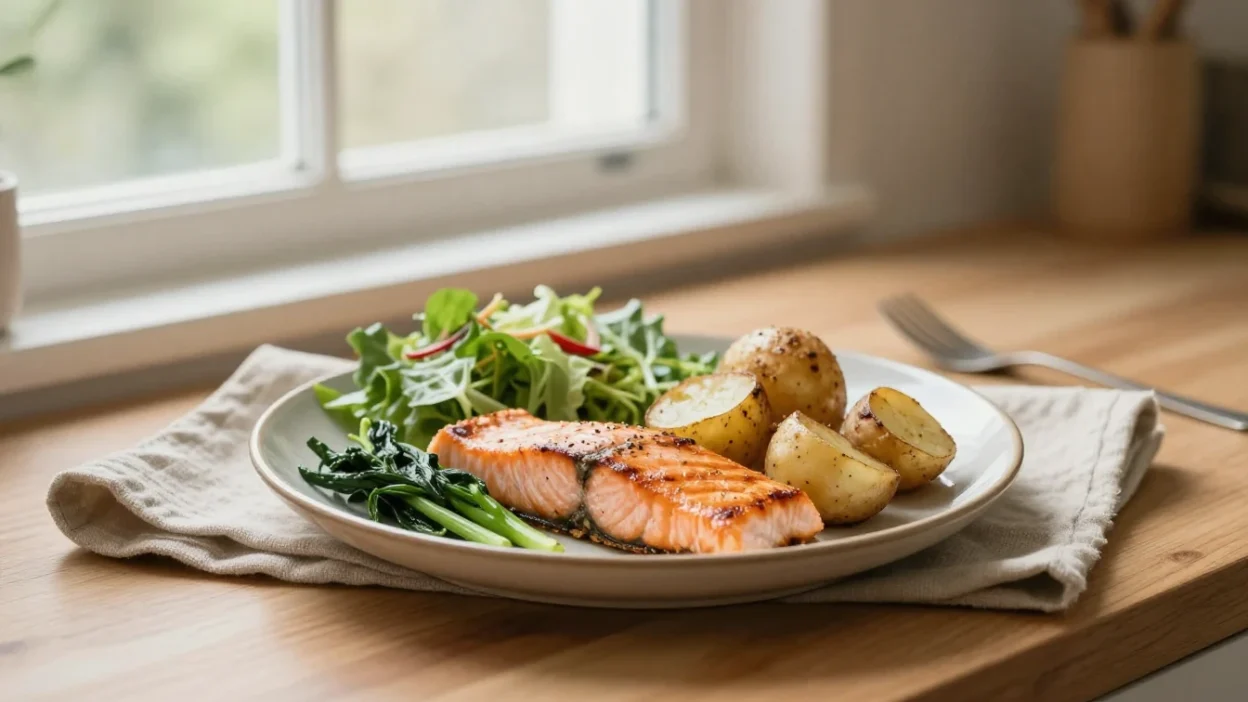
- Baked salmon, potatoes, and green beans
- Lentil soup with whole grain toast and a side salad
- Scrambled eggs with avocado toast and sliced tomato
None of these meals are extreme. That is exactly the point. Better meal control usually comes from ordinary meals that are built well, not from dramatic food rules.
Why These Basics Matter So Much
When your meals include these core elements, a few helpful things usually happen:
- You stay full longer
- Your energy feels steadier
- Cravings become less intense
- You are less likely to overeat later
- Meals feel more satisfying emotionally and physically
That last part matters. Many people struggle with meal control because they keep eating meals that look “healthy” but do not feel satisfying. A sad, low-effort lunch can leave you rummaging for snacks an hour later, not because you are weak, but because the meal never really met your needs.
That is why the foundation matters so much. Once your food starts working for you, meal control stops feeling like a battle and starts feeling like a rhythm you can trust.
Foods That Make Meal Control Easier
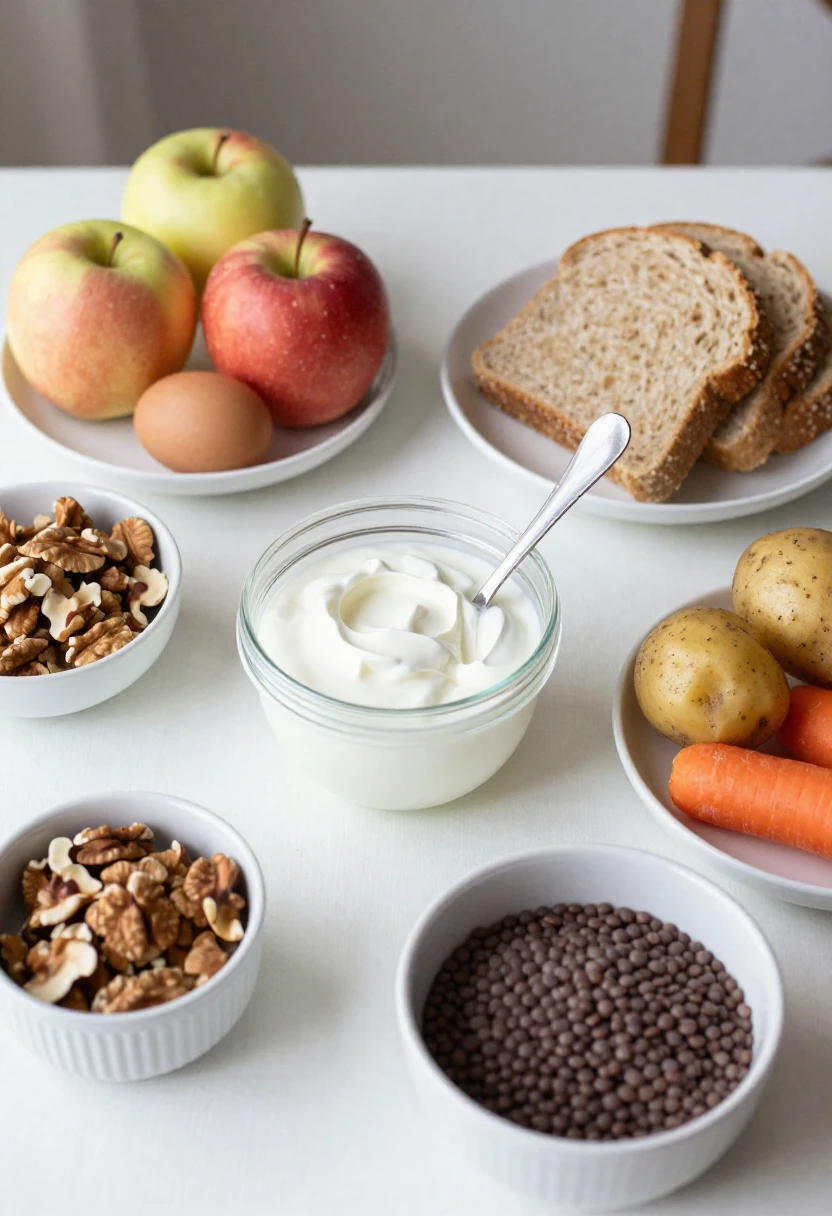
When people think about meal control, they often focus on what to avoid. But in everyday life, it is usually more helpful to focus on what makes eating feel easier, steadier, and more satisfying.
The right foods do not just fill space on your plate. They help you stay full longer, reduce that constant urge to snack, and make balanced eating feel much less like a struggle. You do not need a fridge full of specialty ingredients. You just need a few dependable foods that work well in real meals.
Whole Grains, Potatoes, and Other Satisfying Staples
Some of the most useful foods for meal control are simple, familiar staples that make meals feel grounded.
These foods often include:
- Oats
- Brown rice
- Quinoa
- Whole grain pasta
- Whole grain bread
- Potatoes
- Sweet potatoes
- Beans and lentils
These foods bring fiber, energy, and staying power. They help meals feel complete, which matters more than many people realize. A lunch built around a proper base, like rice, potatoes, or lentils, often keeps you going much better than a meal that looks light but leaves you searching for snacks an hour later.
Potatoes are a great example. They are often misunderstood, but when prepared simply, they can be one of the most satisfying foods you can eat. A baked potato with cottage cheese and salad can be far more filling than a handful of crackers and a protein bar eaten in a rush.
Whole grains are also useful because they fit naturally into everyday life. Porridge in the morning, grain bowls at lunch, hearty toast with eggs, or quinoa with roasted vegetables all make meal control feel realistic rather than forced.
Fish, Eggs, Yogurt, Beans, and Lean Protein Choices
Protein-rich foods are some of your best allies when you want more control over your meals.
Helpful options include:
- Eggs
- Greek yogurt
- Natural yogurt
- Cottage cheese
- Chicken breast
- Turkey
- Tuna
- Salmon
- Tofu
- Beans
- Lentils
- Chickpeas
These foods help meals feel satisfying in a deeper way. They do not just quiet hunger for a few minutes. They help create that steady, settled feeling that makes it easier to move on with your day without thinking about food constantly.
A breakfast with protein can change the tone of the whole morning. For example:
- Yogurt with oats and berries
- Eggs on whole grain toast
- Cottage cheese with fruit and nuts
- A smoothie with Greek yogurt and nut butter
These are the kinds of meals that give you a better chance of reaching lunch feeling normal, not desperate.
Plant-based proteins can be just as helpful. A chickpea salad, lentil soup, or tofu stir-fry can be filling, balanced, and easy to build into your routine. The goal is not to follow one perfect eating style. It is to choose foods that make hunger feel calmer and more predictable.
Simple Produce Options That Work in Real Life
Fruit and vegetables do not need to be complicated to be useful.
Some of the best choices for meal control are the ones you will actually eat regularly, such as:
- Apples
- Bananas
- Berries
- Oranges
- Carrots
- Cucumbers
- Tomatoes
- Leafy greens
- Frozen vegetables
- Bell peppers
- Broccoli
Fresh produce is wonderful, but frozen options can be just as practical. A bag of frozen broccoli, peas, or mixed vegetables can rescue dinner on a tired evening when chopping everything from scratch feels like too much.
Fruit is especially helpful because it can satisfy a desire for sweetness while also giving you fiber and volume. An apple with peanut butter, berries with yogurt, or orange slices after lunch can feel refreshing and satisfying in a way that heavily processed sweets often do not.
Vegetables also help meals feel bigger and more balanced without always making them heavier. Add roasted vegetables to pasta, sliced cucumber to a sandwich plate, spinach to eggs, or tomatoes to toast with cottage cheese. These small additions can make a meal feel much more complete.
Smart Snack Ideas That Do Not Spiral Into Overeating
Snacks are not the problem. In fact, the right snack can help you stay balanced and prevent the kind of extreme hunger that leads to overeating later.
The most helpful snacks usually combine protein, fiber, or healthy fat.
Good examples include:
- Greek yogurt with fruit
- Apple slices with peanut butter
- A boiled egg and a piece of fruit
- Hummus with carrots or cucumber
- Cottage cheese with berries
- A small handful of nuts with a banana
- Whole grain crackers with cheese
- Edamame
- Roasted chickpeas
These snacks tend to work better than foods that disappear quickly, like plain biscuits, sweets, or crisps. Those foods are easy to keep eating because they do not offer much lasting satisfaction.
A good snack should take the edge off hunger, not wake it up even more.
Why Familiar Foods Often Work Best
One of the biggest mistakes people make is assuming that healthy eating has to feel new, trendy, or overly curated. In reality, meal control often improves when your food becomes simpler and more familiar.
A few dependable meals and snacks can carry you through busy weeks much better than a long list of aspirational recipes you never quite get around to making.
That might mean:
- Porridge with fruit most mornings
- Soup and toast for lunch
- Rice bowls with protein and vegetables
- Yogurt in the fridge for easy snacks
- Potatoes, eggs, and salad as an easy dinner backup
There is something comforting about knowing what works. It removes decision fatigue and makes balanced eating feel more automatic.
The Real Goal
The goal is not to create a perfect grocery list. It is to fill your kitchen, your work bag, or your weekly routine with foods that make balanced choices easier in the moment.
Because that is when meal control really matters — not when you are feeling organized and motivated, but when you are tired, rushed, or tempted to grab whatever is easiest.
When your everyday foods are satisfying, accessible, and nourishing, staying in control around meals becomes far less exhausting.
What to Cut Back on Without Feeling Deprived
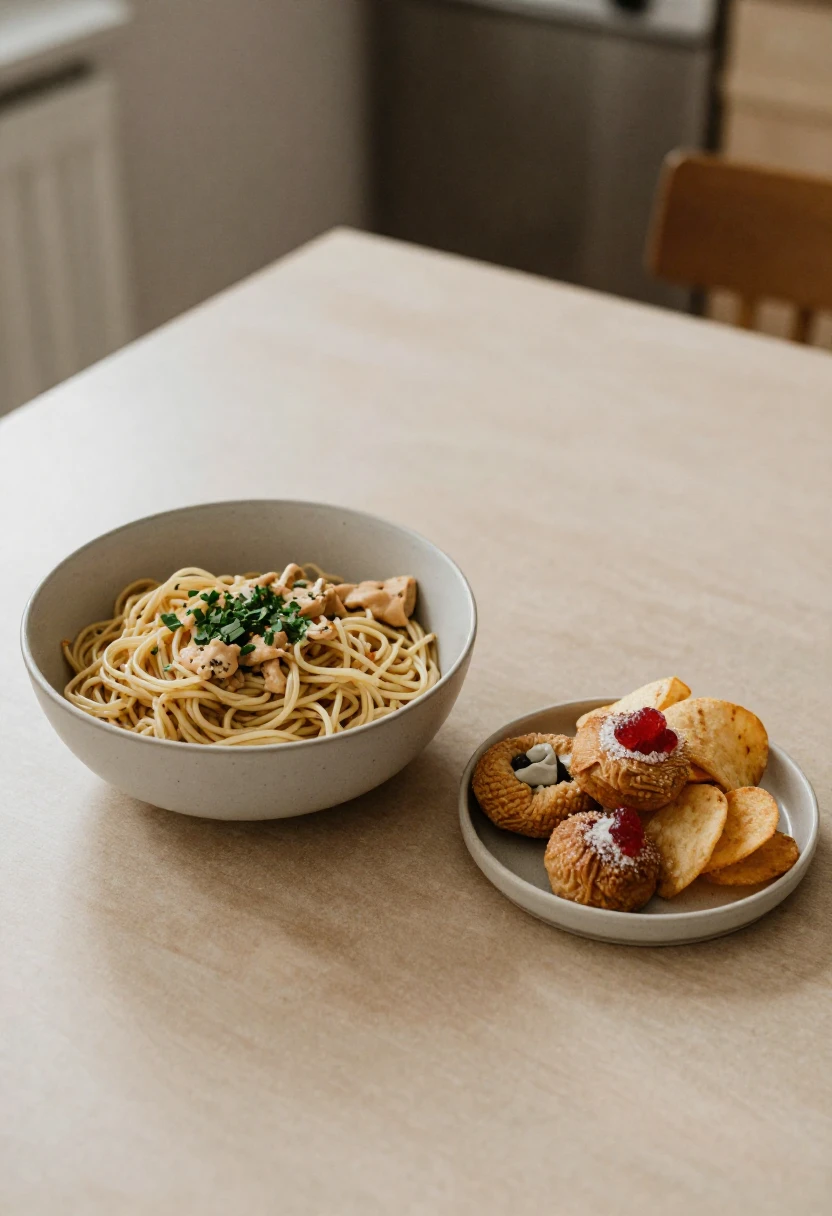
Meal control is not only about adding more balanced foods. It is also about noticing which foods tend to make eating feel harder, hungrier, and less stable.
That does not mean you need to ban everything fun from your kitchen. It means learning which foods are easier to overeat, which ones leave you unsatisfied, and which habits quietly pull your meals out of balance. Once you see that clearly, cutting back feels much more reasonable than restrictive.
Sugary Foods That Leave Your Energy All Over the Place
Sugary foods can be enjoyable, comforting, and part of a normal life. The issue is not a biscuit now and then or dessert after dinner. The problem starts when high-sugar foods become your main source of quick energy throughout the day.
That often looks like:
- Sweet pastries for breakfast
- Sugary cereal that does not keep you full
- Flavored coffee drinks instead of a real meal
- Biscuits and sweets used to get through the afternoon
- Desserts replacing proper snacks
These foods can give you a quick lift, but it usually does not last. Hunger comes back fast, energy dips, and you may find yourself reaching for something else soon after. It becomes a cycle of eating, crashing, craving, and eating again.
A more helpful approach is to enjoy sweet foods alongside a balanced routine, not in place of one. For example:
- Have a pastry with yogurt instead of alone
- Pair fruit with nuts or cheese
- Save dessert for after a satisfying meal
- Choose snacks that include protein or fiber
That way, you still get pleasure from food without letting sugar drive the whole day.
Salty Ultra-Processed Meals That Make Balance Harder
Ultra-processed foods are often designed to be convenient, hyper-flavorful, and easy to keep eating. That is why they can make meal control feel slippery.
Common examples include:
- Crisps
- Instant noodles
- Frozen fried snacks
- Fast-food combo meals
- Packaged pastries
- Processed meats
- Ready meals high in salt and additives
These foods are not filling in the same way as a balanced meal built from more whole ingredients. They may taste intense and satisfying in the moment, but they often leave you with that strange feeling of having eaten a lot without feeling truly nourished.
Salty processed foods can also encourage mindless eating. One handful turns into many. One quick snack becomes dinner. A takeaway meal that seemed normal at first leaves you feeling uncomfortably full later.
You do not need to swear off convenience foods forever. But cutting back on them, especially as daily defaults, can make a huge difference in how steady your appetite feels.
Heavy Saturated-Fat Foods and Why Moderation Matters
Foods high in saturated fat can absolutely have a place in a balanced diet. The key is moderation, especially when these foods start crowding out more nourishing choices.
This may include:
- Fried foods
- Fatty cuts of processed meat
- Heavy creamy sauces
- Large amounts of full-fat cheese
- Buttery pastries and baked goods
- Rich takeaway meals eaten often
These foods can be delicious, but they are also easy to overdo because they are dense, comforting, and often paired with refined carbs and salt. That combination can make it harder to notice fullness before you have eaten more than you needed.
Again, the goal is not fear. It is awareness.
You might still enjoy:
- Pizza on a Friday night
- A buttery croissant on a weekend morning
- A creamy pasta dish out with friends
That is very different from eating rich, heavy foods so often that lighter, more balanced meals start to feel unfamiliar.
Gentle Swaps Instead of All-or-Nothing Rules
One of the most effective ways to improve meal control is to make small, realistic swaps that lower the intensity of your meals without making them joyless.
For example:
- Swap sugary cereal for oats with fruit
- Choose whole grain toast instead of pastries every morning
- Have popcorn or nuts instead of crisps sometimes
- Replace one takeaway lunch with a homemade wrap or grain bowl
- Use yogurt-based sauces instead of heavy creamy ones
- Add a side salad or vegetables to meals that feel heavy
- Keep chocolate or sweets as a treat, not a stand-in for lunch
These swaps work because they still feel like food you would actually want to eat. They support meal control without triggering that miserable feeling of being “on a diet.”
What Cutting Back Really Looks Like
For most people, cutting back does not mean removing every indulgent food. It means being more honest about frequency, portion size, and context.
You might ask yourself:
- Do I eat this because I enjoy it, or because it is just there?
- Does this food satisfy me, or does it make me want more?
- Could I make this meal more balanced with one simple addition?
- Am I treating snacks like meals because I am too busy to pause?
Those questions can be more useful than any rigid food rule.
Keep Room for Pleasure
This part matters. Meal control should still leave room for pleasure.
Food is not only fuel. It is comfort, culture, memory, and enjoyment. The smell of warm bread, a shared dessert, chips with a sandwich on a summer afternoon, your favorite takeaway after a long week — these things are part of real life.
The goal is not to erase them. The goal is to stop letting the least satisfying foods dominate your routine so that your everyday eating feels better overall.
When you cut back with a gentle hand instead of a harsh one, meal control becomes much easier to sustain.
How to Practice Meal Control in Everyday Life
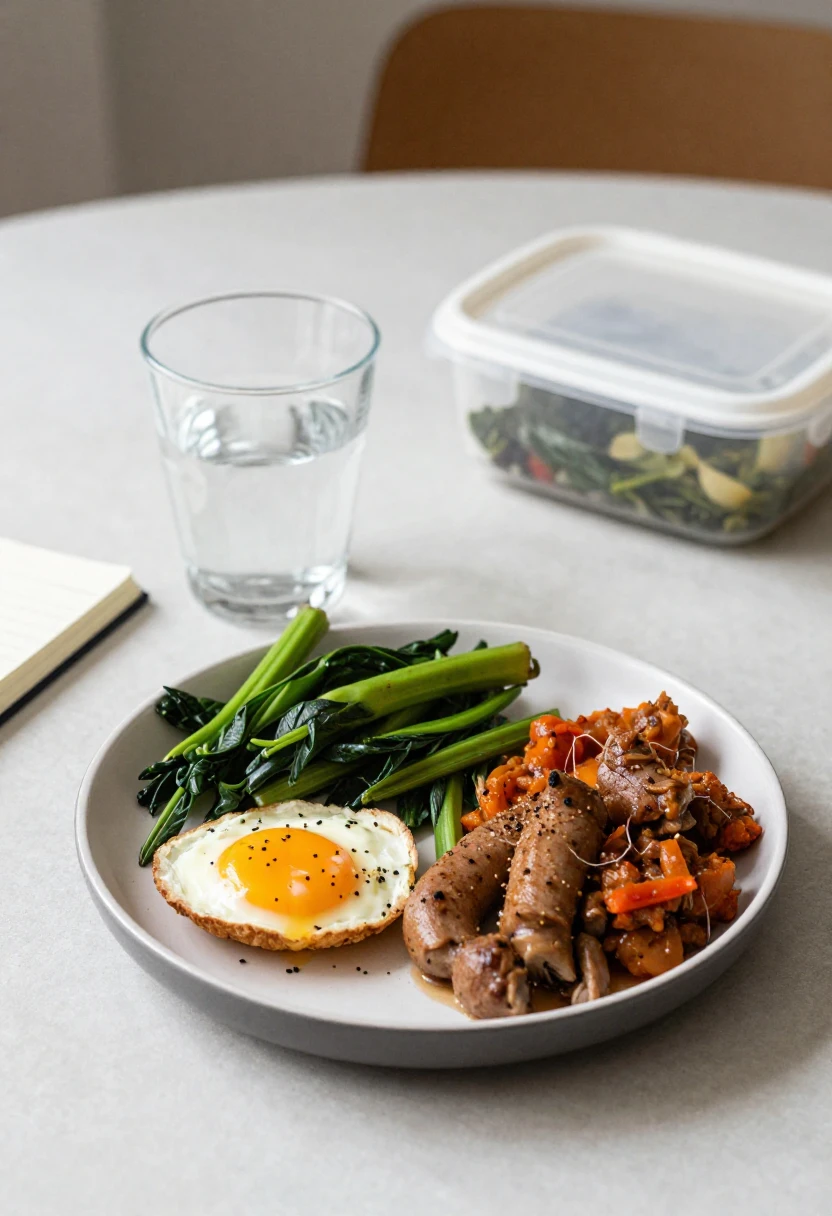
Knowing what meal control is can be helpful, but daily life is where it either starts to click or quietly falls apart. Good intentions are easy at the beginning of the week. They are harder at 4 p.m. when you are tired, hungry, and looking for something fast.
That is why meal control needs to work in ordinary moments, not just in ideal ones. The more practical your habits are, the more natural they begin to feel.
Use Plates, Timing, and Routine to Your Advantage
One of the simplest ways to support meal control is to make your meals feel more defined.
That can mean:
- Sitting down with a proper plate instead of grazing from packages
- Eating at roughly regular times
- Giving meals a clear beginning and end
- Avoiding long stretches of the day without food
Structure helps more than people expect. When meals happen in a loose but predictable rhythm, your body has a better chance of staying steady. You are less likely to go from “I’m fine” to “I need food immediately.”
Using a plate matters too. It sounds almost too basic, but it creates a visual pause. A sandwich, some fruit, and a handful of nuts on a plate feels like a meal or snack. Random bites from the fridge can quickly turn into more food than you meant to eat, without any real sense of satisfaction.
Plan a Few Go-To Meals for Busy Days
You do not need a full weekly meal prep system if that is not your style. But having a few reliable backup meals can make a huge difference.
Think of the meals you can pull together when:
- You are tired
- You are short on groceries
- You do not want to cook much
- You need something filling, fast
Good examples might be:
- Eggs on toast with sliced tomatoes
- Greek yogurt with oats, berries, and nuts
- Soup with whole grain bread
- A tuna or chickpea wrap with salad
- Rice with frozen vegetables and tofu or chicken
- A baked potato with cottage cheese and cucumber
These meals may not be glamorous, but they are incredibly useful. They lower the chances of skipping meals, ordering food you do not really want, or turning snacks into dinner.
Meal control often improves when your decisions become easier.
Eat Slowly Enough to Notice Fullness
This is one of those habits that sounds obvious until you realize how rarely it happens.
When you eat quickly, your body does not always have time to register fullness before you have already gone past it. Slowing down helps create a little space between hunger and automatic overeating.
You do not need to turn every lunch into a mindfulness exercise. Just try a few simple shifts:
- Sit down when you eat
- Put your fork down now and then
- Take a breath halfway through the meal
- Notice how the food tastes, not just how fast it disappears
- Check in before going back for more
Sometimes fullness arrives quietly. It is not always a dramatic signal. It may be more like a gentle sense that the meal was enough. If you are rushing, you can miss that moment completely.
Build Meals Before You Get Overly Hungry
Extreme hunger makes meal control much harder.
When you wait too long to eat, balanced choices can suddenly feel unappealing. The body wants fast energy, comfort, and a lot of it. That is when small cravings get louder and portions tend to grow without much thought.
This is why a little prevention helps.
Try to:
- Eat breakfast if skipping it leads to overeating later
- Have lunch before you become ravenous
- Keep a few satisfying snacks nearby
- Start thinking about dinner before you are exhausted
There is a big difference between choosing dinner while pleasantly hungry and choosing dinner when you are so hungry you would eat toast over the sink while waiting for the microwave.
That second version happens to almost everyone sometimes. But when it happens every day, meal control starts to feel impossible.
Make Your Environment Work for You
Your surroundings shape your choices more than motivation alone ever will.
Helpful changes can include:
- Keeping easy protein options in the fridge
- Washing fruit so it is ready to eat
- Storing snacks in portions instead of giant open bags
- Putting balanced foods where you can see them
- Keeping highly tempting foods less visible if they are hard to manage
This is not about creating a perfect kitchen. It is about making the balanced option a little easier to reach when your energy is low.
For example, if there is yogurt, boiled eggs, chopped veg, and cooked rice ready to use, a decent meal can come together in minutes. If the only visible option is biscuits on the counter, that is probably what will happen first.
Let Consistency Be More Important Than Perfection
One of the most helpful things you can do is stop expecting yourself to get every meal exactly right.
You do not need perfect portions, perfect groceries, or perfect discipline. You need enough consistency that your eating starts to feel steadier over time.
That might look like:
- Eating balanced breakfasts most weekdays
- Adding protein to lunch more often
- Having one planned snack instead of constant grazing
- Making dinner a little more balanced than it used to be
These small actions may seem ordinary, but they are exactly what make meal control sustainable.
Real-Life Meal Control Is Flexible
Some days will be beautifully balanced. Other days will involve a late lunch, a bakery stop, or takeaway eaten on the sofa. That is normal.
Meal control is not about controlling every bite. It is about building enough rhythm, awareness, and structure that your everyday choices support you most of the time.
And when that starts to happen, eating feels less chaotic. You trust yourself more. Hunger feels less dramatic. Meals feel more satisfying. That is where healthy control begins to feel less like effort and more like ease.
Meal Control Without Counting Every Bite
For some people, tracking food can feel useful for a while. But for many others, counting every bite quickly becomes tiring, stressful, or simply unrealistic. Life is not lived with a calculator in hand. You eat at work, in the car, at family dinners, during busy afternoons, and on days when your energy for measuring things is exactly zero.
The good news is that meal control does not require constant counting. In fact, many people do better when they learn a few simple cues that make eating feel more natural and less mentally heavy.
Visual Portion Cues That Actually Help
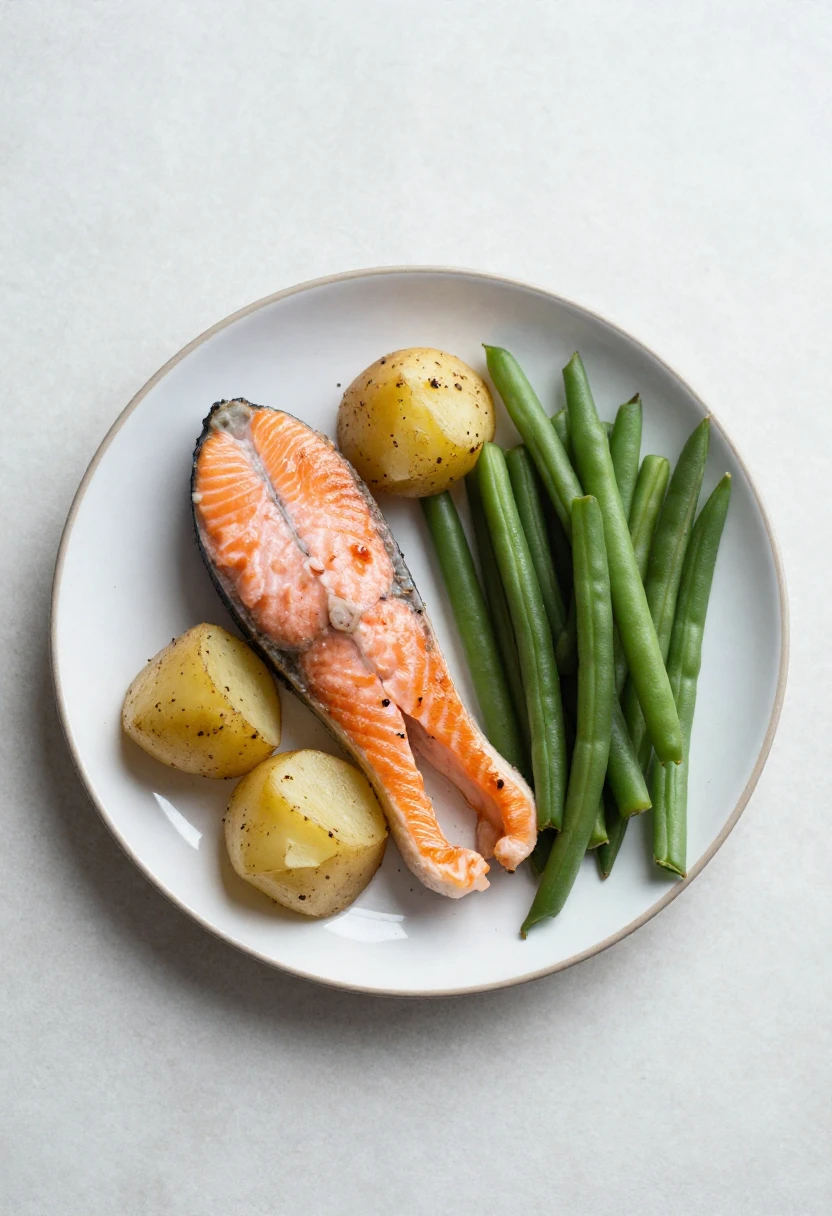
One of the easiest ways to guide a meal without measuring everything is to use visual balance.
A simple plate often works well when it includes:
- A solid source of protein
- A portion of carbohydrates for energy
- Plenty of vegetables or fruit
- A little healthy fat
You do not need perfect ratios. You just need a general sense of balance.
For example, a balanced meal might look like:
- Chicken, rice, and roasted vegetables
- Salmon, potatoes, and green beans
- Lentil stew with toast and a side salad
- Eggs, whole grain toast, and sliced tomatoes
- Greek yogurt with oats, berries, and nuts
This kind of visual structure helps because it shifts your focus away from “How little can I eat?” and toward “Does this meal look like it will actually satisfy me?”
That question is far more helpful.
How to Listen to Hunger and Fullness More Honestly
Hunger and fullness are useful signals, but they are not always loud or easy to read. Many people have spent years ignoring them, rushing past them, or confusing them with stress, boredom, or habit.
Learning to notice them again takes practice.
Before eating, it can help to ask:
- Am I physically hungry?
- Have I eaten enough today?
- Do I need a full meal or just a snack?
- Am I craving something because I am tired, stressed, or overwhelmed?
And while eating, a gentler question works better than strict control:
- Am I still enjoying this, or am I just continuing because it is there?
That kind of pause can be surprisingly powerful. Sometimes you realize you are still hungry and need more. Sometimes you notice you are satisfied but still picking because the food is in front of you. Both are useful things to learn.
Why “Comfortably Full” Is a Better Goal Than “Stuffed”
Meal control gets easier when you stop aiming for that heavy, overfull feeling that can sneak up after big meals.
A helpful target is comfortably full.
That usually feels like:
- Hunger is gone
- You feel settled
- You could go for a walk or return to work without feeling sluggish
- You are satisfied, even if dessert still sounds nice
Stuffed feels different. It is the unbuttoning-your-jeans version. The “I ate too fast and now I regret it” version. Many people end up there not because they intended to, but because they were distracted, overly hungry, or used to eating until the plate was empty.
Comfortably full is quieter. It takes more attention, but it often leaves you feeling much better afterward.
Why Consistency Works Better Than Strict Control
Strict food rules can create a strange cycle. You try to be extra disciplined, eat very lightly, ignore cravings, and keep everything “clean.” Then sooner or later, hunger, stress, or simple human desire catches up with you, and the pendulum swings hard in the other direction.
That is why consistency is usually more powerful than strictness.
A few balanced, repeatable habits beat dramatic control every time.
That might mean:
- Eating breakfast most days instead of skipping it
- Building lunch around protein and fiber
- Having regular meals so you do not become overly hungry
- Keeping snacks satisfying but simple
- Letting treats fit in without turning them into a binge-or-ban situation
This approach feels less exciting than a strict plan, but it works better in real life because it respects how people actually eat.
Use Gentle Boundaries Instead of Hard Rules
Meal control often improves when you create soft structure, not punishment.
For example:
- Serve snacks into a bowl instead of eating from the package
- Sit down for meals instead of grazing
- Keep regular meal times on workdays
- Put leftovers away before going back for seconds automatically
- Choose one dessert you truly want instead of mindlessly picking all evening
These habits are small, but they add just enough boundary to help you stay aware.
The beauty of this approach is that it feels human. It leaves room for flexibility while still supporting your goals.
Trust Takes Practice
If you have been caught in a cycle of overeating, under-eating, or constantly trying to “be good,” trusting yourself around food may feel unfamiliar at first. That is normal.
Meal control without counting is not careless. It is a skill. You learn it by paying attention, adjusting, and noticing what helps you feel your best.
Some meals will be lighter. Some will be bigger. Some days you will be hungrier than others. That does not mean anything is wrong. It just means your body is not a machine, and your eating does not need to look identical every day to be balanced.
Over time, this kind of flexible awareness can feel far more sustainable than any rigid plan. You stop micromanaging every bite and start building a relationship with food that feels calmer, steadier, and easier to live with.
Common Meal Control Mistakes
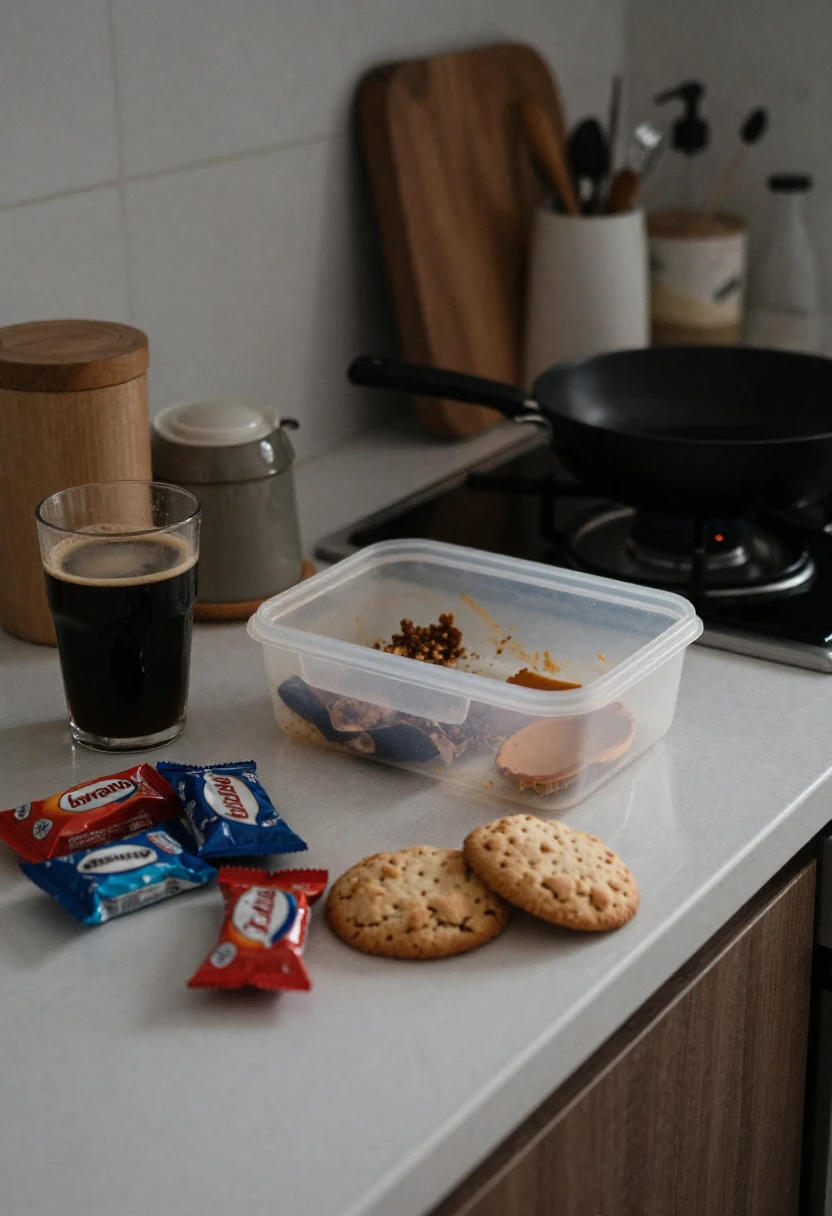
Meal control does not usually fall apart because someone lacks discipline. More often, it breaks down because a few common habits quietly make eating harder than it needs to be.
These mistakes are easy to make because they often look harmless at first. In fact, some of them even seem “healthy” on the surface. But over time, they can leave you hungrier, more distracted around food, and less in tune with what your body actually needs.
Skipping Meals and Then Overeating Later
This is one of the most common patterns of all.
You get busy, tell yourself you will eat later, power through the morning with coffee, and suddenly it is mid-afternoon. By that point, you are not just hungry. You are too hungry. And when hunger reaches that level, meal control becomes much harder.
That is when people tend to:
- Eat very quickly
- Choose the first thing they can find
- Overeat at dinner
- Keep snacking even after the meal
- Crave high-sugar or high-fat foods
It is not a character flaw. It is a very normal response to under-fueling.
A lot of people think skipping meals gives them more control, but it often does the opposite. It sets up the kind of hunger that makes calm, balanced decisions much harder later in the day.
Choosing “Light” Meals That Are Not Satisfying
Some meals look healthy but do not actually do much to satisfy you.
A small salad with almost no protein. A few rice cakes and fruit for lunch. Soup without much substance. Yogurt with nothing added. These meals can seem like smart choices in the moment, but if they leave you prowling the kitchen an hour later, they are not helping.
A meal needs enough substance to carry you.
That usually means including:
- Protein
- Fiber
- A real source of energy
- Enough food to feel satisfied
Many people struggle with meal control not because they eat too much, but because they keep eating meals that are too little, too flimsy, or too low in staying power. Then the body asks for more, and it asks loudly.
Keeping Trigger Foods Within Easy Reach
There are some foods you can keep in the house and forget about completely. And then there are foods that seem to call your name the second you feel stressed, tired, or restless.
That might be:
- Crisps
- Biscuits
- Chocolate
- Ice cream
- Sugary cereal
- Snack bars that never feel satisfying
- Giant bags of savory snacks
This does not mean you can never buy these foods. But if certain items regularly pull you into mindless eating, it helps to be honest about that.
A few useful strategies can make a big difference:
- Buy smaller portions instead of family-size packs
- Keep treats less visible
- Do not leave open snack bags on the counter
- Pair treats with meals or planned snacks instead of eating them on autopilot
- Keep more satisfying alternatives nearby
Meal control gets easier when your environment is not constantly testing you.
Expecting Perfect Habits Overnight
This mistake is quiet, but powerful.
A lot of people start with big ambition. They decide that from now on they will eat perfectly, stop snacking, cook every meal, never overeat, and suddenly become the kind of person who always has chopped vegetables ready in neat glass containers.
Then real life shows up.
A stressful day, a missed grocery run, a takeaway dinner, a weekend out, and it starts to feel like everything has gone wrong. That all-or-nothing mindset can undo a lot of progress.
The truth is, meal control is built through repetition, not perfection.
Helpful changes often look like this:
- One more balanced breakfast than last week
- Fewer skipped lunches
- A better snack in the afternoon
- More awareness around portions
- Slightly more structure at dinner
These are not dramatic victories, but they are real ones. And they are usually the ones that last.
Ignoring Emotional Eating Patterns
Not every urge to eat comes from physical hunger.
Sometimes you eat because:
- You are stressed
- You are bored
- You need a break
- You feel lonely
- You want comfort
- Food has become the reward at the end of a hard day
There is nothing strange about that. Food is emotional for almost everyone. The trouble begins when emotional eating becomes your main way of coping, especially if it happens so automatically you barely notice it.
Meal control gets easier when you pause long enough to ask, What do I actually need right now?
Sometimes the answer is food. Sometimes it is rest, a walk, water, a break from the screen, or simply the comfort of acknowledging that the day has been a lot.
Relying on Willpower Instead of Systems
Willpower is unreliable, especially when you are tired, busy, hungry, or overwhelmed.
That is why systems work better.
Instead of depending on motivation every day, it helps to create a few simple supports:
- Keep easy meal ingredients at home
- Have one or two filling snacks ready
- Eat before hunger becomes extreme
- Use plates and bowls instead of eating from packets
- Repeat simple meals that already work for you
These habits may seem ordinary, but they reduce the number of difficult food decisions you have to make when your energy is low.
And that matters, because most overeating does not happen when people feel calm and prepared. It happens when they are exhausted and trying to figure something out on the spot.
The Mistake Behind Many Other Mistakes
If there is one thread running through all of this, it is this: people often expect themselves to eat well without giving themselves enough support to do it.
They wait too long to eat, keep tempting foods close, buy meals that do not satisfy them, and hope self-control will somehow carry the rest. That is a hard setup for anyone.
Meal control becomes much more realistic when you stop treating it like a test of willpower and start treating it like a skill that needs structure, patience, and practice.
That shift changes everything.
A Simple One-Day Example of Balanced Meal Control
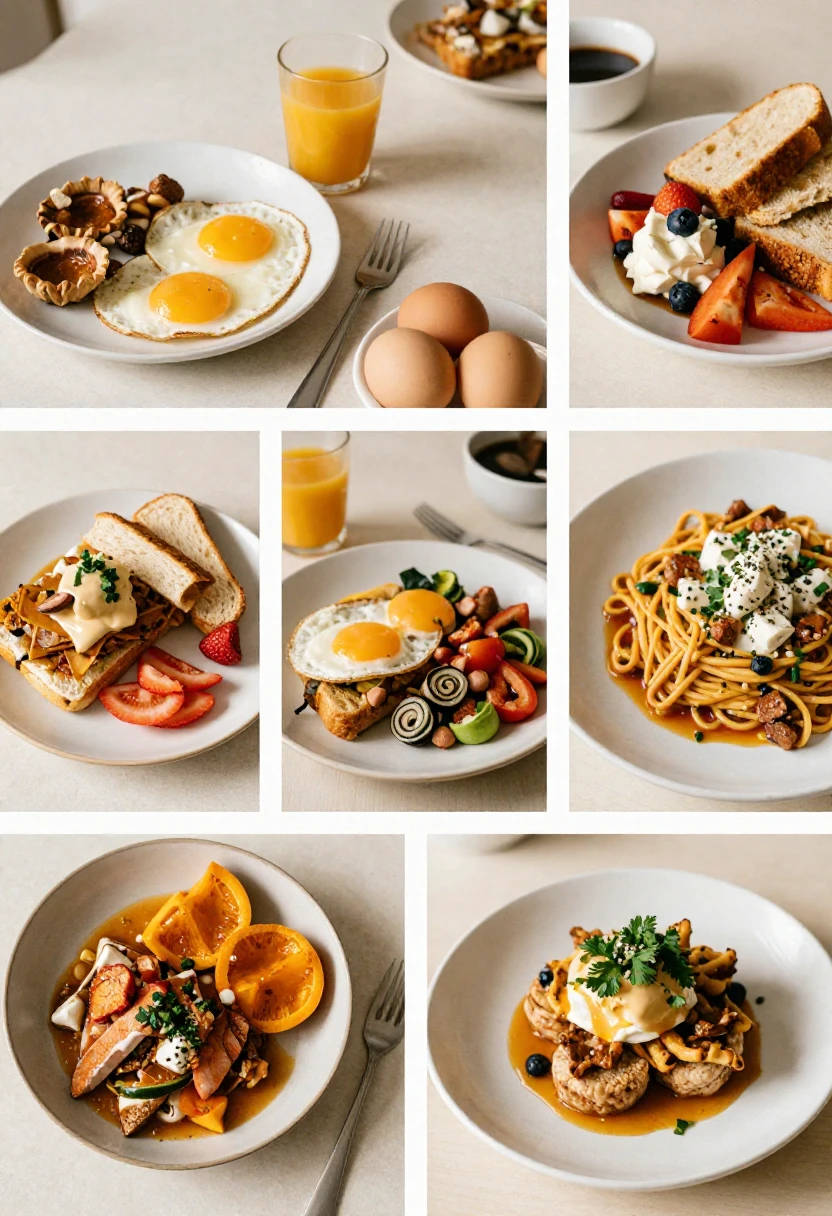
Sometimes meal control feels abstract until you can actually see what it looks like on a normal day. Not a perfect day. Not a wellness-retreat day. Just a regular day when you want meals that keep you steady, satisfied, and less likely to end in random snacking.
The goal is not to copy this exactly. It is to show how balanced meals, sensible portions, and a little structure can make eating feel much easier.
Breakfast
A good breakfast does not need to be huge, but it should give you more than a quick sugar rush and a promise to “eat properly later.”
A balanced breakfast might be:
- Greek yogurt with oats, berries, and a spoonful of seeds
- Two eggs on whole grain toast with sliced tomato
- Porridge topped with banana and a small handful of nuts
These kinds of breakfasts work well because they include a mix of protein, fiber, and slow-release energy. They help you start the day feeling fed, not like you are already playing catch-up by 10 a.m.
Picture a quiet morning with warm porridge, a little cinnamon, and berries softening into the oats. It feels like real food. That matters. A satisfying breakfast often sets a calmer tone for the rest of the day.
Lunch
Lunch is where many people unintentionally lose control later on. If lunch is too light, too rushed, or missing protein, the afternoon can quickly turn into a search for biscuits, crisps, or whatever is closest.
A balanced lunch might be:
- A chicken and grain bowl with rice, cucumber, tomatoes, and olive oil
- Lentil soup with whole grain toast and a side salad
- A tuna or chickpea wrap with greens and chopped vegetables
A helpful lunch usually includes:
- A source of protein
- A satisfying carbohydrate
- Vegetables or fruit
- Enough food to actually feel like a meal
This is not the time for a sad little snack plate pretending to be lunch. You want something that lets you finish eating and feel settled for a few hours.
Dinner
Dinner should not feel like the moment when you make up for the whole day. That often happens when breakfast was skipped, lunch was weak, and hunger has been building for hours.
A more balanced dinner might look like:
- Baked salmon, potatoes, and green beans
- Chicken with brown rice and roasted vegetables
- A tofu stir-fry with vegetables and noodles or rice
- A baked potato with cottage cheese and a salad
These meals are satisfying without being overly heavy. They give your body enough food to feel nourished, while still leaving you comfortable afterward.
A good dinner often has a calm, finished feeling to it. You eat, clear the plate, and move on with your evening instead of hovering in the kitchen looking for “something else.”
Snacks and Flexible Options
Snacks can be incredibly useful when they are chosen with a little intention. A good snack helps bridge the gap between meals and prevents extreme hunger from taking over.
Helpful snack ideas include:
- An apple with peanut butter
- Greek yogurt with fruit
- A boiled egg and a banana
- Hummus with carrots or cucumber
- A small handful of nuts and a piece of fruit
- Cottage cheese with berries
The key is that the snack should take the edge off hunger, not send you into a cycle of eating more and more.
It also helps to stay flexible. Maybe you need a bigger snack on an active day. Maybe lunch was late and dinner needs to be lighter. Maybe you want dessert after dinner and that fits perfectly well into the day.
That flexibility is part of healthy meal control too.
What This Day Really Shows
This kind of day is not about strict rules or tiny portions. It is about a rhythm that supports you.
You eat enough at meals.
You include foods that satisfy you.
You leave room for snacks when needed.
You do not spend the whole day bouncing between hunger and regret.
That is what balanced meal control looks like in practice. It is not dramatic. It is steady. And for most people, steady is exactly what makes healthy eating more sustainable.
How Meal Control Supports Long-Term Health
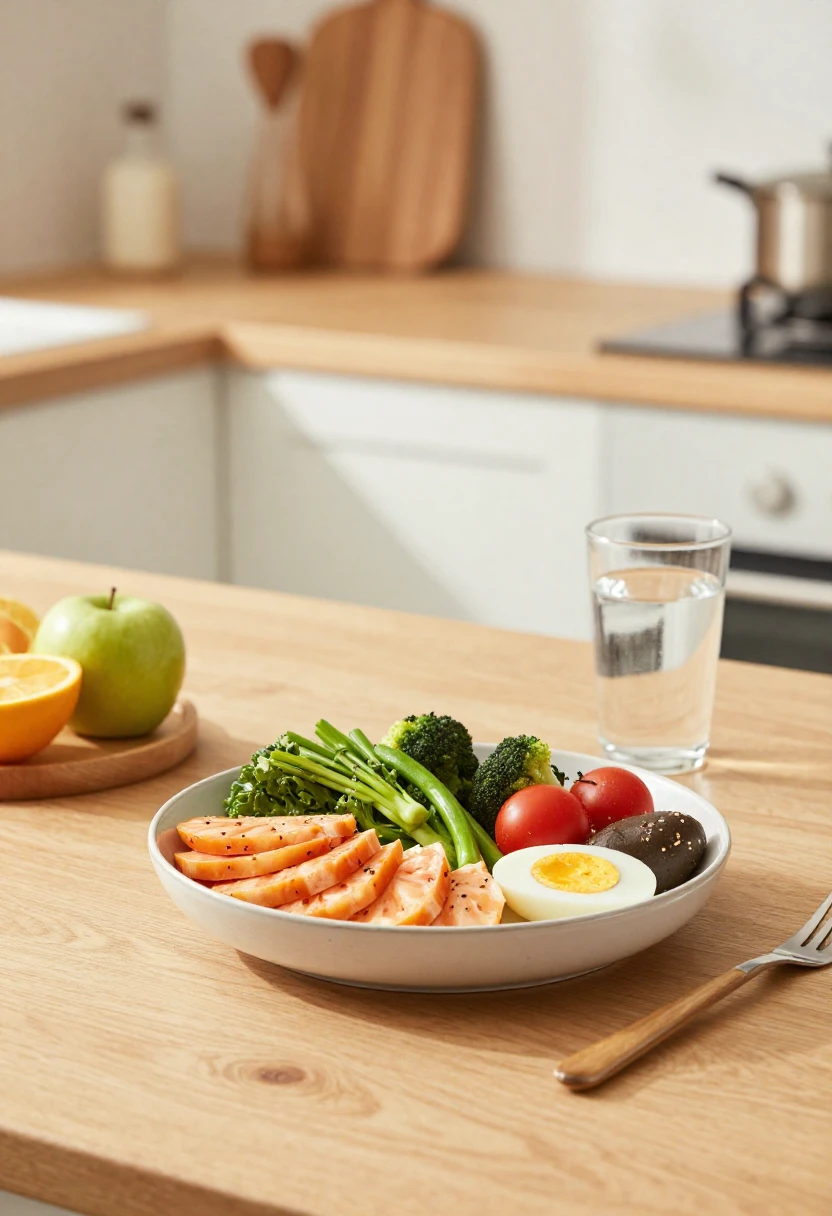
Meal control can seem like a small everyday habit, but over time, it shapes much more than what is on your plate. It influences your energy, your appetite, your routines, and the way you feel in your own body.
That is why this topic matters beyond portion size. Healthy meal control is not about making food smaller for the sake of discipline. It is about creating a pattern of eating that supports you day after day, in a way that feels stable enough to last.
Better Energy and Concentration
When your meals are more balanced, your energy tends to feel more even.
That does not mean you will never feel tired again. Real life is still real life. But steady meals can help reduce the sharp highs and lows that come from skipping food, relying on sugary snacks, or eating in a way that leaves you hungry again too quickly.
Balanced meal control often helps because you are more likely to:
- Eat at regular times
- Include protein and fiber
- Avoid extreme hunger
- Feel satisfied for longer after meals
This can make a noticeable difference in daily life. You may feel more focused at work, less shaky in the afternoon, and less likely to reach for random snacks just to keep going.
There is also a mental ease that comes with steadier eating. When food is not constantly pulling at your attention, you have more space for everything else.
More Stable Eating Habits
One of the biggest long-term benefits of meal control is that it helps eating feel less chaotic.
Instead of swinging between “being good” and overeating, you begin to build a middle ground. Meals become more predictable. Hunger becomes easier to understand. You stop feeling like every day is a fresh start after yesterday “went wrong.”
That kind of stability can help you:
- Reduce mindless eating
- Feel more in control around snacks
- Make calmer food choices
- Recover more easily from off days
- Build routines that feel natural
This matters because health is rarely shaped by one perfect meal. It is shaped by what happens over and over again.
A breakfast that keeps you full, a lunch that actually satisfies you, a dinner that does not end in grazing for the rest of the evening — these patterns may seem small, but they add up in a powerful way.
A Healthier Relationship With Food
For many people, the deepest benefit of meal control has nothing to do with numbers. It is the way it changes their relationship with food.
When you stop treating meals like battles, food often starts to feel less emotionally charged. You are no longer always trying to eat less, fix yesterday, or compensate for what you had over the weekend. You start paying attention instead of punishing yourself.
That can lead to:
- Less guilt after eating
- More trust in your own choices
- A calmer response to treats and indulgent meals
- Less all-or-nothing thinking
- More confidence in everyday eating
This shift can be surprisingly freeing.
You might still enjoy dessert, takeout, birthday cake, or a lazy brunch out with friends. But those moments stop feeling like proof that you have lost control. They become part of a normal, flexible pattern of eating.
That is a much healthier place to live.
Why Small Changes Add Up
A lot of people overlook simple habits because they do not feel dramatic enough. But health is usually built through repetition, not intensity.
Small meal control habits can support long-term well-being in ways that are easy to underestimate:
- Choosing a filling breakfast instead of skipping it
- Adding protein to lunch
- Keeping satisfying snacks nearby
- Cutting back on ultra-processed foods a little at a time
- Eating meals more slowly
- Building a steadier daily rhythm
None of these habits look flashy. But together, they can help create a pattern of eating that is easier to maintain and better for your overall health.
And that is the real goal. Not a short burst of control, but a way of eating that you can continue without feeling trapped by it.
The Quiet Power of Everyday Balance
There is something reassuring about food becoming less dramatic.
You eat when you are hungry.
You build meals that satisfy you.
You enjoy treats without spiraling.
You stop starting over every Monday.
That kind of balance supports more than physical health. It supports peace of mind.
Meal control, when practiced gently, can help you feel more steady, more nourished, and more connected to what your body actually needs. Over time, that is what turns healthy eating from a struggle into a lifestyle that feels genuinely livable.
Conclusion
Meal control is not about eating as little as possible or turning food into a source of stress. It is about building meals that work for your body, fit your life, and help you feel satisfied instead of constantly chasing the next snack.
When you focus on balanced portions, steady meal timing, and foods that truly nourish you, eating starts to feel less chaotic. You do not need to be perfect. You just need a few practical habits you can return to again and again.
Over time, those small choices can lead to something powerful: more energy, more confidence around food, and a healthier everyday rhythm that actually lasts.
FAQ
What is meal control?
Meal control is the practice of eating with more awareness. It includes noticing portions, choosing balanced meals, and building a routine that helps you feel full, steady, and in control without being overly restrictive.
Is meal control the same as dieting?
No. Dieting often focuses on strict rules or cutting foods out completely. Meal control is more flexible. It is about creating balanced meals and healthier habits that you can maintain in real life.
Can meal control help with overeating?
Yes, it can. Meal control helps reduce overeating by encouraging regular meals, better portion awareness, and foods that keep you full longer, such as protein, fiber-rich carbs, and healthy fats.
Do I have to count calories to practice meal control?
No. Many people can practice meal control successfully by using visual portion cues, paying attention to hunger and fullness, and building balanced meals without tracking every bite.
What foods support better meal control?
Foods that help most are usually satisfying and nutrient-dense, such as eggs, yogurt, fish, beans, lentils, oats, potatoes, fruit, vegetables, and whole grains.
How can I start with meal control today?
Start simple: eat regular meals, add protein to each meal, include more fiber-rich foods, and avoid waiting until you are extremely hungry. Even one or two small changes can make a real difference.