Contents
- Why Pistachio Pie Feels So Different From Other Desserts
- Understanding What Actually Makes a Pistachio Pie Work
- The Ultimate Creamy Pistachio Pie Recipe 🥧💚
- How to Get That Perfect Creamy Texture Every Time 🥧
- Common Pitfalls (and How to Avoid Them)
- Creative Pistachio Pie Variations 🌱
- Serving Pistachio Pie Like a Pro 🍰
- Storage, Make-Ahead, and Freezing Tips ❄️
- Why Pistachio Pie Belongs on Your Table 💚
Some desserts are clearly made to impress right away. You see them on the table and instantly know they’re meant to be noticed — tall cakes with multiple layers, shiny tarts with perfect edges, or chocolate desserts that look intense before you even taste them. Pistachio pie usually isn’t part of that group.
It takes a much quieter route.
Pistachio pie doesn’t rely on height, gloss, or bold flavors to make an impact. In fact, at first glance, it can look almost modest. Nothing about it screams for attention. And yet, that’s often what makes people curious enough to try a slice in the first place.
This isn’t a dessert that expects admiration the moment it’s served. There’s no big reveal and no pressure to react. People usually take a bite without thinking too much about it. Then they take another. And somewhere along the way, they realize how comfortable it feels — familiar, calm, and unexpectedly satisfying. Slice by slice, it earns appreciation without really asking for it. 🥧
A lot of that appeal comes from how gentle the pie is overall. The texture is creamy, but it doesn’t sit heavy. The sweetness is there, but it stays controlled and never feels like too much. There’s a nostalgic quality to it as well, though not the kind that feels dated or stuck in the past.
Instead, pistachio pie tends to remind people of small, quiet moments. A slow afternoon when nothing urgent needs to happen. A recipe written in someone else’s handwriting, maybe slightly faded. Or even something as ordinary as the low hum of the refrigerator late at night, when the house has finally gone quiet. 🍃
What pistachio pie doesn’t do is try to impress through complicated techniques or long, demanding ingredient lists. Its strength is reliability. It’s the kind of dessert you make when you want something that will simply work. That could be for a holiday gathering, a casual family dinner, or just a regular evening when you want something smooth, lightly sweet, and comforting waiting in the fridge.
No matter the situation, pistachio pie tends to fit in without effort. It doesn’t feel out of place, and it doesn’t need adjusting to match the moment.
That’s probably why it ends up becoming a repeat recipe for so many people. It’s easy to overlook desserts that don’t fight for the spotlight, but once pistachio pie becomes part of your routine, it’s surprisingly hard to imagine your recipe collection without it. 💚
Why Pistachio Pie Feels So Different From Other Desserts
A big part of what sets pistachio pie apart comes down to the pistachios themselves. Their flavor behaves differently from many common dessert ingredients. It’s naturally restrained, which isn’t something you see very often in sweets.
Chocolate, for example, tends to dominate whatever it’s paired with. Citrus fruits bring sharp acidity that immediately grabs attention. Pistachios don’t really do either of those things. Their flavor is softer, more controlled, and a bit slower to show itself.
They offer a mild nuttiness with just enough sweetness to feel satisfying. As you eat, that flavor develops gradually instead of hitting all at once. When pistachios are combined with cream, this quality becomes even more noticeable. The cream smooths everything out, and the pistachio flavor stays present without ever becoming overwhelming. The filling ends up feeling balanced and cohesive rather than intense or heavy.
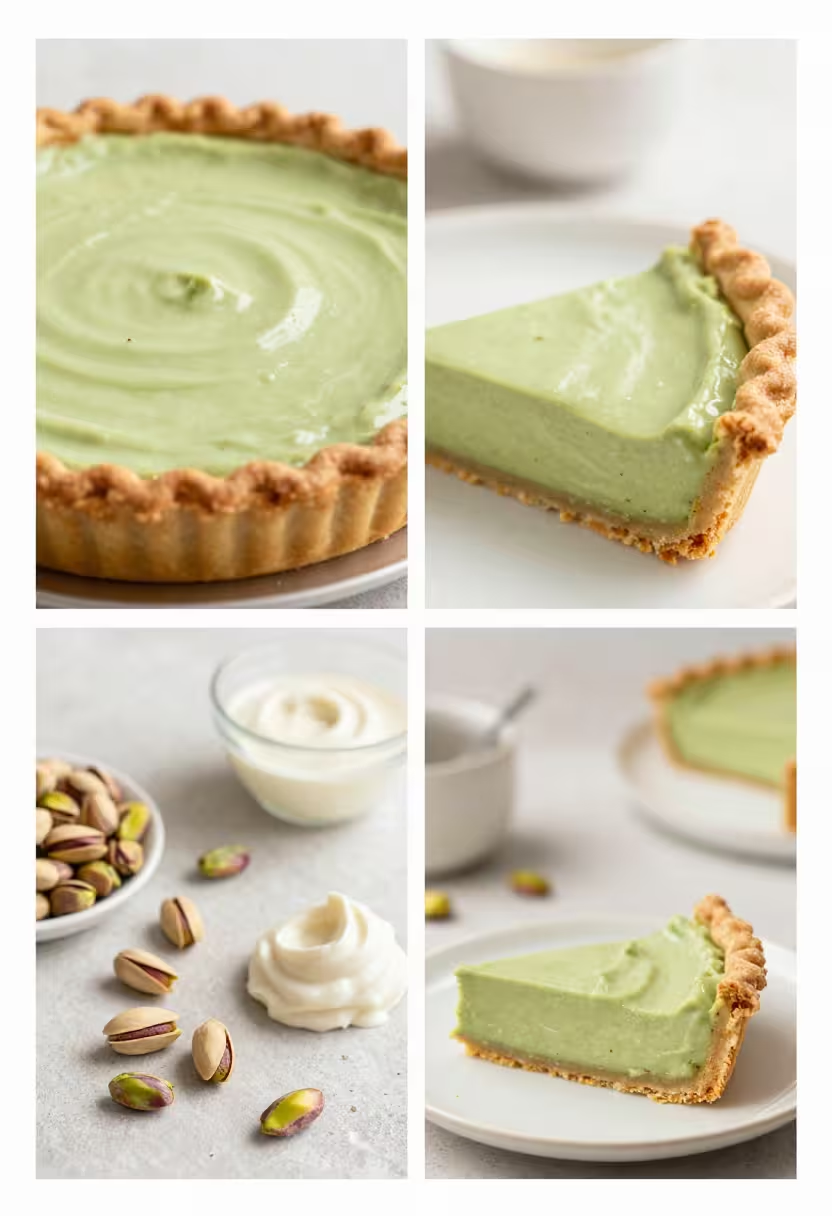
Because of that balance, pistachio pie occupies a slightly unusual space among desserts. It manages to feel indulgent without being exhausting, familiar without becoming boring, and refined without feeling formal or stiff. Even the soft green color plays into this — it’s playful, but not flashy, and polished enough to work at more dressed-up gatherings. 💫
Another reason pistachio pie has held onto its popularity for so long is how adaptable it is. It doesn’t insist on one “correct” way of being made. Depending on what you need or prefer, it can easily shift direction:
- it can be completely no-bake and set entirely in the refrigerator
- it can include a lightly baked crust or custard-style filling
- it works in both traditional and more modern variations
- it adapts well to dairy-free or plant-based ingredients
- it can be made gluten-free with a simple crust swap
That flexibility makes pistachio pie especially forgiving. Small changes usually don’t ruin it, and minor mistakes are often easy to recover from. Instead of punishing experimentation, it quietly encourages it — which is exactly what you want from a dessert on days when time, energy, or patience are limited.
Understanding What Actually Makes a Pistachio Pie Work
Before jumping straight into the recipe, it’s worth slowing down for a moment and looking at the ingredients themselves. Not in a technical, “rules and formulas” kind of way, but in a practical one. Pistachio pie isn’t complicated, yet every component has a purpose. When they work together, the result feels effortless. When something is off, you notice it immediately.
This dessert is really about balance. No single ingredient should dominate, and nothing should feel unnecessary. Once you understand how the pieces fit together, making adjustments becomes much easier — and honestly, more enjoyable.
Pistachios: the heart of the pie 🌰
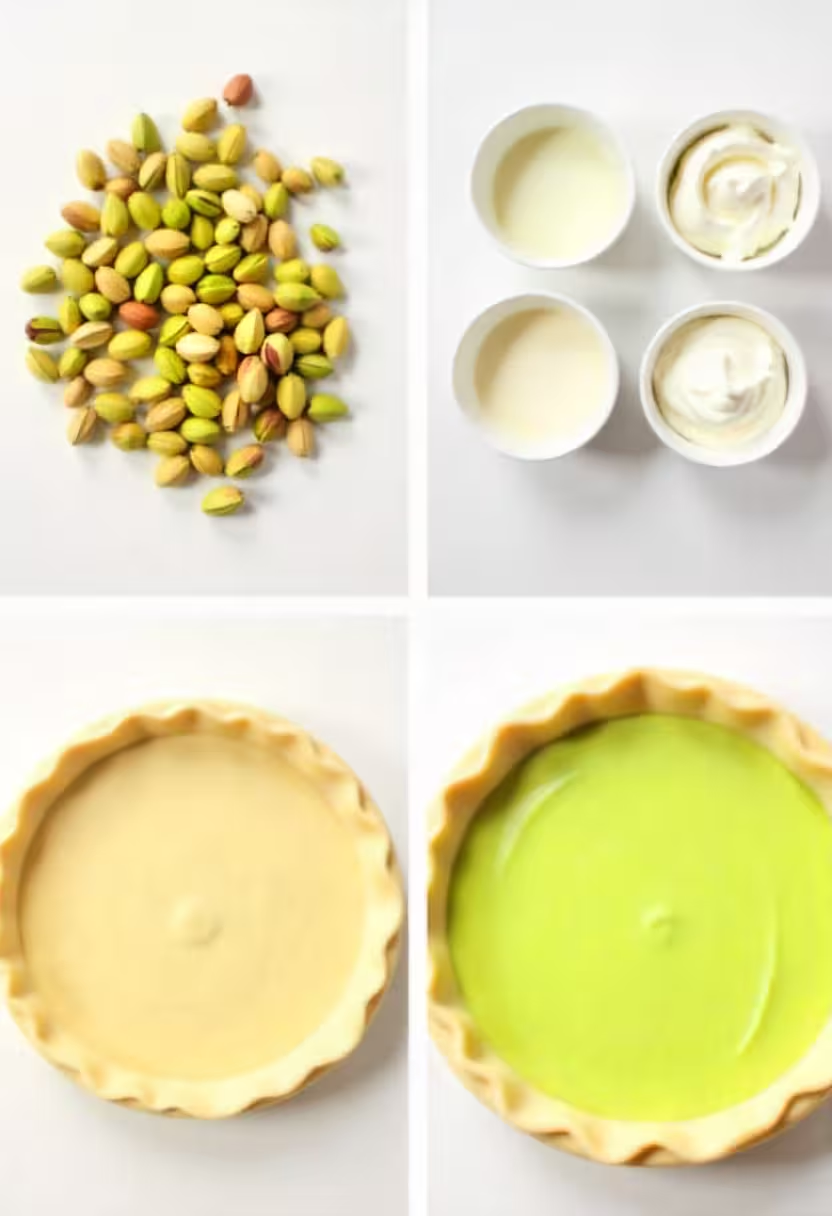
Pistachios are doing most of the heavy lifting here, so their quality matters more than you might expect. Fresh pistachios have a clean, slightly sweet, nutty aroma and a natural green color that looks soft rather than artificial. If the nuts smell stale, oily, or dusty, that dullness will carry straight into the finished pie.
There isn’t just one “correct” way to use pistachios, and that’s part of what makes this dessert so flexible. Depending on the texture and flavor you want, pistachios can show up in different forms:
- finely chopped pistachios add a bit of bite and contrast
- very finely ground pistachios blend into the filling for a smoother texture
- pistachio paste or pudding mix deepens both flavor and color
Each option slightly changes the personality of the pie. Some versions feel more rustic, others more polished. Neither approach is wrong — it mostly depends on mood, time, and what you have on hand. That freedom is part of the appeal.
Creamy elements: structure without heaviness
The creamy ingredients are what give pistachio pie its signature texture. Cream cheese plays a surprisingly important role here. It provides just enough structure so the pie can be sliced cleanly, while still melting softly on the tongue. Without it, the filling can feel loose or unstable.
Whipped cream or whipped topping, on the other hand, brings lightness. It introduces air into the mixture and keeps the filling from feeling dense or overly rich. The goal isn’t to make the pie fluffy, but to keep it from feeling heavy after a few bites.
Milk tends to stay in the background, but it’s doing important work. It activates instant pudding mixes when they’re used, or helps smooth out custard-style fillings so everything blends evenly. It’s one of those ingredients you don’t notice when it’s right — and immediately notice when it’s not.
Sweetness and aroma: keeping things gentle
Pistachios don’t need much help in the sweetness department. In fact, too much sugar can easily overwhelm their natural flavor. That’s why powdered sugar is often the better choice here. It dissolves quickly, blends smoothly, and keeps the filling silky instead of grainy.
A small amount of flavoring goes a long way. Vanilla extract adds warmth without changing the character of the pie. Almond extract can enhance the nuttiness, but it should be used carefully — just enough to support the pistachios, not compete with them. The goal is subtlety, not intensity.
The crust: more important than it looks 🥧
It’s easy to think of the crust as just a container for the filling, but in pistachio pie, it plays a much bigger role. The crust is the first texture you notice when you take a bite. That contrast between crisp and creamy is what keeps the pie interesting.
Graham cracker crusts are a classic choice, and for good reason. They’re easy to make, hold together well, and don’t distract from the filling. That said, pistachio pie pairs beautifully with other options too:
- buttery shortbread crusts for a richer base
- nut-based crusts that echo the pistachio flavor
- gluten-free cookie crumbs for dietary flexibility
No matter which route you choose, the goal stays the same. The crust should be firm enough to hold its shape and add texture, but not so thick that it overwhelms the filling. In this case, restraint really does pay off.
The Ultimate Creamy Pistachio Pie Recipe 🥧💚
This pistachio pie is the kind of dessert you come back to again and again. It doesn’t require advanced baking skills, expensive tools, or perfect timing. The recipe is intentionally forgiving. If something is slightly off, the pie still turns out good — and most of the time, very good.
It’s smooth, lightly sweet, and creamy without feeling heavy. The pistachio flavor is present but gentle, and the texture stays soft while still slicing cleanly. This is a dessert that works just as well for a special occasion as it does for an ordinary evening when you want something comforting in the fridge.
Ingredients
For the crust
- 1½ cups finely crushed graham crackers
- 2 tablespoons granulated sugar
- 6 tablespoons melted butter
For the filling
- 225 g (8 oz) cream cheese, fully softened
- 1 cup powdered sugar
- 1 box instant pistachio pudding mix (about 96 g / 3.4 oz)
- 1½ cups cold milk
- 225 g (8 oz) whipped topping or freshly whipped cream
- ¾ cup finely chopped roasted pistachios
- 1 teaspoon vanilla extract
Optional toppings
- whipped cream
- chopped pistachios
- chocolate shavings
- lemon zest
Step-by-Step Preparation
1. Prepare the crust 🥧
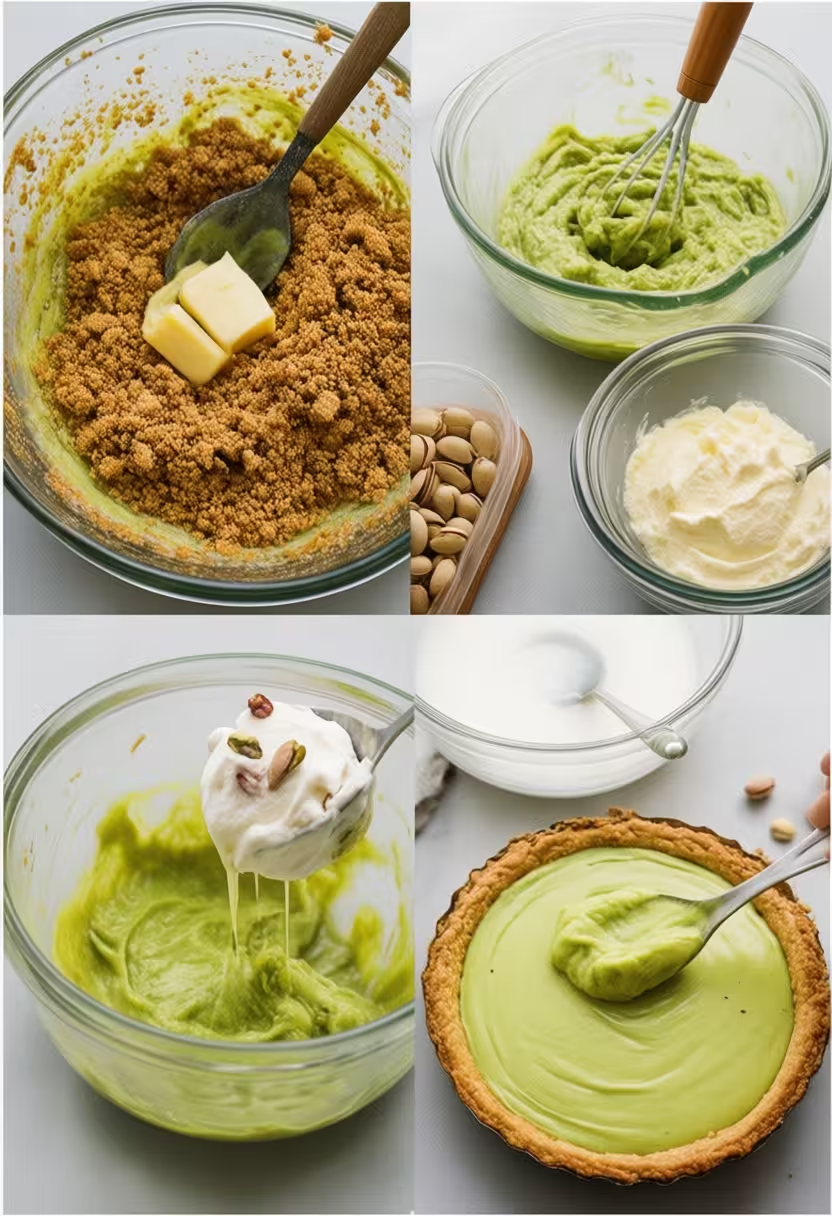
In a medium bowl, combine the graham cracker crumbs and sugar. Pour in the melted butter and mix until everything looks evenly moistened. The texture should resemble damp sand — when you press it between your fingers, it should hold together without feeling greasy.
Transfer the mixture into a 9-inch pie dish. Press it firmly into the bottom and up the sides, taking a moment to compact it well. Using the bottom of a glass or a measuring cup helps create an even, sturdy crust. This step matters more than it seems; a loosely packed crust tends to crumble once sliced.
Place the crust in the refrigerator for about 15–20 minutes while you work on the filling. This short chilling time helps it set and hold its shape later. ❄️
2. Make the pistachio filling 💚
In a large mixing bowl, beat the softened cream cheese until it’s completely smooth. Take your time here. If the cream cheese isn’t fully softened, small lumps can remain, and they’re difficult to fix later.
Add the powdered sugar and vanilla extract, then mix again until the texture becomes light and creamy. At this stage, the mixture should look smooth and cohesive, with no visible graininess.
In a separate bowl, whisk the pistachio pudding mix with cold milk. Whisk continuously for about two minutes, until the mixture thickens and turns glossy. This step activates the pudding and gives the filling its structure.
Gently combine the pudding with the cream cheese mixture. Once blended, fold in the whipped topping using a spatula. Use slow, careful motions, lifting from the bottom rather than stirring aggressively. This keeps the filling airy and prevents it from becoming dense.
Finally, fold in the chopped pistachios. Give the filling a quick taste. If you feel it needs a little more sweetness or aroma, this is the moment to adjust — a tiny bit more sugar or a drop of vanilla can make a difference.
3. Assemble and chill ✨
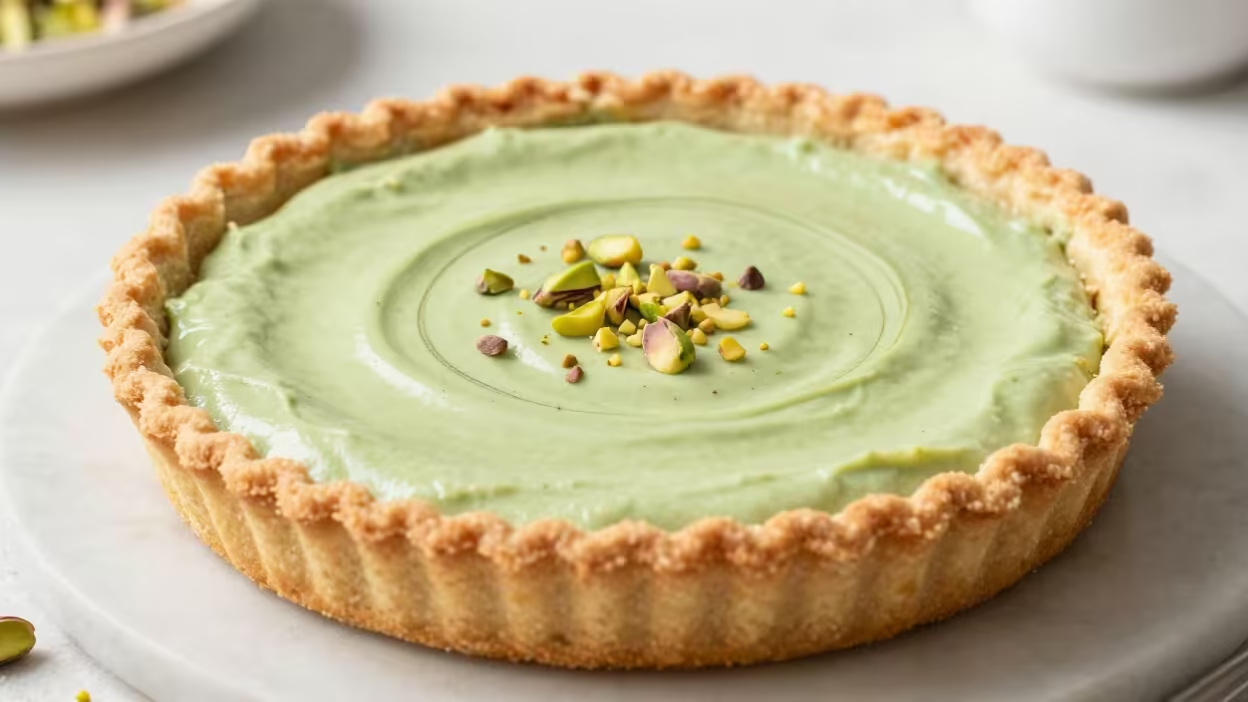
Spoon the finished filling into the chilled crust and smooth the surface with a spatula. You can keep it flat or create soft swirls on top for a more relaxed, homemade look.
Cover the pie and place it in the refrigerator for at least four hours. Overnight chilling is even better if you have the time. As it rests, the filling firms up, the flavors settle, and the pie becomes much easier to slice cleanly.
Before serving, add any toppings you like. A small amount goes a long way — a dollop of whipped cream, a sprinkle of chopped pistachios, or a touch of lemon zest is usually enough.
Helpful Tips for Best Results 💡
- Make sure the cream cheese is fully softened before mixing; cold cream cheese is the most common cause of grainy filling.
- Fold the whipped cream gently to keep the texture light and smooth.
- Chill the pie long enough — rushing this step often leads to a filling that feels too soft.
- If the pie seems slightly loose after four hours, give it more time. Pistachio pie improves with patience.
How to Get That Perfect Creamy Texture Every Time 🥧
With pistachio pie, texture is just as important as flavor — maybe even more so. You can follow the recipe closely and still feel that something is slightly off if the filling doesn’t have that smooth, creamy finish. The good news is that the things that affect texture are simple, familiar kitchen details, not complicated techniques.
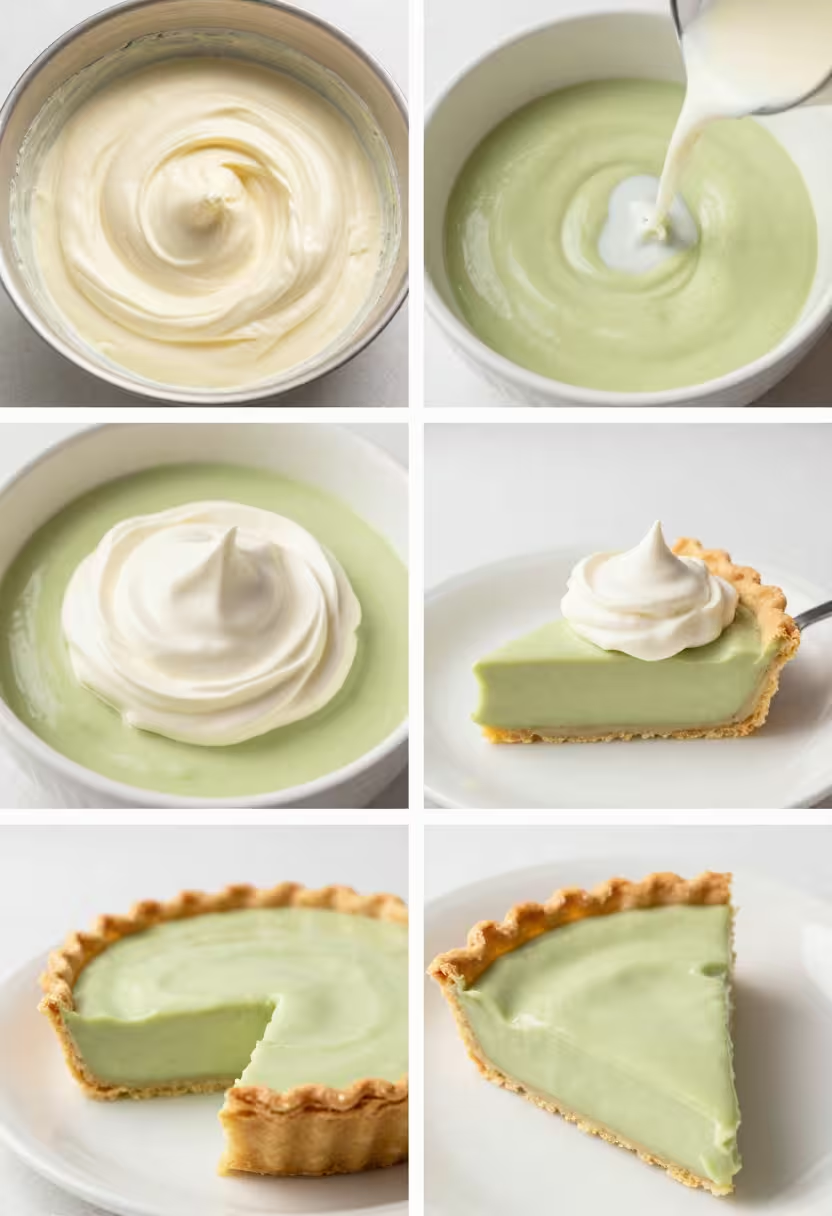
In most cases, the difference comes down to a few key factors working together:
- Room-temperature cream cheese blends evenly and creates a smooth base instead of leaving small lumps behind.
- Cold milk activates the pudding properly, helping it thicken the way it’s meant to.
- Gentle folding, especially when adding whipped cream, keeps air in the mixture and prevents the filling from becoming dense.
- Enough chilling time allows the pie to set gradually and hold its shape once sliced.
Chilling deserves a special mention. Pistachio pie isn’t meant to be rushed. If the filling seems a bit soft after a few hours, that doesn’t automatically mean something went wrong. More often than not, it simply needs more time in the fridge. Given a little patience, the texture usually sorts itself out beautifully. ❄️💚
Common Pitfalls (and How to Avoid Them)
Even though pistachio pie is fairly forgiving, there are a few common mistakes that tend to show up, especially when it’s your first time making it. The good thing is that none of them are catastrophic, and most are easy to prevent once you know what to watch for.
A pie that turns out runny is usually the result of one of a few small issues. Too much liquid, ingredients that were still warm when mixed together, or not giving the pie enough time to chill can all lead to a filling that doesn’t quite hold its shape. Measuring carefully and allowing each step to happen at its own pace makes a noticeable difference here.
Grainy or uneven filling often comes from temperature or mixing problems. Cream cheese that hasn’t fully softened tends to form small lumps that never quite disappear. Overmixing, especially once whipped cream is added, can also break down the structure and affect the final texture.
A soggy crust is another frustration people run into. This usually happens when the crust wasn’t chilled long enough before adding the filling, or when the filling itself was still warm. Letting both components cool and set properly before assembling helps keep the crust crisp and defined.
None of these issues ruin the pie entirely, but knowing about them ahead of time saves a lot of unnecessary stress and second-guessing.
Creative Pistachio Pie Variations 🌱
Once you feel comfortable with the base recipe, pistachio pie starts to open up in interesting ways. It’s one of those desserts that doesn’t resist change. Small adjustments — sometimes just one ingredient or one technique — can noticeably shift the texture, flavor, or overall mood of the pie without turning it into something unrecognizable.
That flexibility is part of what makes pistachio pie so practical. You can adapt it to the season, your schedule, or what you already have in the kitchen, and it still feels intentional rather than improvised.
A classic no-bake version is often where people start, and for good reason. Skipping the oven makes this option especially appealing in warmer months or on busy days when you don’t want extra heat or cleanup. Everything sets in the refrigerator, which does most of the work for you. The result is light, cool, and creamy, with a texture that feels refreshing rather than heavy. It’s also a great choice when you’re short on time but still want something that looks and tastes finished.
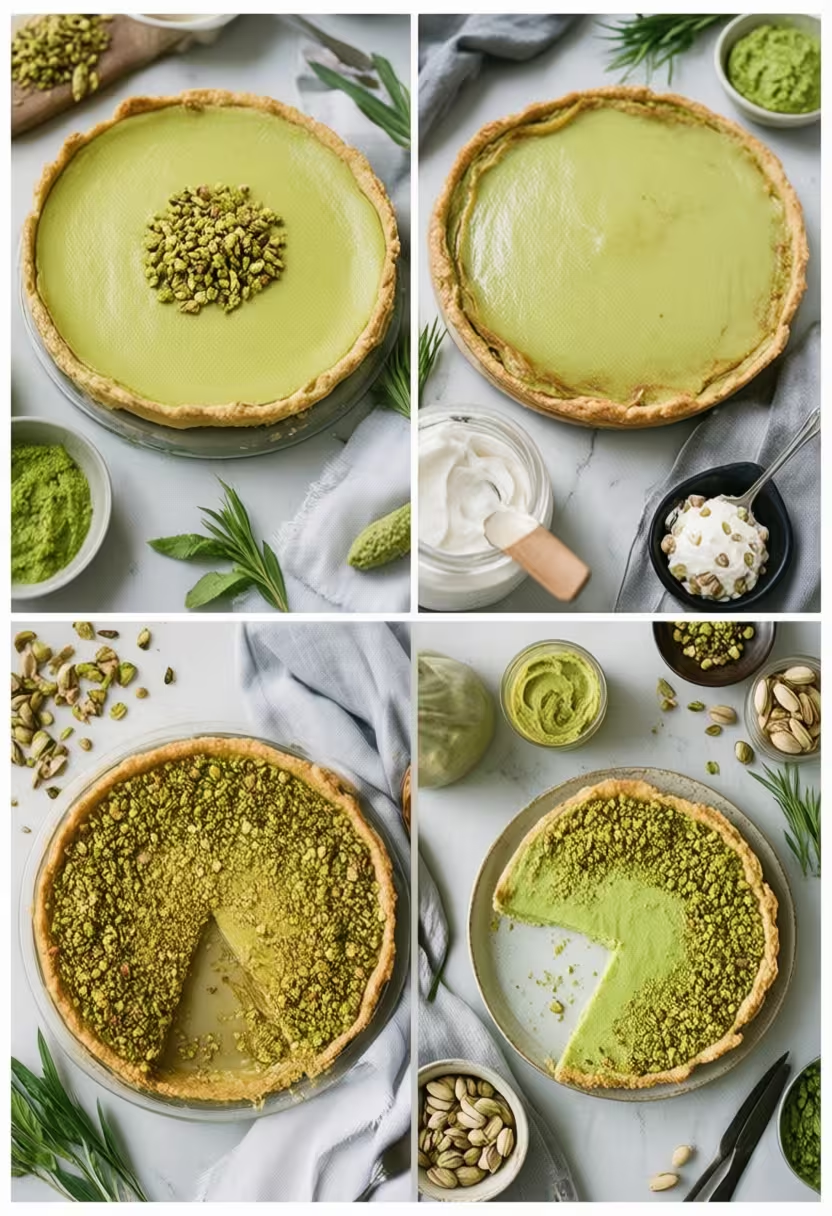
For a gluten-free variation, the filling usually doesn’t need much adjustment at all. Most of the change happens in the crust. Gluten-free cookies, crushed gluten-free graham crackers, or finely ground almonds mixed with butter create a base that naturally complements pistachio flavor. Depending on the ingredients you use, the crust may benefit from a short bake to firm it up, or a longer chill in the refrigerator. Either way, the goal stays the same: a crust that holds together cleanly and provides contrast to the creamy filling.
A vegan pistachio pie can be just as satisfying as the traditional version when it’s approached thoughtfully. Plant-based cream cheese provides structure, coconut whipped cream adds richness and lightness, and almond or oat milk works well in the filling. Pistachio paste becomes especially important here, helping maintain a clear pistachio flavor without relying on dairy. A small splash of vanilla or almond extract helps everything come together and prevents the filling from tasting flat. 🌿
If you enjoy desserts with a more nostalgic feel, retro-style add-ins are always an option. Crushed pineapple brings brightness and moisture, mini marshmallows add a soft chew, and white chocolate chips introduce sweetness without overwhelming the pistachios. These additions change the character of the pie slightly, giving it a playful, old-school vibe, but they still feel natural within the recipe rather than forced.
Serving Pistachio Pie Like a Pro 🍰
Pistachio pie is one of those desserts where temperature truly matters. It should always be served cold — not “slightly cool” and definitely not at room temperature. This isn’t a detail you can negotiate with. A properly chilled pie holds its shape better, tastes cleaner, and has a noticeably smoother, creamier texture.
Serving the pie straight from the refrigerator also makes slicing much easier. Clean, neat slices don’t happen by accident; they usually come from a couple of small habits that are easy to overlook:
- using a sharp knife rather than a dull one
- wiping the blade with a paper towel between each cut
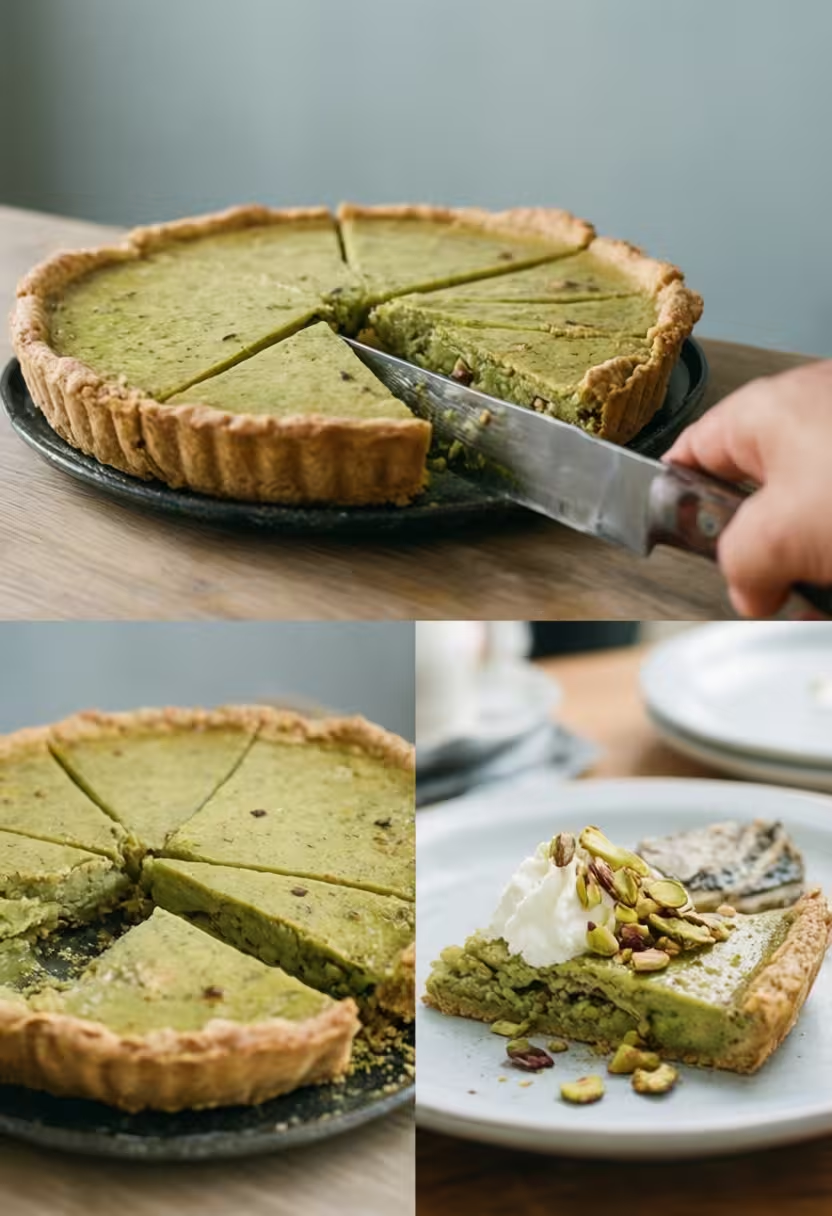
These small steps take only a few seconds, but they make a big difference in presentation. Smooth edges instantly make the pie look more intentional and composed, even if it was made on a quiet weeknight without any special occasion in mind.
When it comes to garnishing, restraint works in your favor. Pistachio pie doesn’t need heavy decoration, and piling on toppings can easily distract from its natural flavor. A few simple additions are usually enough to finish each slice:
- a small spoonful of softly whipped cream
- a light sprinkle of chopped pistachios for texture
- a hint of citrus zest if you want a subtle contrast
The goal isn’t to dress the pie up or turn it into something elaborate. It’s simply to highlight what’s already there. When garnishes stay minimal and thoughtful, the pistachio flavor remains front and center, exactly where it belongs. 💚
Storage, Make-Ahead, and Freezing Tips ❄️
One of the practical advantages of pistachio pie is how well it stores. Kept in the refrigerator and covered properly, it holds its texture and flavor for up to four days without any issues. Make sure it’s wrapped well or stored in an airtight container so the filling doesn’t absorb other flavors from the fridge.
If you like to plan ahead, pistachio pie also freezes surprisingly well. A few simple steps help preserve its quality:
- chill the pie completely before freezing
- wrap it tightly in plastic wrap, then add a layer of foil
- freeze for up to two months
When you’re ready to serve, thaw the pie slowly in the refrigerator. Avoid leaving it at room temperature for long periods, and don’t refreeze once it has fully thawed. The texture can change if it goes through multiple freeze-thaw cycles, and this pie really shines when it’s smooth and stable.
Why Pistachio Pie Belongs on Your Table 💚
Pistachio pie isn’t trendy, and it doesn’t try to be. It doesn’t chase attention or rely on bold flavors to stand out. Maybe that’s exactly why it lasts.
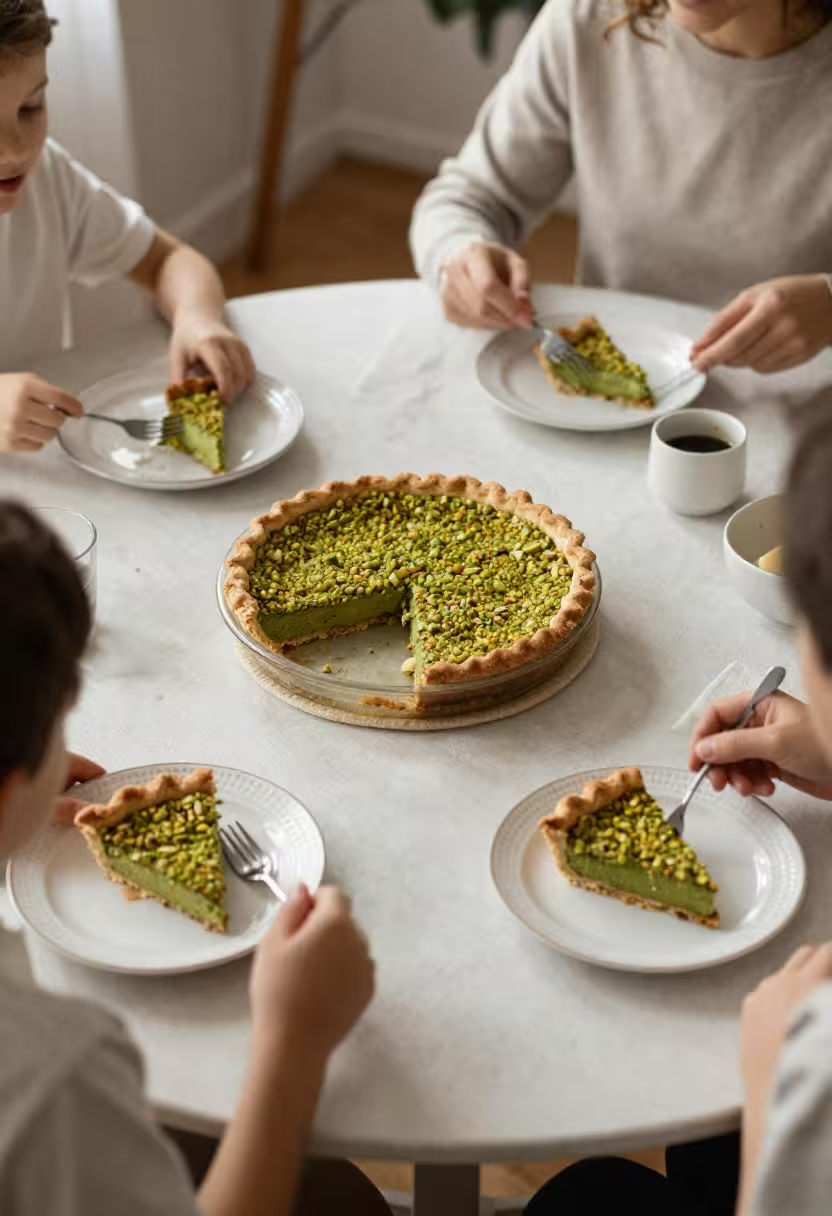
It’s the kind of dessert people remember and ask for again. The kind that quietly disappears while conversations are still going, plates being passed back for seconds without much discussion. It feels familiar, even the first time you make it, and comfortable in a way that never gets boring.
If you’re looking for a dessert that feels human — forgiving when you’re a little off, adaptable to what you have on hand, and genuinely comforting — pistachio pie is already waiting for you.
And once you make it, chances are high it won’t be the last time it shows up in your kitchen. 🥧✨