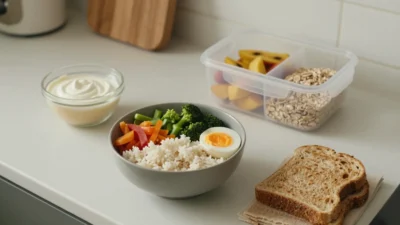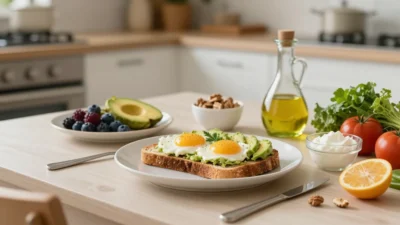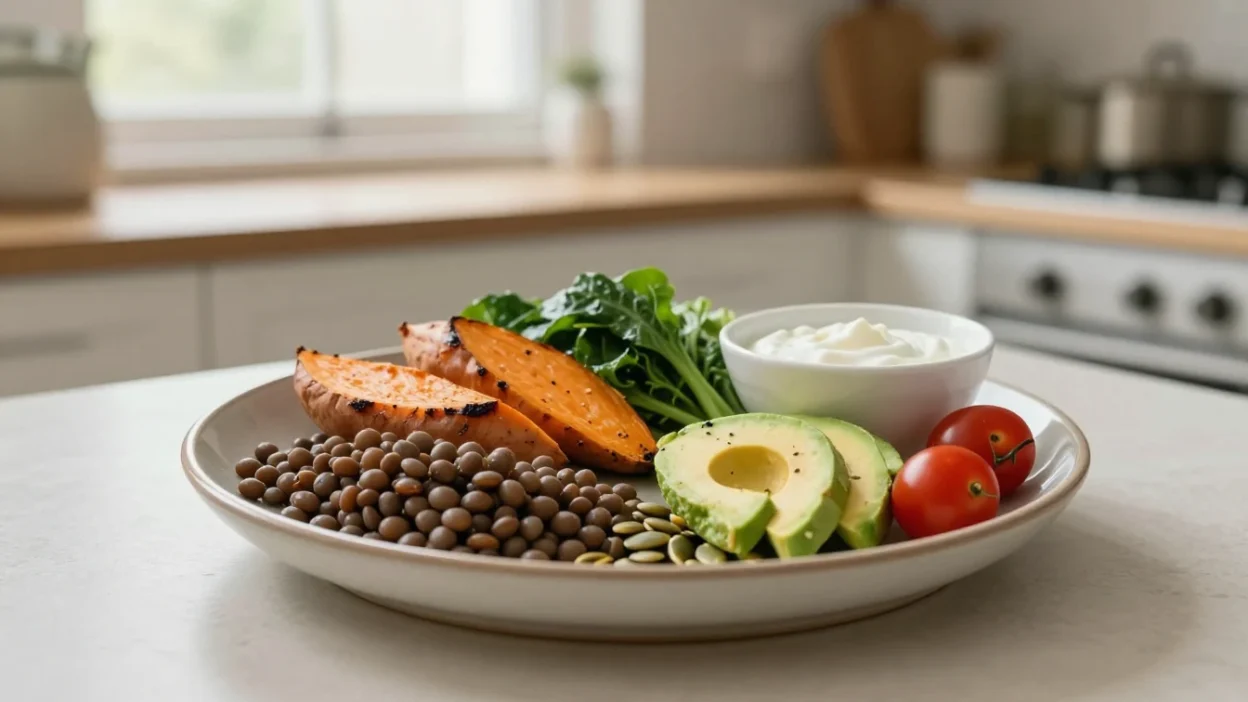
Starting a vegetarian diet can feel exciting for about five minutes. Then comes the very normal question: Wait, what am I actually going to eat?
If you grew up with meat in the center of the plate, removing it can make meals feel strangely unfinished at first. A sandwich looks too light. Dinner feels like a side dish. You may find yourself eating pasta three nights in a row and wondering why you are hungry again an hour later.
That does not mean vegetarian eating is hard. It just means you need a different way to build a meal.
A good vegetarian diet for beginners is not about surviving on salads, skipping protein, or replacing every burger with an expensive meat alternative. It is about learning which foods keep you full, how to get enough important nutrients, and how to make meat-free meals taste like something you actually want to eat.
And honestly, vegetarian food can be deeply satisfying when it is done well. Think lentil soup with a little olive oil on top, crispy roasted chickpeas, a warm bowl of rice with tofu and vegetables, eggs on toast with avocado, or a creamy chickpea curry that tastes even better the next day. None of that feels like “missing out.”
The key is balance. Your plate still needs protein. It still needs fat. It still needs texture, seasoning, and enough calories to carry you through the day. A bowl of plain lettuce is technically vegetarian, but it is not a meal. A bowl with greens, roasted sweet potato, lentils, feta, pumpkin seeds, and a lemony dressing? That is different.
If you are just starting, you do not have to change everything overnight. You can begin with a few meatless meals each week, find your favorite vegetarian breakfasts and dinners, and slowly build a routine that feels natural. Some people go fully vegetarian right away. Others ease into it. Both approaches can work.
What matters most is that your food feels doable in real life, not just perfect on paper.
In this guide, we will walk through what a vegetarian diet actually means, how to avoid the most common beginner mistakes, which protein sources to keep in your kitchen, what nutrients deserve extra attention, and how to make vegetarian meals that are filling, flavorful, and easy to repeat.
What a vegetarian diet actually means
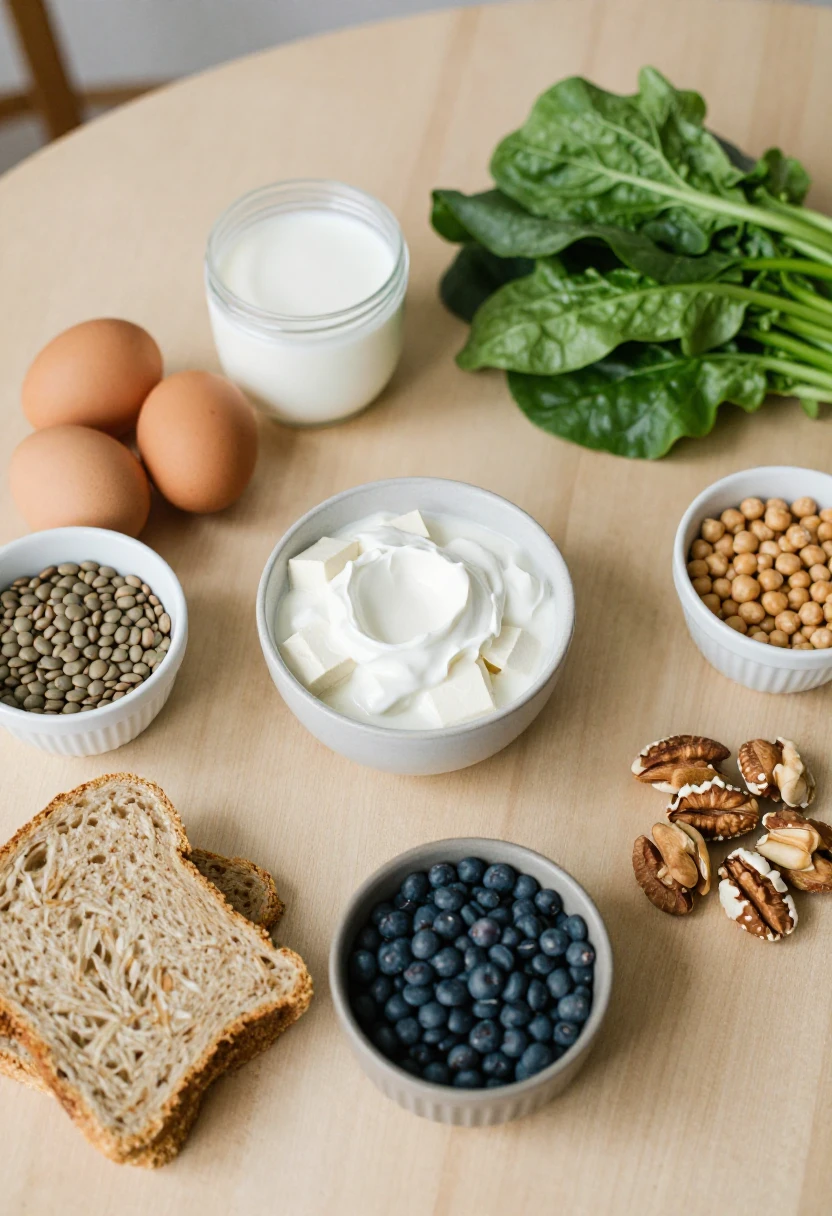
A vegetarian diet means you do not eat meat. That includes beef, pork, chicken, turkey, and other animal flesh. For many people, it also means avoiding seafood, although some people who do not eat meat but still eat fish call themselves pescatarian instead of vegetarian.
The part that often confuses beginners is this: vegetarian does not always mean vegan.
Many vegetarians still eat eggs, milk, yogurt, cheese, butter, and other dairy foods. Some do not. That is why two vegetarian plates can look completely different. One person might have an omelet with feta and vegetables for breakfast. Another might choose oatmeal with almond milk and chia seeds. Both can fit a meat-free lifestyle, depending on the person’s approach.
Vegetarian vs vegan: the simple difference
The easiest way to remember it is this:
A vegetarian diet avoids meat, but may include animal products like eggs and dairy.
A vegan diet avoids all animal products. That means no meat, fish, eggs, dairy, honey, gelatin, or other ingredients that come from animals.
Neither approach is automatically healthier than the other. A vegetarian can eat mostly fries, pastries, and cheese pizza. A vegan can live on packaged snacks and sweetened drinks. The label does not do the work for you.
What matters is the actual food on your plate.
A balanced vegetarian diet usually includes plenty of plant foods, such as:
- Beans, lentils, chickpeas, and peas
- Vegetables and fruits
- Whole grains like oats, brown rice, quinoa, and whole wheat bread
- Nuts, seeds, and nut butters
- Eggs and dairy, if you choose to eat them
- Soy foods like tofu, tempeh, soy milk, and edamame
That mix gives you more than just “no meat.” It gives your meals structure.
Common types of vegetarian diets
There are a few different versions of vegetarian eating, and knowing the names can help when you are reading recipes, restaurant menus, or nutrition advice.
Lacto-ovo vegetarian is the most common type. It means you do not eat meat or fish, but you do eat dairy and eggs. A cheese omelet, Greek yogurt bowl, or vegetable lasagna with ricotta would all fit here.
Lacto vegetarian means you eat dairy, but not eggs. So milk, yogurt, cheese, and butter may be included, but scrambled eggs or egg-based baked dishes would not.
Ovo vegetarian means you eat eggs, but not dairy. This can work for people who dislike dairy or do not tolerate it well, but still want eggs as a simple protein source.
Vegan is stricter than vegetarian because it avoids all animal products. Some people start vegetarian and later move toward vegan eating. Others stay vegetarian for years because eggs or dairy make their meals easier and more satisfying.
Pescatarian means you avoid meat but still eat fish and seafood. It is not strictly vegetarian, but it often comes up in the same conversations because many people use it as a step toward eating less meat.
You do not need to pick a label on day one and defend it forever. Food habits are allowed to change. What matters more is building a way of eating that supports your body, your values, and your everyday life.
Why people choose vegetarian eating
People become vegetarian for different reasons, and sometimes the reason changes over time.
Some people start because they want to eat more plants and feel lighter after meals. Others are thinking about animal welfare, climate impact, food costs, or religious and cultural traditions. Some simply realize they do not enjoy meat that much and feel better building meals around beans, eggs, vegetables, grains, and dairy.
There is no single “right” reason.
I also think many people underestimate the practical side. A vegetarian pantry can be incredibly useful. Lentils cook quickly. Canned beans are cheap and ready in minutes. Eggs can become breakfast, lunch, or dinner. A block of tofu lasts longer in the fridge than many fresh meats and can turn into stir-fry, curry, tacos, or a rice bowl.
That convenience matters.
The best vegetarian diet for beginners is usually the one that does not make you feel like you are constantly starting over. You want meals that are familiar enough to feel comfortable, but different enough to make the change worthwhile.
The biggest mistake beginners make with vegetarian eating
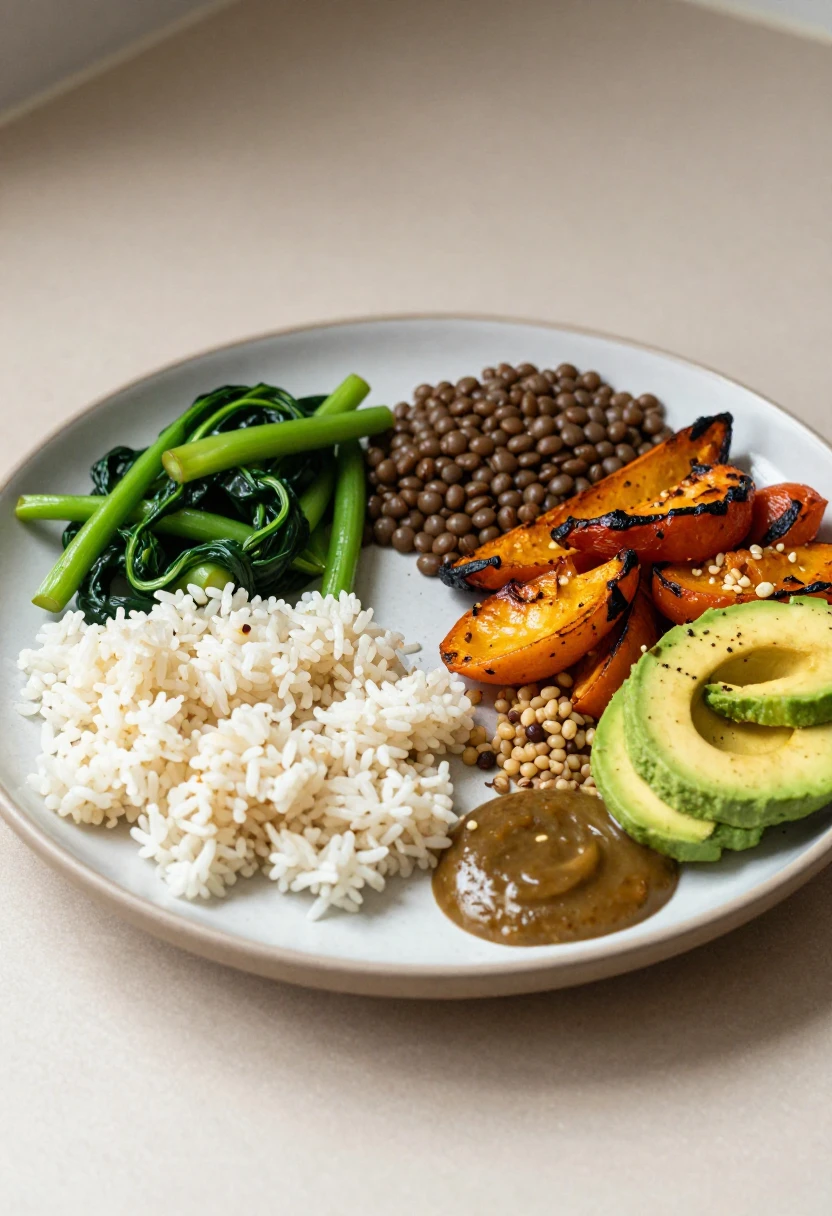
The most common mistake is simple: people remove meat from the plate but do not replace what meat was doing.
Meat is not just “the animal part” of a meal. It often brings protein, fat, chew, saltiness, and a feeling of fullness. So when you take it away and only leave rice, pasta, bread, or vegetables, the meal can feel thin. You eat it, clean the plate, and still start looking for snacks.
This is why some beginners say, “I tried eating vegetarian, but I was hungry all the time.”
Usually, vegetarian eating was not the problem. The plate just needed more structure.
Removing meat without replacing it properly
Imagine a regular dinner plate with chicken, potatoes, and green beans. If you remove the chicken and eat only potatoes and green beans, you technically have a vegetarian meal. But it probably will not keep you full for long.
Now change the plate a little.
Keep the potatoes and green beans, but add lentils with garlic and olive oil. Or add fried eggs. Or baked tofu with a good sauce. Or a scoop of cottage cheese on the side if you eat dairy. Suddenly the meal makes more sense.
That is the shift beginners need to learn.
You are not just asking, “How do I avoid meat?”
You are asking, “What will make this meal satisfying?”
A good vegetarian meal usually needs:
- A protein source
- Enough calories
- Some fat
- Fiber-rich foods
- Flavor that makes you want another bite
- Texture, especially something creamy, crispy, chewy, or roasted
This is why plain steamed vegetables rarely feel like dinner. They may be healthy, but they do not have enough weight on their own. Add chickpeas, tahini sauce, rice, toasted seeds, and a little lemon juice, and now you have a bowl that actually works.
How to build a filling vegetarian plate
A useful beginner formula is this:
Protein + grain or starch + vegetables + fat + flavor
It sounds almost too basic, but it saves a lot of meals.
For protein, choose foods like beans, lentils, chickpeas, tofu, tempeh, eggs, Greek yogurt, cottage cheese, edamame, or a simple veggie burger.
For the grain or starch, use rice, oats, pasta, quinoa, bread, tortillas, potatoes, sweet potatoes, or noodles. This is the part that gives the meal comfort and energy.
Then add vegetables. Fresh, frozen, roasted, sautéed, raw, whatever fits the meal. You do not need a perfect rainbow every time. Some nights, frozen broccoli and carrots are enough.
For fat, think olive oil, avocado, nuts, seeds, cheese, yogurt sauce, peanut sauce, or tahini. Fat helps carry flavor and makes vegetarian food feel less dry.
Then finish with something that wakes everything up: lemon juice, vinegar, herbs, chili flakes, garlic, soy sauce, salsa, pickles, mustard, or a spoonful of pesto.
Here are a few examples:
- Rice bowl: brown rice, tofu, broccoli, avocado, sesame seeds, soy-ginger sauce
- Quick lunch: whole-grain toast, cottage cheese, tomatoes, olive oil, black pepper
- Easy dinner: lentil soup, crusty bread, side salad, yogurt with herbs
- Taco night: black beans, tortillas, roasted peppers, salsa, cheese, lime
- Breakfast: oatmeal, Greek yogurt, berries, peanut butter, chia seeds
Once you start thinking this way, vegetarian meals stop feeling like something is missing. You are not trying to copy a meat-based plate exactly. You are building a new kind of plate that still feels complete.
Best vegetarian protein sources to keep meals satisfying
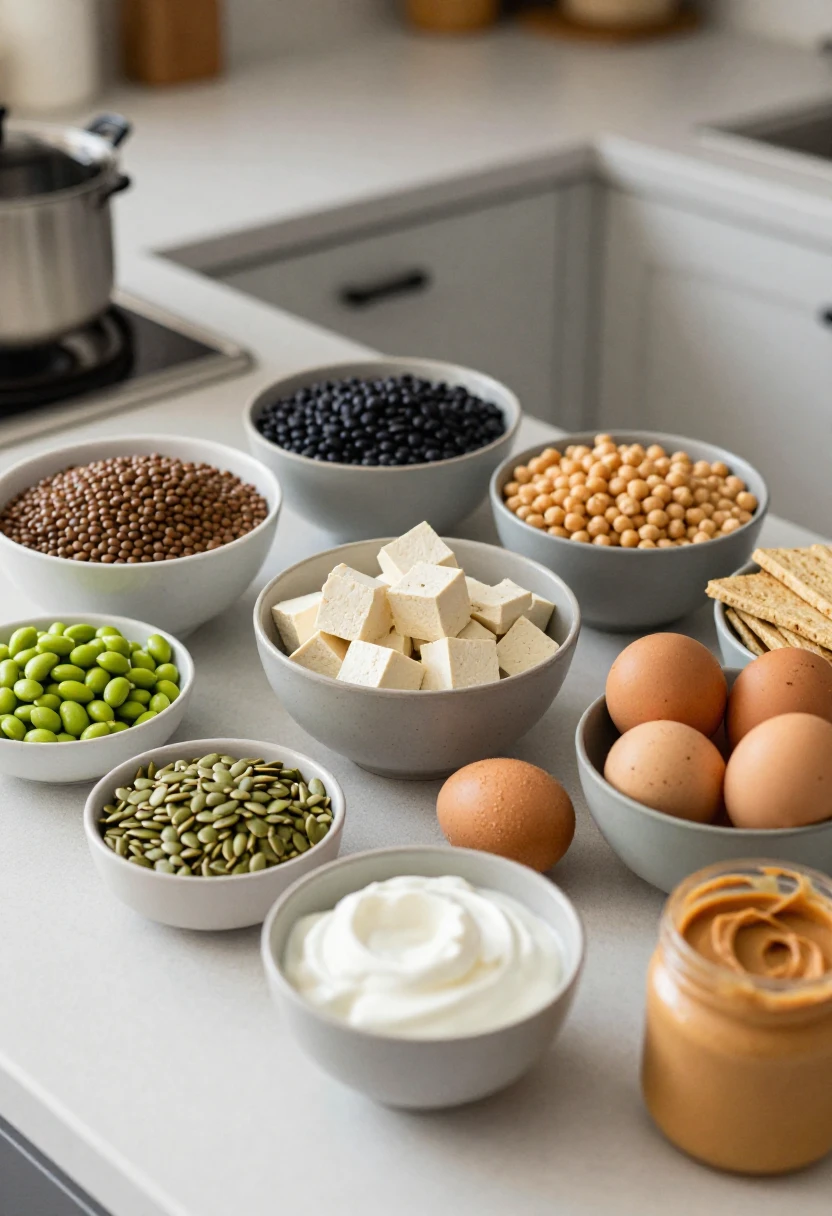
Protein is usually the first thing people worry about when they start eating vegetarian. And yes, it matters. Protein helps meals feel filling, supports muscle, and makes your plate feel more complete.
But you do not need to panic-buy protein powders or eat tofu every day if you do not like it.
Most beginners do better when they build a small list of protein foods they actually enjoy. Maybe that is eggs, lentils, Greek yogurt, chickpeas, cottage cheese, black beans, edamame, or tempeh. Once you know your favorites, vegetarian meals become much easier to put together.
Beans, lentils, and chickpeas
Beans and lentils are probably the most useful vegetarian foods to keep around. They are affordable, filling, and easy to add to normal meals.
Canned beans are especially helpful because they are already cooked. Rinse them, warm them with spices, and you have the start of lunch or dinner in five minutes.
You can use them in:
- Chili with beans, tomatoes, peppers, and spices
- Lentil soup with carrots, celery, onion, and herbs
- Chickpea salad sandwiches with yogurt or mayo, mustard, and pickles
- Black bean tacos with salsa, avocado, and lime
- White bean pasta with garlic, spinach, and olive oil
- Hummus wraps with vegetables and feta
Lentils are great because they cook faster than most dried beans. Red lentils soften into soups and curries. Green or brown lentils hold their shape better, so they work well in salads, bowls, and stews.
If you are new to legumes, start slowly. A giant bowl of beans on day one may not be kind to your stomach. Add small portions first and drink enough water. Your digestion usually adjusts with time.
Eggs and dairy, if you eat them
If your vegetarian diet includes eggs and dairy, you have some very practical protein options.
Eggs are quick, cheap, and flexible. Scramble them with spinach, boil a few for snacks, bake them into frittatas, or put a fried egg on top of rice and vegetables. That runny yolk can make a simple bowl taste much better.
Greek yogurt is another easy one. It works for breakfast with berries and granola, but it can also become a sauce. Mix it with lemon juice, garlic, salt, and herbs, and suddenly roasted vegetables or lentil bowls taste more finished.
Cottage cheese is not glamorous, but it is useful. Add it to toast, baked potatoes, scrambled eggs, pasta sauce, or a snack plate with fruit and crackers.
Cheese can help too, though I would not make it the main protein in every vegetarian meal. It is delicious, but it is easy to lean too hard on cheese when you first stop eating meat. A little feta, cheddar, mozzarella, or parmesan can add flavor, but beans, eggs, lentils, tofu, yogurt, and whole grains should do more of the heavy lifting.
Soy foods and meat alternatives
Tofu has a reputation for being boring, but most of the time the problem is not tofu. It is under-seasoned tofu.
Tofu needs help. Press it if it is watery, cut it into cubes, season it well, and cook it until the edges get golden. Then add sauce. Soy sauce, garlic, ginger, peanut sauce, curry sauce, barbecue sauce, or even a simple squeeze of lime can make a big difference.
Tempeh is firmer and nuttier than tofu. Some people love it right away. Others need time. I like it best when it is sliced thin, browned in a pan, and coated with something bold, like soy sauce, maple, mustard, or smoky spices.
Edamame is the easiest soy food for beginners. Keep a bag in the freezer, steam it, add salt, and eat it as a snack or toss it into rice bowls and salads.
Meat alternatives can also be useful. Veggie burgers, plant-based sausages, and meatless crumbles make the transition easier, especially if your family is used to burgers, tacos, or pasta with meat sauce. Just treat them as convenience foods, not the entire foundation of your diet.
Nuts, seeds, and grains that help
Nuts and seeds are not usually enough protein on their own for a full meal, but they make vegetarian food more satisfying.
Peanut butter on oatmeal. Tahini in salad dressing. Pumpkin seeds on soup. Hemp seeds in a smoothie. Walnuts in a grain bowl. These small additions add fat, texture, and a little extra protein.
Whole grains help too. Oats, quinoa, brown rice, whole wheat pasta, barley, and whole-grain bread all contribute something. They are not “protein foods” in the same way lentils or eggs are, but they help round out the plate.
A simple bowl of rice and vegetables may leave you hungry. Add black beans, avocado, salsa, pumpkin seeds, and a spoonful of Greek yogurt, and it becomes a real meal.
That is the idea. Vegetarian protein does not have to come from one perfect ingredient. It often comes from layering a few simple foods together until the meal feels complete.
Nutrients vegetarians should pay attention to
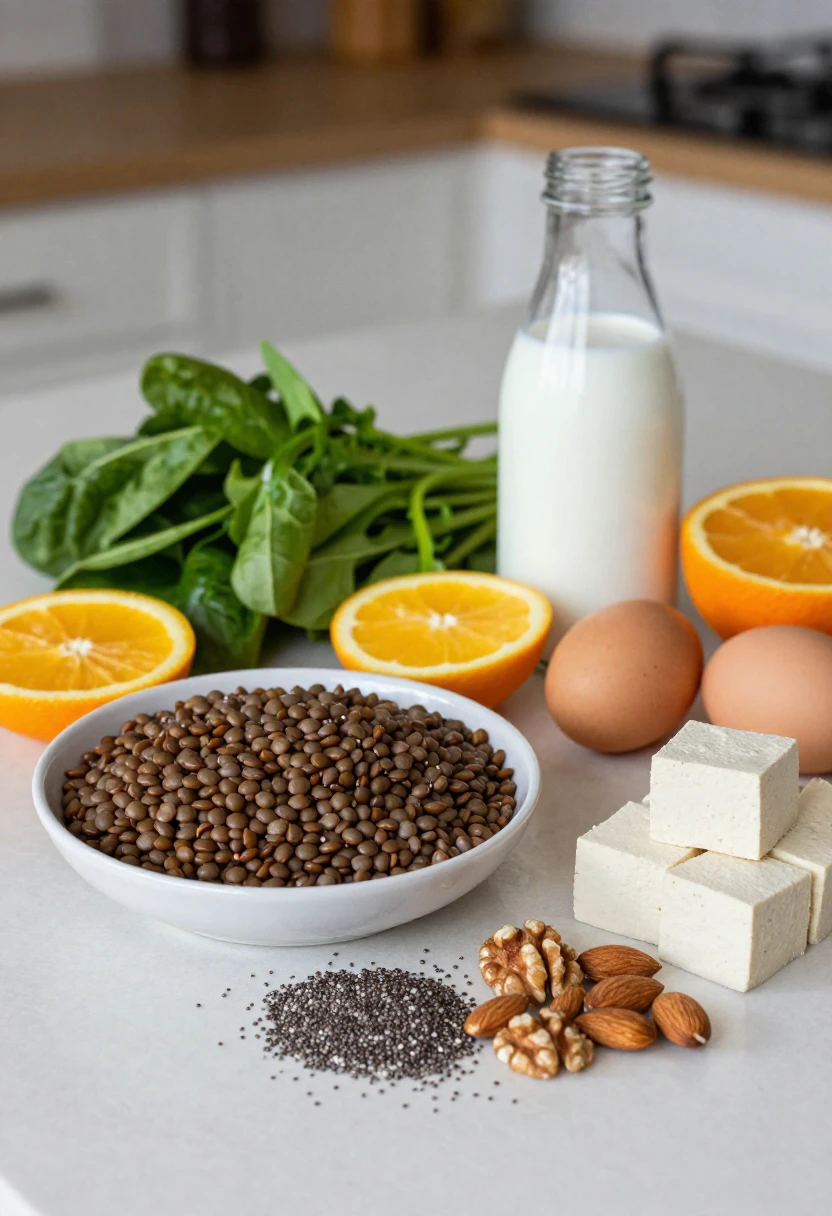
A vegetarian diet can be healthy and satisfying, but it still needs a little planning. Not complicated planning. Just enough awareness so you are not eating the same cheese sandwich every day and hoping everything works out.
The main nutrients to watch are vitamin B12, iron, omega-3 fats, calcium, zinc, and vitamin D. You can get many of them from vegetarian foods, but some need more attention because meat and fish are common sources in a typical diet.
This does not mean you should worry over every bite. It means you should know where these nutrients come from and build them into your meals on purpose.
Vitamin B12
Vitamin B12 is one of the big ones for vegetarians, especially if you eat very little dairy or eggs.
Your body needs B12 for healthy nerves, red blood cells, and normal energy metabolism. Low B12 can leave you feeling tired, weak, foggy, or unusually run-down. The tricky part is that symptoms can come slowly, so it is easy to blame stress, poor sleep, or a busy week.
Vegetarians who eat eggs and dairy may get some B12 from those foods, but not always enough. If you are mostly plant-based, fortified foods or a supplement may be necessary.
Look for B12 in:
- Fortified plant milks
- Fortified breakfast cereals
- Nutritional yeast with added B12
- Eggs
- Milk, yogurt, and cheese
- B12 supplements, if needed
Nutritional yeast is a useful pantry item if you like a cheesy, savory flavor. Sprinkle it over pasta, popcorn, roasted vegetables, or tofu scramble. Just check the label, because not all nutritional yeast contains B12.
Iron
Iron helps your body carry oxygen. When iron is low, you may feel tired, cold, dizzy, short of breath, or less able to concentrate.
Vegetarian foods do contain iron, but plant-based iron is a little harder for the body to absorb than the iron found in meat. That does not make it useless. You just need to be smarter about how you eat it.
Good vegetarian iron sources include:
- Lentils
- Chickpeas
- Beans
- Tofu and tempeh
- Pumpkin seeds
- Sesame seeds and tahini
- Spinach and leafy greens
- Quinoa
- Fortified cereals
The simple trick is to pair iron-rich foods with vitamin C. Lemon juice, bell peppers, tomatoes, oranges, strawberries, kiwi, and broccoli can help your body absorb more iron from plant foods.
For example, lentil soup with a squeeze of lemon makes sense. Bean tacos with salsa and lime make sense. Chickpea salad with bell pepper makes sense.
Tea and coffee can reduce iron absorption when you drink them right with meals, so if iron is already a concern for you, it may help to enjoy them between meals instead.
Omega-3 fats
Omega-3 fats support heart health, brain function, and normal inflammation balance in the body. Many people think of fish first, but vegetarians still have options.
Plant-based omega-3 sources include:
- Ground flaxseed
- Chia seeds
- Walnuts
- Hemp seeds
- Flaxseed oil
- Canola oil
- Soy foods
Ground flaxseed is one of the easiest habits to add. Stir a spoonful into oatmeal, yogurt, smoothies, pancake batter, or homemade granola. Chia seeds work well in overnight oats or pudding. Walnuts are good in salads, baked goods, or just eaten with fruit.
One small detail: your body has to convert plant omega-3s into the longer-chain forms found in fish, and that conversion is not always very efficient. Some vegetarians choose an algae-based omega-3 supplement for that reason, especially if they do not eat fish at all.
You do not need to decide that on day one. But it is worth knowing.
Calcium, zinc, and vitamin D
Calcium matters for bones, teeth, muscles, and nerves. If you eat dairy, you may already have easy calcium sources: milk, yogurt, cheese, and cottage cheese.
If you do not eat much dairy, look for:
- Fortified plant milks
- Calcium-set tofu
- Fortified orange juice
- Kale and bok choy
- Sesame seeds and tahini
- Almonds
Zinc is another nutrient that deserves attention. It helps with immune function, wound healing, and normal growth and repair. You can find it in beans, lentils, chickpeas, tofu, tempeh, pumpkin seeds, cashews, oats, and whole grains.
Vitamin D is harder because food is not always the main source. Your body can make vitamin D from sunlight, but that depends on where you live, the season, your skin, how much time you spend outside, and whether you use sunscreen. In colder months, many people run low, vegetarian or not.
Some foods are fortified with vitamin D, such as milk, plant milk, cereal, and certain yogurts. Eggs can provide a little too, if you eat them.
This is where bloodwork can be useful. Instead of guessing, you can ask your doctor to check common markers like B12, ferritin or iron status, and vitamin D, especially if you feel tired, weak, or off in a way that does not improve.
Vegetarian eating should make your meals feel better, not leave you dragging through the afternoon. A little nutrient awareness helps keep it that way.
Easy vegetarian meals that do not feel like “diet food”
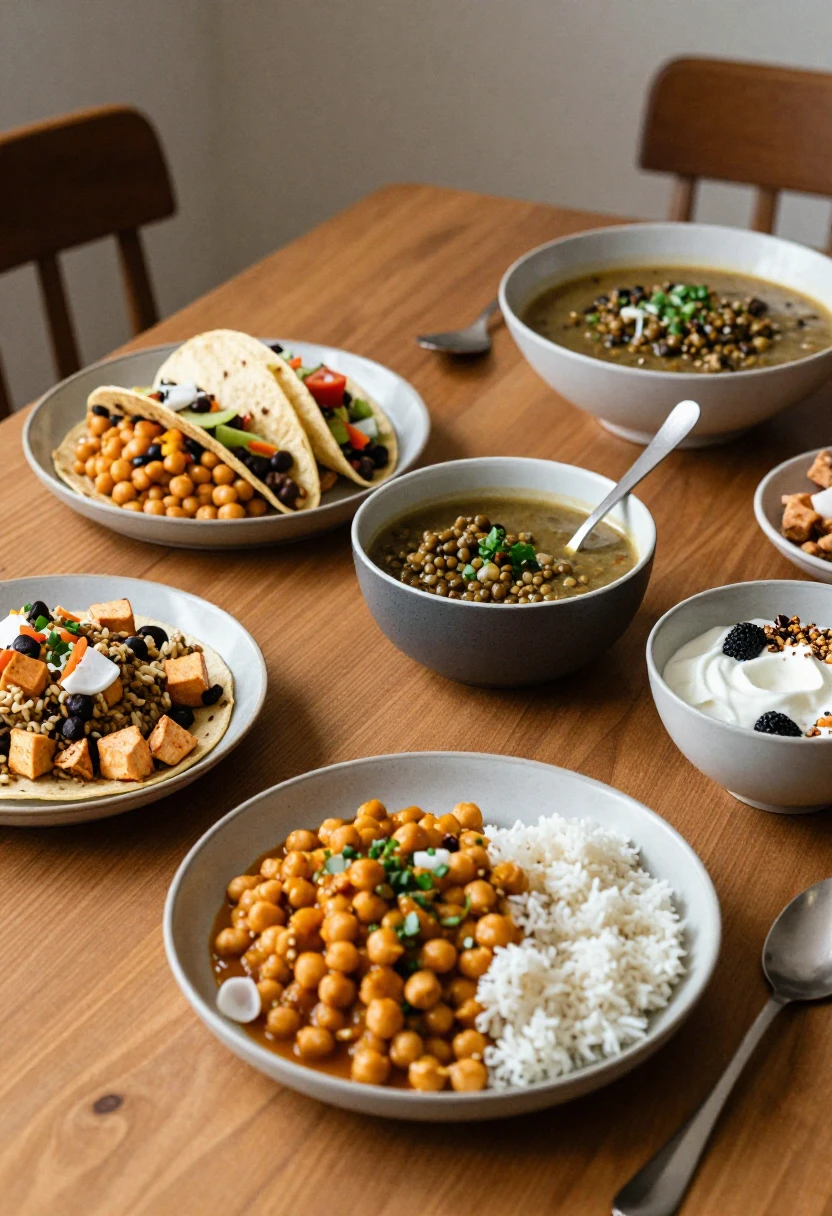
Vegetarian food gets a bad reputation when people imagine tiny salads, steamed broccoli, and a sad piece of toast. That is not how it has to look.
A good vegetarian meal can be warm, creamy, crispy, spicy, cheesy, fresh, or deeply comforting. It can be a quick breakfast before work, a packed lunch that does not collapse by noon, or a dinner that fills the kitchen with garlic, onions, and cumin.
The trick is to stop thinking of vegetarian meals as “meat meals without meat.” Build them as complete meals from the beginning.
Breakfast ideas
Breakfast is often the easiest place to start because many familiar breakfasts are already vegetarian.
You can make a bowl of oatmeal feel much more filling by adding Greek yogurt, peanut butter, chia seeds, walnuts, or milk instead of just water. Top it with berries, banana, cinnamon, or a spoonful of jam if you want something sweeter.
Eggs are another simple option if you eat them. Scrambled eggs with spinach and toast, a vegetable omelet, boiled eggs with avocado, or a fried egg over leftover rice can all work.
A few easy vegetarian breakfast ideas:
- Greek yogurt with berries, granola, and nuts
- Oatmeal with peanut butter, banana, and ground flaxseed
- Eggs on toast with avocado and tomato
- Cottage cheese with fruit and whole-grain crackers
- Smoothie with yogurt, milk, berries, oats, and chia seeds
- Tofu scramble with peppers, onions, and turmeric
I like breakfasts that do not require too much decision-making. If you can repeat the same two or three options during the week, mornings feel less chaotic.
Lunch ideas
Lunch should be filling enough to carry you through the afternoon, but not so heavy that you feel sleepy at your desk.
This is where beans, lentils, wraps, soups, and grain bowls are useful. They pack well, reheat well, and do not need much fuss.
A chickpea salad sandwich is one of the easiest beginner lunches. Mash chickpeas with Greek yogurt or mayo, mustard, lemon juice, chopped pickles, celery, salt, and pepper. Put it on bread with lettuce or cucumber. It has that creamy, savory sandwich feeling without needing meat.
You can also make lunch from leftovers. Last night’s roasted vegetables can become a wrap. Lentil soup can go into a thermos. Rice and tofu can become a quick bowl with sauce.
Good vegetarian lunch ideas:
- Chickpea salad sandwich with lettuce and pickles
- Lentil soup with bread
- Hummus wrap with cucumber, tomato, greens, and feta
- Rice bowl with tofu, vegetables, and peanut sauce
- Black bean burrito bowl with salsa and avocado
- Pasta salad with white beans, olives, tomatoes, and herbs
If your lunch usually leaves you hungry, add more protein or fat before adding more random snacks. A spoonful of hummus, extra beans, cheese, yogurt sauce, avocado, nuts, or seeds can make a big difference.
Dinner ideas
Dinner is where many beginners get stuck because meat used to be the main event.
Start with meals that already make sense without meat: chili, curry, pasta, tacos, soups, stir-fries, baked potatoes, and grain bowls. These dishes are easy to make vegetarian because they rely on sauces, spices, texture, and toppings.
Bean chili is a good example. You can make it with black beans, kidney beans, tomatoes, onion, peppers, garlic, chili powder, cumin, and a little smoked paprika. Add rice, cornbread, cheese, yogurt, or avocado, and it feels like a full dinner.
Vegetable curry works the same way. Chickpeas, lentils, tofu, potatoes, cauliflower, spinach, coconut milk, and curry spices can become something rich and comforting in one pot.
Easy vegetarian dinner ideas:
- Bean chili with rice or cornbread
- Chickpea curry with spinach and coconut milk
- Pasta with lentils, tomato sauce, and parmesan
- Tofu stir-fry with rice and vegetables
- Baked potatoes with beans, cheese, salsa, or cottage cheese
- Lentil shepherd’s pie with mashed potatoes
- Black bean tacos with roasted peppers and lime
- Vegetable fried rice with eggs or edamame
Do not underestimate pasta. Add white beans, lentils, chickpeas, spinach, mushrooms, or roasted vegetables, and it becomes much more than noodles with sauce.
Snack ideas
Snacks can help when you are adjusting to vegetarian eating, especially if your meals are still changing.
The best snacks have some staying power. Fruit alone is fine, but fruit with peanut butter is better if you need to stay full. Crackers are fine, but crackers with cheese or hummus will last longer.
Simple vegetarian snacks:
- Apple slices with peanut butter
- Greek yogurt with berries
- Hummus with carrots, cucumbers, or pita
- Cottage cheese with fruit
- Trail mix with nuts and dried fruit
- Boiled eggs with salt and pepper
- Cheese with whole-grain crackers
- Edamame with sea salt
- Toast with avocado or tahini
Snacks are not a failure. They are just part of the day. The goal is to choose snacks that support your energy instead of leaving you hungrier than before.
How to make vegetarian food taste better
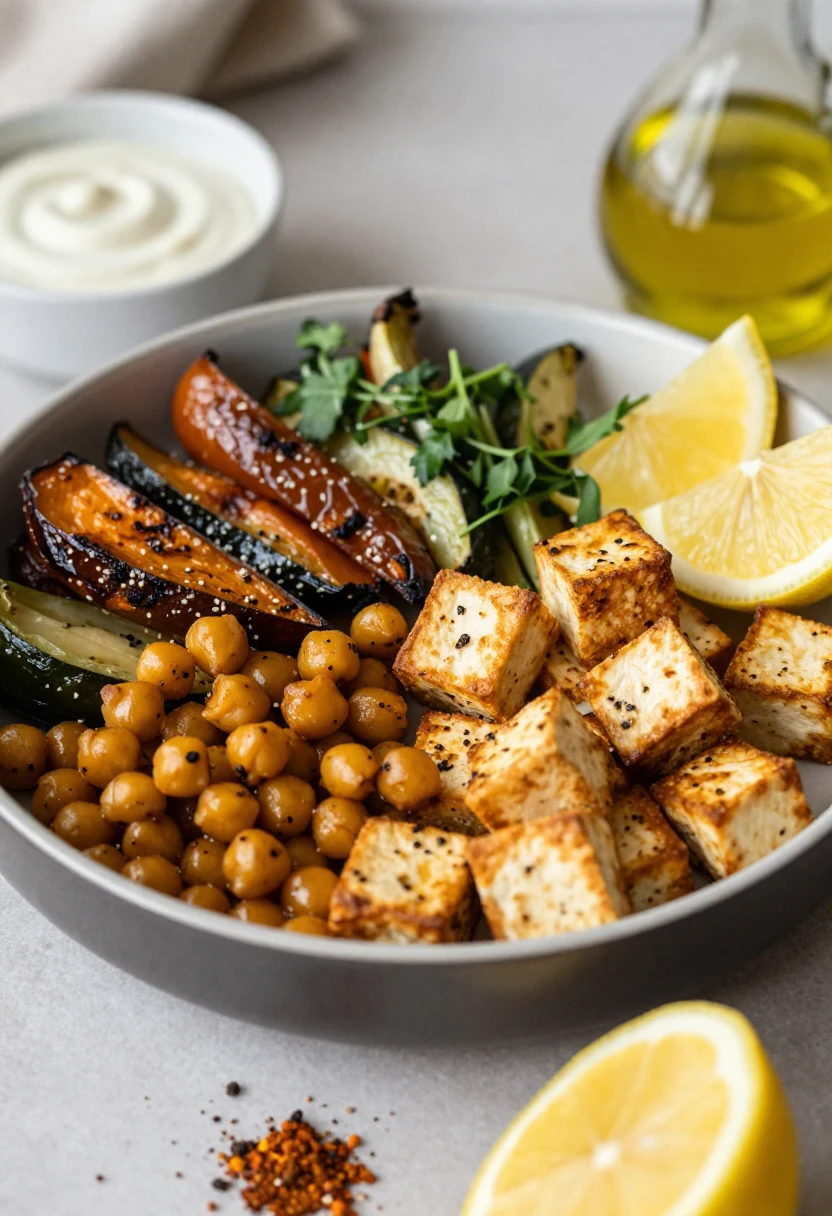
Vegetarian food does not need to be bland. Actually, some of the best vegetarian meals are built around bold flavor: garlic sizzling in olive oil, mushrooms browning in a pan, roasted peppers turning sweet at the edges, chickpeas tossed with cumin and smoked paprika.
The problem is that beginners sometimes treat vegetables too gently. A little steam, a little salt, and that is it. Then the meal tastes “healthy” in the worst way.
Vegetarian cooking usually needs confidence. More seasoning. More acid. More texture. More browning. A sauce that pulls everything together.
Use enough seasoning
Meat brings its own savory depth, especially when it is browned. When you cook without it, you often need to build that flavor in other ways.
Start with basics:
- Garlic
- Onion
- Salt and black pepper
- Smoked paprika
- Cumin
- Chili powder
- Curry powder
- Oregano
- Thyme
- Soy sauce
- Miso
- Lemon juice or vinegar
A pot of lentils with no seasoning tastes flat. A pot of lentils with onion, garlic, cumin, tomato paste, bay leaf, olive oil, salt, and lemon at the end tastes like dinner.
One small habit helps a lot: season in layers.
Add salt and spices while cooking, not only at the end. Toast spices briefly in oil. Let onions soften properly. Give tomato paste a minute in the pan before adding liquid. These little steps make vegetarian meals taste fuller without adding much work.
And always taste before serving. If the food tastes dull, it may not need more complicated ingredients. It may just need salt, lemon juice, vinegar, or a little fat.
Add texture so meals feel complete
Texture is one of the biggest reasons vegetarian meals either feel satisfying or forgettable.
A bowl of soft rice, soft beans, and soft vegetables can taste fine, but it may feel boring halfway through. Add something crispy or crunchy, and suddenly the same bowl feels better.
Try adding:
- Toasted pumpkin seeds
- Chopped nuts
- Crispy chickpeas
- Roasted vegetables
- Pickled onions
- Crumbled feta
- Toasted breadcrumbs
- Crunchy lettuce or cabbage
- Crispy tofu
- Tortilla strips
Roasting is especially useful. Roasted carrots taste sweeter than boiled carrots. Roasted cauliflower gets browned edges. Roasted chickpeas become snacky and crisp. Even mushrooms become richer when you stop moving them around and let them brown.
For tofu, texture matters even more. Pat it dry, press it if you have time, cut it into cubes, and cook it until the edges are golden. Soft, pale tofu floating in a thin sauce is the reason some people think they hate tofu. Crispy tofu with garlic, soy sauce, and a sticky glaze is a different story.
Do not skip fat
A lot of beginner vegetarian meals fail because they are too lean.
Vegetables, beans, and grains are wonderful, but without fat they can taste dry and unfinished. Fat carries flavor. It makes sauces smoother, roasted vegetables better, and salads more satisfying.
This does not mean every meal needs to be heavy. A little goes a long way.
Good vegetarian fat sources include:
- Olive oil
- Avocado
- Tahini
- Peanut butter
- Nuts and seeds
- Cheese
- Greek yogurt
- Coconut milk
- Pesto
Think about the difference between plain roasted vegetables and roasted vegetables with olive oil, salt, garlic, and a tahini-lemon drizzle. Same vegetables. Completely different meal.
Or a baked potato. Plain potato with steamed broccoli can feel like punishment. Add black beans, salsa, cheese or Greek yogurt, avocado, and green onions, and now it feels like something you would make again.
Vegetarian food becomes easier when you stop trying to make it “perfectly light” and start making it satisfying. A meal that keeps you full and tastes good will always be more useful than a meal that looks healthy but sends you back to the kitchen twenty minutes later.
Vegetarian eating on a budget
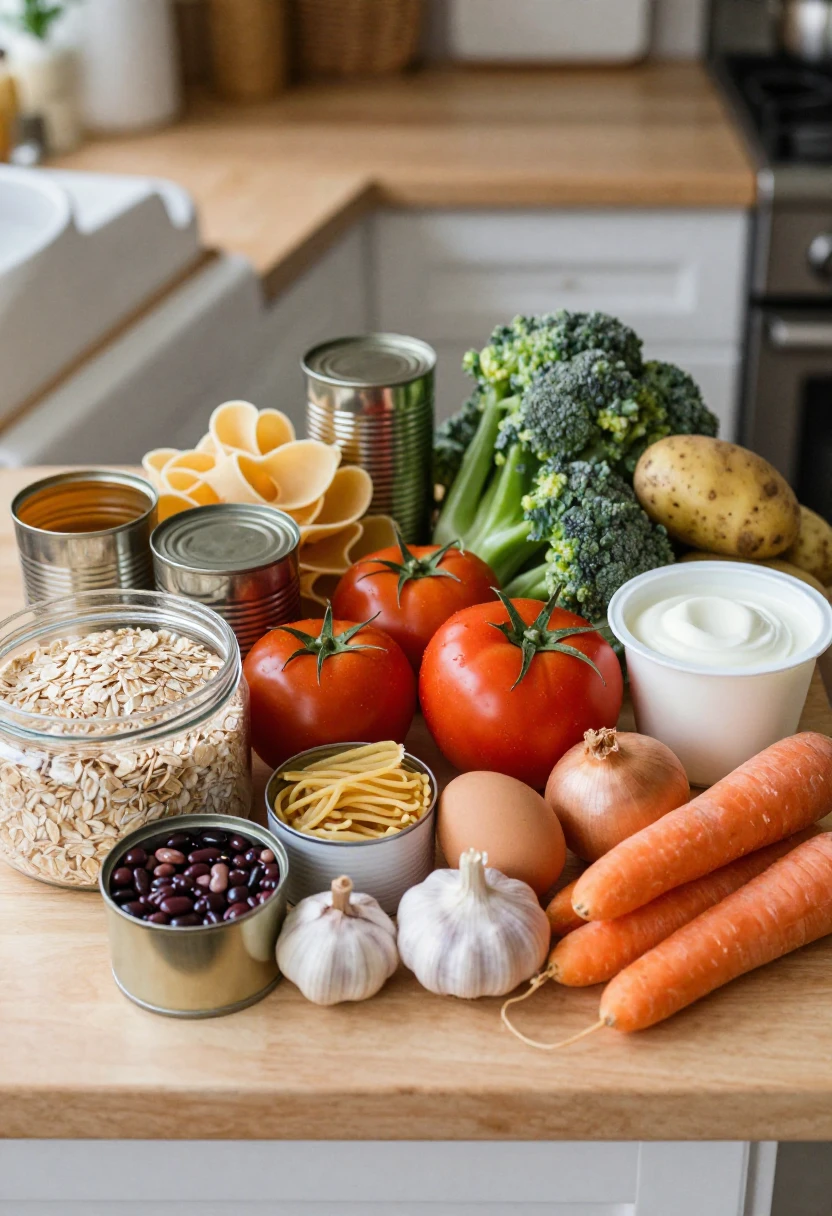
Vegetarian eating can be very budget-friendly, but only if you build it around simple foods.
If every meal depends on specialty veggie burgers, plant-based nuggets, protein bars, fancy nut cheeses, and tiny bags of organic snacks, the grocery bill will climb fast. Those foods can be useful, especially on busy nights, but they do not need to be the base of your diet.
The cheapest vegetarian meals are usually the old-school ones: beans and rice, lentil soup, baked potatoes, oatmeal, vegetable stew, pasta with chickpeas, eggs and toast, cabbage stir-fry, black bean tacos. Nothing trendy. Just food that works.
Start with cheap pantry staples
A good vegetarian pantry makes cooking easier because you always have something to build from.
Some of the best budget staples include:
- Lentils
- Canned beans
- Dried beans
- Chickpeas
- Rice
- Oats
- Pasta
- Potatoes
- Canned tomatoes
- Peanut butter
- Frozen vegetables
- Eggs, if you eat them
- Plain yogurt, if you eat dairy
Lentils are especially helpful because they cook quickly and do not need soaking. Red lentils can turn into soup or curry in less than 30 minutes. Brown or green lentils work well in bowls, salads, stews, and veggie “meat” sauces.
Canned beans cost more than dried beans, but they save time. I like having both around. Dried beans are great for batch cooking, while canned beans rescue you when dinner needs to happen now.
Frozen vegetables also deserve more love. They are often cheaper than fresh, already washed and chopped, and they do not wilt in the fridge while you pretend you are going to make a salad.
Frozen spinach can go into soup, eggs, pasta, curry, and smoothies. Frozen peas make rice, noodles, and pasta feel brighter. Frozen broccoli is not glamorous, but roast it with olive oil, salt, garlic, and chili flakes, and it gets the job done.
Cook once, use twice
Budget vegetarian cooking becomes easier when one ingredient does more than one job.
Make a pot of lentils, then use it in different ways:
- Lentil soup on Monday
- Lentil tacos on Tuesday
- Lentils over rice with yogurt sauce on Wednesday
Roast a tray of vegetables, then turn it into:
- A grain bowl
- A wrap with hummus
- A side for eggs
- A pasta add-in
- A topping for baked potatoes
Cook black beans once, then use them for burrito bowls, tacos, soup, or breakfast with eggs and salsa.
This is not the same as eating boring leftovers all week. The base can stay the same, but the sauce, toppings, and format change. Rice with beans and salsa feels different from rice with beans, roasted vegetables, and tahini sauce.
Small changes matter more than people think.
A squeeze of lime, a spoonful of yogurt, pickled onions, toasted seeds, hot sauce, or fresh herbs can make yesterday’s food feel less like yesterday’s food.
When meat alternatives are worth it
Meat alternatives can be useful, especially in the beginning.
If your family loves burger night, veggie burgers may help. If tacos always had ground meat, meatless crumbles can make the change feel less dramatic. If you are tired and need dinner in ten minutes, plant-based sausages with pasta and vegetables can be a perfectly reasonable choice.
The problem starts when every vegetarian meal depends on packaged replacements. They can be expensive, and some are more about convenience than nutrition.
I would treat them like backup tools.
Keep a box of veggie burgers or meatless crumbles if they make your life easier, but build most meals around beans, lentils, tofu, eggs, yogurt, whole grains, vegetables, nuts, and seeds.
A simple vegetarian grocery list might look like this:
- Oats, bananas, peanut butter
- Eggs or Greek yogurt
- Lentils, canned chickpeas, black beans
- Rice, pasta, potatoes, tortillas
- Frozen spinach, broccoli, peas
- Canned tomatoes and tomato paste
- Onions, garlic, carrots, cabbage
- Olive oil, soy sauce, vinegar, spices
That list can become oatmeal, lentil soup, chickpea curry, black bean tacos, fried rice, pasta with beans, baked potatoes, wraps, and quick breakfasts.
Vegetarian eating does not have to feel expensive or precious. Some of the best meals start with a can of beans, an onion, a pot of rice, and enough seasoning to make it taste like you meant it.
Should you talk to a dietitian before going vegetarian?
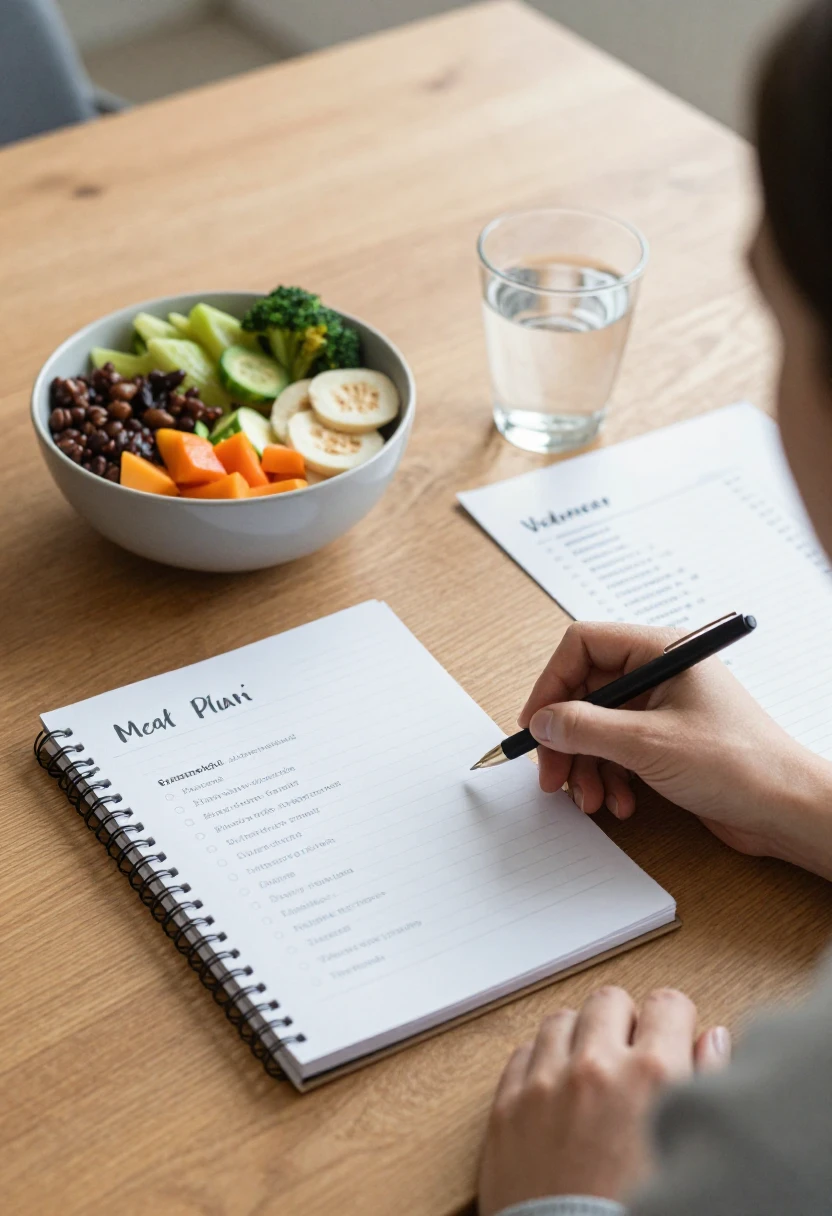
Most healthy adults can start eating more vegetarian meals without making it complicated. You do not need a professional appointment just to make black bean tacos or cook lentil soup twice a week.
But if you are planning a bigger change, especially a fully vegetarian diet, it can be helpful to get proper guidance. Not because vegetarian eating is dangerous. It is not. The point is to make sure your new way of eating gives you enough energy, protein, vitamins, minerals, and variety.
A dietitian can help you spot gaps before they turn into problems. Sometimes one small adjustment, like adding a B12 supplement or increasing iron-rich foods, makes the whole diet work better.
When professional advice is helpful
Some people should be a little more careful when changing their diet.
It is smart to talk to a doctor or registered dietitian if you are:
- Pregnant or trying to become pregnant
- Breastfeeding
- Feeding a child or teenager
- Managing diabetes, kidney disease, anemia, thyroid issues, or digestive problems
- Recovering from illness or surgery
- Training intensely or trying to build muscle
- Dealing with very low energy, dizziness, hair loss, or unexplained weight changes
- Recovering from an eating disorder or a history of restrictive eating
That last one matters. Sometimes “going vegetarian” can become a socially acceptable way to avoid more foods, especially if someone already has a difficult relationship with eating. In that case, support is not optional decoration. It is part of staying well.
A good dietitian will not just hand you a strict meal plan and send you away. They can help you build meals around foods you actually like, your budget, your schedule, and your cooking skills.
Because honestly, advice that only works in a perfect kitchen on a quiet Sunday is not very useful.
Why bloodwork can be useful
Bloodwork is not something to obsess over, but it can be helpful if you are changing your diet or feeling off.
Common things to ask about include:
- Vitamin B12
- Ferritin or iron status
- Vitamin D
- Complete blood count
- Thyroid markers, if symptoms point that way
This is especially useful if you have been vegetarian for a while and feel unusually tired, cold, weak, lightheaded, or foggy. Those symptoms can come from many things, so it is better not to guess.
I know it is tempting to self-diagnose based on a few internet searches. We have all done it. But nutrient issues can overlap with sleep problems, stress, hormone changes, medication side effects, and other health conditions.
Testing gives you a clearer starting point.
If your results look good, great. You can stop worrying and keep building balanced meals. If something is low, you can fix it with the right foods, fortified products, or supplements instead of randomly buying five bottles from the health aisle.
Vegetarian eating should feel steady. You want meals that support your body, not a diet that looks healthy from the outside while quietly leaving you depleted.
Simple tips for starting a vegetarian diet slowly
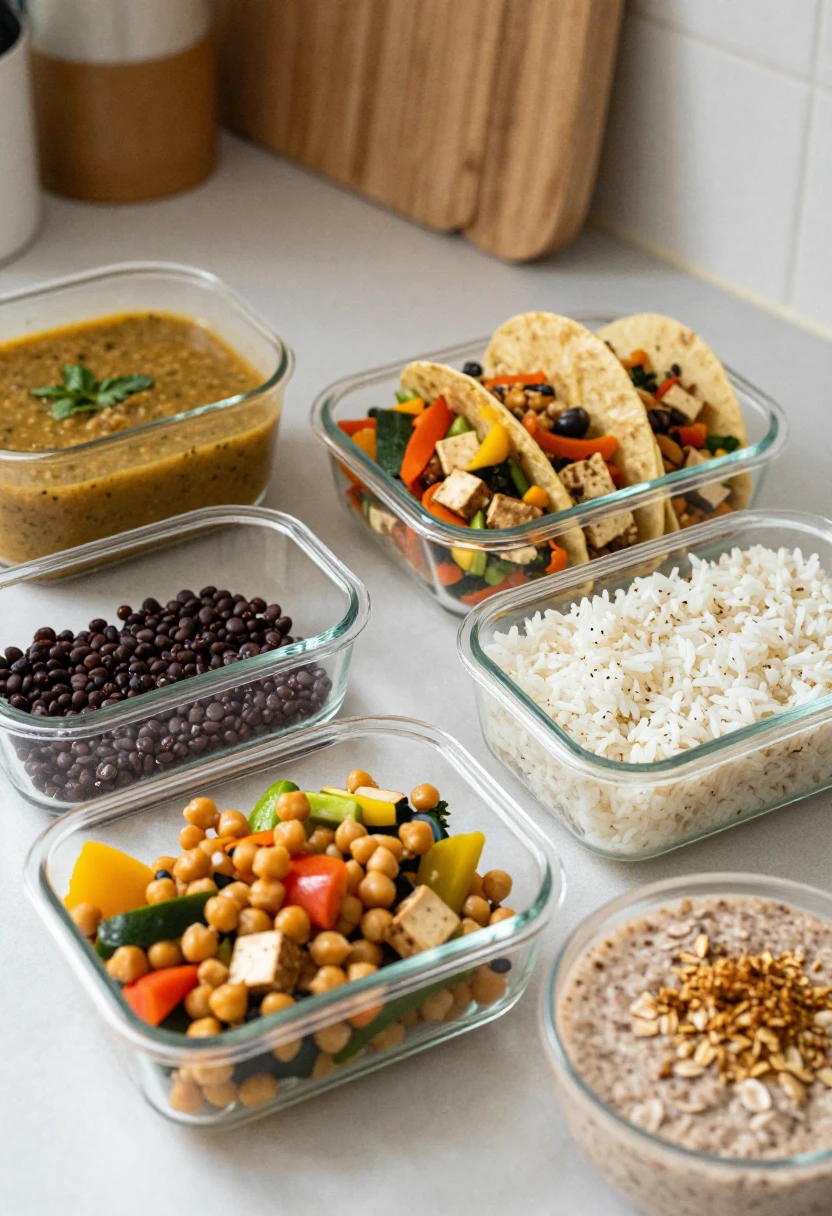
You do not have to wake up tomorrow and become the perfect vegetarian.
Actually, going too hard too fast is one of the easiest ways to burn out. You buy unfamiliar ingredients, try five new recipes, miss your usual meals, and then feel like the whole thing is too much.
A slower start is often easier. It gives you time to figure out what you like, what keeps you full, and what fits into your normal week.
Start with a few meatless meals per week
If you currently eat meat every day, start with two or three vegetarian meals per week. That is enough to practice without making your kitchen feel unfamiliar.
You might begin with:
- Oatmeal with peanut butter and berries for breakfast
- Chickpea salad sandwich for lunch
- Black bean tacos for dinner
- Lentil soup on a cold evening
- Pasta with white beans and spinach
- Tofu stir-fry with rice
Once those meals feel normal, add more.
This approach is especially helpful if you cook for other people. Family members may need time to adjust too. A familiar meal, like tacos or pasta, usually goes over better than a brand-new dish with ingredients no one can pronounce.
Keep the first steps boring in the best way. Boring can be sustainable.
Keep familiar meals, just change the protein
You do not need to reinvent every meal. Start with the foods you already know how to cook and swap the protein.
If you like tacos, use black beans, pinto beans, lentils, or meatless crumbles.
If you like pasta, add lentils, white beans, chickpeas, mushrooms, spinach, or ricotta.
If you like stir-fry, try tofu, tempeh, edamame, or eggs.
If you like sandwiches, make them with hummus, chickpea salad, egg salad, cheese, grilled vegetables, or avocado.
If you like baked potatoes, top them with beans, cottage cheese, Greek yogurt, salsa, broccoli, or cheese.
This makes vegetarian eating feel less like a separate diet and more like a small adjustment to meals you already understand.
A beginner-friendly vegetarian week might look like this:
- Monday: bean chili with rice
- Tuesday: eggs on toast with salad
- Wednesday: chickpea curry with rice
- Thursday: pasta with lentils and tomato sauce
- Friday: veggie burgers with roasted potatoes
- Saturday: black bean tacos
- Sunday: lentil soup with bread
Nothing there is complicated. That is the point.
Build a short list of repeat meals
The easiest vegetarian routine comes from repetition.
You do not need thirty recipes. You need five to seven meals you can make without opening twelve tabs and measuring every spice perfectly.
A good repeat list might include:
- One breakfast you like
- One quick lunch
- One soup
- One pasta
- One rice or grain bowl
- One taco or wrap meal
- One comfort dinner for tired nights
For example:
Greek yogurt bowl. Chickpea salad sandwich. Lentil soup. Pasta with white beans. Rice bowl with tofu. Black bean tacos. Baked potato with beans and cheese.
That is already a strong foundation.
Once you have your basics, vegetarian eating gets much calmer. You know what to buy. You know what to cook when you are tired. You stop relying on willpower because your kitchen already has the foods you need.
And that is where the habit starts to stick. Not from being perfect. From making the next meal easier.
Conclusion
Starting a vegetarian diet does not have to feel like a dramatic food makeover. Most of the time, it starts with one better lunch, one reliable dinner, one pantry shelf that makes meat-free meals easier.
The main thing is to build meals that actually satisfy you. Add protein. Use enough seasoning. Do not be afraid of olive oil, yogurt sauce, avocado, nuts, cheese, or tahini if they help the meal feel complete. Keep lentils, beans, eggs, tofu, rice, pasta, vegetables, and a few good sauces around, and you already have more options than you think.
A vegetarian diet for beginners works best when it feels realistic. You do not need to cook from scratch every night or love every vegetable on earth. You just need a small group of meals that fit your life and keep you feeling good.
Start there. The rest gets easier with practice.
FAQ
Is a vegetarian diet healthy?
Yes, a vegetarian diet can be very healthy when it includes enough protein, calories, healthy fats, fruits, vegetables, whole grains, and key nutrients like vitamin B12, iron, calcium, zinc, omega-3 fats, and vitamin D.
The label alone is not enough, though. A vegetarian diet built mostly around fries, sweets, and white bread will not feel the same as one built around lentils, beans, eggs, yogurt, tofu, vegetables, nuts, seeds, and whole grains.
Can vegetarians get enough protein?
Yes, vegetarians can get enough protein from foods like beans, lentils, chickpeas, tofu, tempeh, edamame, eggs, Greek yogurt, cottage cheese, milk, nuts, seeds, quinoa, and whole grains.
The easiest way is to include a protein source at each main meal. For example, add Greek yogurt to breakfast, chickpeas to lunch, and lentils or tofu to dinner.
What should new vegetarians eat every day?
A good daily pattern includes a few protein-rich foods, several servings of fruits and vegetables, whole grains or starchy foods, and healthy fats.
A simple day might include oatmeal with peanut butter and berries, a chickpea salad sandwich for lunch, yogurt or fruit with nuts as a snack, and bean chili with rice for dinner. It does not have to be fancy. It just needs to be balanced enough to keep you full and energized.
Do vegetarians need supplements?
Some vegetarians may need supplements, especially for vitamin B12, vitamin D, iron, or omega-3 fats. It depends on what you eat, your health, your bloodwork, and whether you include eggs or dairy.
Vitamin B12 deserves the most attention because it is mostly found in animal-based foods and fortified products. If you are unsure, ask your doctor or dietitian about bloodwork instead of guessing.