Chocolate has a funny way of making people suspicious of their own pleasure. You eat a square after dinner, it melts slowly, it tastes deep and a little bitter, and then some small voice asks, “Was that healthy… or did I just tell myself it was?”
So, is dark chocolate good for you? The honest answer is: it can be, especially when you choose a bar with more cocoa and less sugar. But it is not magic. It is still chocolate. Still rich, still calorie-dense, still easy to overeat if you keep breaking off “just one more piece” while standing in the kitchen.
The good part is that dark chocolate has something milk chocolate usually does not offer in the same way: more cocoa solids. That cocoa brings flavanols, plant compounds that researchers have studied for heart health, blood flow, and antioxidant activity. It also brings that grown-up chocolate flavor: slightly bitter, smooth, sometimes fruity, sometimes almost coffee-like.
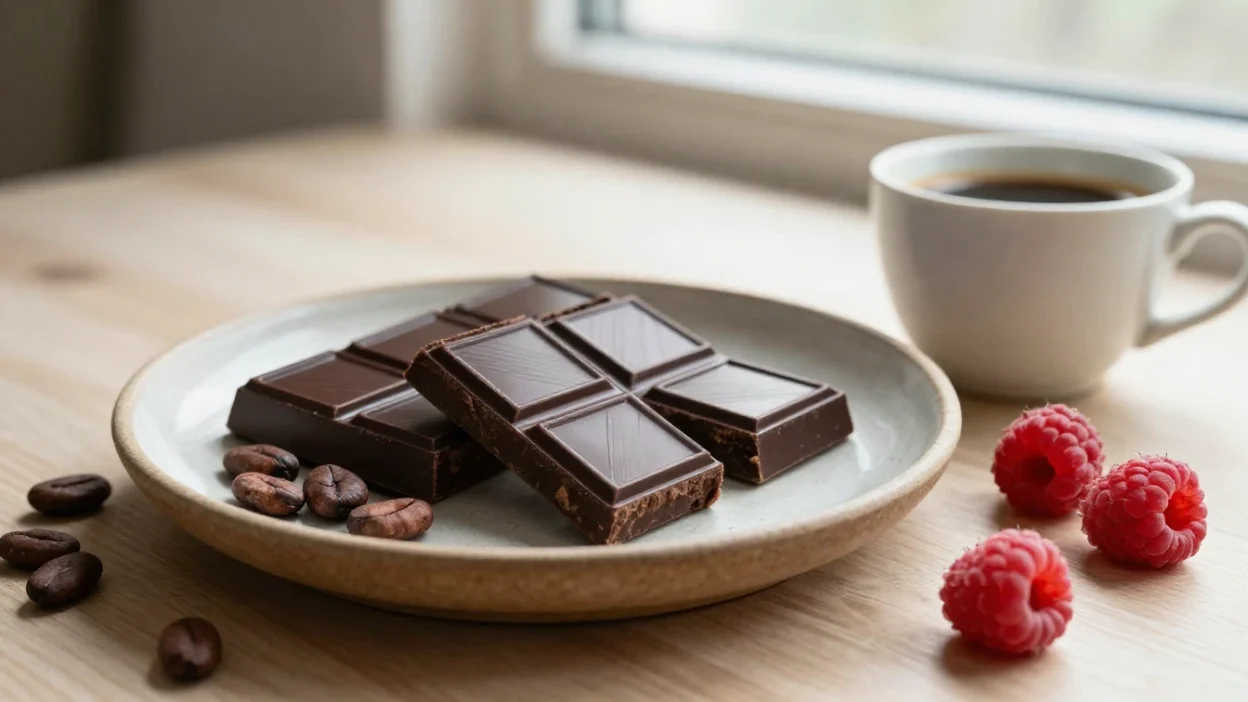
And maybe that is why dark chocolate works so well as a small treat. It asks you to slow down. You do not need a huge amount to feel satisfied. A square or two with coffee, a few shavings over oatmeal, or a piece with berries can feel more intentional than grabbing a handful of candy without tasting it.
This article is not here to turn chocolate into a wellness miracle. It is here to help you understand what dark chocolate can realistically offer, where the limits are, how much is enough, and how to enjoy it without guilt or overthinking.
Because healthy eating should have room for food that simply makes you happy. Dark chocolate can be one of those foods, as long as you treat it like a pleasure with benefits, not a free pass.
Why dark chocolate is different from milk chocolate
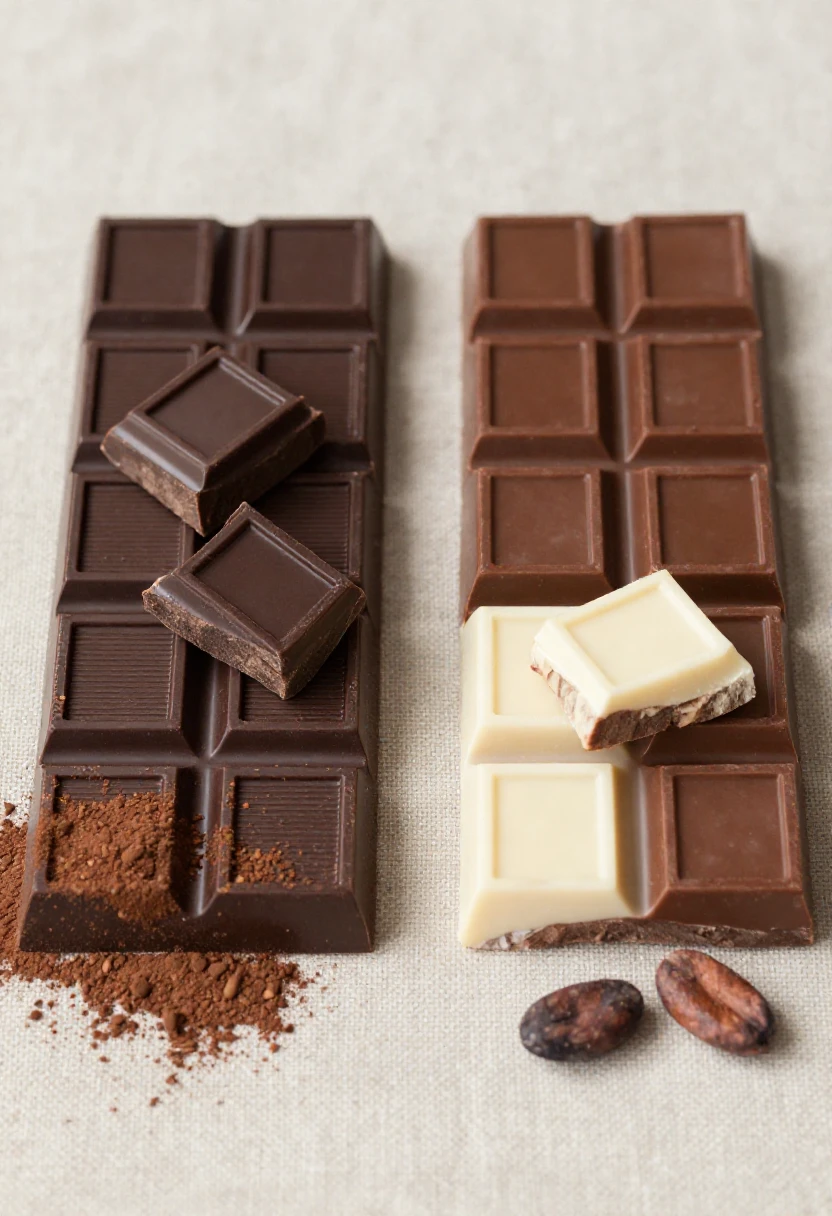
Dark chocolate and milk chocolate may sit on the same candy shelf, but they are not built the same way.
The difference starts with cocoa solids. Dark chocolate usually contains more cocoa, while milk chocolate often contains more sugar, milk powder, and added fat. That matters because most of the health conversation around chocolate comes from cocoa compounds, especially cocoa flavanols. The FDA allows only a very cautious qualified claim for high-flavanol cocoa powder and heart health, noting that the scientific evidence is “very limited.” (U.S. Food and Drug Administration)
That is the part people often miss. The possible benefits are not coming from “chocolate” as a general category. They are mostly connected to cocoa.
Cocoa content matters
A darker bar usually has a higher percentage printed on the wrapper: 60%, 70%, 85%, sometimes even higher. That number tells you roughly how much of the bar comes from cocoa solids and cocoa butter.
For everyday eating, 70% dark chocolate is a good middle ground for many people. It still tastes like a treat, but it usually has less sugar than milk chocolate and more of the cocoa compounds people are looking for. Harvard’s Nutrition Source also points readers toward darker chocolate because higher cocoa content generally means more flavanols. (The Nutrition Source)
That said, darker does not automatically mean better for everyone. An 85% bar can taste dry and bitter if you are used to milk chocolate. I would rather see someone enjoy one square of 70% chocolate slowly than force down a bar they dislike because it sounds healthier.
Food should not feel like punishment.
Why milk chocolate does not work the same way
Milk chocolate is sweeter, creamier, and easier to eat quickly. That is part of its charm. But from a health point of view, it usually gives you less cocoa and more sugar.
This does not mean milk chocolate is “bad.” It just means it is more of a dessert candy than a cocoa-rich food. If you are eating chocolate for flavor and possible cocoa benefits, dark chocolate gives you more of what you are looking for in a smaller amount.
Think of the difference like coffee drinks. Black coffee and a sweet mocha both start with coffee, but they do not land the same way nutritionally. Same idea here.
Why darker chocolate feels more satisfying
Good dark chocolate has a slower flavor. First it tastes bitter, then a little fruity, then warm and almost nutty. You notice it more because it does not disappear under a blanket of sugar.
That slower flavor can help with portion control. A small square after dinner can feel complete. Not huge. Not dramatic. Just enough.
And honestly, that is one of the best things about dark chocolate. It gives you a way to enjoy something rich without needing a giant serving.
The main health benefits of dark chocolate
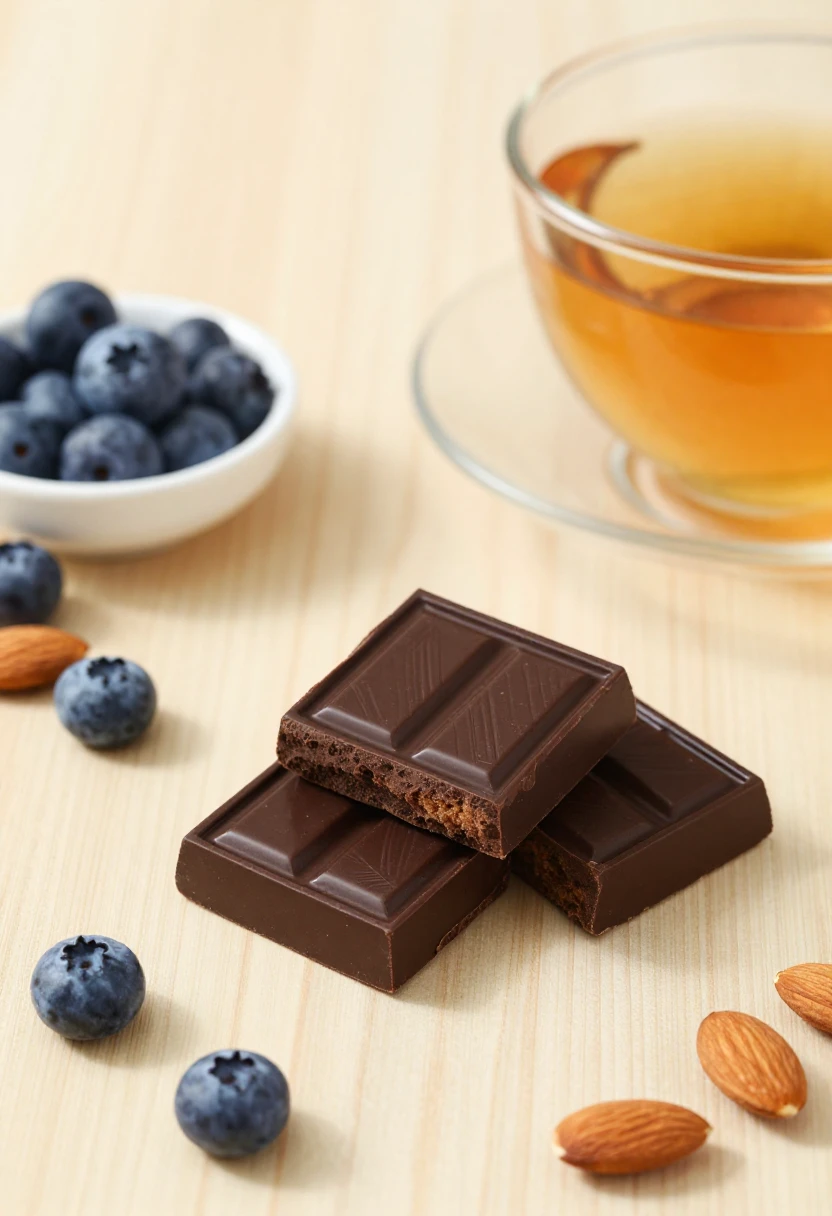
The health benefits of dark chocolate mostly come from cocoa, not from the sweet part of the bar. That sounds obvious, but it is worth keeping in mind when you are choosing chocolate at the store.
A dark bar with a higher cocoa percentage gives you more of the bitter, earthy cocoa flavor. It may also give you more cocoa flavanols, the plant compounds researchers usually talk about when they study chocolate and health. Harvard’s Nutrition Source recommends choosing 70% dark chocolate or higher if your goal is to get more flavanols from chocolate. (The Nutrition Source)
Cocoa flavanols and antioxidants
Cocoa flavanols are natural compounds found in cocoa beans. They are part of a larger group of plant compounds often discussed for their antioxidant activity.
That does not mean one square of chocolate cancels out a stressful week, a low-vegetable diet, or poor sleep. I wish it worked that way. But cocoa does contain compounds that have been studied for how they may support blood vessels, blood flow, and cell protection.
This is one reason dark chocolate feels different from regular candy. You are not just eating sugar with chocolate flavor. In a good dark chocolate bar, you are tasting cocoa itself: slightly bitter, roasted, sometimes fruity, sometimes almost smoky.
That bitterness is actually a clue. It often means the cocoa is doing more of the talking.
Possible heart health support
The strongest health conversation around dark chocolate usually centers on the heart. More specifically, researchers have looked at cocoa flavanols and how they may affect blood vessels and blood pressure.
The FDA allows a qualified health claim for high-flavanol cocoa powder and reduced risk of cardiovascular disease, but the wording is very careful. The agency says the evidence is very limited, so this is not the same as saying dark chocolate prevents heart disease. (U.S. Food and Drug Administration)
A Cochrane review also found that flavanol-rich chocolate and cocoa products may have a small blood-pressure-lowering effect, mainly in short-term studies. Small is the key word here. This is not a replacement for medication, exercise, sleep, or the kind of meals your doctor keeps gently reminding you to eat. (PubMed)
Still, it is a nice bonus. A small piece of dark chocolate after dinner may be more than just a treat, especially when the rest of your eating habits are already decent.
Mood and comfort
Chocolate also has a softer benefit that is harder to measure: it feels good.
The snap of a square. The way it melts slowly. The deep cocoa taste with coffee or tea. There is something calming about a small, intentional piece of chocolate, especially when you actually sit down for it instead of eating it while scrolling on your phone.
Dark chocolate contains compounds like theobromine and small amounts of caffeine, which may add to that gentle lift. But I think part of the mood effect is simpler than chemistry. You are giving yourself a small moment of pleasure, and you are not treating it like a mistake.
That matters.
A healthy diet that has no room for enjoyment usually does not last very long. A square of dark chocolate can help a meal feel finished. It can make fruit more exciting. It can stop that “I need something sweet” feeling before it turns into a cupboard search.
A small note on inflammation
Cocoa has also been studied for inflammation-related effects, but this is another area where it is better not to get carried away. Some cocoa compounds may influence inflammation markers, but chocolate is not an anti-inflammatory cure.
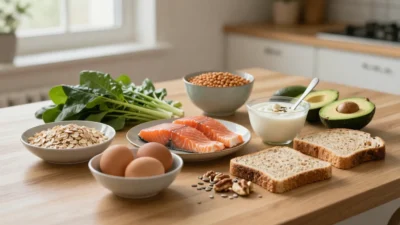
A better way to think about it is this: dark chocolate can fit into an overall anti-inflammatory style of eating when the rest of the plate makes sense. Think berries, nuts, oats, yogurt, olive oil, vegetables, beans, fish, and whole grains.
Add a little dark chocolate to that kind of routine, and it belongs. Use chocolate as the main “health food” while the rest of the day is low in nutrients, and the story changes fast.
The benefit is in the pattern, not the square alone.
Can dark chocolate help with headaches or migraines?

This is where the chocolate conversation gets tricky.
Some people hear that cocoa may affect inflammation and immediately jump to, “So chocolate helps migraines?” Others have been told the opposite for years: “Avoid chocolate, it causes headaches.”
The truth is less tidy. Chocolate has been reported as a migraine trigger by some people, but research does not clearly prove that chocolate causes migraines for most migraine sufferers. A 2020 review found insufficient evidence that chocolate is a migraine trigger overall, and the American Migraine Foundation notes that food triggers are often individual and hard to confirm in studies. (PMC)
Why chocolate gets blamed
Chocolate cravings can sometimes happen before a migraine attack. That early phase is called the prodrome, and it can bring symptoms like food cravings, mood shifts, fatigue, or sensitivity to light.
So the timing can be confusing. You crave chocolate, eat it, and then a migraine starts. It feels like the chocolate caused it. But in some cases, the craving may have been an early warning sign that the migraine was already coming. The American Migraine Foundation explains this as one reason triggers can be hard to identify. (American Migraine Foundation)
That does not mean chocolate is innocent for everyone. Bodies are annoying like that. For one person, dark chocolate is fine. For another, especially someone sensitive to caffeine or certain food compounds, it may be a problem.
How to test it without guessing
If you suspect dark chocolate affects your headaches, do not rely on one bad evening after a stressful day. Track it for a few weeks.
Write down:
- what kind of chocolate you ate
- how much you had
- what time you ate it
- whether you skipped meals
- your sleep, stress, alcohol, and caffeine that day
- when the headache started
That last part matters. A headache after chocolate is not always a headache because of chocolate.
If the pattern repeats clearly, it may be worth cutting back or avoiding it. If there is no pattern, you may not need to ban it from your life.
Dark chocolate is not a migraine treatment
Even if cocoa has interesting compounds, dark chocolate should not be treated like a headache remedy. It is food. A delicious one, but still food.
For frequent, severe, or changing headaches, it is better to talk with a healthcare professional instead of trying to solve it with diet alone. But for everyday enjoyment, most people do not need to fear a small square of dark chocolate unless they personally notice a problem.
How much dark chocolate is enough?
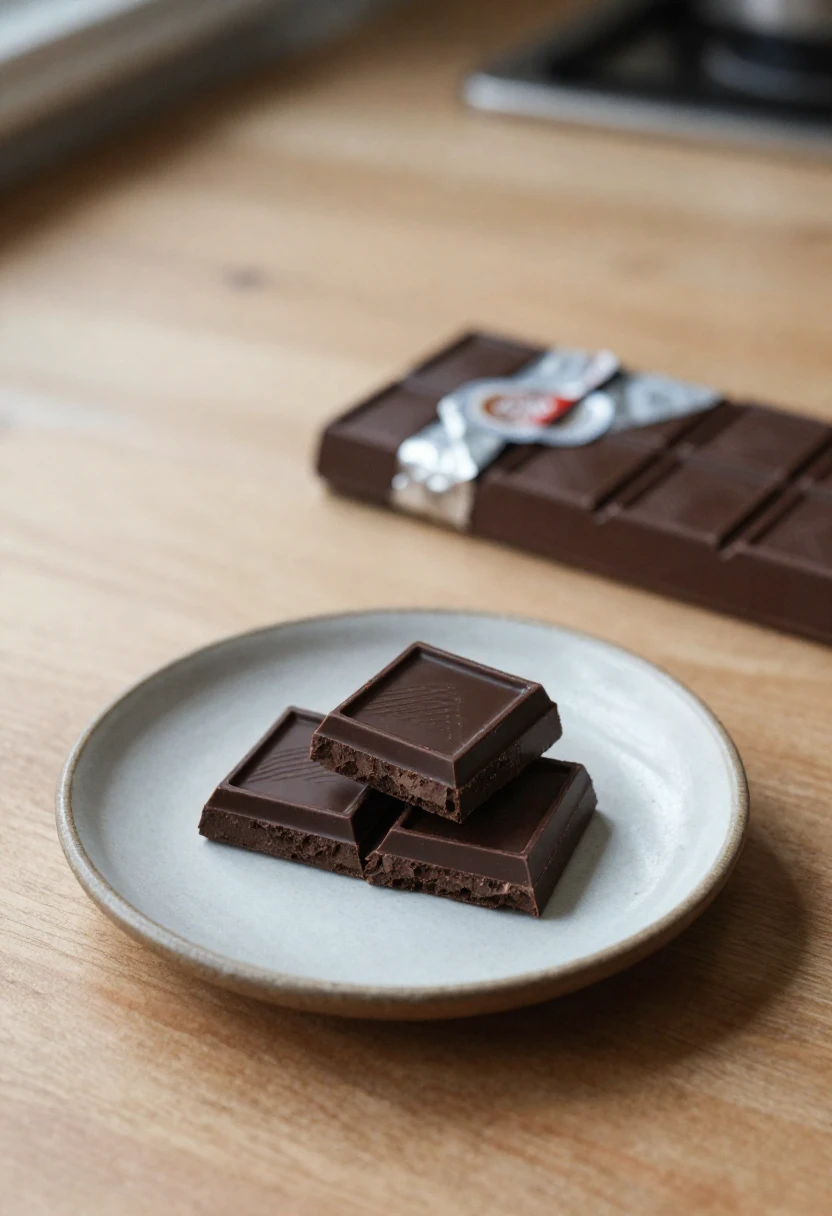
Dark chocolate works best as a small pleasure, not a food you keep “adding for health.”
That is where people get into trouble. A bar says 70% cocoa, the article says cocoa has flavanols, and suddenly half the bar disappears because it feels like a smart choice. I have done this with almond dark chocolate, especially the kind with sea salt. It starts as one square. Then somehow the wrapper is folded in half and I am pretending not to notice.
A better approach is boring but useful: treat dark chocolate like a rich dessert with a few possible benefits.
A realistic serving size
For most people, a reasonable serving is about 1–2 small squares, or roughly 20–30 grams, depending on the size of the bar.
That is usually enough to get the taste, the texture, and the little “dessert moment” without turning it into a full snack you did not really plan. Some bars list a serving as 30–40 grams, but you do not have to follow the package if a smaller amount satisfies you.
Try this once: break off two squares, put the rest of the bar away, and eat the chocolate sitting down. Not while checking email. Not while standing at the counter. It sounds fussy, but it changes the whole experience.
You taste more. You need less.
Why more is not always better
Dark chocolate still contains calories, fat, and sometimes a surprising amount of sugar. Even high-cocoa bars can add up quickly.
That does not make dark chocolate bad. It just means the “healthy chocolate” label has limits.
Cocoa flavanols are interesting, and high-flavanol cocoa products have been studied for blood pressure and heart health. But the FDA’s qualified claim applies to high-flavanol cocoa powder, not regular chocolate bars, and the agency describes the evidence as very limited. (U.S. Food and Drug Administration)
There is also the simple issue of portion creep. A few squares can fit easily into a balanced day. A whole bar every night is a different habit.
The best time to enjoy it
Dark chocolate feels more satisfying when it has a place in your day.
A few good times:
- after lunch with coffee
- after dinner with herbal tea
- with berries or orange slices
- chopped over plain Greek yogurt
- melted lightly over nuts or banana
I like it best after dinner, when the kitchen is mostly clean and I want something sweet but not a whole dessert. One or two squares can close the meal in a way that feels calm.
And if you know chocolate keeps you awake, move it earlier. Dark chocolate has theobromine and a small amount of caffeine, so sensitive people may notice it more at night.
How to know your personal limit
The right amount is the amount that still feels intentional.
You are probably in a good place if:
- you enjoy the chocolate slowly
- you stop without feeling annoyed
- it does not replace more filling foods
- it does not trigger cravings for more sweets
- it does not bother your sleep, reflux, or headaches
You may need a smaller portion, or a less frequent habit, if chocolate tends to turn into automatic snacking for you.
That is not a character flaw. Some foods are easier to pause than others. Dark chocolate is delicious, and the line between “nice treat” and “where did the bar go?” can be thin.
How to choose better dark chocolate
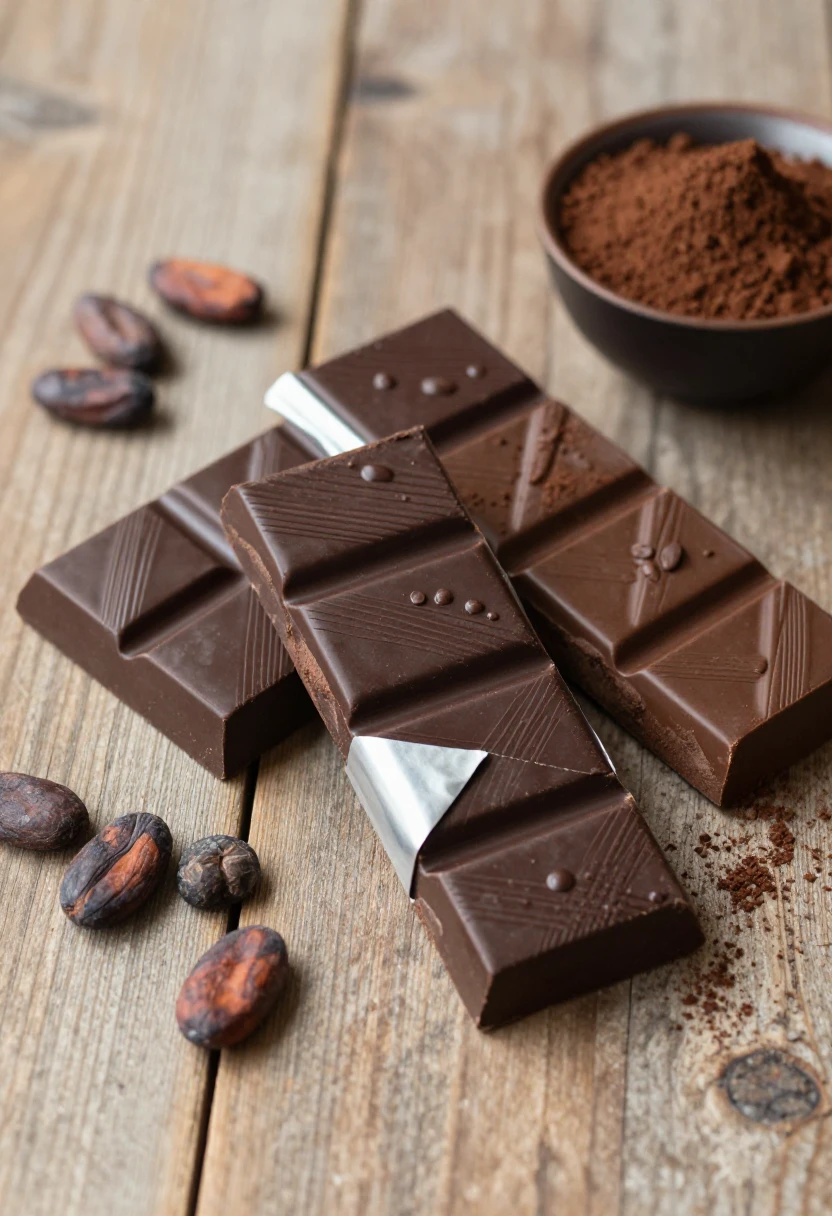
Choosing dark chocolate can get weirdly complicated if you let every label talk at once.
Single-origin. Bean-to-bar. Organic. Fair trade. Keto. No sugar added. Extra dark. Stone ground. Suddenly you are standing in the chocolate aisle like you are buying a bottle of wine for someone who knows too much.
You do not need to overthink it. Start with the basics: cocoa percentage, sugar, ingredient list, and taste.
Start around 70% cocoa
If you are new to dark chocolate, 70% cocoa is a good place to begin.
It usually has enough cocoa flavor to feel rich, but it is not as bitter as an 85% or 90% bar. You still get that deep chocolate taste, but it does not feel like chewing roasted coffee beans.
If 70% tastes too bitter at first, try it with something naturally sweet:
- strawberries
- banana slices
- dates
- orange wedges
- dried cherries
- a spoonful of plain yogurt with berries
Your taste buds adjust. Milk chocolate trains you to expect a lot of sweetness, so darker chocolate may feel intense at first. Give it a few tries before deciding you hate it.
Check the sugar
The cocoa percentage tells you part of the story, but the sugar line matters too.
A dark chocolate bar can still be very sweet, especially if it is filled, flavored, or marketed like a dessert. Look at the nutrition label and compare a few bars side by side. You will notice the difference fast.
A simple bar with cocoa mass, cocoa butter, sugar, and maybe vanilla or lecithin is usually enough. You do not need a long ingredient list for good chocolate.
And be careful with “no sugar added” chocolate if sugar alcohols bother your stomach. Some people do fine with them. Others learn the hard way.
Choose flavor you actually enjoy
The healthiest dark chocolate is not the one you force yourself to eat with a sad little face.
Taste matters. If plain dark chocolate feels too sharp, choose a version that makes it easier to enjoy in a smaller amount.
Good options include:
- dark chocolate with almonds
- dark chocolate with sea salt
- orange dark chocolate
- espresso dark chocolate
- dark chocolate with hazelnuts
- dark chocolate with freeze-dried raspberries
Just watch the extras. Caramel, cookie pieces, creamy fillings, and candy coatings can turn a dark chocolate bar into regular candy with a darker wrapper.
Not forbidden. Just different.
Pay attention to texture
Good dark chocolate should snap when you break it. It should melt smoothly, not feel waxy or grainy.
That smooth melt is part of why a small serving can be satisfying. You are not just eating for sweetness. You are getting aroma, bitterness, texture, and that slow cocoa finish.
If a bar tastes flat or dusty, try another brand. Dark chocolate varies a lot. Some bars taste fruity and bright. Some taste nutty. Some taste bitter in a way that makes you regret your decisions.
That is normal. You may need to test a few before finding your kind.
Do not buy chocolate only because the label sounds healthy
A chocolate bar is still a chocolate bar, even if the package looks like it belongs in a yoga studio.
Words like “natural,” “clean,” “superfood,” or “guilt-free” do not tell you much. The ingredient list tells you more. So does how you feel after eating it.
Choose a bar that tastes good, has a cocoa percentage you like, and does not make you want to eat the whole thing in one sitting.
That is enough.
Easy ways to enjoy dark chocolate in a healthier way
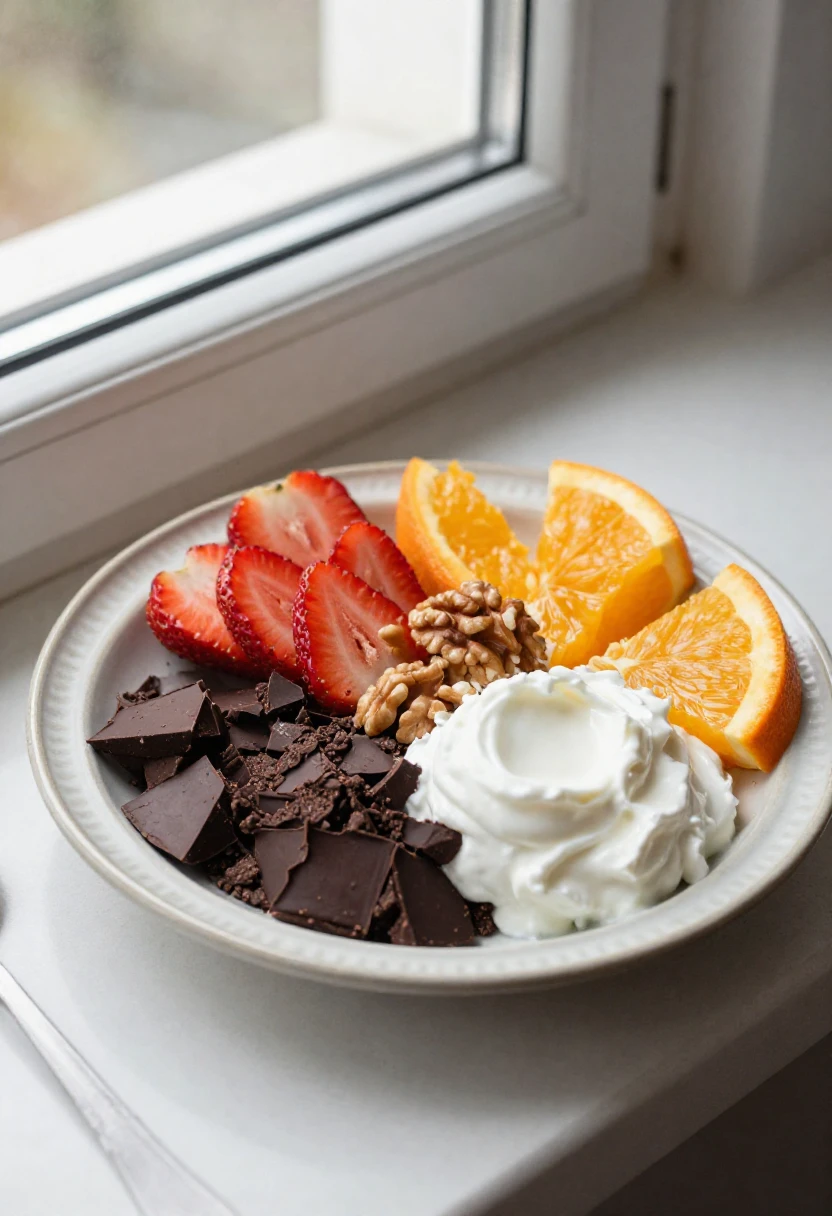
Dark chocolate is easiest to keep balanced when you pair it with foods that bring something extra: fruit, nuts, yogurt, oats, or a warm drink. Then it becomes part of a snack or dessert instead of the whole event.
That matters because the benefits people associate with dark chocolate are mostly tied to cocoa flavanols, while regular chocolate bars can still bring sugar and saturated fat. Harvard’s Nutrition Source suggests choosing 70% dark chocolate or higher for more flavanols, but the portion still matters. (The Nutrition Source)
Pair it with fruit
Fruit and dark chocolate are probably the easiest match.
The fruit brings sweetness and juiciness. The chocolate brings bitterness and richness. Together, they taste more like dessert than either one does alone.
Try:
- strawberries with one or two melted squares
- orange slices with a small piece of dark chocolate
- raspberries and chopped dark chocolate over yogurt
- banana slices with a drizzle of melted chocolate
- pear slices with dark chocolate and walnuts
This is especially useful if you are trying to move away from very sweet desserts. You still get the chocolate flavor, but the fruit does some of the heavy lifting.
Add a little to breakfast
Dark chocolate at breakfast sounds indulgent, but a small amount can work beautifully.
A few shavings over oatmeal can make a plain bowl feel cozy. Chopped dark chocolate over Greek yogurt with berries gives you a dessert-like breakfast without needing much sugar. Even chia pudding tastes better with a little dark chocolate on top.
The key word is little.
You are not turning breakfast into a candy bowl. You are using chocolate the way you might use cinnamon, nuts, or coconut flakes: as a finishing touch.
Make simple homemade snacks
Dark chocolate works well in snacks because you do not need much of it.
You can melt a few squares and drizzle it over almonds, walnuts, or pumpkin seeds. Let it set, break it into little clusters, and keep them in the fridge. They taste like something you bought from a fancy health-food store, except you control how sweet they are.
Other easy ideas:
- trail mix with nuts, dried cherries, and chopped dark chocolate
- dates stuffed with nut butter and dipped halfway in dark chocolate
- homemade oat bites with cocoa, peanut butter, and a few chocolate chips
- dark chocolate-dipped almonds with a pinch of flaky salt
These snacks still need portions. Nuts and chocolate are both calorie-dense. But they are satisfying, and that helps.
Make dessert feel intentional
This is the part that sounds almost too simple, but it changes everything: put the chocolate on a plate.
Not the whole bar. Not the wrapper. Just the piece you plan to eat.
Make tea. Sit down. Let the chocolate melt instead of chewing it fast. Notice the bitterness, the sweetness, the texture. This is not about being precious. It is about actually enjoying the thing you chose to eat.
A small piece of dark chocolate can feel like enough when you stop treating it like a stolen snack.
And if you want a proper dessert some nights, have the dessert. Dark chocolate does not need to replace cake, cookies, or brownies forever. It is just a nice everyday option when you want something sweet but not too heavy.
Who should be more careful with dark chocolate?
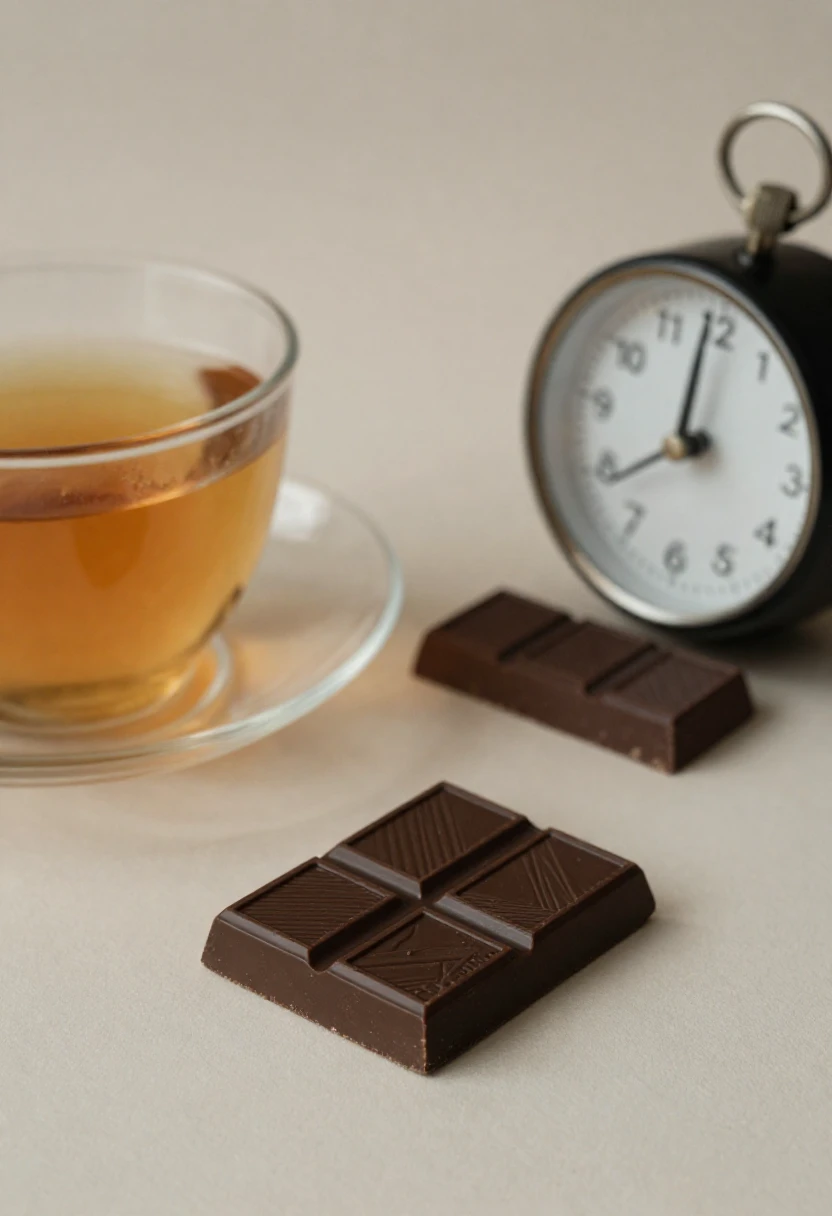
Dark chocolate fits easily into many eating patterns, but it is not perfect for everyone. Most people can enjoy a small amount without a problem. Some people just need to pay closer attention.
This is not about fear. It is about knowing your body instead of letting a “healthy chocolate” headline make the decision for you.
People sensitive to caffeine
Dark chocolate contains caffeine and theobromine, so it can feel a little stimulating for some people. The amount depends on the cocoa percentage and serving size. Harvard’s Nutrition Source notes that two ounces of 70% dark chocolate may contain about 50–60 mg of caffeine, while an 8-ounce cup of coffee has about 100–200 mg. (The Nutrition Source)
That may not sound like much if you drink espresso without blinking. But if caffeine makes you jittery, anxious, or wide awake at midnight, dark chocolate after dinner might not be your best move.
Try it earlier in the day instead. A square with lunch or afternoon coffee may feel better than eating it right before bed.
People with reflux
Chocolate can be a problem for some people with acid reflux. Not everyone reacts the same way, but richer foods, caffeine-containing foods, and late-night sweets can all make reflux more noticeable.
If chocolate gives you that warm, uncomfortable burn after eating, test a smaller portion. Also try having it earlier, not right before lying down.
And if it still bothers you, listen to that. No food needs to be forced into your routine just because it has a few interesting compounds.
People with migraines
Chocolate is often listed as a possible migraine trigger, but the evidence is not as simple as people make it sound. The American Migraine Foundation explains that many foods reported as triggers, including chocolate, are based mostly on self-reporting and are not always confirmed in high-quality studies. (American Migraine Foundation)
Still, your personal pattern matters more than the average result. If you notice headaches after dark chocolate again and again, track it. Look at timing, sleep, stress, skipped meals, alcohol, caffeine, and hormones too. Migraine triggers rarely live alone.
People watching sugar or calories
Dark chocolate can be lower in sugar than milk chocolate, especially at 70% cocoa or higher, but it is still calorie-dense. Bars with nuts, caramel, dried fruit, or creamy fillings can add up even faster.
This does not mean you need to avoid it. Just measure with your eyes before you start eating. Break off the amount you want, then put the bar away.
That one small habit helps more than any “guilt-free” label on the package.
Children and pets
Children can enjoy chocolate in small amounts, but they do not need large servings of dark chocolate. The stronger taste and caffeine content make portion size more important.
Pets are a different story. Do not give dark chocolate to dogs or cats. Chocolate contains theobromine, and the darker the chocolate, the more dangerous it can be for dogs because it contains more theobromine. The ASPCA warns that chocolate can cause symptoms such as agitation, increased heart rate, tremors, and seizures in dogs. (ASPCA)
Keep dark chocolate bars, baking chocolate, cocoa powder, and chocolate desserts out of reach. Pets are talented little thieves when food is involved.
The guilt-free way to think about chocolate
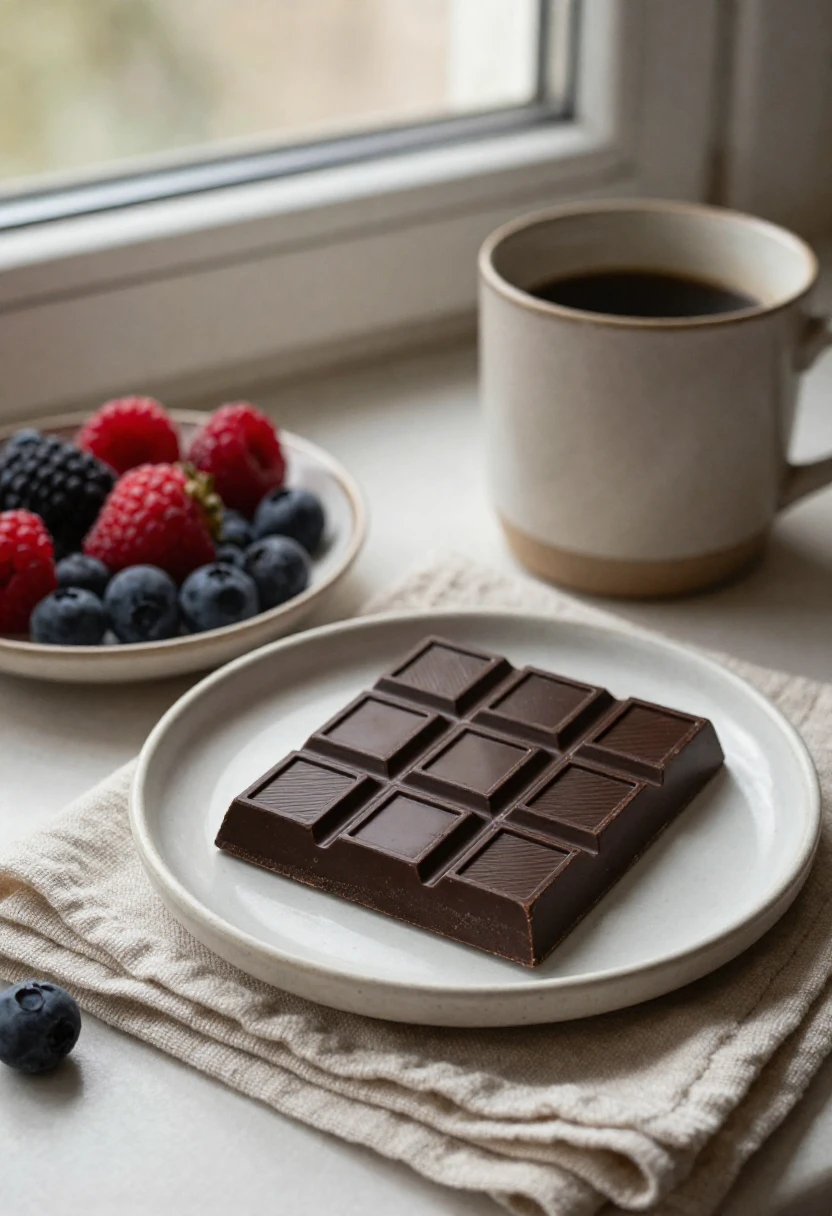
Chocolate is one of those foods people turn into a moral test.
You were “good” if you skipped it. You were “bad” if you ate it. Then you promise to avoid it tomorrow, which usually makes it more tempting by 9 p.m.
That whole cycle is exhausting. And honestly, it does not make chocolate healthier or less healthy. It just makes eating feel tense.
Dark chocolate works better when you stop treating it like a secret.
Food does not need to be perfect to fit your life
A food can be rich and still have a place in your day.
That is true for cheese, olive oil, nuts, avocado, and yes, dark chocolate. These foods have benefits, but they are also dense. You enjoy them in amounts that make sense.
The same idea applies here. You do not need to turn dark chocolate into a “superfood” to justify eating it. You also do not need to act like one square ruined your healthy routine.
One square is not a collapse. It is one square.
Enjoyment helps healthy eating feel realistic
People often try to eat healthier by removing every food they like. It sounds disciplined for a few days. Then it starts to feel like punishment.
A better routine leaves room for small pleasures.
Maybe that means a square of dark chocolate after dinner. Maybe it means chocolate with strawberries on the weekend. Maybe it means chopping a little into your oatmeal because plain oats make you sad, and life is too short for sad oats.
When you enjoy food on purpose, you are less likely to chase it later.
Slow down before you reach for more
Dark chocolate has a strong flavor, so let it do its job.
Break off a piece. Put the bar away. Let the chocolate sit on your tongue for a few seconds before chewing. Notice the bitterness first, then the sweetness, then the way it melts.
This sounds tiny, but it changes the habit. You are not eating from impulse. You are choosing the treat, tasting it, and giving yourself a chance to feel satisfied.
If you still want more after that, fine. Have a little more. But at least you are making the choice while awake, not halfway through the wrapper.
Make it a treat, not a rule
Dark chocolate does not need to become a daily requirement.
Some days you will want it. Some days you will not. Some days a piece of fruit will be enough, and some days you will want an actual brownie. That is normal.
The goal is not to build a perfect chocolate routine. The goal is to enjoy it in a way that still feels good after you are done.
Choose a bar you like. Eat a small amount. Pair it with real food when you can. Pay attention to how your body responds.
That is the smart way to enjoy dark chocolate: with pleasure, with limits, and without turning every bite into a debate.
Conclusion
Dark chocolate can be good for you in the right context, but it is not something you need to oversell.
The best parts come from cocoa: the deep flavor, the flavanols, the satisfying bitterness, and that small feeling of comfort after a meal. Research around cocoa flavanols and heart health is interesting, but even the FDA keeps the language cautious, saying the evidence for high-flavanol cocoa powder and reduced cardiovascular risk is very limited. (U.S. Food and Drug Administration)
So keep it simple. Choose dark chocolate you actually like, ideally around 70% cocoa or higher if you want more cocoa flavor and flavanols. Eat a small piece slowly. Pair it with fruit, nuts, yogurt, or coffee. And do not treat it like medicine, a cheat, or a moral failure.
It is chocolate.
Enjoy it like chocolate.
FAQ
Is dark chocolate actually healthy?
Dark chocolate can be part of a healthy diet, especially when it has a higher cocoa percentage and less added sugar. Cocoa contains flavanols, plant compounds studied for possible heart and blood vessel benefits, but regular dark chocolate bars still contain calories, fat, and sugar. Think of it as a smart treat, not a health supplement.
What percentage of dark chocolate is best?
For most people, 70% cocoa or higher is a good place to start. Harvard’s Nutrition Source notes that darker chocolate generally contains more cocoa solids, and cocoa is where the flavanols are found. Very dark bars, like 85% or 90%, may have less sugar, but they can taste too bitter if you are not used to them. (The Nutrition Source)
How much dark chocolate should I eat per day?
A practical serving is 1–2 small squares, or about 20–30 grams, depending on the bar. You may need less if the chocolate is very rich or if you are watching calories, sugar, caffeine, reflux, or headaches.
Can dark chocolate trigger migraines?
It can for some people, but chocolate is not a proven migraine trigger for everyone. A 2020 review found insufficient evidence that chocolate triggers migraines overall, and the American Migraine Foundation notes that chocolate cravings can sometimes be part of the early phase before a migraine rather than the cause. (pmc.ncbi.nlm.nih.gov)