If you are looking for the best juicer for leafy greens, you probably already know the small frustration that comes with juicing kale or spinach in the wrong machine. You feed in a big handful of greens, hear the motor roar, watch the pulp fly out, and then somehow end up with two sad tablespoons of juice.
I’ve been there. It feels especially annoying when you bought a beautiful bunch of kale, washed it, trimmed it, pushed it through the chute, and the juicer acts like the greens were mostly decoration.
Leafy greens are not like apples, carrots, or beets. They are light, thin, fibrous, and a little stubborn. A juicer has to press them properly to pull out the juice. If the machine mostly chops and spins, a lot of that green goodness stays trapped in the pulp.
And this is where buying a juicer gets confusing.
Some juicers are fast but loud. Some are slow but better at squeezing greens. Some look powerful on the box but are a pain to clean. Some cost enough to make you pause in the kitchen aisle and think, “Am I really about to spend this much on celery juice?”
The right choice depends on how you actually plan to use it.
If you want green juice every morning, you’ll care about juice yield, cleaning time, and noise. If you only want the occasional spinach-apple-cucumber juice on weekends, you may not need the most expensive machine. And if your kitchen counter is already crowded, size matters more than most buying guides admit.
This guide will help you choose a juicer for kale, spinach, celery, wheatgrass, parsley, and other greens without getting pulled in by shiny features you may never use. We’ll look at the difference between masticating and centrifugal juicers, what affects juice quality, which features are worth paying for, and what to check before you buy.
Because the best juicer is not always the biggest, fastest, or most expensive one.
It is the one you will actually use.
Why leafy greens need the right kind of juicer
Leafy greens are delicate, but they are also weirdly difficult to juice.
A carrot is easy. An apple is easy. Even a beet, as dramatic as it looks on the cutting board, gives up its juice without much argument. But kale? Spinach? Parsley? They fold, bunch up, cling to the inside of the machine, and sometimes come out looking almost as green as they went in.
That is the first clue that the juicer is not extracting enough.
Leafy greens behave differently from apples and carrots
Leafy greens do not have the same firm, juicy structure as hard produce. They are thin, fibrous, and full of surface area. A fast spinning blade can chop them into tiny pieces, but chopping is not the same as pressing.
For a juicer to work well with greens, it needs to do more than tear the leaves apart. It has to crush, press, and slowly squeeze the liquid out of the fibers.
That matters most with:
- Kale
- Spinach
- Swiss chard
- Wheatgrass
- Parsley
- Cilantro
- Romaine
- Collard greens
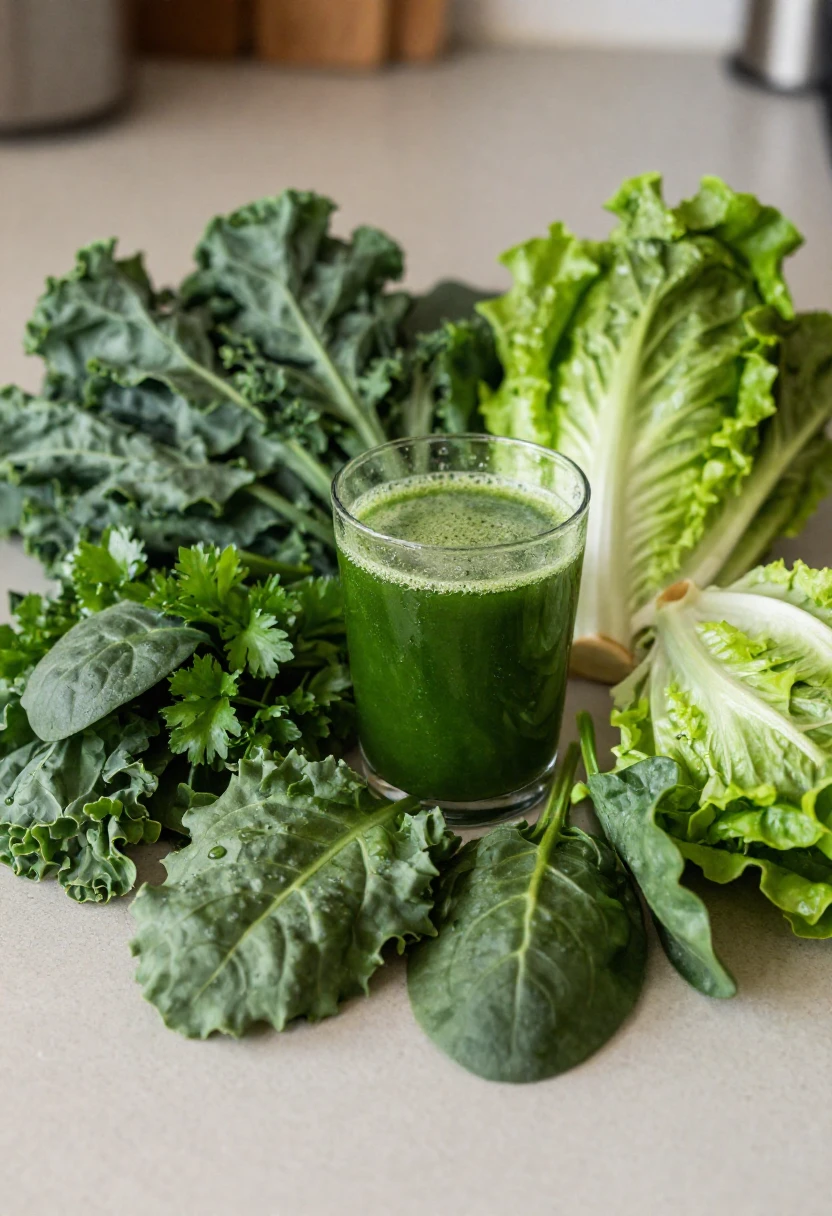
Spinach is especially tricky because it is soft and light. Wheatgrass is tough and stringy. Kale sits somewhere in the middle, with curly leaves that love to trap moisture in all those little folds.
This is why two juicers can handle the same handful of greens and give completely different results.
One gives you a bright green glass of juice.
The other gives you foam, damp pulp, and a reason to question your purchase.
The real goal: more juice, less waste
When you juice leafy greens, the pulp tells you a lot.
If the pulp comes out dry and crumbly, the juicer is doing a good job. It has pulled most of the liquid out. If the pulp feels wet, heavy, or almost mushy, you are losing juice.
And with leafy greens, that gets expensive quickly.
A big bunch of organic kale can disappear into a juicer in minutes. So can a bag of spinach. If your machine leaves too much moisture behind, you are basically throwing part of your grocery bill into the pulp bin.
A better juicer may cost more upfront, but it can save produce over time if you juice often. This is one of those kitchen purchases where the cheapest option is not always the cheapest in real life.
Not always. But often.
Greens need pressure, not just power
A lot of people look at motor wattage first. I get it. A strong motor sounds reassuring. But for leafy greens, raw power is only part of the story.
The juicer’s extraction method matters more.
A machine can have a loud motor and still do a poor job with spinach. It can sound impressive, shake the counter a little, and still spit out wet green pulp. That does not mean it is useless. It may be great for carrots and apples. It just may not be the best juicer for leafy greens.
For greens, you want a juicer that applies steady pressure. The leaves need time against the auger or screen so the juice can separate from the fiber.
Think of it like wringing out a wet towel.
A quick slap will not do much.
A slow twist gets the water out.
That is why the type of juicer matters so much, especially if green juice is the main reason you are buying one.
Masticating vs centrifugal juicers for leafy greens
This is usually where the juicer decision starts to feel messy.
You read one review that says a masticating juicer is the only sensible choice for greens. Then another person says they use a centrifugal juicer every morning and it works fine. Then you look at the prices and suddenly the cheaper, faster machine starts looking very tempting.
The truth is simple enough: both types can make juice, but they do not treat leafy greens the same way.
Masticating juicers
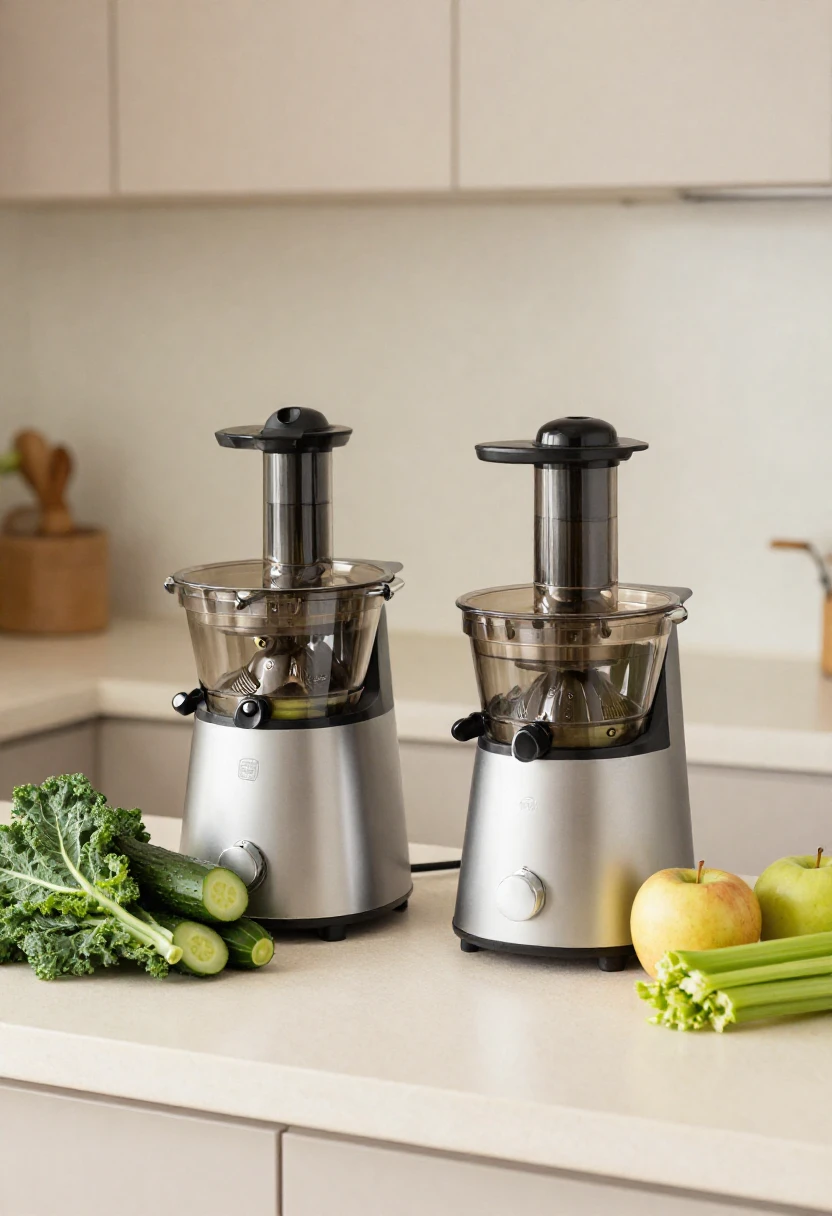
A masticating juicer works slowly. Instead of shredding produce at high speed, it uses an auger to crush and press ingredients against a screen.
That slower pressing action is why masticating juicers are usually better for leafy greens. They give spinach, kale, wheatgrass, and herbs more time under pressure, which helps pull out more juice.
They also tend to make juice with:
- Less foam
- Less separation
- A smoother texture
- Drier pulp
- Better yield from greens
If you are serious about green juice, this is the style I would look at first.
Not because it sounds fancy. It doesn’t. “Masticating” is honestly one of the least appetizing words in kitchen appliance language. But the method works well for soft leaves and fibrous greens.
The downside? These juicers are usually slower. You may need to chop produce into smaller pieces, feed it in patiently, and spend a little more time cleaning the parts afterward. They also tend to cost more than basic centrifugal models.
Still, for daily kale-spinach-celery juice, a good masticating juicer often makes the most sense.
Centrifugal juicers
A centrifugal juicer works fast. It uses a spinning blade and high speed to shred produce, then pushes the juice through a mesh filter.
These machines are popular for a reason. They are quick, often cheaper, and easy to find. If you are juicing apples, carrots, cucumbers, oranges, or beets, a centrifugal juicer can feel wonderfully efficient.
You drop the produce in, press it down, and juice appears almost instantly.
The problem is leafy greens.
Because greens are light and thin, they can get tossed around inside the spinning basket instead of being pressed properly. Some juice comes out, yes, but the pulp may stay wetter than you want.
That does not mean a centrifugal juicer is useless for greens. You can still use one, especially if you mix leafy greens with firmer produce. For example, rolling spinach leaves into a tight bundle and feeding them between cucumber or apple pieces can help.
But if your main goal is strong green juice with kale, wheatgrass, parsley, and spinach, centrifugal may leave you frustrated.
Which one should you choose?
For the best juicer for leafy greens, I would usually choose a masticating juicer. It handles delicate greens better and usually gives you more juice from the same amount of produce.
But your routine matters.
Choose a masticating juicer if:
- You want green juice often
- You juice kale, spinach, wheatgrass, parsley, or herbs
- You care about getting more juice from expensive produce
- You do not mind a slower process
- You want a quieter machine
Choose a centrifugal juicer if:
- You mostly juice apples, carrots, cucumbers, and citrus
- You want something fast
- You are just starting with juicing
- You have a smaller budget
- You do not plan to juice leafy greens every day
There is no need to buy the most expensive machine just because it has glowing reviews. A juicer has to fit your kitchen life.
If you know you are impatient in the morning, be honest about that. A slow juicer that annoys you will end up pushed to the back of the cabinet. If you love the little ritual of washing greens, chopping cucumber, and making a calm glass of juice before breakfast, a masticating juicer may feel worth every minute.
The better choice is the one you will actually pull out and use.
Juice quality: what makes green juice taste fresher
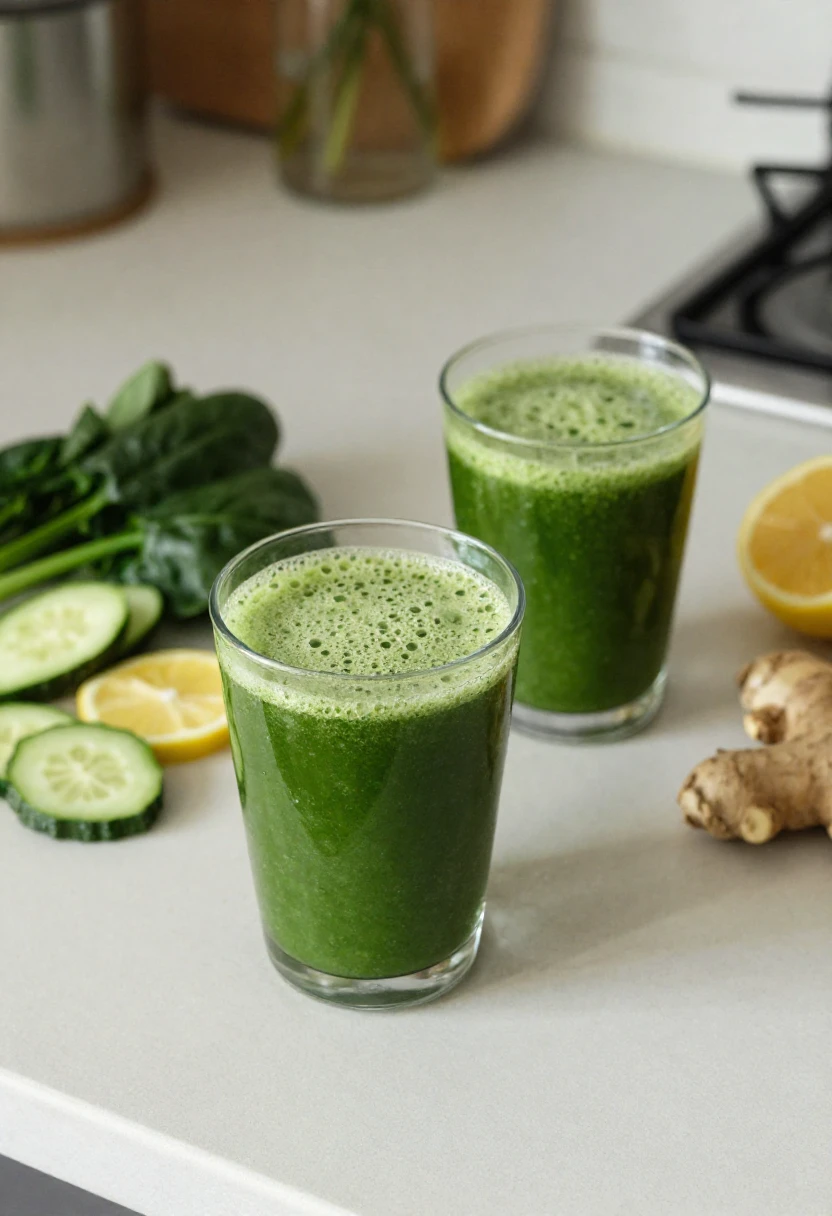
Green juice should taste clean, bright, and alive. Not flat. Not overly foamy. Not like something that has been sitting in the fridge with the lid half-open.
The juicer affects that more than people expect.
Two machines can use the same kale, cucumber, celery, lemon, and apple, but the juice can come out completely different. One glass looks smooth and deep green. The other has a thick layer of foam on top and starts separating before you even rinse the cutting board.
That does not mean the juice is “bad.” But it can be less pleasant to drink, especially if you are making leafy green juice because you want something fresh and easy to enjoy.
Oxidation and foam
Centrifugal juicers work fast, and that speed pulls more air into the juice. More air usually means more foam and quicker separation.
You have probably seen this with apple or green juice. The top gets bubbly, the bottom turns watery, and the color starts looking dull if it sits too long.
Masticating juicers work more slowly, so they usually create less foam. The juice often looks smoother and stays mixed a little better. This is helpful with leafy greens because green juice already has a strong personality. It does not need extra bitterness from too much air and heat.
A little foam is normal. You do not need to panic over bubbles.
But if every glass comes out frothy and separates in minutes, your juicer may be too rough on the greens.
Pulp texture and extraction
The pulp bin is where the truth lives.
After juicing, pick up a little pulp between your fingers. I know, not glamorous. But it tells you more than the box ever will.
If the pulp feels dry, light, and almost fluffy, the juicer extracted the juice well. If it feels wet and heavy, there is still juice trapped inside.
With leafy greens, wet pulp is common in weaker machines. Spinach and kale can slip through the process without being fully pressed. You may still get juice, but not as much as you should.
This matters if you juice often.
A few tablespoons lost each time may not sound like much. But after a week of juicing kale, spinach, parsley, and celery, that waste adds up. Especially if you buy fresh organic greens and feel personally offended by the price of a tiny bag of spinach. I do.
Taste matters too
The best juicer for leafy greens should give you juice that tastes fresh, not bruised or bitter.
Some bitterness comes from the greens themselves. Kale, collards, dandelion greens, and parsley can taste strong no matter what machine you use. But poor extraction can make the flavor feel harsher, especially if the juice is foamy or warm.
For better green juice, balance strong greens with produce that brings water, sweetness, or acidity.
Good pairings include:
- Cucumber for a clean, mild base
- Celery for freshness and saltiness
- Green apple for sweetness
- Lemon for brightness
- Ginger for warmth
- Romaine for a softer green flavor
- Mint for a cool finish
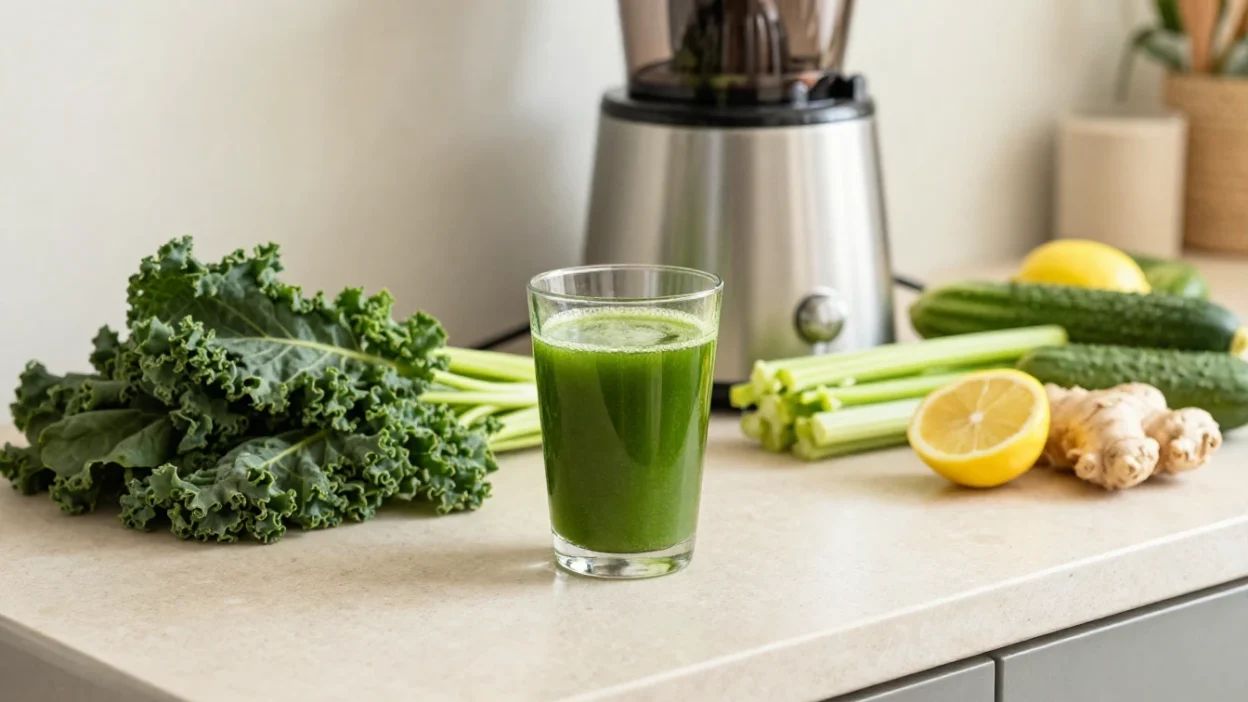
My favorite beginner-friendly green juice is spinach, cucumber, green apple, lemon, and a small piece of ginger. It tastes green without tasting like you are drinking the lawn after rain.
Kale needs a little more help. I usually pair it with cucumber, celery, lemon, and apple. If the kale is very bitter, I use less of it and add romaine or spinach to soften the flavor.
That is the part many people miss. A good juicer helps, but the recipe still matters.
Even the best machine cannot make a giant bunch of bitter greens taste like lemonade.
Ease of cleaning: the thing people forget before buying
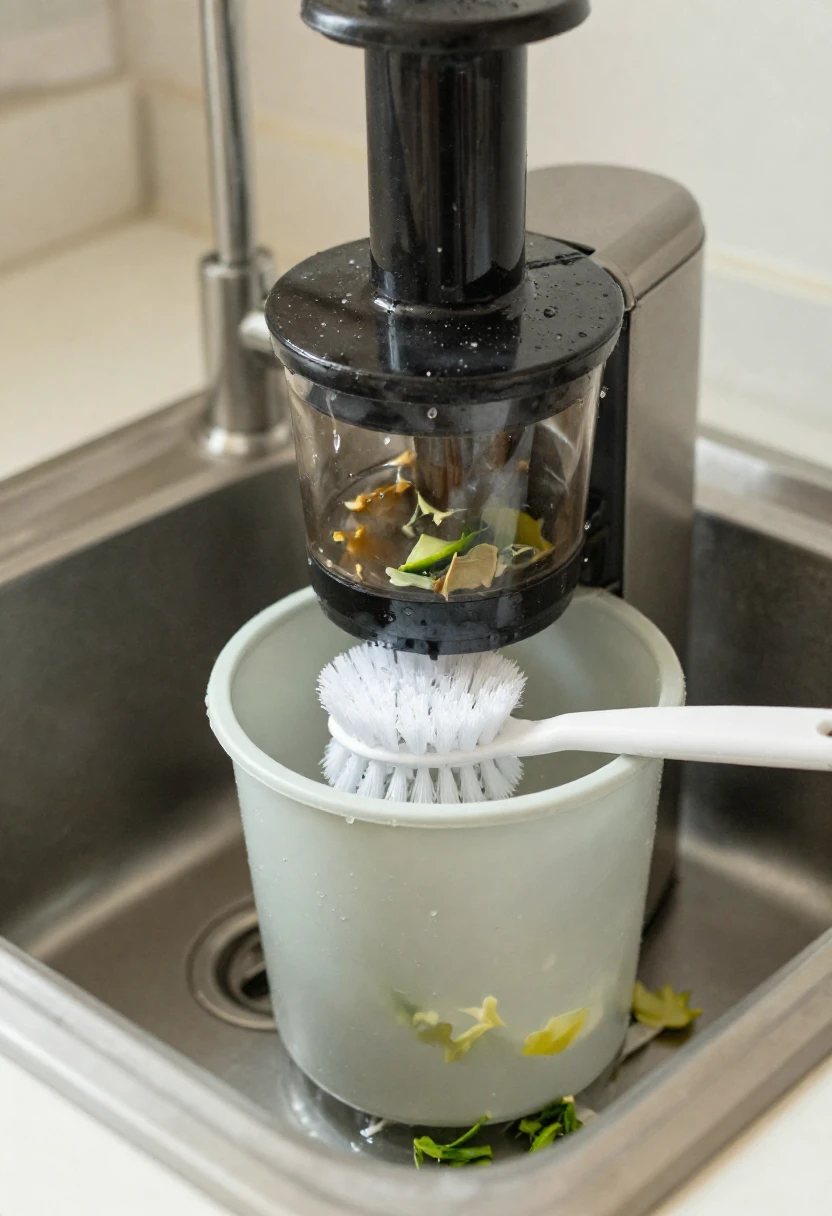
Cleaning is the part of juicing that nobody gets excited about.
The fresh juice? Lovely. The bright green color in the glass? Very satisfying. The pile of wet pulp, sticky screen, and tiny bits of parsley trapped in the mesh? Less charming.
This is why ease of cleaning should be one of your biggest buying factors. Maybe even bigger than motor power.
A juicer can make beautiful green juice, but if cleaning it feels like a punishment, you will stop using it. It will sit on the counter for a few days, then move to a cabinet, then slowly become one of those appliances you feel guilty about every time you open the door.
More parts usually mean more scrubbing
Before buying a juicer, look at how many parts you have to remove and wash.
Most juicers include:
- A feed chute
- An auger or blade basket
- A juice screen
- A pulp container
- A juice container
- A pusher
- Small seals or locking pieces
The screen is usually the annoying part. Leafy greens leave tiny fibers behind, and those fibers love to cling to mesh. If you let them dry, they become stubborn. Not impossible, just irritating enough to make you question your life choices.
The best habit is to rinse the juicer right after using it. Not later. Not after breakfast. Right away, while the pulp is still soft.
I know that sounds fussy, but it makes a huge difference.
Dishwasher-safe parts are helpful, but not everything
Dishwasher-safe parts are nice, especially if you juice often. But they do not solve everything.
Some parts still need a quick hand rinse first. Screens often need brushing. Small corners may trap pulp. And depending on the material, repeated dishwasher cycles can make plastic parts look cloudy over time.
So yes, check whether parts are dishwasher-safe.
But also check whether the juicer comes apart easily. If you have to twist, pull, unlock, line up arrows, and mutter under your breath every morning, that gets old fast.
A good juicer should feel simple to take apart and put back together. You should not need the manual every time.
A simple cleaning test before buying
If you are shopping online, look closely at product photos and user reviews. If you are in a store, inspect the parts if possible.
Ask yourself:
- Does the screen look easy to brush?
- Are there lots of small grooves where pulp can hide?
- Can I remove the main parts without force?
- Does it include a cleaning brush?
- Are replacement parts available?
- Does the pulp container look easy to rinse?
That last point matters more than it sounds. Some pulp containers have awkward corners that hold onto vegetable bits. It is not a deal breaker, but it is annoying.
For leafy greens, I would rather have a slightly slower juicer that cleans easily than a powerful machine that makes me dread the sink.
Because the cleaning is part of the routine.
You do not just buy the juicer. You buy the cleanup that comes with it.
Size, noise, and kitchen habits
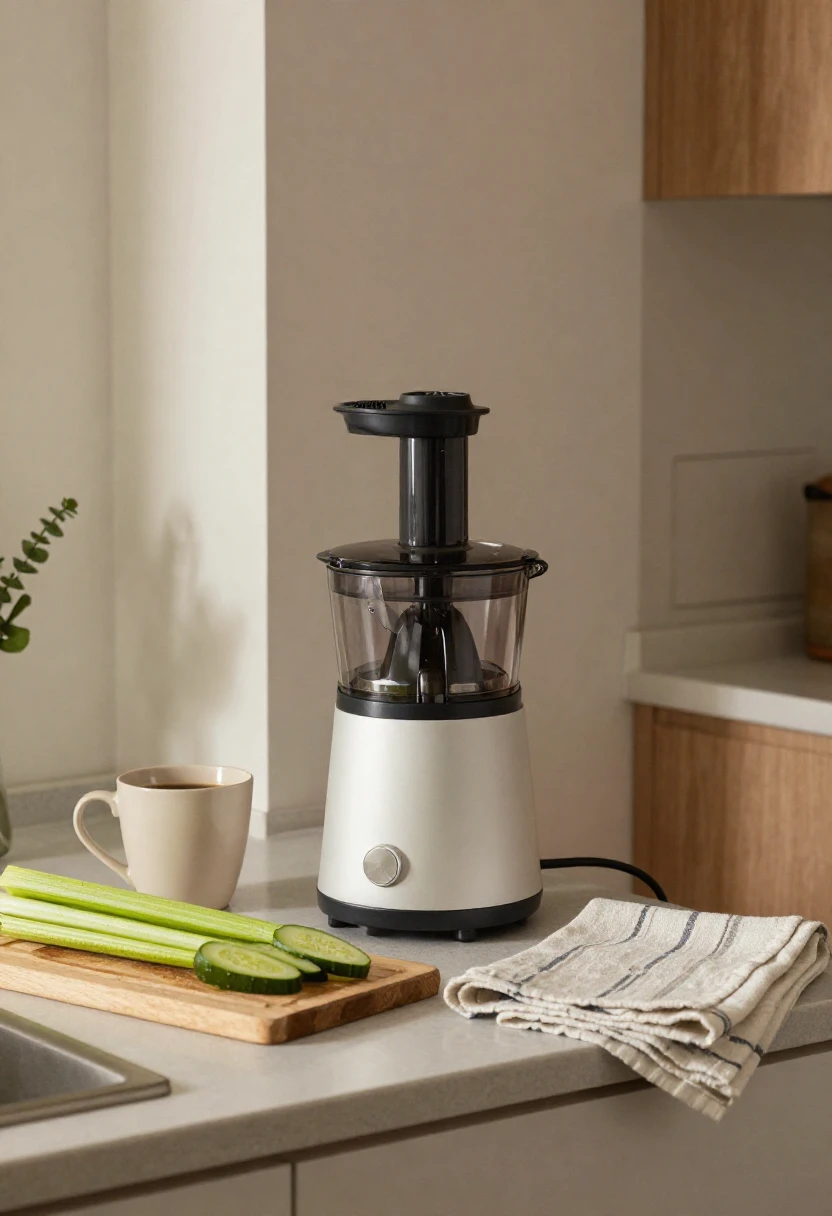
A juicer can look perfect online and still be wrong for your kitchen.
This is the part that does not always show up in glossy product photos. The machine arrives, you pull it out of the box, and suddenly it is bigger than expected. It takes over half the counter. The cord is too short. The pulp container sticks out awkwardly. And now your coffee maker is fighting for space.
Not ideal.
Before buying a juicer for leafy greens, think about where it will actually live.
Counter space matters
If you plan to juice often, the juicer should be easy to reach. A machine stored on the highest shelf or buried behind mixing bowls is not going to become part of your morning routine.
There are two common designs:
- Vertical juicers, which stand taller and take up less counter width
- Horizontal juicers, which are longer and may need more space
Vertical masticating juicers are nice for smaller kitchens because they have a smaller footprint. Horizontal masticating juicers can be excellent for greens, especially wheatgrass and herbs, but they need more room.
Also check the height. Some juicers may not fit under upper cabinets, especially if they have a tall feed chute.
A good rule: measure the spot before you buy. It sounds boring, but it saves you from the “where am I supposed to put this thing?” moment.
Noise level
Juicing is not exactly silent, but some machines are much louder than others.
Centrifugal juicers tend to be louder because they run at high speed. They can sound a little like a blender having a dramatic morning. Fine at noon. Less charming at 6:30 a.m. when someone else is still sleeping.
Masticating juicers are usually quieter. You still hear the motor and the produce being crushed, but the sound is lower and calmer.
If you live in an apartment, have a sleeping baby, share a kitchen, or like making juice before work, noise matters.
You may not care on the first day. You might care on day seven.
Chute size and prep time
The feed chute controls how much chopping you need to do.
A wider chute means you can add bigger pieces of cucumber, apple, celery, or romaine. That makes prep faster. Some people love this because it removes one more barrier between wanting juice and actually making it.
A smaller chute means more chopping. That can feel tedious, especially when you are half-awake and trying to get out the door.
But there is a trade-off.
Smaller chutes can help the machine process produce more steadily, especially with slow juicers. They may also feel safer if you have kids in the kitchen or you are the kind of person who misplaces the pusher and starts making questionable decisions with a carrot. Please use the pusher.
For leafy greens, chute size is helpful but not everything. You will often get better results if you roll greens into tight bundles or feed them with firmer produce, even in a wider chute.
Match the juicer to your real routine
This is where I would be honest with yourself.
Do you want a slow, quiet morning routine with fresh green juice and a clean counter afterward? A masticating juicer may fit that rhythm.
Do you want juice fast, with minimal prep, and you mostly use cucumbers, apples, carrots, and celery? A centrifugal juicer may make more sense.
Do you hate washing extra parts? Choose the simplest machine you can tolerate.
Do you have almost no counter space? Do not buy a giant juicer because one review said it had “amazing yield.” Amazing yield will not help if the machine lives in a box under the stairs.
The best juicer for leafy greens has to fit into your kitchen habits. Not your fantasy habits. Your real ones.
The ones where you are tired, the sink already has two mugs in it, and you still want something fresh.
Price: how much should you spend on a juicer for greens?

Juicers have a strange price range.
You can find a basic machine for the cost of a few grocery runs, and then you can find one that makes you stare at the screen like, “Is this a juicer or a small piece of medical equipment?”
The right amount to spend depends on how often you plan to juice and how many leafy greens you use.
A person making one cucumber-apple juice on Saturday does not need the same machine as someone juicing kale, celery, parsley, spinach, and ginger five mornings a week.
Budget juicers
Budget juicers can be a good place to start, especially if you are not sure whether juicing will become a real habit.
They are usually faster, easier to find, and less intimidating. You can make juice without feeling like you just committed to a new lifestyle.
But there is a catch.
Many cheaper juicers are centrifugal, which means they may struggle with leafy greens. They can still work, especially if you mix greens with firmer produce, but the pulp may come out wetter. That means less juice in your glass and more juice sitting in the pulp bin.
A budget juicer makes sense if:
- You are new to juicing
- You mostly juice apples, cucumbers, carrots, and celery
- You only add small handfuls of spinach or kale
- You want to test the habit before spending more
If you buy one, just keep your expectations realistic. It may not squeeze every last drop from wheatgrass or parsley. And that is okay if you are using it casually.
Mid-range juicers
For most home kitchens, this is the sweet spot.
A good mid-range masticating juicer usually gives you better leafy green extraction without jumping into premium pricing. You get a calmer machine, better juice yield, and often a more solid build.
This is where I would look if you already know you like green juice.
Not the “I watched three wellness videos and bought twelve bunches of celery” kind of excitement. I mean you have actually made juice a few times, liked it, and can see yourself doing it regularly.
Mid-range juicers often offer:
- Better extraction from kale and spinach
- Less foam
- Quieter operation
- Stronger parts
- A more useful warranty
- Easier cleaning than some cheaper models
You still need to compare carefully. Some mid-range machines are excellent. Others just look fancy and come with extra attachments you may never touch.
Look for performance with leafy greens, not just a polished design.
Premium juicers
Premium juicers can be worth it if juicing is already part of your routine.
These machines are often better at squeezing leafy greens, herbs, and wheatgrass. They may have stronger motors, heavier parts, better screens, and longer warranties. Some also handle nut milks, sorbets, or pasta attachments, though honestly, many people never use those extras.
A premium juicer makes sense if:
- You juice almost daily
- You buy a lot of leafy greens
- You care about high juice yield
- You want less waste
- You want a machine that feels built to last
The biggest benefit is not always dramatic on day one. It shows up over time.
Drier pulp. Less wasted spinach. Better green juice. Fewer mornings where you wonder why your expensive produce turned into a damp pile of disappointment.
When not to overspend
Do not buy the most expensive juicer because you feel like you “should.”
That is how appliances become guilt furniture.
If you only juice once or twice a month, a premium machine may not be worth it. If you prefer thick drinks with fiber, a blender might fit your routine better. Smoothies keep the whole fruit or vegetable, while juicing removes most of the fiber. Neither is automatically better. They are just different.
Also, be honest about cleaning.
If you already know you hate washing parts, do not buy a complicated juicer with extra strainers, no matter how beautiful the juice looks in reviews.
The best juicer for leafy greens is the one that gives you a good balance: enough extraction to make greens worthwhile, simple enough cleaning that you keep using it, and a price that does not make every glass of juice feel financially dramatic.
Useful features and add-ons
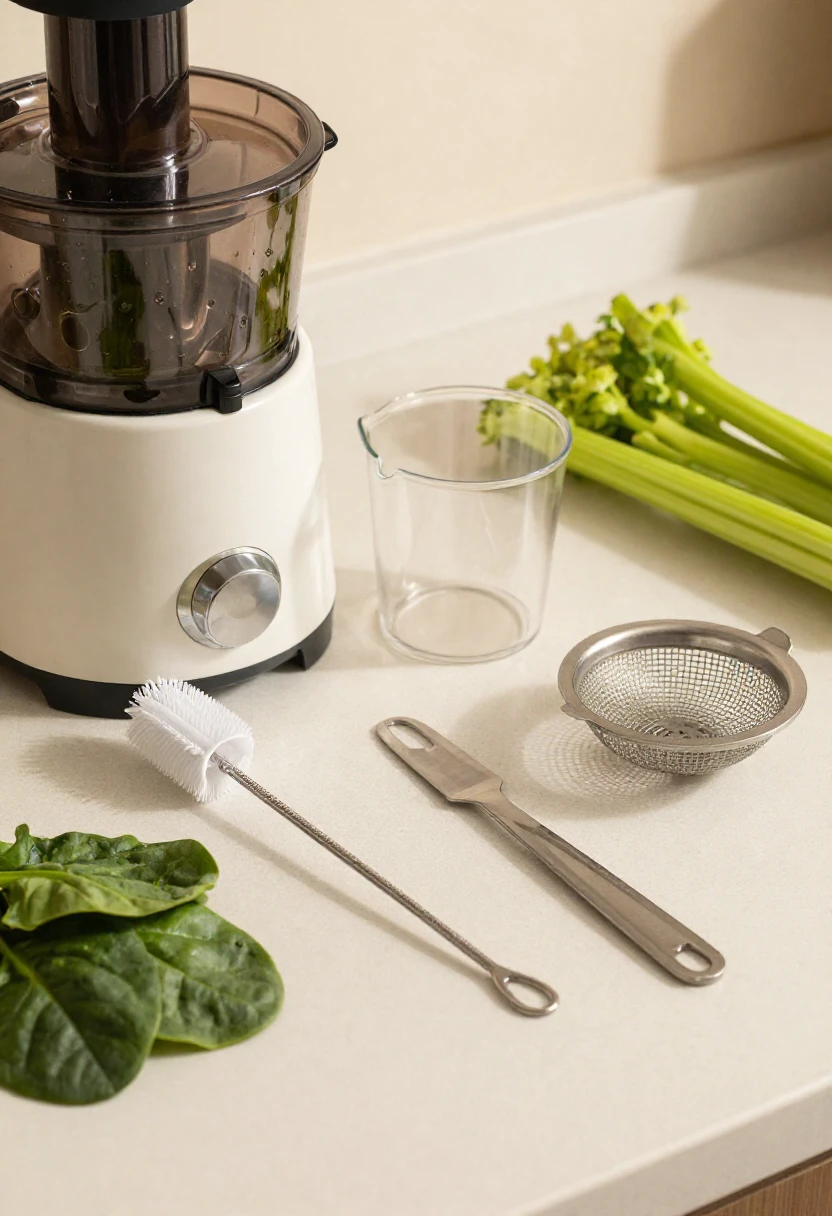
Juicer features can get distracting fast.
One machine promises extra attachments. Another has multiple strainers. Another looks like it belongs in a professional juice bar, even though you are just trying to make kale-cucumber juice before breakfast.
Some features are genuinely helpful. Others sound impressive but mostly take up drawer space.
Features worth having
For leafy greens, I would pay attention to the practical stuff first.
A reverse function is one of the best features to have on a masticating juicer. Greens can bunch up, especially if you feed in too much at once. The reverse button helps loosen stuck produce without taking the whole machine apart.
A strong auger matters too. This is the part that crushes and presses your greens. If it feels flimsy, that is not a great sign, especially if you plan to juice kale stems, celery, wheatgrass, or fibrous herbs.
A wide pulp container is more useful than it sounds. Leafy greens can create a surprising amount of pulp. If the container is tiny, you may have to stop halfway through and empty it.
A quiet motor is another feature worth considering, especially if you juice early in the morning. No green juice is worth waking up the entire house like you are starting a lawn mower in the kitchen.
Also look for:
- Easy-lock parts
- Non-slip feet
- A cleaning brush
- Dishwasher-safe removable parts
- Replacement screens or parts
- A decent warranty
That last one matters. Juicers work hard. They push through tough fibers, seeds, stems, and hard produce. A good warranty tells you the brand expects the machine to survive real use.
Features you may not need
Some juicers come with attachments for nut butter, frozen desserts, baby food, pasta, or sauces.
Those can be fun if you will actually use them. But be honest.
If you are buying a juicer because you want green juice, you probably do not need seven extra pieces that will live in a plastic bag behind the measuring cups.
More attachments can also mean more storage, more cleaning, and more confusion when you are trying to assemble the machine.
I would be careful with machines that sell themselves mainly through extras instead of basic juicing performance. A juicer should first do its main job well: extract juice from produce.
Everything else is a bonus.
The feed chute should fit your patience level
A wide feed chute sounds like a small thing until you are chopping celery and cucumber at 7 a.m.
If the chute is narrow, you will need to cut produce into smaller pieces. That is not a problem if you like a slow, careful routine. But if you want juice quickly, extra prep can become annoying.
For leafy greens, a wide chute helps with romaine, spinach bundles, celery, and cucumber. Still, do not just shove in huge handfuls of kale and hope for the best. Feed greens slowly, especially in a masticating juicer.
A good rhythm works better than forcing it.
Add a few leaves, then a piece of cucumber or apple. More greens, then celery. This helps push the lighter leaves through and keeps the machine from clogging.
Warranty and replacement parts
This is not the exciting part, but check it anyway.
A juicer has parts that wear down over time: screens, strainers, seals, augers, pulp containers, juice cups. If the brand does not sell replacements, one broken part can turn the whole machine into countertop clutter.
Before buying, look up:
- Replacement screens
- Replacement augers
- Extra brushes
- Pulp and juice containers
- Warranty length
- Customer support reviews
A slightly more expensive juicer from a reliable brand may be a better deal than a cheaper one with no replacement parts.
Because if one small plastic tab breaks and you cannot replace it, the “budget-friendly” machine suddenly feels less budget-friendly.
Keep the feature list boring
This is my honest rule for juicers: boring features usually matter most.
Easy to clean. Easy to assemble. Good extraction. Quiet enough. Replacement parts available. Does not wobble across the counter.
That may not sound glamorous, but it is exactly what makes a juicer useful after the first week.
The best juicer for leafy greens does not need to perform kitchen magic. It needs to handle spinach, kale, celery, cucumber, herbs, and wheatgrass without making the whole process feel like a chore.
Best produce to juice with leafy greens
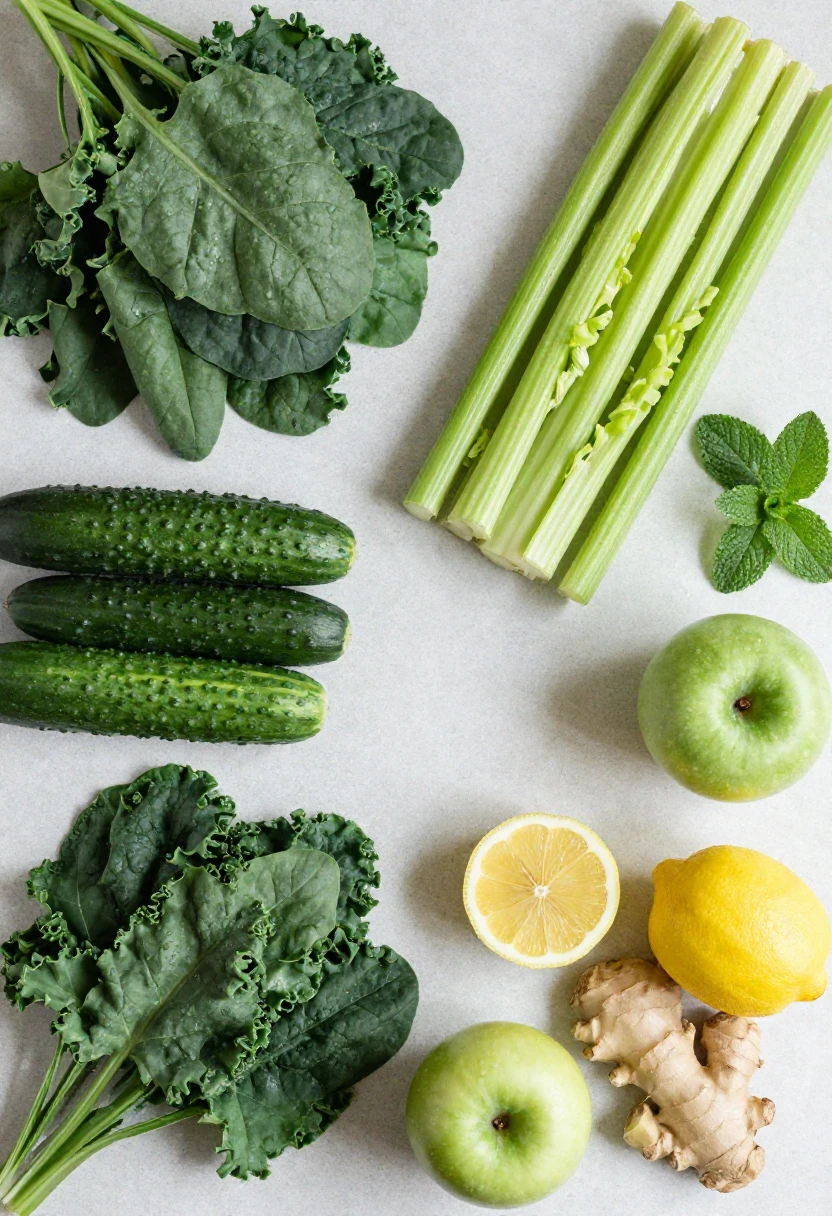
Leafy greens can be intense on their own.
A straight kale juice sounds healthy, yes, but it can also taste like someone blended a salad and forgot the dressing. That is not always a bad thing. Some people love strong green juice. But if you are new to juicing, start softer.
The best green juices usually have a mix of leafy greens, watery vegetables, something bright, and maybe a little sweetness.
Mild greens for beginners
If you are just starting, spinach is your friend.
It has a soft flavor, blends well with cucumber and apple, and does not fight every other ingredient in the glass. Romaine is another gentle option. It gives you a fresh green taste without the bitterness of kale or collards.
Good beginner greens include:
- Spinach
- Romaine
- Butter lettuce
- Cucumber
- Celery
Cucumber is not a leafy green, of course, but it belongs in this group because it makes green juice easier to drink. It adds water, freshness, and a clean flavor that softens stronger greens.
Celery does something similar, but with a saltier edge. Use a few stalks, not the whole bunch at first, unless you already know you love that sharp celery taste.
A simple beginner juice could be:
- 2 handfuls spinach
- 1 cucumber
- 1 green apple
- 1 celery stalk
- 1/2 lemon
- Small piece of ginger
This kind of juice tastes fresh without being too grassy. It is the one I would give to someone who says, “I want green juice, but I don’t want it to taste too green.”
Stronger greens
Once you get used to mild green juice, you can start adding stronger greens.
Kale is the obvious one. It has a deeper flavor, more bitterness, and more texture. Curly kale can be a little stubborn in a juicer, so feed it slowly and alternate it with cucumber or apple.
Stronger greens include:
- Kale
- Collard greens
- Swiss chard
- Wheatgrass
- Parsley
- Cilantro
- Dandelion greens
Wheatgrass is its own thing. It is grassy, strong, and very fibrous. If wheatgrass is a big reason you are buying a juicer, look closely at masticating models. Many centrifugal juicers do not handle it well.
Parsley and cilantro are small but powerful. A little goes a long way. Too much parsley can make a juice taste sharp and almost medicinal. Too much cilantro can take over the whole glass, especially if you are not already a cilantro person.
With stronger greens, use less than you think at first. You can always add more next time.
Flavor boosters
Flavor boosters make green juice easier to enjoy.
Lemon is the one I use most. It brightens everything and makes bitter greens taste cleaner. Ginger adds warmth and a little bite. Green apple brings sweetness without making the juice feel too sugary.
Good flavor boosters include:
- Lemon
- Lime
- Ginger
- Green apple
- Mint
- Pineapple
- Fennel
- Carrot
Mint is lovely with cucumber, spinach, and lime. It gives the juice a cooler, fresher taste, especially in warm weather.
Pineapple is sweeter, so I use it more carefully. It works well if you are trying to make kale or parsley more drinkable, but too much can turn your green juice into fruit juice with a few leaves hiding inside.
And that is fine once in a while. But if your goal is leafy green juice, let the greens stay in charge.
A few combinations that actually taste good
You do not need complicated recipes to make good green juice. Start with simple combinations and adjust from there.
Try these:
- Spinach, cucumber, green apple, lemon, ginger
- Kale, celery, cucumber, lemon, green apple
- Romaine, cucumber, mint, lime, apple
- Parsley, cucumber, celery, lemon, ginger
- Swiss chard, carrot, apple, lemon
The trick is balance.
If the juice tastes too bitter, add lemon or apple.
If it tastes too sweet, add cucumber or celery.
If it tastes flat, add ginger or more citrus.
If it tastes too strong, use fewer greens next time.
Green juice should feel refreshing, not like a punishment you drink because you bought too much kale.
Common mistakes when buying a juicer for leafy greens
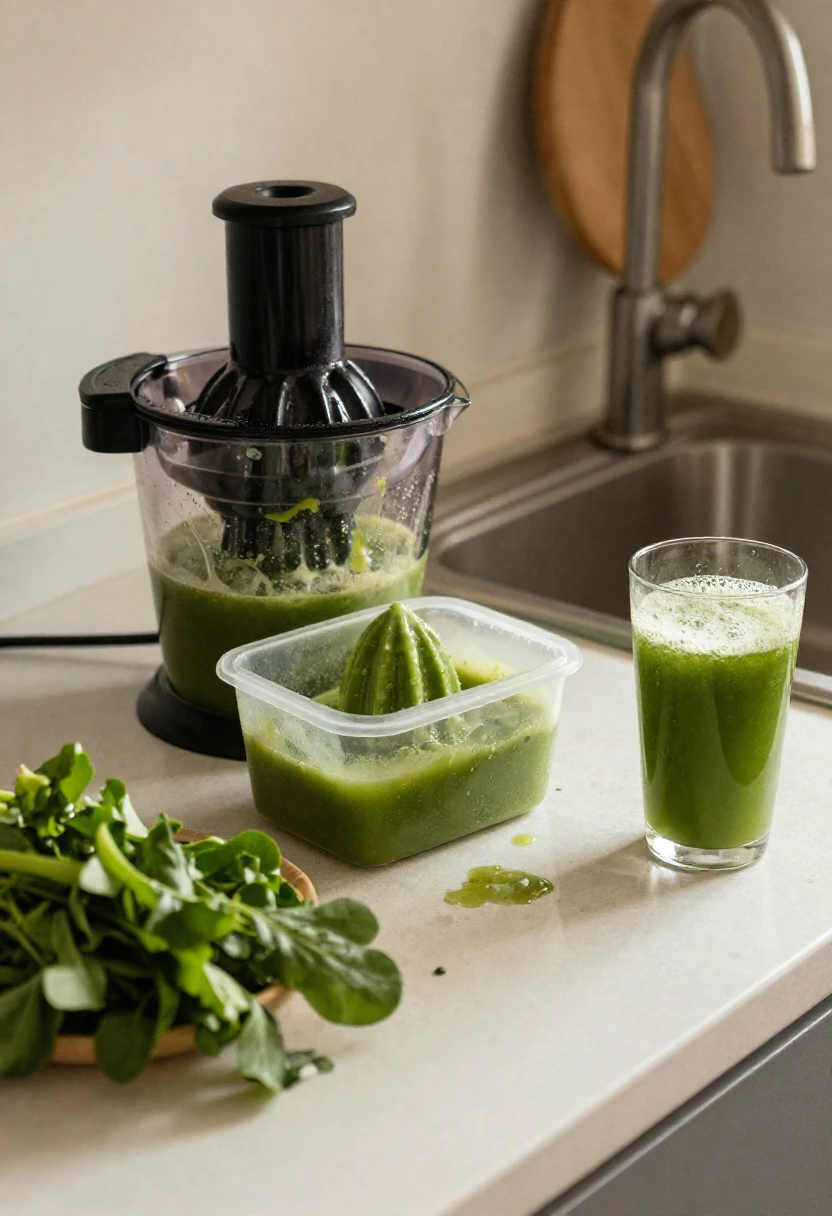
Buying a juicer looks simple until you start comparing models.
Then suddenly you are reading about RPMs, augers, mesh screens, chute sizes, cold press systems, and warranties at 11 p.m. with six tabs open. I have done that kind of kitchen-appliance spiral. It is not peaceful.
The good news is that most bad juicer purchases come down to the same few mistakes.
Buying only for speed
Fast juicing sounds wonderful.
And sometimes it is. If you are rushing in the morning, a centrifugal juicer that turns carrots and apples into juice in seconds can feel like a gift.
But speed is not everything, especially with leafy greens.
A very fast juicer may chop spinach and kale quickly, but it may not press them well. That means more wet pulp, more foam, and less juice in your glass.
For hard produce, speed can be useful. For greens, pressure matters more.
So before choosing the fastest model, ask what you will juice most often. If your usual mix is cucumber, apple, carrot, and one handful of spinach, speed may be fine. If your goal is kale, parsley, wheatgrass, celery, and romaine, a slower juicer will probably serve you better.
Ignoring cleaning time
This is the mistake that turns new juicers into cabinet decorations.
People imagine the juice. They do not imagine the sink.
But cleaning is part of juicing. Every time.
If a juicer has too many parts, awkward corners, or a screen that takes forever to scrub, you will start avoiding it. Maybe not the first week. The first week you are still excited. By week three, that little cleaning brush starts to feel personal.
Look for reviews that mention cleaning honestly. Not just “easy to clean,” but specific comments like:
- The screen rinses quickly
- The parts come apart easily
- The pulp does not get stuck in tiny corners
- It takes about 5 minutes to wash
- The brush works well on the mesh
A juicer you can clean quickly is a juicer you are more likely to use.
Choosing based only on price
I love a good deal, but the cheapest juicer is not always the best value.
If a budget machine wastes half your spinach, clogs with kale, and makes you dread cleanup, it may not feel cheap for long. Leafy greens are not exactly free, especially if you buy organic or shop at smaller markets.
At the same time, expensive does not automatically mean better.
Some premium juicers cost more because they are genuinely well-built. Others cost more because they come with attachments, sleek branding, or features you may never use.
The better question is not “What is the cheapest juicer?” or “What is the most expensive juicer?”
It is: What juicer gives me the best balance of juice yield, cleaning time, durability, and price?
That answer is different for a daily green juice person than it is for someone making juice twice a month.
Forgetting your real routine
This one matters most.
It is easy to buy for the version of yourself who wakes up early, washes kale calmly, makes fresh juice, rinses every part immediately, and wipes the counter before coffee.
Lovely person. I support them.
But buy for the version of yourself who actually lives in your kitchen.
If you are impatient, choose a juicer that is simple to assemble and clean.
If you have a tiny kitchen, choose one that fits your counter or stores easily.
If you juice before work, choose a quieter machine.
If you hate chopping, look at chute size.
If you want green juice every day, prioritize leafy green extraction.
A juicer should make the habit easier, not more dramatic.
The best juicer for leafy greens is not the one that looks most impressive in photos. It is the one that fits your mornings, your sink, your counter space, and your patience.
Final buying checklist
Before you buy a juicer, slow down for a minute and picture the actual routine.
Not the perfect version. The real one.
You come home with spinach, kale, celery, cucumber, lemons, maybe a little ginger. You wash everything. You make the juice. Then you clean the machine. Maybe you do this before work. Maybe after a workout. Maybe on Sunday when the kitchen is already a little messy.
That is the routine your juicer has to fit.
Ask yourself how often you will juice greens
If leafy green juice is something you want every day or almost every day, choose a machine that handles greens well. A masticating juicer is usually the better choice here because it presses spinach, kale, herbs, and wheatgrass more effectively.
If you only plan to add a handful of spinach to apple-cucumber juice once in a while, you may not need the most serious cold press model.
Be honest about frequency.
A daily juicer needs durability.
A casual juicer needs simplicity.
A beginner needs something that does not make the whole process feel exhausting.
Check the pulp before you trust the promise
Brands love big claims. “Maximum extraction” sounds nice, but the pulp tells the real story.
When possible, read reviews from people who juice the same things you want to juice. Look for comments about kale, spinach, celery, parsley, wheatgrass, and herbs.
Pay attention to whether users mention:
- Dry or wet pulp
- Clogging with greens
- Foam level
- Juice separation
- Cleaning time
- Noise
- Broken parts
- Replacement availability
A review from someone juicing carrots and apples every day is useful, but it does not tell you everything about leafy greens.
You want feedback from green juice people.
They know.
Think about cleaning before features
A juicer with ten attachments may look exciting in the beginning. But if the basic parts are annoying to wash, those extras will not matter much.
Before buying, check:
- How many parts need washing
- Whether the screen is easy to scrub
- Whether parts are dishwasher-safe
- Whether the machine comes with a brush
- Whether pulp gets trapped in corners
- How easy it is to assemble again
I would rather have a plain juicer that cleans quickly than a fancy one that makes me sigh every time I see the sink.
Juicing should feel like a small healthy habit, not a kitchen project with consequences.
Match the machine to your kitchen space
Measure your counter. Really.
Juicers can be bulkier than they look online, and some need extra room for the pulp container, juice cup, and feed chute. If you plan to keep it out, make sure it fits under your cabinets and does not crowd the appliances you use every day.
If you plan to store it away, ask yourself whether you will actually pull it out.
Some people will. Some people won’t.
I know myself. If an appliance is heavy and tucked behind three mixing bowls, I start pretending it does not exist.
Decide what matters most
No juicer is perfect. One may be quiet but slower. Another may be fast but foamy. One may extract greens beautifully but require more chopping. Another may be affordable but leave wetter pulp.
So choose your priority.
If you care most about leafy green yield, look for a masticating juicer.
If you care most about speed, a centrifugal juicer may suit you better.
If you care most about easy cleanup, choose a simple design with fewer awkward parts.
If you care most about quiet mornings, avoid the loudest high-speed models.
If you care most about budget, start with a reliable entry-level machine and learn your habits first.
A quick checklist before you buy
Use this before adding anything to your cart:
- Will I juice leafy greens often?
- Do I want mostly green juice or mixed fruit-and-vegetable juice?
- Is juice yield more important than speed?
- Can I clean this machine in a few minutes?
- Does it fit on my counter or in my cabinet?
- Is it quiet enough for my household?
- Are replacement parts available?
- Does it have a warranty?
- Do real users say it works well with kale, spinach, herbs, or wheatgrass?
- Will I still want to use it after the first week?
That last question is the one I would circle.
Because the best juicer for leafy greens is not just the one with the strongest motor or the prettiest design. It is the one that makes fresh green juice easy enough to repeat.
Conclusion
Choosing the best juicer for leafy greens comes down to one simple question: will this machine make green juice easy enough for you to keep doing it?
A good juicer should handle spinach, kale, celery, herbs, and wheatgrass without wasting half the produce. It should be simple enough to clean, quiet enough for your household, and realistic for your kitchen space.
For most people who want regular green juice, a masticating juicer is the better choice. It works slowly, presses greens more effectively, and usually gives you better juice yield. But if you only juice once in a while and mostly use apples, carrots, cucumber, and a few handfuls of spinach, a centrifugal juicer can still be useful.
Do not buy for the fantasy version of your routine. Buy for your real mornings, your real counter space, and your real patience level.
Fresh green juice should feel like something you can actually enjoy, not another appliance-related responsibility sitting beside the sink.
FAQ
Is a masticating juicer better for leafy greens?
Yes, in most cases. A masticating juicer crushes and presses greens slowly, which usually gives better juice yield from spinach, kale, wheatgrass, parsley, and herbs. It also tends to create less foam than a fast centrifugal juicer.
Can a centrifugal juicer juice kale and spinach?
Yes, but it may not extract as much juice. Centrifugal juicers work better with firm produce like apples, carrots, celery, and cucumber. If you use one for greens, roll the leaves tightly and feed them with harder produce to help push them through.
Is juicing greens better than blending them?
Not exactly. Juicing removes most of the fiber and gives you a lighter drink. Blending keeps the whole fruit or vegetable, so smoothies are thicker and more filling. If you want a quick, fresh green drink, juicing works well. If you want more fiber and fullness, blending may be better.
How often should I clean my juicer?
Clean it after every use. Leafy greens leave tiny fibers in the screen and small parts, and they become harder to remove once they dry. A quick rinse right after juicing is much easier than scrubbing dried kale from the mesh later.
What is the best green juice for beginners?
Start with mild greens. A simple mix of spinach, cucumber, green apple, lemon, and a small piece of ginger is fresh without being too bitter. Once you like the flavor, you can add kale, parsley, celery, or wheatgrass in small amounts.