Contents
- What Are Artificial Sweeteners?
- Why People Use Artificial Sweeteners
- Are Artificial Sweeteners Safe?
- The Aspartame Question: Why It Gets So Much Attention
- Can Artificial Sweeteners Help with Weight Loss?
- Artificial Sweeteners and Gut Health
- Natural vs Artificial Sweeteners: Is One Better?
- How to Use Sweeteners in a Smarter Way
- Who Should Be More Careful?
- Simple Ways to Reduce Sweetness Without Feeling Deprived
- Conclusion
- FAQ
You pick up a yogurt, a protein bar, or a bottle of iced tea and there it is on the label: zero sugar, low calorie, sweetened without sugar. At first, it feels like an easy win. You still get the sweet taste you enjoy, but without the sugar rush, the extra calories, or the heavy feeling that can come after too many sweet treats.
But then another thought shows up.
Are artificial sweeteners actually safe?
It is a fair question. Artificial sweeteners have been part of everyday food and drinks for decades, yet they still come with a lot of confusion. One person says they are a smart way to cut back on sugar. Another says they should be avoided completely. Headlines can make them sound scary, while food labels make them sound almost too good to be true.
The truth sits somewhere in the middle.
Artificial sweeteners are not automatically “bad,” and they are not a magic health shortcut either. They can be helpful for some people, especially if they are trying to reduce added sugar, manage calories, or keep blood sugar more stable. But how often you use them, what foods they are in, and how your own body reacts all matter.
A diet soda once in a while is very different from relying on sweetened drinks, sugar-free snacks, and artificially sweetened desserts all day long. And a “sugar-free” label does not always mean a food is nourishing, balanced, or good for everyday eating.
In this guide, we will look at artificial sweeteners in a calm, practical way. You will learn what they are, why people use them, what safety guidance generally says, and when it may be smart to be more careful. Most importantly, you will learn how to think about sweeteners as part of your real life — your morning coffee, your favorite snack, your cravings after dinner, and the small food choices that add up over time.
What Are Artificial Sweeteners?
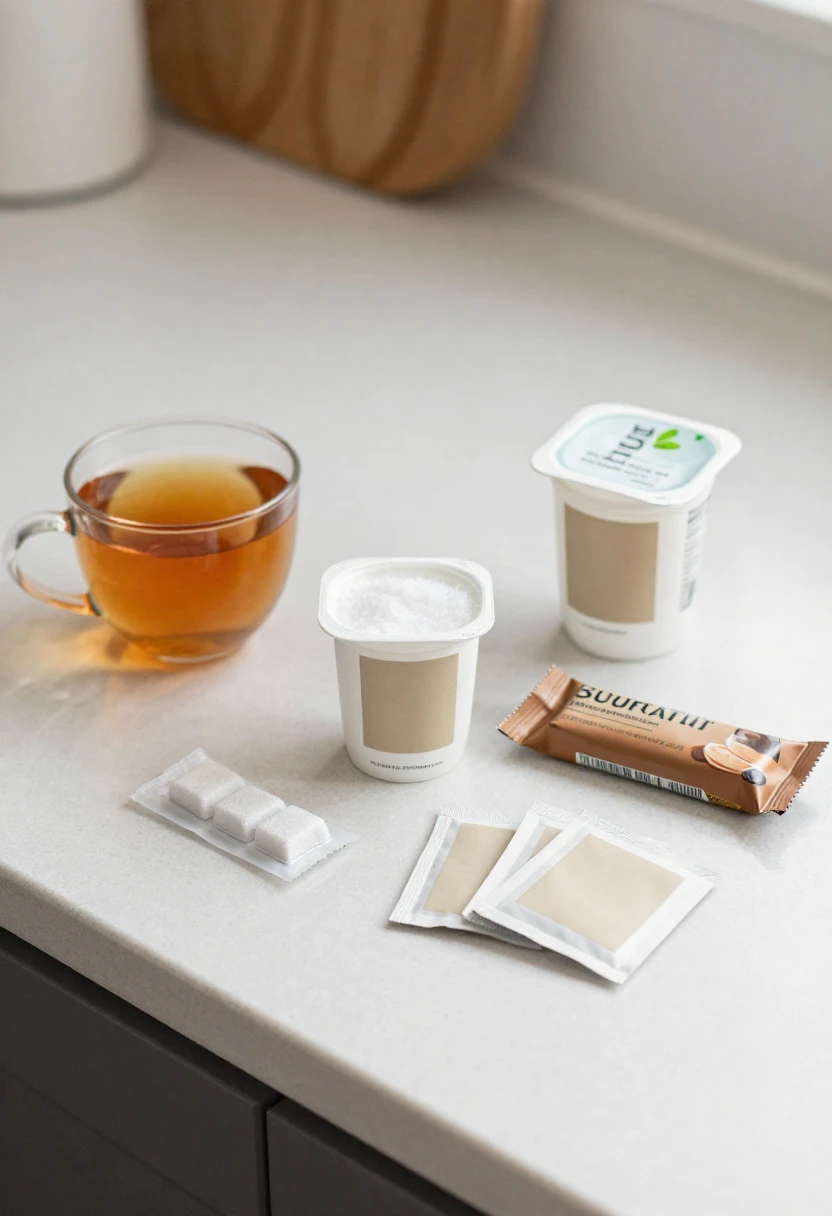
Artificial sweeteners are ingredients used to make foods and drinks taste sweet without adding regular sugar. They are often much sweeter than table sugar, so only a tiny amount is needed to create a strong sweet taste.
You will usually see them in products like:
- diet soda
- sugar-free gum
- low-calorie yogurts
- protein bars
- flavored water
- “zero sugar” desserts
- powdered drink mixes
- some breakfast cereals
- coffee creamers
They are popular because they offer something many people want: sweetness with fewer calories.
But that simple idea can be a little misleading. Artificial sweeteners can reduce sugar in a product, yes. But they do not automatically make the whole food healthy. A sugar-free cookie is still a cookie. A zero-sugar drink may still keep your taste buds used to very sweet flavors. A low-calorie snack may still be highly processed and not very filling.
That is why it helps to understand what you are actually eating.
Common Types of Artificial Sweeteners
Some of the most common artificial sweeteners include:
- Aspartame
- Sucralose
- Saccharin
- Acesulfame potassium, often called Ace-K
- Neotame
- Advantame
You may also see sweeteners that are often marketed as more “natural,” such as:
- Stevia
- Monk fruit extract
- Erythritol
- Xylitol
- Sorbitol
These are not all the same. Some are artificial sweeteners, some are plant-derived, and some are sugar alcohols. But in everyday conversation, people often group them together as sugar substitutes because they all do the same basic job: they make food taste sweet without using traditional sugar.
Why They Taste So Sweet
Artificial sweeteners interact with the sweet taste receptors on your tongue. Your brain gets the message: this is sweet.
The difference is that many of these sweeteners are far sweeter than sugar itself. That means food companies can use a very small amount to create a big sweet flavor.
This is why a can of diet soda can taste just as sweet — or sometimes even sweeter — than a regular soda, while still having little or no sugar.
And this is also why sweeteners can be tricky.
When your taste buds get used to intense sweetness, naturally sweet foods like apples, berries, carrots, or plain yogurt may start to taste less exciting. You may find yourself wanting stronger flavors more often, even if you are technically eating less sugar.
That does not mean you need to avoid sweeteners completely. It simply means they work best when used thoughtfully, not as the main source of sweetness in your daily diet.
Where You Will Find Them Most Often
Artificial sweeteners are not only in diet drinks anymore. They show up in many everyday products, sometimes in places you may not expect.
You might find them in:
- “light” salad dressings
- sugar-free jams
- low-carb snacks
- flavored oatmeal packets
- meal replacement shakes
- electrolyte drinks
- cough drops
- chewable vitamins
- sauces and condiments
This is why reading labels can be helpful. A product may say no added sugar on the front, but the ingredient list may still include several sweeteners.
That does not make the product dangerous. It just gives you a clearer picture.
When you know where artificial sweeteners appear, you can decide whether they actually fit your goals — or whether they are quietly showing up more often than you realized.
Why People Use Artificial Sweeteners
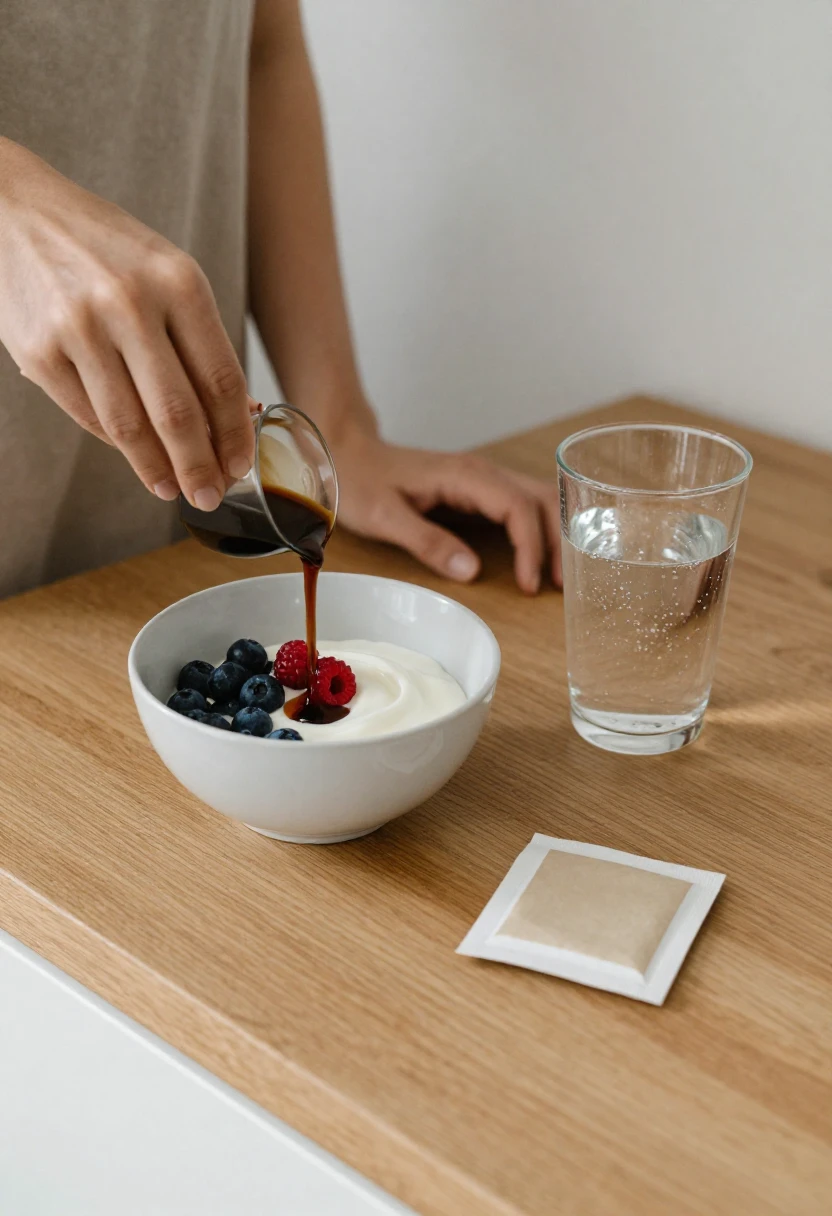
Most people do not start using artificial sweeteners because they are chasing some perfect “health food.” Usually, the reason is much more ordinary.
You want your coffee to taste good without adding three teaspoons of sugar. You want a fizzy drink at lunch that does not feel as heavy as regular soda. You want something sweet after dinner, but you are trying not to turn every evening into cookies, candy, and ice cream.
Artificial sweeteners often enter the picture because they seem like a simple compromise: keep the sweetness, reduce the sugar.
And in some situations, that can be useful.
Cutting Back on Added Sugar
Added sugar can add up quickly, especially in drinks and packaged snacks. A sweet coffee in the morning, a flavored yogurt, a soda with lunch, and a dessert after dinner can easily turn into much more sugar than you intended.
Artificial sweeteners may help some people reduce added sugar without feeling like they have to give up every sweet flavor at once.
For example:
- switching from regular soda to diet soda
- using a small amount of sweetener in coffee instead of sugar
- choosing a lower-sugar yogurt
- replacing sugary iced tea with a zero-sugar version
These swaps are not perfect, but they can be a starting point.
Sometimes the first step toward eating better is not dramatic. It is simply finding a way to make your usual habits a little lighter.
Reducing Calories in Drinks and Snacks
One reason artificial sweeteners became so popular is that they can make foods taste sweet with very few calories.
This matters most in drinks.
Liquid calories can be easy to overlook because they do not always make you feel full. A large sugary drink can disappear in a few minutes, especially on a hot day or during a busy afternoon, but your body may not register it the same way it would register a balanced meal.
So, for someone who drinks sugary soda every day, switching to a no-sugar version may reduce a meaningful number of calories.
But there is one important detail: lower calorie does not always mean more nourishing.
A zero-calorie drink may be better than a sugar-loaded drink in some cases, but it still does not replace water, herbal tea, or foods that give your body fiber, protein, vitamins, and minerals.
Think of artificial sweeteners as a tool, not the foundation of your eating pattern.
Managing Blood Sugar More Easily
For people watching their blood sugar, artificial sweeteners can feel especially helpful. Since many of them do not contain regular sugar, they may have less direct impact on blood glucose than sweetened foods made with table sugar.
That is why you often see sugar substitutes in products marketed toward people with diabetes or those trying to reduce sugar intake.
But this is also where labels can get confusing.
A food may be “sugar-free” but still contain refined flour, starches, saturated fat, or a high number of calories. A sugar-free cookie can still affect your body differently than a bowl of Greek yogurt with berries and nuts.
So, when thinking about blood sugar, it helps to look at the whole food, not just the sweetener.
Ask yourself:
- Does this food have protein?
- Does it contain fiber?
- Is it mostly a treat, or is it actually filling?
- Am I choosing it because it supports me, or because the label sounds healthy?
Artificial sweeteners may reduce sugar, but they do not turn every packaged snack into a balanced choice.
Keeping Sweetness While Changing Habits
One of the most human reasons people use artificial sweeteners is that change is hard.
If you are used to very sweet coffee, suddenly drinking it black may feel unpleasant. If you have had soda every afternoon for years, switching directly to plain water might feel like losing a small daily comfort. If dessert is part of how you relax at night, removing sweetness completely can feel too strict.
Artificial sweeteners can act like a bridge.
They may help you move from very high-sugar habits toward lower-sugar ones without feeling deprived right away.
But bridges are meant to help you cross somewhere.
Over time, the goal may be to gently lower your need for intense sweetness. Maybe your coffee goes from three packets of sweetener to one. Maybe your diet soda becomes sparkling water with lemon a few days a week. Maybe your dessert becomes fruit with yogurt most nights, with richer sweets enjoyed less often and more intentionally.
That kind of change feels slower, but it is often more sustainable.
You are not forcing yourself to hate sweet foods.
You are teaching your taste buds that food can be satisfying in more than one way.
Are Artificial Sweeteners Safe?
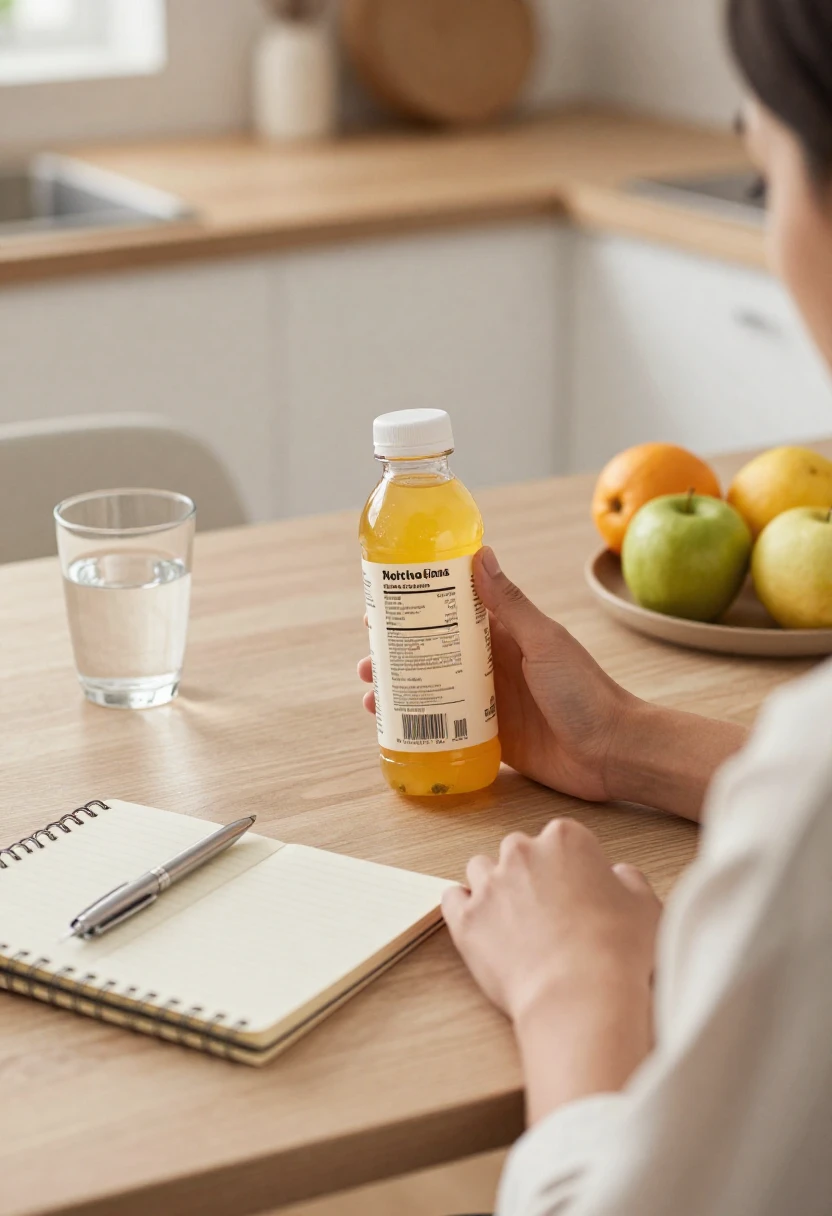
The most honest answer is this: approved artificial sweeteners are generally considered safe when used within recommended limits.
That does not mean you should build your whole diet around them. It means that food safety agencies review these ingredients, set limits for daily intake, and allow them in foods when they meet safety standards. The FDA, for example, lists acceptable daily intake levels for sweeteners such as aspartame, sucralose, saccharin, Ace-K, and others. (U.S. Food and Drug Administration)
But “safe” can still feel like a vague word when you are standing in your kitchen, stirring sweetener into coffee and wondering whether you are making a good choice.
So let’s make it simpler.
Safe Does Not Mean You Need Unlimited Amounts
A sweetener can be considered safe and still not be something you want to consume all day long.
Think of it like coffee. For many adults, coffee can fit into a healthy routine. But drinking cup after cup from morning until evening may leave you jittery, anxious, or unable to sleep. The problem is not always the ingredient itself. Sometimes it is how much, how often, and what it replaces.
Artificial sweeteners are similar.
A diet soda with lunch is not the same as having sweetened coffee in the morning, flavored water all day, sugar-free snacks in the afternoon, and zero-sugar dessert at night. When sweeteners show up in several products across the day, your intake can quietly become higher than you realize.
That is why moderation matters.
Not because every packet is dangerous.
But because your daily habits shape your taste buds, your cravings, and the overall quality of your diet.
What Acceptable Daily Intake Means
You may see the term ADI, which stands for acceptable daily intake. It is the amount of a food additive that is considered safe to consume every day over a lifetime, based on body weight.
That does not mean you should aim to reach that amount. It is more like a safety ceiling, not a nutrition goal.
For example, the FDA’s acceptable daily intake for aspartame is 50 mg per kilogram of body weight per day, while EFSA in Europe uses 40 mg per kilogram of body weight per day for the general population. (U.S. Food and Drug Administration)
For most people, occasional use is far below those levels. You would usually need a lot of diet drinks or sweetened products in one day to get close to the limit.
Still, the ADI reminds us of something important: dose matters.
One sugar-free drink is not the same as relying on sweeteners constantly.
Why Guidelines Can Sound Confusing
Part of the confusion comes from the fact that different health organizations may answer slightly different questions.
Food safety agencies often ask:
Is this sweetener safe to consume within set limits?
Public health organizations may ask:
Is using non-sugar sweeteners a good long-term strategy for weight control or disease prevention?
Those are not exactly the same question.
For example, the World Health Organization has advised that non-sugar sweeteners should not be used as a long-term tool for weight control. Their guidance is less about one diet drink being unsafe and more about not relying on sweeteners as the main solution for healthier eating. (World Health Organization)
That distinction matters.
Artificial sweeteners may help you reduce sugar in certain foods or drinks. But they do not teach you to enjoy less-sweet flavors, build balanced meals, or choose more whole foods. They can be part of the picture, but they should not be the whole plan.
The Real-Life Way to Think About Safety
Instead of asking only, “Is this sweetener safe?” try asking a few more practical questions:
- How often am I using it?
- Is it helping me reduce added sugar, or am I just eating more sweet foods in a different form?
- Do I feel good after having it?
- Is this product actually nourishing, or just labeled as sugar-free?
- Could I slowly reduce the sweetness over time?
This turns the conversation from fear into awareness.
You do not need to panic over a sweetener in your coffee or a diet drink now and then. But it is also wise not to treat artificial sweeteners like a free pass to keep sweetness at the center of every snack, drink, and dessert.
The best approach is simple: use them when they genuinely help, keep the amount reasonable, and make room for naturally satisfying foods too.
The Aspartame Question: Why It Gets So Much Attention
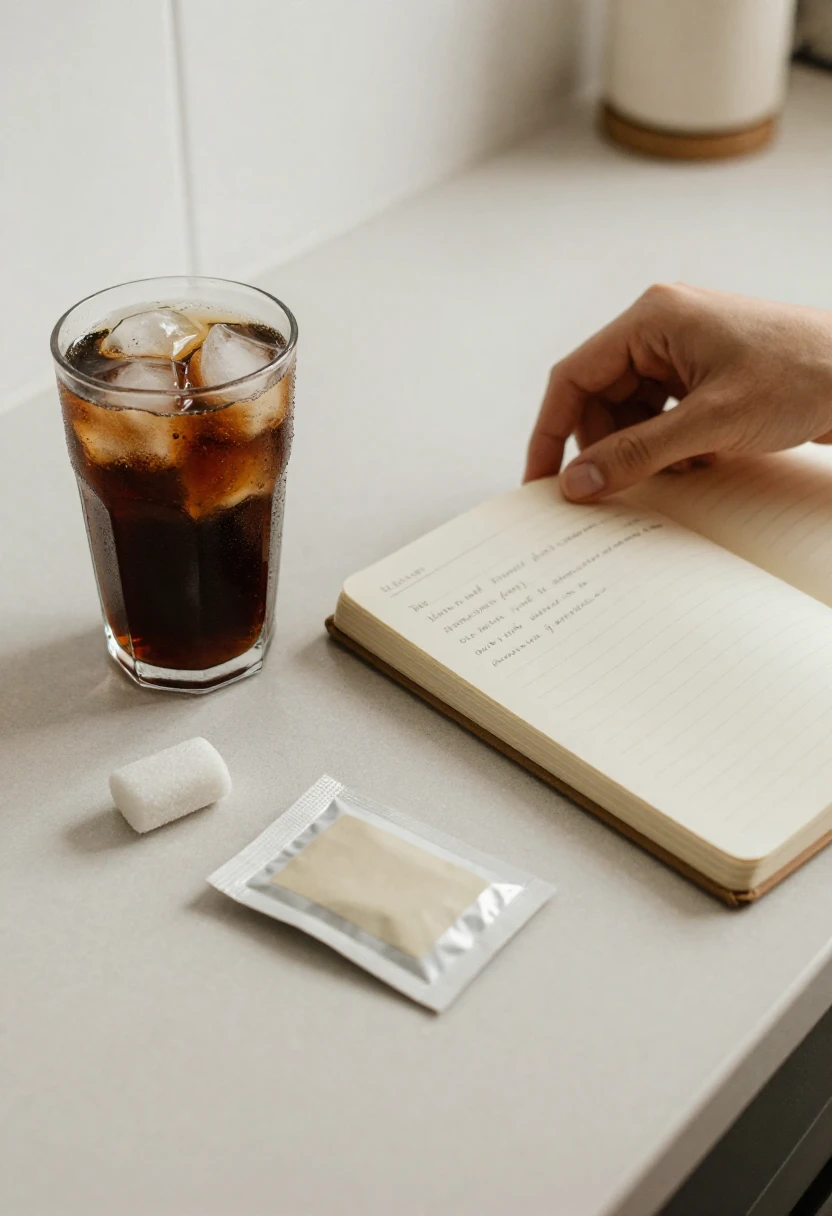
Aspartame is probably the most talked-about artificial sweetener. Even people who do not know much about sugar substitutes have often heard something about it — usually from a headline, a social media post, or a worried comment from a friend.
You can find aspartame in many diet drinks, sugar-free gums, tabletop sweeteners, and low-calorie packaged foods. It has been used for decades, and it is much sweeter than sugar, which means only a small amount is needed to create a sweet taste.
Still, aspartame gets more attention than many other sweeteners because people often connect it with big health questions: cancer risk, headaches, cravings, metabolism, and long-term safety.
That sounds alarming at first. But this is where it helps to slow down and look at the details.
Why Aspartame Is So Debated
In 2023, the International Agency for Research on Cancer classified aspartame as “possibly carcinogenic to humans”, while JECFA, the food additive expert committee from WHO and FAO, reaffirmed the acceptable daily intake at 40 mg per kilogram of body weight per day. (World Health Organization)
That combination confused a lot of people.
One group was talking about hazard — whether something could possibly be linked to cancer under some conditions. The other was talking about risk — how likely harm is at the amounts people normally consume.
Those are not the same thing.
A simple way to think about it is this: hazard asks, “Could this be a problem?” Risk asks, “Is this likely to be a problem at my actual level of exposure?”
That does not mean you should ignore the conversation. It means one scary phrase in a headline does not tell the full story.
What Safety Agencies Say About Daily Intake
The FDA currently lists the acceptable daily intake for aspartame as 50 mg per kilogram of body weight per day. (U.S. Food and Drug Administration) JECFA uses a slightly lower limit of 40 mg per kilogram of body weight per day. (World Health Organization)
For most adults, occasional use is usually far below those amounts.
This is why the practical concern is rarely one packet of sweetener in your coffee or one diet drink with lunch. The bigger question is whether aspartame is appearing in your day over and over again — in drinks, gum, snacks, desserts, and “light” products — without you noticing.
If you use it sometimes and your overall diet is balanced, the conversation looks very different than if aspartame-sweetened products are replacing water, whole foods, and naturally satisfying meals.
People with PKU Need to Avoid Aspartame
There is one group that does need a clear warning: people with phenylketonuria, also called PKU.
Aspartame contains phenylalanine. People with PKU cannot properly process phenylalanine, so they need to avoid aspartame-containing foods and drinks unless their healthcare provider gives specific guidance. This is why products with aspartame usually carry a warning for people with phenylketonuria.
For everyone else, phenylalanine is a normal amino acid found in many protein-containing foods. The issue is not that phenylalanine is automatically harmful. The issue is that people with PKU need to manage it very carefully.
Occasional Use vs. Heavy Daily Use
This is the part that often gets lost.
There is a big difference between:
- having a diet soda at a restaurant
- using a sweetener packet in coffee
- chewing sugar-free gum after lunch
and relying on sweetened products all day because they seem “free.”
When you use artificial sweeteners heavily, the concern is not only about safety limits. It is also about the kind of eating pattern you are building.
You may notice that:
- plain water feels boring
- fruit does not taste sweet enough
- you crave dessert more often
- you feel bloated or uncomfortable after certain sugar-free foods
- you keep choosing packaged “diet” snacks instead of filling meals
None of this means aspartame is poison. It simply means your body and taste buds may be asking for more balance.
A Calm Way to Think About Aspartame
Aspartame does not need to be treated like a monster hiding in your pantry. But it also does not need to be something you consume without thinking.
A balanced approach looks like this:
- Do not panic over occasional use
- Pay attention to how many aspartame-sweetened products you use in one day
- Avoid it completely if you have PKU
- Use it as a sugar-reduction tool, not a replacement for better food habits
- Make room for less-sweet drinks and whole foods
If aspartame helps you move away from a heavy sugary soda habit, it may be useful for a while. But the long-term goal is not to keep sweetness at the same intensity forever.
The goal is to feel comfortable with more kinds of flavor — creamy, tart, bitter, fresh, nutty, spiced, and naturally sweet.
That is where your diet starts to feel less like restriction and more like real nourishment.
Can Artificial Sweeteners Help with Weight Loss?
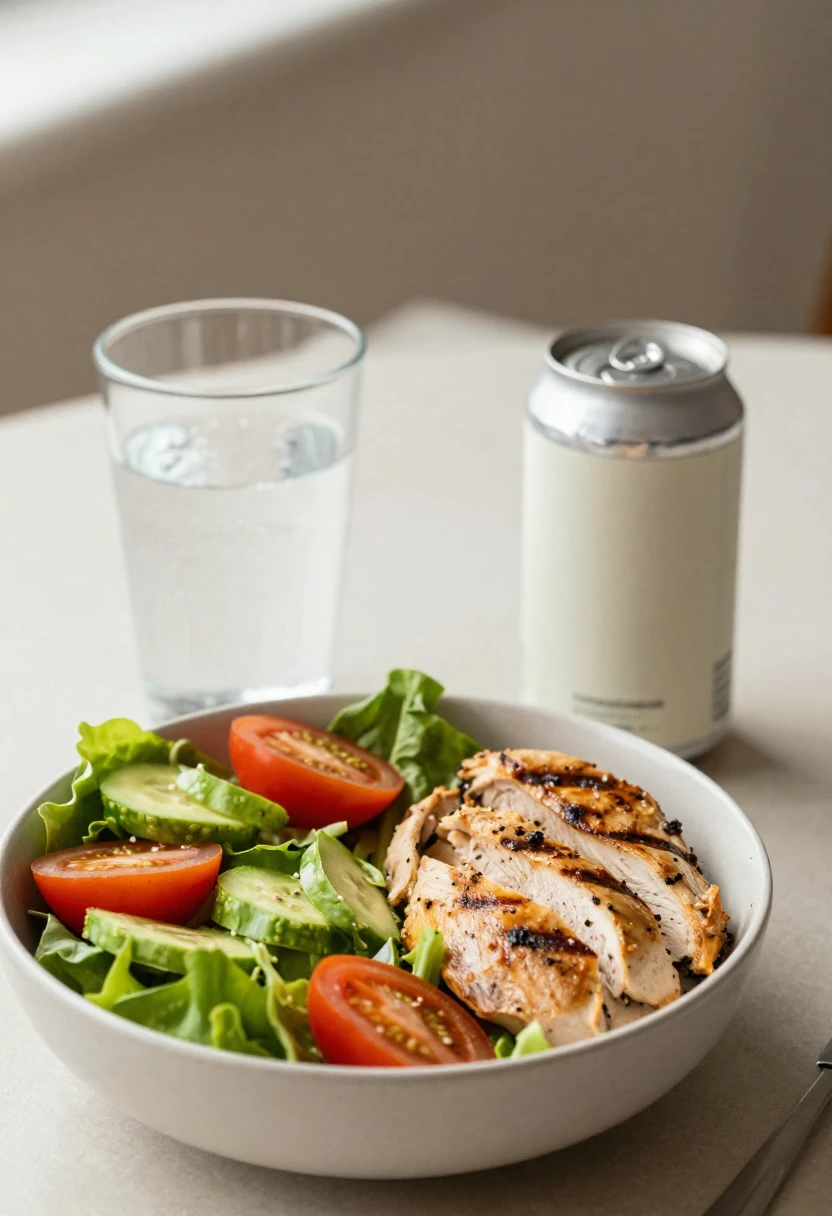
Artificial sweeteners often get marketed as a weight-loss shortcut. The idea sounds simple: replace sugar with a sweetener, cut calories, and the number on the scale should move down.
Sometimes, they can help a little — especially when the swap is clear and realistic.
For example, if you drink several sugary sodas a week and switch to a zero-sugar version, you may reduce a meaningful amount of added sugar and calories. That can be a helpful first step, especially if you are not ready to give up sweet drinks completely.
But artificial sweeteners are not magic.
They do not automatically make your meals balanced. They do not replace protein, fiber, movement, sleep, or consistency. And they do not always change the deeper habit of wanting everything to taste very sweet.
Why Sugar-Free Does Not Always Mean Weight-Friendly
A common mistake is seeing the words sugar-free and assuming the food is automatically light, healthy, or good for weight loss.
But many sugar-free foods can still contain:
- refined flour
- added fats
- low fiber
- very little protein
- lots of calories
- highly processed ingredients
A sugar-free brownie is still a brownie. A low-sugar cookie can still be easy to overeat. A “keto” candy bar may still feel like a snack that keeps you craving more sweets an hour later.
This is why the full nutrition picture matters more than one label claim.
Instead of asking only, “Does this have sugar?” ask:
- Will this actually keep me full?
- Does it give me protein or fiber?
- Is this replacing a sugary habit, or just adding another sweet snack?
- Would a simpler food satisfy me better?
Sometimes the better choice is not the most “diet” looking option. It might be Greek yogurt with berries, apple slices with peanut butter, cottage cheese with cinnamon, or a small piece of dark chocolate after a balanced meal.
Sweeteners May Help as a Transition Tool
Artificial sweeteners can be useful when they act as a bridge.
If you are used to drinking sugary iced coffee every morning, switching to a lower-sugar version with a little sweetener may help you reduce sugar without feeling deprived. If you usually crave soda in the afternoon, a diet soda might help you avoid a much higher-sugar drink while you build new habits.
That kind of change can be valuable.
The key is not to stop there forever.
Over time, you may want to gradually lower the sweetness:
- use half the usual sweetener in coffee
- mix diet soda with sparkling water
- choose unsweetened yogurt and add fruit
- drink flavored water without added sweeteners
- keep sweet snacks for moments when you truly want them
Small steps can retrain your taste buds in a way that feels gentle instead of punishing.
Why They Do Not Work the Same for Everyone
Some people use artificial sweeteners and feel completely fine. They reduce sugary drinks, feel more in control, and do not notice stronger cravings.
Other people find the opposite.
For them, sweeteners may keep the craving cycle alive. A diet drink may lead to wanting chips. A sugar-free dessert may make them want another dessert. A sweet protein bar may feel helpful in the moment but leave them hunting for something else later.
Neither reaction makes you wrong.
Bodies are different. Food habits are emotional. Sweet taste is connected to comfort, reward, routine, stress, and memory — not just calories.
That is why the best question is not, “Do artificial sweeteners cause weight loss?”
A better question is: Do they help you make choices that feel easier, calmer, and more nourishing overall?
What Matters More Than the Sweetener
If your goal is weight management, the sweetener itself is only one small piece.
What usually matters more is the pattern around it:
- meals that include enough protein
- fiber from fruits, vegetables, beans, oats, and whole grains
- drinks that do not constantly stimulate cravings
- snacks that actually satisfy you
- sleep and stress levels
- portions that feel comfortable, not extreme
Artificial sweeteners may reduce calories in one product. But your overall routine decides whether that swap actually helps.
A zero-sugar drink with a balanced lunch may fit perfectly well. A day built around diet drinks and low-calorie sweets, but not enough real food, may leave you hungry, irritable, and more likely to overeat later.
A Practical Weight-Loss Perspective
If artificial sweeteners help you move away from heavy added sugar, they can be useful.
But try not to treat them as the main strategy.
A smarter approach is to use them while also building meals that make you feel steady and satisfied. Think eggs with whole-grain toast, oatmeal with nuts and berries, chicken with vegetables and rice, lentil soup, yogurt bowls, roasted sweet potatoes, crunchy salads, and homemade snacks that do not depend on intense sweetness.
That is the kind of food that supports your body in a deeper way.
Artificial sweeteners may help you take one step away from sugar.
But real nourishment helps you keep going.
Artificial Sweeteners and Gut Health
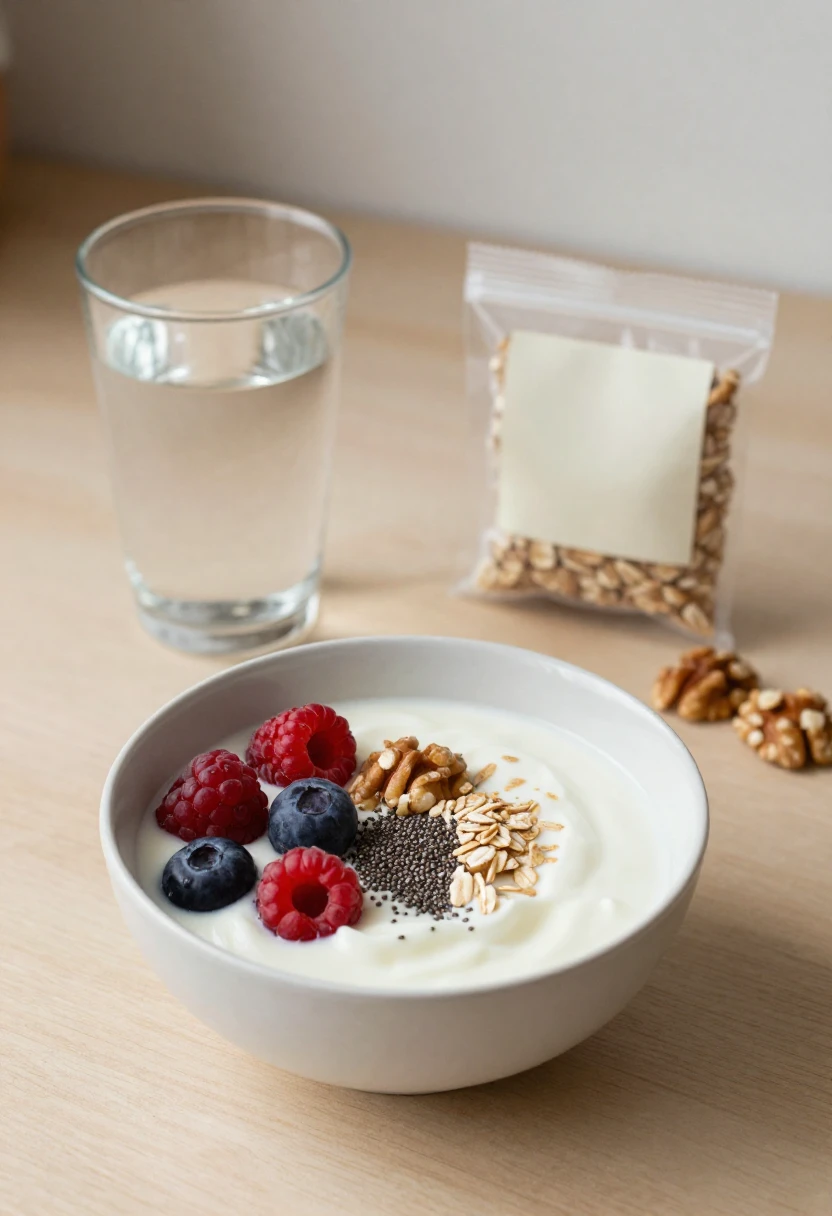
Gut health has become part of almost every nutrition conversation, and artificial sweeteners are no exception.
Your gut is not just a place where food gets broken down. It is home to trillions of bacteria and other microbes that help influence digestion, immune function, inflammation, and even how your body responds to certain foods. So it makes sense that people wonder: can artificial sweeteners affect the gut microbiome?
The answer is still developing.
Some research suggests that certain non-nutritive sweeteners may influence gut bacteria or gut function, but the effects can vary depending on the sweetener, the amount used, the person’s existing microbiome, and the study design. Reviews of the research generally describe this area as promising but not fully settled yet. (PMC)
Why Gut Health Is Part of the Sweetener Conversation
For a long time, artificial sweeteners were often described as passing through the body without doing much. They tasted sweet, added little or no calories, and seemed fairly simple from a digestion point of view.
Now, researchers are looking more closely.
Some sweeteners may interact with gut bacteria. Some may affect how certain microbes grow or function. Some people may also notice digestive symptoms after eating products with sugar substitutes, especially when those products contain sugar alcohols like sorbitol, xylitol, or erythritol.
That does not mean every sweetener harms your gut. It means your gut is more interactive than we once thought.
Your digestive system is not a passive tunnel. It is more like a busy little ecosystem.
Your Body May React Differently Than Someone Else’s
One person can drink a diet soda and feel completely normal. Another person can eat a sugar-free candy and feel bloated, gassy, or uncomfortable within an hour.
That difference matters.
Gut reactions are personal. Your microbiome, your usual diet, your digestion, your stress level, and even how much of a sweetener you consume can all change how you feel.
This is especially true with sugar alcohols. They are often used in “low-carb,” “keto,” and “sugar-free” foods, but they can pull water into the intestines or ferment in the gut, which may lead to bloating or loose stools in some people.
You may notice this after:
- sugar-free candies
- low-carb protein bars
- keto desserts
- sugar-free gum
- “no sugar added” ice cream
- certain flavored drinks or powders
If you have ever eaten a few too many sugar-free mints and then wondered why your stomach felt noisy and unsettled, you are not alone.
Research Is Still Not One-Size-Fits-All
The gut microbiome is complicated, so simple answers are hard to give.
Different sweeteners may behave differently. Aspartame, sucralose, saccharin, stevia, monk fruit, and sugar alcohols are not identical ingredients. They have different structures, different levels of sweetness, and different ways of moving through the body.
Some studies suggest possible changes in gut microbiota with certain sweeteners, while others show smaller or less clear effects. That is why it is better to avoid dramatic claims like “all artificial sweeteners destroy your gut” or “sweeteners have no effect at all.” The current research is more nuanced than that. (PMC)
A calmer way to think about it is this:
Artificial sweeteners may affect some people’s gut health, especially with frequent or high intake, but the effect depends on the sweetener and the person.
That is not as catchy as a headline, but it is much more useful.
Signs You May Want to Cut Back
Your body often gives you clues before you need a dramatic rule.
You may want to reduce artificial sweeteners or sugar alcohols for a while if you notice:
- more bloating than usual
- gas or stomach cramps after sugar-free foods
- loose stools after low-carb snacks
- stronger cravings for sweet foods
- headaches or discomfort after certain products
- feeling like plain foods no longer taste satisfying
You do not have to make it complicated. Try removing the most obvious sweetened products for a week or two and see how you feel.
For example, you might pause:
- diet soda
- sugar-free candy
- sweetened protein bars
- flavored “zero sugar” drinks
- heavily sweetened coffee creamers
Then slowly add things back one at a time. This can help you notice whether one specific product or sweetener is the issue.
How to Support Your Gut While Using Sweeteners
If you use artificial sweeteners occasionally and feel fine, you probably do not need to panic. But it is still smart to support your gut in the bigger picture.
Focus on foods that feed beneficial gut bacteria and help digestion feel steady:
- oats
- beans and lentils
- berries
- apples
- vegetables
- chia seeds and flaxseeds
- plain yogurt or kefir with live cultures
- whole grains
- nuts and seeds
These foods give your gut fiber, texture, and variety — things a diet drink or sugar-free snack cannot provide.
Artificial sweeteners may reduce sugar, but they do not nourish your microbiome the way fiber-rich foods do.
A Practical Gut-Health Approach
The goal is not to fear every sweetener.
The goal is to notice patterns.
If you drink a zero-sugar beverage sometimes and your digestion feels normal, it may fit into your life just fine. If you are eating multiple sugar-free snacks every day and your stomach often feels bloated or unsettled, your body may be asking for a change.
Try making sweetness less constant and real food more central.
Swap one artificially sweetened drink for sparkling water with lemon. Choose plain yogurt and add berries instead of buying the sweetest “light” version. Keep sugar-free candy as an occasional thing rather than a daily habit.
Your gut usually does best with variety, fiber, and consistency.
Sweeteners can be part of your diet, but they should not crowd out the foods that actually help your digestive system feel calm and supported.
Natural vs Artificial Sweeteners: Is One Better?
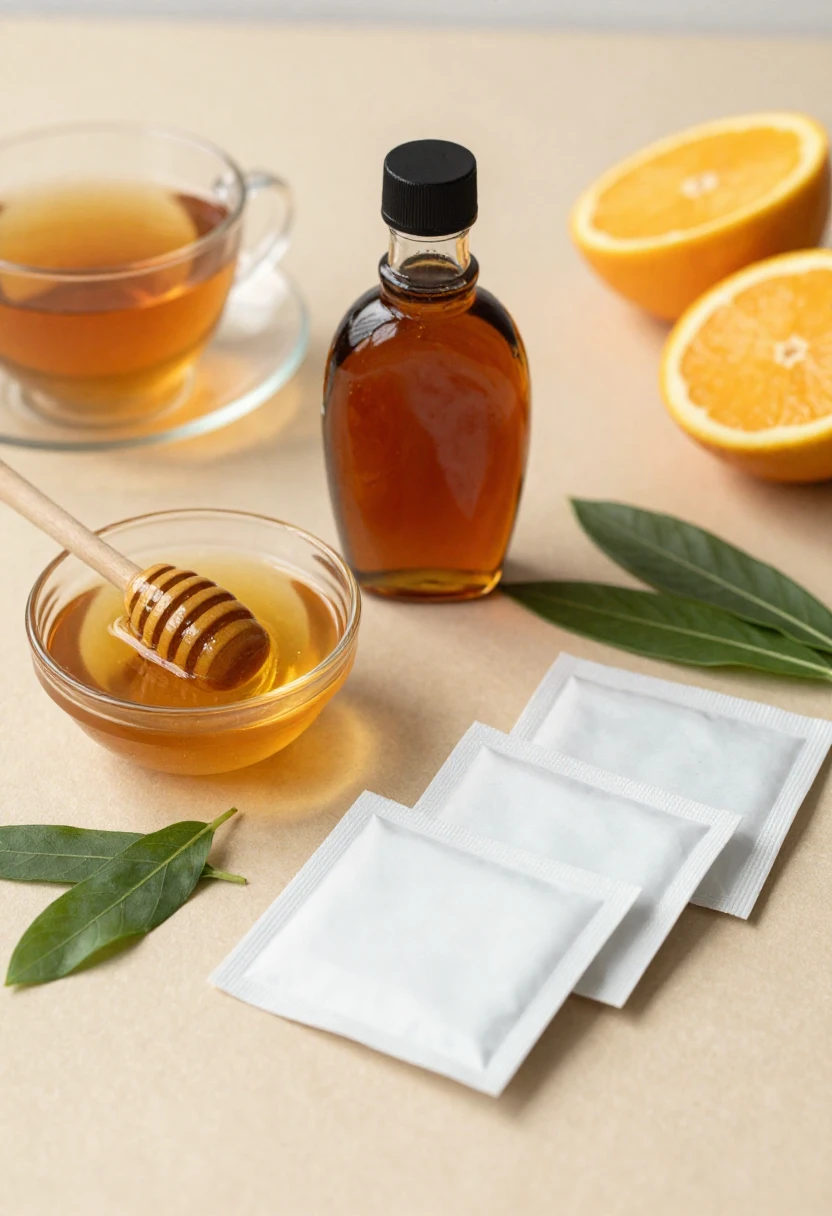
It is easy to assume that a “natural” sweetener is automatically better than an artificial one. The word natural feels comforting. It makes you think of plants, fruit, sunlight, and something closer to real food.
But with sweeteners, the answer is not always that simple.
Some sweeteners come from plants. Some are made or modified in labs. Some contain calories. Some do not. Some may affect blood sugar more than others. Some are gentle for digestion, while others can leave you bloated if you eat too much.
So instead of asking, “Which sweetener is perfect?” it is more helpful to ask, “Which one fits my body, my habits, and the way I actually eat?”
Stevia and Monk Fruit
Stevia and monk fruit are often marketed as more natural sugar substitutes because they come from plants.
Stevia is made from the leaves of the stevia plant. Monk fruit sweetener comes from monk fruit extract. Both are very sweet, so only a small amount is needed.
Many people like them because they can add sweetness without regular sugar and without many calories. You might see them in:
- coffee sweeteners
- low-sugar drinks
- protein powders
- “natural” sugar-free desserts
- flavored yogurts
- baking blends
But they are not perfect for everyone.
Some people notice a bitter or herbal aftertaste with stevia. Monk fruit can taste cleaner to some people, but it is often blended with other ingredients, such as erythritol or other sugar alcohols. That means the front label may say “monk fruit,” but the full product may contain more than one sweetener.
This is why the ingredient list matters.
A plant-derived sweetener can still be part of a highly processed food.
Sugar Alcohols: Not Sugar, Not Alcohol
Sugar alcohols can sound confusing, but they are common in sugar-free and low-carb products.
You may see names like:
- erythritol
- xylitol
- sorbitol
- maltitol
- mannitol
Despite the name, they are not the same as drinking alcohol. They are carbohydrates that taste sweet but are absorbed differently than regular sugar.
Some sugar alcohols have fewer calories than sugar and may have less impact on blood sugar. That is why they are popular in sugar-free gum, low-carb candy, protein bars, and keto desserts.
But here is the catch: they can be hard on digestion for some people.
If you eat too much, especially from candies or snack bars, you may feel bloated, gassy, or uncomfortable. Sorbitol and maltitol are especially known for causing digestive issues in larger amounts. Erythritol is often better tolerated, but not everyone reacts the same way.
So if a “healthy” sugar-free snack leaves your stomach feeling loud and unsettled, the sweetener may be part of the reason.
Honey, Maple Syrup, and Coconut Sugar
Then there are sweeteners that feel more wholesome because they are less artificial sounding: honey, maple syrup, coconut sugar, agave, and date syrup.
These can be lovely in food. A drizzle of honey over Greek yogurt. A little maple syrup in oatmeal. Date syrup in a homemade dressing. They bring flavor, aroma, and sometimes small amounts of minerals or antioxidants.
But they are still forms of sugar.
Your body may process them a little differently depending on the sweetener, but they still add calories and carbohydrates. If you pour them freely because they seem “natural,” your sugar intake can climb quickly.
That does not mean you should avoid them. It means they are best used with intention.
A spoonful of maple syrup in a bowl of oats with walnuts and berries is very different from a huge “natural” cookie that still has more sugar than you realize.
“Natural” Does Not Always Mean Better
Food marketing loves simple labels.
Natural. Clean. Zero sugar. Plant-based. Keto. Low carb.
These words can be useful, but they can also distract you from the bigger picture.
A naturally sweetened snack can still be high in sugar. An artificially sweetened drink can still help someone reduce sugary soda. A stevia-sweetened protein powder can still be useful. A honey-sweetened granola can still be easy to overeat.
The label does not tell the whole story.
What matters more is:
- how often you use it
- how much you use
- whether it affects your digestion
- whether it helps or worsens cravings
- what kind of food it is part of
- whether it supports your overall eating pattern
Sometimes the best sweetener is not the one with the trendiest reputation. It is the one you can use in a small amount and feel satisfied.
How to Choose the Right Sweetener for You
There is no single best choice for everyone.
If you are trying to reduce calories from sugary drinks, a non-sugar sweetener may help as a temporary step. If you prefer less processed foods, a small amount of honey or maple syrup may feel more satisfying. If you are watching blood sugar, stevia or monk fruit may work better than regular sugar. If you have digestive sensitivity, you may want to be careful with sugar alcohols.
A practical way to choose is to match the sweetener to the situation.
For coffee or tea, try gradually using less sweetener overall, no matter which type you choose.
For baking, remember that sugar affects texture, moisture, and browning, so substitutes may not behave the same way.
For yogurt or oatmeal, fruit may be the better first choice because it adds sweetness along with fiber, color, and nutrients.
For drinks, aim to make plain water, sparkling water, or unsweetened tea your everyday base, with sweetened drinks as occasional extras.
The Best Goal: Less Dependence on Sweet Taste
The healthiest long-term goal is usually not switching from one sweetener to another forever.
It is becoming less dependent on intense sweetness.
That does not mean your food has to be bland. It means learning to enjoy more flavors:
- cinnamon in coffee
- lemon in water
- berries in yogurt
- vanilla in oatmeal
- cocoa in smoothies
- roasted carrots with herbs
- nuts with dark chocolate
- mint in iced tea
When your taste buds adjust, sweetness becomes something you enjoy instead of something you constantly chase.
Natural sweeteners and artificial sweeteners can both have a place. But neither one should be the center of your diet.
The real win is when your everyday food starts to taste good because it is fresh, balanced, and satisfying — not just because it is sweet.
How to Use Sweeteners in a Smarter Way
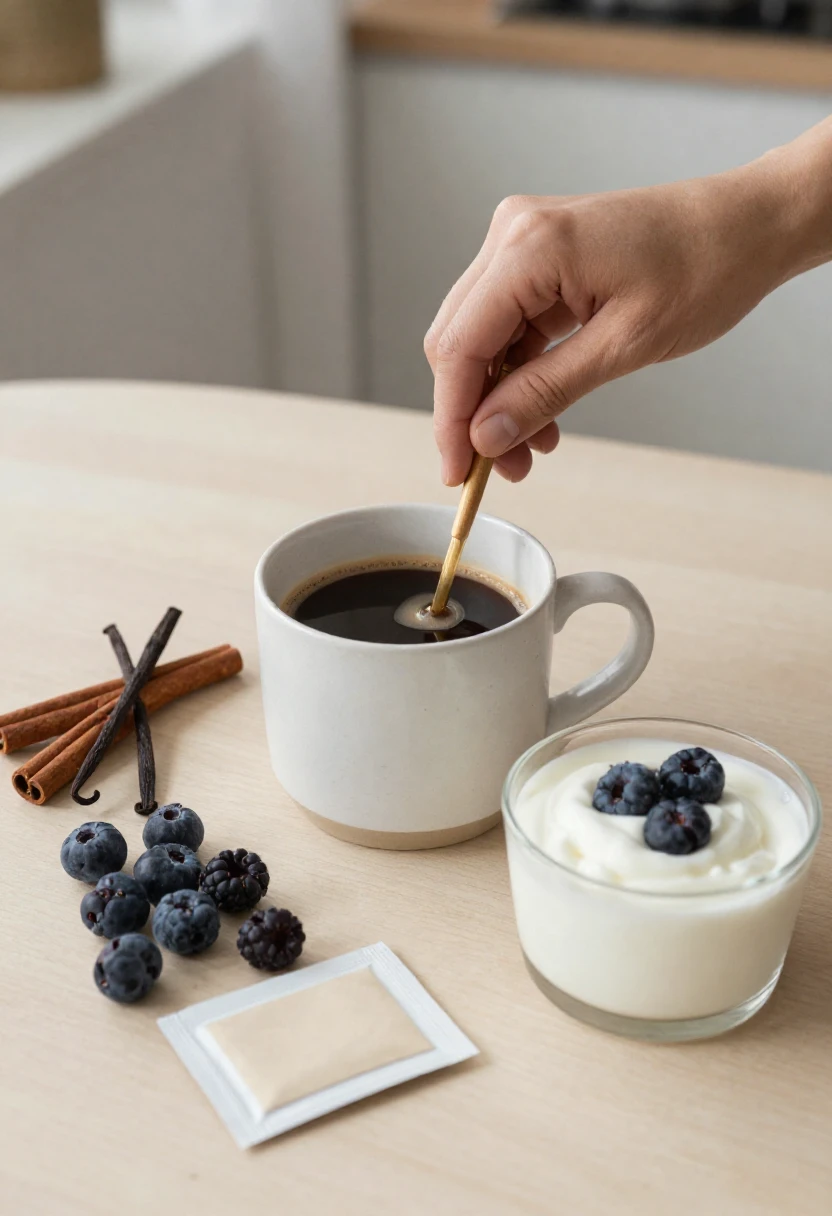
Artificial sweeteners work best when they have a clear purpose.
They can help you reduce sugar in your coffee. They can make the switch from regular soda feel easier. They can give you a lower-sugar option when you want something sweet but do not want a full dessert.
The problem starts when they become automatic.
A packet in every coffee. A zero-sugar drink with every meal. Sugar-free gum all afternoon. Low-carb bars, sweetened yogurts, diet desserts, flavored waters — all adding up until your whole day quietly tastes sweet.
That is when it helps to pause and ask: is this sweetener helping me, or is it keeping me stuck in the same craving cycle?
Treat Sweeteners as a Bridge, Not a Daily Crutch
A bridge helps you get from one place to another.
That is a helpful way to think about artificial sweeteners. They can help you move away from a high-sugar habit without feeling like you have to change everything overnight.
For example, if you normally drink two regular sodas a day, switching to diet soda may be a reasonable first step. But after a while, you might try replacing one of those diet sodas with sparkling water, unsweetened iced tea, or water with lemon and mint.
The goal is not perfection.
The goal is progress that feels livable.
You might start with:
- regular soda → diet soda → sparkling water with citrus
- sweetened yogurt → light yogurt → plain yogurt with berries
- very sweet coffee → coffee with one sweetener → coffee with cinnamon and milk
- sugar-free dessert every night → fruit and yogurt most nights, dessert when you truly want it
This kind of change feels gentle, but it can make a big difference over time.
Start with Your Drinks
Drinks are often the easiest place to notice your sweetener habits.
That morning coffee, afternoon soda, flavored water, evening iced tea, or “zero sugar” energy drink can become part of your routine without much thought. You may not even feel like you are choosing sweetness anymore — it is just there.
Try looking at your drinks for one normal day.
Ask yourself:
- How many sweetened drinks did I have?
- Were they sugary, artificially sweetened, or both?
- Did I actually enjoy them, or were they just habit?
- Could one of them be less sweet?
You do not have to remove everything. Start with one simple change.
Maybe you use half the sweetener in your coffee. Maybe you drink plain water between diet sodas. Maybe you choose unsweetened tea and add lemon. Maybe you keep your favorite zero-sugar drink, but not as your main source of hydration.
Small changes in drinks can quietly reshape your taste buds because you repeat them every day.
Read Labels Beyond “Zero Sugar”
Front labels are designed to catch your attention.
They may say:
- zero sugar
- no added sugar
- low carb
- keto-friendly
- diet
- light
- naturally sweetened
Those words can be useful, but they do not tell the whole story.
Turn the package around and look at the ingredient list. You may see one sweetener, or you may see several. You may also find refined starches, oils, gums, flavorings, and ingredients that make the food feel more like a processed treat than a nourishing snack.
Also check the nutrition facts.
Look for:
- protein
- fiber
- total calories
- serving size
- saturated fat
- total carbohydrates
- added sugars
A snack with no sugar but almost no protein or fiber may not keep you satisfied for long. A sweetened protein bar may be useful in a pinch, but it may not feel as grounding as a simple meal or snack made from real foods.
The front label makes the promise.
The back label tells the truth.
Pair Sweetness with Real Food
One of the best ways to use sweetness wisely is to pair it with foods that actually nourish you.
Instead of chasing sweet taste by itself, build snacks and meals that include protein, fiber, healthy fats, and texture.
For example:
- plain Greek yogurt with berries and a small drizzle of honey
- oatmeal with cinnamon, walnuts, and sliced banana
- cottage cheese with peaches
- apple slices with peanut butter
- chia pudding with vanilla and fruit
- a smoothie with protein, spinach, berries, and cocoa
- dark chocolate with nuts after dinner
These foods still feel enjoyable. They still give you sweetness. But they also help you feel full and steady.
That is very different from eating sugar-free candy on an empty stomach or drinking sweetened beverages all day without real meals.
Sweetness feels better when it is part of something satisfying.
Lower the Sweetness Slowly
If you are used to very sweet flavors, plain foods may taste boring at first. That does not mean you are doing anything wrong. Your taste buds simply need time to adjust.
Do not force yourself to go from very sweet to completely unsweetened overnight. That usually feels harsh and frustrating.
Try lowering sweetness slowly.
If you use two packets of sweetener in coffee, try one and a half. Then one. Then maybe half. If you drink sweetened yogurt, mix half sweetened yogurt with half plain yogurt. If you love flavored drinks, alternate them with unsweetened options.
Your taste buds can change, but they need repetition.
After a few weeks, foods that once tasted “not sweet enough” may start to feel pleasant again. Berries may taste brighter. Oatmeal may feel naturally cozy with cinnamon. Tea may taste refreshing without needing to be dessert in a cup.
Who Should Be More Careful?
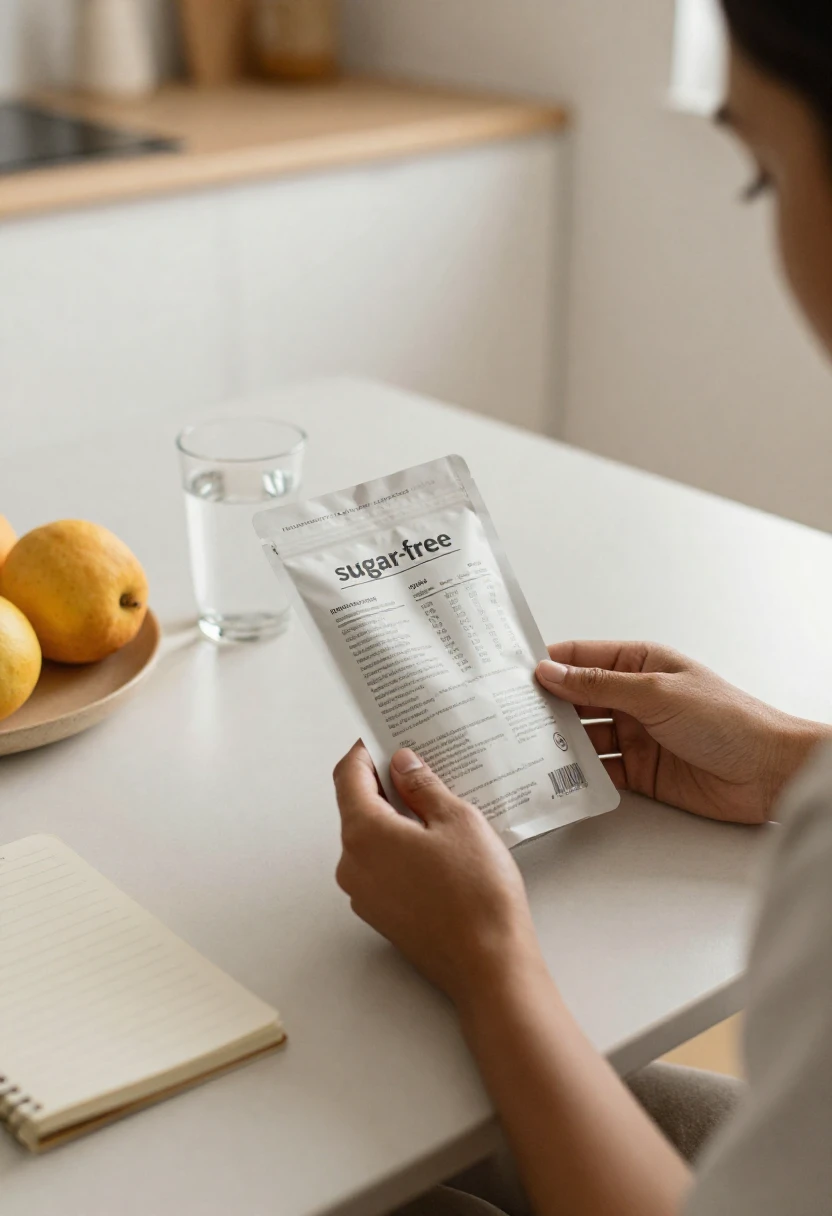
Most healthy adults do not need to panic about occasional artificial sweetener use. A diet soda at lunch, a sugar-free gum after coffee, or a sweetener packet here and there is usually not the main thing that decides whether your diet is healthy.
But some people may need to be more thoughtful.
This does not mean sweeteners are automatically dangerous for them. It means their body, health condition, age, or daily habits may make the details more important.
People with PKU
People with phenylketonuria, or PKU, need to avoid aspartame unless their healthcare provider gives different instructions.
Aspartame contains phenylalanine, an amino acid that people with PKU cannot process properly. For this reason, products containing aspartame usually include a warning label for people with phenylketonuria.
This is one of the clearest cases where a specific sweetener truly needs to be avoided.
If you or someone in your family has PKU, always check labels carefully, especially on:
- diet sodas
- sugar-free gum
- powdered drink mixes
- tabletop sweeteners
- low-calorie desserts
- some medications or chewable vitamins
People with Digestive Sensitivity
If your stomach is sensitive, sugar substitutes may be worth watching more closely.
This is especially true for sugar alcohols like sorbitol, xylitol, maltitol, and mannitol. These sweeteners are common in sugar-free candy, low-carb bars, keto snacks, and chewing gum. For some people, they can cause bloating, gas, cramps, or loose stools.
You may be more sensitive if you already deal with:
- irritable bowel syndrome
- frequent bloating
- reflux or stomach discomfort
- food intolerances
- unpredictable digestion
The tricky part is that symptoms may not show up immediately. You might eat a “healthy” sugar-free protein bar in the afternoon and only later realize your stomach feels tight or uncomfortable.
A simple food diary can help. Write down what you ate, which sweeteners were in it, and how your digestion felt afterward. Patterns often become clearer when you see them on paper.
Children and Sweet Taste Habits
Children do not need a diet filled with artificially sweetened products.
That does not mean a child having a sugar-free yogurt or a sip of a diet drink is a crisis. But childhood is when taste preferences are being shaped. If most drinks and snacks taste intensely sweet, even without sugar, plain foods may feel less appealing.
A child who gets used to very sweet flavors may be less interested in:
- water
- plain milk
- fresh fruit
- vegetables
- unsweetened yogurt
- simple homemade meals
For kids, it is usually better to focus on building comfort with real foods and natural flavors. Sweet foods can still have a place, but they do not need to show up in every drink, snack, and breakfast option.
Fruit, smoothies, yogurt with berries, oatmeal with banana, or homemade muffins with less sugar can help children enjoy sweetness in a more balanced way.
Pregnant or Breastfeeding People
Pregnancy and breastfeeding are times when many people read labels more carefully than usual. That is understandable. You are not only thinking about yourself — you are thinking about your baby too.
Approved sweeteners are generally considered safe when used within recommended limits, but this is still a good time to avoid overdoing them. A sweetener in coffee or an occasional diet drink is different from relying on artificially sweetened foods all day.
During pregnancy and breastfeeding, the bigger goal is to make room for nutrient-dense foods:
- eggs
- yogurt
- beans
- vegetables
- fruit
- whole grains
- fish that is safe in pregnancy
- nuts and seeds
- lean proteins
If you have gestational diabetes, blood sugar concerns, or strong food aversions, talk with your healthcare provider or dietitian about which sweeteners make sense for you.
People Who Use Sweeteners All Day Long
Even if you do not have a specific health condition, you may want to be careful if artificial sweeteners are showing up constantly.
For example, your day might look like this:
- sweetener in morning coffee
- zero-sugar energy drink
- diet soda with lunch
- sugar-free gum in the afternoon
- protein bar with sugar alcohols
- light yogurt after dinner
- sugar-free dessert at night
None of those choices may seem like a big deal by itself. But together, they can keep your taste buds surrounded by sweetness from morning to night.
That can make it harder to enjoy foods that are only mildly sweet or not sweet at all.
If this sounds familiar, you do not need to quit everything at once. Just choose one place to begin. Maybe replace one sweetened drink with water. Maybe choose plain yogurt with fruit. Maybe keep dessert, but skip the sugar-free candy you barely enjoy.
Small changes can reduce your overall sweetener intake without making your day feel strict or joyless.
Anyone Who Notices Stronger Cravings
Pay attention to your cravings.
Some people find that artificial sweeteners help them feel more in control. Others notice that sweetened products keep them thinking about dessert, snacks, and sweet drinks all day.
If sweeteners leave you feeling satisfied, that is one thing.
If they make you feel like you are always chasing “just one more” sweet taste, it may be worth cutting back.
A helpful question is:
After I have this, do I feel calmer around food — or more preoccupied with sweetness?
Your answer matters.
Nutrition is not only about what looks good on a label. It is also about how food affects your appetite, mood, digestion, and daily rhythm.
Artificial sweeteners may be safe for many people in moderate amounts, but your own body still gets a vote.
Simple Ways to Reduce Sweetness Without Feeling Deprived

Cutting back on sweetness does not have to feel like punishment.
You do not need to wake up tomorrow and drink black coffee, plain oatmeal, and water all day while pretending you enjoy it. That kind of change usually feels too sharp. It can make healthy eating seem cold, strict, and joyless.
A better approach is gentler.
You can slowly teach your taste buds to enjoy less sweetness while still keeping food comforting, flavorful, and satisfying.
The goal is not to remove pleasure from food.
The goal is to make sweetness feel like one flavor among many — not the flavor your whole day depends on.
Lower the Amount Slowly
If you usually use two spoonfuls of sugar or two packets of sweetener in your coffee, try using a little less. Not zero. Just less.
Maybe you go from two packets to one and a half. Then, after a week or two, you try one. Over time, your coffee may start to taste better with less sweetness because your tongue has adjusted.
You can do the same with other foods:
- mix sweetened yogurt with plain yogurt
- dilute juice with sparkling water
- use less syrup on pancakes
- choose lightly sweetened granola instead of very sweet cereal
- add fewer drops of liquid sweetener to tea
- make smoothies with more berries and less sweetener
Small reductions are easier to live with than dramatic rules.
And because they feel manageable, you are more likely to keep going.
Use Flavor Instead of Just Sweetness
Sweetness is not the only way to make food taste good.
Sometimes what you really want is warmth, aroma, creaminess, freshness, or a little richness. You can create that with ingredients that make food feel special without making it overly sweet.
Try adding:
- cinnamon to coffee, oatmeal, yogurt, or smoothies
- vanilla extract to plain yogurt or chia pudding
- lemon or orange zest to oatmeal, tea, or fruit bowls
- cocoa powder to smoothies or Greek yogurt
- nutmeg to warm drinks
- mint to iced tea or fruit salad
- berries to cereal, pancakes, or cottage cheese
- toasted nuts for crunch and richness
A bowl of plain yogurt may feel boring on its own. But add blueberries, cinnamon, chopped walnuts, and a little vanilla, and suddenly it feels like something you actually want to eat.
That is the trick.
You are not just taking sweetness away. You are replacing it with flavor.
Make Drinks Less Sweet First
Drinks are often the easiest place to start because they are repeated daily.
If you drink sweetened coffee, soda, flavored water, energy drinks, or bottled iced tea, sweetness may be showing up many times before dinner. Even if some of those drinks are sugar-free, they still keep your taste buds used to a very sweet flavor.
Try one simple change at a time:
- order your coffee with one less pump of syrup
- choose unsweetened iced tea and add lemon
- alternate diet soda with sparkling water
- drink water before reaching for a sweetened drink
- add cucumber, mint, citrus, or berries to water
- switch from sweetened creamers to milk with cinnamon
You do not have to give up your favorite drink completely.
Just make it less automatic.
When sweet drinks become occasional instead of constant, your cravings often become easier to understand. You may realize you wanted hydration, a break, caffeine, or a little comfort — not necessarily sweetness.
Let Fruit Do More of the Work
Fruit is one of the best ways to enjoy sweetness because it comes with fiber, water, color, texture, and nutrients.
It also feels generous. A bowl of strawberries, a juicy peach, a crisp apple, or a handful of cherries can satisfy the desire for something sweet without feeling heavy.
Try using fruit to sweeten everyday foods:
- banana slices in oatmeal
- berries in yogurt
- chopped dates in homemade energy bites
- apples with peanut butter
- peaches with cottage cheese
- mango in smoothies
- roasted pears with cinnamon
- frozen grapes as a cold snack
Fruit does not need to replace every dessert. Sometimes you will want cake, cookies, or ice cream, and that is okay.
But fruit can become your everyday sweetness — the kind that feels refreshing instead of draining.
Keep Real Desserts in Your Life
This may sound surprising, but one way to reduce dependence on artificial sweeteners is to stop treating dessert like something you must always “hack.”
Not every sweet food needs to be sugar-free, low-carb, or diet-friendly.
Sometimes a small portion of the real thing is more satisfying than a larger portion of a substitute that leaves you wanting more.
A warm homemade cookie. A few squares of good chocolate. A scoop of ice cream after dinner with your family. A slice of birthday cake that you actually enjoy.
These foods can fit into a healthy life when they are eaten with presence instead of guilt.
The problem is not enjoying dessert.
The problem is feeling like you need sweet taste all day long — in coffee, drinks, snacks, bars, sauces, and desserts.
When your daily meals are balanced and less intensely sweet, real desserts can become more enjoyable because they feel special again.
Build Meals That Keep You Satisfied
Sometimes cravings for sweetness are not really about sweetness. They are about hunger.
If breakfast is just coffee and a low-calorie snack, your body may spend the rest of the morning asking for quick energy. If lunch has very little protein or fiber, you may find yourself searching for chocolate or a sweet drink in the afternoon.
Balanced meals make it easier to reduce sweeteners because your body feels more steady.
Try building meals with:
- protein: eggs, chicken, fish, tofu, Greek yogurt, beans, lentils
- fiber-rich carbohydrates: oats, potatoes, brown rice, whole-grain bread, fruit
- healthy fats: avocado, olive oil, nuts, seeds, peanut butter
- colorful produce: vegetables, berries, apples, greens, peppers
When your meals are filling, sweet cravings often feel less urgent.
You can still enjoy something sweet. But it becomes a choice, not a rescue mission.
Make It Feel Easy, Not Perfect
You do not need perfect rules around artificial sweeteners.
You need awareness.
Maybe you keep one sweetener in your morning coffee, but stop drinking sweetened beverages all afternoon. Maybe you still enjoy diet soda sometimes, but you also make water your usual drink. Maybe you use stevia in baking now and then, but rely more on fruit, spices, and balanced meals during the week.
That is a healthy direction.
Reducing sweetness is not about proving discipline. It is about giving your taste buds more freedom. Food can be creamy, crunchy, salty, tart, bitter, fresh, warm, savory, and naturally sweet.
When you begin to enjoy that variety, artificial sweeteners become less important.
Conclusion
Artificial sweeteners are not something you need to fear automatically, but they are also not something to use without thinking.
For many people, they can be a helpful way to reduce added sugar, especially in drinks, coffee, or occasional snacks. They may make the transition away from sugary habits feel easier and more realistic.
But the bigger goal is not simply to replace sugar with something else that tastes sweet.
The real goal is to build a way of eating that feels balanced, satisfying, and calm. That means choosing more whole foods, drinking enough water, noticing how your body reacts, and slowly becoming less dependent on intense sweetness every day.
A sweetener in your coffee is not a failure. A diet soda once in a while is not the whole story of your health.
What matters most is your overall pattern.
Use artificial sweeteners when they genuinely help you. Keep them moderate. Read labels. Pay attention to your digestion, cravings, and energy. And remember that sweetness can be enjoyable without needing to show up in everything you eat and drink.
FAQ
Are artificial sweeteners better than sugar?
Artificial sweeteners can be helpful if they help you reduce added sugar, especially from drinks like soda, sweet tea, or flavored coffee. But they are not automatically “better” in every situation.
Sugar adds calories and can raise blood sugar, while many artificial sweeteners provide sweetness with little or no sugar. Still, both should be used thoughtfully. The best choice depends on your health goals, digestion, cravings, and overall diet.
Can artificial sweeteners raise blood sugar?
Most artificial sweeteners do not raise blood sugar the same way regular sugar does. This is why they are often used in foods for people who are watching their blood sugar.
However, the whole food still matters. A sugar-free cookie or snack may contain refined flour, starches, or other ingredients that can affect blood sugar. Always look beyond the “sugar-free” label and consider the full nutrition facts.
Is diet soda safe to drink every day?
For many healthy adults, an occasional diet soda can fit into a balanced diet. But drinking it every day, especially several times a day, may keep your taste buds used to intense sweetness and may crowd out better drink choices like water, sparkling water, or unsweetened tea.
If you drink diet soda daily, try slowly reducing the amount rather than quitting suddenly. Even replacing one serving with water or unsweetened iced tea is a good step.
What is the healthiest sweetener to use?
There is no single healthiest sweetener for everyone. Stevia or monk fruit may work well for some people. A small amount of honey or maple syrup may feel more satisfying for others. Some people prefer to use artificial sweeteners occasionally to reduce sugar.
The healthiest approach is usually to use less sweetener overall, no matter which type you choose. Fruit, cinnamon, vanilla, cocoa, and citrus can also add flavor without making your food overly sweet.