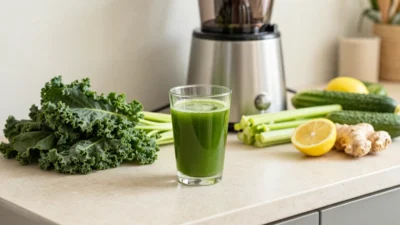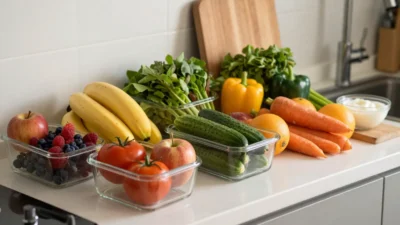
Some meals leave you feeling light, satisfied, and ready to move on with your day.
Others sit in your stomach like a stone.
You know the feeling — that uncomfortable heaviness after lunch, the tight waistband by late afternoon, the gurgling stomach that makes you wonder, Was it something I ate? Sometimes it is. Not because the food is “bad” in a dramatic way, but because certain everyday choices can be harder for your digestive system to handle, especially when you eat them often, quickly, or in large portions.
The tricky part is that digestion is personal. A food that bothers one person may feel perfectly fine for someone else. Your gut can also react differently depending on stress, sleep, hydration, hormones, portion size, and even how fast you ate.
So this isn’t a list meant to scare you away from food. It’s a gentle guide to help you notice patterns.
At Book of Foods, we believe healthy eating should feel practical, calm, and doable — not like a long list of strict rules. In this article, you’ll find common foods that may upset digestion, why they can be uncomfortable, and what you can try instead when your stomach needs a little more kindness.
Let’s start with one of the most common gut-heavy choices: processed meats.
1. Processed Meats
Processed meats are one of those foods that can sneak into your day without much thought.
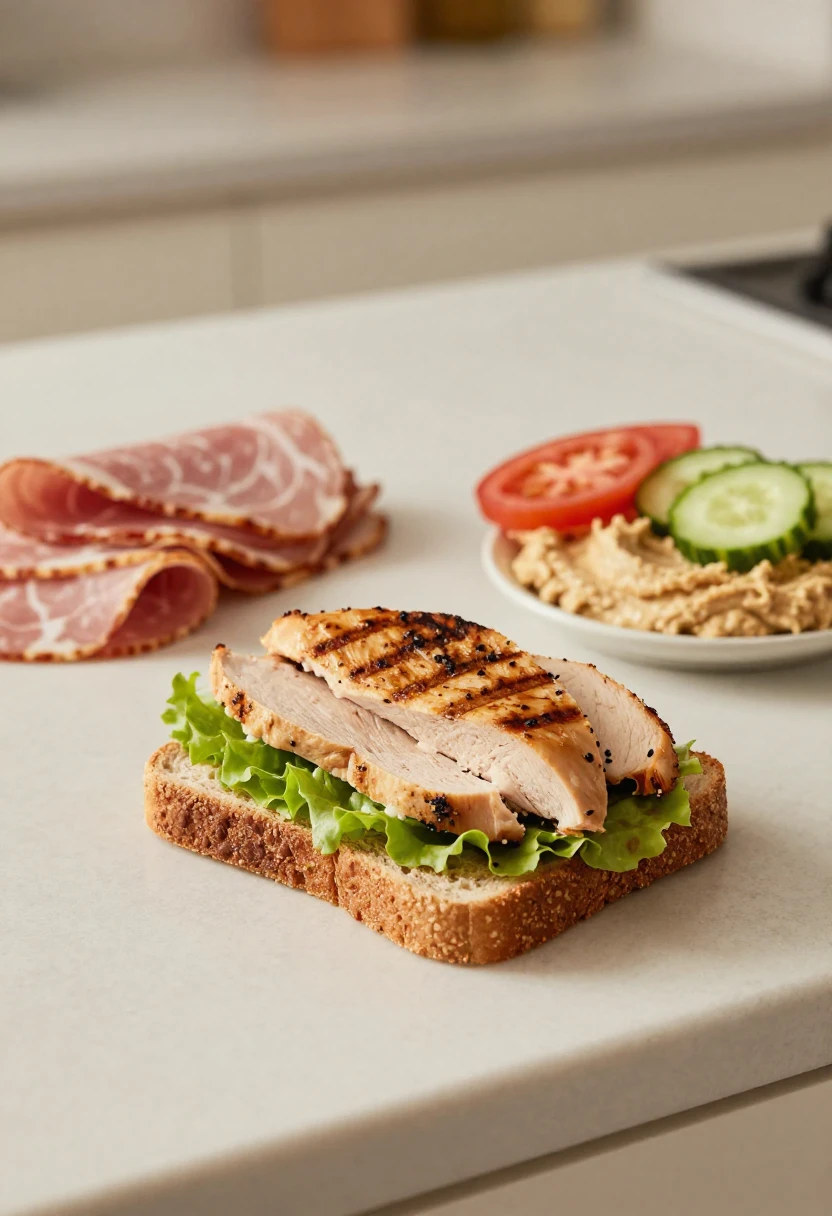
A few slices of bacon with breakfast. Deli meat in a quick sandwich. Sausage with eggs on the weekend. A hot dog at a game or cookout. They’re convenient, salty, flavorful, and often tied to comfort food moments.
But for many people, processed meats can feel heavy on the stomach.
Why They Can Be Hard on Digestion
Processed meats are usually higher in salt, saturated fat, preservatives, and additives than fresh cuts of meat. That combination can make them slower and harder to digest, especially when paired with white bread, fried sides, or sugary drinks.
Common examples include:
- Bacon
- Sausages
- Hot dogs
- Pepperoni
- Salami
- Ham
- Deli turkey or chicken
- Processed canned meats
The issue is not usually one slice of ham in a sandwich. It’s more about how often these foods appear and what they replace. When processed meats become a daily habit, your meals may end up lower in fiber and lighter whole-food ingredients that help digestion move more comfortably.
You might notice processed meats bother you more when you eat them:
- In large portions
- Late at night
- With fried foods
- With very little vegetables or fiber
- When you’re already stressed or tired
That “food coma” feeling after a greasy breakfast plate is not in your imagination. Your digestive system is doing a lot of work.
What to Try Instead
You don’t have to make your meals boring to make them gentler.
Try swapping processed meats for simpler protein choices more often, such as:
- Grilled chicken or turkey
- Eggs
- Baked fish
- Lentils or beans
- Chickpea salad
- Tofu or tempeh
- Homemade meatballs with lean meat
- Plain roasted turkey or chicken slices
For example, instead of a bacon-heavy breakfast sandwich, you might try scrambled eggs with avocado and whole-grain toast. Instead of a deli meat sandwich every day, make a chicken and hummus wrap with cucumber, lettuce, and tomato.
Small swaps like this can make your meals feel fresher, lighter, and easier on your gut — without making lunch feel like a punishment.
2. Fried and Greasy Foods
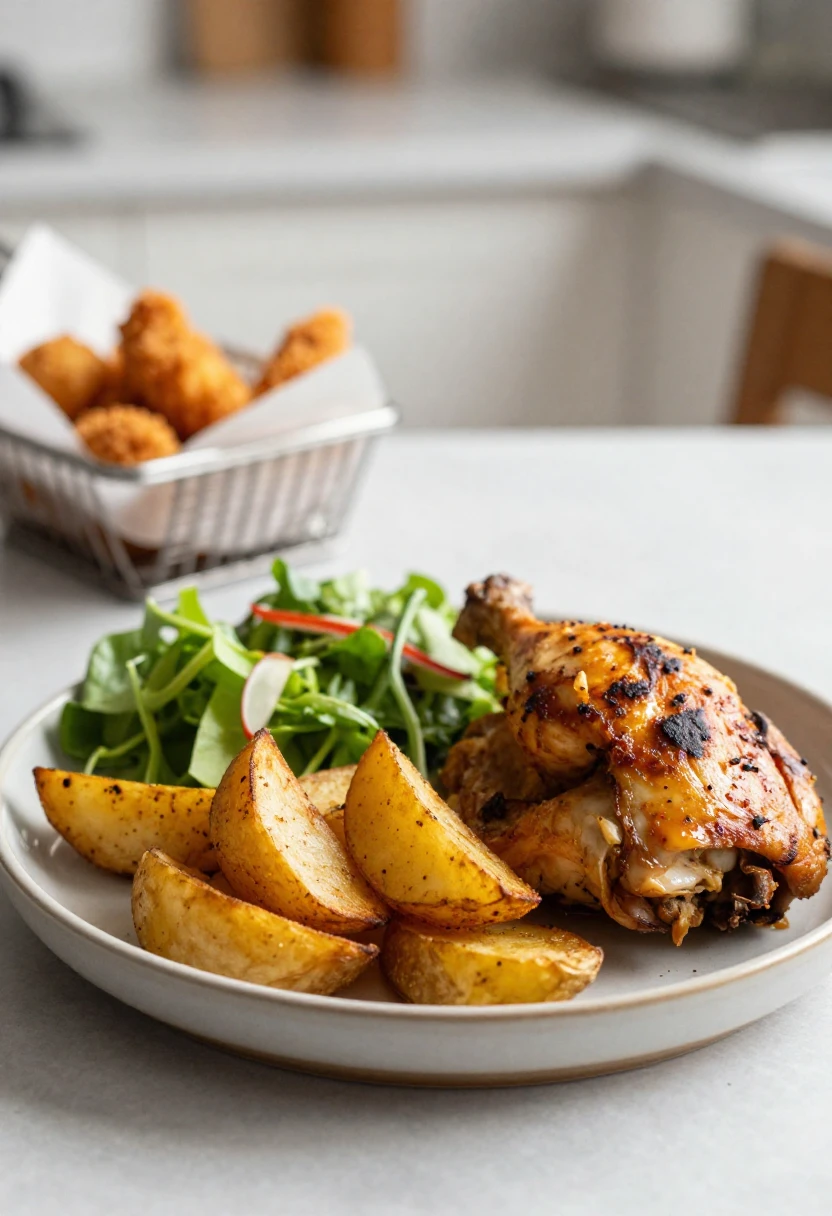
Fried foods have a way of calling your name when you’re hungry.
Crispy fries. Fried chicken. Onion rings. Mozzarella sticks. Greasy takeout eaten straight from the container after a long day. These foods can taste comforting in the moment, but they often leave your stomach feeling tired afterward.
That heavy, sluggish feeling after a fried meal is common for a reason.
Why They Often Leave You Feeling Heavy
Fried and greasy foods are usually high in fat, and fat takes longer to digest than many other nutrients. That means a very greasy meal may sit in your stomach longer, which can lead to discomfort.
For some people, fried foods may trigger:
- Bloating
- Heartburn
- Nausea
- Stomach heaviness
- Loose stools
- Acid reflux symptoms
This does not mean every fried food is forbidden forever. But if you often feel uncomfortable after eating fast food, deep-fried snacks, or oily restaurant meals, your gut may be telling you something.
Greasy foods can be especially hard on digestion when they are eaten quickly or late at night. A basket of fries at noon may feel different from a huge fried meal right before bed, when your body is trying to wind down.
Gentler Choices
You can still enjoy crispy, satisfying meals without deep-frying everything.
Try options like:
- Roasted potatoes instead of fries
- Baked chicken instead of fried chicken
- Grilled fish tacos instead of deep-fried fish
- Air-fried vegetables with a light coating of oil
- Toasted whole-grain sandwiches instead of greasy fast-food burgers
- Homemade oven-baked wedges with herbs
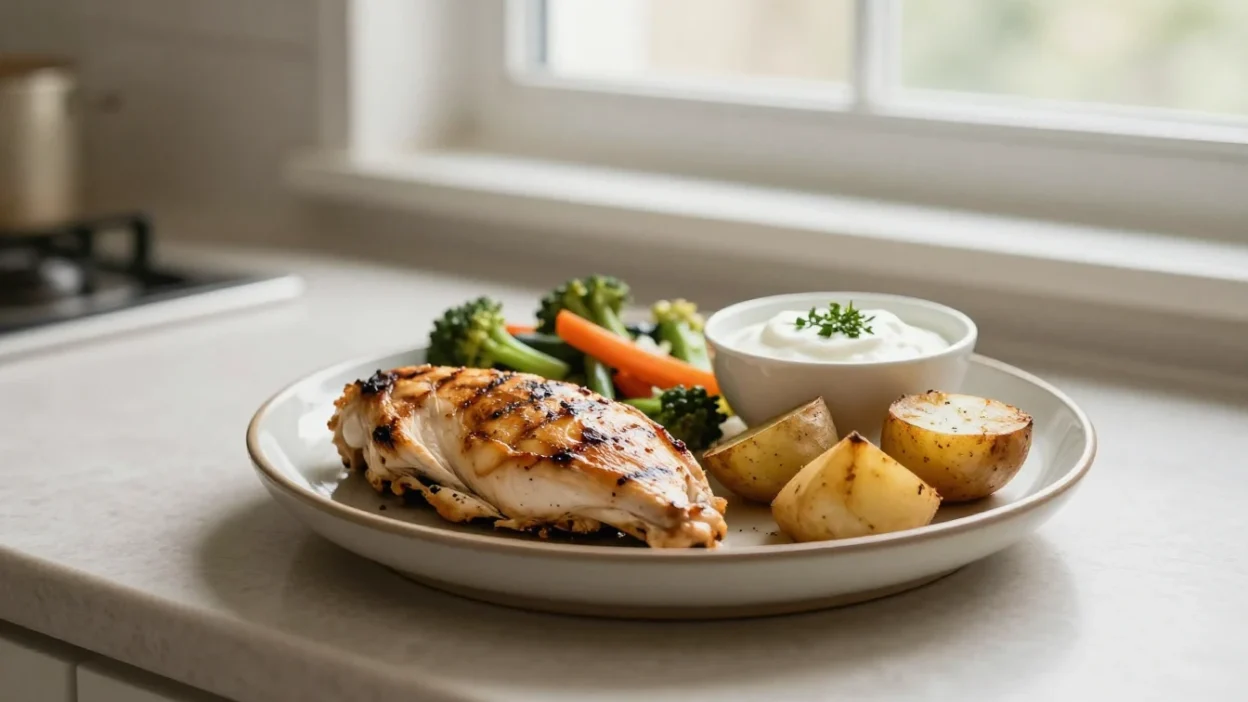
A simple plate of roasted potatoes, grilled chicken, and a crunchy salad can still feel comforting, but it usually lands much more gently than a heavy fried meal.
The goal is not to remove pleasure from food. It’s to find meals that taste good and let you feel good after eating them.
3. Sugary Foods and Sweet Drinks

Sugar can feel innocent because it often shows up in small, cheerful moments.
A sweet coffee on the way to work. A pastry with breakfast. A soda with lunch. A handful of candy from the office bowl. A dessert after dinner because you “just need something sweet.”
None of these foods make you a bad eater. But when sugary foods and drinks become a daily pattern, they can be rough on digestion — and on your energy.
How Too Much Sugar Affects the Gut
Large amounts of sugar can sometimes lead to bloating, gas, stomach discomfort, and sudden energy crashes. Sweet drinks can be especially tricky because they go down quickly and do not always make you feel full.
Common sugary foods and drinks include:
- Soda
- Sweet tea
- Energy drinks
- Candy
- Donuts
- Packaged cookies
- Frosted cereals
- Sweetened coffee drinks
- Pastries and cakes
Sugary drinks are one of the easiest places to overdo it without noticing. You may drink a large flavored latte in the morning, soda at lunch, and sweet tea in the afternoon — and by evening your stomach feels unsettled, your energy dips, and you’re craving more sugar.
For some people, too much sugar may also affect the balance of bacteria in the gut. That can make digestion feel less smooth over time, especially if sugary foods are replacing fiber-rich foods like oats, fruit, beans, and vegetables.
Better Everyday Swaps
You don’t have to give up sweetness completely. A better approach is to choose sweet foods that come with more nourishment and less of a sugar rush.
Try:
- Greek yogurt with berries
- Oatmeal with banana and cinnamon
- Apple slices with peanut butter
- Sparkling water with lemon or berries
- Homemade smoothies with fruit and plain yogurt
- Dark chocolate with nuts
- Herbal tea after dinner
If you love sweet coffee, start small. Ask for fewer pumps of syrup, choose a smaller size, or try cinnamon and milk instead of a very sugary creamer.
Your taste buds adjust more than you might expect. After a while, foods that once tasted “normal” may start to taste overly sweet — and your stomach may thank you for the change.
4. Artificial Sweeteners

“Sugar-free” can sound like the kinder choice.
You see it on gum, diet drinks, protein bars, flavored yogurts, low-calorie desserts, and even some sauces. It feels like a smart swap — all the sweetness, less sugar, fewer calories.
But for some people, artificial sweeteners and sugar alcohols can be surprisingly uncomfortable for digestion.
Why Some People Feel Bloated After “Sugar-Free” Foods
Certain sweeteners can be hard for the body to fully absorb. When they reach the gut, they may pull in water or ferment, which can lead to digestive symptoms.
You might notice:
- Gas
- Bloating
- Cramping
- Loose stools
- Stomach rumbling
This is especially common with sugar alcohols, which are often found in sugar-free candies, gums, mints, protein bars, and “keto-friendly” packaged snacks.
Ingredients to watch for include:
- Sorbitol
- Mannitol
- Xylitol
- Maltitol
- Erythritol
That doesn’t mean everyone reacts badly to them. Some people can chew sugar-free gum all day and feel fine. Others eat one protein bar and feel bloated for hours.
Digestion is personal, and these sweeteners are a perfect example of that.
How to Notice Your Tolerance
Instead of cutting out every sugar-free product at once, pay attention to timing.
Ask yourself:
- Do I feel bloated after sugar-free gum or mints?
- Do protein bars upset my stomach?
- Do diet drinks make me feel gassy?
- Do “low-carb” sweets leave me uncomfortable?
- Do symptoms happen more when I eat several of these foods in one day?
A simple way to test it is to take a short break from sugar-free packaged snacks and notice how you feel. Then reintroduce one at a time.
For a gentler sweet option, try fruit, cinnamon, vanilla, or a small amount of honey or maple syrup when it fits your meal. Sometimes the more natural, simple choice is easier for your stomach than a long ingredient list trying to imitate dessert.
5. Ultra-Processed Packaged Foods
Ultra-processed foods are often designed to be easy.
Easy to open. Easy to eat. Easy to keep in the pantry. Easy to reach for when you’re tired, busy, or standing in the kitchen with no real plan for dinner.
Think chips, instant noodles, packaged pastries, frozen snack foods, microwave meals, boxed desserts, flavored crackers, and many ready-to-eat convenience foods. They can be useful sometimes, but when they become the foundation of your diet, digestion may start to feel less comfortable.
The Additives, Texture, and Convenience Problem
Ultra-processed packaged foods often contain a mix of refined oils, added sugars, excess sodium, preservatives, flavor enhancers, and low-fiber ingredients.
That combination can be tough on your gut for a few reasons:
- They are often low in fiber
- They may be very salty
- They are easy to overeat quickly
- They may contain additives that bother sensitive stomachs
- They often replace fresher, more balanced meals
There’s also the texture factor. Many packaged snacks are crunchy, salty, or soft in a way that makes them easy to keep eating almost automatically. Before you know it, the bag is half empty — and your stomach feels tight and uncomfortable.
It’s not about judging yourself for eating convenience foods. We all need easy food sometimes. The goal is simply to notice when these foods are doing too much of the work in your day.
Simple Whole-Food Alternatives
Try keeping a few easy, gut-friendlier options around so convenience does not always mean ultra-processed.
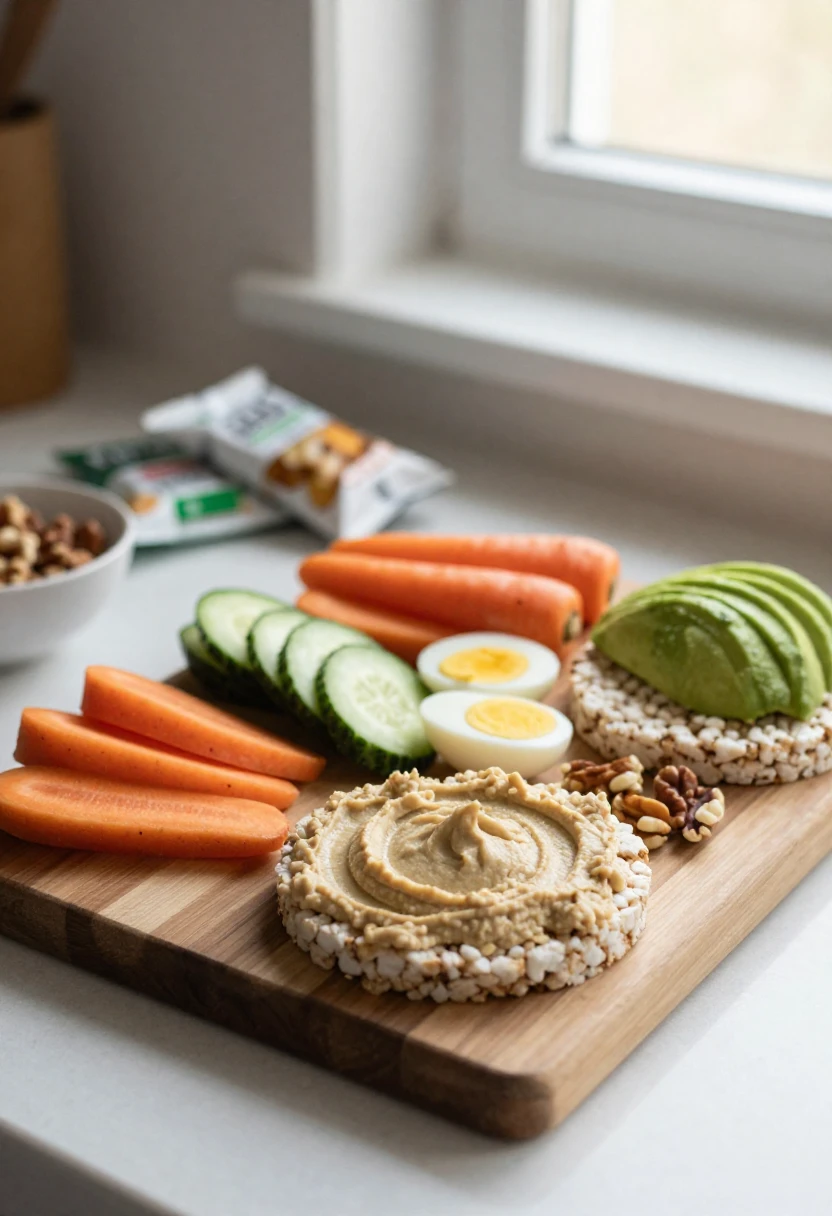
Good choices include:
- Fresh fruit
- Plain yogurt with berries
- Hummus with cucumber or carrots
- Boiled eggs
- A handful of nuts
- Rice cakes with avocado
- Cottage cheese with tomatoes
- Oatmeal with cinnamon
- Leftover roasted vegetables
- Simple soup with beans or lentils
Even small upgrades help.
Instead of chips alone, have chips with guacamole and sliced vegetables. Instead of instant noodles by themselves, add an egg, spinach, mushrooms, or leftover chicken. Instead of a packaged pastry for breakfast, try toast with peanut butter and banana.
You don’t have to cook from scratch every single day. Just give your gut a little more real food to work with.
6. Canned Foods High in Sodium
Canned foods get an unfair reputation sometimes.
A can of beans, tomatoes, tuna, pumpkin, or lentil soup can absolutely be part of a healthy kitchen. They are affordable, convenient, shelf-stable, and helpful on those nights when cooking from scratch feels like too much.
The problem is not “canned food” as a whole.
The problem is usually too much sodium, heavy sauces, low-quality ingredients, or very processed canned meals that leave you feeling puffy, thirsty, and uncomfortable.
Why Some Canned Foods Can Feel Harsh
Many canned soups, canned pasta meals, canned meats, and ready-to-eat canned dishes are high in sodium. Some also contain added sugars, refined oils, preservatives, or thick sauces that can feel heavy in your stomach.
You may notice discomfort after eating canned foods like:
- Salty canned soups
- Canned pasta in sauce
- Processed canned meats
- Creamy canned meals
- Canned chili with lots of sodium
- Beans packed in very salty liquid
A very salty meal can make you feel bloated or swollen, especially if you do not drink enough water with it. And if the canned food is also low in fiber or paired with white bread, chips, or processed meat, the meal may not feel very balanced.
Again, this does not mean you need to clear every can from your pantry. It just means a little label-reading can go a long way.
How to Make Canned Foods Gut-Friendlier
Canned foods can be incredibly useful when you choose and prepare them well.
Try these simple habits:
- Choose low-sodium or no-salt-added versions when possible
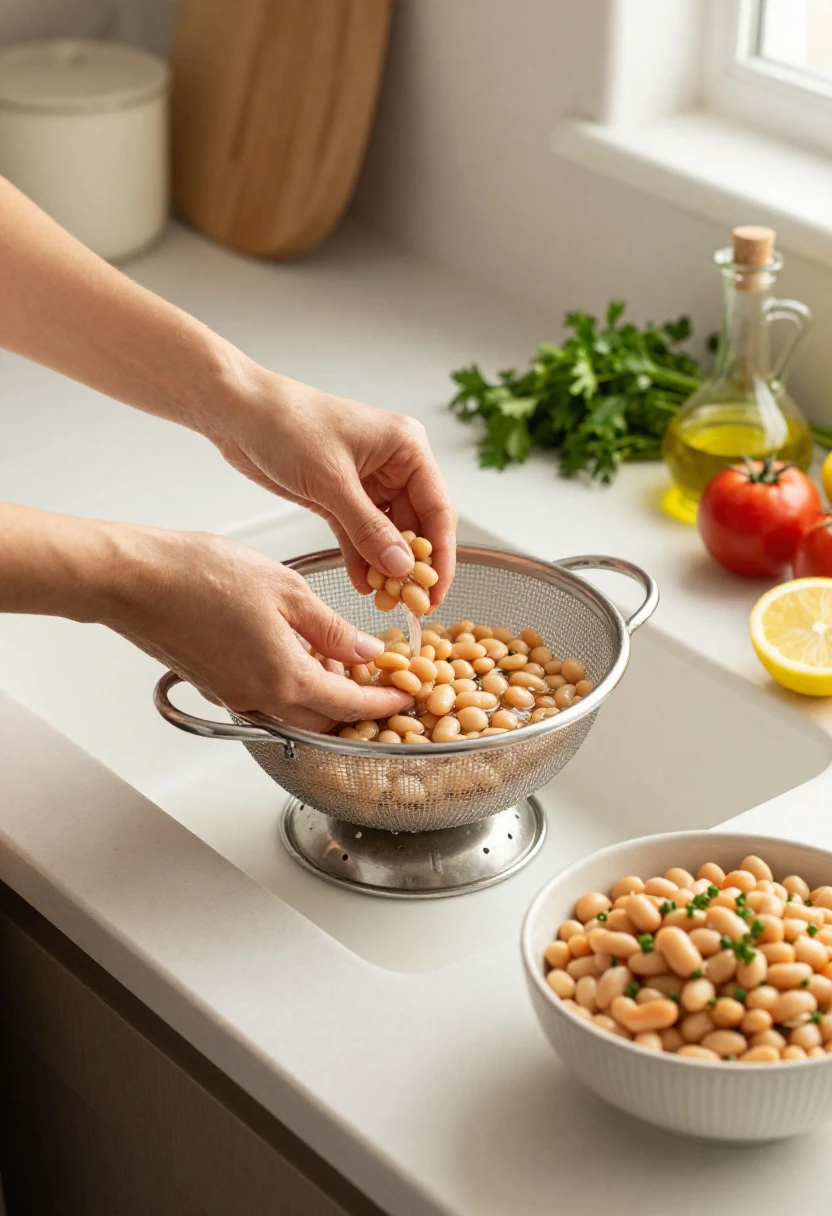
- Rinse canned beans, chickpeas, and lentils before eating
- Add fresh vegetables to canned soups
- Pair canned tuna or salmon with avocado, cucumber, or greens
- Use canned tomatoes as a base for homemade sauces
- Balance canned meals with whole grains, herbs, and vegetables
For example, canned beans can become a gentle, fiber-rich meal when you rinse them and add rice, olive oil, chopped tomato, parsley, and a squeeze of lemon. Canned tomatoes can turn into a cozy homemade soup with garlic, herbs, and a handful of lentils.
The best canned foods are the ones that make healthy eating easier — not the ones that leave you feeling like you need a nap and a giant glass of water.
7. Dairy Products for Lactose-Sensitive People

Dairy can be comforting, creamy, and deeply familiar.
A splash of milk in your coffee. Yogurt with breakfast. Cheese on a sandwich. Ice cream after dinner. For many people, dairy fits into everyday life without a second thought.
But if your body has trouble digesting lactose — the natural sugar found in milk — dairy can quickly turn from comforting to uncomfortable.
When Milk, Cream, or Soft Cheese Causes Trouble
Lactose sensitivity happens when your body does not make enough lactase, the enzyme needed to break down lactose properly. When lactose is not fully digested, it can lead to symptoms that feel hard to ignore.
You may notice:
- Bloating
- Gas
- Cramps
- Stomach rumbling
- Loose stools
- Nausea
These symptoms may show up after drinking milk, eating ice cream, or having creamy sauces. Some people also react more to soft cheeses, milk-based desserts, or large portions of yogurt.
The confusing part is that lactose sensitivity is not always all-or-nothing. You may be fine with a little cheese but feel terrible after a milkshake. You may tolerate Greek yogurt but not regular milk. Portion size, type of dairy, and what you eat with it can all make a difference.
Gentler Options to Try
If dairy seems to bother your stomach, you do not have to guess forever. Start by noticing which foods trigger symptoms most often.
Gentler options may include:
- Lactose-free milk
- Lactose-free yogurt
- Greek yogurt, if tolerated
- Hard cheeses like cheddar or parmesan in small amounts
- Unsweetened almond, oat, or soy milk
- Coconut yogurt with simple ingredients
- Dairy-free soups and sauces
You can also try pairing dairy with a full meal instead of eating it alone. A small amount of cheese in a balanced lunch may feel different from a large bowl of ice cream on an empty stomach.
The goal is not to label dairy as “bad.” It’s to understand your body. If dairy leaves you bloated and uncomfortable again and again, choosing a gentler option is not restriction — it’s self-respect.
8. Alcohol
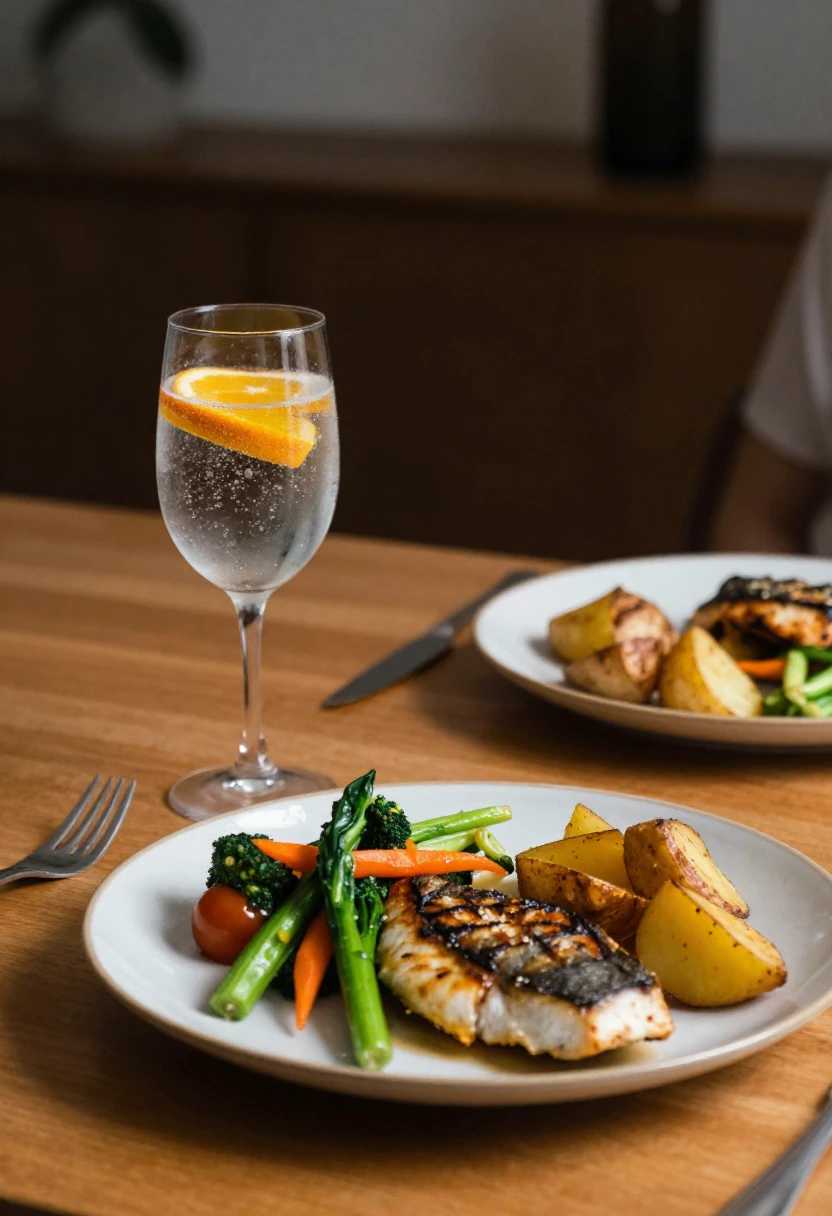
Alcohol is not usually the first thing people think of when they talk about digestion, but it can have a very real effect on how your stomach feels.
A glass of wine with dinner. A cocktail at a party. Beer with takeout. A weekend drink after a stressful week. These moments can feel social and relaxing, but alcohol may also leave your digestive system irritated, especially if you drink on an empty stomach or pair it with greasy, salty foods.
How Alcohol Can Irritate Digestion
Alcohol can affect digestion in several ways. For some people, it may trigger heartburn, nausea, bloating, stomach burning, or loose stools. It can also make reflux symptoms worse, especially when combined with spicy foods, fried meals, or late-night eating.
You might notice alcohol bothers you more when you drink:
- Before eating
- Late at night
- With fried or greasy foods
- With very sugary mixers
- Several drinks in one evening
- When you are already dehydrated
There’s also the next-day effect. Alcohol can disturb sleep, increase thirst, and make you crave heavier foods the following morning. So even if your stomach feels fine while you’re drinking, your digestion may feel off the next day.
A More Balanced Approach
You do not have to make the conversation about alcohol dramatic. For many people, the helpful step is simply drinking more mindfully.
Try:
- Eating before or while drinking
- Alternating alcohol with water
- Choosing smaller servings
- Avoiding very sugary mixers
- Not drinking right before bed
- Having alcohol-free days during the week
If you notice wine gives you reflux, beer makes you bloated, or cocktails leave your stomach unsettled, pay attention. Your body may be giving you useful information.
A calmer digestive system often starts with small choices: a glass of water between drinks, a real meal before a night out, or choosing not to drink when your stomach already feels sensitive.
9. Spicy Foods for Sensitive Stomachs
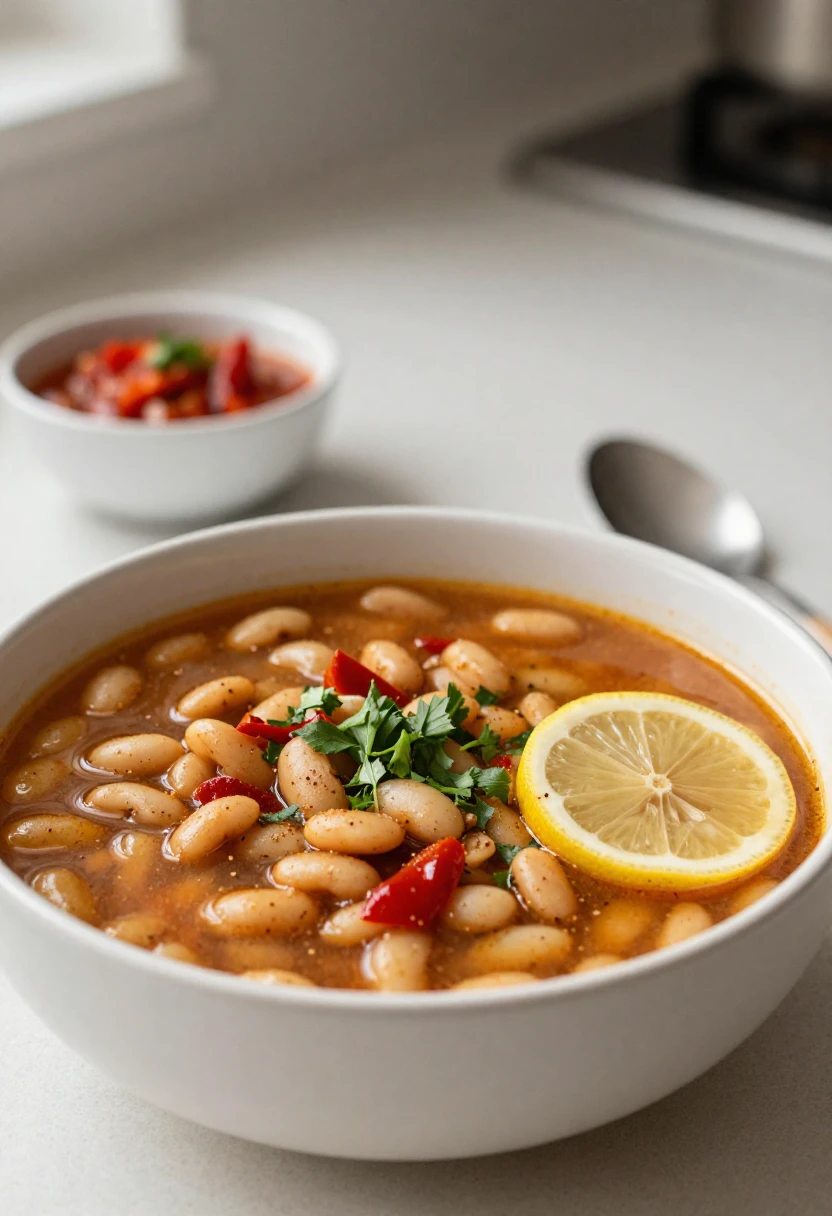
Spicy food is full of personality.
A little chili oil can wake up a bowl of noodles. Hot sauce can make eggs taste brighter. Jalapeños, curry paste, cayenne, and pepper flakes can turn a simple meal into something exciting.
But if your stomach is sensitive, spicy foods may not always feel as good as they taste.
Why Spice Is Not “Bad,” But Can Be a Trigger
Spicy food is not automatically harmful. Many people enjoy it regularly with no problem at all.
The issue is that ingredients like chili peppers and hot sauce can irritate sensitive stomachs or make certain symptoms worse. If you already deal with reflux, heartburn, gastritis-like discomfort, or a burning feeling after meals, very spicy foods may be a trigger.
You may notice symptoms like:
- Heartburn
- Stomach burning
- Acid reflux
- Nausea
- Cramping
- Urgent bathroom trips
Spice can also feel worse when it comes with greasy food. Spicy fried chicken, loaded nachos with hot sauce, or a very oily curry may be harder to tolerate than a lightly seasoned homemade meal.
That does not mean you need to eat bland food forever. It just means your stomach may prefer flavor without the fire.
How to Keep Flavor Without the Burn
If spicy foods bother you, try lowering the heat instead of removing flavor completely.
You can use:
- Fresh herbs like parsley, basil, cilantro, or dill
- Lemon or lime juice
- Ginger
- Cumin
- Coriander
- Turmeric
- Mild paprika
- Roasted garlic, if tolerated
- Garlic-infused oil
- A small amount of black pepper
For example, instead of adding hot sauce to everything, try lemon, herbs, and olive oil on roasted vegetables. Instead of a fiery chili, make a mild bean stew with cumin, smoked paprika, and a spoonful of yogurt on top.
You still get warmth, aroma, and comfort — just without that uncomfortable burn later.
10. Large Portions of Raw Cruciferous Vegetables
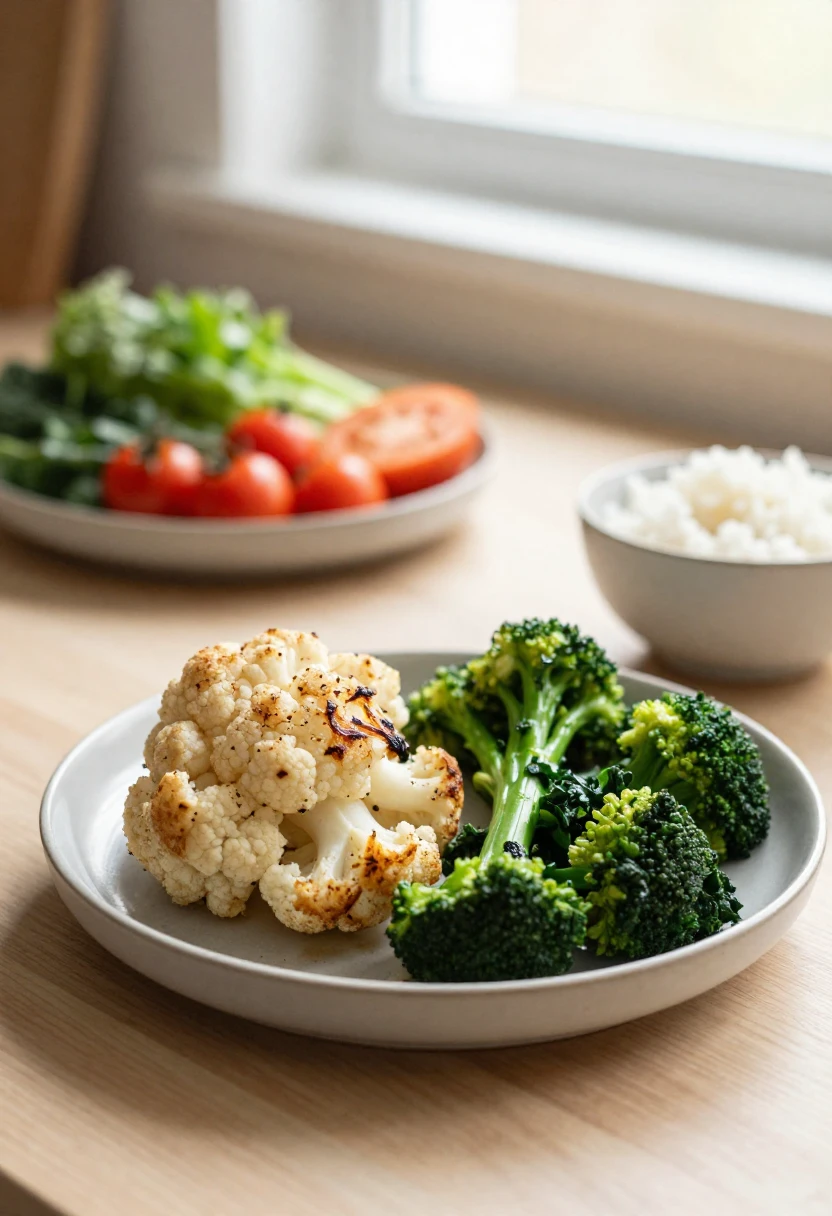
This one surprises people because cruciferous vegetables are genuinely healthy.
Broccoli, cauliflower, cabbage, kale, Brussels sprouts, bok choy, and arugula are packed with nutrients, fiber, and plant compounds that support overall wellness. They absolutely deserve a place on your plate.
But even healthy foods can cause digestive discomfort when your body gets too much at once — especially when they are eaten raw.
When Healthy Foods Still Cause Bloating
Raw cruciferous vegetables can be harder to break down because they are high in fiber and contain natural compounds that may produce gas during digestion.
You may notice bloating after eating:
- Raw broccoli
- Raw cauliflower
- Cabbage slaw
- Kale salads
- Brussels sprouts
- Large portions of arugula
- Raw veggie platters with dip
This does not mean these vegetables are “bad for your gut.” In fact, many of them can be wonderful for digestive health when prepared in a way your body tolerates.
The problem is often portion size, preparation, and how quickly you add fiber to your diet.
A huge raw kale salad at lunch may feel very different from a small serving of sautéed kale with rice and salmon. Raw cabbage in a large slaw may cause more bloating than a spoonful of cooked cabbage in soup.
Easier Ways to Enjoy Them
If cruciferous vegetables make you bloated, try changing the preparation before removing them completely.
Gentler options include:
- Steaming broccoli until tender
- Roasting cauliflower with olive oil
- Sautéing kale instead of eating it raw
- Adding cabbage to soup
- Starting with smaller portions
- Chewing slowly
- Pairing vegetables with rice, potatoes, eggs, fish, or chicken
Cooking helps soften the fiber and can make these vegetables easier for your body to handle.
You might also try building up slowly. If you rarely eat much fiber, suddenly adding a giant raw salad every day can overwhelm your digestion. Start with small servings, cook them well, and give your gut time to adjust.
Healthy eating should not leave you curled up on the couch with a bloated stomach. Sometimes the kindest choice is not eating fewer vegetables — it’s preparing them in a gentler way.
How to Tell Which Foods Bother Your Digestion

It can be tempting to blame the last thing you ate.
You feel bloated after dinner and immediately think, That must have been the pasta. Or you wake up uncomfortable and decide coffee is the problem. Sometimes you’re right. But digestion is rarely that simple.
Your stomach can react to food, yes — but also to stress, poor sleep, eating too fast, dehydration, large portions, hormones, medications, and even a long day spent sitting at your desk.
That’s why the goal is not to panic over one uncomfortable meal. The goal is to look for patterns.
Look for Patterns, Not One-Time Reactions
One bad stomach day does not automatically mean a food is harmful to you.
Maybe you ate too quickly. Maybe the meal was larger than usual. Maybe you had coffee on an empty stomach, skipped lunch, then ate a heavy dinner. Maybe you were stressed and barely chewed.
Instead of labeling foods as “good” or “bad,” ask:
- Do I feel uncomfortable every time I eat this food?
- Does the symptom happen with a specific portion size?
- Does it only happen when I eat this food late at night?
- Does it feel worse when I’m stressed?
- Does cooking the food make it easier to digest?
- Does pairing it with other foods change how I feel?
For example, maybe milk in your coffee is fine, but a large milkshake causes bloating. Maybe raw broccoli bothers you, but roasted broccoli feels completely okay. Maybe fried food once in a while is fine, but fast food three days in a row leaves your stomach feeling off.
Patterns give you useful information. One random reaction only gives you a clue.
Try a Gentle Food Journal
A food journal does not have to be strict, obsessive, or complicated. You do not need to count every crumb or turn eating into homework.
Just write down a few simple notes for a week or two:
- What you ate
- Rough portion size
- When you ate
- How fast you ate
- Symptoms, if any
- Stress level
- Sleep quality
- Water intake
You might start noticing things that were easy to miss before.
Maybe your digestion is worse on rushed mornings. Maybe spicy food only bothers you when you eat it late. Maybe your bloating improves when you drink more water and add fiber gradually instead of all at once.
This kind of awareness helps you make calmer decisions. Instead of cutting out ten foods at once, you can make one small change and see what happens.
And if your symptoms are severe, frequent, painful, or come with weight loss, blood in stool, vomiting, persistent diarrhea, or ongoing constipation, it’s best to speak with a healthcare professional. Your body deserves real support, not guesswork.
What to Eat More Often for a Happier Gut
After talking about foods that may bother digestion, it’s important to say this clearly: gut-friendly eating is not only about what you remove.
It is also about what you add.
Your digestive system usually does better with meals that feel steady, balanced, and not too extreme. Think warm bowls, cooked vegetables, simple proteins, gentle fiber, enough water, and foods that leave you feeling satisfied instead of stuffed.
Simple Gut-Friendly Foods
Some foods tend to be easier on digestion for many people, especially when your stomach feels sensitive.
Good everyday options include:
- Oats with banana, cinnamon, or berries
- Rice with eggs, chicken, tofu, or cooked vegetables
- Potatoes baked, boiled, or roasted
- Bananas as a simple snack
- Plain yogurt or kefir, if you tolerate dairy
- Soups and broths with vegetables, beans, or lean protein
- Cooked carrots, zucchini, spinach, and squash
- Applesauce or stewed fruit
- Lean proteins like fish, chicken, turkey, eggs, or tofu
- Beans and lentils, added slowly and in smaller portions
Fiber matters, but more is not always better right away. If your diet has been low in fiber, suddenly adding huge salads, beans, bran cereal, and raw vegetables all at once can make bloating worse.
A gentler approach is to build slowly.
Add a little oatmeal at breakfast. Add a spoonful of lentils to soup. Add cooked vegetables to dinner. Give your body time to adjust.
Small Habits That Help Digestion
Food choices matter, but how you eat matters too.
Some of the simplest digestion-friendly habits are easy to overlook:
- Eat slowly enough to actually chew your food
- Drink water throughout the day
- Avoid lying down right after a heavy meal
- Take a short walk after eating
- Keep meal portions comfortable
- Eat at regular times when possible
- Notice stress before and during meals
Even a ten-minute walk after dinner can make a meal feel lighter. A glass of water before another coffee can help more than you expect. Sitting down instead of eating over the sink can change how your body receives food.
Your gut does not need perfection. It needs rhythm, patience, and meals that support you more often than they stress you.
Conclusion
Your digestive system is not trying to be difficult. Most of the time, it is simply giving you feedback.
Processed meats, fried foods, sugary drinks, artificial sweeteners, ultra-processed snacks, high-sodium canned meals, dairy, alcohol, spicy foods, and even large portions of raw vegetables can all cause discomfort for some people. But that does not mean you need to fear food or build your life around strict rules.
Start gently.
Notice what leaves you feeling heavy, bloated, tired, or uncomfortable. Try smaller portions. Cook vegetables instead of eating them raw. Choose fresh proteins more often. Drink more water. Slow down when you eat. Add gut-friendly foods little by little.
Better digestion often comes from small, steady changes — the kind you can actually live with.
FAQ
What foods are worst for digestion?
The foods that most commonly bother digestion include fried foods, processed meats, sugary drinks, alcohol, high-sodium packaged foods, artificial sweeteners, and large portions of raw cruciferous vegetables. However, tolerance is personal. A food that bothers one person may feel fine for someone else.
Are fried foods bad for your stomach?
Fried foods can be hard on the stomach because they are usually high in fat, which can slow digestion. Some people may feel bloated, heavy, nauseous, or experience heartburn after greasy meals, especially when eaten late at night or in large portions.
Can healthy foods cause bloating?
Yes. Healthy foods like beans, lentils, broccoli, cabbage, kale, and cauliflower can cause bloating, especially if you eat large portions or add fiber too quickly. Cooking vegetables and increasing fiber gradually can make them easier to digest.
How do I know if dairy is upsetting my stomach?
If you often feel bloated, gassy, crampy, or have loose stools after milk, ice cream, creamy sauces, or soft cheeses, dairy may be a trigger. Try noticing patterns or testing lactose-free options. If symptoms are frequent or severe, speak with a healthcare professional.