How Orange Chicken Became a Beloved Weeknight Classic
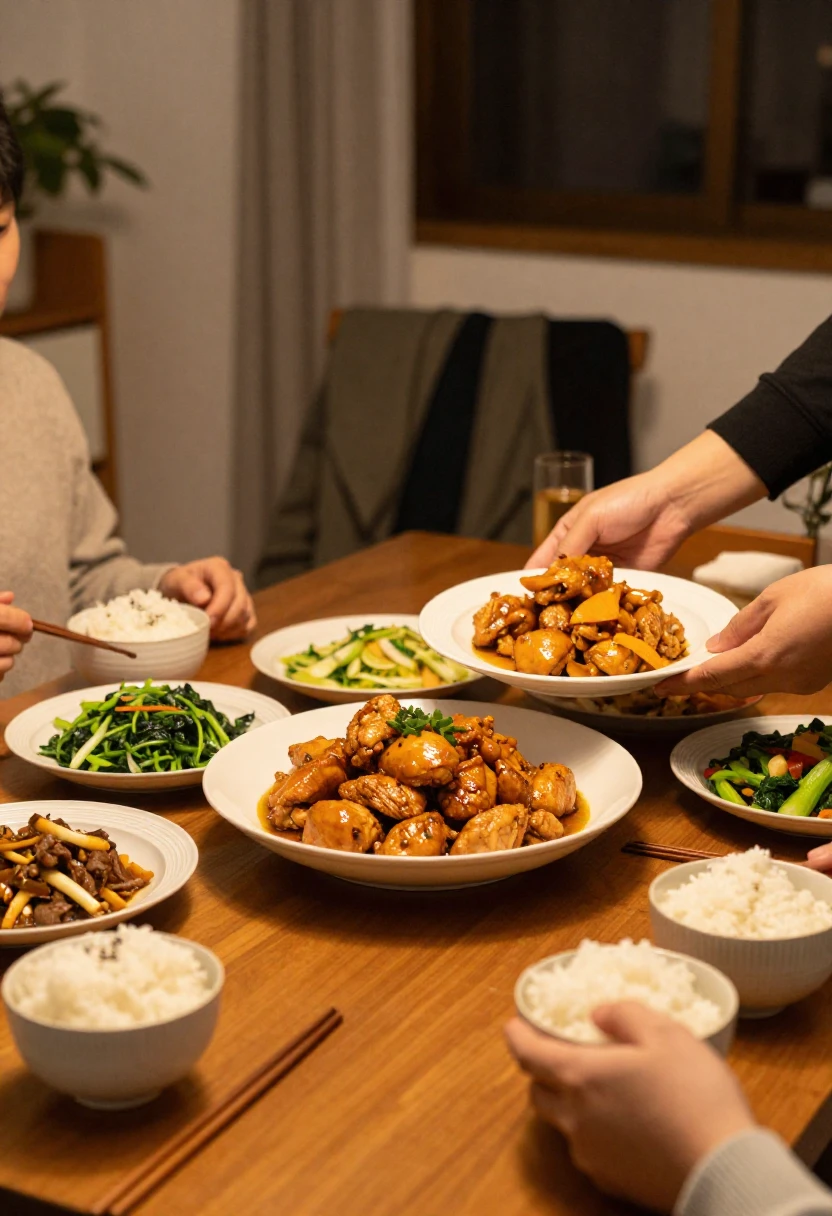
There are evenings when cooking feels like a chore.
You’ve answered too many messages.
The day ran longer than planned.
Everyone is hungry — now.
And suddenly, the question appears:
“What are we having for dinner?”
On nights like that, many of us instinctively think of one dish.
Orange chicken.
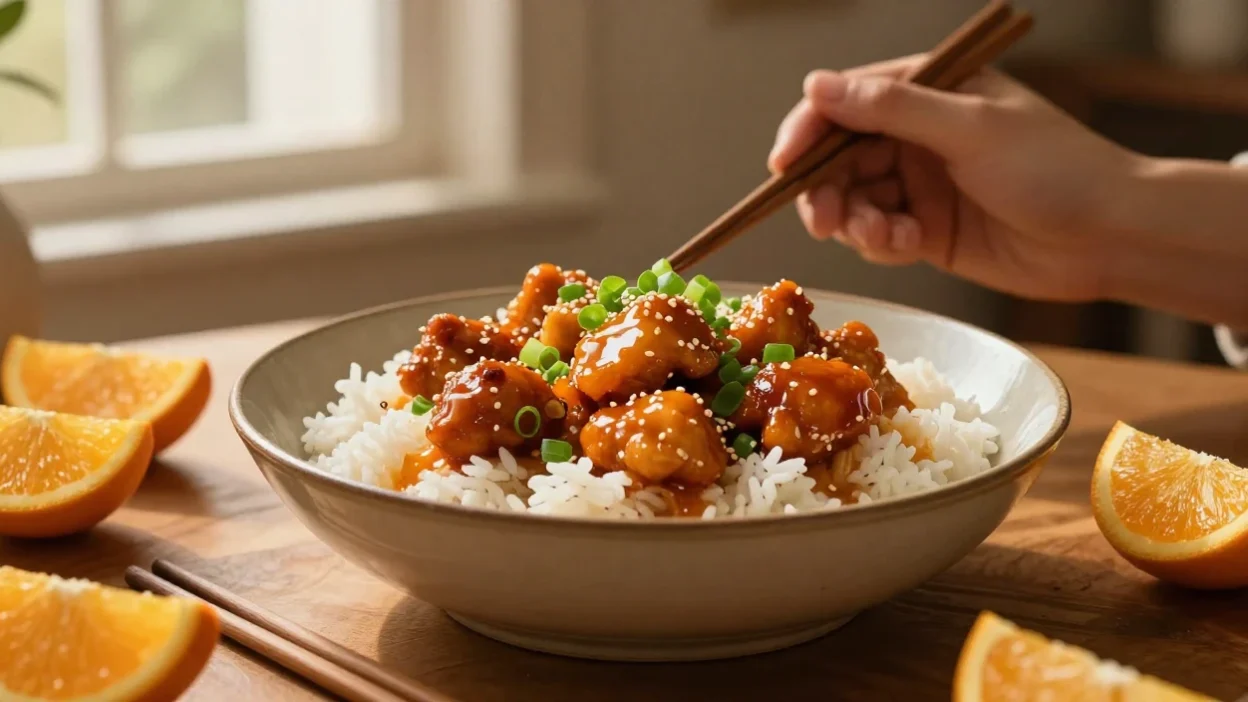
Sweet, glossy, lightly crispy, wrapped in that unmistakable citrus aroma — it’s comforting without being boring, familiar without feeling tired. It’s the kind of meal that feels like a small reward at the end of a long day.
Maybe you first tasted it in a takeout box, eaten straight from the container on the couch. Maybe it came with white rice and a plastic fork, still warm from the drive home. Or maybe you remember sharing it at a noisy table, passing plates and laughing between bites.
However it entered your life, it probably stayed.
Because orange chicken does something special.
It balances boldness and comfort.
It feels indulgent, but not overwhelming.
It pleases picky eaters and adventurous ones alike.
And most importantly — it works.
On busy Mondays.
On lazy Fridays.
On nights when you want something reliable and satisfying without spending hours in the kitchen.
In this article, we’ll explore why orange chicken has become such a universal favorite, what makes it truly great, and how you can recreate — and even improve — it at home.
From flavor secrets to simple techniques, from healthier twists to crowd-pleasing versions, this is your complete guide to turning a takeout classic into a homemade staple.
Let’s begin.
What Orange Chicken Really Is
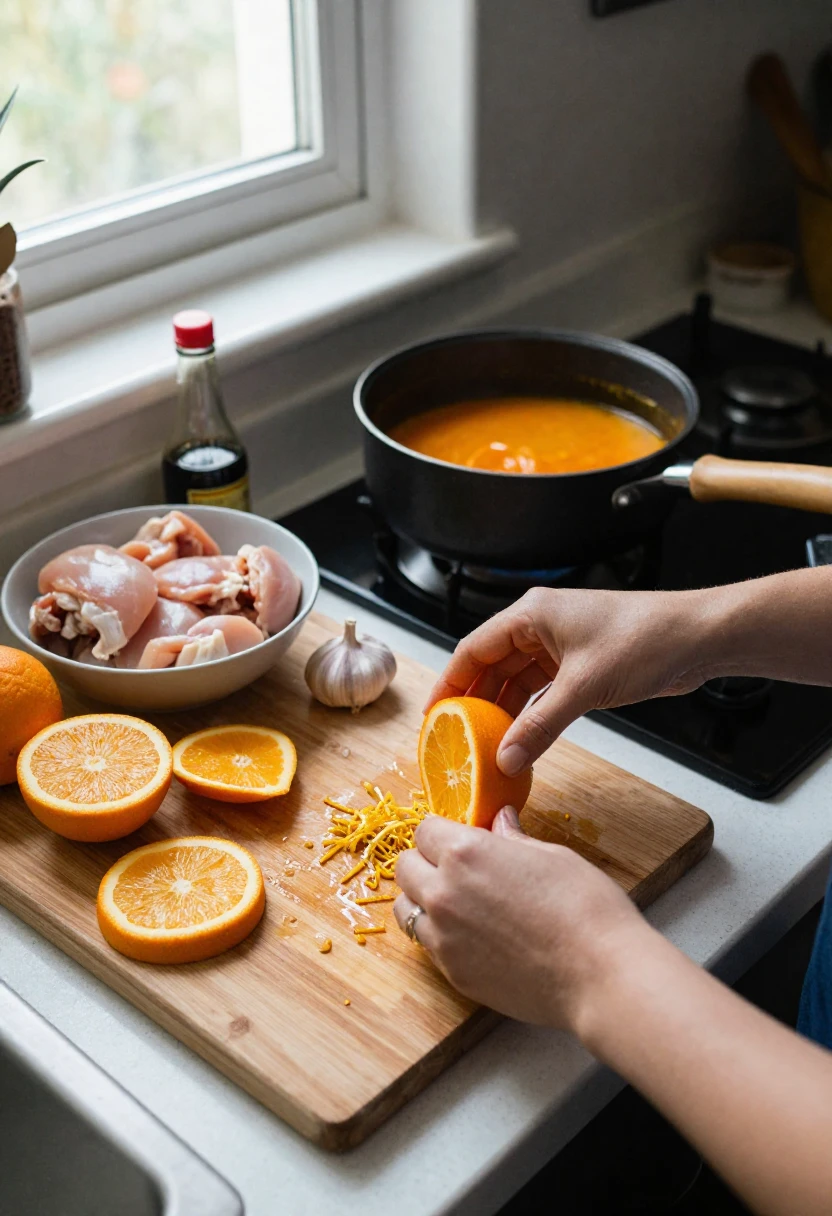
Before we talk about recipes and techniques, it helps to understand one important truth about orange chicken:
It isn’t a traditional dish you’d find in home kitchens across China.
And that doesn’t make it any less special.
It simply means its story is uniquely modern.
A Dish Born Between Cultures
Orange chicken belongs to the family of American-Chinese cuisine — dishes created by Chinese immigrants who adapted traditional flavors to local tastes.
In the United States, these cooks blended:
- familiar sweet-and-sour profiles,
- deep umami from soy-based sauces,
- bright citrus notes,
- and crispy fried textures
…into something new.
The result was food that felt exotic enough to be exciting, but comforting enough to feel familiar.
Over time, orange chicken became especially popular through restaurants like Panda Express, where it turned into a signature item and introduced millions of people to the dish.
For many families, that glossy orange-coated chicken became their first “Chinese food” memory.
What Defines Real Orange Chicken
At its heart, orange chicken is built on contrast.
It brings together:
- crispy, golden chicken pieces,
- a sticky, citrus-infused sauce,
- gentle sweetness,
- balanced acidity,
- and savory depth.
No single element should dominate.
If it’s only sweet, it feels cloying.
If it’s only sour, it feels sharp.
If it’s only salty, it feels heavy.
Great orange chicken lives in the middle.
Not the Same as Sweet and Sour Chicken
Many people confuse orange chicken with sweet and sour chicken.
They look similar.
They’re both glossy.
They’re both comforting.
But they’re different in spirit.
Sweet and sour sauce leans heavily on vinegar and sugar. Orange chicken relies on citrus zest, juice, and aroma. It feels brighter, more fragrant, and slightly more complex.
That citrus note is what makes it memorable.
A Dish Designed for Modern Life
Orange chicken didn’t become popular by accident.
It fits modern eating habits perfectly.
It travels well.
It reheats well.
It pairs easily with rice and vegetables.
It satisfies a wide range of tastes.
It’s bold enough to feel special, yet simple enough to crave weekly.
That balance is rare.
Why Homemade Versions Matter
Restaurant orange chicken is delicious — but often very sweet, very salty, and heavily fried.
When you make it at home, you gain control.
You decide:
- how sweet it is,
- how crispy it becomes,
- how much citrus shines through,
- how rich or light it feels.
You turn a fast-food favorite into something personal.
Something yours.
The Key Flavor Trio: Sweet, Tangy & Umami
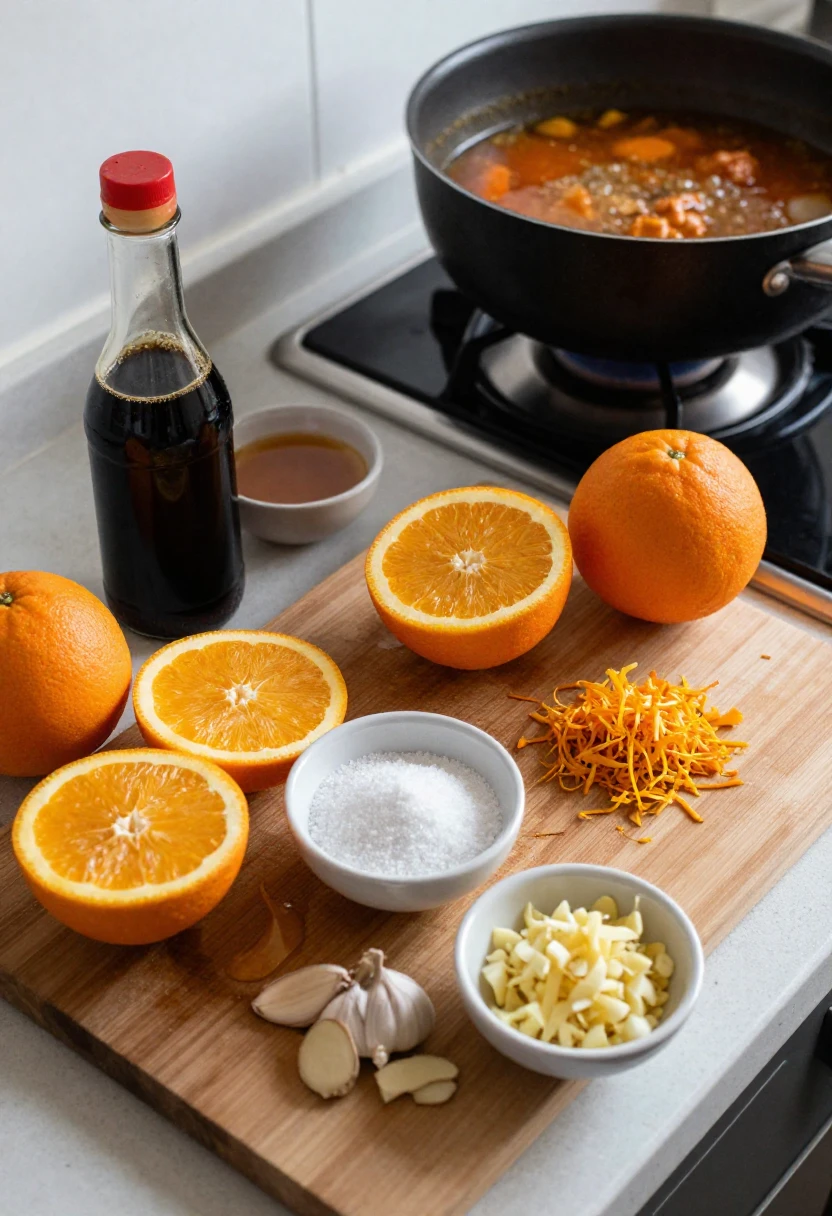
What makes orange chicken truly unforgettable isn’t just the crisp coating or the glossy sauce.
It’s the balance.
When people say, “This one is really good,” they’re usually responding to something deeper than taste alone. They’re reacting to harmony — the way sweetness, acidity, and savoriness meet in the middle and support each other.
Great orange chicken never leans too far in one direction. It stays centered.
Sweetness: Comfort and Craving
Sweetness is what makes orange chicken feel comforting.
It’s the first thing your tongue notices. The part that makes the dish approachable. The reason even picky eaters often love it.
This sweetness usually comes from sugar, honey, or sometimes brown sugar. But in good recipes, it’s never aggressive. It’s meant to soften the edges, not dominate the plate.
When sweetness is balanced well, it does three things at once:
- it rounds out sharp citrus notes,
- it enhances caramelization,
- and it creates that glossy, appetizing finish.
Too much sweetness, however, turns orange chicken into candy-coated meat. And that’s when it stops feeling like dinner and starts feeling heavy.
Tanginess: The Bright, Lively Spark
Tanginess is what keeps orange chicken from feeling flat.
It comes primarily from fresh orange juice, zest, and a touch of vinegar. Together, they create brightness — the sensation that wakes up your palate and keeps each bite interesting.
Citrus does something special in cooking. It lifts flavors. It adds aroma. It creates freshness, even in rich dishes.
That’s why good orange chicken smells amazing before you even taste it.
Balanced tanginess:
- cuts through oil and richness,
- refreshes the mouth,
- and makes you want another bite.
Without it, the dish feels dull. With too much of it, the sauce becomes harsh.
Again — balance.
Umami: The Quiet Foundation
Umami is the part most people don’t consciously notice — but deeply miss when it’s absent.
It comes from ingredients like soy sauce, garlic, ginger, and sometimes oyster sauce or broth. These elements add depth, warmth, and savory complexity.
Umami is what makes the sauce feel “complete.”
It anchors the sweetness and tanginess. It gives the dish weight and seriousness. It turns a sweet glaze into a real dinner sauce.
Without enough umami, orange chicken tastes shallow.
With it, the dish feels layered and satisfying.
How These Three Work Together
Think of the flavor trio like a conversation.
Sweetness invites you in.
Tanginess keeps you engaged.
Umami makes you stay.
When one voice gets too loud, the conversation breaks down.
That’s why experienced cooks taste their sauce repeatedly. Not because they’re unsure — but because they’re searching for that exact moment when nothing stands out too much.
When you hit that point, the sauce feels “right.”
Even if you can’t explain why.
Learning to Taste, Not Just Measure
Recipes give measurements. Your palate gives feedback.
As you cook orange chicken more often, you’ll start adjusting instinctively:
- a squeeze more orange,
- a splash more soy,
- a tiny bit more sweetness.
These micro-adjustments are what separate “good” from “great.”
And once you learn this balance, you can apply it far beyond orange chicken — to stir-fries, sauces, marinades, and glazes of all kinds.
It’s a skill that stays with you.
Texture Matters: Crispy Exterior, Tender Interior
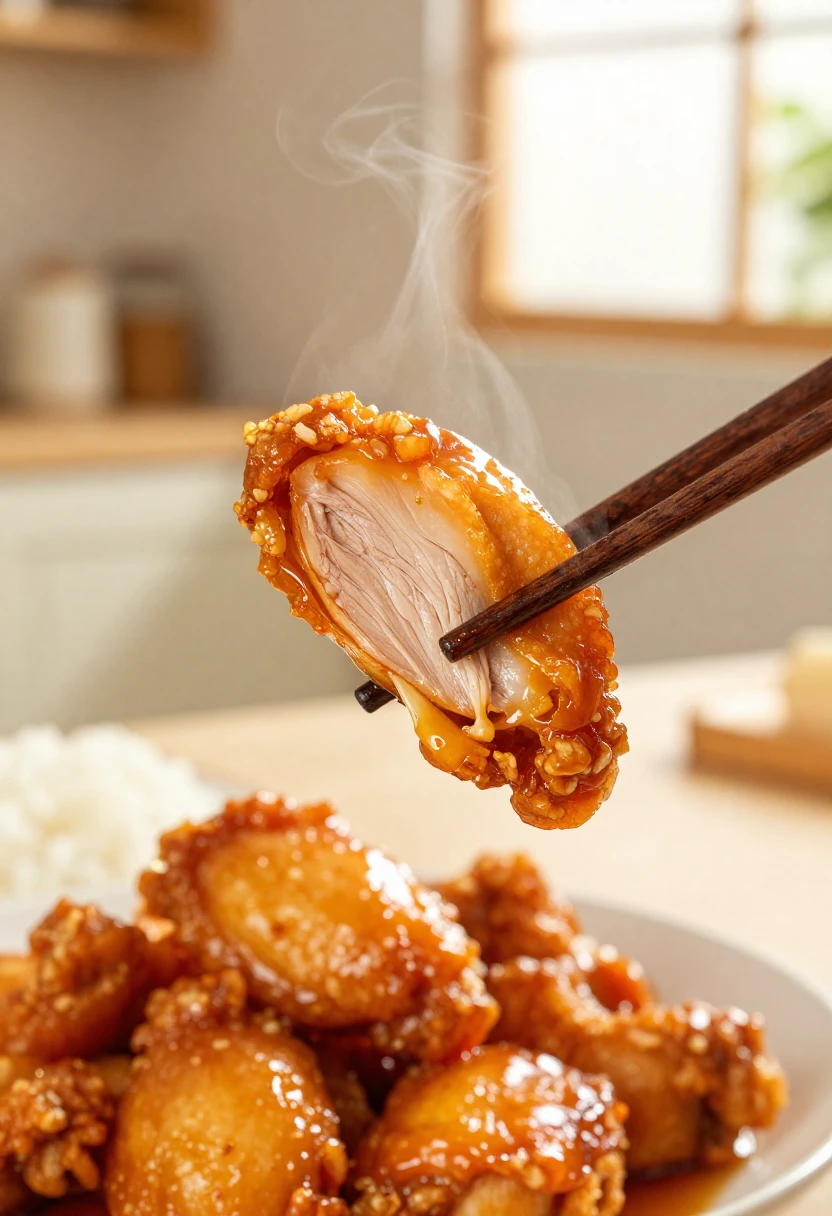
Flavor may be what draws you in, but texture is what makes orange chicken truly satisfying.
It’s the reason you remember certain bites more than others.
The reason one version feels unforgettable, while another feels forgettable.
Great orange chicken always delivers contrast.
You get that gentle crunch when you bite in — followed by juicy, tender meat inside. Then the sauce wraps everything together.
When this balance is right, the dish feels alive.
When it’s wrong, no amount of flavor can fully save it.
Why Crispiness Is So Important
Crispiness creates excitement.
It’s what keeps a sauced dish from feeling soggy or heavy. It adds structure. It gives your teeth something to engage with before the sauce takes over.
In orange chicken, the coating acts like a protective shell. It holds onto the sauce while keeping the chicken from absorbing too much moisture too quickly.
A good coating:
- stays crisp under sauce,
- doesn’t fall off,
- doesn’t feel thick or doughy.
When that shell fails, everything feels soft and indistinct.
The Role of the Chicken Itself
Inside that crispy layer, the chicken needs to stay juicy.
Dry chicken ruins the experience instantly.
Most home cooks use chicken breast because it’s familiar and lean. It works — when cooked carefully. But it dries out easily if overcooked.
Chicken thighs are more forgiving. They stay tender longer and bring more natural richness. Many restaurant versions rely on them for that reason.
Both can be excellent. What matters is attention.
Tender chicken comes from:
- cutting pieces evenly,
- avoiding overcooking,
- and resting briefly before saucing.
Small things. Big difference.
Coating: More Than Just Breading
The coating isn’t just there to look golden.
It’s engineered to interact with heat and moisture.
Traditional orange chicken coatings often use a combination of flour and cornstarch. Cornstarch creates lightness and crispness. Flour adds structure.
Together, they form a thin, resilient layer.
Some recipes also use egg to help the coating cling better. Others rely on a light batter.
Each approach works — when handled gently.
Heavy coating = heaviness.
Light coating = elegance.
Frying, Baking, and Air Frying: Texture Trade-Offs
How you cook the chicken changes everything.
Deep frying produces the crispiest, most restaurant-like result. The heat seals the coating quickly and keeps moisture inside.
Baking produces a lighter, less oily texture. It’s healthier, but rarely achieves the same crunch unless carefully managed.
Air frying sits in between. It can create impressive crispness with far less oil — if the chicken is spaced properly and lightly sprayed.
Each method has its place.
What matters is understanding the trade-off and choosing intentionally.
Timing: The Hidden Texture Killer
One of the biggest texture mistakes happens after cooking.
Letting fried chicken sit too long before saucing allows steam to soften the coating. Tossing it too early floods it with moisture.
The best moment is brief and precise:
- chicken hot,
- sauce ready,
- toss quickly,
- serve immediately.
That timing preserves contrast.
Why Restaurants Get It Right So Often
Professional kitchens succeed with texture because of systems.
Oil is hot enough.
Batches are small.
Timing is strict.
Sauce is prepared in advance.
At home, recreating this requires mindfulness more than equipment.
When you slow down just enough to coordinate steps, your results improve dramatically.
Texture Is Part of the Experience
When orange chicken is done well, you don’t just taste it.
You feel it.
The slight resistance.
The juicy release.
The sticky glaze.
It’s sensory.
It’s memorable.
It’s why people crave it.
Step-by-Step Homemade Orange Chicken Recipe
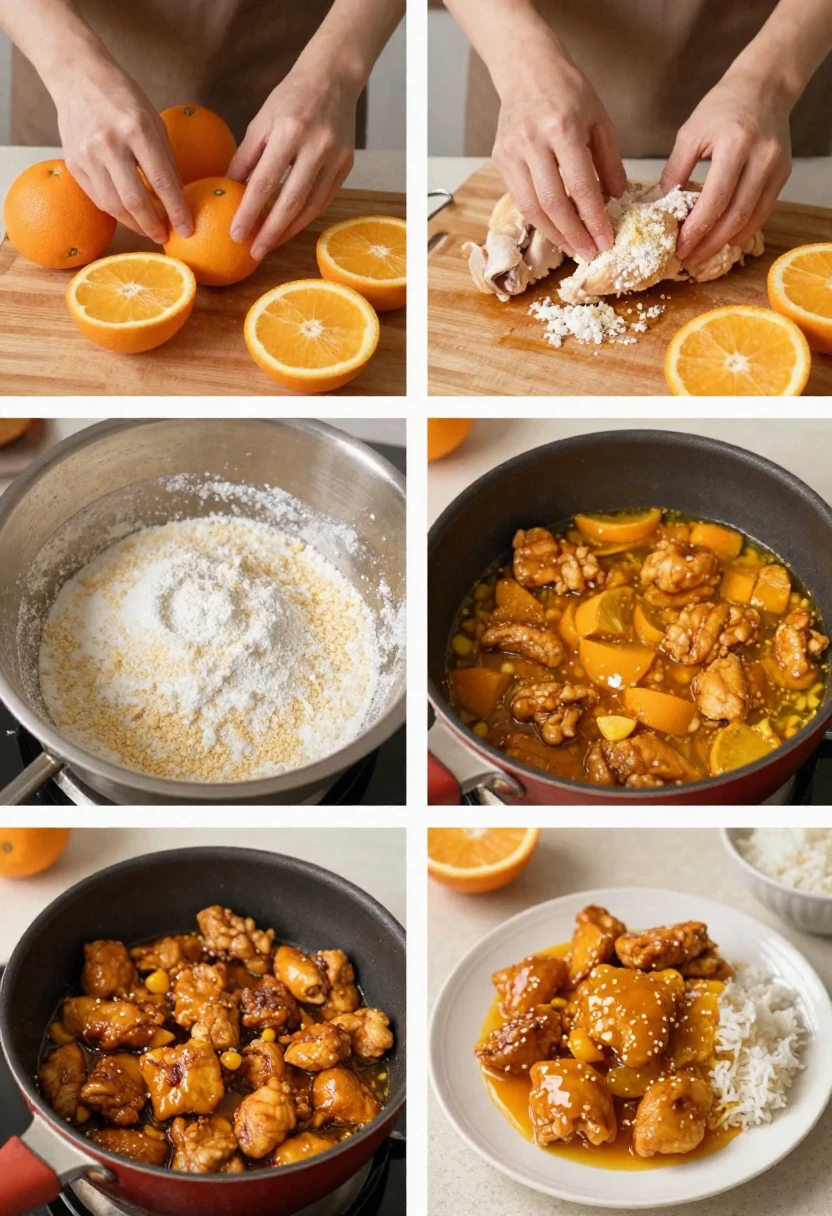
Making orange chicken at home may sound ambitious — but once you understand the rhythm, it becomes surprisingly approachable.
It’s not about rushing.
It’s about preparing each element calmly and letting them come together at the right moment.
Here’s how to do it in a way that feels manageable, even on a busy evening.
Ingredients (Serves 3–4)
For the chicken:
- 500 g (about 1 lb) chicken breast or thighs, cut into bite-sized pieces
- 1 egg
- ½ cup cornstarch
- ¼ cup all-purpose flour
- Salt and black pepper
- Neutral oil for frying (or air frying)
For the orange sauce:
- Zest of 1 orange
- ½ cup fresh orange juice
- 3 tbsp soy sauce
- 3–4 tbsp sugar or honey (to taste)
- 1 tbsp rice vinegar or white vinegar
- 2 cloves garlic, minced
- 1 tsp grated ginger
- 1 tsp cornstarch + 2 tbsp water (slurry)
Optional garnish:
Green onions, sesame seeds, orange slices
Step 1: Prepare the Chicken
Place the chicken pieces in a bowl and season lightly with salt and pepper. Add the egg and mix until everything is coated.
In a separate bowl, combine cornstarch and flour.
Dip each piece of chicken into the dry mixture, pressing gently so it sticks well. The coating should be thin but even — not thick and clumpy.
Set the coated chicken aside while you heat the oil.
Step 2: Fry (or Air Fry) Until Golden
Heat oil in a deep pan to about 170–175°C (340–350°F).
Fry the chicken in small batches. Overcrowding lowers the temperature and makes the coating soggy.
Cook for about 3–4 minutes per batch, until golden and crisp. Transfer to a paper towel-lined plate.
If air frying:
Lightly spray the coated chicken with oil and cook at 190°C (375°F) for 12–15 minutes, flipping halfway.
Step 3: Make the Orange Sauce
While the chicken cooks, prepare the sauce.
In a small saucepan, combine:
- orange juice,
- zest,
- soy sauce,
- sugar,
- vinegar,
- garlic,
- ginger.
Bring to a gentle simmer over medium heat.
Let it cook for 3–4 minutes, until fragrant and slightly reduced.
Stir in the cornstarch slurry and cook for another minute, until the sauce thickens and becomes glossy.
Turn off the heat. Taste. Adjust sweetness or acidity if needed.
Step 4: Combine Chicken and Sauce
This is the most important moment.
Your chicken should be hot.
Your sauce should be ready.
Your pan should be clean.
Add the fried chicken to a wide skillet or wok. Pour the sauce over it and toss quickly over low heat.
Coat every piece — gently, efficiently, without soaking.
This should take no more than 30–40 seconds.
Step 5: Serve Immediately
Transfer to a serving plate and garnish if desired.
Serve with steamed rice, fried rice, or vegetables.
Orange chicken is best when fresh — when the coating still has life and the sauce is glossy and bright.
Texture & Flavor Check
Before serving, pause for one bite.
Ask yourself:
- Is it crispy enough?
- Is the sauce balanced?
- Does the orange come through?
If yes — you’ve done it.
A Home Cook’s Secret
If you’re cooking for guests, keep fried chicken warm in a low oven and sauce it only when everyone is ready to eat.
That timing makes all the difference.
Common Mistakes Home Cooks Make (and How to Fix Them)
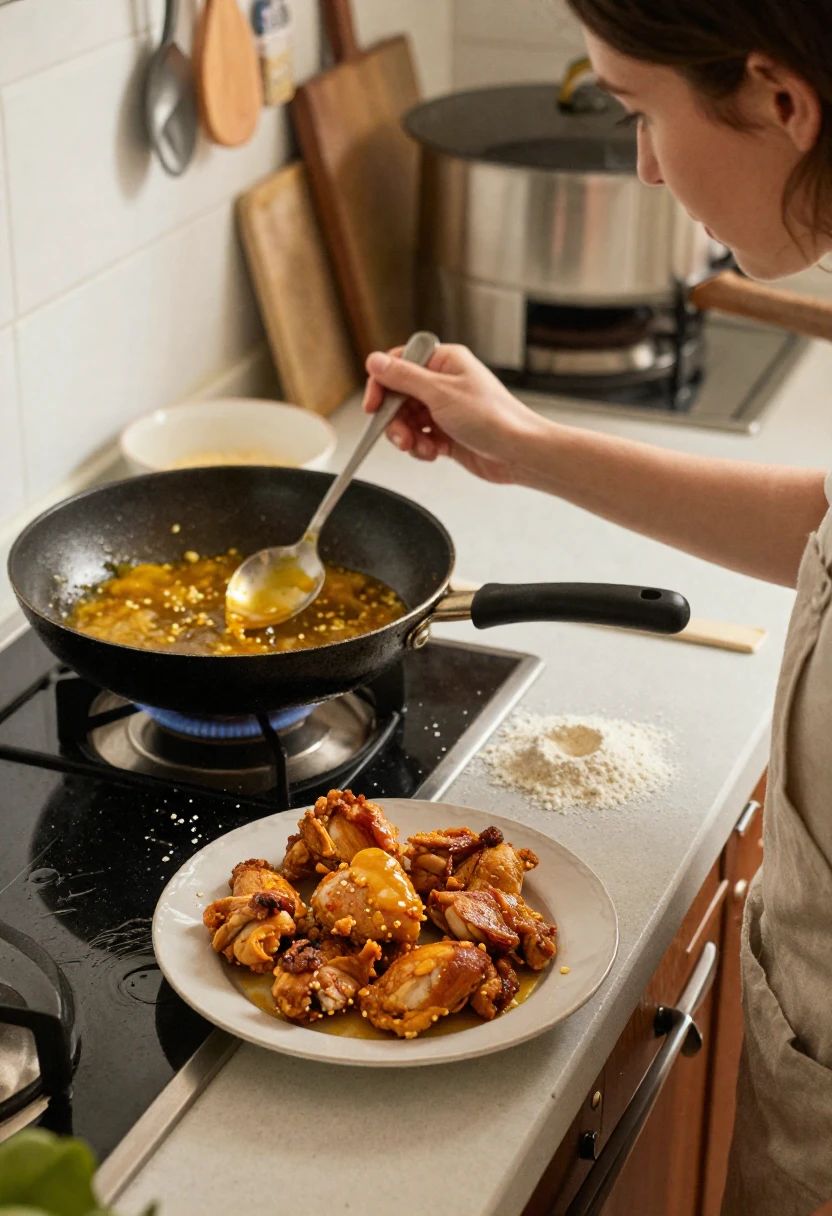
Orange chicken looks simple.
Chicken, sauce, heat — done.
But in practice, small missteps can quietly pull the dish away from its potential. Most “just okay” versions aren’t ruined by big errors. They’re affected by tiny ones that add up.
Once you recognize them, your cooking becomes calmer and more confident.
Letting the Oil Stay Too Cool
Temperature is everything when frying.
If the oil isn’t hot enough, the coating absorbs fat instead of sealing. The chicken turns greasy, pale, and soft. No sauce can fully rescue that texture.
Before frying, always test with a small piece. It should bubble immediately and float. If it sinks and sits quietly, wait longer.
Patience here saves the entire dish.
Overcrowding the Pan
This mistake is tempting, especially when you’re hungry.
Too much chicken at once drops the oil temperature and traps steam. Instead of crisping, pieces start steaming each other.
The result is uneven cooking and soggy coating.
Smaller batches take a few extra minutes — and deliver restaurant-quality texture.
Making the Sauce Too Sweet
Many first-time recipes lean heavily on sugar.
It feels safe. It feels familiar.
But excessive sweetness hides citrus aroma and kills balance. Orange chicken should feel bright and layered, not sticky and heavy.
If your sauce tastes flat, don’t add more sugar first. Try a little vinegar or zest. Often, acidity is what’s missing.
Forgetting to Taste During Cooking
Some cooks wait until the end to taste.
By then, everything is combined and harder to fix.
Taste the sauce while it simmers. Taste after thickening. Taste again before tossing.
These small pauses prevent disappointment later.
Tossing the Chicken Too Early
Hot, crispy chicken meets sauce at the wrong moment — and instantly softens.
If the chicken has cooled too much, it absorbs sauce unevenly. If the sauce is too hot and thin, it floods the coating.
The ideal moment is brief:
- chicken freshly cooked,
- sauce thick and glossy,
- pan warm but not blazing.
Timing is a skill you develop with practice.
Using Bottled Orange Juice Only
Bottled juice works in emergencies. Fresh zest does not have a substitute.
Zest contains essential oils that create aroma and depth. Without it, the sauce tastes one-dimensional.
Even a small amount of zest changes everything.
Cooking the Chicken Too Long
Overcooked chicken loses moisture fast, especially breast meat.
It becomes chewy and dry — even under sauce.
Cut pieces evenly and remove them as soon as they’re golden. They continue cooking slightly after frying.
Trust your eyes more than the clock.
Skipping Rest and Organization
Disorganized cooking leads to rushed decisions.
If sauce isn’t ready, chicken waits and softens.
If chicken isn’t ready, sauce over-reduces.
Prepare everything first. Then cook.
This “mise en place” mindset turns stressful meals into smooth ones.
Trying to Fix Everything at Once
When something feels off, many people panic.
More sugar. More salt. More vinegar. More soy.
Suddenly, balance is lost.
Change one thing. Taste. Reassess.
Cooking is conversation, not shouting.
Flavor Boosting Tips & Tricks
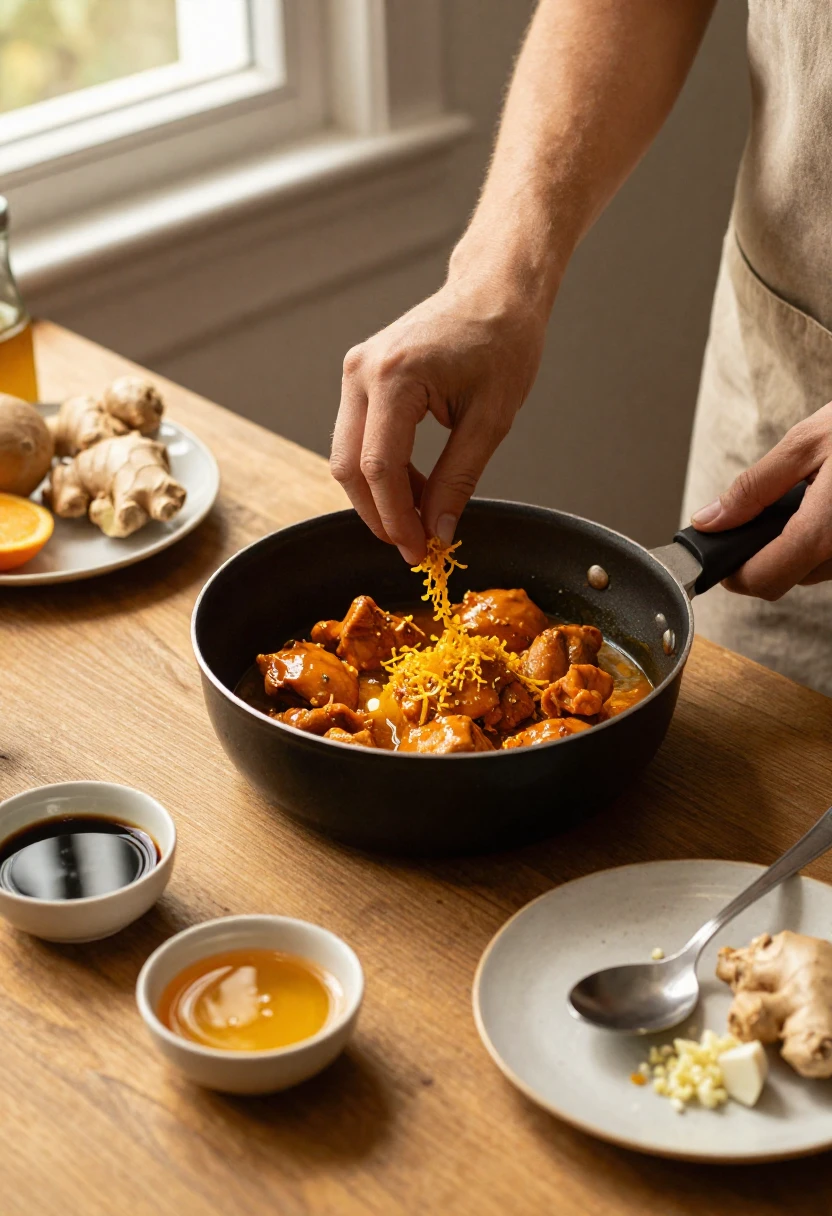
Once you’ve mastered the basic recipe, orange chicken becomes a playground.
This is where cooking shifts from following instructions to expressing taste. Where you stop asking, “What does the recipe say?” and start asking, “What would make this even better?”
Small adjustments here don’t just improve flavor. They deepen it. They personalize it. They turn a good dish into one people request again.
Use Fresh Zest Like a Secret Weapon
If there is one ingredient that instantly elevates orange chicken, it’s fresh orange zest.
Zest contains aromatic oils that juice alone cannot provide. It delivers brightness without extra liquid and creates that “wow” aroma when the dish hits the table.
Grate it finely and add it to the sauce early, so the oils bloom gently in heat.
A little goes a long way — but skipping it is a missed opportunity.
Layer Garlic and Ginger Thoughtfully
Garlic and ginger are more than background flavors. They’re structural.
When added raw to simmering sauce, they give sharpness. When lightly sautéed first, they become sweeter and rounder.
Try warming them briefly in a little oil before adding liquids. This releases fragrance and softens harsh edges.
The result is deeper, more integrated flavor.
Balance With Acidity, Not Just Sugar
When a sauce feels dull, many people reach for more sugar.
Often, what it really needs is acid.
A small splash of rice vinegar or a squeeze of fresh orange can:
- brighten the whole dish,
- sharpen citrus notes,
- prevent heaviness.
Think of acidity as light entering a room. It opens everything up.
Choose Soy Sauce With Intention
Not all soy sauces taste the same.
Some are very salty.
Some are sweeter.
Some are more fermented.
If yours is intense, reduce quantity slightly and compensate with broth or water. If it’s mild, you may need a little more.
Tasting your soy sauce alone once teaches you how to use it better forever.
Add Depth With a Touch of Sesame
A few drops of toasted sesame oil at the very end can transform the dish.
It adds warmth and nuttiness that sit quietly behind citrus and sweetness.
Never cook it too long. It’s a finishing note, not a base.
Create Gentle Heat (If You Like)
Orange chicken doesn’t need to be spicy — but it welcomes subtle warmth.
A pinch of chili flakes, a little fresh chili, or a dash of chili oil adds dimension without overpowering citrus.
Heat should whisper, not shout.
Let the Sauce Reduce Naturally
Resist the urge to thicken everything quickly.
Letting the sauce simmer for a few minutes concentrates flavor before adding cornstarch. This creates richness without heaviness.
Thickening should be the final polish, not the main structure.
Taste With Intention
Professional cooks taste constantly — but thoughtfully.
Not just “Is this good?”
But “What does this need?”
More aroma? → Zest.
More depth? → Soy or garlic.
More brightness? → Vinegar.
More comfort? → A touch of sweetness.
With practice, this becomes instinct.
Keep a Small Flavor Journal (Optional but Powerful)
Some home cooks keep mental notes. Others write them down.
“Next time: less sugar.”
“More zest.”
“Loved the ginger.”
These tiny reflections build confidence quickly.
Side Dishes That Pair Perfectly
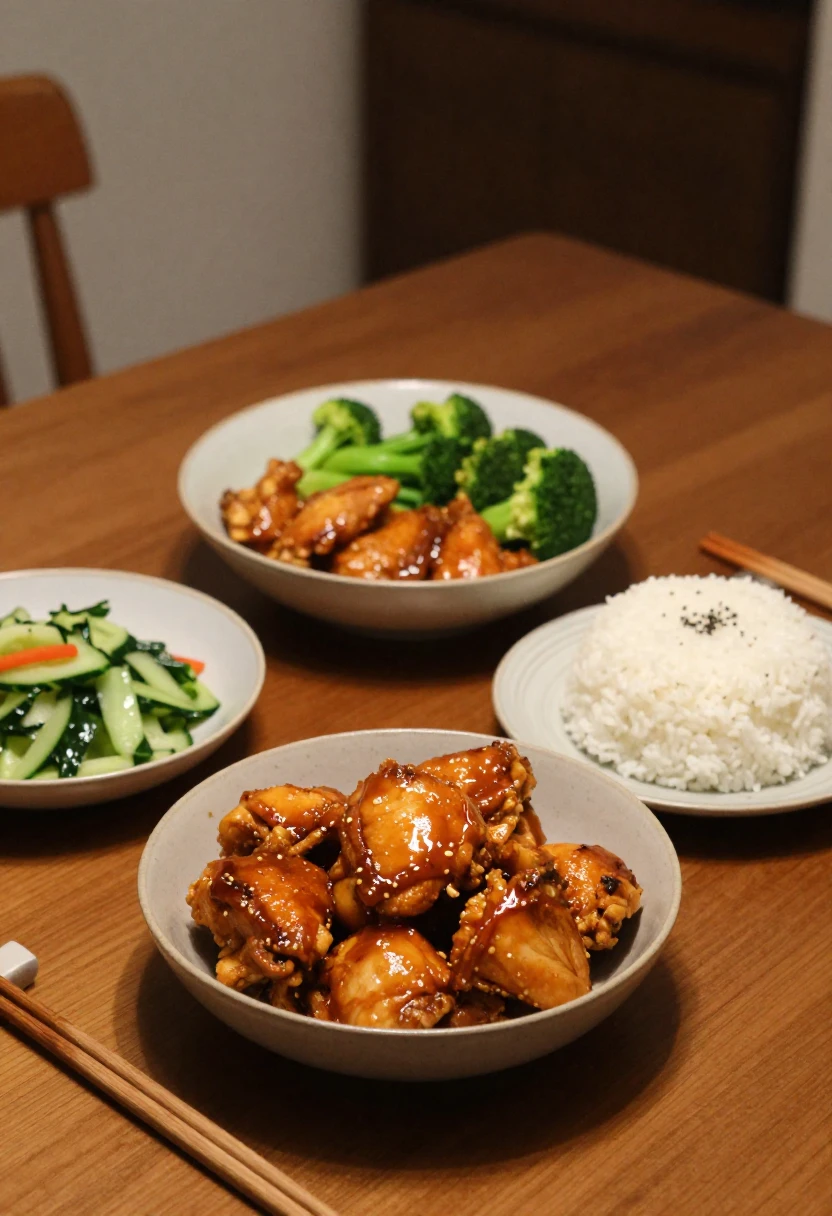
Orange chicken is bold. Bright. Glossy. Confident.
It doesn’t need competition on the plate.
What it needs is balance.
The right side dishes don’t try to steal attention. They calm the palate, support the sauce, and make the meal feel complete rather than overwhelming.
When sides are chosen thoughtfully, orange chicken stops feeling like takeout — and starts feeling like a real, satisfying dinner.
Rice: The Quiet Hero
Rice is the most traditional partner for a reason.
It absorbs sauce.
It softens sweetness.
It gives your fork somewhere to rest.
Steamed jasmine rice is classic — lightly fragrant, fluffy, and neutral. Brown rice adds nuttiness and fiber. Fried rice brings richness if you want something more indulgent.
Whatever you choose, rice creates structure for the meal.
Without it, orange chicken can feel too intense.
Steamed and Sautéed Greens
Vegetables bring contrast — in color, texture, and flavor.
Simple preparations work best.
Lightly steamed broccoli, bok choy, green beans, or snow peas offer freshness without distraction. A quick garlic sauté adds aroma without heaviness.
Greens reset your palate between bites and keep the meal from feeling too rich.
Fresh and Pickled Elements
Acidity outside the main dish can be surprisingly powerful.
A small cucumber salad, quick-pickled carrots, or lightly dressed cabbage slaw adds crunch and brightness. These elements cut through sweetness and refresh your mouth.
You don’t need much. A few spoonfuls are enough to rebalance the plate.
Soups and Light Starters
If you’re serving orange chicken as part of a larger meal, a light soup works beautifully.
Clear vegetable soup, miso-style broths, or simple egg drop soup prepare the palate without overwhelming it.
They slow the meal down.
They create rhythm.
Noodles and Grain Alternatives
Rice isn’t the only option.
Plain noodles, soba, quinoa, or even cauliflower rice can work when kept simple. The key is neutrality.
If both main and side are bold, they fight.
Let orange chicken lead.
Family-Style vs Plated Meals
How you serve matters too.
Family-style meals, with bowls in the center and everyone helping themselves, encourage balance naturally. People take what they need.
Plated meals benefit from restraint. A small mound of rice, a portion of greens, and a modest serving of chicken often feels better than excess.
A Hosting Tip
When serving guests, always include at least one “cooling” element — rice, greens, or salad.
It makes the meal feel thoughtful.
It makes guests feel comfortable.
It makes seconds more tempting.
Building Your Own Perfect Plate
Over time, you’ll learn what your household prefers.
More greens?
Less rice?
Extra crunch?
That’s the beauty of home cooking.
Orange chicken adapts.
Healthier Variations (Air Fryer, Baked, Gluten-Free)
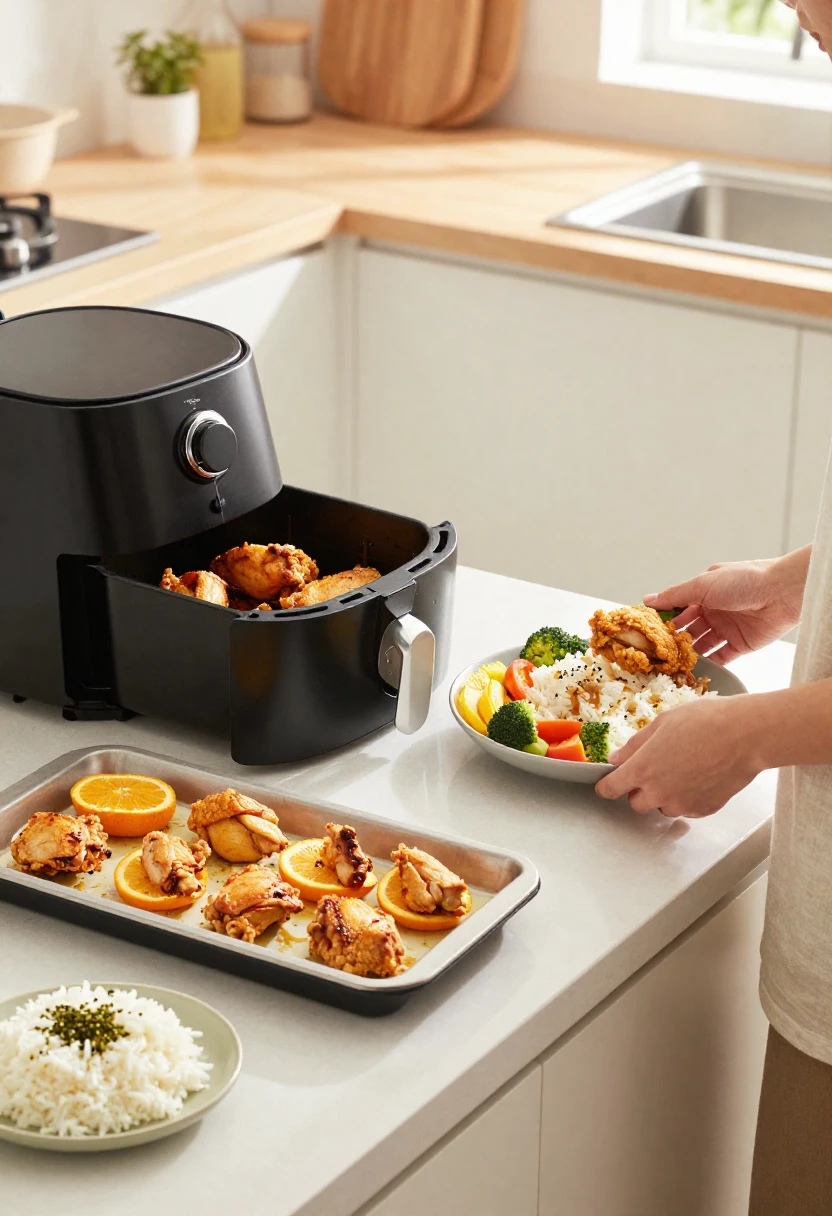
One of the greatest advantages of making orange chicken at home is choice.
You’re no longer limited to one version — usually deep-fried, heavily sweetened, and generously sauced. You can adjust the dish to fit your lifestyle, your energy levels, and your long-term goals without losing its personality.
Healthy doesn’t have to mean boring.
It means intentional.
Air Fryer Orange Chicken: Crisp With Less Oil
The air fryer has changed how many home cooks approach “fried” food.
With very little oil, it can create impressive texture — especially when the coating is done well.
To adapt orange chicken for the air fryer, coat the chicken lightly, spray it with oil, and cook in a single layer. Turning halfway helps ensure even browning.
The result isn’t identical to deep-frying — but it’s close enough for everyday meals. You still get crisp edges, juicy centers, and a satisfying bite, without the heaviness.
This version works especially well for weeknights when you want speed and lightness.
Baked Orange Chicken: Gentle and Reliable
Baking produces the lightest version of the dish.
It won’t be as crunchy as frying, but it creates a clean, comforting texture that many people prefer. When baked properly on a wire rack, air circulates around the chicken and prevents sogginess.
A light brush of oil before baking helps with browning. Finishing under the broiler for a minute or two can also boost texture.
This version pairs beautifully with lots of vegetables and brown rice.
It feels nourishing rather than indulgent.
Gluten-Free Orange Chicken: Naturally Adaptable
Making orange chicken gluten-free is surprisingly easy.
Most coatings already rely heavily on cornstarch, which is gluten-free. Replacing flour with more cornstarch or rice flour usually works well.
For the sauce, use tamari or certified gluten-free soy sauce. Everything else — orange juice, zest, garlic, ginger — is naturally safe.
The flavor remains rich and familiar. No one needs to feel like they’re “missing out.”
Reducing Sugar Without Losing Balance
Many restaurant versions are extremely sweet.
At home, you can gently lower sugar without sacrificing pleasure.
Try reducing sweetener by one-third at first. Increase orange zest and juice slightly. Add a little more vinegar for balance.
Over time, your palate adapts. Many people discover they actually prefer a less-sweet version.
Leaner Protein Options
Chicken breast is already lean, but you can go further if you like.
Some cooks use:
- turkey breast,
- firm tofu,
- cauliflower florets.
These alternatives absorb sauce beautifully and work well with lighter cooking methods.
They change the character of the dish — but keep its spirit.
Portion Awareness Without Restriction
Healthier eating isn’t about eliminating favorite foods.
It’s about context.
A moderate portion of orange chicken with plenty of vegetables and whole grains fits easily into balanced eating. You don’t need to “compensate” or feel guilty.
Enjoyment and mindfulness can coexist.
Creating Your Personal “Everyday Version”
Many experienced home cooks have two orange chicken recipes.
One is indulgent — for weekends and guests.
One is lighter — for regular life.
Both are valid.
Both belong in your kitchen.
Kid-Friendly to Fancy Dinner Party Versions
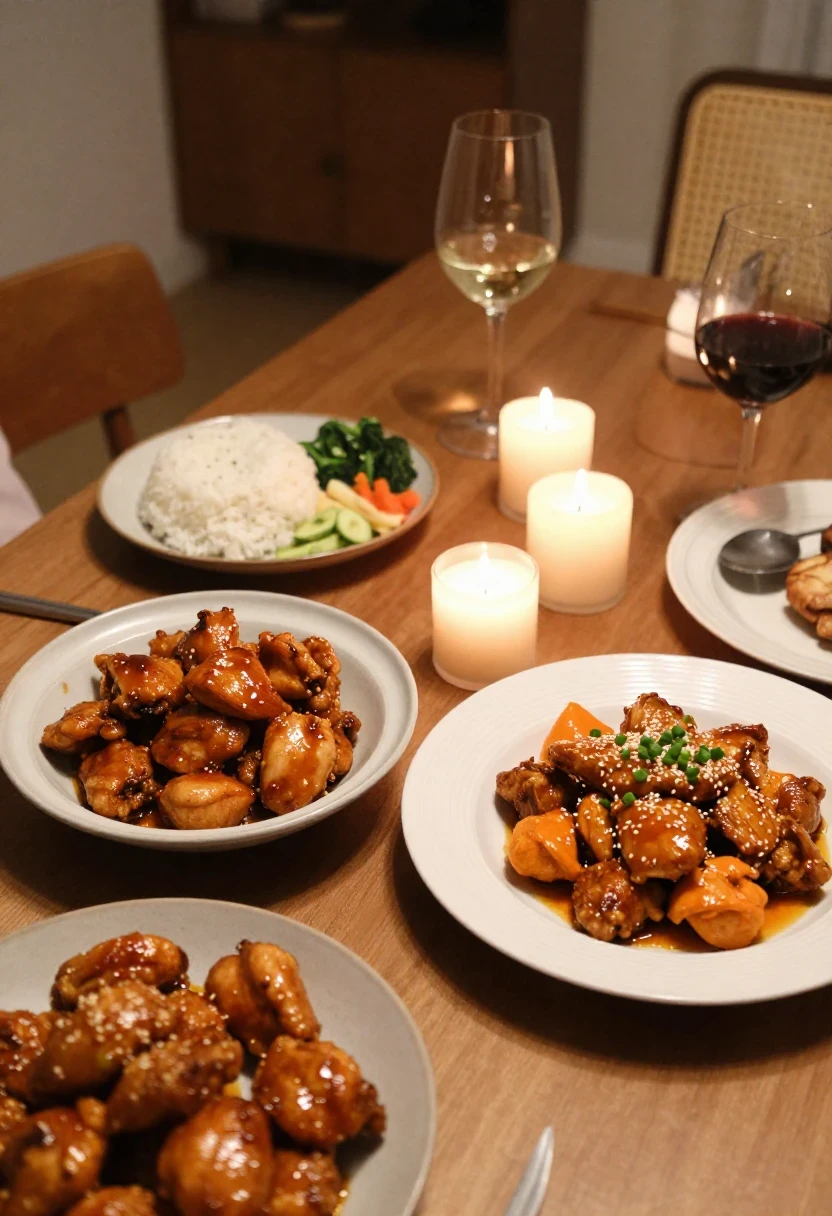
One of the reasons orange chicken has stayed popular for so long is its flexibility.
It can be simple and comforting.
It can be playful and familiar.
It can also be elegant and impressive.
The same basic dish can adapt to very different moments — from busy family dinners to carefully planned gatherings.
Making It Kid-Friendly Without Losing Flavor
For many children, orange chicken is a gateway dish.
It’s sweet enough to feel safe.
It’s crispy enough to feel fun.
It’s familiar enough to trust.
When cooking for kids, the goal isn’t to strip away flavor — it’s to soften it.
Reducing acidity slightly and keeping sweetness gentle makes the sauce more approachable. Skipping chili or strong ginger also helps. Cutting chicken into smaller, even pieces makes eating easier and less messy.
Serving it with plain rice and simple vegetables keeps the plate comforting and predictable.
And often, that’s exactly what children need.
Building Confidence Through Familiar Food
There’s something powerful about children helping in the kitchen with dishes they love.
Coating chicken, stirring sauce, tasting carefully — these moments turn dinner into connection.
Orange chicken is forgiving enough to invite participation without fear of failure.
That matters more than perfect plating.
Elevating Orange Chicken for Guests
Now imagine a different scene.
Soft lighting.
Music in the background.
Friends arriving.
Glasses clinking.
Orange chicken can live here too.
To elevate it, focus on refinement rather than complexity.
Use fresh-squeezed orange juice. Add extra zest. Finish with toasted sesame seeds and thinly sliced scallions. Serve it in a wide bowl rather than a deep plate.
Suddenly, it feels intentional.
Creating Visual Appeal
Presentation changes perception.
Plating orange chicken with:
- bright green vegetables,
- fluffy white rice,
- scattered herbs,
- citrus slices
creates contrast and beauty.
People eat with their eyes first. A thoughtful layout turns a familiar dish into something memorable.
Adding Subtle Complexity
For adult gatherings, you can introduce gentle sophistication.
A hint of star anise in the sauce. A splash of Shaoxing wine. A touch of chili oil on the side.
These additions don’t overpower. They invite curiosity.
Guests notice — even if they can’t name why it tastes different.
Serving Family-Style vs Individually
Family-style encourages warmth and sharing. It works well for casual dinners and large tables.
Individual plating feels more formal and controlled. It suits smaller gatherings and special occasions.
Orange chicken works in both formats — another reason it’s so versatile.
One Dish, Many Stories
Over time, the same recipe becomes part of different memories.
A rushed Tuesday.
A birthday dinner.
A late-night conversation.
A holiday table.
Orange chicken adapts to them all.
That’s rare.
Frequently Asked Questions (FAQ)
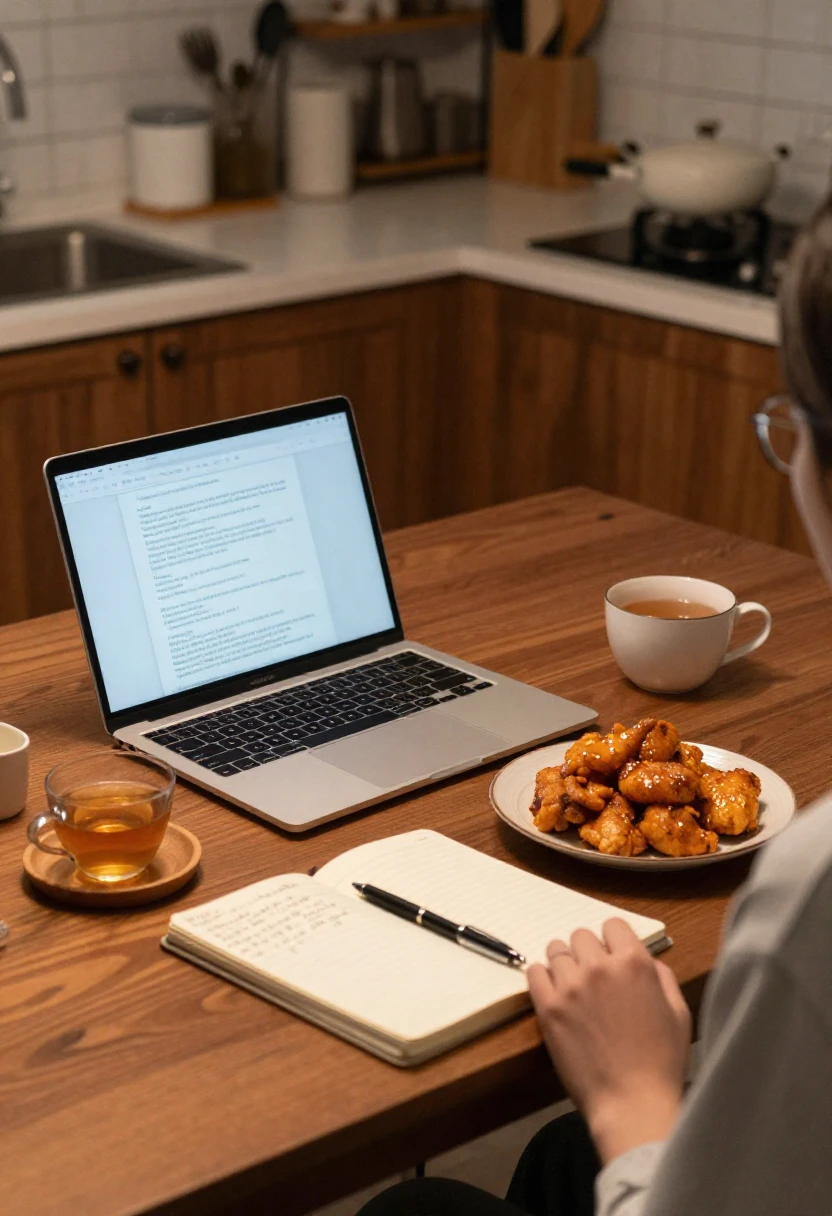
Once people start making orange chicken at home, the same thoughtful questions tend to come up again and again. Not because the recipe is difficult — but because cooks want to get it right. They want consistency, confidence, and results they can rely on.
Here are clear, practical answers to the most common ones.
Can I use chicken breast or should I use thighs?
Both work well — it depends on what you value most.
Chicken breast is lean and familiar. When cooked carefully, it produces clean, light bites. However, it dries out more easily.
Chicken thighs are more forgiving. They stay juicy longer and bring natural richness. Many restaurant versions rely on them for texture.
If you’re new to the recipe, thighs are often easier. If you prefer leaner meals, breast is perfectly fine.
How do I make orange chicken less sweet?
This is one of the most frequent concerns.
Start by reducing sugar by about one-third. Then balance with more orange zest, a little extra juice, or a splash of vinegar.
Sweetness should support citrus — not overpower it.
Always adjust gradually and taste between changes.
Can I make orange chicken ahead of time?
You can prepare components in advance, but final assembly is best done just before serving.
You may:
- fry or bake the chicken earlier and refrigerate it,
- prepare the sauce ahead and reheat gently.
When ready to serve, reheat the chicken in the oven or air fryer to restore crispness, then toss quickly with hot sauce.
This preserves texture.
What’s the best way to reheat leftovers?
Avoid the microwave if possible.
Microwaving softens the coating and dulls flavor.
For best results:
- reheat chicken in the oven or air fryer at 180°C / 350°F,
- warm sauce separately,
- combine briefly before serving.
It takes a little longer — but tastes far better.
Why does my sauce sometimes separate?
Separation usually happens when heat is too high or thickener is unevenly mixed.
Always dissolve cornstarch fully in cold liquid before adding. Stir constantly while thickening. Keep heat moderate.
A smooth sauce comes from patience.
Can I freeze orange chicken?
It’s not ideal.
Freezing affects coating texture and can make the sauce watery after thawing.
If you must freeze, freeze fried chicken and sauce separately. Reheat and combine later.
But fresh is always better.
How do I add spice without overpowering the dish?
Gentle heat works best.
Try:
- a small pinch of chili flakes,
- a little chili oil at the end,
- thinly sliced fresh chili.
Add gradually and taste. Orange chicken should remain balanced.
Is orange chicken healthy?
It can be — depending on how you prepare it.
Home versions with moderate sugar, lighter cooking methods, and plenty of vegetables fit well into balanced eating.
It’s not about perfection. It’s about context.
Can I make it vegetarian?
Yes.
Firm tofu, cauliflower, or mushrooms work well when coated and baked or air-fried. They absorb sauce beautifully and keep the dish satisfying.
Many readers are surprised how good these versions can be.
Conclusion — Why Homemade Orange Chicken Is Worth Making
In a world where takeout is always one tap away, choosing to cook orange chicken at home might seem unnecessary.
Why bother, when it’s so easy to order?
But anyone who has made it from scratch knows the difference.
It’s not just about taste.
It’s about intention.
When you zest a fresh orange, when you adjust the sauce slowly, when you wait for the chicken to turn golden — you’re doing more than preparing dinner. You’re creating a moment of care in the middle of an ordinary day.
And that matters.
Homemade orange chicken gives you control.
You decide how sweet it is.
How crispy it becomes.
How light or rich it feels.
How much citrus shines through.
It adapts to your life — not the other way around.
Over time, it becomes one of those reliable recipes you return to again and again. The one you make when you’re tired. When guests are coming. When someone needs comfort. When you want something that always works.
It becomes part of your rhythm.
And maybe that’s why this dish has lasted.
Not because it’s trendy.
Not because it’s perfect.
But because it meets people where they are — busy, hungry, hopeful — and offers something warm, satisfying, and familiar.
Once you make it yourself, it stops being “takeout food.”
It becomes your food.
And that’s always worth it.