
When Eating Becomes an Act of Care
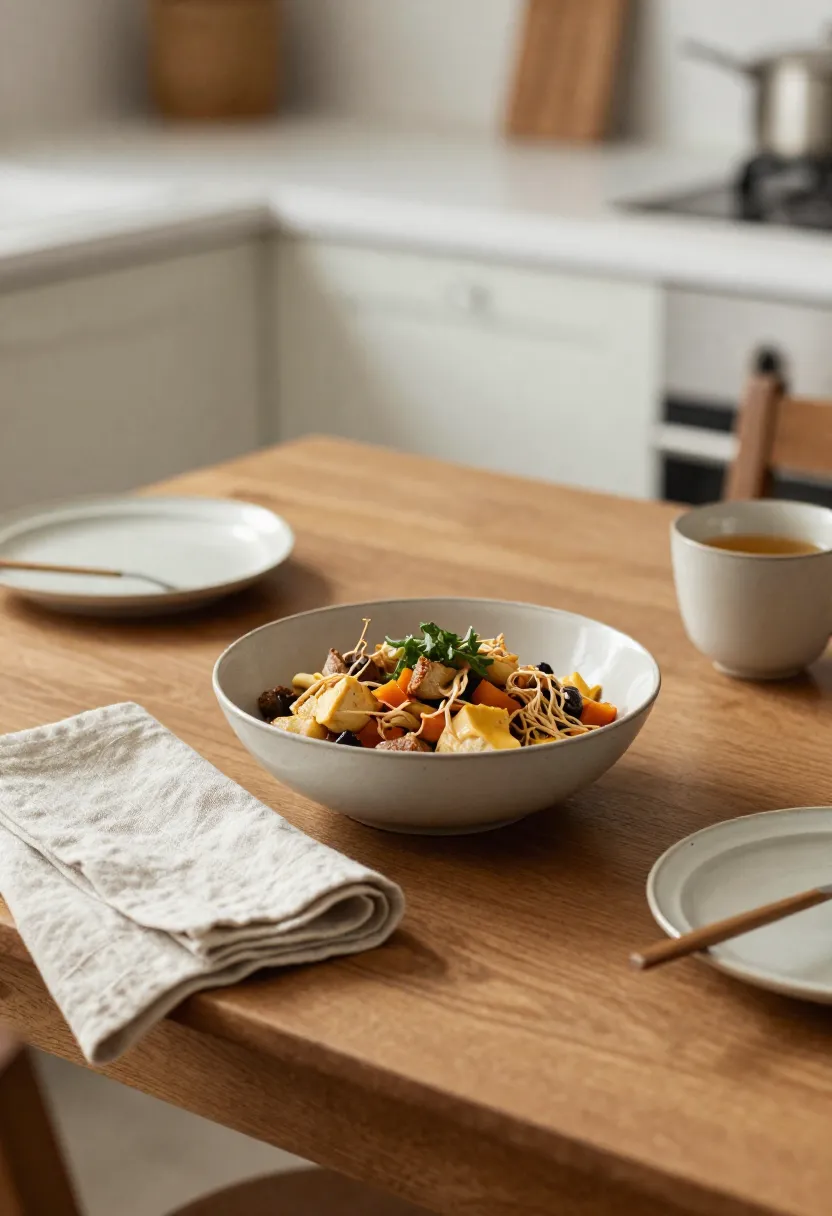
Most of us eat every day without really noticing it.
Meals happen between meetings, bites are taken while scrolling, and hunger is often answered with whatever is closest — not necessarily with what feels nourishing. Food becomes functional. Automatic. Just another task to check off.
But what if eating wasn’t just about filling a gap?
What if it could be one of the most accessible forms of self-care we already have?
Mindful eating invites us to see daily meals differently — not as something to control or optimize, but as moments of presence, grounding, and care. It’s not a diet. It’s not about rules, restrictions, or eating “perfectly.” Instead, it’s about how we show up for ourselves in the small, repeated moments that shape our days.
At Book of Foods, we often explore the emotional and sensory side of eating — the quiet comfort of warm meals, the rhythm of familiar recipes, the way food can steady us when everything else feels rushed. And food doesn’t exist in isolation. It’s deeply connected to how we live, rest, and care for ourselves beyond the kitchen. That broader view of wellness — one that values intention, gentleness, and everyday rituals — is something beautifully reflected in holistic lifestyle spaces like Hello Lovely Living, where wellness is approached as a way of living rather than a checklist.
Mindful eating sits right at the intersection of food and self-care. It asks simple but powerful questions:
- Am I present while I eat?
- Am I listening to my body — or just responding to habit?
- Can this meal be a pause, not a performance?
When we slow down enough to notice taste, texture, warmth, and satisfaction, eating shifts from consumption to connection. Even the most ordinary meal can become a small ritual — a reminder that nourishment isn’t only nutritional. It’s emotional. Sensory. Human.
In this article, we’ll explore how mindful eating can become a form of self-care, how to turn everyday meals into gentle wellness rituals, and how to approach food with curiosity instead of pressure. No extremes. No perfection. Just a softer, more intentional way of being with what we eat — one meal at a time.
What Mindful Eating Really Means
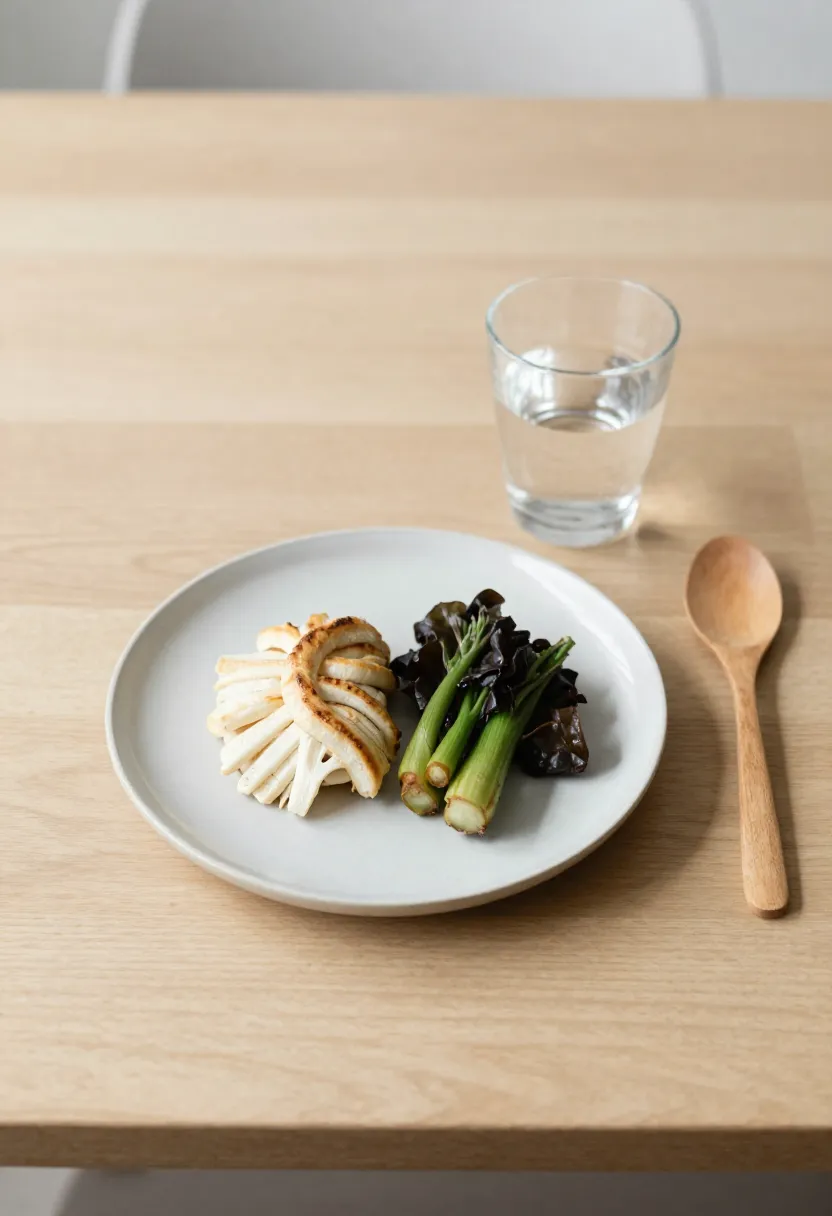
When people first hear the term mindful eating, it’s often reduced to a single idea: eat more slowly. While slowing down can help, mindful eating goes much deeper than pace. It’s less about how fast you eat and more about how present you are while doing it.
At its core, mindful eating is about awareness without judgment. It invites you to notice what’s happening — in your body, your senses, and your emotions — as you eat, without labeling those experiences as good or bad.
Mindful Eating Is About Attention, Not Control
Unlike diets or food rules, mindful eating doesn’t tell you:
- what you should eat
- how much you should eat
- or when you should stop
Instead, it gently asks you to pay attention.
That attention might look like:
- noticing hunger before it becomes overwhelming
- recognizing satisfaction instead of eating until discomfort
- tasting food fully rather than rushing through it
There’s no goal of “doing it right.” The goal is simply to be there.
It’s a Practice, Not a Performance
Mindful eating isn’t something you master and move on from. It’s a practice that shifts from day to day.
Some meals will feel calm and intentional. Others will be hurried or distracted — and that’s part of real life. Mindfulness doesn’t disappear when conditions aren’t perfect. It adapts.
Being mindful doesn’t mean being flawless. It means being honest with yourself in the moment.
What Mindful Eating Is Not
Clarifying what mindful eating isn’t can be just as helpful.
Mindful eating is not:
- another diet disguised as awareness
- a rulebook for “clean” or “good” eating
- a tool for restricting or punishing yourself
- a requirement to eat every meal in silence or ritual
If it creates pressure or guilt, it’s missed the point.
Listening Instead of Labeling
One of the most powerful shifts mindful eating offers is moving away from labels like healthy, unhealthy, indulgent, or bad. These labels often drown out the body’s signals.
Mindful eating encourages questions like:
- How does this food make me feel right now?
- Am I eating from hunger, habit, or emotion?
- What would feel supportive in this moment?
There are no wrong answers — only information.
Why This Matters for Self-Care
Self-care isn’t always about adding more practices to your routine. Sometimes it’s about changing how you experience what’s already there.
Because eating happens every day, mindful eating becomes one of the most accessible ways to practice self-care. You don’t need extra time, special tools, or perfect conditions. You just need a moment of awareness.
And from that awareness, gentler choices often follow naturally.
Why Meals Are the Most Overlooked Self-Care Opportunity
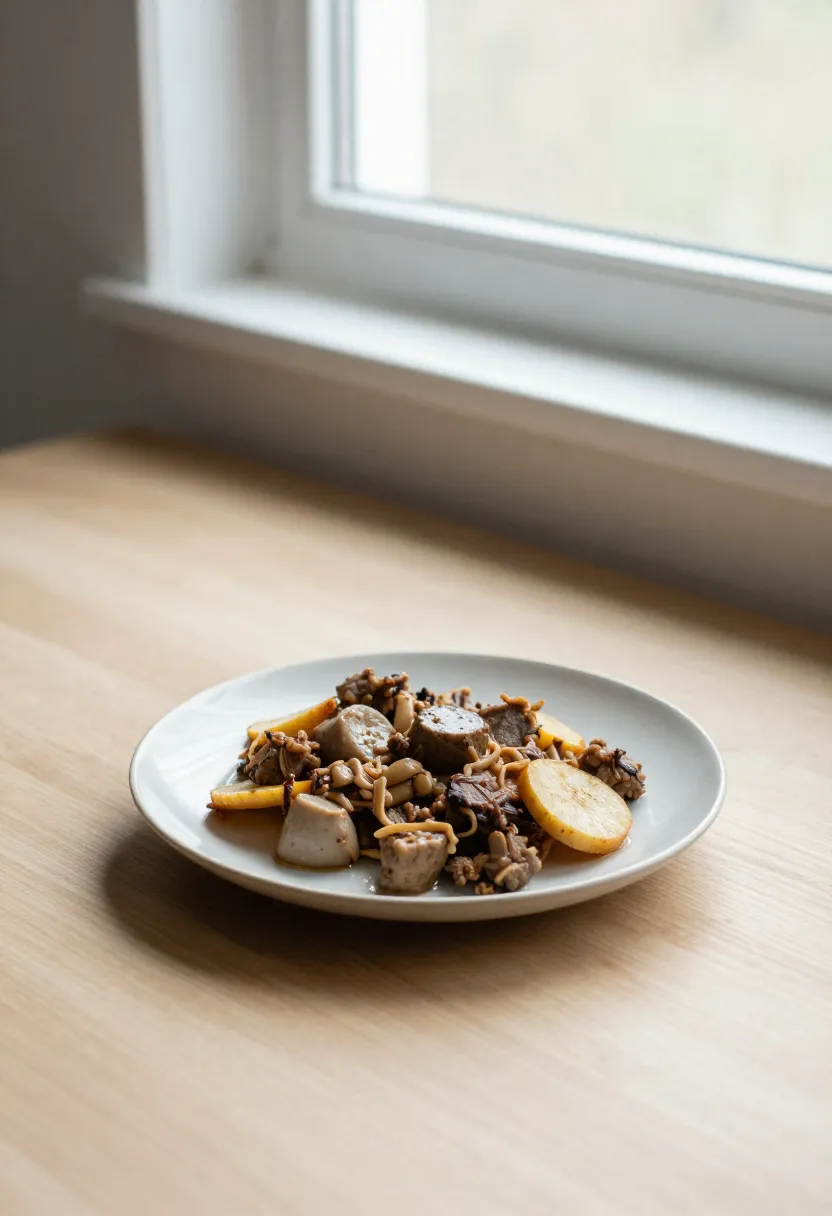
We often think of self-care as something we add to our lives — an extra ritual, a new habit, a moment carved out of an already full day. Meals, on the other hand, feel routine. Automatic. Necessary, but rarely meaningful.
And that’s exactly why they’re so often overlooked.
We Eat Every Day, Yet Rarely Treat It as Care
Unlike exercise routines or wellness practices that require planning, eating happens whether we think about it or not. Because it’s constant, it fades into the background. Meals become something we fit in between responsibilities rather than moments we arrive at fully.
Yet few daily actions are as intimate as eating. Food enters the body. It affects energy, mood, focus, and emotional balance — often long after the plate is cleared. Ignoring that moment means missing an opportunity that’s already built into every day.
Convenience Has Replaced Connection
Modern life encourages efficiency. We eat at desks, in cars, standing in kitchens, or while watching screens. None of this is inherently “wrong,” but over time it can disconnect us from the experience of nourishment.
When meals are rushed or distracted:
- hunger cues become harder to recognize
- satisfaction is delayed or missed
- emotional needs often get folded into eating without awareness
Mindful eating doesn’t ask us to abandon convenience — it simply invites us to notice when convenience becomes the default.
Self-Care Doesn’t Have to Be Extra
One of the most powerful shifts in perspective is realizing that self-care doesn’t always require more time or effort. Sometimes it’s about bringing care into what already exists.
Meals offer:
- a natural pause in the day
- a chance to check in with the body
- a sensory experience that can ground and calm
Even a short lunch break can become a moment of self-care when approached with intention.
Small Shifts Make a Big Difference
Turning meals into self-care doesn’t mean changing everything at once.
It might start with:
- sitting down instead of standing
- taking one deep breath before the first bite
- noticing flavors instead of multitasking
- stopping when you feel comfortably satisfied
These are subtle shifts, but repeated daily, they change how eating feels.
Self-care doesn’t always look like escape. Sometimes it looks like presence.
Why This Matters More Than We Think
When meals become rushed and disconnected, the body often asks for attention later — through cravings, fatigue, or emotional eating. Mindful eating brings awareness earlier, when support can be gentle rather than reactive.
Seeing meals as self-care reframes eating from something we manage to something we participate in. And that shift sets the tone for a more compassionate relationship with food — and with ourselves.
Why Meals Are the Most Overlooked Self-Care Opportunity
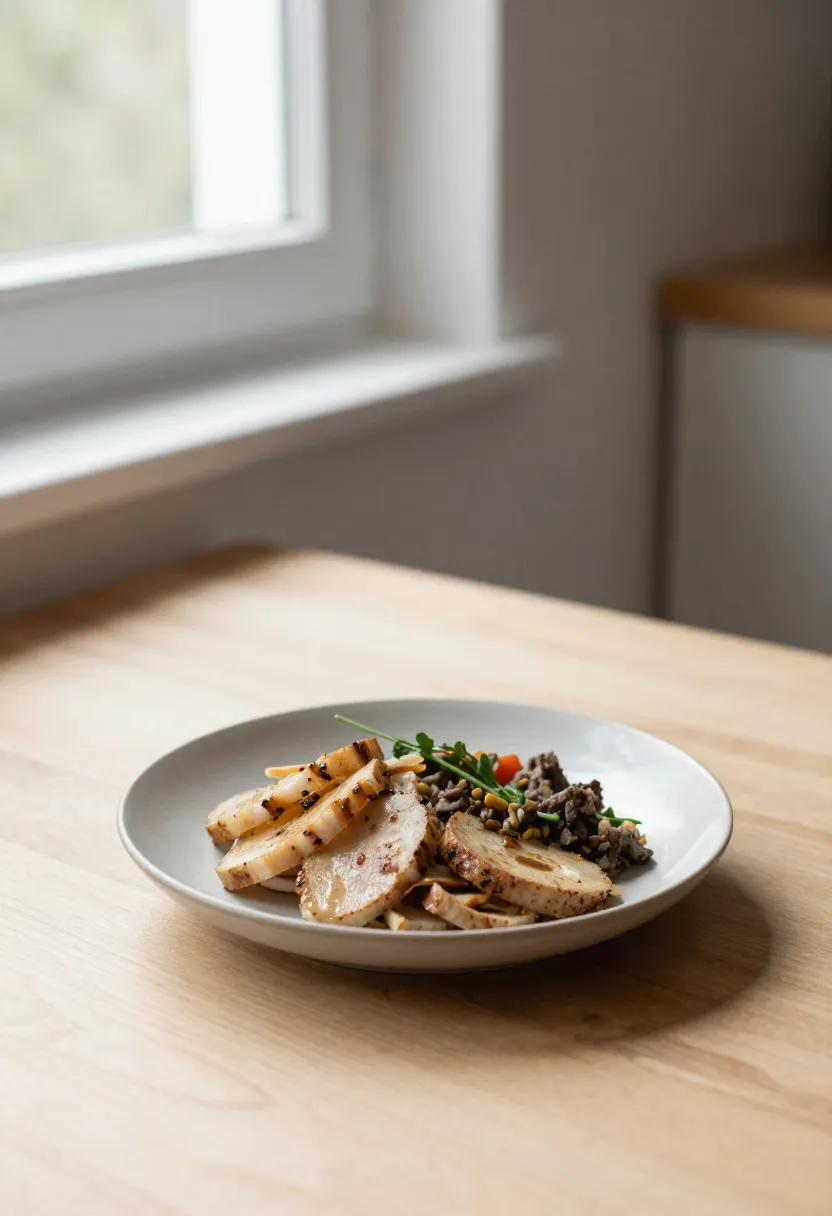
We often think of self-care as something we add to our lives — an extra ritual, a new habit, a moment carved out of an already full day. Meals, on the other hand, feel routine. Automatic. Necessary, but rarely meaningful.
And that’s exactly why they’re so often overlooked.
We Eat Every Day, Yet Rarely Treat It as Care
Unlike exercise routines or wellness practices that require planning, eating happens whether we think about it or not. Because it’s constant, it fades into the background. Meals become something we fit in between responsibilities rather than moments we arrive at fully.
Yet few daily actions are as intimate as eating. Food enters the body. It affects energy, mood, focus, and emotional balance — often long after the plate is cleared. Ignoring that moment means missing an opportunity that’s already built into every day.
Convenience Has Replaced Connection
Modern life encourages efficiency. We eat at desks, in cars, standing in kitchens, or while watching screens. None of this is inherently “wrong,” but over time it can disconnect us from the experience of nourishment.
When meals are rushed or distracted:
- hunger cues become harder to recognize
- satisfaction is delayed or missed
- emotional needs often get folded into eating without awareness
Mindful eating doesn’t ask us to abandon convenience — it simply invites us to notice when convenience becomes the default.
Self-Care Doesn’t Have to Be Extra
One of the most powerful shifts in perspective is realizing that self-care doesn’t always require more time or effort. Sometimes it’s about bringing care into what already exists.
Meals offer:
- a natural pause in the day
- a chance to check in with the body
- a sensory experience that can ground and calm
Even a short lunch break can become a moment of self-care when approached with intention.
Small Shifts Make a Big Difference
Turning meals into self-care doesn’t mean changing everything at once.
It might start with:
- sitting down instead of standing
- taking one deep breath before the first bite
- noticing flavors instead of multitasking
- stopping when you feel comfortably satisfied
These are subtle shifts, but repeated daily, they change how eating feels.
Self-care doesn’t always look like escape. Sometimes it looks like presence.
Why This Matters More Than We Think
When meals become rushed and disconnected, the body often asks for attention later — through cravings, fatigue, or emotional eating. Mindful eating brings awareness earlier, when support can be gentle rather than reactive.
Seeing meals as self-care reframes eating from something we manage to something we participate in. And that shift sets the tone for a more compassionate relationship with food — and with ourselves.
Turning Ordinary Meals Into Wellness Rituals
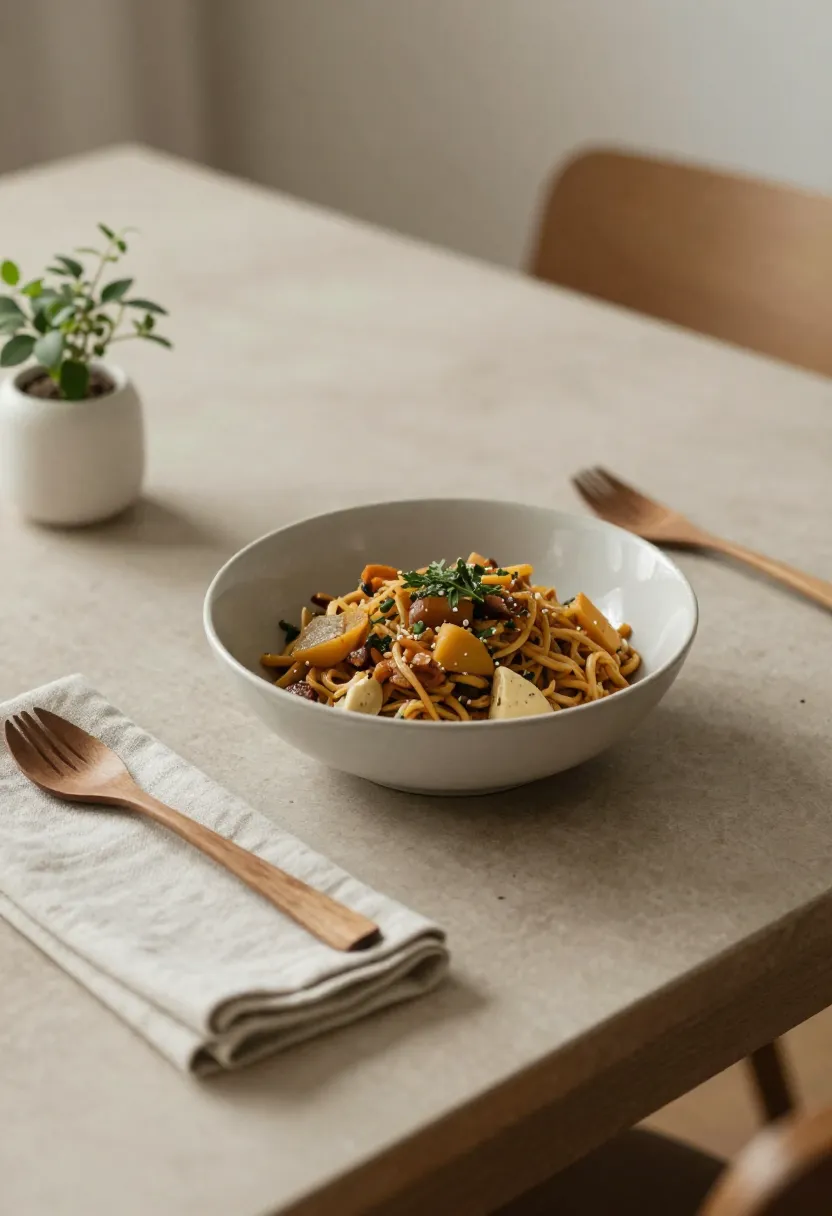
Ritual doesn’t have to mean elaborate preparation or extra time. In the context of mindful eating, a ritual is simply a moment made intentional. It’s the difference between eating as a reflex and eating as a choice — even when the meal itself is simple.
The beauty of mindful eating as self-care is that it works best when it’s subtle.
Start With One Small Pause
Before the first bite, pause — just briefly.
That pause might be:
- a single deep breath
- a moment to notice the smell of the food
- a quiet acknowledgment that you’re about to nourish yourself
This tiny interruption shifts the nervous system out of rush mode and into presence. It signals that this moment matters.
Engage the Senses You Usually Ignore
Most of us eat while thinking about something else. A ritual brings attention back to the senses.
Try noticing:
- temperature — warm, cool, comforting
- texture — crunchy, smooth, soft, dense
- flavor changes from first bite to last
You don’t need to analyze. Just observe. Sensory awareness grounds the body and naturally slows the pace without forcing it.
Create a Gentle Boundary Around Mealtime
Wellness rituals often rely on boundaries — not rigid rules, but soft edges.
That might mean:
- sitting down instead of eating on the move
- putting your phone face-down for the first few minutes
- eating at a table rather than over the sink
Even partial boundaries help the body recognize meals as moments of care rather than interruptions.
Let Simplicity Be Enough
A mindful meal doesn’t have to be homemade, organic, or perfectly balanced. Ritual is about how you eat, not what you eat.
A takeaway meal eaten with attention can be more nourishing than a carefully prepared dish eaten in a rush.
Ritual isn’t about effort. It’s about intention.
Repetition Is Where the Ritual Lives
Rituals gain power through repetition, not intensity.
Choosing:
- one mindful breakfast each morning
- one screen-free meal a day
- one moment of gratitude before eating
is often more sustainable than trying to transform every meal at once.
Over time, these small practices begin to anchor the day. Meals become predictable points of calm — something the body can rely on.
When Ritual Meets Real Life
Some days will be chaotic. Some meals will be rushed. Mindful eating doesn’t disappear on those days — it simply waits.
Even noticing that a meal felt hurried is a form of awareness. Rituals don’t demand consistency; they offer return.
Turning meals into wellness rituals isn’t about creating a perfect routine. It’s about meeting yourself where you are, again and again, with care.
Creating a Calm Eating Environment

The way we eat is shaped as much by where we eat as by what we eat. Light, sound, posture, and even clutter quietly influence how the body experiences food. A rushed or overstimulating environment can keep the nervous system on alert, making it harder to recognize hunger, satisfaction, or enjoyment.
A calm eating environment doesn’t require perfection or redesigning your home. It’s about reducing friction — gently — so meals feel more supportive.
Why Environment Matters More Than We Think
When the body senses chaos, it prepares for action, not digestion. Screens, noise, multitasking, and visual clutter can all signal that it’s not safe to slow down.
In calmer environments:
- digestion tends to feel easier
- flavors register more clearly
- fullness cues become more noticeable
- eating feels less rushed, even with the same amount of time
The goal isn’t silence or stillness — it’s ease.
Small Changes That Shift the Mood
You don’t need a dedicated dining room or perfect setup. A few subtle adjustments can change how a meal feels.
Consider:
- choosing one consistent place to eat when possible
- clearing just enough space to set down your plate
- turning off background noise for the first few minutes
- adjusting lighting to feel softer, not harsher
These changes signal to the body that it’s okay to settle.
The Role of Screens and Distraction
Screens aren’t the enemy, but they do divide attention.
Instead of aiming for screen-free meals all the time, try:
- beginning meals without a screen
- eating the first few bites with full attention
- noticing when distraction creeps in
Even partial presence can make a difference. Awareness matters more than rules.
Posture, Pace, and Physical Comfort
How you sit affects how you eat.
When possible:
- sit back in your chair rather than leaning forward
- place both feet on the floor
- let your shoulders relax
Comfort allows the body to move out of “task mode” and into digestion. Eating becomes less mechanical and more responsive.
Let the Environment Support You — Not Impress You
A calm eating environment doesn’t need to be aesthetic or curated. It needs to feel safe and supportive.
A messy kitchen doesn’t cancel mindfulness. Neither does eating alone, quickly, or casually. What matters is whether the space allows you to check in with yourself — even briefly.
Calm isn’t something you create perfectly. It’s something you allow.
By softening the environment around meals, you make mindful eating feel more natural — less like a practice and more like a habit that fits into real life.
Mindful Eating Without Perfection or Pressure
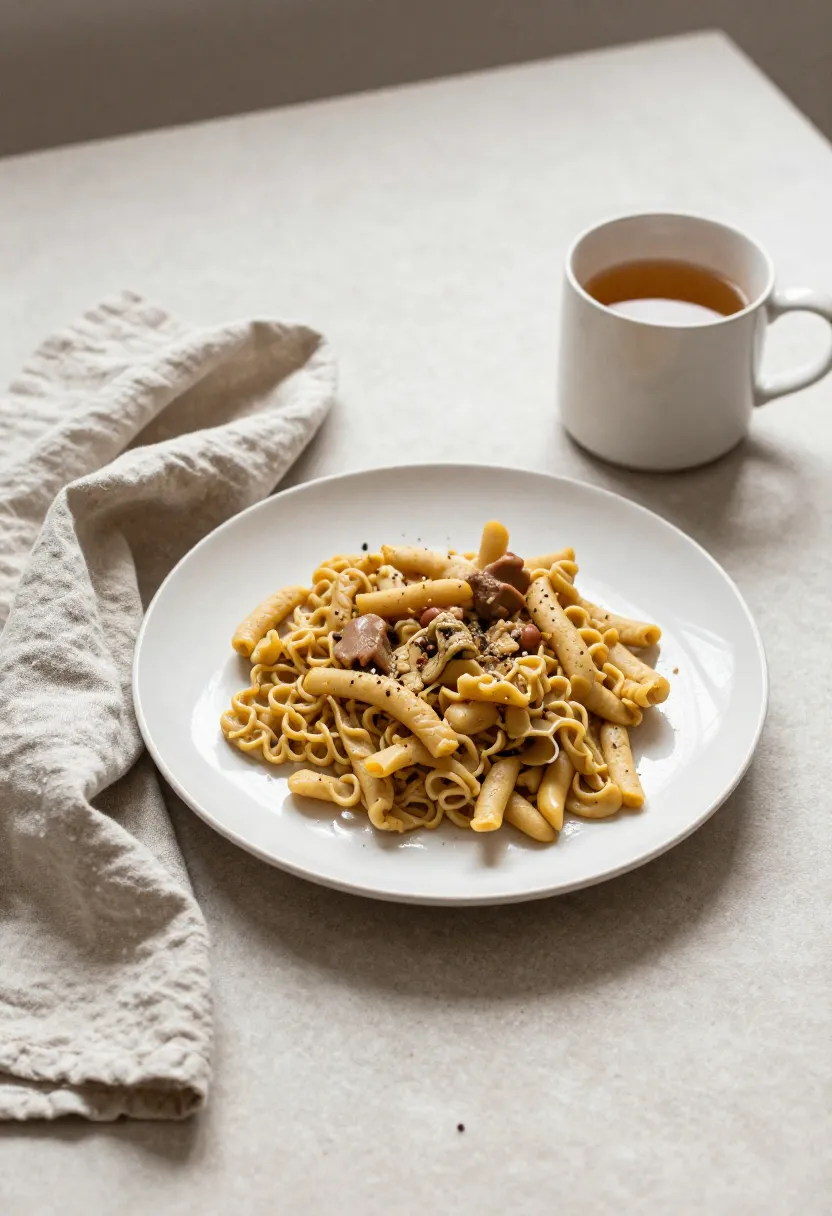
One of the fastest ways to turn mindful eating into something stressful is to believe it has to be done right. Perfectly present meals. No distractions. No emotional eating. No rushed bites.
That version of mindful eating doesn’t support wellness — it replaces one set of rules with another.
True mindful eating is flexible. It adapts to real life, not an ideal one.
Mindfulness Is Not a Standard You Have to Meet
Mindful eating isn’t something you succeed or fail at. It’s simply a way of noticing what’s happening — even when what’s happening is messy, rushed, or distracted.
Eating quickly because you’re short on time can still be mindful if you’re aware of it. Snacking while tired can still be mindful if you notice why you’re reaching for food.
Awareness counts, even when circumstances aren’t perfect.
Let Go of the “All or Nothing” Mindset
It’s easy to think:
- If I can’t eat mindfully, I won’t try at all.
- If this meal is rushed, I’ve missed the opportunity.
But mindfulness doesn’t disappear because one meal didn’t go as planned. It’s not fragile. It’s resilient.
Even one mindful bite, one pause, or one moment of awareness during a busy day still supports self-care.
Busy Days Still Deserve Care
Not every day allows for slow, intentional meals. Some days call for eating on the go, grabbing something quick, or multitasking out of necessity.
Mindful eating in those moments might look like:
- acknowledging hunger before eating
- choosing something that feels supportive rather than automatic
- checking in with yourself afterward instead of judging the choice
Care adapts to context.
Release Guilt Around How You Eat
Guilt disconnects us from our bodies faster than distraction ever could. When eating becomes wrapped in self-criticism, the body moves into defense rather than nourishment.
Mindful eating replaces guilt with curiosity:
- What do I need right now?
- What would feel helpful in this moment?
There’s no moral value attached to the answers.
Consistency Over Intensity
Wellness practices often fail because they ask for too much, too fast. Mindful eating works because it asks for less.
Less pressure.
Less control.
More honesty.
Small, consistent moments of awareness are more sustainable than dramatic overhauls.
Mindful Eating Is an Invitation, Not an Obligation
You don’t owe mindfulness anything. You don’t have to earn it or perform it. It’s simply available — whenever you choose to return.
And returning is the practice.
How Mindful Eating Connects to a Broader Wellness Lifestyle

Mindful eating rarely exists on its own. When practiced with kindness rather than rules, it naturally begins to influence other areas of life — how we rest, how we move, how we respond to stress, and how we care for ourselves beyond the table.
This is where mindful eating shifts from a practice into a way of living.
Awareness at the Table Spills Into Daily Life
When you start noticing hunger, satisfaction, and emotion while eating, that same awareness often shows up elsewhere.
You may begin to notice:
- when your body needs rest instead of pushing through
- when your energy dips and why
- when routines feel supportive — or draining
Mindful eating trains attention gently. It teaches you to listen without urgency, a skill that carries into everyday wellness choices.
Food as One Piece of a Larger Rhythm
Eating mindfully reminds us that wellness isn’t built on single actions, but on patterns.
Meals connect to:
- sleep quality
- stress levels
- emotional balance
- daily pace
When food becomes a place of care rather than control, it’s easier to see wellness as something integrated — not compartmentalized into separate “health” tasks.
This holistic view is central to many gentle wellness philosophies, including those explored in lifestyle-focused spaces like Hello Lovely Living, where wellbeing is approached as a collection of small, intentional choices that support a calmer, more balanced way of life — both in and out of the kitchen.
Slowing Down Without Stopping Everything
Mindful eating doesn’t require you to slow your entire life down overnight. Instead, it introduces micro-pauses — moments where you check in rather than check out.
Those pauses often make room for:
- more intuitive movement
- more intentional rest
- clearer boundaries around time and energy
Wellness becomes less about fixing yourself and more about responding to what you notice.
From Self-Control to Self-Trust
Many wellness trends focus on discipline. Mindful eating shifts the focus to trust.
As you practice listening at meals, you build confidence in your body’s signals. That trust can replace rigid routines with responsive ones — allowing wellness to feel supportive instead of demanding.
A sustainable wellness lifestyle doesn’t start with doing more. It starts with noticing more.
When Wellness Feels Like Care, Not a Project
Perhaps the most meaningful connection between mindful eating and holistic wellness is emotional. Both invite softness. Both allow for imperfection. Both value presence over performance.
When eating becomes an act of self-care, it stops being isolated. It becomes part of a larger intention: to live in a way that feels nourishing, not exhausting.
Simple Ways to Start Today

Mindful eating doesn’t ask for a new routine, special tools, or extra time. It works best when it slips quietly into your day — almost unnoticed at first. The goal isn’t to transform every meal, but to begin where you are, with what’s already in front of you.
Here are a few gentle ways to start today.
1. Choose One Meal to Eat With Awareness
Instead of trying to be mindful at every meal, pick just one — perhaps breakfast or dinner.
For that meal:
- sit down if possible
- take a breath before the first bite
- notice taste and texture for a few moments
Let the rest of the day unfold naturally. One mindful meal is enough.
2. Pause Before You Eat
This pause doesn’t need to be visible or ceremonial.
It might be:
- a deep breath
- a stretch
- a quiet acknowledgment of hunger
That pause helps shift eating from habit to intention.
3. Eat the First Few Bites Without Distraction
If removing screens entirely feels unrealistic, start small.
Try eating:
- the first three bites
- or the first minute
with full attention. After that, let yourself return to whatever feels necessary. Even brief presence changes how the body experiences food.
4. Notice How You Feel After Eating
Mindful eating continues after the meal ends.
A few minutes later, gently ask:
- Do I feel satisfied?
- Energized or heavy?
- Calm or rushed?
There’s no need to act on the answers. Simply noticing builds awareness over time.
5. Let Curiosity Replace Judgment
If a meal feels rushed or disconnected, resist the urge to criticize yourself.
Instead, try:
- That was fast.
- I was really tired today.
Curiosity keeps the door open. Judgment closes it.
6. Return When You Remember
Some days you’ll forget entirely. That’s not a failure — it’s part of the practice.
Mindful eating doesn’t require consistency to work. It only asks that you return when you can.
Wellness grows in small, repeatable moments — not in perfect ones.
Starting today doesn’t mean committing to a new identity or lifestyle. It simply means allowing one ordinary meal to be a little more present than the last.
Final Thoughts: Nourishment Is More Than Nutrition
We often talk about food in terms of nutrients, calories, and balance — all important pieces of the picture. But mindful eating reminds us that nourishment goes deeper than numbers. It lives in the way a meal feels, in the pause it creates, and in the care it offers in the middle of an ordinary day.
When eating becomes mindful, it stops being something to manage and starts becoming something to experience. Meals turn into small check-in points — moments where we notice hunger, emotion, satisfaction, and presence. Not perfectly. Just honestly.
Mindful eating as self-care doesn’t ask us to change who we are or how we eat overnight. It simply invites us to soften our relationship with food. To replace pressure with curiosity. To allow meals to be supportive rather than another task to optimize.
Over time, these small moments add up. One calm breakfast. One intentional lunch. One dinner eaten with awareness instead of distraction. Together, they create a rhythm — a quieter, more trusting way of caring for ourselves that extends beyond the kitchen.
In a world that often encourages speed and control, choosing presence is a powerful act of self-care. And it doesn’t require perfection — only the willingness to return, again and again, to the simple act of nourishing yourself with attention.
Because in the end, food isn’t just fuel.
It’s comfort.
It’s connection.
It’s care.
And when we allow ourselves to eat with awareness, we’re not just feeding our bodies — we’re supporting the way we live. 🌿