Some desserts feel like they are competing for attention. They arrive with multiple layers, glossy finishes, and long explanations about technique and precision. And while that can be impressive, it isn’t always what you want at the end of a meal.
Coconut and passion fruit panna cotta belongs to a different category altogether. It’s quiet, restrained, and confident in its simplicity. It doesn’t rely on decoration or drama to make an impression. Instead, it focuses on texture, balance, and that subtle feeling of comfort you get from something well made. 🥥✨
Panna cotta often sounds more complicated than it actually is. The name alone can make people assume it’s difficult or delicate, but in reality, it’s one of the most approachable desserts you can make at home. There’s no baking involved, no complicated timing, and no moment where everything can suddenly go wrong. The process is gentle, almost relaxing, and the result feels far more refined than the effort required.
This coconut and passion fruit version leans into that ease. It’s not meant to be flashy or overly sweet. It’s designed to be smooth, light, and refreshing, the kind of dessert that feels appropriate whether you’re serving guests or simply making something nice for yourself at home.
Why Coconut and Passion Fruit Work So Naturally Together 🌴💛
Some flavor pairings feel like they were designed to be noticed. Coconut and passion fruit, on the other hand, feel like they belong together without explanation.
Coconut milk brings richness and softness to the dessert. It has a naturally creamy texture and a subtle sweetness that feels comforting rather than indulgent. When used as a panna cotta base, it creates a smooth, almost silky mouthfeel that lingers just long enough to be satisfying without becoming heavy.
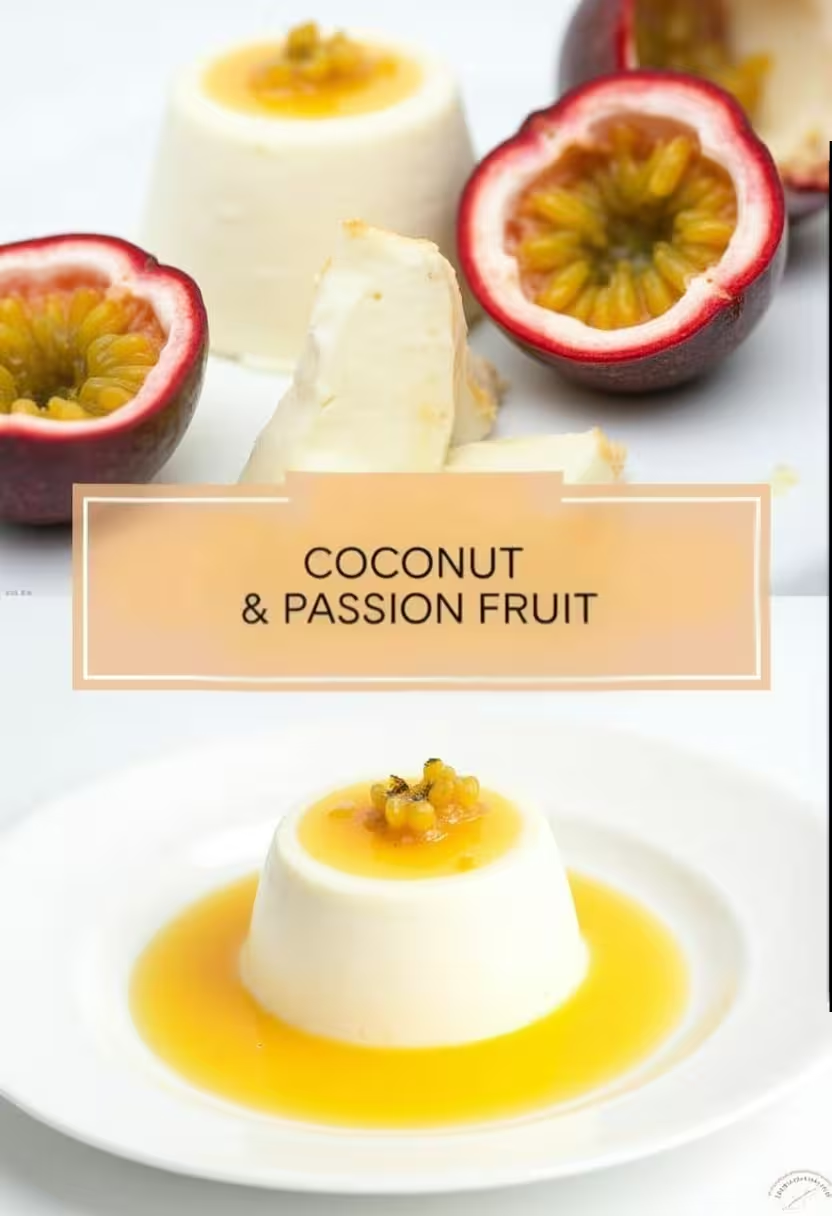
Passion fruit provides the contrast. Its flavor is bright, sharp, and slightly tangy, with a floral aroma that immediately lifts the dessert. On its own, passion fruit can be intense, but paired with coconut, that intensity becomes balance. The acidity cuts through the creaminess and keeps the dessert from feeling flat or overly rich.
What makes this combination especially appealing is how clearly each element plays its role. The coconut creates calm, while the passion fruit adds energy. Together, they form a dessert that feels light but still complete. You don’t feel weighed down after a few bites, and you don’t feel like something is missing.
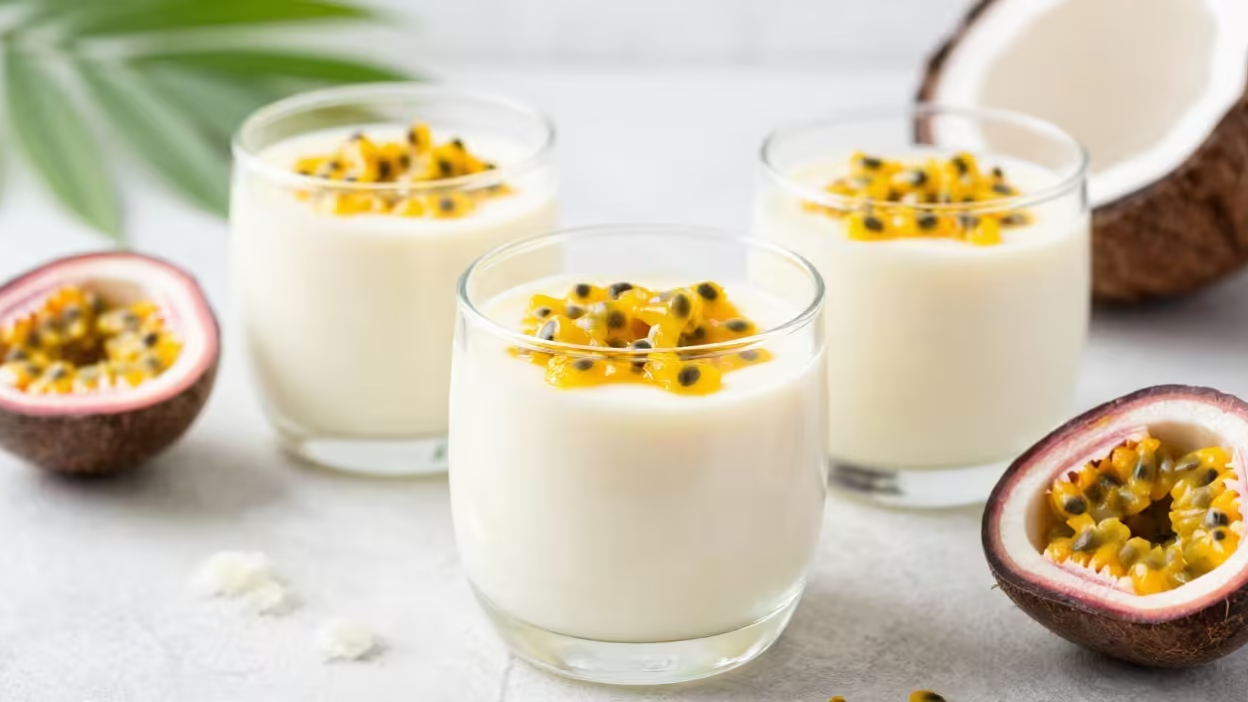
Visually, the pairing is just as satisfying. The pale, creamy base topped with vibrant golden passion fruit looks elegant without effort, which is always a good sign that a dessert is doing exactly what it should.
A Dessert That Fits Real Life, Not Just Special Occasions 🍮🧊
One of the main reasons this panna cotta has become a regular in my kitchen is how practical it is. It’s the kind of dessert that works with your schedule rather than against it.
Because panna cotta needs time to chill and set, it’s naturally suited to being made ahead. That makes it ideal for dinner parties or gatherings where you don’t want to be distracted in the kitchen at the last minute. Once it’s prepared and resting in the refrigerator, there’s very little left to do besides adding the topping before serving.
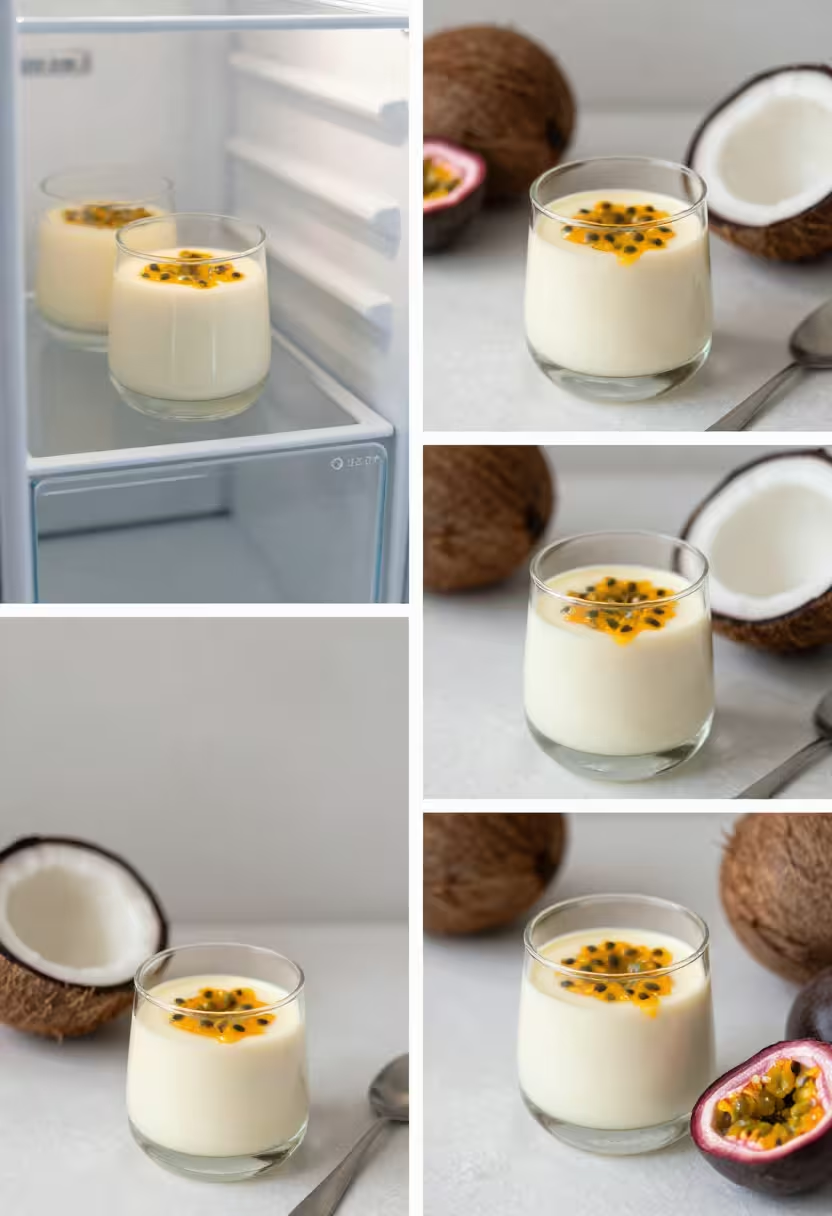
It’s also forgiving. Coconut milk helps smooth out small inconsistencies, and gelatin provides structure without requiring absolute precision. Even if the sweetness isn’t perfectly measured or the chilling time runs a bit longer than planned, the dessert still turns out beautifully.
This is the kind of recipe you reach for when you want something that feels thoughtful but not stressful. It suits people who don’t usually enjoy very sweet desserts just as well as those who do. It feels appropriate after a heavy meal, but it’s also lovely on its own, served simply and without fuss.
Most importantly, it feels realistic. It fits into everyday cooking, not just carefully planned occasions. And that, more than anything, is what makes it worth keeping.
In the next part, I’ll share the ingredients and the recipe itself, along with the small choices and details that make this panna cotta easy to recreate at home, even if you’ve never made it before.
The Recipe: Coconut & Passion Fruit Panna Cotta 🥥🍮
This coconut and passion fruit panna cotta is the kind of dessert that feels light but still satisfying. The texture is soft and silky, the flavor is gently sweet, and the passion fruit topping adds just enough acidity to keep everything balanced. It’s refreshing without being icy, creamy without feeling heavy, and elegant without asking for perfection.
It works equally well as a make-ahead dessert for guests or as a quiet treat for yourself. Once it’s in the fridge, the hardest part is waiting for it to set.
Ingredients
For the Coconut Panna Cotta
- 1 can (400 ml / 13.5 oz) full-fat coconut milk
- 1 cup (240 ml) heavy cream
- ½ cup (100 g) granulated sugar
- 2 teaspoons powdered gelatin
- 3 tablespoons cold water
- 1 teaspoon vanilla extract
- A small pinch of salt
For the Passion Fruit Topping
- ½ cup passion fruit pulp (fresh or frozen; seeds optional)
- 2–3 tablespoons sugar, depending on how tart the fruit is
- 1 teaspoon lemon or lime juice (optional, but helpful if the fruit is very sweet)
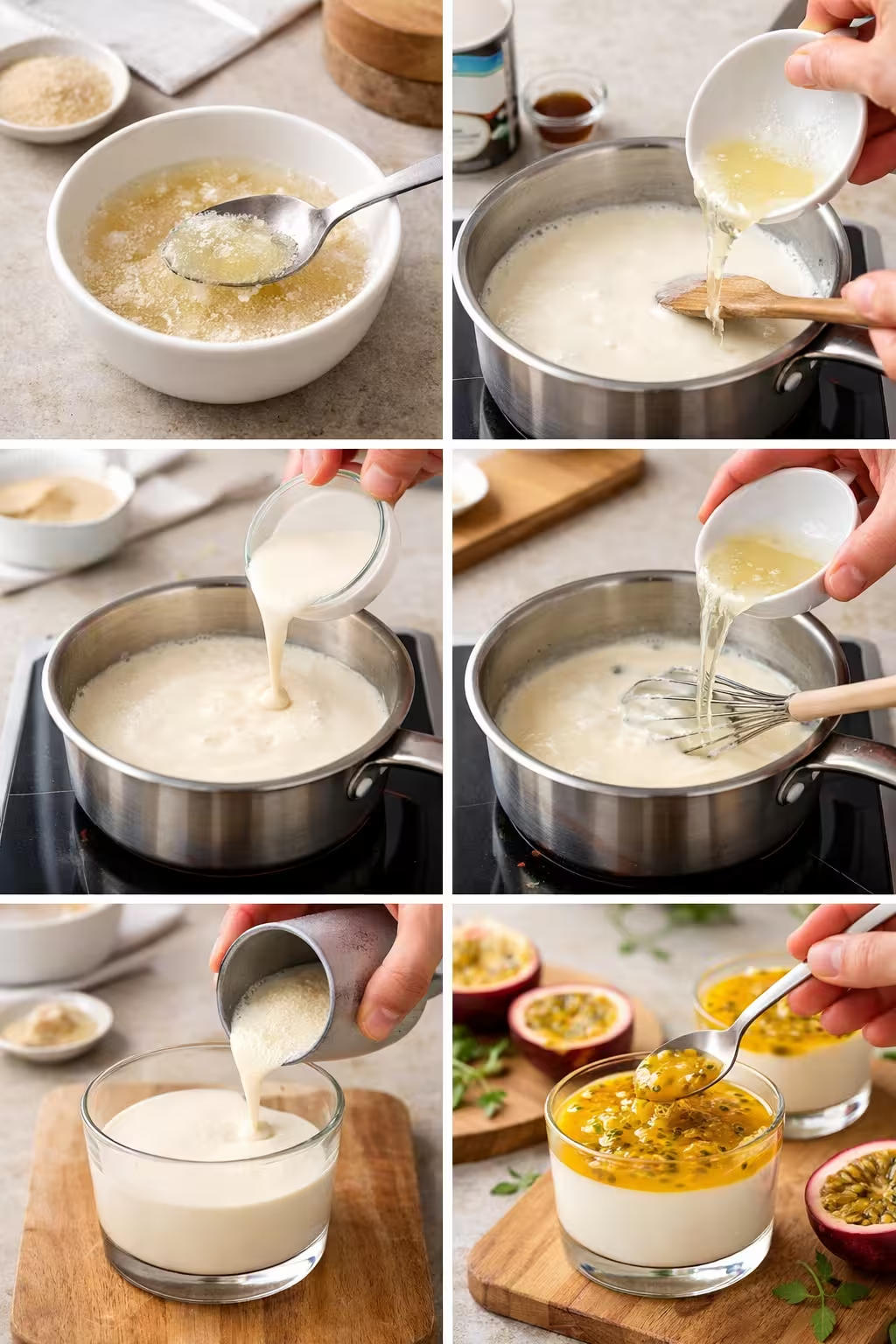
How to Make Coconut & Passion Fruit Panna Cotta
- Bloom the gelatin
Start by sprinkling the powdered gelatin evenly over the cold water in a small bowl. Let it sit for about 5–10 minutes, until it absorbs the liquid and becomes soft and spongy. This step helps the gelatin dissolve smoothly later and prevents lumps in the final dessert. - Warm the coconut and cream mixture
In a medium saucepan, combine the coconut milk, heavy cream, sugar, vanilla extract, and salt. Place the pan over medium-low heat and warm the mixture gently, stirring from time to time. The goal is to dissolve the sugar and heat the liquid until it is hot but not boiling. If the mixture starts to steam lightly, that’s usually enough. - Add the gelatin
Remove the saucepan from the heat. Add the bloomed gelatin to the warm coconut mixture and stir until it is completely dissolved. Take a moment here to make sure there are no visible granules left. Avoid returning the mixture to high heat, as boiling can weaken the gelatin and affect how well the panna cotta sets. - Pour and chill
Carefully pour the mixture into serving glasses, jars, or lightly greased molds. Let them cool at room temperature for about 10–15 minutes, then transfer them to the refrigerator. Chill for at least 4 hours, or until the panna cotta is fully set. The surface should feel firm to the touch, with a gentle wobble underneath. - Prepare the passion fruit topping
While the panna cotta is chilling, combine the passion fruit pulp, sugar, and citrus juice (if using) in a small saucepan. Heat gently over low to medium heat and simmer for 2–3 minutes, just until the sugar dissolves and the mixture thickens slightly. Remove from heat and let it cool completely before using. - Assemble and serve
Once the panna cotta has set and the topping has cooled, spoon the passion fruit mixture over the top of each portion. Serve chilled. If you’re using molds and plan to unmold the panna cotta, briefly dip the molds in warm water and invert onto plates before adding the topping.
Helpful Tips for a Better Panna Cotta 🍮✨
Even though panna cotta is a fairly simple dessert, a few small details can make the difference between something that’s just “nice” and something that feels really polished.
- Use full-fat coconut milk rather than light versions. The texture will be noticeably creamier, and the dessert will set more evenly.
- Warm the cream mixture gently and avoid boiling it. High heat can affect how the gelatin works and may result in a panna cotta that doesn’t set properly.
- If you prefer a very soft, delicate texture, you can slightly reduce the amount of gelatin. For a firmer, more structured panna cotta, keep the measurements as written.
- Let the panna cotta cool briefly before placing it in the refrigerator. This helps prevent condensation on the surface and keeps the texture smooth.
- Always add the passion fruit topping once the panna cotta is fully set. Adding it too early can cause the layers to mix or the surface to soften.
This dessert is meant to be relaxed and enjoyable, so don’t overthink it. A gentle approach usually leads to the best result.
How to Serve and Enjoy This Dessert Without Overthinking 🍽️✨
One of the nicest things about coconut and passion fruit panna cotta is how naturally it fits into different situations. It doesn’t demand a special occasion, but it always feels appropriate when there is one. That flexibility is part of its charm.
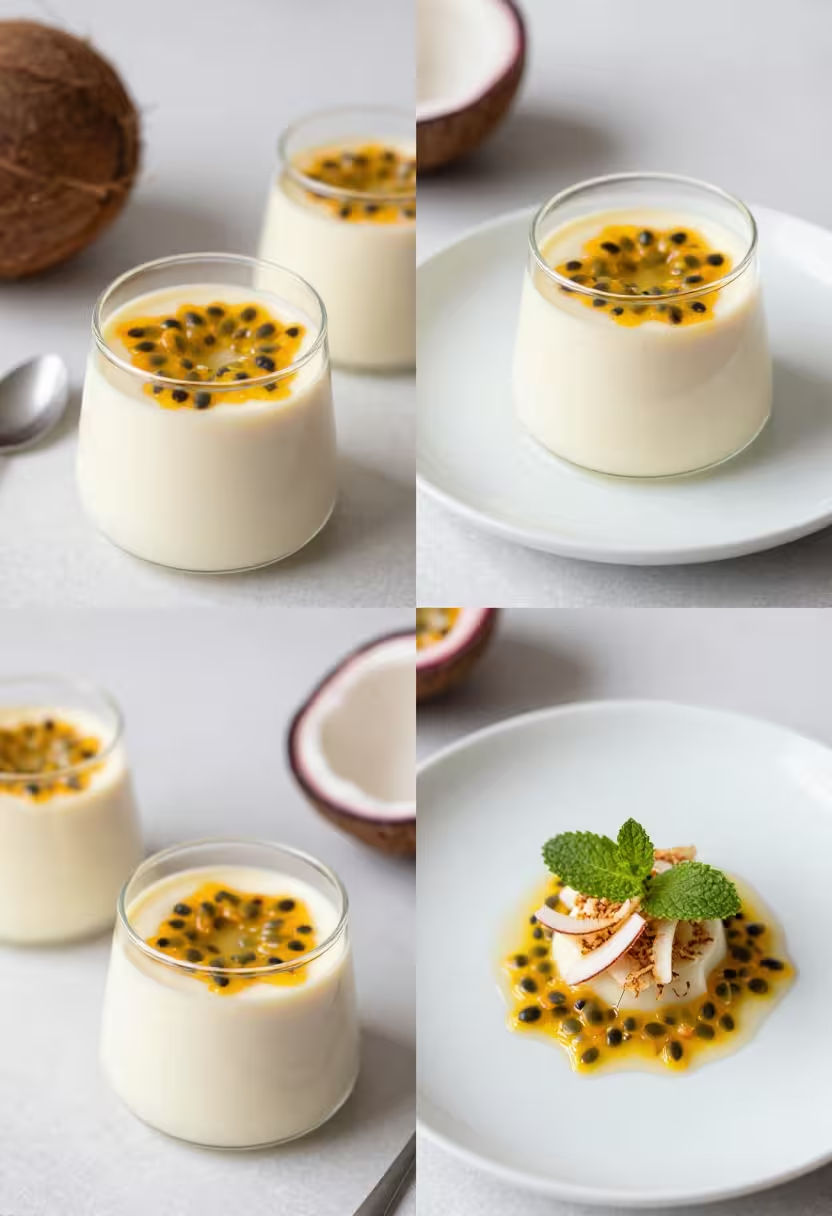
When it comes to serving, simplicity usually works best. This dessert already has contrast in color and flavor, so there’s no real need to add much more. Clear glasses or small jars highlight the layers beautifully, while unmolding the panna cotta onto a plate gives it a more classic, restaurant-style look.
If you do feel like adding a garnish, keep it minimal. A small element is usually enough to make the dessert feel finished:
- a few fresh mint leaves
- lightly toasted coconut flakes
- a spoonful of extra passion fruit pulp
- a thin curl of white chocolate
Panna cotta is best served well chilled, especially if the weather is warm. That cool, creamy texture paired with the bright topping is what makes it feel refreshing rather than heavy.
Storage, Make-Ahead Notes, and When to Prepare It 🧊🥄
This is one of those desserts that actually benefits from being made in advance. The resting time allows the texture to fully set and the flavors to settle, which means it often tastes better the next day than it did a few hours after being made.
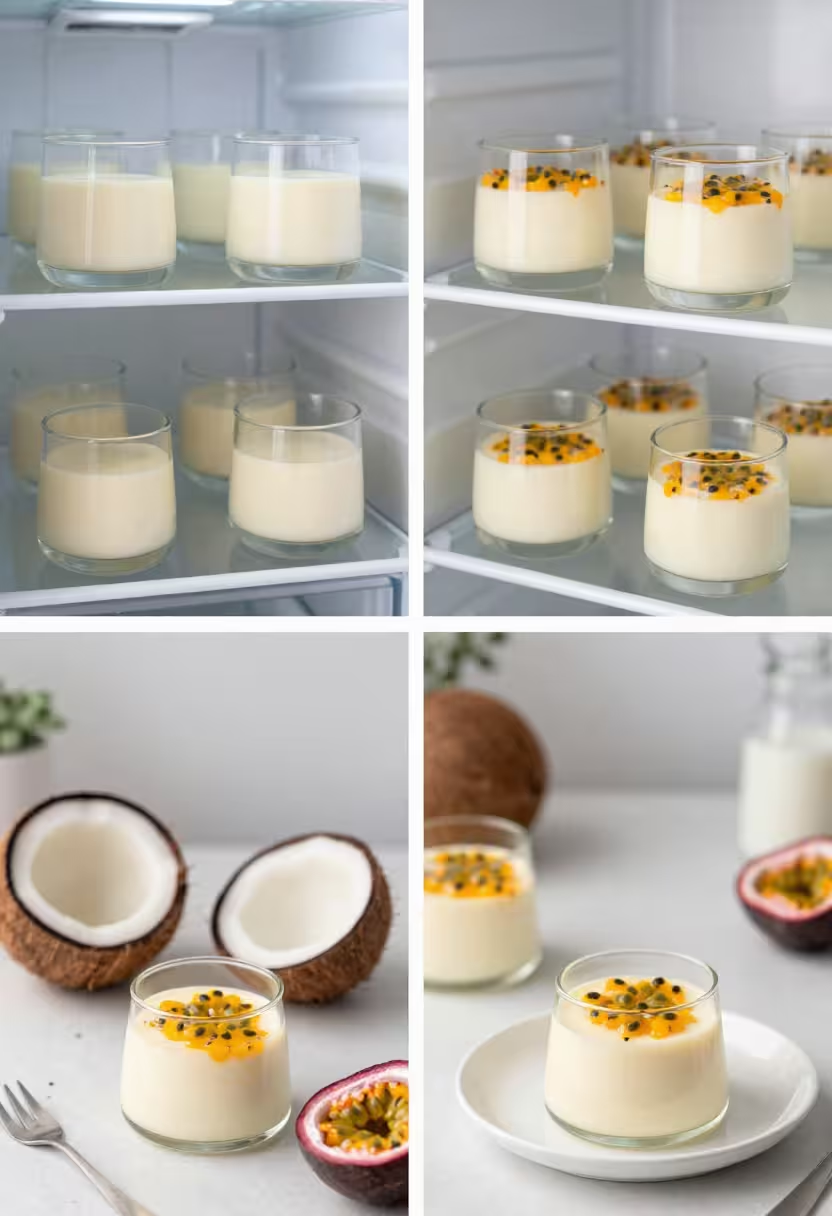
If you’re planning ahead, here are a few practical guidelines that tend to work well:
- The panna cotta base can be prepared up to 48 hours in advance and stored in the refrigerator, covered.
- The passion fruit topping can also be made ahead and kept separately, then added just before serving.
- Once assembled, the dessert is best enjoyed within 2–3 days, while the texture is still at its best.
Covering the panna cotta after it has fully set helps prevent it from absorbing other odors from the fridge and keeps the surface smooth. If you’re storing it in glasses, a simple piece of plastic wrap is usually enough.
This make-ahead quality is one of the reasons panna cotta is such a popular choice for entertaining. It removes pressure from the day you’re serving it and allows you to enjoy the moment rather than worrying about timing.
A Dessert That Feels Calm, Balanced, and Personal 🥥💛
Coconut and passion fruit panna cotta isn’t the kind of dessert that tries to impress with complexity. Instead, it wins people over with balance, texture, and a sense of ease. It feels thoughtfully made without feeling precious, which is a rare combination.
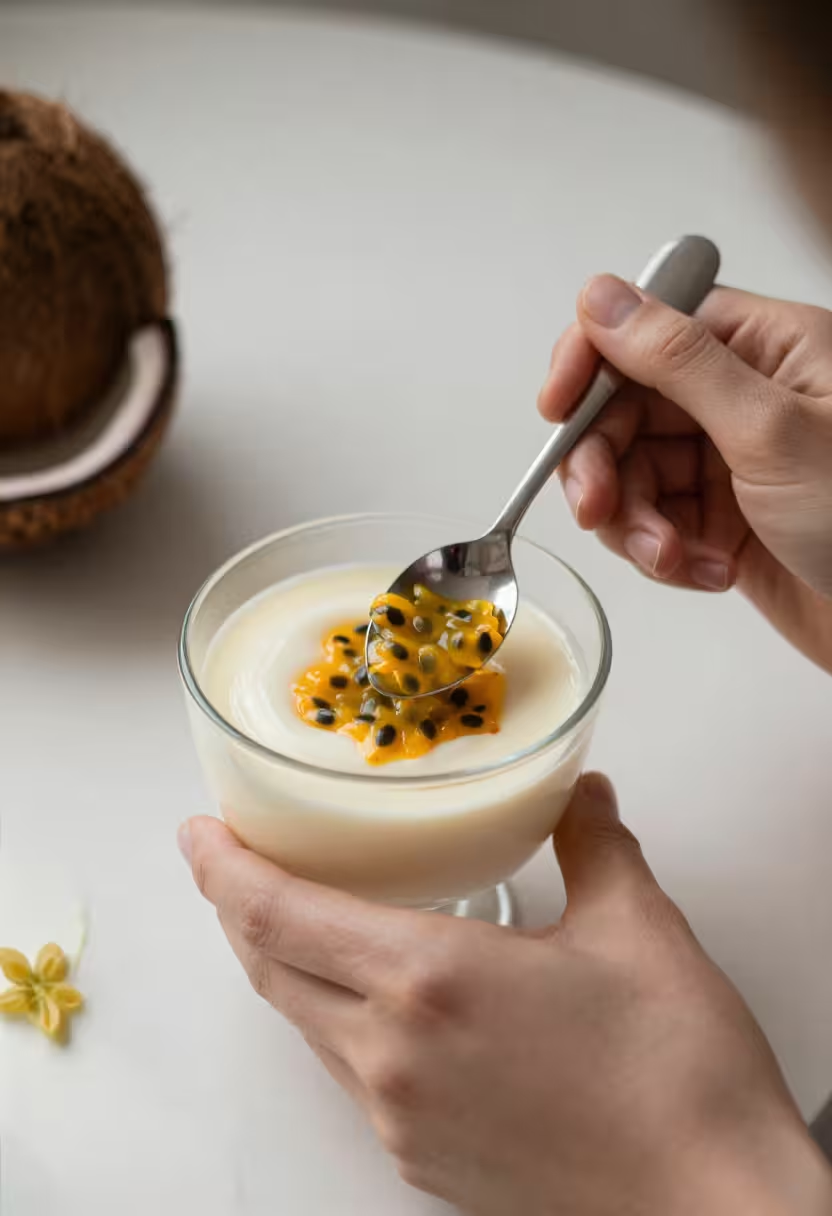
What makes it special is how adaptable it is. You can serve it at a dinner party or keep it casual at home. You can dress it up or leave it simple. You can follow the recipe closely or adjust it slightly to suit your taste. It doesn’t demand perfection, and that’s part of why it works so well.
If you’re someone who enjoys desserts that feel light, refreshing, and not overly sweet, this panna cotta is worth keeping in your rotation. It’s the kind of recipe that slowly becomes familiar, reliable, and comforting the more often you make it.
And sometimes, that’s exactly what you want from a dessert — not something that surprises you every time, but something that quietly delivers and leaves you feeling good long after the last bite ✨