Not every dish announces itself the moment it appears on the table. Some foods don’t need an introduction, a story, or a special occasion. They simply exist in a quiet, reliable way — and that’s exactly why they matter. Pan-fried scallion and sesame buns are like that.
They belong to the kind of cooking that doesn’t chase perfection. The dough doesn’t need to be shaped with precision. The buns don’t have to look identical. What matters is how they feel in your hands and how they smell as they cook. There’s comfort in that looseness, in knowing that even if things aren’t exact, the result will still be good.
Working with dough slows everything down. You can’t rush it, even if you want to. You mix, you knead, you wait. While the dough rests, time opens up a little. The kitchen feels calmer. Cooking becomes less about checking boxes and more about being present in the moment.
There’s also something deeply reassuring about food that’s made in a pan rather than an oven. It feels closer. More immediate. You’re right there the whole time, adjusting the heat, lifting a bun to check its color, listening to the soft sizzle underneath. It’s the kind of cooking that rewards attention without demanding stress.
These buns fit naturally into everyday life. They don’t ask for a celebration, but they quietly elevate ordinary moments. A slow morning. A late afternoon when you want something warm but not heavy. A simple meal where the food doesn’t need to explain itself.
And maybe that’s the point. Sometimes the most honest food is the food that doesn’t try too hard.
Why Scallions and Sesame Work So Well Together 🌱
At first glance, scallions and sesame might seem almost too simple. They’re common ingredients, familiar to the point of being overlooked. But when they come together, especially in something as gentle as dough, they create a depth that feels effortless rather than engineered.
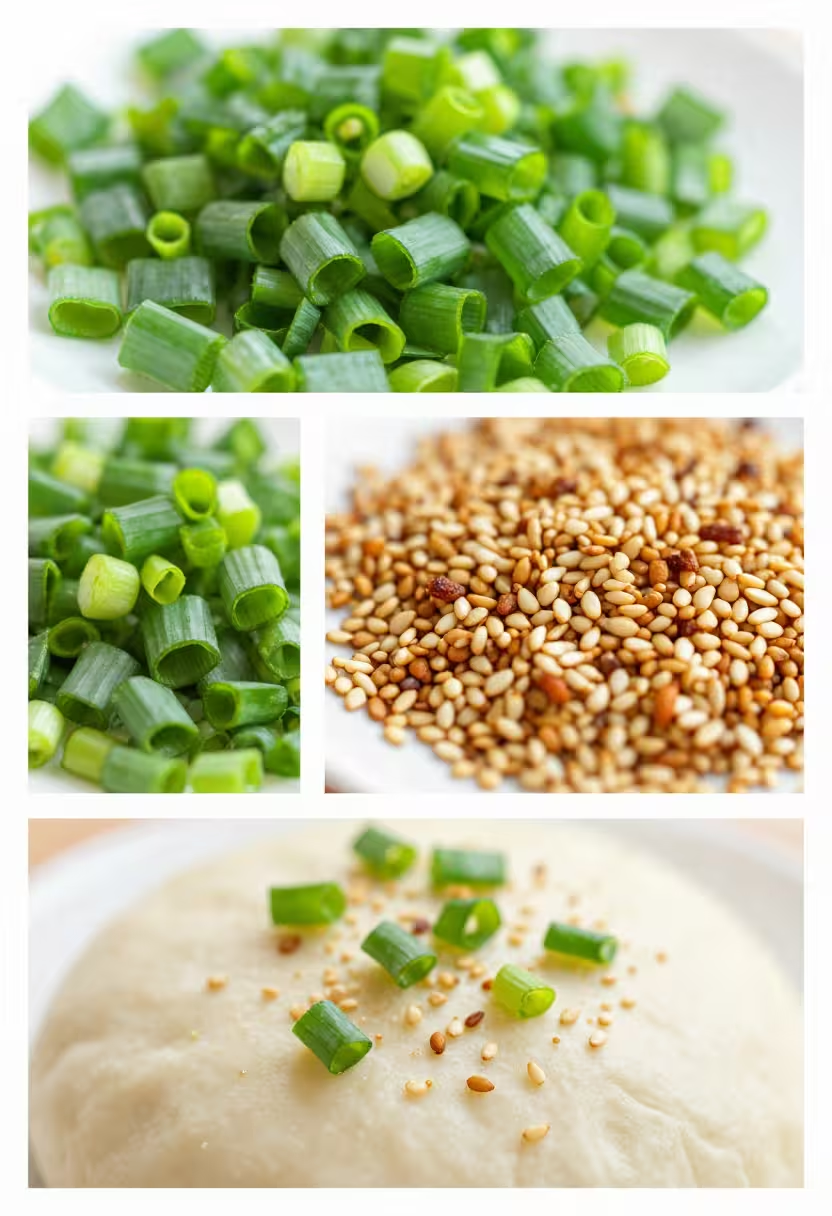
Scallions are fresh and green, but they’re also adaptable. Raw, they’re sharp and lively. Once cooked, they soften dramatically, losing that edge and becoming warm and slightly sweet. When folded into dough, their flavor spreads slowly, weaving itself through the bread instead of sitting on the surface.
Sesame seeds do something quieter but just as important. Toasting them releases oils that smell rich and comforting, almost nostalgic. They add warmth without weight, depth without heaviness. You don’t always notice sesame immediately — instead, you notice that everything tastes better because it’s there.
Together, they bring balance:
- scallions keep the buns from feeling flat
- sesame keeps them from feeling bland
- dough holds everything together without competing
It’s a pairing that doesn’t demand attention but rewards it. Each bite feels complete, even though no single ingredient is doing anything dramatic. The flavors are layered, not stacked — subtle rather than loud.
This kind of balance is what makes these buns easy to eat and hard to forget. They don’t overwhelm your palate. They invite you back for another bite, then another, until suddenly the plate is empty.
The Quiet Joy of Pan-Frying Bread 🍳
Pan-frying bread is a slower, more involved process than baking, and that’s part of its appeal. You’re not just setting a temperature and walking away. You’re participating in what’s happening, moment by moment.
As the buns hit the pan, you hear it immediately — that gentle sizzle that tells you the heat is right. Too loud, and you know the pan is too hot. Too quiet, and you wait a little longer. Cooking becomes a conversation rather than a command.
Covering the pan traps steam, helping the buns cook through without drying out. Uncovering it lets the bottoms crisp and turn golden. This back-and-forth between steam and direct heat is what gives pan-fried buns their signature texture: crisp on the outside, soft and tender inside.
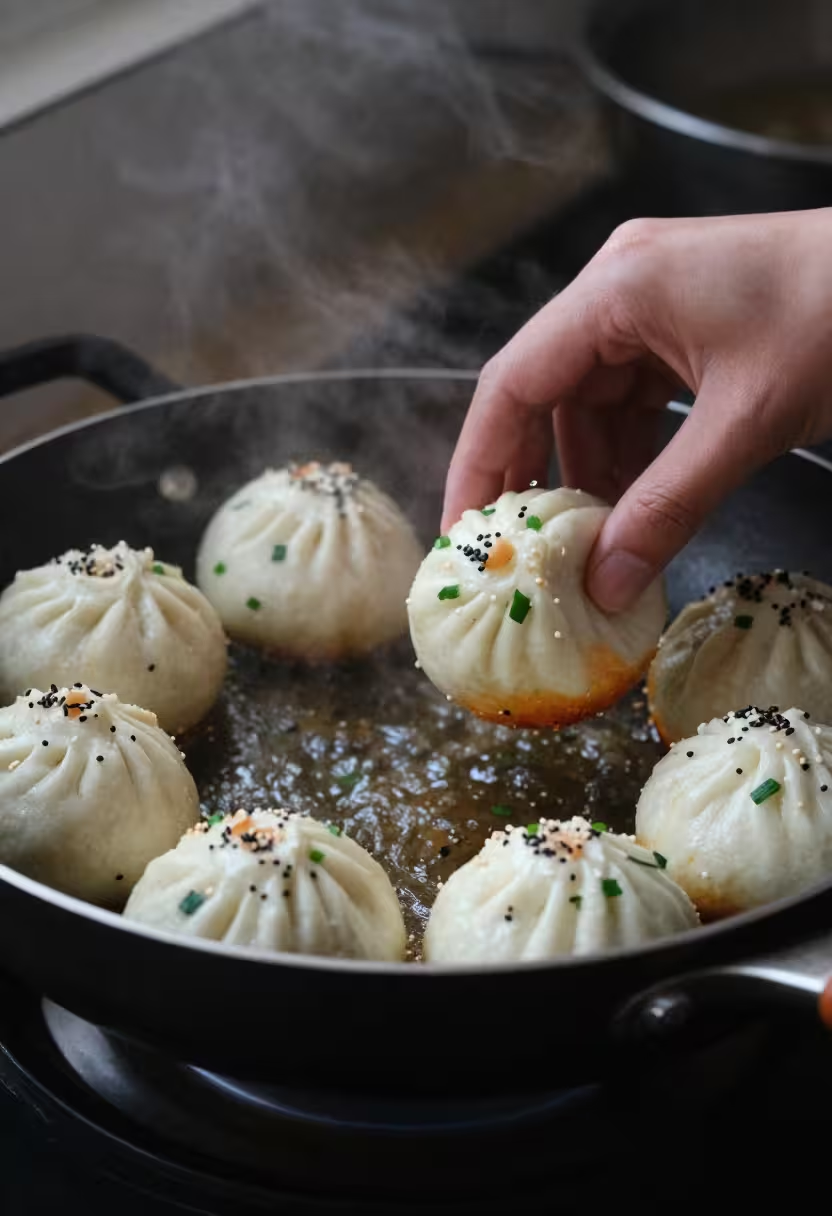
There’s satisfaction in lifting a bun and seeing that golden base. In pressing gently on the top and feeling it spring back. In noticing how the sesame smells deeper and richer than it did just a few minutes earlier.
Pan-frying also allows for flexibility. You can cook a few buns at a time. You can adjust the heat as you go. You’re not locked into a fixed process. And that flexibility makes the experience feel more forgiving, more human.
By the time the buns are done, they feel earned — not because they were difficult, but because you were present for every step.✨
These buns aren’t meant to be rushed. They’re meant to be eaten warm, maybe slightly too hot, standing in the kitchen because waiting for a plate feels unnecessary. They’re meant to be shared, but they’re just as satisfying eaten quietly on your own.
And before you even realize it, they stop feeling like a recipe and start feeling like something familiar — something you’ll come back to without thinking twice.
A Cozy Pan-Fried Favorite: Scallion and Toasted Sesame Buns 🥟
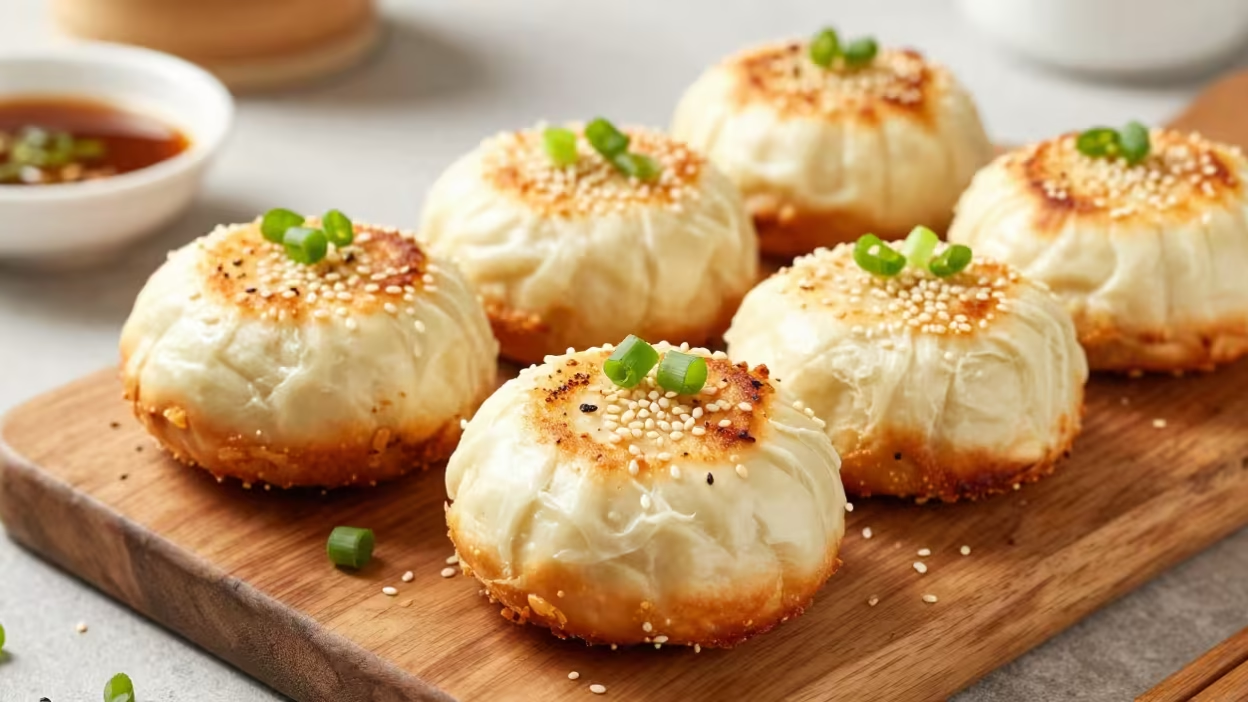
These pan-fried scallion and sesame buns are soft on the inside, lightly crisp on the bottom, and deeply aromatic thanks to toasted sesame seeds and fresh green onions. They’re the kind of food that feels both simple and thoughtful — made from everyday ingredients, yet incredibly satisfying.
This is not a rushed recipe. It’s meant to be cooked at an easy pace, paying attention to texture, smell, and sound rather than strict timing. Don’t worry if your buns aren’t perfectly shaped or evenly browned — that’s part of their charm. What matters is the contrast: fluffy dough, savory filling, and that golden crust that forms slowly in the pan.
These buns are best enjoyed warm, when the sesame aroma is still strong and the interior is soft enough to pull apart with your hands ✨
Ingredients
For the dough:
- 3 cups all-purpose flour
- 2 teaspoons instant yeast
- 1 teaspoon sugar
- 1 teaspoon salt
- 1 cup warm water or milk (not hot)
- 2 tablespoons neutral oil (such as sunflower or vegetable oil)
For the scallion–sesame filling:
- 1 cup finely chopped scallions (green onions)
- 2 tablespoons toasted sesame seeds
- 1 tablespoon sesame oil
- ½ teaspoon salt
- Optional: a pinch of white pepper or chili flakes
For pan-frying:
- 2–3 tablespoons neutral oil
- A small splash of water for steaming
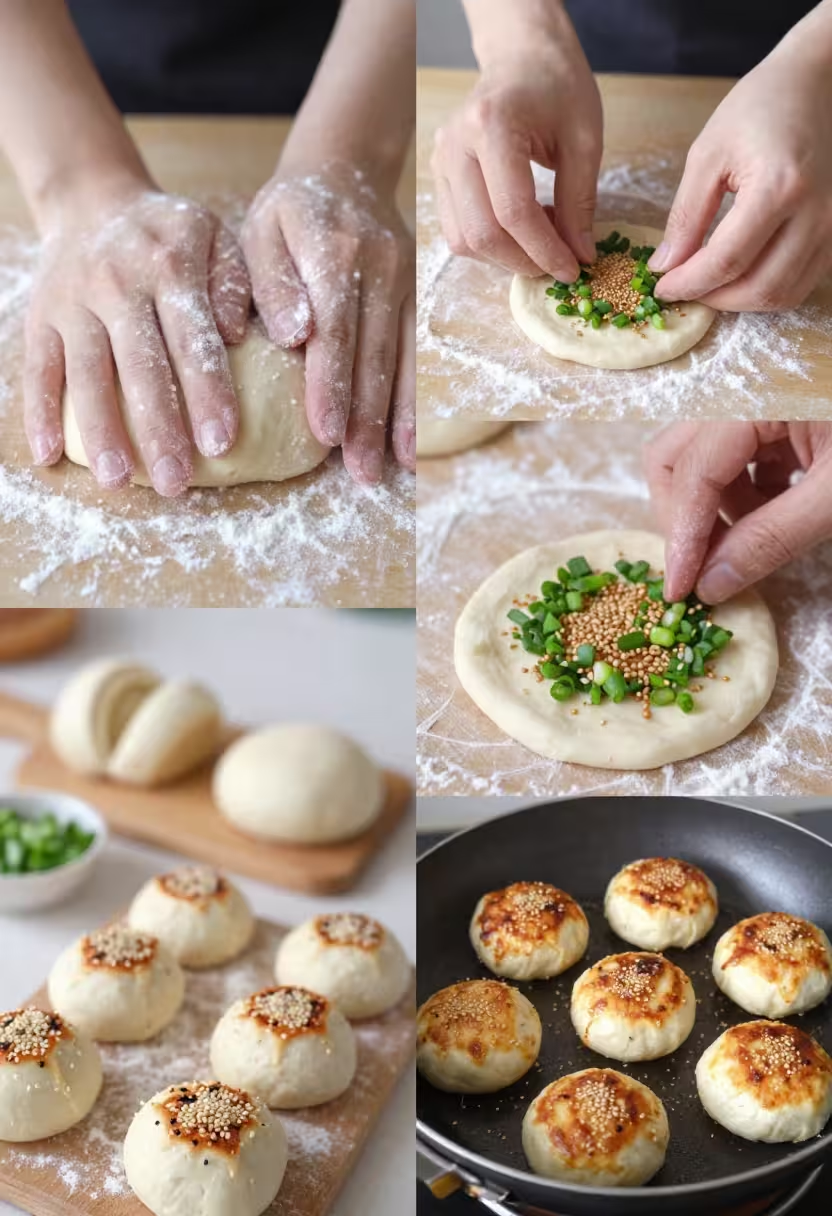
How to Make Pan-Fried Scallion and Sesame Buns
- Prepare the dough
In a large bowl, combine the flour, yeast, sugar, and salt. Add the warm water (or milk) and oil, then mix until a rough dough forms. Turn the dough out onto a clean surface and knead for about 8–10 minutes, until it becomes smooth, soft, and elastic.
Form the dough into a ball, place it back in the bowl, cover, and let it rest in a warm place for 60–90 minutes, or until doubled in size. - Mix the filling
While the dough is resting, combine the chopped scallions, toasted sesame seeds, sesame oil, salt, and any optional spices in a small bowl. Stir gently and set aside. The filling should smell fragrant and slightly nutty. - Divide and shape the dough
Once the dough has risen, gently press it down to release excess air. Divide it into equal pieces, depending on how large you want your buns. Roll each piece into a ball, then flatten it into a small disc using your hands or a rolling pin. - Fill and form the buns
Spread a thin, even layer of the scallion–sesame mixture over each disc of dough. Roll the dough up into a log, then gently twist and coil it into a bun shape. Don’t worry about making them perfect — rustic shapes are absolutely fine.
Cover the shaped buns and let them rest for another 10–15 minutes. - Start pan-frying
Heat a heavy-bottomed skillet over medium-low heat and add a thin layer of oil. Place the buns seam-side down into the pan, leaving space between them. Cover with a lid and cook gently for about 6–8 minutes, until the bottoms turn golden. - Steam and crisp
Carefully add a small splash of water to the pan, immediately cover it again, and let the buns steam for 3–4 minutes. This helps the inside cook through while staying soft.
Remove the lid and continue cooking uncovered until the water evaporates and the bottoms become crisp and deeply golden. - Finish and serve
Once the buns are cooked through and nicely browned, remove them from the pan and let them cool slightly. Serve warm, ideally straight from the pan, when the texture contrast is at its best 😌
A Few Practical Tips That Make a Difference 💡
These buns are forgiving, but a couple of small details can noticeably improve the result — especially if you’re making them for the first time.
- Keep the heat moderate. If the pan is too hot, the bottoms will brown before the inside has time to cook. A gentle sizzle is what you’re aiming for, not aggressive frying.
- Toast the sesame seeds yourself if possible. Even a quick dry-toast in a pan brings out a deeper, warmer aroma than store-bought pre-toasted seeds.
- Don’t overfill the buns. It’s tempting to add more scallion mixture, but too much filling can cause leaking and uneven cooking.
- Let the dough rest when it resists you. If it keeps shrinking back while shaping, cover it and walk away for five minutes. It will relax.
- Use a lid that fits well. Proper steaming depends on trapping moisture. A loose lid lets steam escape too quickly.
- Reheat in a pan, not a microwave. A few minutes over low heat will bring back the crisp bottom without drying out the inside.
None of these are strict rules — just small adjustments that make the cooking process smoother and the final buns even more satisfying 😊
How to Serve Them and When They Shine the Most 🍽️
Pan-fried scallion and toasted sesame buns are at their absolute best when they’re still warm. That’s when the contrast between the crisp bottom and the soft interior is most noticeable, and the sesame aroma hasn’t had a chance to fade yet.
These buns don’t need much to feel complete, but they adapt easily to different moments and moods.
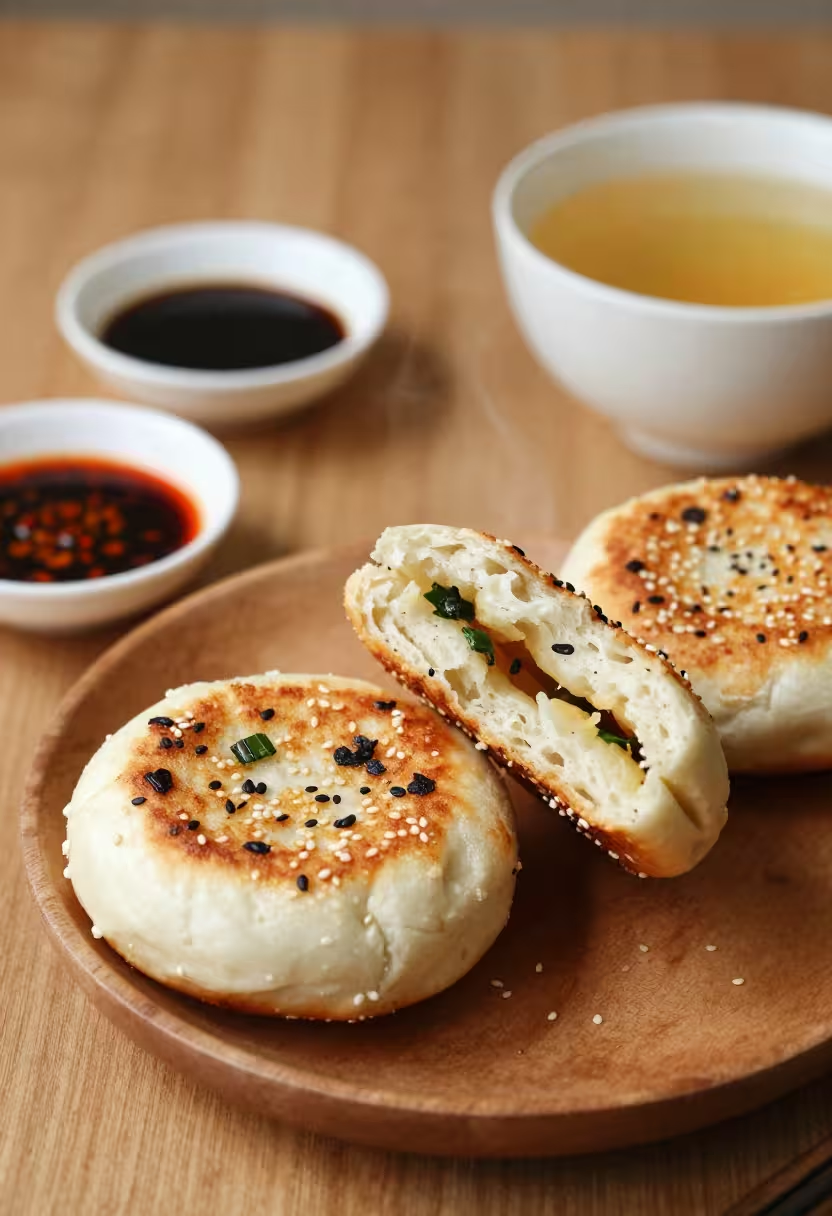
They work beautifully:
- as a simple breakfast with tea or coffee
- alongside a light soup or broth
- as a shared snack in the middle of the table
- with dipping sauces like soy sauce, chili oil, or black vinegar
Because their flavor is balanced and not overpowering, they also pair well with other dishes. They don’t compete for attention — they quietly support whatever else is on the table.
One of the nicest ways to enjoy them is casually. No plating, no fuss. Just tear one open, let a little steam escape, and eat it while standing in the kitchen, maybe already reaching for the next one 😄
Storing, Reheating, and Making Them Work for Real Life ⏳
These buns are best fresh, but real life doesn’t always allow for cooking everything at the last minute. Luckily, they handle make-ahead situations surprisingly well.
Here’s how to keep them tasting good:
- Refrigeration:
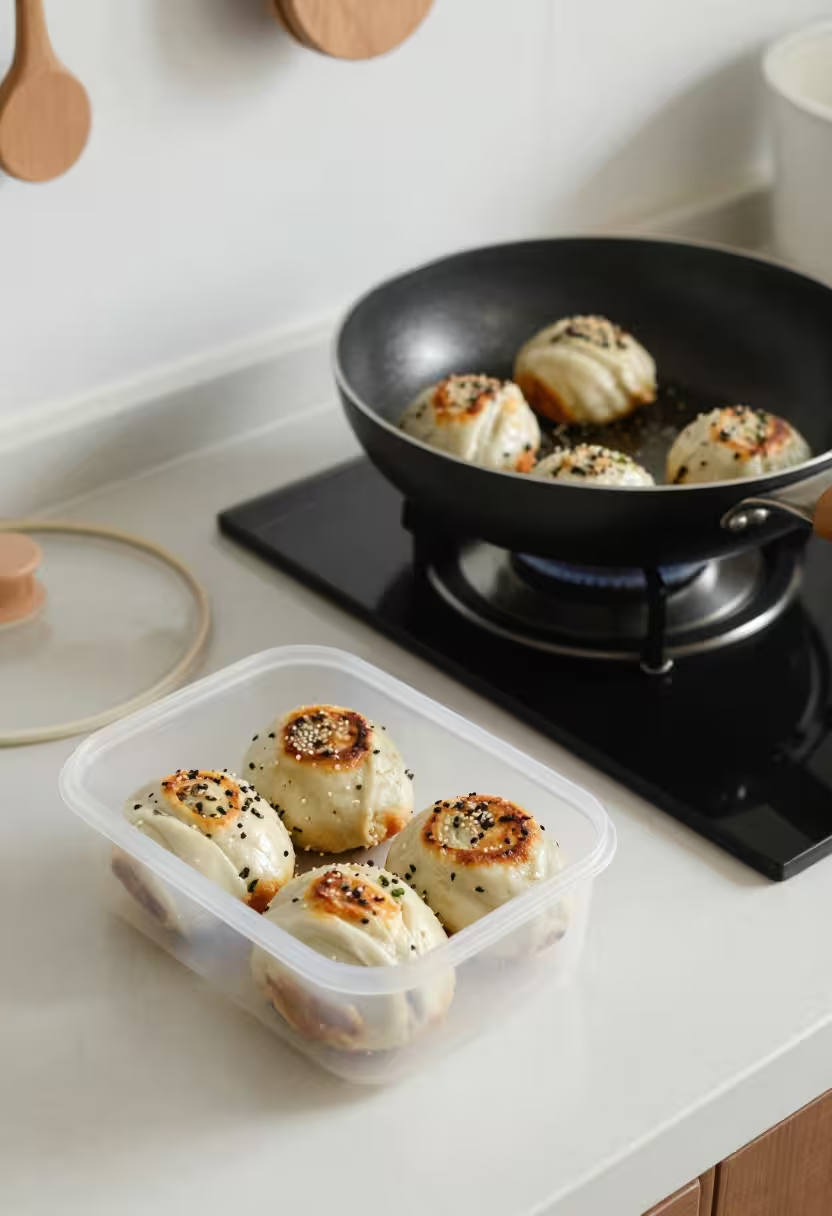
Cooked buns can be stored in an airtight container in the refrigerator for up to two days.
- Reheating:
Reheat them in a skillet over low heat with a lid on. This brings back the crisp bottom while gently warming the inside. Avoid the microwave if possible — it tends to make the dough rubbery and dulls the texture. - Freezing:
The buns can be frozen after cooking. Reheat them straight from frozen in a covered pan over low heat until warmed through. - Make-ahead dough:
The dough can be prepared a day in advance and left to rise slowly in the refrigerator. This actually deepens the flavor slightly and makes shaping easier the next day.
The key is gentle heat and patience. Just like when you first cook them, rushing the reheating process usually leads to disappointment.
Why These Buns Stay With You Long After the Pan Is Empty 🤍
Some recipes fade quickly. You make them once, enjoy them, and move on. Others quietly settle into your memory and resurface weeks later when you’re craving something specific but can’t quite name it. Pan-fried scallion and sesame buns tend to be the second kind.
They’re not flashy or complicated, but they hit a very human sweet spot:
- warm without being heavy
- flavorful without being loud
- simple without being boring
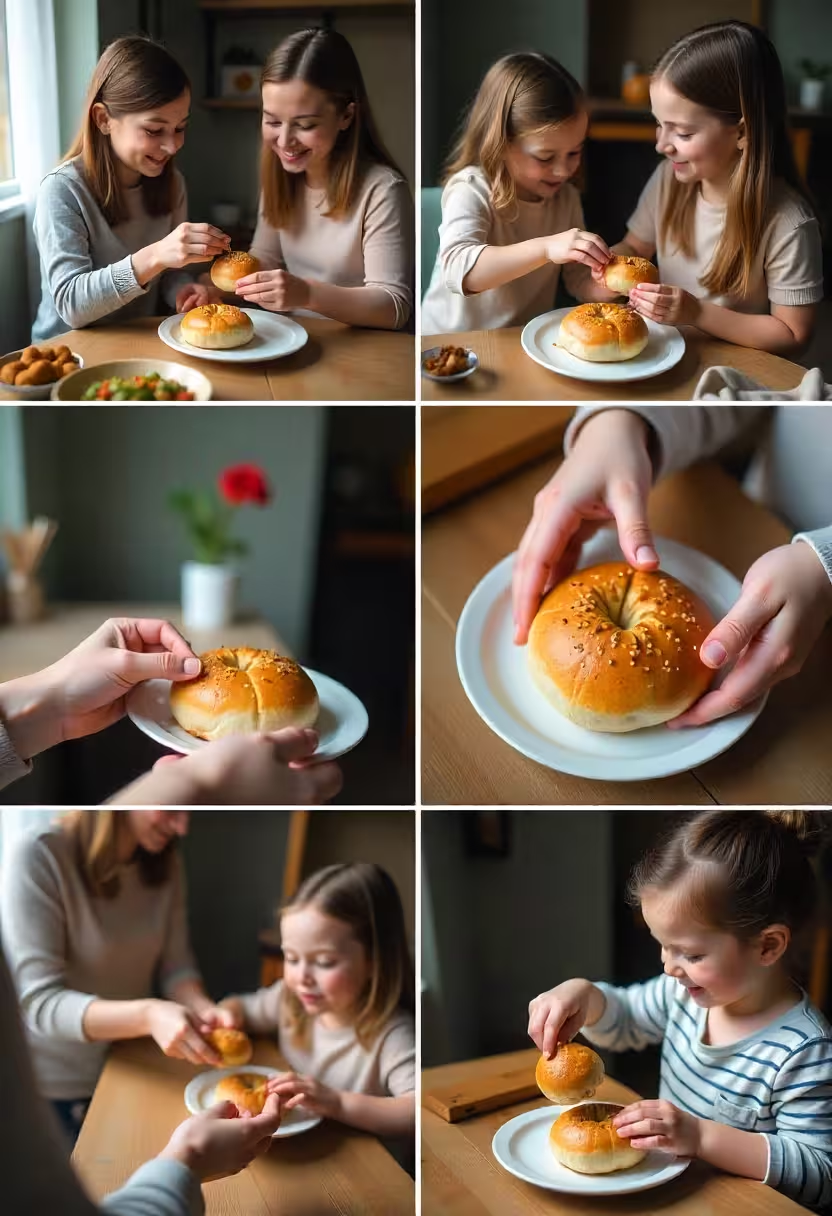
Making them feels grounding. Eating them feels comforting. Sharing them feels natural.
Over time, the recipe becomes less about measurements and more about instinct. You start recognizing the right dough texture by touch. You know when the pan sounds “right.” You adjust without thinking. That’s usually a sign that a recipe has earned its place in your kitchen.✨
In the end, these buns aren’t just about food. They’re about slowing down a little. About paying attention. About enjoying something warm and handmade, even on an ordinary day.
And those are often the meals we remember the most.