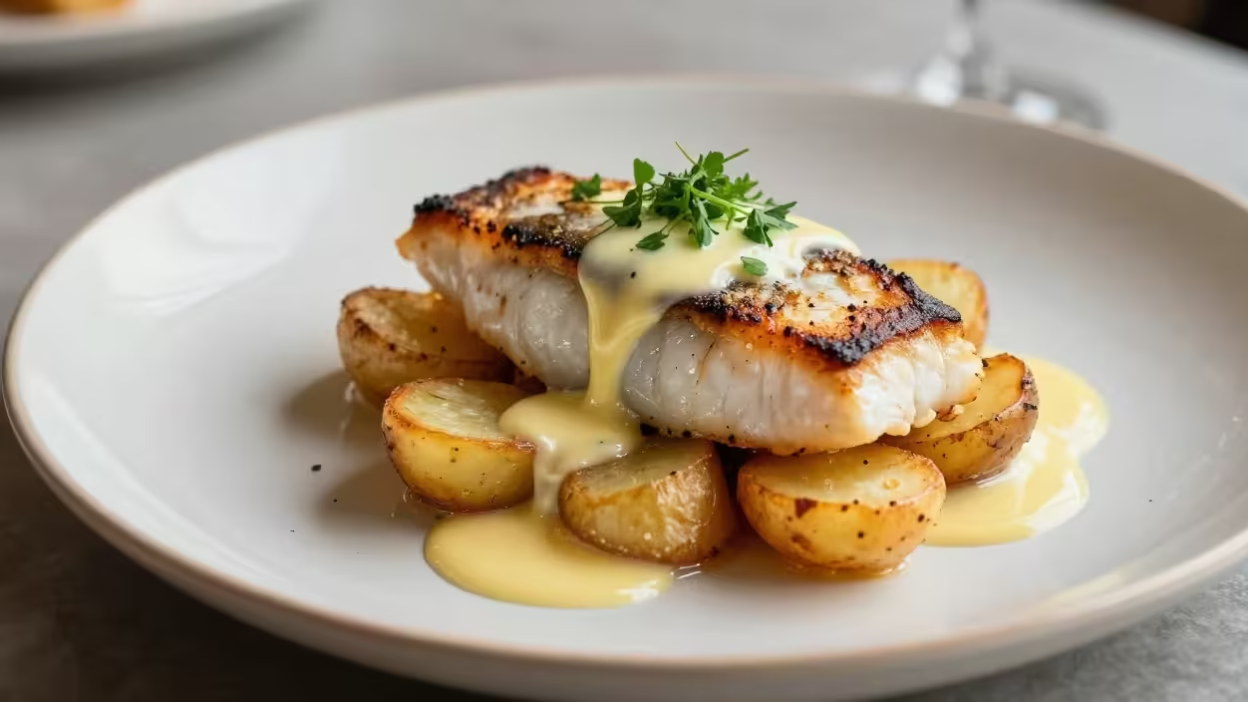
There are meals you cook while answering messages, scrolling your phone, or half-listening to a podcast. And then there are meals that quietly ask you to slow down — not in an annoying, pretentious way, but in a gentle, almost respectful one.🍋
Sole Meunière belongs to the second category.
Nothing about it screams urgency. The fish is delicate. The butter needs attention. The lemon comes in at the very last moment. If you rush, the dish doesn’t fall apart dramatically — it just loses its charm. And somehow, that feels worse.
What I love about this recipe is that it creates a different mood in the kitchen. You’re not multitasking. You’re watching. Waiting. Smelling the butter as it changes. Listening to that soft sizzle instead of an aggressive fry 🍳
It’s the kind of cooking that reminds you why you started enjoying food in the first place — not to impress anyone, not to chase trends, but to feel connected to what’s happening in front of you.
And honestly? In a world that constantly pushes speed, this feels almost rebellious.
Why Simple Food Is Often the Hardest to Get Right 🧈
I used to think that “simple recipes” were the easiest ones. Fewer ingredients, fewer steps — what could go wrong?
Turns out, quite a lot.
When a dish has only a handful of components, there’s nowhere to hide. You can’t cover mistakes with extra seasoning or sauce. Everything is exposed. And Sole Meunière is a perfect example of that.
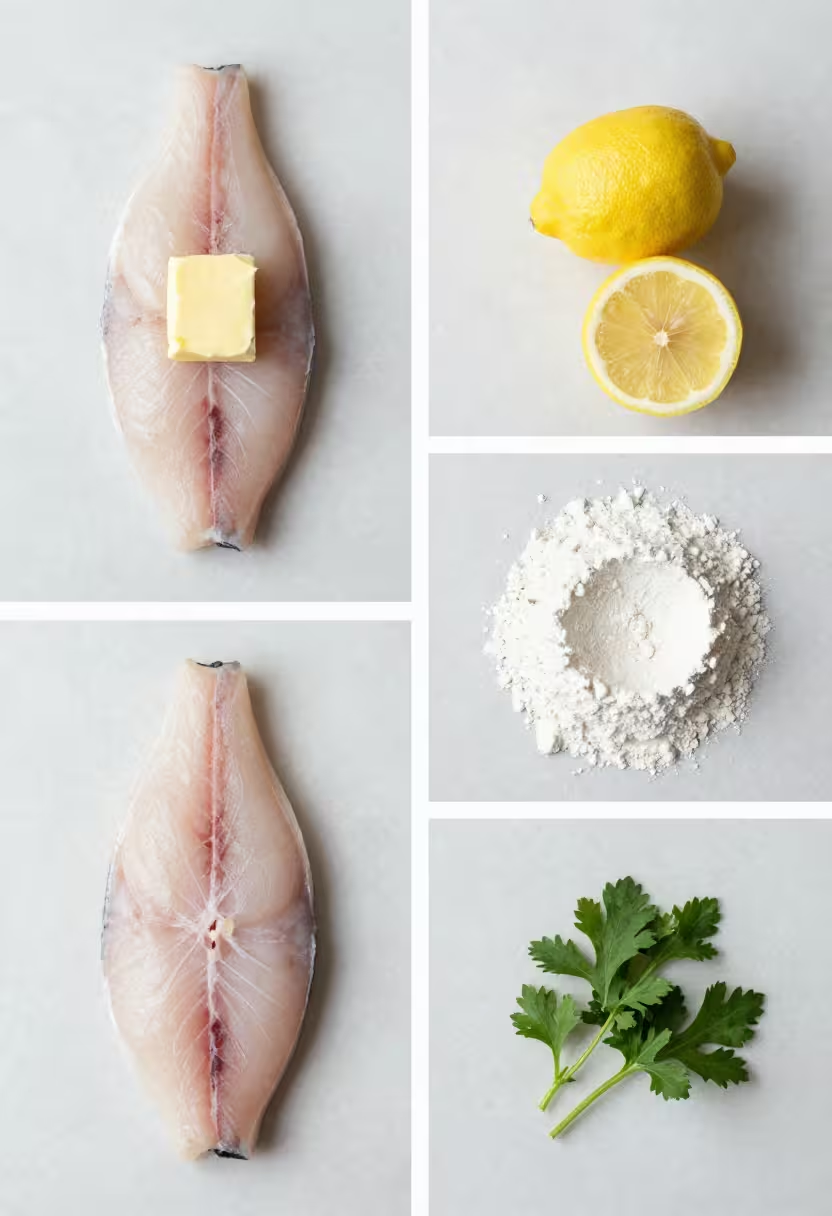
There’s no spice blend to save you. No long marinade. No slow cooking to smooth things out. Just:
- fish
- butter
- lemon
- a bit of flour
- herbs
That’s it.
And yet, those few ingredients demand attention. Butter can go from nutty to burnt in seconds. Fish can turn from tender to dry before you realize what happened. Lemon can brighten everything or completely overpower it 🍋
This is why I think this dish feels so human. It mirrors how we actually cook at home — adjusting, tasting, reacting. There’s no autopilot here.
The good news? You don’t need perfection. You need awareness. And once you cook it once or twice, your hands start to remember what your head doesn’t have to overthink anymore.
The Quiet Role of Potatoes (And Why They Matter More Than You Think) 🥔
Let’s talk about the potatoes for a moment.
They’re often treated like an afterthought. Something you throw on the plate because “there should probably be a side.” But in this dish, potatoes are not decoration. They’re structure.
Crispy potatoes do a few very important things here:
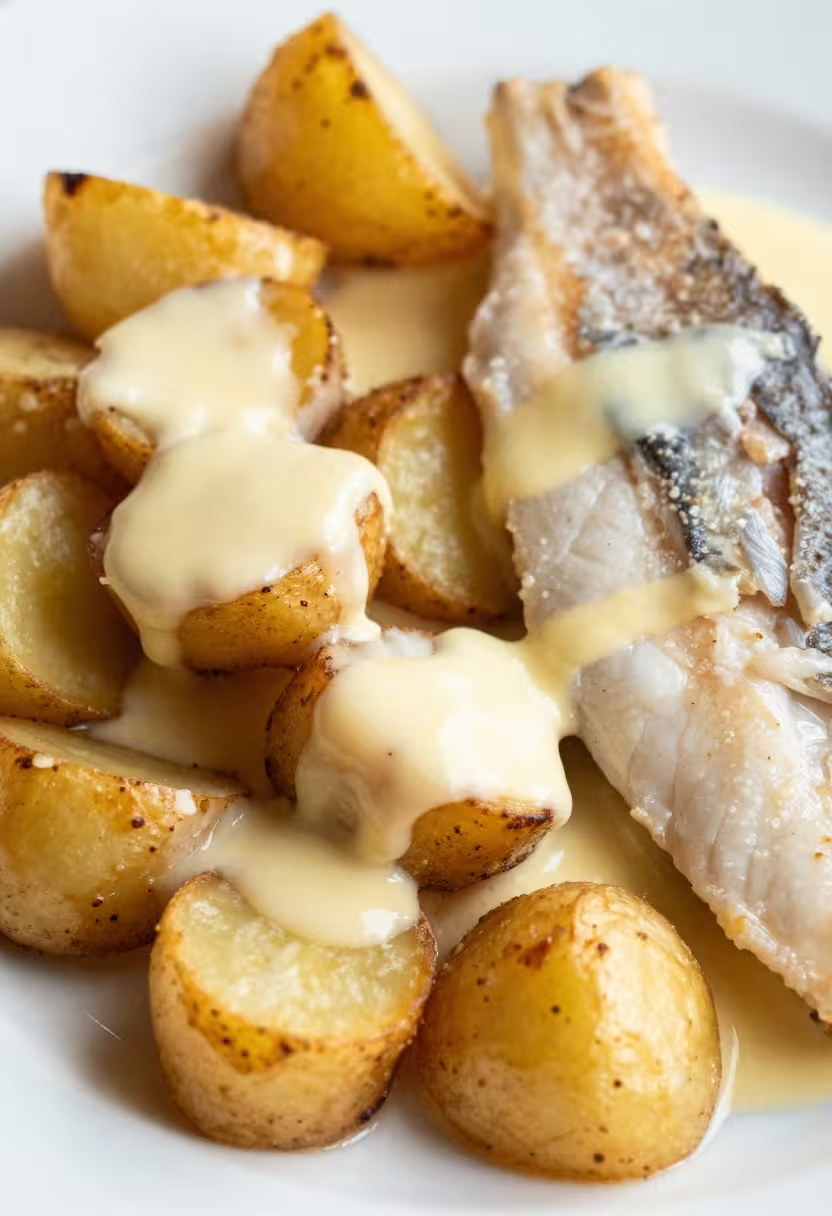
- they absorb the butter-lemon sauce without becoming soggy
- they balance the softness of the fish
- they make the dish feel like a meal, not just a tasting
Without them, Sole Meunière can feel a little too light, a little too fleeting. With them, it suddenly has weight — in the best possible way.
I also love that potatoes make this dish less intimidating. They bring it back to earth. They say, “Yes, this is elegant — but it’s also comforting.” And that combination is hard to beat.
When I serve this at home, people almost always comment on the potatoes first. Not because they’re fancy, but because they make sense. They belong there.
And once you notice that, the whole dish starts to feel more approachable. Less like something you “attempt,” and more like something you simply cook.
The Recipe: Sole Meunière with Crispy Potatoes 🐟🥔
This is one of those recipes that looks almost too simple on paper — and that’s exactly the point. Sole Meunière with crispy potatoes isn’t about clever tricks or hidden techniques. It’s about timing, attention, and trusting that a few good ingredients can carry the entire dish.
The result is tender, buttery fish with bright lemon notes, paired with golden potatoes that soak up every drop of sauce. It feels elegant without being stiff, comforting without being heavy — the kind of meal that quietly makes you proud of what you cooked ✨
Ingredients
For the fish
- 4 thin white fish fillets (sole if available, or a similar delicate white fish)
- About ½ cup all-purpose flour (you won’t need all of it)
- Salt, to taste
- Freshly ground black pepper
- 6 tablespoons unsalted butter
- 2 tablespoons olive oil
- Juice of 1 fresh lemon
- 2 tablespoons fresh parsley, finely chopped
For the crispy potatoes
- 1.5 pounds baby potatoes or Yukon Gold potatoes
- 2 tablespoons olive oil or butter
- Salt, to taste
- Optional: fresh thyme, rosemary, or one lightly crushed garlic clove
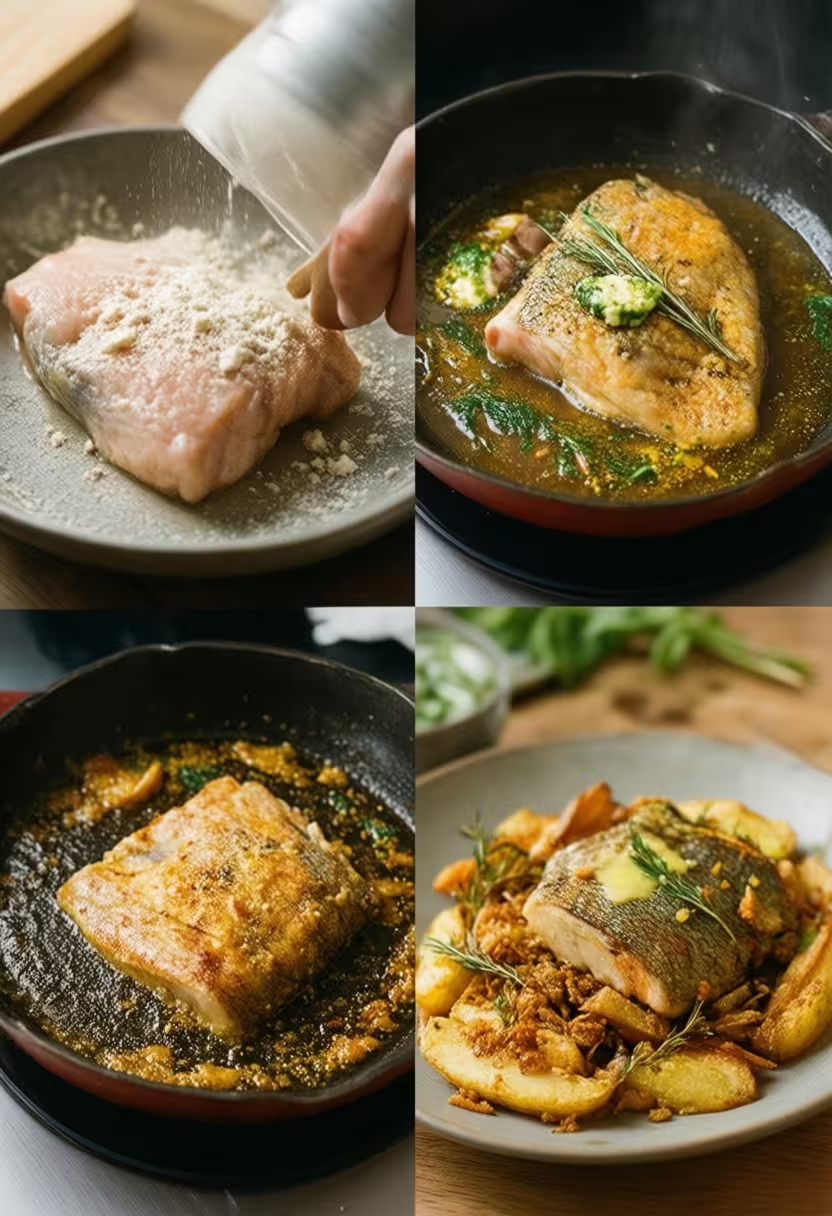
Step-by-Step Instructions
- Start with the potatoes
Wash the potatoes and cut them into halves or thick slices, depending on their size. Place them in a pot of generously salted water and bring to a boil. Cook until they are just tender when pierced with a knife — usually about 12–15 minutes.
Drain well and let them sit for a few minutes so excess steam escapes. - Make them crispy
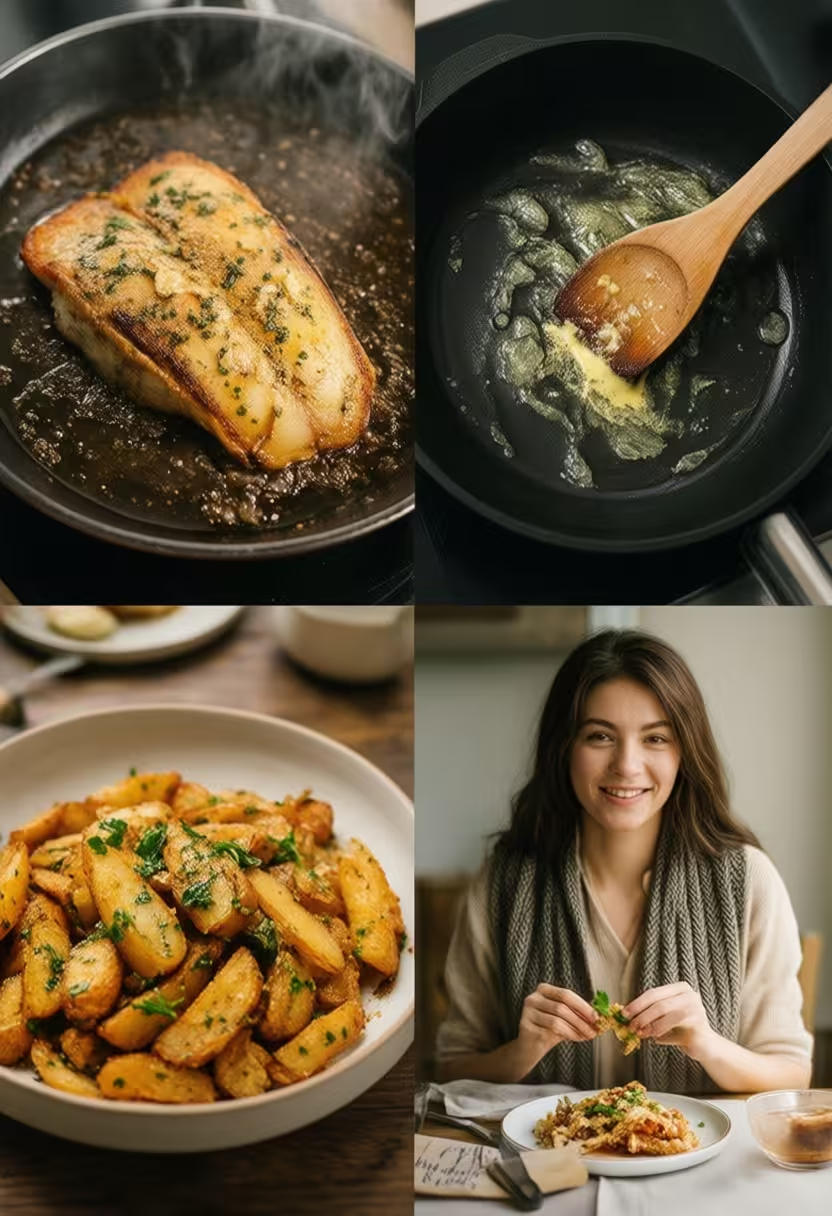
Heat olive oil or butter in a wide pan over medium heat. Add the potatoes in a single layer and let them cook without stirring until a golden crust forms. Turn and continue cooking until crispy on all sides. Season with salt and optional herbs.
Once done, turn off the heat and keep the potatoes warm 🥔 - Prepare the fish
Pat the fish fillets dry with paper towels — this step matters more than it seems. Season both sides lightly with salt and pepper.
Dredge each fillet in flour, shaking off all excess. You’re aiming for a very thin coating, not a batter. - Cook the fish
In a large pan, heat the olive oil and 2 tablespoons of butter over medium heat. When the butter melts and begins to foam, gently place the fish in the pan.
Cook for about 2–3 minutes per side, until the fish turns opaque and lightly golden. Try not to move it too much.
Transfer the cooked fillets to a warm plate and loosely cover with foil. - Make the butter sauce
In the same pan, add the remaining butter. Let it melt and slowly turn golden, swirling the pan occasionally. You’ll notice a nutty aroma — that’s your signal.
Remove the pan from the heat and immediately add the lemon juice. Stir gently, then add the chopped parsley 🍋🌿 - Serve immediately
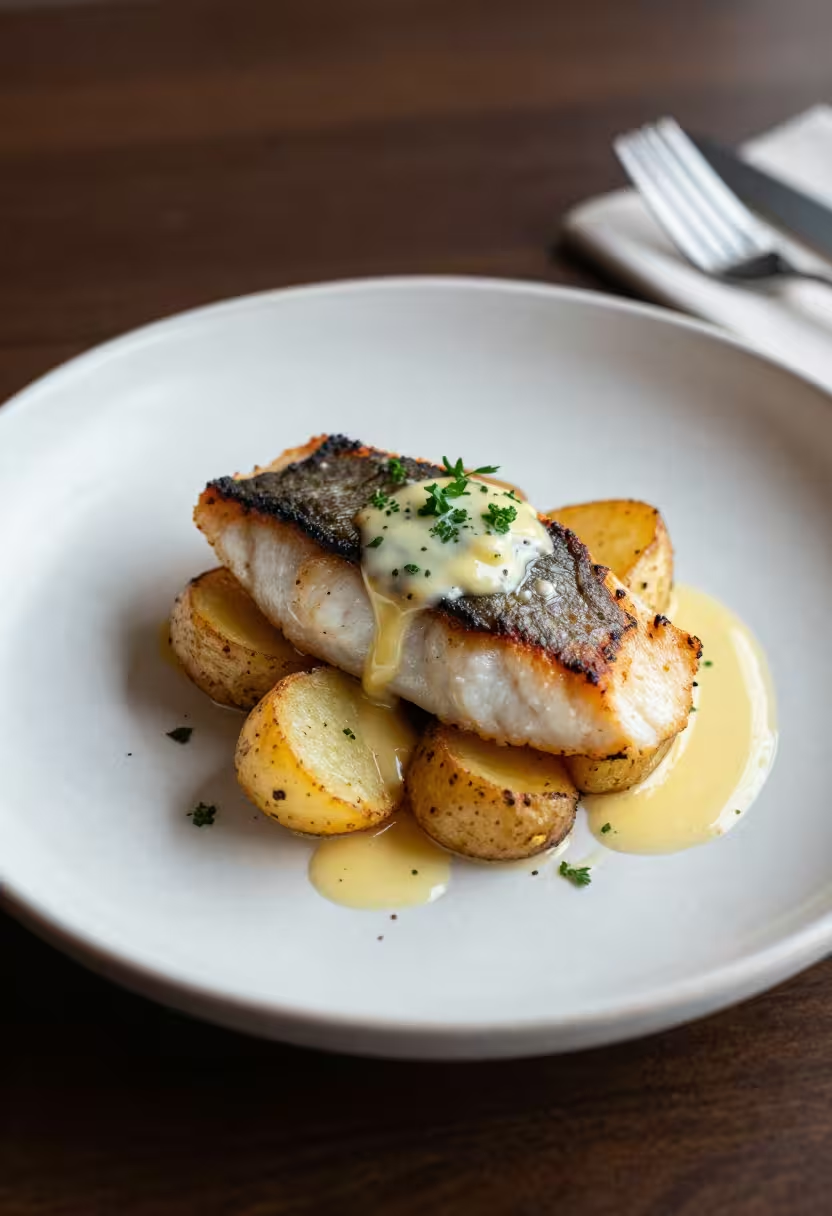
Spoon the warm lemon-butter sauce over the fish and serve with the crispy potatoes on the side.
This dish is best enjoyed right away, while everything is hot and the flavors are at their brightest.
A Few Small Tips That Actually Help 📝
These aren’t professional chef rules — just little things I’ve noticed after making this dish more than once.
- Dry the fish really well. Even a little moisture can stop it from browning properly. I used to rush this step and always regretted it later.
- Use a pan that feels calm, not crowded. If the fillets overlap, the fish steams instead of frying. Cooking in two batches is better than forcing it.
- Watch the butter, not the clock. The color and smell matter more than exact timing. As soon as it smells nutty, it’s ready.
- Don’t overdo the lemon. It should brighten the dish, not dominate it. You can always add a few extra drops at the table 🍋
- Potatoes forgive mistakes. If something feels slightly off with the fish, those crispy potatoes will quietly balance everything out.
Sometimes it’s not about following a recipe perfectly — it’s about noticing these small moments and adjusting as you go. That’s where cooking starts to feel natural.
When the Plates Are Empty, but the Feeling Stays ✨
There’s a specific moment after this meal that always stands out to me.
The plates are mostly clean. There’s a faint smell of butter and lemon still hanging in the kitchen. Someone reaches for water or wine without saying much. No one rushes to get up.
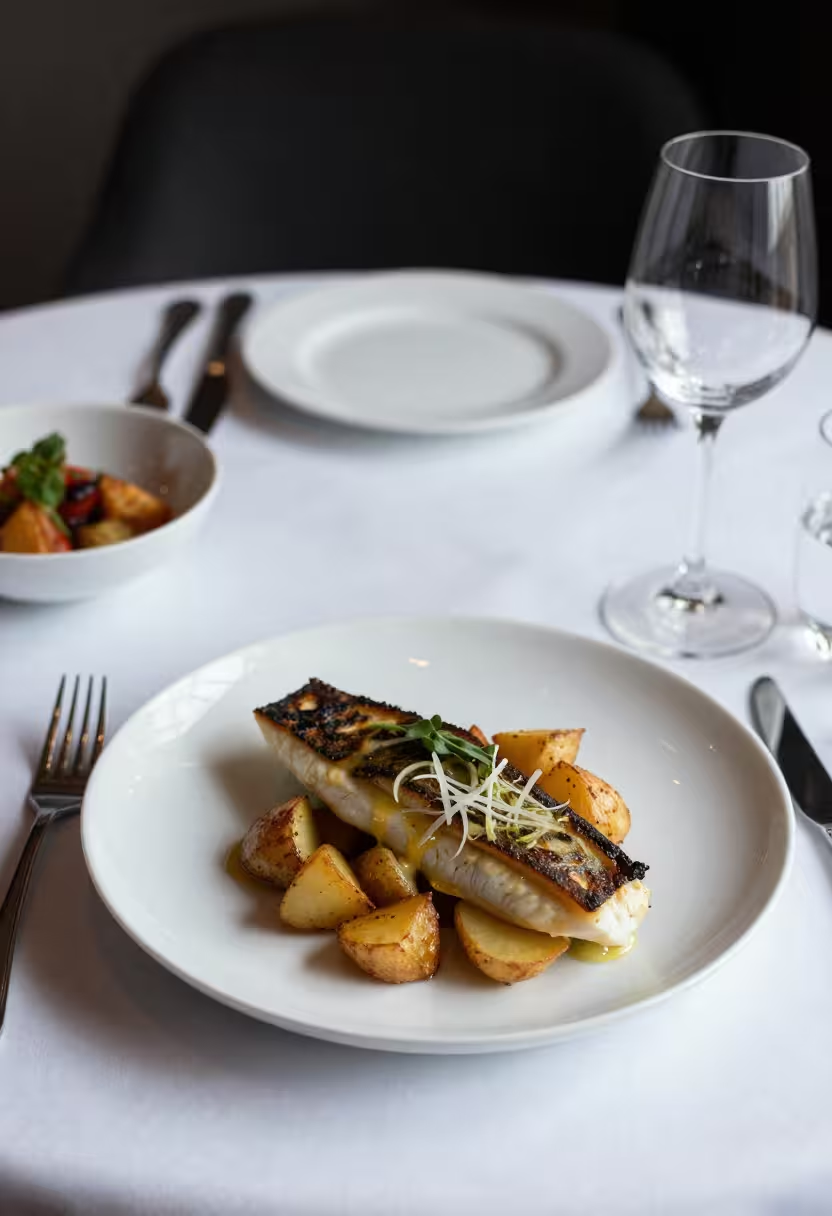
That’s when I know the dish worked.
Sole Meunière with crispy potatoes doesn’t leave you heavy or overly full. Instead, it leaves a kind of quiet satisfaction — the feeling that you ate well, not just a lot. It’s the type of meal that doesn’t need a dramatic ending or dessert to feel complete.
I’ve noticed that people talk more softly after eating it. Conversations slow down. There’s less urge to scroll phones. Food like this invites presence, and that’s something I value more and more lately 🍽️
Why This Is the Dish I Return to Again and Again 🧈
I don’t cook this every week. And that’s part of why it still feels special.
This is the dish I come back to when:
- I want to cook something meaningful but not exhausting
- I need a reminder that simple food can still feel thoughtful
- I want to impress quietly, without turning dinner into a performance
There’s also something comforting about knowing exactly what you’re doing in the kitchen. No surprises. No complicated steps. Just a clear rhythm that your hands start to recognize.
And each time I make it, it’s slightly different. Sometimes the butter is darker. Sometimes the potatoes are crispier. Sometimes the lemon is sharper. And that’s okay. That’s real cooking.
Perfection was never the goal here.
A Gentle Reminder Before You Close This Page 🌿
If there’s one thing I hope this recipe gives you, it’s confidence.
Not the loud kind — the quiet one. The kind that says:
- you don’t need dozens of ingredients
- you don’t need complicated techniques
- you don’t need to cook perfectly
You just need to pay attention.
Cook this dish for yourself. Or for someone you care about. Or for no reason at all, on an ordinary evening that could use a little softness.
Let the butter brown. Let the fish rest. Let the potatoes do their job. And then sit down and actually enjoy what you made.
Some meals don’t change your life — but they make an evening feel complete. And sometimes, that’s more than enough 💛