There’s something quietly special about winter desserts, and more often than not, it’s not the ones that arrive at the table already demanding attention. Not the towering cakes layered with frosting, not the plates drowning in sauce that feel like they’re asking for applause before you’ve even taken a bite. Those desserts absolutely have their place, and sometimes they’re exactly what you want. But winter, for some reason, tends to favor a different approach.
Colder months seem to invite desserts that are a little calmer, a little more inward-looking. Desserts that don’t try to impress right away, but instead wait to be noticed. They don’t shout. They don’t perform. They just sit there — warm, grounded, quietly confident in a way that feels natural rather than staged.
Winter desserts often lean into things we don’t always register immediately. Scent is a big one. Memory plays a role too. And then there’s atmosphere — the way a dessert changes how a room feels when it’s set down on the table. Mulled wine poached pears fit into that space almost effortlessly. They don’t try to win you over in the first second. They settle in slowly, like a soft blanket you didn’t realize you needed until it was already wrapped around your shoulders. Like a candle flickering in the corner while conversation naturally slows down. Like that familiar moment after dinner when the plates are empty, but no one quite feels ready to stand up yet.
This isn’t a dessert you rush through, and it’s certainly not one that rewards impatience. It simmers slowly, almost stubbornly, asking you to let it take its time. While it cooks, the kitchen fills with cinnamon and citrus, and something harder to define. It’s not a single, clear memory. It’s more like a blend of winter evenings layered on top of each other — scarves tossed over chair backs, fogged-up windows, glasses clinking softly somewhere nearby, voices dropping just a little lower without anyone really noticing.
By the time you finally sit down to eat it, spoon in hand, the goal isn’t to be impressed. It’s to feel settled. Comfortable. Like the season suddenly makes sense instead of feeling rushed or overwhelming 🕯️🍐
Mulled wine poached pears aren’t flashy, and they don’t need to be. Their confidence is quiet, almost understated, and that’s exactly what makes people come back to them. Not all at once, but gradually. And once that appreciation settles in, it tends to stick ❤️
A Dessert That Sets the Mood Without Trying Too Hard ✨
If desserts had personalities, this one wouldn’t be the loudest person in the room. It wouldn’t dominate the conversation or try to be the center of attention. Instead, it would be the one you think about later — maybe the next day, or even a few days after — when someone casually says, “Oh, and that pear dessert? I keep thinking about it.”
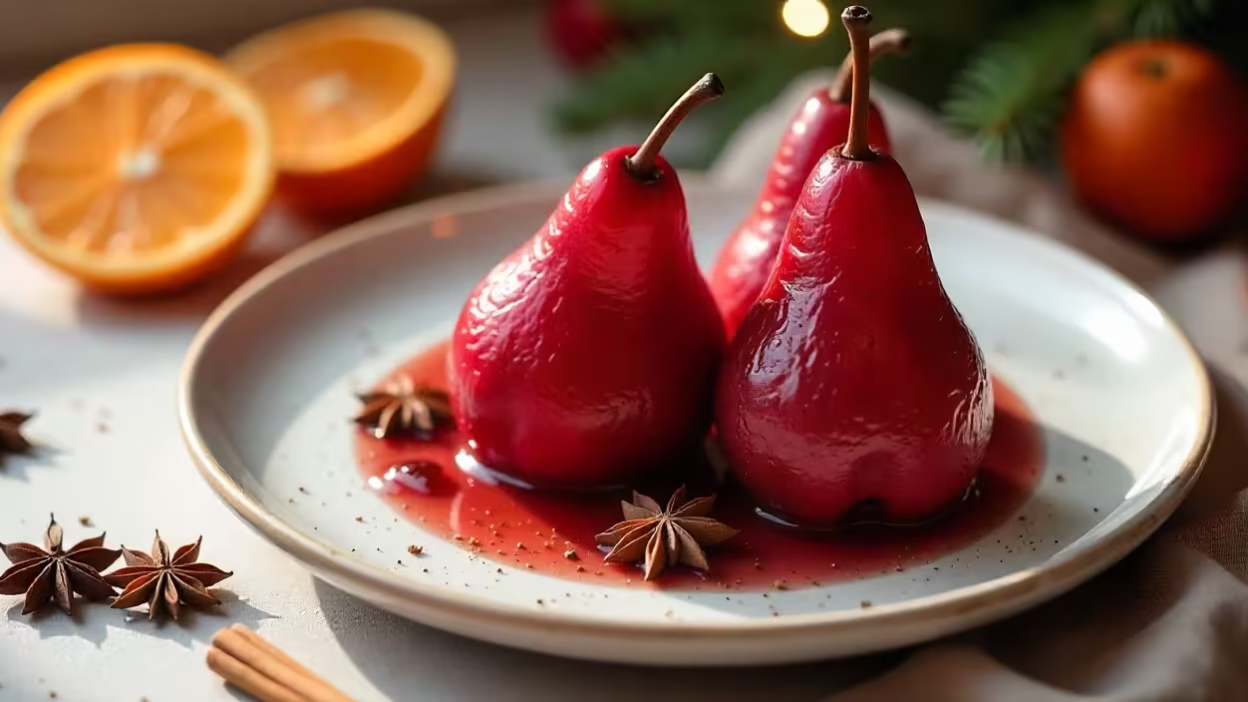
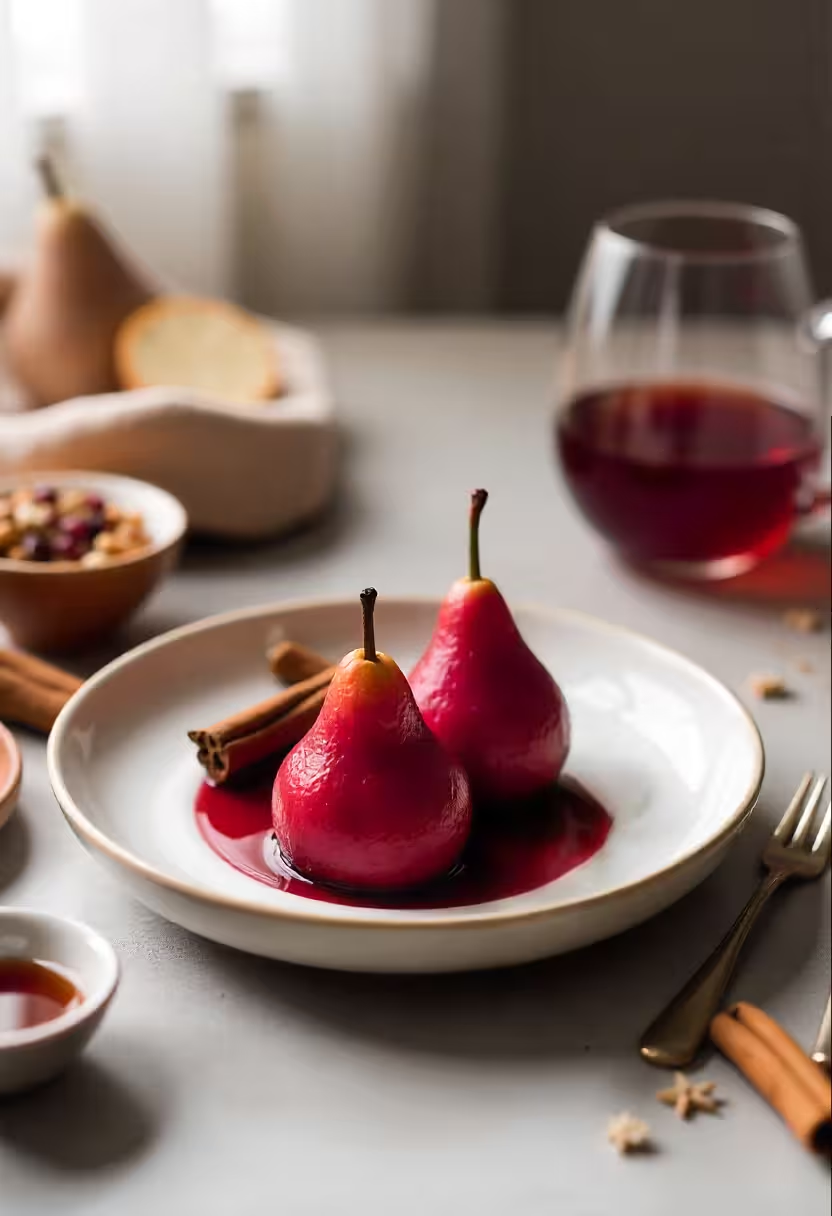
Visually, mulled wine poached pears know exactly when to stop. The deep ruby color feels festive, but not in an obvious or forced way. The syrup catches the light just enough to look inviting without feeling heavy. The spices don’t announce themselves loudly; they stay in the background, doing their work quietly. And the pears themselves, soft and almost silky, taste like they were meant to be handled gently rather than pushed or rushed.
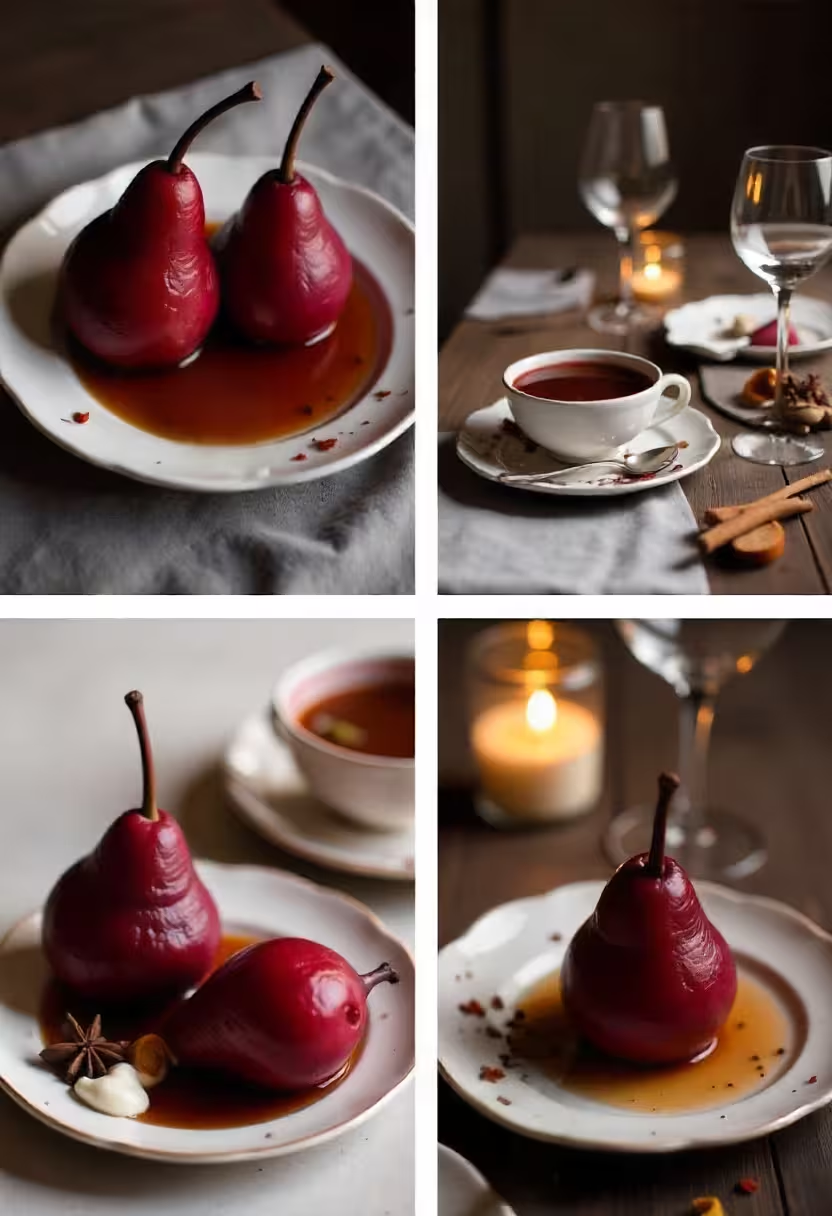
This is the kind of dessert that fits naturally into moments where the evening stretches longer than planned. Moments when the table looks a little messy in a good way — empty glasses, a few crumbs, plates pushed aside without much thought. It works when you want something elegant, but the idea of anything complicated feels exhausting. And it’s perfect when you’d rather impress people with flavor and care than with technique or presentation.
It adapts easily to different situations, which is part of what makes it so appealing. Served as part of a holiday meal, it feels intentional and celebratory. Served on a quiet evening for two, it suddenly feels intimate, almost personal. It doesn’t need to change who it is depending on the occasion.
That’s a big part of its charm. It doesn’t perform for the table. It simply belongs there.
Pears, Patience, and the Kind of Attention This Dessert Asks For 🍐
Pears are easy to underestimate, especially when you compare them to louder ingredients. They don’t fight for attention the way chocolate does. They don’t sparkle like berries or melt dramatically on the tongue. And maybe that’s exactly why they work so well in this kind of dessert.
A good pear is patient by nature. It doesn’t rush flavor, and it doesn’t demand to be noticed immediately. It absorbs what surrounds it slowly, almost politely, taking its time. When treated well, it softens without losing its structure. It holds its shape, but still gives way easily to a spoon.
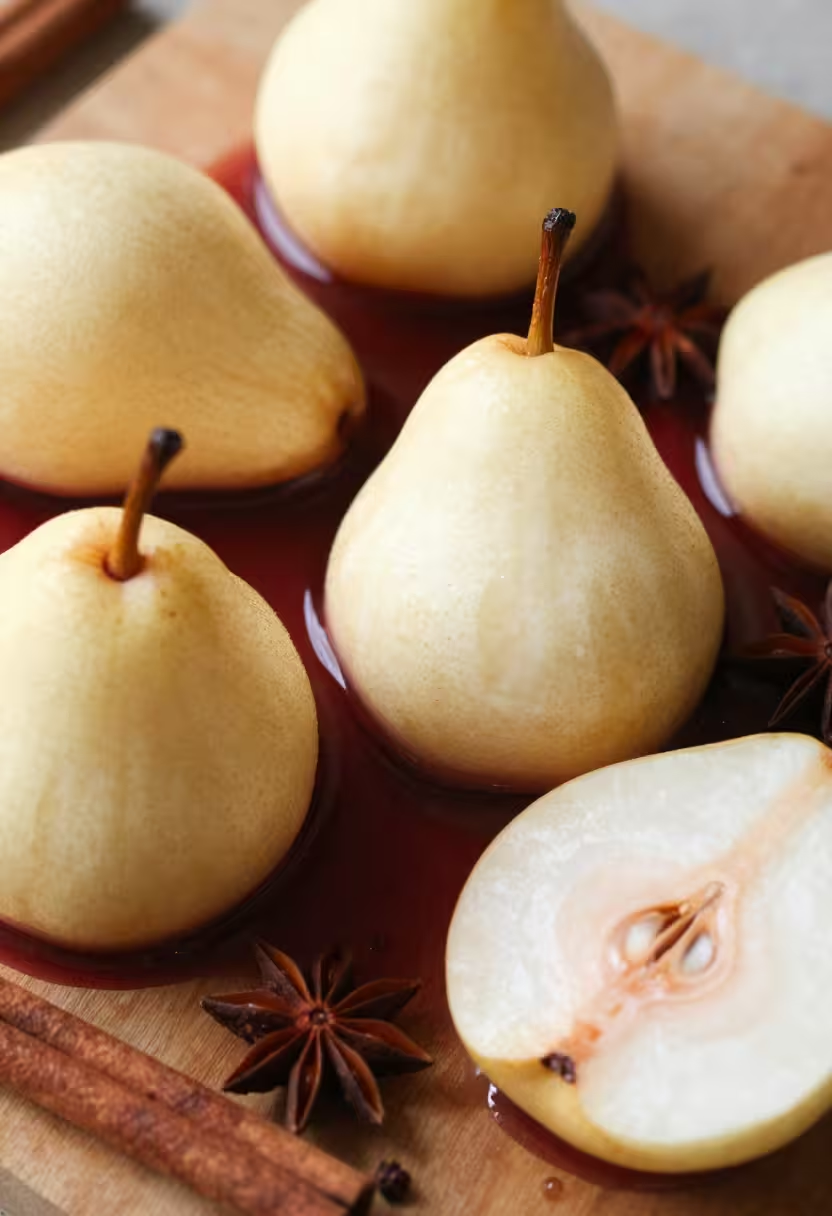
That balance is what makes poached pears so satisfying to eat.
When pears are cooked properly, a few important things happen. They become tender while still feeling intact. Their sweetness stays gentle instead of tipping into something overwhelming. They take on aroma without becoming heavy or cloying. At some point, they stop feeling like “just fruit” and start to feel more like a texture, a mood, a base layer that everything else builds on.
In other words, they become a canvas.
Mulled wine, in that sense, is the paint 🎨🍷
The wine doesn’t overpower the pear or try to steal the spotlight. It wraps around it instead. The spices sink in gradually, the color deepens slowly, and the whole process feels deliberate even though the technique itself is fairly simple. Nothing is rushed, and nothing feels forced.
Of course, not every pear is right for this job. Some pears are happiest raw — crisp, juicy, eaten over the sink without much thought. Others, especially the firmer, slightly under-ripe ones, were clearly meant to be cooked. Those are the pears you want here. They’re forgiving if your timing isn’t perfect, and they reward patience by holding their shape and soaking up flavor.
Overripe pears won’t do you any favors. They collapse too easily, blur into the liquid, and lose their identity along the way. No amount of syrup can really fix that. This dessert has a quiet way of reminding you that patience matters, and that choosing the right ingredient at the start makes all the difference.
Warm Spices, Familiar Ingredients, and the Value of Restraint 🌿
Mulled wine isn’t just a winter drink. For many people, it’s tied to a feeling they recognize immediately, even if they can’t fully explain it. One breath of cinnamon and orange peel can transport someone somewhere else — maybe a winter market, maybe a busy kitchen, maybe a quiet evening wrapped in a scarf, watching the light fade outside.
That’s exactly why mulled wine works so well as a poaching liquid. Not because it’s bold or dramatic, but because it understands restraint.
When mulled wine is used to poach pears, it knows when to step back. Instead of insisting on being the star, it becomes the storyteller, shaping the dessert quietly from behind the scenes. As it simmers, the alcohol mellows and fades into the background. The spices deepen and round out instead of sharpening. The fruitiness of the wine concentrates just enough to feel warm and generous without becoming heavy.
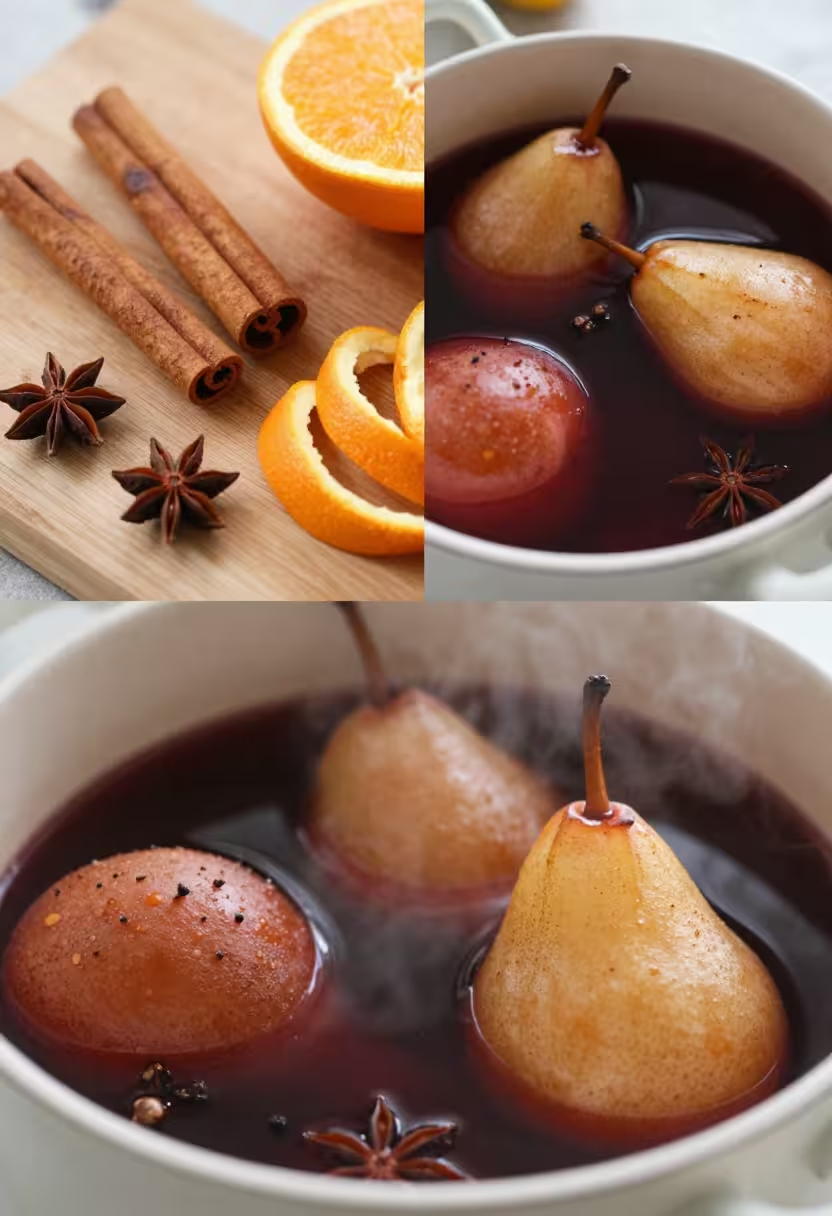
What you end up with isn’t intensity for the sake of it. It’s balance. It’s warmth. It’s a kind of complexity that feels natural rather than engineered.
This is also where people tend to go a little too far. Spices can feel festive, and it’s tempting to add more in the hope of making the dessert “better.” In reality, that’s often when things start to fall apart. Too many cloves don’t add depth; they add bitterness. Extra star anise doesn’t make the dessert more elegant; it just overwhelms the pear. Push it too far, and suddenly the whole thing tastes more like a scented candle than something you actually want to eat.
Using whole spices helps keep that balance intact. They release flavor slowly, they’re easy to remove, and they keep the poaching liquid clear and clean. That clarity matters, especially later on if you reduce the liquid into a syrup. There’s something quietly satisfying about a sauce that looks as thoughtful as it tastes.
One of the nicest things about this dessert is how simple the ingredient list really is. There’s nothing obscure or precious about it. Pears, red wine, sugar, whole spices, and a bit of citrus are enough to create something that feels complete. There’s no need for stabilizers, thickeners, or clever shortcuts pretending to be technique. Each ingredient has a clear purpose, and each one contributes something meaningful to the final result.
And while all of this is happening — while the pears gently poach and the spices slowly open up — the kitchen fills with a smell that’s hard to ignore. Not artificially sweet, not overpowering, just warm and familiar. It’s the kind of scent that makes people wander in and ask what you’re making, even if they weren’t hungry five minutes ago 😌
Sometimes, that alone feels like reason enough to make this dessert.
🍷 Recipe: Classic Mulled Wine Poached Pears
This is the kind of recipe you tend to come back to. Not because it’s flashy or complicated, but because it works. Every time. It’s flexible, forgiving, and deeply comforting in a way that feels especially right during colder months.
Mulled wine poached pears are one of those desserts that don’t demand much from you, but give a lot in return. The pears cook slowly in spiced wine, soaking up warmth, color, and aroma, until they turn tender and fragrant without losing their shape. The leftover poaching liquid, reduced into a glossy syrup, ties everything together and makes the whole dish feel finished rather than improvised.
It’s an easy dessert to serve to guests, but it’s just as nice to make on a quiet evening when you want something a little special without committing to hours in the kitchen.
Ingredients (serves 4–6)
- 4 to 6 firm pears (Bosc or Anjou are ideal)
- 1 bottle (750 ml) dry red wine
- ½ to ¾ cup sugar (white, brown, or a mix, depending on taste)
- 1 cinnamon stick
- 2 star anise pods
- 3–4 whole cloves
- Wide strips of peel from 1 orange
- ½ cup water, apple juice, or pomegranate juice
- Optional: 1 vanilla bean, split lengthwise
How to Make Mulled Wine Poached Pears
- Prepare the pears.
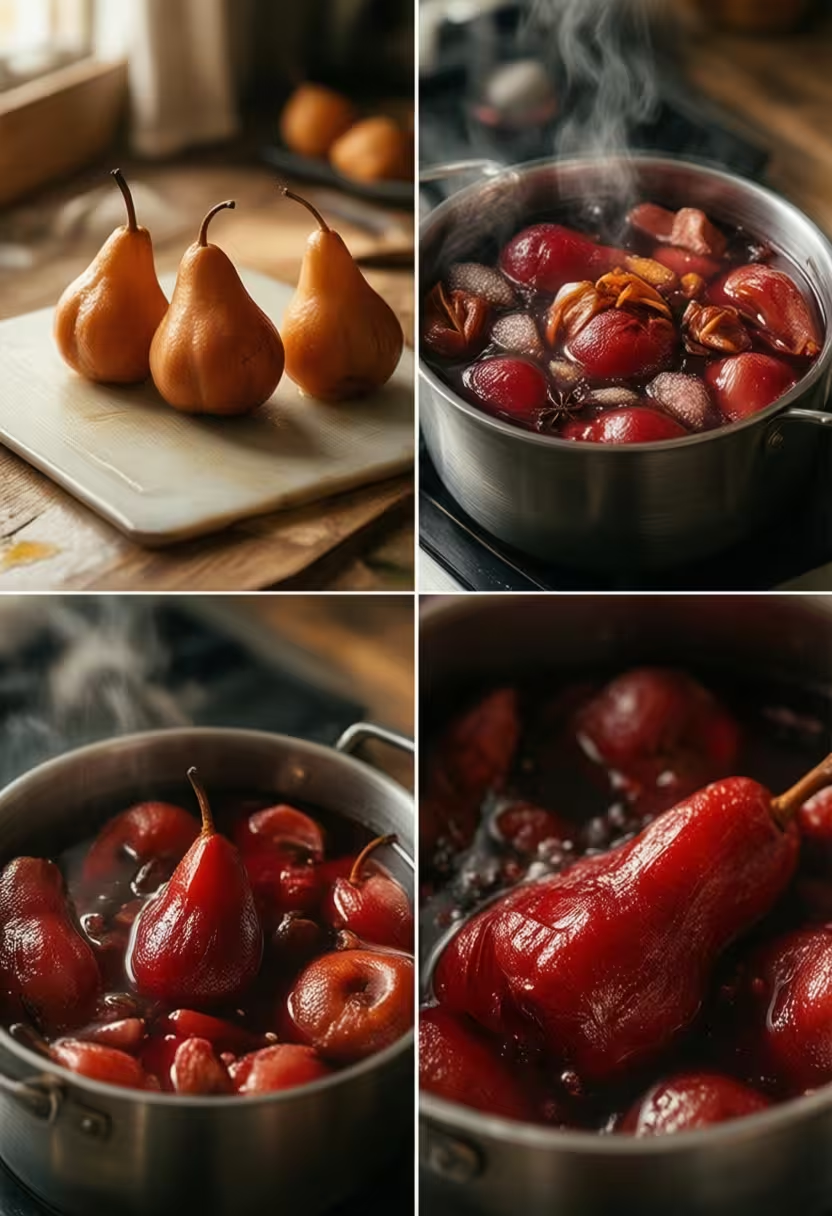
Peel the pears, keeping the stems intact if possible. They’re not essential, but they do make the pears easier to handle later and look nicer on the plate. Trim a very thin slice from the bottom of each pear so they can stand upright. If you’d like to core them, do so gently from the base using a small spoon or melon baller. This step is optional, but useful if you plan to fill the pears or want a cleaner texture when serving. - Build the poaching liquid.
Choose a wide pot that allows the pears to sit comfortably in a single layer. Add the wine, sugar, cinnamon stick, star anise, cloves, orange peel, and your liquid of choice. Heat gently over medium heat, stirring just until the sugar dissolves. You’re not looking for a boil here — the liquid should be warm, lightly steaming, and beginning to smell spiced. - Add the pears and start poaching.
Carefully place the pears into the pot. They should be mostly submerged, but it’s fine if a small portion remains above the liquid. If needed, you can turn them occasionally to help the color develop evenly. Keep the heat low and steady so the liquid simmers gently rather than boiling. - Cook slowly and evenly.
Let the pears simmer quietly for about 25 to 40 minutes, depending on their size and ripeness. Turn them every few minutes so they absorb the color and flavor evenly. You’ll know they’re ready when a knife slides in easily with very little resistance, but the pears still hold their shape. - Cool the pears in the liquid.
Once tender, lift the pears out carefully using a slotted spoon. Let them cool in the poaching liquid rather than removing them right away. This resting time allows the flavor to deepen and settle, and it makes a noticeable difference in the final taste.
Quick Notes on Syrup & Storage 🍷
- After removing the pears, strain the poaching liquid and simmer it until it reduces slightly and turns glossy. There’s no need to rush this — taste as you go and stop when it feels balanced, not overly sweet.
- Let the pears cool in the liquid if you have time. Even a short rest helps the flavor settle and deepen.
- Store the pears fully submerged in their syrup in an airtight container in the refrigerator. They keep well for about 3–5 days, and the flavor often improves after the first day.
- When reheating, do it gently with a bit of syrup and avoid boiling, which can make the pears too soft.
Serving Mulled Wine Poached Pears Without Overthinking 🍨
One of the nicest things about mulled wine poached pears is that, once they’re ready, they don’t really ask for much else. This isn’t the kind of dessert that needs elaborate plating, tweezers, or last-minute stress in the kitchen. In fact, it’s often the opposite — the more relaxed you are about serving them, the better they seem to fit into the moment.
The pears already bring a lot to the table on their own. There’s the deep color from the wine, the aroma from the spices, and that soft, yielding texture that tells you they were cooked slowly and with care. Trying to dress them up too much can actually take away from what makes them appealing in the first place. Simple pairings tend to work best, especially ones that play with contrast rather than competing for attention.
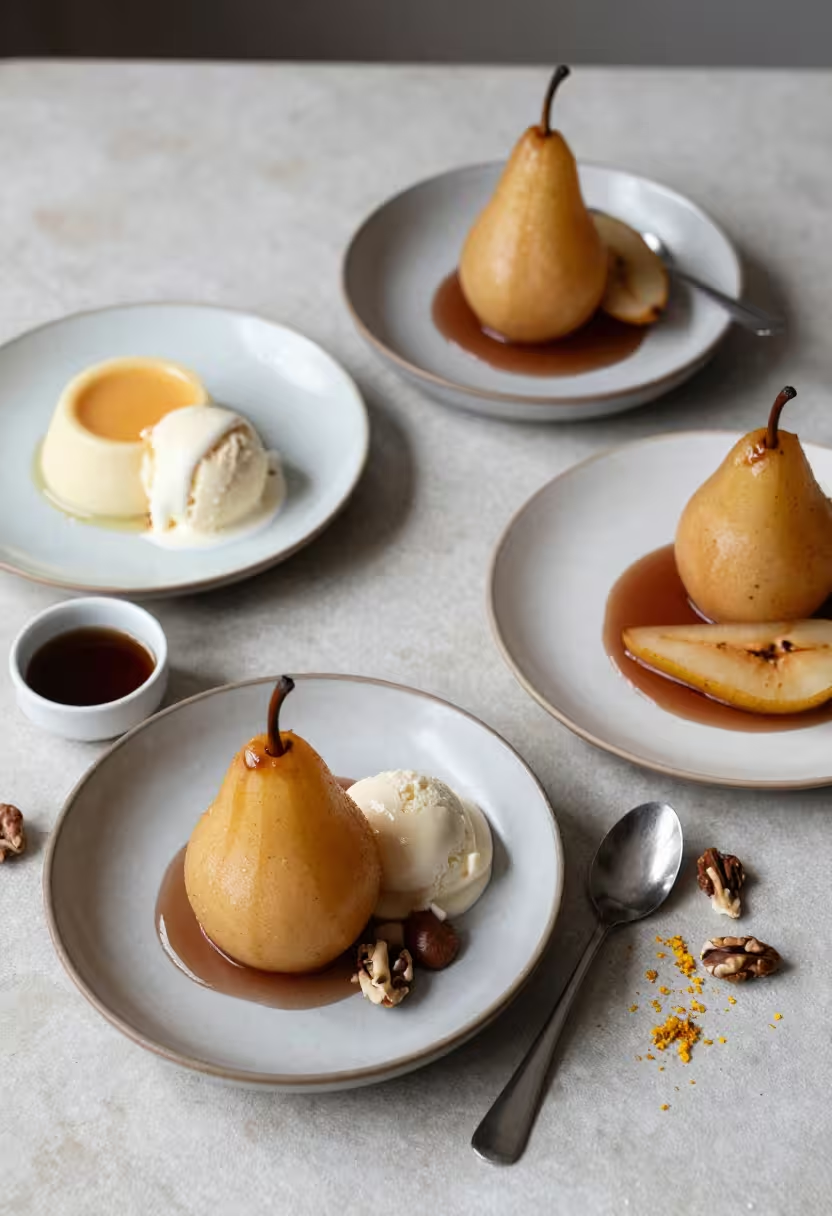
Warm pears paired with vanilla custard feel especially comforting on cold evenings, when dessert is meant to slow things down instead of waking everyone up again. Vanilla ice cream creates a different kind of pleasure — the cold creaminess against the warm, spiced fruit feels familiar and satisfying without tipping into heaviness. Mascarpone sits somewhere in between, soft and gentle, adding richness without extra sweetness. And if there’s a cake or tart already on the table, halved pears spooned over the top can turn something ordinary into a dessert that suddenly feels intentional.
If you feel like adding a finishing touch, keep it subtle. A small sprinkle of toasted nuts adds texture without taking over. A bit of citrus zest brightens the plate and quietly echoes what’s already in the syrup. Even a light dusting of powdered sugar can soften the look without pushing it toward decoration for decoration’s sake.
The key thing to remember is restraint. Let the pears lead. Everything else should feel like support, not competition.
Make-Ahead Ease, Storage, and Flexible Timing ❄️
This is a dessert that understands real life, especially in winter, when schedules are full, energy runs low, and the idea of doing everything at the last minute feels exhausting. Mulled wine poached pears don’t just tolerate being made ahead — they actually benefit from it.
Letting the pears rest in their syrup overnight gives the flavors time to settle and blend naturally. The spices mellow, the fruit absorbs a little more depth, and the whole dessert feels more cohesive the next day. It’s one of those rare situations where patience genuinely improves the result instead of just testing it.
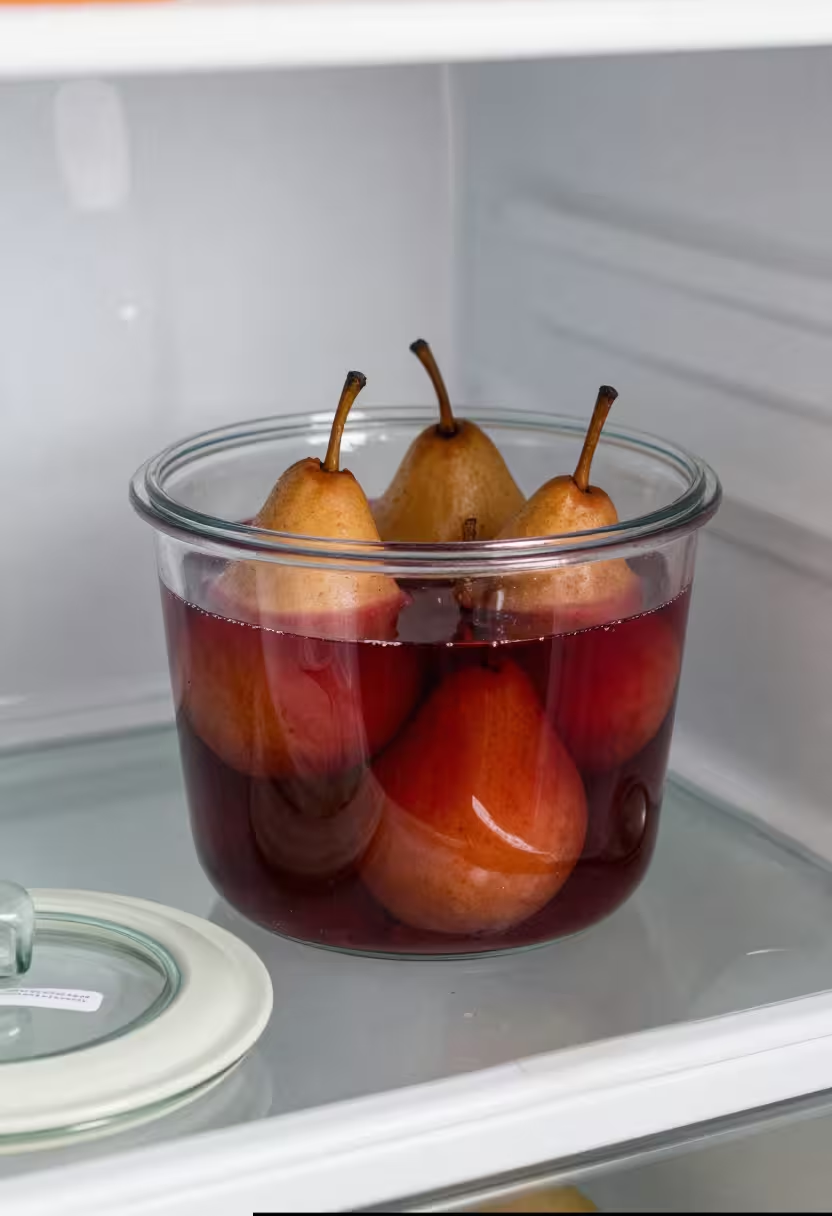
For storage, keeping the pears fully submerged in their syrup is important. An airtight container in the refrigerator works perfectly, and the pears will keep well for several days without losing their texture. Many people find that they taste best after the first day, once everything has had time to relax into itself.
Another advantage is how flexible they are when it comes time to serve. Depending on the occasion, your schedule, or even the weather, the pears can be:
- served cold straight from the fridge
- brought to room temperature with a bit of time on the counter
- gently rewarmed with a spoonful of syrup
There’s no strict rule here. The only real thing to avoid is high heat during reheating, since boiling can soften the pears more than you want. As long as you’re gentle, they hold their shape beautifully.
That flexibility makes this dessert especially good for entertaining. You can prepare it well in advance, focus on your guests instead of the stove, and still serve something that feels thoughtful and complete.
Cozy Variations, Common Mistakes, and Final Thoughts 🍐🍷
Mulled wine poached pears are also surprisingly adaptable, which makes them easy to fit into different kitchens and different preferences. If you want to skip the wine, there’s no need to abandon the idea altogether. Pomegranate juice, red grape juice, or spiced apple cider all work well as substitutes. Since juices are usually sweeter than wine, it’s a good idea to start with less sugar and adjust as you go. The spices still warm the kitchen, the pears still soften beautifully, and the overall feeling stays just as cozy.
There are a few common missteps worth keeping in mind, mostly because they’re easy to avoid once you know what to watch for. Letting the poaching liquid boil instead of simmer almost always leads to mushy pears. Using fruit that’s already very ripe often results in pears that collapse or lose their shape. And adding too many spices in an effort to make the dessert more “festive” can tip the balance toward bitterness. Gentle heat, patience, and tasting as you go are usually enough to keep everything on track.
People tend to remember this dessert not because it’s dramatic or technically impressive, but because it feels considered. It doesn’t rush the end of a meal or demand attention. Instead, it softens the moment. It invites people to linger, to talk a little longer, to slow down without really noticing they’re doing it.
In the end, mulled wine poached pears aren’t about perfection or precision. They’re about mood. About warmth. About letting something simple become special through time and care. Make them once, and it becomes easy to understand why they keep finding their way back to winter tables, year after year ❤️