Introduction — Why Healthy Meal Prepping Matters

There’s a moment many of us know well: it’s late, you’re tired, and the question “What should I eat?” feels heavier than it should. You want something healthy, but convenience wins — again. Not because you don’t care, but because decision fatigue is real.
This is where meal prepping quietly changes everything.
Healthy meal prep isn’t about rigid rules, perfectly stacked containers, or eating the same thing five days in a row. At its best, it’s a form of self-care. A way of making future you’s life easier — calmer, healthier, and less stressful.
When meals are planned and partially prepared, good choices stop feeling like effort. Breakfast is ready. Lunch is packed. Dinner doesn’t require a last-minute scramble. And instead of relying on willpower, you rely on preparation.
This guide is for beginners — real people with busy schedules, limited time, and a desire to eat better without overcomplicating things. We’ll break down meal prepping into simple, flexible steps that fit into everyday life, not just ideal routines.
Because healthy habits don’t start with perfection. They start with making things easier.
What Is Meal Prepping — Beyond Just Cooking Ahead
Meal prepping often gets misunderstood. Images of identical meals lined up for the week can make it feel strict, boring, or unrealistic. In reality, meal prepping is simply planning ahead in a way that supports how you actually live.
At its core, meal prepping means preparing food in advance so that healthy options are ready when you need them. That can look very different from person to person. For some, it’s cooking full meals ahead of time. For others, it’s chopping vegetables, cooking grains, or marinating proteins so meals come together faster during the week.
There are a few common styles of meal prep — and you don’t have to choose just one.
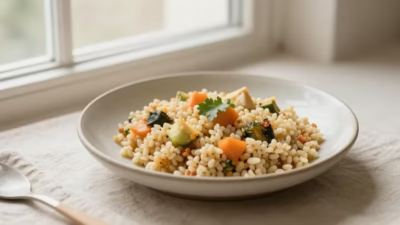
Batch cooking means making larger portions of a meal and enjoying it over several days. Soups, stews, roasted vegetables, and grain bowls work especially well this way.
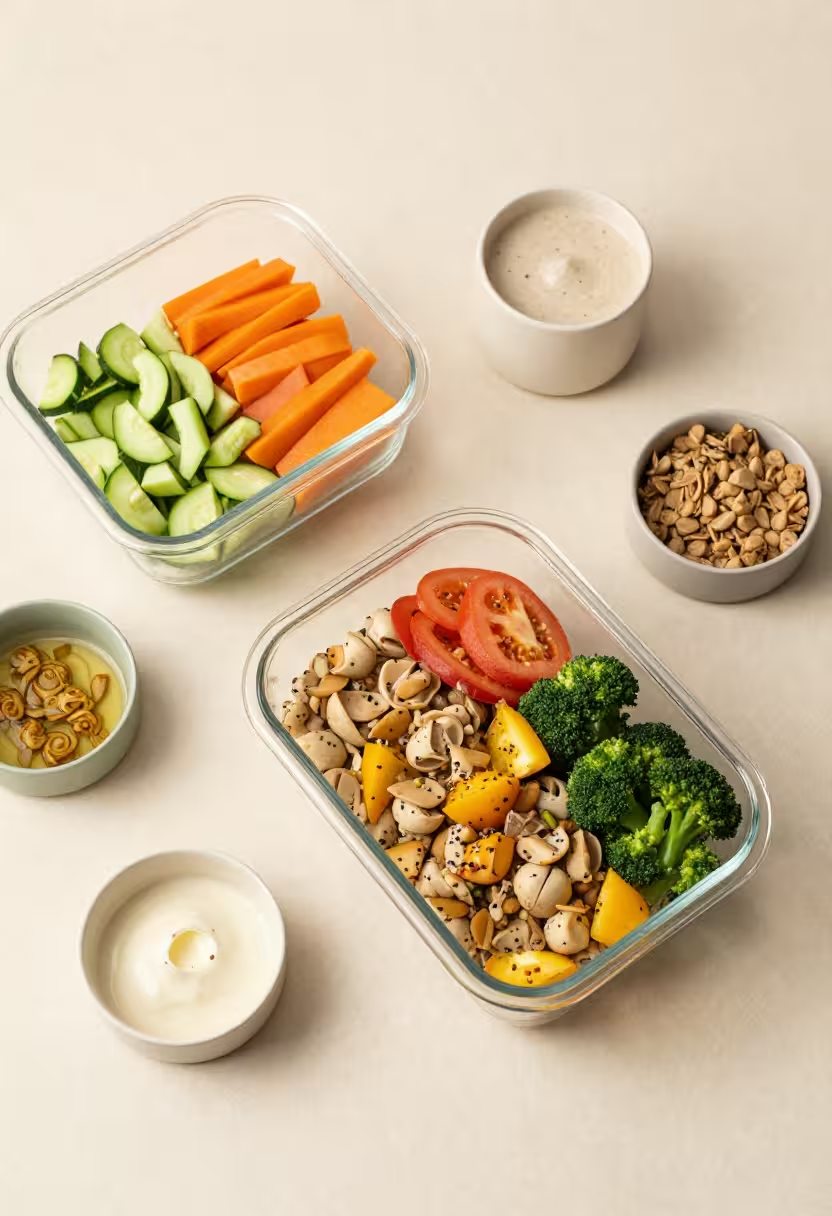
Ingredient prepping focuses on flexibility. You prep components — roasted veggies, cooked rice or quinoa, washed greens — and mix and match them throughout the week. This keeps meals varied without starting from scratch each day.
Portion prepping is helpful for those who like structure. Meals or snacks are divided into ready-to-go portions, making mornings smoother and reducing decision fatigue.
The real benefit of meal prepping isn’t just saving time. It’s reducing the number of choices you have to make when you’re hungry and tired. When healthy food is already prepared, you’re far more likely to eat it.
Meal prep isn’t about control — it’s about support. It works best when it fits your habits, your schedule, and your preferences. And once you let go of the idea that it has to look a certain way, it becomes much easier to stick with.
Tools and Essentials to Get Started
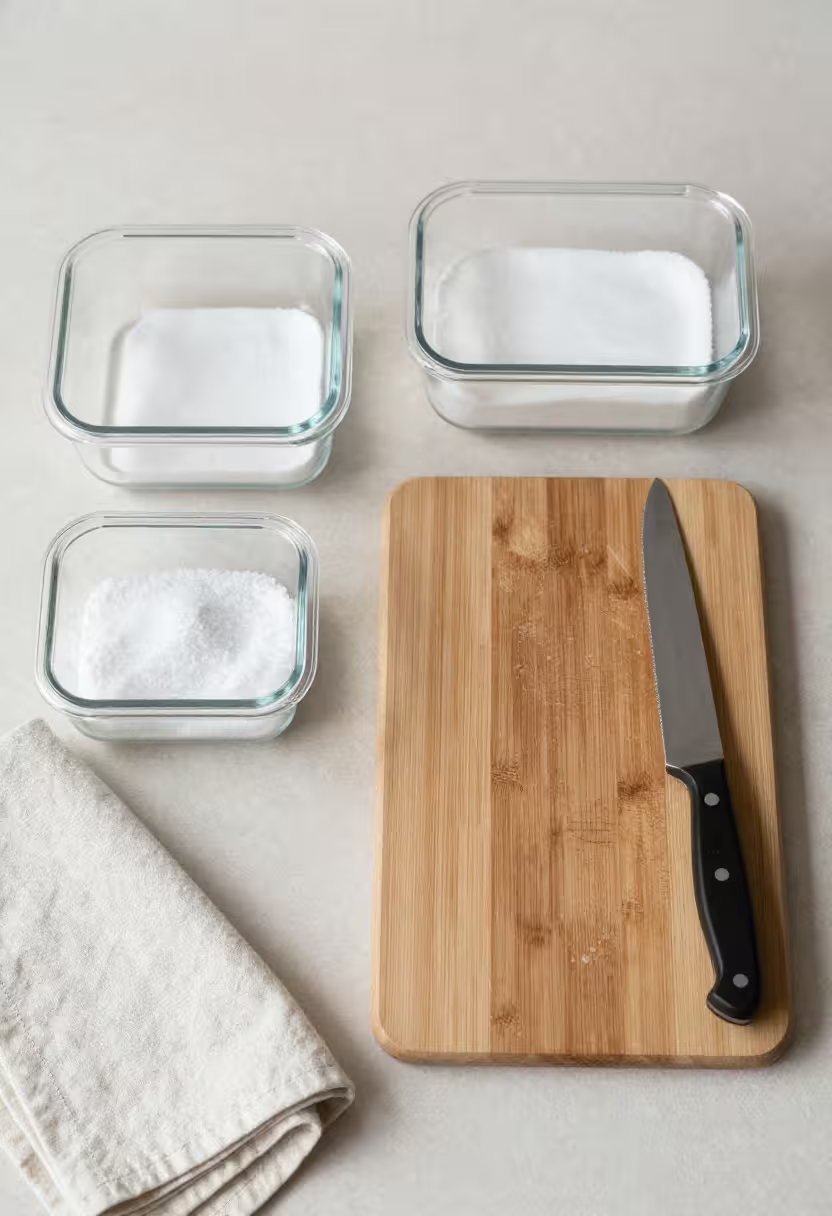
You don’t need a perfectly stocked kitchen to start meal prepping. In fact, having too many tools can make it feel more complicated than it needs to be. A few well-chosen essentials are more than enough to set you up for success.
Start with containers you actually like using. Clear containers make it easier to see what you’ve prepared, which means food is less likely to be forgotten. Glass is durable and reheats well, while lightweight BPA-free plastic is convenient for on-the-go meals. Having a mix of sizes helps — larger ones for main meals, smaller ones for snacks, sauces, or add-ons.
A good cutting board and sharp knife will save more time than almost any gadget. Chopping vegetables or trimming proteins becomes faster and safer when your tools work with you, not against you. If meal prep feels tiring, dull knives are often part of the problem.
Simple kitchen basics make a big difference: a large sheet pan for roasting, a pot for grains, and a skillet for quick cooking. These are the quiet workhorses of meal prep, allowing you to cook multiple components at once without fuss.
Pantry staples also count as tools. Olive oil, salt, spices, vinegar, canned beans, grains, and frozen vegetables help you build meals quickly without last-minute store runs. When your pantry is stocked with basics, meal prep feels flexible instead of restrictive.
The goal isn’t to collect equipment — it’s to remove friction. The easier it is to prep, store, and reheat food, the more likely you are to keep doing it week after week.
A Simple Step-by-Step Meal Prep Plan
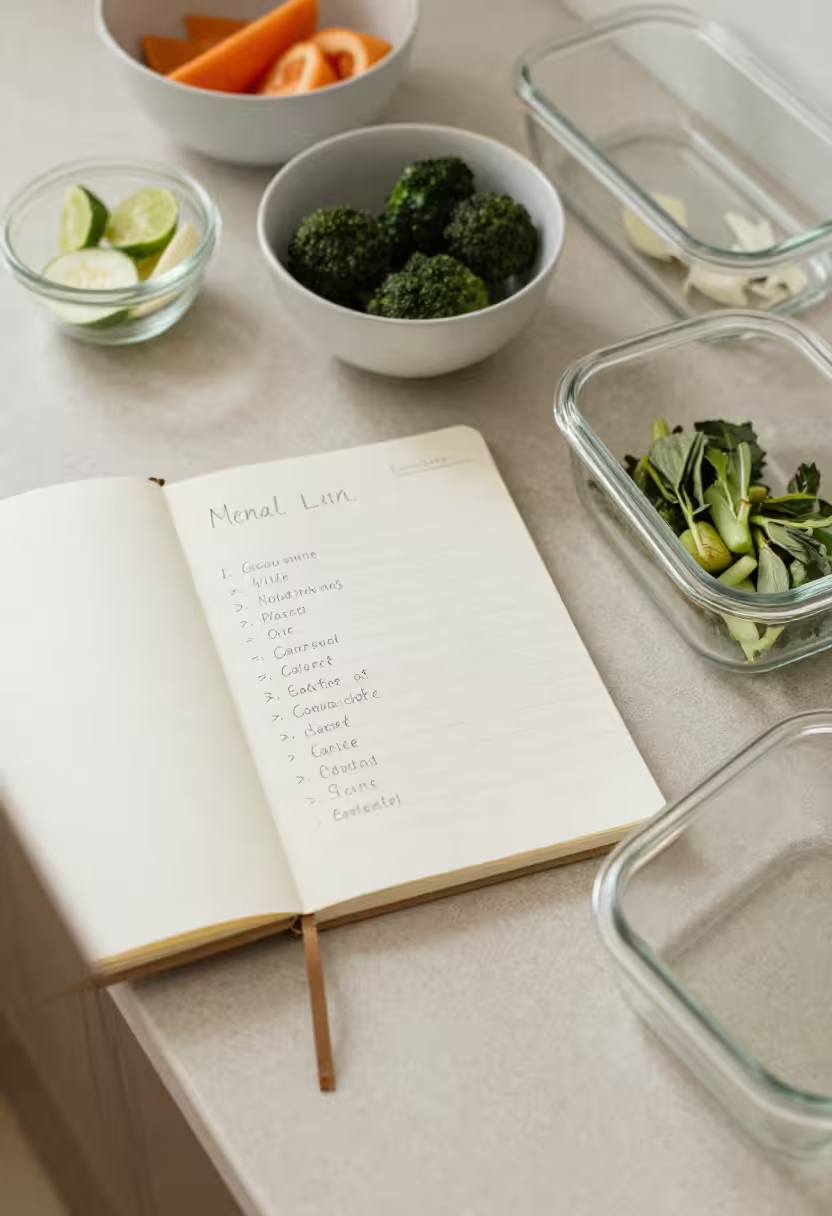
Meal prepping becomes much easier when you stop trying to do everything at once. A simple, repeatable system removes overwhelm and turns prep into a calm weekly rhythm rather than a big project.
Start with one clear goal.
Ask yourself what you want meal prep to support right now. Is it healthier lunches? Easier dinners? Fewer last-minute food decisions? You don’t need to prep every meal — even preparing just one part of your day can make a noticeable difference.
Choose a realistic schedule.
Pick a prep day and time that fits naturally into your week. For many people, that’s a weekend afternoon, but it could just as easily be a quiet weekday evening. The key is consistency, not duration. Even 60–90 minutes is enough for a solid prep session.
Plan simple meals you already enjoy.
This is where many beginners go wrong — choosing overly ambitious recipes. Start with familiar foods. Think roasted vegetables, cooked grains, simple proteins, and easy sauces. Balance your meals with protein, fiber, and healthy fats, but keep flavors flexible.
Make a short, intentional shopping list.
Shop with your plan in mind. When you know exactly what you’re prepping, grocery shopping becomes faster and more focused — and food waste drops dramatically.
Prep in a logical order.
Begin with items that take the longest: grains in the pot, vegetables in the oven, proteins cooking while you chop or portion. Let appliances work in the background while you handle simpler tasks.
Cool, portion, and store thoughtfully.
Allow food to cool before sealing containers. Label if helpful. Store items so they’re easy to grab — front and center in the fridge, not hidden in the back.
This plan isn’t about efficiency for its own sake. It’s about creating a system that feels calm and doable. Over time, it becomes second nature — and that’s when meal prep starts to feel like support instead of effort.
Beginner-Friendly Meal Prep Ideas
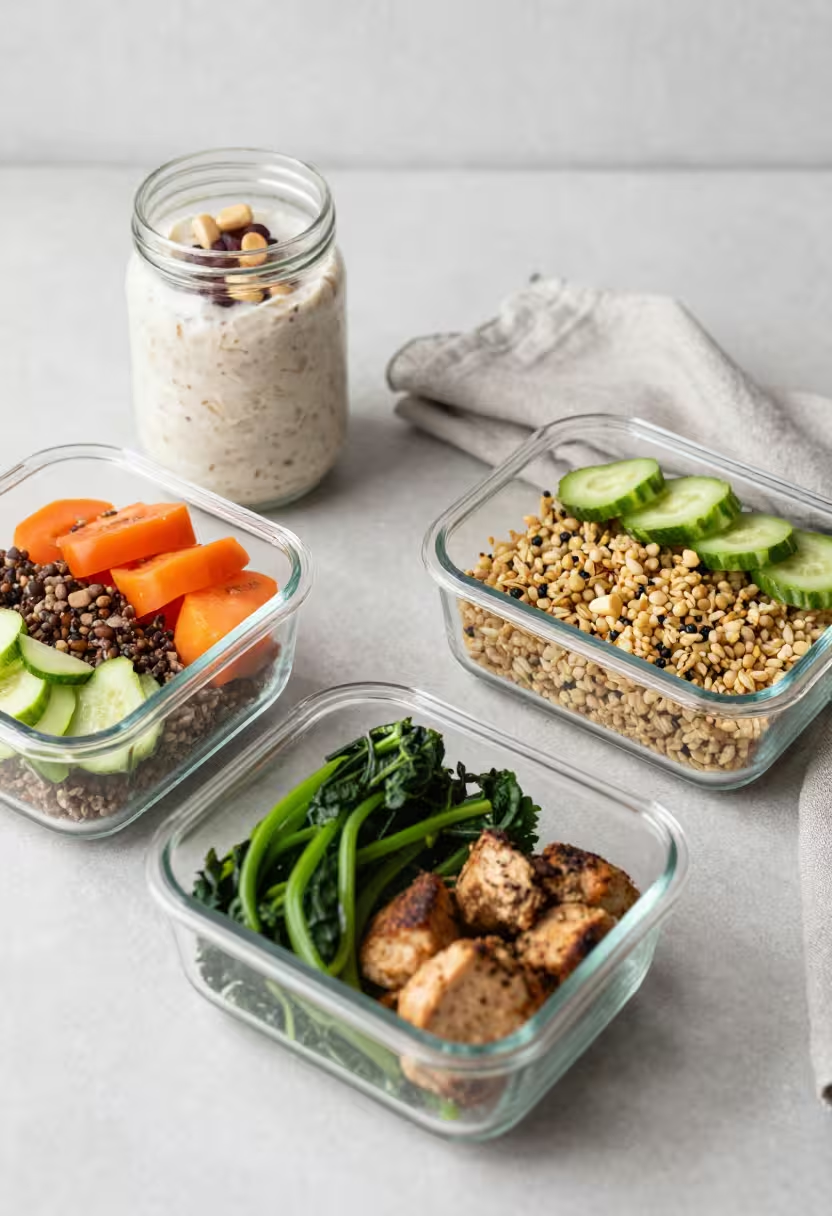
When you’re just starting out, the best meal prep ideas are the ones that feel familiar, flexible, and forgiving. This isn’t the time to experiment with complicated recipes or strict rules. It’s about creating meals that are easy to prepare, easy to enjoy, and easy to adjust.
Breakfast: set the tone for the day
Prepping breakfast removes one of the earliest decisions you make each morning. Simple options work best: overnight oats you can customize with fruit or nuts, egg muffins baked in advance, or yogurt paired with pre-washed fruit and seeds. These choices feel light, nourishing, and ready when you are.
Lunch: balanced and practical
Lunch is where meal prep shines the most. Grain bowls are a beginner favorite for a reason — cooked rice or quinoa, roasted vegetables, a simple protein, and a sauce you enjoy. Mason jar salads are another great option, especially when layered thoughtfully to stay fresh. These meals travel well and don’t require much effort during a busy day.
Dinner: prep components, not perfection
Instead of fully cooking every dinner, prep elements that make cooking faster later. Roast a tray of vegetables, cook a pot of grains, marinate protein, or prepare a simple sauce. When dinnertime comes, you’re assembling rather than starting from scratch — which makes healthy dinners far more realistic.
Snacks and add-ons
Healthy snacks are often overlooked, but they’re key to staying consistent. Cut vegetables with hummus, portioned nuts, boiled eggs, or fruit with nut butter help prevent impulsive choices when hunger hits.
The best beginner meal prep ideas leave room for choice. When meals feel too rigid, motivation fades. Flexibility keeps things enjoyable — and that’s what makes the habit stick.
Storing, Reheating, and Portion Control
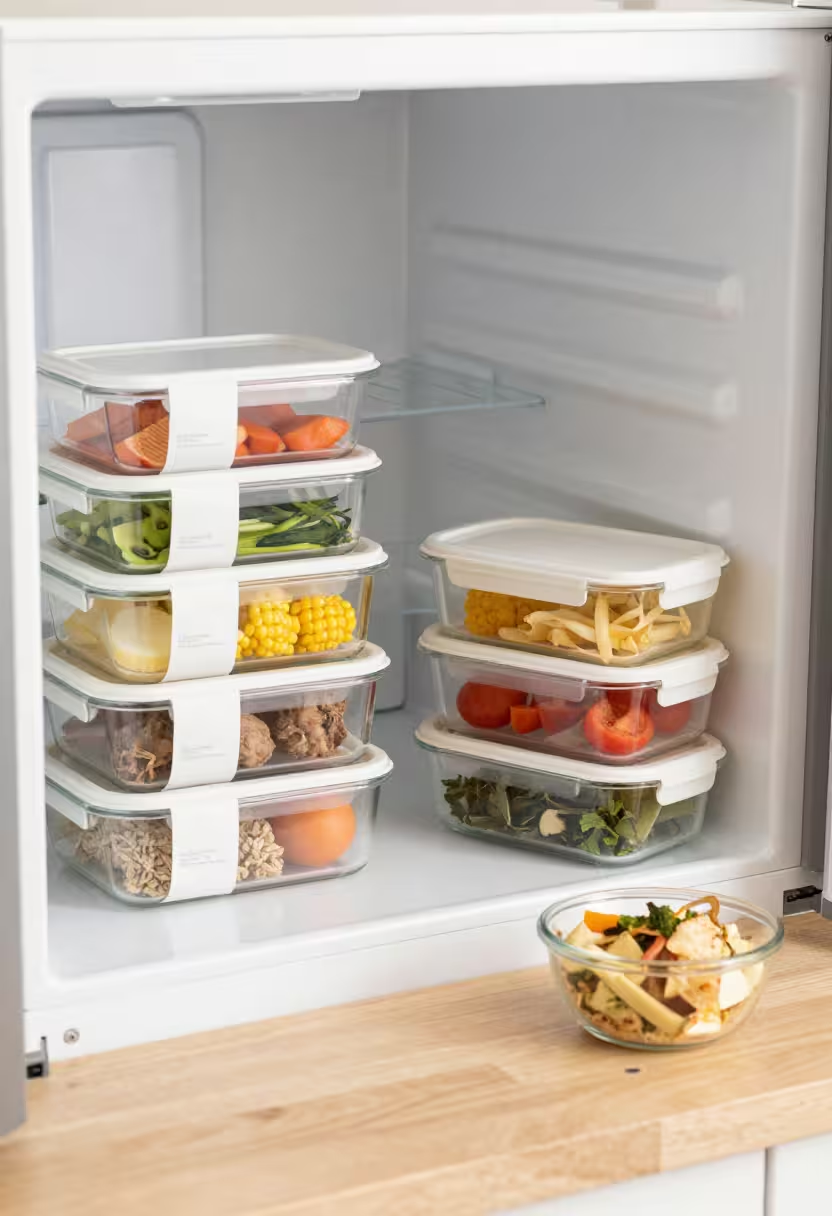
Meal prep doesn’t end once the food is cooked. How you store, reheat, and portion your meals plays a big role in whether they stay appealing — or slowly get ignored in the fridge.
Store food with freshness in mind.
Let cooked food cool before sealing containers to prevent excess moisture. Keep meals airtight and, when possible, store sauces or dressings separately to avoid sogginess. Clear containers help you see what’s available, making it easier to actually eat what you’ve prepared.
Reheat gently and intentionally.
Not all meals need high heat. Grains and proteins reheat best when warmed slowly, with a splash of water or broth to restore moisture. Some foods — like salads, fresh vegetables, or yogurt-based meals — are better enjoyed cold or at room temperature. Knowing the difference keeps textures pleasant.
Portion control without strict measuring.
Meal prep naturally supports portion awareness, but it doesn’t need to feel restrictive. Using consistent containers helps create balance without calorie counting. Aim for a mix of protein, fiber-rich carbohydrates, and healthy fats — enough to feel satisfied, not stuffed.
Rotate and refresh.
Eat older meals first, and don’t hesitate to refresh leftovers with fresh herbs, citrus, or a drizzle of sauce. Small touches can make prepped food feel newly made.
When meals are stored well and reheated thoughtfully, they stay enjoyable — and meal prep feels like a gift rather than a chore.
Common Meal Prep Mistakes — and How to Avoid Them
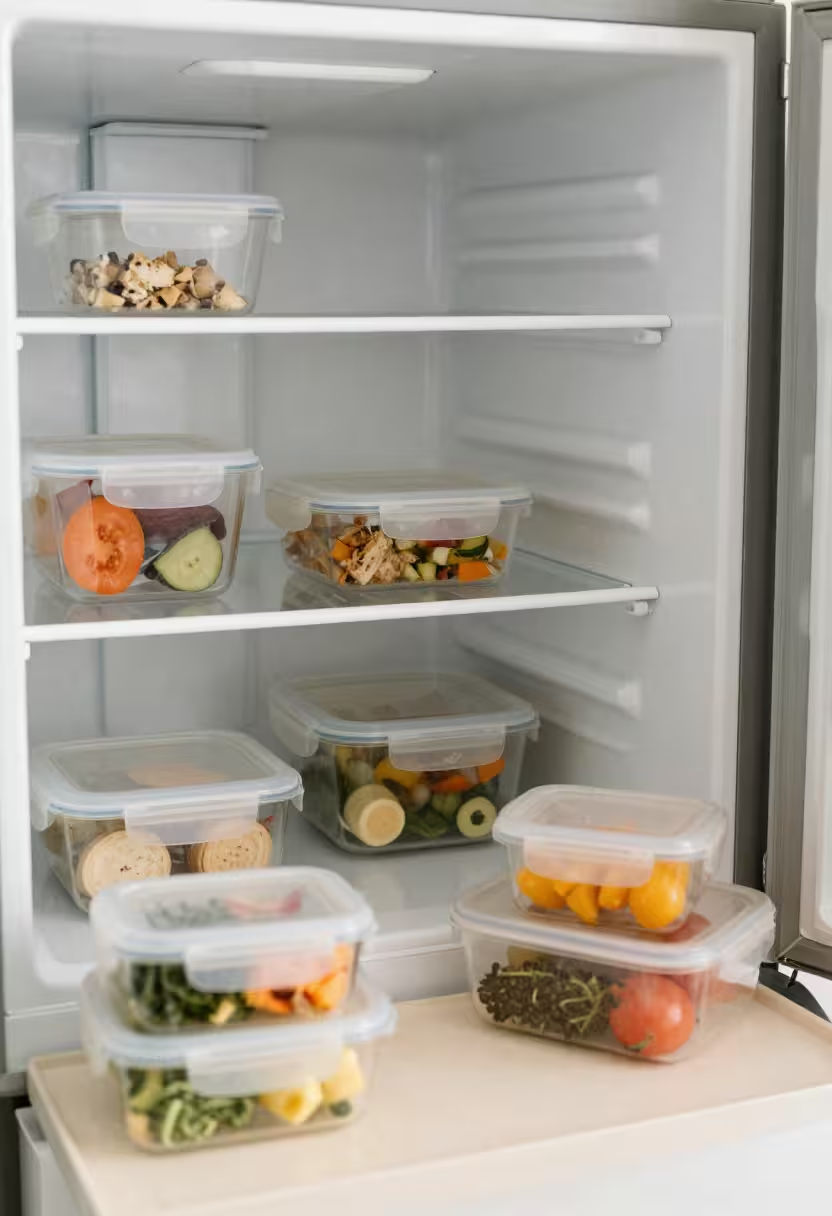
Almost everyone struggles with meal prep at first — not because they’re doing it wrong, but because they’re trying to do too much, too soon. Knowing the most common pitfalls can save you time, food, and motivation.
Prepping too many meals at once
It’s tempting to plan every breakfast, lunch, and dinner for the entire week. For beginners, this often leads to burnout — or a fridge full of food you don’t feel like eating. Start small. Prep one or two meals you know you’ll actually reach for, then build from there.
Cooking food you don’t truly enjoy
Healthy food still needs to taste good. If you prep meals because they’re “good for you” but not foods you look forward to, they’ll get pushed aside. Choose flavors and textures you already love, and adjust them gently to be healthier.
Lack of variety
Eating the same meal several days in a row can get boring fast. Even small variations help — different sauces, spices, or sides can make one base meal feel new. Ingredient prepping instead of full meals is a great way to keep options open.
Ignoring snacks and cravings
Meal prep often focuses on main meals, but hunger doesn’t follow a schedule. Skipping snacks can lead to impulsive choices later. Preparing a few easy snacks helps keep energy steady and prevents overeating.
Not planning for flexibility
Life happens. Plans change. If your meal prep is too rigid, it becomes stressful instead of supportive. Leave space for eating out, leftovers, or spontaneous meals without feeling like you’ve “failed.”
Meal prep works best when it adapts to you — not the other way around. Avoiding these common mistakes helps keep the habit realistic, enjoyable, and sustainable.
Staying Consistent — Turning Meal Prep into a Lasting Habit
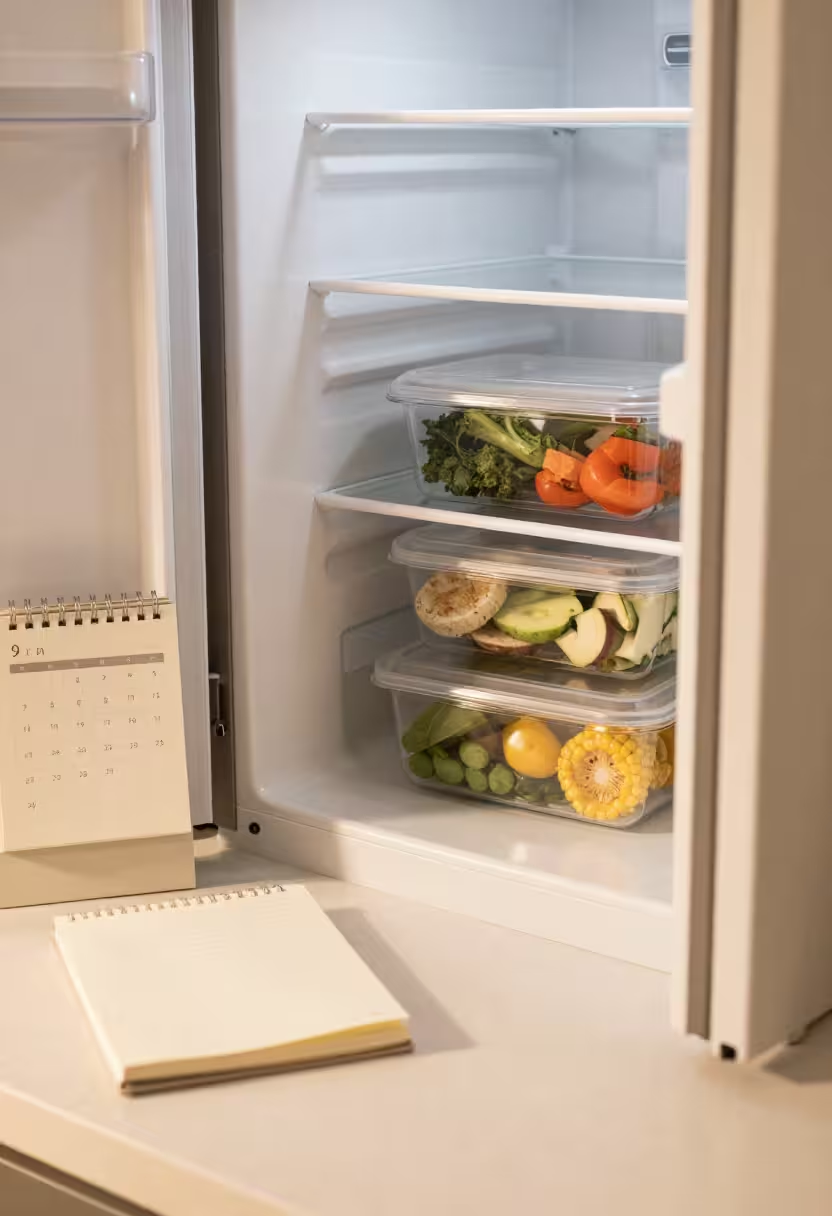
Consistency is where meal prepping quietly does its best work. Not through perfection, but through repetition that feels manageable. The goal isn’t to prep flawlessly every week — it’s to make it easy enough that you keep coming back to it.
One of the simplest ways to stay consistent is to tie meal prep to an existing routine. Maybe it’s right after grocery shopping, or during a quiet Sunday afternoon, or while listening to a favorite podcast. When meal prep becomes part of something you already enjoy, it stops feeling like a task.
Give yourself permission to adjust week to week. Some weeks you’ll prep more, others less — and that’s okay. What matters is staying connected to the habit, even in small ways. Prepping just one meal or one component still counts.
Tracking progress doesn’t have to be formal. Noticing how much easier mornings feel, how often you reach for prepared food, or how much money you save eating out less can be incredibly motivating. These small wins reinforce the habit naturally.
Most importantly, let go of the idea that meal prep has to look a certain way. Social media versions often show perfection — but real life is quieter and more flexible. Your version only needs to work for you.
Meal Prep FAQ: Common Questions for Beginners
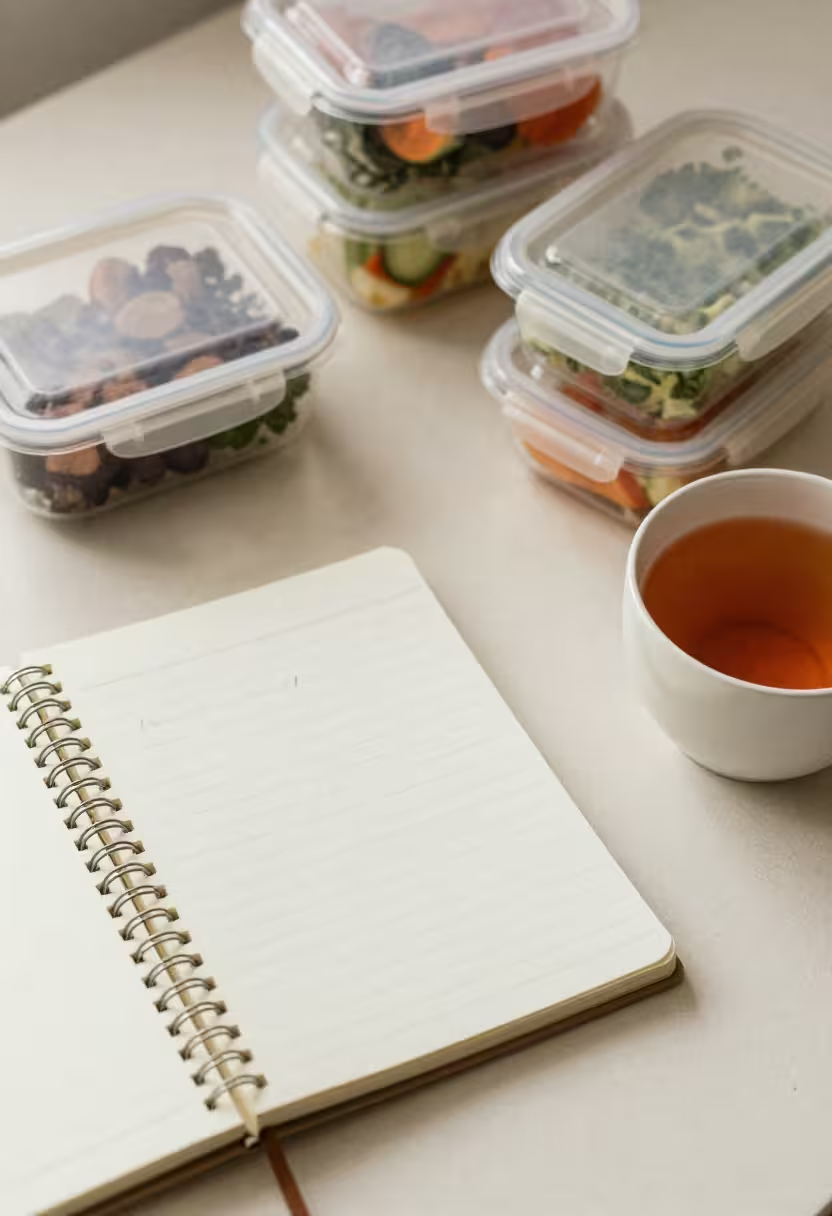
How long does meal prep food last in the fridge?
Most freshly prepared meals stay good for 3–4 days when stored in airtight containers. Cooked grains and vegetables usually last a bit longer than proteins. If you’re prepping for the full week, consider freezing some portions.
Is meal prepping safe for beginners?
Yes — as long as basic food safety rules are followed. Let food cool before storing, keep your fridge at the right temperature, and reheat meals thoroughly. When in doubt, trust your senses and don’t push storage limits.
Do I have to meal prep for the entire week?
Not at all. Many beginners start by prepping just one or two meals or even just ingredients. Meal prep is flexible — it works best when it fits your schedule, not when it feels forced.
Can meal prepping help with weight loss?
Meal prepping can support weight loss by reducing impulse eating and helping with portion awareness. However, the biggest benefit is consistency — eating balanced meals more regularly rather than relying on willpower.
What foods are best for beginner meal prep?
Foods that store and reheat well are ideal: roasted vegetables, cooked grains, beans, simple proteins, soups, and stews. Avoid meals that rely heavily on crisp textures unless components are stored separately.
How do I keep meal prep from getting boring?
Use the same base ingredients but change sauces, spices, and sides. Ingredient prepping instead of full meals also allows for variety without extra work.
Is meal prepping expensive?
It’s usually the opposite. Meal prepping helps reduce food waste and limits last-minute takeout. Buying ingredients with a plan often saves money over time.
Final Thoughts — Start Small, Stay Kind to Yourself
Healthy habits grow best when they’re supported, not forced. Meal prepping isn’t about discipline — it’s about kindness to your future self. Each small step makes healthy choices easier, calmer, and more automatic.
Start where you are. Keep it simple. And let consistency build over time.