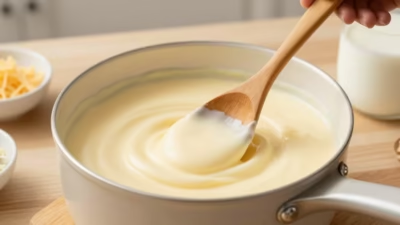
Why Flavor Matters

Flavor is the reason we remember meals long after the plates are cleared. It’s why a simple bowl of soup can feel comforting on a cold evening, or why a perfectly ripe tomato with a pinch of salt can taste more luxurious than a complicated dish. Flavor turns eating into an experience — emotional, sensory, and deeply human.
When food tastes flat, it’s rarely because something is “missing” in quantity. More often, it’s missing balance. A soup that feels dull may need acidity. A salad that tastes harsh might crave a touch of sweetness. Understanding flavor helps you recognize these moments — and fix them with confidence rather than guesswork.
At its core, flavor is how our senses work together. Taste buds register sweetness, saltiness, sourness, bitterness, and umami, while aroma, texture, and temperature quietly shape how those tastes are perceived. That’s why the same dish can taste different when it’s hot versus cold, or why freshly chopped herbs can completely transform a finished meal.
Learning why flavor matters isn’t about becoming a professional chef. It’s about becoming a more intuitive cook. Someone who tastes as they go. Someone who trusts their palate. Someone who knows that cooking isn’t just following instructions — it’s responding to what’s happening in the pan.
There’s also a deeper joy here. When you start paying attention to flavor, you eat more mindfully. You slow down. You notice contrasts. You appreciate simplicity. Cooking becomes less stressful and more creative, because you’re no longer afraid of adjusting a dish — you’re curious about it.
Flavor matters because it connects us: to memories, to culture, to our own instincts in the kitchen. And once you begin to understand it, every meal becomes an opportunity to make something not just edible, but memorable.
What Flavor Really Is (Beyond Just Taste)
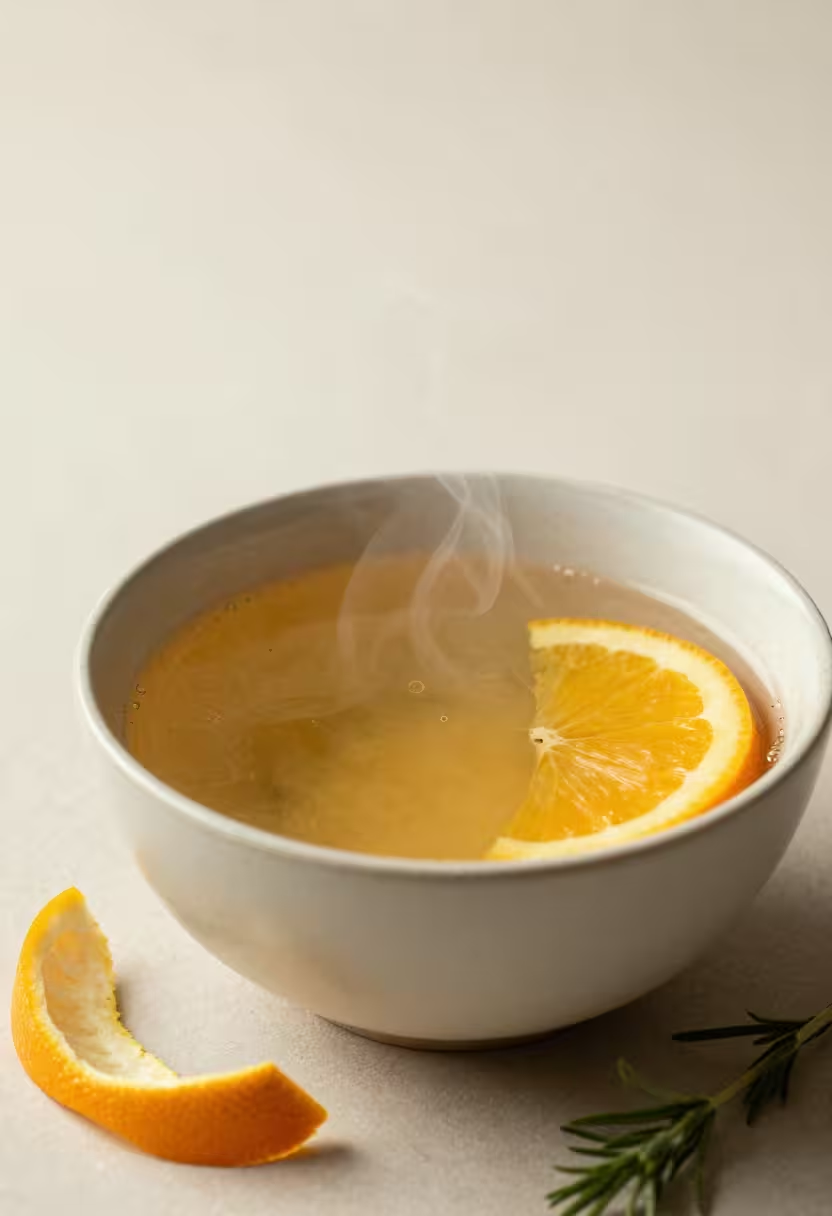
We often say a dish “tastes good,” but what we’re really responding to is something bigger. Flavor is not just what your tongue detects — it’s a full sensory experience that unfolds the moment food reaches your mouth.
Taste, in the strict sense, is limited to five sensations: sweet, sour, salty, bitter, and umami. These are picked up by taste buds on the tongue. But flavor is what happens when taste teams up with aroma, texture, temperature, and even sound. The crackle of a crust, the creaminess of a sauce, the warmth of a freshly baked dish — all of these shape how food feels and, ultimately, how satisfying it is.
Have you ever noticed how food seems dull when you have a cold? That’s because smell plays a much bigger role in flavor than we realize. Aromatic compounds travel from the food to receptors in the nose, completing the picture your tongue starts to sketch. Without aroma, even well-seasoned food can feel flat.
Texture works quietly in the background, but it’s just as important. Crunch brings excitement. Creaminess brings comfort. Chewiness slows us down and makes flavors linger. A salad with only soft elements feels unfinished, while one with nuts, seeds, or crisp vegetables suddenly feels alive.
Temperature, too, changes how we perceive flavor. Cold foods mute sweetness and saltiness, while warmth amplifies aroma and richness. This is why ice cream tastes less sweet when frozen solid, and why sauces bloom when gently heated.
Understanding this bigger picture changes how you cook. Instead of focusing only on adding more salt or spice, you start asking better questions:
Does this need brightness? Contrast? Warmth?
And once you begin cooking with all your senses, flavor stops being mysterious. It becomes something you can build, layer by layer — thoughtfully, intuitively, and with a lot more joy.
The Five Tastes: Your Flavor Foundation
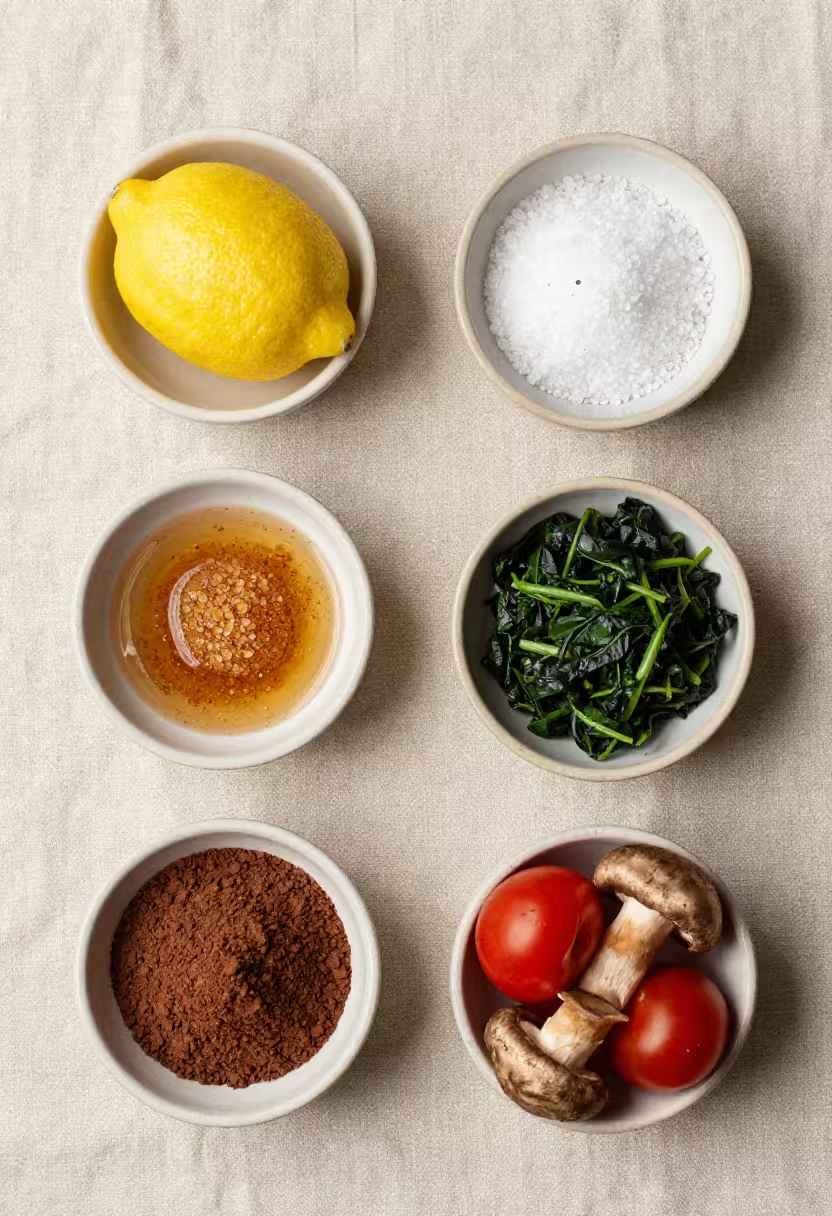
Every memorable dish — no matter how simple or complex — is built on the same foundation: sweet, sour, salty, bitter, and umami. These five tastes are the language your palate speaks. Once you learn to recognize them, cooking becomes less about rules and more about understanding.
Sweet is often associated with desserts, but it quietly appears in savory cooking too. Caramelized onions, roasted carrots, ripe tomatoes — all bring gentle sweetness that rounds out sharper flavors. Sweetness soothes. It softens acidity and tames bitterness, making dishes feel more complete and comforting.
Sour is the spark. It wakes food up. Think of lemon juice over grilled vegetables, vinegar in salad dressing, yogurt stirred into a sauce. Sour cuts through richness and prevents dishes from feeling heavy. When food tastes dull or “muddy,” acidity is often the missing piece.
Salty is the great enhancer. On its own, salt tastes… salty. But used well, it amplifies everything else. It makes sweetness sweeter, bitterness more pleasant, and umami deeper. This is why under-salted food feels lifeless, even when all the ingredients are technically there.
Bitter is the most misunderstood taste — and one of the most powerful. Found in dark leafy greens, coffee, cocoa, and certain spices, bitterness adds depth and sophistication. In small amounts, it keeps food from becoming boring or overly rich. It’s the reason a touch of arugula or radicchio can transform a dish.
Umami is the savory backbone that makes food deeply satisfying. It’s present in mushrooms, aged cheeses, soy sauce, tomatoes, slow-cooked broths, and fermented foods. Umami doesn’t shout — it lingers. It creates that “just one more bite” feeling we all recognize.
The real magic happens not when one taste dominates, but when they support each other. A great tomato sauce balances sweetness from the tomatoes, acidity from a splash of wine, salt to sharpen it, and umami from slow simmering. No single note stands alone — they work as a team.
Once you start tasting food through this lens, you’ll notice patterns everywhere. And more importantly, you’ll know how to adjust a dish instinctively — not by adding more, but by adding what’s missing.
How to Season Like a Pro
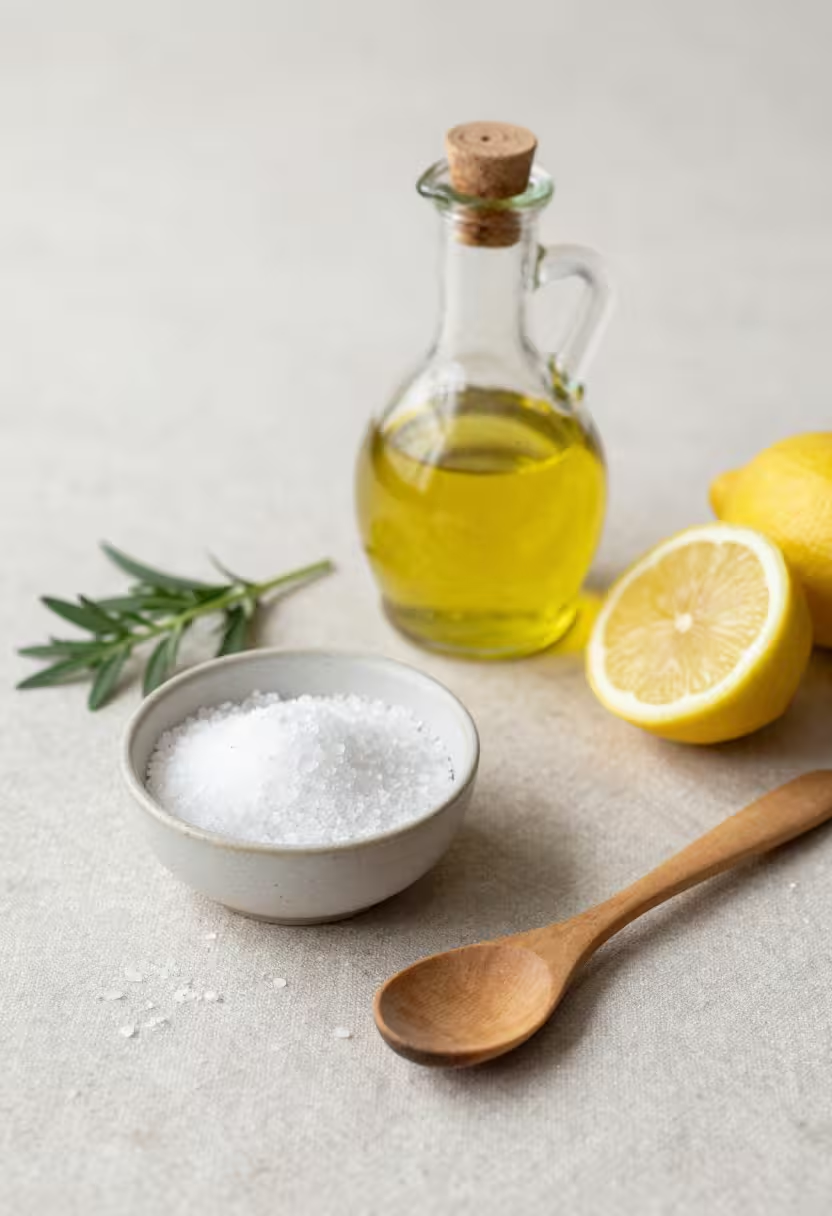
Seasoning is one of those kitchen skills that feels mysterious — until it suddenly doesn’t. Once you understand how and when to season, food starts responding to you. It becomes brighter, deeper, more confident.
Salt is usually the star of the conversation, and for good reason. It doesn’t just make food salty — it enhances existing flavors. A pinch at the right moment can make sweetness more noticeable, bitterness more pleasant, and umami more satisfying. But timing matters. Seasoning only at the end often leads to a surface-level saltiness, while seasoning in layers allows flavor to develop from the inside out.
Think of seasoning as a conversation rather than a single decision. Soups, stews, and sauces benefit from small additions of salt throughout cooking, with gentle adjustments at the end. Proteins often need salt earlier, giving it time to penetrate and improve texture as well as taste. Vegetables respond beautifully to early seasoning too — especially before roasting, when salt helps draw out moisture and encourage caramelization.
Beyond salt, seasoning includes acidity, fat, and aroma. A squeeze of lemon or a splash of vinegar added at the end can lift an entire dish, especially rich or slow-cooked foods. Fats — olive oil, butter, nut oils — carry flavor and create mouthfeel, making dishes feel rounded and complete. Herbs and spices add character, but they shine brightest when used intentionally: woody herbs early for depth, delicate herbs at the end for freshness.
There’s often a moment in cooking when a dish tastes almost right. This is where professional cooks pause and ask: What does this need? Not more of everything — just one small adjustment. A pinch of salt. A touch of acid. A drizzle of fat.
Seasoning like a pro isn’t about precision or perfection. It’s about tasting often, trusting your senses, and learning to recognize what balance feels like. Over time, that instinct becomes second nature — and your food starts to reflect it.
Cooking Techniques That Layer Flavor
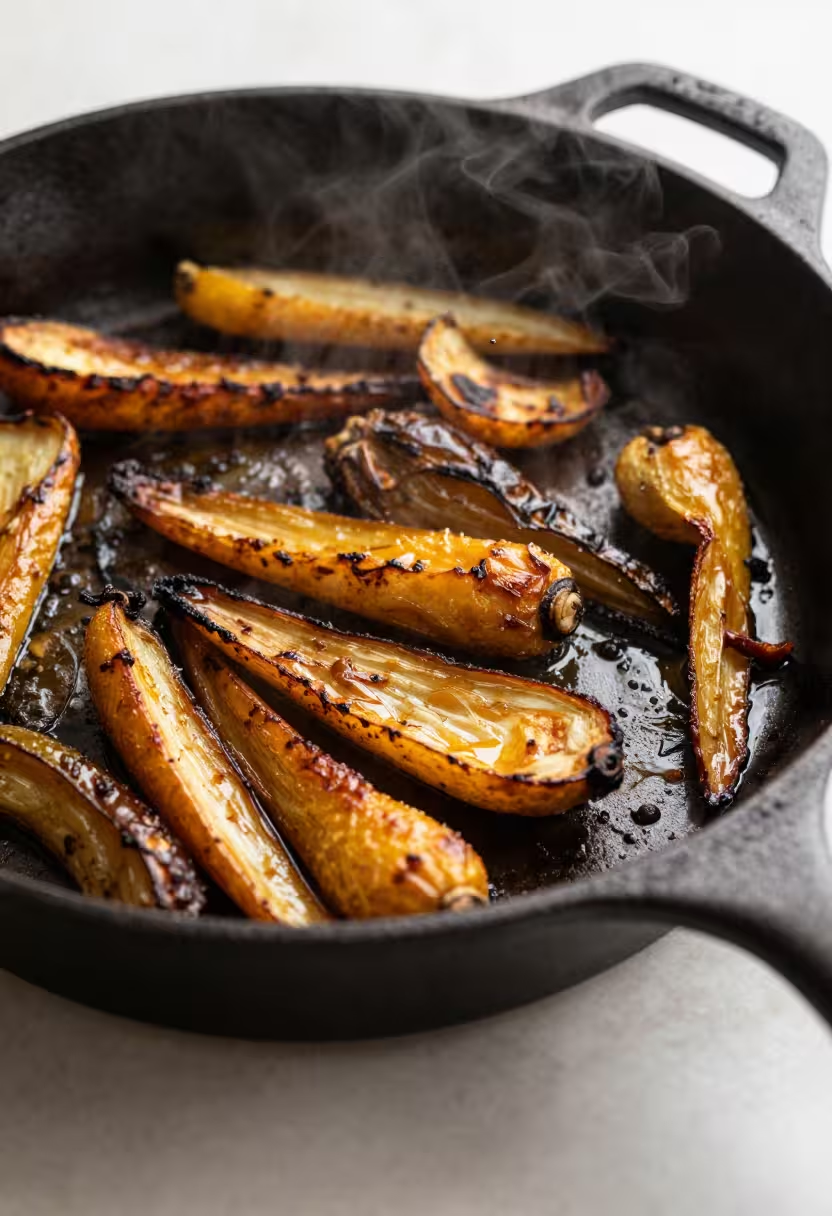
Great flavor isn’t only about what you add — it’s about how you cook. Certain techniques don’t just cook food; they transform it, creating depth and complexity that seasoning alone can’t achieve.
One of the most powerful flavor builders is browning. When food hits a hot pan or oven, natural sugars and proteins react, creating golden edges and rich aromas. This is why roasted vegetables taste sweeter than raw ones, and why a well-seared mushroom feels meaty and satisfying. Color equals flavor — if food looks pale, it often tastes that way too.
Roasting concentrates flavor by gently driving off moisture. As water evaporates, sweetness intensifies and textures improve. Carrots become jammy, tomatoes grow deeper and richer, garlic turns soft and mellow. Roasting rewards patience — high heat, enough space, and time to let ingredients do their thing.
Toasting spices and nuts is another small step with a big payoff. A few seconds in a dry pan awakens aromatic oils, turning something flat into something fragrant and alive. The kitchen smells different instantly — warmer, deeper, more inviting.
Then there’s marinating, which isn’t just about flavor on the surface. Acid gently tenderizes, salt penetrates, and aromatics infuse over time. Even short marinades can add dimension, especially when followed by high-heat cooking that locks flavor in.
Slow cooking deserves its own quiet praise. When ingredients simmer together gently, flavors merge and soften. Harsh edges disappear. Umami builds. This is why stews, braises, and long-simmered sauces feel so comforting — they taste complete.
The key is intention. You don’t need every technique in one dish. You just need the right one. A simple meal becomes memorable when the cooking method supports the ingredient, not when it competes with it.
Balancing Flavors Like a Chef
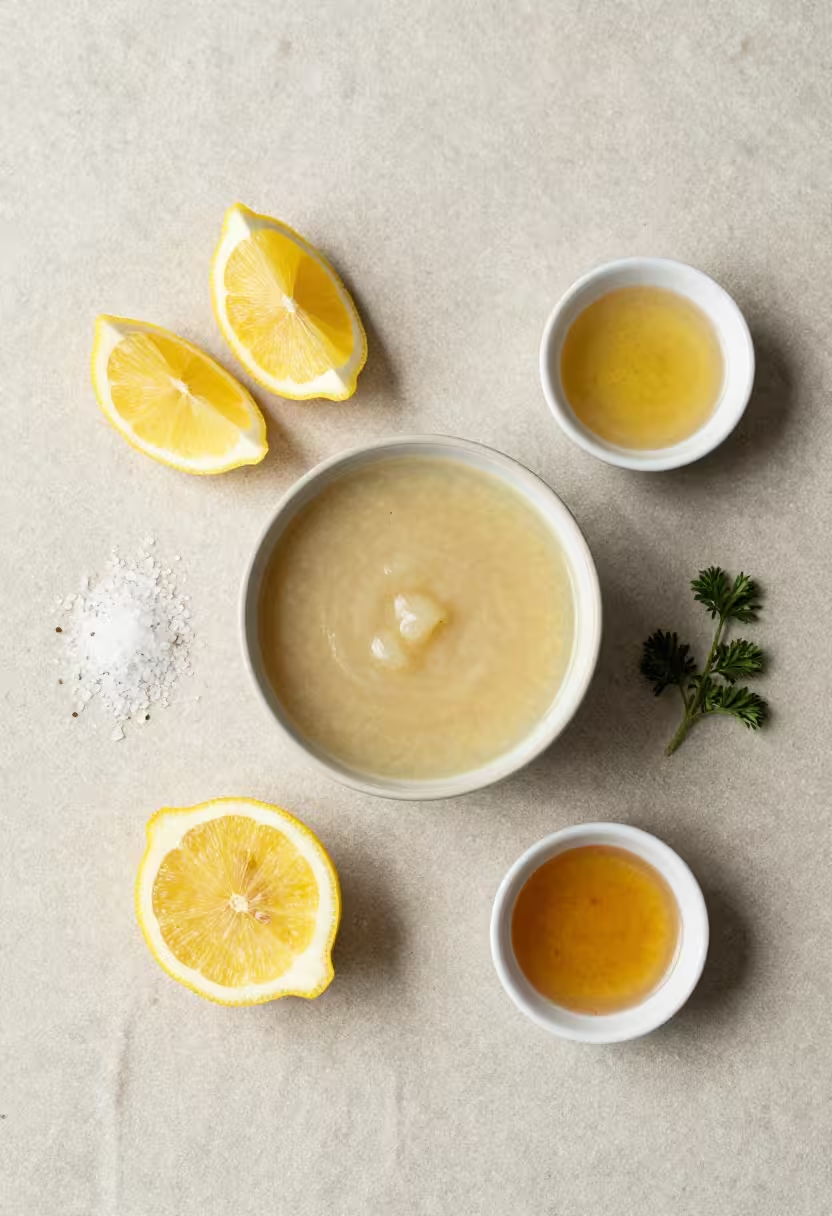
Balancing flavors is where cooking starts to feel intuitive rather than technical. It’s the moment you stop asking “What does the recipe say?” and start asking “What does this dish need?”
Professional cooks rarely think in exact measurements when adjusting a finished dish. Instead, they think in contrasts. If something tastes too rich, they add acidity. If it feels sharp or aggressive, they soften it with sweetness or fat. If flavors seem muted, salt is often the quiet hero waiting to step in.
One of the simplest examples is soup. A pot can be perfectly seasoned with salt and still taste flat. A small splash of lemon juice or vinegar suddenly brings it to life. The ingredients haven’t changed — only the balance has. The same goes for sauces that feel heavy, salads that taste one-dimensional, or roasted vegetables that need just a touch of brightness to shine.
Sweetness doesn’t always mean sugar. It can come from roasted vegetables, caramelized onions, or even a drizzle of honey. Bitterness, when used gently, adds sophistication — think of dark greens alongside creamy dressings, or a hint of cocoa in a savory sauce. Umami often fills the gaps quietly, making everything feel more satisfying without drawing attention to itself.
A useful habit is to pause before serving and taste with intention. Ask yourself a few simple questions:
- Is this lively enough?
- Does it feel heavy or sharp?
- Do the flavors linger pleasantly, or disappear too quickly?
Often, the fix is small. A pinch. A squeeze. A drizzle. Knowing when to stop is just as important as knowing what to add. Over-adjusting can blur flavors instead of sharpening them.
Balancing flavors is not about chasing perfection. It’s about learning to listen to your food. And once you do, even simple meals start to feel thoughtful — and deeply satisfying.
Everyday Flavor Boosters You Already Have
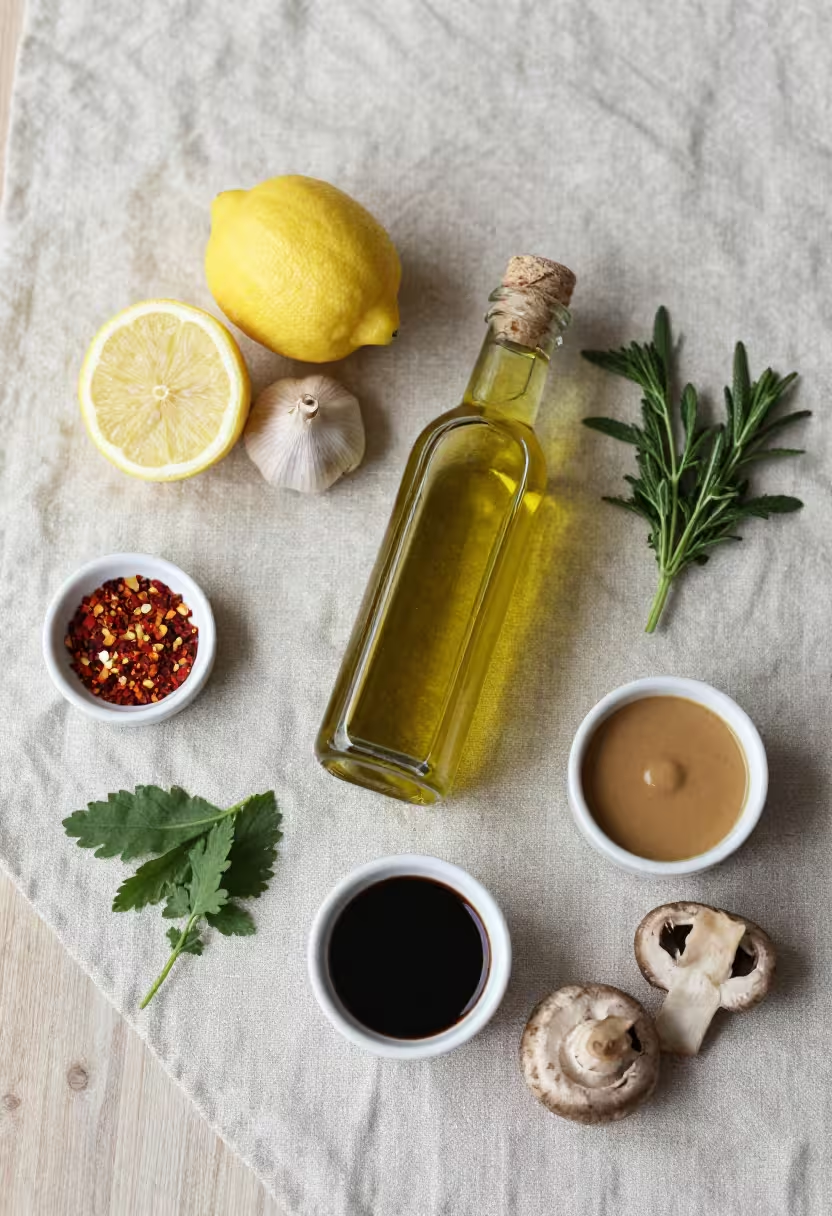
One of the most comforting truths about good cooking is this: you don’t need rare ingredients or a perfectly stocked pantry to make food taste amazing. Most of the tools for great flavor are probably already within arm’s reach — quietly waiting to be used with intention.
Acidity is one of the fastest ways to wake up a dish. Lemon juice, lime, vinegar, pickled vegetables — even a spoonful of brine — can bring clarity and brightness. Acid doesn’t make food sour when used well; it makes flavors feel sharper and more defined. If something tastes heavy or flat, this is often the missing piece.
Fats create richness and carry flavor. Olive oil, butter, ghee, nut oils, tahini — they soften edges and give food a satisfying mouthfeel. A drizzle at the end can be just as important as the fat used during cooking, adding aroma and depth right before serving.
Aromatics do much of their work quietly. Garlic, onions, shallots, ginger, scallions — they form the backbone of countless dishes across cultures. Cooking them gently builds sweetness and warmth; adding them fresh brings sharpness and energy. Both have their place.
Herbs and spices add personality. Dried spices often benefit from heat, blooming in oil to release their aroma. Fresh herbs shine brightest at the end, when their color and fragrance are preserved. Even a small handful can shift a dish from ordinary to memorable.
Then there are the umami-rich pantry staples: soy sauce, miso, anchovies, mushrooms, tomatoes, hard cheeses. They don’t demand attention, but they deepen everything they touch. A teaspoon here, a shaving there — and suddenly the dish feels fuller, more complete.
Many home cooks have a “secret ingredient” they reach for instinctively. Maybe it’s a splash of vinegar, a pinch of chili flakes, or a knob of butter stirred in at the last moment. These habits aren’t random — they’re learned responses to balance.
Great flavor isn’t about having more. It’s about knowing which small thing to add, and when.
Final Thoughts: Taste With Curiosity
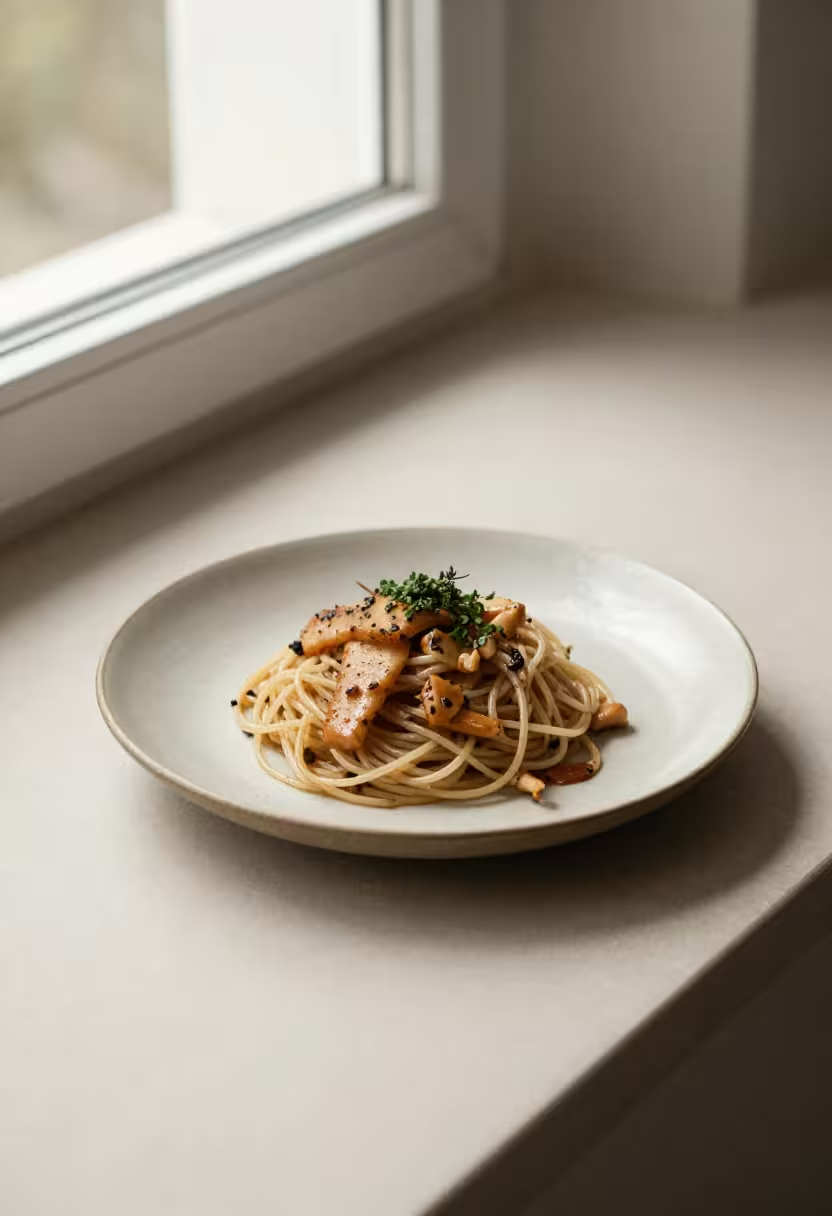
At its heart, cooking is an ongoing conversation between you and your food. Recipes give structure, but flavor is learned through tasting, noticing, and responding. The more attention you pay, the more clearly your palate speaks back.
Mastering the five tastes doesn’t mean memorizing rules or chasing perfection. It means understanding balance well enough to trust yourself. To know that a dish can evolve. That something slightly off isn’t a failure — it’s an invitation to adjust.
Curiosity changes everything. When you taste with intention, meals become more than fuel. You start noticing how a squeeze of lemon lifts a dish, how bitterness adds character, how umami lingers quietly in the background. These moments turn everyday cooking into something mindful and deeply satisfying.
Confidence in the kitchen grows slowly, built meal by meal. And with each one, flavor becomes less mysterious — and more personal.