Why a Chef’s Knife Changes the Way You Cook
Most home kitchens have a knife that does everything. It chops onions, slices bread, struggles through tomatoes, and somehow survives years of use. Cooking still gets done — but it often feels slower, clumsier, and more tiring than it needs to be.
A good chef’s knife changes that experience almost immediately.
The first time you cook with a well-balanced, sharp chef’s knife, something subtle happens. Ingredients respond differently. Cuts feel cleaner. Movements become smoother. Suddenly, prep doesn’t feel like a chore you rush through — it becomes part of the rhythm of cooking itself.
Professional chefs rely on their knives not just for speed, but for control, safety, and consistency. The good news is that you don’t need years of training or a restaurant kitchen to benefit from the same principles. With a few practical habits and small adjustments, a chef’s knife can dramatically improve how you cook at home.
This article isn’t about flashy knife tricks or intimidating techniques. It’s about simple, expert-backed tips that make everyday prep easier, safer, and more satisfying — whether you’re slicing vegetables for a quick dinner or breaking down ingredients for a slow, thoughtful meal.
Let’s start with the foundation: choosing the right knife for your hands and your kitchen.
Choosing the Right Professional Chef’s Knife
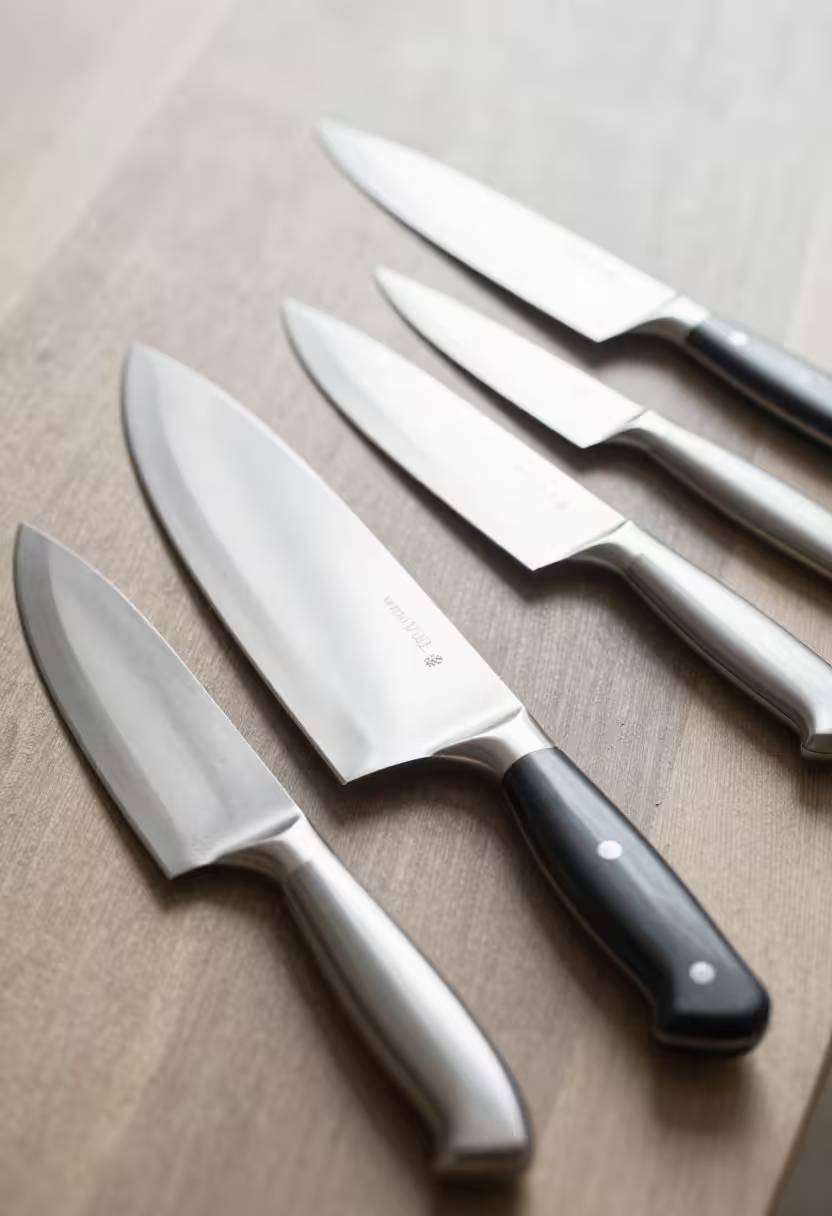
A chef’s knife should feel like an extension of your hand — not something you have to fight against. While professional knives may look impressive, the “right” one isn’t defined by brand names or price tags, but by balance, comfort, and control.
Blade length is often the first thing people notice. Most chef’s knives range between 8 and 10 inches, and for many home cooks, an 8-inch blade offers the best balance of precision and versatility. It’s long enough to handle large vegetables and proteins, yet manageable for everyday prep.
Balance matters just as much as size. A well-balanced knife feels steady when you hold it, with neither the blade nor the handle pulling you forward or back. When balance is right, your wrist does less work — which means less fatigue and more control.
The handle should feel natural in your grip. Some cooks prefer wood, others favor composite or metal. What matters most is that it feels secure, comfortable, and non-slip in your hand. If the handle shape doesn’t suit you, even the sharpest blade will feel awkward.
Blade material also plays a role. High-carbon steel knives tend to stay sharp longer but require more care, while stainless steel blades are easier to maintain and resist rust. There’s no single correct choice — just what fits your cooking style and maintenance comfort.
Perhaps the most important tip is this: if possible, hold the knife before buying it. A chef’s knife is personal. When it feels right, you’ll know — and that connection makes every other skill easier to learn.
Once you have a knife that suits you, how you hold it becomes the next key to cooking with confidence.
Grip and Hand Placement for Better Control
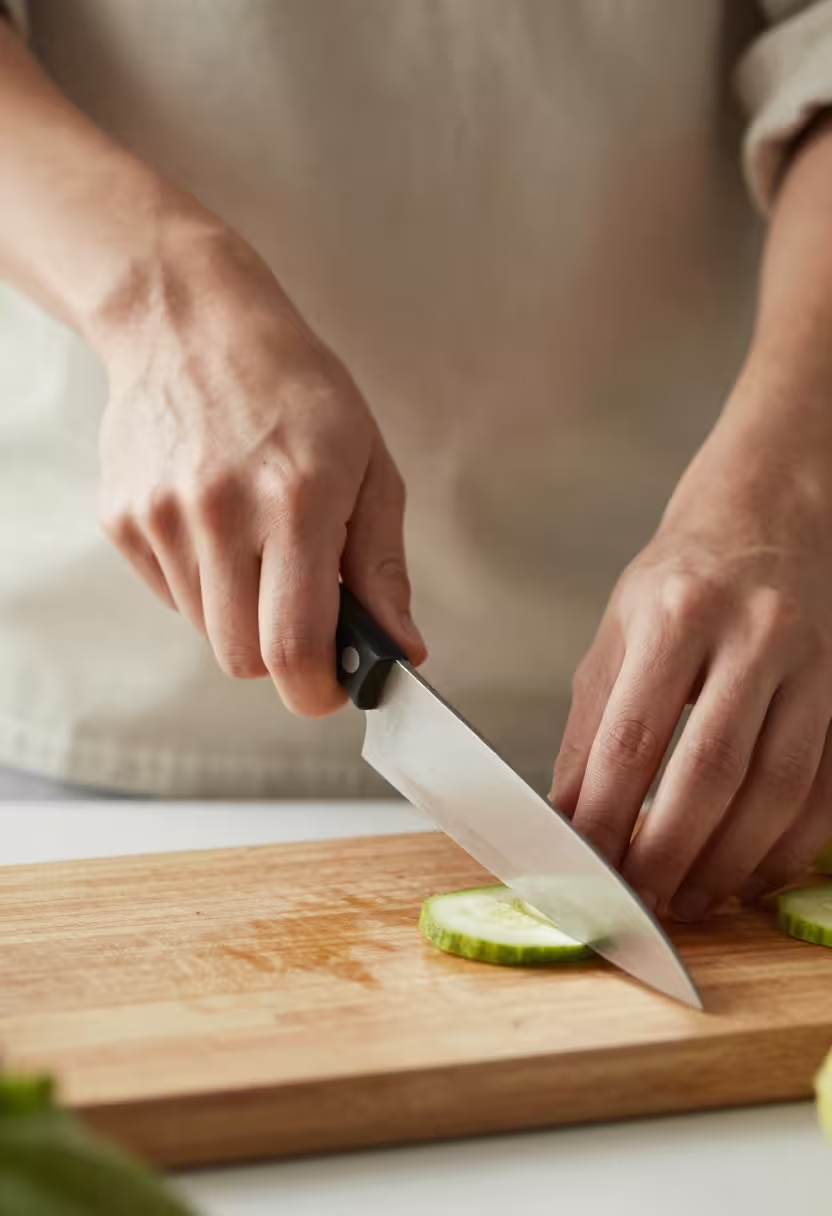
How you hold your chef’s knife makes a bigger difference than most people realize. A good grip improves precision, reduces strain, and — just as importantly — makes cutting safer.
Many home cooks naturally hold the knife by wrapping their hand fully around the handle. While this feels intuitive, it limits control. Professional cooks tend to use what’s called a pinch grip — and despite the name, it’s surprisingly comfortable once you get used to it.
In a pinch grip, your thumb and index finger lightly pinch the blade just in front of the handle, while the remaining fingers wrap around the handle. This brings your hand closer to the blade’s center of action, giving you more control over movement and pressure. The knife feels steadier, and small adjustments become easier.
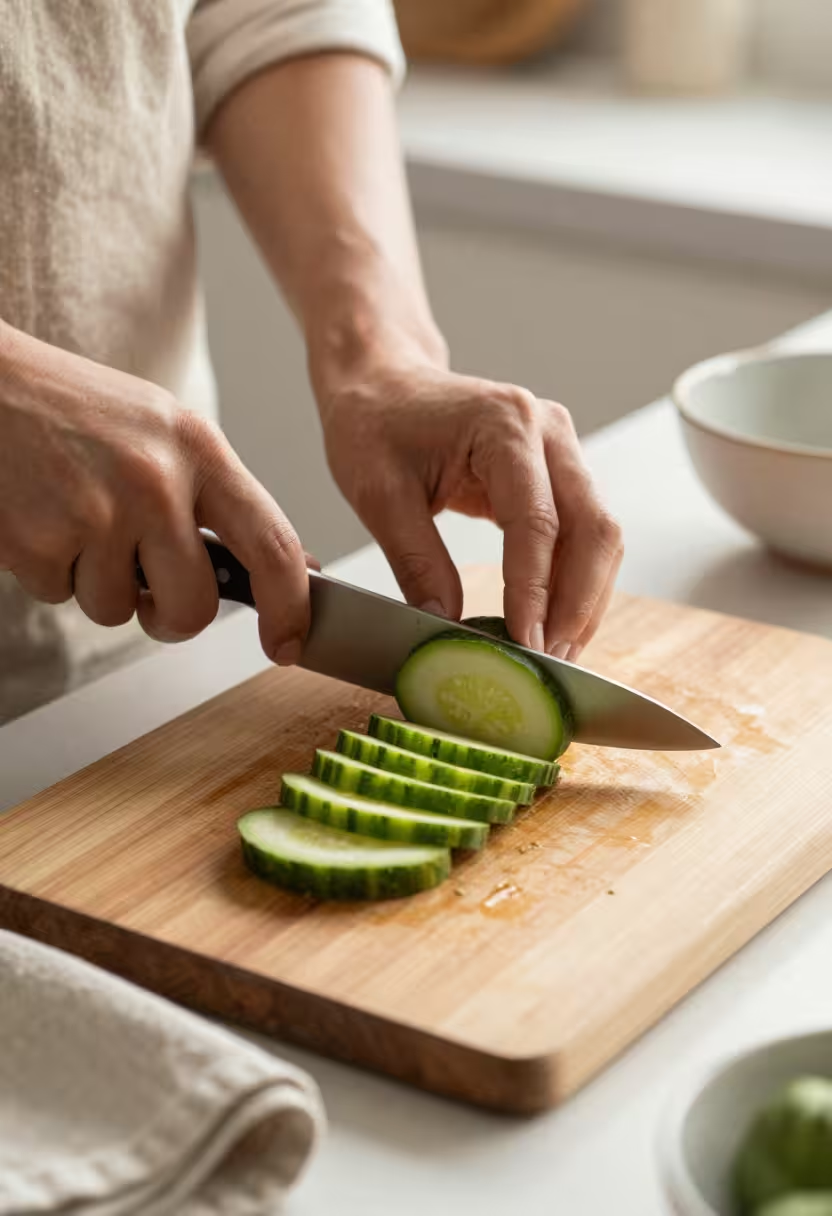
Your non-knife hand matters just as much. Using a relaxed claw grip — fingers curled slightly inward, knuckles guiding the blade — protects your fingertips while helping keep cuts consistent. The knife glides against your knuckles, not your fingers, creating a natural rhythm.
Good hand placement isn’t about tension. Your grip should feel firm but relaxed. If your hand is white-knuckling the handle, fatigue will set in quickly. Let the weight and sharpness of the knife do the work, rather than forcing each cut.
At first, these grips may feel unfamiliar. That’s normal. With a little practice, they become second nature — and once they do, cutting feels smoother, faster, and more confident.
A good grip sets the stage for another essential habit: keeping your knife properly maintained.
Sharpening and Maintenance: Keeping Your Knife in Top Form
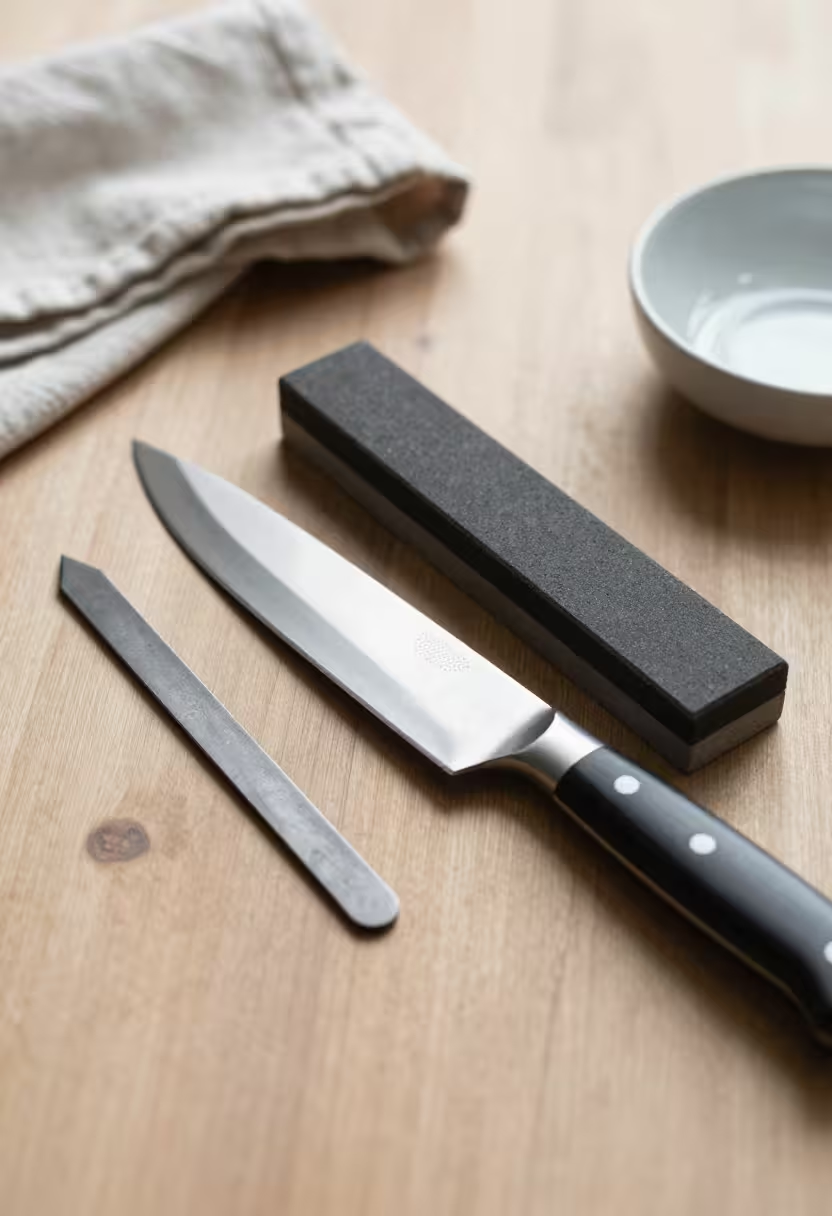
A sharp knife isn’t just a pleasure to use — it’s a safety tool. When a blade is dull, it requires more force, slips more easily, and puts extra strain on your hands and wrists. In contrast, a well-maintained chef’s knife feels responsive and predictable, allowing you to cut with confidence rather than caution.
It helps to understand the difference between honing and sharpening. Honing, usually done with a steel rod, doesn’t remove metal from the blade. Instead, it realigns the edge that naturally bends out of place with use. Regular honing keeps your knife performing well between sharpenings.
Sharpening, on the other hand, actually reshapes the blade by removing small amounts of metal. How often you need to sharpen depends on how frequently you cook and how you treat your knife, but for most home cooks, a few times a year is enough.
Maintenance goes beyond the edge itself. Simple habits make a big difference:
- Wash and dry your knife by hand instead of putting it in the dishwasher
- Avoid cutting on glass, marble, or ceramic surfaces
- Use wood or rubber cutting boards to protect the blade
These small choices extend the life of your knife and preserve its performance.
A chef’s knife doesn’t need constant attention — just consistent care. When you respect the tool, it rewards you with cleaner cuts, smoother prep, and less frustration in the kitchen.
With a sharp, well-maintained blade, you’re ready to focus on how you cut — not just what you cut.
Cutting Techniques: Rock, Chop, Slice with Purpose
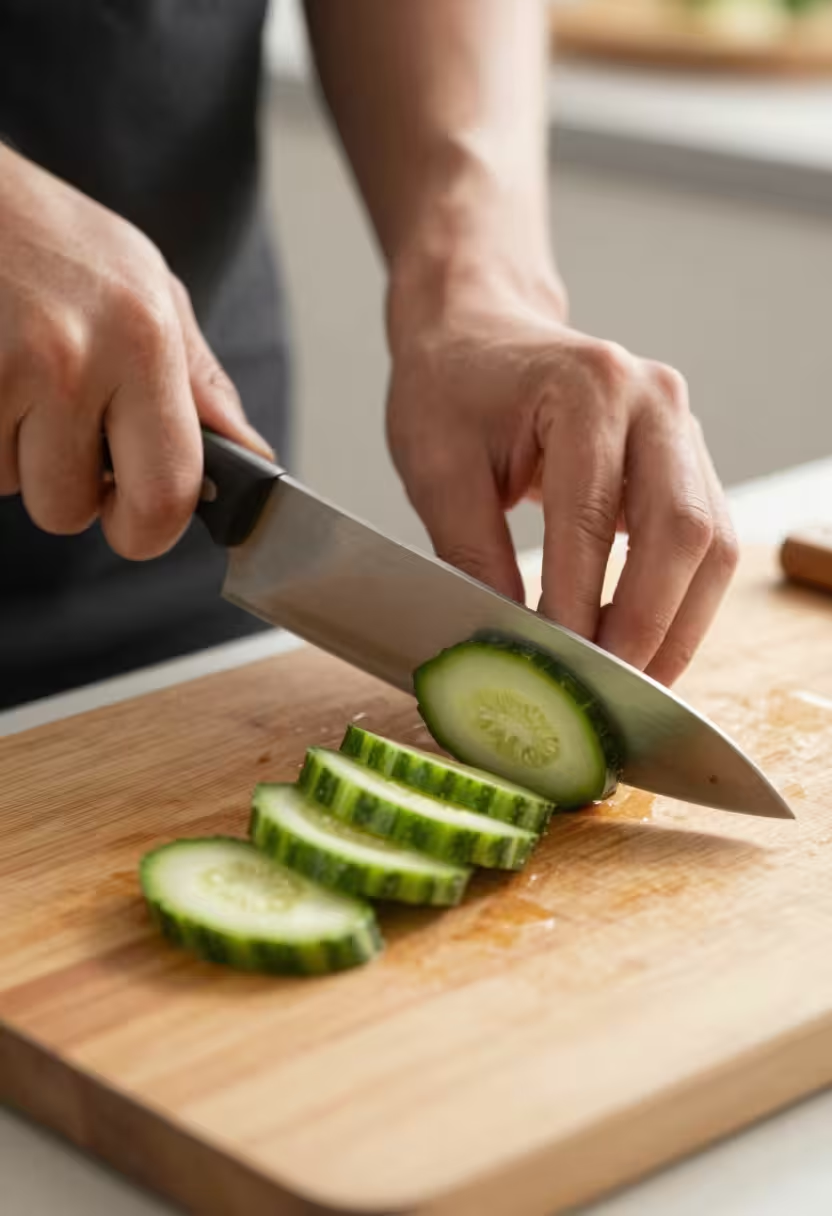
Once your knife is sharp and your grip feels natural, technique becomes less about speed and more about intention. Professional cooks don’t rush their cuts — they move with purpose, letting the knife do what it’s designed to do.
One of the most common movements with a chef’s knife is the rocking motion. The tip of the blade stays in gentle contact with the cutting board while the heel lifts and falls. This technique works beautifully for herbs, garlic, and smaller vegetables. It creates a smooth rhythm that feels almost meditative once you find it.
The straight chop is another essential movement. Here, the blade lifts fully and comes straight down. It’s ideal for firmer vegetables like carrots, potatoes, or squash. The key is alignment — letting the blade fall cleanly rather than forcing it through the ingredient.
For proteins and delicate items, slicing becomes more important. Instead of pressing down, you draw the knife forward or backward in a smooth motion. This preserves texture, prevents tearing, and gives you cleaner results, especially with fish, cooked meats, or soft produce.
What matters most is matching the movement to the ingredient. When technique fits the task, cutting feels easier and more controlled. There’s less resistance, fewer uneven pieces, and far less fatigue.
With practice, these motions blend together naturally. You stop thinking about each cut and start moving intuitively — which is exactly how professional kitchens operate.
Next, let’s look at how these techniques apply specifically to vegetables and fruit, where precision really shows.
Working with Vegetables and Fruit — Precision Matters
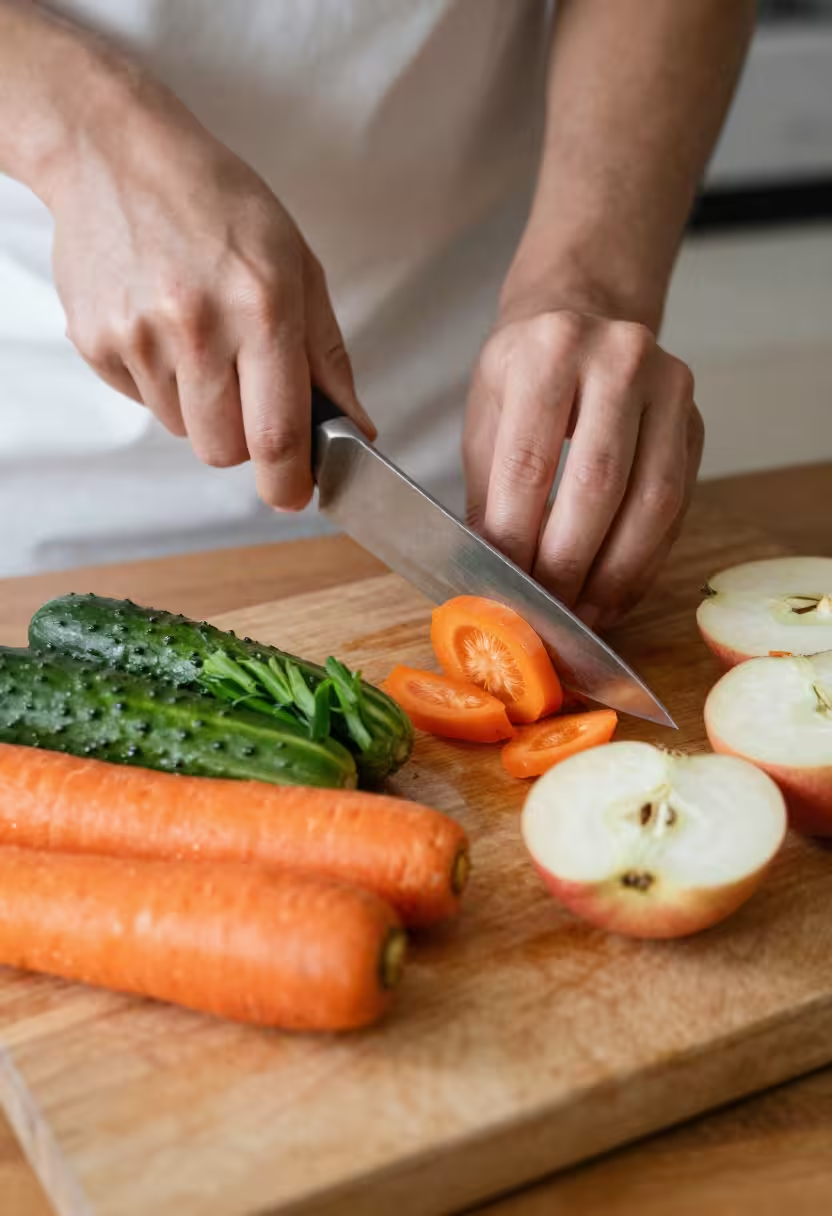
Vegetables and fruit are often where knife skills are tested most clearly. Their textures vary wildly — from crisp carrots to delicate tomatoes — and how you cut them directly affects both appearance and cooking results.
With firmer vegetables, consistency is key. Evenly sized pieces cook at the same rate, which means better texture and flavor in the final dish. A sharp chef’s knife allows you to cut cleanly through dense produce without splitting or crushing it. Let the blade fall with confidence, and avoid sawing motions that create uneven edges.
Softer vegetables and fruit require a lighter touch. Tomatoes, peaches, or mushrooms respond best to smooth slicing rather than pressure. Drawing the knife through the ingredient preserves structure and keeps juices where they belong. If you find yourself pressing hard, it’s often a sign the knife needs sharpening.
Stability matters too. Take a moment to create a flat surface by trimming one side of a round vegetable before cutting further. This small step prevents slipping and makes every cut safer and more precise.
There’s also an aesthetic element here. Clean cuts don’t just look better — they help ingredients behave better in the pan. Neatly cut vegetables release moisture more evenly, brown more predictably, and feel more pleasant to eat.
Once you’re comfortable working with produce, it becomes easier to move on to proteins, where control and respect for texture are just as important.
Meat and Fish: How to Use the Chef’s Knife for Protein Prep
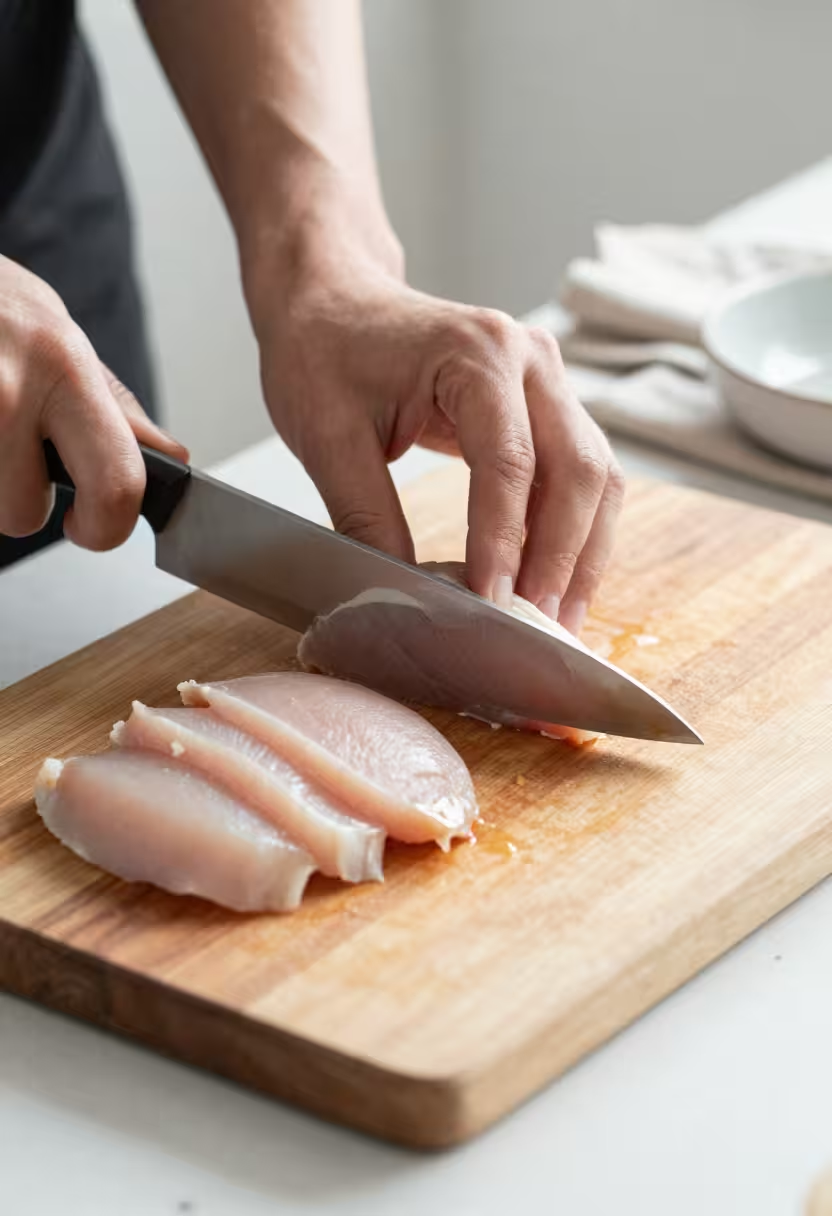
Working with meat and fish requires a slightly different mindset. Here, the goal isn’t speed — it’s respect for texture. A good chef’s knife gives you the control needed to cut cleanly without tearing, compressing, or damaging the protein.
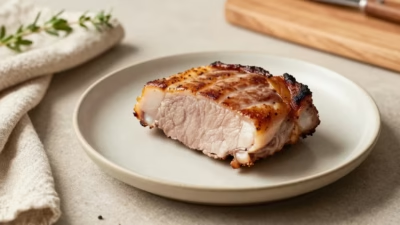
When slicing raw or cooked meat, sharpness becomes especially important. A dull blade forces you to press down, which can squeeze out juices and leave ragged edges. Instead, use long, smooth slicing motions, letting the knife glide through the meat. This preserves structure and helps each piece cook evenly.
Pay attention to the grain. Cutting against the grain shortens muscle fibers, making meat more tender and easier to eat. This is one of those small professional habits that dramatically improves results, especially with tougher cuts.
Fish demands even more delicacy. Whether you’re portioning fillets or trimming skin, use minimal pressure and rely on the blade’s edge. A gentle pull through the flesh keeps it intact and clean. Rushing or forcing the cut often leads to tearing — something no amount of seasoning can fix.
Temperature can help, too. Slightly chilled meat or fish is often easier to cut cleanly than room-temperature protein. This small adjustment gives you more control and cleaner slices.
Using a chef’s knife for proteins isn’t about dominance — it’s about cooperation. When blade, hand, and ingredient work together, prep becomes calmer, cleaner, and far more satisfying.
With technique in place, the next priority is staying safe and mindful while you work.
Safety First: Posture, Claw Grip, and Mindfulness in the Kitchen

Good knife skills aren’t just about precision — they’re about awareness. Many kitchen accidents happen not because of sharp blades, but because of rushed movements, poor posture, or wandering attention.
Start with how you stand. Keep your feet comfortably apart and your cutting board at a height that allows your elbows to bend naturally. If you’re hunching your shoulders or locking your wrists, fatigue sets in faster — and mistakes become more likely.
Your non-knife hand plays a critical safety role. The claw grip — fingers curled inward, thumb tucked behind — protects fingertips while guiding the blade. Your knuckles act as a barrier, allowing the knife to move smoothly without coming too close to your fingers. It may feel awkward at first, but it quickly becomes instinctive.
Mindfulness matters more than speed. Professional cooks move quickly because their movements are controlled, not rushed. At home, there’s no prize for finishing prep as fast as possible. Take your time, focus on the ingredient in front of you, and avoid distractions — especially when working with a sharp blade.
Small habits also make a difference:
- Keep your cutting board from slipping by placing a damp towel underneath
- Clear clutter from your workspace
- Set the knife down safely when not in use
Safety in the kitchen isn’t restrictive — it’s freeing. When you feel secure and stable, your movements become smoother, and cooking feels calmer.
With safety and technique in place, efficiency begins to follow naturally.
Avoiding Common Knife Mistakes That Slow You Down
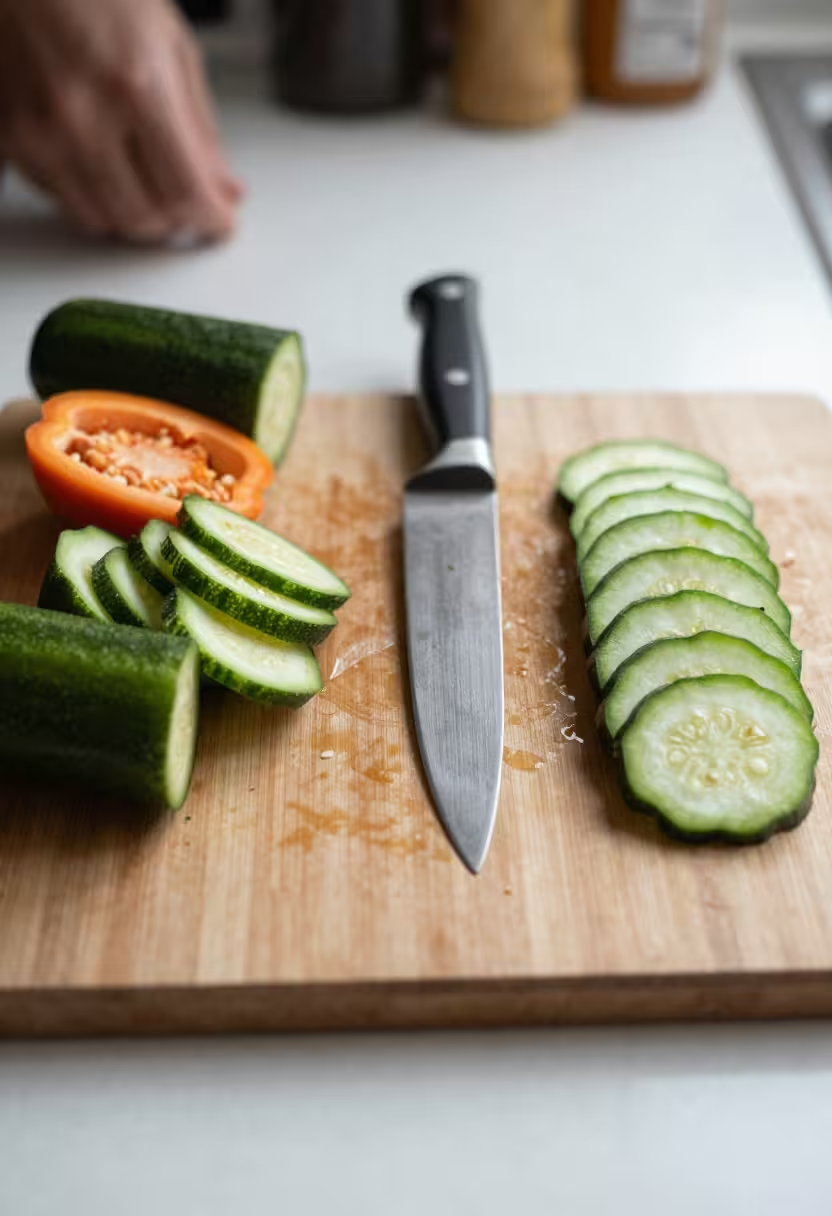
Many frustrations in the kitchen don’t come from lack of skill — they come from small habits that quietly work against you. Recognizing and correcting these common knife mistakes can make cooking feel faster and more enjoyable without actually rushing.
One of the biggest mistakes is using a dull knife. It may feel safer, but it forces you to apply more pressure and reduces control. A sharp blade does the work for you, making every cut smoother and more predictable.
Another common issue is choosing the wrong surface. Cutting on glass, stone, or ceramic boards quickly dulls blades and creates resistance. A good wooden or rubber cutting board protects your knife and improves your cutting rhythm.
Grip habits can also slow you down. Holding the knife too far back on the handle reduces precision and increases fatigue. Adjusting to a pinch grip often feels awkward at first but pays off quickly in control and comfort.
Overcrowding the cutting board is another subtle problem. When ingredients pile up, movements become cramped and inefficient. Clearing space as you work helps maintain flow and focus.
Finally, many home cooks rush prep without planning. Taking a moment to organize ingredients before cutting — washing, trimming, grouping — creates a smoother, more professional workflow.
Avoiding these mistakes doesn’t require more effort. It simply means being intentional with your tools and movements. Once those habits are in place, speed becomes a natural byproduct.
That efficiency builds over time — and practice is where it truly takes shape.
Speed and Efficiency: How Practice Makes Prep Easier
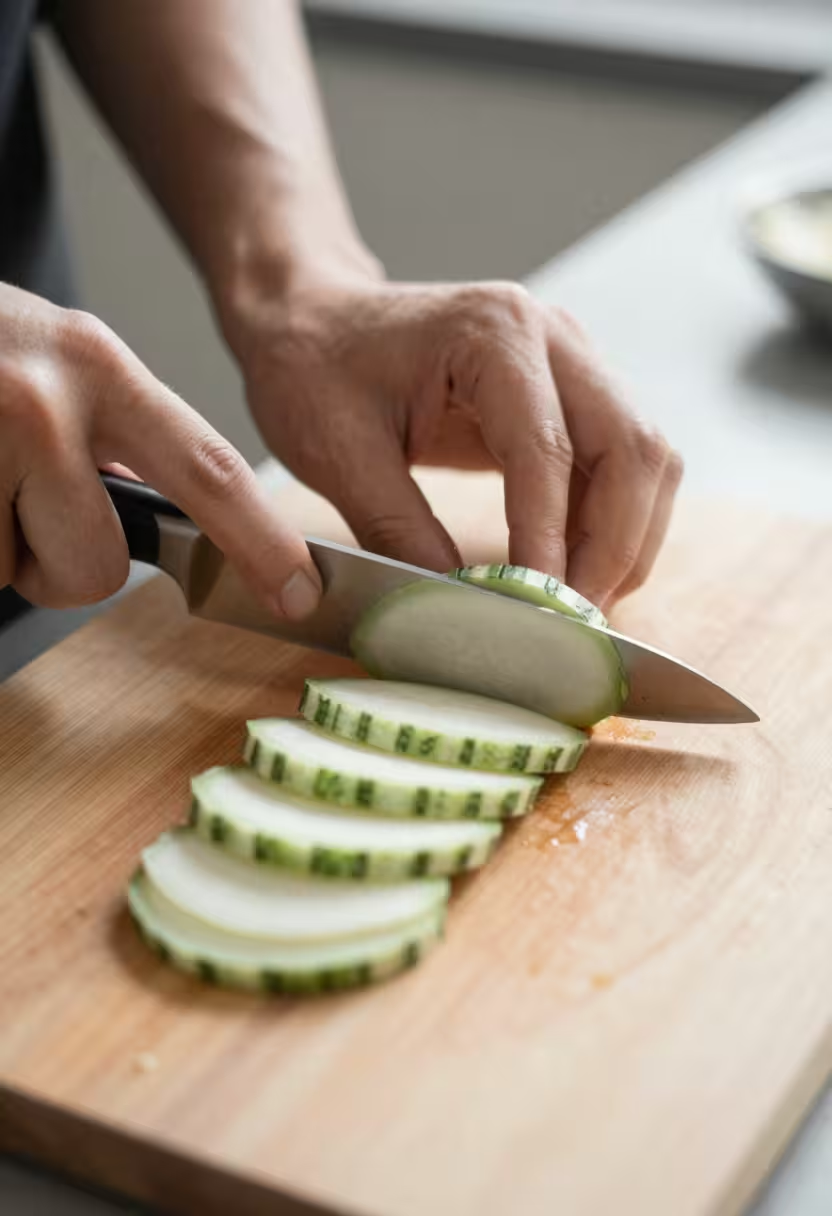
Speed in the kitchen isn’t about rushing — it’s about familiarity. Professional cooks move quickly because their hands know what to do, not because they force the pace. That same principle applies at home.
When you practice knife skills regularly, movements become more economical. You lift the knife less, waste fewer motions, and develop a steady rhythm. Over time, cutting becomes quieter, smoother, and less tiring.
Consistency is more valuable than intensity. You don’t need long practice sessions or drills. Simply paying attention during everyday prep — how you hold the knife, how you position ingredients, how the blade moves — builds skill naturally.
It also helps to repeat the same tasks. Chopping onions, slicing carrots, mincing herbs — these familiar actions teach your hands subtle lessons about pressure, angle, and timing. Each repetition refines muscle memory.
As efficiency improves, cooking becomes more enjoyable. Prep feels lighter, less messy, and more controlled. You spend less time fixing uneven cuts and more time focusing on flavor and timing.
Eventually, knife skills fade into the background. You stop thinking about technique and start cooking with flow — which is exactly how professionals work.
To support that progress, it’s important to care for your knife when you’re not using it.
Storing and Caring for Your Knife Between Uses
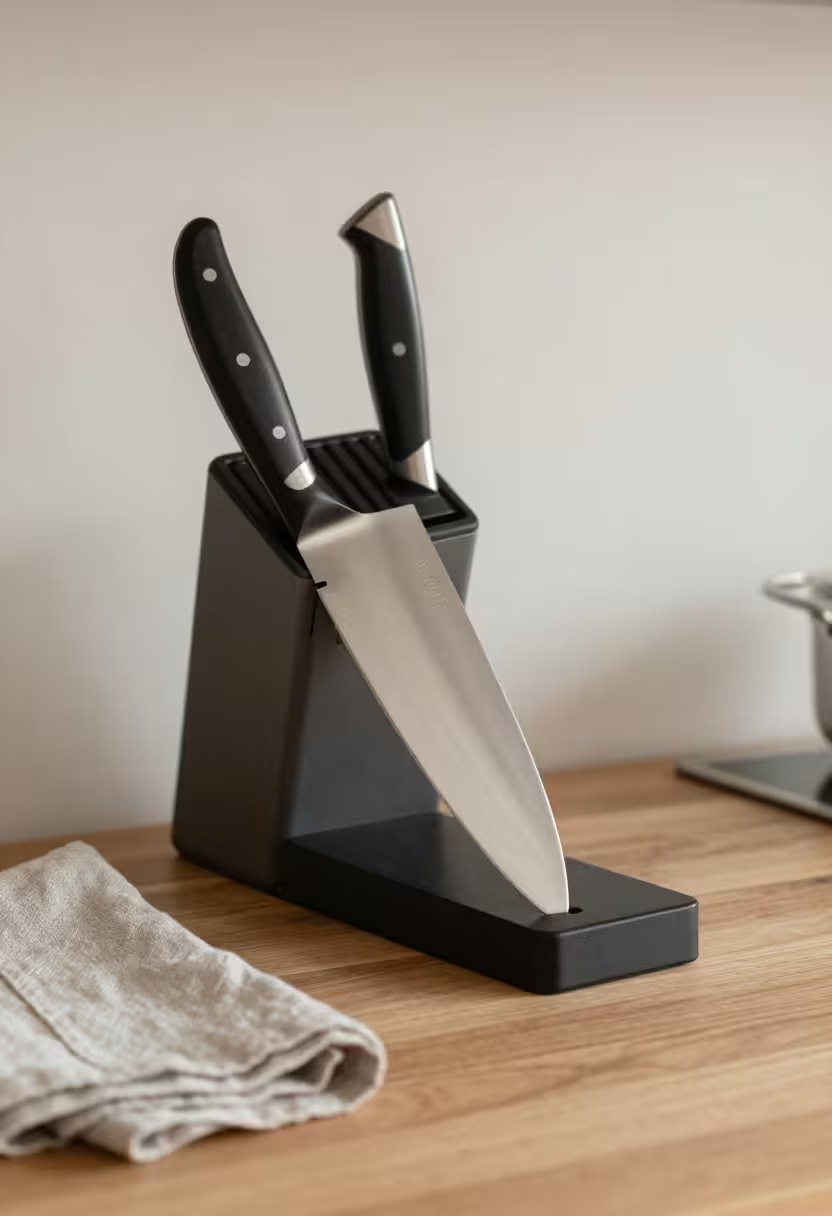
How you store your chef’s knife matters just as much as how you use it. Proper storage protects the blade, extends its sharpness, and keeps your kitchen safer.
Loose drawers are one of the most common — and damaging — storage choices. Blades knock against other utensils, dulling the edge and increasing the risk of accidental cuts. If a drawer is your only option, using a blade guard or sheath makes a big difference.
Magnetic strips are a popular choice for many home cooks. They keep knives visible, accessible, and protected — as long as the magnet is strong enough to hold the blade securely. Placing the spine of the knife against the strip first, then rolling it on, helps prevent edge damage.
Knife blocks offer another safe solution, especially when slots are wide enough to avoid scraping the blade. Horizontal or edge-up storage is gentler on the edge than vertical insertion.
Daily care habits also matter. Always wash and dry your knife by hand, and avoid leaving it soaking in water where it can be damaged or forgotten. A few seconds of care after each use helps preserve performance for years.
A chef’s knife isn’t disposable — it’s a long-term kitchen companion. Treating it with respect ensures it remains sharp, safe, and ready whenever you cook.
To wrap things up, let’s answer a few common questions home cooks have about using a professional chef’s knife.
FAQ: Professional Chef’s Knife — Common Questions Answered
Do I really need a professional chef’s knife at home?
You don’t need one to cook — but many home cooks find that a good chef’s knife makes cooking easier, safer, and more enjoyable. Better balance and sharpness reduce effort and improve results, even for simple meals.
What size chef’s knife is best for beginners?
For most people, an 8-inch chef’s knife is the most versatile option. It offers enough length for larger ingredients while remaining manageable for everyday prep. Smaller hands may prefer slightly shorter blades, but comfort always comes first.
How often should I sharpen my chef’s knife?
It depends on how often you cook, but for regular home use, sharpening a few times a year is usually enough. Honing more frequently helps maintain the edge between sharpenings.
Is a sharp knife really safer than a dull one?
Yes. Sharp knives require less force and are more predictable, which reduces slipping and loss of control. Many kitchen accidents happen because dull knives force awkward movements.
Can I use one chef’s knife for everything?
A chef’s knife is incredibly versatile and can handle most kitchen tasks, from vegetables to proteins. While specialty knives have their place, a good chef’s knife can comfortably cover the majority of everyday cooking needs.
What’s the biggest mistake beginners make with chef’s knives?
The most common mistake is gripping the knife incorrectly or cutting without focus. Improving grip, posture, and awareness often makes a bigger difference than buying a more expensive knife.
Final thoughts
Cooking with a chef’s knife isn’t about copying professional kitchens — it’s about creating smoother, safer, and more satisfying routines at home. With the right knife and a few mindful habits, prep becomes less of a task and more of a natural part of cooking.