
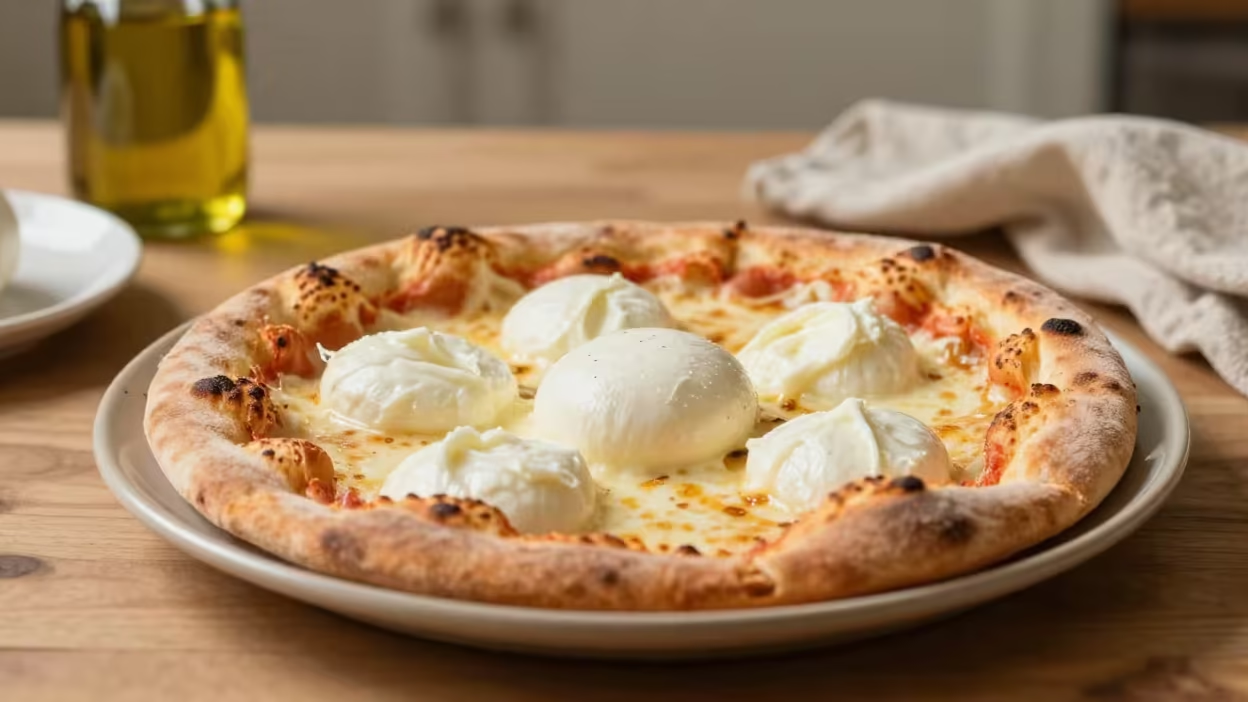
When Mozzarella Becomes More Than Just Cheese
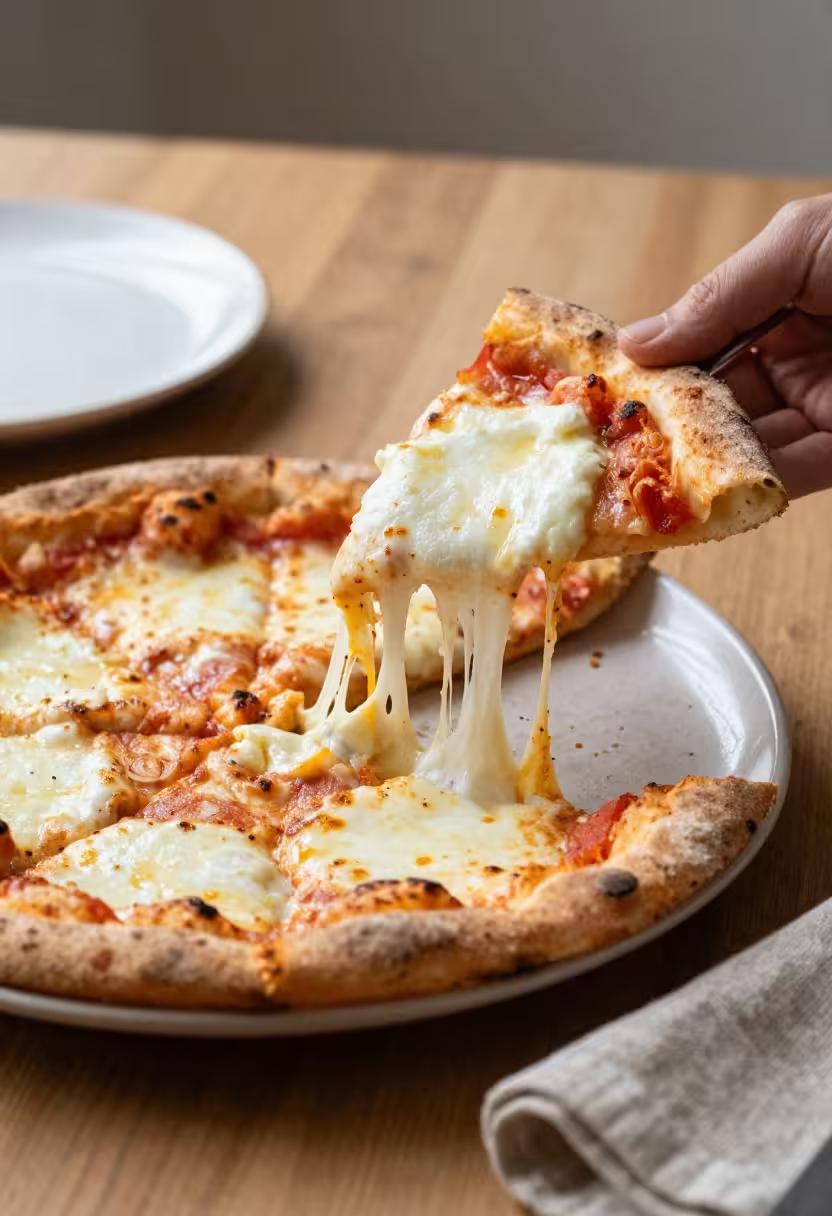
Mozzarella is one of those ingredients we think we know well. It’s familiar, comforting, almost taken for granted — sliced onto pizza, melted into pasta, tucked into sandwiches without much thought. Yet anyone who has tasted mozzarella in a great restaurant knows there’s a quiet difference. The melt is smoother. The stretch is more generous. The flavor feels cleaner, more balanced, more intentional.
For a long time, that level of quality seemed reserved for professional kitchens.
Maestrella changes that assumption.
Created with chefs in mind, Maestrella mozzarella brings professional performance into everyday cooking — without complexity, pretension, or exclusivity. It’s designed to melt evenly, stretch beautifully, and deliver consistent results, whether it’s used in a wood-fired pizza oven or a simple home kitchen on a weeknight.
What makes Maestrella special isn’t just technique or tradition — it’s accessibility. This is mozzarella crafted with the same standards chefs rely on, yet made available for anyone who cares about how their food cooks, tastes, and feels on the plate.
In this article, we’ll explore what sets Maestrella apart, how it’s made, and why it has become a trusted ingredient for professionals — and an increasingly loved choice for home cooks who want better results without complication.
Because sometimes, the difference between a good dish and a memorable one starts with something as simple — and as carefully made — as mozzarella.
A Cooperative Heritage of Craftsmanship and Quality
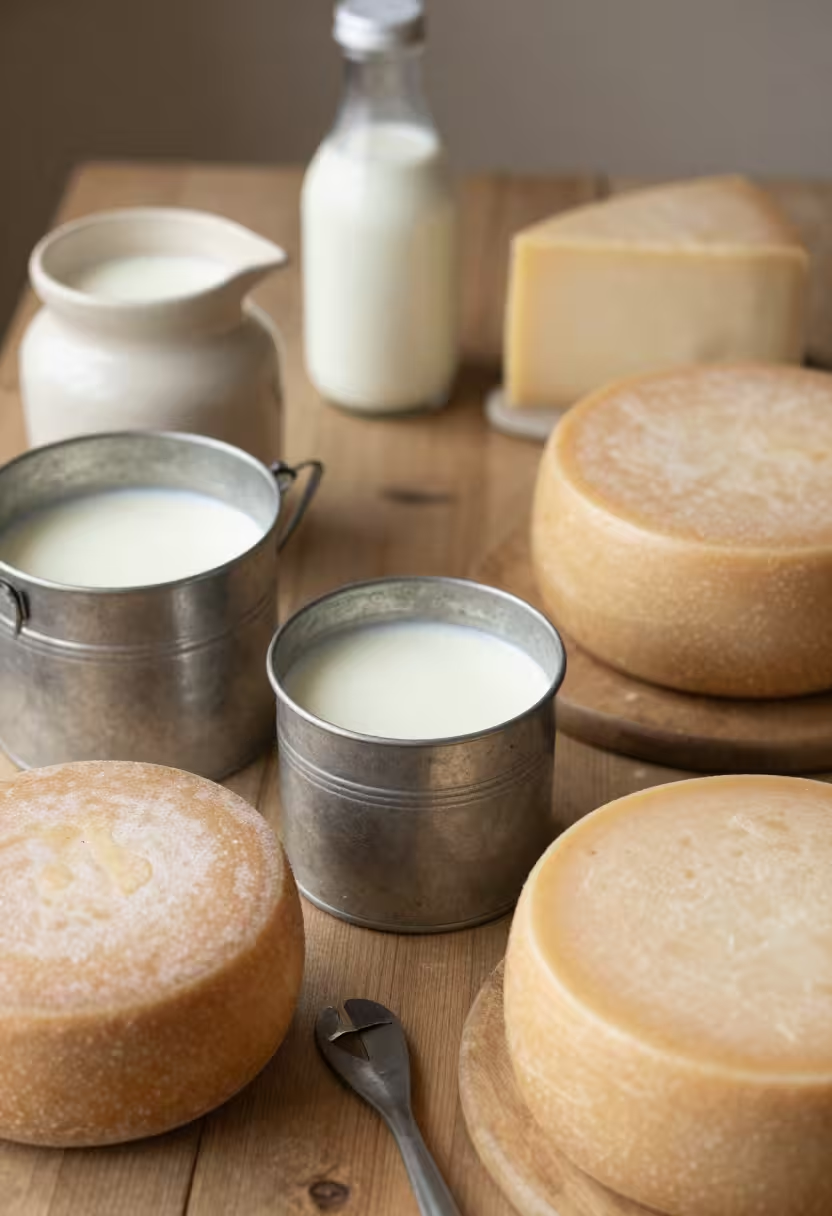
Behind Maestrella mozzarella, there isn’t a single celebrity chef or a flashy origin story. Instead, there’s something quieter — and arguably more powerful: a cooperative heritage built on shared standards, long-term relationships, and respect for the craft of cheesemaking.
Maestrella is produced within a cooperative structure that brings together farmers, milk producers, and dairy specialists who work toward a common goal — consistent quality, from the very first step. This means the focus isn’t only on the final product, but on everything that leads up to it: animal care, milk selection, timing, and technique.
That cooperative model matters. It creates stability and accountability at every stage of production. Farmers aren’t pushed to maximize volume at the expense of quality, and cheesemakers aren’t forced to compensate for inconsistent raw materials. Instead, each part of the process supports the next, resulting in mozzarella that behaves predictably and performs reliably.
There’s also a strong sense of continuity here. The techniques behind Maestrella are rooted in traditional mozzarella-making, particularly the pasta filata method, but refined to meet modern professional needs. It’s a balance of tradition and precision — honoring what has always worked, while adapting it for today’s kitchens.
This approach explains why Maestrella feels so dependable. It’s not designed around trends or shortcuts. It’s the result of many small, careful decisions made consistently over time, by people who understand that good cheese starts long before it ever melts on a pizza.
That same professional mindset is what allowed Maestrella to move beyond restaurant kitchens — without losing what made it special in the first place.
Designed for Chefs — Now Accessible to Home Cooks
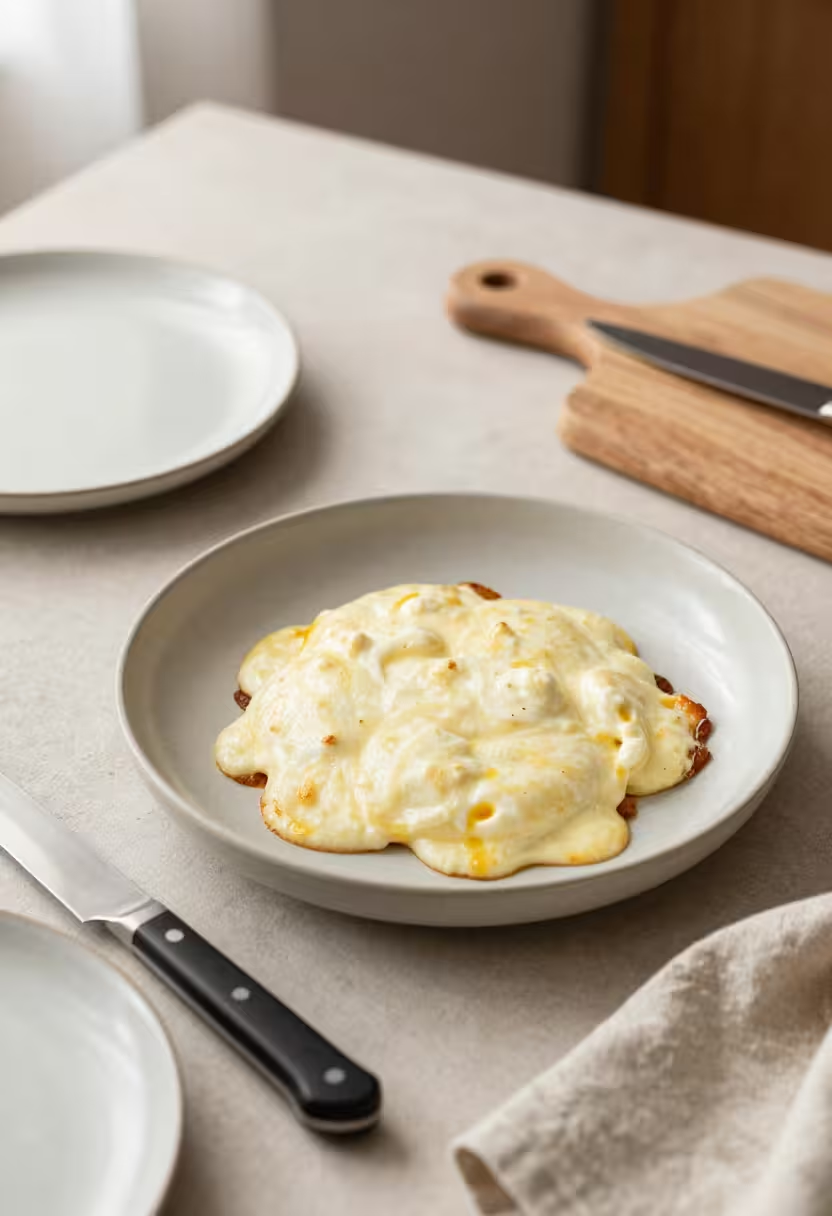
Maestrella didn’t start as a supermarket mozzarella. It was created to meet the expectations of chefs — people who depend on ingredients behaving the same way, every single service. In a professional kitchen, there’s no room for guesswork. Cheese needs to melt evenly, brown predictably, and hold its texture under heat without flooding a dish or turning rubbery.
That’s exactly the standard Maestrella was built to meet.
What’s interesting is that those same qualities are just as valuable at home. Even if you’re not running a restaurant, you’ve probably experienced the frustration of mozzarella that releases too much water, refuses to melt properly, or loses its structure the moment it hits the oven. Maestrella addresses those issues quietly, without asking the cook to do anything differently.
The shift from chef-only ingredient to home-friendly product wasn’t about lowering standards — it was about making professional quality usable outside professional settings. The cheese still performs with the same reliability, but it’s offered in formats and portions that make sense for everyday cooking.
This means a home pizza night can feel more intentional. A baked pasta comes out balanced instead of soggy. A simple toast with melted mozzarella looks and tastes closer to what you’d expect from a restaurant, even though it was made in minutes.
There’s also something empowering about using an ingredient designed for professionals. It invites experimentation without intimidation. You don’t need special equipment or techniques — Maestrella does its job in the background, letting the cook focus on flavor, timing, and creativity.
That balance between performance and simplicity is what makes Maestrella feel genuinely accessible. It doesn’t ask home cooks to become chefs — it simply brings chef-level mozzarella into their reach.
Craftsmanship and the Pasta Filata Technique
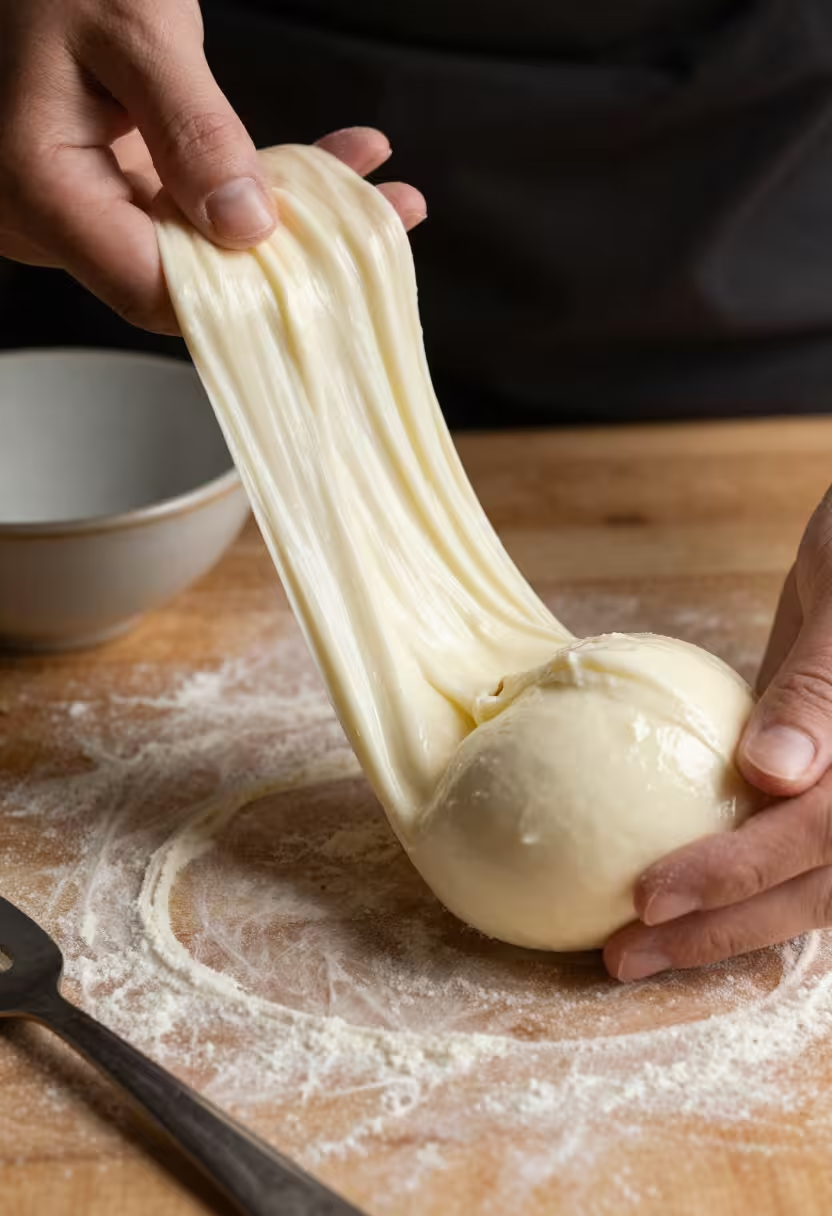
At the heart of Maestrella’s texture and performance is a traditional method that has defined mozzarella for generations: pasta filata. The phrase literally means “spun paste,” and while it sounds technical, its effect is something most of us recognize immediately — that smooth pull, gentle elasticity, and clean melt that feels unmistakably right.
The pasta filata process begins once the milk has curdled. The curds are heated and stretched repeatedly, transforming them into long, aligned strands. This stretching is what gives mozzarella its signature structure — not crumbly, not dense, but supple and cohesive. When done well, it creates a cheese that responds beautifully to heat.
What sets Maestrella apart is the precision of this process. The stretching isn’t rushed, and it isn’t left to chance. Temperature, timing, and moisture are carefully controlled so the final cheese behaves consistently, whether it’s sliced, shredded, or baked.
This attention to technique is why Maestrella melts evenly instead of breaking apart. It’s why the cheese stretches instead of pooling. And it’s why the texture remains soft and satisfying rather than tough or greasy once cooked.
While many modern cheeses rely on shortcuts to speed up production, Maestrella stays close to the fundamentals. The pasta filata technique isn’t treated as a nostalgic tradition — it’s treated as a functional craft, refined to meet the demands of modern kitchens.
You may not see this process happening when you open the package, but you feel it the moment the cheese hits heat. The way it melts, the way it settles, the way it finishes — all of that starts here.
That craftsmanship becomes even more noticeable once Maestrella is cooked.
Maestrella’s Texture: Stretch, Melt & Golden Finish
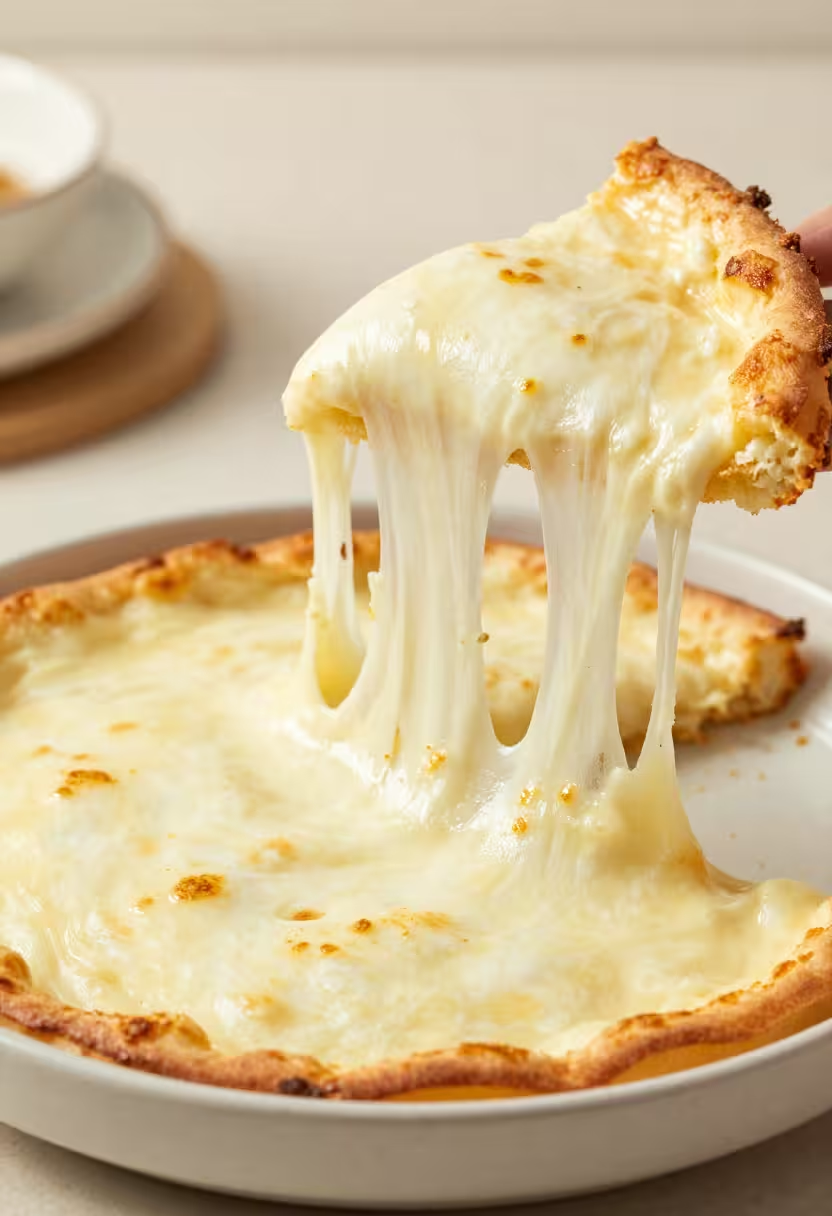
Texture is where Maestrella truly shows its strength. It’s the moment mozzarella moves from being just an ingredient to becoming part of the experience of a dish.
When heated, Maestrella melts smoothly and evenly, without separating into oil and solids. Instead of flooding a pizza or soaking a base, it settles into a balanced layer — soft, cohesive, and controlled. This is exactly what chefs look for, and it’s what makes results feel more intentional at home.
The stretch is another defining detail. As the cheese warms, it develops that gentle elasticity that feels satisfying rather than excessive. It pulls cleanly, without tearing or becoming stringy in an unruly way. Whether it’s lifted from a slice of pizza or folded into pasta, the texture feels deliberate and well-structured.
Then there’s the finish. Maestrella browns beautifully, developing light golden spots instead of uneven scorching. This subtle caramelization adds visual appeal and depth of flavor without overpowering the dish. It’s the kind of detail that makes food look restaurant-ready, even when it’s made casually.
What’s important is consistency. Maestrella behaves the same way each time, which builds confidence. You don’t have to adjust temperatures, drain excess moisture, or compensate for unpredictable melting. The cheese does what it’s meant to do — quietly and reliably.
This balance of stretch, melt, and finish is what allows Maestrella to adapt so easily across different dishes and cooking styles.
A Range for Every Use: Block, Shredded, Diced & More
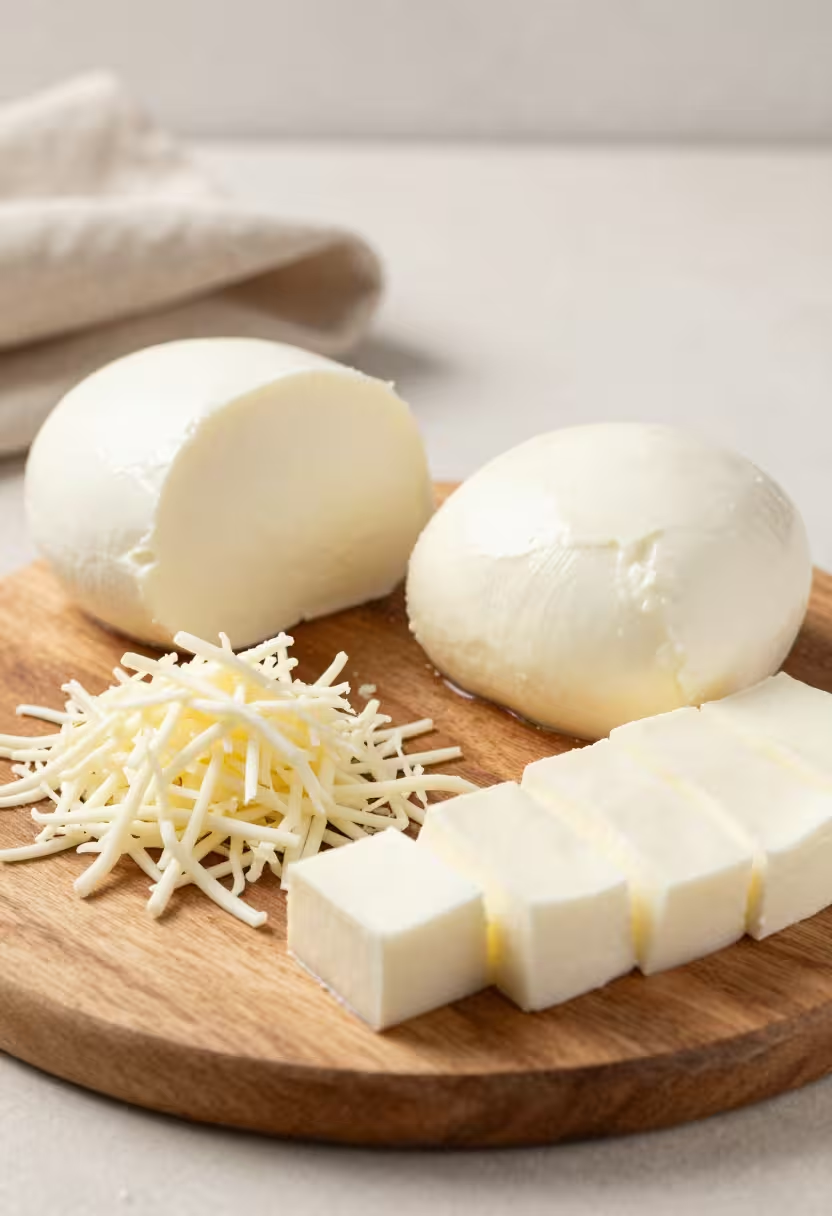
One of the reasons Maestrella works so seamlessly in both professional and home kitchens is its versatility. It isn’t designed for just one recipe or one way of cooking — it’s offered in formats that adapt naturally to how people actually cook.
The block format gives maximum control. It’s ideal for slicing, tearing, or grating by hand, especially when texture and thickness matter. This is often the choice for pizzas, baked dishes, or recipes where the way the cheese melts is part of the final presentation.
Shredded Maestrella offers convenience without sacrificing performance. Unlike many pre-shredded cheeses that contain additives to prevent clumping, Maestrella is designed to melt cleanly and evenly straight from the pack. It’s practical for weeknight meals, quick bakes, and recipes where speed matters but quality still counts.
The diced format is particularly useful for even distribution. It allows the cheese to melt consistently across a dish, making it easier to control texture in tarts, gratins, or mixed preparations. This format is especially appreciated in professional kitchens — and increasingly by home cooks who enjoy predictable results.
What ties all these formats together is consistency. Regardless of shape or size, the cheese behaves the same way under heat. That reliability removes friction from cooking. You don’t have to rethink a recipe just because you chose a different cut.
This range reflects a simple philosophy: good ingredients should adapt to the cook, not the other way around. Whether you enjoy cooking from scratch or prefer practical shortcuts, Maestrella fits naturally into your routine.
And yet, despite this flexibility, the cheese never feels complicated.
Professional Standards, Everyday Simplicity
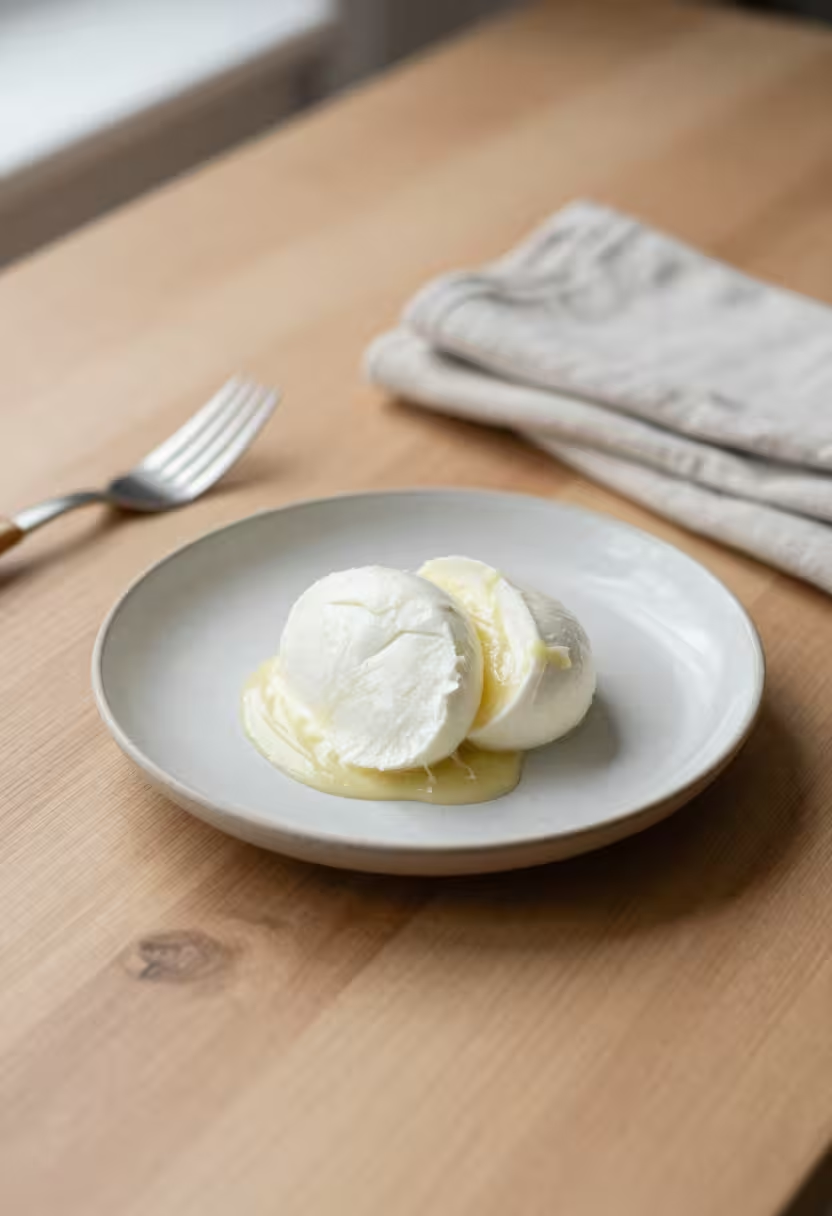
What makes Maestrella especially appealing is how seamlessly it balances two worlds that don’t always meet: professional standards and everyday ease. This is mozzarella developed to perform under pressure, yet it doesn’t demand special treatment once it reaches your kitchen.
In professional settings, consistency is everything. Chefs need ingredients they can rely on during a busy service — products that behave predictably from one dish to the next. Maestrella meets that need with controlled moisture, stable melting, and dependable texture. There’s no need for constant adjustment or second-guessing.
At the same time, none of that complexity is passed on to the cook. At home, Maestrella doesn’t require special handling, draining, or preparation. You open the package, use the cheese, and get the result you expect. That simplicity is intentional. The work happens earlier in the process, so the final product feels effortless.
This is where Maestrella quietly stands out. It doesn’t try to impress with novelty or trend-driven claims. Instead, it offers something far more useful: confidence. The confidence that your pizza won’t turn soggy. That your baked dish will hold together. That your meal will look and taste the way you imagined it would.
For home cooks, that reliability removes pressure. It encourages experimentation without fear of waste or disappointment. You can focus on flavors, timing, and enjoyment — not troubleshooting the cheese.
Professional quality doesn’t have to feel intimidating. In Maestrella’s case, it simply makes cooking smoother.
From Farm to Table: Quality and Traceability in Every Step

Maestrella’s consistency doesn’t happen by accident. It’s the result of a production chain where every step is designed to be traceable, intentional, and connected — from the farms where the milk is produced to the final cheese used in the kitchen.
Because Maestrella comes from a cooperative structure, there’s a direct relationship between milk producers and cheesemakers. This closeness matters. It allows quality standards to be shared and upheld across the entire process, rather than enforced only at the final stage. The milk used for Maestrella is selected with performance in mind — not just taste, but how it will behave once transformed into mozzarella.
Traceability also brings accountability. When each step is known and monitored, shortcuts become harder to hide. Instead of relying on corrective measures later, the focus stays on getting things right from the beginning. This results in a product that feels stable, dependable, and thoughtfully made.
For the consumer, this translates into trust. You may not think about milk sourcing or production logistics while cooking dinner, but those decisions shape what ends up on your plate. A cheese that melts evenly and tastes clean is often the visible result of invisible care taken much earlier.
There’s also an environmental and ethical dimension here. Cooperative models tend to support longer-term sustainability — both for farmers and for production practices. Rather than chasing rapid expansion, the emphasis stays on maintaining quality over time.
In a food world where transparency is increasingly important, Maestrella’s farm-to-table approach offers reassurance without needing to say much. The product speaks through its performance.
That same clarity and reliability make Maestrella especially enjoyable to cook with at home.
Cooking with Maestrella at Home: Tips & Inspiration
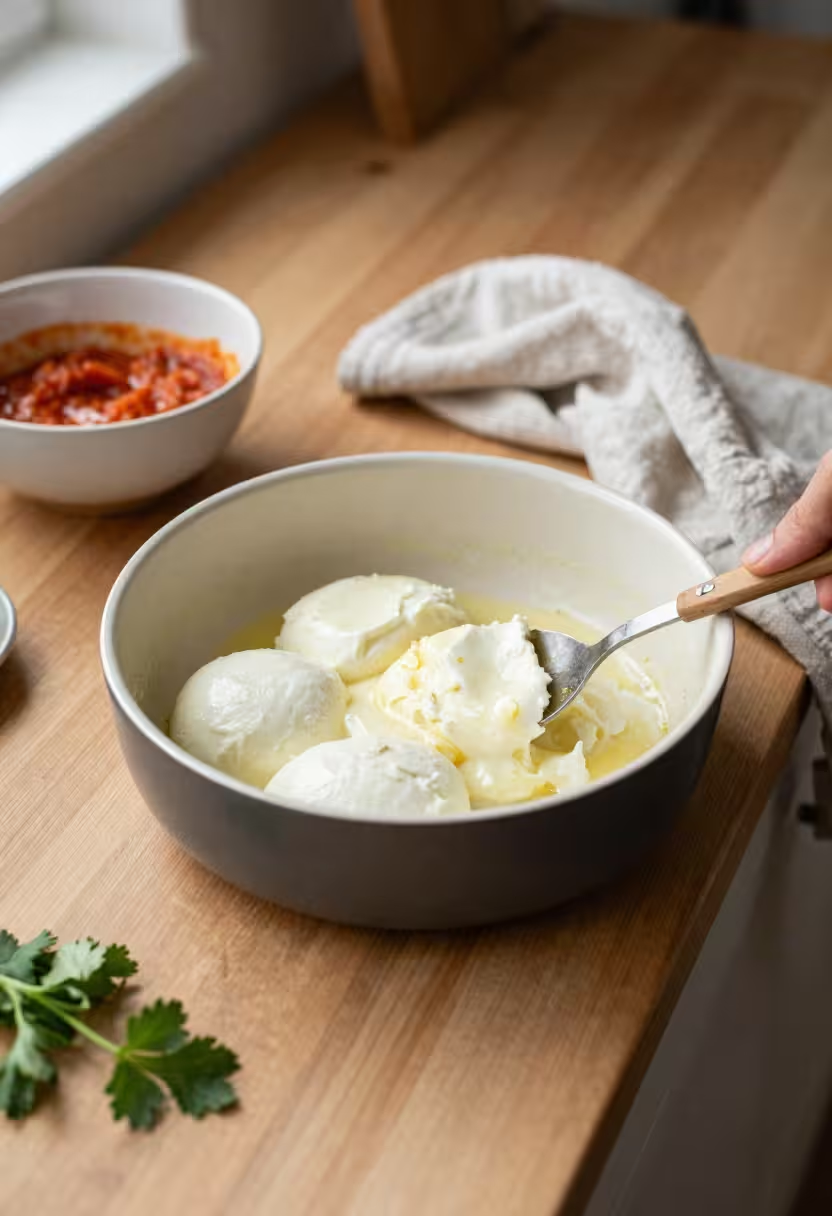
Cooking with Maestrella at home feels intuitive — and that’s part of its appeal. Because the cheese is designed to perform consistently, it doesn’t require special rules or adjustments. Instead, it slips naturally into the way most people already cook, simply improving the outcome.
On pizza, Maestrella shines with minimal effort. It melts evenly, stretches without excess moisture, and browns gently, making it suitable for both high-heat ovens and standard home setups. You don’t need to blend cheeses or pre-dry slices — the mozzarella does its job on its own.
In baked dishes like lasagna, pasta bakes, or gratins, Maestrella adds structure without heaviness. It holds layers together, melts smoothly into sauces, and finishes with a light golden surface rather than an oily film. This makes dishes feel balanced rather than overloaded.
Maestrella also works beautifully in simpler preparations. Melted over toast, folded into omelets, or added to warm vegetables, it brings a clean dairy flavor and soft texture that enhances without dominating. These are the kinds of meals where quality becomes especially noticeable, because there’s nothing to hide behind.
One helpful tip is to let the cheese speak for itself. Because Maestrella is designed to behave well under heat, there’s no need to overcomplicate seasoning or technique. Simple combinations — tomato, olive oil, herbs, vegetables — tend to highlight its strengths best.
Ultimately, cooking with Maestrella encourages confidence. When an ingredient behaves predictably, it invites experimentation and creativity. You’re more likely to try new combinations, adjust recipes, or cook spontaneously — knowing the foundation is solid.
That ease opens the door to dishes that feel both comforting and elevated.
Simple Recipes That Shine with High-Quality Mozzarella
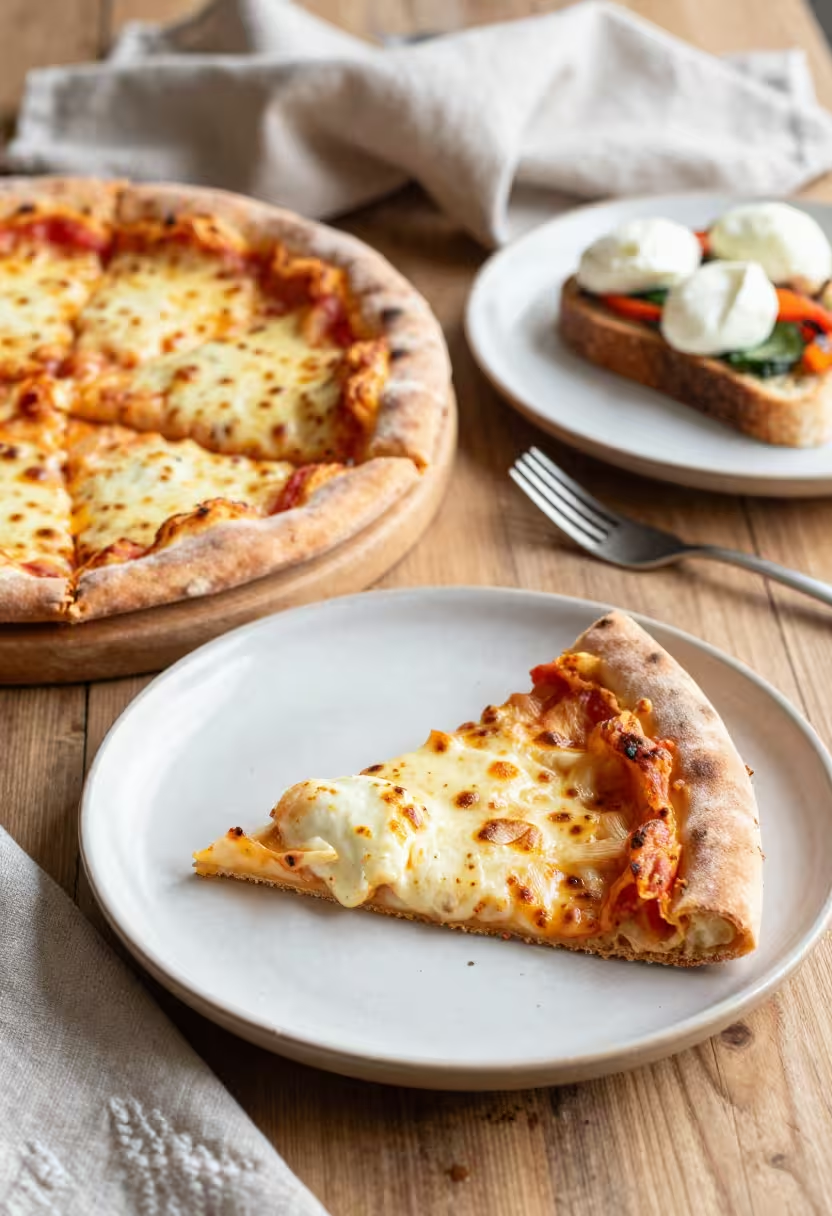
When mozzarella is well made, it doesn’t need to be hidden inside complicated recipes. In fact, some of the most satisfying dishes are the simplest ones — where texture, melt, and balance can really be noticed.
Take a classic homemade pizza. With Maestrella, a thin layer is enough. The cheese melts evenly, stretches naturally, and browns just enough to add depth without overpowering the tomato base. The result feels cohesive, not heavy — the kind of pizza that invites a second slice without feeling weighed down.
A baked pasta is another place where quality mozzarella makes a quiet difference. Folded between layers of sauce and pasta, Maestrella melts smoothly and holds everything together. Instead of separating or pooling, it creates structure and softness at the same time, turning a familiar dish into something more refined.
Even something as simple as a warm sandwich or open-faced toast benefits from better mozzarella. When melted, Maestrella stays supple and creamy, adding richness without greasiness. Paired with vegetables, herbs, or a drizzle of olive oil, it transforms a quick meal into something intentional.
For lighter dishes, Maestrella can be torn or sliced and added just before serving. Its clean dairy flavor and gentle texture work well with warm salads, roasted vegetables, or simple grain bowls — meals where restraint matters as much as comfort.
These kinds of recipes don’t ask for special skills. They ask for good ingredients. Maestrella fits naturally into that philosophy, allowing everyday cooking to feel more rewarding without becoming more complicated.
That reliability is one of the reasons Maestrella has earned the trust of professionals.
Why Chefs Trust Maestrella: Consistency & Performance
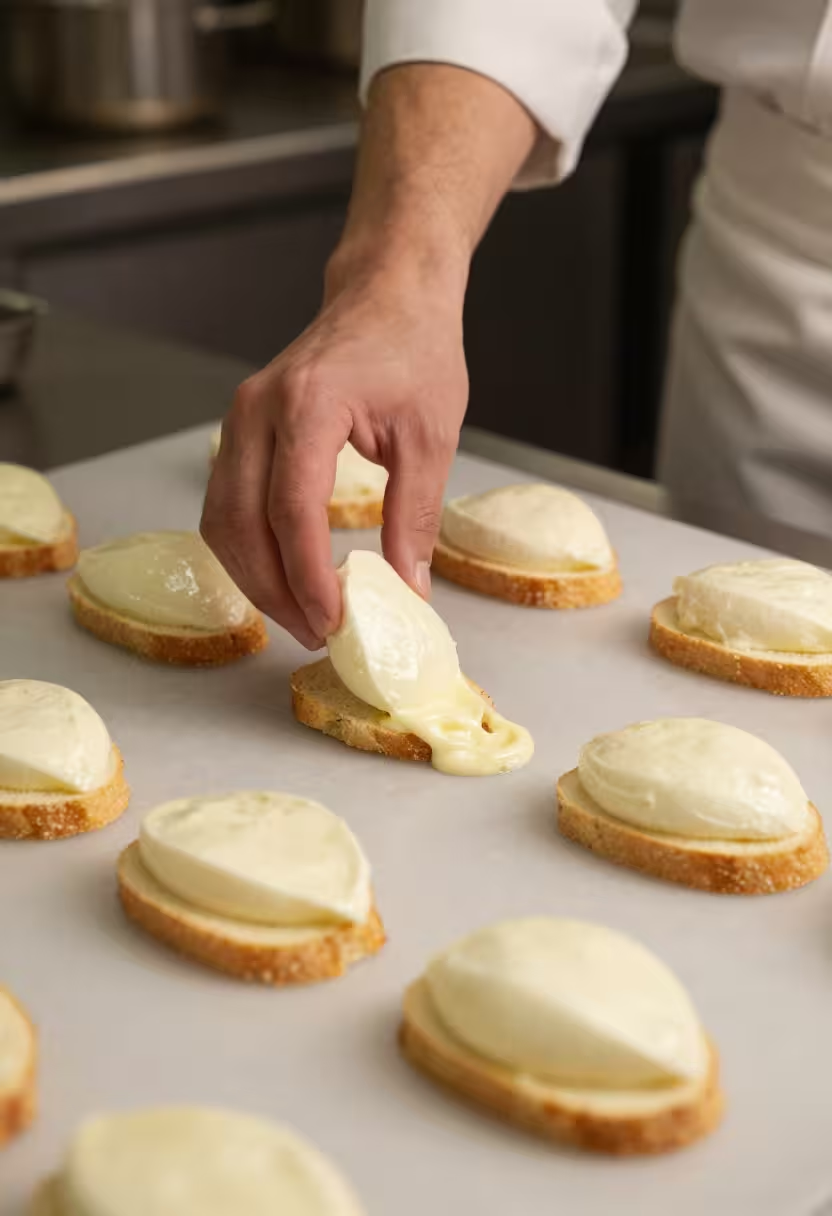
In professional kitchens, trust isn’t built on storytelling — it’s built on repetition. Chefs return to the same ingredient again and again only when it delivers the same result under different conditions, with different teams, on different days. This is where Maestrella has earned its place.
One of the main reasons chefs rely on Maestrella is consistency. From one batch to the next, the cheese behaves predictably. It melts at the right pace, stretches without breaking, and finishes cleanly on the plate. In a fast-paced service environment, that reliability removes uncertainty and saves time.
Performance under heat is another key factor. Whether it’s a high-temperature pizza oven, a salamander grill, or a standard oven, Maestrella maintains its structure. It doesn’t release excess moisture that can compromise dough or sauces, and it doesn’t burn unevenly. That stability allows chefs to focus on flavor combinations and timing instead of troubleshooting texture.
Chefs also value ingredients that are forgiving. Even when conditions aren’t perfect — slightly different temperatures, varying bake times — Maestrella still performs well. That margin of error matters in real kitchens, where perfection isn’t always possible but consistency still is.
What’s important is that these professional advantages translate directly to home cooking. The same qualities that make Maestrella dependable in restaurants are what make it satisfying to use at home. You don’t need professional equipment to benefit from professional standards.
Ultimately, chefs trust Maestrella because it does exactly what it promises, quietly and reliably. And that same trust is what makes it approachable for anyone who wants better results without extra effort.
To close, let’s answer the most common questions people have when discovering Maestrella for the first time.
FAQ: Maestrella Mozzarella — Common Questions Answered
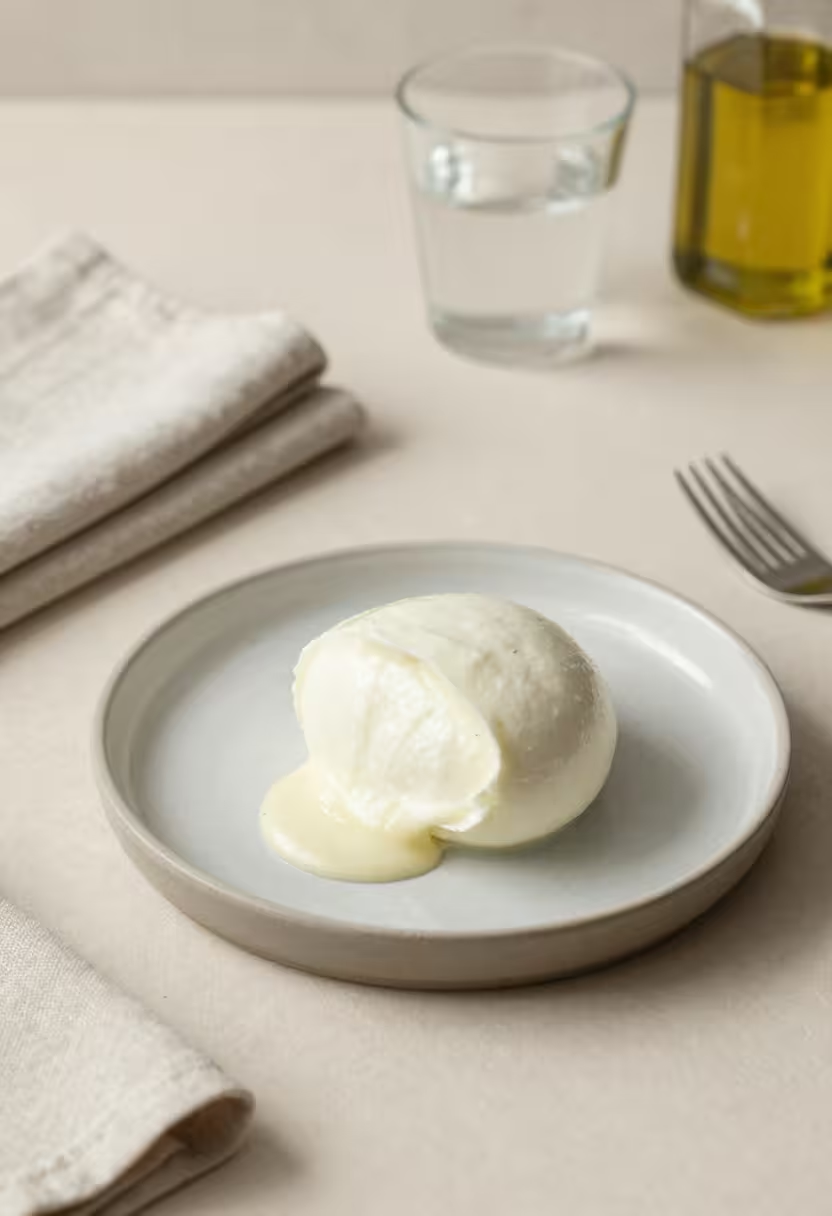
What makes Maestrella different from regular mozzarella?
Maestrella is developed to meet professional kitchen standards. Its key differences lie in consistency, controlled moisture, and predictable melting. Unlike many everyday mozzarellas, it’s designed to perform reliably under heat without releasing excess water or losing structure.
Is Maestrella only for pizza?
Not at all. While it performs exceptionally well on pizza, Maestrella is versatile enough for baked pasta, gratins, sandwiches, toast, and simple home dishes. Its balanced melt and gentle flavor make it suitable for both quick meals and more considered recipes.
Can home cooks really notice the difference?
Yes — especially in how the cheese melts and finishes. Many home cooks notice fewer issues with sogginess, uneven browning, or greasy texture. The difference often shows up in small but meaningful ways that make cooking feel smoother and more satisfying.
Does Maestrella require special handling or preparation?
No. That’s part of its appeal. Maestrella doesn’t need draining, blending, or special techniques. It’s designed to be used straight from the package, whether you’re cooking casually or following a recipe.
Is Maestrella suitable for everyday cooking?
Absolutely. While it’s trusted by chefs, Maestrella is meant to be accessible. Its simplicity and reliability make it well suited for weeknight meals as well as more intentional cooking moments.
What formats does Maestrella come in?
Maestrella is available in several formats, including block, shredded, and diced, allowing cooks to choose what best fits their routine and recipes. Each format is designed to maintain the same performance standards.
Is Maestrella a traditional mozzarella?
Maestrella is rooted in traditional mozzarella-making techniques, including pasta filata, but refined to meet modern cooking needs. It balances tradition with precision rather than replicating a single regional style.
Final thoughts
Maestrella shows that professional-quality ingredients don’t have to feel exclusive or complicated. By focusing on craftsmanship, consistency, and accessibility, it brings a higher standard of mozzarella into everyday kitchens — quietly improving the meals people already love to cook.

I got what you mean , thanks for posting.Woh I am thankful to find this website through google. “Do not be too timid and squeamish about your actions. All life is an experiment.” by Ralph Waldo Emerson.