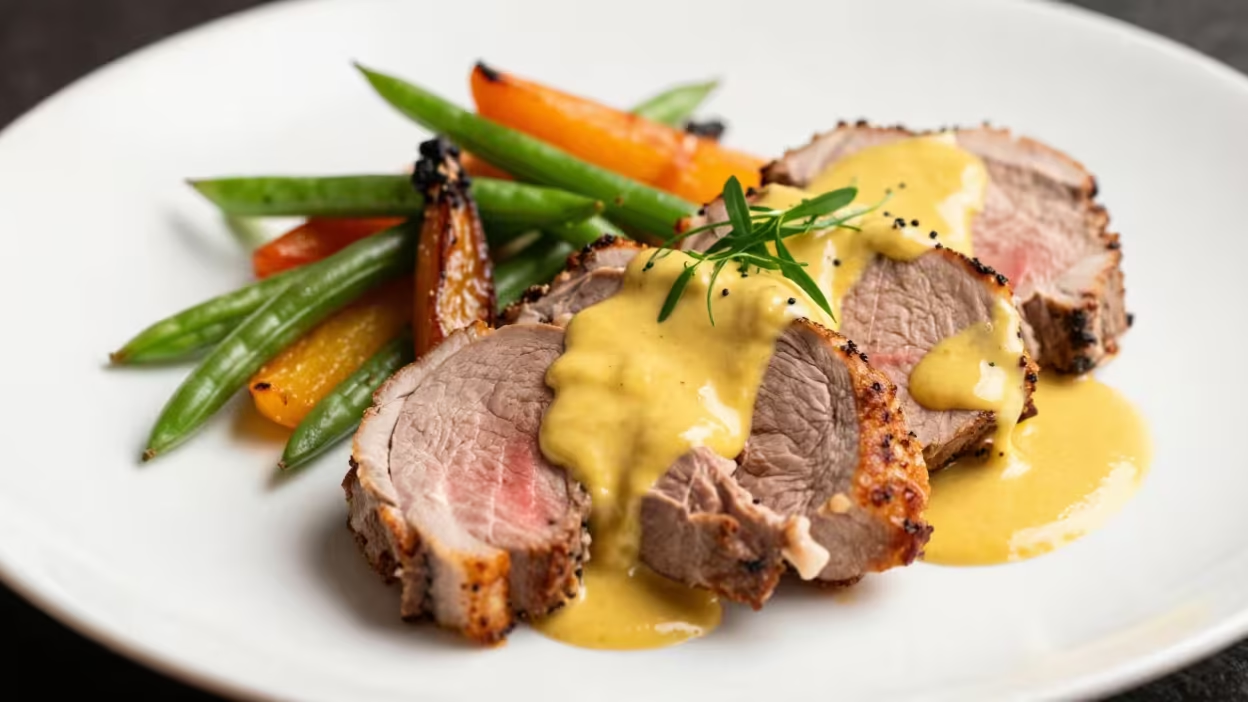
Not every recipe is born from inspiration. Some of them appear simply because, at some point, you’re tired of cooking things that feel either too boring or too demanding. You want food that feels a little special, but you also want to stay sane while making it.
That’s exactly where this dish lives.
Pork tenderloin with Dijon cream sauce isn’t meant to impress anyone scrolling past it online. It’s meant to be cooked on a real evening, in a real kitchen, when you don’t feel like performing but you still care about what ends up on your plate. It’s the kind of meal that fits naturally into everyday life, yet somehow makes that day feel a bit more put together.
What I like about it is how balanced it feels. Nothing here is loud. Nothing is trying to steal the spotlight. The flavors are familiar enough to be comforting, but layered enough to keep you interested until the last bite. And maybe most importantly, the process itself doesn’t add stress. There’s no frantic multitasking, no moment where everything depends on a ten-second window.
For me, good home cooking often comes down to a few simple things:
- the food makes you slow down a little 🕯️
- the steps make sense and flow naturally
- the final dish feels complete, not overworked
This recipe checks all three boxes, and that’s why it keeps finding its way back into my routine.
Pork tenderloin, when treated kindly 🥩🤍
Pork tenderloin has earned a reputation for being tricky, and it’s not entirely undeserved. It’s lean, cooks quickly, and doesn’t forgive distractions very easily. A few minutes too long, and suddenly you’re dealing with dry meat and disappointment.
But once you understand what pork tenderloin actually needs, it becomes much less intimidating.
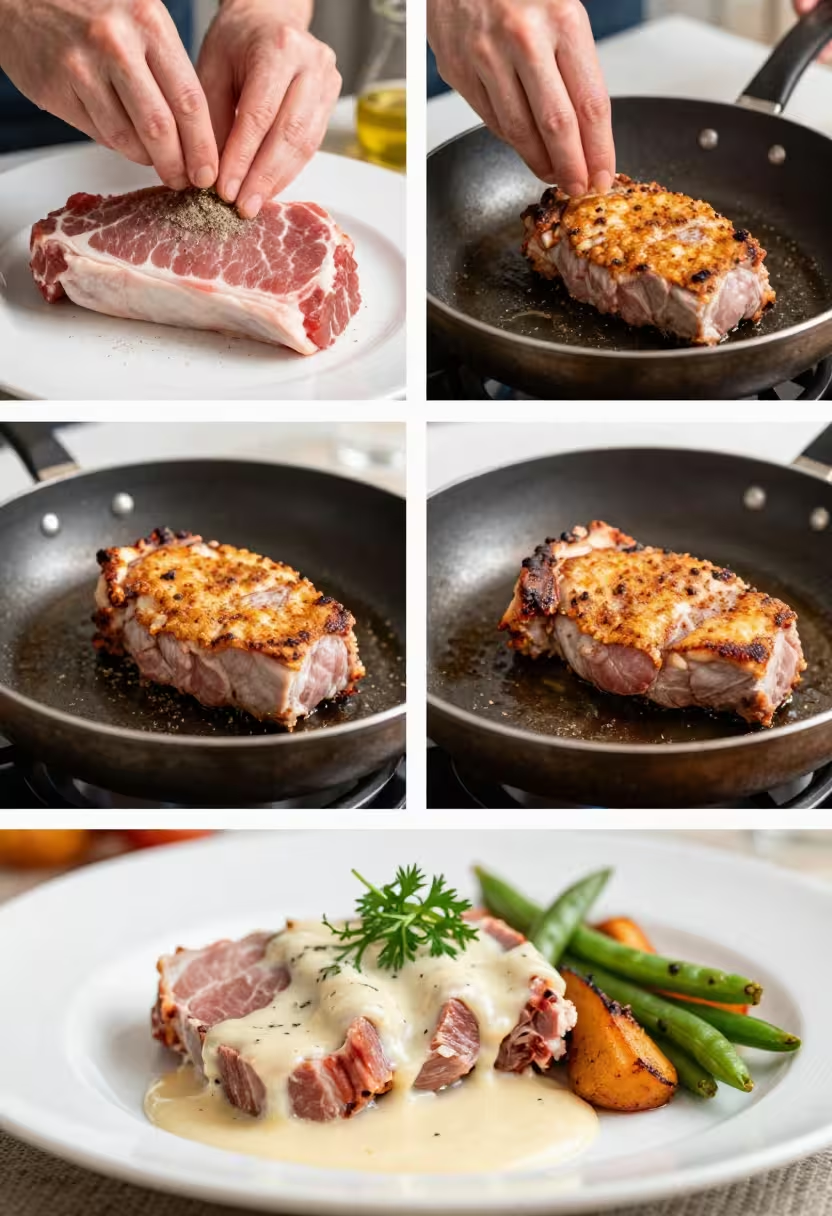
It doesn’t want aggressive heat for a long time.
It doesn’t need heavy seasoning or complex marinades.
And it absolutely benefits from being left alone once it hits the pan.
When treated with a bit of patience, pork tenderloin becomes soft and surprisingly delicate. The texture is smooth rather than juicy in a fatty way, which is why it pairs so well with sauces that bring richness and moisture. Instead of trying to compete with the meat, the sauce supports it.
This recipe works because it respects the nature of the cut instead of fighting it. The pork stays the center of the dish, while everything around it exists to make it more enjoyable:
- a proper sear for flavor 🔥
- a short resting time to keep it tender
- a sauce that adds depth without overwhelming
Once you stop expecting pork tenderloin to behave like other cuts, it becomes one of the easiest and most reliable proteins to cook at home.
The Dijon cream sauce and the role it plays 🥄💭
The sauce in this dish isn’t just something poured on top at the end. It’s part of the structure of the meal.
Cream, on its own, can feel a bit one-dimensional. Pleasant, yes, but also easy to forget. Dijon mustard changes that. It adds brightness, a gentle sharpness, and just enough character to keep the sauce from fading into the background. Together, they create something that feels rich but not heavy, comforting but still alive.
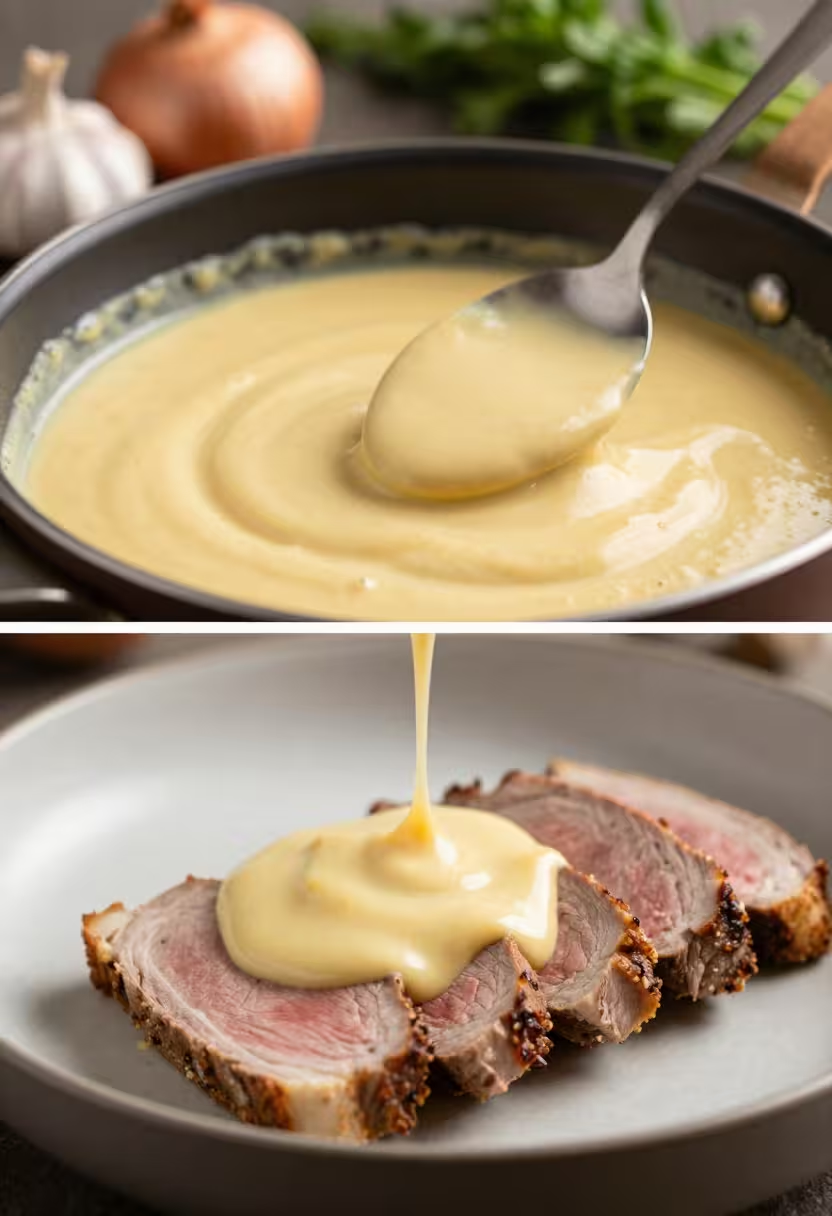
What makes this sauce work especially well is how subtle everything is. The shallots don’t announce themselves as “shallots.” The garlic doesn’t dominate. The thyme sits quietly underneath, adding aroma rather than flavor you can point at directly.
The result is a sauce that does several things at once:
- it lightly coats the pork instead of drowning it
- it brings warmth and richness to the plate 🤍
- it quietly improves everything else it touches
This is the kind of sauce that makes you appreciate the supporting elements of a meal. Potatoes suddenly feel more satisfying. Vegetables taste more intentional. Even a simple piece of bread becomes something you reach for without thinking.
And that, to me, is always a sign that a sauce is doing its job well.
Pork Tenderloin with Dijon Cream Sauce 🍽️
This pork tenderloin with Dijon cream sauce is the kind of dish that feels both comforting and intentional. It doesn’t rely on complicated techniques or unusual ingredients, yet the final result tastes carefully thought out and well balanced. Tender slices of pork are paired with a smooth, savory sauce that brings just enough richness and gentle sharpness to make every bite interesting.
The recipe is straightforward and approachable, making it suitable for a relaxed weeknight dinner, but it also has enough elegance to work just as well when you’re cooking for guests. Everything comes together in one pan, allowing the flavors to build naturally and keeping the process calm and manageable. If you’re looking for a meal that feels homemade in the best sense of the word—warm, satisfying, and quietly impressive—this recipe fits that role beautifully.
Ingredients 🛒
For the pork:
- 1.5 lbs pork tenderloin, silver skin removed
- Salt, to taste
- Freshly ground black pepper, to taste
- 1 tablespoon olive oil
For the Dijon cream sauce:
- 1 tablespoon butter
- 1 small shallot, finely minced
- 2 garlic cloves, minced
- ½ cup dry white wine or chicken broth
- ½ cup low-sodium chicken broth
- ½ cup heavy cream
- 2 tablespoons Dijon mustard (or slightly more, to taste)
- 1 teaspoon fresh thyme (or ½ teaspoon dried)
- Fresh parsley, finely chopped, for garnish 🌿
Instructions 👩🍳
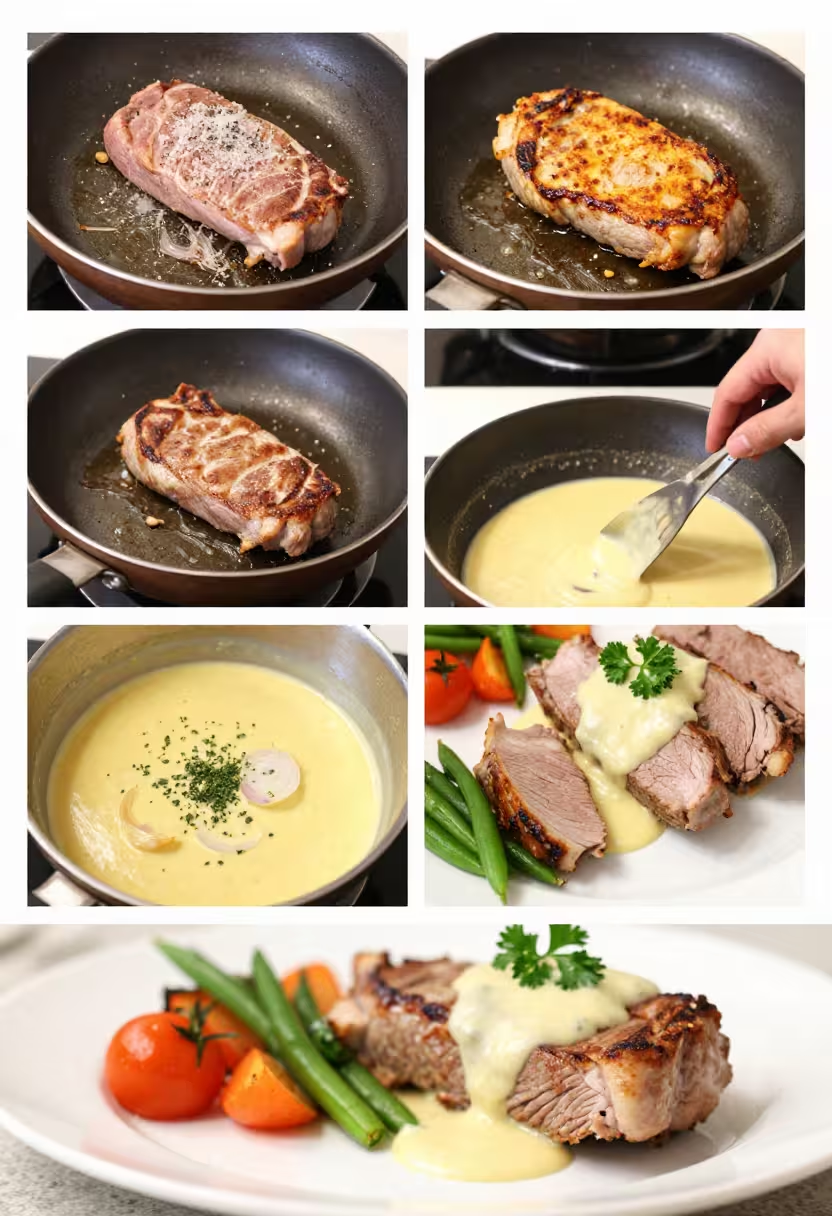
- Pat the pork tenderloin dry with paper towels. Season generously on all sides with salt and freshly ground black pepper.
- Heat the olive oil in a large heavy-bottomed skillet over medium-high heat. When the oil is hot, place the pork tenderloin in the pan and sear for 3–4 minutes per side until a deep golden-brown crust forms.
- Reduce the heat to medium and continue cooking the pork until the internal temperature reaches about 145°F (63°C). Remove the pork from the skillet, transfer it to a cutting board, loosely cover with foil, and let it rest for 5–10 minutes.
- While the pork rests, return the skillet to medium heat. Add the butter and allow it to melt. Add the minced shallot and cook for 2–3 minutes, stirring occasionally, until softened and translucent.
- Add the minced garlic and cook for about 30 seconds, just until fragrant.
- Pour in the white wine (or chicken broth) and use a wooden spoon to scrape up the browned bits from the bottom of the pan. Let the liquid simmer for 2–3 minutes, allowing it to reduce slightly.
- Stir in the chicken broth, heavy cream, Dijon mustard, and thyme. Bring the sauce to a gentle simmer and cook for 5–7 minutes, stirring occasionally, until slightly thickened.
- Taste the sauce and adjust seasoning with salt, pepper, or additional Dijon mustard if needed.
- Slice the rested pork tenderloin into medallions. Arrange on plates or a serving platter and spoon the warm Dijon cream sauce over the top.
- Garnish with freshly chopped parsley and serve immediately.
Cooking Tips 💡
- Use a meat thermometer to avoid overcooking; pork tenderloin dries out quickly.
- Let the pork rest before slicing to keep it juicy.
- Keep the sauce at a gentle simmer, not a boil, to maintain a smooth texture.
- If the sauce becomes too thick, add a small splash of broth or cream to loosen it.
Variations that change the mood, not the idea 🍽️🌿
One of the strengths of this pork tenderloin with Dijon cream sauce is how naturally it adapts to different moods and seasons. The base of the dish remains the same, but small, thoughtful changes can gently shift its character without turning it into something unfamiliar. These variations don’t require rewriting the recipe; they simply build on it.
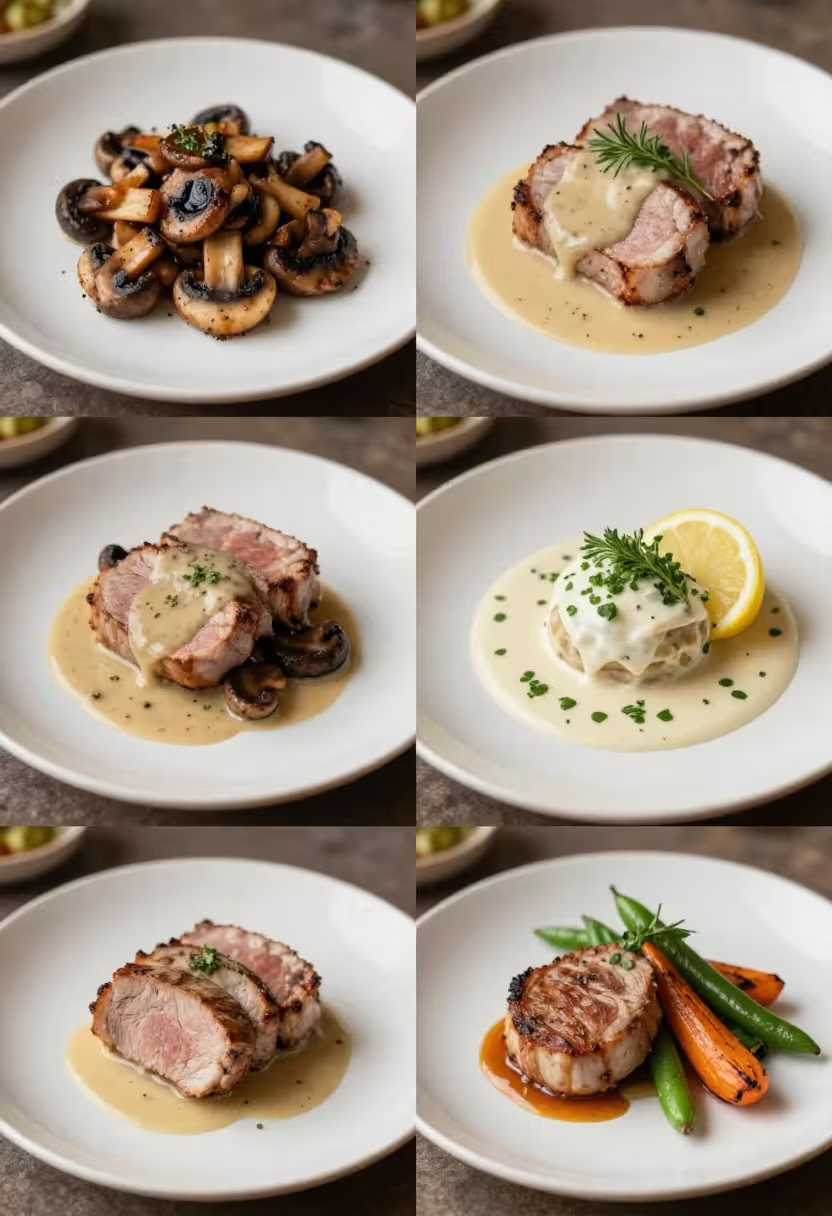
For a deeper, more comforting version, mushrooms are an easy and reliable addition. When sliced thin and cooked slowly with the shallots, they release moisture and develop a savory, almost meaty flavor that blends seamlessly into the sauce. This variation works especially well in cooler months, when you want the dish to feel more grounding and substantial.
If you prefer something lighter or fresher, the sauce can be adjusted at the very end rather than during cooking. A small splash of lemon juice or a few drops of white wine vinegar can brighten the creaminess and make the dish feel less heavy, especially if served with vegetables or a simple salad. The acidity doesn’t overpower the sauce; it simply sharpens the edges slightly.
Other small adjustments that work well:
- replacing part of the wine with a splash of brandy or cognac for warmth 🍷
- using half-and-half instead of heavy cream for a lighter texture
- adding a pinch of white pepper instead of black for a softer heat
- finishing the sauce with extra fresh herbs for a more aromatic feel
These are not “better” or “worse” versions—just different directions. The dish is flexible enough to meet you where you are, which is often what makes a recipe worth returning to.
A few interesting details about pork and Dijon 💭🥩
Pork tenderloin is one of the leanest cuts of pork, and that fact shapes everything about how it should be cooked. Because there is very little internal fat, the meat responds quickly to heat. This is both its biggest risk and its biggest advantage. Cooked carefully, it becomes tender and delicate. Cooked too long, it dries out fast.
That sensitivity is exactly why resting time matters so much. Allowing the pork to rest after cooking gives the juices time to redistribute, resulting in a noticeably softer and more pleasant texture. It’s a small step that makes a visible difference on the plate.
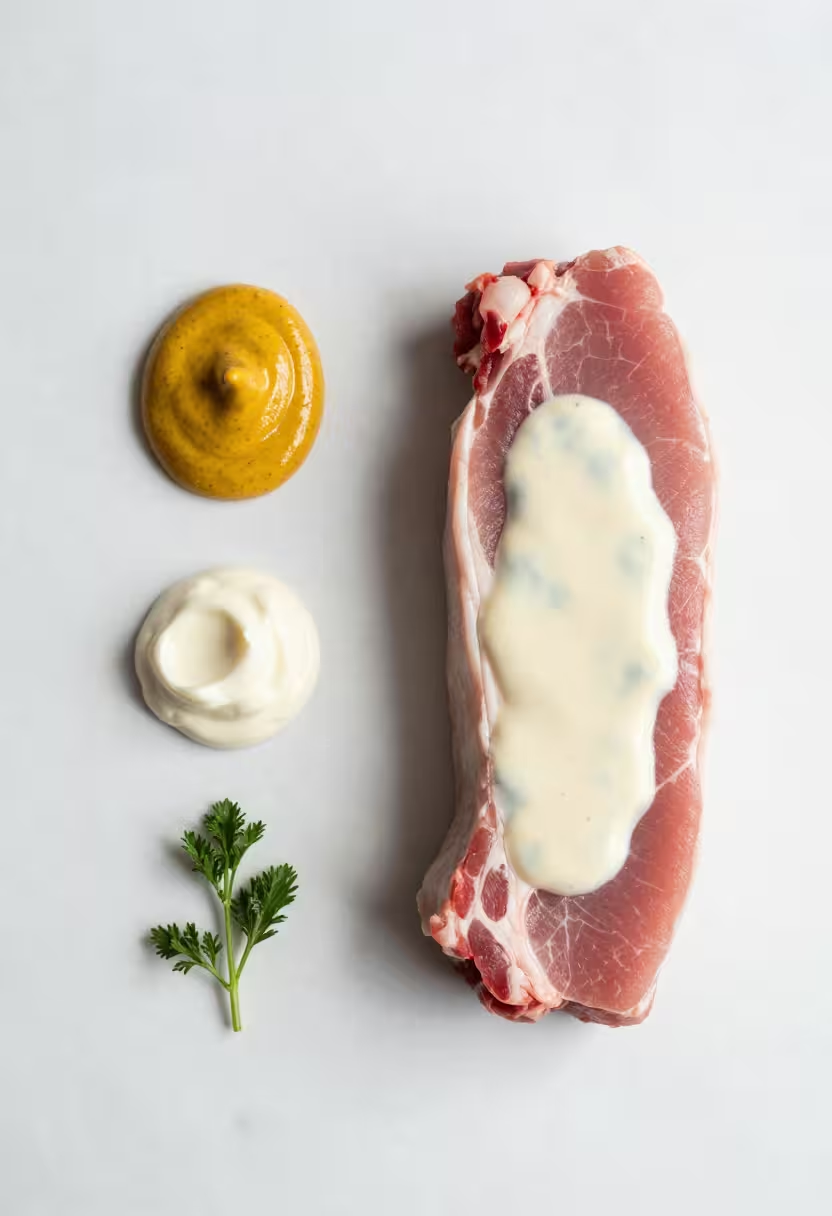
Dijon mustard plays a similarly subtle but important role in the sauce. Historically, Dijon has been used in cream-based sauces not to make them spicy, but to create balance. Cream alone can dull flavors over time, especially when paired with mild proteins. Dijon adds acidity and structure, helping the sauce stay lively instead of flat.
A few quiet facts that make this pairing work:
- lean meats benefit from sauces that add moisture 🤍
- cream benefits from acidity to stay balanced
- mustard enhances flavor without adding heaviness
- gentle reduction creates depth without complexity
None of these elements stand out on their own, but together they create a dish that feels cohesive and well thought out.
Why this dish works so well over time 🤍🍽️
This pork tenderloin with Dijon cream sauce isn’t built around novelty or trends. It doesn’t rely on bold flavors meant to impress at first bite and then quickly fade from memory. Instead, it works because it’s balanced, calm, and consistent—qualities that matter far more in everyday cooking than perfection or complexity.

It’s the kind of recipe that quietly becomes familiar. You make it once, then again a few weeks later, and over time it starts to feel easier and more natural. Small adjustments happen without much thought: a little more mustard, a different herb, a slightly lighter sauce one evening and a richer one another. The dish adapts, but its core stays the same.
What makes a recipe last is not how impressive it looks on the table, but how comfortably it fits into real life. This one does exactly that. It’s reliable without being boring, satisfying without being heavy, and flexible enough to grow with the way you cook. And that’s often what keeps a dish in rotation long after the first time it’s made. 🍽️