

There are moments when baking stops being a task and turns into a small act of care. Not for guests, not for a special occasion — just for yourself or the people you share your space with. Savory herb and cheese scones fit naturally into those moments. They don’t demand attention or precision. They simply ask you to slow down a little and enjoy the process.
This kind of baking feels grounded. Flour on your hands, cold butter between your fingers, the quiet rhythm of working dough together. There’s no pressure to make things look perfect. In fact, these scones look best when they’re a little uneven, cracked on top, and clearly shaped by hand. That’s how you know they’re real.
Unlike sweet pastries, savory scones don’t rely on sugar to create comfort. Their appeal is deeper and calmer. The richness of butter, the sharpness of cheese, and the gentle aroma of herbs work together in a way that feels familiar and reassuring. It’s food that doesn’t shout, but it stays with you 😊
Why Savory Scones Feel So Natural in Everyday Life
One of the reasons savory scones become a regular part of the kitchen routine is how easily they adapt. They don’t belong to one specific meal or mood. A warm scone in the morning feels just as right as one in the afternoon or early evening.

They work beautifully:
- alongside a cup of coffee or tea when breakfast needs to be simple
- next to a bowl of soup or stew on a quiet day
- as part of a relaxed brunch spread without trying to steal the spotlight
There’s also something comforting about knowing that this is a recipe you can return to without planning ahead. Most of the ingredients are pantry staples, and the process itself is forgiving. If the cheese isn’t perfectly measured or the herbs are slightly uneven, the scones don’t suffer. They often turn out better for it.
Cheese brings depth and warmth, melting into the dough and creating little moments of richness. Herbs stay in the background, adding freshness without overwhelming the other flavors. Together, they create a balance that feels complete but not heavy 🧀🌿
The Quiet Satisfaction of a Well-Made Scone
Texture is where savory scones either succeed or fail, and it’s also where many people overthink things. A good scone doesn’t need to be complicated. It should break apart easily, feel soft inside, and hold together without crumbling.

That texture comes from a few simple choices:
- using very cold butter
- handling the dough gently
- stopping the moment everything comes together
The process itself is surprisingly calming. Cutting butter into flour, folding in cheese and herbs, shaping the dough — it’s slow in a way that feels intentional. While the scones bake, the kitchen fills with a warm, savory smell that feels inviting rather than sweet or overpowering. It’s the kind of smell that makes people wander in without asking what’s for dinner 😌
When the scones finally come out of the oven, golden and fragrant, they don’t need much. A little butter, if you want. Or nothing at all. They stand on their own, quietly confident, ready to be eaten and remembered.
Savory Herb and Cheese Scones 🧈🧀🌿
These savory herb and cheese scones are the kind of bake that feels comforting from start to finish. They come together quickly, don’t require special equipment, and rely on simple, familiar ingredients. The result is a tender, flaky scone with a rich, cheesy flavor and gentle herbal notes — perfect for breakfast, brunch, or as a warm side to soups and salads. This recipe is designed to be forgiving and flexible, making it suitable for both experienced bakers and those just starting out.
Ingredients
- 2 cups (240 g) all-purpose flour
- 1 tablespoon baking powder
- ½ teaspoon salt
- ¼ teaspoon black pepper
- ½ teaspoon garlic powder
- ½ cup (113 g) unsalted butter, very cold, cut into small cubes
- 1 cup (110–120 g) sharp cheese (cheddar, Gruyère, or similar), shredded
- 2 tablespoons fresh chives, finely chopped
- 1 tablespoon fresh parsley or thyme (optional)
- ¾ cup cold milk (plus a little extra if needed)
- 1 large egg
- 1 tablespoon milk or water (for egg wash)

Instructions
- Preheat the oven to 400°F (200°C). Line a baking sheet with parchment paper.
- In a large bowl, whisk together the flour, baking powder, salt, black pepper, and garlic powder until evenly combined.
- Add the cold butter cubes to the flour mixture. Using your fingertips or a pastry cutter, work the butter into the flour until the mixture resembles coarse crumbs with some pea-sized pieces of butter remaining.
- Gently fold in the shredded cheese, chives, and optional herbs until evenly distributed.
- Pour in the cold milk and stir gently just until the dough comes together. Avoid overmixing; the dough should look slightly rough but cohesive.
- Transfer the dough to a lightly floured surface. Gently pat it into a round about 1 inch thick, without kneading.
- Cut the dough into scones using a round cutter or a sharp knife. Place the scones on the prepared baking sheet, leaving space between them.
- In a small bowl, whisk the egg with 1 tablespoon of milk or water. Lightly brush the tops of the scones with the egg wash.
- Bake for 18–22 minutes, or until the scones are puffed and golden brown.
- Remove from the oven and allow the scones to cool for about 5 minutes before serving.
Tips for Best Results 💡
- Use very cold butter and milk to achieve a flaky texture.
- Handle the dough gently and stop mixing as soon as it comes together.
- For clean rising, press straight down when cutting the scones instead of twisting the cutter.
- These scones are best served warm but can be reheated briefly in the oven.
Easy Ways to Change the Flavor Without Changing the Recipe 🧀🌿
One of the reasons savory herb and cheese scones tend to stay in rotation is their flexibility. Once you’ve made the base recipe a few times, it stops feeling fixed or restrictive. Instead, it becomes more like a framework — something reliable that you can gently adjust depending on your mood, the season, or what happens to be in your fridge that day.
You don’t need to rethink the proportions or change the method to get a new result. Even small, thoughtful changes can shift the flavor noticeably while keeping the texture soft, flaky, and familiar. That’s what makes this recipe so practical: it encourages creativity without creating risk.
Some of the easiest and most reliable variations include:
- Cheese swaps: Sharp cheddar gives a classic, comforting flavor, but switching cheeses can subtly change the entire character of the scones. Gruyère adds a nutty, slightly sweet depth, Parmesan brings a firmer, saltier bite, and smoked gouda introduces warmth without overpowering the herbs 🧀 Mixing two cheeses together often works especially well, as long as both melt smoothly and aren’t too moist.

- Herb changes: Chives keep the flavor gentle and balanced, making them a good everyday choice. Thyme or rosemary lean more savory and earthy, which works beautifully in colder months or when the scones are served with soups and stews. Dill creates a fresher, lighter aroma that pairs well with eggs or simple vegetable dishes 🌿 Using herbs as an accent rather than a focal point keeps the flavor harmonious.
- Savory add-ins: If you want something a little more filling, small amounts of cooked additions can be folded into the dough. Crispy bacon bits add salt and crunch, caramelized onions bring sweetness and depth, and finely chopped sun-dried tomatoes add richness. The key is moderation — too much filling can weigh the dough down.
- Spice boost: For those who enjoy gentle heat, a pinch of chili flakes or cayenne pepper adds warmth without turning the scones spicy 🌶️ It’s a subtle change, but one that can make the scones feel more complex.
- Lighter or heartier versions: Replacing up to half of the all-purpose flour with whole wheat flour gives the scones a more rustic texture and slightly nutty flavor, while still allowing them to rise properly. This variation works especially well when the scones are served as part of a meal rather than on their own.
These kinds of adjustments keep the recipe interesting without turning it into something completely different. The core stays the same, but the details evolve.
A Few Things You Learn After Baking Savory Scones a While 🥐
Savory scones often surprise people because they don’t behave like sweet pastries. Historically, they were never meant to. Early scones were simple, filling, and practical — something you ate with meals, not dessert.
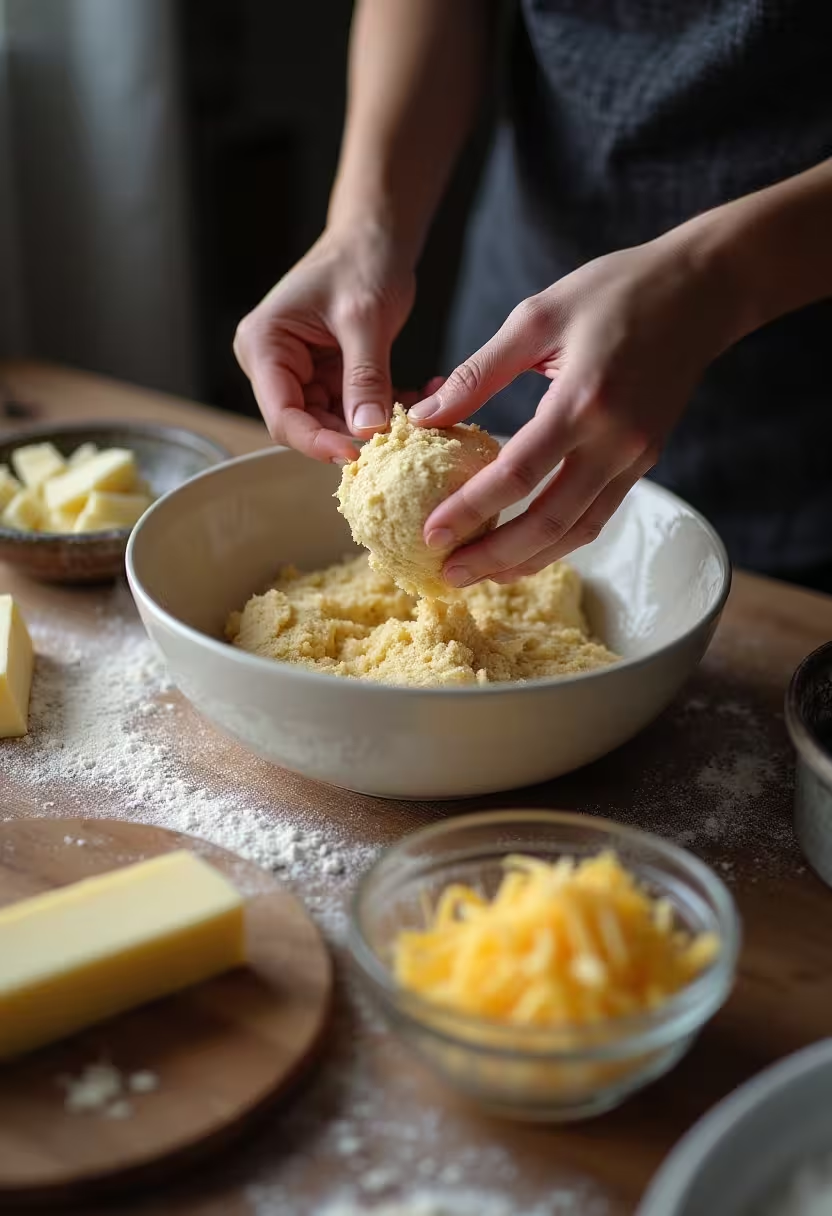
Once you’ve made them a few times, you start noticing patterns. For example:
- cold butter really does matter — warm butter changes everything
- the dough doesn’t need to look smooth to bake well
- stopping early is better than “fixing” it
Overmixing is probably the most common mistake, and it usually comes from good intentions. You want the dough to look neat. But neat dough almost always turns into dense scones. A slightly messy dough, on the other hand, almost always bakes up tender.
Another thing that becomes clear over time is where savory scones fit best. They’re not trying to replace bread or pastry. They work best alongside food — soups, salads, eggs — where their saltiness and richness actually make the whole meal feel more complete.
The Kind of Recipe That Slowly Becomes Yours 💛
Some recipes impress you once and then disappear. Others stay because they’re easy to live with. These savory herb and cheese scones belong to the second group.

After a while, you stop thinking of them as a recipe. They become something you make when:
- you don’t want anything sweet
- you need something warm and filling
- you want to bake, but not overthink it
You start adjusting them without planning to. A different cheese. Fewer herbs. Slightly thicker dough. And somehow, they still turn out good.
That’s usually the best sign. Not perfection, not precision — just a recipe that adapts to you, instead of the other way around. 🧈✨




I went over this web site and I think you have a lot of wonderful info , saved to favorites (:.