Why Probiotics Are More Than a Trend
“Probiotics” is one of those wellness words that seems to be everywhere — on yogurt labels, supplement bottles, smoothie bars, and even skincare products. But beneath the buzz lies something far more meaningful: a growing understanding of how deeply our gut influences our overall health, and how beneficial bacteria can support that balance.
Your gut isn’t just a place where digestion happens. It’s a vibrant ecosystem of trillions of microbes that help regulate everything from immunity and inflammation to mood, energy levels, and even skin health. When this delicate community is out of balance, you feel it — through bloating, irregular digestion, fatigue, low mood, or unexplained discomfort.
This is where probiotics come in.
They’re not a magic cure, but they are powerful allies: live beneficial microorganisms that help restore harmony in the gut, improve digestion, and support your body’s natural defenses. Research-backed, gentle, and incredibly accessible, probiotics offer a practical way to care for your gut from the inside out.
In this guide — inspired by the clear, health-focused approach of UKCareGuide — we’ll explore:
- what probiotics actually are (in simple terms),
- how they work inside your digestive system,
- the proven health benefits they offer,
- the best probiotic-rich foods,
- and how to support your microbiome with everyday habits.
The goal isn’t perfection — it’s balance, nourishment, and understanding how small daily choices can transform your wellbeing.
Let’s explore how probiotics can help you build a healthier, happier gut — naturally. 🌿💛
What Probiotics Really Are

At their core, probiotics are live beneficial microorganisms — mostly bacteria, but also certain yeasts — that support your digestive system and contribute to a balanced gut environment. While the word “bacteria” might sound alarming, not all bacteria are troublemakers. In fact, many of them are essential partners in your wellbeing.
Your gut already contains trillions of microbes working around the clock to break down food, produce vitamins, regulate immunity, and protect your intestinal lining. Probiotics are like reinforcements: they help replenish what’s missing, strengthen what’s already working, and restore balance when life gets stressful or your diet shifts.
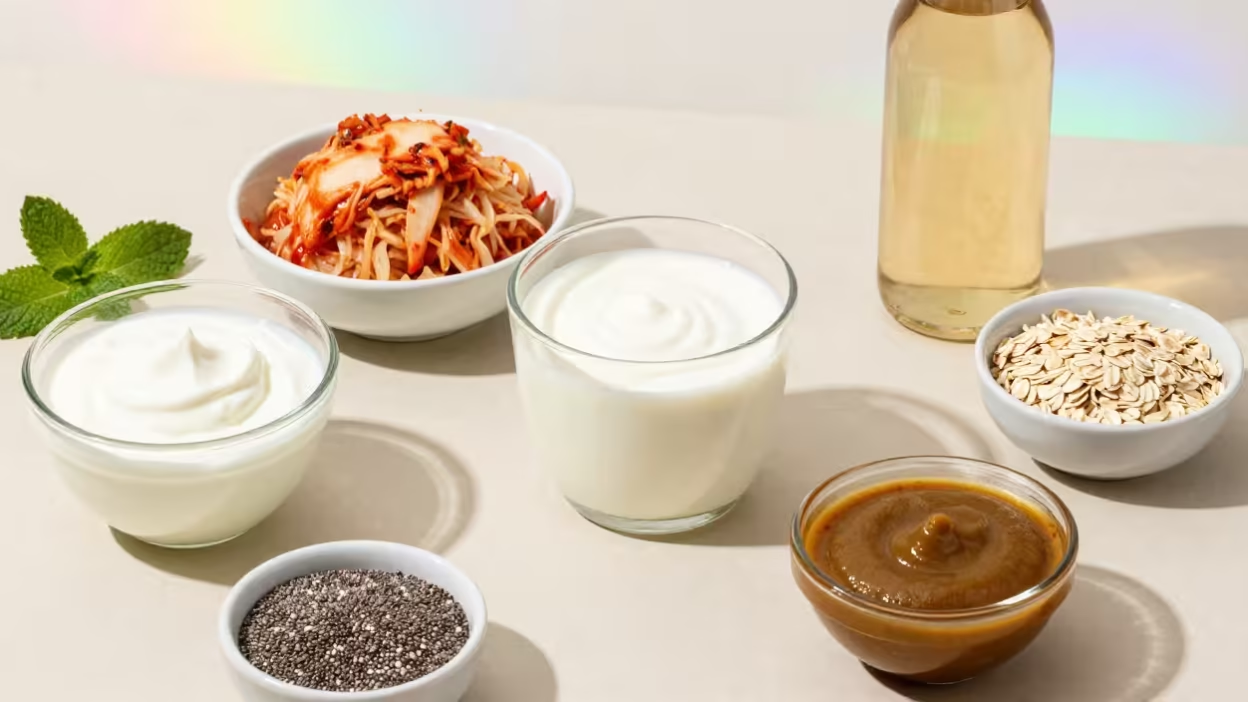
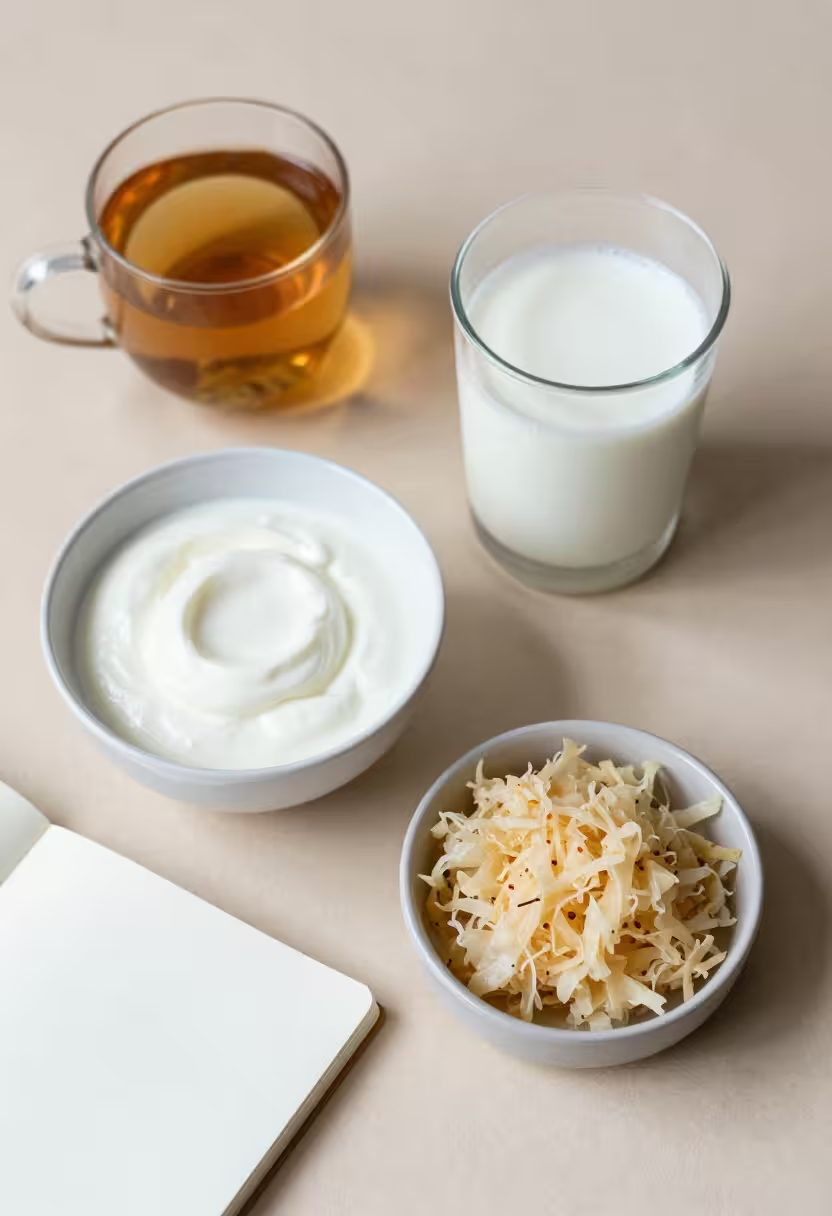
You’ll find probiotics naturally in fermented foods like yogurt, kefir, sauerkraut, kimchi, miso, and kombucha. Each food carries its own blend of microbial strains, contributing different benefits — from easing digestion to boosting immune defenses.
It’s also important to distinguish probiotics from prebiotics, which are fibres that feed your good bacteria, and postbiotics, which are beneficial compounds produced by these microbes. Together, they form a dynamic system that keeps your gut resilient.
Probiotics don’t stay in your body forever; they pass through, offering support as they go. That’s why consistency matters. With regular intake, you help maintain a healthier gut environment — one that’s better equipped to support digestion, energy, and overall comfort.
Next, we’ll explore the fascinating world of your gut microbiome — the living ecosystem inside you that probiotics help nurture and protect. 🌿🦠✨
The Gut Microbiome: A Living Ecosystem
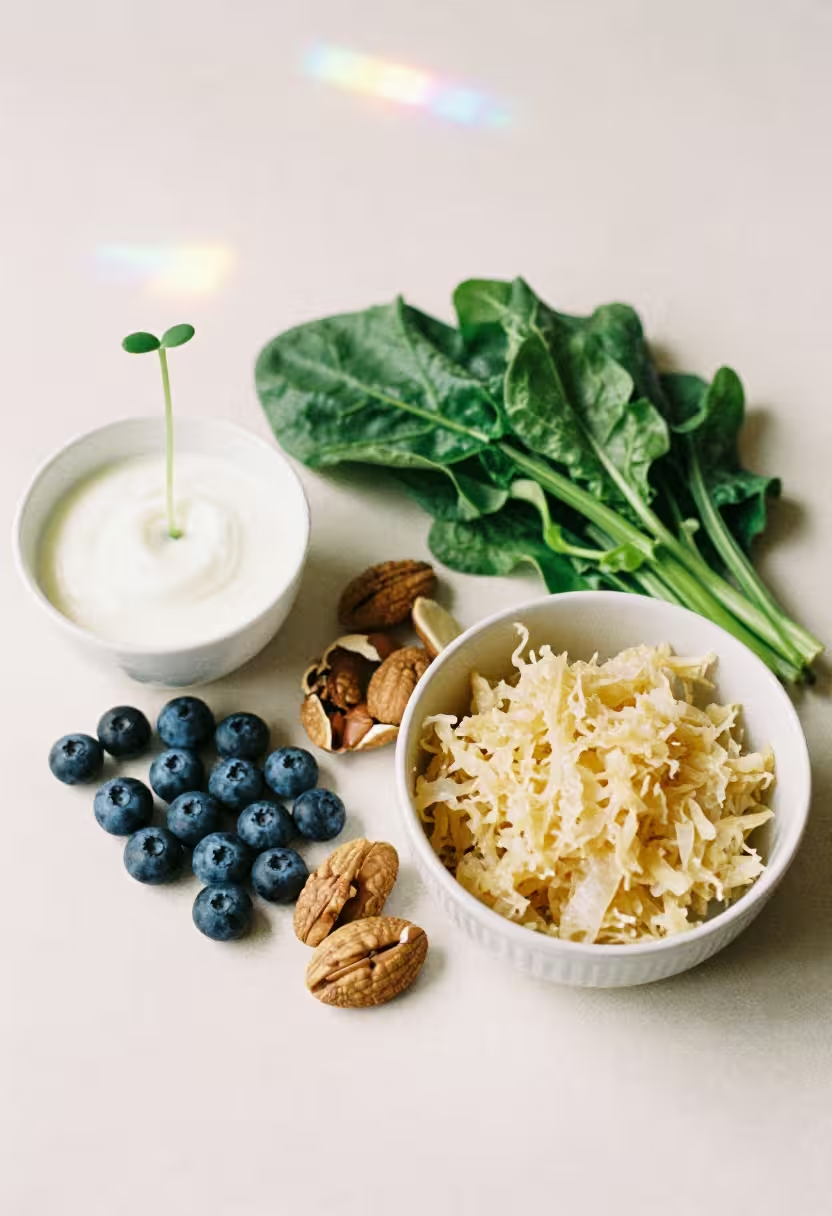
Inside your digestive tract lives a world so intricate and active that scientists often call it a “second brain.” This world — your gut microbiome — is home to trillions of bacteria, viruses, fungi, and other microorganisms. Most of them are harmless; many are incredibly helpful. Together, they form a living ecosystem that influences far more than digestion alone.
A healthy microbiome is diverse, meaning it contains many different types of beneficial microbes that keep each other in check. This diversity helps your body break down food efficiently, absorb nutrients, and produce vitamins like B12 and K. But it also reaches far beyond digestion: your microbiome communicates closely with your immune system, your hormones, and even your nervous system.
This is why the gut is strongly linked to mood and mental wellbeing through the gut–brain axis, a two-way communication system. When your microbiome is balanced, you often feel calmer, more focused, and more energized. When things are out of balance — after illness, stress, antibiotics, or too much ultra-processed food — you might notice bloating, irregularity, fatigue, or a general sense that your body is “off.”
Probiotics help support this ecosystem by adding beneficial strains that work alongside your existing microbes. Think of them as helpful newcomers who arrive with extra skills — repairing disruptions, improving communication, and helping restore harmony.
Understanding the microbiome isn’t about fear; it’s about empowerment.
The more you know about this invisible community inside you, the more intentionally you can support it.
Next, let’s explore how probiotics actually work once they reach your digestive system — and why they’re so valuable for long-term gut health. 🌿🧬💛
How Probiotics Work in the Digestive System
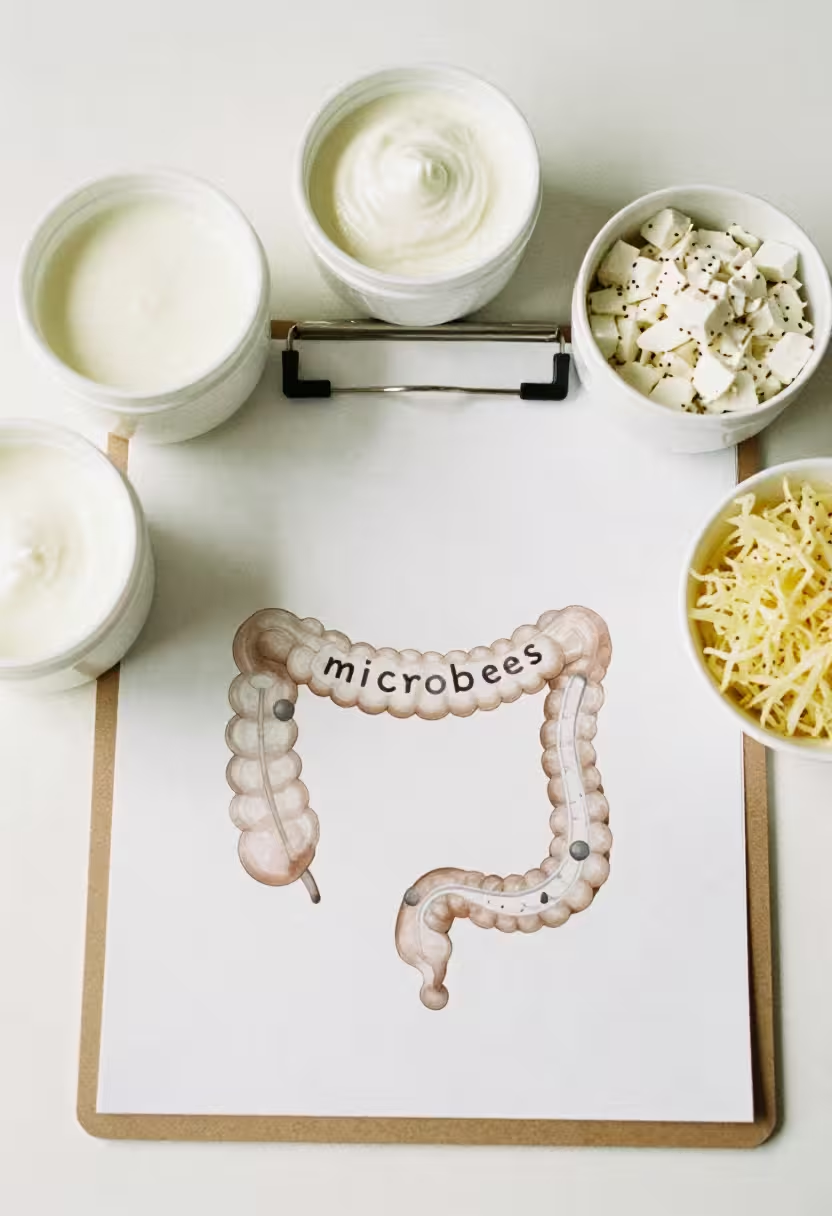
Once probiotics enter your body—usually through food or supplements—they begin a surprisingly complex journey. Despite their tiny size, these beneficial microbes have a meaningful impact on the entire digestive tract.
First, they must survive the stomach, an acidic environment designed to break down everything that passes through. Many probiotic strains are naturally resilient, and foods like yogurt or kefir help protect them as they travel. When they reach the intestines, where most of the microbiome lives, their real work begins.
Probiotics help by supporting balance among existing microbes. When harmful bacteria start to overgrow—due to stress, antibiotics, travel, illness, or dietary changes—probiotics step in. They compete for space and nutrients, making it harder for unwanted microbes to thrive. This process is often described as “crowding out” harmful bacteria, and it’s one of the simplest but most powerful ways probiotics contribute to gut health.
They also strengthen the gut barrier, the protective lining that keeps undigested food particles and toxins from entering the bloodstream. A strong barrier means less inflammation and more stable digestion.
Another key role: probiotics help produce beneficial compounds, including short-chain fatty acids (SCFAs). These compounds support energy, reduce inflammation, nourish the cells lining your colon, and even influence mood through the gut–brain axis.
Finally, probiotics interact with your immune system, teaching it to react appropriately—responding strongly when needed, but staying calm when it’s not. A large portion of your immune cells live in the gut, so this relationship is incredibly important.
In short, probiotics aren’t just “good bacteria.”
They’re active partners in digestion, immunity, and internal balance—all working quietly behind the scenes.
Next, we’ll look at the specific, research-backed benefits you might feel when you include probiotics in your daily routine. 🌿🦠✨
Top Health Benefits of Probiotics (Science-Backed)

When your gut is balanced, your whole body feels the difference. Probiotics offer a wide range of benefits, many of which have been supported by both clinical research and real-world experience. They don’t act like quick fixes—they work gradually, helping your digestive system and overall wellbeing become more stable and resilient.
One of the most noticeable benefits is improved digestion. Probiotics help break down food more efficiently, reduce gas formation, and support smoother bowel movements. Many people find that regular probiotic intake softens the ups and downs of bloating, irregularity, or discomfort after meals.
Probiotics also play a role in managing symptoms of IBS (irritable bowel syndrome). Certain strains can help calm inflammation, reduce abdominal pain, and ease bloating. While they’re not a cure, they often make daily life more comfortable for those with sensitive digestion.
Another major benefit is stronger immunity. Because so much of the immune system lives in the gut, probiotics help create a more responsive, balanced immune environment. They enhance the body’s ability to defend itself while reducing unnecessary inflammation.
Probiotics may also support nutrient absorption. A healthier gut environment helps your body absorb vitamins and minerals more effectively, especially B vitamins, calcium, and magnesium.
There’s growing research linking probiotics to mood and mental health, too. Through the gut–brain axis, probiotics can influence the production of neurotransmitters like serotonin. Many people notice improved mood stability, reduced stress-related digestive issues, and a calmer mind when their gut is balanced.
Finally, probiotics can be helpful after antibiotic use. Antibiotics save lives, but they can also disrupt beneficial bacteria. Probiotics help rebuild microbial balance and reduce the risk of digestive side effects.
These benefits don’t appear overnight, but with consistent use, they become part of a more resilient, comfortable, and energized foundation for everyday life.
Next, we’ll explore where to find probiotics naturally — and how to use those foods in simple, enjoyable ways. 🌿✨
Foods Rich in Probiotics & How to Prepare Them
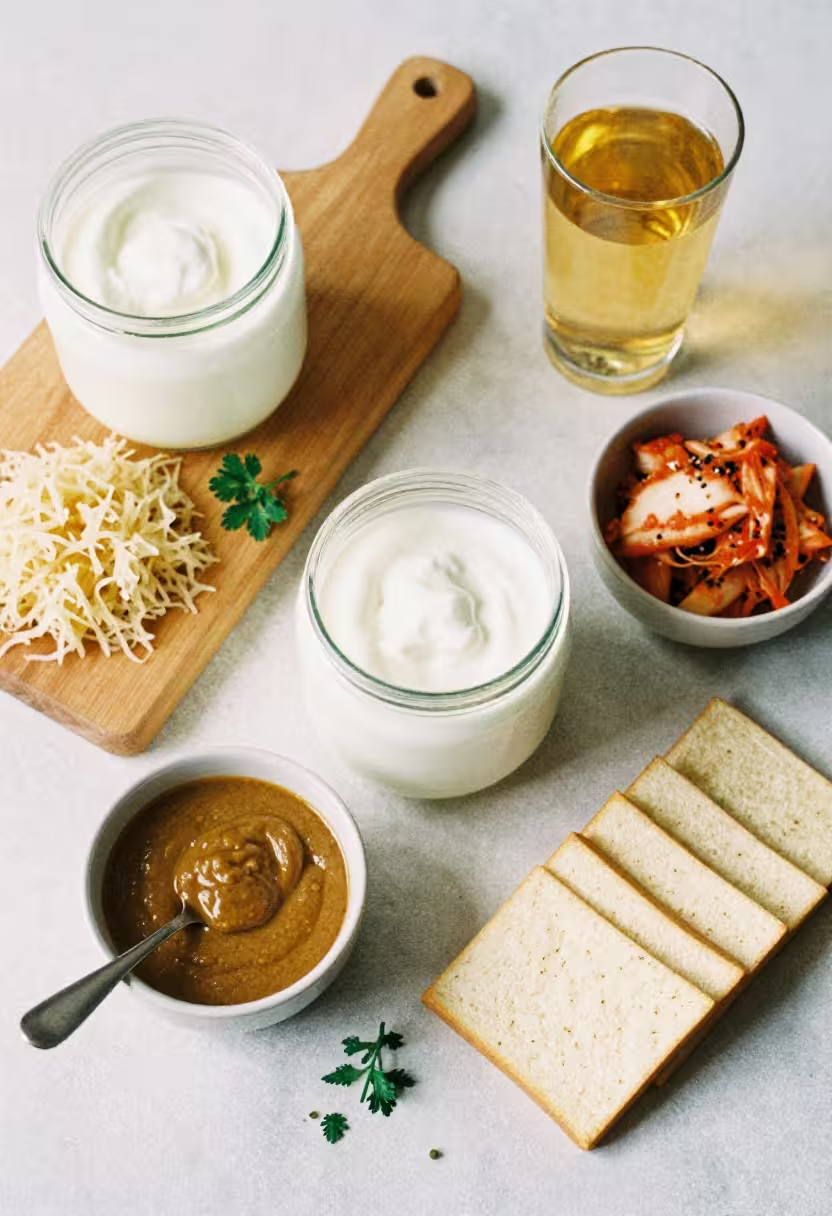
One of the easiest—and most enjoyable—ways to bring probiotics into your daily life is through food. Fermented foods naturally contain live beneficial bacteria, and each type offers its own unique microbial profile and flavour. The best part? Many of these foods are simple, versatile, and easy to incorporate into meals you already enjoy.
Yogurt is the most familiar probiotic food. Look for labels that mention “live and active cultures,” as these indicate the presence of beneficial bacteria. Choose plain varieties with no added sugar, then add your own fruit, nuts, or honey. It’s an effortless breakfast or snack that supports gut balance.
Kefir, a tangy fermented drink, is like yogurt’s more potent cousin—it contains a wider range of probiotic strains and a naturally refreshing taste. Drink it plain, blend it into smoothies, or pour it over fruit for a quick, gut-friendly snack.
For savoury meals, sauerkraut and kimchi are fantastic choices. Sauerkraut offers a mild, tangy flavour; kimchi brings spice and depth. Both pair beautifully with bowls, roasted vegetables, sandwiches, or grilled meats. Just remember: to keep the beneficial bacteria alive, add these foods after cooking, not during.
Miso, a fermented soybean paste, brings rich umami flavor to soups, noodles, salad dressings, and marinades. When making miso soup, stir it in at the end, just before serving, to preserve its live cultures.
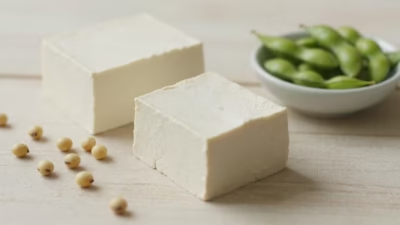
Tempeh is another fermented staple—firm, nutty, and protein-rich. It works well in stir-fries, grain bowls, or pan-fried as a meat alternative. Its fermentation process not only adds probiotics but also makes nutrients easier to digest.
If you enjoy something fizzy, kombucha offers a refreshing way to support your gut. Choose brands with minimal added sugar, or even try brewing your own if you feel adventurous.
These probiotic-rich foods don’t need to dominate your diet; just a few servings a week can make a difference. The key is variety, consistency, and choosing foods you genuinely enjoy.
Next, we’ll clear up some confusion by explaining the difference between prebiotics, probiotics, and postbiotics—and why you likely need all three. 🌿🥣✨
Prebiotics vs. Postbiotics: Clarifying the Difference
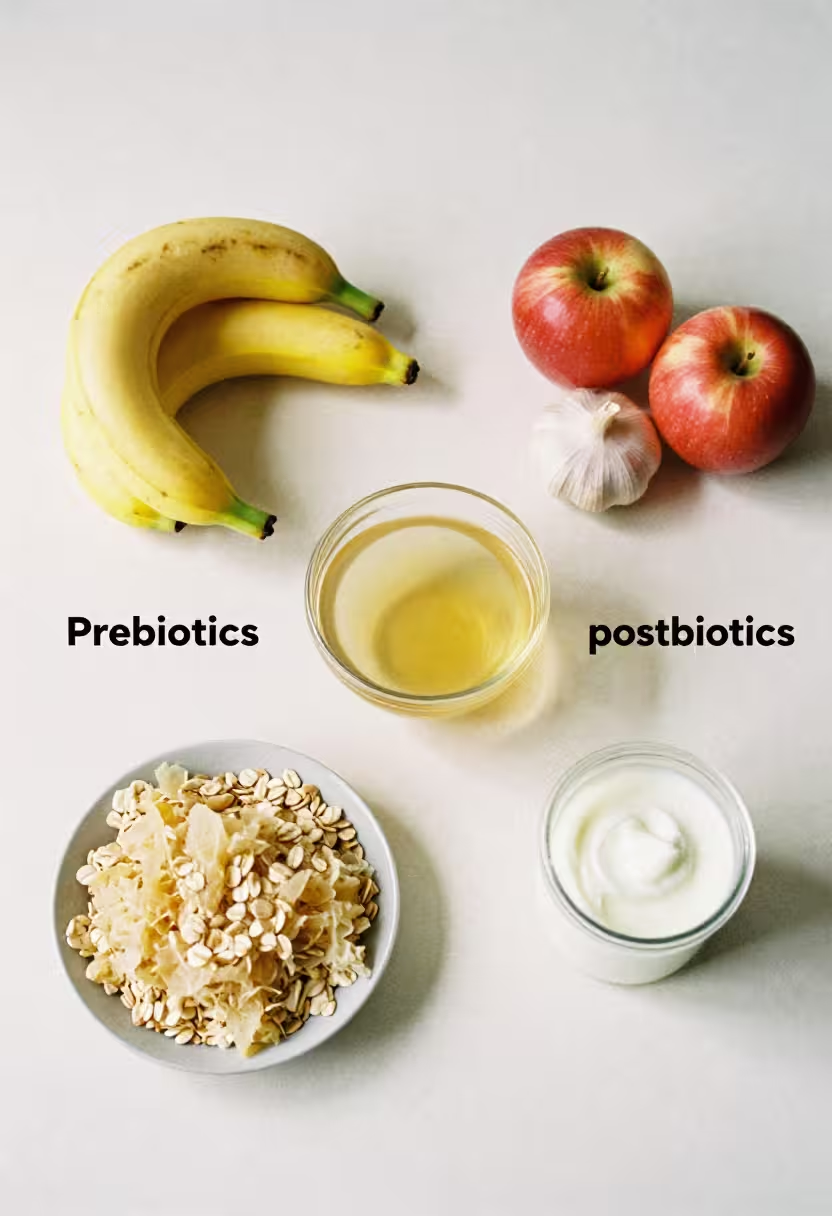
Probiotics often get the spotlight, but they’re only one part of the gut-health equation. To truly support your microbiome, it helps to understand the two other key players: prebiotics and postbiotics. Each one has a different role, and together they create a balanced, resilient digestive environment.
Prebiotics are essentially the food for your beneficial bacteria. They’re non-digestible fibres found in everyday foods like oats, bananas, garlic, onions, asparagus, leeks, apples, and whole grains. Because your body can’t break these fibres down, they travel to the colon intact, where they feed your good bacteria. When your microbes are well-fed, they grow stronger, multiply, and support digestion more effectively. Think of prebiotics as fertilizer that helps your internal garden flourish.
Probiotics, on the other hand, are the live beneficial microbes themselves—bacteria and yeasts that help restore microbial balance, crowd out harmful organisms, and strengthen your gut lining. You get them from fermented foods like yogurt, kefir, kimchi, kombucha, sauerkraut, and miso.
Then there are postbiotics, the often-overlooked stars of the gut world. Postbiotics are the beneficial compounds that probiotics produce after feeding on prebiotics. These include short-chain fatty acids (SCFAs), peptides, vitamins, and enzymes that support everything from immune function to inflammation control. They’re the “end products” of microbial fermentation—and they do incredible things for your body.
Put simply:
- Prebiotics feed probiotics.
- Probiotics create postbiotics.
- Postbiotics keep your gut strong, calm, and balanced.
It’s a natural, elegant cycle that works beautifully when your diet includes a mix of fibre-rich plants and probiotic foods. Understanding this trio helps you see gut health not as a trend, but as a living system you can nurture every day.
Next, we’ll explore the habits that support this system—daily routines that help your microbiome flourish. 🌿✨
Daily Habits to Support Your Microbiome

Your gut thrives on consistency, not perfection. While probiotic foods play an important role, your everyday habits are just as influential in shaping a strong, diverse microbiome. Think of these habits as gentle anchors that keep your digestion, immunity, and mood supported from the inside out.
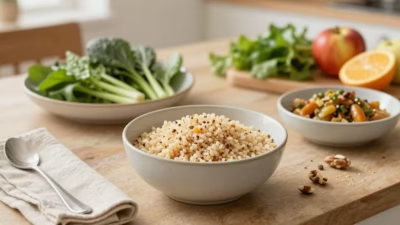
One of the most powerful habits is simply eating a variety of plant foods. Different fibres feed different types of bacteria, so the more colourful and diverse your meals are, the more diverse your gut becomes. Even small additions—an extra handful of greens, a sprinkle of seeds, a mix of vegetables—can make a meaningful difference.
Hydration is another essential piece. Water helps move fibre through your digestive tract and supports the production of short-chain fatty acids, the postbiotics that keep your gut lining healthy. If your water intake fluctuates, your digestion often does too.
Equally important is managing stress, because your gut and brain are deeply connected. Chronic stress can slow digestion, increase inflammation, and disrupt microbial balance. Gentle routines like walking, deep breathing, stretching, or simply taking a quiet break during the day help calm your nervous system and, in turn, support your gut.
Your sleep habits matter too. Poor or irregular sleep can shift gut bacteria in ways that affect metabolism, mood, and appetite. A consistent bedtime and quality rest help regulate the microbiome’s natural rhythm.
Even movement—whether structured exercise or casual activity—benefits gut health. Simply staying active increases microbial diversity and supports smoother digestion.
And finally, be mindful of processed foods and unnecessary antibiotics, both of which can disrupt gut balance. While antibiotics are sometimes essential, supporting your gut before, during, and after treatment helps restore equilibrium.
With these gentle habits, you’re not aiming for a rigid lifestyle. You’re creating an environment where your microbiome can thrive—calmly, naturally, and steadily.
Next, we’ll look at how to tell when your gut might benefit from extra probiotic support. 🌿💛
Signs Your Gut Might Benefit from Probiotics

Your gut has its own way of communicating, and when things are out of balance, the signals can be surprisingly clear. While everyone’s digestion is different, certain patterns often suggest that your microbiome may need extra support — and probiotics can help restore that balance gently and naturally.
One of the most common signs is frequent bloating or gas, especially after eating. Occasional bloating is normal, but persistent discomfort can indicate that your gut bacteria are struggling to break down food efficiently.
You may also notice irregular bowel habits — either constipation, loose stools, or a pattern that swings between the two. These shifts often reflect changes in gut bacteria or a weakened gut barrier.
Another subtle but important sign is increased food sensitivity. If foods you once tolerated now leave you uncomfortable, your gut lining or microbial diversity may be compromised.
Low energy, unexplained fatigue, or a sense of “brain fog” can also be connected to gut imbalance. Since your microbiome helps regulate nutrient absorption, inflammation, and even neurotransmitter production, disruptions often show up far beyond the digestive system.
If you’ve recently taken antibiotics, your gut may be particularly vulnerable. Antibiotics can wipe out beneficial microbes along with harmful ones, leaving a temporary imbalance that probiotics can help rebuild.
Stress is another factor. During periods of high stress, your gut communicates through changes in appetite, digestion, or discomfort — this is the gut–brain axis in action. Probiotics, along with lifestyle habits, can help steady that connection.
Finally, frequent colds or a weakened immune response may indicate that your microbiome needs nurturing, since so much of your immune system is rooted in the gut.
These signs don’t mean something is wrong — they simply tell you that your gut may be asking for a bit more care. Probiotics aren’t a cure-all, but they can help restore balance, comfort, and resilience from within.
Next, we’ll look at how to choose a probiotic supplement wisely — and when it’s truly necessary. 🌿✨
How to Choose a Probiotic Supplement (If Needed)
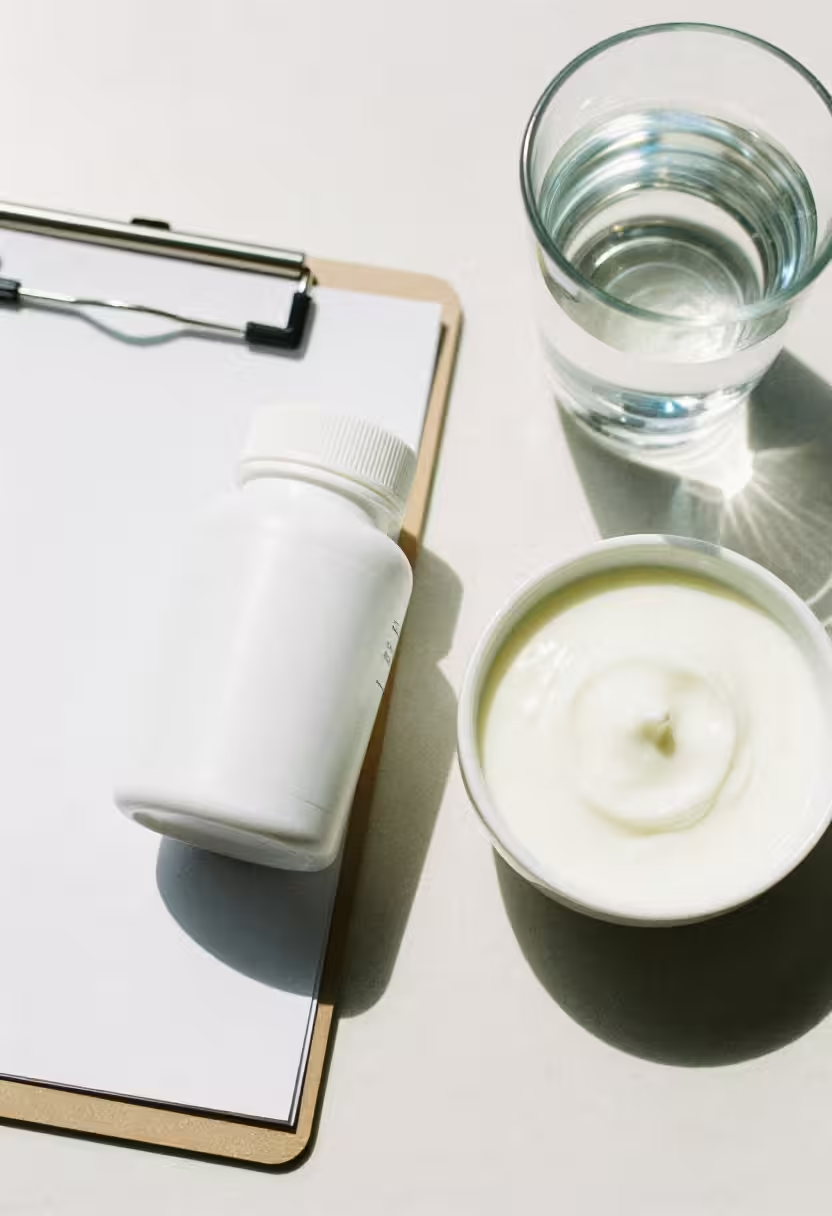
While probiotic-rich foods are an excellent place to start, there are times when a supplement can offer more targeted support — especially after antibiotics, during digestive flare-ups, or when you’re dealing with persistent symptoms like bloating or irregularity. But with so many options on the shelf, choosing a probiotic can feel overwhelming. A little clarity goes a long way.
Start by looking at the specific strains included. Not all probiotics do the same thing — different strains support different areas of health. For example, Lactobacillus strains often help with digestion and bloating, Bifidobacterium strains support gut barrier function and immunity, and Saccharomyces boulardii (a beneficial yeast) is helpful during antibiotic use or travel. A well-formulated supplement will list strains clearly, not just “probiotic blend.”
Next, pay attention to the CFU count (colony-forming units), which tells you how many live organisms are in each dose. More isn’t always better — for many people, 5–20 billion CFU is a safe, effective range. Extremely high counts can sometimes cause discomfort, especially if your gut is sensitive.
Also consider quality and stability. Look for supplements from reputable brands that perform third-party testing and guarantee potency through the product’s shelf life — not just at the time of manufacture. Some probiotics require refrigeration, while others are shelf-stable; choose what suits your lifestyle.
Think about your personal needs, too. Are you looking for everyday digestive support? Help after antibiotics? Immune balance? Mood support? Some supplements are designed for general wellness, while others are highly targeted.
Finally, it’s wise to consult a doctor or dietitian if you have underlying conditions, are immunocompromised, or are taking medications. Probiotics are generally safe, but personalized guidance ensures you select what’s best for your body.
A supplement isn’t always necessary — but when chosen thoughtfully, it can be a gentle, effective tool for restoring balance and supporting long-term gut health.
Next, let’s clear up some confusion by exploring the most common myths about probiotics and what’s actually true. 🌿💊✨
Common Myths & Misconceptions About Probiotics

With so much hype around gut health, it’s no surprise that probiotics have gathered a few myths along the way. Some make them sound like miracle cures; others make people hesitant to try them at all. The truth, as always, sits somewhere in the middle — practical, balanced, and grounded in what research actually shows.
One of the most common myths is that all probiotics are the same. In reality, each strain has its own personality and purpose. Some strains help reduce bloating, others support immunity, and some influence mood through the gut–brain axis. A probiotic isn’t a one-size-fits-all tool — and that’s actually a good thing.
Another misconception is that you need extremely high CFU counts for probiotics to work. Many people assume that more bacteria automatically means more benefits. But your gut is a sensitive ecosystem, and sometimes starting with lower doses brings better comfort and results. Quality, strain specificity, and consistency matter far more than sheer numbers.
There’s also the belief that probiotics work instantly. In truth, they support your gut gradually. Some people notice improvements within a few days, while others need several weeks for the microbiome to adjust. Probiotics are more like gardening than medicine — steady, gentle, and cumulative.
A big myth is that supplements work better than food. While supplements can be helpful in certain cases, probiotic-rich foods offer additional nutrients, fibres, enzymes, and hydration that pills simply can’t match. A blend of both — chosen mindfully — often works best.
Another misunderstanding is that probiotics can fix all digestive issues. They’re incredibly helpful, but they’re only part of a bigger picture that includes prebiotics, hydration, sleep, movement, and stress reduction. When viewed as one tool in a supportive lifestyle, probiotics deliver their best results.
Understanding these myths helps bring probiotics back into the realm of what they truly are:
helpful, natural allies for your gut — not magic, not hype, just science-supported nourishment.
Next, we’ll wrap up with a warm, encouraging conclusion about building a balanced gut from within. 🌿💛
Conclusion — Building a Balanced Gut From Within

A healthy gut isn’t built through drastic changes or strict rules — it grows from small, steady choices that nurture your microbiome day after day. Probiotics are simply one of the most accessible tools in that process. They help rebalance your digestion, strengthen your immune system, and support your overall sense of wellbeing in a gentle, natural way.
Whether you choose probiotic-rich foods like yogurt, kefir, sauerkraut, and kimchi, or you decide to use a supplement when needed, the goal is always the same: creating an internal environment where beneficial bacteria can thrive. When your gut is balanced, everything else tends to feel a little easier — your energy, your mood, your digestion, even your ability to handle stress.
But probiotics are just one part of the bigger picture. Variety in your diet, fibre from plants, hydration, restful sleep, movement, and stress management all work together to support your microbiome. When you combine these habits, you’re giving your gut the conditions it needs to flourish.
The beauty of gut health is that it’s deeply responsive. Even small improvements can ripple into noticeable changes — clearer digestion, lighter moods, steadier energy, and a stronger sense of connection with your body.
So be patient, be consistent, and be kind to yourself.
Your gut is always working for you — and with a bit of care, you can help it work even better. 🌿💛