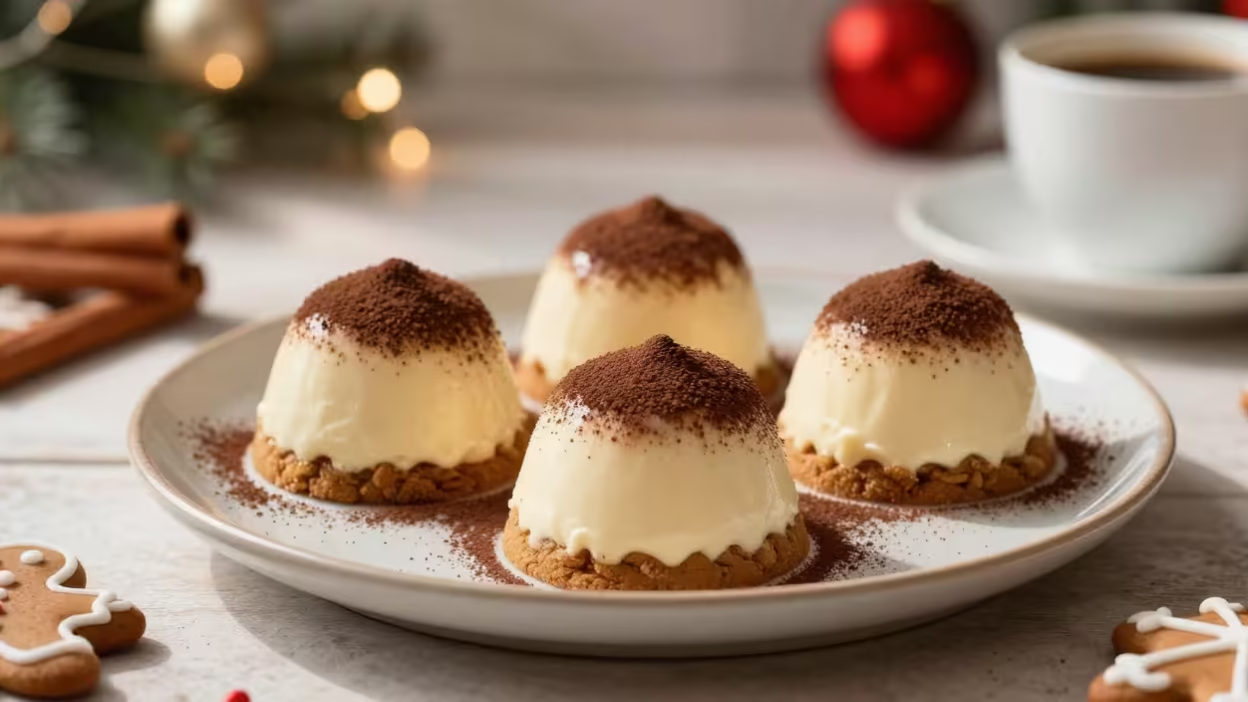
I didn’t set out to create a dramatic dessert or a holiday showpiece 🎄. That honestly wasn’t the goal. What I wanted was something quieter and more personal. The idea came from one of those very specific winter cravings — the kind that’s hard to explain until you experience it yourself.
It’s the moment when you know you want dessert, but definitely not cake. Not a heavy slice that leaves you feeling overly full. Not something dense or overly sweet that feels impressive at first and then exhausting halfway through. What you want instead is warmth, comfort, and a sense of ease 🍮. Something you can enjoy slowly, with a cup of coffee or tea, without feeling like you’ve overdone it.
That’s usually when I stop thinking about dessert formats and start thinking about flavors instead. In winter, my mind almost always goes in the same direction: gingerbread and coffee ☕.
Those two came together naturally in my kitchen one afternoon, without much planning. I wasn’t testing recipes yet or aiming for a final version. I was simply trying to recreate a feeling — the comfort of a spiced latte on a cold day, the familiarity of gingerbread, and the satisfaction of a dessert that feels indulgent without being heavy.
I’ve always liked gingerbread flavors, but only when they’re handled with restraint. Too much spice, and everything tastes sharp and unbalanced. Too little, and the dessert loses its character entirely. Coffee behaves in a very similar way. It’s a strong ingredient, and if you treat it like the main character, it quickly takes over. For this dessert, I wanted coffee to stay slightly in the background — present, noticeable, but supportive 🤎.
That approach is what slowly led to these Gingerbread Latte Mousse Domes. They didn’t appear all at once, and they weren’t designed as a pastry-school exercise or a seasonal gimmick. They came together gradually, through small adjustments, tasting, and a lot of paying attention to balance.
What mattered most to me was that the dessert actually worked at the table 🍽️. It needed to look elegant without feeling intimidating, taste balanced without being boring, and feel satisfying without leaving you heavy or tired afterward. This is the kind of dessert you don’t analyze while eating — you simply enjoy it.
Why gingerbread still makes sense (at least in my kitchen) 🫚✨
Gingerbread appears everywhere in winter, sometimes almost to the point of overuse. Still, it continues to come back year after year, and I don’t think that’s an accident. When gingerbread is done well, the flavor profile is naturally balanced and surprisingly versatile.
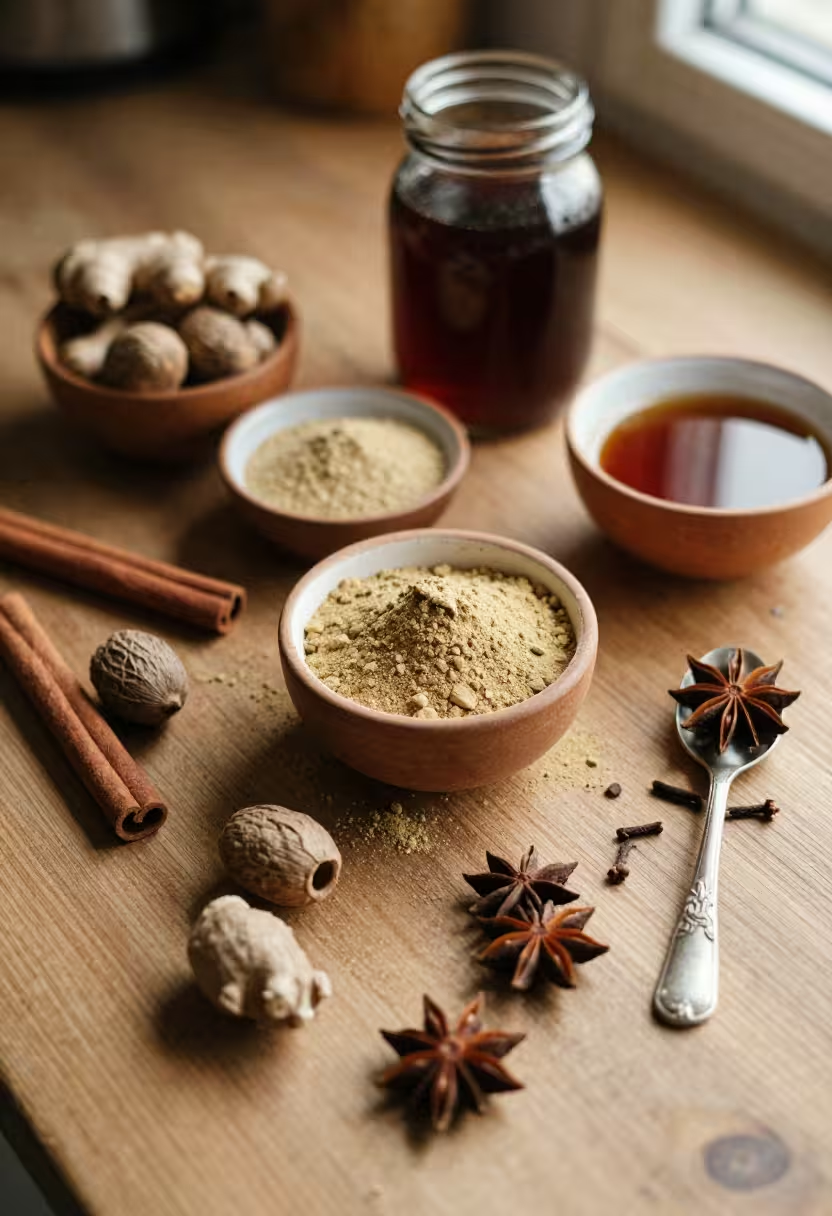
I think about classic gingerbread spices like this when I’m working with them:
- Ginger adds warmth and a gentle heat that builds slowly
- Cinnamon brings sweetness and familiarity without relying on sugar
- Nutmeg softens the overall blend and rounds out sharper notes
- Cloves add depth and complexity, but only when used carefully
I’ve made gingerbread desserts in the past that were simply too aggressive 😅. The kind where all the spices hit at once and never really settle. This dessert is intentionally different. Here, the spices are noticeable, but they don’t dominate. They sit quietly in the background and do their job.
Molasses plays a big part in that balance. I don’t use much, but even a small amount adds depth and richness that plain sugar can’t offer. When I want a slightly softer and rounder flavor profile, I sometimes swap molasses for dark honey 🍯. Both work well, and the difference is subtle, but definitely there if you pay attention.
That flexibility is one of the reasons gingerbread remains such a reliable winter flavor. As long as it’s handled with care, it adapts beautifully.
Coffee in desserts: why less really is more ☕🤎
I’ve ruined more than one dessert by being too confident with coffee. It’s one of those ingredients that seems harmless until it isn’t. One extra splash, one brew that’s too intense, and suddenly the entire dessert tastes bitter. Go the other way, and you end up with sweet cream that vaguely smells like a café — which isn’t much better.
That’s why I’m very careful with coffee in desserts now. Especially in creamy ones.
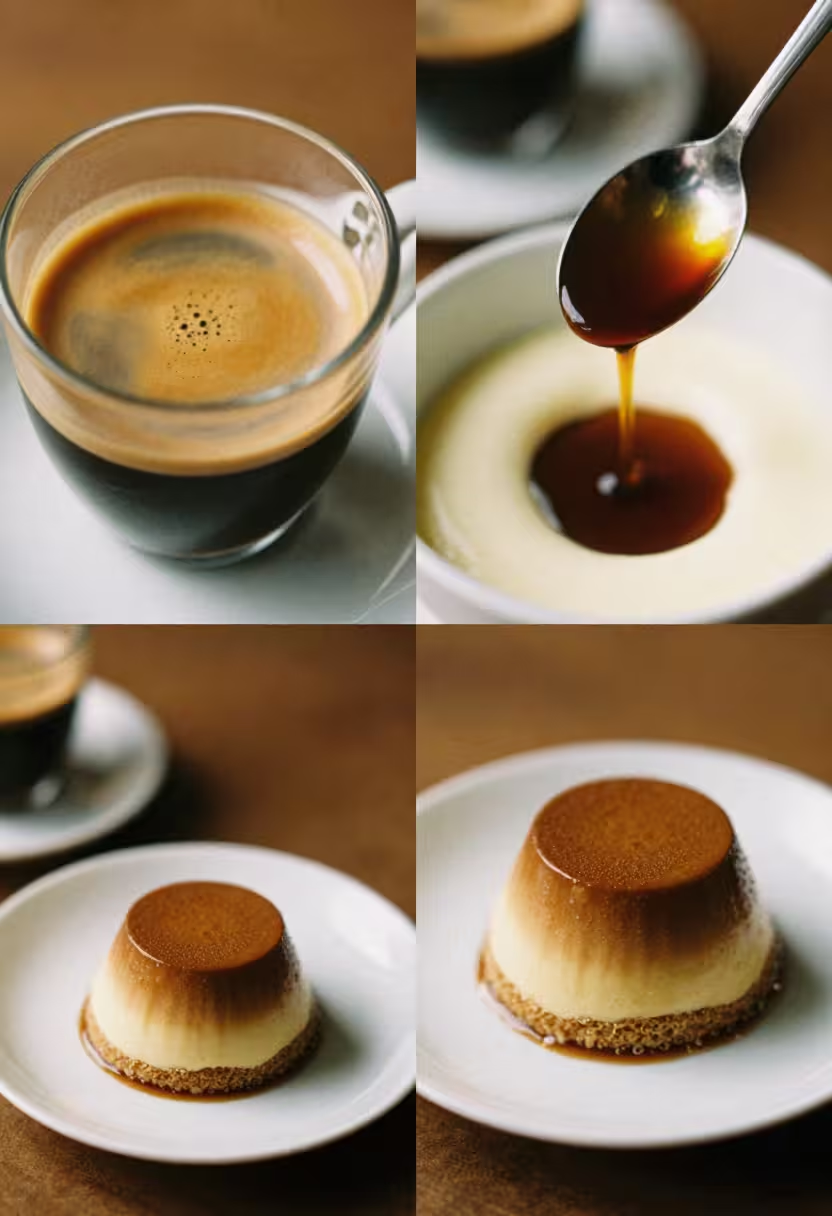
In this recipe, coffee isn’t meant to stand in the spotlight. It’s there to balance and support, not to dominate. When used properly, it does a few important things at once:
- it cuts through sweetness and prevents the mousse from feeling flat
- it supports the gingerbread spices instead of competing with them
- it adds depth without making the dessert heavy or bitter
I almost always use espresso or very strong brewed coffee ☕. Not because I want a strong coffee flavor, but because weaker coffee tends to disappear completely once cream enters the picture. Cream softens everything, and if the coffee isn’t concentrated enough, the “latte” idea simply gets lost.
This isn’t a coffee dessert in the traditional sense. You’re not meant to identify coffee as the main flavor. Instead, it acts more like a framework — something that quietly holds the other flavors together and gives them definition.
It’s subtle, but once you notice the difference, it’s hard to go back.
Why mousse was the final choice 🍮
Before settling on mousse, I did try turning this idea into a cake. Technically, it worked. The flavor was fine, the texture was fine — and yet, something felt off. The result was heavier than I wanted, and it demanded more commitment from the person eating it.
For a dessert inspired by a latte, that didn’t make sense.
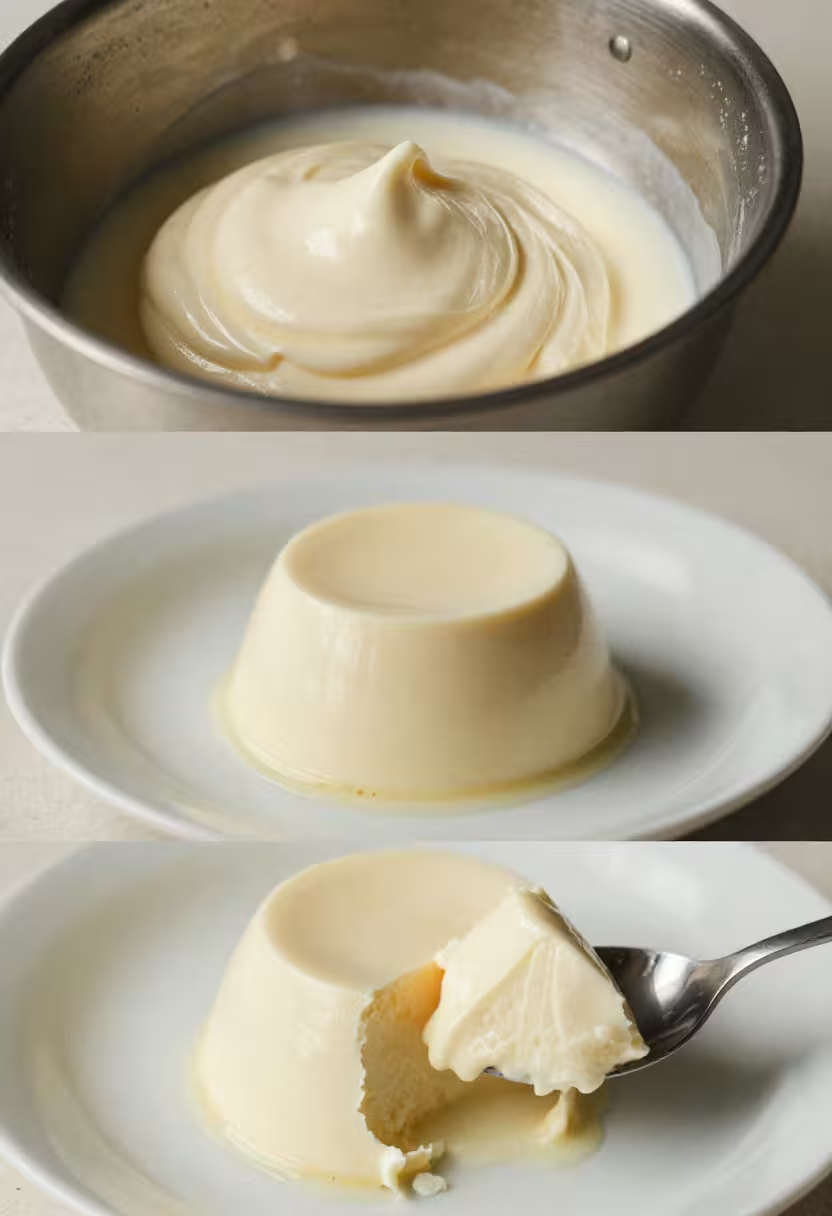
Mousse felt like a better match almost immediately. There are a few reasons I kept coming back to it:
- mousse keeps flavors clean and well defined
- it feels lighter after a meal, especially in winter
- it looks refined without requiring elaborate decoration
There’s also something very forgiving about mousse when it’s done right. You can create structure without stiffness, richness without heaviness. Gelatin plays an important role here, but it shouldn’t be obvious. The goal isn’t to make the mousse firm — it’s to make it stable enough to hold its shape and then melt gently once you take a bite.
That balance between structure and softness is what makes this dessert work. It’s subtle, but it’s the difference between something that feels elegant and something that feels awkward on the plate.
A few practical notes before you start 🛠️
This is one of those recipes where the outcome depends more on small details than on complicated techniques. Nothing here is difficult, but skipping steps or rushing usually shows in the final texture.
From experience, I always recommend paying attention to a few key things:
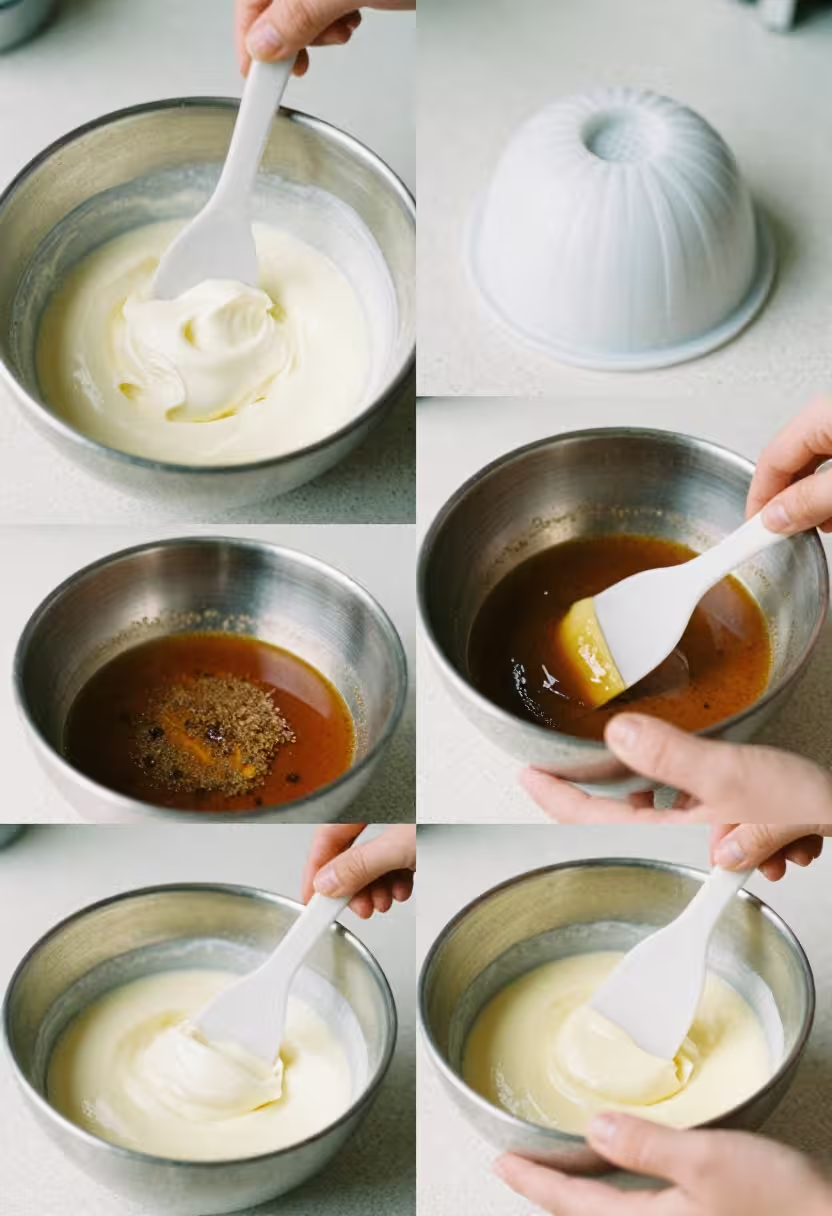
- Very cold cream — it whips faster and holds air better
- Letting the coffee mixture cool properly — warm liquid will deflate the mousse
- Folding slowly and patiently — even when it feels like you’re moving too slowly
Silicone dome molds make the process much easier and give you a clean, professional finish. If you don’t have them, the recipe can still work with ramekins or small cups lined with plastic wrap. Just keep in mind that the shape won’t be quite as sharp, and unmolding may take a bit more care.
None of these steps are complicated, but together they make a noticeable difference. Taking a little extra time here usually saves frustration later.
Gingerbread Latte Mousse Domes — Recipe ☕🍪
Ingredients
For the coffee and spice base
- 1 cup strong brewed coffee or espresso, cooled
- ½ cup granulated sugar
- 2 tablespoons molasses (or dark honey)
- 2 teaspoons ground ginger
- 1 teaspoon ground cinnamon
- ½ teaspoon ground nutmeg
- ¼ teaspoon ground cloves
- Small pinch of salt
For the mousse
- 2½ teaspoons unflavored gelatin
- ¼ cup cold water
- 2 cups heavy whipping cream, very cold
- ¼ cup powdered sugar
- 1 teaspoon vanilla extract
Optional, for serving
- Cocoa powder or cinnamon
- Whipped cream
- Gingerbread cookies
- Caramel or chocolate sauce
Step-by-step instructions 👩🍳
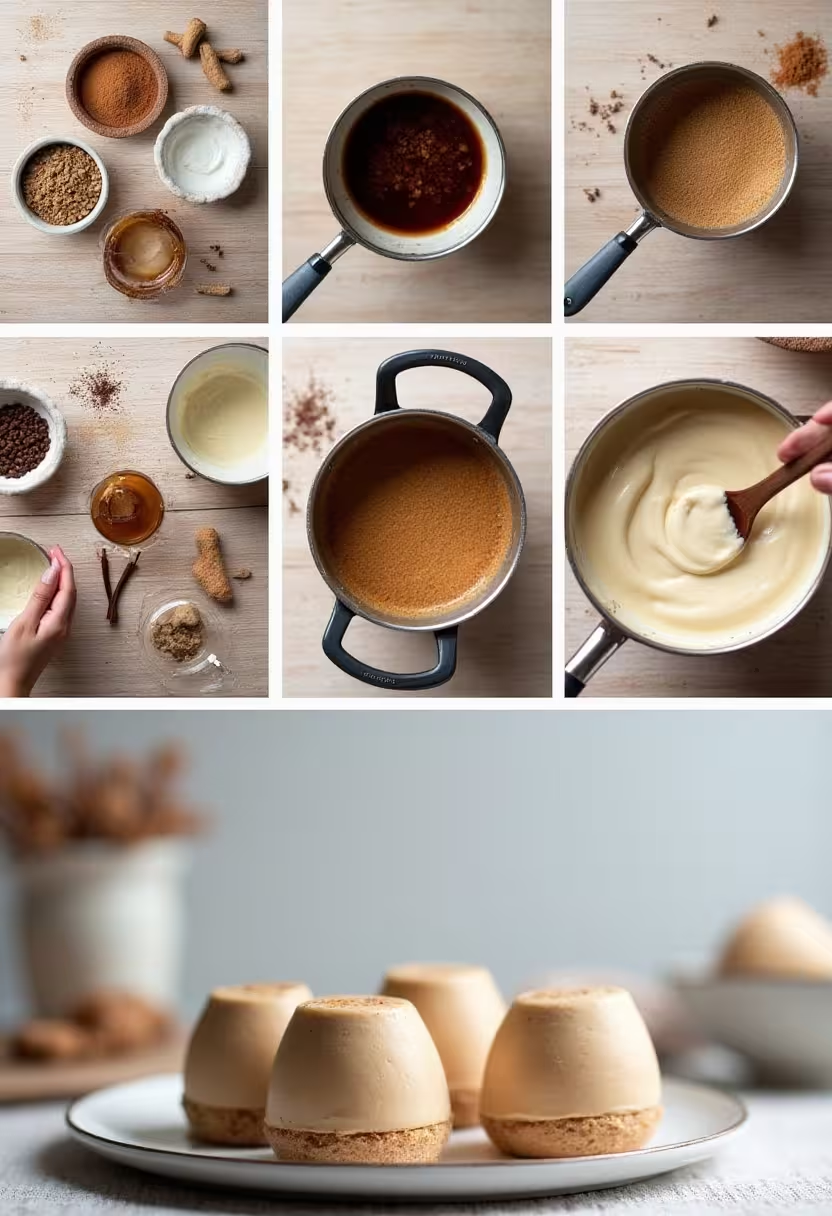
Bloom the gelatin
Sprinkle the gelatin over the cold water in a small bowl. Let it sit for about 5–10 minutes. It should swell and look spongy — that’s what you want.Make the coffee-spice base
In a saucepan, combine the coffee, sugar, molasses, spices, and salt. Heat gently, stirring until the sugar dissolves. Do not boil. Warm is enough.Add the gelatin
Remove the pan from heat and stir in the bloomed gelatin until completely dissolved. I usually strain the mixture at this point to keep the mousse extra smooth.Let it cool
This step matters. Let the mixture cool to room temperature. If it’s warm, it will melt the cream later, and the mousse will lose volume.Whip the cream
In a cold bowl, whip the cream with powdered sugar and vanilla until firm peaks form. Stop as soon as it holds its shape — overwhipped cream is hard to fix.Combine gently
Fold the cooled coffee mixture into the whipped cream using slow, deliberate movements. Don’t rush this part.Fill the molds
Spoon the mousse into silicone dome molds. Tap them lightly on the counter to release air bubbles and smooth the tops.Chill
Refrigerate for at least 4 hours. I usually leave them overnight for the best texture.Unmold and serve
Gently peel the molds away from the domes and place them on plates. Decorate just before serving.
How I usually serve them 🍽️
When it comes to serving these mousse domes, I’ve learned that less really is more. The first few times I made them, I was tempted to decorate heavily — extra sauces, toppings, maybe even something crunchy on top. Every time I did that, the dessert felt slightly off.
The mousse is delicate by design. It doesn’t need much help.
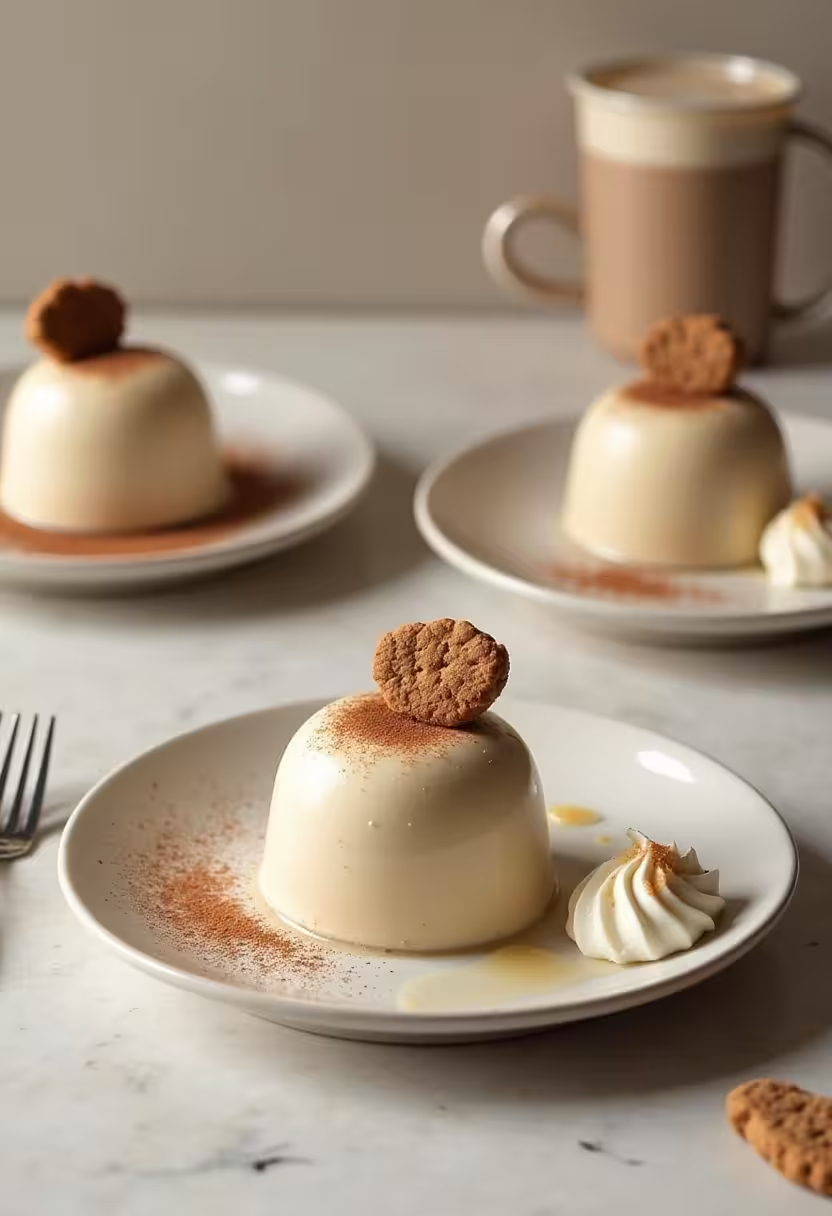
Most of the time, I keep the presentation intentionally simple:
- a light dusting of cocoa powder or, sometimes, cinnamon
- a small gingerbread cookie placed on the side rather than on top
That’s usually enough to make the plate look finished without distracting from the texture of the mousse itself. I like when the dome stays clean and recognizable — it feels more intentional that way.
For special occasions, I’ll add a little more, but even then I’m careful not to overdo it. A thin drizzle of caramel sauce can work beautifully, especially if it’s not too sweet. A small dollop of softly whipped cream is another option, placed next to the dome rather than on it. The key is restraint. The mousse should always remain the main focus, not the decorations.
Variations I’ve actually stuck with 🔄
Over time, I’ve tested quite a few variations of this recipe. Some sounded good in theory but didn’t really add anything in practice. The ones below are the adjustments I still make regularly because they genuinely work.
- Dark chocolate added to the base creates a mocha-style version that feels richer without becoming heavy. I usually melt the chocolate first and let it cool slightly before adding it.
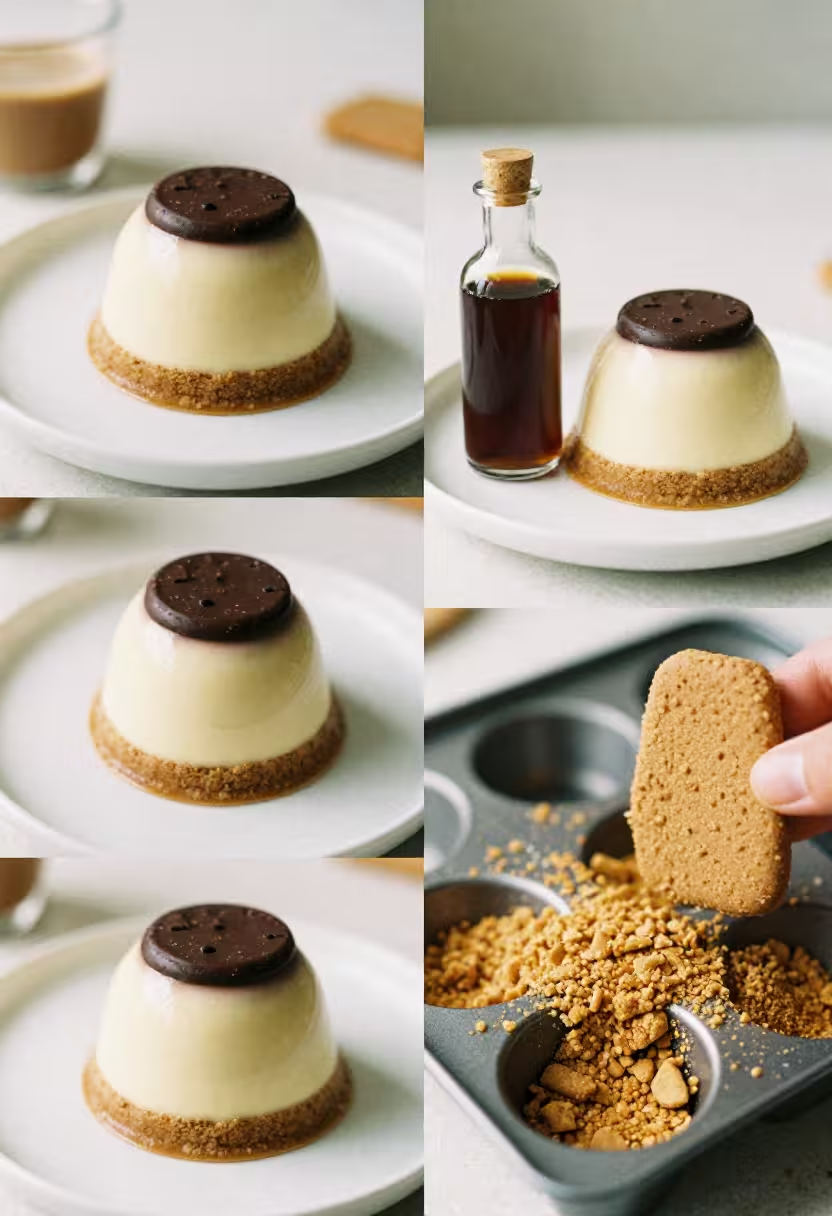
- A small splash of coffee liqueur works well for adult gatherings. It adds warmth and depth, but I keep the amount modest so it doesn’t overpower the spices.
- Crushed gingersnap cookies add a nice textural contrast. I usually sprinkle them into the molds before adding the mousse, rather than on top.
And just to mention it, decaf coffee works perfectly fine here ☕. The structure and balance stay the same, and the flavor still comes through. I’ve used it more than once when serving this dessert in the evening.
None of these variations change the basic character of the mousse. They simply adjust the emphasis slightly, which is often all you need to keep a recipe interesting over time.
Storage and make-ahead notes 🧊
One of the reasons I keep coming back to this dessert is how forgiving it is. Not every elegant-looking dessert gives you that kind of flexibility, and in winter — especially around the holidays — that matters more than people admit.
I often make these mousse domes one or even two days in advance. Once they’re fully set, I keep them covered in the refrigerator, still in their molds. This protects both the shape and the surface, and it makes unmolding much easier later. Right before serving, I simply release them, add any finishing touches, and they’re ready to go.

Freezing is also an option, and it works better than you might expect. If I know I’ll need extra flexibility, I freeze the mousse directly in the silicone molds 🧊. Once frozen solid, they can be transferred to an airtight container. When it’s time to serve, I let them thaw slowly in the refrigerator. The texture stays smooth, and the structure holds up well.
A few things I’ve learned along the way:
- always cover the domes well to prevent them from absorbing fridge odors
- avoid adding decorations until just before serving
- thaw gently if frozen — rushing this step can affect texture
Having a dessert that allows you to plan ahead takes a lot of pressure off, especially when you’re hosting.
Final thoughts 🤍
This isn’t a dramatic dessert, and it’s not meant to be. It doesn’t rely on heavy sweetness, elaborate decoration, or bold contrasts. What it does rely on is balance — between spice and cream, coffee and sweetness, structure and softness.

That balance is what makes it feel right on a winter table. After a hearty meal, people often want something comforting, but not heavy. Something that feels thoughtful rather than excessive. These Gingerbread Latte Mousse Domes fit naturally into that space.
Over time, they’ve become one of those recipes I return to without overthinking. Not because they’re flashy, but because they work — consistently, quietly, and reliably. And sometimes, especially in winter, that’s exactly what you want. ☕🍮✨