
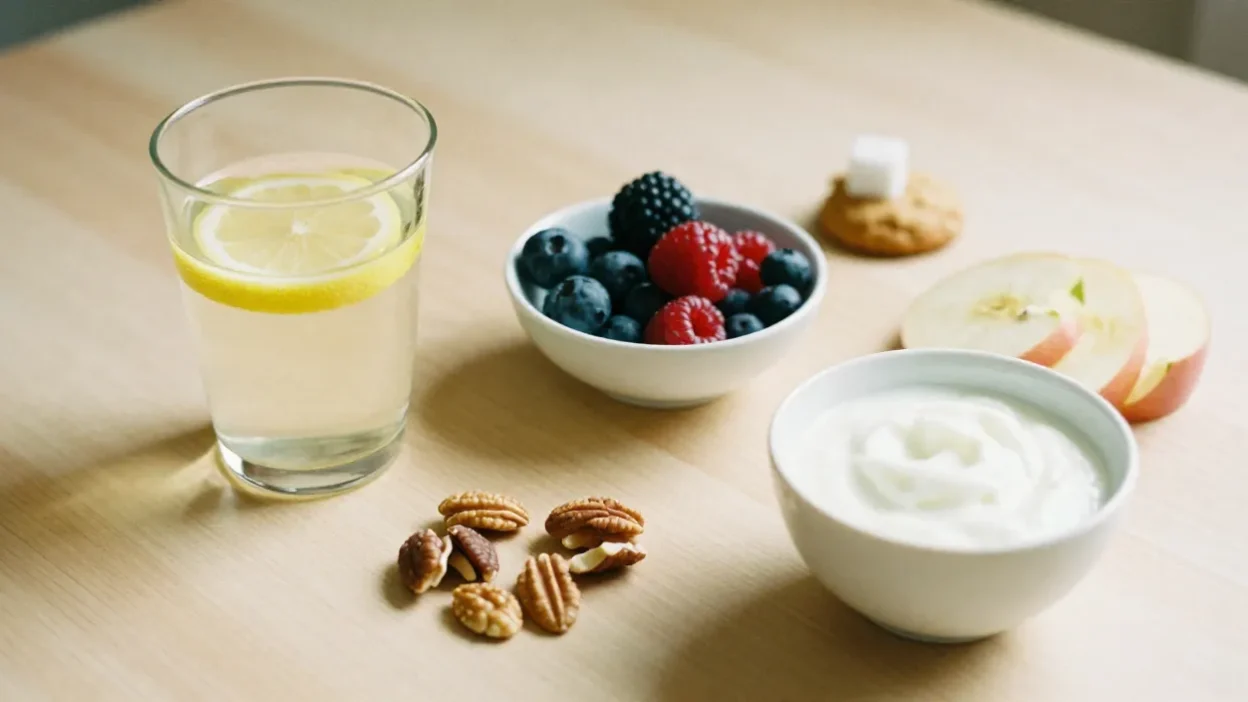
Why Cutting Sugar Doesn’t Have to Be Hard
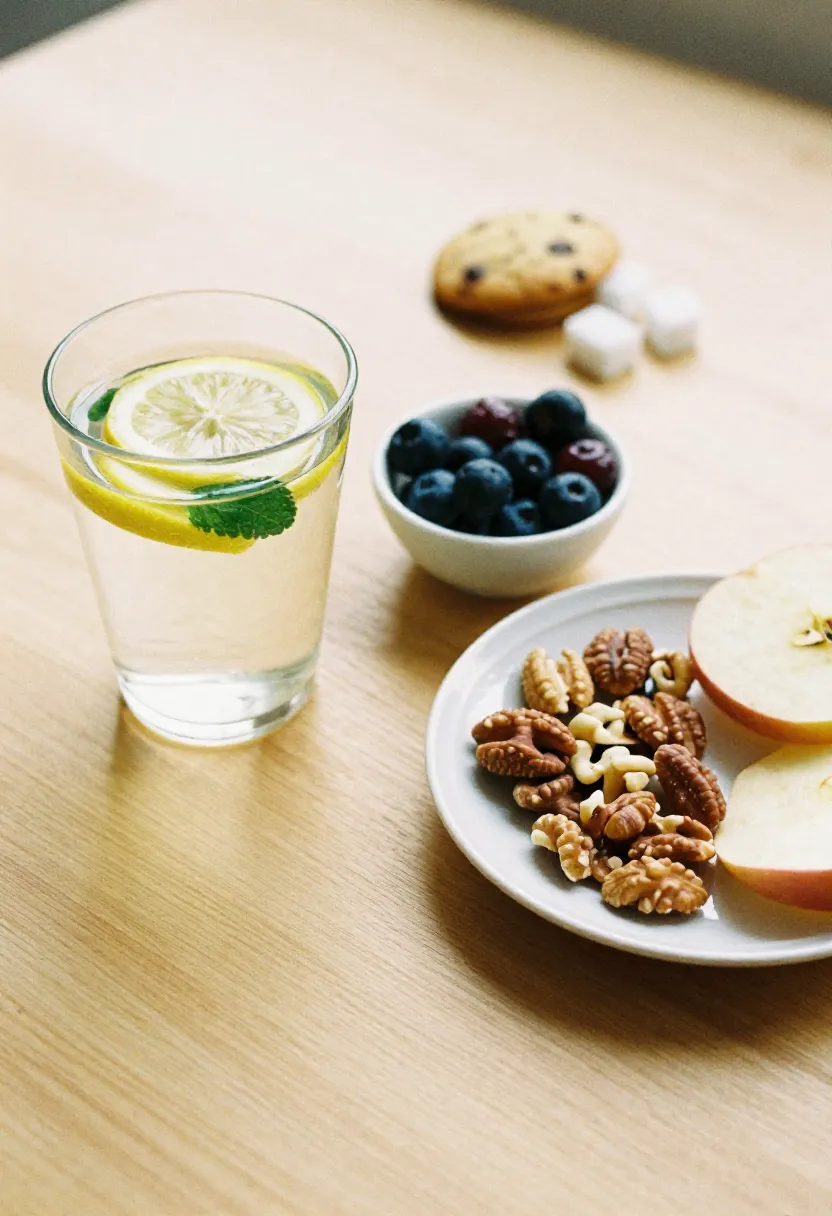
In a world where sugar quietly slips into everything — from your morning coffee creamer to your favorite “healthy” cereal — cutting back can feel overwhelming. You look at your pantry, your fridge, even the snacks you’ve grown up with, and suddenly it seems like sugar is everywhere. And it is.
But here’s the truth:
cutting sugar doesn’t have to be difficult, extreme, or joyless.
In fact, the gentlest changes often create the most powerful results.
Most people imagine that reducing sugar means giving up desserts forever, avoiding fruit, or living on bland meals. But a sugar-light lifestyle is something very different — it’s a shift toward foods that stabilize your energy, keep your mood steady, and help you feel more grounded in your day-to-day routines.
The real challenge isn’t sugar itself — it’s how hidden, habitual, and emotional sugar has become in modern eating. You may not think twice about grabbing a sweetened yogurt for breakfast or enjoying a mid-afternoon sweet latte, but your body feels every one of those choices. A quick spike, a crash, cravings, fatigue… and the cycle continues.
Cutting back sugar isn’t about willpower.
It’s about awareness.
It’s about small swaps.
It’s about building a new rhythm that feels natural, not restrictive.
Imagine beginning your morning without a sugary beverage — and noticing how your energy stays smooth instead of crashing. Picture a snack that keeps you full rather than making you hungry an hour later. Think of ending your day without feeling pulled toward sweets, simply because your body feels satisfied and balanced.
Even tiny steps — like choosing unsweetened yogurt, sipping herbal tea, or adding more protein to your meals — can dramatically reduce cravings and stabilize blood sugar. You don’t need perfection. Just curiosity, gentleness, and a willingness to try simple shifts one at a time.
This guide is here to show you exactly how to do that. You’ll learn how to identify hidden sugars, build better breakfasts, make realistic food swaps, calm cravings, and understand labels without stress. The goal isn’t to cut sugar out of your life — it’s to invite healthier habits in.
If you’re ready, let’s begin with the very first step: understanding your current sugar habits with kindness and clarity.
Start with Awareness — Tracking Your Sugar Without Judgment

Before you change anything in your diet, you need to see what your sugar intake actually looks like — honestly, gently, and without blame. Most people eat far more sugar than they realize, not because they’re careless, but because sugar has become a quiet background ingredient in everyday food.
Awareness is the first step. And it’s a powerful one.
This isn’t about counting calories or following strict rules.
It’s about building a picture of your habits, so your changes feel grounded, purposeful, and easier to sustain.
Sugar hides in more places than you think
Many people assume their sugar intake comes from desserts — ice cream, pastries, chocolates. But more often, the biggest contributors are foods that don’t taste sweet at all.
As you start observing your sugar habits, you may be surprised by:
- breakfast cereals
- flavored yogurt
- granola bars
- sauces and condiments
- breads and wraps
- sweetened coffee drinks
- fruit juices
- packaged “healthy” snacks
These small daily choices add up quietly.
Awareness removes the pressure — and the guilt
You don’t need to fix anything yet.
You don’t need to change your meals or restrict your favorites.
Right now, you’re simply observing with kind curiosity.
When you know your patterns, you can make meaningful — and realistic — shifts later.
How to gently track your sugar intake
You don’t need an app unless you want one. A notebook, a phone note, or even mental notes work beautifully.
For 2–3 days, try to notice:
- What you eat for breakfast, lunch, dinner, and snacks
- What you drink
- When sugar shows up (intentionally or unintentionally)
- How you feel after eating sweet foods
- When cravings appear
Just noticing patterns can be eye-opening.
Questions to help you understand your habits
Ask yourself:
- “What foods do I reach for when I’m tired or stressed?”
- “Do I crave something sweet at specific times of day?”
- “Are there sugary foods I eat without thinking?”
- “Do I often drink sugar rather than eat it?”
- “Do I feel more hungry after sweet snacks?”
These questions reveal the emotional and physical triggers behind your sugar intake.
The goal is clarity, not perfection
Tracking helps you identify:
- what to swap
- what to reduce
- what to keep
- where sugar feels harmless
- where sugar drains your energy
It also prepares you for the next steps — easy swaps, better breakfasts, balanced meals.
Mini-Story Moment
Imagine someone who believes they “don’t eat that much sugar.” But when they track for two days, they notice:
- a flavored latte in the morning
- a granola bar mid-day
- sweetened yogurt at lunch
- ketchup at dinner
- a cookie after tea
They weren’t overeating — they were simply unaware. Once they see the pattern, change becomes clearer and easier.
Why this step matters
When you reduce sugar without understanding your habits, the process feels overwhelming and chaotic. But when you begin with awareness, the path becomes gentle, personalized, and deeply empowering.
This is the foundation.
Next, we build on it — with simple swaps that feel natural, not restrictive.
Swap, Don’t Restrict — Easy Sugar Replacements That Work
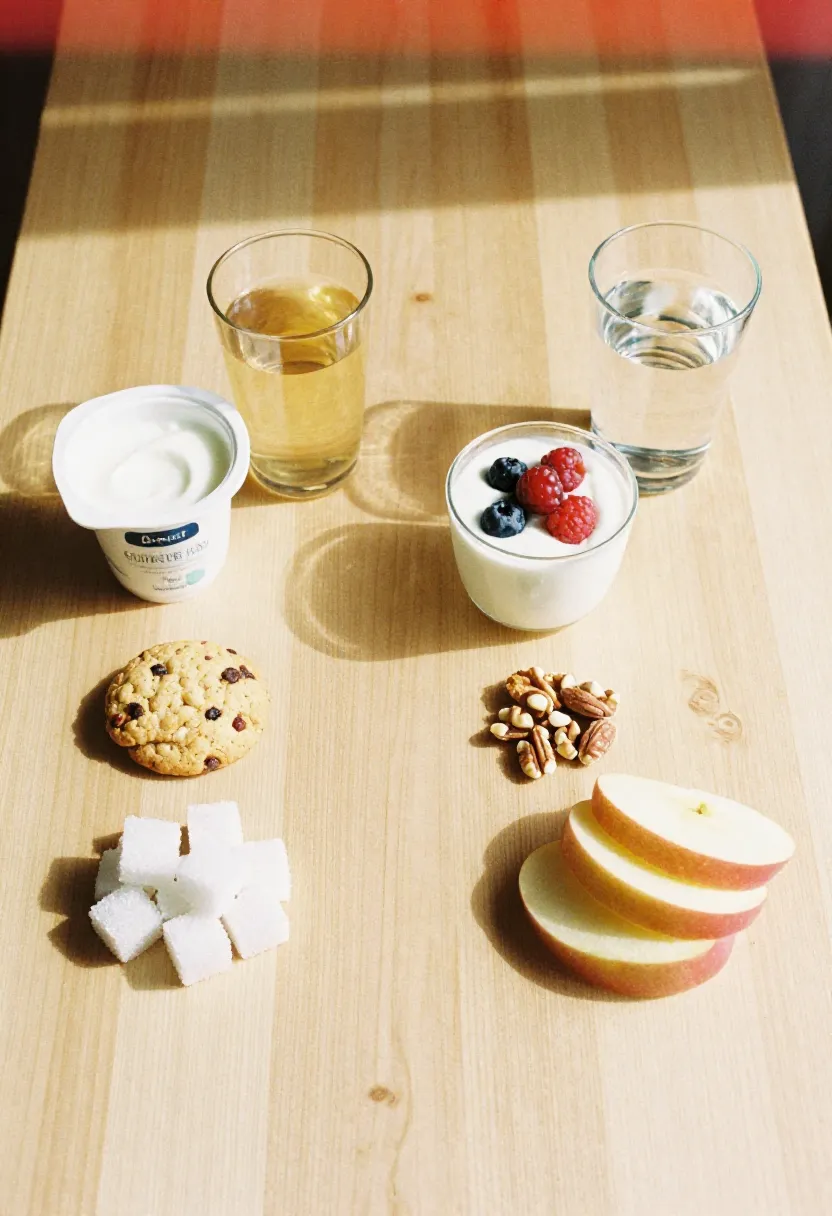
When most people try to cut sugar, they immediately think about removing things: no desserts, no chocolate, no treats, no fun. But the secret to a sustainable low-sugar lifestyle isn’t restriction — it’s replacement.
Instead of depriving yourself, you simply invite in better, kinder choices that naturally reduce sugar while still giving you satisfaction, flavor, and comfort. These swaps are simple, realistic, and designed to blend seamlessly into your daily routine.
🍩 1. Sweet Coffee Drinks → Simple, Flavorful Alternatives
Instead of:
- caramel lattes
- flavored creamers
- sweet iced coffee
Try:
- black coffee with a splash of milk
- unsweetened almond or oat milk
- cinnamon, nutmeg, or vanilla extract
- a drop of stevia or monk fruit
You keep the ritual — without the sugar spike.
🍓 2. Flavored Yogurts → Plain Yogurt + Real Fruit
Instead of:
- vanilla yogurt
- fruit-on-the-bottom cups
- “light” yogurts (often sweetened)
Try:
- plain Greek yogurt
- add berries or chopped apple
- sprinkle cinnamon or nuts
- add a touch of vanilla extract
You control the sweetness, not the label.
🥤 3. Sugary Drinks → Hydrating, Flavorful Choices
Instead of:
- soda
- sweet iced tea
- energy drinks
- fruit juices
Try:
- sparkling water
- lemon or mint-infused water
- herbal teas (hot or iced)
- water with berries or cucumber
Hydration becomes enjoyable instead of sugary.
🥣 4. Sugary Breakfast Cereals → Oats or Low-Sugar Options
Instead of:
- frosted cereals
- flavored instant oatmeal
- granola clusters
Try:
- plain rolled oats
- homemade granola with nuts
- unsweetened muesli
- oats topped with seeds and fruit
A sugar-light morning sets the tone for your whole day.
🥪 5. Sweetened Bread & Wraps → Lower-Sugar Whole Grains
Instead of:
- soft white bread
- brioche buns
- flavored wraps
Look for:
- whole-grain bread with <2g sugar per slice
- sourdough
- sprouted grain bread
A simpler bread equals fewer sugar spikes.
🍧 6. Ice Cream → Fruit-Based Sweets
Instead of:
- commercial ice cream
- sugary frozen yogurt
Try:
- frozen banana “nice cream”
- berries with plain yogurt
- fruit sorbet (no added sugar)
Cold, sweet, satisfying — without the overload.
🍪 7. Cookies & Pastries → Naturally Sweet Snacks
Instead of:
- cookies
- muffins
- pastries
Try:
- apple slices with nut butter
- a few dates with walnuts
- baked apples with cinnamon
- dark chocolate (70%+)
Still sweet — just more nourishing.
🍛 8. Sugar-Heavy Sauces → Simple, Fresh Flavor Boosters
Instead of:
- ketchup
- sweet chili sauce
- sugary marinades
- bottled dressings
Try:
- olive oil + lemon or vinegar
- mustard
- herb blends
- tomato paste + spices
You get flavor without the hidden sugar.
🍫 9. Afternoon Candy or Chocolate → Satisfying Whole-Food Snacks
Instead of:
- candy
- milk chocolate
- sugary granola bars
Try:
- nuts
- cheese
- berries
- a square of dark chocolate
- hummus + veggie sticks
These snacks fuel your body instead of feeding cravings.
🍽️ 10. Dessert Every Night → Comfort Rituals Without the Sugar
Instead of:
- cookies before bed
- sugary tea
- nightly chocolate
Try:
- chamomile tea
- warm milk with cinnamon
- Greek yogurt + berries
- apple crisps
You still get the comfort — and better sleep, too.
Mini-Story Moment
Imagine someone who believes they can’t live without dessert. They try swapping ice cream for frozen banana, change their sugary morning latte to coffee with cinnamon, and reach for nuts instead of candy. After a week, they realize they didn’t “give something up.”
They simply replaced old habits with new ones that feel better.
This is how sugar reduction becomes effortless.
Why these swaps matter
You don’t have to stop eating the foods you enjoy.
You simply learn to choose versions that treat your body with more care.
Swapping instead of restricting:
- reduces cravings naturally
- stabilizes blood sugar
- supports steady energy
- feels sustainable long-term
- keeps eating joyful
Small choices add up. And soon, you’ll realize you’re consuming far less sugar — without even trying.
Breakfast Matters — Begin Your Day Without Sugar Spikes
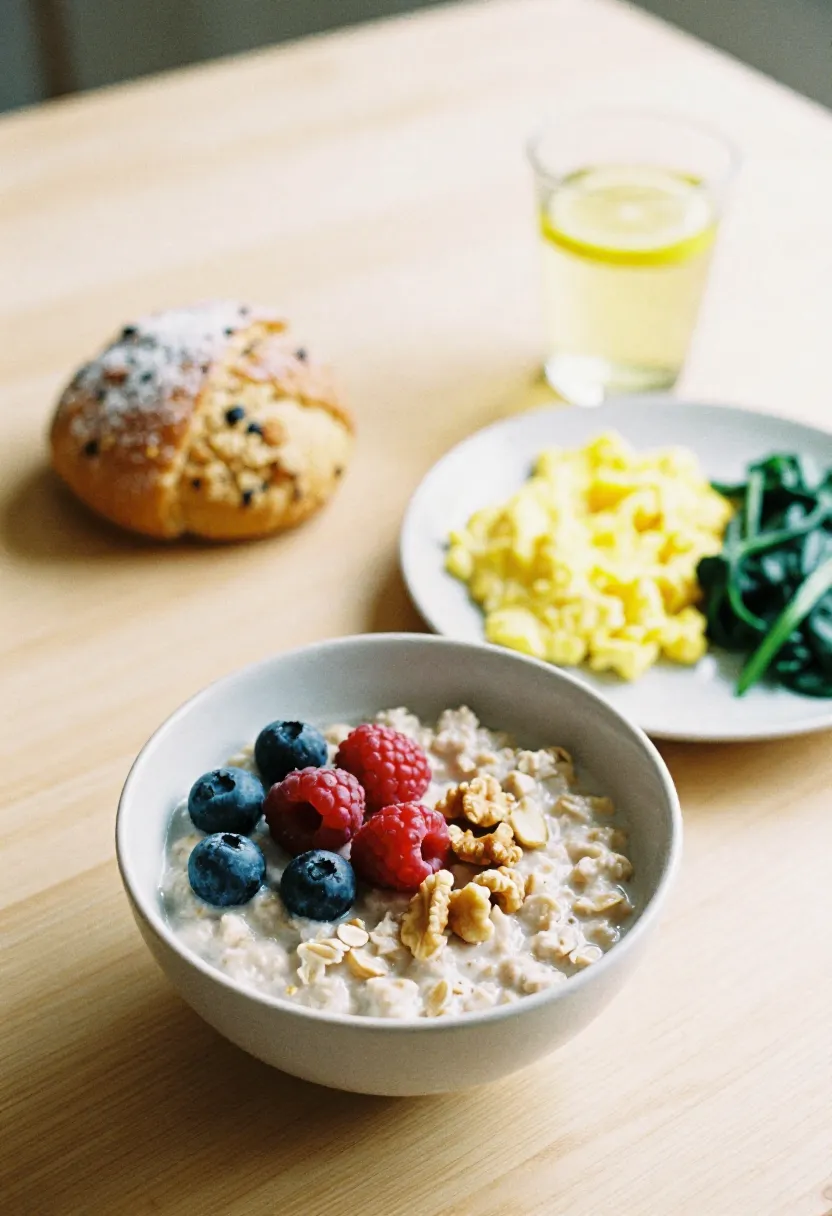
Breakfast is the quiet architect of your entire day. The foods you choose in the morning can stabilize your energy… or send it swinging through spikes and crashes. And because so many breakfast foods are sugar traps — often disguised as “healthy” — this is one of the easiest places to make meaningful change.
Most people don’t realize that cutting sugar starts with building a steadier morning routine, not with avoiding dessert. When your breakfast is balanced, your cravings calm down, your mind feels clearer, and your appetite becomes much more predictable.
Here’s how to make breakfast your most powerful sugar-reducing habit.
🍫 Why Sugary Breakfasts Make the Day Harder
Sugar-heavy mornings trigger a cascade of problems:
- a quick sugar spike
- a sharp crash a few hours later
- sudden hunger
- increased cravings
- low energy
- difficulty focusing
It’s not you — it’s biology.
A muffin, sweetened yogurt, sugary coffee drink, or cereal can accidentally set you up for sugar chasing all day long.
🥚 What a Low-Sugar, Balanced Breakfast Looks Like
Your best breakfast formula:
Protein + Fiber + Healthy Fat + (Optional) Natural Sweetness
This balance:
- stabilizes hunger
- supports sustained energy
- reduces cravings
- keeps blood sugar steady
A calm morning leads to a calm afternoon.
🍳 Senior-Friendly Low-Sugar Breakfast Ideas
1. Oatmeal with Berries & Nuts
Warm, gentle on digestion, and satisfying without added sugar.
2. Scrambled Eggs with Spinach
Protein-rich and energizing.
3. Greek Yogurt Parfait (Unsweetened)
Add berries, seeds, and a little cinnamon for flavor.
4. Whole-Grain Toast with Avocado
Healthy fats keep you full and grounded.
5. Cottage Cheese with Fresh Fruit
Soft textures, balanced sweetness.
6. Chia Seed Pudding (Unsweetened)
Soaks overnight, naturally filling.
7. Smoothie Without Added Sugar
Use:
- berries
- spinach
- almond milk
- Greek yogurt
- cinnamon
Skip fruit juice and syrups — they spike blood sugar fast.
🥤 Rethink Your Morning Drinks
Your drink may be your biggest hidden sugar source.
Instead of:
- caramel lattes
- flavored creamers
- sweetened teas
Choose:
- black coffee
- coffee with unsweetened milk
- herbal tea
- warm lemon water
Even reducing your sweetener by half makes a real difference.
🍽️ Add Flavor Without Sugar
You can create delicious breakfasts with:
- cinnamon
- vanilla extract
- nutmeg
- lemon zest
- cacao powder
- coconut flakes
Flavor is a powerful ally — you don’t need sugar to enjoy your morning ritual.
💛 Mini-Story Moment
Imagine someone who starts each day with a vanilla latte and a sweetened yogurt. They feel fine at first… and then hit a wall at 11 a.m. Hungry, tired, craving something sweet.
One week, they decide to experiment. They swap their latte for herbal tea and enjoy eggs with spinach instead of sweetened yogurt.
Suddenly, their mornings feel steady. No crashes, no mid-morning desperation, no chasing sweets. Their whole day feels smoother — all because of a small breakfast shift.
🌅 Why Breakfast Matters
A balanced breakfast is the foundation of a sugar-light life.
It’s the meal that stabilizes your entire system, reduces cravings, and sets you up to make healthier choices naturally — without relying on willpower.
A good morning isn’t about perfection.
It’s about choosing foods that support your energy, your mood, and your body’s natural rhythm.
Cut Down on Liquid Sugars First

If you want one simple, high-impact strategy to reduce sugar — start with your drinks.
Liquid sugar is the quietest, fastest, and most powerful driver of sugar overload in modern diets. And the tricky part? You don’t even feel full when you drink it.
Most people underestimate how much sugar they sip throughout the day. A flavored latte here, a juice box there, a “healthy” iced tea, a glass of soda — these add up faster than any dessert ever could.
Cutting down on sugary drinks is not only the easiest first step… it’s the one that delivers results almost immediately.
Let’s break it down gently.
🥤 Why Liquid Sugar Is So Harmful
Liquid sugar affects your body differently from solid food.
It spikes blood sugar faster
There’s no fiber, fat, or protein to slow it down.
Your blood sugar shoots up — and then crashes hard.
It doesn’t register as fullness
Your brain doesn’t treat liquid calories the same way.
You can drink hundreds of calories and still feel hungry.
It triggers cravings later
High spikes → deep crashes → intense sugar cravings.
This becomes a daily cycle without you noticing it.
It stresses your liver
Sugary drinks often contain fructose-heavy sweeteners that the liver must process quickly.
🍬 Hidden Sources of Liquid Sugar
It’s not just soda.
Many people unknowingly drink sugar through:
- sweetened iced teas
- flavored coffees
- energy drinks
- “healthy” smoothies from stores
- fruit juices (even 100% juice)
- sweetened milk or milk alternatives
- bottled flavored waters
- sports drinks
- premade lemonades
Even drinks that feel light can contain 20–40+ grams of sugar.
🍋 Easy, Realistic swaps (No Sacrifice Required)
Instead of soda → sparkling water
Add lemon, lime, or berries for flavor.
Instead of sweetened iced tea → herbal iced tea
Mint, chamomile, hibiscus — refreshing and naturally sugar-free.
Instead of flavored coffee drinks → simple coffee upgrades
- black coffee + cinnamon
- coffee + unsweetened milk
- cold brew + a drop of stevia
Warm, cozy, not sugary.
Instead of juice → whole fruit or infused water
Fruit with fiber digests slowly and keeps you full.
Instead of bottled smoothies → homemade versions
Use:
- berries
- spinach
- plain yogurt
- almond milk
- chia seeds
No juice bases, no syrups.
Instead of energy drinks → electrolyte water
Choose unsweetened hydration options with minerals.
🌿 Signs You’re Drinking Too Much Sugar
You might notice:
- mid-morning crashes
- afternoon sleepiness
- constant cravings
- unexpected hunger
- belly fat you can’t explain
- irritability between meals
- headaches after sweet drinks
Many of these symptoms improve within days of reducing sugary drinks.
💡 A Helpful Tip: Reduce Gradually
If you normally drink:
- 2 sodas → cut to 1
- a large latte → switch to medium or half-sweet
- daily juice → dilute with water
Gentle steps work better than extreme changes. Your body adapts as cravings slowly decrease.
💛 Mini-Story Moment
Imagine someone who starts every morning with a caramel latte and sips iced tea through the afternoon. They feel constantly tired, moody, and hungry.
After one small change — swapping the latte for unsweetened coffee with milk — they notice their energy smooth out. A week later, they replace their bottled iced tea with herbal tea.
Suddenly, they feel lighter, clearer, and more stable.
Two tiny swaps… and everything changes.
⭐ Why this step matters so much
Reducing liquid sugar:
- stabilizes your energy
- reduces cravings
- improves mood
- supports weight balance
- helps digestion
- lowers blood sugar spikes
- boosts overall wellbeing
And the best part?
It’s one of the easiest lifestyle changes you can make.
Make Your Meals Balanced — Protein, Fiber & Healthy Fats
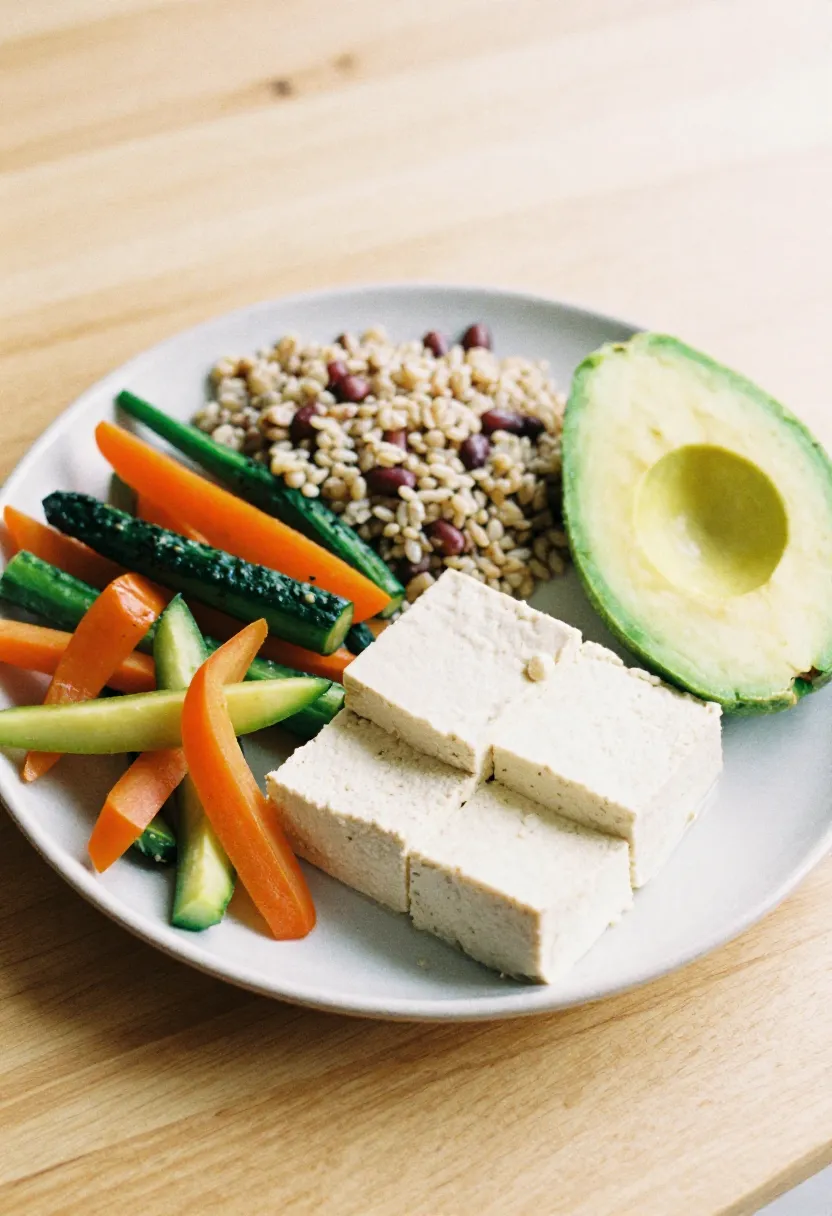
One of the most effective — and surprisingly simple — ways to cut sugar from your diet is to eat meals that keep you full and satisfied. When your body feels nourished, stable, and grounded, your cravings naturally soften. You don’t battle sugar; you simply stop needing it.
Balanced meals are not a trend or a diet. They’re the way your body is designed to thrive.
Let’s break down the trio that makes this happen: protein, fiber, and healthy fats. When these three show up in your meals, sugar cravings lose their power.
🍗 Protein — The Steadying Force
Protein is the nutrient that keeps you full the longest.
It slows digestion and prevents the dramatic blood sugar spikes that trigger cravings later.
Great sources include:
- eggs
- chicken or turkey
- fish
- Greek yogurt
- beans and lentils
- tofu or tempeh
- cottage cheese
- nuts and seeds
Adding even a small portion of protein to each meal makes a huge difference.
🌾 Fiber — Your Natural Sugar Stabilizer
Fiber slows down the absorption of sugar and keeps your energy steady.
High-fiber foods include:
- vegetables
- berries
- whole grains (oats, quinoa, barley)
- beans and legumes
- chia and flax seeds
- apples and pears
Fiber also supports digestion and gut health — two things that play a big role in cravings.
🥑 Healthy Fats — Calm, Nourishing, Satisfying
Healthy fats make meals more filling and comforting, helping you stay satisfied longer.
Try:
- avocado
- olive oil
- nuts and nut butters
- seeds
- salmon and sardines
- tahini
- full-fat yogurt (unsweetened)
Fat slows digestion and prevents the “hungry again in an hour” feeling.
🍽️ How to Build a Balanced Meal (Easy Formula)
Use this simple plate structure:
½ plate vegetables + ¼ protein + ¼ whole grains or starchy veg + healthy fats
Examples:
- chicken + quinoa + roasted veggies + olive oil
- eggs + spinach + whole-grain toast + avocado
- lentil soup + side salad + seeds
- salmon + sweet potato + broccoli
Balanced, colorful, satisfying — and naturally low in sugar.
🌱 Why Balanced Meals Reduce Sugar Cravings
Because they help:
- keep blood sugar stable
- prevent energy crashes
- reduce emotional eating
- improve digestion
- control appetite
- support mood balance
Your body stops sending signals for quick sugar because it’s already nourished.
🥣 Balanced Meal Examples (Senior-Friendly & Everyday Simple)
Breakfast
- Greek yogurt with berries + chia seeds
- Omelet with veggies + whole grain toast
- Oatmeal with nuts + sliced apple
Lunch
- Tuna or chickpea salad + greens + olive oil
- Quinoa bowl with veggies + tofu or chicken
- Soup + whole-grain crackers + cheese
Dinner
- Salmon + roasted vegetables + quinoa
- Stir-fry with tofu and veggies
- Roasted chicken + sweet potato + greens
Nothing fancy — just real food in the right balance.
💛 Mini-Story Moment
Think of someone who always fought sugar cravings after lunch.
They used to eat a sandwich and a sweet yogurt… and feel hungry again by 3 p.m.
One day, they swap in a salad with chicken, nuts, and olive oil. The next day, they try soup with beans and whole grains.
Suddenly, the 3 p.m. sugar craving disappears. They feel fuller, calmer, more stable.
They didn’t “try harder.” They just built a better plate.
⭐ Why this step changes everything
Balanced meals transform your relationship with sugar by stabilizing your biology.
You don’t rely on discipline.
You rely on nourishment.
Once your meals include protein, fiber, and healthy fats, sugar becomes something you choose — not something you’re controlled by.
Learn the Label Language — The 60+ Names for Sugar
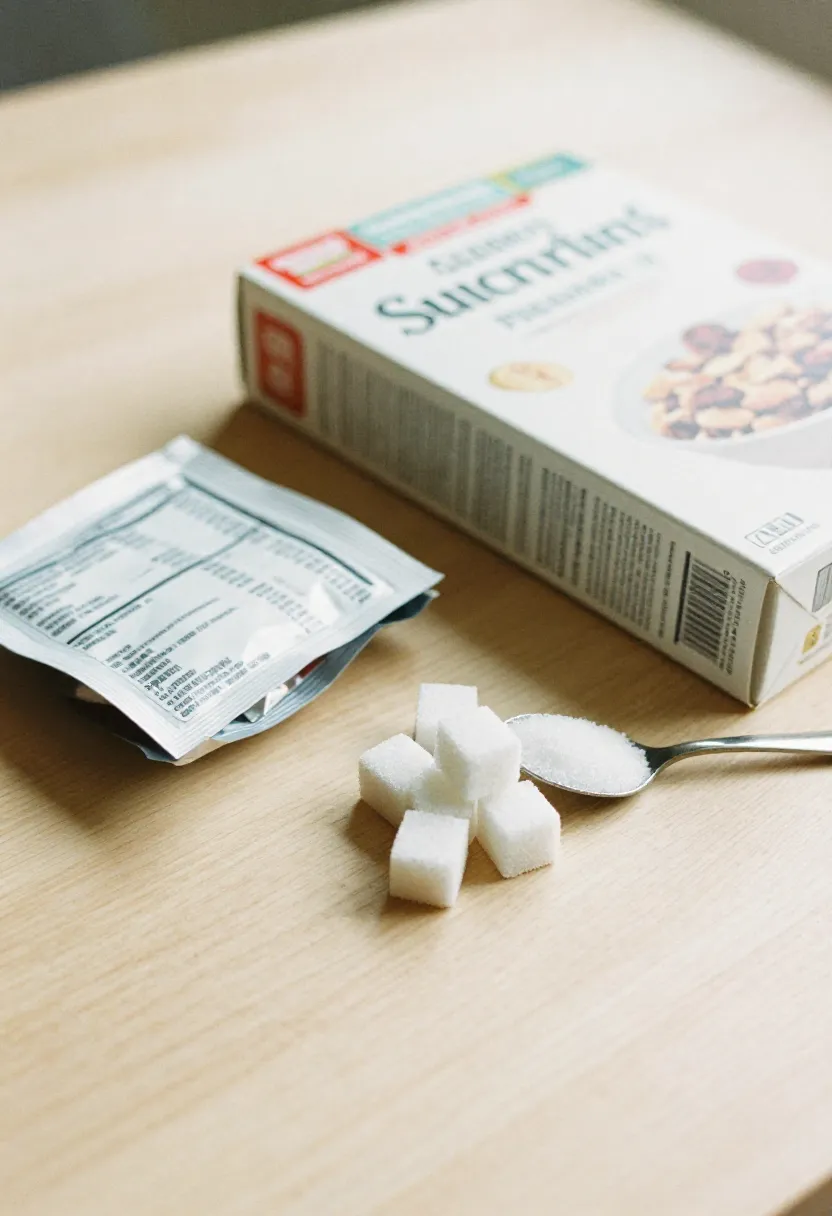
If you’ve ever flipped over a food package and felt confused by the ingredients list, you’re not alone. Sugar wears disguises — many of them. Brands know that when people see “sugar” listed first, they might hesitate. So they use other names. Softer names. Scientific names. Natural-sounding names.
This doesn’t mean you have to memorize 60 terms or carry a cheat sheet to the store.
You just need to understand the basics of sugar label language — the clues, the categories, and the easiest ways to spot it quickly.
Let’s break it down in a friendly, approachable way.
🍬 Why Sugar Has So Many Names
Manufacturers use different sugar names to:
- make the food seem healthier
- avoid “sugar” appearing too high on the ingredient list
- sweeten food while sounding “natural”
Some names look harmless, even nutritious — but they act exactly like sugar in your body.
🧾 How to Quickly Identify Sugar on Labels
Here are the simplest tricks:
1. If it ends in -ose, it’s sugar.
Examples:
- glucose
- sucrose
- fructose
- dextrose
- maltose
- lactose
2. If it’s a syrup, it’s sugar.
Examples:
- corn syrup
- rice syrup
- barley malt syrup
- golden syrup
- maple syrup
- glucose-fructose syrup
3. If it sounds “healthy,” it’s often still sugar.
Examples:
- honey
- coconut sugar
- agave nectar
- date syrup
- fruit juice concentrate
4. If it’s a “concentrate,” it’s sugar.
Fruit concentrates are common in “healthy” foods, juices, smoothies, and granola bars.
5. If it’s added for flavor, texture, or moisture, it’s sugar.
Sugar isn’t only used for sweetness — it thickens, preserves, and creates texture in many processed foods.
🍭 Common Names for Sugar You’ll See Often
Here’s a gentle list of sugar names most people run into regularly:
- cane sugar
- brown sugar
- raw sugar
- molasses
- evaporated cane juice
- corn syrup
- high-fructose corn syrup
- malt syrup
- maple syrup
- honey
- agave nectar
- fruit juice concentrate
- glucose
- fructose
- sucrose
- maltose
- dextrose
Even if the word “sugar” isn’t there, your body treats it the same.
🥫 Foods Where Hidden Sugars Love to Hide
You’ll be surprised where they show up:
- yogurt
- granola and granola bars
- flavored oatmeal
- breads and wraps
- salad dressings
- tomato sauces
- soups
- crackers
- peanut butter
- cereal
- milk alternatives
- protein bars
- “healthy” smoothies
These aren’t desserts — but they often contain dessert-level sugar.
🛒 How to Read Labels Without Overthinking
Here’s the easiest way to shop smarter:
1. Look at the first 3 ingredients
If sugar (or any of its names) appears early, the product is heavily sweetened.
2. Check “Added Sugars” on the nutrition panel
Under 5g of added sugar per serving = great
5–10g = moderate
Over 10g = think twice
3. Compare brands
You’ll often find identical products with drastically different sugar content.
4. Choose unsweetened versions when possible
Then add your own sweetness (fruit, cinnamon, vanilla).
💛 Mini-Story Moment
Imagine someone who buys their favorite granola each week, believing it’s a “healthy” choice. One day, out of curiosity, they check the label… and see four different types of sugar listed in the first five ingredients.
They switch to an unsweetened version and sprinkle in berries and nuts instead.
Suddenly, they feel fuller after breakfast and notice fewer afternoon cravings.
A simple label moment — a big life shift.
⭐ Why this step matters
Learning label language gives you control.
It turns shopping from confusing to empowering.
And it helps you dramatically reduce sugar without giving up the foods you love — just by choosing better versions.
This is not about fear.
It’s about clarity, confidence, and making choices that support your wellbeing.
Tame Your Cravings — Smart Strategies That Calm Sugar Urges

Sugar cravings are not a sign of weakness. They’re signals — from your body, your emotions, your routines, and even your biology. And when you understand where cravings come from, they lose their power. They become something you can work with, not fight against.
This section offers gentle, effective strategies to calm cravings without relying on willpower. Because willpower fades — but habits, nourishment, and self-awareness last.
Let’s explore what really helps.
🍽️ 1. Eat Balanced Meals (Protein + Fiber + Healthy Fats)
Most sugar cravings start because your body isn’t getting what it needs.
If your meals are low in protein or fiber, sugar becomes the fastest “solution.”
Balanced meals:
- stabilize blood sugar
- reduce hunger swings
- prevent energy crashes
- keep your mood steady
Often, cravings disappear when your meals improve.
💧 2. Drink Water Before Reaching for Something Sweet
Dehydration can mimic hunger — and especially sugar hunger.
Try this:
Drink a glass of water.
Wait 10 minutes.
If you still want something sweet, the craving is real — and can be handled gently.
Many cravings fade simply because your body needed hydration.
📝 3. Pause for One Minute Before Acting on a Craving
This isn’t about saying “no.”
It’s about asking:
“What does my body actually need right now?”
Cravings often come from:
- stress
- tiredness
- boredom
- habit
- low mood
Pausing helps you respond instead of react.
🍏 4. Choose a Nourishing Sweet Alternative
When a craving won’t go away, honor it — just choose a calmer option:
- apple slices with almond butter
- Greek yogurt with berries
- a piece of dark chocolate (70%+)
- warm apples with cinnamon
- a handful of nuts + a few dates
- herbal tea with a natural sweetness
You satisfy the urge without the sugar crash.
🧘 5. Use Sensory Tricks That Break the Craving Cycle
A warm drink
Herbal tea soothes both body and mind.
A change of environment
Leave the kitchen. Walk to another room. Step outside.
Deep breathing
Inhale for 4 seconds, exhale for 6.
This calms cortisol — a major craving trigger.
A distraction
Cravings peak for 5–10 minutes and then fade quickly.
😴 6. Check Your Sleep Pattern
Poor sleep increases cravings dramatically.
Your body looks for quick energy — and sugar is the fastest option.
Improving sleep can:
- reduce emotional eating
- decrease late-night cravings
- stabilize appetite hormones
Even small changes (like turning off screens early) make a difference.
🧠 7. Understand Emotional vs. Physical Hunger
Physical hunger:
- builds slowly
- satisfied by real meals
- not specific — many foods work
Emotional hunger:
- comes suddenly
- craves specific foods (often sweet)
- linked to stress, loneliness, or boredom
Recognizing the type helps you respond with kindness, not guilt.
🥰 8. Add Comfort Rituals That Aren’t Food
Sometimes cravings are really calls for comfort.
Try:
- warm baths
- soft music
- journaling
- stretching
- calling a friend
- lighting a candle
- reading
Comfort can come from many places — not only sugar.
🥣 9. Don’t Skip Meals
Skipping meals is a guaranteed recipe for cravings.
Your blood sugar drops, your body panics, and sugar becomes the fastest rescue.
Eat regularly:
- 3 meals
- 1–2 small snacks if needed
Consistency creates calm.
🌿 10. Reduce Sugar Slowly, Not Overnight
Shock dieting triggers stronger cravings.
Gentle reduction helps your taste buds adjust.
Try:
- reducing sweeteners by half
- switching one sugary snack per day
- choosing unsweetened versions of staples
Cravings soften naturally when sugar intake drops steadily.
💛 Mini-Story Moment
Imagine someone who battles evening sugar cravings every night. They feel frustrated, guilty, tired of the cycle. Then they try a new approach:
They drink herbal tea after dinner.
They take a short walk.
They add more protein to lunch.
And suddenly — slowly — their cravings shrink from loud to quiet.
Not because they “tried harder”… but because they finally gave their body what it needed.
⭐ Why these strategies matter
Cravings aren’t enemies.
They are messages.
And when you understand those messages — nourishment, rest, comfort, hydration, routine — you become the one in charge.
With the right tools, cutting sugar becomes easier, calmer, and genuinely sustainable.
Build a Daily Routine for Low-Sugar Living

Cutting sugar isn’t something that happens in one dramatic decision — it happens in the small, repeated moments of your day. The structure of your routine shapes your cravings, your hunger signals, your energy, and even your mood. When your routine supports you, sugar becomes less tempting and easier to manage.
This section offers simple, senior-friendly (and busy-life-friendly) daily habits that naturally lower sugar intake without restriction, stress, or complicated planning.
🌅 Start Your Morning With Stability
A balanced breakfast
Begin your day with protein, fiber, and healthy fats to avoid mid-morning sugar cravings.
Examples:
- eggs + vegetables
- oatmeal + nuts + fruit
- yogurt + berries + seeds
Rethink your morning drink
Swap sugary lattes or sweetened tea for:
- black coffee + milk
- herbal tea
- lemon water
A stable morning sets the tone for a stable day.
🥤 Hydrate Consistently
Drink water before meals and snacks
Often, cravings are dehydration in disguise.
Keep water within reach
A bottle by your chair, on your desk, or beside your bed helps more than you think.
Hydration = fewer sugar urges.
🧺 Plan Simple, Balanced Meals
You don’t need meal prep marathons — a simple weekly rhythm works best.
Try:
- 1–2 breakfast options
- 3–4 go-to lunches
- easy dinners like soups, bowls, roasted veggies
When your meals are predictable, sugar becomes optional, not necessary.
🍵 Create a “Comfort Ritual” That Isn’t Sugar
Evening is the most common time for sugar cravings.
Try:
- chamomile tea
- warm milk with cinnamon
- a short walk
- a few pages of a book
- soft lighting
Comfort doesn’t have to be edible.
🍽️ Use the Rule of Three for Every Meal
Include:
- Protein
- Fiber
- Healthy fats
This naturally reduces cravings and stabilizes appetite.
Balanced meals = low-sugar living without effort.
🛒 Choose Your Grocery Staples Wisely
Your shopping habits decide your eating habits.
Stock these:
- unsweetened yogurt
- whole grains
- nuts and seeds
- frozen vegetables
- lean proteins
- herbal teas
- low-sugar breads
- fresh fruit
When your kitchen supports you, your routine becomes automatic.
🧾 Check Labels While Shopping (Just 10 Seconds!)
You don’t need to overthink — just glance at:
- Added sugars
- First 3 ingredients
- Hidden names for sugar
This becomes second nature with practice.
🍪 Have Better Snacks Easily Available
Keep sugar-light snacks within arm’s reach:
- cheese
- nuts
- berries
- apple slices
- veggie sticks
- hummus
- plain popcorn
Snacking doesn’t have to sabotage your progress.
📅 Keep Meals Regular
Skipping meals leads to:
- intense hunger
- low energy
- sugar cravings
Try to eat:
- 3 meals
- optional 1–2 snacks
- consistent timing
Routine supports your biological rhythm.
😴 Prioritize Sleep as Part of Your Sugar Routine
Poor sleep increases cravings the next day.
Even small improvements help:
- dim lights in the evening
- a calming beverage
- less screen time
- gentle stretches
Sleep and sugar regulation are deeply connected.
💛 Mini-Story Moment
Imagine someone who always turned to sweets after dinner — it was their “treat,” their comfort. But once they created a new ritual — herbal tea, dim lights, and a cozy blanket — something shifted. The craving softened, then faded. It wasn’t about restriction.
It was about replacing the habit with something kinder.
⭐ Why Daily Routine Matters
Low-sugar living is not a diet.
It’s not about perfection.
It’s about creating a lifestyle where your body feels nourished, steady, and supported.
Routine is where sugar reduction becomes:
- easier
- calmer
- more intuitive
- long-lasting
When your day flows gently, sugar simply plays a smaller role.
FAQ — Real Questions About Cutting Sugar Answered

When people try to lower their sugar intake, a lot of confusion shows up. Do you need to avoid fruit? Is honey better? What if you crave sweets every night? This FAQ gathers the questions real people ask — and answers them in a simple, calming, and realistic way.
1. Do I need to quit sugar completely?
No. Cutting sugar doesn’t mean living sugar-free.
It means reducing added sugars and choosing whole foods more often. A flexible, gentle approach works best.
2. Is fruit okay when cutting sugar?
Yes — absolutely.
Fruit contains fiber that slows digestion and prevents spikes.
Berries, apples, pears, citrus, and melons are excellent choices.
3. Are natural sweeteners like honey healthier?
They’re natural, but they’re still sugar.
Honey, maple syrup, and coconut sugar cause similar blood sugar spikes.
Use them sparingly, not as “healthy unlimited options.”
4. How do I handle evening sugar cravings?
Try:
- a warm herbal tea
- a small protein snack (nuts, cheese, yogurt)
- brushing your teeth early
- dim lighting to calm your nervous system
- a short walk
Evenings are emotional — not just physical.
5. Why do I crave sugar more when I’m tired?
Lack of sleep increases hunger hormones and makes your body crave quick energy — sugar. Improving sleep quality is a powerful sugar-reduction tool.
6. Will cutting sugar help me lose weight?
Often, yes — but not because of restriction.
When you lower sugar, you stabilize appetite, reduce cravings, and naturally eat fewer empty calories. Weight changes become a side effect, not a goal.
7. Are zero-sugar drinks good alternatives?
They can help with transition, but:
- some trigger cravings
- some upset digestion
- they can keep your sweet tooth active
Use them as a stepping stone, not a final destination.
8. What if I have a sweet tooth? Can it change?
Yes.
Your taste buds adapt.
After a few weeks of lower sugar, many people find overly sweet foods too intense. You begin to enjoy natural sweetness more.
9. Do I have to cut sugar quickly or gradually?
Gradual works best.
Cutting sugar overnight can trigger intense cravings.
Small steps — fewer sugary drinks, less sweet coffee, better breakfasts — work beautifully.
10. What about sugar in bread, soups, sauces, and packaged foods?
Read labels and choose:
- “unsweetened” versions
- products with <5g added sugar
- brands without syrups or concentrates
These tiny swaps add up significantly.
11. How do I stay motivated long-term?
By focusing on how you feel:
- steadier energy
- fewer cravings
- better mood
- improved digestion
- calmer evenings
Feeling better becomes the motivation.
12. Is it okay to enjoy dessert sometimes?
Yes — guilt-free.
Occasional treats are part of a balanced life.
The key is to enjoy them mindfully, not habitually.
💛 Mini-Story Moment
Imagine someone who’s overwhelmed at first — confused about fruit, sweeteners, snacks, everything. But after reading this FAQ, they feel calmer. They understand that cutting sugar isn’t a punishment; it’s a path toward feeling clearer, lighter, more energized. They don’t need perfection — they need awareness, balance, and small daily steps.
⭐ Why this FAQ matters
Questions create clarity.
Clarity creates confidence.
Confidence creates lasting change.
This FAQ gives readers the reassurance and direction they need to reduce sugar in a way that feels gentle, kind, and sustainable.


Keep this going please, great job!
Sweet blog! I found it while surfing around on Yahoo News.
Do you have any tips on how to get listed in Yahoo News?
I’ve been trying for a while but I never seem to get there!
Thanks
Excellent goods from you, man. I have understand your stuff previous to and you’re just
extremely magnificent. I really like what you
have acquired here, really like what you are stating and the way
in which you say it. You make it entertaining and you still take care of
to keep it wise. I cant wait to read far more from you. This is really a terrific site.
Good day! I just wish to offer you a huge thumbs up for your great information you have right here on this
post. I will be returning to your web site for more soon.
Very nice post. I just stumbled upon your weblog and wished to say that
I have truly enjoyed browsing your blog posts. In any case I will be subscribing to your feed and I hope
you write again soon!
Hello to every body, it’s my first pay a visit of this web
site; this web site contains awesome and in fact fine material in favor of visitors.