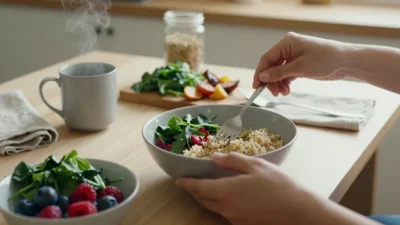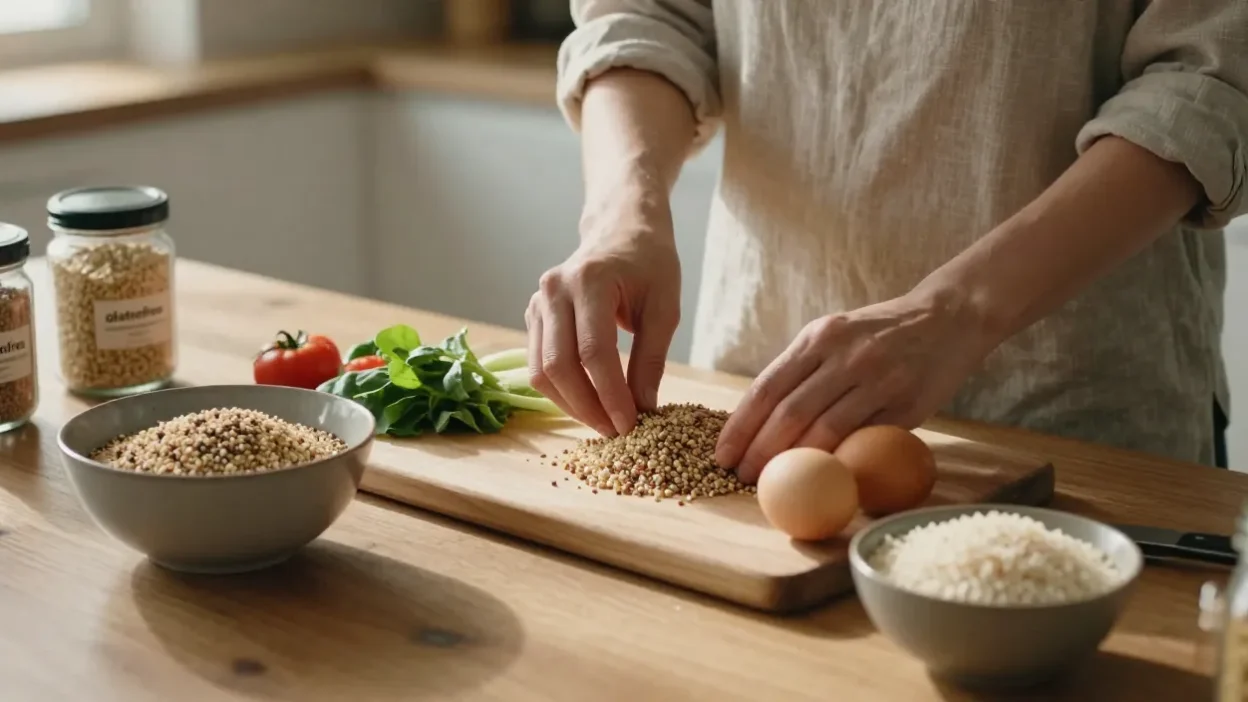
Beginning Your Gluten-Free Journey with Confidence

Going gluten-free is often imagined as a dramatic lifestyle overhaul — a kitchen cleanup, a strict new list of rules, and the looming fear of “never eating your favourite foods again.”
But the truth? Most gluten-free journeys don’t begin with perfection.
They begin with curiosity. With noticing how food makes you feel. With wanting more comfort, more clarity, more energy in your everyday life.
Whether you’re making the switch because of coeliac disease, gluten sensitivity, or simply to explore whether you feel better without wheat, this transition deserves to be gentle, supportive, and grounded in real life — not overwhelming.
A gluten-free lifestyle isn’t just about avoiding gluten.
It’s about learning new habits that help you feel well, rediscovering naturally gluten-free foods, trying new textures, exploring alternatives, and slowly building a way of eating that feels balanced and sustainable.
Think of this guide as a warm companion — one that walks beside you through the messy middle, the questions, the adjustments, and the small victories.
From smart swaps to navigating restaurants, from decoding labels to managing cravings, you’ll find practical tips that help you move through this shift with confidence rather than confusion.
Above all, going gluten-free isn’t about restriction.
It’s about supporting your body — listening to what it asks for, noticing how it responds, and creating an eating routine that brings you ease, not stress.
Let’s begin this journey gently, one simple step at a time.
Start Slow — Small Changes Lead to Big Results
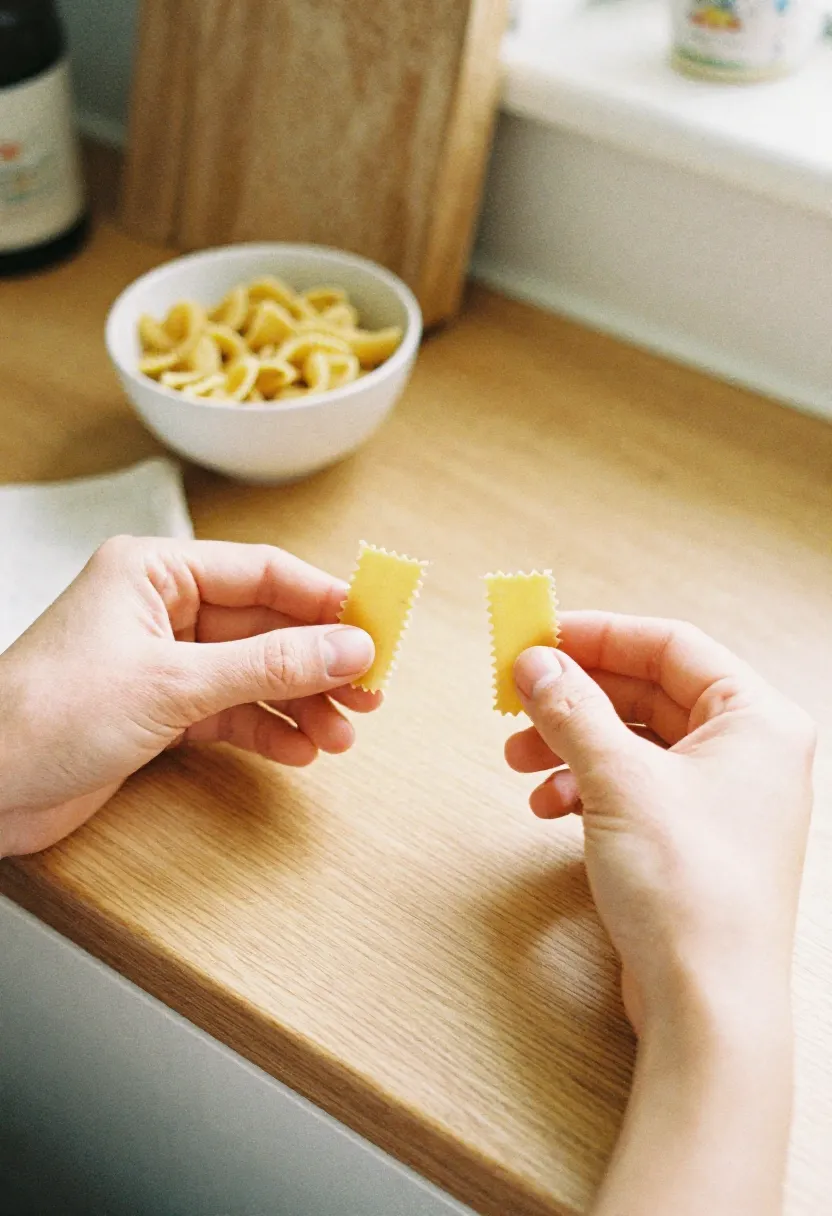
One of the most common misconceptions about going gluten-free is that you need to transform your entire diet overnight. But for most people, sudden, sweeping changes only lead to frustration, cravings, and burnout. A gentler approach works far better — one that respects your routines, your emotions around food, and the learning curve that naturally comes with any dietary shift.
Think of going gluten-free as easing into a new rhythm rather than flipping a switch.
Begin with the foods you eat most often
Instead of trying to remove gluten from every corner of your diet at once, start by adjusting your most frequent meals.
For many people, this means swapping:
- morning toast for gluten-free bread or a simple yogurt bowl,
- regular pasta for a GF pasta option once or twice a week,
- wheat-based snacks for nuts, fruit, or GF crackers.
These small changes reduce overwhelm and help you notice your body’s response right away.
Let familiarity stay on your plate
You don’t have to reinvent your meals.
If you love stir-fries, soups, grain bowls, roasted vegetables, or grilled proteins — good news: most of these can stay exactly as they are with only a small tweak, like using tamari instead of soy sauce or choosing a gluten-free grain.
Keeping things familiar makes the transition comforting, not disruptive.
Build one new habit at a time
Maybe your first step is reading labels.
Maybe it’s learning a gluten-free breakfast you genuinely enjoy.
Maybe it’s choosing one new GF product to try each week.
Each step is enough on its own.
Taken together, they gently build a lifestyle that feels natural and sustainable.
Give yourself time to adjust
Your digestion, your energy, your taste preferences — they all shift gradually.
You’re learning, experimenting, and noticing what works.
There’s no rush, and no perfect way to do it.
Slow progress isn’t slow at all. It’s steady, thoughtful, and kind — exactly what this journey deserves.
Learn the Naturally Gluten-Free Foods First

When people think of going gluten-free, they often jump straight to specialty products — gluten-free bread, pasta, crackers, cookies. And while these foods can certainly play a role, they’re not the foundation of a nourishing gluten-free lifestyle.
The true foundation lies in something much simpler: naturally gluten-free foods — whole ingredients that never contained gluten in the first place.
Learning these foods first gives you a sense of freedom, calm, and abundance, rather than restriction.
Whole grains that are naturally safe
Many grains are completely gluten-free and wonderfully versatile.
These include:
- rice (white, brown, jasmine, basmati),
- quinoa,
- corn,
- millet,
- buckwheat,
- sorghum,
- amaranth.
A warm bowl of rice with vegetables, a quinoa salad, or roasted corn with herbs — these meals feel familiar and satisfying without relying on replacements.
All fruits and vegetables — unlimited color, flavor, and variety
Nothing about produce needs to change.
From berries and tomatoes to leafy greens and crisp apples, every fruit and vegetable is naturally gluten-free and full of nutrients, fiber, and texture.
These foods become your allies — bright, grounding, and easy to build meals around.
Proteins that keep meals balanced and filling
Fresh, plain proteins are all gluten-free:
meat, poultry, fish, eggs, tofu, beans, lentils.
They anchor your meals and make gluten-free eating feel complete rather than “light” or limiting.
Just be mindful of marinades, seasonings, or breaded coatings.
Dairy and dairy alternatives
Milk, cheese, yogurt, butter, and many plant-based milks are naturally gluten-free.
Choose plain or unsweetened varieties if you want the simplest, safest option.
Nuts, seeds, and healthy fats
Almonds, walnuts, chia seeds, pumpkin seeds, olive oil, avocado — all naturally gluten-free and great for adding flavor and satisfaction.
Why this matters
Starting with natural foods means:
- fewer labels to read,
- less confusion,
- more nourishment,
- more confidence in what you eat,
- far less reliance on expensive GF packaged items.
You begin to see that gluten-free eating isn’t about losing foods — it’s about rediscovering simple, delicious ingredients that make you feel good.
Gluten-Free Alternatives — How to Choose (and What to Avoid)

Once you’ve grounded yourself in naturally gluten-free foods, it becomes much easier to navigate the world of gluten-free alternatives. These products — breads, pastas, crackers, flours — can make life more convenient, but they vary wildly in quality, nutrition, texture, and taste.
The goal isn’t to rely on them for every meal, but to choose the ones that genuinely support your lifestyle and well-being.
Here’s a gentle, practical guide to choosing gluten-free alternatives without the overwhelm.
Start with one category at a time
You don’t need to swap everything at once.
Begin with the items you miss most — bread for breakfast, pasta for quick dinners, or flour for baking.
Trying to replace everything simultaneously often leads to disappointment and cluttered cupboards.
Slow exploration helps you discover what truly works for you.
Gluten-free bread: manage expectations and look for whole ingredients
GF bread will never be identical to wheat bread — the structure is simply different.
But many brands offer soft, satisfying options, especially when toasted.
Look for:
- wholegrain ingredients (brown rice flour, buckwheat flour, sorghum),
- added fiber,
- minimal starch blends,
- low added sugar.
Avoid breads filled mostly with tapioca starch, potato starch, or fillers — they tend to spike blood sugar and leave you hungry quickly.
Gluten-free pasta: the easiest swap
GF pasta has come a long way.
Rice pasta is mild and familiar; chickpea or lentil pasta adds protein; corn pasta has a pleasant bite.
Tip: cook it al dente — gluten-free pasta softens quickly.
Cookies, crackers & snacks: don’t let the “GF” label distract you
Many gluten-free snacks are still ultra-processed and sugary.
The key is reading the ingredients, not relying on the front label.
Look for simple, real-food ingredients.
Or stick to naturally GF snacks like nuts, fruit, yogurt, popcorn, or dark chocolate.
GF flours: choose based on purpose, not hype
There is no single “best” gluten-free flour — each serves a different role.
For example:
- Almond flour → moist, rich, perfect for muffins or cakes.
- Buckwheat flour → earthy, ideal for pancakes.
- Rice flour blends → better for breads or cookies.
- Oat flour → soft, great for quick breads.
Pre-mixed GF flour blends work well for beginners and simple swaps.
Be mindful of ultra-processed GF products
If your gluten-free diet is built mostly on packaged substitutes, you may experience:
- cravings,
- energy crashes,
- digestive discomfort,
- frustration with cost.
These foods are helpful in moderation, but not the backbone of everyday eating.
The calmest, healthiest GF routines combine whole foods with the occasional convenient product.
Give yourself space to explore
Finding your favorite gluten-free products takes time — and that’s completely normal.
Your taste will adjust, your curiosity will grow, and soon you’ll know exactly which brands and textures feel right for you.
Reading Labels with Ease — What to Look For
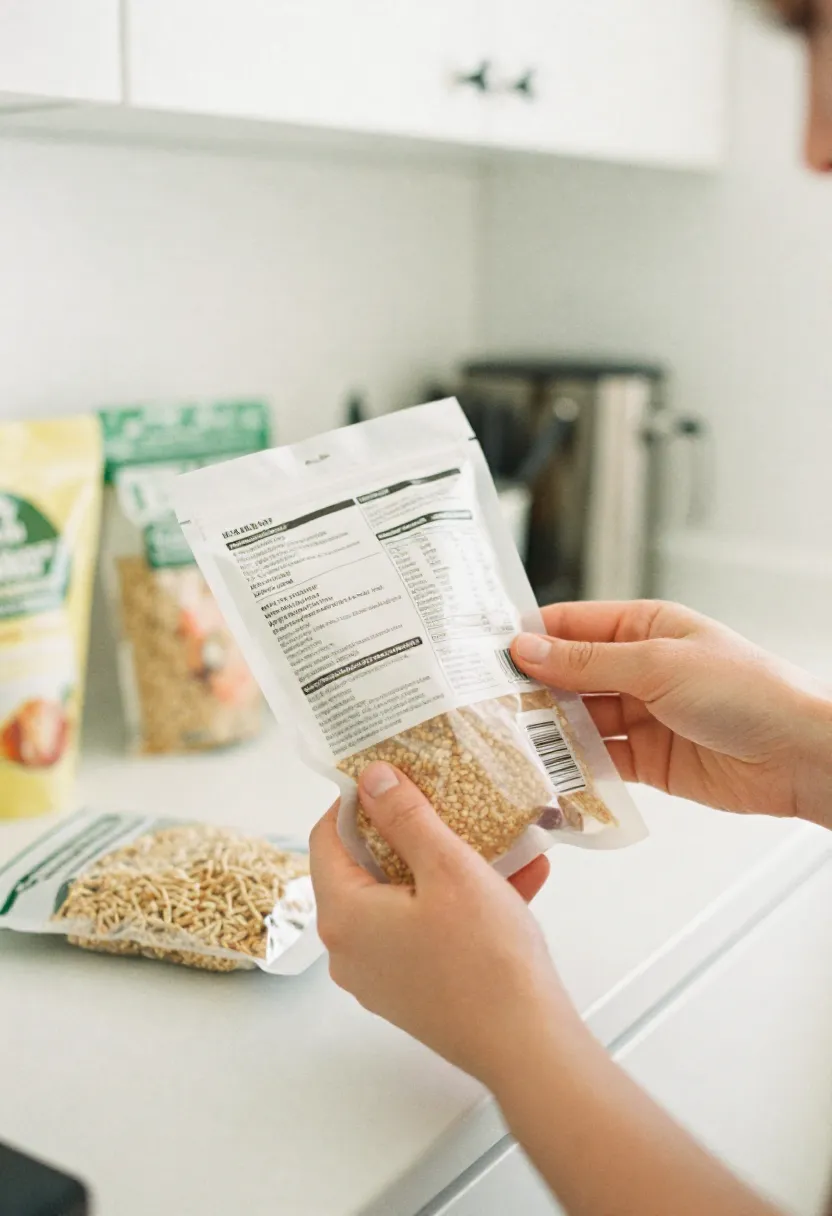
Reading labels can feel like one of the hardest parts of going gluten-free — and in the beginning, it is a learning curve. Ingredient lists look long, allergens hide behind unfamiliar words, and sometimes a product that “looks safe” turns out not to be.
But here’s the reassuring truth: with just a few simple habits, label-reading becomes quick, almost automatic, and far less stressful.
Let’s break it down gently, in a way that makes everyday shopping feel easier, not overwhelming.
Start by scanning the allergen list
Most packaged foods include a short allergen section where wheat must be highlighted (usually in bold).
If you see wheat, barley, rye, malt, or oats not labelled gluten-free, that’s your immediate signal to pause.
This tiny step often tells you everything you need to know.
Look for the clear phrase: “gluten-free”
Products with this label follow strict standards and contain very low levels of gluten (under 20 ppm).
This is the safest, simplest reassurance — especially when you’re still learning.
Tip: if the product is not clearly marked gluten-free but seems safe, read the entire ingredient list to be sure.
Know the hidden names of gluten
Gluten doesn’t always show up as “wheat” or “barley.”
Sometimes it’s disguised as:
- barley malt / malt extract,
- malt vinegar,
- modified wheat starch,
- farina,
- semolina,
- durum,
- triticale (a wheat–rye hybrid).
When in doubt, assume it contains gluten unless proven otherwise.
Watch out for sauces, broths, and mixes
Some of the most surprising gluten sources live in:
- soy sauce,
- gravy granules,
- salad dressings,
- stock cubes,
- spice blends,
- ready-made soups.
They often contain wheat-based thickeners or flavorings.
Oats require special attention
Oats are naturally gluten-free… but most are contaminated during processing.
Look specifically for “gluten-free oats” or products made from them.
Regular oats are not safe for coeliac disease or strict gluten-free diets.
Short ingredient lists = easier decisions
Foods with fewer components are less likely to contain hidden gluten.
Plain yogurt, nut butters, dark chocolate, cheeses, and unseasoned frozen vegetables are usually straightforward choices.
Be mindful of product changes
Brands sometimes change their recipes.
A cereal or snack that was gluten-free last year might not be today.
A quick label check prevents accidental slip-ups.
The goal is confidence, not perfection
Label-reading is a skill — one you build gradually, not instantly.
Every time you choose a safe product, you strengthen your intuition and understanding.
Soon, you won’t feel lost in grocery aisles.
You’ll feel in control — informed, calm, and confident in your gluten-free choices.
Replace Smartly — Simple Swaps for Everyday Meals

Going gluten-free doesn’t mean reinventing your entire kitchen. In fact, many of your daily meals can stay almost exactly the same — they just need a few thoughtful swaps. Smart replacements help you maintain familiar flavors, satisfying textures, and balanced nutrition without feeling like you’ve given anything up.
Let’s explore gentle, real-life swaps that keep meals comforting and effortless.
Breakfast Swaps — Warm, Simple, and Satisfying
If your day usually starts with toast or cereal, try easing into gluten-free mornings with options that feel just as grounding:
- gluten-free oats cooked with berries and nuts,
- yogurt bowls with fruit and seeds,
- rice cakes or GF toast topped with nut butter or avocado,
- omelettes or scrambled eggs with vegetables.
These changes don’t feel dramatic — yet they set the tone for a gluten-free day.
Lunch Swaps — Keep It Familiar
Most lunch meals are easy to adapt:
- Swap wheat wraps for corn tortillas or GF wraps.
- Replace regular pasta salads with quinoa salads packed with veggies and protein.
- Use baked potatoes, rice bowls, or leftover roasted vegetables as easy gluten-free bases.
The structure of the meal stays the same; only one ingredient changes.
Dinner Swaps — Comfort Food, Still Comforting
You don’t need to give up your favourite dinners:
- Use gluten-free pasta in classic spaghetti or creamy dishes.
- Choose rice, potatoes, polenta, or quinoa instead of couscous or semolina.
- For stir-fries, substitute tamari for soy sauce (almost identical in taste, but gluten-free).
- Breaded dishes can be made with GF breadcrumbs, ground almonds, or crushed GF crackers.
Once you see how small these changes are, dinner becomes easy again.
Snack Swaps — Simple and Nourishing
Many naturally gluten-free snacks are already pantry staples:
- fruit,
- nuts and seeds,
- popcorn,
- cheese slices,
- yogurt,
- plain chips,
- dark chocolate,
- gluten-free crackers.
Snacking stays joyful and uncomplicated.
Baking Swaps — A New Kind of Fun
If you enjoy baking, gluten-free flours may feel unfamiliar at first.
Start with recipes that naturally use almond flour, oat flour, or gluten-free blends.
They’re forgiving and produce consistently tasty results.
Cakes, muffins, cookies, banana bread — nearly everything has a successful GF version.
A gentle reminder
Smart swapping isn’t about removing foods — it’s about reshaping them slightly so they support your well-being.
Each swap you make is a small act of care, helping you build meals that feel satisfying, natural, and entirely your own.
Manage Cravings and Emotional Eating When Going GF
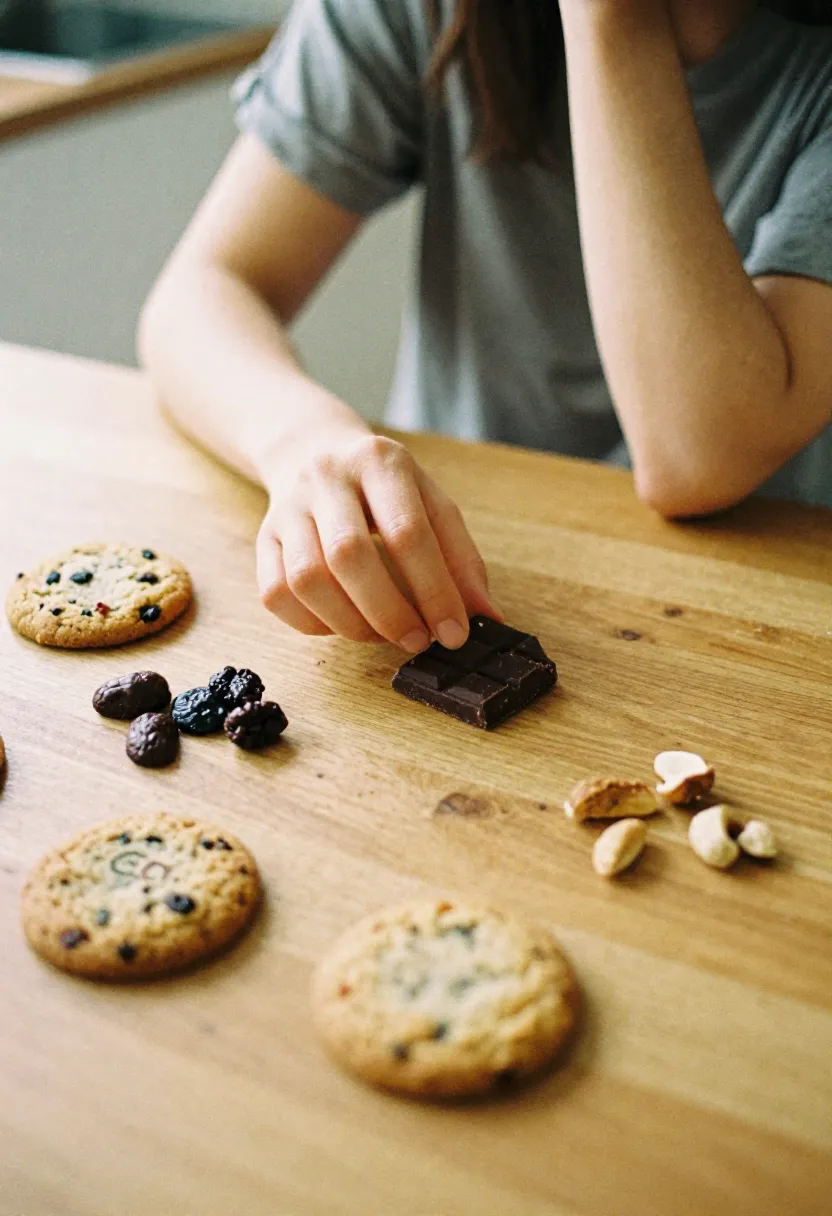
Cravings are one of the most human parts of shifting to a gluten-free lifestyle.
When you suddenly remove bread, pasta, pastries, or biscuits — the foods that often bring comfort, familiarity, or routine — your body and mind may respond with a quiet sense of longing.
This isn’t a failure. It’s adaptation.
Managing cravings gently, without guilt or panic, helps you create a gluten-free routine that feels sustainable and kind.
Understand the roots of your cravings
Cravings often arise for three universal reasons:
- Comfort — bread or baked goods may be tied to warmth, routine, or nostalgia.
- Habit — you may be used to eating certain foods at specific times.
- Blood sugar drops — if meals lack enough protein, fiber, or healthy fats, you’ll feel hungry again quickly.
When you see cravings as signals rather than problems, you remove the emotional weight around them.
Keep yourself genuinely full
If you suddenly replace meals with light gluten-free substitutes, you may feel unsatisfied.
To stay full and energetic, build your meals around:
- protein (eggs, fish, beans, chicken),
- fiber-rich vegetables,
- gluten-free whole grains (quinoa, brown rice, buckwheat),
- healthy fats (avocado, nuts, olive oil).
Balanced meals naturally reduce cravings because your body feels nourished.
Find gluten-free versions of your comfort foods
Comfort matters. Emotional satisfaction matters.
If you miss cookies, find a GF cookie you love.
If you miss pasta, explore different GF varieties until one feels right.
If you crave warm bread, try toasted gluten-free bread or simple oat-based bakes.
You don’t need to eliminate pleasure to feel healthy.
Create new rituals, not restrictions
If your old ritual was “tea and a biscuit,” create a new one:
- tea and dark chocolate,
- tea and yogurt with fruit,
- tea and a homemade GF oat cookie.
The ritual stays, even if the ingredients shift.
Practice curiosity instead of judgment
When a craving appears, try asking yourself:
- Am I hungry?
- Tired?
- Seeking comfort?
- Needing a break?
You don’t need to fix anything — just observe.
This gentle self-awareness reduces emotional eating and makes choices feel more grounded.
Let satisfaction be part of your gluten-free lifestyle
You’re not meant to power through your days feeling restricted or deprived.
The more your meals feel comforting, filling, and enjoyable, the easier it becomes to stay gluten-free with confidence and ease.
Eating Out, Social Events & Travel — Staying Gluten-Free in Real Life
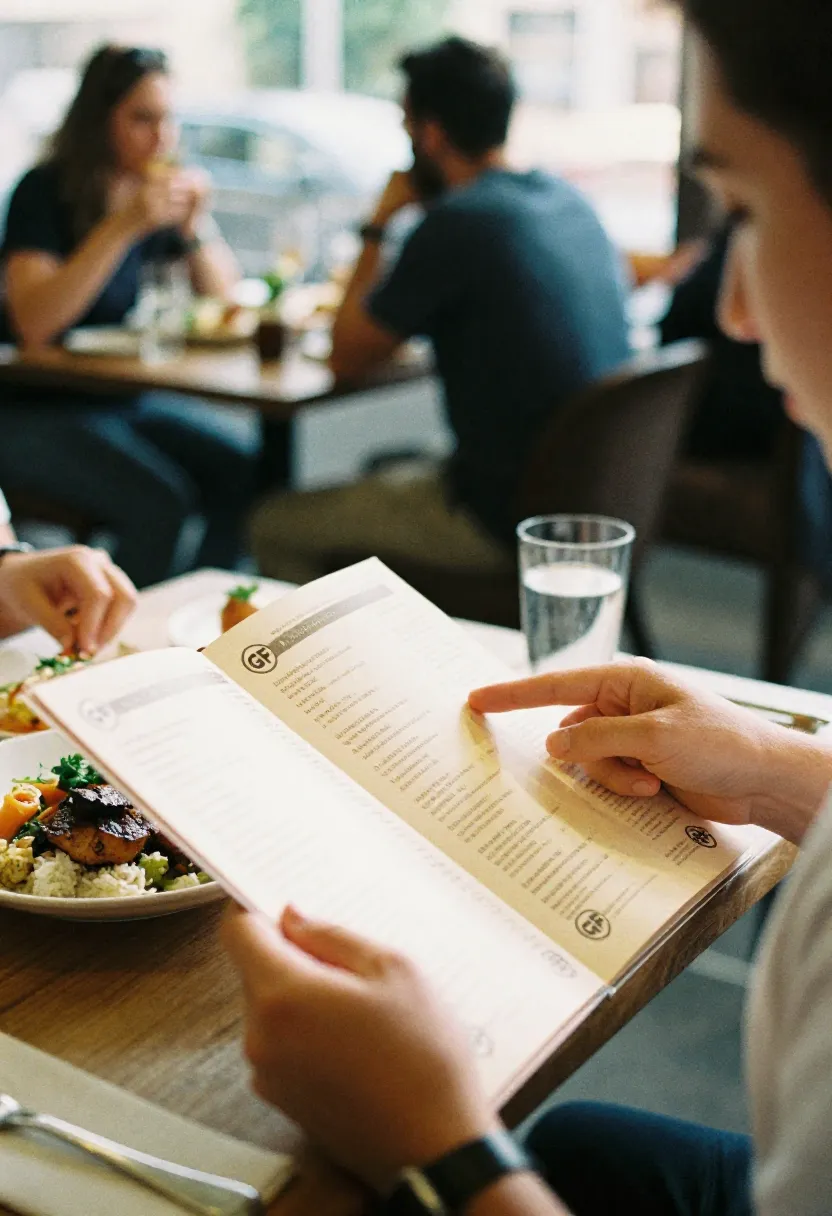
Going gluten-free at home is one thing.
Going gluten-free everywhere else — restaurants, parties, family dinners, airports — is another challenge entirely.
These situations can stir up worry: “Will there be something I can eat?”
“How do I ask without feeling difficult?”
“What if I get glutened by accident?”
But with a little preparation and a calm approach, these moments become manageable — even enjoyable.
You deserve to participate fully in life, food included.
Eating Out — Ask with Clarity, Not Apology
Restaurants are far more gluten-aware today than a decade ago. Most offer GF options or are willing to adjust dishes.
A few gentle strategies help you feel more at ease:
- Check the menu ahead of time to avoid stress at the table.
- Call or message the restaurant if you’re unsure — many are happy to help.
- When ordering, keep it simple:
“Can this be made gluten-free, including preparation and sauces?” - Choose dishes that are naturally safe, such as grilled meat or fish, salads, rice bowls, or roasted vegetables.
Remember: you’re not being inconvenient. You’re advocating for your well-being.
Social Gatherings — Bring Something You Love
Parties, family dinners, potlucks, and celebrations can feel tricky at first.
The simplest solution?
Bring a dish you know is gluten-free — something you genuinely enjoy, not just something “you can eat.”
This guarantees you’ll have at least one safe, satisfying option and takes pressure off the host.
People adapt quickly once they understand your needs, and many will naturally start offering GF-friendly choices over time.
Travel — Preparation Brings Freedom
Travelling gluten-free becomes easier when you pack a few essentials:
- GF snacks (nuts, bars, dark chocolate, crackers).
- A small container of instant oatmeal or GF granola.
- Travel-friendly fruit.
- A printed or saved list of gluten-free phrases in the local language.
At airports or train stations, look for simple foods: fruit cups, salads, yogurt, plain rice dishes, or grilled proteins.
Exploring new places becomes much more enjoyable when you know you’re prepared.
Grace for When Things Don’t Go Perfectly
Even with the best planning, mistakes happen.
A sauce may contain wheat. A salad may arrive with croutons. A server might misunderstand.
If you accidentally eat gluten, it’s not a failure — it’s a learning moment.
Be kind to yourself, rest if needed, hydrate, and return to your routine when ready.
A gentle mindset shift
Instead of thinking, “I can’t eat like everyone else,” try:
“I can still enjoy these moments — I just choose differently.”
Social life doesn’t shrink when you go gluten-free.
It simply adjusts — and often becomes more intentional, mindful, and enjoyable.
Build a Safe Gluten-Free Kitchen at Home
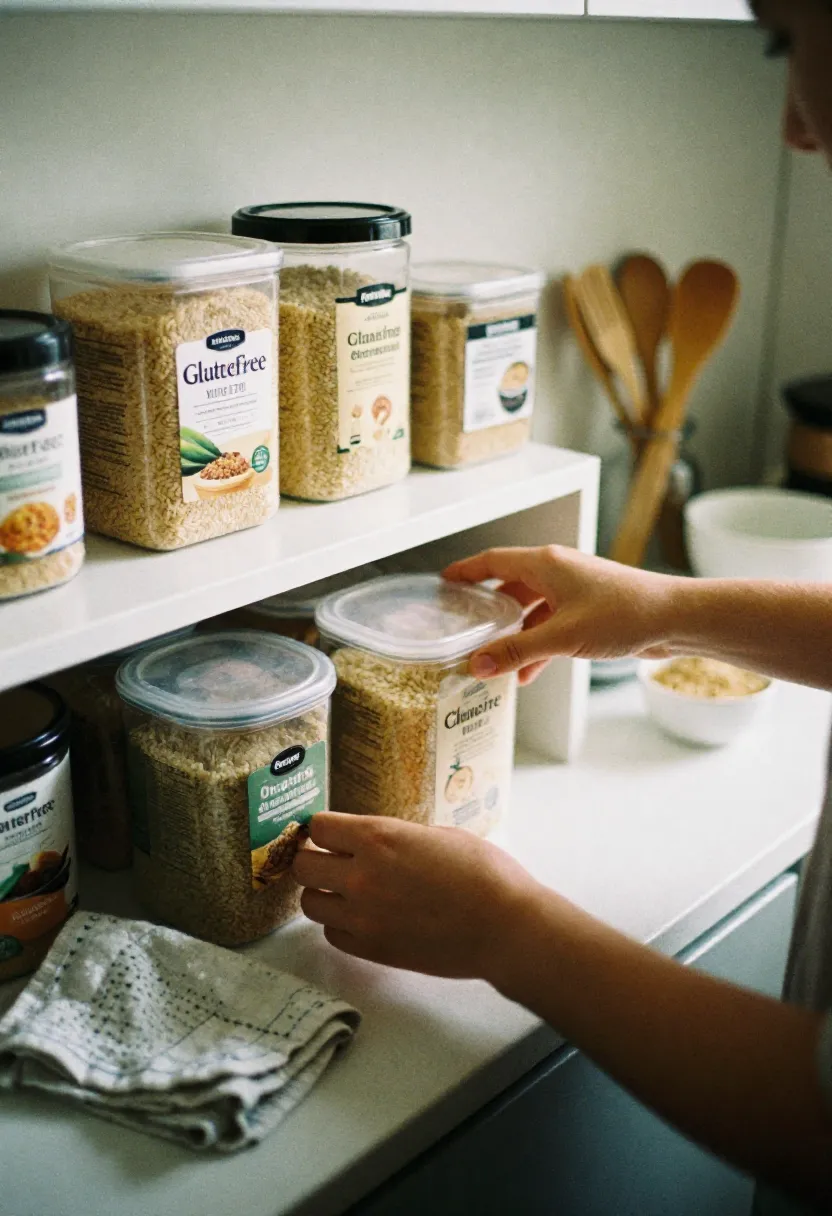
A gluten-free lifestyle becomes far easier — and far less stressful — when your kitchen feels like a place of safety and clarity. Even tiny crumbs or traces of wheat can cause discomfort or trigger symptoms for many people, especially those with coeliac disease.
But creating a gluten-free–friendly kitchen doesn’t require a full renovation.
It’s about a few thoughtful habits that make cooking feel calm, predictable, and genuinely enjoyable.
Let’s take a gentle walk through the basics.
Start by separating key tools
Some kitchen items naturally hold onto gluten — especially things with tiny crevices.
If your household isn’t fully gluten-free, consider having dedicated GF versions of high-risk tools such as:
- cutting boards,
- wooden spoons,
- baking tins,
- sieves,
- toasters.
This small investment saves a lot of worry and prevents unintentional contamination.
Create a gluten-free zone
A specific countertop space or cupboard for gluten-free foods can make daily cooking smoother.
Store GF items above wheat-containing foods — flour dust and crumbs tend to fall downward, not upward.
This also gives you a visual cue:
“Everything here is safe.”
Be mindful when baking with wheat
If other members of the household still use wheat flour, remember that flour dust floats easily and can linger on surfaces.
If someone is baking muffins or bread, it’s best to:
- keep gluten-free ingredients sealed and away,
- wipe surfaces thoroughly afterward,
- avoid preparing GF meals at the same time.
Your kitchen doesn’t have to be 100% GF — just mindful.
Use clean utensils for serving
Shared items like butter knives, hummus spoons, peanut butter jars, or jam containers can quickly become contaminated.
A very simple solution is to designate one or two “GF-only” jars or spreads if needed.
This removes daily guesswork.
Clean surfaces before preparing food
A quick wipe with warm, soapy water before cooking is often enough to eliminate crumbs and residue.
Small actions like this create a sense of routine and reassurance.
Keep labels simple and storage clear
If you keep flours, oats, breadcrumbs, or grains in containers, label them clearly as:
- GF oats,
- GF flour,
- GF pasta,
so that no one accidentally mixes things up.
Clear organization = fewer questions = more ease.
Remember: ease, not perfection
Your kitchen doesn’t have to turn into a strict, sterile environment.
The goal is confidence — feeling at peace when you prepare a meal, knowing it will nourish you rather than hurt you.
A few thoughtful practices are enough to turn your kitchen into a gluten-free comfort zone.
Support Your Gut — Fibre, Probiotics & Balanced Nutrition

When people go gluten-free, they often focus so much on removing gluten that they forget about something equally important: supporting the gut.
Your digestive system is a whole ecosystem — one that relies on fibre, balanced meals, and nourishing diversity to feel steady and strong.
And because many gluten-containing foods (like whole wheat) are natural sources of fibre, removing them can unintentionally create gaps in your diet.
Here’s how to keep your gut happy, supported, and well-fed while living gluten-free.
Bring fibre back into your meals — gently and naturally
Fibre helps with digestion, stabilizes energy, and supports a healthy microbiome.
Without wheat-based foods, you can rebuild fibre easily through:
- vegetables (broccoli, carrots, leafy greens),
- fruits (berries, apples, pears),
- legumes (lentils, chickpeas, beans),
- GF whole grains (quinoa, buckwheat, brown rice, millet),
- nuts and seeds (chia, flax, almonds).
You don’t need huge amounts — just make sure your meals have a little color, crunch, or texture.
Add probiotics for digestive harmony
Your gut bacteria play a major role in how you feel day to day — from digestion to immune function to mood.
A gluten-free lifestyle benefits from foods that keep your microbiome well-balanced:
- yogurt or kefir,
- sauerkraut, kimchi, or other fermented vegetables,
- kombucha,
- miso (ensure GF),
- tempeh.
These foods introduce beneficial bacteria that help your gut adapt to dietary changes.
Pair fibre with hydration
Fibre needs water to do its job properly.
Without enough fluids, even healthy fibre can feel heavy or uncomfortable.
A gentle guideline:
Sip water consistently throughout the day, especially when increasing fibre or experimenting with new gluten-free grains.
Balance meals for steady energy
Gluten-free processed foods can be high in starch and low in protein or healthy fats, which leads to energy crashes or cravings.
To keep your body steady, aim for meals that include:
- a protein (eggs, fish, poultry, tofu, beans),
- a healthy fat (olive oil, avocado, nuts),
- a fibre source (vegetables, legumes, GF grains).
This trio helps you feel fuller, longer.
Be mindful of ultra-processed GF foods
Gluten-free doesn’t always mean healthier.
Some GF baked goods or snacks are low in nutrients and high in sugar or starches. They can irritate the gut or spike blood sugar, leaving you hungrier later.
Use them as occasional additions, not foundations.
Trust your body’s feedback
Your gut is incredibly communicative.
Pay attention to:
- what meals leave you energized,
- what foods feel gentle vs heavy,
- which grains your body likes best,
- how your digestion responds day to day.
Gluten-free living isn’t only about what you remove — it’s about how you nourish what’s left.
Common Mistakes When Going Gluten-Free — And How to Avoid Them
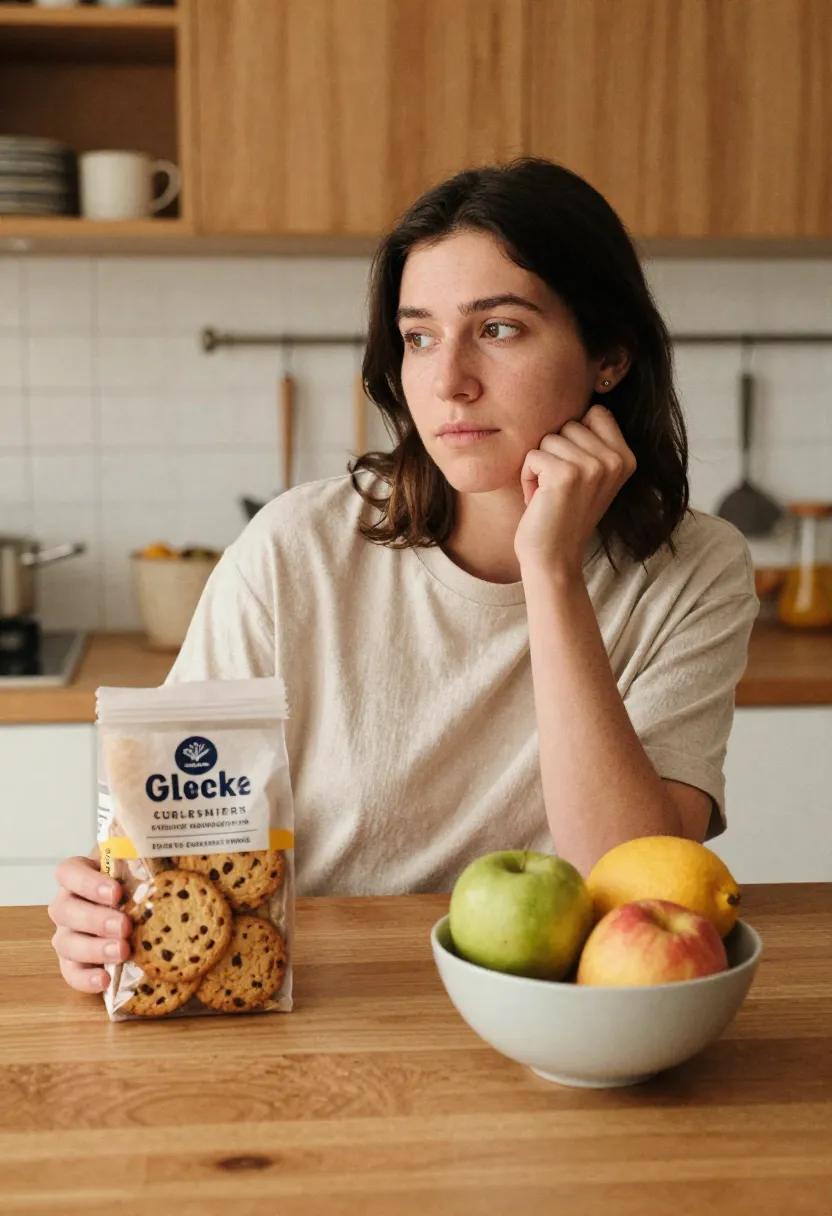
Going gluten-free can feel empowering, relieving, and even exciting — but like any lifestyle change, it comes with a few common pitfalls. These mistakes don’t make you “bad” at going gluten-free… they’re simply signs that you’re still learning.
The good news? Each one is easy to fix with a bit of awareness and gentle adjustment.
Let’s walk through them in a warm, supportive way.
1. Relying too heavily on gluten-free processed products
At first, it’s tempting to replace every wheat-based food with its gluten-free version — GF bread, GF cookies, GF crackers, GF muffins.
But many of these products are:
- low in fibre,
- high in starches,
- quick to spike blood sugar,
- more expensive,
- less satisfying.
Avoid it by: using processed GF foods as occasional additions, not the backbone of your diet.
Lean more on naturally gluten-free whole foods — your body will notice the difference quickly.
2. Forgetting about fibre
Removing wheat can unintentionally lower your fibre intake, which may lead to sluggish digestion or feeling less full.
Avoid it by: adding simple sources of fibre daily — vegetables, fruits, legumes, quinoa, brown rice, chia or flax seeds.
Just one colourful ingredient per meal already helps.
3. Thinking gluten-free equals “healthier”
A GF cookie is still a cookie. A GF pizza is still pizza.
The term “gluten-free” isn’t a health halo — it simply indicates absence of gluten.
Avoid it by: reading ingredients, choosing whole foods often, and letting nutrition guide your choices rather than labels alone.
4. Not learning where gluten hides
Gluten slips into places you wouldn’t expect: sauces, soups, malt flavourings, soy sauce, spice blends, gravies, ready meals.
Getting “glutened” by accident is common in the early weeks.
Avoid it by: checking labels, especially on sauces and seasonings.
Over time, this becomes second nature.
5. Overwhelming yourself by changing everything at once
A full, immediate overhaul can feel heavy and emotionally draining.
Avoid it by: starting with the meals you eat most often and swapping gradually. Slow progress is still progress.
6. Eating too little out of fear
Some people restrict their diets excessively because they’re nervous to try new foods or unsure what’s safe.
Avoid it by: keeping a simple list of “safe, familiar meals” you enjoy at home, and exploring new foods one at a time.
7. Ignoring cross-contamination at home
Even tiny crumbs can cause trouble, especially for people with coeliac disease.
Avoid it by: creating gluten-free zones, using separate utensils when needed, and wiping surfaces before cooking.
You don’t need a perfect kitchen — just a mindful one.
8. Forgetting to nourish yourself emotionally
Bread, pastries, and pasta often carry emotional comfort.
Removing them can stir up feelings of loss.
Avoid it by: finding GF comfort foods you genuinely love and building new rituals rather than abandoning old ones.
Warmth and joy still belong on your plate.
A gentle truth
Most mistakes come not from lack of effort, but lack of experience.
And experience comes with time.
By avoiding these common pitfalls — kindly, patiently, and without judgment — you build a gluten-free lifestyle that is steady, balanced, and nourishing in every way.
Tracking Your Progress — Listening to Your Body

One of the most powerful parts of going gluten-free is learning to tune into your body — gently, consistently, without judgment.
Your body is always communicating with you: through energy levels, digestion, cravings, sleep, skin, mood, and even your clarity of thought.
When you remove gluten, these signals often become easier to read.
Tracking your progress isn’t about being strict or obsessive.
It’s about understanding what helps you feel better — and creating a lifestyle that supports those discoveries.
Notice the everyday shifts
Many gluten-related symptoms are subtle. They don’t shout; they whisper. You might notice:
- less bloating after meals,
- more stable energy throughout the day,
- improved focus,
- fewer headaches,
- calmer digestion,
- lifting brain fog,
- feeling lighter in general.
These small improvements add up — and they matter.
Use a simple check-in system
You don’t need a complex journal. A few notes are enough.
Try tracking:
- what you ate,
- how you felt afterward,
- your overall mood and energy,
- digestive comfort,
- sleep quality.
Over time, patterns will become clear — which meals support you, and which ones might not.
Celebrate the wins, even the small ones
Did you find a GF pasta you genuinely enjoy?
Did you go a whole week without digestive discomfort?
Did you navigate a restaurant confidently?
These are victories.
Acknowledge them. Progress grows where compassion lives.
Be patient with the slow improvements
Some changes happen within a week. Others take a month or more.
Your gut, your immune system, your hormones — all need time to adjust.
Consistency matters more than speed.
Think of your gluten-free journey as a slow unfolding rather than a quick transformation.
Know when to seek support
If symptoms persist despite your efforts, or if you suspect coeliac disease, it’s important to speak with a healthcare provider.
A gluten-free lifestyle should help you feel better, not confused or exhausted.
Professionals can offer clarity, testing, or additional guidance if needed.
Let your body lead the way
Ultimately, tracking isn’t about perfection.
It’s about paying attention to the quiet shifts, the gentle improvements, the messages from within.
Your body has needs, preferences, rhythms — and when you listen, you become your own best guide.
Gluten-free living becomes not a rule, but a relationship:
you listen, your body responds, and together you find balance.
Conclusion — Gluten-Free Living That Feels Empowering, Not Limiting
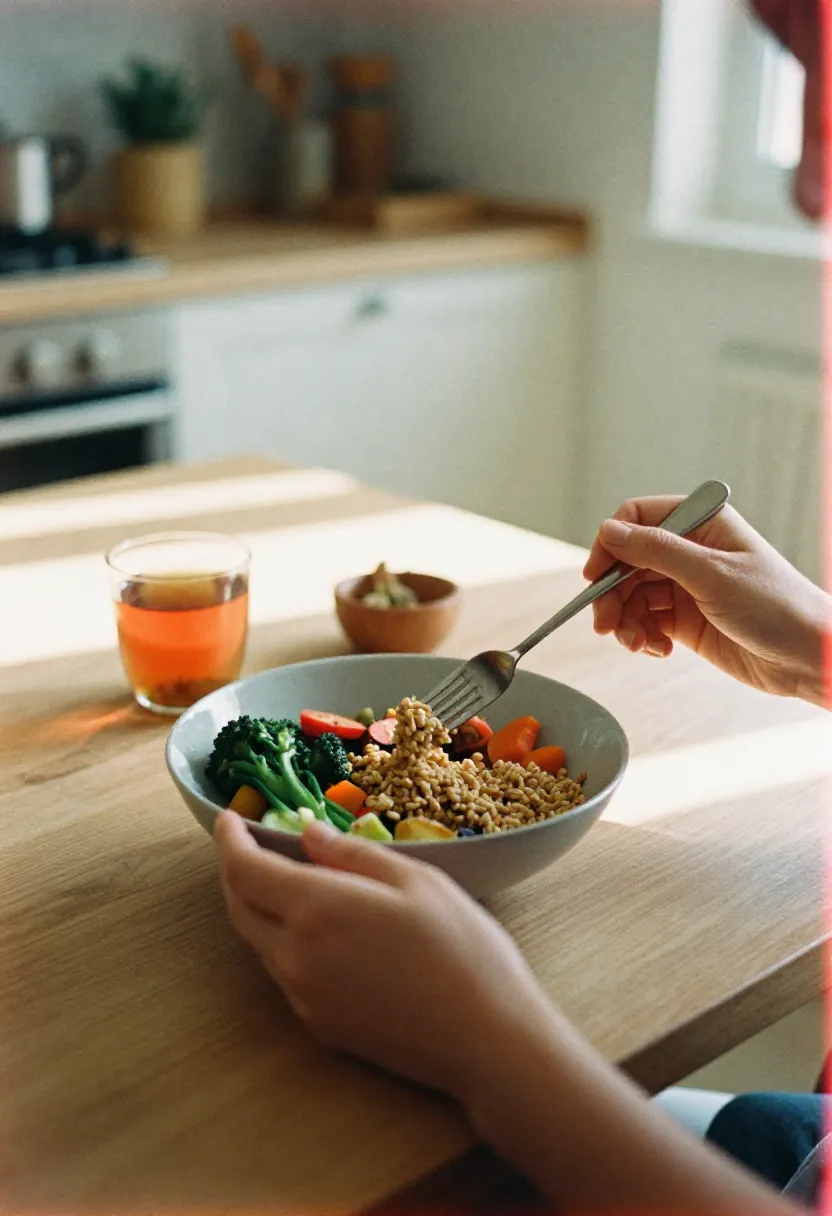
Going gluten-free is often framed as giving something up — bread, pasta, pastries, convenience, spontaneity.
But once you move past the initial learning curve, you begin to see something different: a lifestyle shaped not by restriction, but by awareness, comfort, and choice.
You start to recognise which foods leave you energised and which ones don’t.
You learn to build meals that feel grounding and kind to your digestion.
You discover new staples, new routines, and new ways of nourishing yourself that you may never have considered before.
Most importantly, you realise this journey isn’t about “perfect eating.”
It’s about listening deeply to your body — noticing its shifts, respecting its needs, and trusting that you deserve food that helps you feel well.
There will be moments of challenge: navigating restaurants, craving old favourites, or figuring out labels.
But there will also be moments of joy: finding your go-to gluten-free bread, preparing a meal that feels gentle and satisfying, or enjoying a day with steady energy and clear comfort.
Gluten-free living doesn’t shrink your world.
It refines it.
It shows you what truly supports your well-being and invites you to choose that support again and again.
As you continue your gluten-free journey, may you move with confidence, softness, and self-trust — knowing that every step you take is a form of care.
This isn’t just a diet. It’s a relationship with your body, built on clarity and compassion.