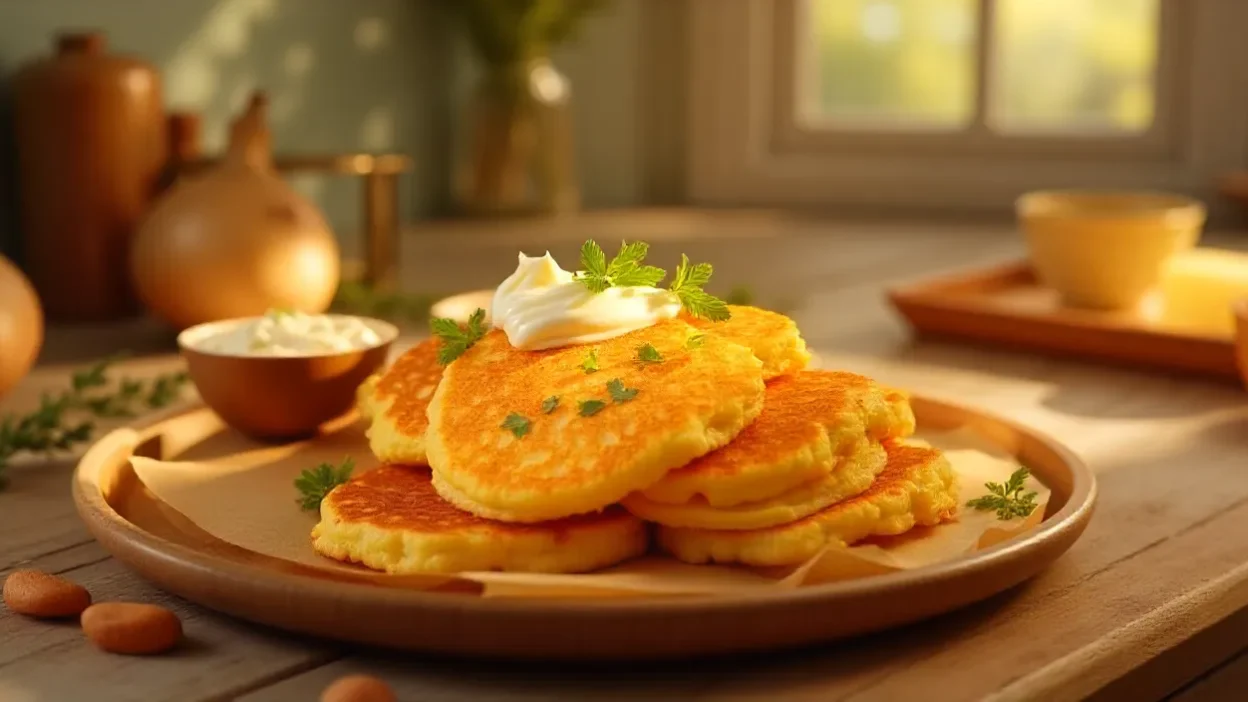
There’s something quietly magical about a dish that looks simple from the outside yet carries a universe of stories, techniques, and small secrets tucked inside. Potato pancakes — the golden, crackling wonders that sizzle softly as they emerge from a hot pan — fall into exactly that category. Anyone who has ever tasted a truly great one knows that the experience is far more than the sum of potatoes, onions, fat, and salt. It’s the warmth of a winter morning. It’s the closeness of shared meals. It’s a culinary tradition that somehow feels familiar even for those who didn’t grow up with it. ✨
While these crispy cakes are often associated with Jewish kitchens and festive holiday tables, their appeal stretches far beyond any single cultural setting. Nearly every region that cooks with potatoes has a variation — some thicker, others thinner; some creamy-soft inside, others almost lace-like. And yet, across these interpretations, the common thread remains: the irresistible promise of a crisp exterior giving way to a tender, savory center.🌿
In the pages ahead, we’re diving deep — very deep — into this beloved dish. Not just with a recipe (though you’ll have a precise one), but with a careful exploration of technique, sensory detail, and the small but important decisions that transform basic ingredients into something memorable. You’ll find personal cooking tips, cultural notes, textural tricks, and a handful of creative twists that spark inspiration. By the end, you’ll not only know how to make extraordinary potato pancakes — you’ll also understand why the method works, and perhaps even feel a bit more connected to the long chain of home cooks who have fried up these golden beauties before you. 🌙🥔✨
The Spirit and Soul Behind a Simple Dish 🥔💛
Potato pancakes invite affection because they are made from ingredients we tend to have on hand — humble, everyday things that don’t announce themselves with bold colors or dramatic shapes. They embody a kind of quiet confidence: there’s nothing flashy here, yet the end result feels indulgent and generous.
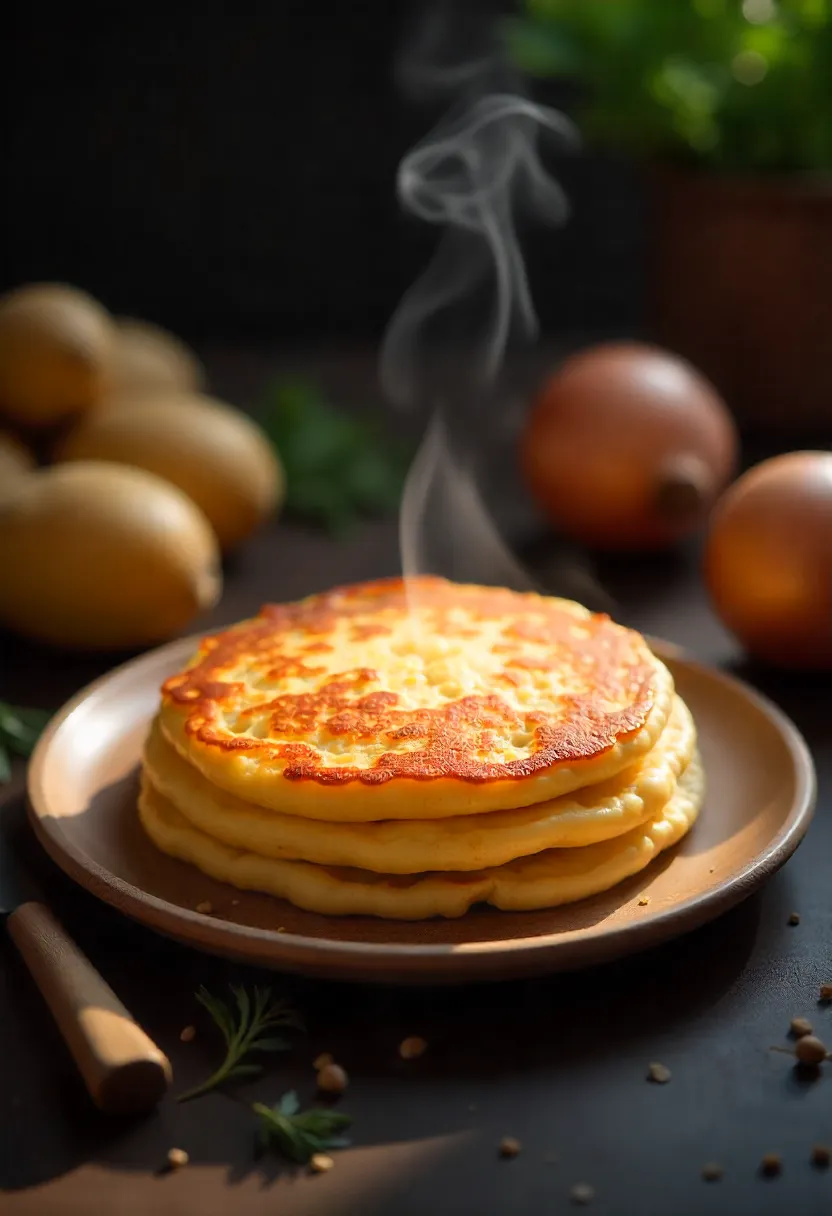
Part of their charm comes from contrast — a concept cooks instinctively love. The exterior is crisp, craggy, fragile enough that it shatters lightly when you press your fork into it. The interior? Soft, almost cloud-like, carrying the earthy sweetness of cooked potatoes and the gentle heat of onions. A bite of a perfectly fried pancake delivers all of that at once, with steam rising as the interior meets cool air — an experience that’s somehow homey and exciting at the same time.
Across many cultures, fried potato cakes began as survival food. When times were lean, potatoes stayed firm in their cellars long after summer produce disappeared. People grated them, mixed in what they had — a bit of flour, an egg from the backyard hen, an onion pulled from storage, or even no onion at all — and fried them in the cheapest fat available. What emerged from the pan wasn’t just sustenance, but comfort. As years passed, the dish evolved from everyday necessity into festive delight. That transformation itself speaks volumes about the emotional connection people form with food.
Today, the narrative isn’t about survival — it’s about the joy of making something nourishing, flavorful, and deeply satisfying from scratch. ❤️
A Brief Journey Through History 🌍
Though potato pancakes wear many names globally — placki ziemniaczane in Poland, draniki in Belarus, raggmunk in parts of Scandinavia — the version most people recognize as “latkes” carries strong Jewish cultural roots. But what many don’t realize is that the earliest latkes weren’t even made from potatoes. Potatoes arrived in Eastern Europe relatively late, and before then, latke-like cakes were often made from cheese or grains.
Once potatoes became widespread in the 19th century, everything changed. Their affordability, long storage life, and high starch content made them ideal for creating crisp fried cakes. From that moment on, potatoes and latkes were inseparable.
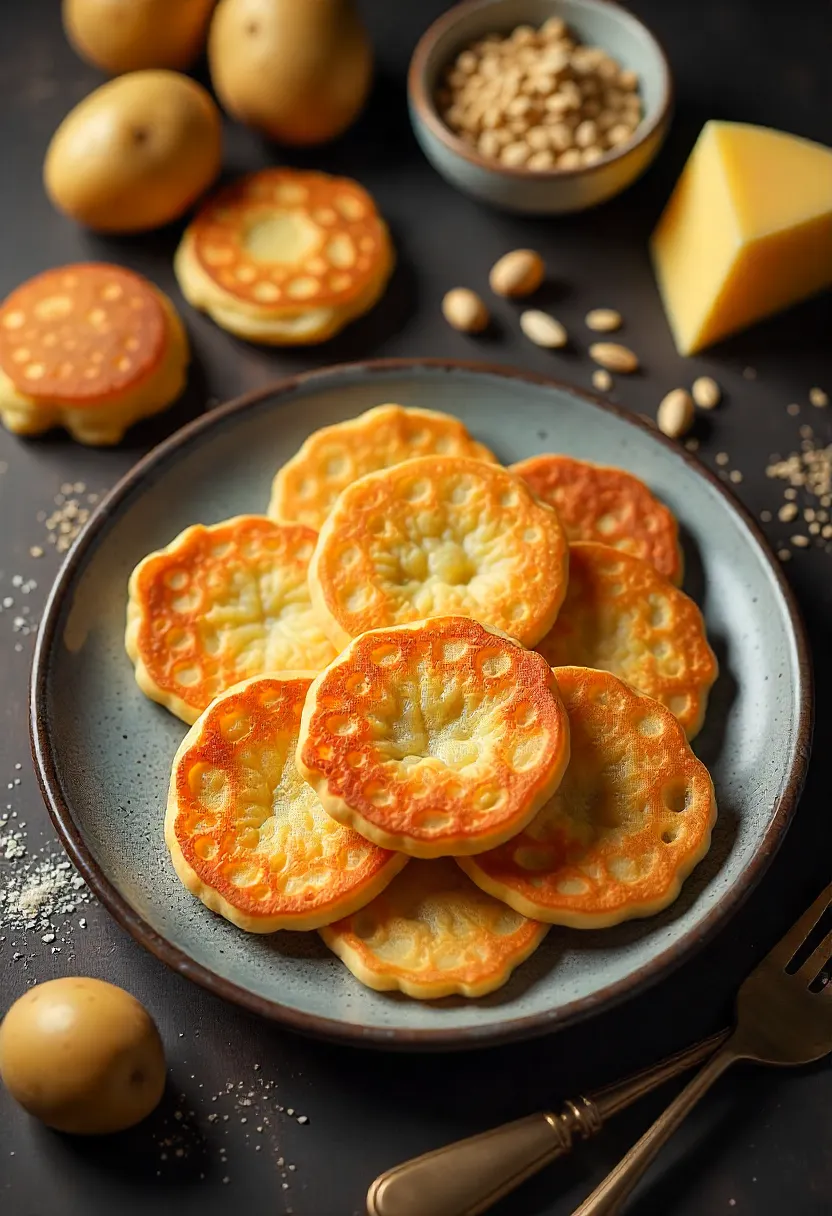
While Hanukkah brought special attention to frying foods in oil, potato pancakes grew well beyond that seasonal boundary. Immigrant families took the tradition with them, tweaking it slightly as ingredients and cooking fats changed in new environments. Some cooks preferred the richness of chicken fat (schmaltz), others adopted neutral oils, and many modern recipes lean toward lighter methods while preserving that essential crackle.
Over generations, potato pancakes became a bridge — a way to hold onto heritage through taste and aroma. And while their ingredients remain accessible and ordinary, the feelings tied to them are anything but average.
Choosing the Perfect Potatoes 🥔✨
The road to crispy success begins with understanding the potato’s personality. Yes — potatoes have personalities. Some are waxy, some fluffy, some watery, some starchy. And each behaves differently in the pan.
For potato pancakes, starchy varieties are your best ally. They grate beautifully, release moisture at the right pace, and bind naturally without needing heavy amounts of flour. Russets (or other high-starch varieties depending on your region) tend to be the gold standard. They crisp up willingly, almost gratefully.
Why not waxy potatoes? They hold water stubbornly. While that’s great for boiling and using in salads, it’s less helpful here. Too much water means your pancakes steam instead of crisp — and steaming is the sworn enemy of crunch.
If your potatoes are a bit old and starting to soften, don’t worry. As long as they’re not green or sprouting wildly, they’ll still work beautifully. In fact, older potatoes often have slightly more starch and slightly less water — a secret advantage for frying enthusiasts.
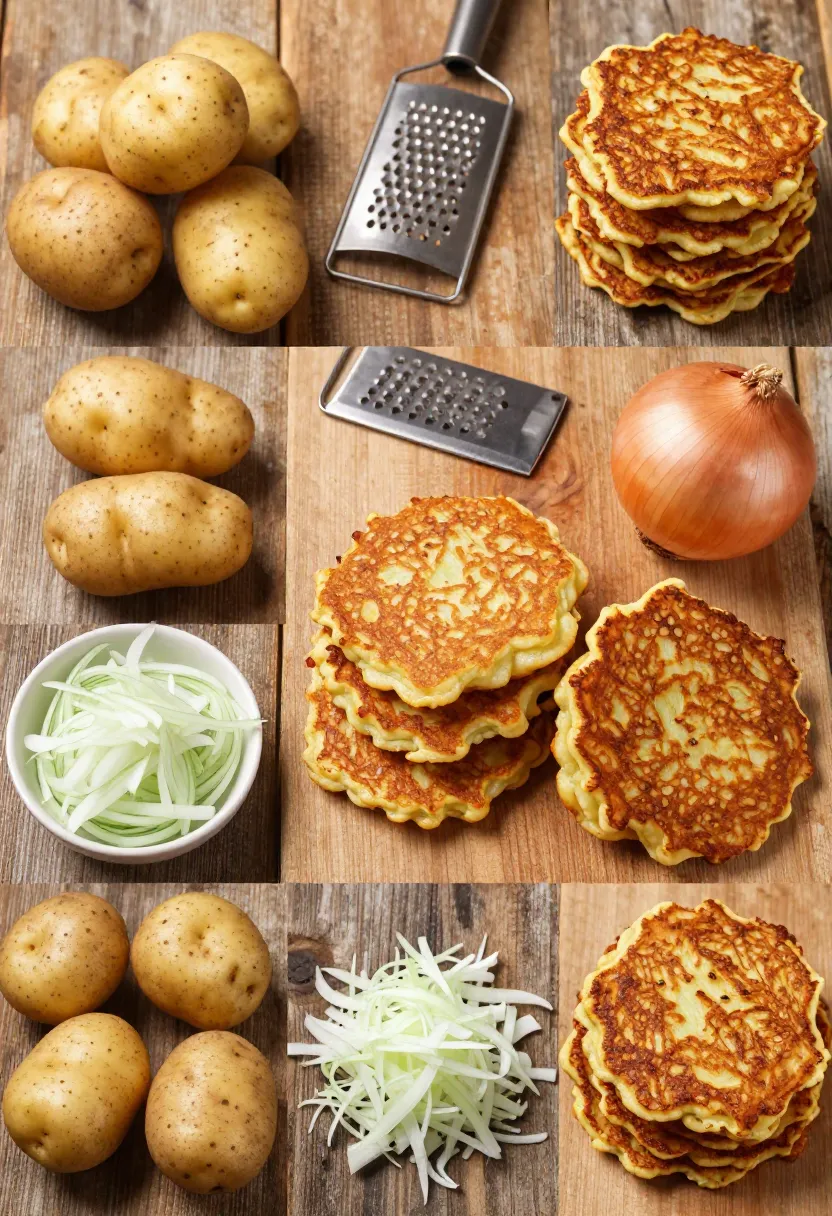
The Importance of the Humble Onion 🧅💫
Many recipes treat the onion like a side character, but it plays a surprisingly vital role. A grated onion adds aroma, moisture, a hint of sweetness, and a lovely complexity that keeps the potato from dominating every bite.
There are a few approaches here:
✨ Finely grated onion — melts into the mixture, adding flavor without texture.
✨ Coarsely grated onion — adds strong aroma and slightly more bite.
✨ Finely chopped onion — produces a more rustic, less uniform pancake.
✨ No onion — if you prefer purity of potato flavor (some people do).
Some cooks squeeze out the onion juice, while others keep it for flavor. If you want crispier results, squeezing is better. If you prize a softer center, leave the onion as-is.
The Art of Removing Moisture 💧➡️🔥
Ask anyone who has made potato pancakes more than once what the most important technique is. They’ll probably say something like:
“Squeeze the life out of those potatoes. Then squeeze again.”
Moisture is the biggest obstacle between you and crispiness. When excess water lingers in the mixture, it interferes with browning and encourages steaming instead of frying.
Here’s where technique turns into a kind of meditative ritual:
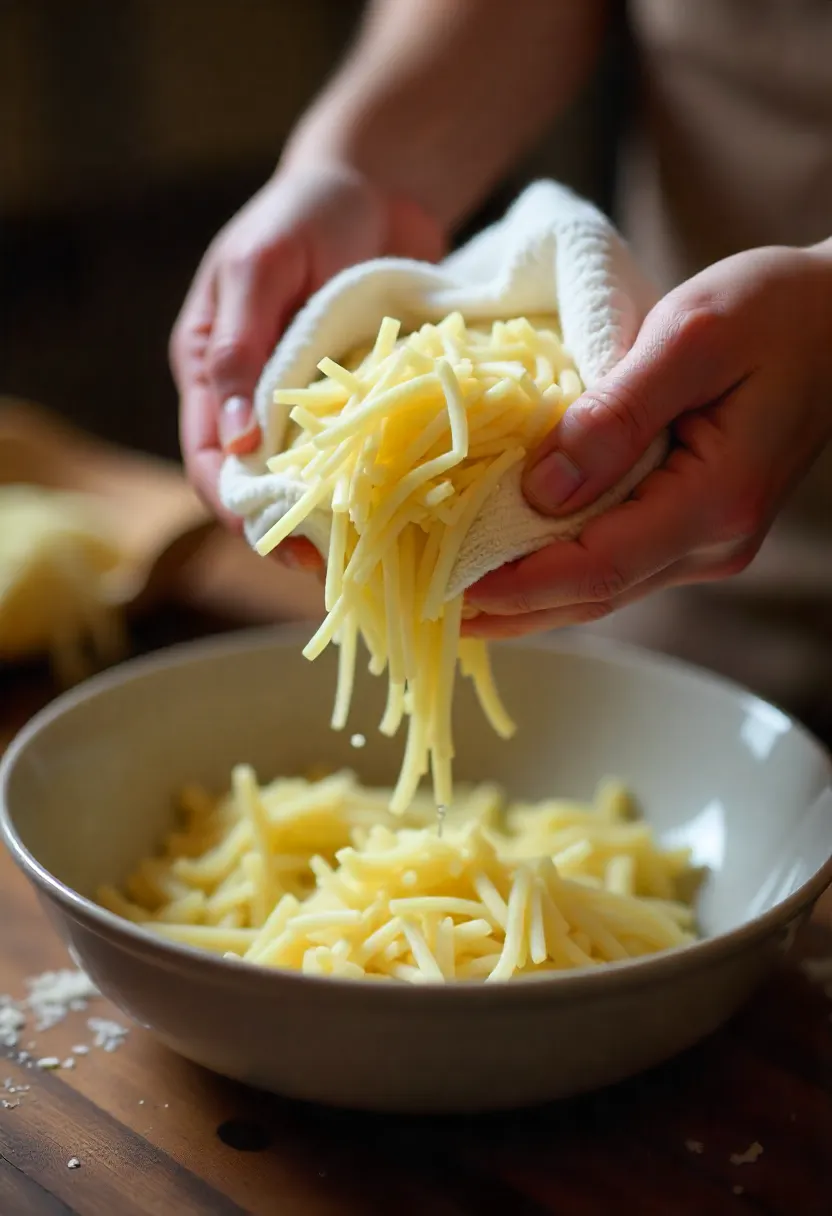
🌿 Grate potatoes.
🌿 Wrap them in a clean kitchen towel or cheesecloth.
🌿 Twist. Twist more.
🌿 Use your whole strength.
🌿 Watch the water pour out.
🌿 Keep squeezing until it feels like nothing more will drip.
If your arm gets tired, consider it a workout granted by your culinary ancestors.
Some cooks allow the extracted liquid to sit briefly. A layer of white starch settles at the bottom. Scooping that starch back into the bowl adds natural binding power — a wonderful little trick.
🥔✨ The Recipe: Cozy, Crispy Potato Pancakes That Never Fail
Now that you understand the “why,” let’s talk about the “how.”
Below is a warm, friendly recipe — the kind passed from friend to friend, kitchen to kitchen, with little tips whispered along the way.
It blends seamlessly into the narrative because the technique is part of the story, part of the tradition, part of what makes these pancakes so beloved.
🌞 Ingredients (For 4–6 People)
- 5–6 medium starchy potatoes (Russet or similar)
- 1 onion (grated or finely chopped)
- 2 large eggs
- 2–4 tablespoons flour or potato starch
- 1½ teaspoons salt
- ½ teaspoon black pepper
- Neutral frying oil (sunflower, canola, etc.)
- Optional add-ins: dill, chives, garlic powder, paprika, cheese, etc.
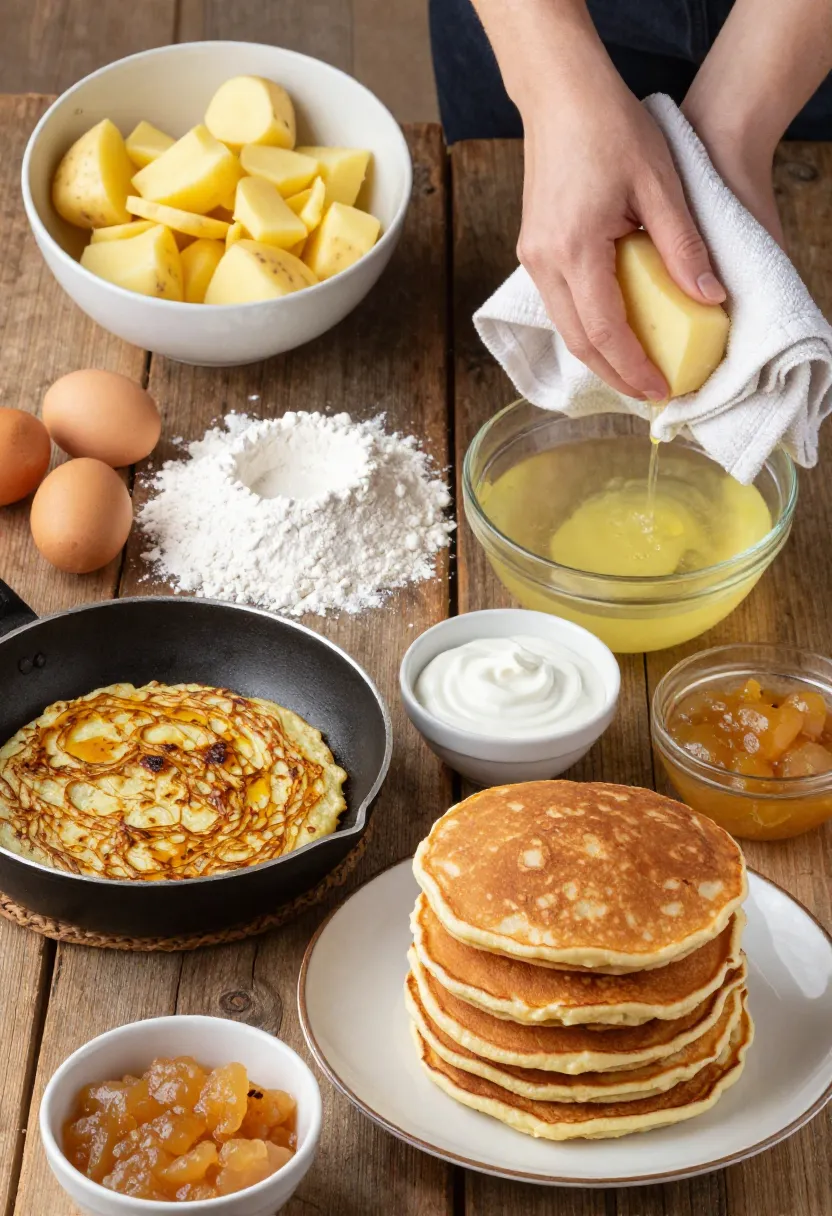
🥄 How to Make Them (Step-by-Step, Friendly Style)
🌟 Grate the potatoes
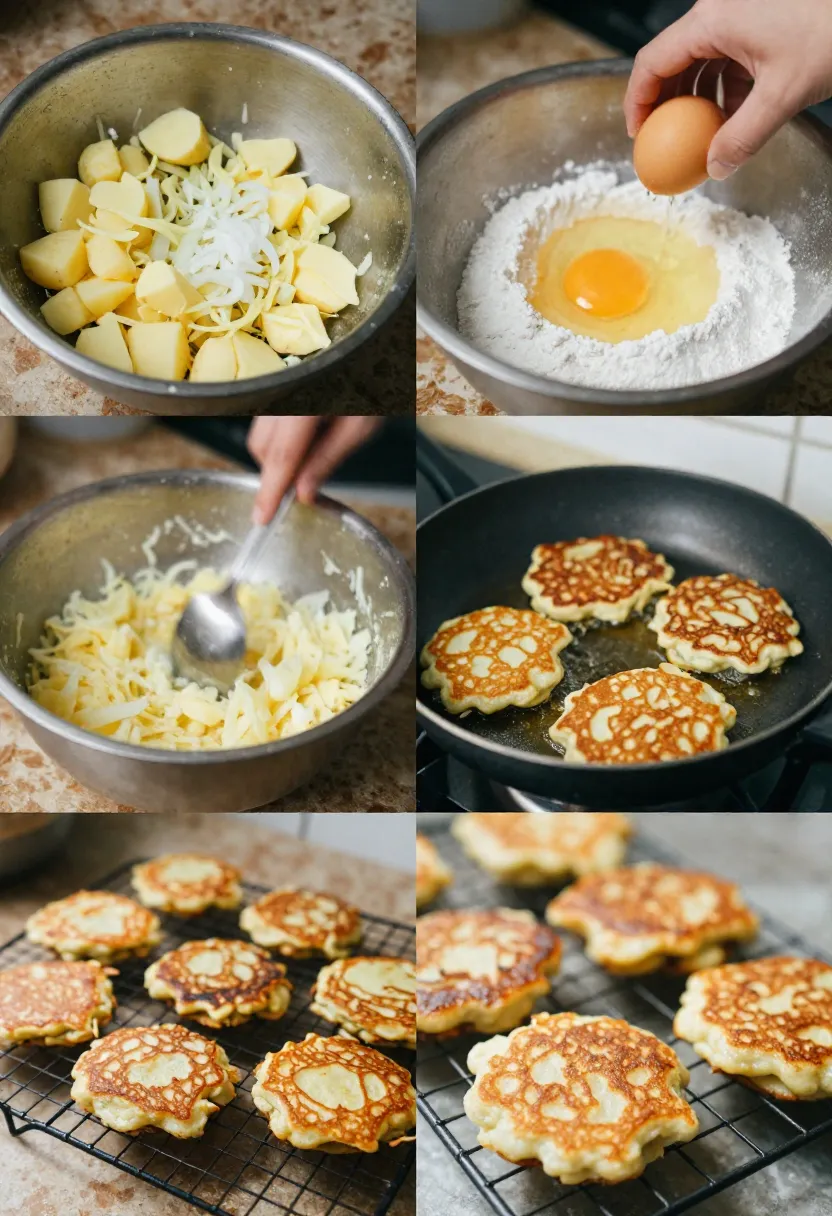
Peel or don’t peel — both work. Grate them on the large side of a box grater for the classic texture.
Don’t linger too long before the next step; potatoes oxidize quickly, turning brownish, though this doesn’t affect flavor.
🌟 Squeeze out the moisture
This is the most important step.
Wrap the potatoes (and onion, if grated) in a towel or cheesecloth, and squeeze until no more water drips out.
Let the extracted liquid sit and reclaim the settled starch.
🌟 Build your batter
In a large bowl, mix potatoes, onion, eggs, salt, pepper, and just enough flour or starch to bring things together.
The texture should be loose, not batter-like.
Adjust with more flour or egg if needed.
🌟 Heat the oil
Pour enough oil into a skillet to lightly cover the bottom.
The oil should shimmer when ready.
A small potato strand should sizzle the moment it touches the surface.
🌟 Fry the pancakes
Scoop a spoonful of mixture, gently flatten it, and slide it into the hot oil.
Let it fry undisturbed for a few minutes until golden and crisp on the bottom.
Flip once, finish the other side, and transfer to a rack or paper towel.
🌟 Serve immediately
These pancakes shine brightest when they’re fresh and hot.
A sprinkle of salt while they’re still sizzling is perfection.
Sour cream, applesauce, smoked fish, herbs — choose your joy. ❤️
Bringing Everything Together 🍲✨
Once your potatoes are dry and your onions prepared, mixing becomes intuitive. Two eggs usually provide enough structure. A spoonful or two of flour or potato starch helps everything cling together without turning doughy.
Seasoning matters more than you’d think. Potatoes are slow to reveal their flavor, so salt generously — but taste as you go. Pepper adds depth; fresh herbs can add brightness.
As you stir, the mixture should look like a tangle of grated strands lightly held together — never like a thick batter. If your mixture seems too loose, add just a touch more starch or flour. If it seems too dense, lighten it with a splash of egg or a few drops of water.
The Dance of Frying ✨🔥
Frying potato pancakes is like watching alchemy unfold — raw vegetables turning into crisp gold.
The key elements:
- 🔥 Heat — medium-high, steady.
- 🫙 Oil — enough to cover the bottom generously.
- 🕰 Timing — patience, but not too much.
Drop a small test pinch of mixture into the oil. If it sizzles happily within a second or two, you’re ready.
Shape pancakes gently with a spoon. Don’t compact them aggressively — you want air pockets to help crispiness. Slide them into the pan with care, listening for the signature whisper of hot oil greeting cool potato.
Pancakes usually take a few minutes per side. Resist the urge to flip too soon. Wait until the bottom turns a rich, welcoming shade of caramelized gold. The edges should look lacey, shimmering, almost delicate.
When you lift one from the oil, let the excess drip off before placing it on a cooling rack or paper towel. The rack method keeps them crisp longer, allowing air to circulate beneath.
That said, eating them immediately is hard to resist. And honestly — they really are at their peak right away. 😌✨
Creative Flavor Twists 🎨👩🍳
Potato pancakes are wonderfully adaptable. Once you’ve mastered the classic version, experimentation becomes pure joy.
Here are some variations to spark inspiration:
- 🌱 Herb Garden Twist: Add chives, dill, parsley, thyme, or scallions. Each herb changes the aroma dramatically.
- 🧀 Cheesy Comfort: Fold in grated cheddar, Parmesan, Gruyère, or even feta for a salty tang and molten center.
- 🥕 Vegetable Medley: Mix potato with grated carrot, zucchini, parsnip, beet, or sweet potato. Each vegetable adds moisture differently, so remember to squeeze well.
- 🔥 Spiced Adventure: Try smoky paprika, cumin, coriander, turmeric, curry blends, or crushed chili flakes for warmth.
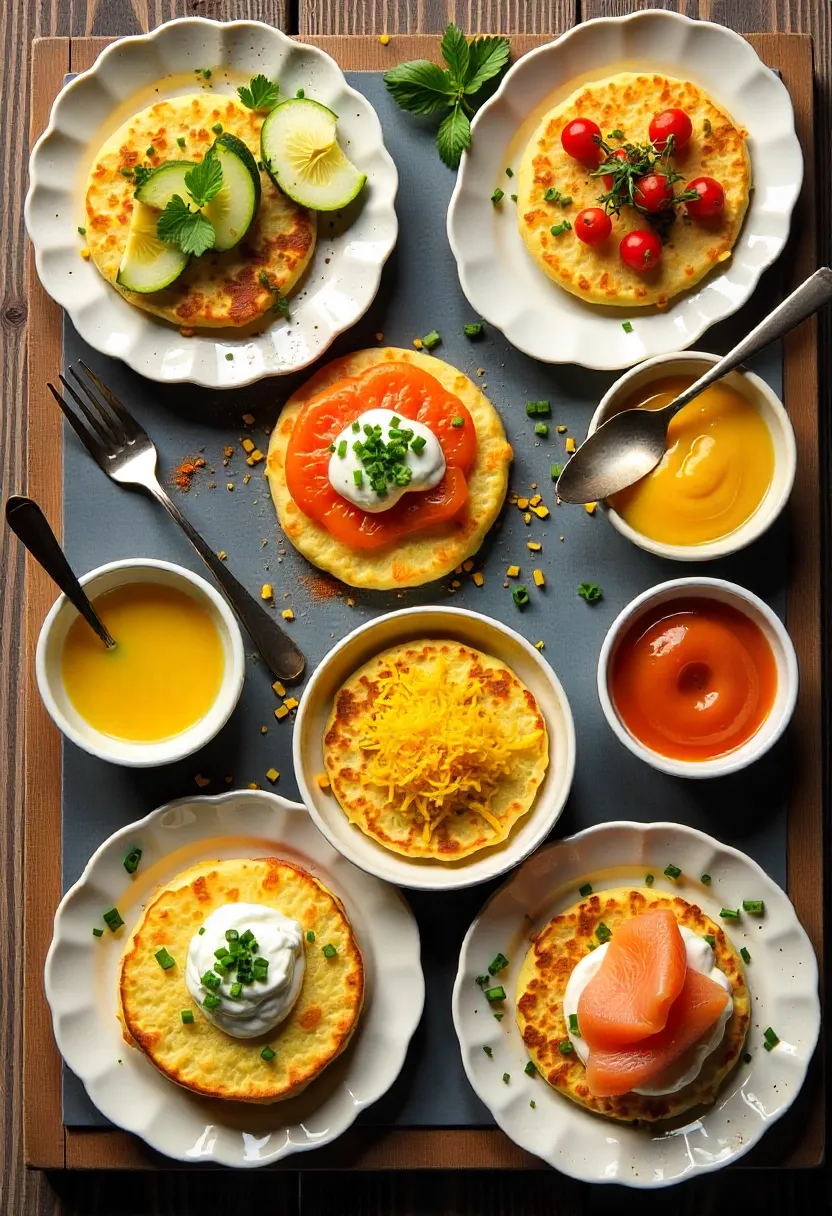
- 🐟 Smoked Salmon Elegance: Serve pancakes with smoked fish, crème fraîche, lemon zest, and dill for a brunch-worthy experience.
- 🍏 Sweet Pairings: Applesauce, cinnamon yogurt, pear preserves, or even honey can create a lovely contrast.
The playful possibilities are endless — and each one teaches you more about how textures, flavors, and moisture interact in the pan.
Serving Suggestions That Elevate the Experience 🍽✨
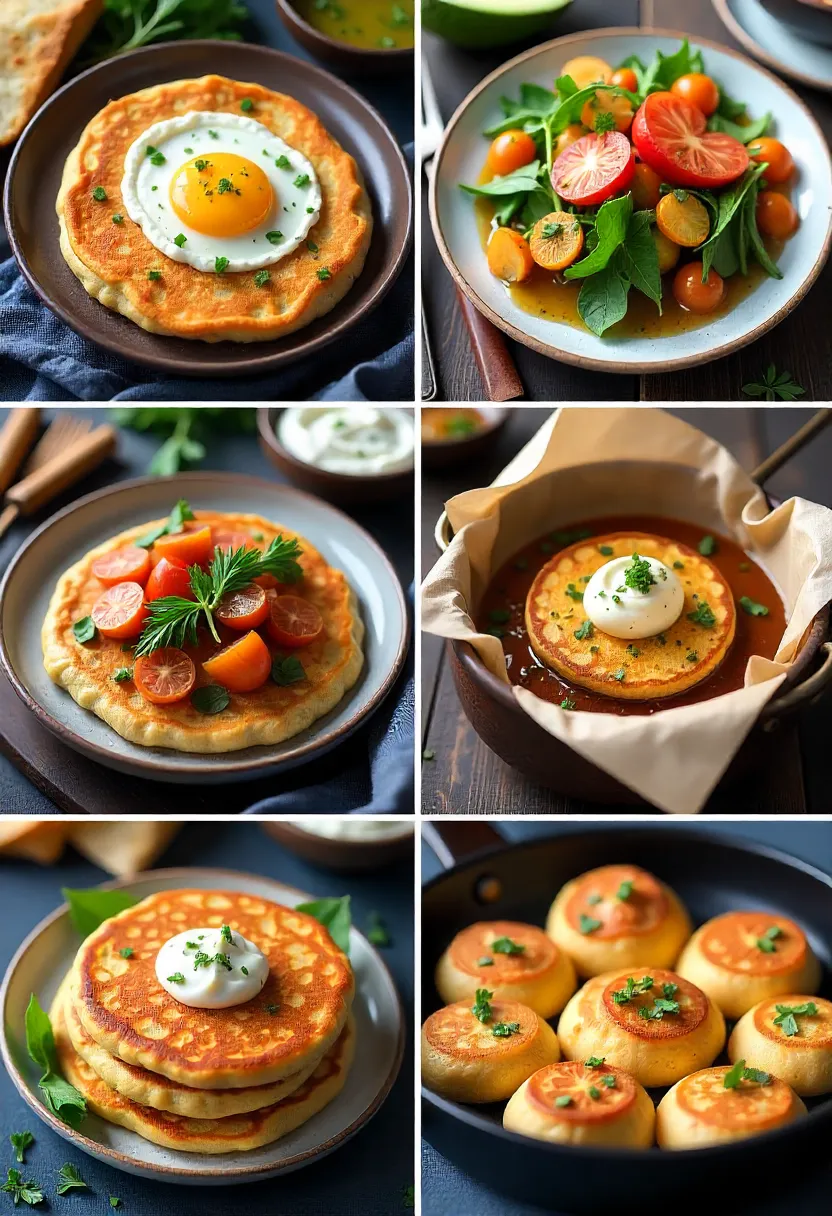
Potato pancakes can star at any meal. Here are some thoughtful pairings:
- 🌅 Breakfast: Top with soft-boiled eggs, avocado slices, smoked salmon, or sautéed spinach.
- 🌤 Lunch: Pair with fresh greens, roasted vegetables, or a tangy slaw.
- 🌙 Dinner: Serve alongside meat dishes, soups, stews, or grilled vegetables.
- 🎉 As an Appetizer: Make mini pancakes topped with crème fraîche, herbs, and delicate garnishes.
A dollop of sour cream or a scoop of applesauce remains classic — and classics remain because they work.
Storing and Reheating Like a Pro 🧊🔥
If you’ve made a large batch (as many of us do, unable to stop), you can store leftover pancakes for days.
Here’s how to keep them at their best:
- ✨ Cool completely before storing — moisture trapped in heat encourages sogginess.
- ✨ Place in an airtight container with sheets of parchment in between.
- ✨ Reheat in a hot pan or oven, never the microwave.
- ✨ To restore crispiness, drizzle a few drops of oil before reheating.
If you want to freeze them, lay them flat on a tray first, then transfer to a container once solid. This prevents sticking.
A Few Final Thoughts, From My Kitchen to Yours 🍳❤️
Potato pancakes remind us how special simple things can be. They encourage patience, mindfulness, and a respect for the small steps—grating, squeezing, seasoning, listening to the sizzle—that transform everyday ingredients into something extraordinary.
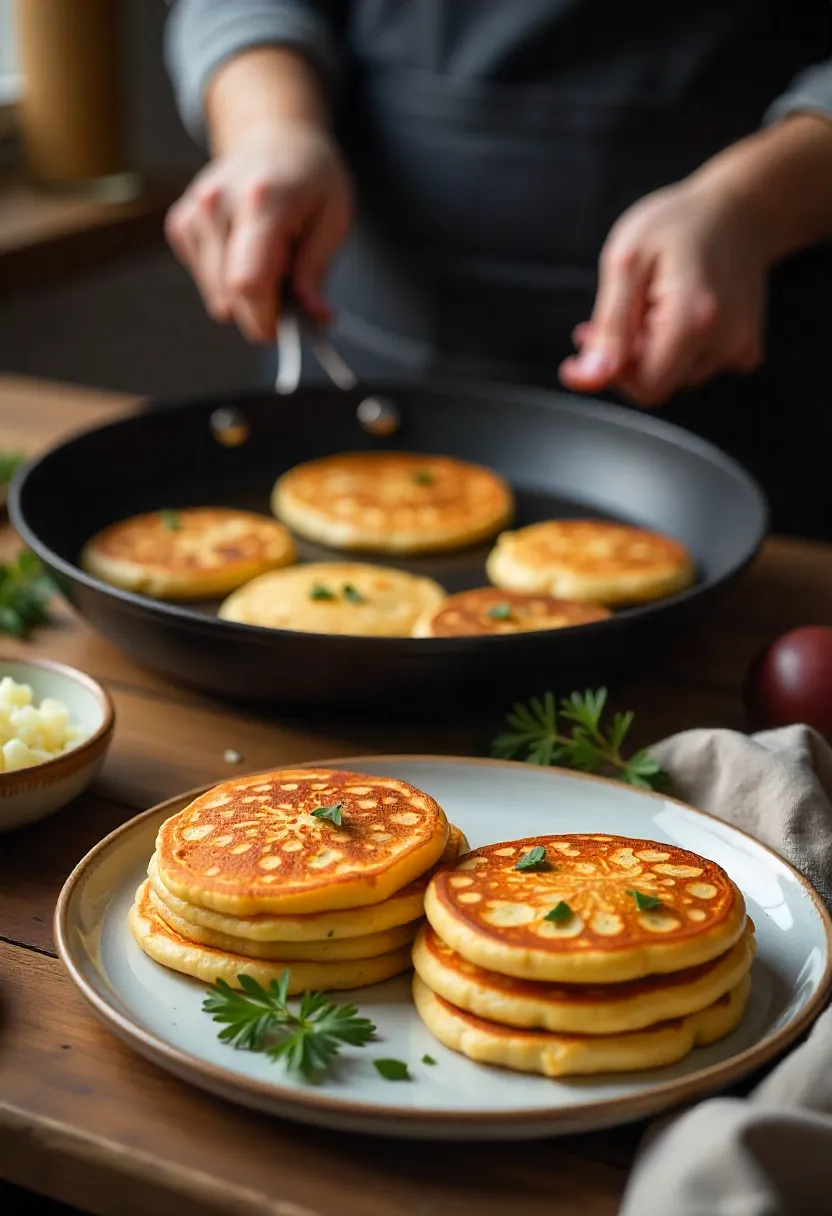
More importantly, they encourage sharing. Few dishes disappear from the table as fast as a plate of crisp, warm pancakes. People instinctively gather around them, reaching, laughing, savoring. They’re communal by nature.
So the next time you prepare them, allow yourself to lean into the moment—the earthy scent of raw potatoes, the soft bite of the onion, the warmth of the stove, the quiet thrill when the first pancake emerges from the pan perfectly golden. Cooking is more than following steps. It’s memory, connection, expression. And potato pancakes, humble as they appear, have a way of capturing all of that beautifully. 💛✨