
There’s something quietly comforting about standing in a kitchen early in the morning, when the house is still half-asleep and sunlight is just beginning to spill across the floor. The world hasn’t yet demanded anything from you, and for a brief moment, breakfast feels like a small act of self-care rather than a daily routine. On those days, nothing fits this feeling better than a warm, delicate cheese omelette. 🧀🍳
An omelette isn’t just food — not really. It’s a tiny ritual. A soft, folded envelope of eggs with a steaming, cheesy center becomes a pause button in the middle of life’s chaos. Even though it’s simple and made from ingredients most people already have at home, it somehow manages to feel special. Maybe that’s because making a great omelette isn’t about fancy steps or expensive ingredients; it’s about paying attention. It’s about slowing down for a moment and letting something uncomplicated remind you that pleasure doesn’t always require extravagance.
A lot of us grew up eating omelettes — some were fluffy and golden, some were basically scrambled eggs folded in half, and some looked like they survived a small tragedy in the pan. But we loved them anyway. Even now, a cheese omelette can pull you back to childhood breakfasts, weekend mornings with your family, college days when all you had was a stove and two eggs, or late-night hunger moments when only comfort food could save you.🌅
This guide isn’t just another recipe. It’s a deeper look at how a humble dish can become something tender, airy, flavorful, and satisfying — the kind of meal that makes you close your eyes for a moment after the first bite. And along the way, we’ll talk about tiny tricks that chefs use, alternatives for days when your fridge is nearly empty, and ways to adapt the recipe for your mood.
So grab your whisk (or a fork — honestly, both work), a pat of butter, and that lonely piece of cheese hiding in your fridge drawer. Let’s explore the art of the cheese omelette — a dish that deserves much more admiration than it gets. 🌟
🌼 A Love Letter to the Humble Omelette
Very few foods have the kind of universal life that the omelette does. Across the globe, people cook eggs in countless ways, yet the omelette remains one of the most recognized and beloved methods. It doesn’t matter where you grew up; chances are that somewhere along the way, you encountered a version of it.
There’s the French omelette — pale, creamy, delicate, barely golden, like it’s whispering “don’t rush me.” Then there’s the American diner-style omelette, big and confident, stuffed with a mountain of cheese and folded with a satisfying heft. Spanish tortillas, Japanese tamagoyaki, Indian masala omelettes — they’re siblings of the same comforting idea.

But the cheese omelette stands out because of the way cheese melts into the eggs, creating little pockets of gooey richness. It’s soft, it’s warm, it’s indulgent without trying too hard. And the best part? You don’t need to be an expert to make a good one. You just need patience, gentle heat, and a willingness to experiment.
Cooking eggs is often considered a kind of unofficial test of a cook’s skill — not because it’s complicated, but because it reveals how well someone understands subtlety. Heat, timing, movement — tiny decisions matter. And those tiny decisions can turn the simplest ingredients into something memorable.
The cheese omelette teaches you that. It rewards you for noticing the difference between “warm enough” and “too hot,” between “almost set” and “overdone,” between “creamy inside” and “dry throughout.”
If you listen carefully, eggs tell you what they need. That’s the beauty of this dish.
🍳 The Ingredients: Simple, Familiar, Perfect
One of the reasons this dish is so adored is that you don’t have to plan ahead or visit the store to make it. Almost every kitchen already has what you need. Still, even ordinary ingredients have secrets — small qualities that can completely reshape the final result.
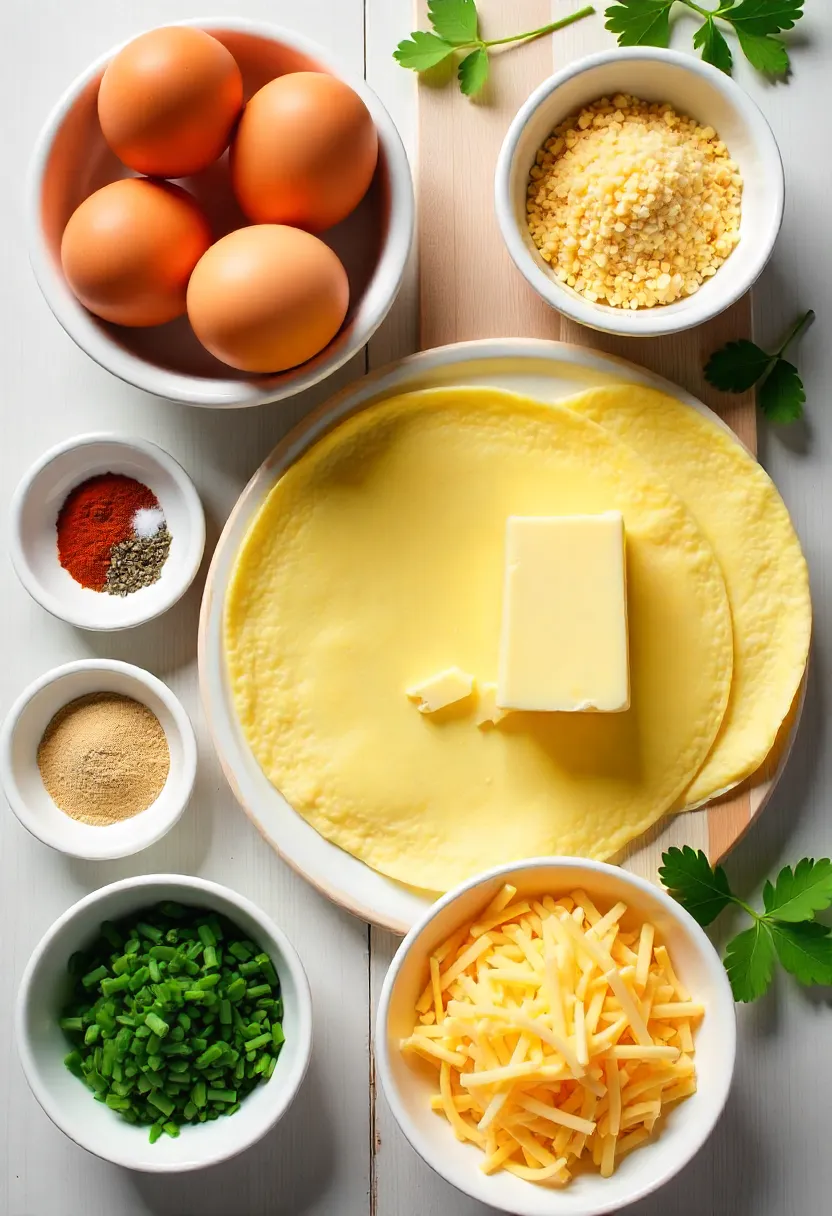
Here’s what typically goes into a truly comforting cheese omelette:
- Eggs — ideally at room temperature, because they whisk better and cook more evenly.
- Butter — for flavor and for that silky, glossy texture on the pan.
- Cheese — cheddar, Swiss, Gruyère, mozzarella, or whatever melts beautifully.
- Salt and pepper — not too much, but enough to wake the flavors up.
- Optional extras — herbs, a splash of milk or cream, maybe a pinch of paprika, or even garlic powder if you want a little twist.
But let’s talk for a moment about each of these ingredients — because the more you understand them, the more your omelette will feel like a personalized masterpiece.
🥚 Eggs
Even if two cartons sit side by side in the fridge, not all eggs behave the same. Very fresh eggs stay tighter in the pan; older eggs are slightly more relaxed and sometimes fluffier when cooked. Room-temperature eggs whisk more smoothly, incorporating air without effort.
And here’s something most people don’t realize: whisking eggs is not just about mixing. The more you whisk, the more air you bring in, and the lighter your omelette becomes. But whisk too long and the texture can turn spongy.
There’s a sweet spot. And finding that sweet spot is one of the small joys of cooking.
🧈 Butter
Butter influences both flavor and cooking behavior. A tablespoon may seem like a lot for one omelette, but that extra richness creates a soft, tender exterior — the kind that almost melts when you cut into it.
The butter should bubble, but not brown immediately. If the butter is screaming in the pan, it’s too hot. An omelette likes calm, steady heat — never aggression.
🧀 Cheese
Choosing cheese is like choosing the tone of the dish.
- Cheddar gives sharpness and color.
- Gruyère adds a nutty, sophisticated flavor.
- Mozzarella turns into long, stretchy strings.
- Swiss cheese melts evenly with a gentle, mellow taste.
- Goat cheese brings tanginess if you’re feeling adventurous.
You can blend cheeses, too — the way a barista blends coffee beans for the perfect flavor.
🌿 Optional Add-Ins
Fresh herbs like chives or parsley add a bright, clean finish.
Milk or cream can lighten the texture, making it almost custard-like.
A hint of smoked paprika or chili flakes adds personality without overpowering.
Little touches go a long way.
🔥 The Process: Slow, Gentle, and Intentional
Making a cheese omelette isn’t about impressing anyone with fancy flips or dramatic stove-side acrobatics. It’s about paying attention, savoring the moment, and letting each little action build toward something truly satisfying. Every whisk, every tilt of the pan, every sprinkle of cheese has a purpose — and understanding why transforms the process from a simple breakfast into a small, meditative ritual. Imagine standing in a sunlit kitchen, the aroma of butter filling the air, your hands moving carefully, deliberately — that’s the magic of a perfect omelette. 🌞🧈
🥄 Whisking the Eggs: The Quiet Start
Begin by cracking your eggs into a bowl. Hear that soft plop as the yolk hits the white, the delicate smell of fresh eggs rising. Add a pinch of salt and, if you like, a splash of milk or cream for extra silkiness. Now, take your whisk (or fork) and start blending.
Don’t rush it. Don’t shake violently. Instead, whisk gently but confidently, watching the yolks and whites merge into a smooth, sunshine-yellow mixture, almost like liquid gold. Tiny bubbles form on the surface — a sign that air is being incorporated. This is what gives your omelette that dreamy lightness, the kind that melts in your mouth and feels almost cloud-like. Each rotation of the whisk is like telling the eggs: “Relax, take your time, we’re going to make something special together.”
🔥 Preparing the Pan: Setting the Stage
Place your pan on medium-low heat. Yes, medium-low — not medium, not high. This gentle warmth is key. Think of it as a calm pond rather than a roaring river. Drop in a generous pat of butter. Watch it soften and slowly spread, coating the bottom of the pan with a silky, golden sheen. Smell the nutty aroma as it melts — that’s the scent of breakfast happiness forming.
If the butter starts to brown too fast, turn the heat down. Butter, like a temperamental companion, reacts to heat quickly; it wants patience and respect, not aggression. You’re aiming for calm, soft melting, a delicate sizzle, not a burnt, bitter taste.
🍳 Pouring the Eggs: The Gentle Pour
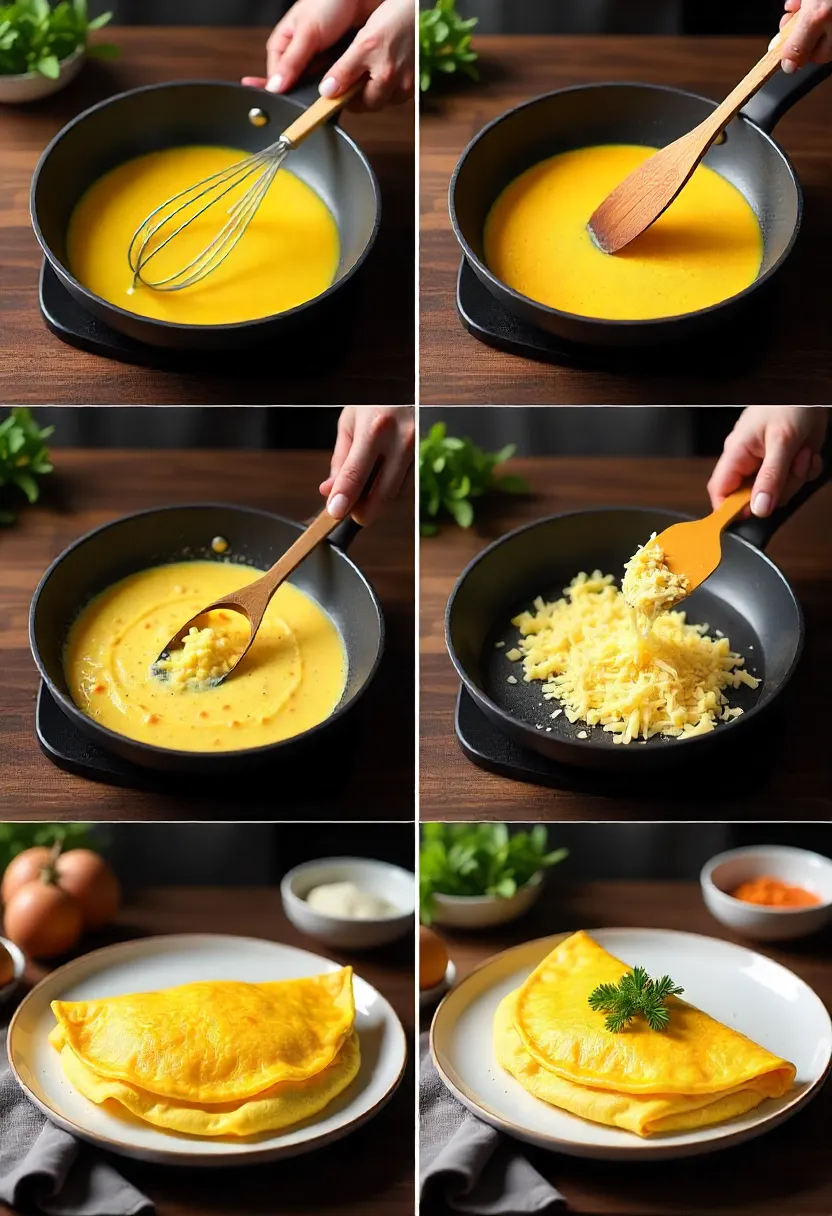
When the butter has settled into a liquid blanket, pour in the whisked eggs. Hear the soft hiss as they hit the pan, like whispers of anticipation. Let them sit for a moment, untouched. Watch as the edges start to set gradually, curling slightly at the rim, while the center remains soft and wobbly.
This is where many rush — flipping too soon or poking excessively. Resist the urge. Omelettes reward patience. Let the eggs thicken slowly, forming gentle undulations across the surface. It’s mesmerizing, almost hypnotic, as the raw egg transforms into a tender, cohesive canvas, ready to embrace the cheese.
🌀 The Delicate Dance: Moving the Eggs
Take a spatula and gently coax the edges inward, tilting the pan so that the uncooked eggs flow into the gaps. Think of it like guiding a river — soft, intentional, fluid. You are not scrambling; you are encouraging the eggs to set evenly, while keeping them soft and tender. The omelette should have movement, almost like it’s alive, responding to your gentle coaxing.
This is the point where mindfulness becomes key. Watch the way the eggs react, notice the texture changing under the gentle heat, and feel the satisfaction of coaxing them to perfect doneness.
🧀 Adding the Cheese: The Moment of Indulgence
When the top surface is still tender but mostly set, sprinkle the cheese over half of the omelette. Not too little, not too much — just enough to create that luxurious, melty center that makes the first bite feel like heaven. Cheddar, Gruyère, Swiss, or your favorite blend — each variety brings a personality to the omelette.
Watch the cheese soften, sinking into the gentle folds of the egg like warm, creamy clouds. The aroma becomes richer, the anticipation grows. You’re not just cooking breakfast; you’re building a little pocket of joy that’s soft, golden, and irresistible. 🧀✨
🌙 The Fold: Creating Harmony
Now, slide your spatula under the plain side and fold it over the cheesy half, forming a smooth, golden half-moon. The omelette should puff slightly, soft and pillowy, the cheese nestled inside like a secret treasure.
Give it a few seconds to let the heat finish its work. The residual warmth melts the cheese perfectly, creating pockets of gooey richness ready to spill with each bite. Slide it gently onto a warm plate — a blank canvas ready for a sprinkle of fresh herbs, maybe a dash of cracked black pepper.
And just like that, in what feels like a few careful, intentional minutes, you’ve created something simple, yet deeply satisfying. It’s more than eggs and cheese — it’s a moment of calm, a tactile pleasure, a little culinary meditation that can start your day off with comfort, delight, and a sense of accomplishment. 🌞🍴
💡 Tips From Real Home Cooks
Over the years, cooks from all walks of life have shared little tricks that changed the way they approached omelette-making. Here are some that truly make a difference:
- Use a pan that feels comfortable in your hand — omelette-making is partly about confidence.
- Don’t overbeat the eggs. A bit of air is good; too much air turns them spongy.
- Add salt before cooking — salt helps the eggs stay tender.
- Keep herbs fresh. Dried herbs can overpower the delicate flavor of eggs.
- Don’t be afraid of butter. It’s part of the charm.
- Let the omelette rest on the plate for about 10 seconds before cutting into it — the residual heat finishes the melt perfectly.
These small decisions can transform an ordinary omelette into one that feels soothing, indulgent, and effortless.
🌈 Creative Twists and Variations
A cheese omelette is more than just a breakfast item — it’s a blank canvas, a playground for flavors, textures, and colors. Once you’ve mastered the basics, you can start experimenting, turning each omelette into a mini masterpiece that reflects your mood, your pantry, or even the season outside your window. The possibilities are practically endless, and the best part is: there’s no wrong way to do it. Here are some inspired variations that will take your omelette game to the next level. 🎨🍳
🌿 Herb-Infused Omelettes: Freshness in Every Bite
Fresh herbs are like magic dust for eggs. Chives add a subtle oniony crispness, parsley brings a clean, vibrant note, dill whispers a delicate aroma, and basil gives the omelette a soft, fragrant sweetness. Toss a handful of chopped herbs into the eggs before cooking, or sprinkle them on top just before serving.
Imagine slicing into a soft omelette, the eggs steaming lightly, and catching the bright green flecks that dance through the golden surface. The aroma lifts your spirits instantly, evoking spring mornings or sunny brunches with friends, and gives the dish a freshness that balances the richness of the cheese. 🌱💛
🥕 Veggie-Filled Omelettes: Color, Crunch, and Comfort
Vegetables transform an ordinary omelette into a hearty, colorful, and nutrient-packed meal. Picture sautéed mushrooms releasing their earthy aroma, spinach wilting just enough to stay tender, bell peppers adding a slight sweetness and crispness, onions caramelizing lightly, and cherry tomatoes popping with a juicy burst.
The trick is simple: cook your vegetables first. Raw vegetables release water as they cook, which can make your omelette watery and soggy. Sauté until they’re tender and aromatic, then fold them into the eggs just before adding cheese. The result? An omelette bursting with flavor, texture, and a satisfying balance of freshness and richness. 🍄🌶️
🔥 Spice Lover’s Omelette: Heat and Depth
For those who like a little fire in the morning, spices can elevate a simple omelette into something memorable. A pinch of red chili flakes brings subtle heat, a dash of cumin adds warmth and earthiness, smoked paprika offers a deep, aromatic note, and even a tiny sprinkle of freshly ground black pepper can wake up the flavors.
Spices are a great way to reflect your mood: want cozy and warming? Go with paprika and cumin. Feeling adventurous? Try a mix of chili, turmeric, and smoked paprika. The eggs absorb the spices slowly, creating layers of flavor that unfold with every bite. 🌶️✨

🧀 Cheese Blends: Gooey, Stretchy, and Rich
Cheese is at the heart of a perfect omelette, and blending varieties can create depth, texture, and surprises in every bite. Mixing sharp cheddar with stretchy mozzarella gives that irresistible gooey pull, while Gruyère and Parmesan together add a sophisticated, nutty flavor with a delicate golden crust.
Don’t be afraid to experiment. Blue cheese or feta brings tang and punch, fontina melts into creamy silkiness, and even a sprinkle of smoked cheddar can give a rustic, cozy twist. Your cheese choices are like the brushstrokes on your omelette canvas — each one changes the flavor story entirely. 🧀💛
🥑 Mediterranean Mood: Sunshine on a Plate
If you want your breakfast to feel like a trip to the Mediterranean, try a combination of feta, olives, sun-dried tomatoes, and a hint of oregano. The tang of the feta, the briny bite of the olives, and the sweet chewiness of sun-dried tomatoes contrast beautifully with soft eggs and melted cheese.
Close your eyes as you take a bite, and you might almost hear the distant waves, feel the warm sun on your skin, and taste the herbs grown in a small garden by the sea. Pair it with a light drizzle of olive oil, and you’ve got a breakfast that feels luxurious without being complicated. 🌊🍅
🥓 For Meat Lovers: Hearty, Savory, and Satisfying
Of course, for those mornings when you want breakfast to feel like a full meal, adding cooked bacon, diced ham, or sausage bits transforms your omelette into a protein-packed, deeply satisfying dish. The crispy edges of bacon, the smoky aroma of sausage, and the slightly caramelized flavor of ham combine with eggs and cheese in a way that feels indulgent yet comforting.
Here’s a tip: cook your meats first so they’re fully crisped and flavorful, then fold them into the omelette just before finishing. This ensures the omelette doesn’t get greasy and maintains that perfect tender texture. Bonus: leftover meat from dinner the night before can be repurposed — making your breakfast both quick and resourceful. 🥓🍳
☕ What to Serve With Your Omelette
An omelette is perfect on its own but even better when paired with:
- Toast or crusty bread
- A small salad with lemon dressing
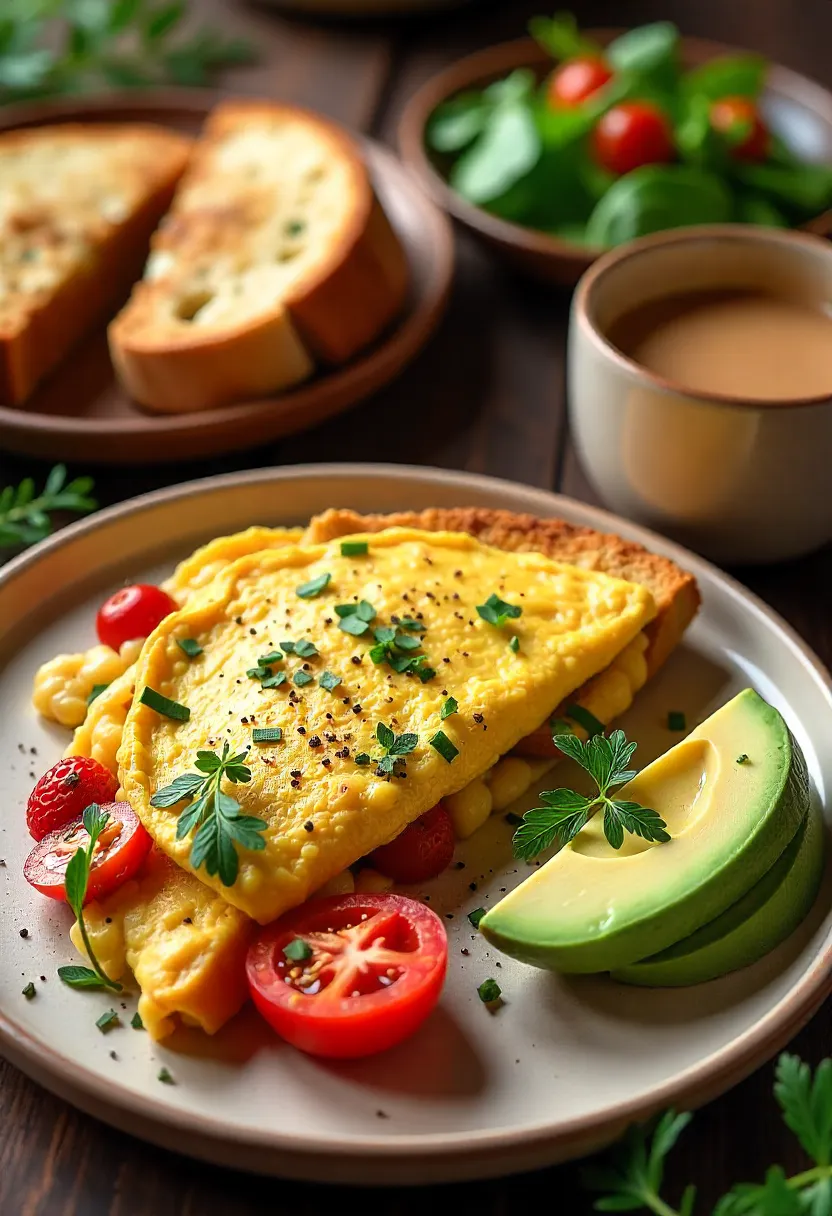
- Avocado slices
- Fresh fruit
- Roasted tomatoes
- A cup of coffee or herbal tea
A good omelette makes you feel cared for. The right sides complete that feeling.
🧘 A Perfect Meal for Any Time of Day
One of the best qualities of a cheese omelette is its flexibility. It fits into any schedule, any budget, any level of hunger.
- Need a 5-minute breakfast? Omelette.
- Want a light lunch that doesn’t feel boring? Omelette.
- Craving a simple dinner after a long day? Omelette.
- Too tired to cook something complicated? Omelette.
- Cooking for kids? Omelette.
- Cooking for yourself? Definitely omelette.
Even professional chefs make themselves omelettes on long, hectic days. It’s the culinary equivalent of giving yourself a warm blanket.
🍽️ The Recipe (Clean and Simple)
Making a cheese omelette doesn’t need to be complicated — in fact, its charm lies in simplicity done right. But simplicity doesn’t mean rushed or careless. Every little choice, every tiny step, contributes to the final result: a golden, fluffy omelette with gooey cheese that melts perfectly in the center, the kind that makes you sigh with delight at the first bite. Let’s take a closer look, step by step, with a few tips along the way that will make your omelette feel almost gourmet. 🧈🍳
Ingredients You’ll Need
2–3 large eggs (room temperature is best — this helps them whisk smoothly and cook evenly)
1 tablespoon of butter (unsalted is ideal, but any good-quality butter works — this is where a lot of flavor comes from)
A handful of your favorite cheese, grated or finely chopped (cheddar, Gruyère, mozzarella, Swiss, or even a mix — each gives a different personality)
Salt and freshly ground black pepper, to taste
Optional additions: a splash of milk or cream for extra fluffiness, fresh herbs like chives or parsley, or a pinch of spices for a subtle kick.
Even with just these few ingredients, you can create a meal that feels cozy, indulgent, and thoughtfully prepared. The beauty of an omelette is that it’s forgiving — small variations in technique or ingredients are often part of the fun.
Step 1: Whisk the Eggs
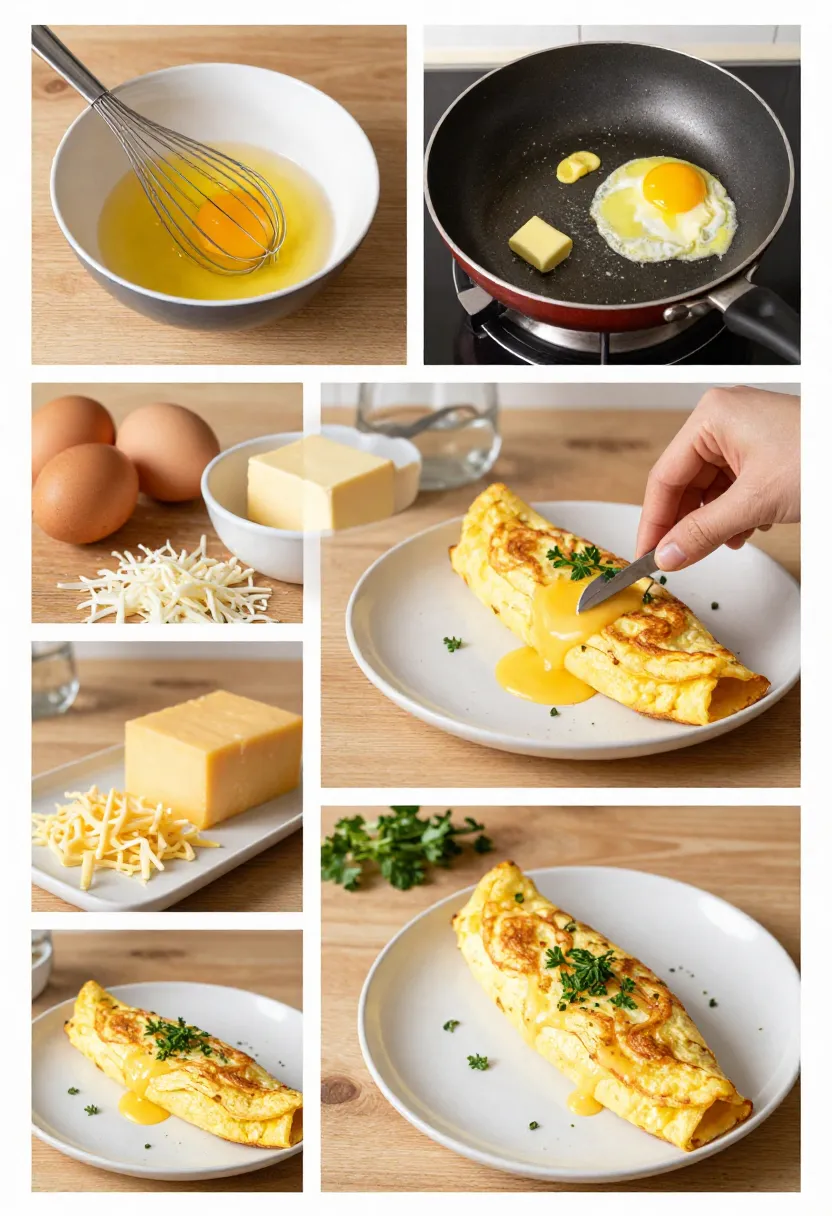
Start by cracking your eggs into a medium-sized bowl. Listen to the soft plop as each yolk lands, smell the fresh, gentle aroma of eggs — already, the kitchen feels warmer, more inviting. Add a pinch of salt and pepper, and if you like, a splash of milk or cream.
Whisk everything together with a fork or whisk. Not too vigorously, but enough to combine the yolks and whites completely. You’ll notice the mixture taking on a bright, even yellow color, with tiny bubbles rising to the top — that’s the secret to fluffiness. The air you incorporate now will gently lift the omelette as it cooks, giving it a soft, tender texture that melts in your mouth.
Tip: whisk just enough to blend, but don’t overdo it — over-whisking can make the eggs too airy and slightly dry after cooking.
Step 2: Warm the Pan and Melt the Butter
Place a non-stick pan over medium-low heat. Patience is key here — too hot, and the eggs will cook unevenly or burn; too low, and they won’t set properly. Add the butter and let it melt slowly. Watch as it spreads into a glossy, golden layer across the surface.
The smell of melting butter is one of life’s little pleasures — a combination of richness, comfort, and anticipation. Tilt the pan to coat it evenly. The butter should bubble gently, but shouldn’t brown too quickly. If it does, lower the heat slightly and give it a calm moment to adjust.
Step 3: Pour in the Eggs
Pour the whisked eggs into the pan, and resist the temptation to stir immediately. Let the eggs sit for about 30–60 seconds, just long enough for the edges to start setting. You’ll see them firm slightly while the center remains soft and glossy. This is exactly what you want — a tender base that will cradle the cheese perfectly.
Many beginners rush this step, flipping too early, which can break the delicate structure. Remember: gentle observation and patience are your best friends here.
Step 4: Gently Guide the Eggs
Using a rubber spatula, start gently moving the cooked edges toward the center, tilting the pan slightly to allow uncooked eggs to flow underneath. Think of it as a delicate dance, coaxing the omelette into an even, soft texture without breaking it apart.
The goal is not scrambling — you want soft, cohesive curds that are creamy and tender. This is what separates a truly enjoyable omelette from a dry, overcooked one.
Step 5: Add the Cheese
Sprinkle your chosen cheese evenly over half of the omelette. How much? Enough to make your heart happy. 😋 Watch as the heat slowly melts it, creating little pockets of gooey, molten cheese. The aroma alone is enough to make your stomach growl.
Tip: if you like your cheese extra gooey, you can cover the pan with a lid for a few seconds. This traps the heat and helps the cheese melt beautifully without overcooking the eggs.
Step 6: The Fold
Carefully slide your spatula under the side without cheese and fold it over the cheesy half. The omelette should form a smooth, slightly puffy half-moon, golden and inviting. Let it sit for a few seconds — the residual heat will finish melting the cheese and warm the eggs evenly.
You can garnish with a sprinkle of chopped herbs, a dash of black pepper, or even a tiny pinch of smoked paprika for visual and flavor flair.
Step 7: Serve and Enjoy Immediately
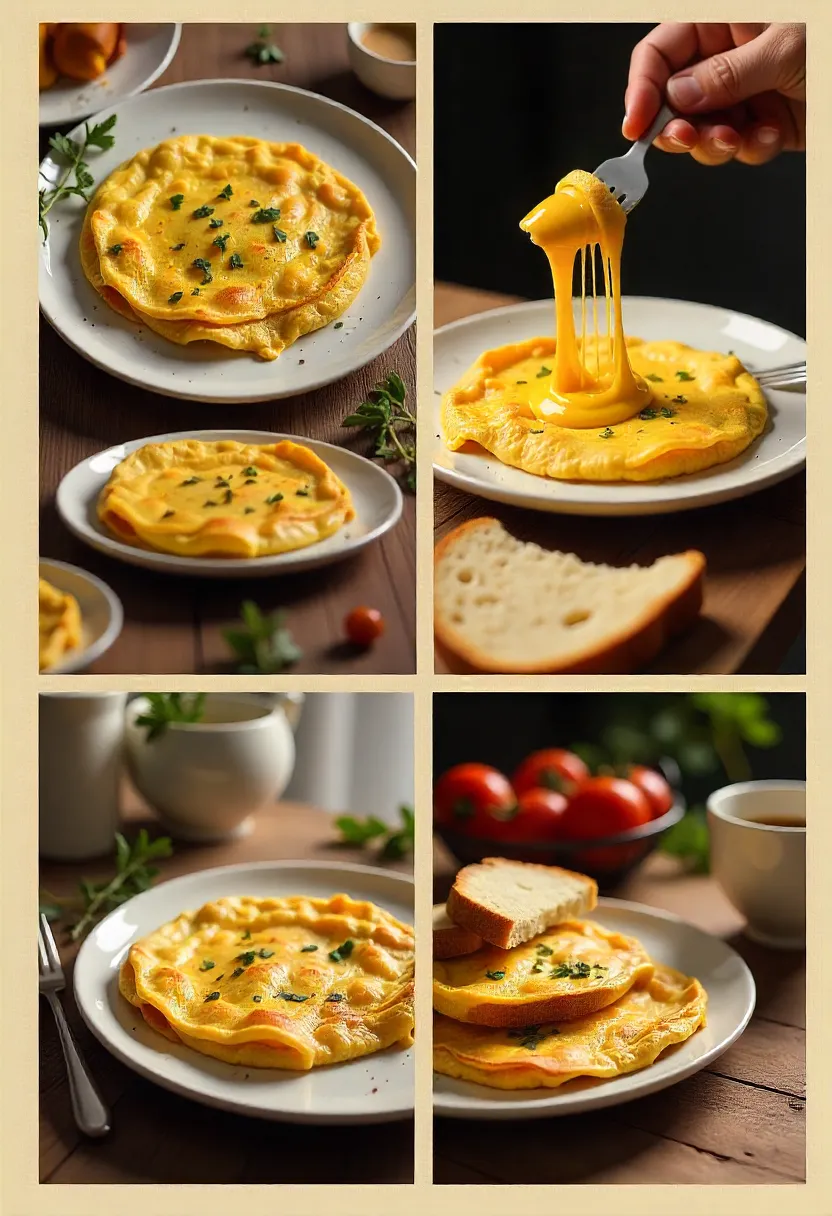
Slide the omelette onto a warm plate. Take a moment to admire it — the soft puff, the creamy cheese, the steam curling upward, carrying that irresistible aroma. Then dig in. Each bite should feel light, tender, and comforting, with the cheese stretching softly as you lift your fork.
Serve with toast, fresh fruit, roasted tomatoes, or avocado slices for a complete meal. Or just enjoy it on its own — it’s filling, satisfying, and perfectly balanced.
Pro Tips for Perfect Results
- Always use fresh, room-temperature eggs. They whisk better and cook more evenly.
- Patience is everything. Medium-low heat ensures gentle cooking and avoids rubbery texture.
- Don’t overload with cheese or extras. Let the eggs shine as the main star.
- Experiment with flavors. Herbs, spices, or a hint of garlic powder can elevate your omelette.
- Practice makes perfect. Every omelette teaches you a little more about heat, texture, and timing.
Even though the recipe is clean and simple, these small details — gentle whisking, careful pan management, the precise moment of adding cheese, the artful fold — make all the difference. Following them transforms a humble cheese omelette into something extraordinary, a cozy, soul-satisfying breakfast that makes your morning feel like a tiny celebration. 🧀💛
❤️ Making It Personal
A cheese omelette is a deeply personal experience. It’s not just eggs and cheese; it’s a reflection of your taste, your mood, and even your day. The beauty of this simple dish is that it bends to you. Want it creamy and soft, almost custardy? Add a splash more milk or cream and whisk with a little extra care. Want it rich and indulgent? Butter generously and let it melt slowly, letting its golden flavor soak into every corner of the pan. Craving a crispy, golden edge with a delicate tender interior? Adjust the heat slightly toward the end, listen to the sizzle, and watch the edges darken just enough to give a subtle crunch.
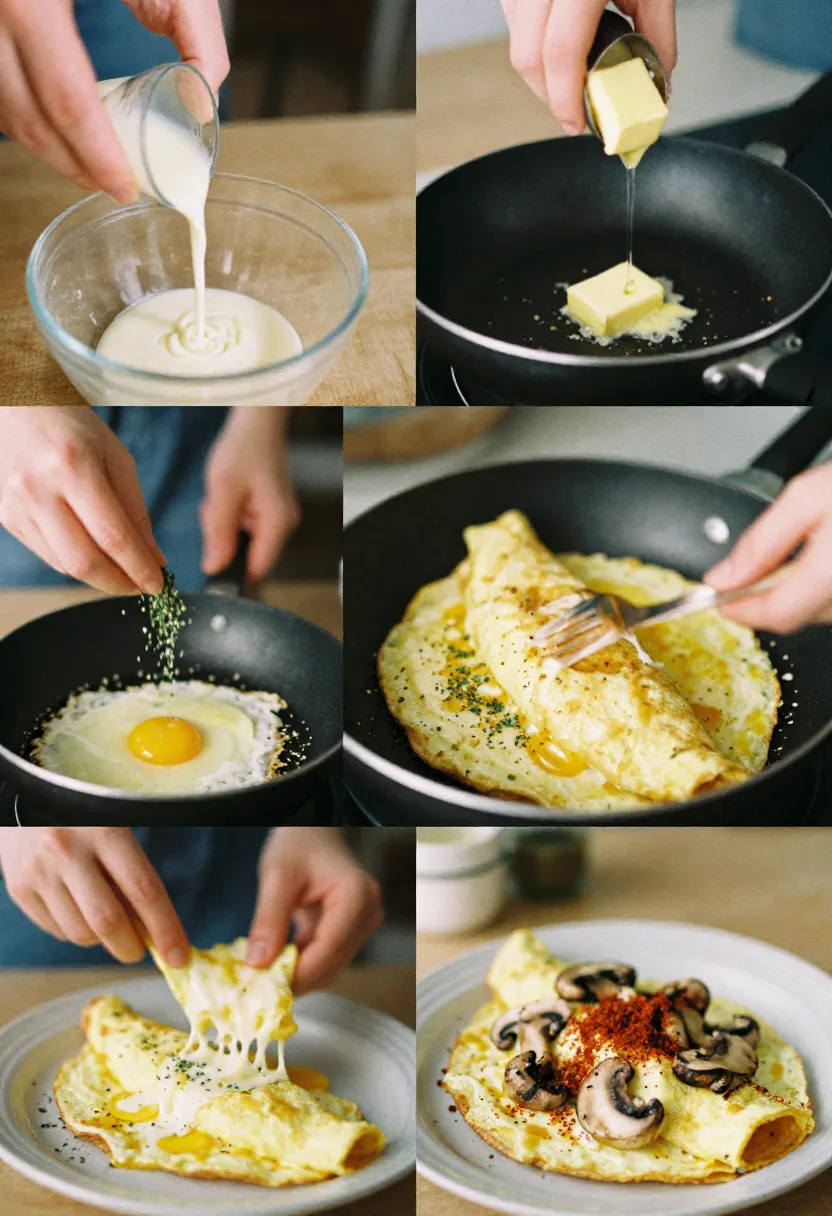
There is no single “perfect” omelette. There’s only the one that makes you happy. Maybe it’s overflowing with cheese, or maybe it’s studded with fresh herbs that brighten every bite. Perhaps you prefer a touch of spice, a dash of paprika, or even a few sautéed mushrooms tucked inside. Every omelette is a small canvas, and you, the cook, are the artist. 🖌️🍳
The process becomes a mindful ritual when you give yourself permission to experiment. Notice the soft hiss of the eggs as they hit the hot pan, the aroma of melting butter weaving through the kitchen, the way the cheese slowly transforms from firm shreds into molten ribbons. These small sensory moments make cooking feel like a form of meditation, a chance to slow down, breathe, and immerse yourself in the joy of creation.
🌟 Final Thoughts: Why This Simple Dish Matters
It’s easy to overlook the beauty in simple foods. Their charm doesn’t shout; it whispers. A humble omelette might seem ordinary, but it teaches lessons that extend far beyond breakfast. It reminds us that:
- Simplicity can be extraordinary. You don’t need exotic ingredients or complicated techniques to create something delicious. A few high-quality staples, handled with care, can transform into a meal that feels indulgent.
- Cooking can be calm, not stressful. There’s poetry in watching eggs slowly set, in coaxing cheese to melt perfectly, in gently folding the omelette over itself. It’s an opportunity to slow down, to focus, to breathe.
- The best meals often come from restraint. Overcomplicating things isn’t necessary. Small, thoughtful choices matter more than flashy techniques.
- Technique matters, but creativity matters more. Understanding how heat, texture, and ingredients interact gives you the freedom to play, improvise, and make the dish truly your own.
- Comfort food doesn’t have to be heavy or elaborate. A soft, golden omelette, warm and cheesy, can nourish both body and soul without being overstuffed or overly complicated.
Whether you’re preparing breakfast for yourself on a quiet morning, for a loved one who deserves a thoughtful gesture, or for someone you hope to impress, a cheese omelette speaks a language everyone understands: care, attention, and a little bit of love. ❤️
Cooking it slowly, thoughtfully, and with mindfulness turns a few eggs into more than a meal — it becomes a ritual, a moment of connection with yourself, a pause in a busy world. Sometimes, what we crave most isn’t just flavor, but the feeling of being nourished, seen, and comforted.
Next time you crack a couple of eggs into a bowl, take your time. Notice the rhythm of whisking, the gentle melting of butter, the transformation of cheese into soft, molten ribbons. Listen to the slight hiss as the eggs meet the warm pan. Watch the surface slowly shift from liquid gold to soft, pillowy perfection. Enjoy these small, almost magical moments, whether it’s breakfast at sunrise or a quiet midnight snack.
A cheese omelette isn’t merely cooked. It’s crafted, nurtured, and attended to. Every fold, every sprinkle of cheese, every careful movement is an act of care. And that’s what makes it special, timeless, and unforgettable. 🧀✨
So, savor it. Appreciate it. Let each bite remind you that even the simplest dishes can carry warmth, joy, and a sense of wonder — if only we cook them with intention and heart.